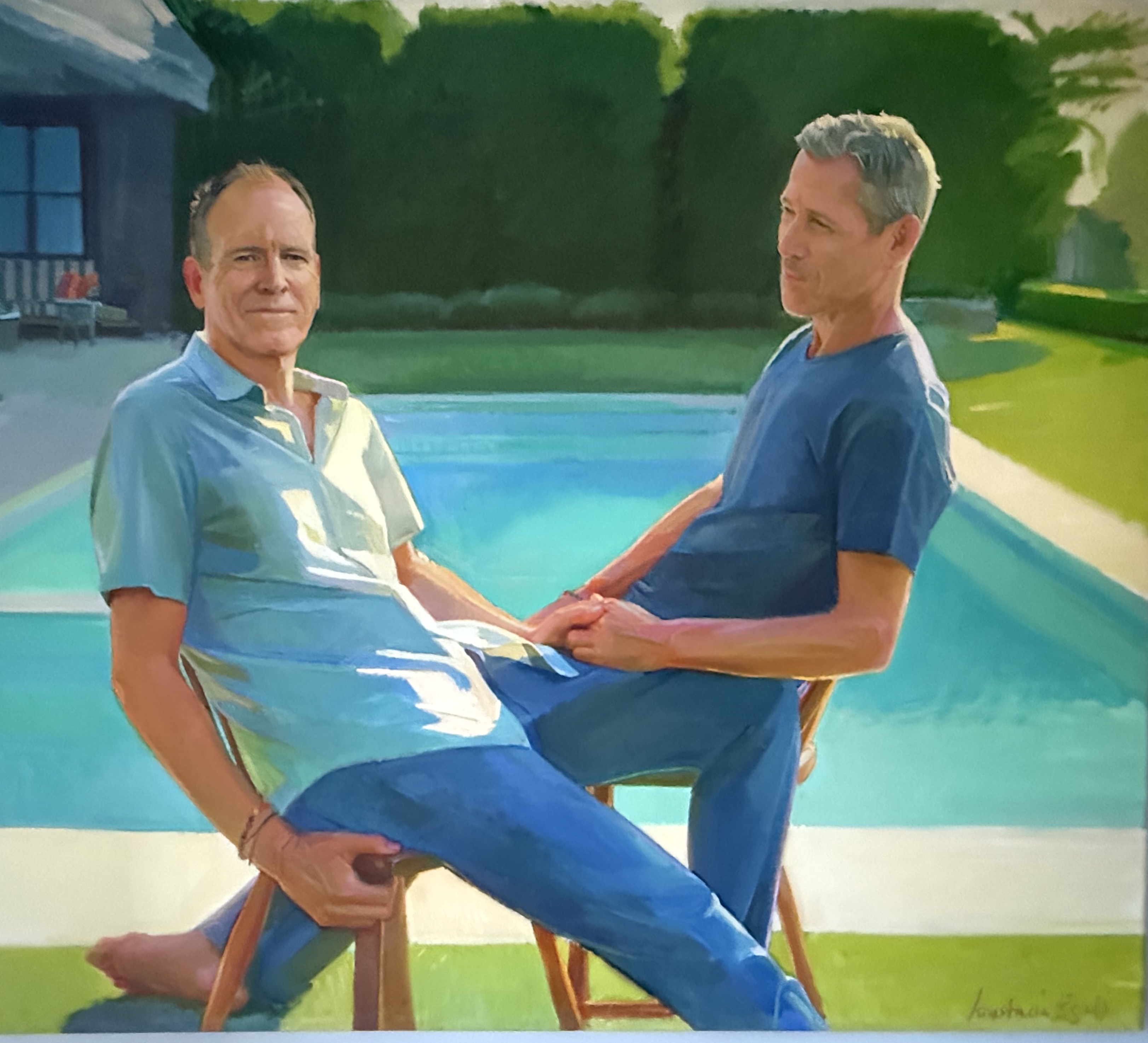
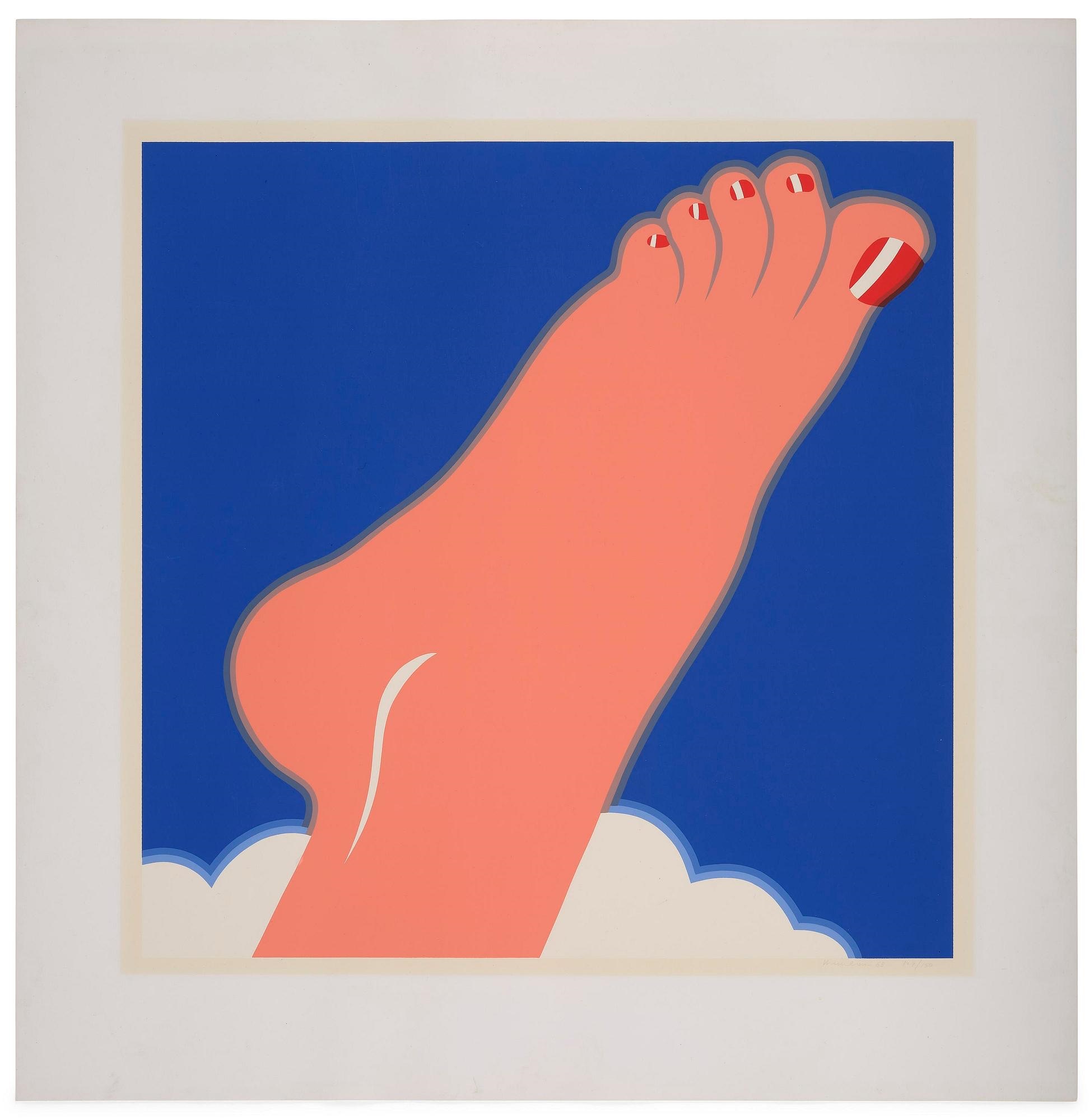
African American Art
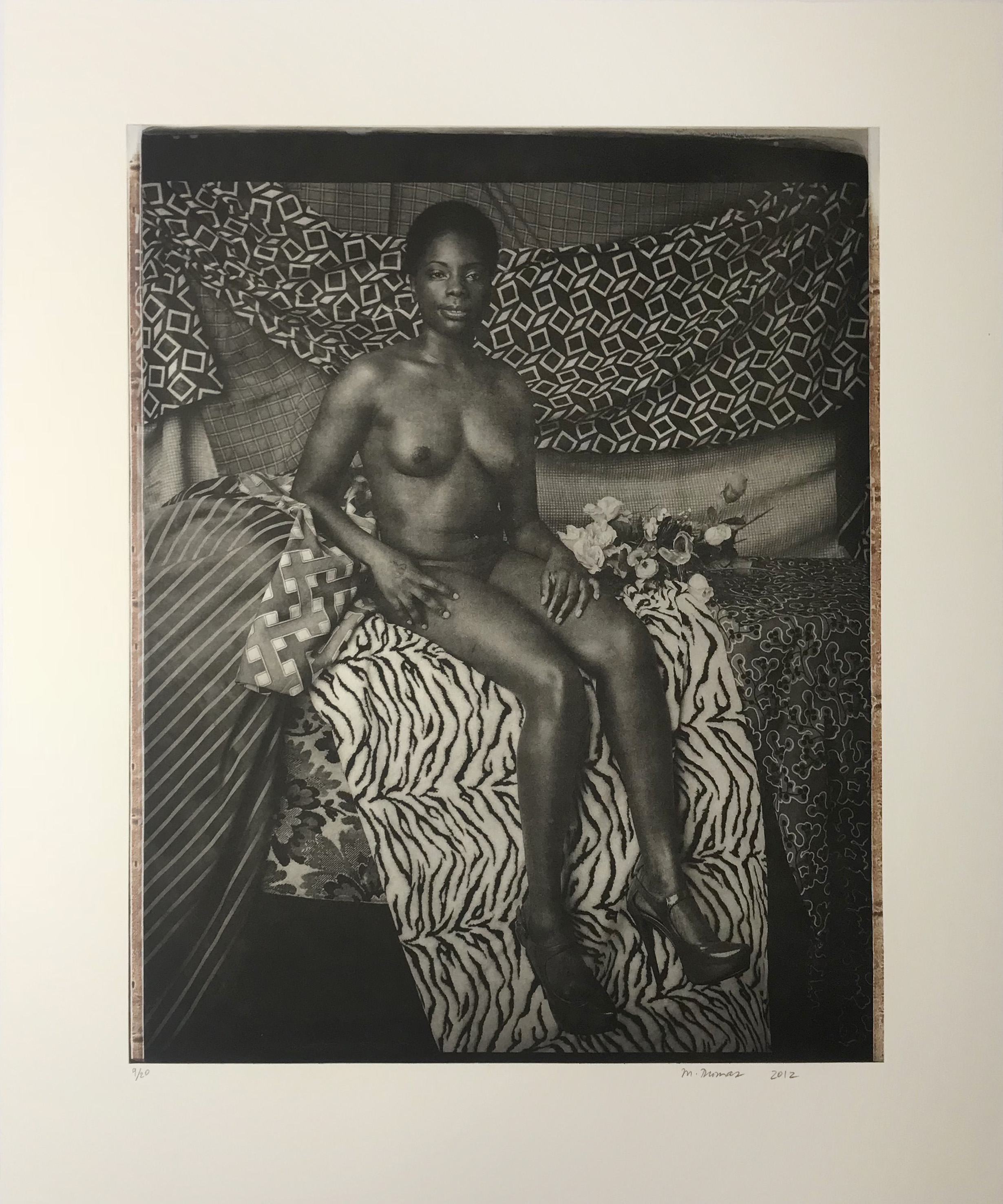
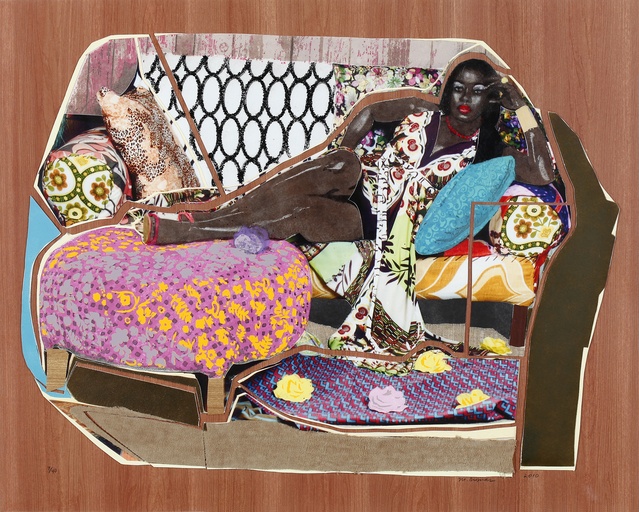
Mickalene Thomas
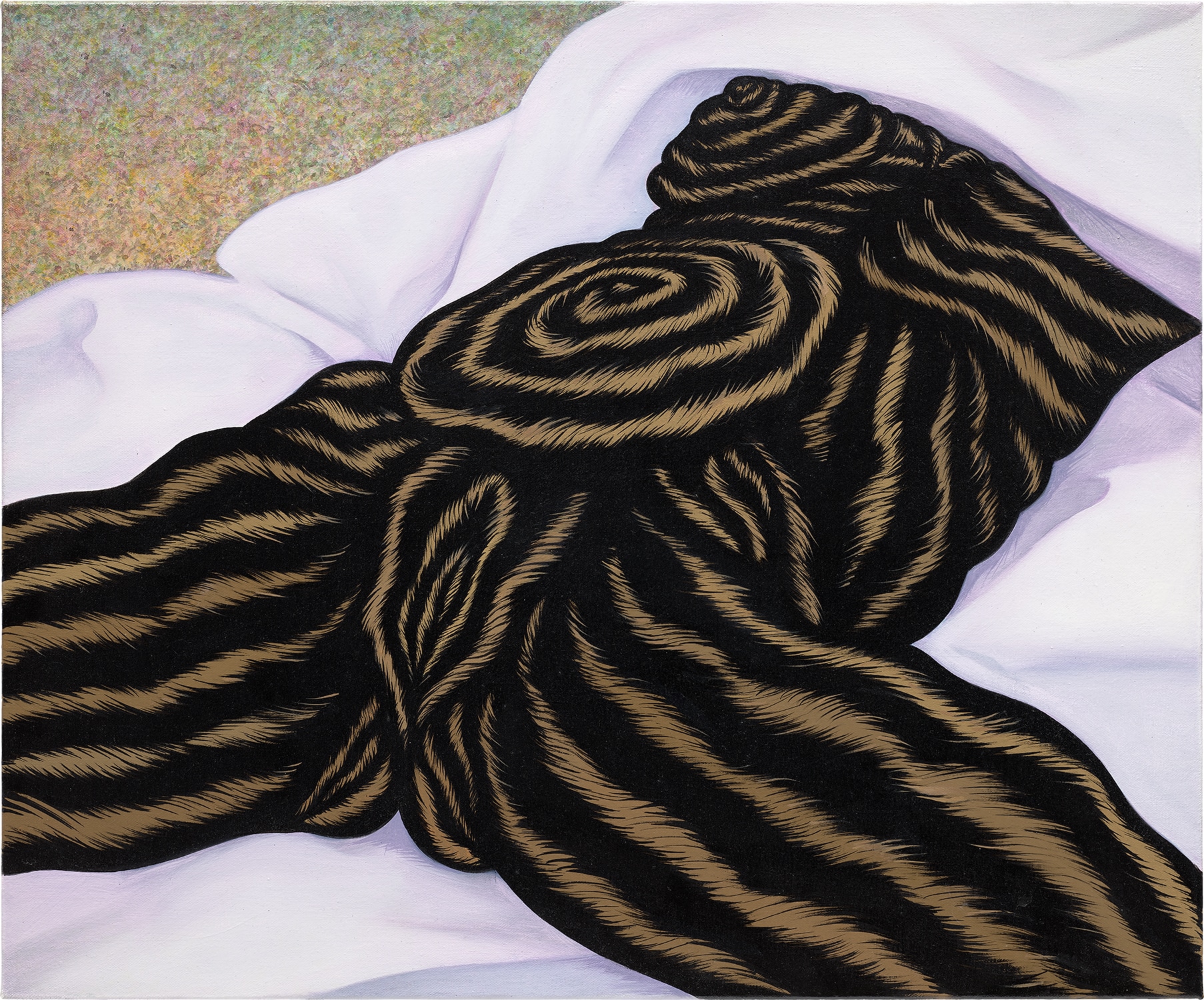
Portrait of Marie Sitting in Black and White, 2012
```json
{ "headline": "The Canvas Always Knew It Was Political", "body": "There is a particular kind of courage embedded in the history of African American art, a courage that has nothing to do with bravado and everything to do with persistence. For centuries, Black artists in America worked within systems designed to render them invisible, and yet they made work of such ferocity and tenderness and formal intelligence that the art world could not look away forever. What emerged was not a single movement but something richer and more complicated: a tradition in constant negotiation with itself, with American history, and with the very nature of representation.", "The story does not begin in galleries or museums.
It begins in the late eighteenth and early nineteenth centuries, in the workshops of craftsmen and the studios of self taught visionaries who painted portraits, carved wood, and quilted fabric into records of lives the dominant culture refused to document. By the time the Harlem Renaissance took hold in the 1920s, that tradition had found a new urgency and a new geography. Artists gathered in upper Manhattan alongside writers and musicians, and the work they made announced, without apology, that Black aesthetic life was complex, beautiful, and worthy of serious attention. The 1920s and 30s produced figures whose influence would ripple outward for a century.
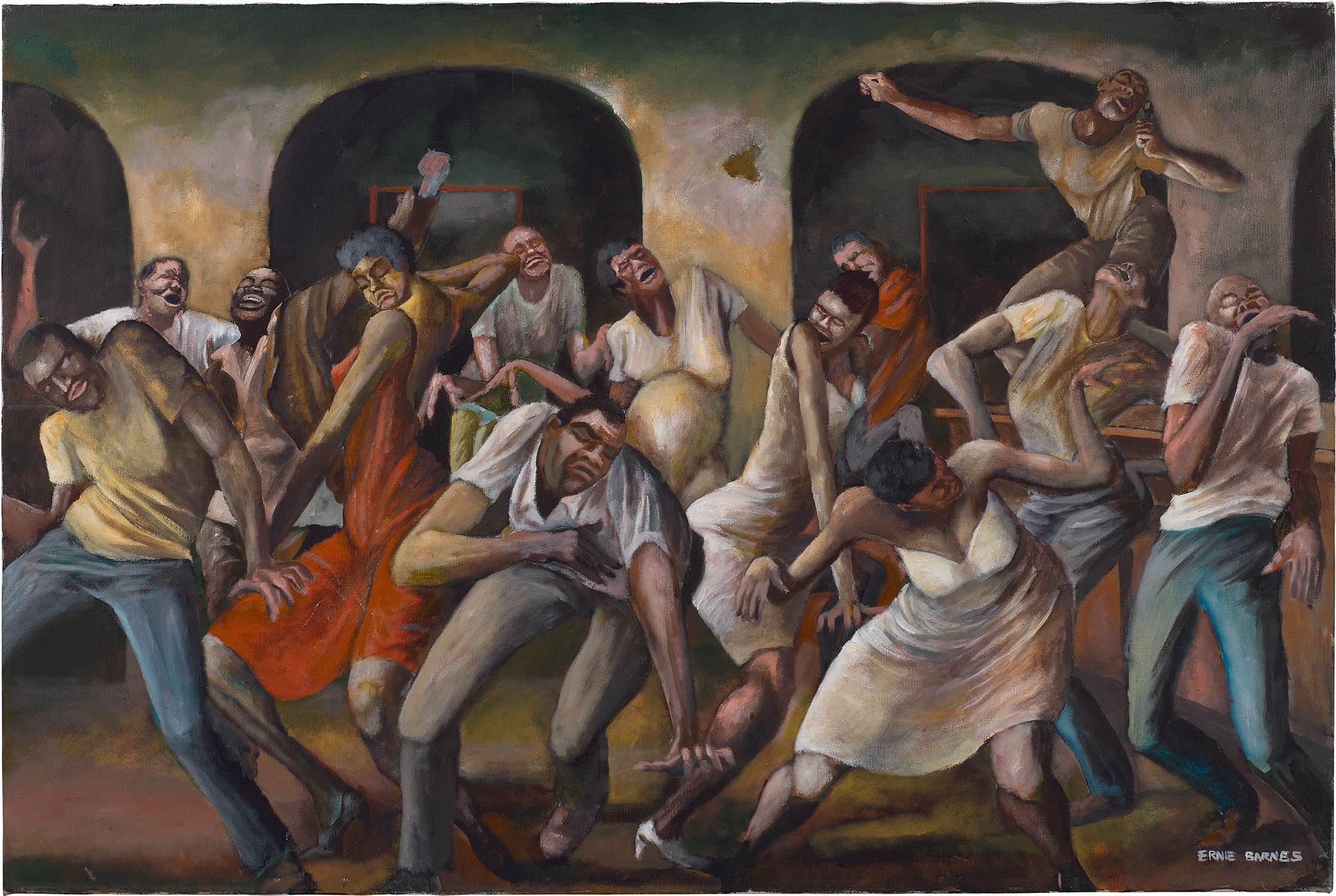
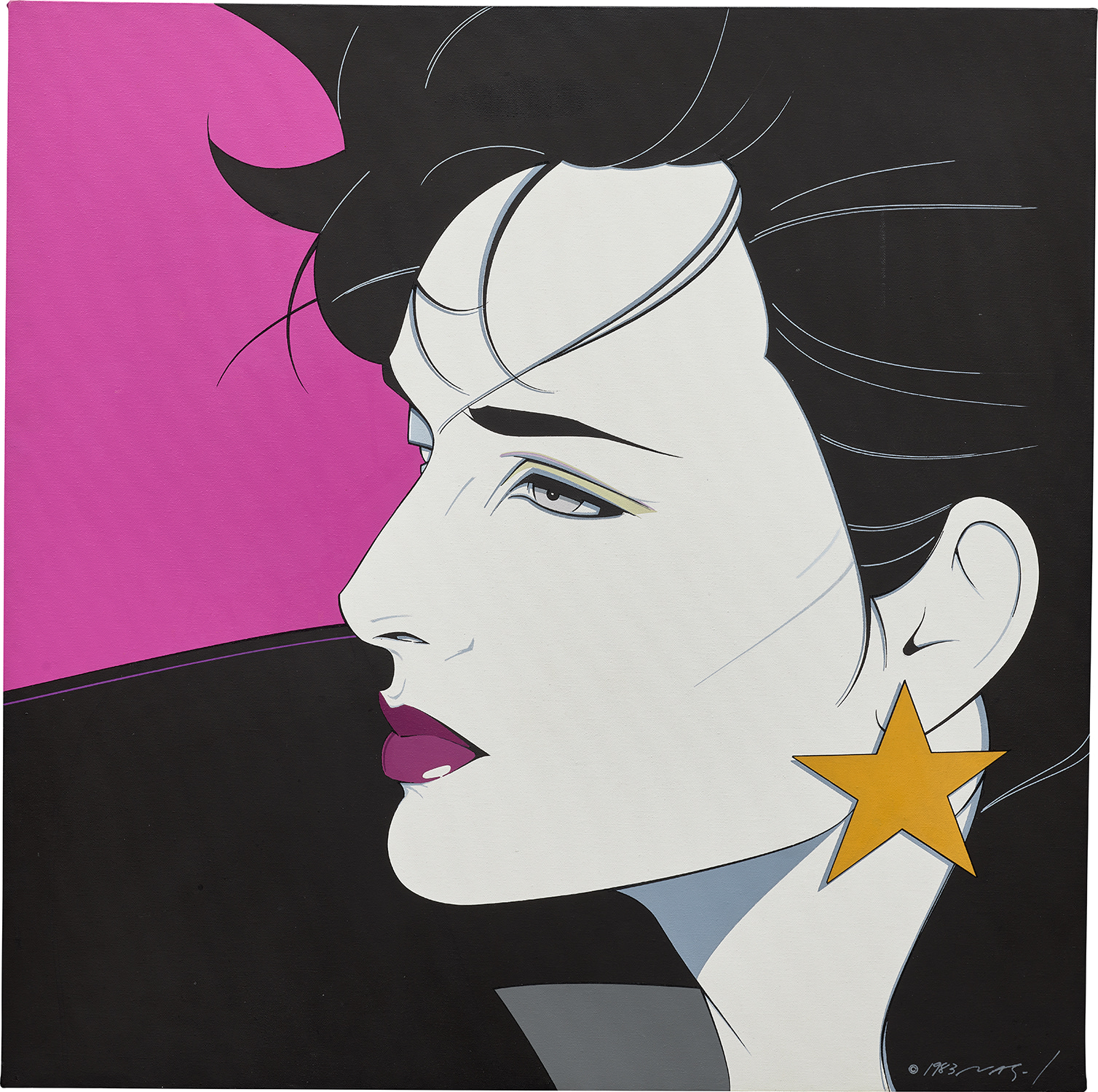
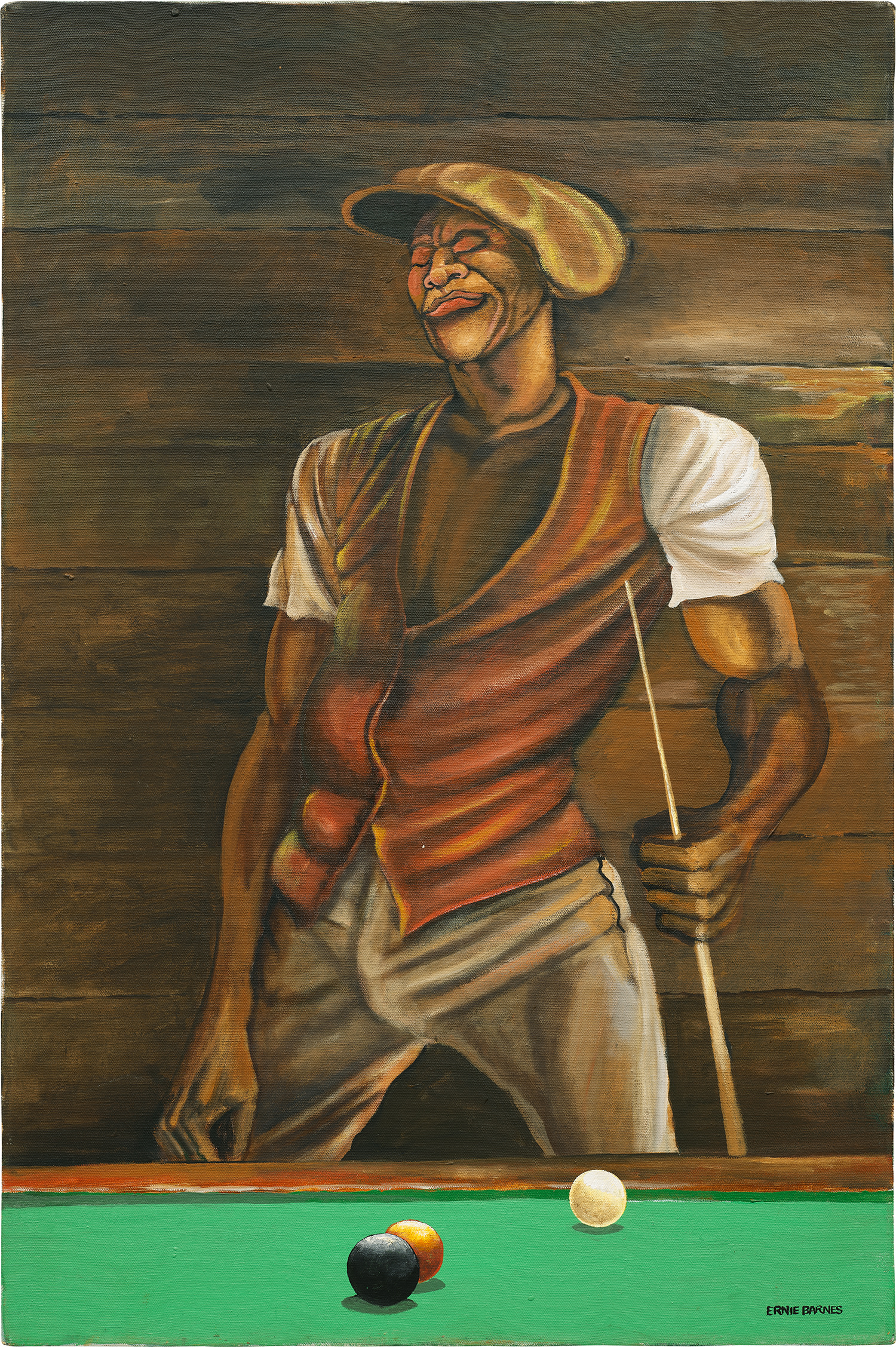
Ernie Barnes
Human Celebration, 1960
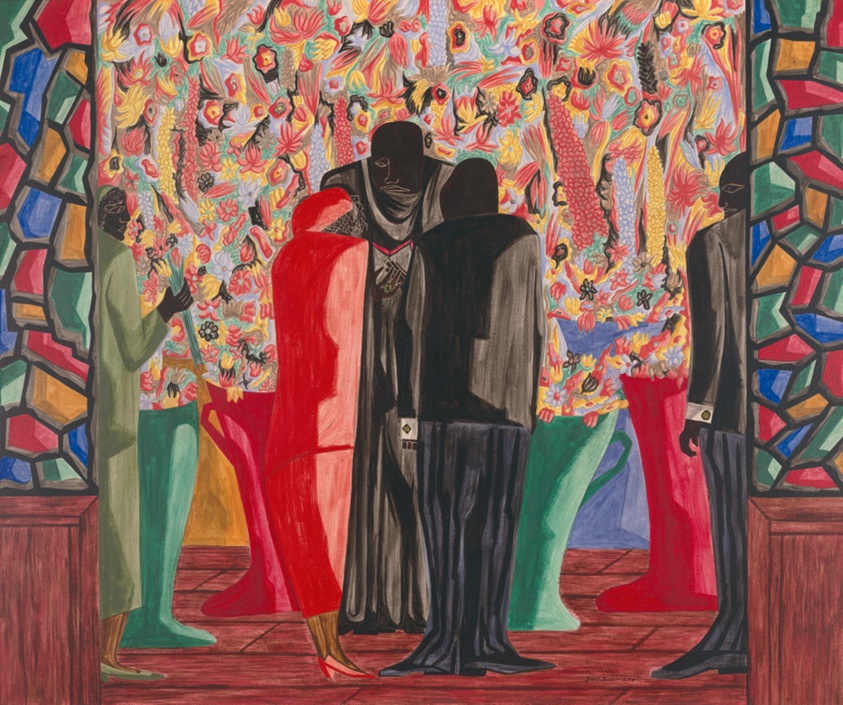
", "Jacob Lawrence is perhaps the most essential name from that era when it comes to understanding the documentary ambition that has animated so much African American art. His Migration Series, completed in 1941, used flattened geometric forms and a spare, nearly diagrammatic palette to tell the story of Black Americans moving from the rural South to the urban North. The paintings were acquired jointly by the Museum of Modern Art and the Phillips Collection, a moment of institutional recognition that felt both overdue and genuinely significant. Lawrence understood that formal clarity was not a retreat from politics but a way of making politics undeniable.
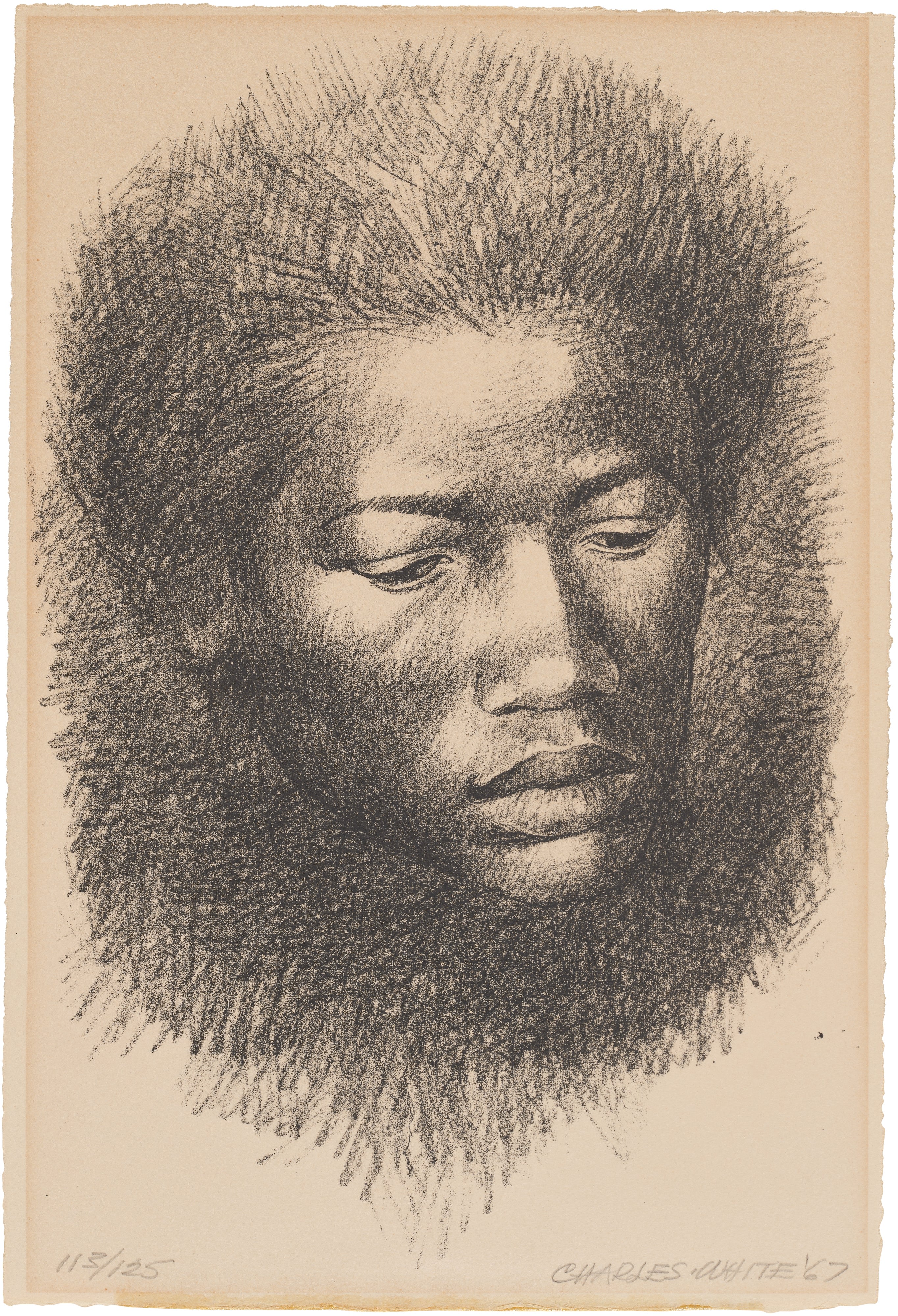
His works on The Collection carry that same sense of purposeful precision.", "The postwar decades brought new pressures and new vocabularies. Charles White, whose draftsmanship was so exacting it could make you catch your breath, used charcoal and ink to create monumental images of Black workers and ordinary people rendered with the gravity usually reserved for saints. His approach was rooted in social realism but transcended its conventions through sheer skill and emotional weight.
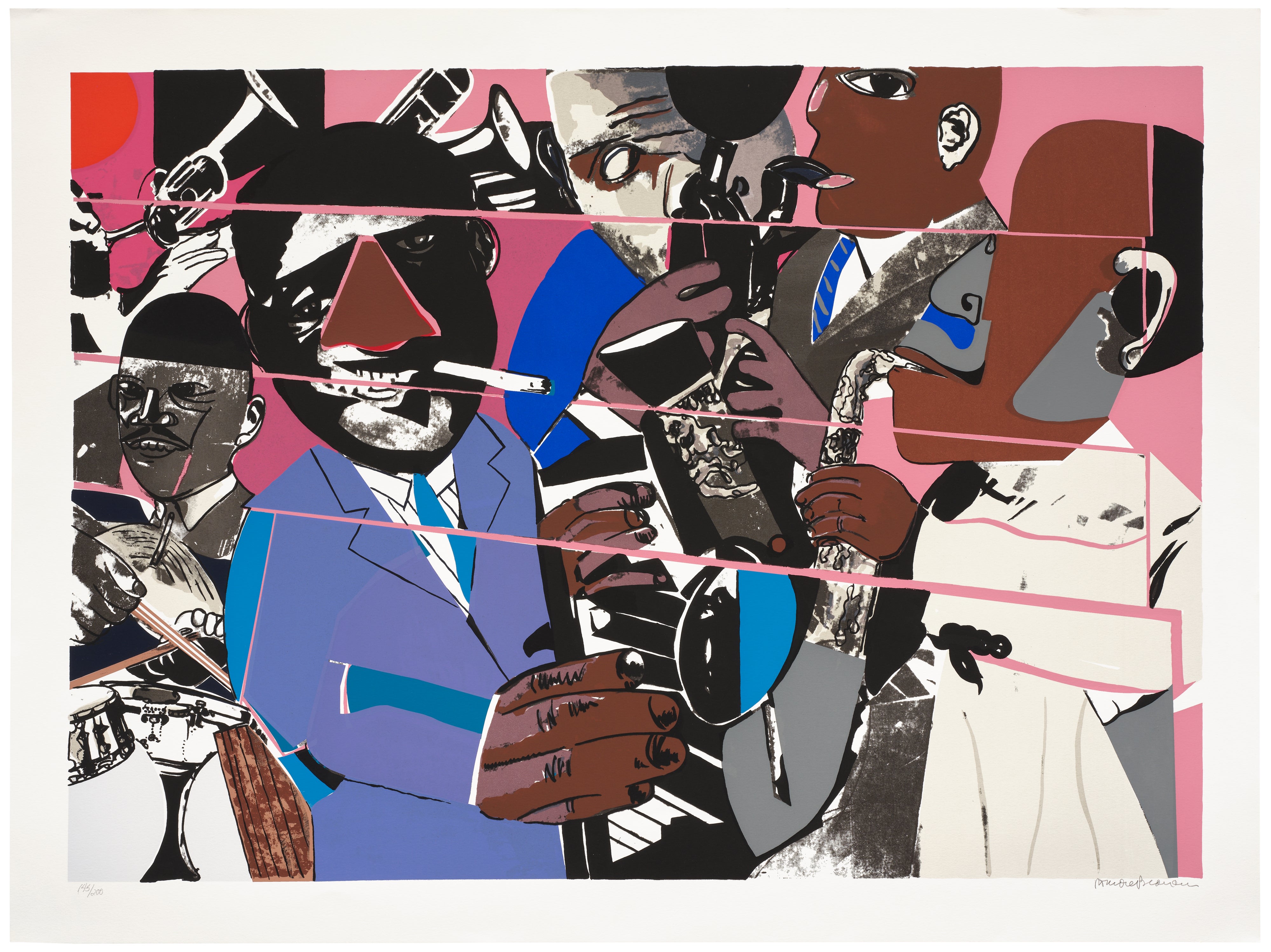
Romare Bearden
Jazz II (G. 100)
Meanwhile, Romare Bearden was arriving at a technique that would become one of the defining innovations of the century. His collages, assembled from fragments of magazine photographs, colored paper, and painted passages, created a visual language for the fractured and layered experience of Black life in America. To look at Bearden's work is to understand that memory is not linear, that identity is assembled rather than given. The breadth of his output represented on The Collection speaks to just how generative his vision was.
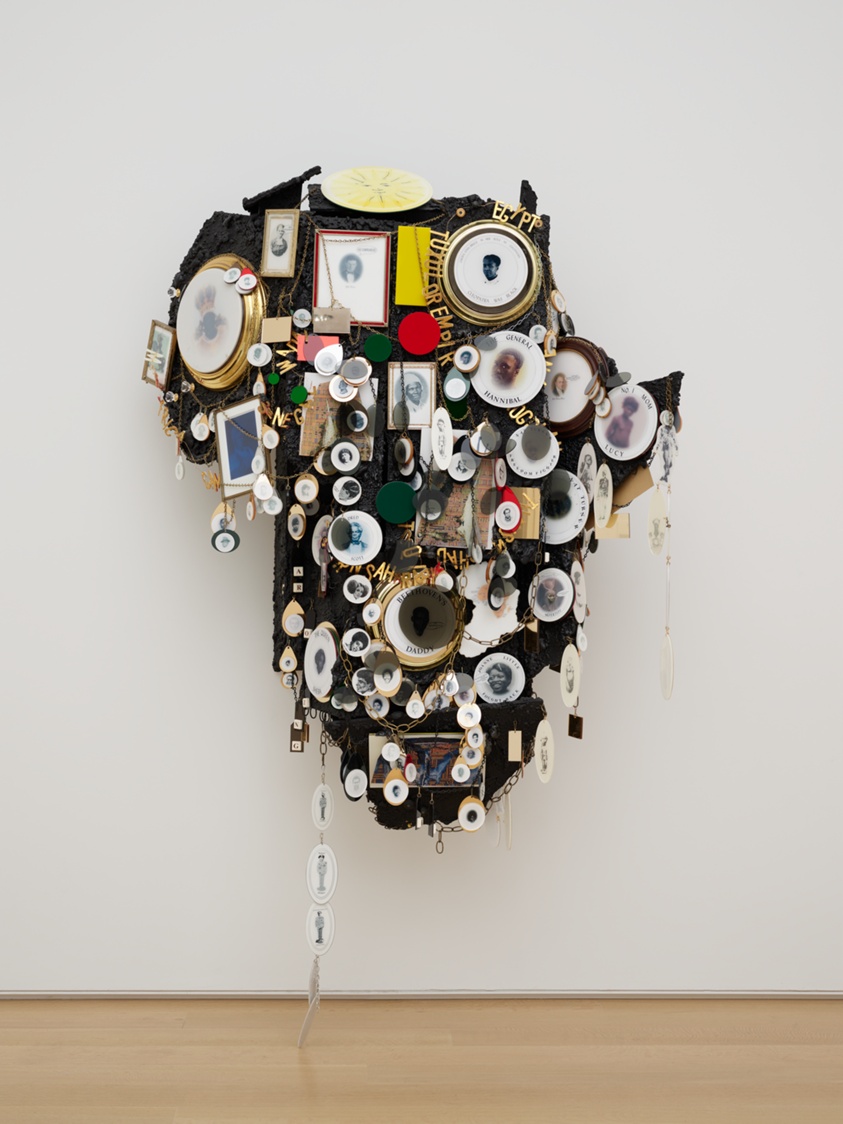
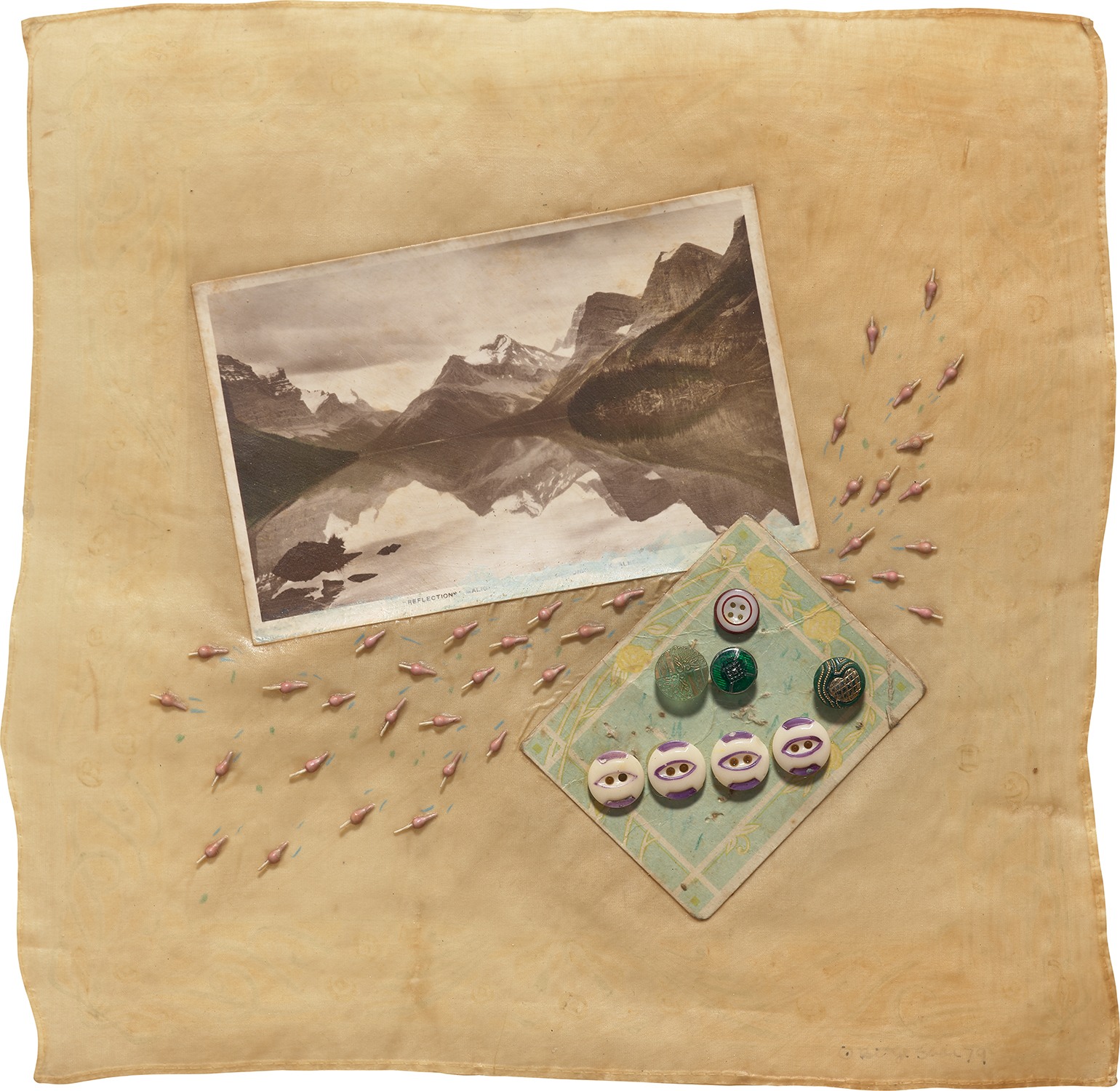
", "The 1960s and 70s transformed the landscape entirely. The civil rights movement and the rise of Black Power politics pushed artists toward more confrontational forms, and institutions that had long ignored Black artists began to face organized, public pressure. The founding of the Studio Museum in Harlem in 1968 was a watershed moment, creating a dedicated space for artists of African descent at a time when mainstream museums remained largely indifferent. Betye Saar was assembling her charged assemblages during this period, filling shadow boxes with found objects and imagery that drew on folk traditions, astrology, and African American vernacular culture.
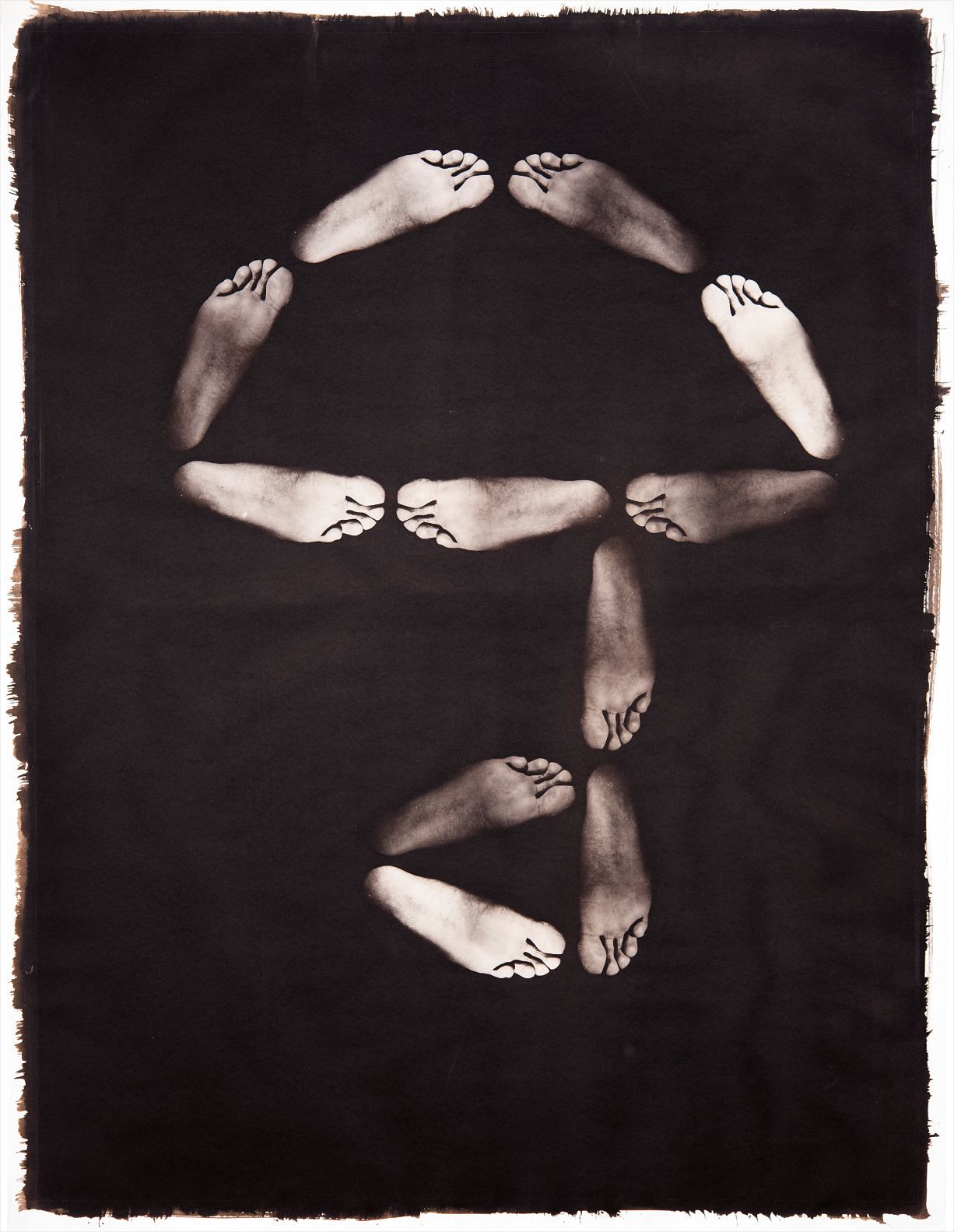
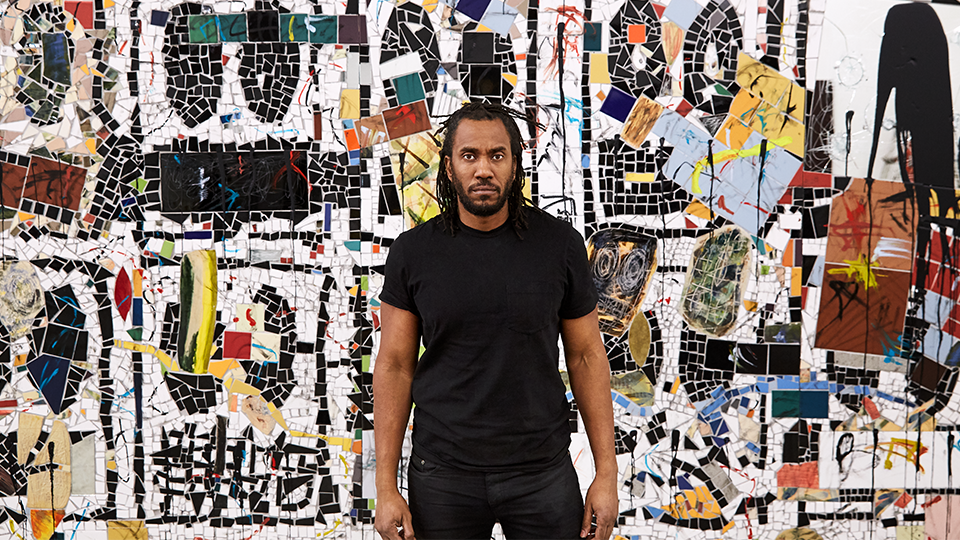
Rashid Johnson
Manumission Paper
Her daughter Alison Saar has continued working in a related register, making sculpture that holds the sacred and the vernacular in genuine tension.", "The generation that emerged in the 1980s inherited all of this and pushed it into new terrain with a combination of art historical awareness and street level urgency. Jean Michel Basquiat arrived in New York as a teenager and within a few years had made work that absorbed Abstract Expressionism, hip hop, African history, and the textures of urban life into something entirely his own. His paintings referenced crown imagery and anatomical diagrams, quoted poetry and medical textbooks, and moved between tenderness and anger with unsettling speed.
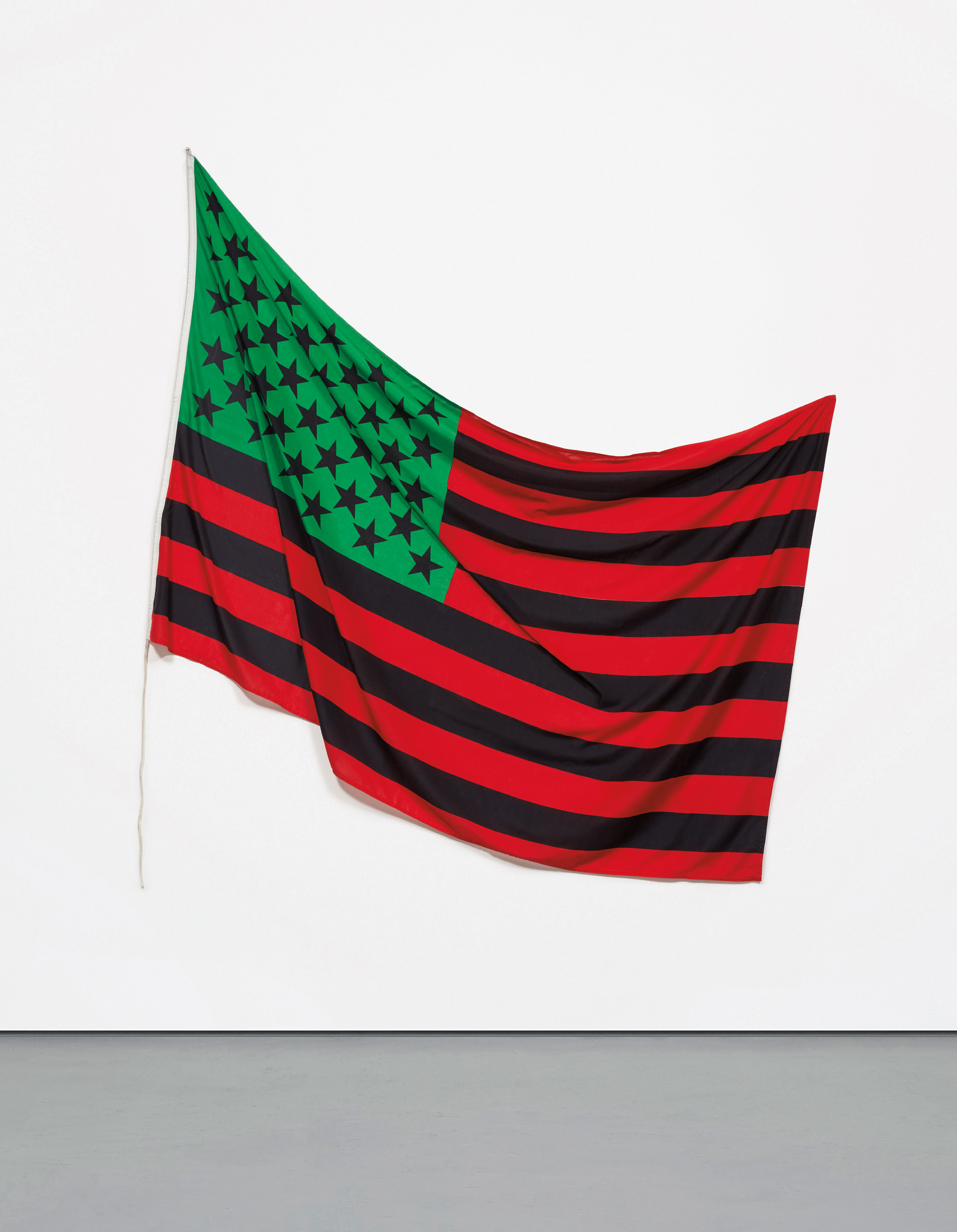
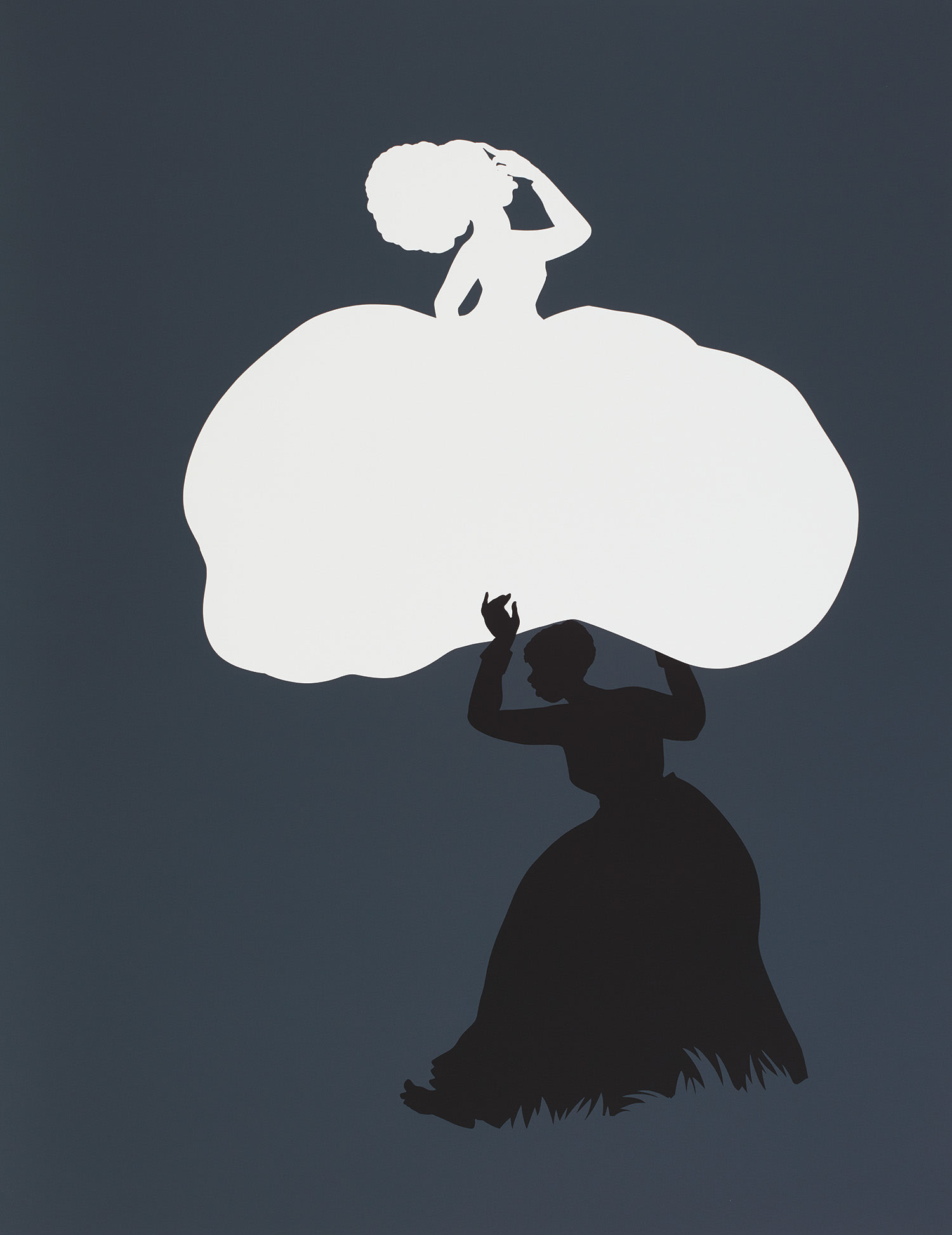
David Hammons was working in a more oblique register during the same period, using found materials, including hair, bottle caps, and basketball hoops, to create work that operated as social critique and as something closer to ritual. Hammons has always resisted easy categorization, and that resistance is itself a kind of argument.", "The 1990s brought a new wave of artists willing to use the full weight of American history as raw material. Kara Walker arrived with her black paper silhouettes and immediately made it impossible to look at antebellum imagery without confronting its violence and its eroticism simultaneously.
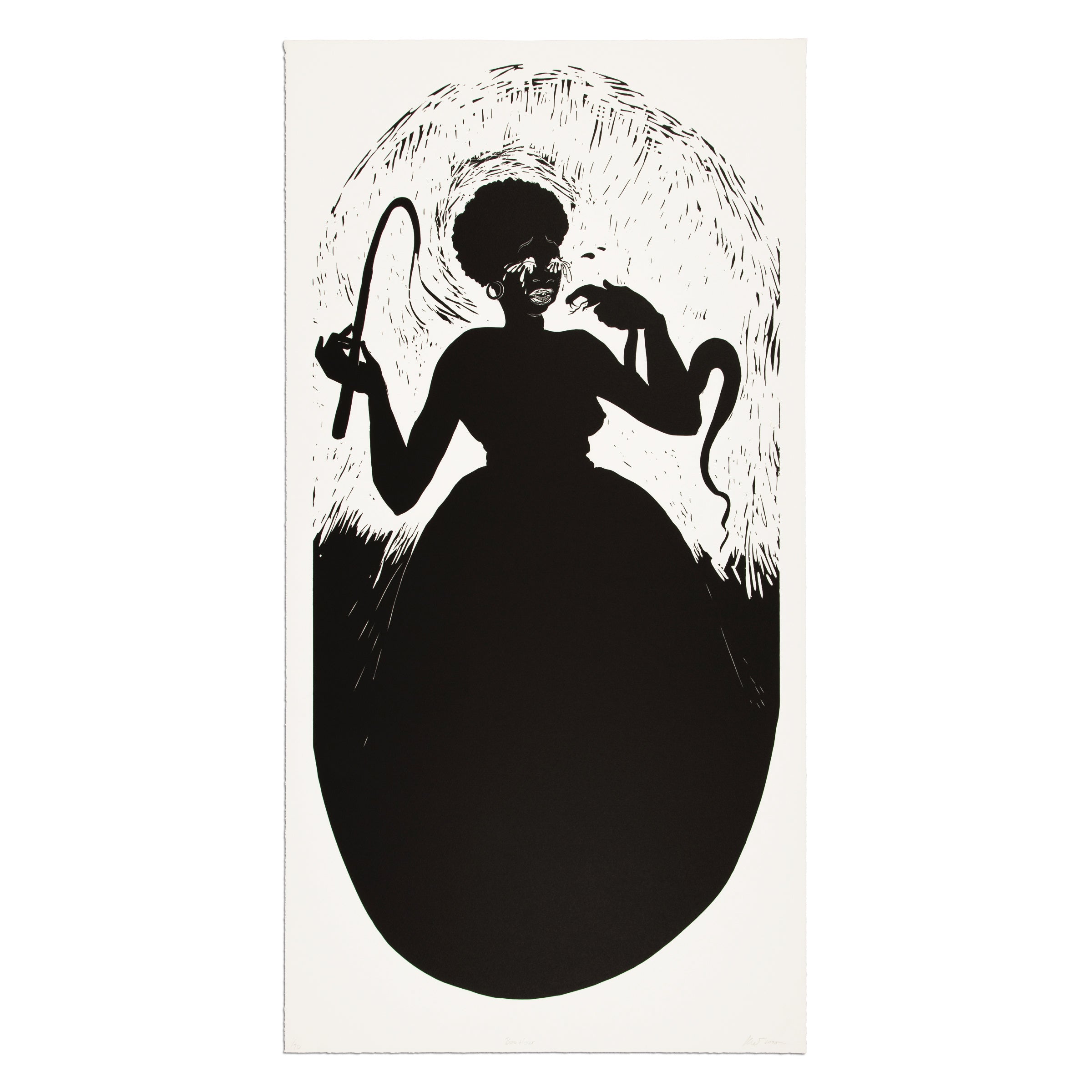
Kara Walker
Boo-Hoo, 2000
Her work provoked controversy within the Black art community as much as outside it, which is precisely what gave it its charge. Kerry James Marshall had been quietly building a body of painting that may be the most sustained argument for Black figuration in contemporary art, insisting on dark skin rendered in deep blacks and blues that refused the tradition of whitening or lightening. His paintings of Black domestic life feel both historical and urgently present.", "Today the tradition feels more visible than at any point in its history, and the artists carrying it forward are working across every medium and conceptual register imaginable.
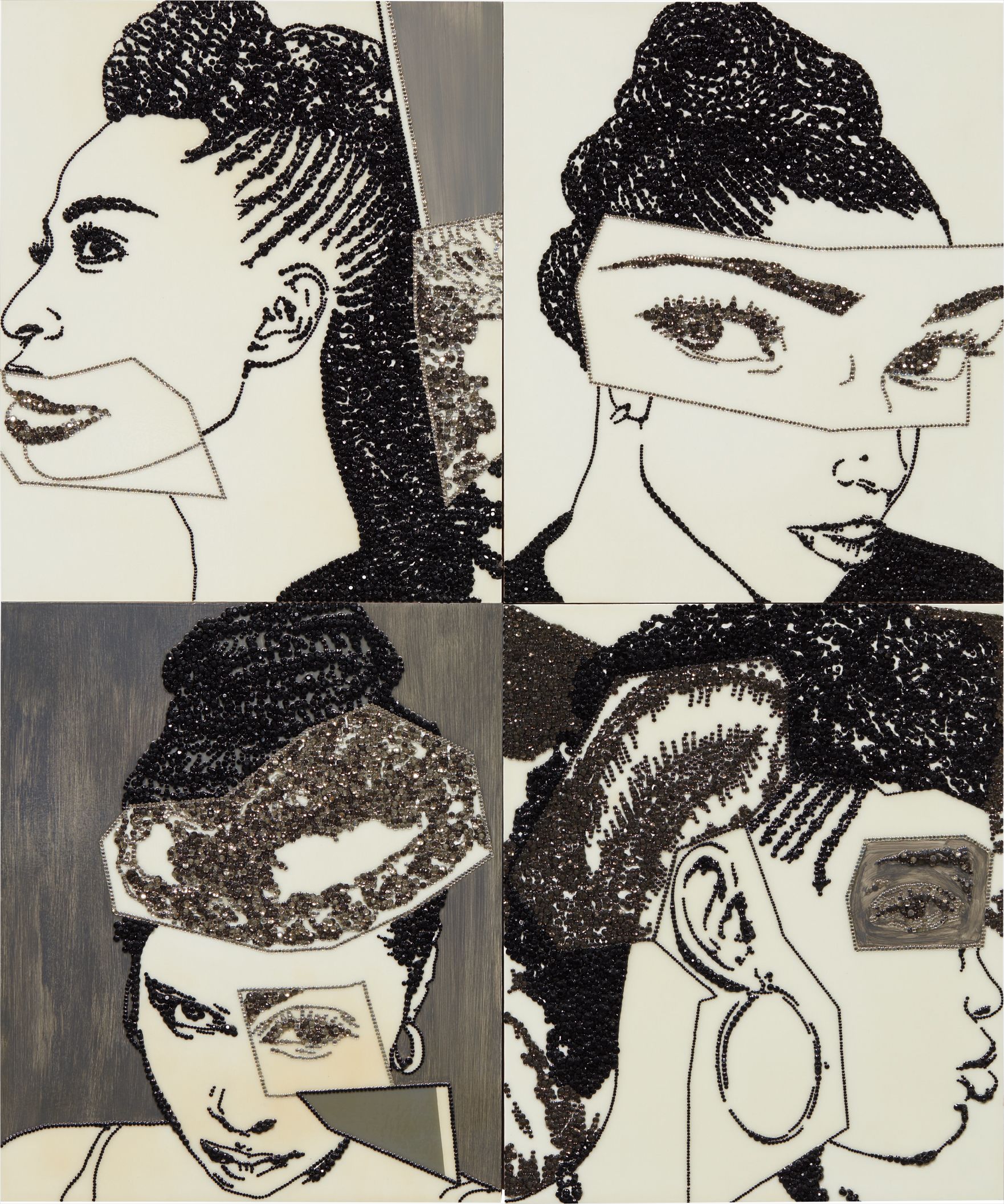
Kehinde Wiley brought the conventions of European portrait painting into direct confrontation with contemporary Black subjects. Mickalene Thomas reclaims the female nude through rhinestones and bold pattern, making images of Black women that are dazzling rather than vulnerable. Titus Kaphar literally excavates his canvases, pulling painted figures forward and burying others, making the act of historical erasure physically visible. Rashid Johnson works with wax, plants, books, and tile in installations that think about Black intellectual life and the pressures placed upon it.
The range of voices gathered on The Collection, from Ernie Barnes to Lorna Simpson to Winfred Rembert to Faith Ringgold, gives a collector the chance to trace this entire arc with genuine depth.", "What holds all of this together is not style or subject matter alone but a shared insistence that art made by Black artists carries a double burden and a double gift. It must be understood as part of the Western canon it has always helped to build, and it must be understood on its own terms, within its own history, with its own aesthetic standards. Collectors who engage seriously with African American art are not simply diversifying a collection.
They are reckoning with what art history chose to remember and what it chose to forget, and they are placing a bet on the artists who refused to let that forgetting stand.