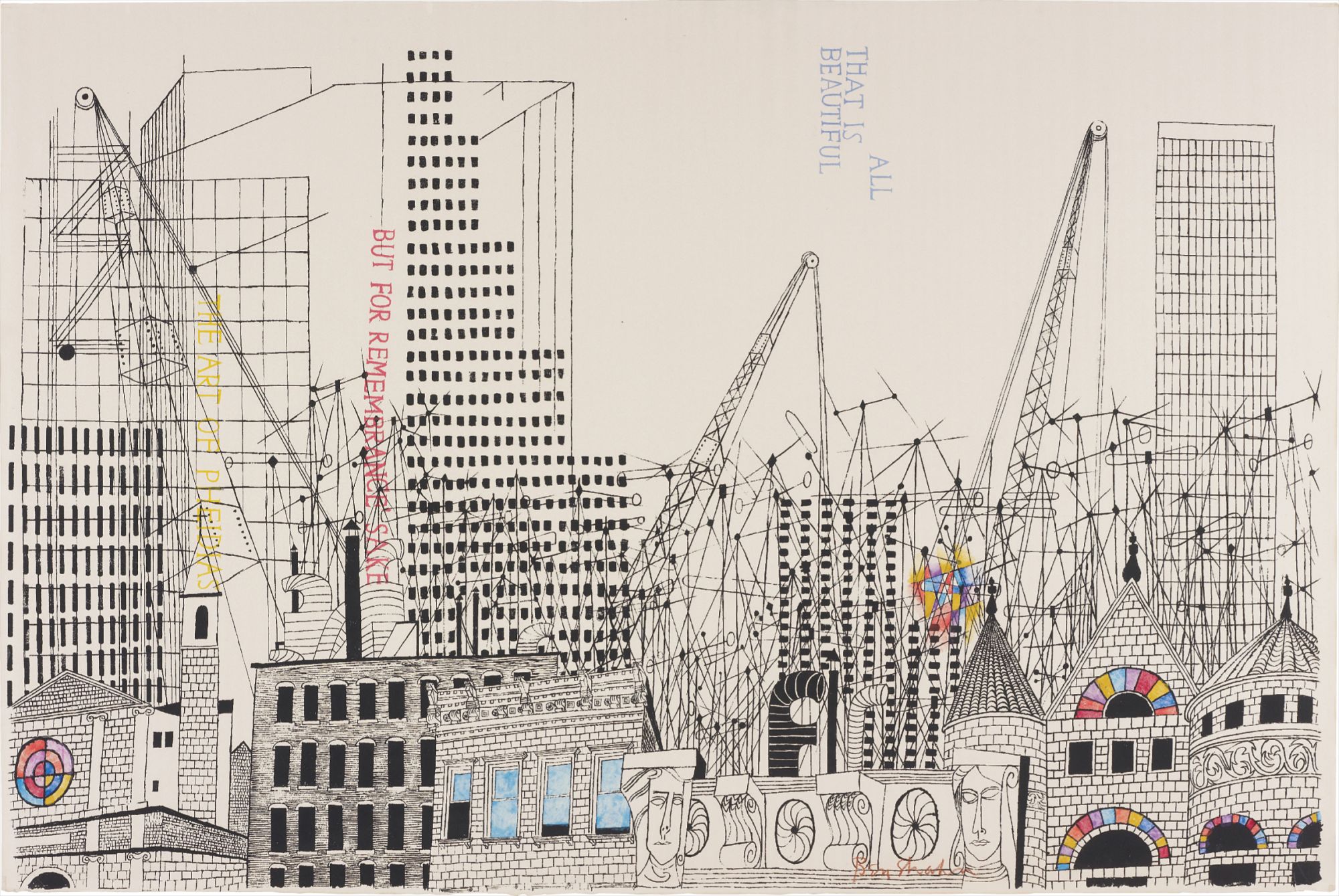
Ben Shahn
“
3
Works
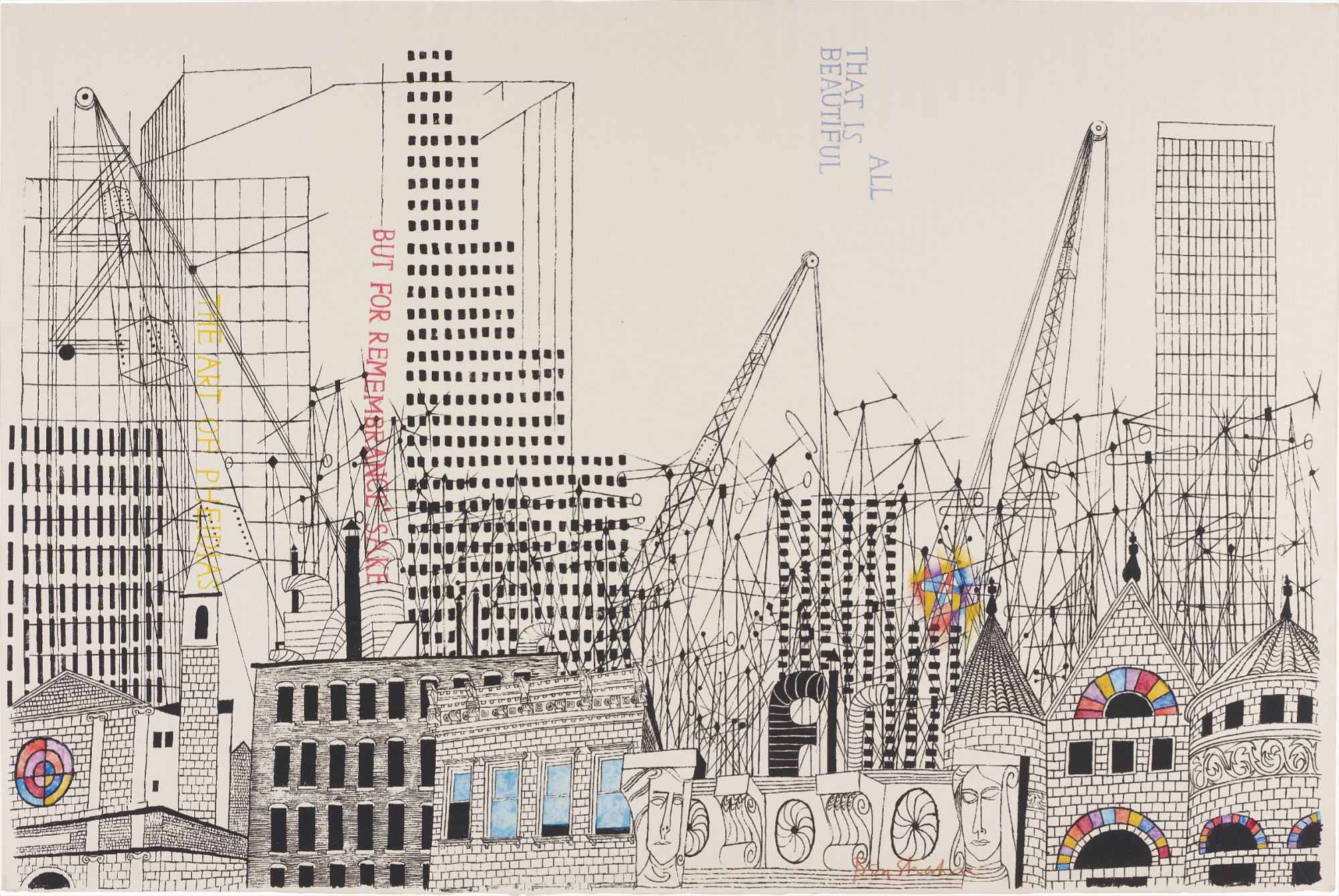
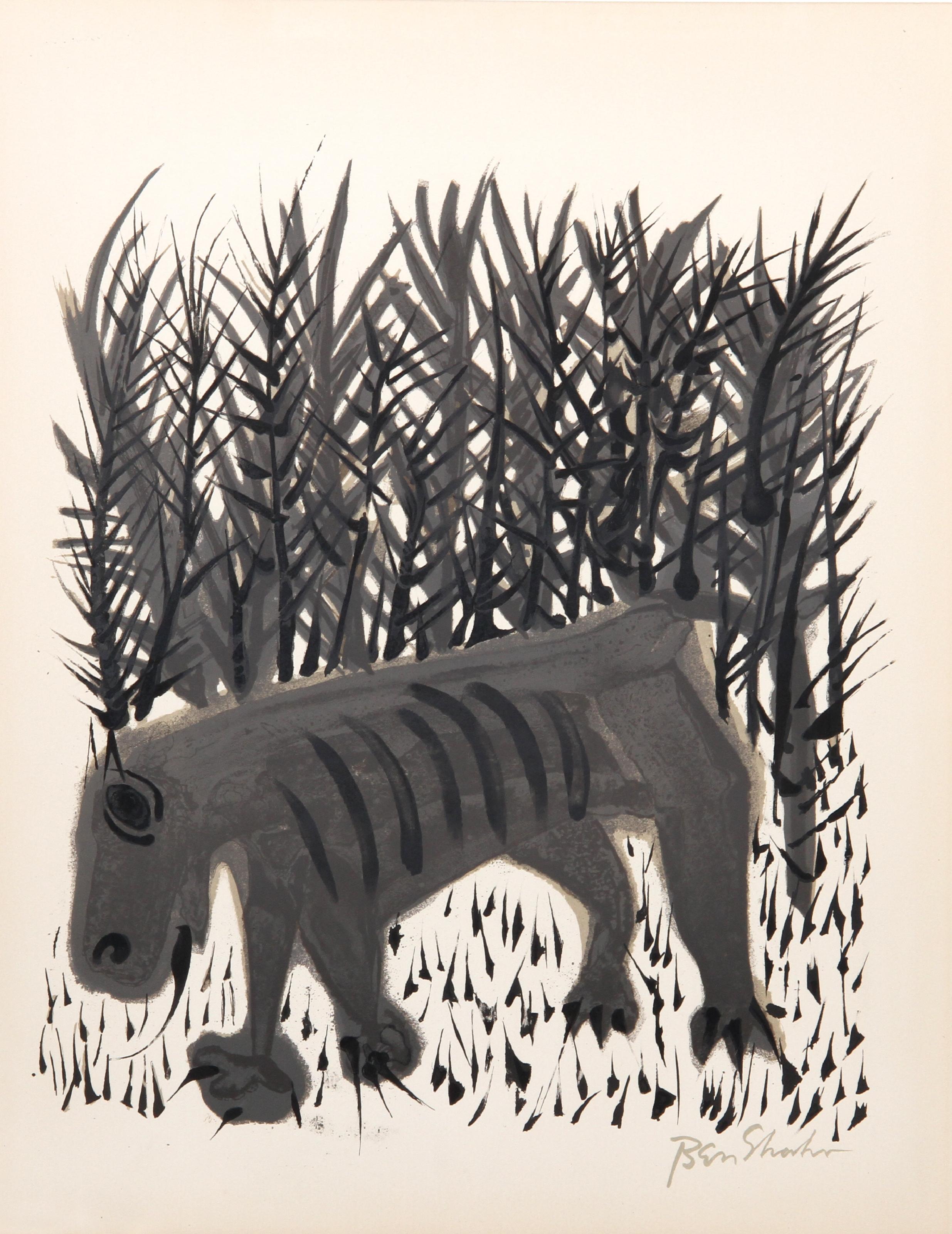
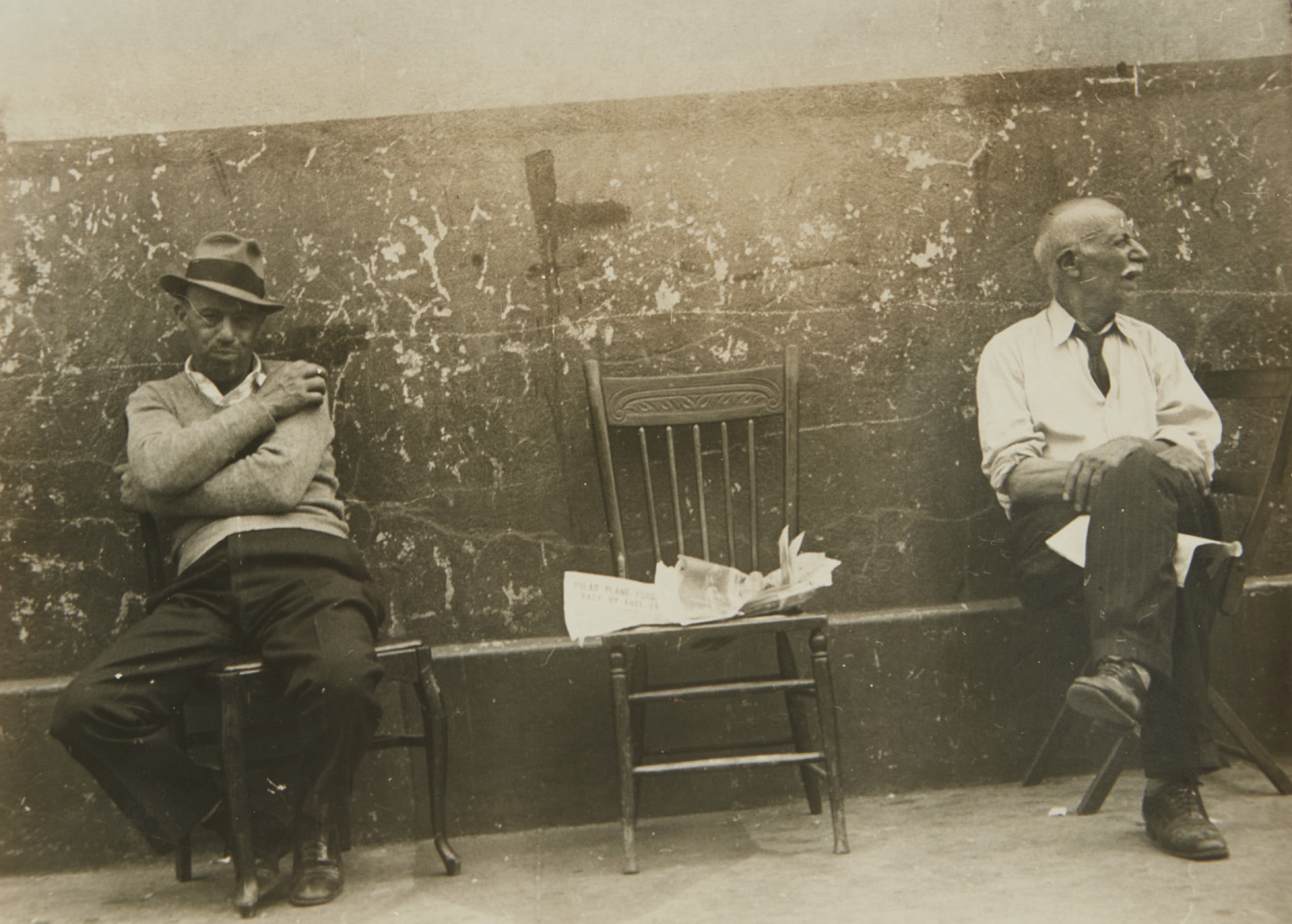
Ben Shahn was a Lithuanian-born American artist whose socially conscious work made him one of the most important voices in American art during the mid-20th century. Born in Kovno, Lithuania (now Kaunas), he immigrated to New York with his family in 1906, settling in Brooklyn. Shahn worked as a lithographer's apprentice while studying at New York University, City College of New York, and the National Academy of Design. His early experiences with labor and poverty deeply influenced his artistic mission to address social injustice, workers' rights, and human dignity through his art. He became renowned for his distinctive graphic style that combined social realism with modernist formal elements, creating works that were both aesthetically sophisticated and politically engaged. Shahn's breakthrough came with "The Passion of Sacco and Vanzetti" (1931-32), a series of paintings and gouaches depicting the controversial trial and execution of two Italian anarchists, which established him as a leading voice in American Social Realism. During the Great Depression, he worked for the Farm Security Administration alongside Walker Evans, creating powerful photographs and paintings documenting rural poverty. His collaboration with Diego Rivera on the Rockefeller Center murals (later destroyed) further cemented his commitment to public art with social purpose. Shahn's work extended beyond easel painting to include major mural commissions, posters, book illustrations, and commercial design, always maintaining his commitment to accessibility and social commentary. Throughout his career, Shahn developed a highly recognizable style characterized by simplified, angular forms, expressive faces, bold outlines, and a masterful use of text and typography integrated into visual compositions. His work addressed themes ranging from labor rights and anti-fascism to civil rights and nuclear disarmament. He taught at Black Mountain College and later at Harvard, influencing generations of younger artists. Major retrospectives at MoMA and other institutions have secured his legacy as a crucial figure who demonstrated that art could be both formally inventive and socially relevant, bridging the gap between avant-garde aesthetics and popular accessibility.
Artists in conversation