Domestic
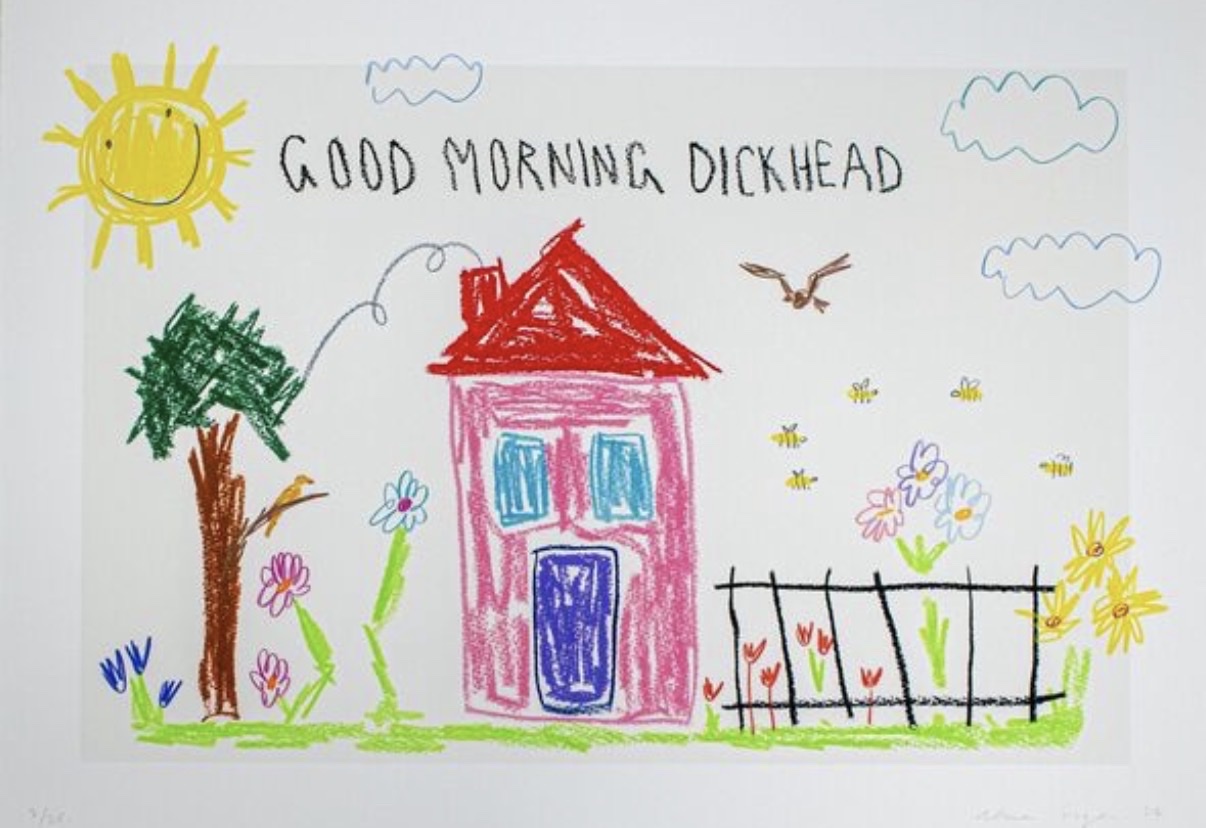
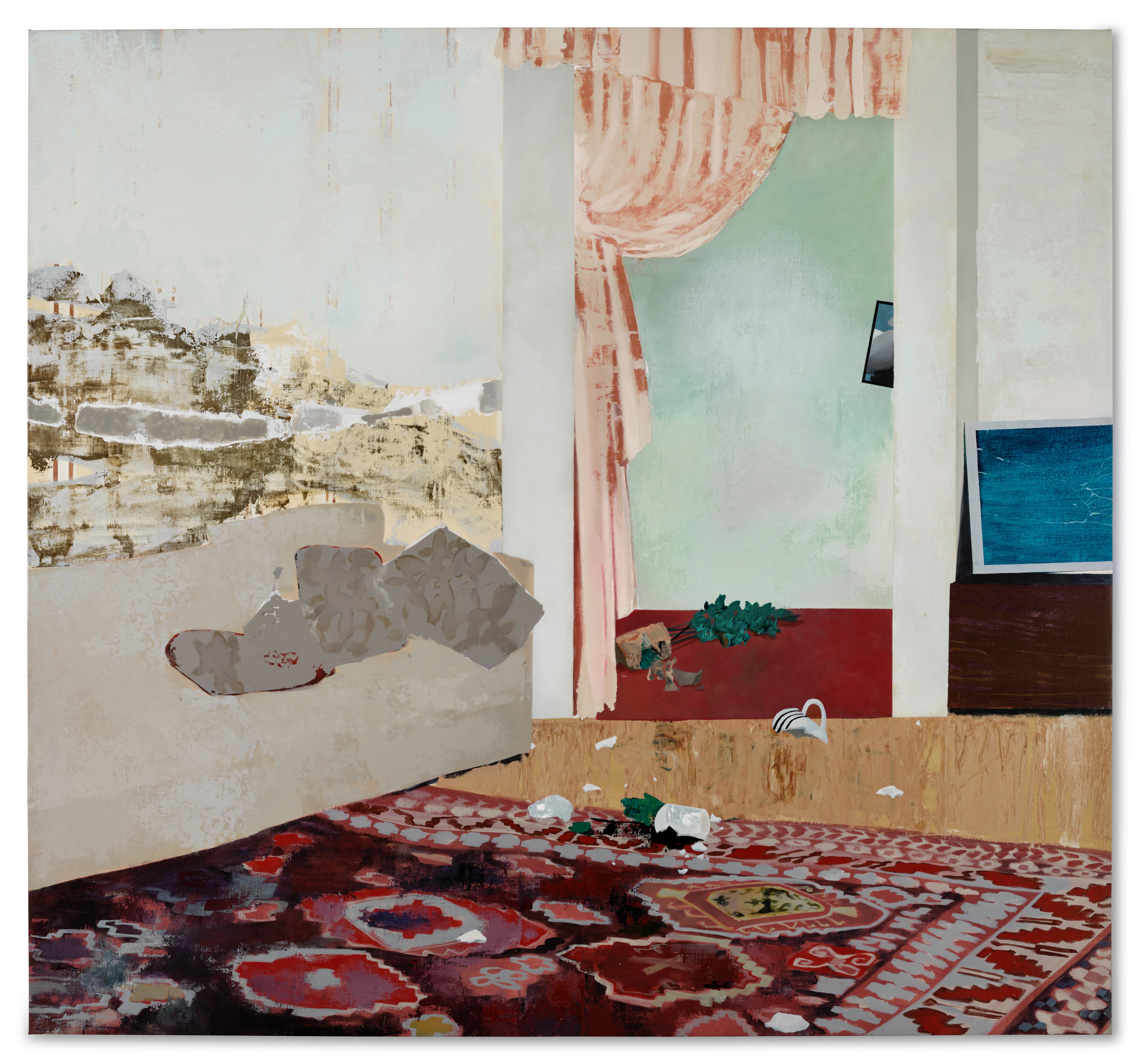
Alma Singer
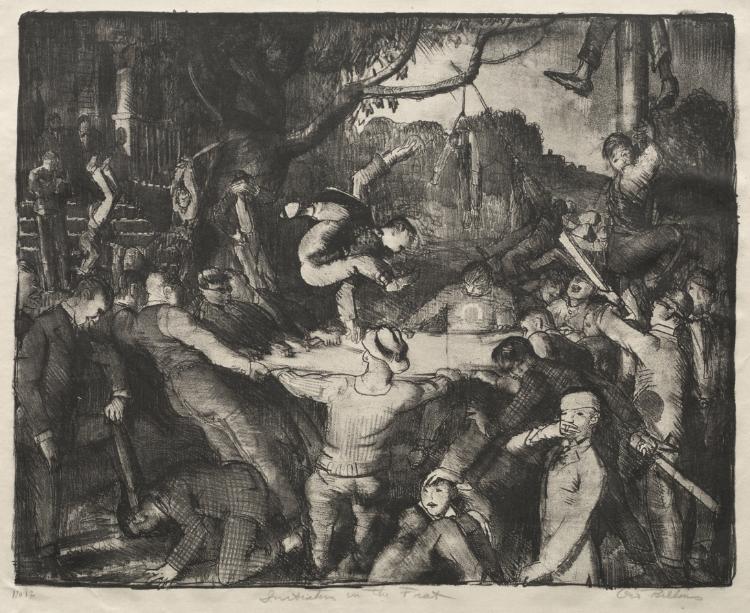
Good Morning Dickhead, 2024



Home Is Where the Drama Lives
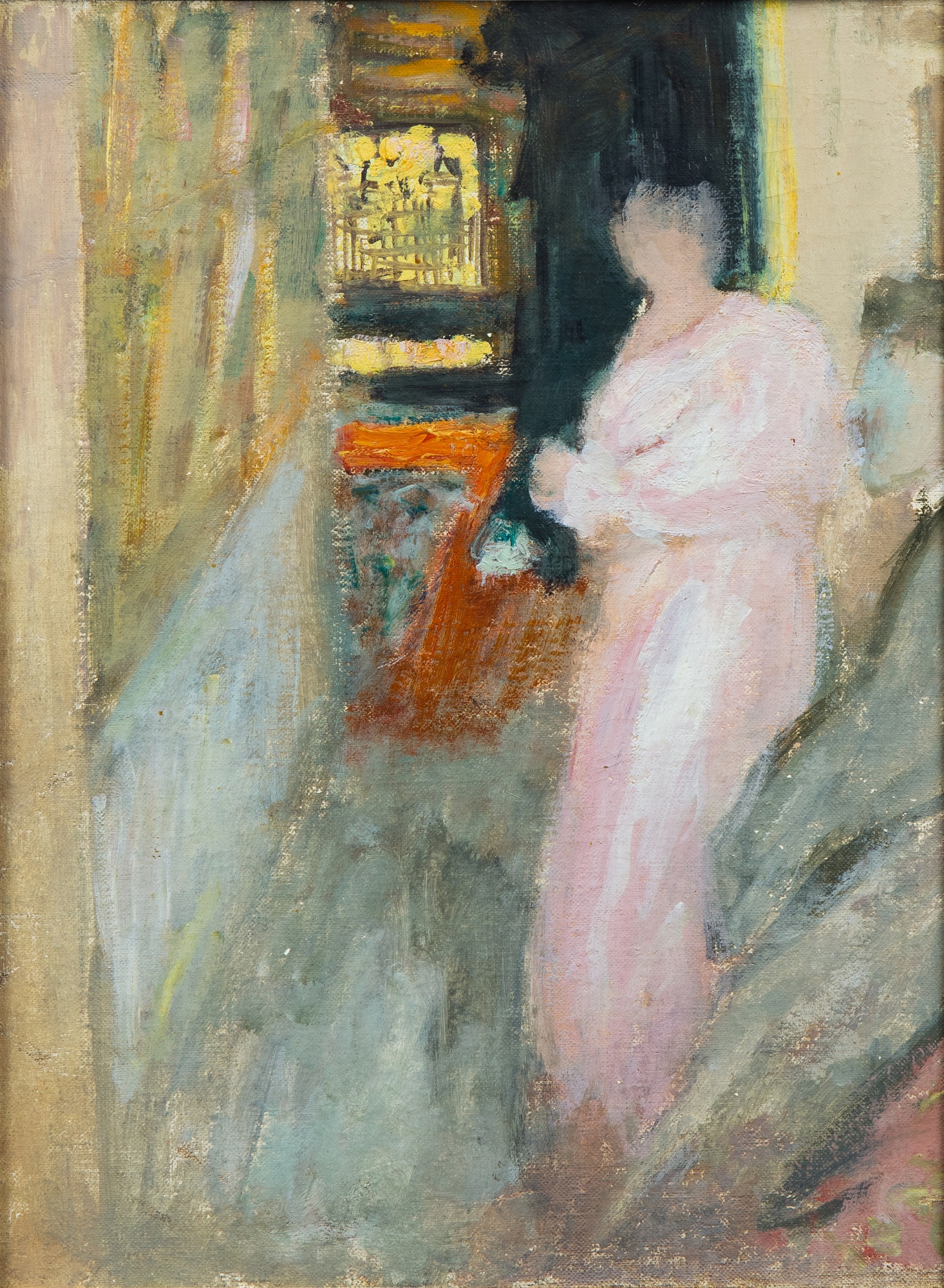
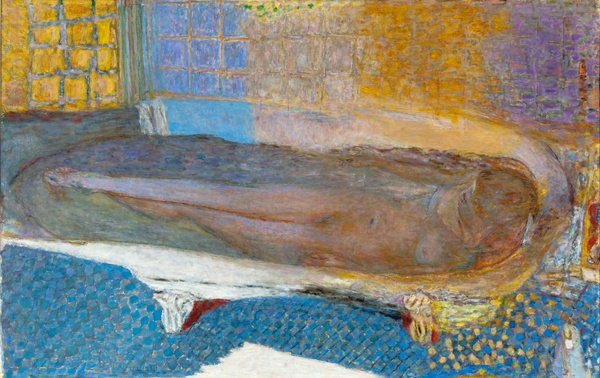
When Sotheby's brought a late Pierre Bonnard interior to auction in 2022 and watched it sail past estimate into eight figure territory, the room understood something that critics had been circling for years. The domestic interior was no longer a minor key. It was the subject. The painting in question, a saturated tableau of a woman at a table with fruit and afternoon light doing impossible things to the walls, felt less like a period piece than a live transmission.
Something about that moment crystallized a shift that collectors, curators, and institutions had been quietly registering for over a decade. The case for the domestic as serious territory rests on a simple provocation. If the home is where power actually operates, where gender and class and identity are negotiated every single morning over coffee and through the arrangement of furniture, then painting the kitchen is not a retreat from history. It is history.
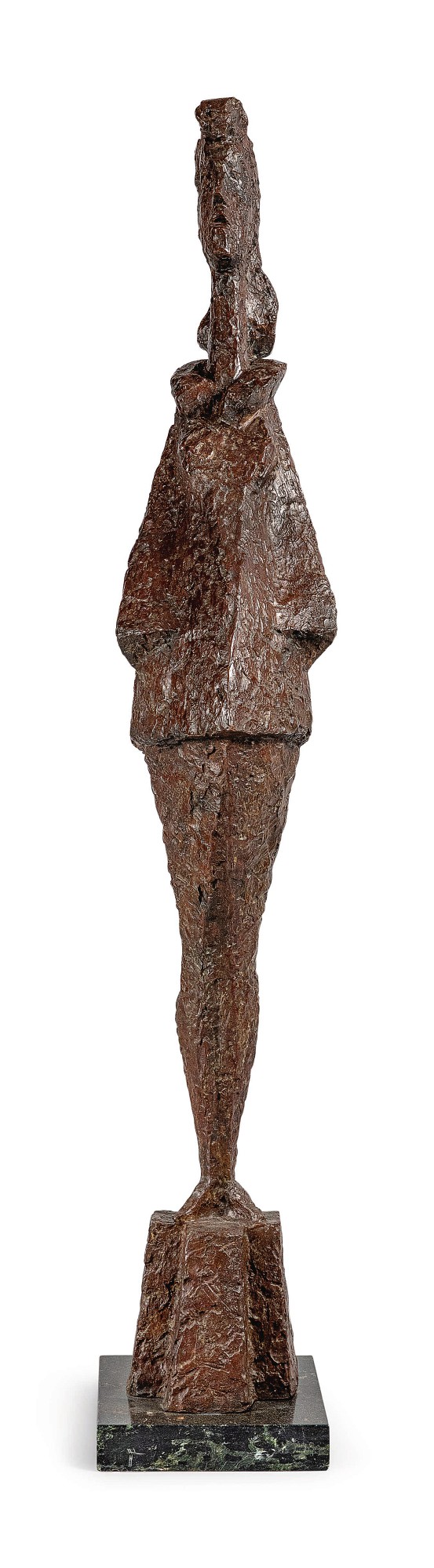
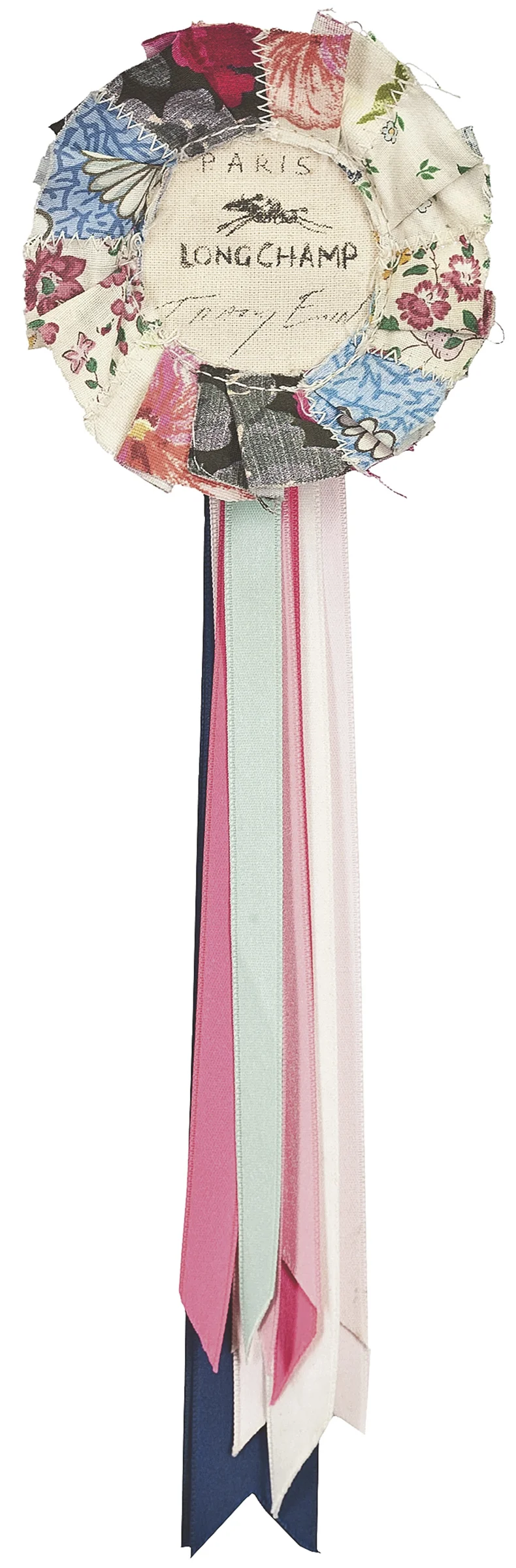
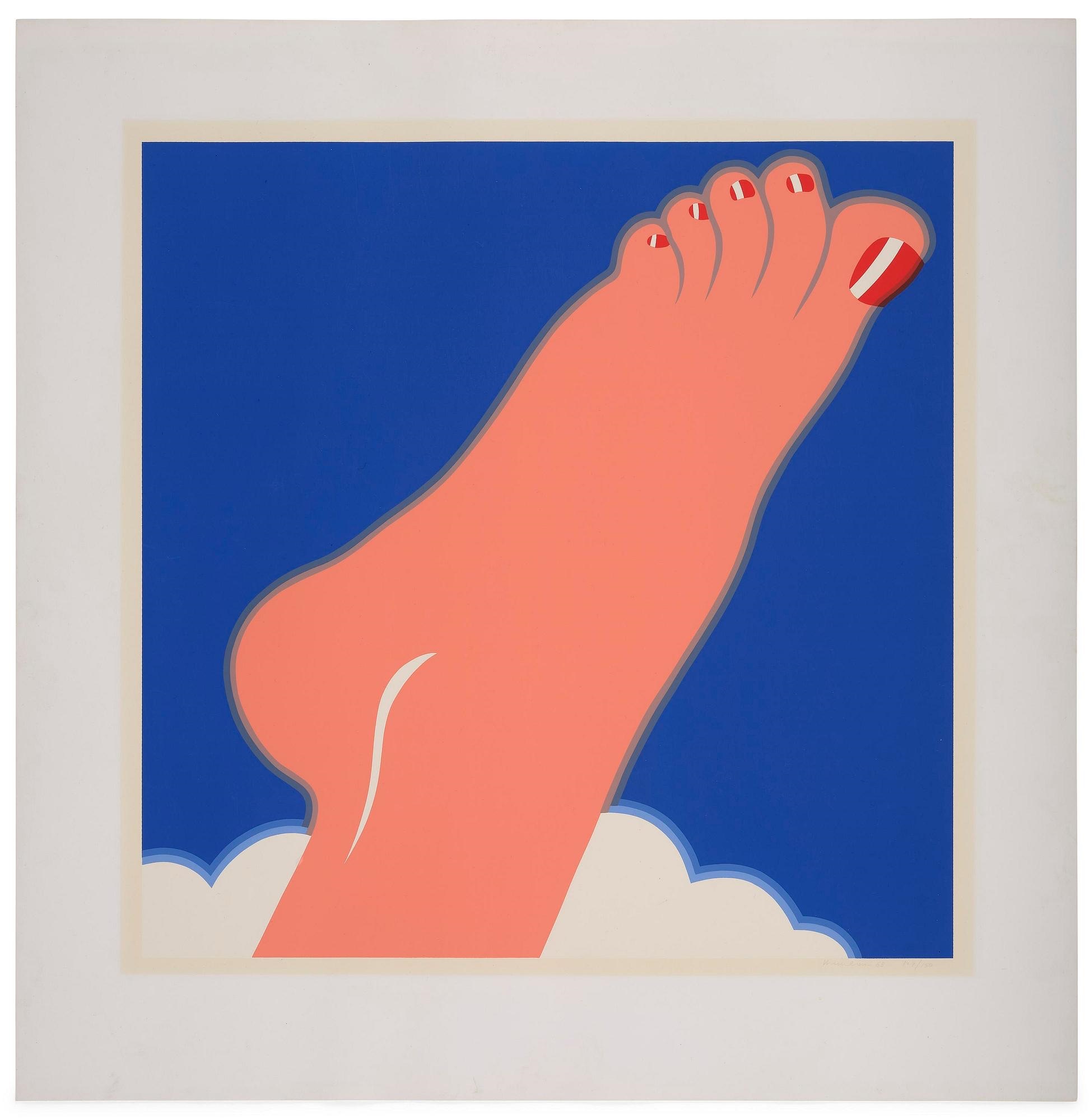
Chaim Gross
Young Mother
This is the argument that has animated a wave of exhibitions in recent years, and it has found extraordinarily receptive audiences. Tate Modern's 2019 retrospective of Pierre Bonnard drew record attendance and forced a reappraisal of an artist too long categorized as decorative. The show made clear that Bonnard's rooms were not comfortable places. They were charged, compressed, and strange.
Bonnard sits alongside Édouard Vuillard as perhaps the most debated figures in this conversation, and both are meaningfully present on The Collection. Vuillard spent his career collapsing the distinction between person and pattern, between body and wallpaper, and the critical establishment has spent the past thirty years catching up to what that actually meant. Recent scholarship, including work published in the Burlington Magazine and essays accompanying the Musée d'Orsay's ongoing focus on Post Impressionist intimisme, has repositioned Vuillard not as a cozy observer of bourgeois life but as a painter doing something structurally radical with space and presence. The market has noticed.
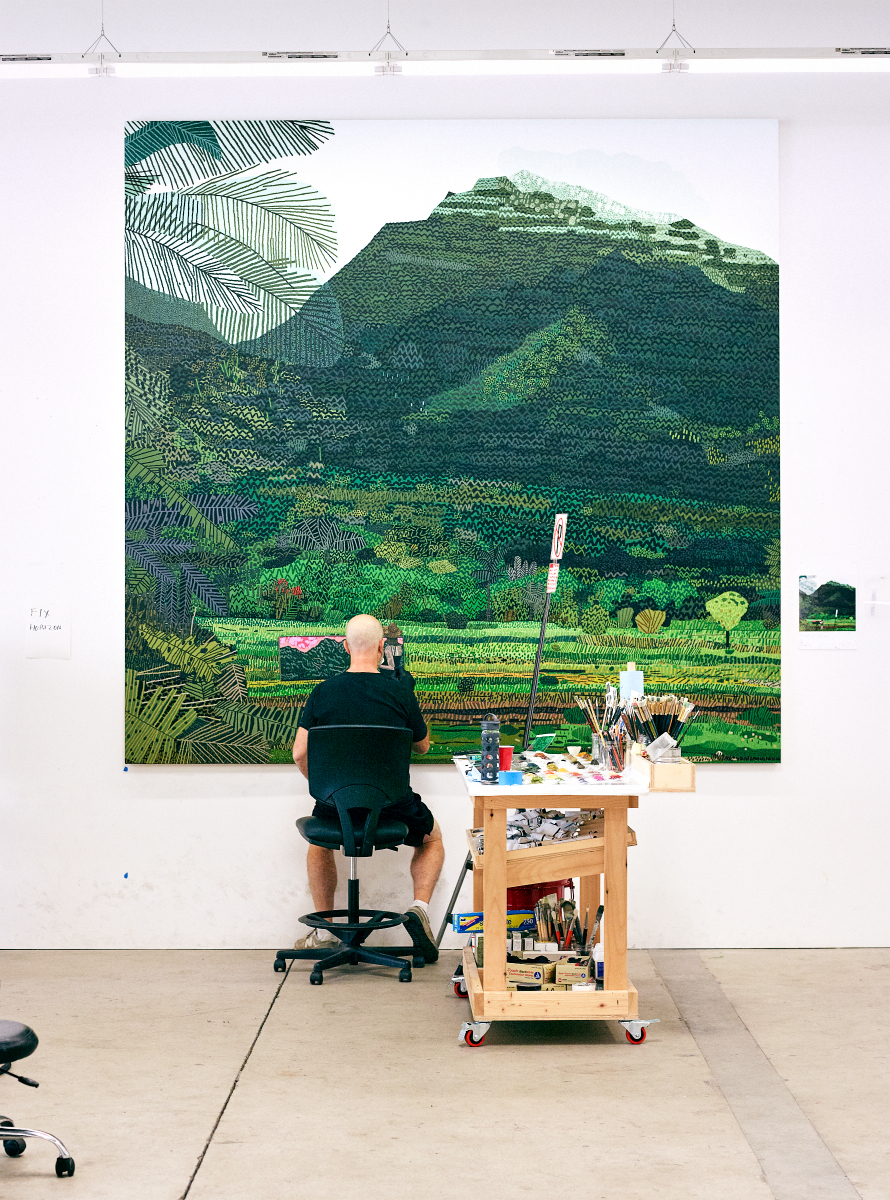
JJ Manford
Interior with Thrift store Dog Portrait (Native American Pottery and Rug, Miro Poster, Collab Painting with Jonas & Mary Fedden Painting), 2020
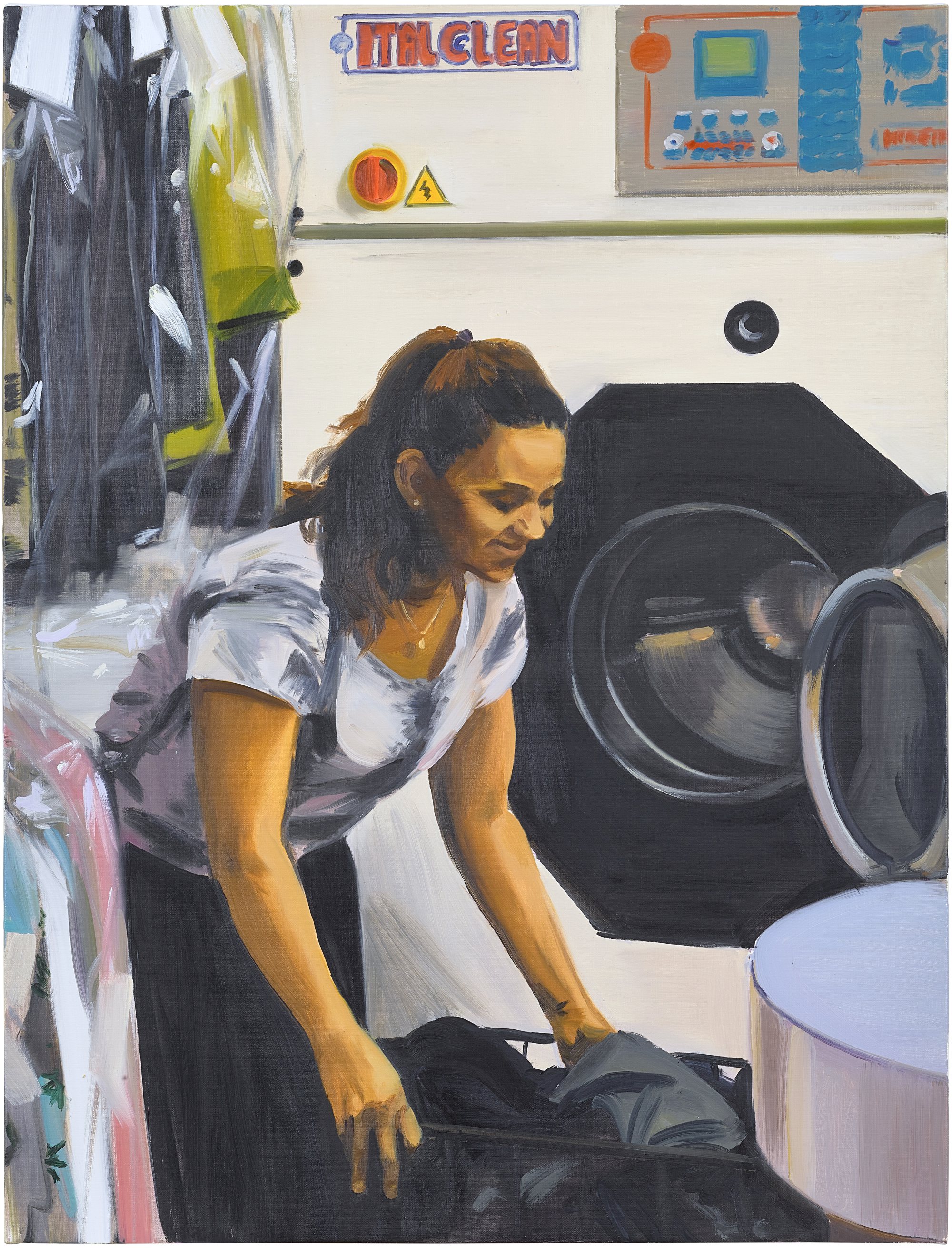
Vuillard interiors at auction now routinely outperform estimates that would have seemed optimistic ten years ago. Among living artists, the energy is extraordinary. Caroline Walker, whose work appears with satisfying depth on The Collection, has become one of the most talked about painters working in Britain today. Her large scale canvases of women in domestic and institutional spaces, lit with the particular quality of artificial light that makes a room feel both surveilled and abandoned, have drawn serious institutional attention.
Walker has shown at Firstsite and at various galleries in London and New York, and her critical reception has been shaped in part by feminist art writing that connects her practice to a lineage running from Bonnard through Lucian Freud and into the present. Her prices have risen sharply as collectors have recognized that she is making work of genuine consequence, not simply work that photographs well. Jonas Wood offers a different register of the same obsession. His interiors are maximalist, pattern dense, and lit with a California flatness that owes something to David Hockney without ever being derivative.
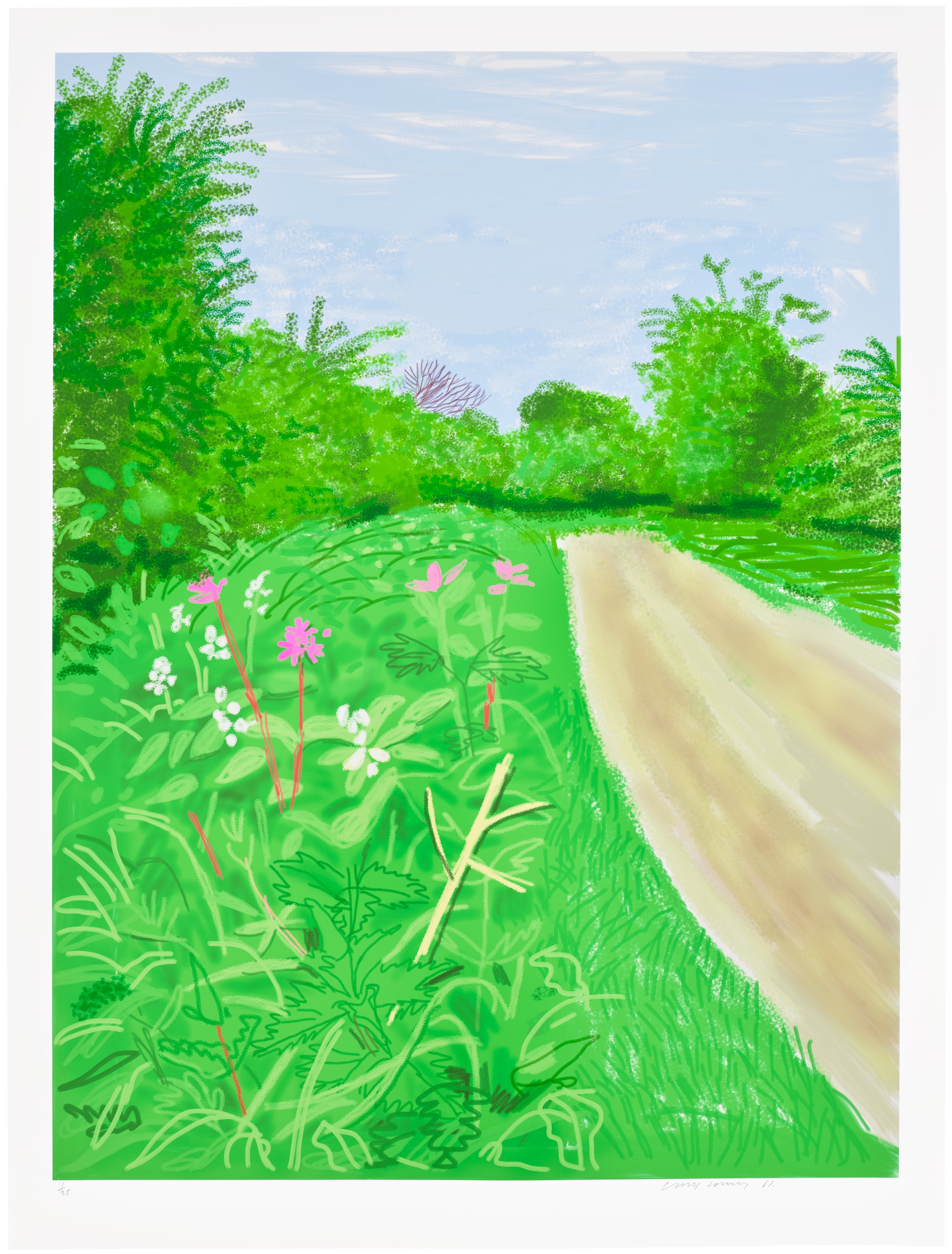
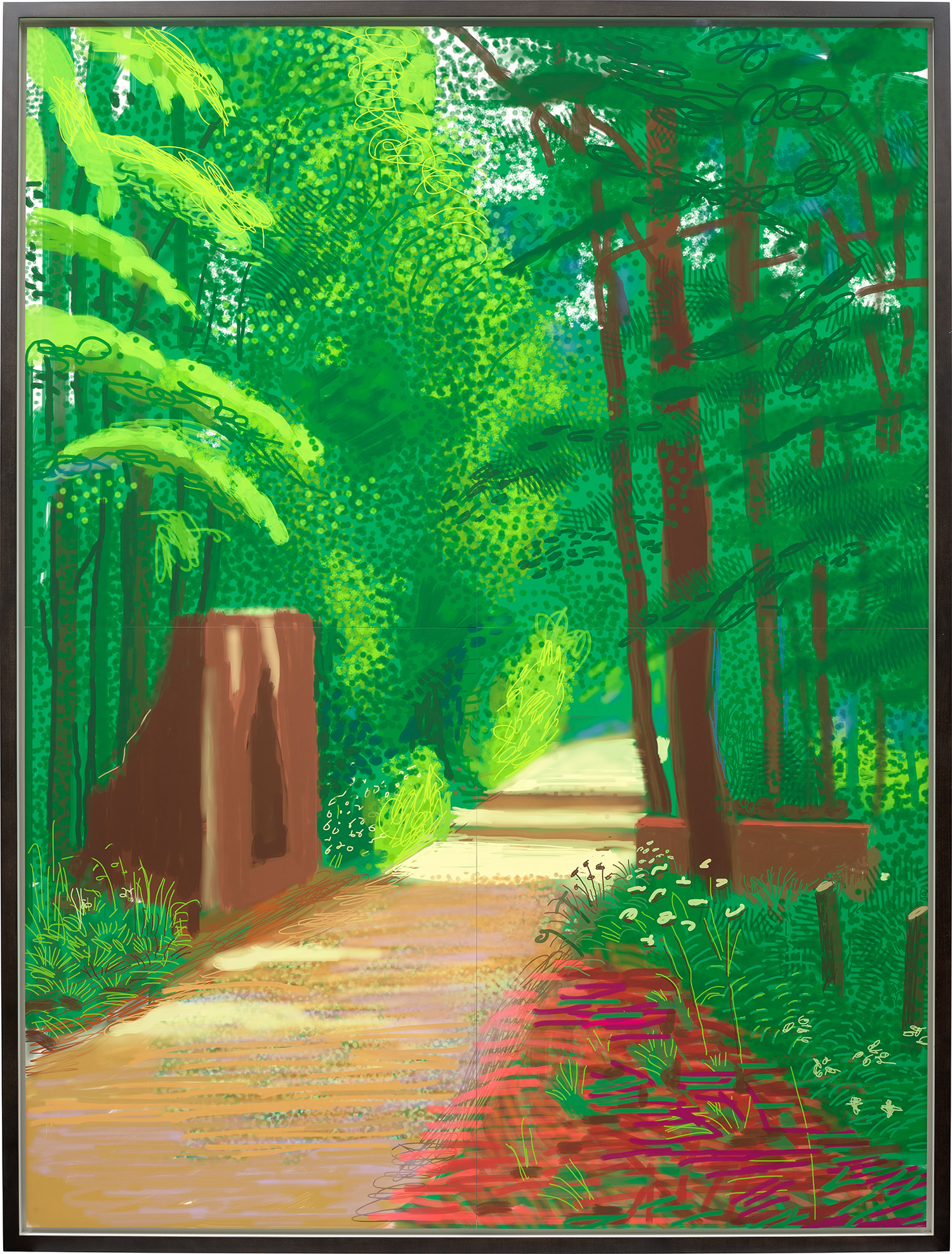
David Hockney
The Arrival of Spring in Woldgate
Hockney himself remains the dominant figure in this entire conversation, and his presence on The Collection reflects both his historical centrality and the enduring market appetite for his depictions of light, water, and domestic ease. Hockney's swimming pools are really rooms. His gardens are interiors turned inside out. Christie's and Sotheby's have consistently demonstrated that collectors will pay extraordinary sums for his vision of a world made comfortable and radiant, and that appetite has not softened.
The institutional picture is telling. The Museum of Fine Arts in Boston, the Art Institute of Chicago, and Tate have all been active in building holdings around domestic subject matter across different periods, and smaller institutions like the Hammer Museum in Los Angeles have used thematic programming to draw connections between historical and contemporary practitioners. The Hammer's focus on West Coast artists has given Jonas Wood and peers a critical framework that goes beyond lifestyle signaling and into genuine questions about how American domesticity gets pictured and who gets to picture it. Salman Toor, whose work on The Collection reflects an artist at a particularly exciting moment in his development, brings yet another dimension to this.
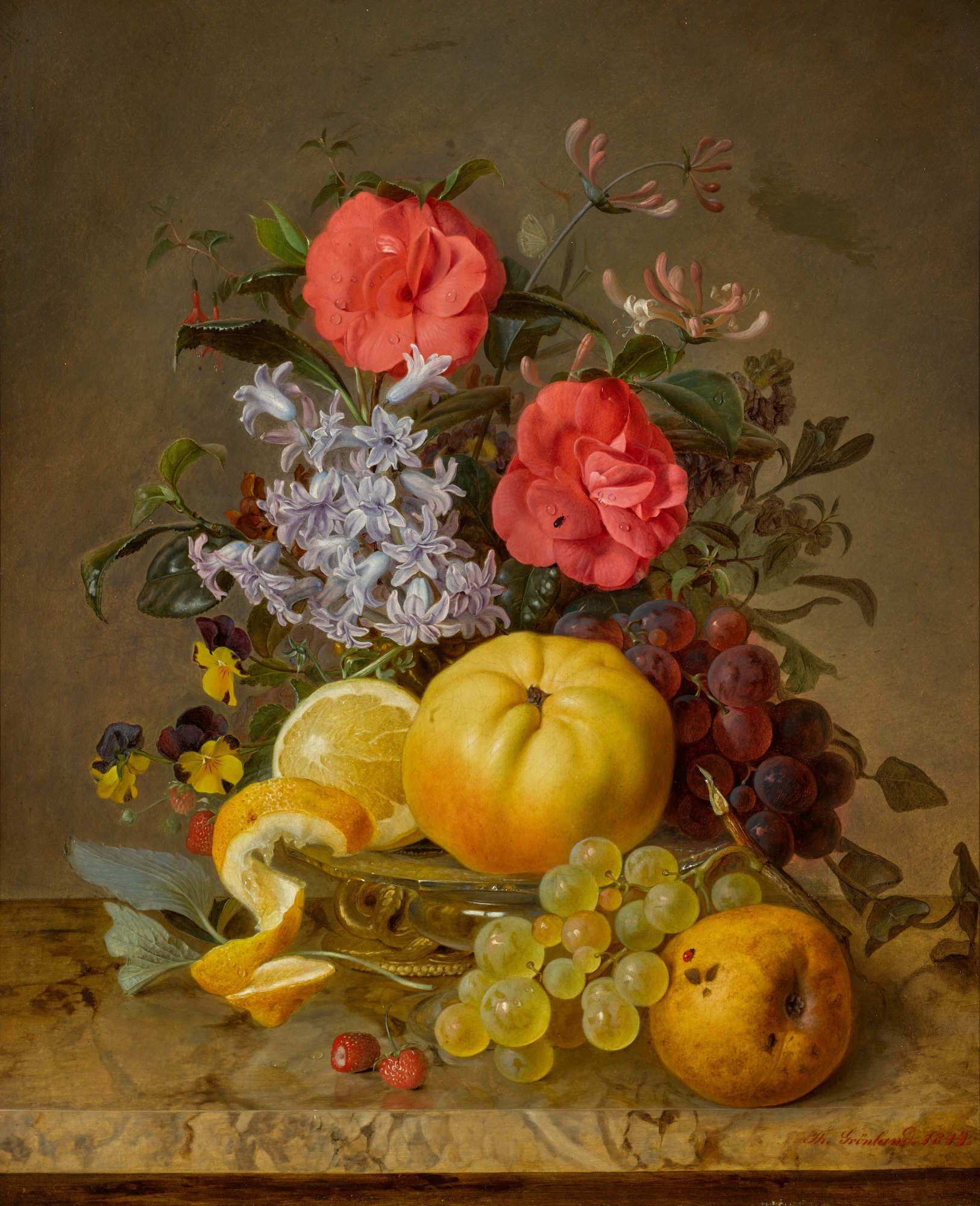
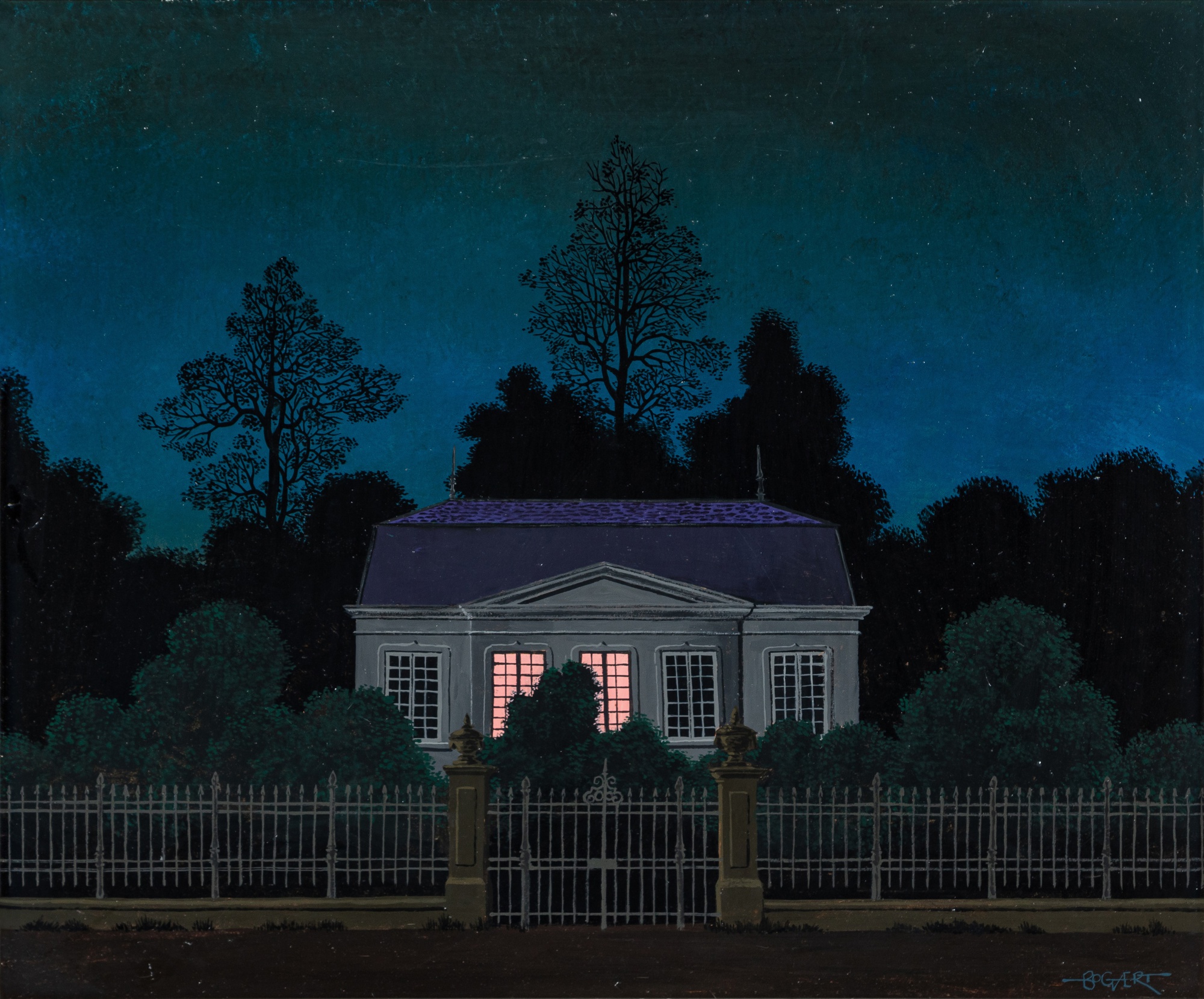
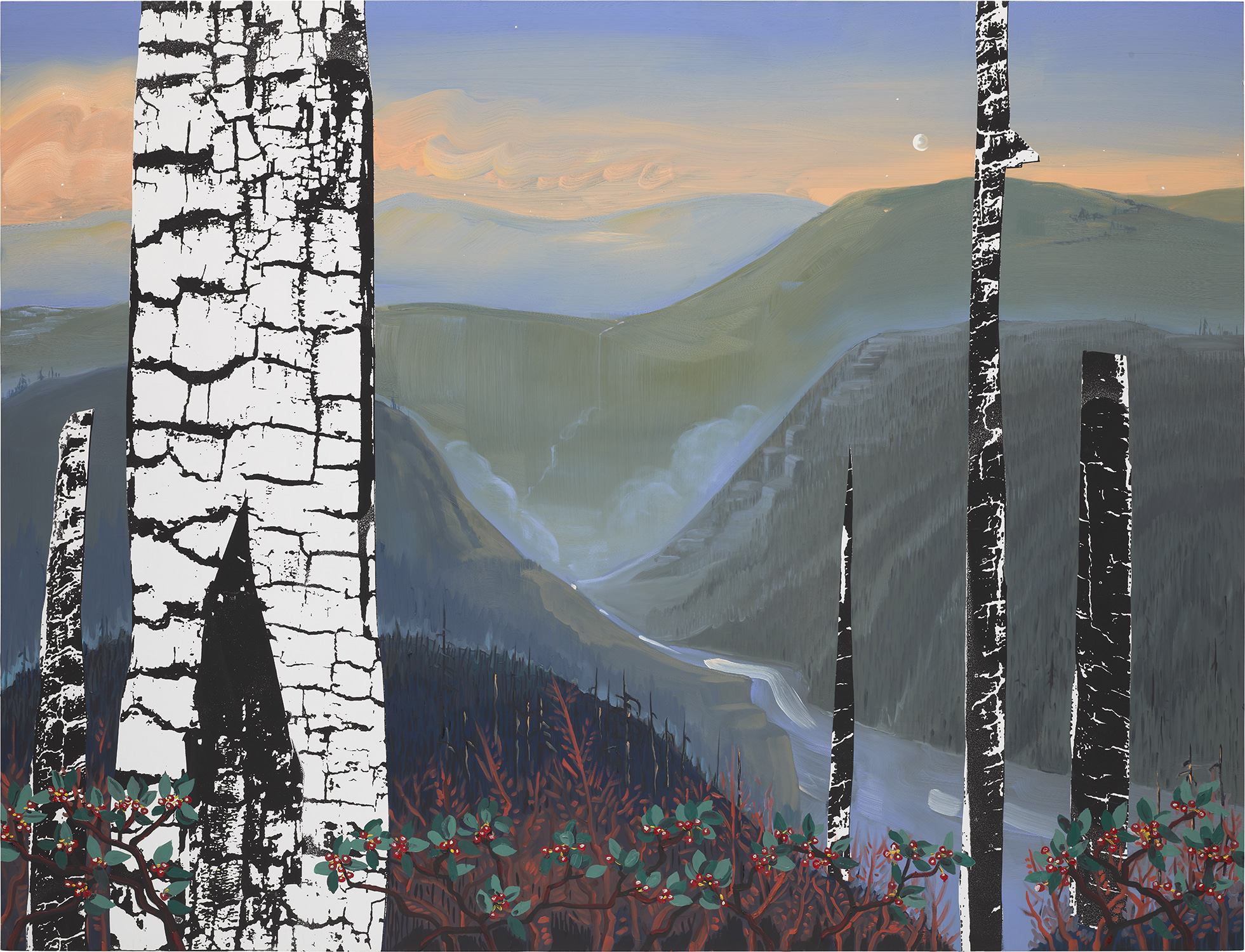
Theude Grönland
Still life with Fruit and Flowers on a Marble Ledge
His small, jewel like paintings of queer South Asian men in intimate interiors introduce questions of belonging and visibility that expand what the domestic interior can be asked to hold. The photographers in this space are having their own moment. Nan Goldin's long rehabilitation from cult figure to canonical artist, accelerated by the documentary All the Beauty and the Bloodshed and by her activism around the opioid crisis, has recontextualized the domestic images in The Ballad of Sexual Dependency as political documents as much as personal ones. Tina Barney's photographs of wealthy East Coast families in their homes have found new audiences among collectors who understand that her work is less about aspiration than about the quiet violence of class reproduction.
Both artists are represented on The Collection, and both sit within a photographic tradition that also includes Diane Arbus, whose ability to make the American home look deeply, productively strange remains unmatched. What feels settled is the question of whether domestic subject matter deserves serious attention. That argument has been won. What feels alive, and genuinely exciting, is the question of which artists working right now are going to define what this subject means for the next generation of collectors and institutions.
The critical writing is catching up too. Publications from Frieze to The Art Newspaper have given sustained attention to painters like Walker and Wood and Toor in ways that move beyond trend spotting into real contextual thinking. Curators like Alison Gingeras, who has written thoughtfully about figuration and interior life, are shaping a discourse that will inform collecting decisions for years to come. The surprise, if there is one, is that the home turns out to be inexhaustible.
Every generation finds something new to negotiate inside it, and painters keep finding new ways to make those negotiations visible.