Decorative
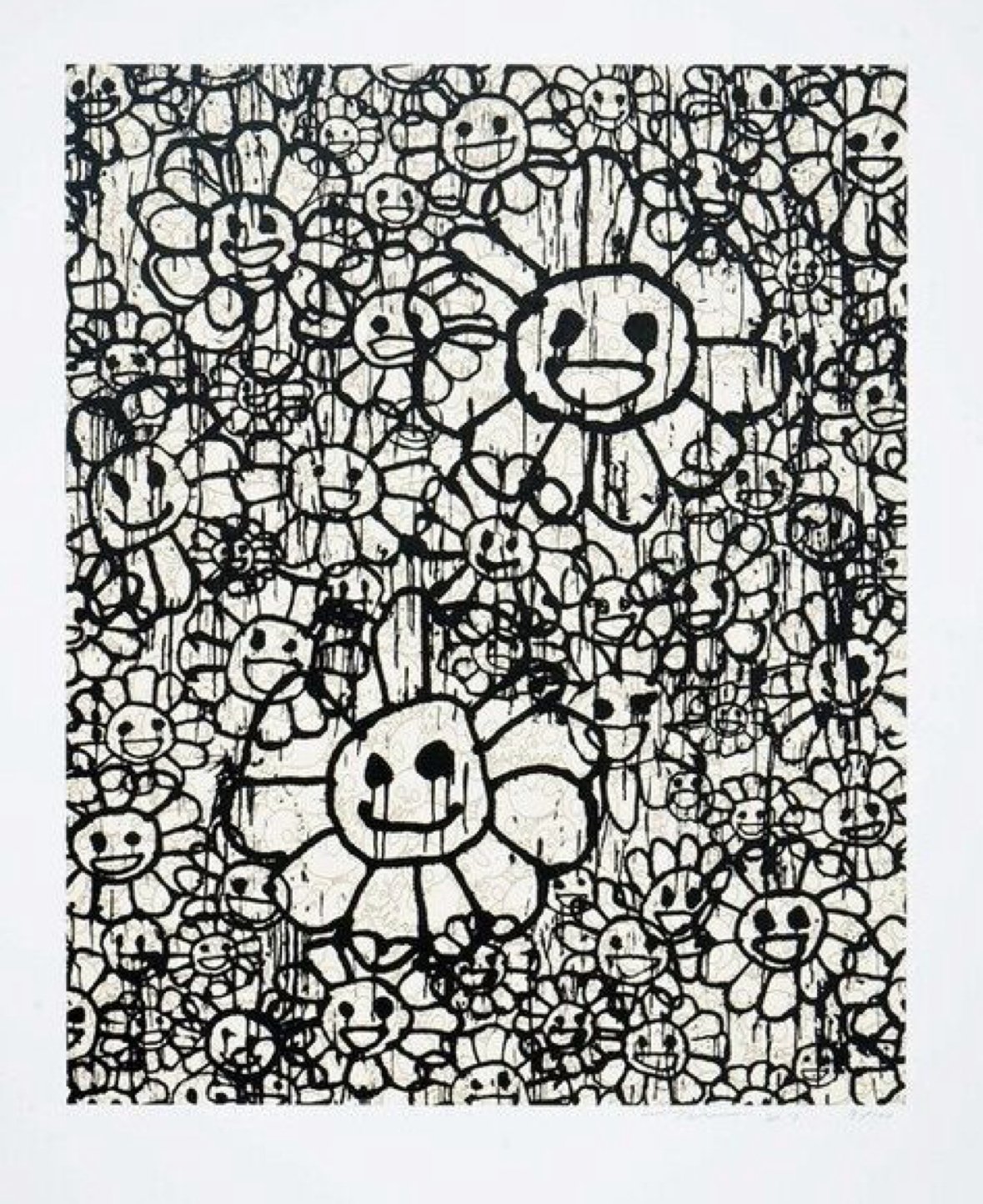
Takashi Murakami
Flowers A Beige, 2017








The Beautiful Object Demands Its Reckoning
When a pair of François Xavier Lalanne bronze sheep sold at Sotheby's Paris for well above estimate a few seasons ago, the room went quiet in that particular way that signals something larger than a transaction. It was not just that the objects were beautiful, though they were, with that characteristic Lalanne wit that transforms functional sculpture into something between furniture and fable. It was that the result confirmed what a certain tier of collector had quietly understood for years: the decorative, long treated as the lesser sibling of fine art, was reclaiming its seat at the table. The word decorative has always carried a slight, as though beauty in service of the domestic were somehow less serious than beauty in service of the sublime.
But the market has been systematically dismantling that hierarchy. Works by Claude Lalanne and François Xavier Lalanne, both of whom are well represented on The Collection, have posted extraordinary results across Christie's, Sotheby's, and Bonhams over the past decade. Their animal forms and botanical bronzes now compete with blue chip painting prices, and institutions that once turned up their noses at applied art are quietly reconsidering their acquisition strategies. The Musée des Arts Décoratifs in Paris mounted a major retrospective of the Lalaannes in 2010 that essentially forced a critical reappraisal, and the conversation has not stopped since.
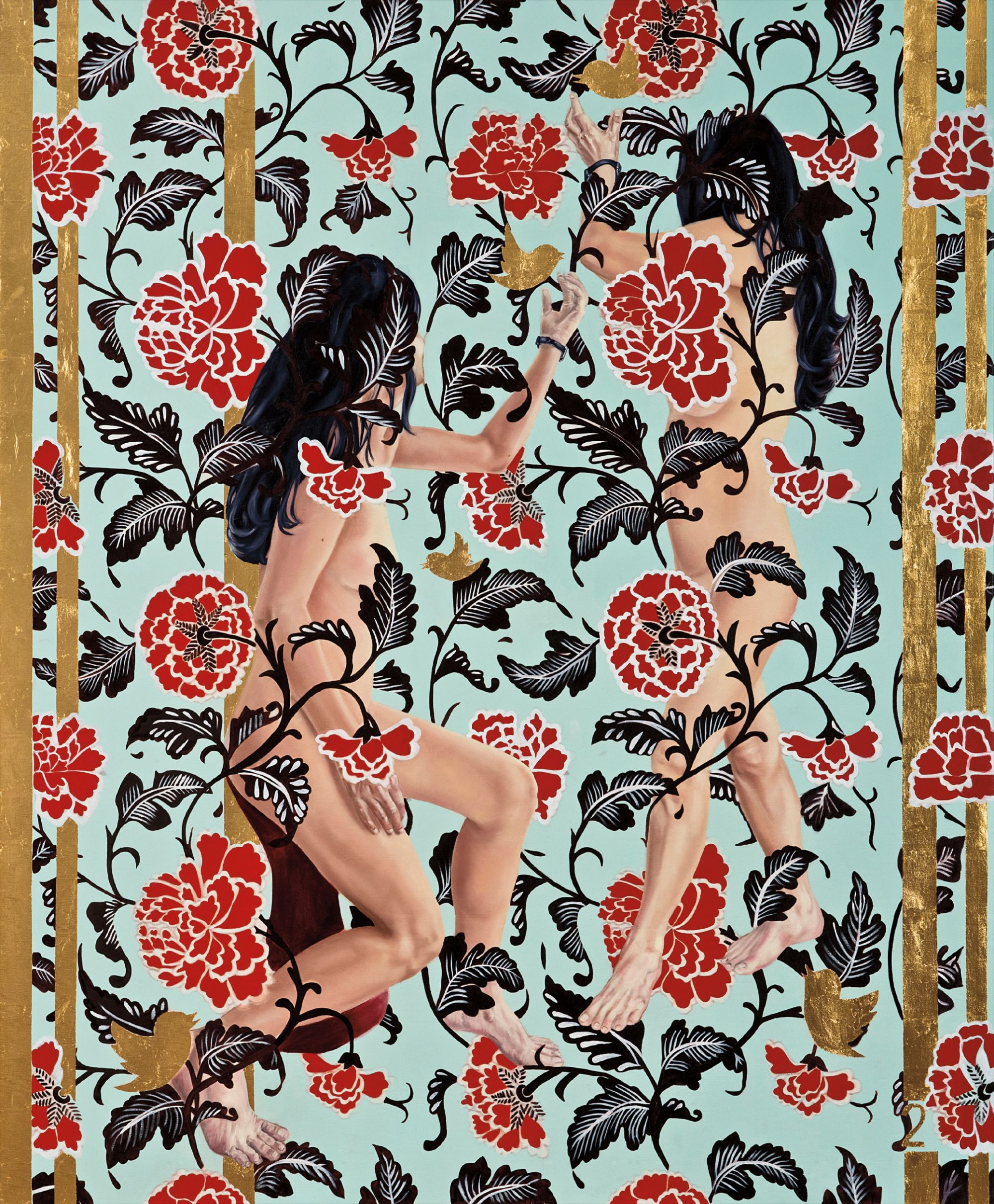
Asli Özok
Garden of Armina Rose, 2017
The market energy in this space draws from several directions at once. On one side, there is the sustained appetite for works that live comfortably in a residence while maintaining rigorous art historical credentials. Diego Giacometti, whose furniture and decorative bronzes are held on The Collection, occupies a fascinating position here. His work is inseparable from the atmosphere of a certain mid century Parisian interior, yet auction results at Christie's and Bonhams have placed individual pieces well into the hundreds of thousands.
His patinated tables with cat and dog supports, his spidery candelabras, these objects are now understood as sculptural statements rather than merely beautiful things to own. The distinction, which once seemed important, is dissolving. Museum collecting in this area has accelerated in ways that matter for private collectors tracking where critical consensus is forming. The Metropolitan Museum of Art has long held decorative and fine art under the same roof, but the curatorial framing has shifted noticeably in recent years toward celebrating that integration rather than managing it apologetically.

Very Rare Sheet Iron Sea Captain Weathervane, Probably Massachusetts, Circa 1900
Very Rare Sheet Iron Sea Captain Weathervane, Probably Massachusetts, Circa 1900
The V&A in London continues to be the institutional bellwether, and its willingness to acquire contemporary design objects alongside historical textiles signals an ongoing broadening of what counts as culturally significant. When institutions of that stature commit acquisition funds to objects that blur the line between art and design, private collectors in that same territory gain a kind of retroactive legitimacy for choices made on instinct. The critical conversation has been shaped significantly by a generation of curators and writers who came up through design history rather than fine art history. Glenn Adamson, whose scholarship on craft and making has influenced curatorial practice on both sides of the Atlantic, has argued persuasively that the decorative/fine art distinction is a relatively recent and culturally specific construction, not an eternal truth.
Publications like Frieze and even traditional auction house catalogues have absorbed this perspective, writing about decorative works with the same analytical seriousness applied to painting and sculpture. That shift in language matters because it changes what buyers feel permitted to want without apology. Among the artists well represented on The Collection, the conversation about decoration and fine art is richly complicated. Henri Matisse spent his career deliberately collapsing the boundary, bringing the decorative patterns of Islamic art and North African textiles into his painted compositions with full theoretical intent.
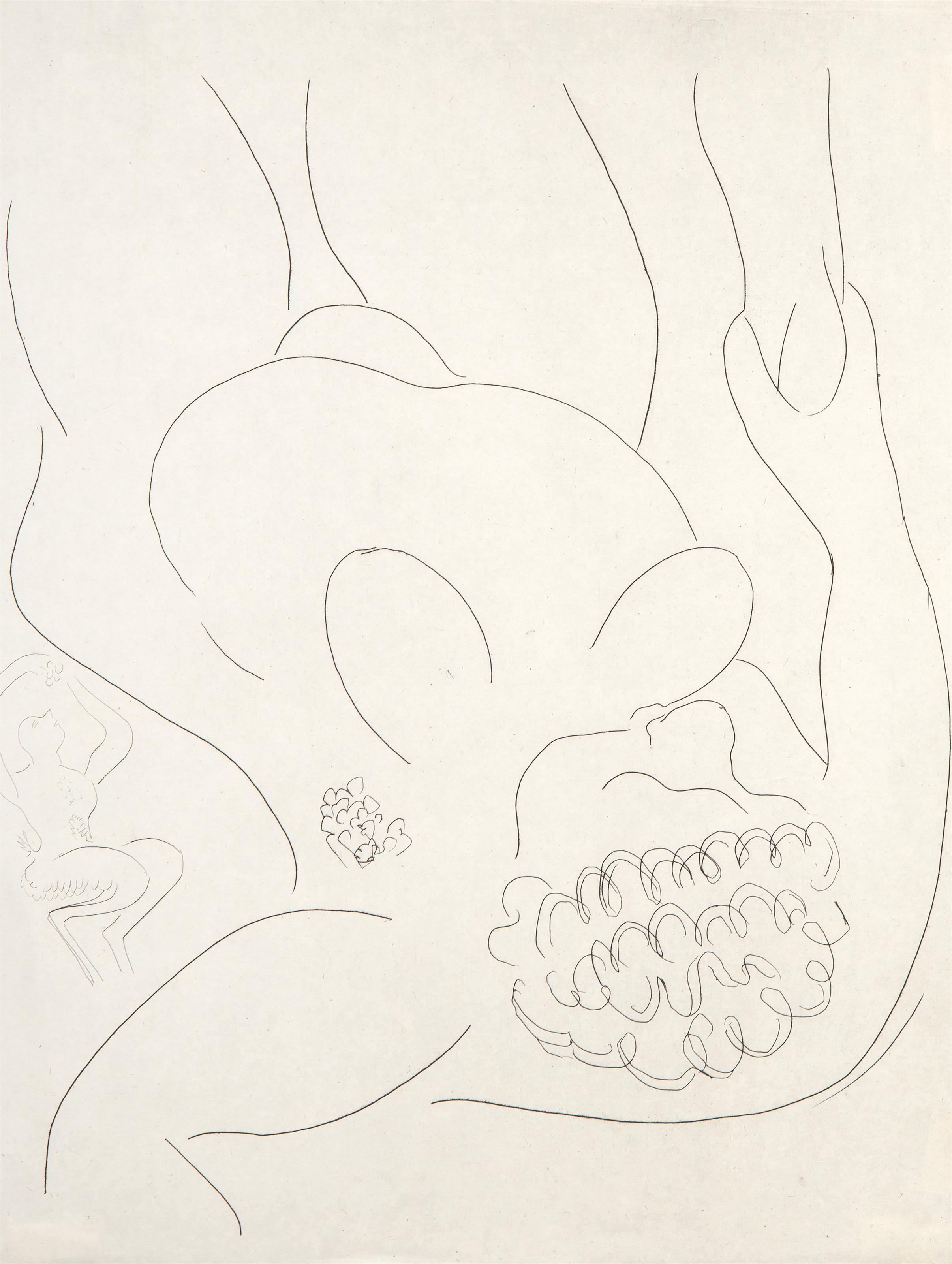
Henri Matisse
Reclining Female Nude
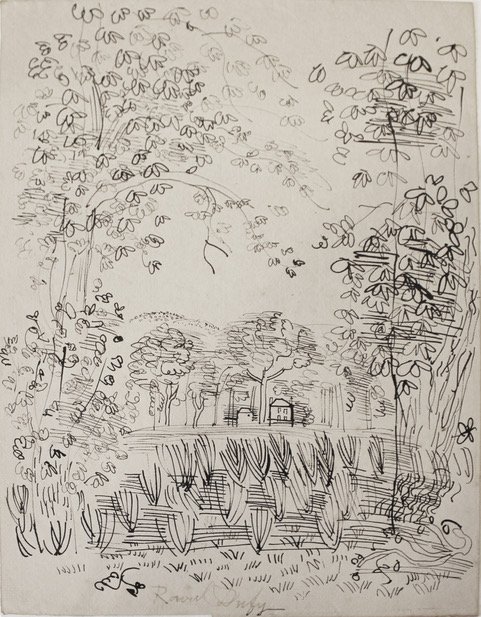
His late cut outs, created when he could no longer paint, were explicitly decorative in their genesis and are now among the most analysed works in modern art history. Raoul Dufy, whose bold graphic sensibility translated across painting, textile design, and ceramics, offers a similar case study in how we reassess work once dismissed as merely pleasing. Dufy's prices have climbed steadily as collectors recognise the coherence of his vision across media rather than treating his decorative commissions as secondary to his easel paintings. Alphonse Mucha presents a particularly instructive arc.
For decades his work was condescended to as commercial illustration despite its extraordinary technical accomplishment and its foundational role in Art Nouveau visual culture. Now, with strong representation on The Collection and growing institutional interest, Mucha is being read more carefully, not as a decorator who occasionally made fine art, but as an artist whose commitment to beauty as a democratic project deserves serious engagement. His 2017 retrospective at the Grand Palais in Paris drew enormous crowds and serious critical attention, and the market has reflected that recalibration in subsequent auction results. Where is the energy heading?
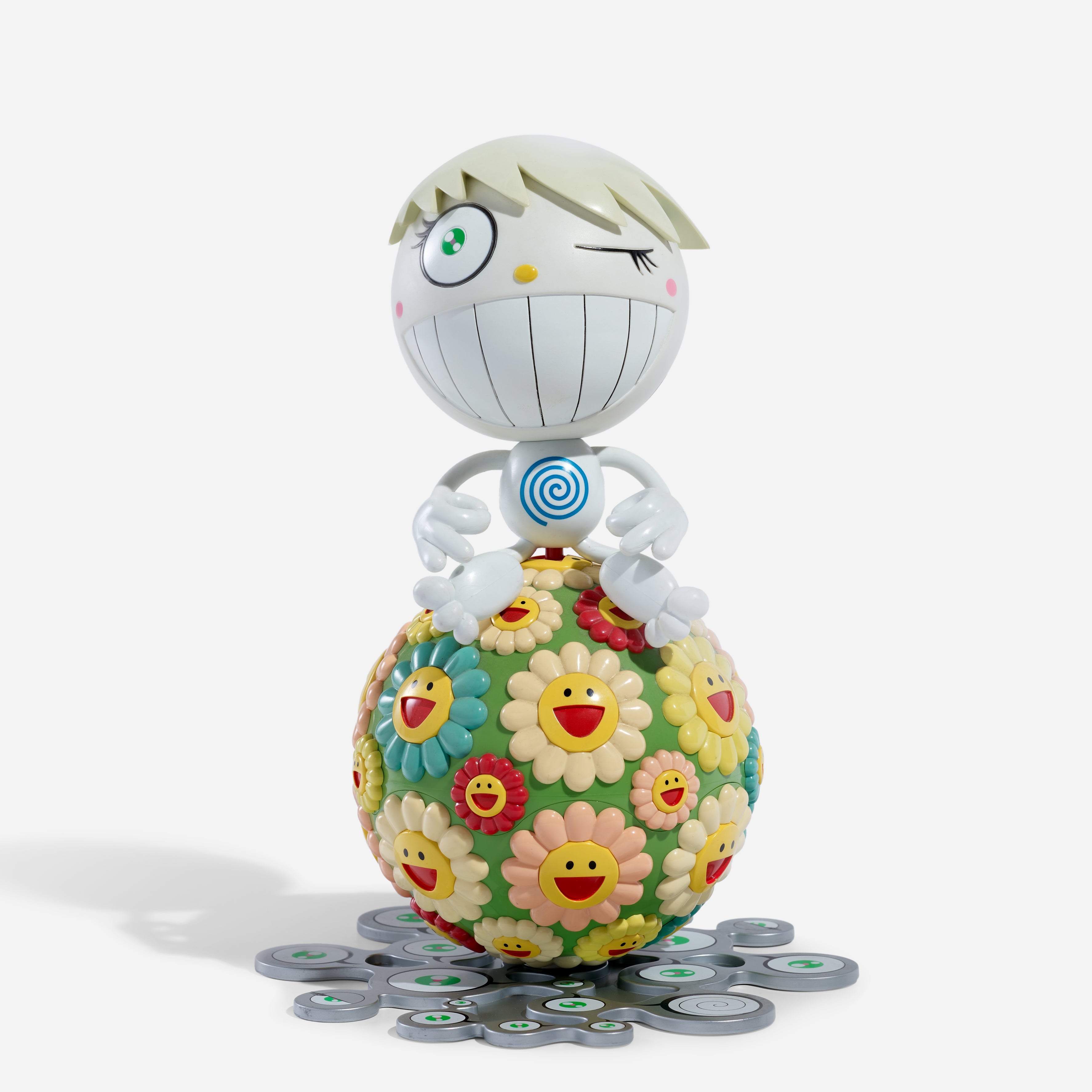
Takashi Murakami
Oval (Peter Norton Christmas Project 2000)
Several collectors and advisors tracking this space have noted a growing appetite for works that sit precisely at the intersection of fine art practice and decorative ambition, objects that would not be out of place in a museum vitrine or on a living room wall. Takashi Murakami, whose practice has always interrogated the relationship between high art and ornamental visual culture, sits interestingly in this territory, as does Jeff Koons, whose porcelain and stainless objects carry the weight of art theory while functioning with the immediate sensory pleasure of beautiful things. Both are represented on The Collection, and both continue to generate the kind of critical argument that keeps a market alive and searching. The real surprise, if there is one, may be how thoroughly the decorative is winning the argument simply by being present, generation after generation, in the rooms where people actually live.
Fine art asks to be contemplated. Decorative art asks to be inhabited. The collectors who have always understood that these are not competing demands but complementary ones are looking, right now, rather far sighted.