Intimism
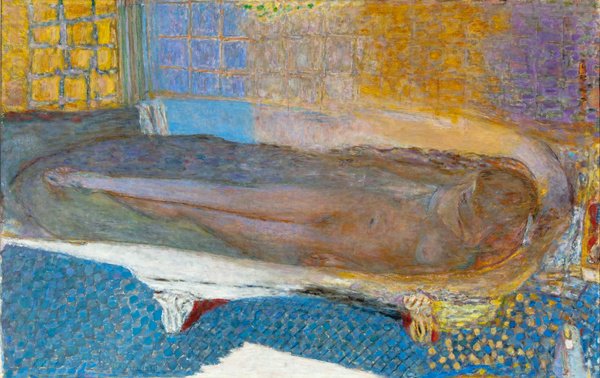
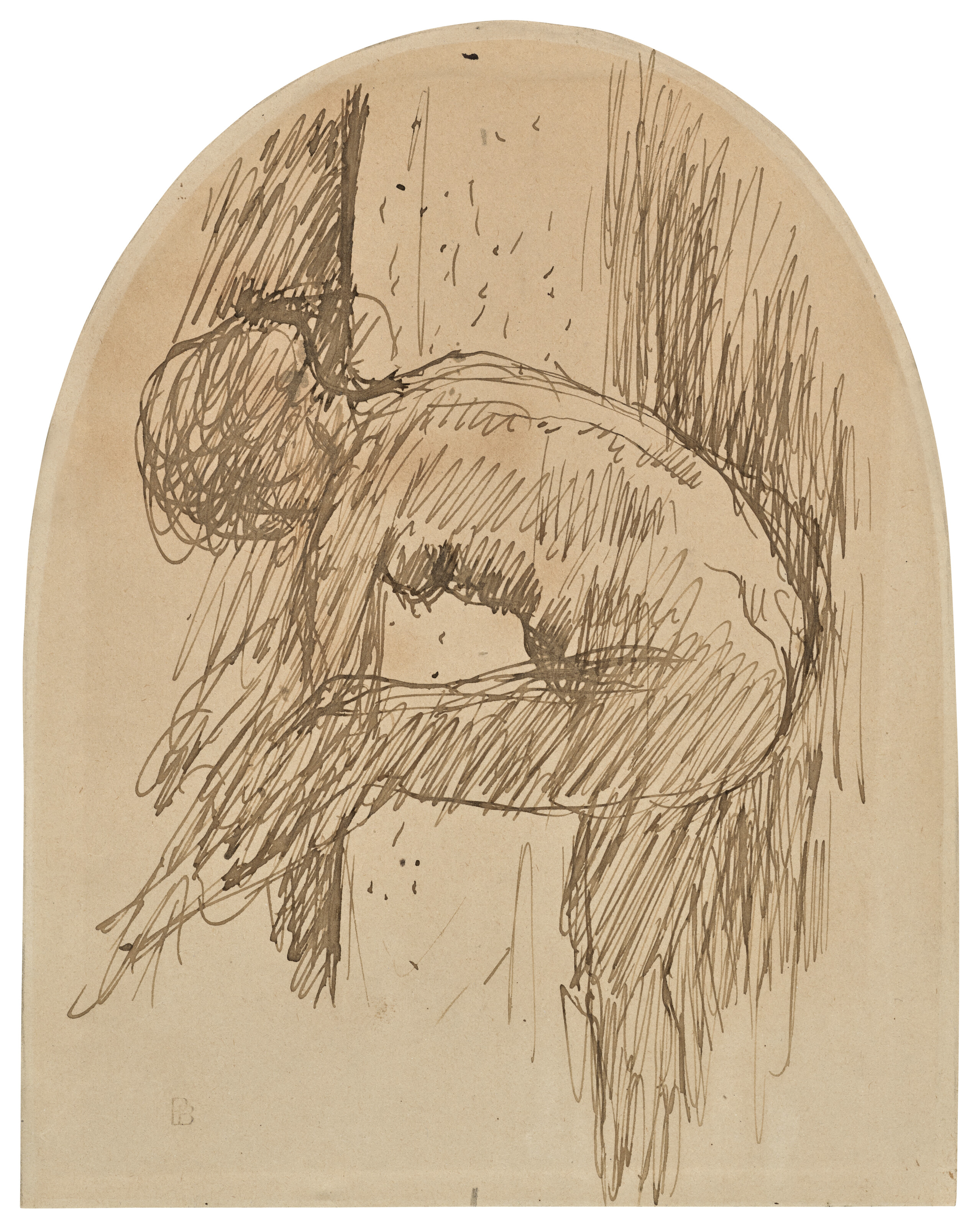
Pierre Bonnard
Nu dans le bain, 1936


The Quiet Room That Changes Everything
There is a particular kind of collector who walks into a viewing room, past the grand gestures and the market darlings, and stops in front of something small and radiant showing a woman reading by a window. Something shifts. The light in the painting seems to breathe. This is the Intimist effect, and once you have felt it, it is almost impossible to unfeel.
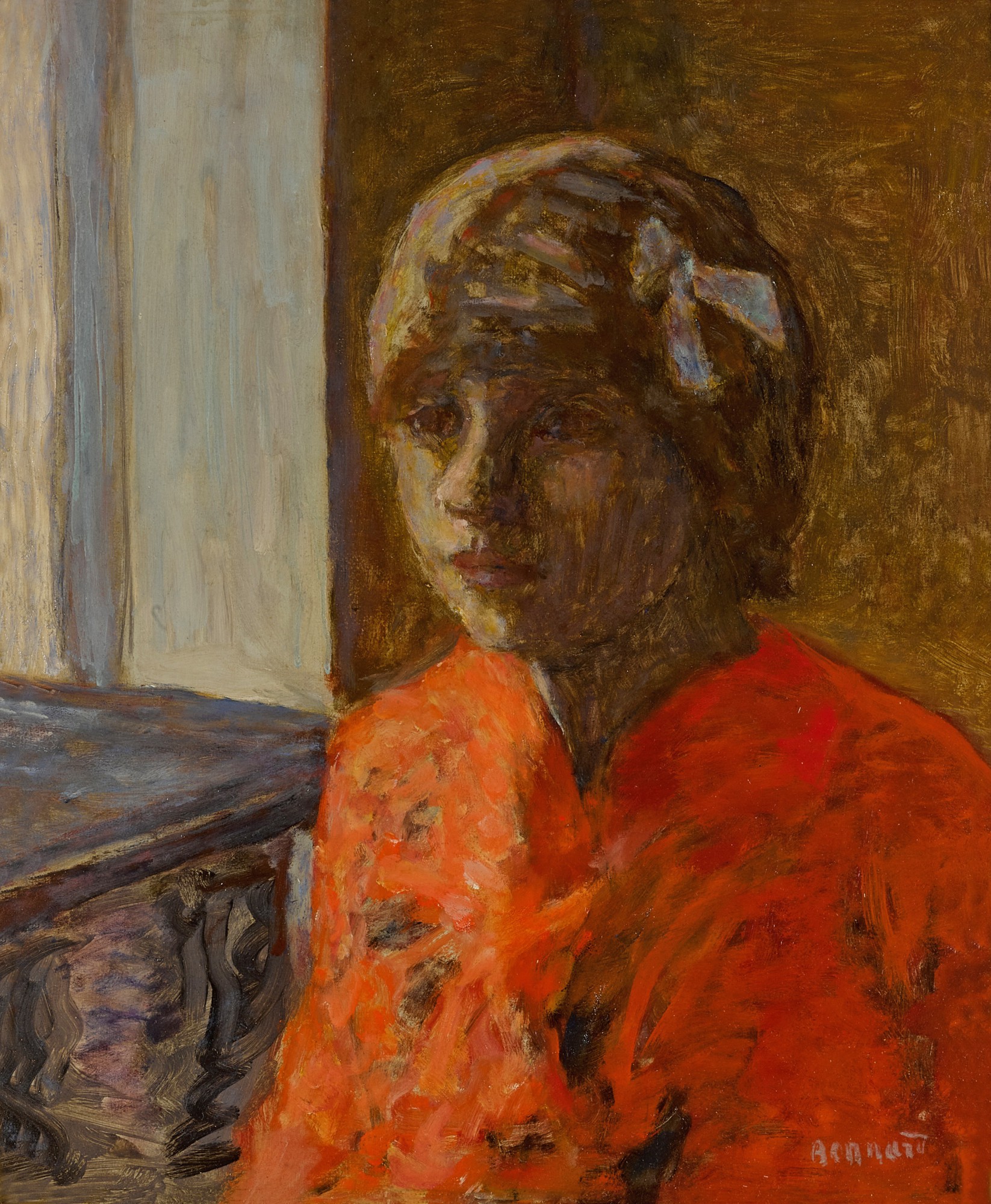
Collectors who come to this corner of Post Impressionism rarely leave it. They describe living with these works as something closer to companionship than ownership, a presence in a room that changes the quality of the air. Intimism as a tendency rather than a formal movement emerged most forcefully in Paris in the 1890s, centered on a loose circle of Nabis painters who had absorbed Gauguin's lessons about color as feeling and surface as expression. But where Gauguin looked outward to the exotic and the elemental, Pierre Bonnard and Édouard Vuillard turned their gaze inward, toward the domestic, the familiar, the everyday rendered luminous.
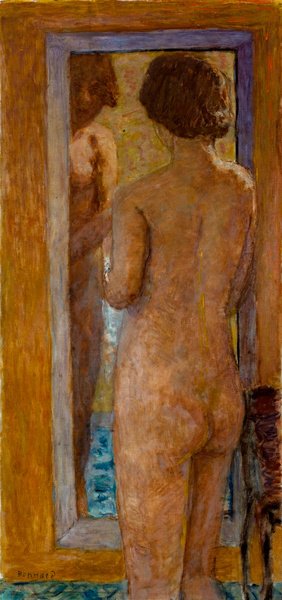
Pierre Bonnard
Femme à sa toilette, 1934
The bedroom, the dining table, the afternoon light falling across a patterned tablecloth became their territories. What seems modest at first glance turns out to be philosophically ambitious: these artists were arguing that the interior life, in both senses of the word, is the site of the most profound human experience. For collectors, the question of what separates a good Intimist work from a truly great one is worth thinking through carefully before you spend. The best works in this tradition achieve something paradoxical: they feel entirely specific and completely universal at the same time.
A great Bonnard interior does not just show a corner of his home in Le Cannet. It locates you inside a feeling of domesticity that is yours as much as his. Look for works where color does actual structural work, where the chromatic relationships create depth and emotion simultaneously rather than simply describing a scene. In Vuillard especially, the integration of figure into pattern is the tell.
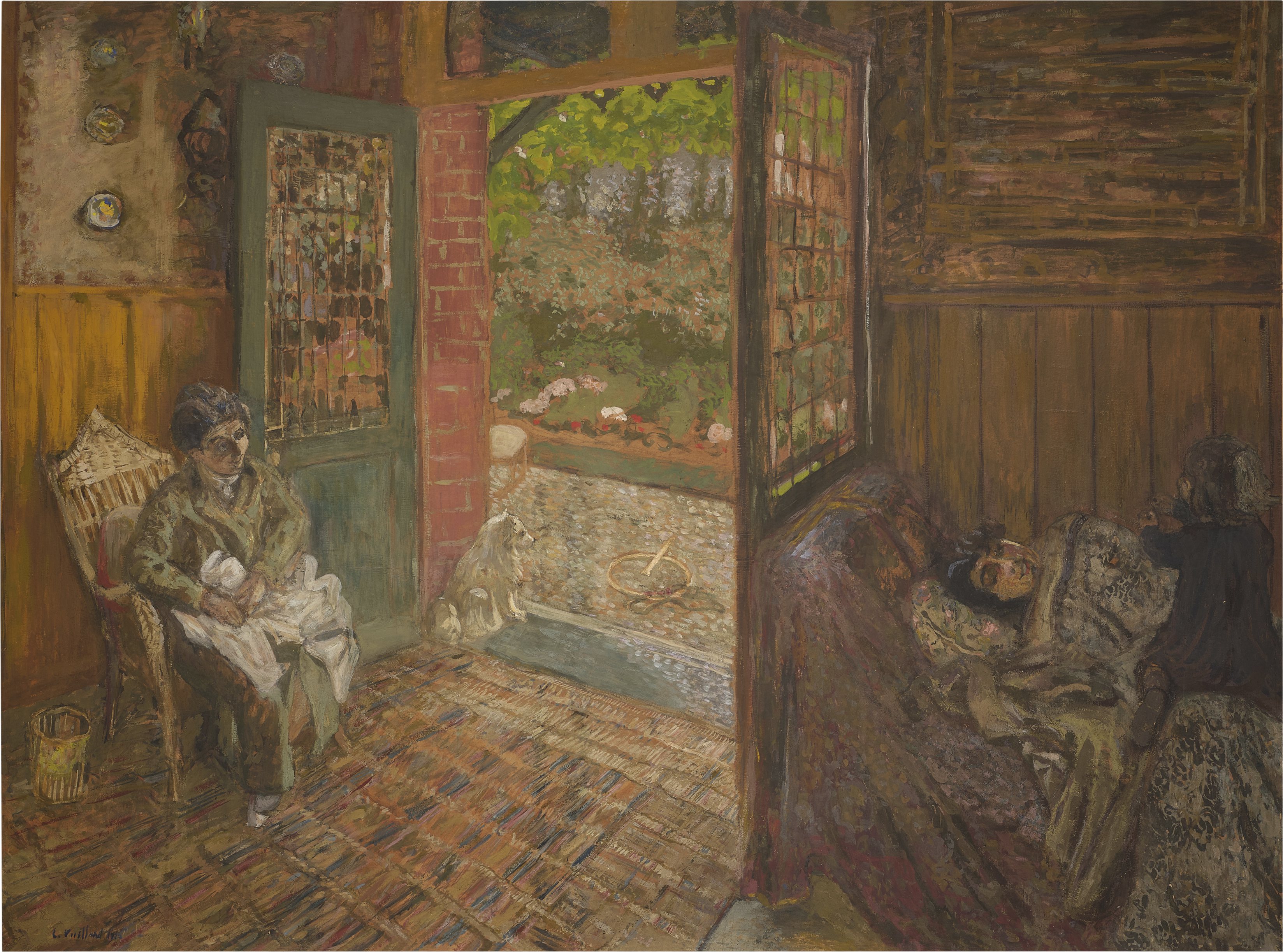
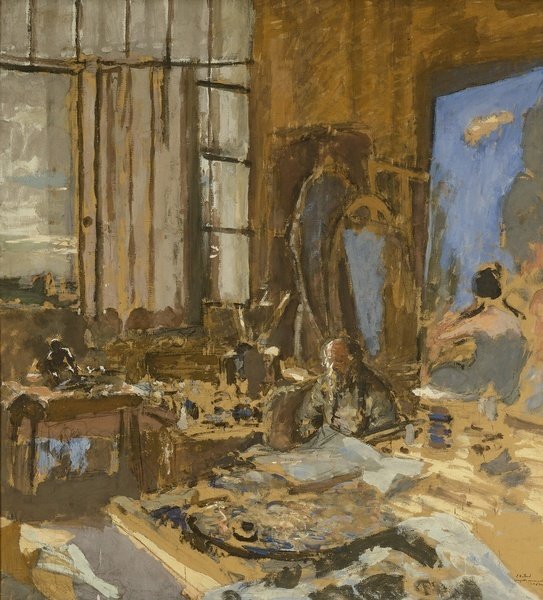
Edouard Vuillard
La Porte du jardin, 1910
When a figure dissolves into wallpaper and re emerges as a distinct presence, you are looking at a painting that is doing something genuinely difficult. When that dissolution feels arbitrary or unresolved, you are looking at a lesser effort. Scale matters enormously in this genre, and not in the way collectors accustomed to contemporary work might expect. Some of the most commanding Intimist paintings are surprisingly small.
Vuillard's distemper panels from the 1890s, intimate in dimension, can hold a wall with more authority than canvases three times their size because the density of information and feeling is so concentrated. Bonnard's smaller works on paper or board, made quickly in front of motifs he had known for years, often carry more life than his more elaborated canvases. The lesson is to resist the instinct to equate scale with significance. Among the artists well represented on The Collection, Bonnard stands as the commanding figure, and for good reason.
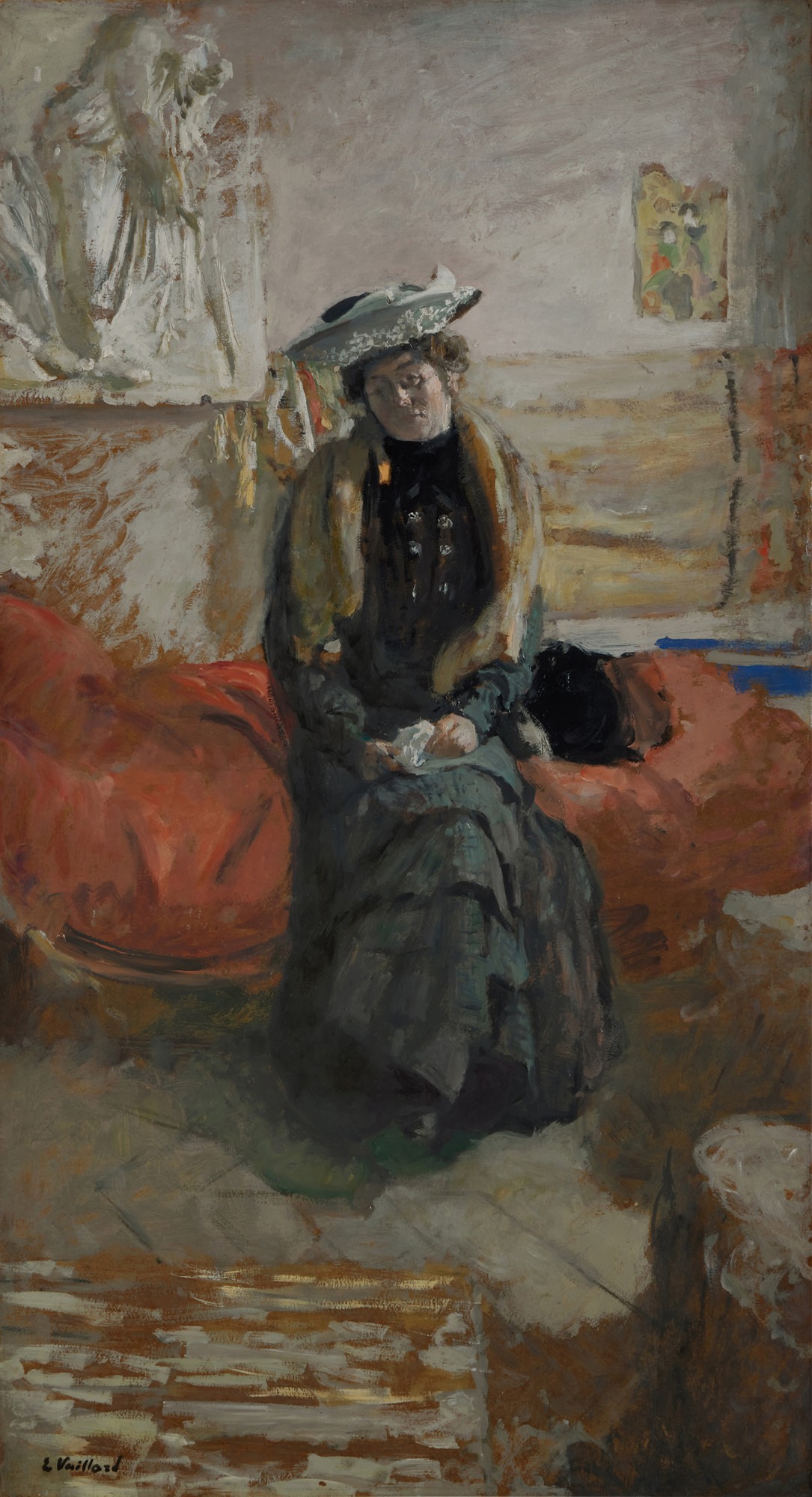
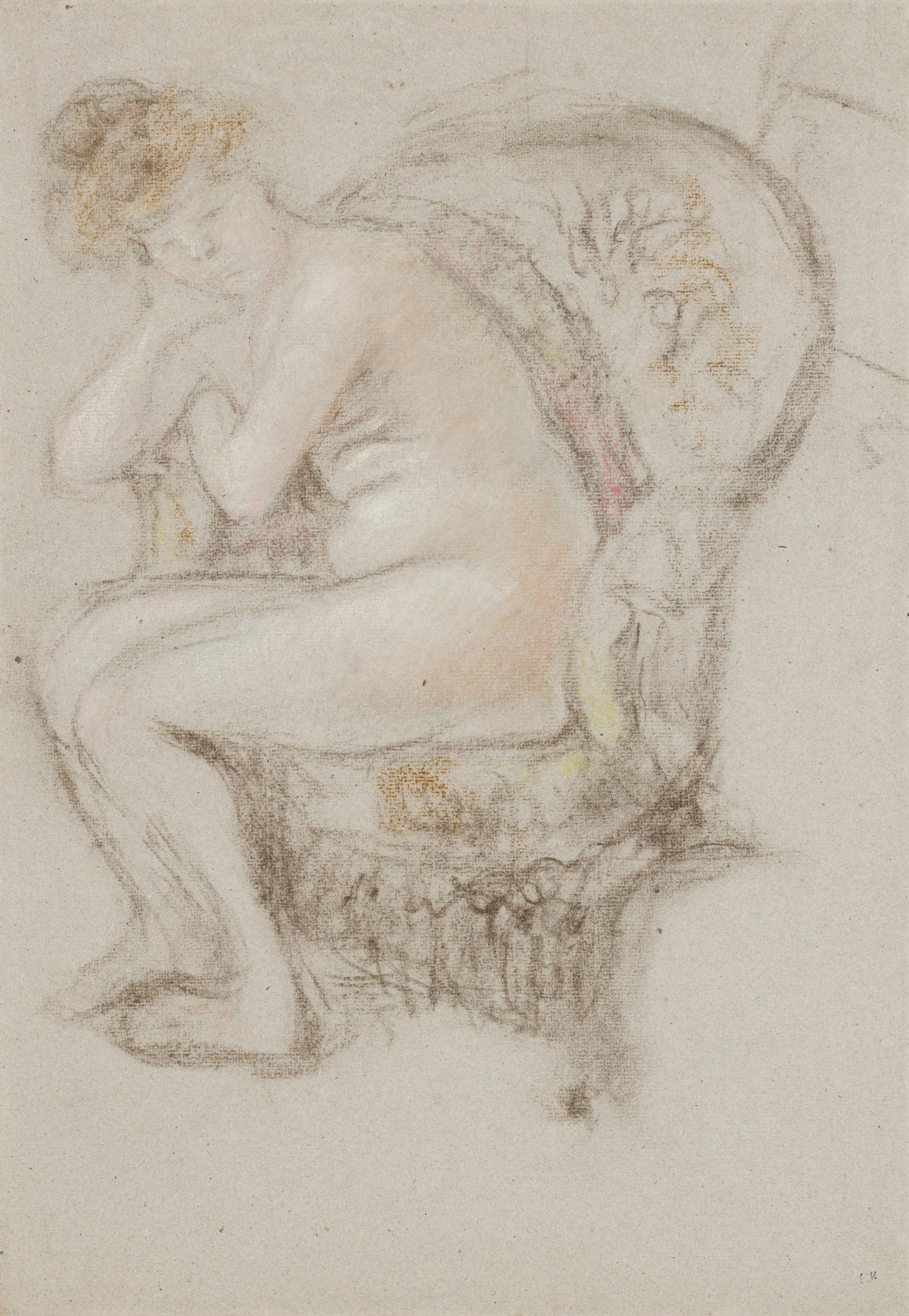
Édouard Vuillard
Femme sur un divan (L’Attente), 1903
His critical rehabilitation over the past three decades has been remarkable. Once dismissed by certain modernist critics as decorative or sentimental, he is now understood as one of the most radical colorists of the twentieth century, an artist whose late work anticipates questions about perception and surface that painters in the 1950s and 1960s would return to. Vuillard, meanwhile, has perhaps been undervalued relative to Bonnard for too long. His range is extraordinary, from the compressed and almost abstract pattern works of his early career to the luminous bourgeois interiors he made well into the twentieth century.
For collectors with a serious eye, Vuillard represents one of the more interesting value propositions in late nineteenth and early twentieth century European painting. Henri Le Sidaner, also represented on The Collection, offers a quieter entry point into this sensibility. His garden and interior scenes, atmospheric and often suffused with a melancholy twilight, attract collectors who respond to the poetic rather than the analytical dimensions of Intimism. The secondary market for serious Intimist work has been remarkably stable over time, which is part of what makes this area attractive to collectors who think in decades rather than seasons.
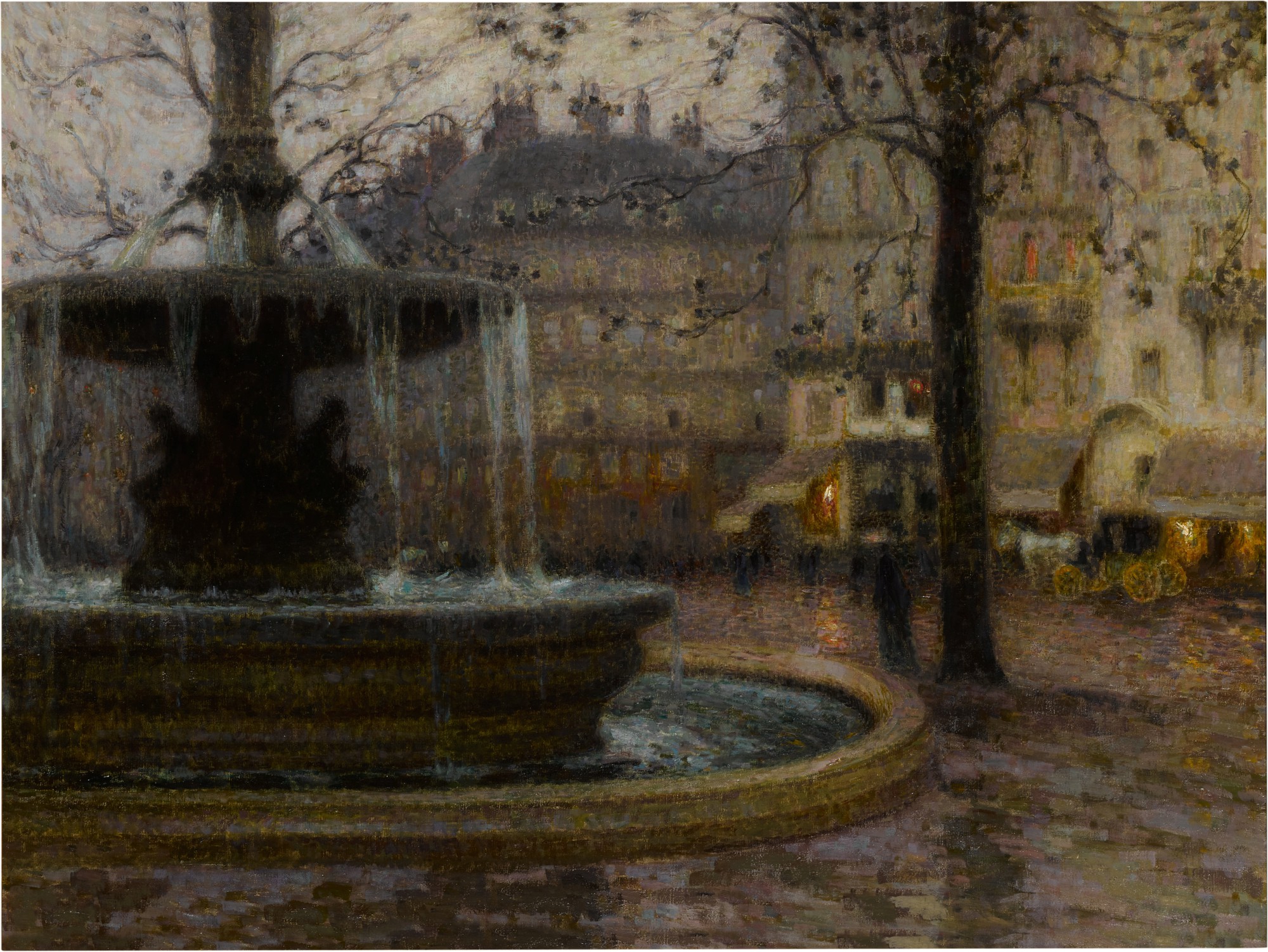
Henri Le Sidaner
La Fontaine
Bonnard's auction record reflects sustained institutional and private demand, with major works consistently achieving results in the millions at the leading houses. His market is genuinely international, with strong interest from American, European, and increasingly Asian collectors. Vuillard's market is perhaps more concentrated among specialist collectors and institutions, which creates periodic opportunities when works come to auction without the full attention they deserve. The practical advice here is to watch the secondary market carefully and be ready to move when a serious work appears outside a marquee sale context.
Condition is a particular concern with Intimist work, and it is the first question any good advisor will press on. Many works in this tradition were made on supports and with media that require careful handling and storage. Vuillard's distemper paintings are especially sensitive to humidity and handling. Always ask for a full condition report and an independent conservator's assessment before purchasing.
Provenance matters too, not only for authenticity but because works that have passed through important collections carry an art historical weight that affects both meaning and market performance. For collectors wondering whether to pursue unique works or multiples, the answer in this category is almost always unique works where possible. The graphic work of both Bonnard and Vuillard is genuinely distinguished, and their lithographs from the 1890s offer an accessible entry point into the collecting conversation. But the paintings and works on paper are where the real argument lives.
When speaking with a gallery or specialist, ask about exhibition history and whether the work has been published in the catalogue raisonné. Ask about the last time the work was examined by a conservator and whether there has been any restoration. These questions signal that you are a serious buyer and tend to unlock more candid conversations about the work's full story. What ultimately distinguishes Intimist work as a collecting category is that it rewards sustained attention in a way that few other areas can claim.
These are not paintings that exhaust themselves on first viewing. They are paintings that change with the season, with the time of day, with your own shifting moods and preoccupations. Collectors who live with Bonnard or Vuillard for years consistently report that the relationship deepens rather than plateaus. In a market full of work designed to make an immediate impression and then recede, that quality is rarer than it might sound.
![Pierre Bonnard — Étude pour Andrée et son chien [Bella]](https://rtwaymdozgnhgluydsys.supabase.co/storage/v1/object/public/artwork-images/auction-lots/dans-l-intimit-de-pierre-bonnard-collection-claude-terrasse-24836-par-lot105.jpg)