Édouard Vuillard
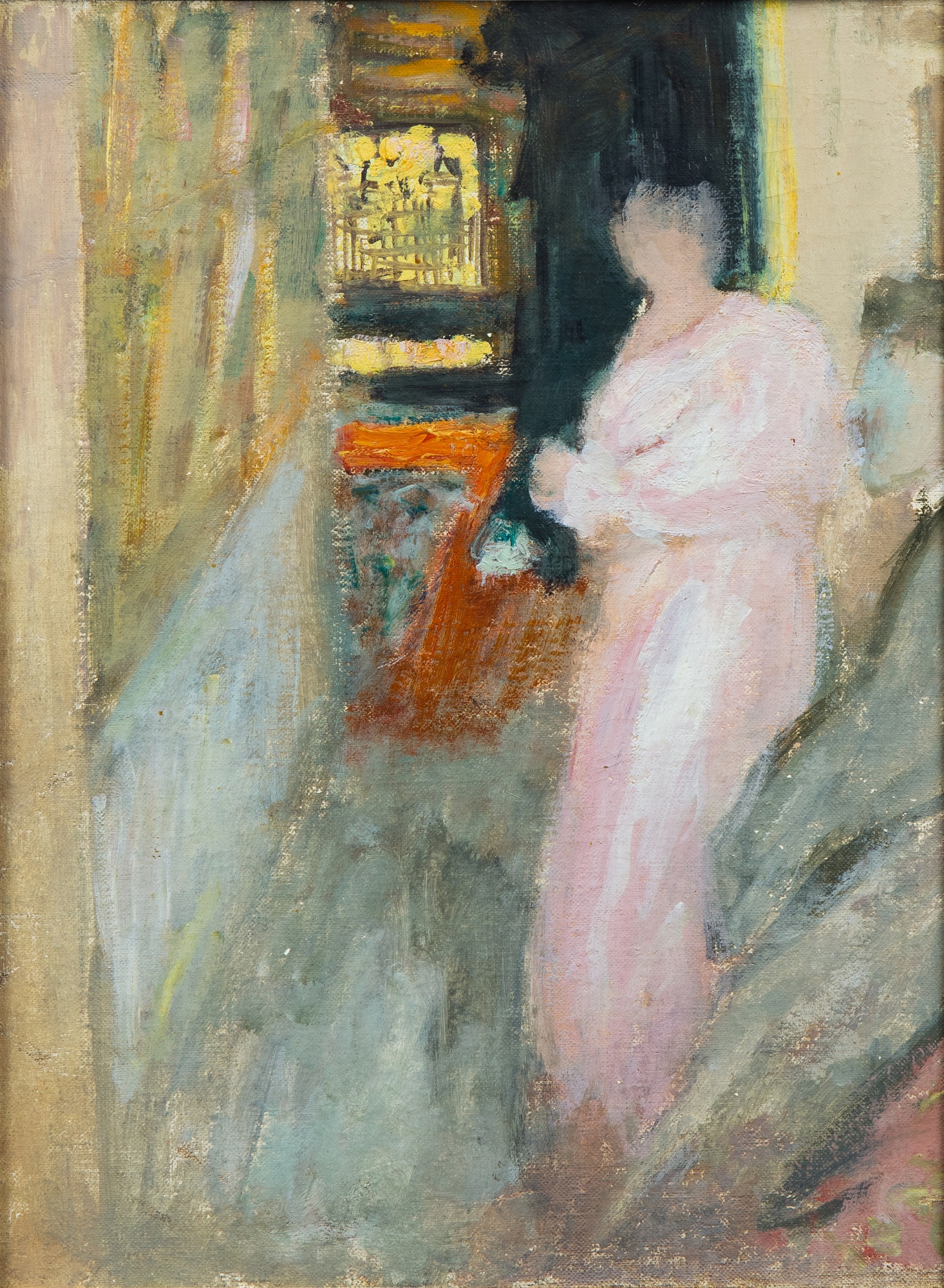
Vuillard: Poetry Hidden in Plain Sight
Artist Spotlight · The Collection Editorial
“I do not paint portraits. I paint people in their homes.”
Édouard Vuillard
There is a moment that many visitors to the Musée d'Orsay describe almost identically. They round a corner, expecting something grand and declarative, and instead find themselves arrested by something small and quiet. A woman bent over embroidery. A table crowded with objects.
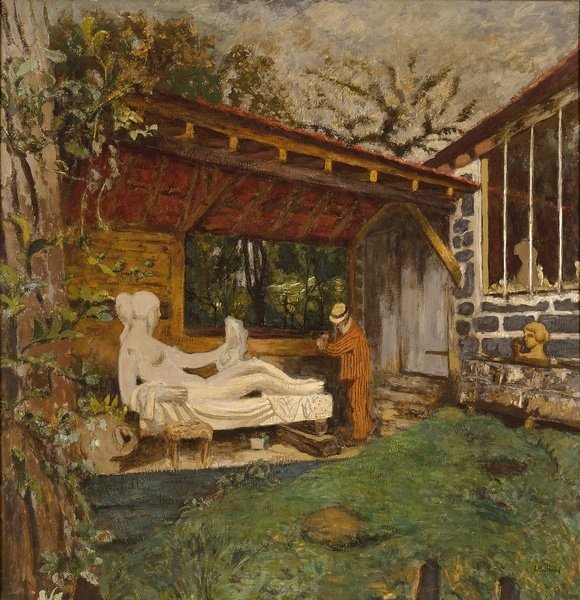
Édouard Vuillard
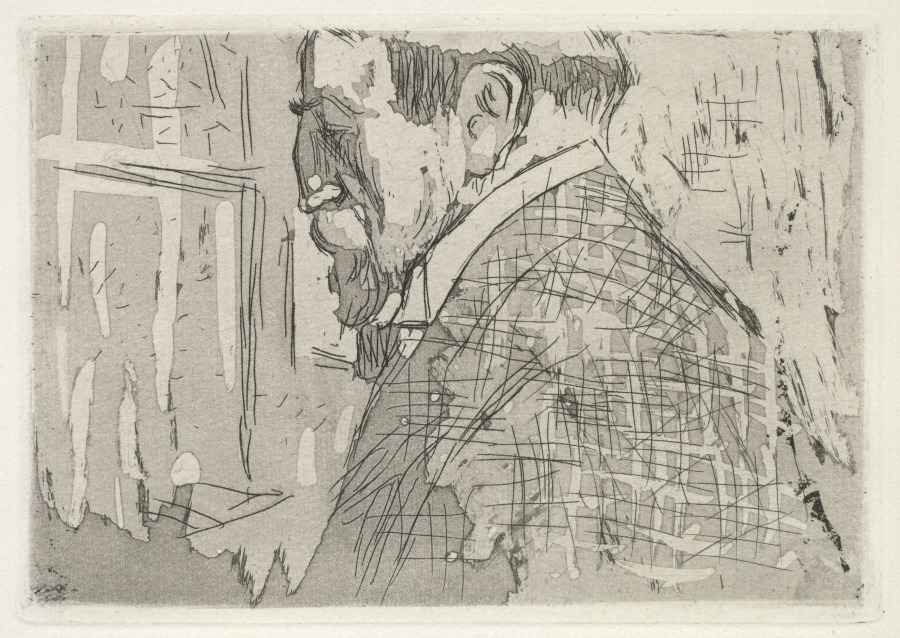
Portrait d'Aristide Maillol, 1930
A room that seems to breathe. The painter responsible for that arrested breath is Édouard Vuillard, and the sensation he produces has lost none of its force since he first exhibited with the Nabis in the 1890s. If anything, the appetite for his work among serious collectors and museum curators has only deepened, as the art world continues to rediscover the radical intelligence concealed beneath his surfaces of domestic calm. Vuillard was born in 1868 in Cuiseaux, a small town in the Saône et Loire region of eastern France.
When he was a child, his family relocated to Paris, and the city would remain the essential geography of his imagination for the rest of his life. His father died when Édouard was fifteen, and the household that followed was shaped almost entirely by women: his mother, Marie Vuillard, who ran a dressmaking and corset business from the family apartment, and his sister, who shared that enclosed, textile rich domestic world. This early environment proved formative in ways that extended far beyond biography. The bolts of fabric, the wallpapers, the figured surfaces layered one upon another in cramped Parisian rooms, these became the visual language through which Vuillard would eventually remake painting itself.
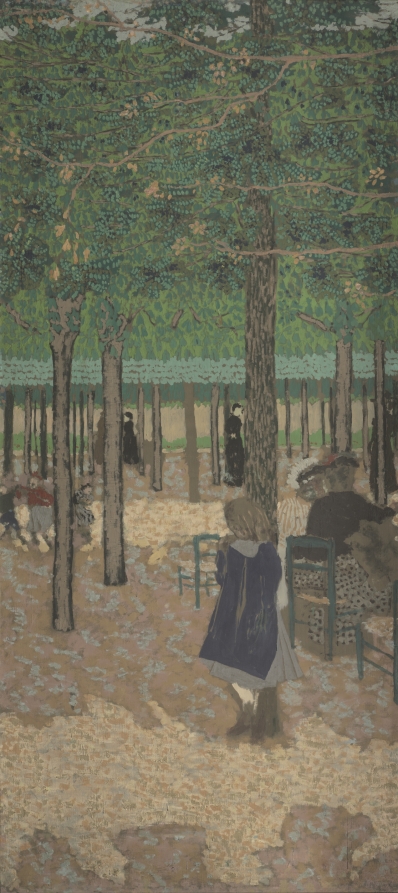
Édouard Vuillard
Under the Trees (from "The Public Gardens"), 1894
He entered the École des Beaux Arts in 1886 and later transferred to the Académie Julian, where he encountered the friendships that would define his early career. It was there that he met Maurice Denis, Pierre Bonnard, Paul Sérusier, and Ker Xavier Roussel, the core of what would become the Nabis. Sérusier returned from a visit to Pont Aven in 1888 carrying a small painting made under the direct instruction of Paul Gauguin, a work the group would call the Talisman. The lesson it conveyed, that color and form could operate as autonomous expressive forces rather than servants of representation, electrified the young Vuillard and set the course of his entire practice.
The Nabis took their name from the Hebrew word for prophets, and they carried that sense of mission into their studios and their friendships. What Vuillard built from these foundations was something entirely his own. Working through the 1890s and into the first decade of the twentieth century, he developed what critics have come to call his Intimist period, a body of work in which interior scenes of almost hallucinatory density are rendered in flattened, interlocking planes of color and pattern. Figures in these paintings are often nearly absorbed into their surroundings, a woman's dress rhyming so precisely with the wallpaper behind her that the boundary between person and environment dissolves.
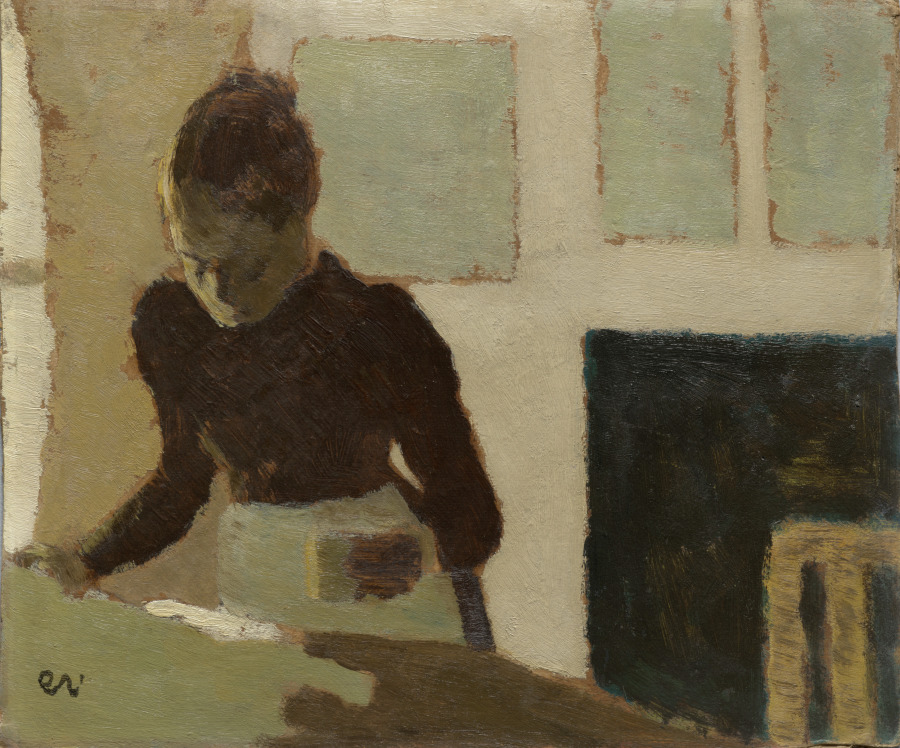
Édouard Vuillard
Woman Ironing, 1892
This was not naivety or lack of skill. It was a philosophical position: Vuillard believed that the decorative and the deeply human were not in opposition but in continuous conversation. His scale was frequently small, his media often distemper or oil on cardboard, and his ambition was immense. Among the works that reward sustained attention is Mme Arthur Fontaine au piano, painted in 1904, a work of extraordinary compositional sophistication in which the figure of the pianist seems to emerge from and recede into a field of warm, jeweled color.
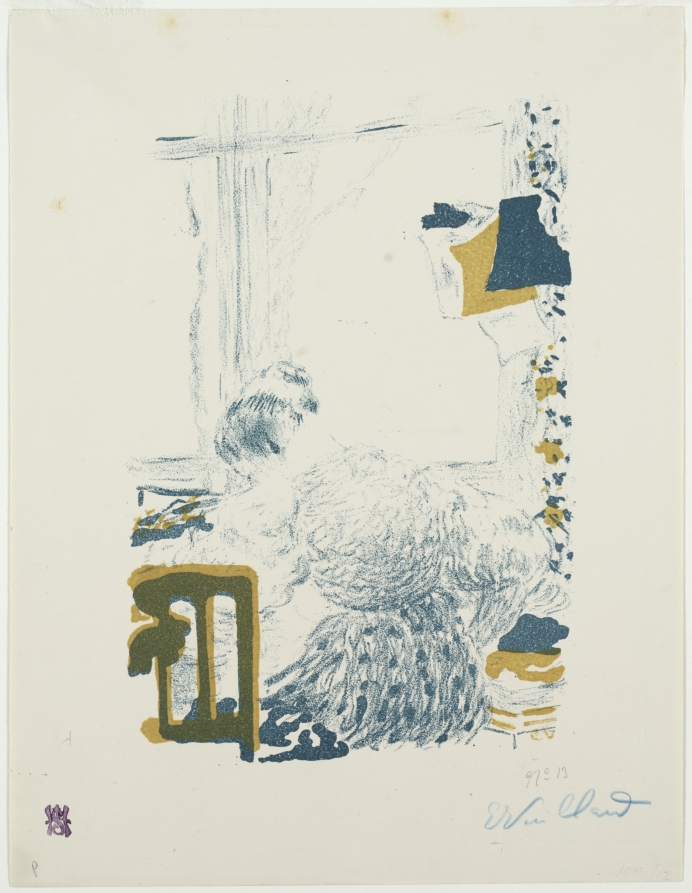
The painting captures both a specific social world, the cultivated salons of the Parisian haute bourgeoisie, and something more universal: the quality of absorbed attention, of a person entirely given over to a private act. Intérieur avec deux personnages, from 1910, demonstrates the same genius for making figures and their domestic surroundings into a single visual argument. His printmaking, represented in distinguished collections by works such as the color lithograph series Paysages et Intérieurs published in 1899, shows a parallel mastery of a different register. These lithographs, made for the celebrated publisher Ambroise Vollard, rank among the finest prints of the Belle Époque and are prized by collectors who understand the print medium as something more than a secondary art.
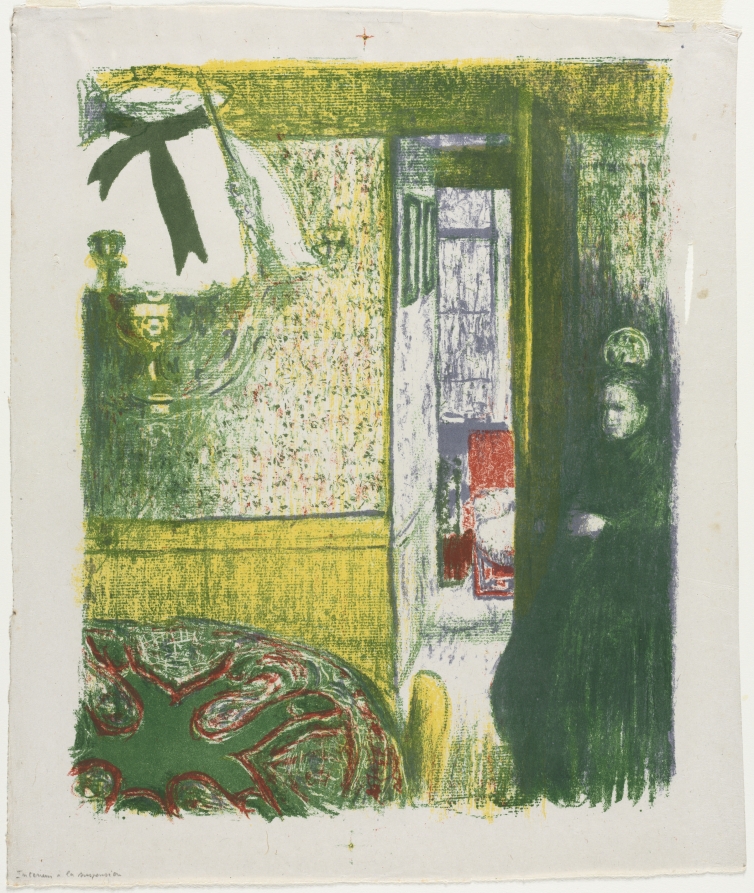
Édouard Vuillard
Interior with a Hanging Lamp, 1899
Vuillard's relationship with his patrons was unusually close and often lifelong. The Natanson brothers, who founded the influential journal La Revue blanche, were early champions, and Vuillard contributed illustrations and decorative panels for their circle throughout the 1890s. He also maintained sustained relationships with collectors including the Hahnlosers in Switzerland and, most notably, the family of Jos Hessel, whose wife Lucy would become one of the central presences in his life and work for decades. These relationships gave his art its particular social texture: Vuillard was embedded in the lives of the people he painted, and that intimacy is legible in every canvas.
For collectors today, works that can be traced to these documented early relationships carry both historical weight and exceptional provenance. In the market, Vuillard occupies a position of quiet authority. His oils, particularly the small to medium format works from the 1890s and the first decade of the 1900s, appear regularly at Christie's, Sotheby's, and Bonhams, where they attract sustained interest from European and American private collectors. Works on paper and prints, including the Vollard lithographs, offer a point of entry for collectors who wish to live with his particular vision at a range of price points.
Pastels from his later career, such as Gabrielle Jonas of 1927, demonstrate that his gift for capturing personality and interior light never diminished, and they are increasingly sought as the field of works from his later decades receives more scholarly attention. Collectors drawn to Bonnard, Denis, or to the broader tradition of French Post Impressionism consistently find Vuillard to be its most psychologically nuanced practitioner. The artists closest to Vuillard in spirit and in art historical placement are Pierre Bonnard, with whom he shared a lifelong friendship and a commitment to the decorative as a mode of genuine feeling, and Maurice Denis, whose theoretical writings gave the Nabis much of their intellectual framework. Comparisons are also drawn to Jan Vermeer, whose interiors similarly locate transcendence in the ordinary, and to James McNeill Whistler, whose tonal harmonies Vuillard admired.
But Vuillard's specific combination of pattern, compression, and psychological presence places him in a category finally his own. He died in La Baule in 1940, having lived long enough to see his early radicalism become history and his reputation settle into something like veneration. What endures is the quality of attention he brought to the overlooked: the corner of a room, the fall of afternoon light on a patterned tablecloth, the posture of a woman reading. In an era saturated with spectacle, Vuillard's insistence on the profound richness of the near at hand feels not nostalgic but necessary.
To collect his work is to invest in a way of seeing that rewards patience, that grows richer with return visits, and that quietly insists the extraordinary was always here, in the room you were already in.
Featured Works
Explore books about Édouard Vuillard

Vuillard
Claude Roger-Marx
Édouard Vuillard
Anthea Callen
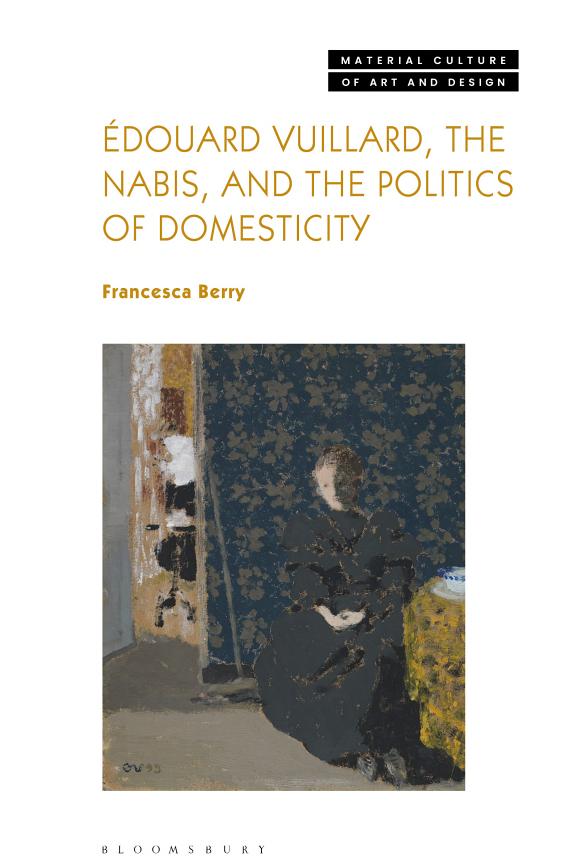
Vuillard: A Retrospective
Guy Cogeval

Édouard Vuillard
Pascal Bonafoux
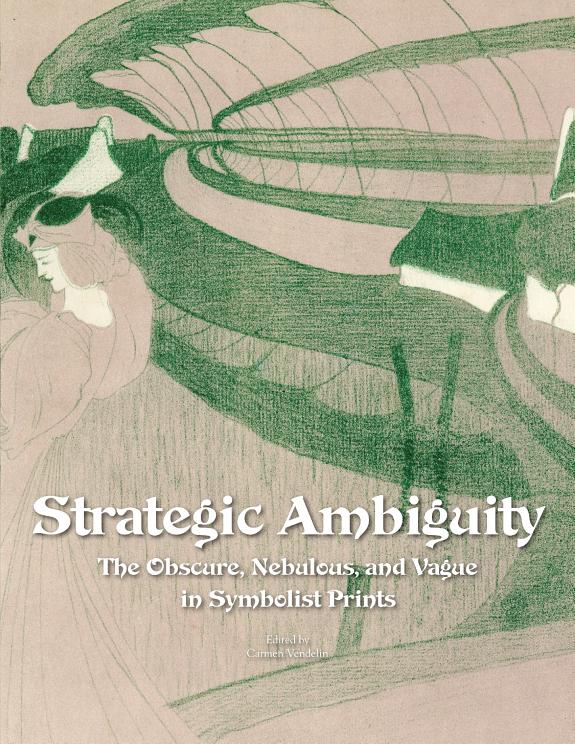
The Nabis and Their Circle
Patricia Eckert Boyer
Édouard Vuillard: Works on Paper
Belinda Thomson
Vuillard: Intimacy and Light
Jacques Salomon
Édouard Vuillard 1868-1940
Jean Cailac