Édouard Manet
Manet: The Rebel Who Made Modern Beauty
Artist Spotlight · The Collection Editorial
“There is only one true thing: instantly paint what you see.”
Édouard Manet
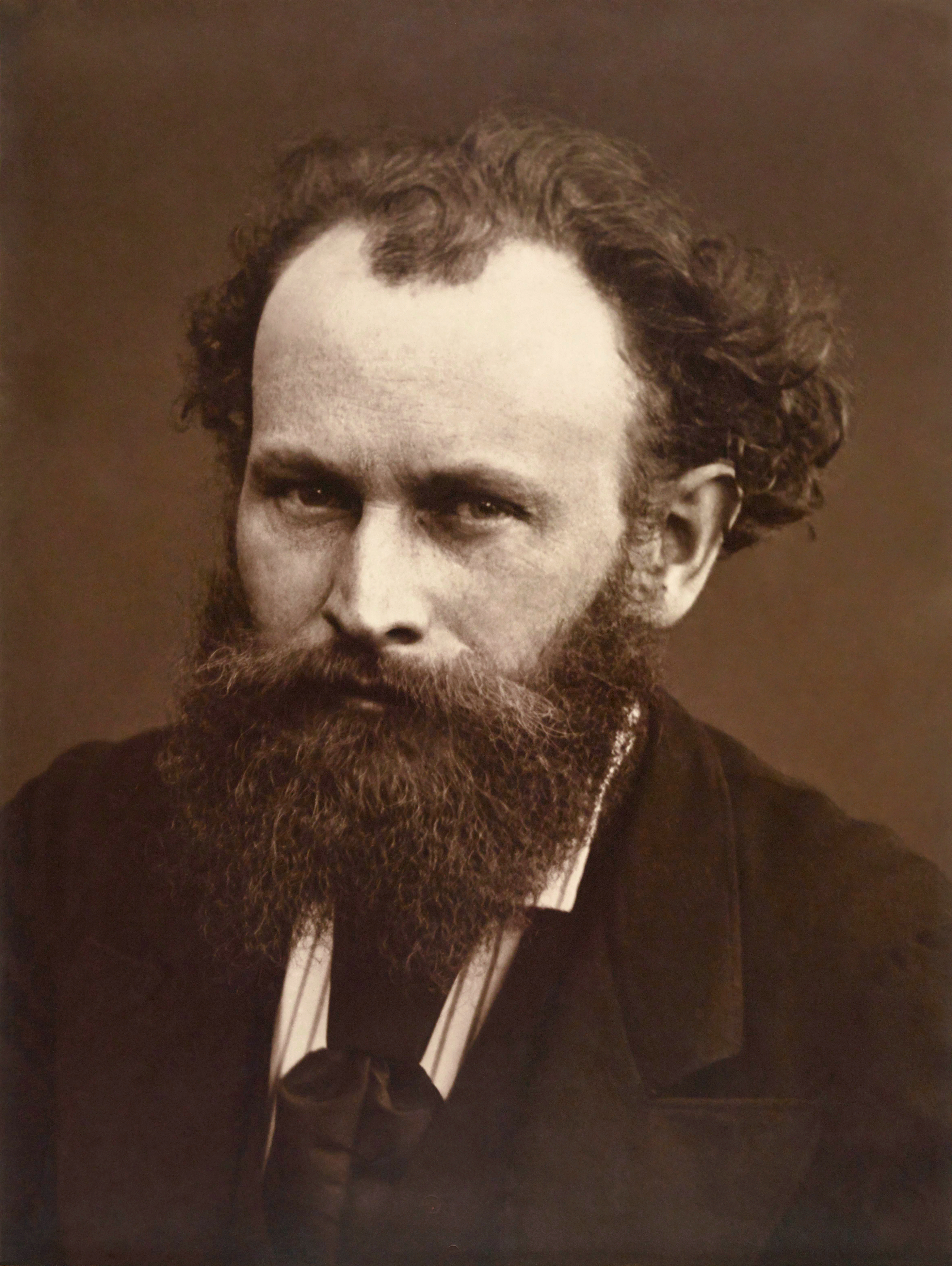
There are painters who work within the world as they find it, and there are painters who remake it entirely. Édouard Manet belongs unambiguously to the second category. When the Musée d'Orsay in Paris gathers visitors before his monumental canvases, the effect is still electric: figures rendered with startling directness, light falling in ways that feel observed rather than arranged, and a sense of human presence so immediate it crosses the century and a half between painter and viewer without losing a single degree of warmth. To stand before a Manet is to understand, viscerally, why so many historians and critics regard him as the hinge upon which the entire story of Western painting swings from old to new.
Édouard Manet
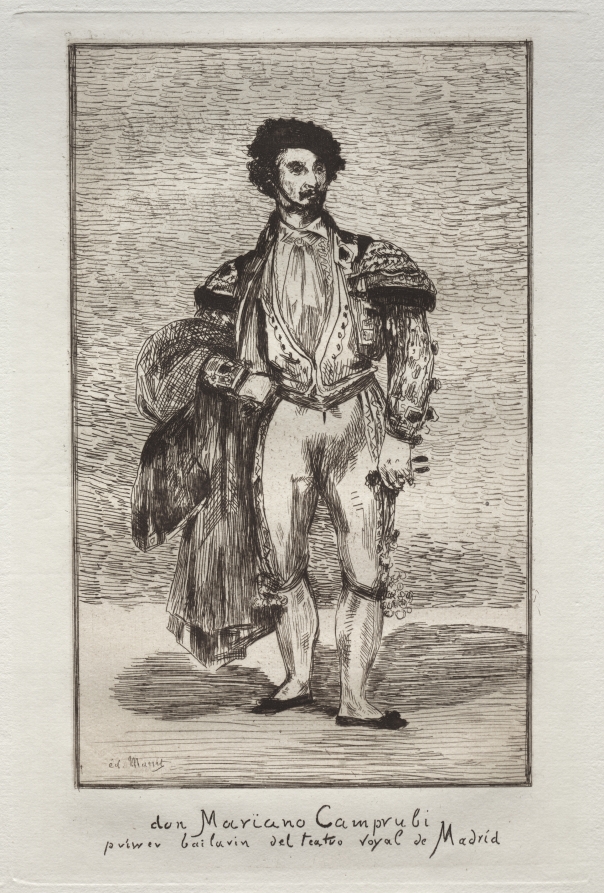
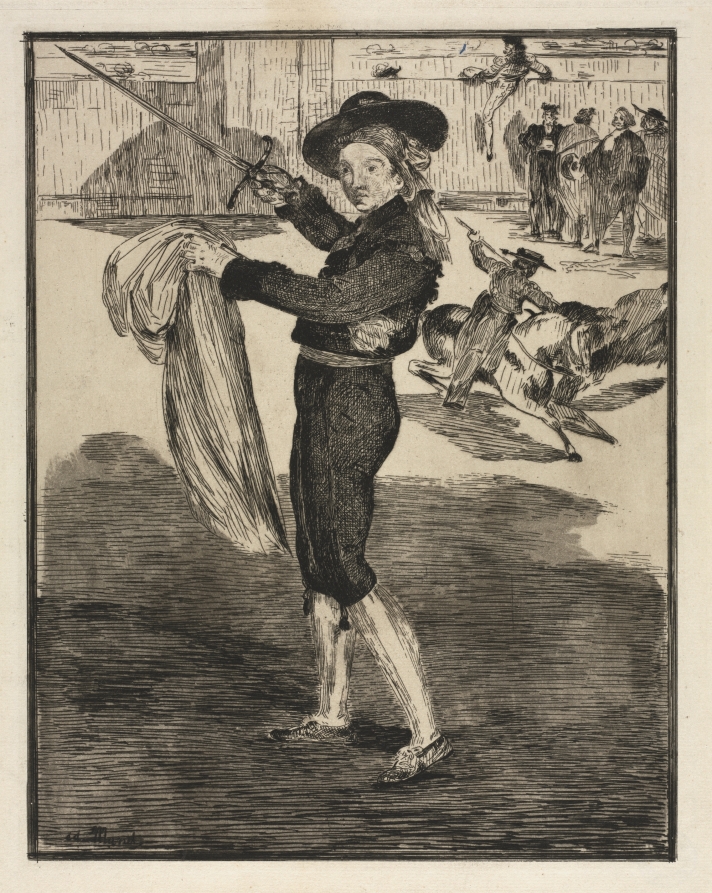
Le Bailarin ( Don Mariano Camprubi ), 1862
Mané was born in Paris on January 23, 1832, into a prosperous bourgeois family. His father, Auguste Manet, was a senior official in the French Ministry of Justice, and the household carried with it all the expectations that such a background implied. The young Édouard was not expected to become an artist. A period of nautical training between 1848 and 1849, during which he sailed to Rio de Janeiro, gave him early encounters with color, light, and the textures of the visible world that would never entirely leave his canvases.
When he finally committed himself to painting, he entered the studio of the respected academician Thomas Couture in 1850, spending six formative years there while simultaneously educating himself through sustained, serious looking at the great masters in the Louvre. Velázquez, Titian, Rembrandt, and above all the Spanish painters became lodestars for his developing sensibility. The influence of Velázquez deserves particular attention, because it explains so much about the cool, assured economy of Manet's mature brushwork. His etching of Philip IV, based on the Velázquez portrait and dating to 1862, reveals the depth of that engagement in concentrated form.
Édouard Manet
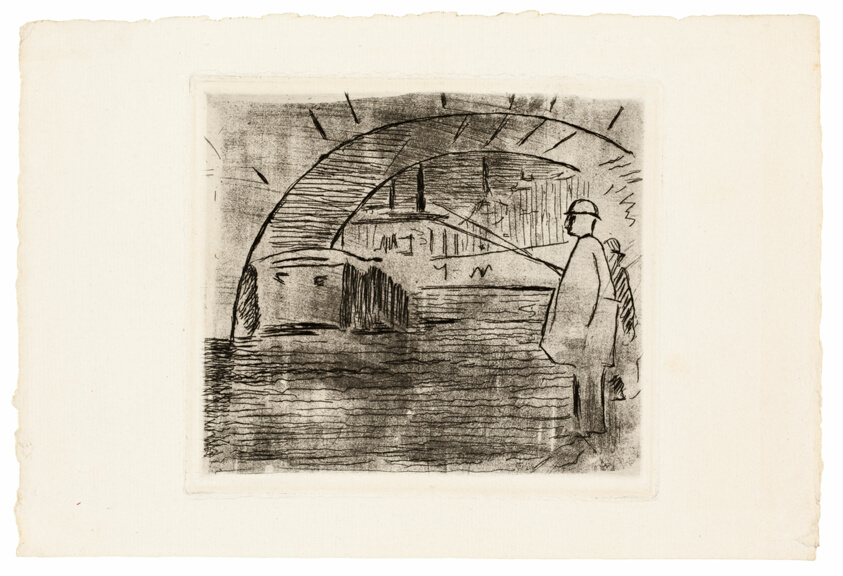
The Arch of the Bridge, 1874
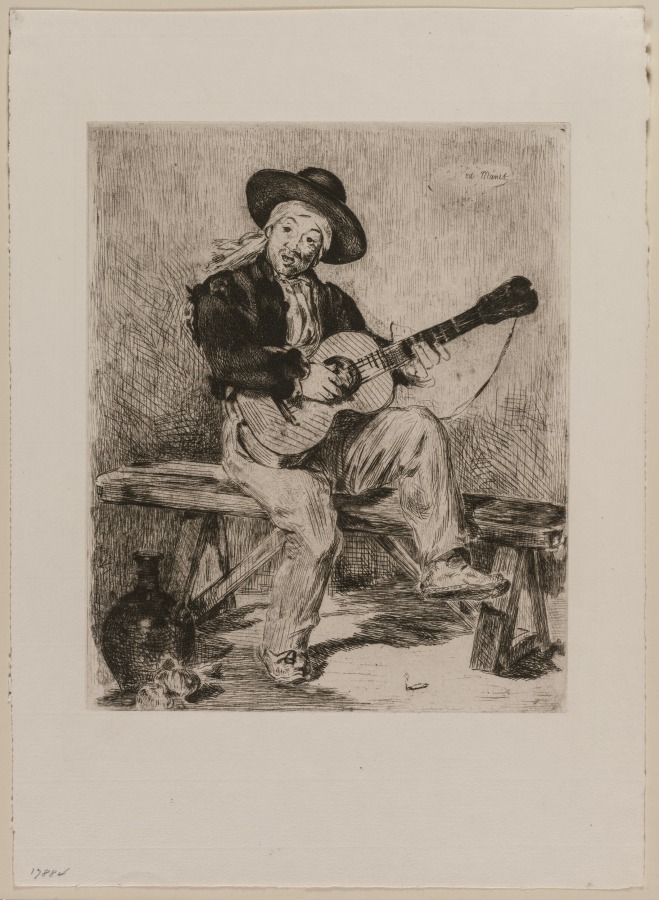
Manet visited Spain in 1865 and found confirmation of everything he had been working toward: a tradition of painting that privileged directness and tonal truth over the smooth, idealized finish that French academic institutions demanded. His printmaking practice, which produced a remarkable body of etchings, drypoints, and aquatints, demonstrates that his revolution in seeing was not confined to oil on canvas. Works such as Les Gitanos from 1862 and Boy with Pitcher from the same year show a draughtsman of remarkable confidence, equally at home translating observed life into the spare language of inked line. The scandal that made Manet's reputation was also, for many years, the source of his torment.
“I paint what I see and not what others like to see.”
Édouard Manet
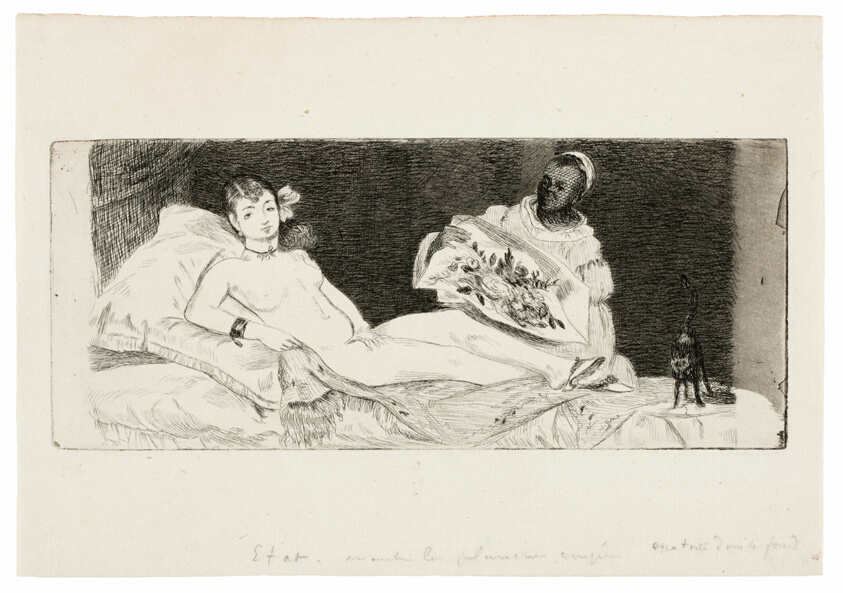
When Olympia was completed in 1863 and exhibited at the Salon of 1865, the response was a mixture of outrage and ridicule that is almost impossible to fully appreciate today, so thoroughly has subsequent history vindicated the painting. The subject, a reclining nude woman regarding the viewer with complete, unsettling composure, was understood immediately as a deliberate provocation. She was not a goddess or an allegory. She was a contemporary Parisian woman, painted with the same unflinching clarity that Manet brought to everything he saw.
Édouard Manet
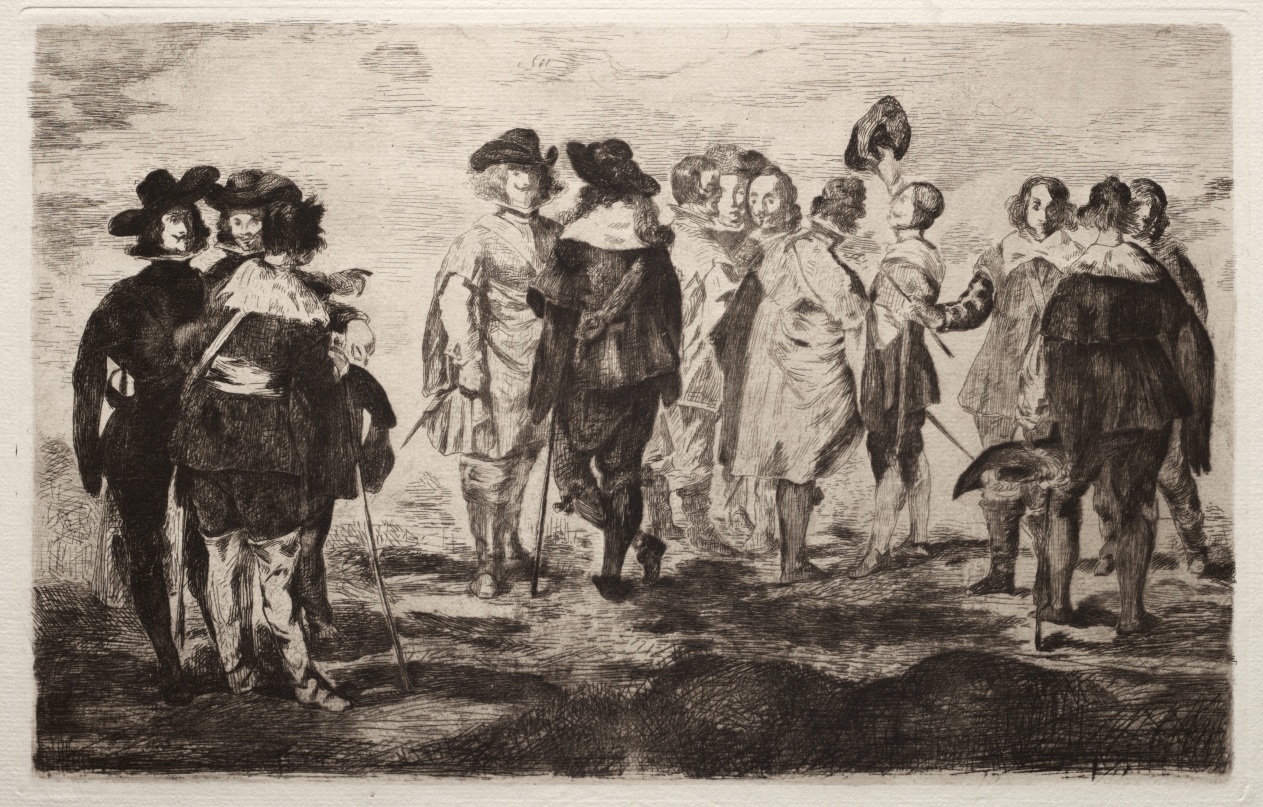
Les petits cavaliers, 1860
The debt to Titian's Venus of Urbino was obvious enough to be a statement rather than a concealment. Manet was saying, in paint, that the present moment was as worthy of art's full attention as any mythological or historical subject, and that beauty did not require the softening veil of idealization. The work now hangs as one of the supreme treasures of the Musée d'Orsay, and the etched versions of Olympia that circulated afterward, including the published plate of 1867 rendered in etching and aquatint in black on cream laid paper, demonstrate how seriously Manet treated the work's dissemination into the wider culture of collecting and looking. Through the 1860s and into the 1870s, Manet built an extraordinary body of work that encompassed portraiture, genre painting, scenes of modern Parisian life, and landscape.
The Races at Longchamp from 1866 exemplifies his gift for capturing the velocity and visual noise of contemporary life: the composition plunges the viewer directly into the rush of the racecourse, the horses and crowd rendered in a shorthand that would have been immediately recognizable to Impressionist painters who learned so much from studying it. Portrait of a Woman with a Black Fichu from 1873 shows the intimacy and psychological attentiveness he brought to individual sitters, the paint applied with a freedom and confidence that owes nothing to academic convention. The Boy with Soap Bubbles of 1868, translated into etching, connects Manet to a long tradition of vanitas imagery while transforming it through his characteristic directness. For collectors, the range of Manet's practice across media is one of the most compelling aspects of building a relationship with his work.
Édouard Manet
Olympia (published plate), 1867
The prints and works on paper offer entry into his world with a directness and intimacy that complement the oils. A pencil drawing such as Deux Profils de Femmes, Coiffées de Chapeaux from 1861 is a meditation on observation itself: Manet looking, finding form in movement, recording what he sees with the economy of a master. Auction records for major canvases have long reflected his position among the most sought after painters of the nineteenth century, while prints and works on paper represent opportunities for collectors to engage with his thinking at close range. What distinguishes Manet's prints from those of many of his contemporaries is their resistance to mere reproduction: each etching or drypoint carries the feeling of an independent work, a fresh engagement with a problem of seeing rather than a mechanical transfer.
The artists who surrounded Manet and who learned from him constitute one of the most remarkable clusters in the history of art. Claude Monet, Edgar Degas, Berthe Morisot, and Pierre Auguste Renoir all moved in his orbit. Morisot, who became his sister in law after marrying his brother Eugène in 1874, was among his closest and most stimulating intellectual companions. The Impressionists claimed him as a precursor even as Manet himself never exhibited with the group, remaining committed throughout his life to the official Salon as the arena in which serious reputations were made and contested.
This slight but significant distance from the movement he helped inspire gives his work a quality of solitary definition: he was never simply one voice in a chorus. Mané died on April 30, 1883, at the age of fifty one, from the effects of locomotor ataxia, a consequence of the same illness that had compromised his mobility in his final years. He left behind a body of work that transformed what painting could be and what it was permitted to say. More than a century and forty years later, that transformation continues to reverberate.
His insistence on the present tense of experience, his refusal to subordinate looking to convention, and his absolute confidence in the evidence of his own perception remain as instructive and invigorating as anything in the history of art. To collect Manet is to align yourself with one of the deepest and most enduring acts of seeing that Western culture has ever produced.
Featured Works
Explore books about Édouard Manet

Manet: A Rebel in the Courtroom of Impressionism
Pierre Courthion
Manet and the Object of Painting
Paul Smith
Manet: The Still Life Paintings
Anne Coffin Hanson
The World of Manet, 1832-1883
Pierre Courthion

Manet: A Symbolic Art
George Mauner
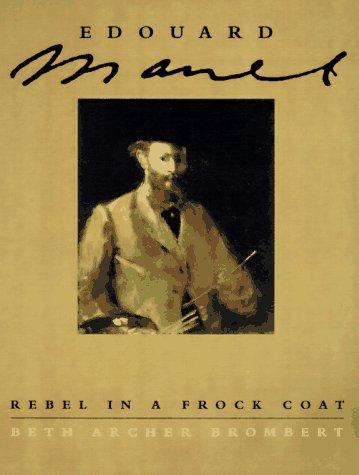
Manet and His Critics
Beth Archer Brombert
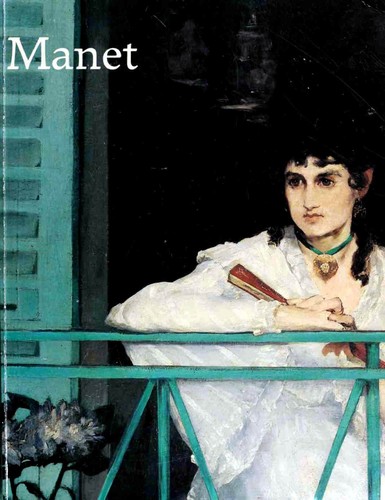
Édouard Manet: 1832-1883
Juliet Wilson-Bareau
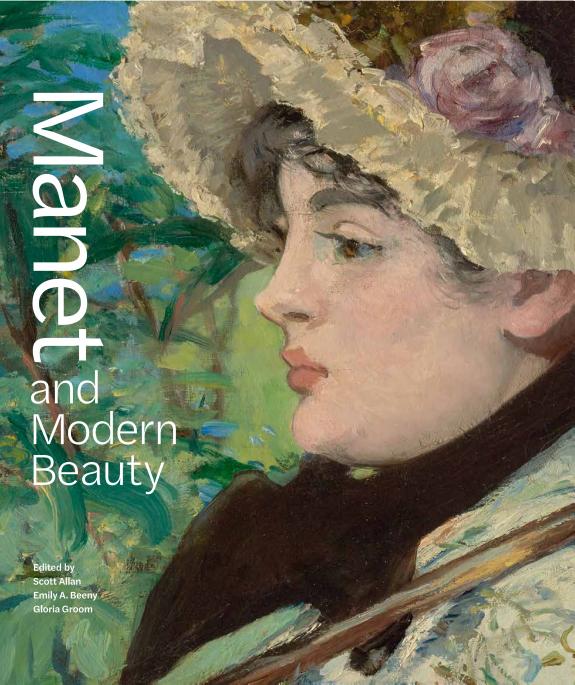
Manet and Modern Beauty: The Last Paintings
Juliet Wilson-Bareau