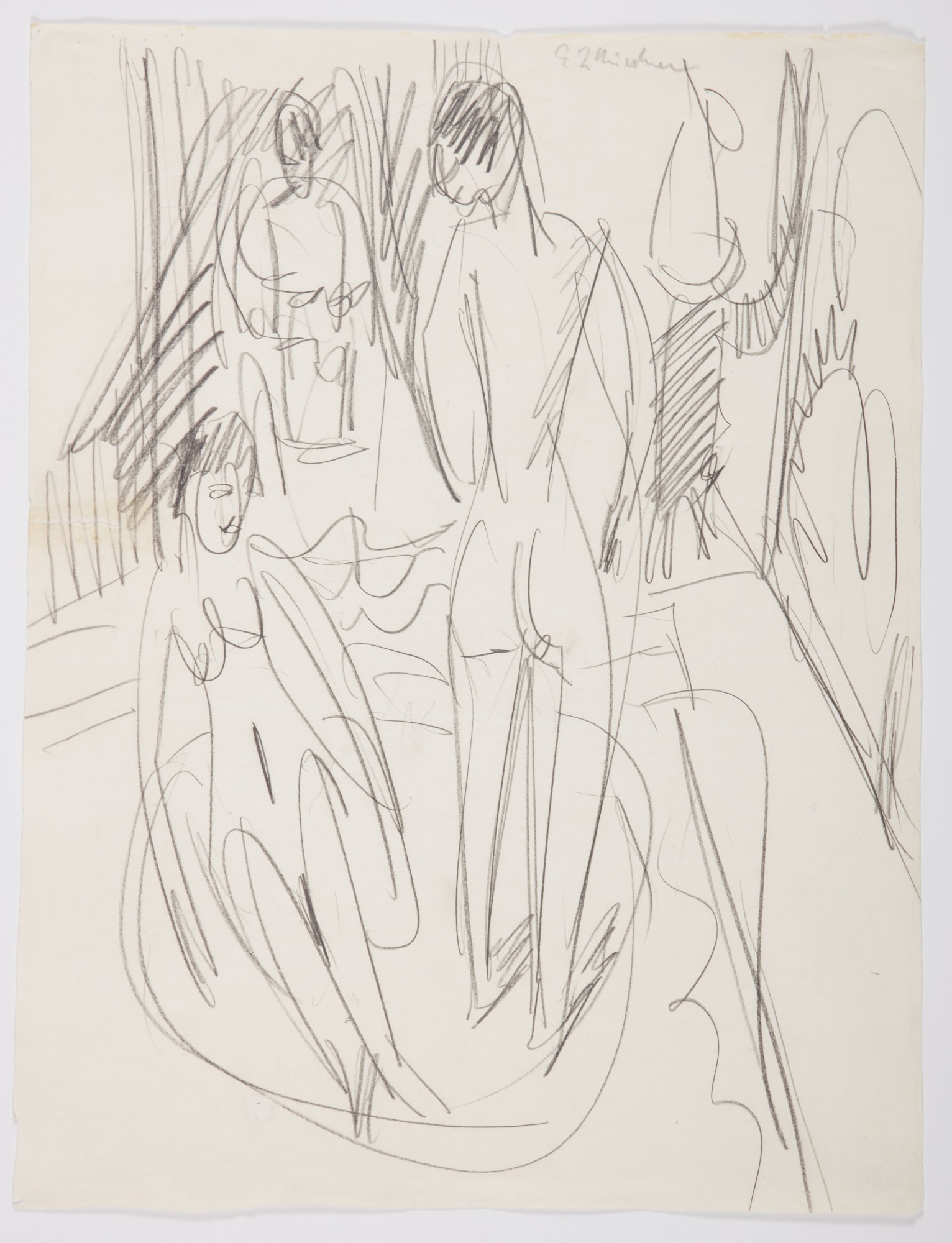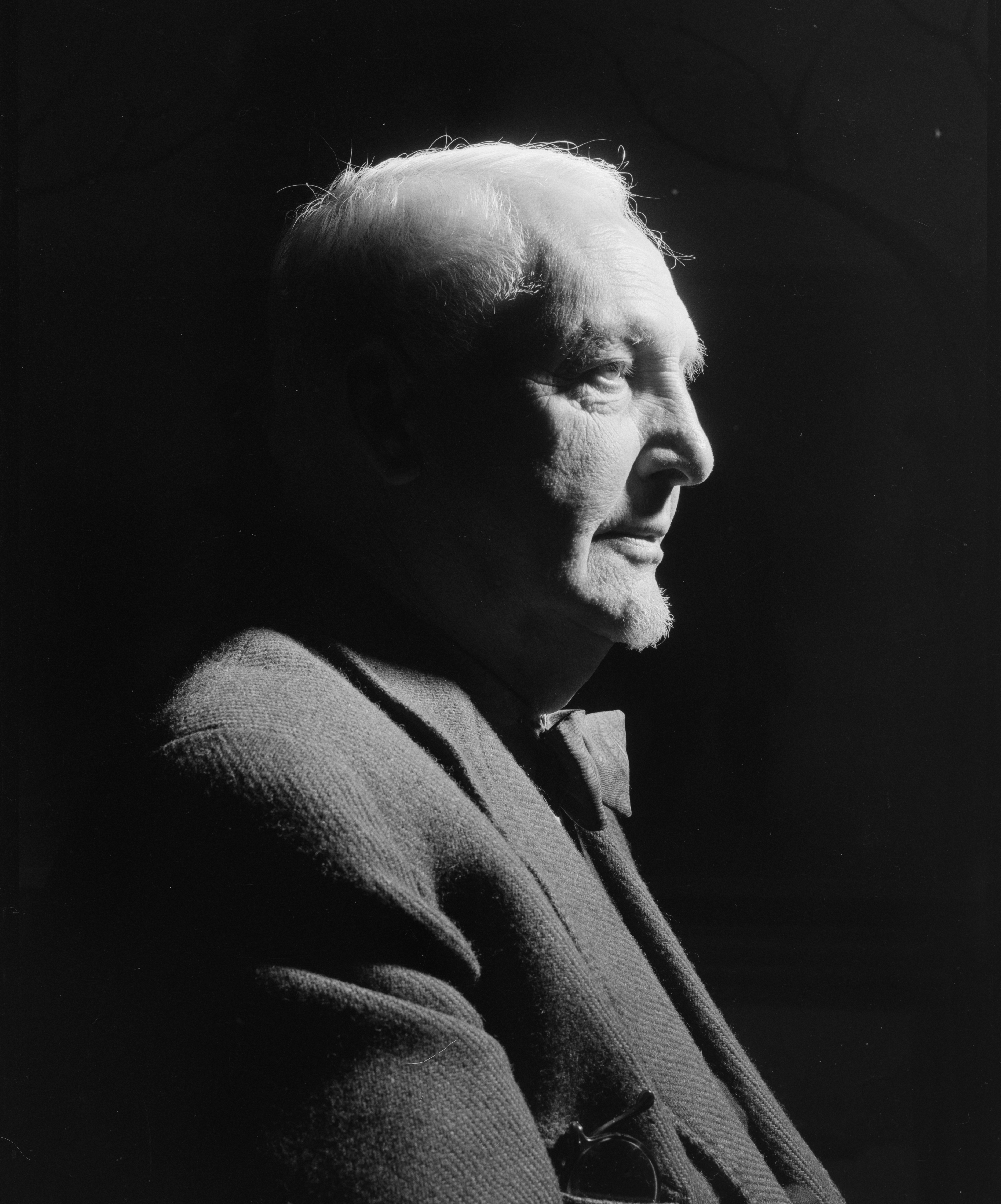
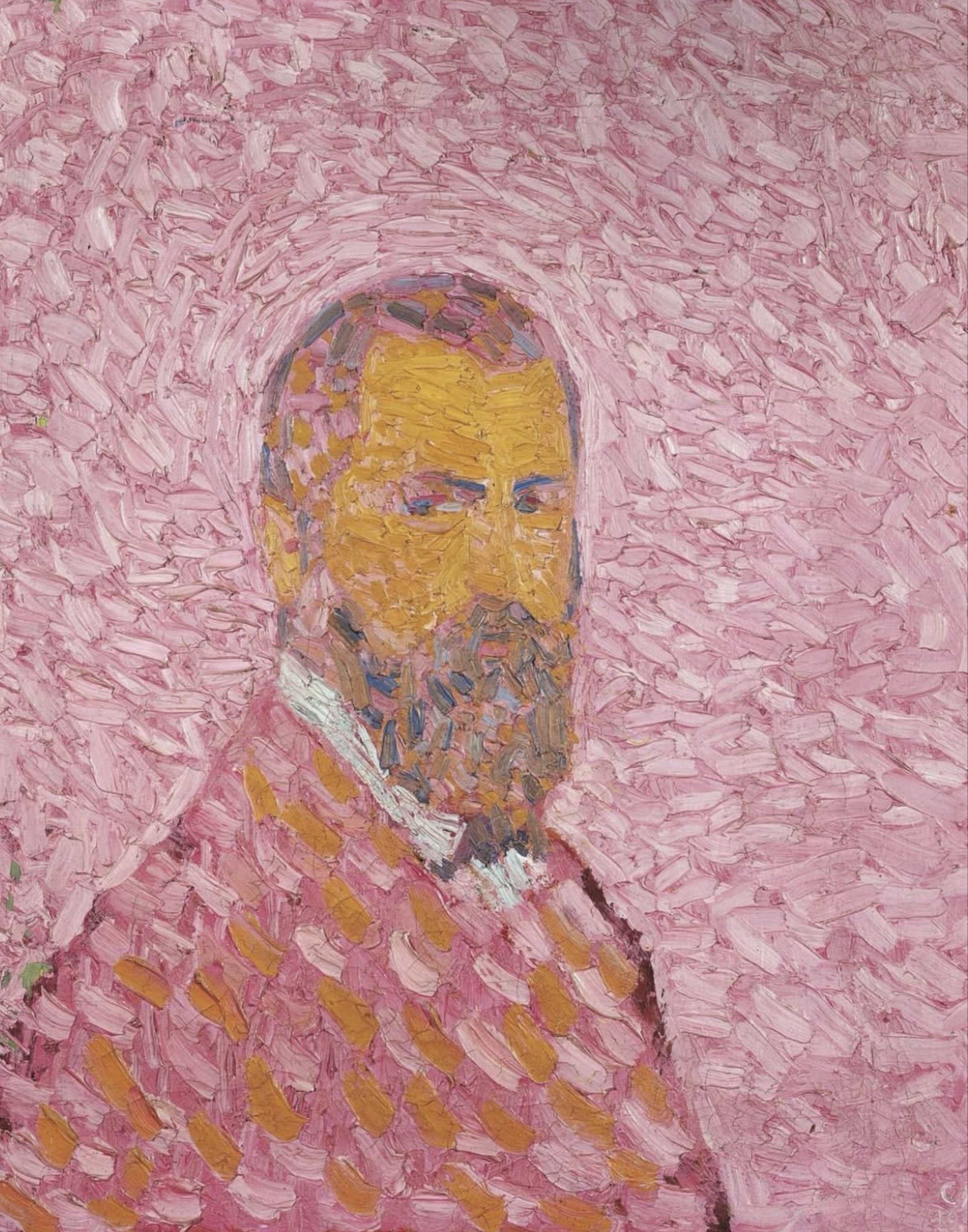
Cuno Amiet (28 March 1868 to 6 July 1961) was a Swiss painter, illustrator, graphic artist, and sculptor. Born in Solothurn, he was the son of Josef Ignaz Amiet, chancellor of the canton of Solothurn. After early studies with painter Frank Buchser, he attended the Academy of Fine Arts in Munich from 1886 to 1888, where he formed a lasting friendship with Giovanni Giacometti. He then studied in Paris at the Academie Julian from 1888 to 1892 under Adolphe-William Bouguereau, Tony Robert-Fleury, and Gabriel Ferrier. Dissatisfied with academic training, he joined the Pont-Aven School in 1892, where encounters with the work of Gauguin and peers such as Emile Bernard, Paul Serusier, and Armand Seguin redirected his practice decisively toward pure colour. Considered the first Swiss painter to give primacy to colour in composition, Amiet became a pioneer of modern art in Switzerland. After returning to Switzerland in 1893 and settling in Oschwand following his 1898 marriage, his home became a gathering place for artists and writers including Hermann Hesse and Wilhelm Worringer. His fortunes rose considerably in the 1900s as he participated in major European exhibitions and won a silver medal at the Exposition Universelle for his work "Richesse du soir" (1899). Between 1906 and 1913 he was a member of the German Expressionist group Die Brucke, the only Swiss artist in that circle. Over a career spanning some seven decades, Amiet produced more than 4,000 paintings, of which over 1,000 are self-portraits, with recurring themes of gardens, winter landscapes, fruit harvests, and portraiture. A 1931 fire at the Munchner Glaspalast destroyed 50 of his most significant works. He served on the Swiss Federal Art Commission, the board of the Gottfried Keller Foundation, and the board of the Kunstmuseum Bern, and was awarded an honorary doctorate by the University of Bern in 1919. He died on 6 July 1961 in Oschwand.
Spotted by
Artists in conversation
Giovanni Giacometti
Giacometti and Amiet were lifelong friends who developed parallel Post-Impressionist styles marked by luminous color, Swiss Alpine landscapes, and expressive brushwork. A collector of Amiet would find in Giacometti the same synthesis of Gauguinesque color with intimate domestic and mountain subjects.
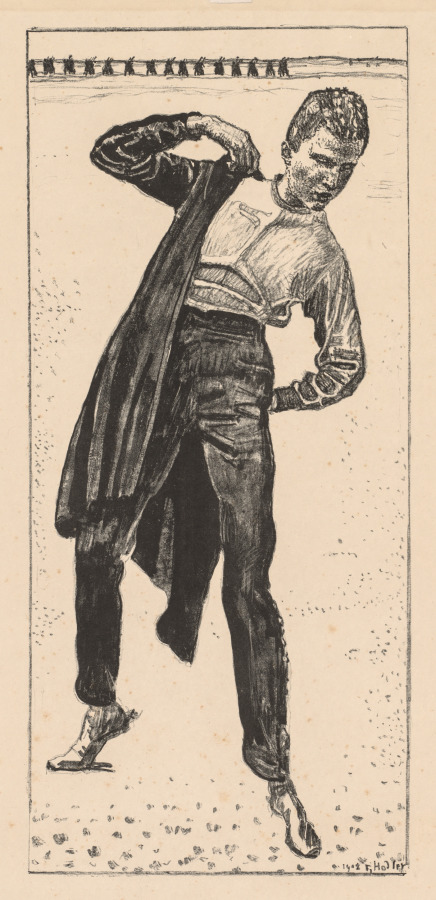
Ferdinand Hodler
Hodler shares with Amiet a distinctly Swiss sensibility combining bold color, symbolic figure compositions, and monumental landscape painting. Both artists bridged Symbolism and early Expressionism while remaining rooted in Swiss subject matter.
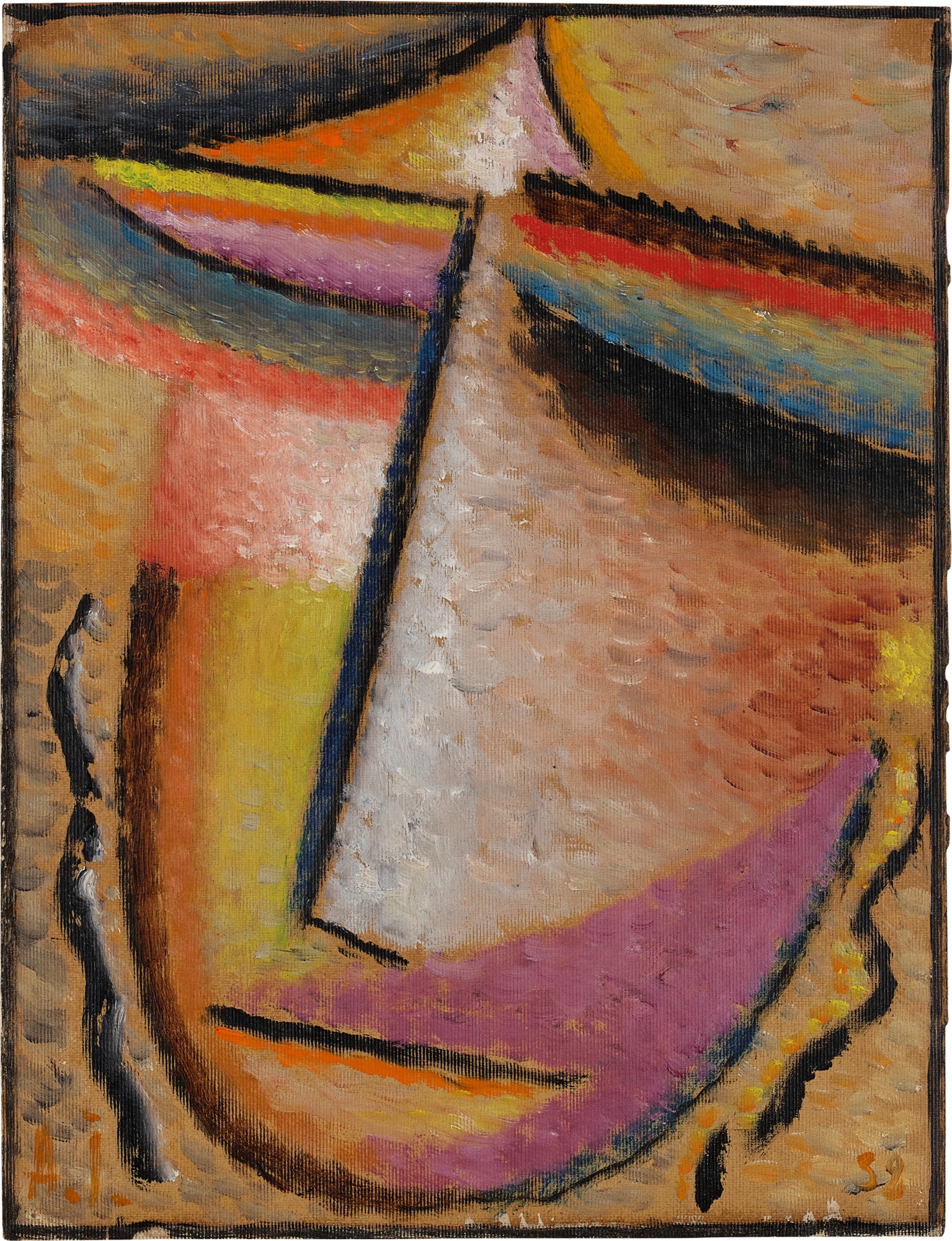
Alexej von Jawlensky
Jawlensky like Amiet pursued intensely saturated color and simplified form derived from Gauguin and the Fauves, applying these qualities to portraits and landscapes with spiritual resonance. Both artists occupied a space between Post-Impressionism and Expressionism with deeply personal chromatic palettes.
Artists who inspired them
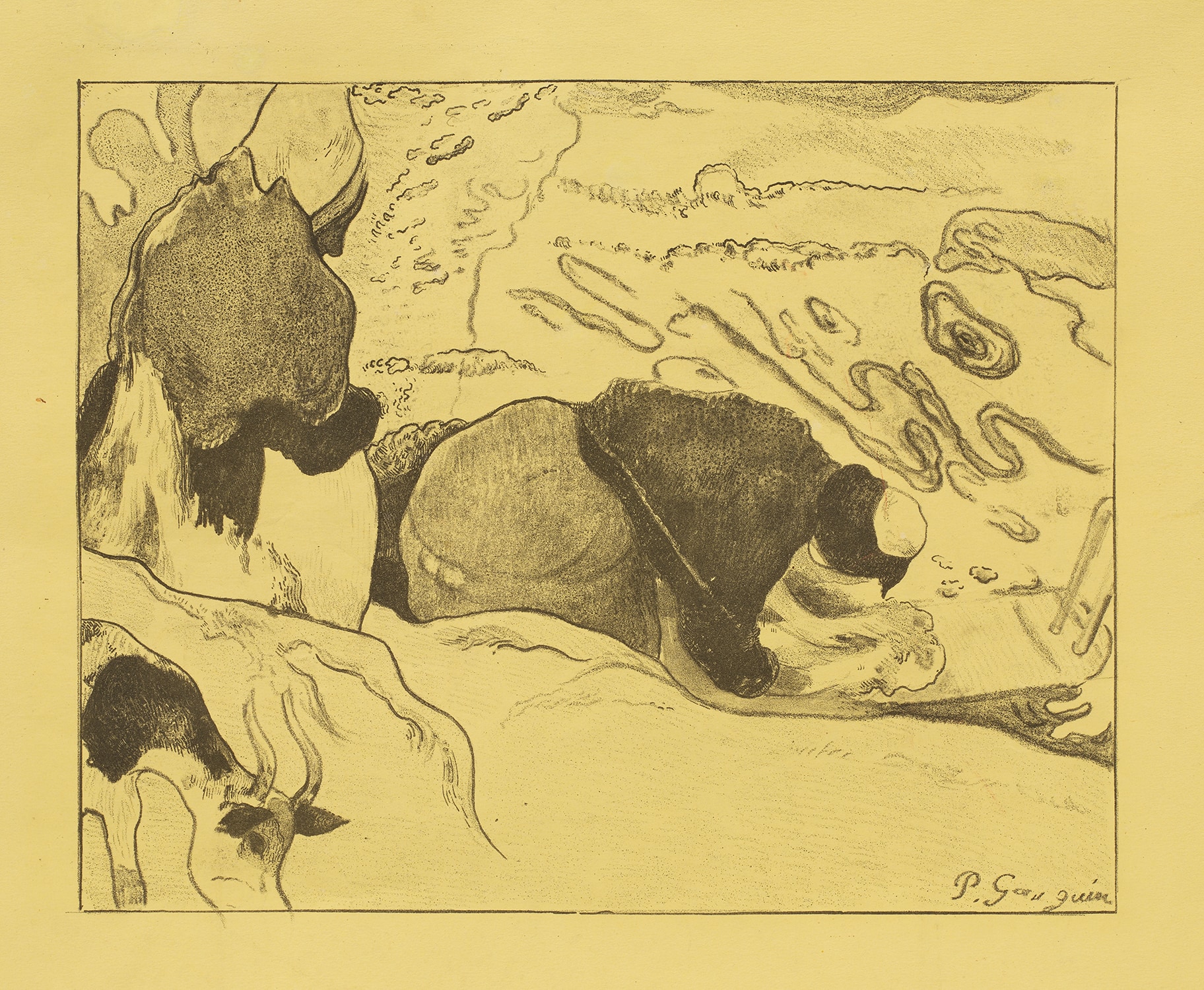
Paul Gauguin
Amiet spent formative time in Pont-Aven around 1892 where he absorbed Gauguin's synthetist use of bold flat color areas and symbolic expressive content, a transformation that permanently reshaped his style away from academic naturalism. Gauguin's influence is directly visible in Amiet's heightened palette and decorative compositional flattening.
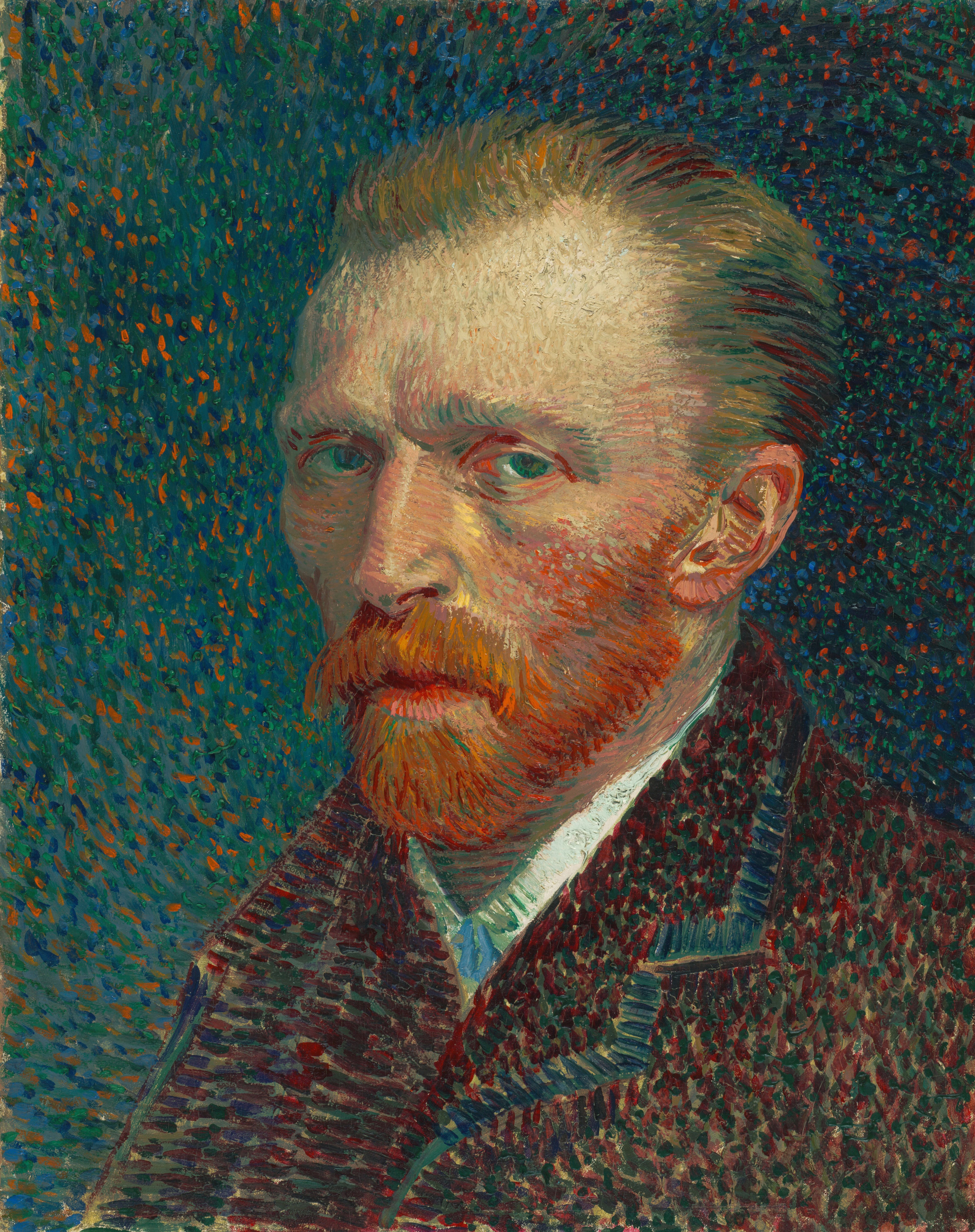
Vincent van Gogh
Van Gogh's expressive use of color and energetic brushwork resonated deeply with Amiet as he developed his Post-Impressionist approach after his Pont-Aven period. The emotional intensity and chromatic boldness of van Gogh can be felt throughout Amiet's mature landscape and portrait paintings.