Old Master
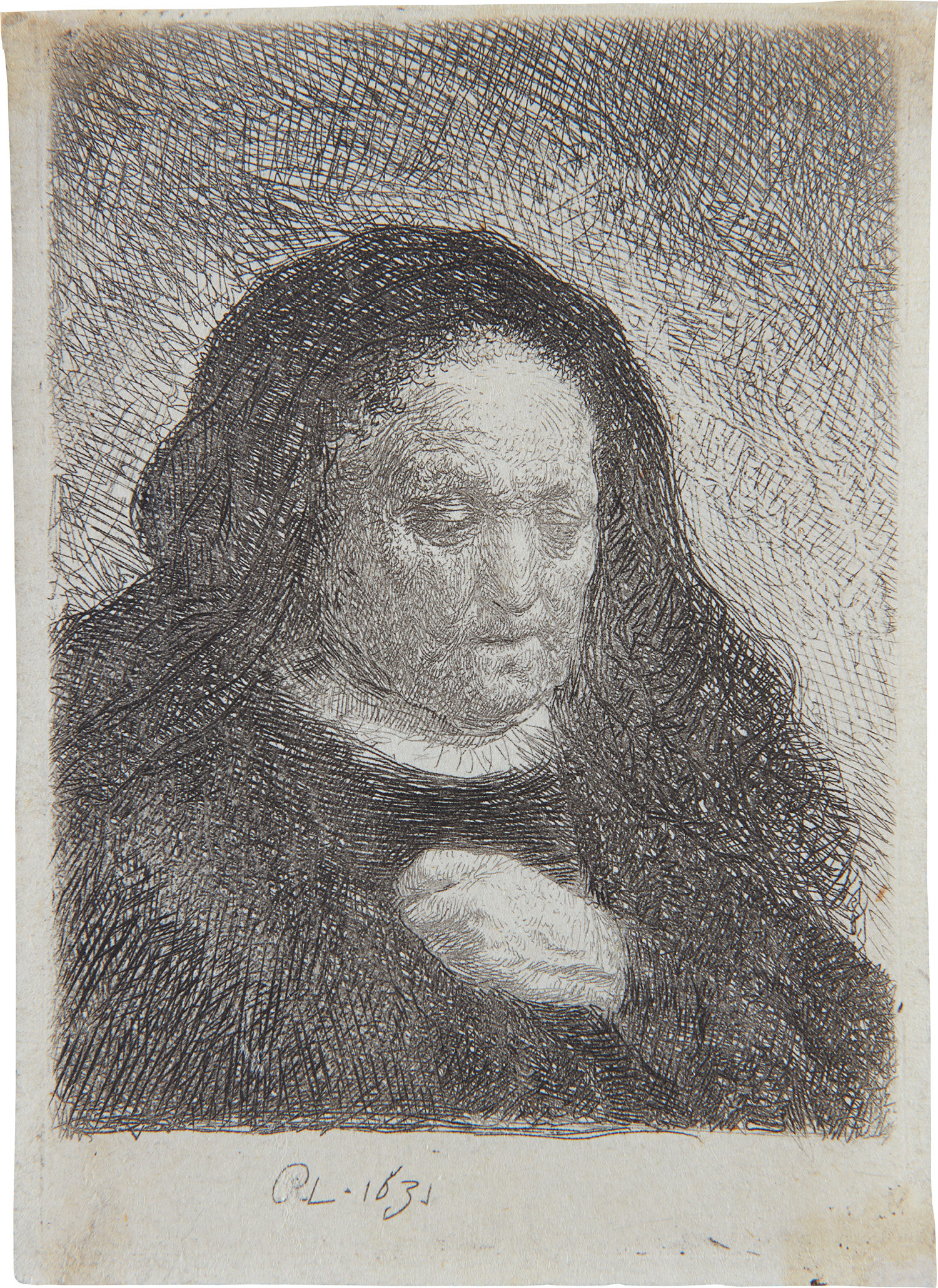
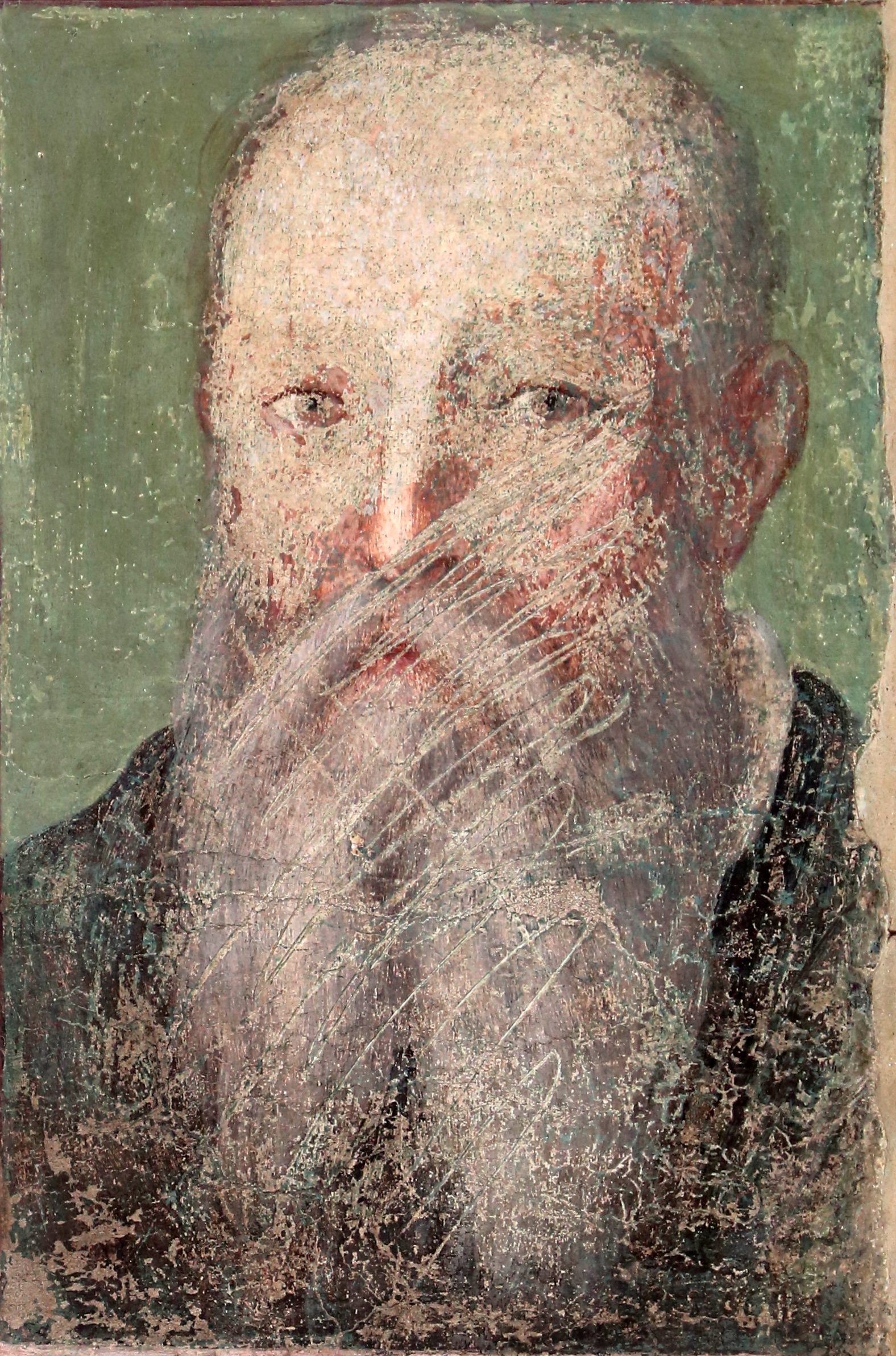
Rembrandt Harmensz. van Rijn
Rembrandt's Mother with her Hand on her Chest








Old Masters Are Having a Quietly Radical Moment
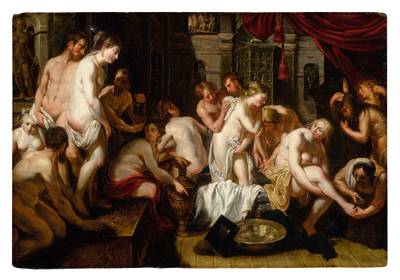
There is something almost subversive about choosing to live with Old Masters right now. In a market saturated with contemporary work and the noise of the new, the collector who turns toward a seventeenth century Dutch panel or a Flemish figure study is making a statement that has nothing to do with fashion and everything to do with conviction. These works demand a different kind of looking. They reward patience, close attention, and a willingness to sit with something that was made for entirely different reasons than most of what gets sold today.
That intimacy, that sense of entering into a long conversation, is what keeps serious collectors coming back. The question of what separates a good Old Master from a great one is where the real education begins. Attribution is the obvious starting point, but it is far from the whole story. A work by Rembrandt van Rijn commands a different conversation than a work from his circle, and both require a different conversation still from something produced in his workshop.
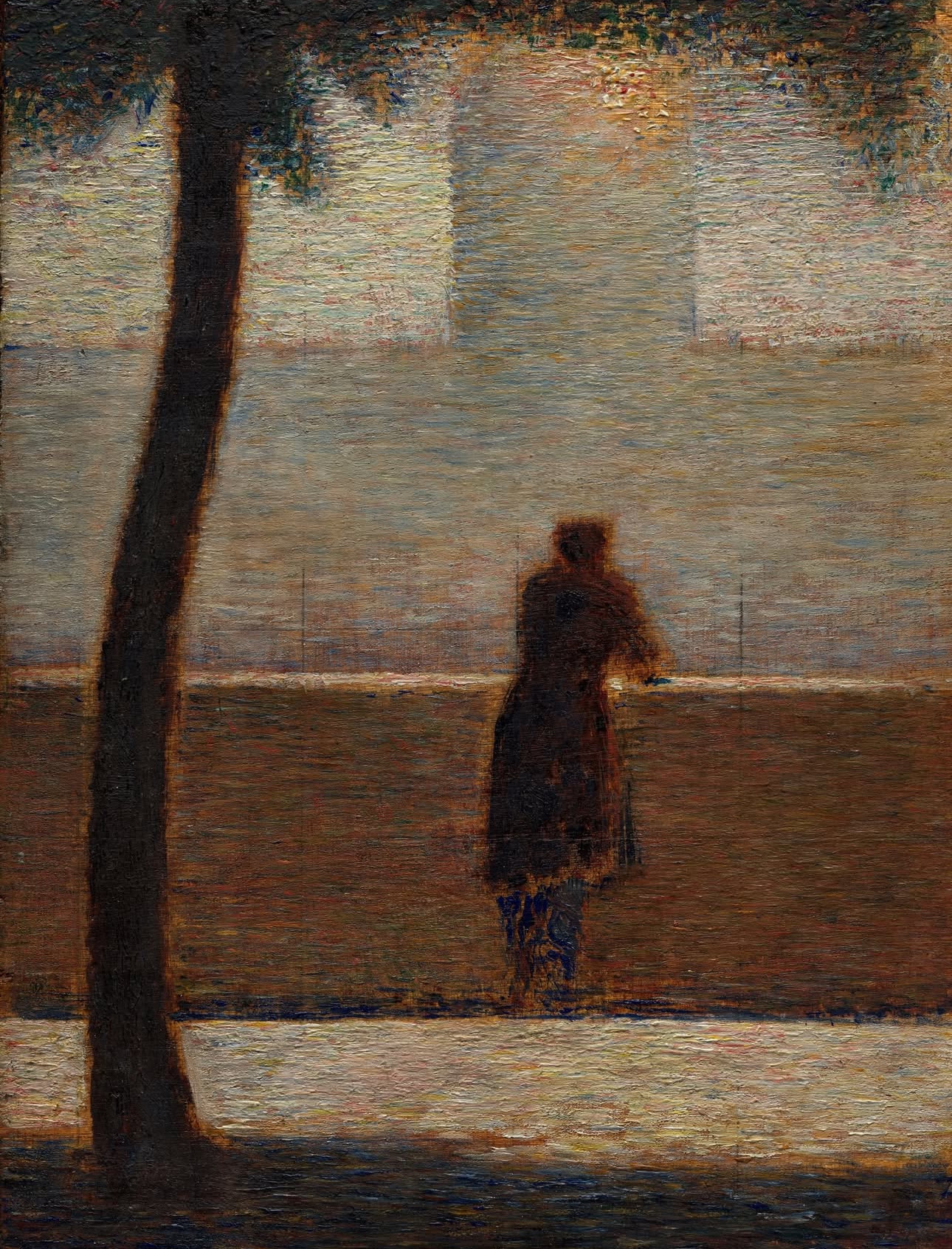
Georges Seurat
Man Leaning on a Parapet, 1881
Yet the collector who fixates only on the famous signature often misses extraordinary things. What you are really looking for is presence: the sense that the artist was fully committed to the problem at hand, whether that is the fall of light on a fabric, the psychological weight in a face, or the way a background recedes into shadow. Quality of execution tends to reveal itself in the passages that could easily have been left unresolved. Rembrandt is well represented on The Collection, and studying his work in depth teaches you to read other Northern European painting with far greater precision.
His influence on artists like Georges de La Tour is worth tracing closely. De La Tour, the Lorraine painter working in the early seventeenth century, developed a nocturnal visual language centered on candlelight that reads as simultaneously devotional and theatrical. His works appear rarely at auction and when they do, the prices reflect that scarcity. Albrecht Dürer, also represented here, operates in a different register entirely: his graphic precision and intellectual ambition place him at the intersection of German humanist culture and Italian Renaissance influence, and his prints and drawings remain among the most sought after works on paper in the Old Master market.
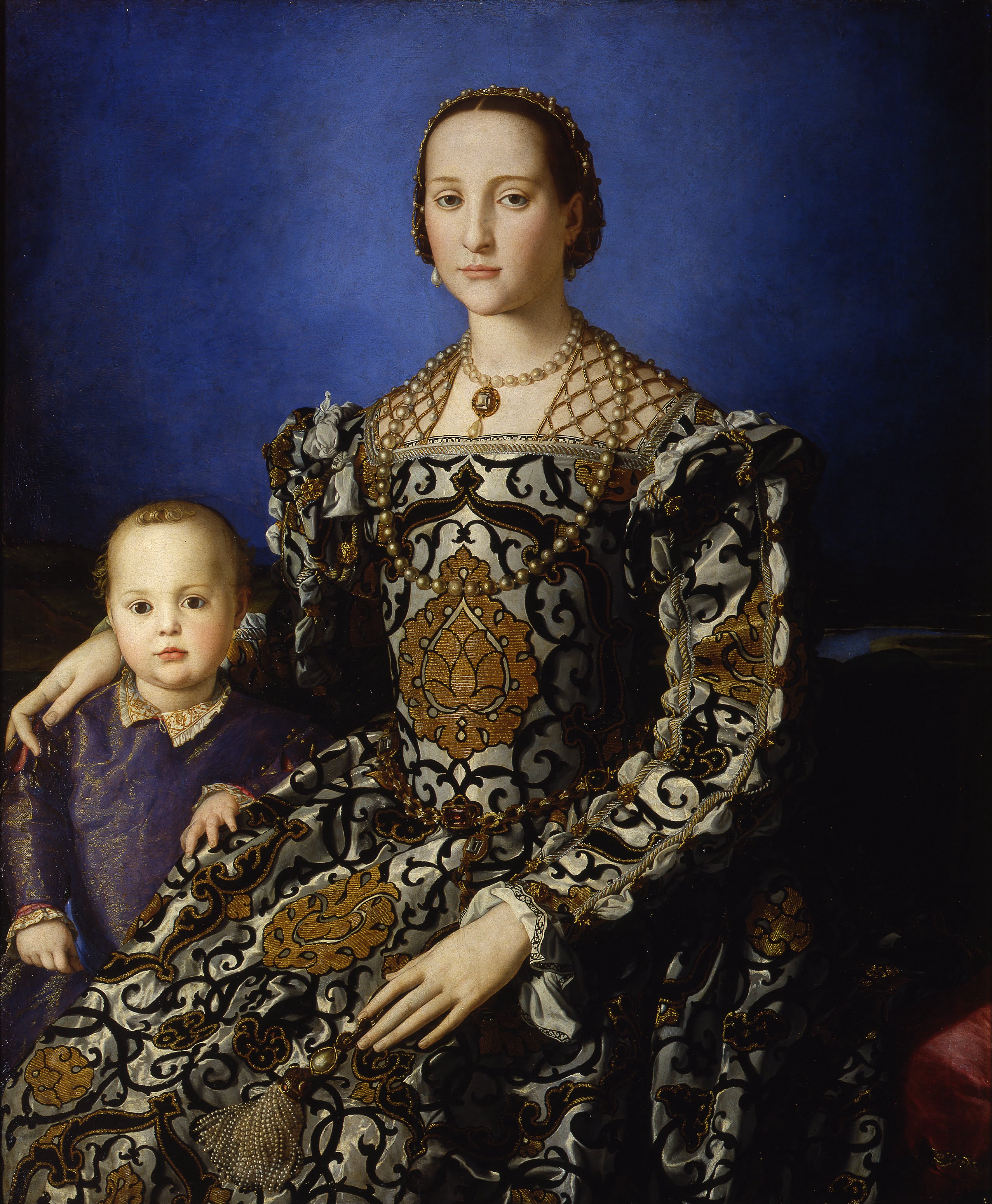
Bronzino
Portrait of Eleonora di Toledo with Her Son Giovanni, 1545
Collectors who focus on Dürer tend to be in it for the long term, and they are rarely disappointed. Bronzino and the Florentine Mannerist tradition represent another area of genuine opportunity for the thoughtful collector. The cool elegance of Mannerist portraiture, its slightly unsettling formality, has found a renewed audience among collectors who appreciate the way it holds the viewer at arm's length even as it compels attention. Works attributed to or from the circle of figures like Simone Pignoni or Mattia Preti, both represented on The Collection, offer entry points into the Italian Seicento that remain undervalued relative to the Northern European material that tends to dominate auction headlines.
Spanish Baroque painting presents a similar case: artists like Alonso Cano, working in Granada in the mid seventeenth century, have been underrecognized in the English speaking market for decades, and that gap is beginning to close. The category of school attributions deserves more respect than it typically receives from newer collectors. Works catalogued as Dutch School, 17th Century or Flemish School, 17th Century are not simply consolation prizes for collectors who cannot afford a named master. They are often the product of highly skilled practitioners working within a shared visual culture, and they can be acquired at prices that would seem extraordinary if the same quality appeared under a famous name.
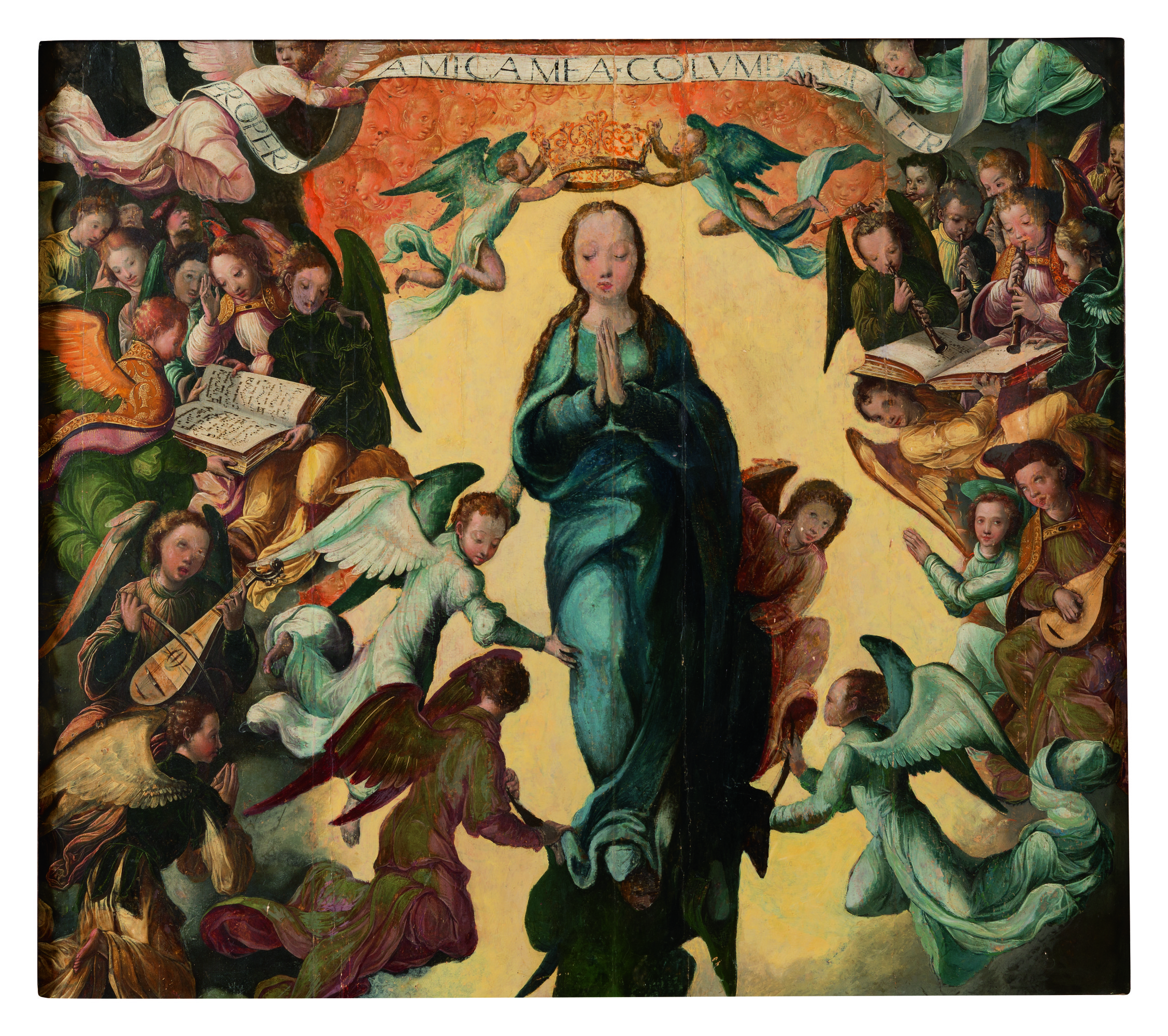
Northern Netherlandish School, Early 16th Century
The Assumption Of The Virgin
The key is to apply the same standards of looking: is the execution assured, is the condition honest, does the work hold the wall on its own terms. The Workshop of Sir Peter Paul Rubens material that appears on The Collection is a good example of how proximity to greatness can produce genuinely compelling work that stands apart from mere copying. At auction, Old Masters have shown remarkable resilience over the past decade, though the market has become considerably more selective. The major houses continue to achieve strong results for fully attributed works with clear provenance, but the middle market has thinned out for generic or poorly documented material.
This selectivity is actually good news for the serious collector, because it means that genuinely strong works with interesting histories are not being lost in the noise of speculative buying. The secondary market for works on paper, including prints and drawings, has been particularly active, partly because condition concerns are better understood and partly because the price of entry remains accessible relative to paintings. On the practical side, condition is everything and nothing can substitute for a thorough examination. Ask any gallery or auction house for the full condition report before committing, and if possible request ultraviolet examination to understand the extent of any restoration.
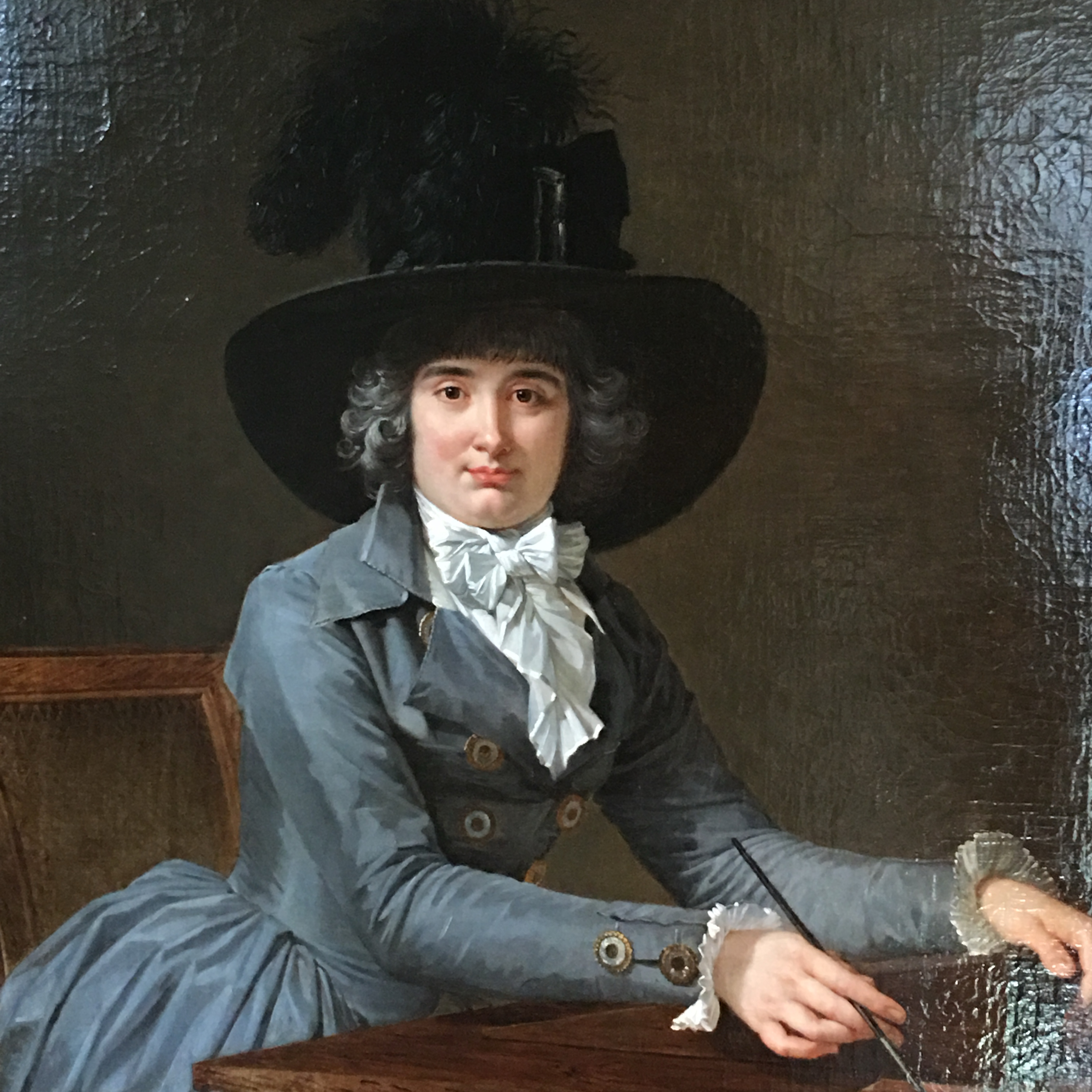
Elisabeth Vigee Lebrun
Untitled, 1790
For panel paintings, understanding the support structure is as important as reading the paint surface. Works on canvas require attention to the lining history. None of this should discourage you, but it should make you ask questions until you feel fully informed. Display matters too: Old Masters painted in studios lit by northern windows are generally happiest away from direct sunlight and in rooms with stable humidity.
They do not need to be treated as relics, but they are not indifferent to their environment either. The collector who learns to read condition and to ask the right questions will build a collection that holds both intellectually and financially, and will find that living with these works changes the way they look at almost everything else.