Anne Collier
Anne Collier Finds Beauty in the Found
Artist Spotlight · The Collection Editorial
When Anne Collier's work entered the permanent collection of the Museum of Modern Art, it felt less like an institutional acquisition and more like a recognition long overdue. Her photographs, cool and precise on the surface yet humming with psychological undertow, had been quietly reshaping conversations about representation, femininity, and the weight of visual culture for years. Today, with her work also held at the Whitney Museum of American Art and the Art Institute of Chicago, Collier stands as one of the most intellectually rigorous and emotionally resonant photographers working in contemporary art. Collier was born in Los Angeles in 1970, and the city's particular relationship to image making, to the manufactured dream and the candid snapshot alike, left a lasting imprint.
Anne Collier
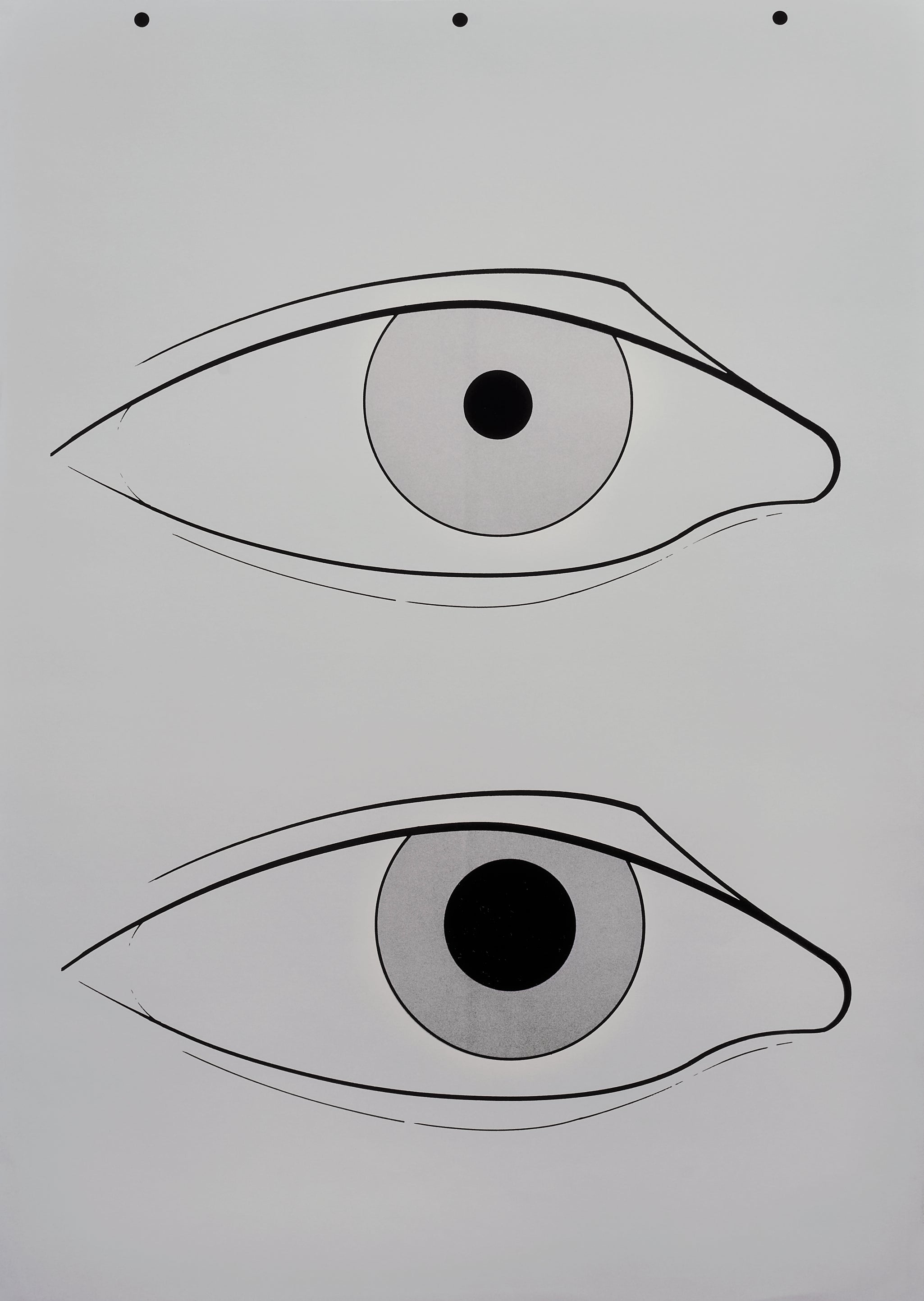
Flip Chart #1 (Drugs)
Growing up surrounded by the visual vernacular of American consumer culture, she developed an early sensitivity to the way photographs circulate, accumulate meaning, and eventually become something other than what they were originally intended to be. She studied at UCLA and later at the California Institute of the Arts, where conceptual photography had deep roots and where the legacies of artists like John Baldessari and Sherrie Levine were very much alive in the studio corridors. That formation gave her both a theoretical framework and a deeply personal visual instinct. Her practice is deceptively simple in its methodology and extraordinarily rich in its implications.
Collier photographs found objects and images, vinyl record sleeves, self help manual illustrations, magazine spreads, anonymous snapshots, and greeting cards, presenting them in large format chromogenic prints that are flush mounted and impeccably produced. The act of re photography, of turning the camera on something that already exists as a photograph or a designed object, is not new. But what Collier does with that gesture is entirely her own. She slows the image down.
Anne Collier
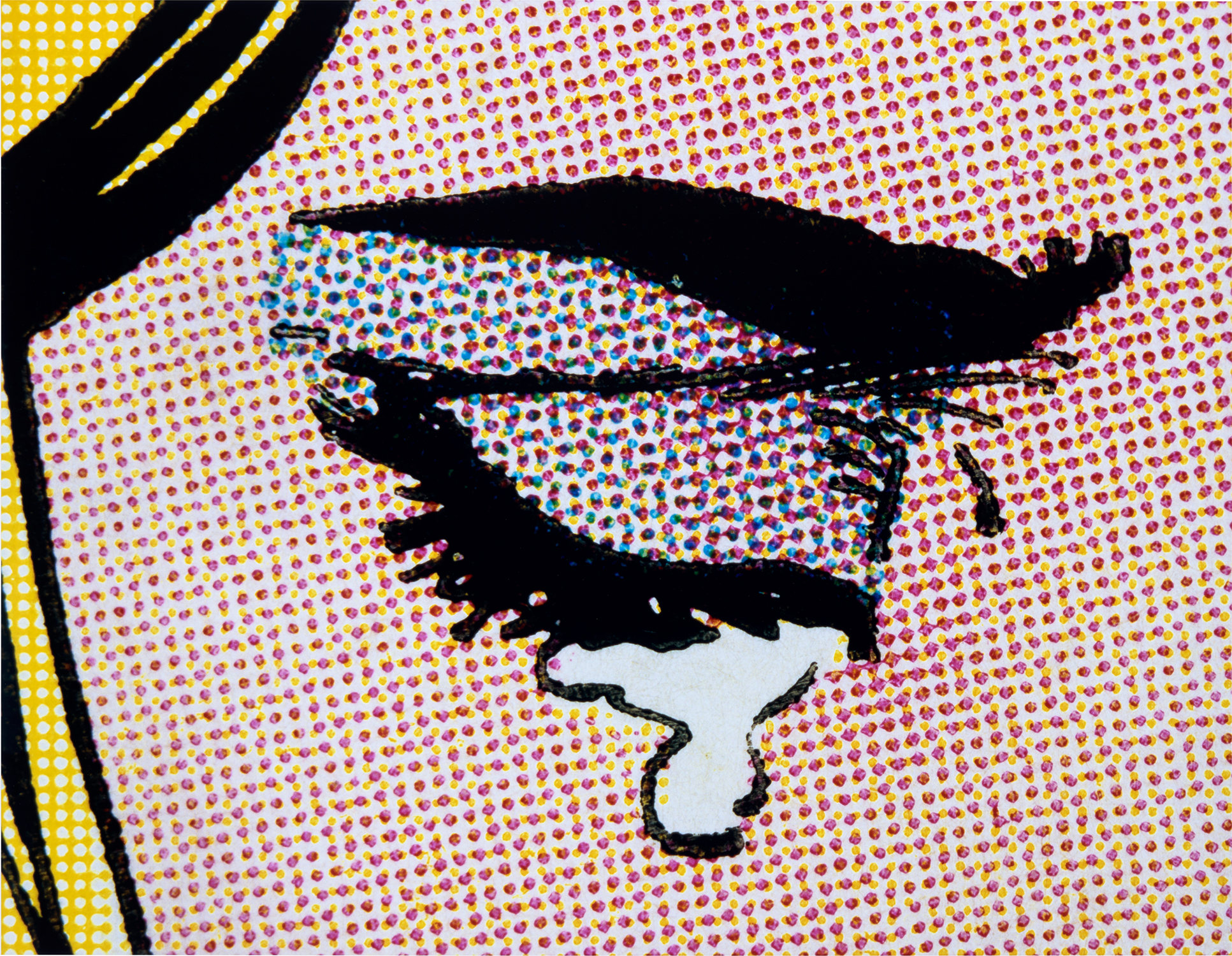
Woman Crying (Comic) #4, 2018
She asks the viewer to look again, to sit with the discomfort or the tenderness or the strangeness of something that previously existed only as visual noise. Some of her most celebrated works center on representations of women, and particularly on the emotional states those representations encode. The ongoing series "Woman Crying (Comic)" draws from the melodramatic visual language of romance comics, isolating close up panels of weeping women and presenting them at monumental scale. "Woman Crying (Comic) #4" from 2018 is a masterclass in this approach, the image at once absurd and genuinely moving, the printed dot patterns of the original comic visible under scrutiny, reminding the viewer that this grief was always a construction, always a performance designed for consumption.
The work is neither mocking nor sentimental. It holds both possibilities open. Her series exploring self help and therapeutic imagery, works like "Flip Chart #1 (Drugs)" and "Introduction, Fear, Anger, Despair, Guilt, Hope, Joy, Love/Conclusion", mine the visual language of institutional optimism with surgical precision. These flip charts and instructional diagrams were designed to comfort, to guide, to normalize.
Anne Collier
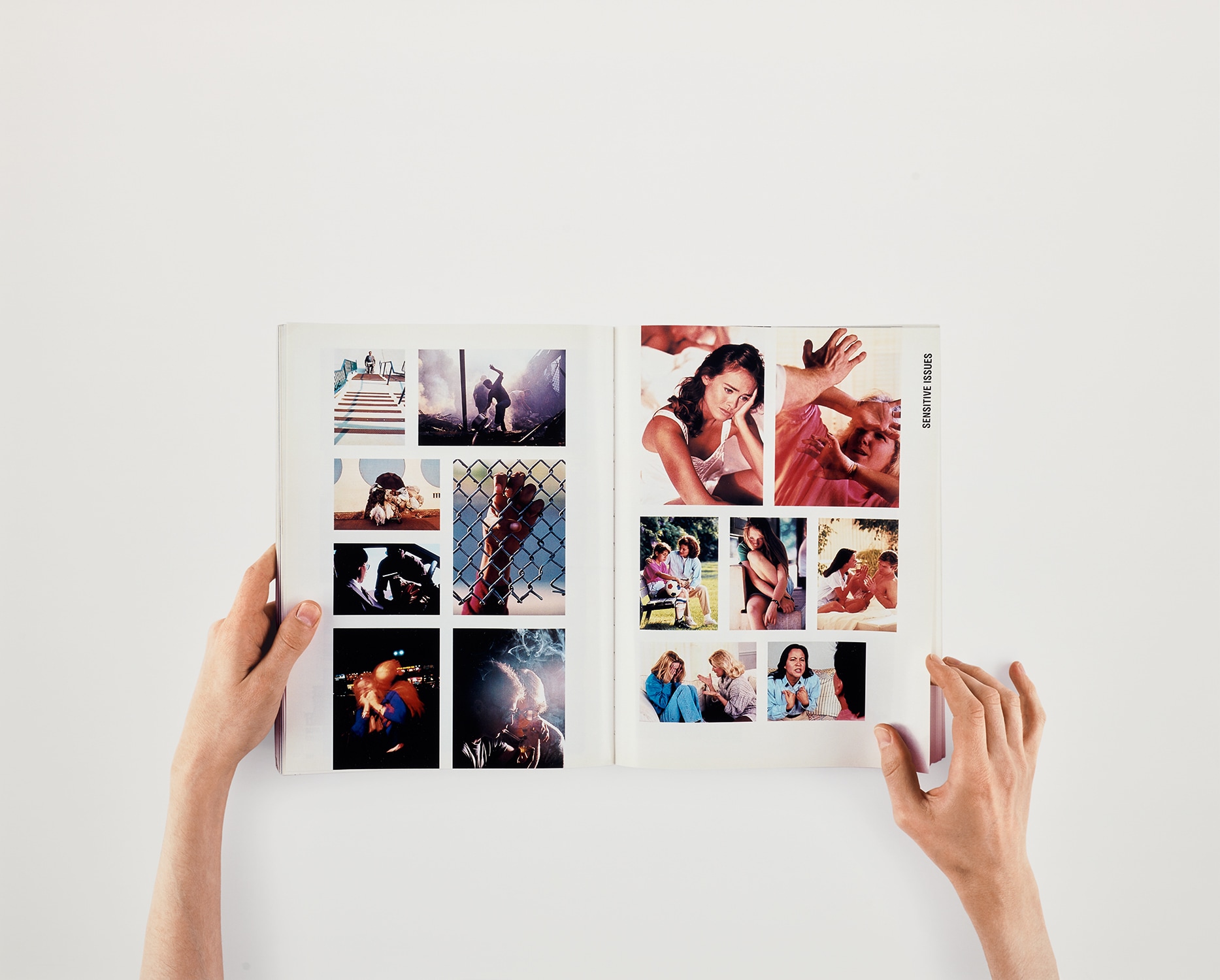
Stock Photography (Sensitive Issues)
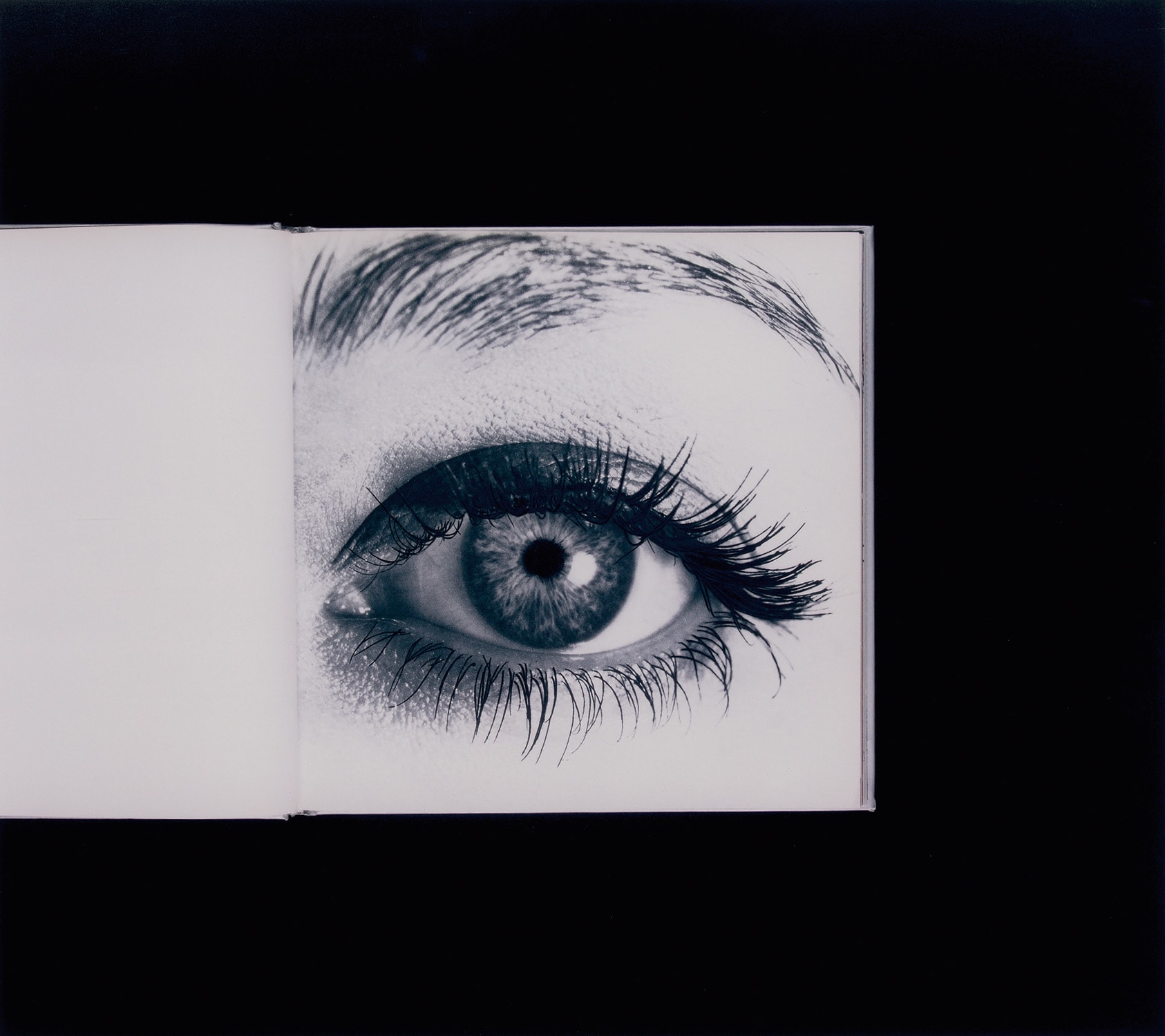
In Collier's hands they become something stranger and more honest, artifacts of a culture that has always struggled to name its own anxieties directly. "Stock Photography (Sensitive Issues)" operates in a similar register, turning the generic imagery of commercial photography libraries into a meditation on how emotion is packaged and sold back to us. The works in these series are among the most sought after by collectors who respond to Collier's ability to make conceptual rigor feel genuinely warm. The works involving eyes, particularly "Eye (Paper Gradations)" and "Eye (Greased Glass Plate)", represent another dimension of her practice.
Here Collier photographs isolated optical imagery, eyes from instructional texts or technical manuals, and the effect is to render the act of looking both subject and object simultaneously. A photograph of an eye is always a loop, always a mirror held up to the viewer's own act of seeing. These are among the most formally elegant works in her catalogue, the chromogenic palette luminous and controlled, the conceptual proposition crystalline. Collectors frequently cite these works as entry points into her broader practice precisely because they are so immediately arresting.
Anne Collier
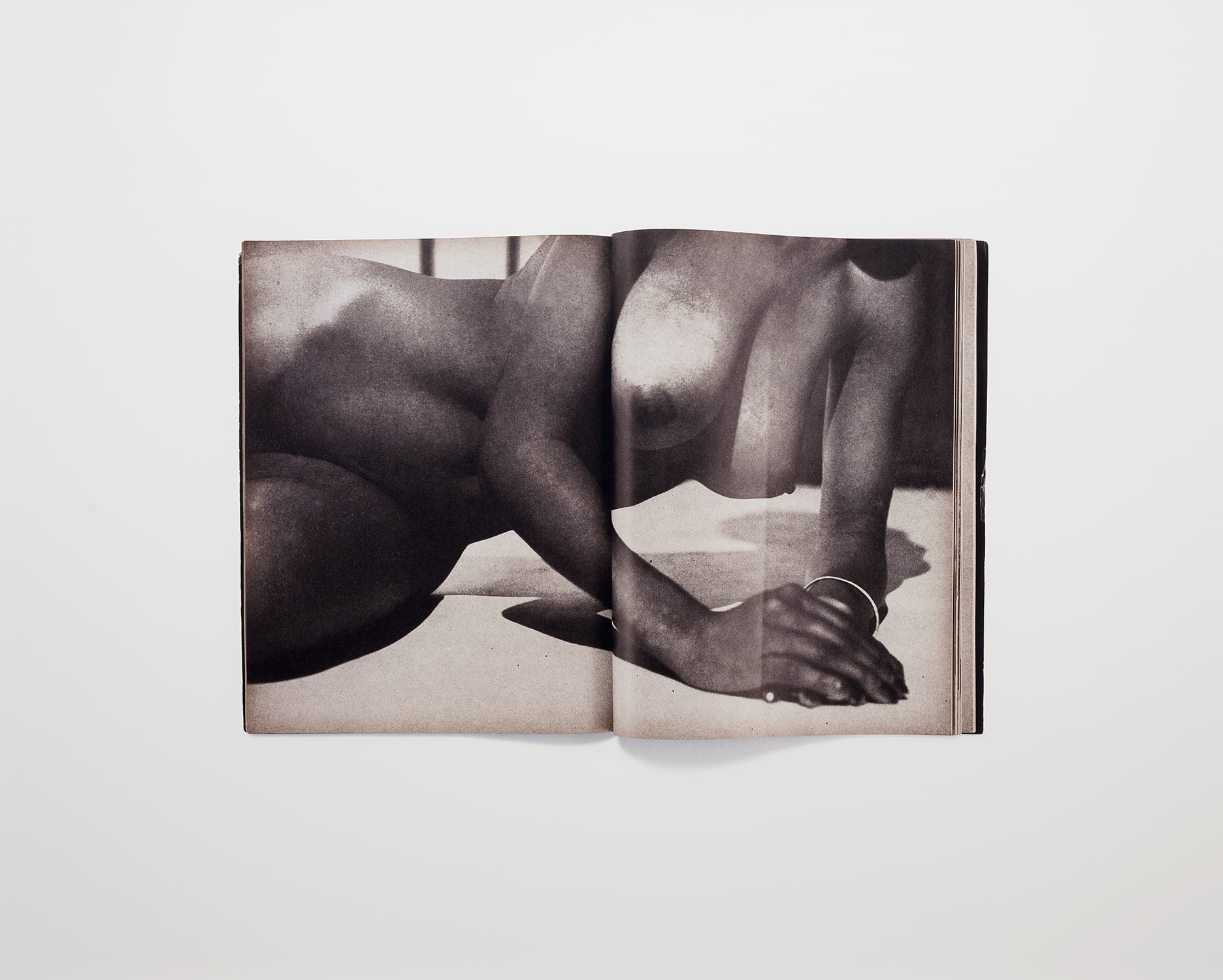
Cropped (1952)
"Woman With A Camera (Postcard, Verso Recto)" and "Cropped (1952)" speak to Collier's sustained interest in amateur photography and the history of women behind and in front of the lens. In presenting a postcard showing both its image side and its written reverse, she honors the private life of photographs, the notes and dedications that never make it into museum catalogues. "Cropped (1952)" asks what was left out of the frame, whose story was edited away before the image was considered presentable. These are quiet works, but their questions are not quiet at all.
From a collecting perspective, Collier's market reflects the steadiness of an artist whose critical reputation has never depended on spectacle. Her prints are produced in limited editions and in single unique versions, and galleries including Anton Kern Gallery in New York and Tanya Bonakdar Gallery have represented her with consistent seriousness over the years. Works on paper editions, such as her "Woman Crying, Comic, for Texte zur Kunst" published in Berlin, offer collectors a point of access that connects directly to the institutional dialogue around her practice. As her museum presence continues to grow, early works and key series pieces have attracted increasing attention from serious collectors building coherent holdings in conceptual photography.
Collier belongs to a broader lineage of artists who understand photography as a critical language rather than simply a documentary one. Her work invites comparison with Cindy Sherman's examination of femininity and performance, with Richard Prince's engagement with appropriation and desire, and with Louise Lawler's meticulous attention to how images exist in context and circulation. But Collier's voice is entirely distinct. Where some of her peers work with irony as a primary mode, she works with something closer to empathy.
Her photographs seem genuinely curious about the images they picture, genuinely moved by the human needs those images were originally created to serve. What makes Collier essential to any serious conversation about photography today is precisely this combination of conceptual exactitude and emotional openness. She takes the conditions of visual culture seriously without dismissing the feelings those conditions produce. In a moment when images circulate faster and more carelessly than ever before, her practice of slowing down, of holding a found image up to the light and asking what it actually is, feels not just relevant but necessary.
For collectors, for curators, and for anyone who has ever felt the strange pull of a photograph they cannot quite explain, Anne Collier is an artist whose work rewards every return visit.
Explore books about Anne Collier