Andy Warhol
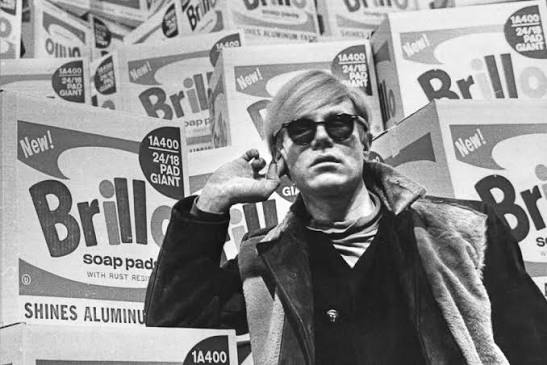
Andy Warhol, The Artist Who Saw Everything
Artist Spotlight · The Collection Editorial
“In the future, everyone will be world famous for fifteen minutes.”
Andy Warhol, 1968
There is a particular kind of magic that happens when a Warhol enters a room. It happened at Christie's New York in 2022 when his 1964 canvas Shot Sage Blue Marilyn sold for 195 million dollars, becoming the most expensive work by an American artist ever sold at auction. It happened again in 2024 as institutions from the Whitney Museum of American Art to the Andy Warhol Museum in Pittsburgh continued to draw vast and devoted audiences to their permanent collections and rotating exhibitions. Decades after his death, Andy Warhol remains not merely relevant but urgently, electrically present, a figure whose ideas about fame, desire, commerce, and identity feel more alive today than perhaps at any other moment since his own.
Andy Warhol
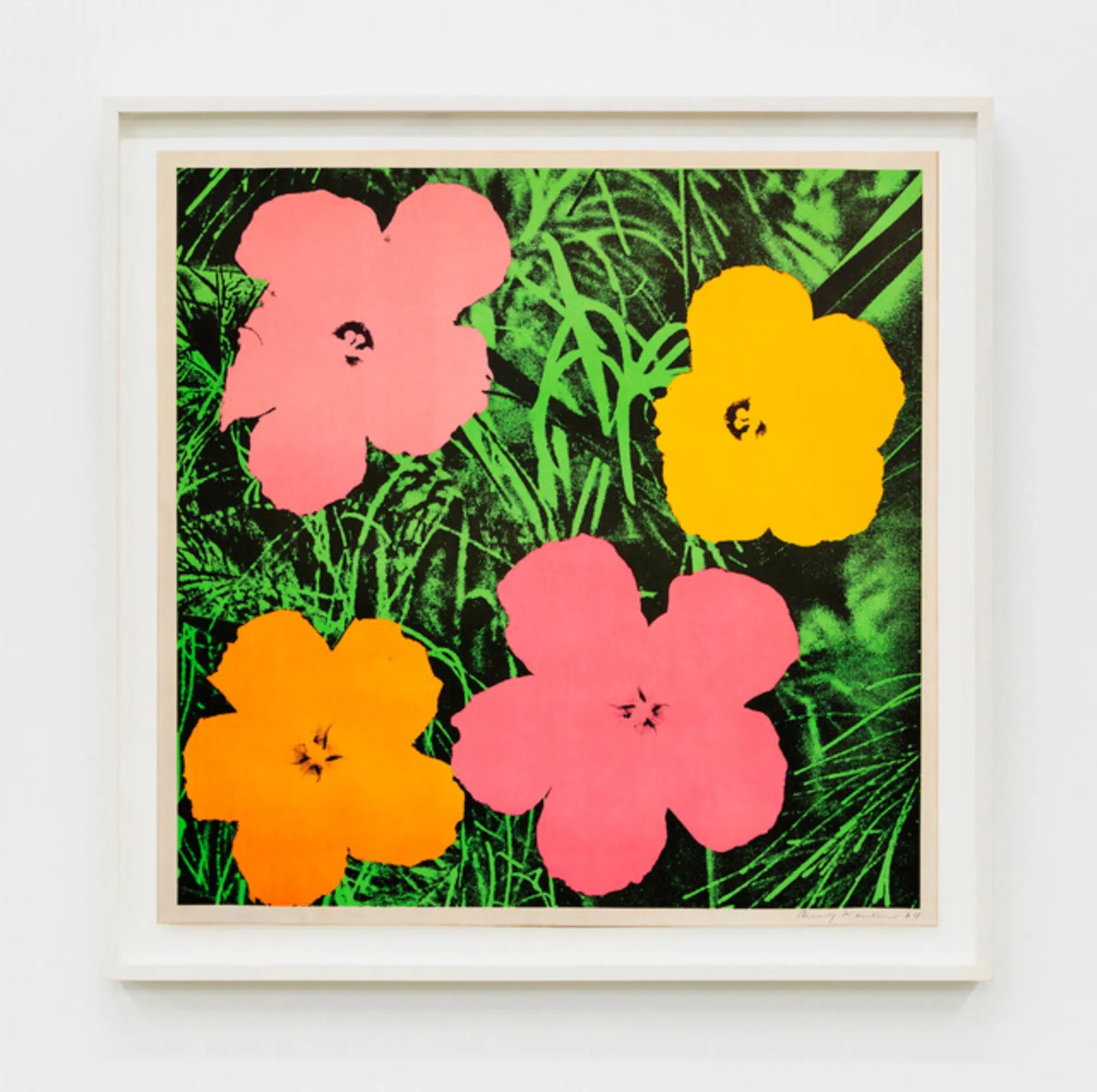
Flowers, 1964
Andrew Warhola was born on August 6, 1928, in Pittsburgh, Pennsylvania, the youngest child of Ondrej and Julia Warhola, Slovak immigrants who had arrived in America carrying with them the deep Catholic traditions of their homeland. Pittsburgh was then a city of steel and smoke, a place of tremendous industry and immigrant ambition, and young Andy absorbed its textures and contradictions from the beginning. A childhood illness confined him to bed for extended periods, and during those long, quiet days his mother gave him colouring books and drawing supplies. It was in that stillness that something decisive took root.
He was also, from early on, an obsessive collector of celebrity photographs and movie magazines, papering his bedroom walls with images of stars. The seeds of everything that followed were planted right there. He arrived in New York City in 1949 after studying pictorial design at the Carnegie Institute of Technology, and he wasted no time. By the mid 1950s, Warhol had become one of the most sought after commercial illustrators in the city, celebrated for his delicate blotted line technique and his charmingly whimsical drawings of shoes for I.
Andy Warhol
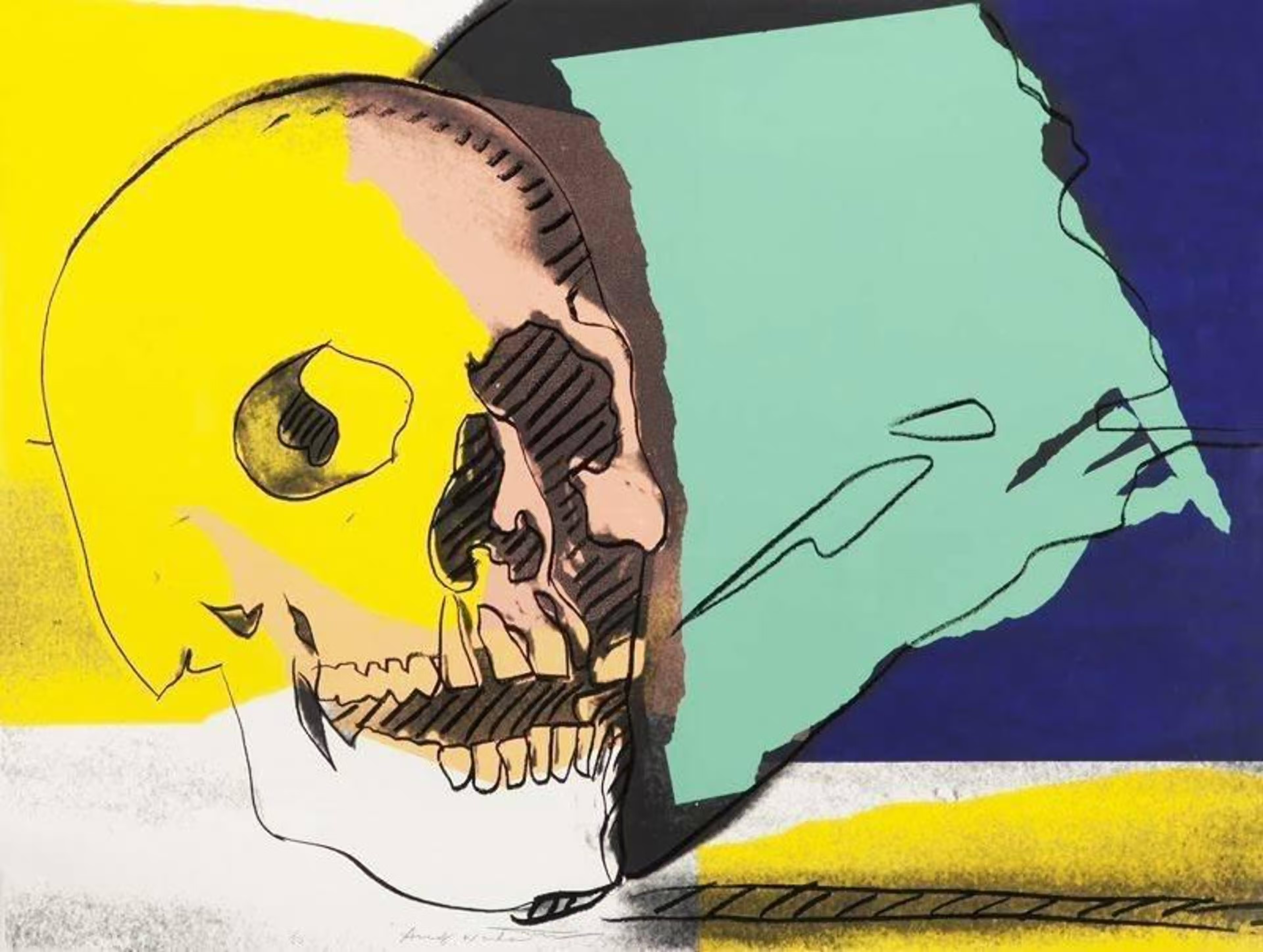
Skull (F. & S. II.158), 1976
Miller. He won the Art Directors Club Medal. He was successful, stylish, and quietly formidable. But commercial success, however glittering, was not what he was after.
“Making money is art and working is art and good business is the best art.”
Andy Warhol, The Philosophy of Andy Warhol, 1975
He wanted something that went deeper, something that would change the conversation entirely, and through the late 1950s and early 1960s he was watching, learning, and preparing. The breakthrough came with ferocious speed. In 1962, Warhol exhibited his Campbell's Soup Cans at the Ferus Gallery in Los Angeles, presenting 32 canvases, one for each variety of soup the company sold. The art world was startled and then captivated.
Andy Warhol
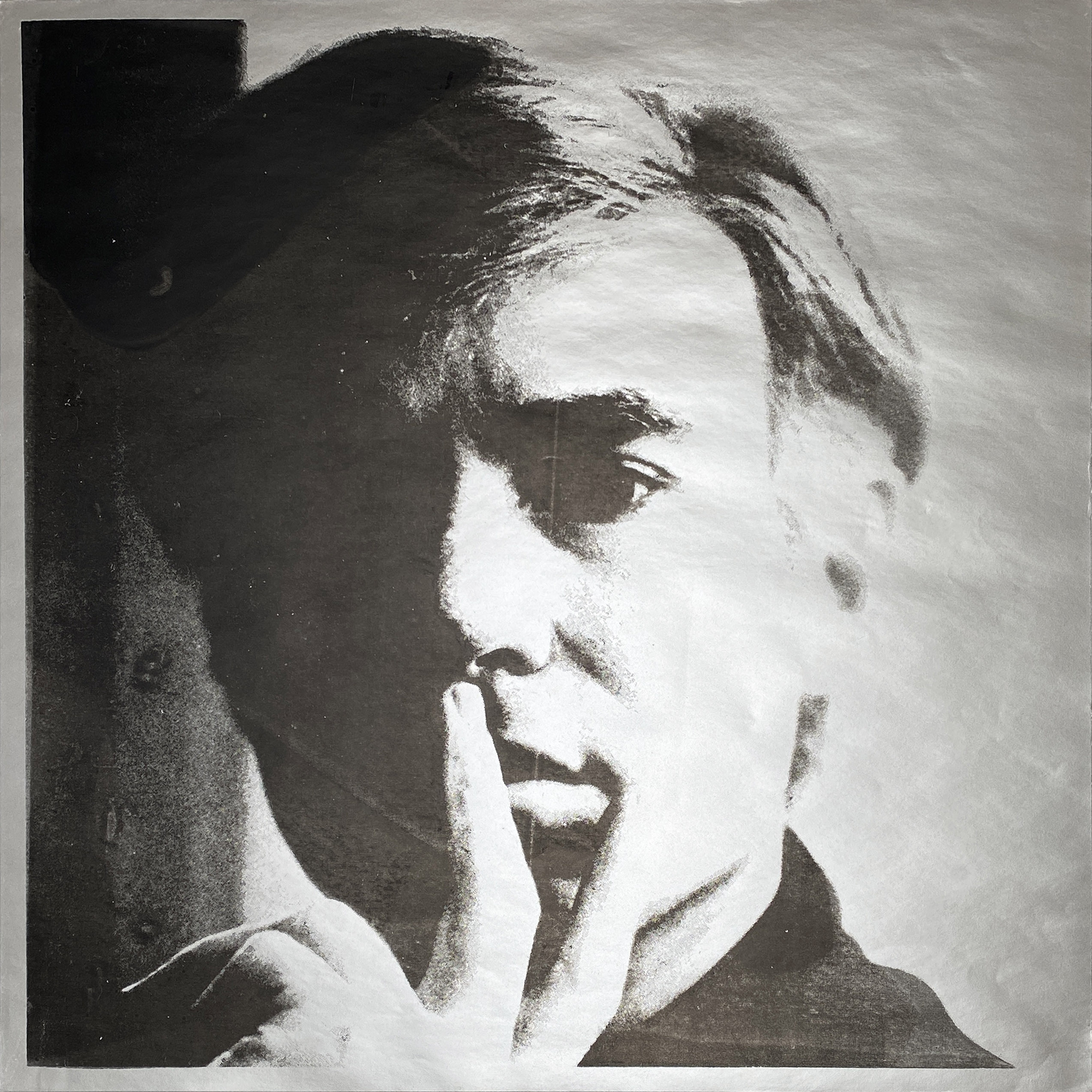
Self-Portrait II.16, 1966
Here was painting that refused the tortured subjectivity of Abstract Expressionism and instead turned its cool, curious gaze on the most ordinary objects of American consumer life. Later that same year he made his Marilyn silkscreens, created shortly after Monroe's death in August 1962, and the work of the decade that followed was a sustained and brilliant inquiry into what it means to see, to want, and to be seen. His studio, The Factory, became a legendary gathering place on East 47th Street and later Union Square, a silver lined world where artists, socialites, drag queens, filmmakers, and intellectuals circulated in a continual creative flux. The silkscreen was Warhol's great instrument, and he wielded it with both rigour and apparent effortlessness.
“I think everybody should be a machine. I think everybody should like everybody.”
Andy Warhol, ARTnews interview, 1963
Works like Flowers (1964), first shown at the Leo Castelli Gallery, translated a found photograph into a flat, lush, almost hallucinatory image that felt simultaneously decorative and unsettling. The Electric Chair series (1964 to 1971) demonstrated the full range of his emotional intelligence, using the same techniques of repetition and colour shift that made his celebrity portraits so seductive to investigate state violence and American mortality. His Self Portraits, including the luminous offset lithograph of 1966 printed on silver coated paper, turned the artist's own face into an icon as coolly ambiguous as any Monroe or Mao. Later series including Skulls (1976), the Myths portfolio (1981), and his Torso screenprints (1982) confirmed that his formal range was vast and his appetite for subject matter essentially boundless.
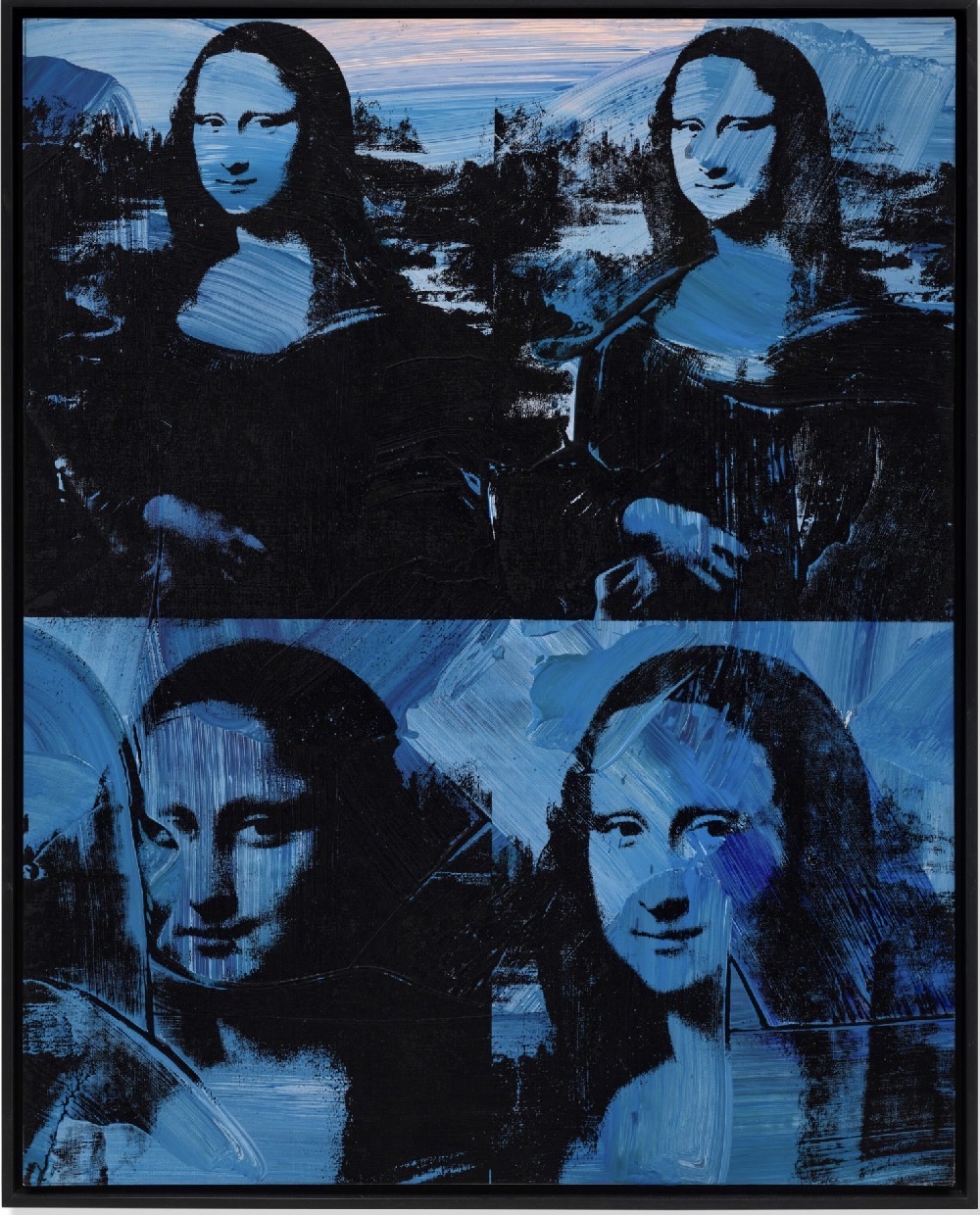
Andy Warhol
Mona Lisa (Four Times), 1979
For collectors, Warhol represents one of the most significant and enduring positions in the postwar and contemporary market. His work spans an enormous range of mediums and price points, from unique paintings that command nine figure sums at the major auction houses to prints and multiples that offer genuine access to his vision at more approachable levels. Works on paper such as his Ingrid Bergman (The Nun) screenprint of 1983 or the Mona Lisa (Four Times) of 1979 allow collectors to engage with his ideas about reproduction, originality, and the endless circulation of images in a form that is both intimate and historically significant. Provenance, condition, and the strength of the edition matter enormously in this market, as does the quality of the impression and the vividness of the colouring.
A carefully chosen Warhol print remains one of the most culturally resonant acquisitions a collector can make. To understand Warhol fully is to understand the broader ecosystem of artists who both preceded and followed him. His relationship to Jasper Johns and Robert Rauschenberg, who had begun interrogating the boundaries between art and everyday life a few years before him, is essential context. His transatlantic dialogue with Roy Lichtenstein, Claes Oldenburg, and James Rosenquist defined what the world came to call American Pop Art.
And his influence radiates forward to Jean Michel Basquiat, with whom he famously collaborated in the mid 1980s, as well as to Cindy Sherman, Richard Prince, Jeff Koons, and a generation of artists for whom the image as commodity and the self as spectacle became central concerns. Warhol died on February 22, 1987, following complications from gallbladder surgery, and the world felt the absence immediately. But the work has never stopped speaking. In an era of social media, personal branding, and the relentless manufacture of celebrity, his observations feel less like art history and more like prophecy.
He understood, before almost anyone, that the surface of things was not shallow but endlessly deep, that the repeated image does not lose meaning but accumulates it, and that fame and beauty and death and desire are all, finally, subject to the same remorseless machine. To collect Warhol is to hold a piece of that understanding, and to look at his work today is to see our own world reflected back with extraordinary clarity and grace.
Explore books about Andy Warhol
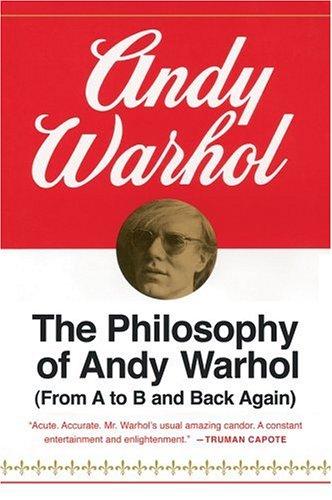
The Philosophy of Andy Warhol (From A to B and Back Again)
Andy Warhol
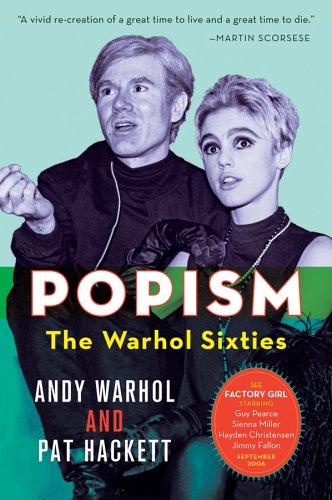
Popism: The Warhol Sixties
Andy Warhol and Pat Hackett
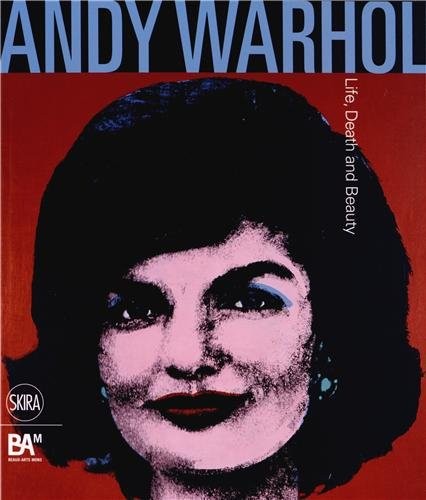
Andy Warhol: A Life
Jennifer Homans
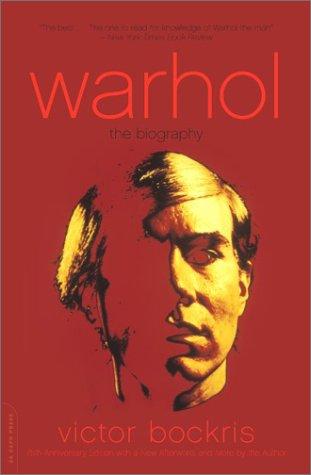
Warhol: The Biography
Victor Bockris
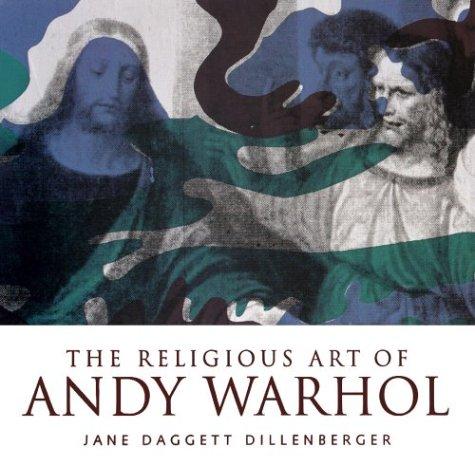
The Art of Andy Warhol
Andy Warhol and Christoper Makos
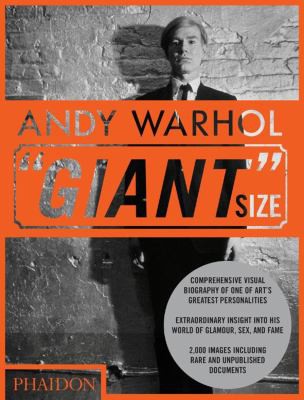
Andy Warhol: Giant Size
Phaidon Press
The Warhol Look: Glamour, Style, Fashion and the Social Scene
Mark Francis and Margery King
Andy Warhol: The Complete Picture
Jane Daggett Dillenberger