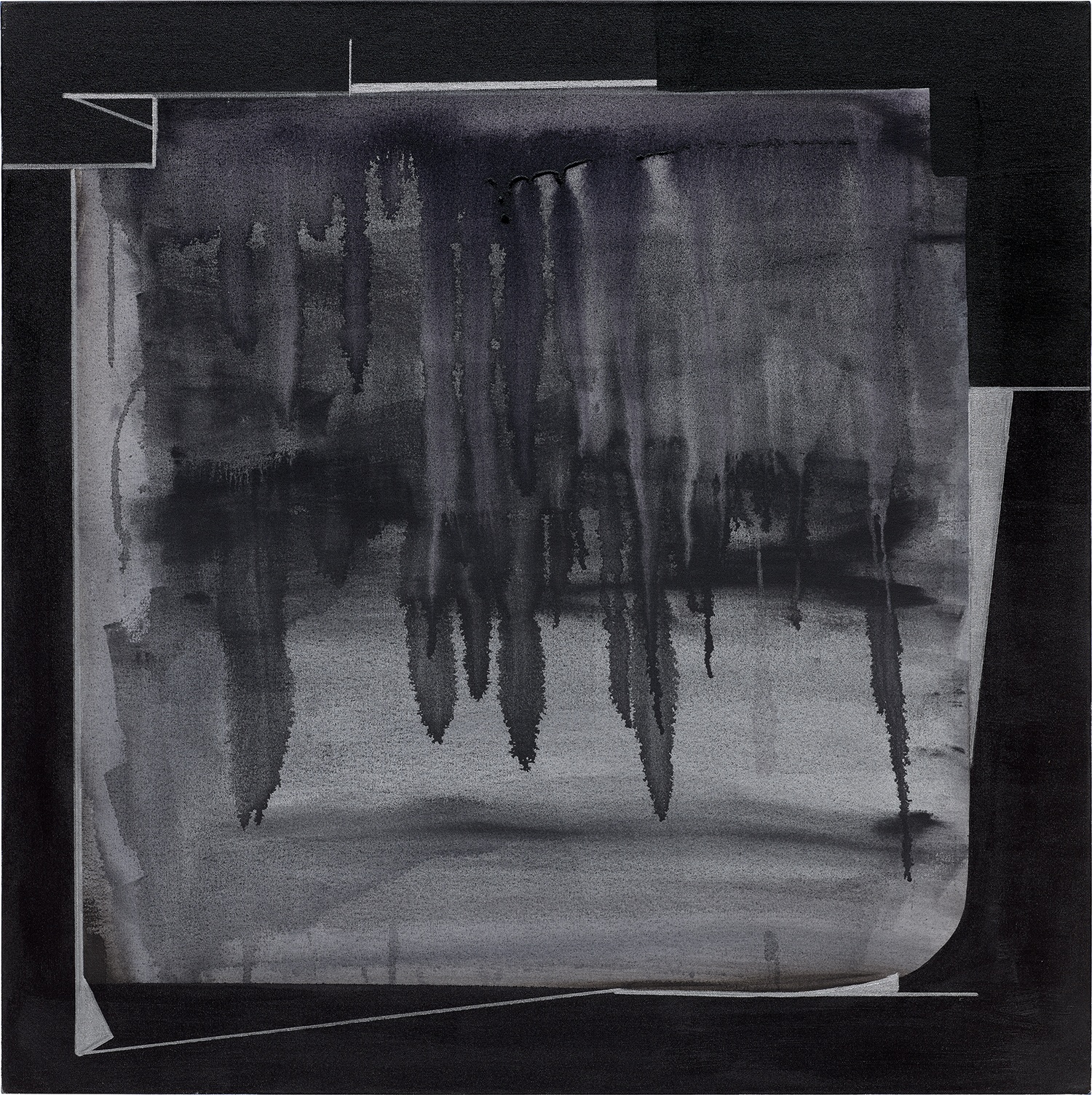
Torkwase Dyson
“
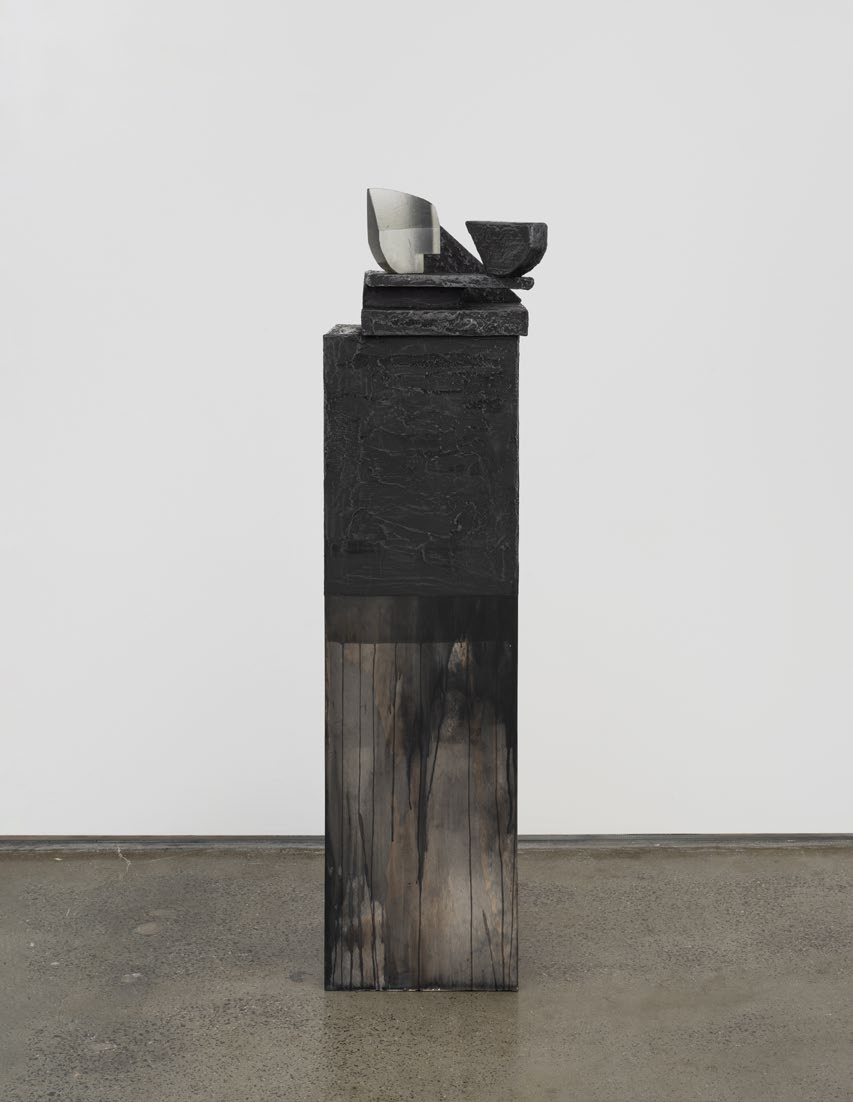
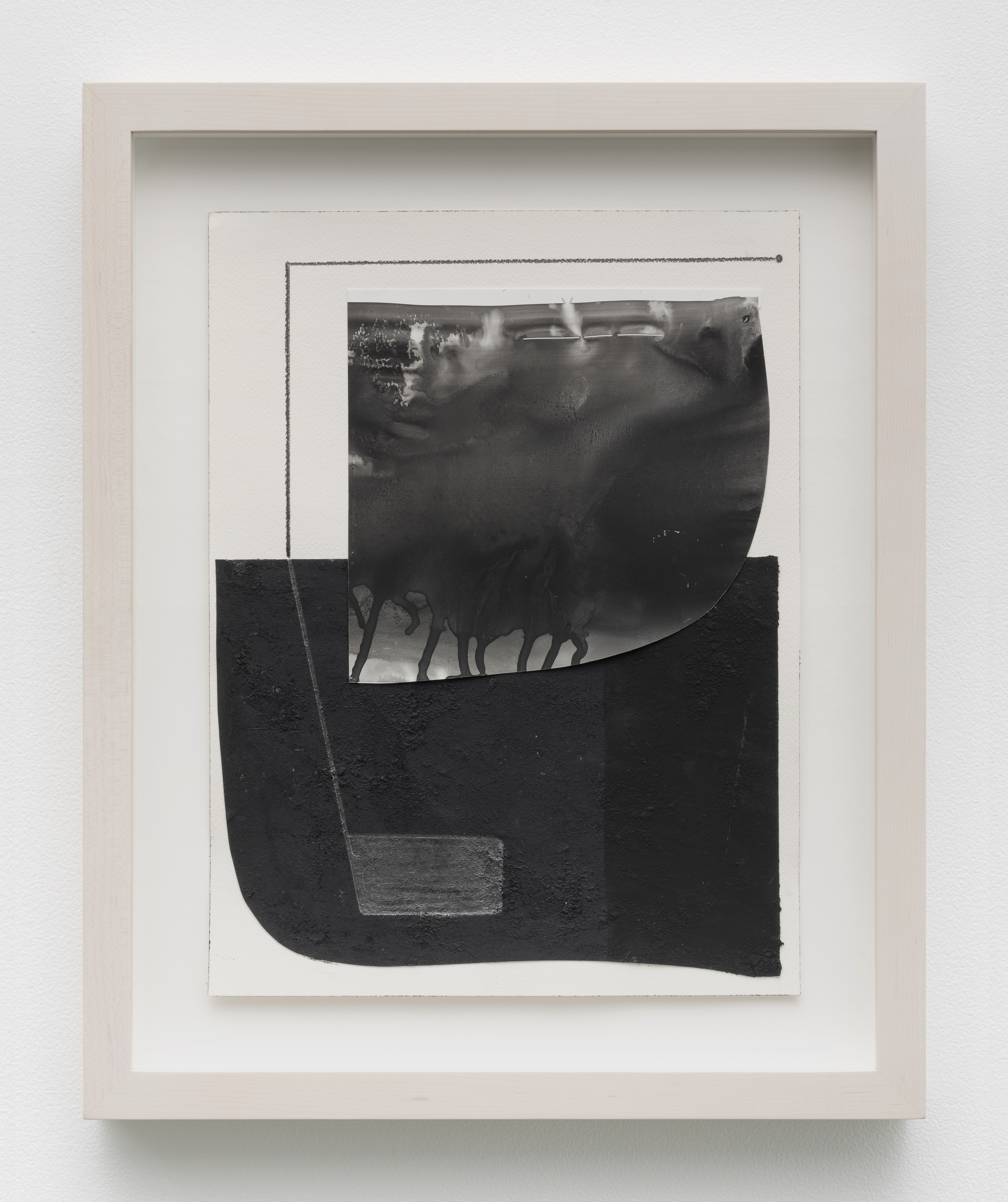
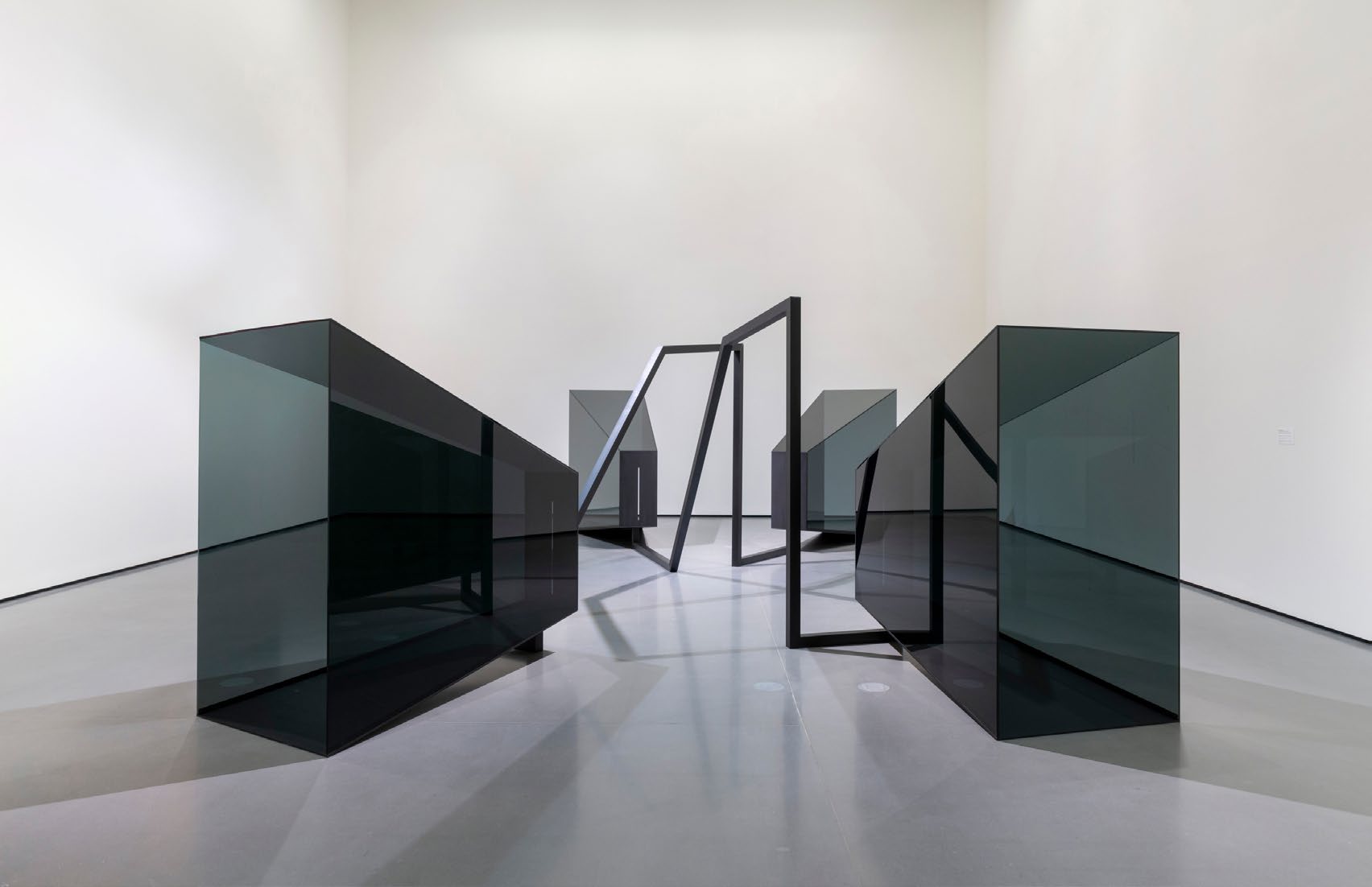
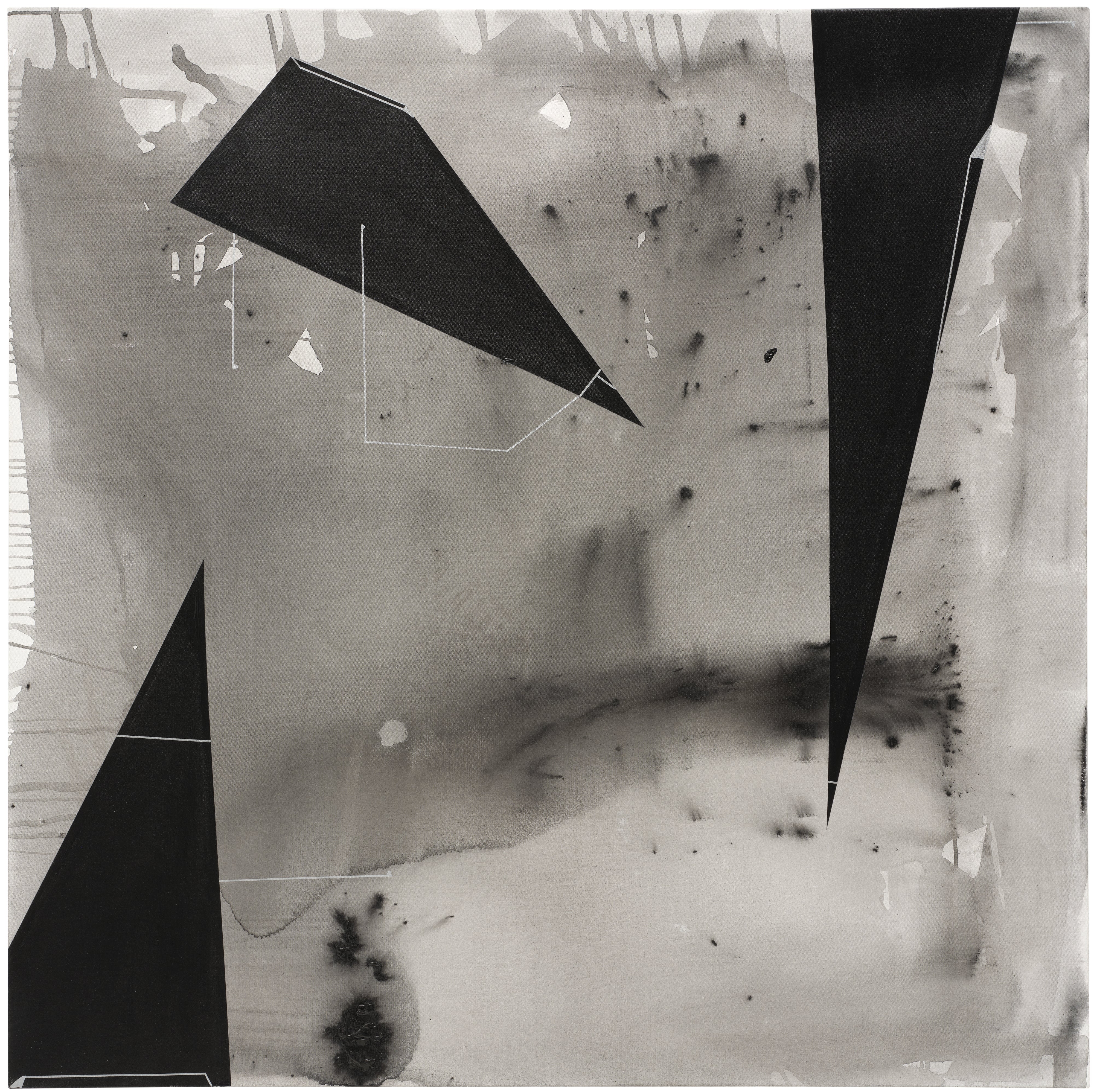
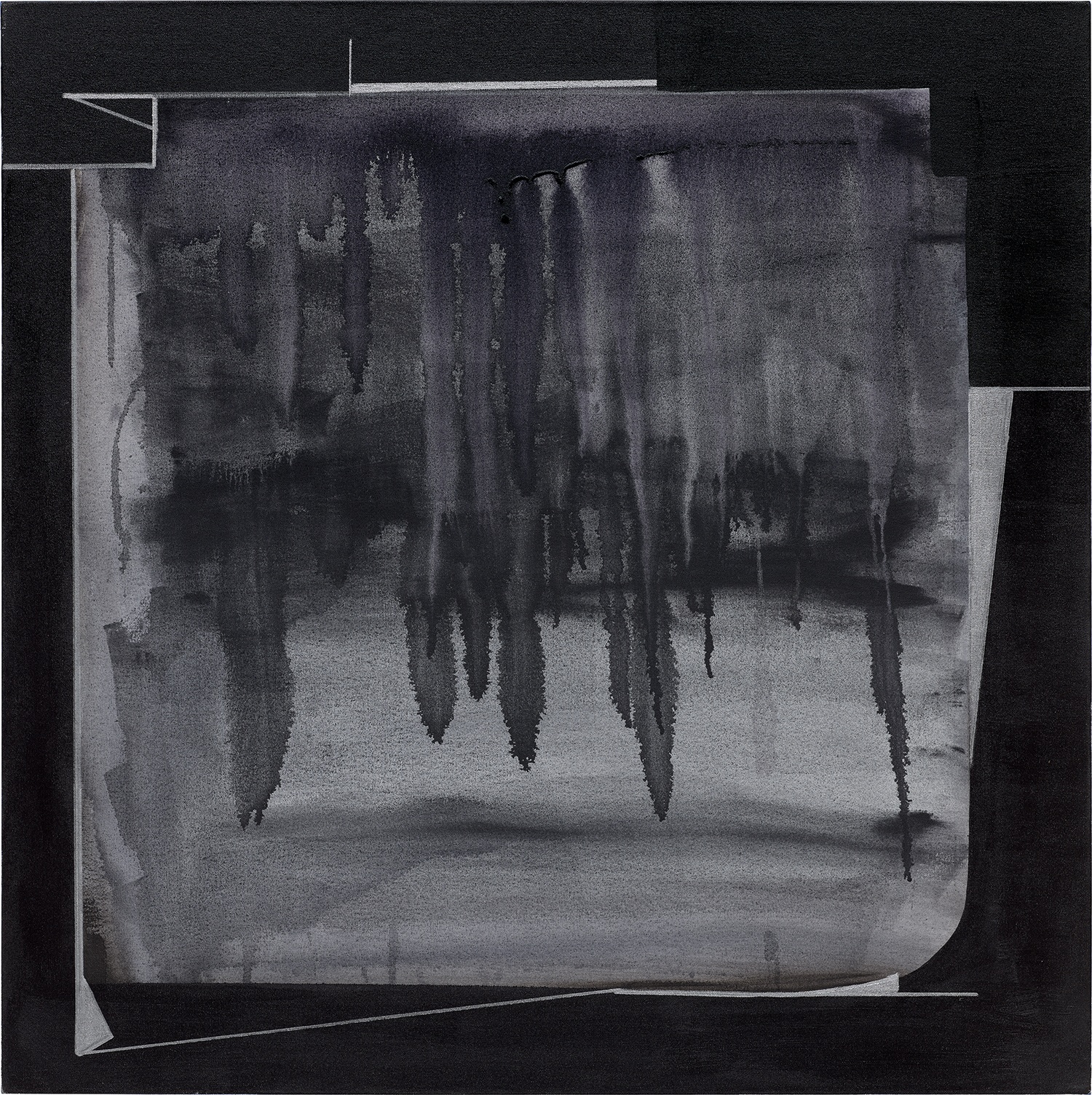
Torkwase Dyson is an abstract painter and sculptor whose work examines the relationship between architecture, infrastructure, and the natural environment through the lens of black spatial liberation. Her geometric abstractions draw upon the history of the Underground Railroad and black geographies to explore how space can be both confining and liberating. Dyson has exhibited widely including at the Studio Museum in Harlem, the Whitney Museum, and represented the United States at the 2019 Venice Biennale collateral events.
Artists in conversation
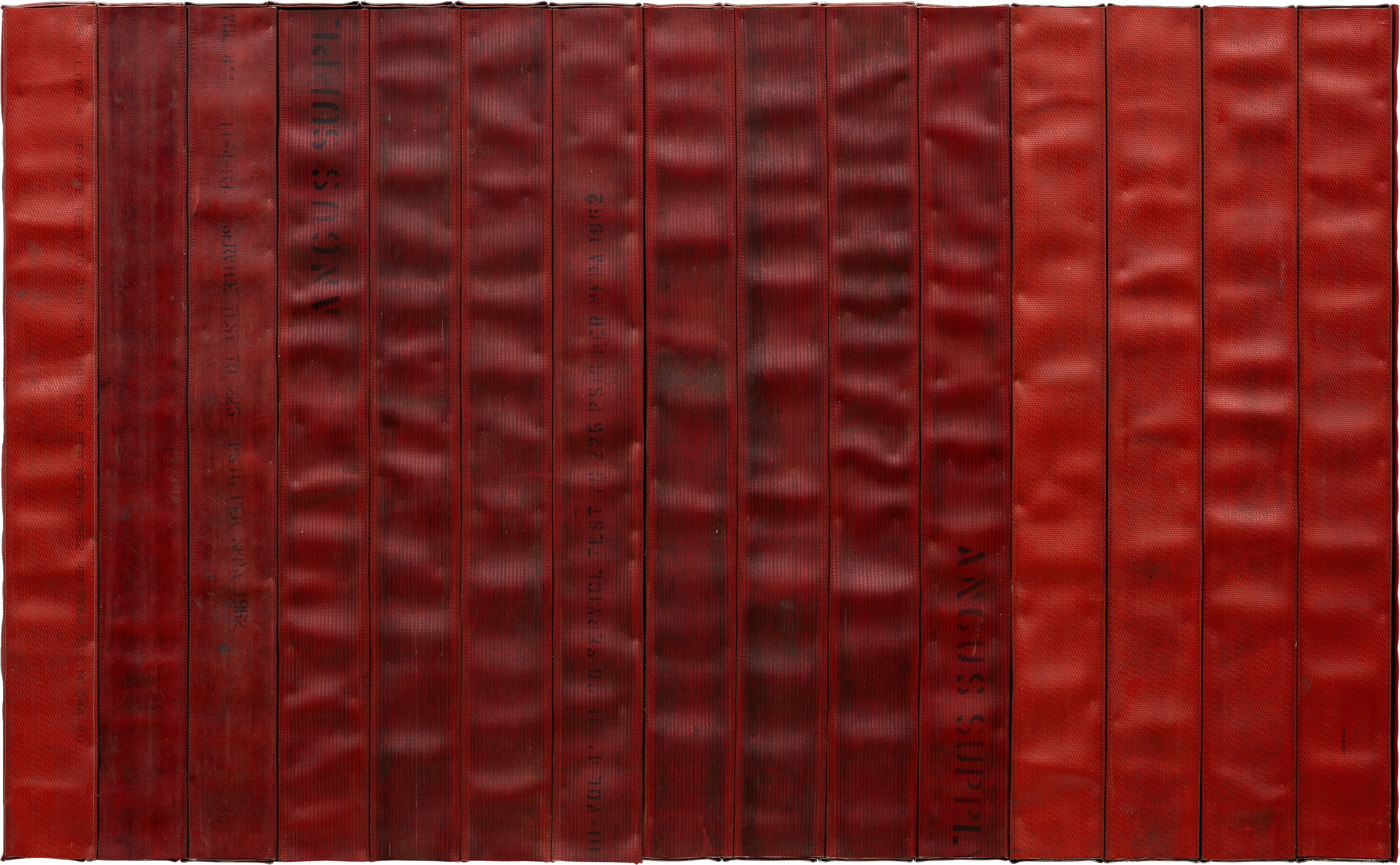
Theaster Gates
Gates similarly uses abstraction and materiality to explore Black spatial histories and the politics of space within urban and architectural contexts. Both artists foreground questions of liberation and community through geometric and environmental frameworks.
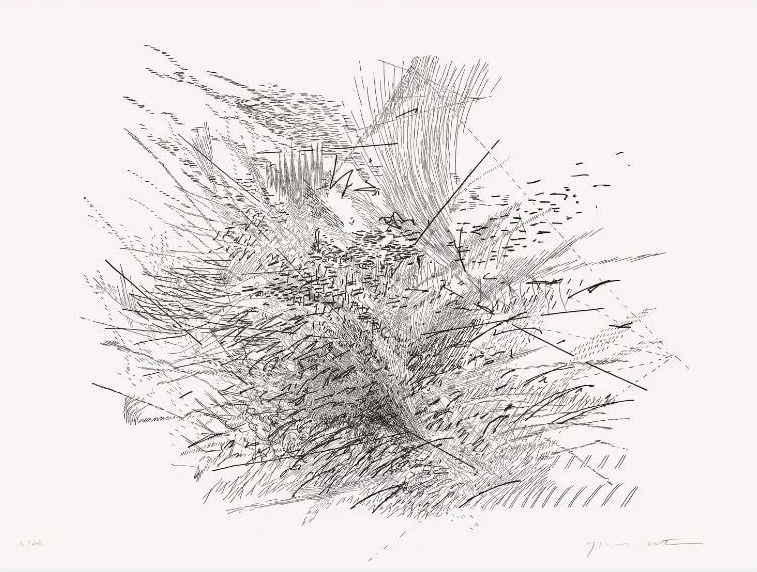
Julie Mehretu
Mehretu's large scale geometric abstractions layer architectural and cartographic systems to interrogate power, migration, and place, closely paralleling Dyson's engagement with infrastructure and spatial politics. Both artists use bold geometric vocabularies to encode social and historical meaning within abstract painting.
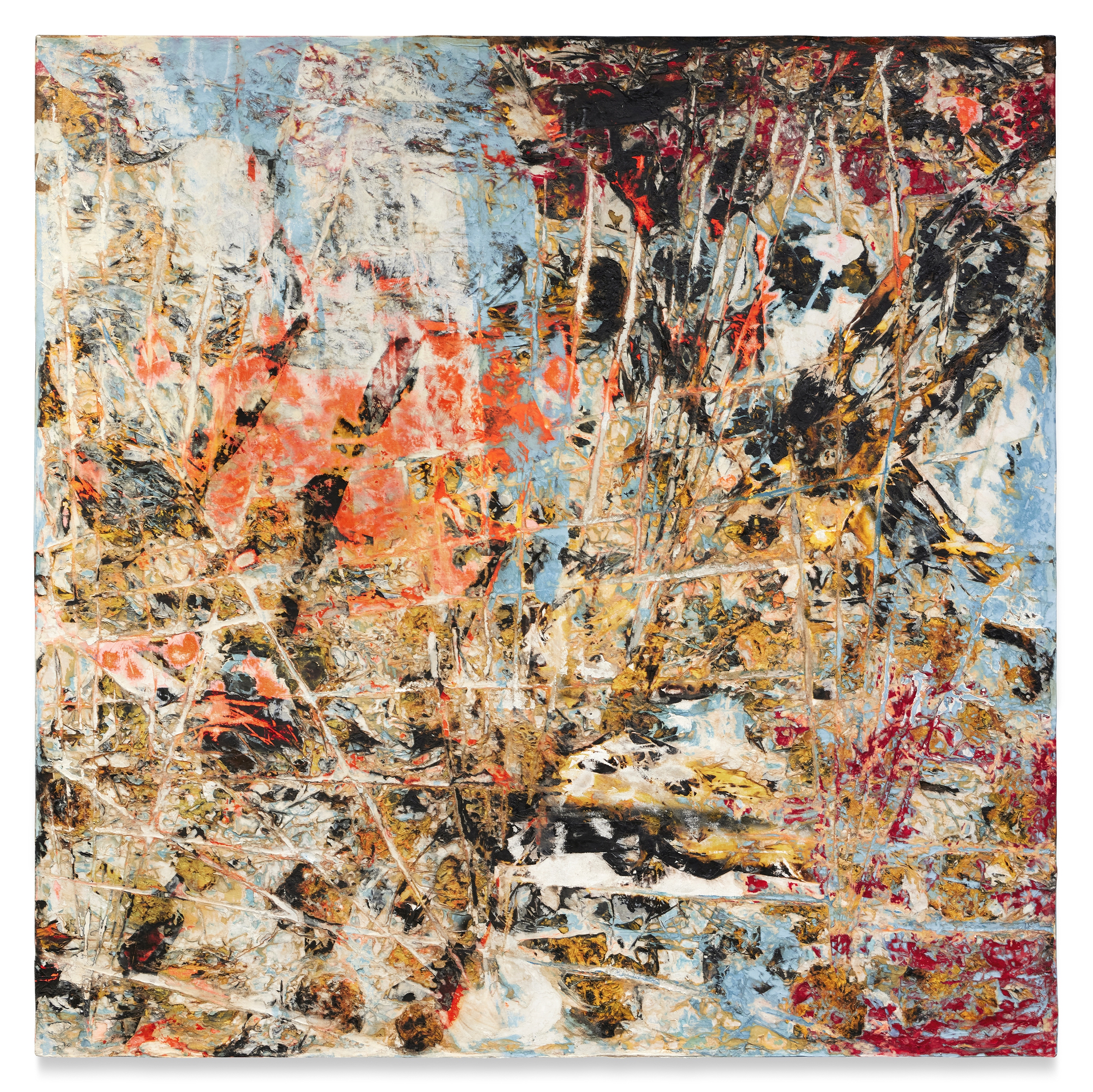
Mark Bradford
Bradford mines urban geography, infrastructure, and the lived experiences of marginalized communities through layered abstract works, resonating strongly with Dyson's interrogation of Black space and environmental systems. Both artists embed social critique within rigorously abstract visual languages.
Artists who inspired them
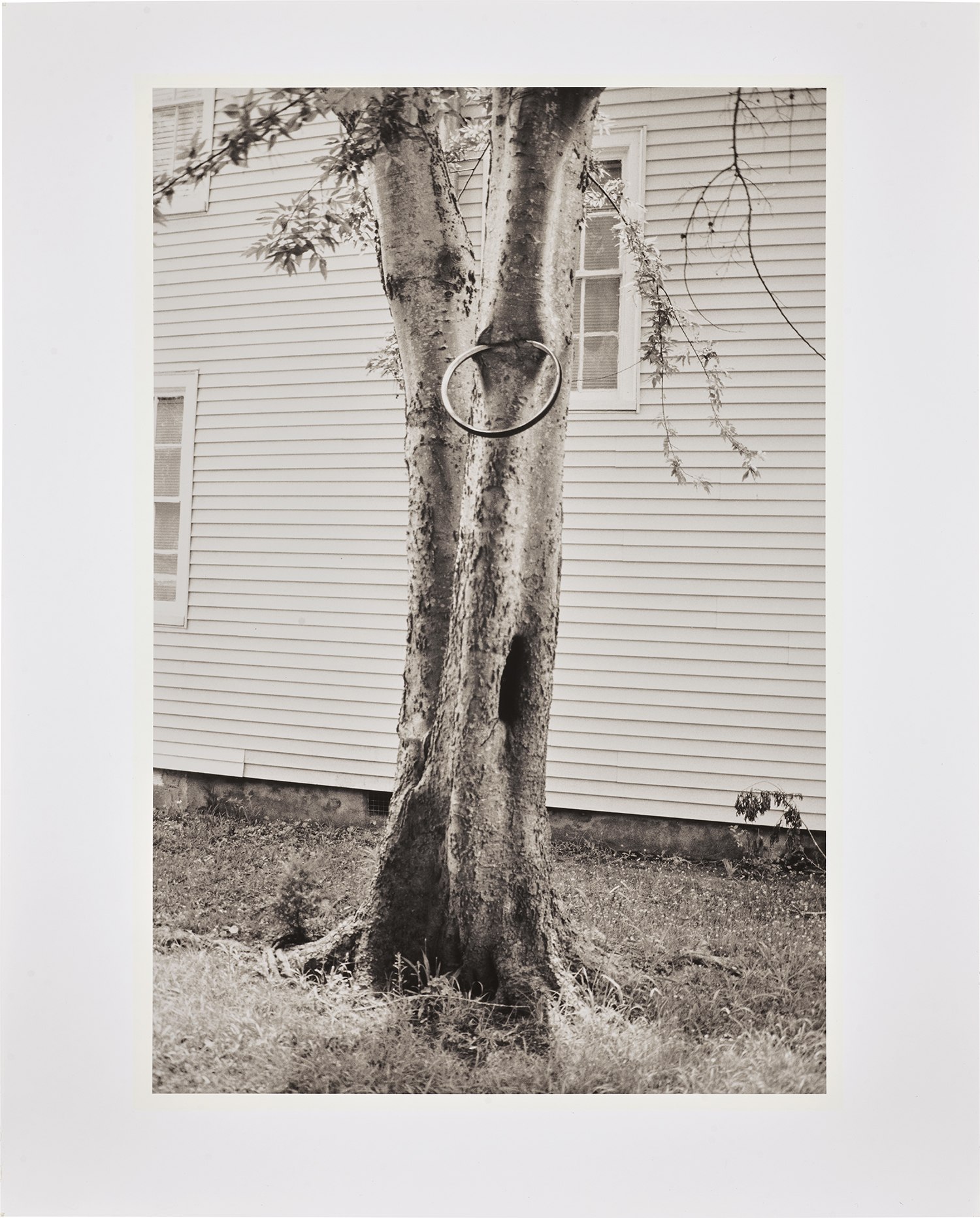
David Hammons
Hammons pioneered the use of conceptual and material strategies to address Black experience, spatial politics, and systemic racism in America, establishing a precedent that deeply informs Dyson's approach to Black spatial liberation. His integration of social critique within abstract and sculptural practice opened critical pathways that Dyson has developed further.

Buckminster Fuller
Fuller's visionary thinking about geometry, architecture, and the relationship between human beings and their built environments is a conceptual touchstone for Dyson's geometric abstractions and her focus on infrastructure as a spatial and political force. Dyson has directly cited Fuller's geodesic and systemic thinking as influential on her practice.
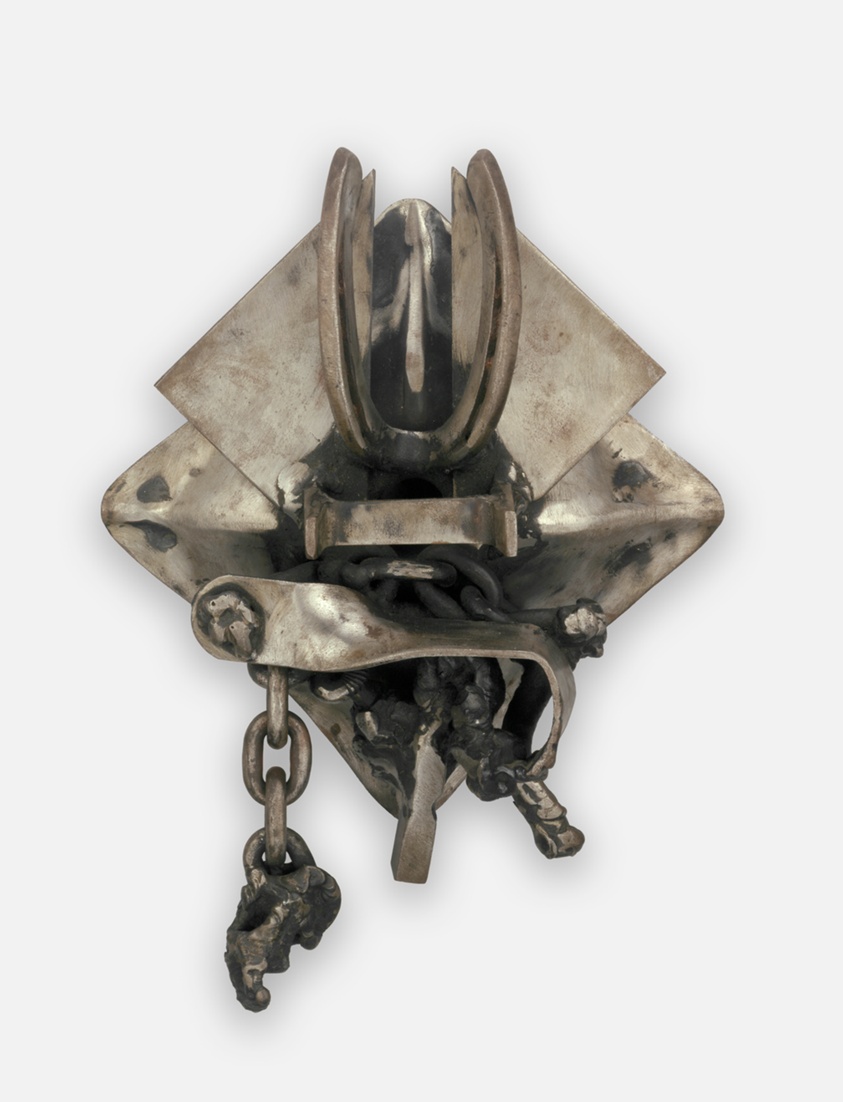
Melvin Edwards
Edwards developed a rigorous sculptural practice that fused geometric abstraction with the material history of Black struggle and the African diaspora, providing an important formal and conceptual model for Dyson's own geometric and sculptural explorations of Black liberation. His fusion of abstraction with political and spatial meaning resonates directly with Dyson's project.