Jaume Plensa
20
Works
2
Followers

Artist Spotlight
Jaume Plensa: Sculptor of the Human Soul
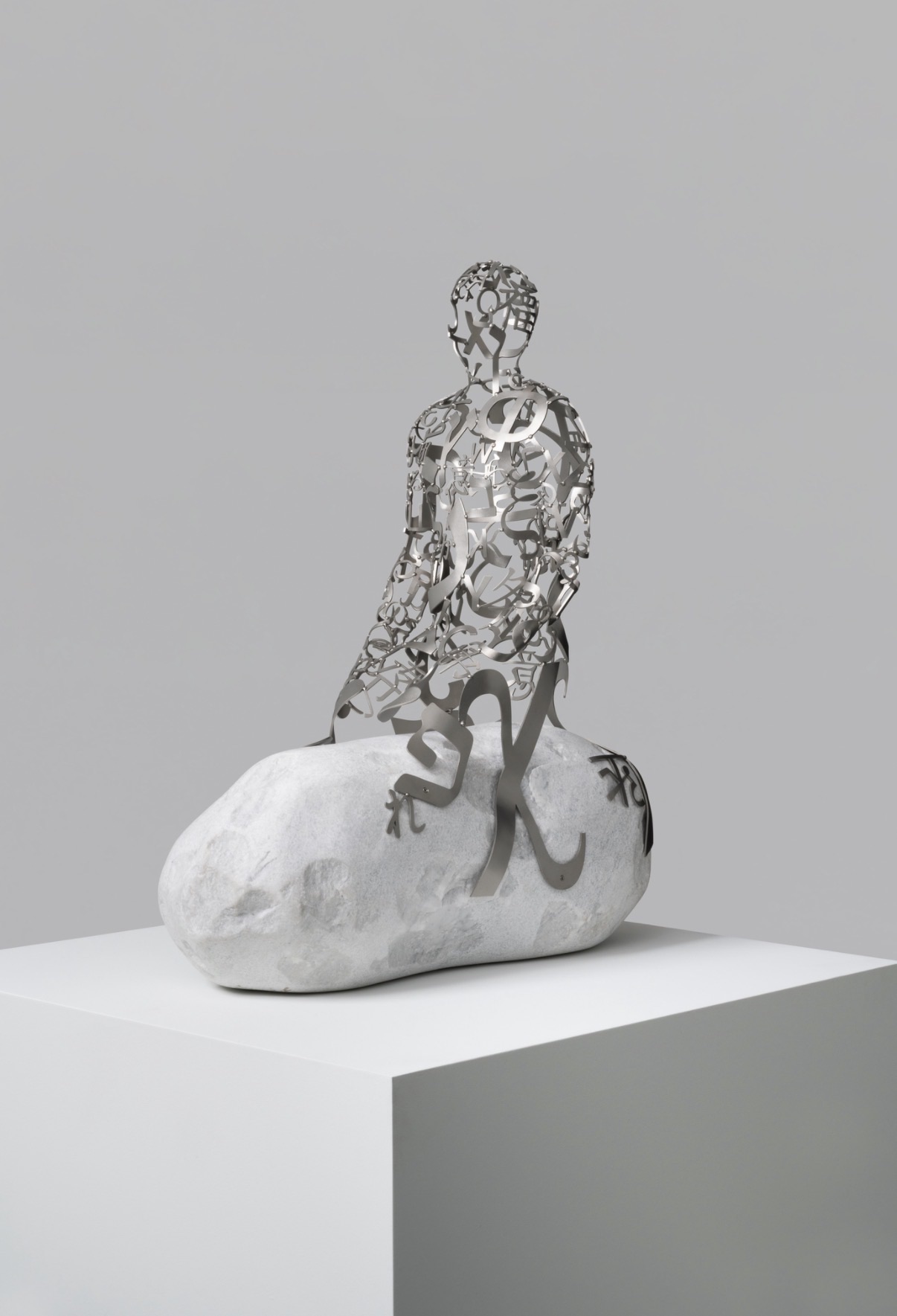
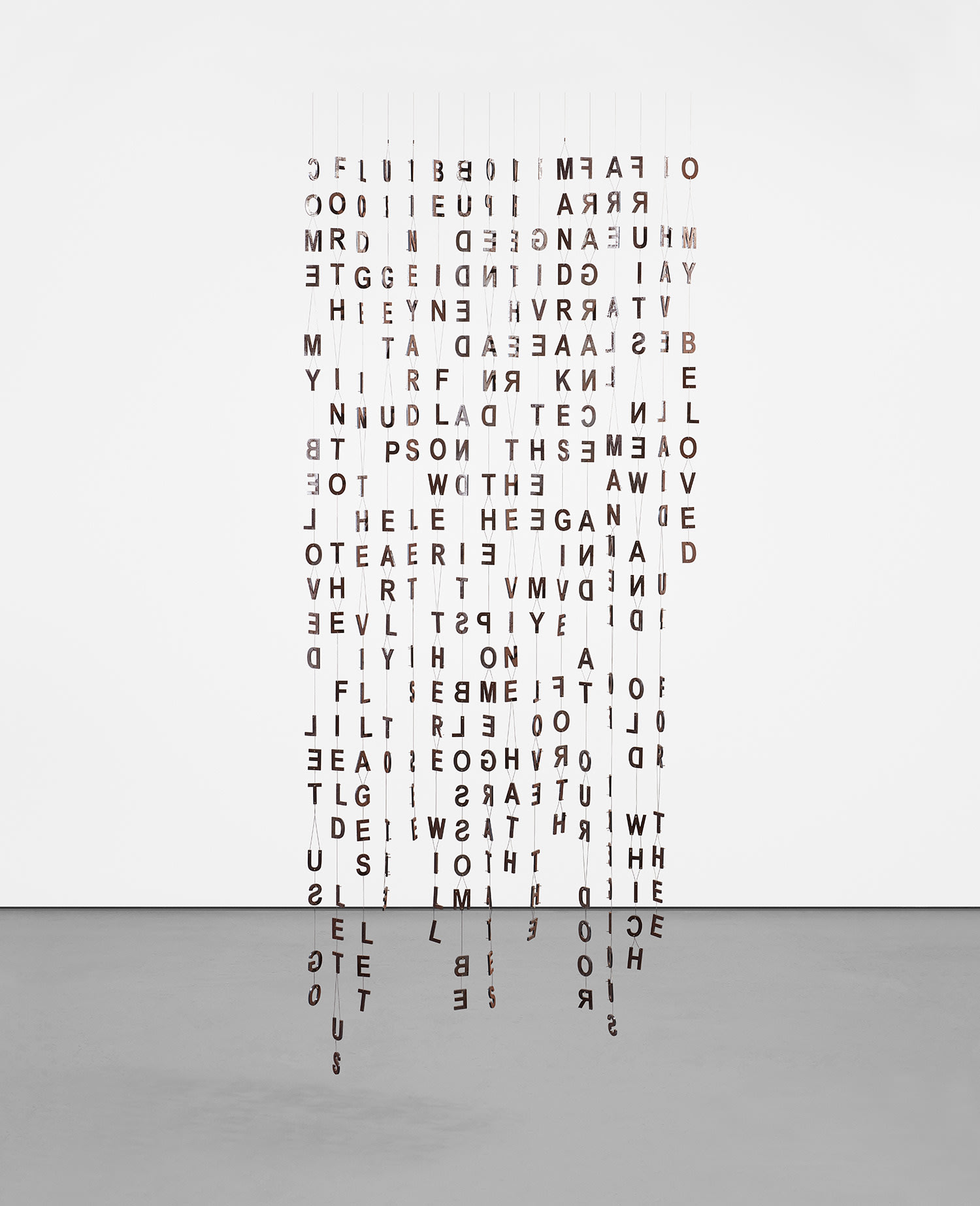
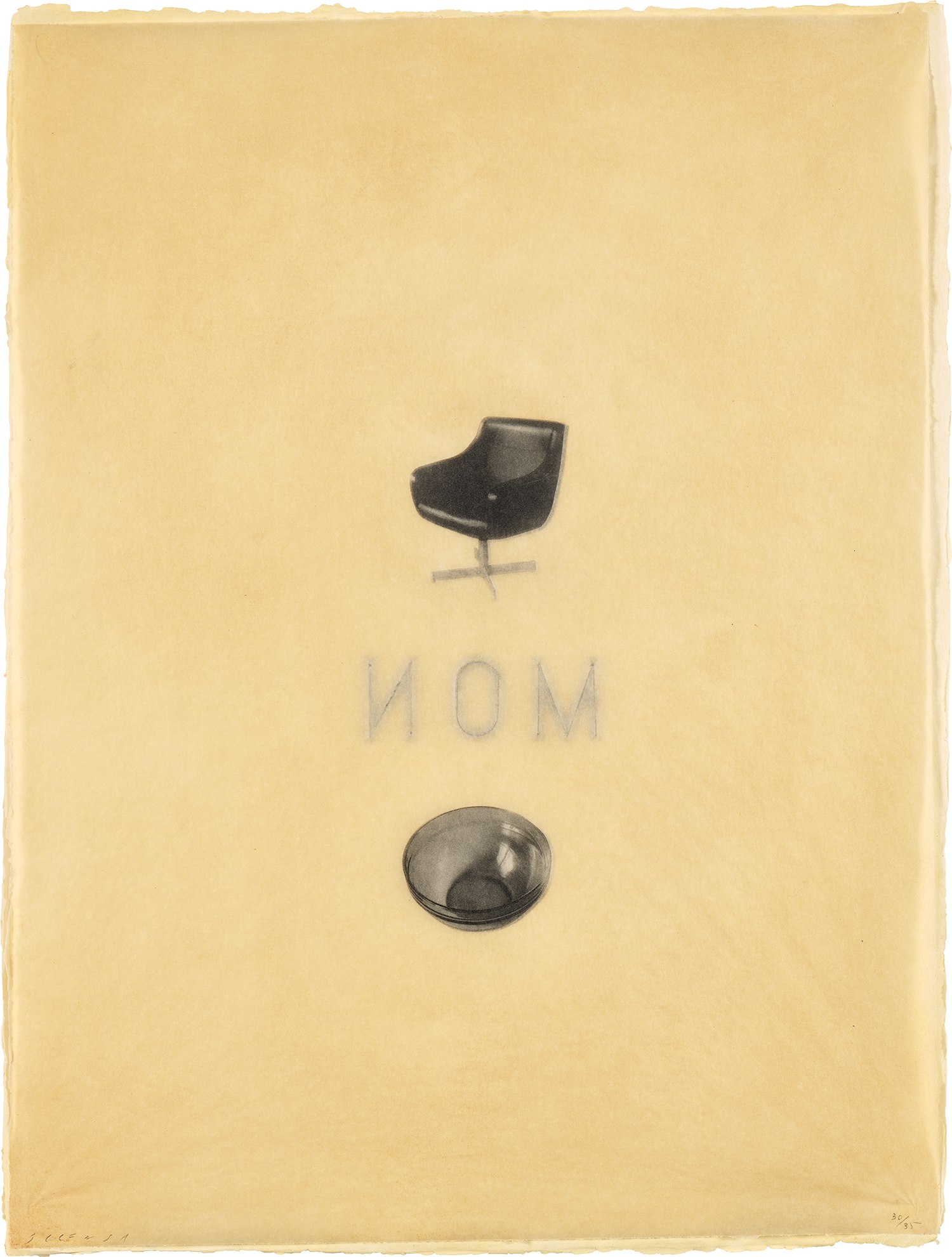
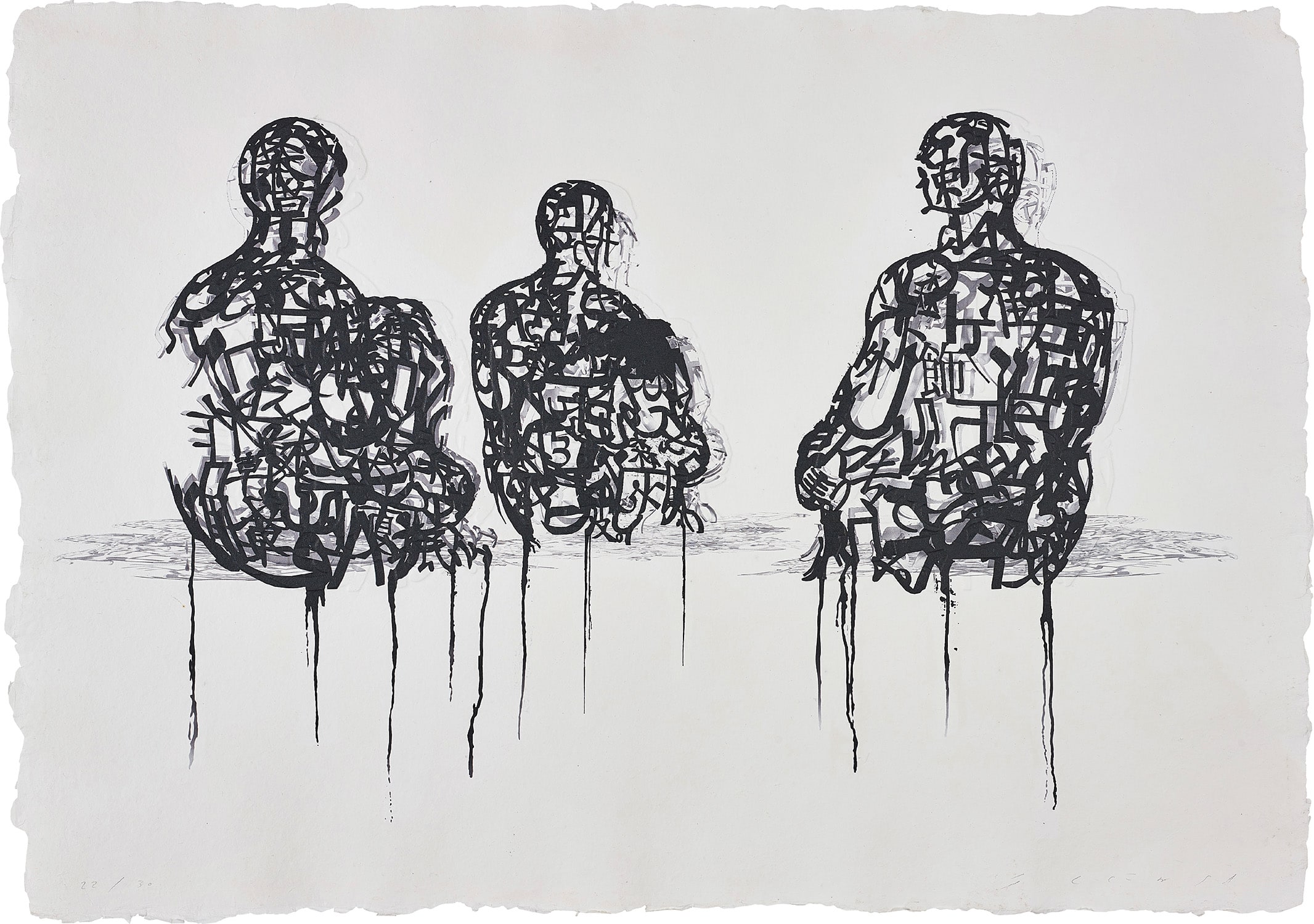
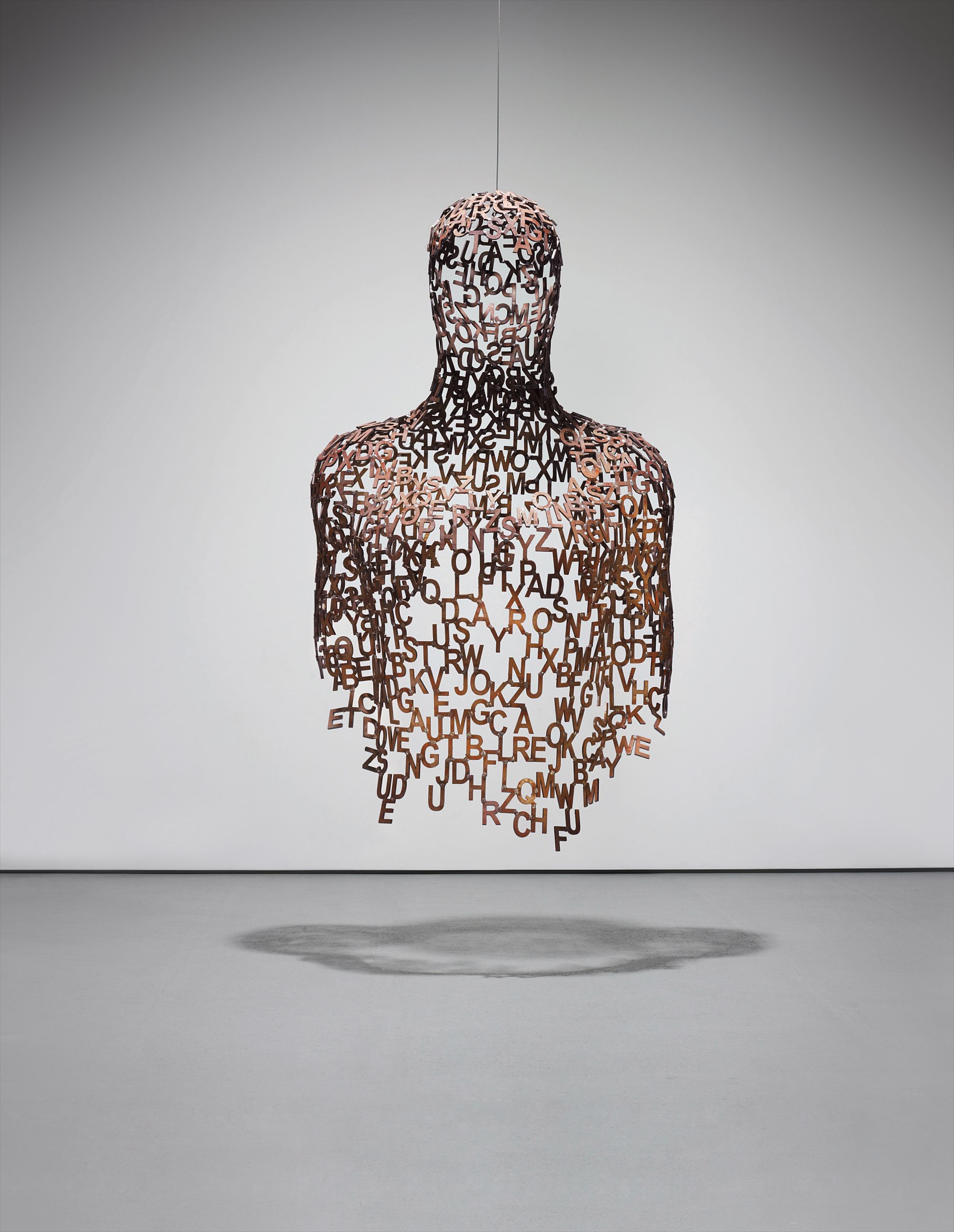
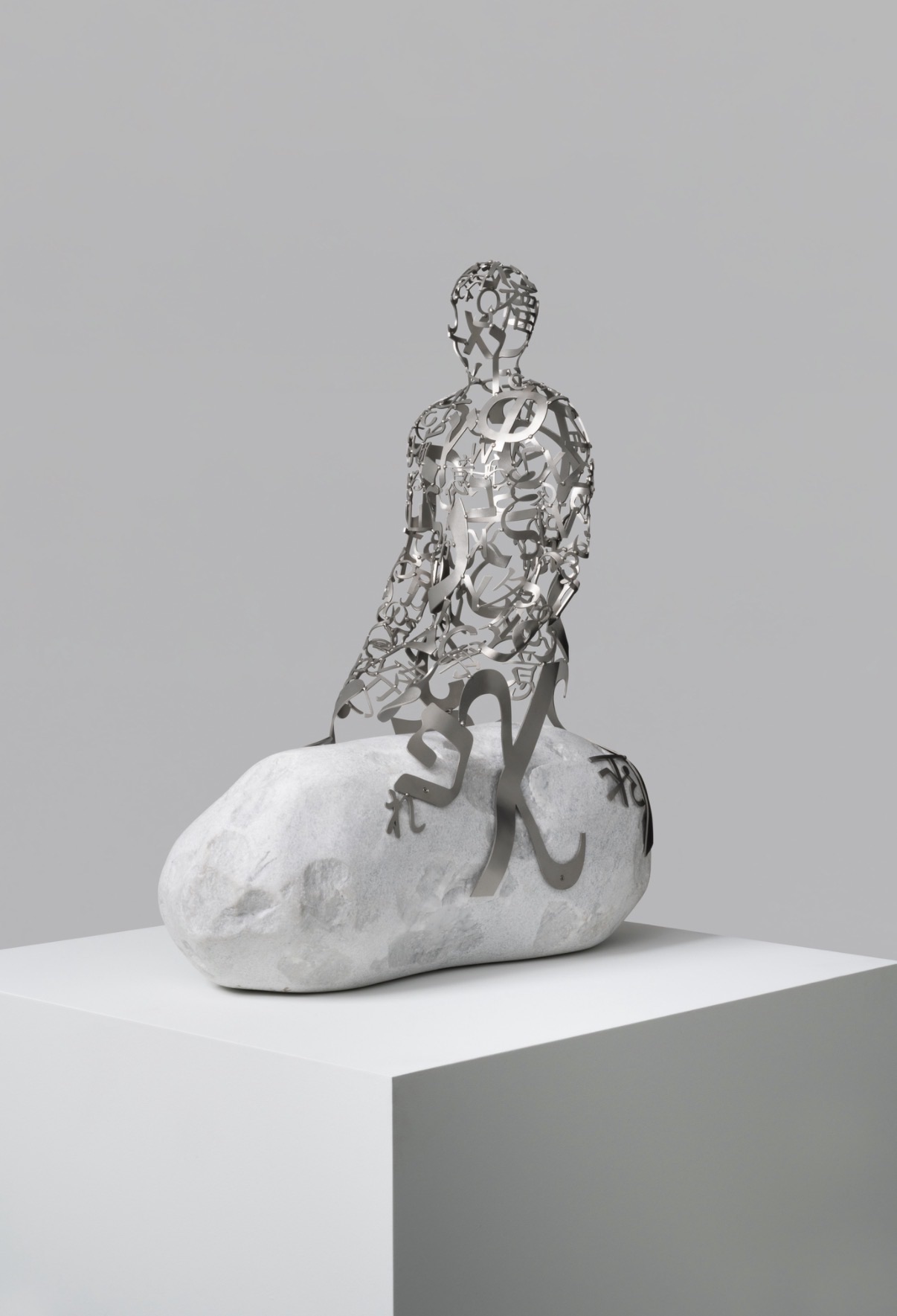
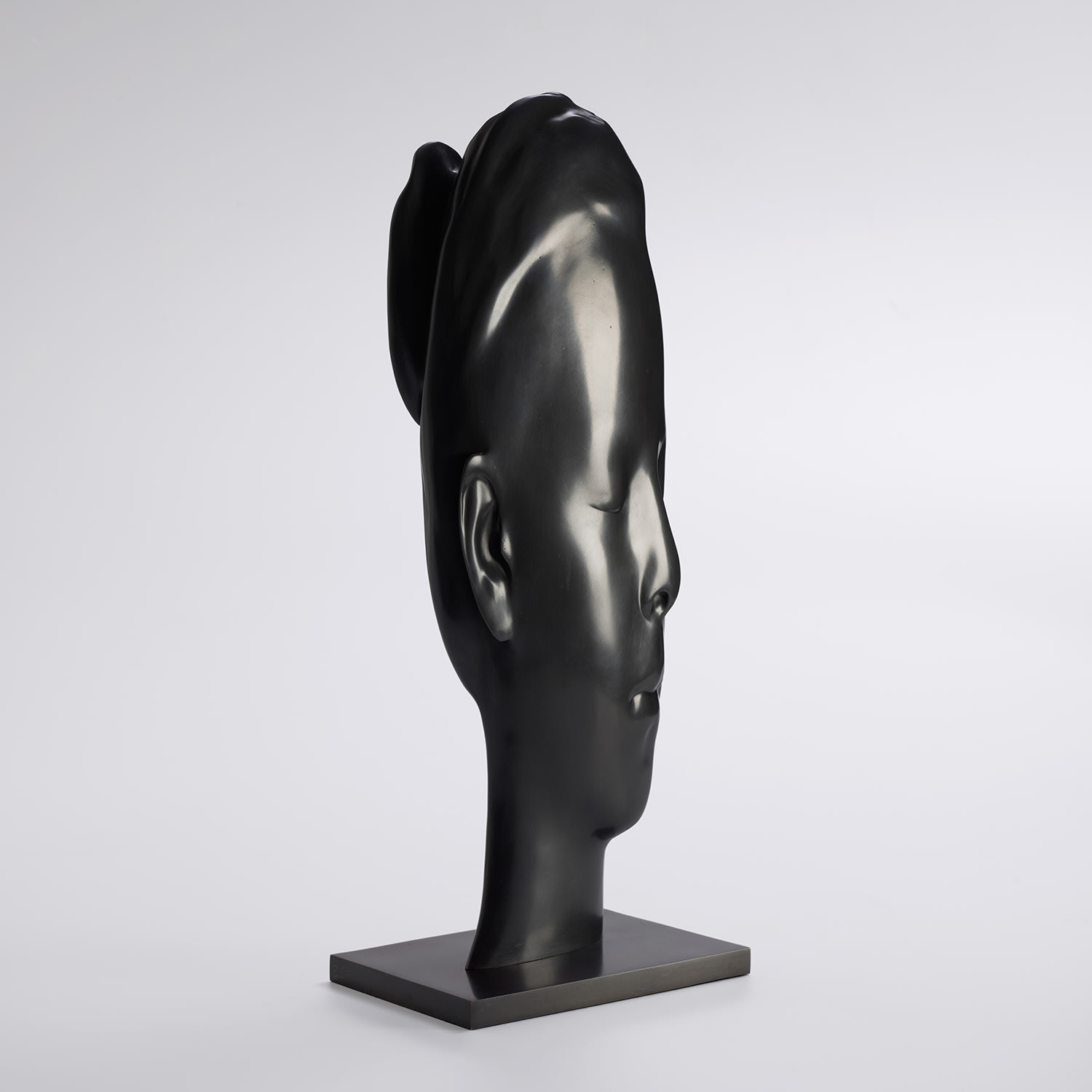
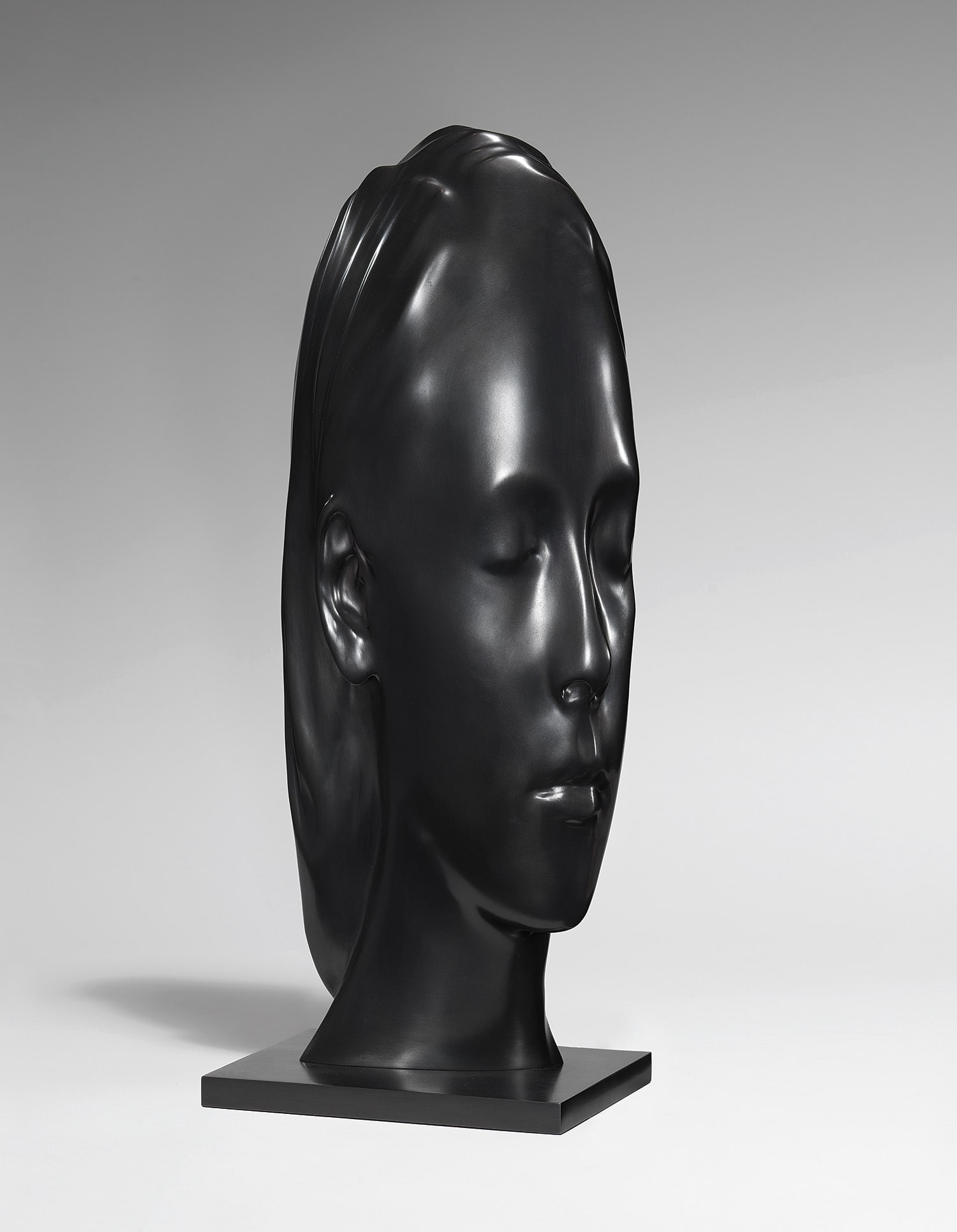
In the spring of 2023, visitors to the grounds of the Yorkshire Sculpture Park stood quietly before one of Jaume Plensa's towering white heads, its surface etched with interlocking letters from alphabets spanning continents and centuries. No one rushed. That is the particular power of Plensa's work: it stops people, draws them into a silence that feels earned rather than imposed. At a moment when public art is under intense scrutiny for its relevance, its honesty, and its capacity to genuinely move people, Plensa's sculptures continue to do something rare. They speak to every person who… Continue reading
Artists in conversation
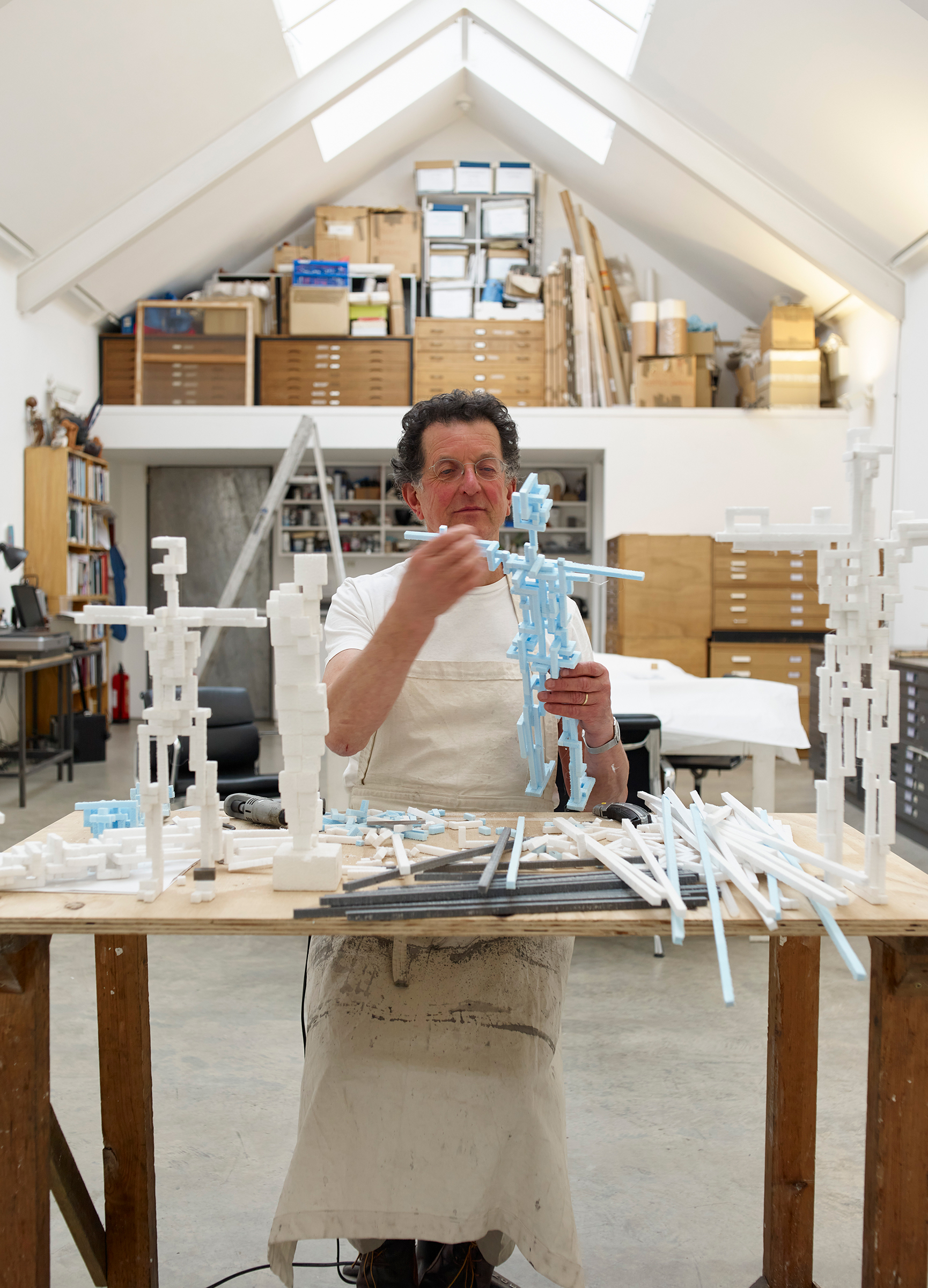
Antony Gormley
Gormley shares Plensa's focus on the human body as a site of spiritual and philosophical inquiry, creating large scale figurative sculptures that investigate collective identity and the relationship between the individual and space.
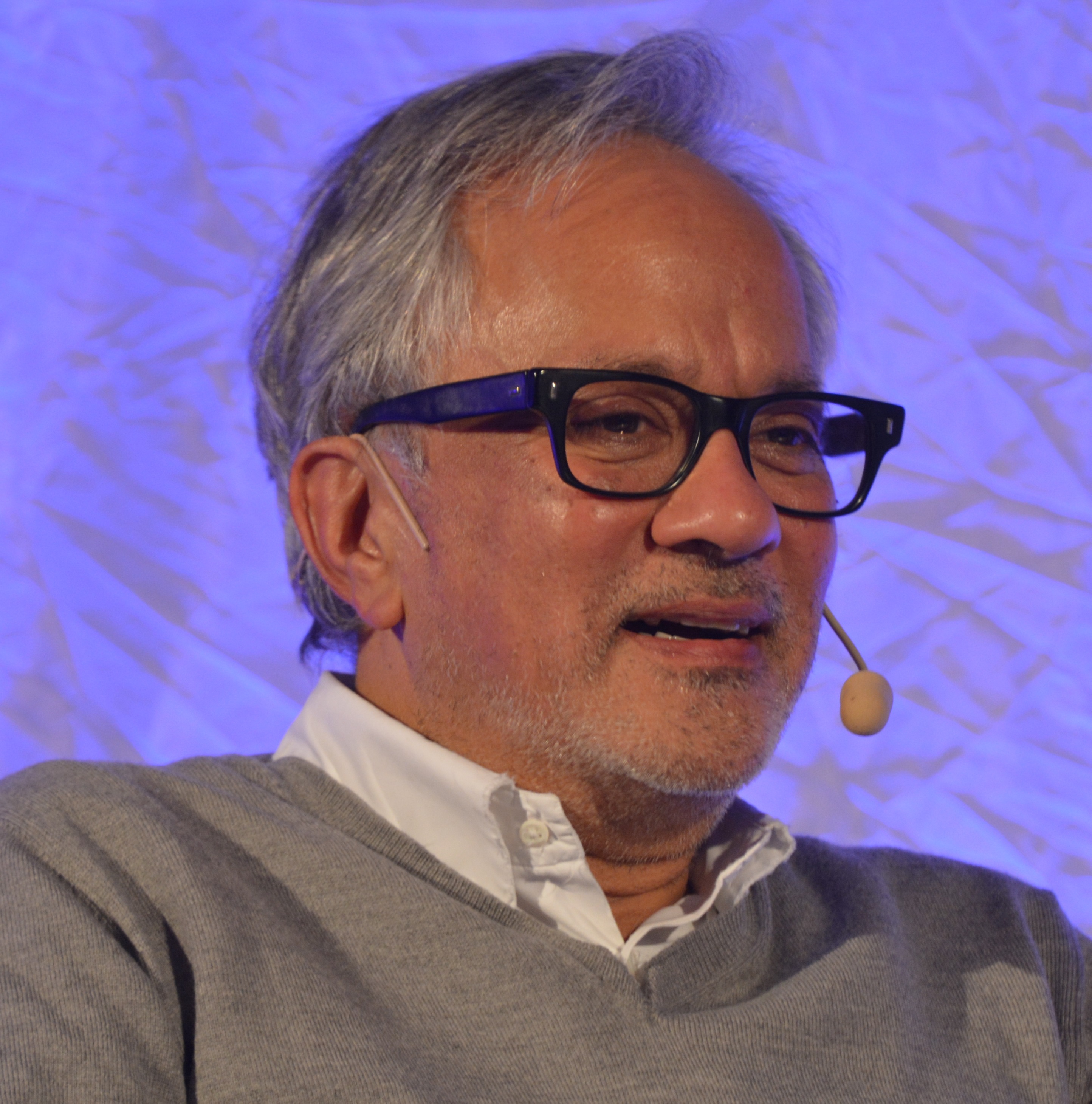
Anish Kapoor
Kapoor similarly produces monumental public sculptures that blend minimalist formal qualities with deep conceptual explorations of interiority, the void, and human perception, often working in polished or white materials.
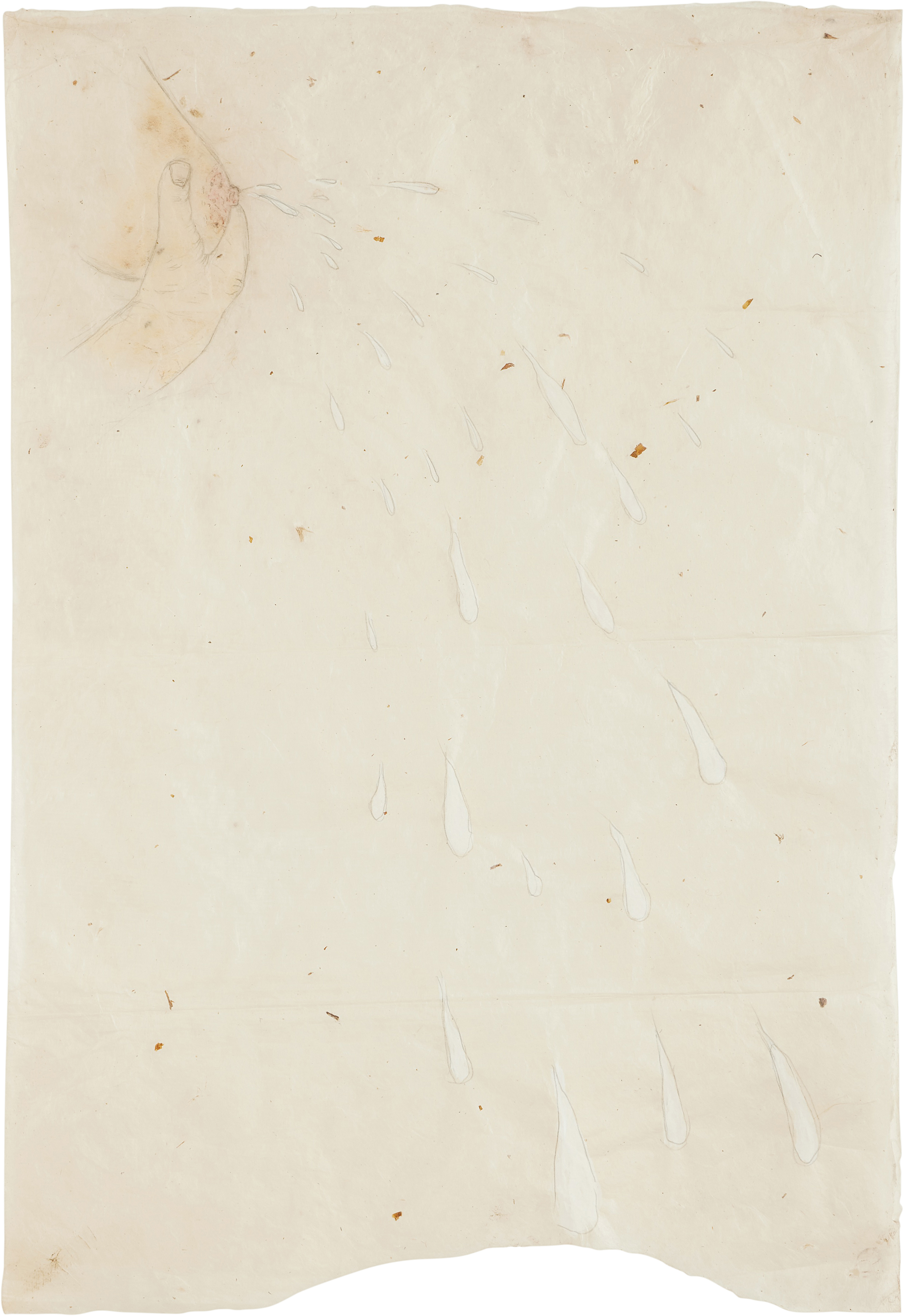
Kiki Smith
Smith parallels Plensa in her sustained focus on the human form as a vehicle for exploring vulnerability, spirituality, and the fragmented nature of identity through figurative sculpture and mixed media works.
Artists who inspired them
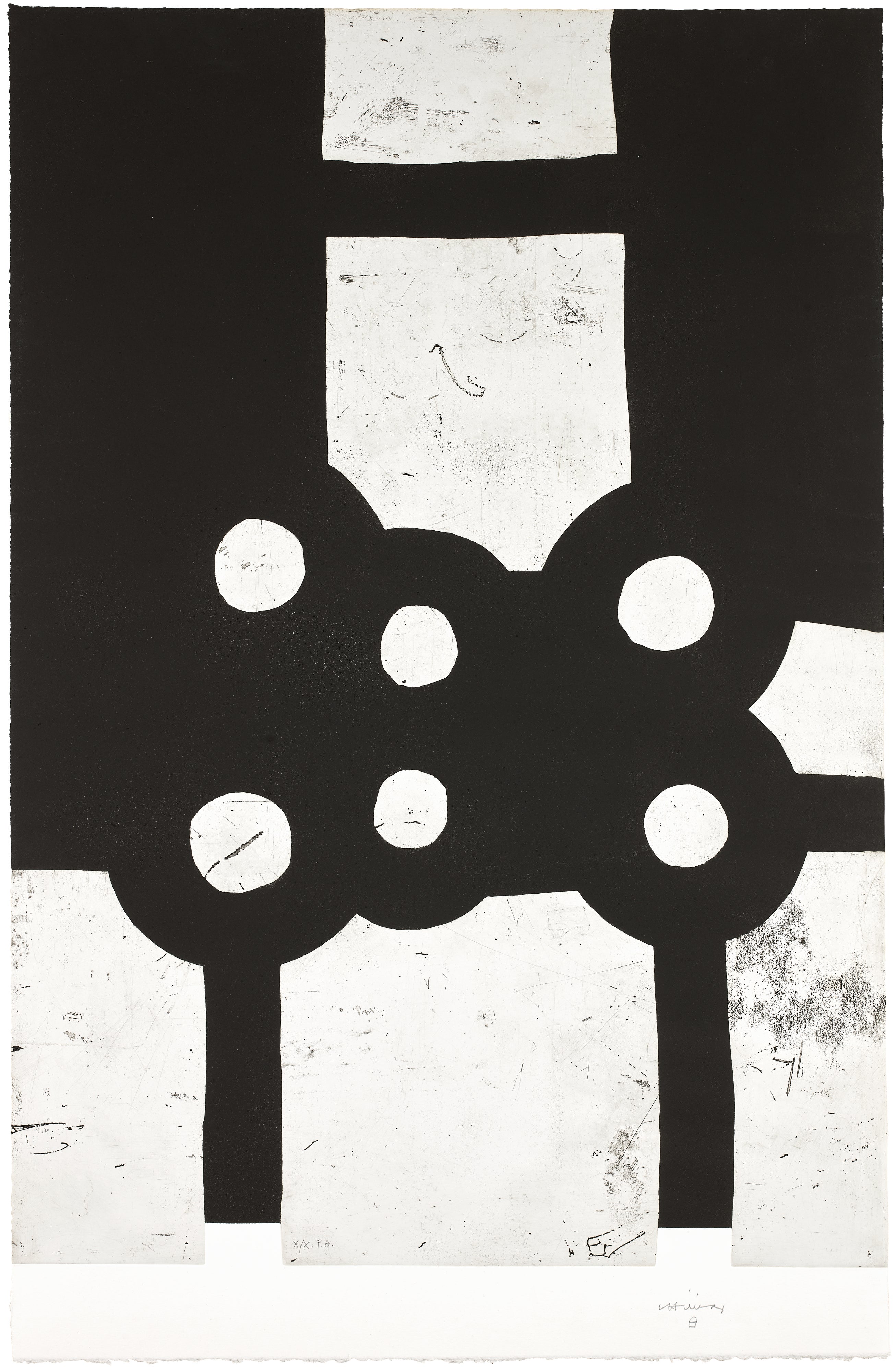
Eduardo Chillida
Chillida's monumental abstract sculptures engaging space, materiality, and philosophical themes provided a foundational model for Plensa as a fellow Spanish artist working in large scale public sculpture.
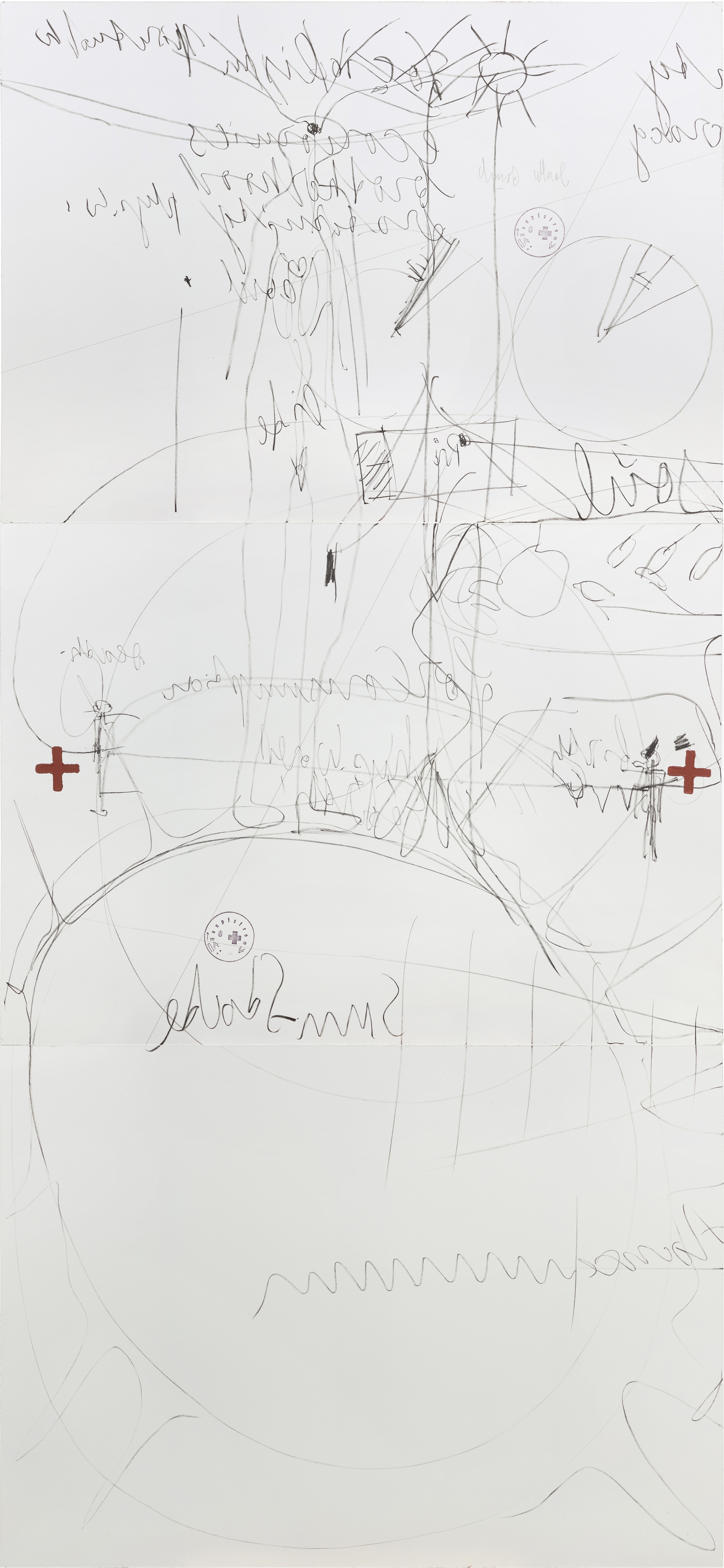
Joseph Beuys
Beuys's expanded conception of sculpture to include social and spiritual dimensions, as well as his use of text and symbol laden materials, deeply informed Plensa's approach to art as a vehicle for collective transformation.
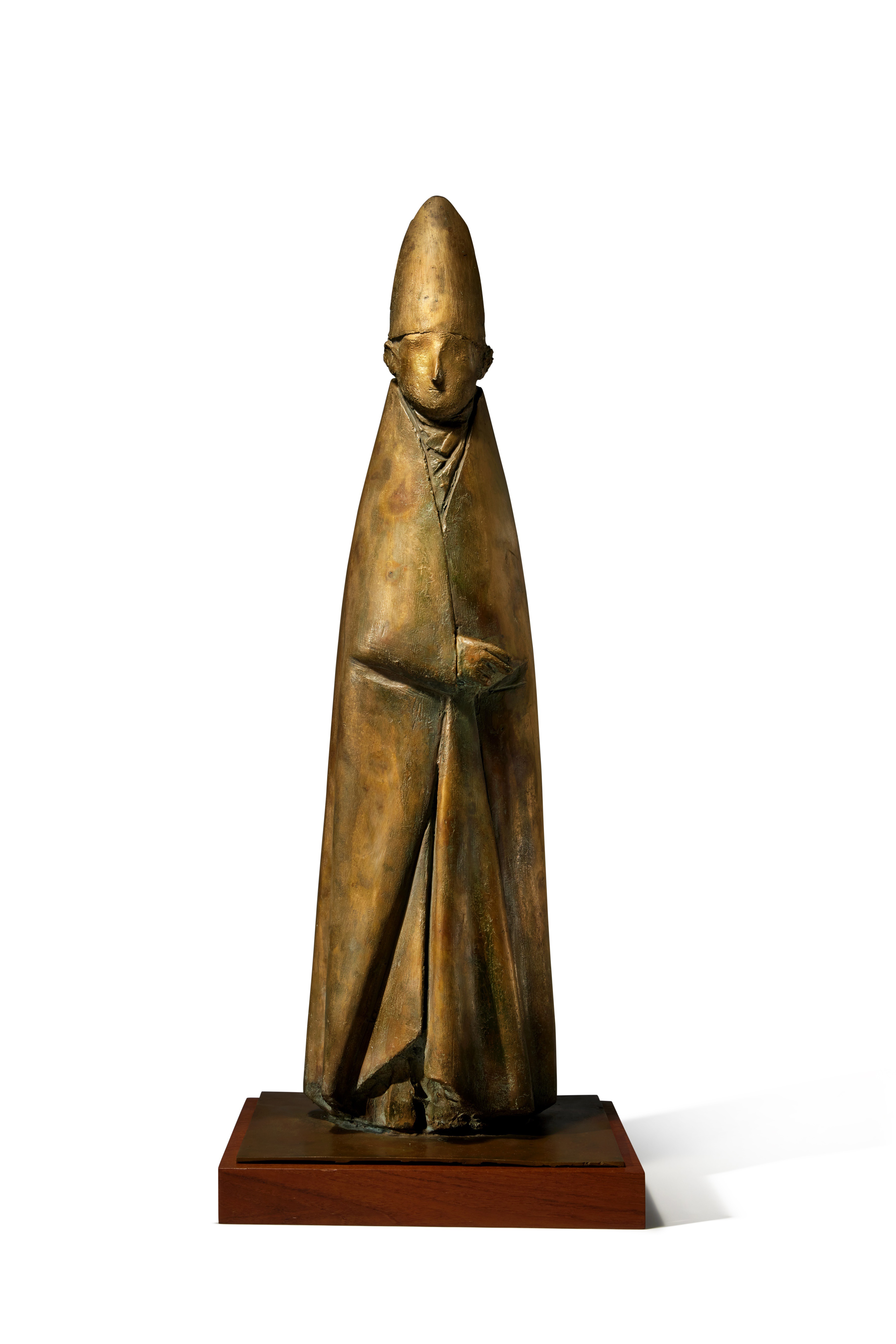
Giacomo Manzù
Manzù's meditative figurative sculpture rooted in spiritual and humanist concerns offered Plensa an important precedent for using the human form to express contemplative and universal themes.