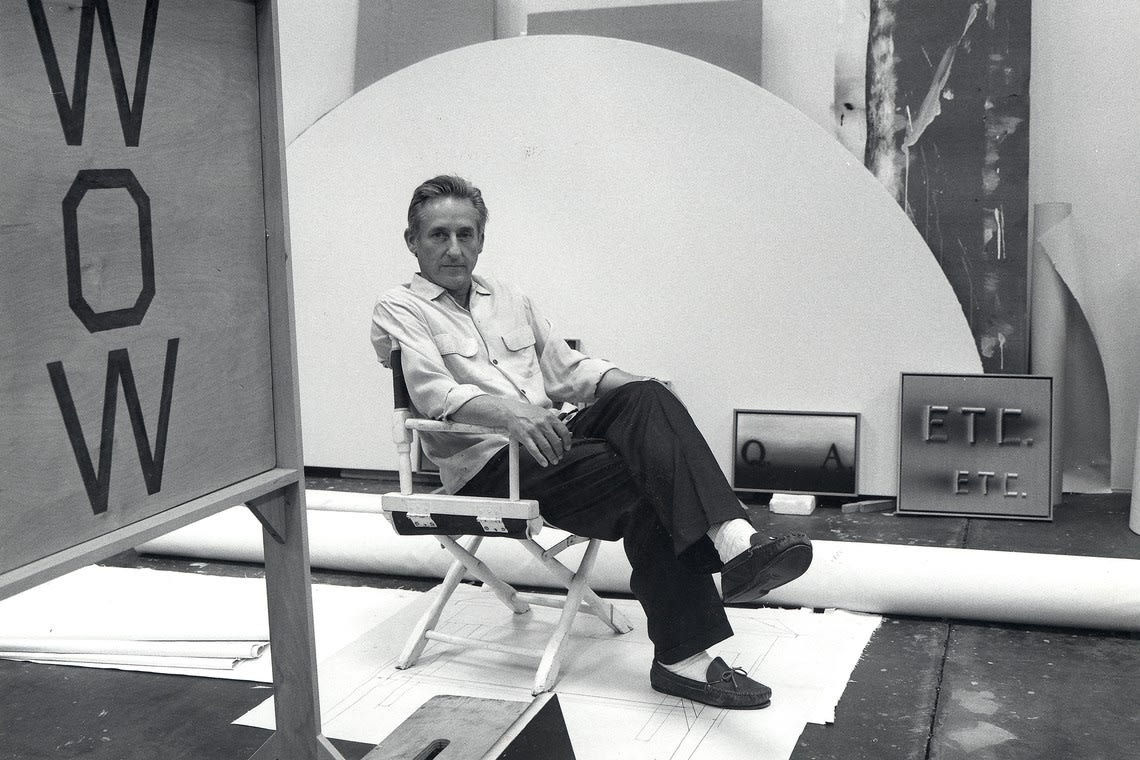
Ed Ruscha
356
Works
16
Followers
Artist Spotlight
Ed Ruscha: Words That Remake the World
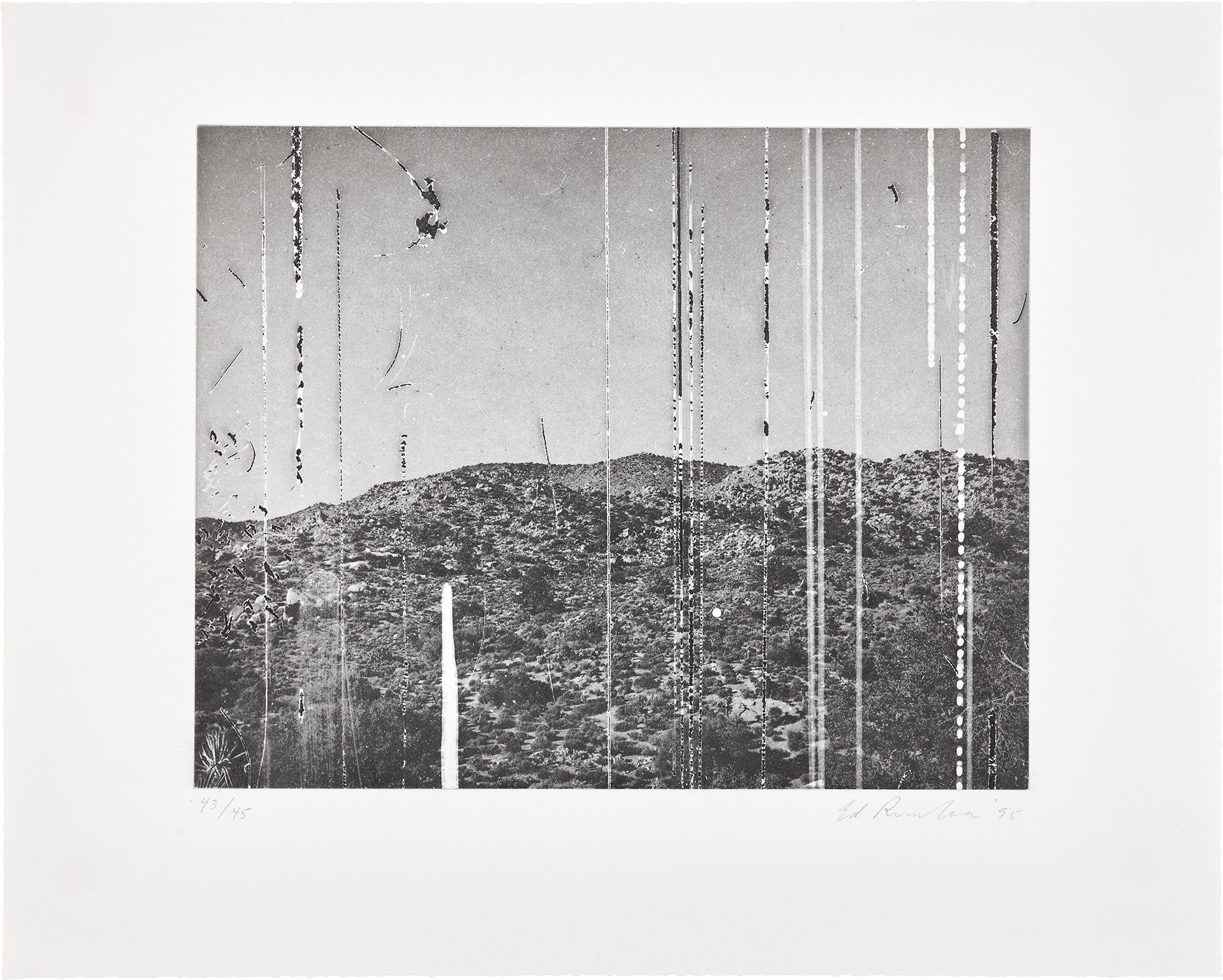
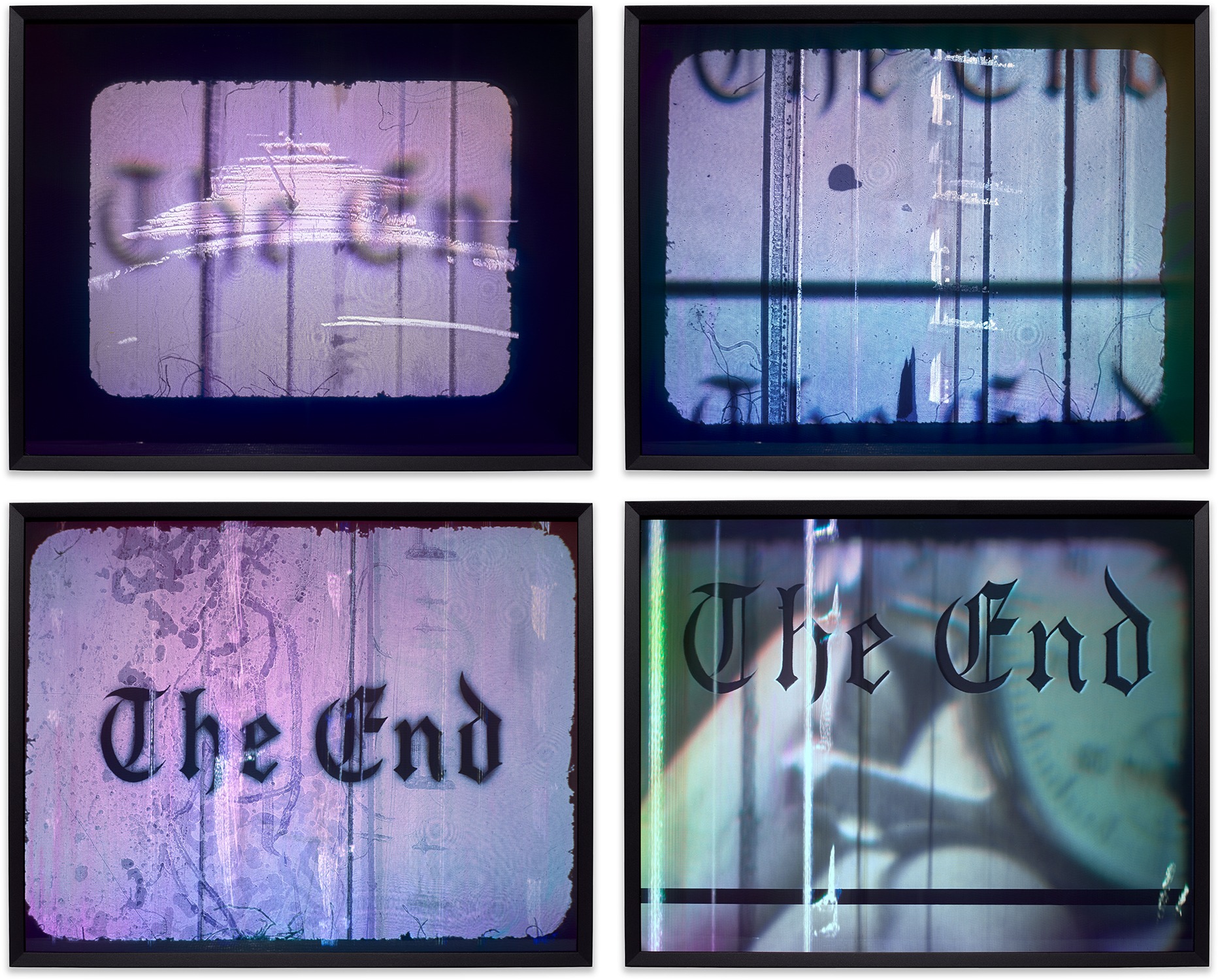
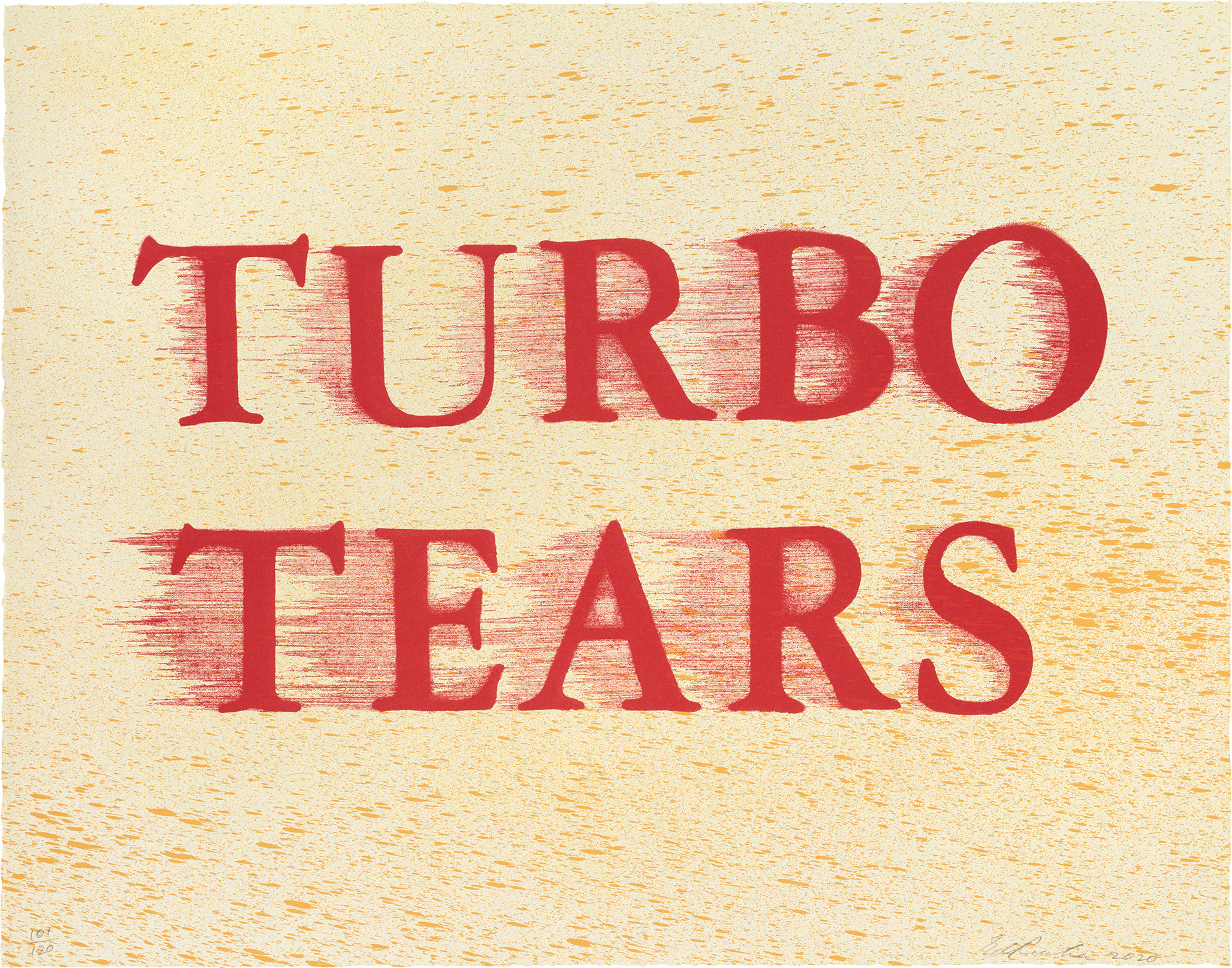
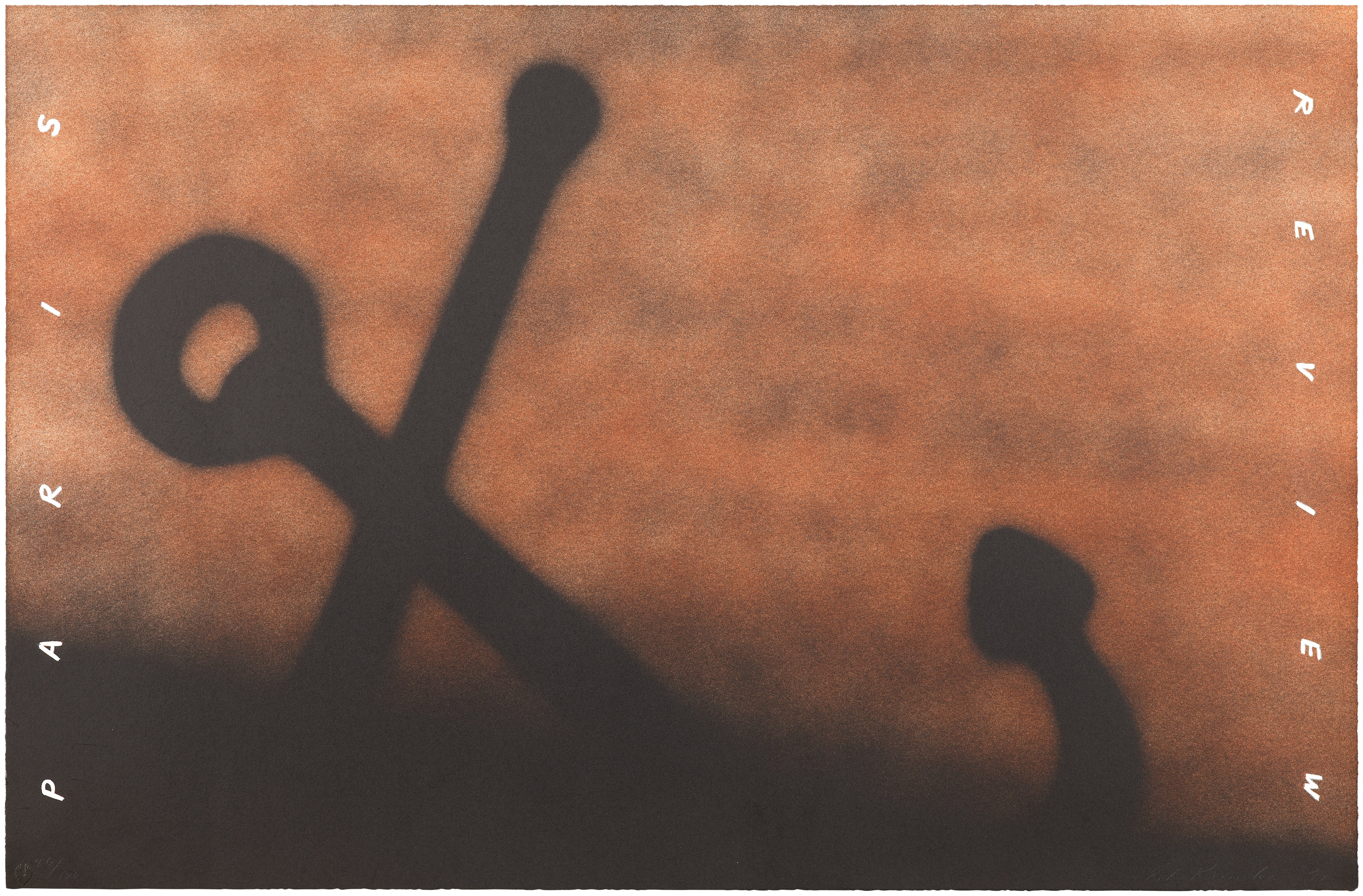
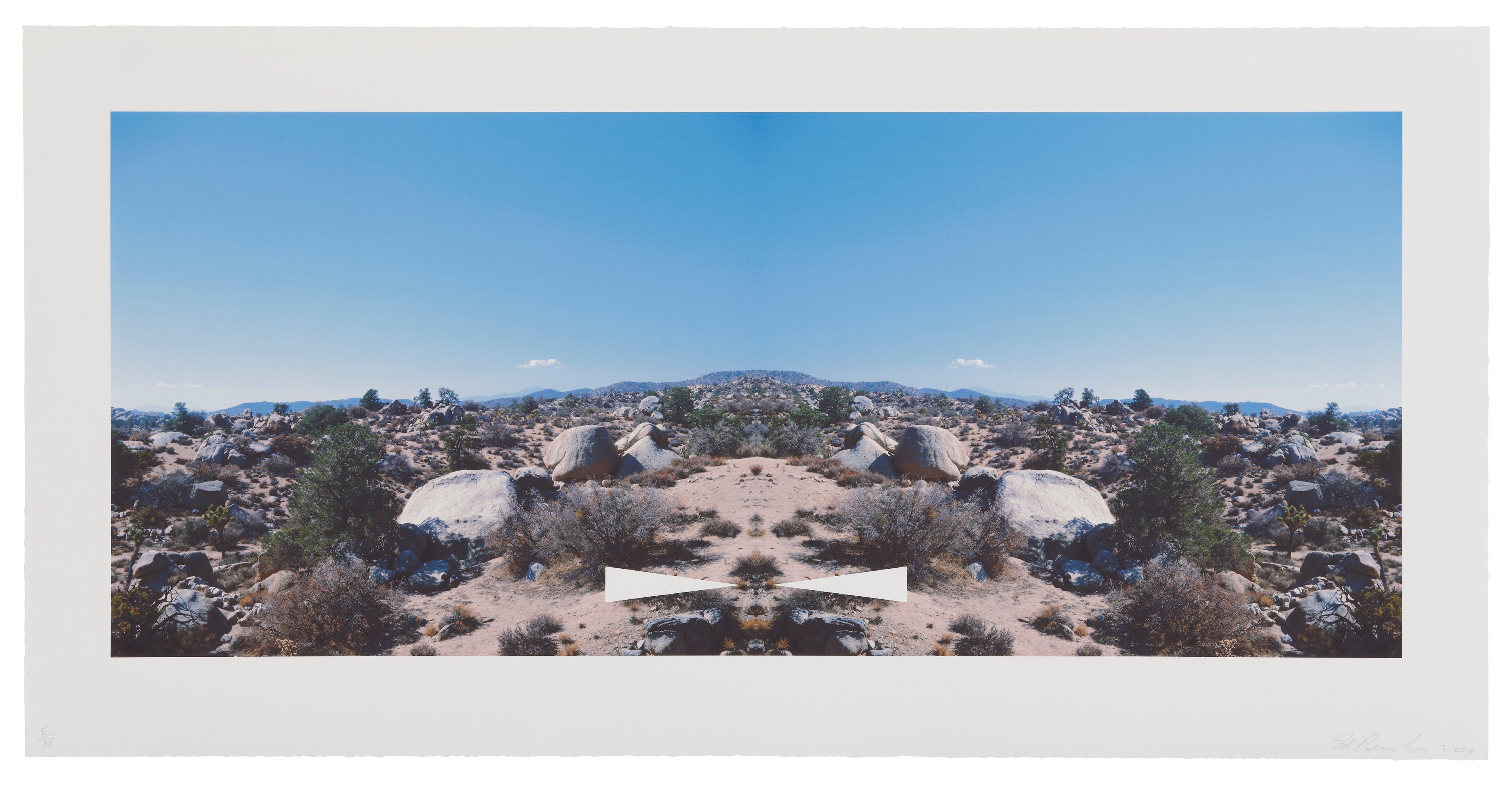
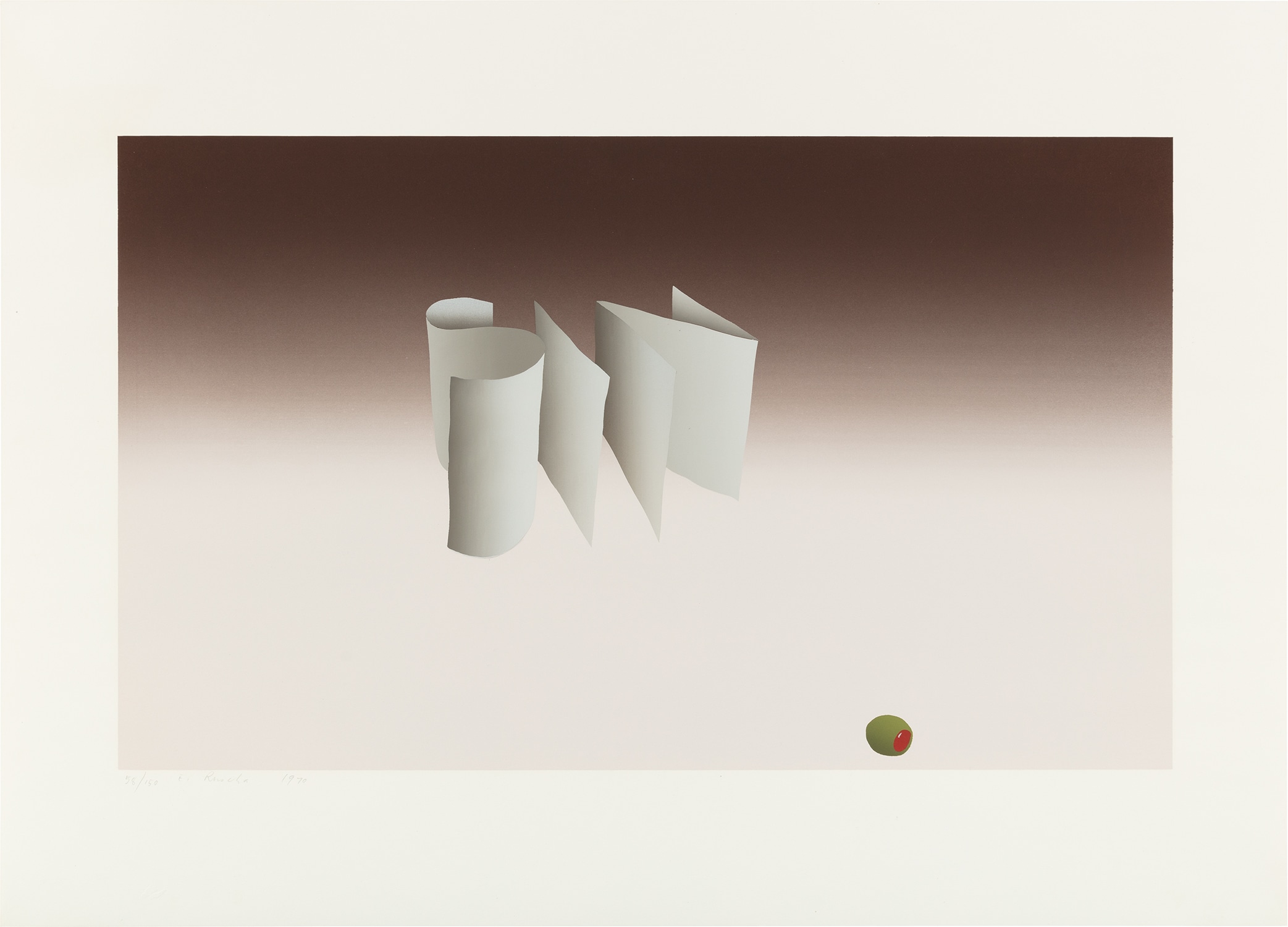
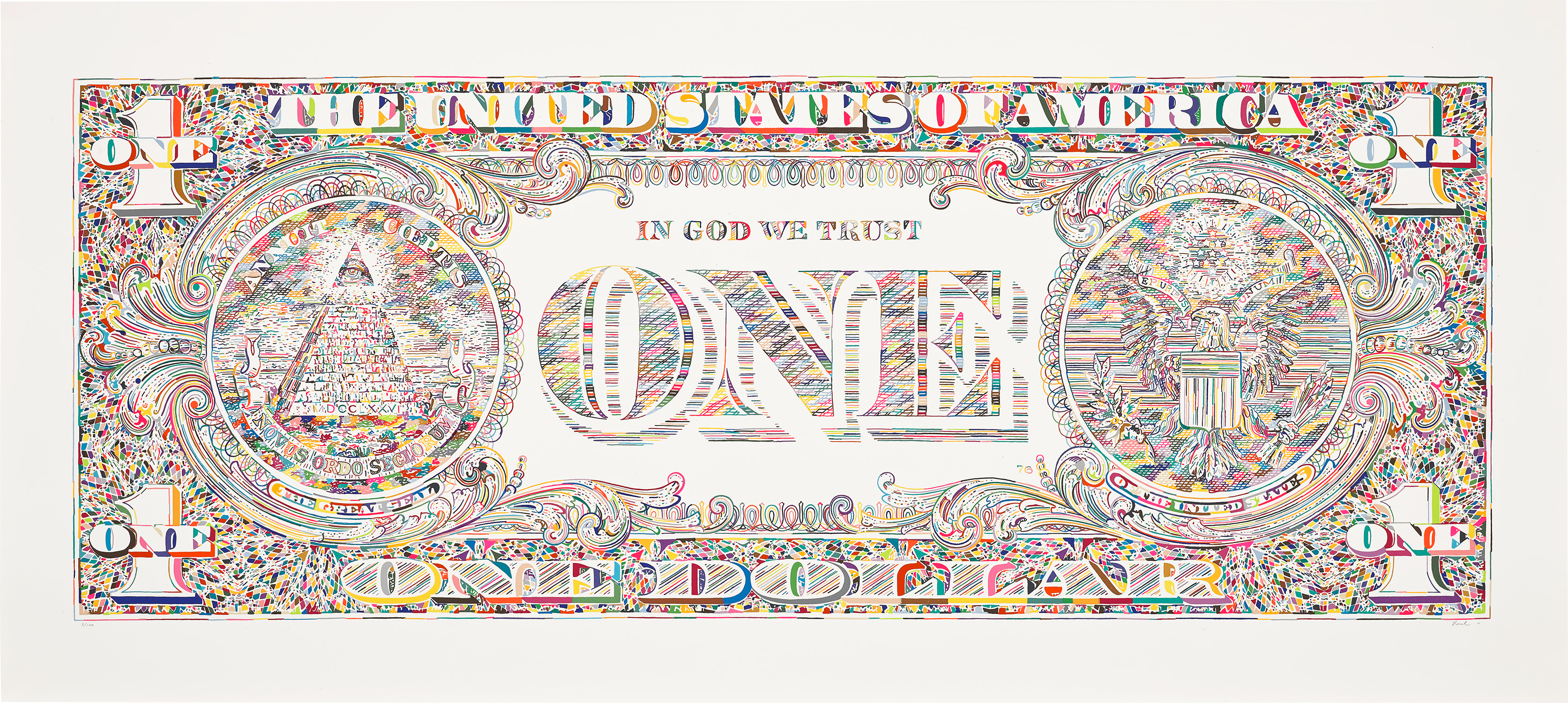
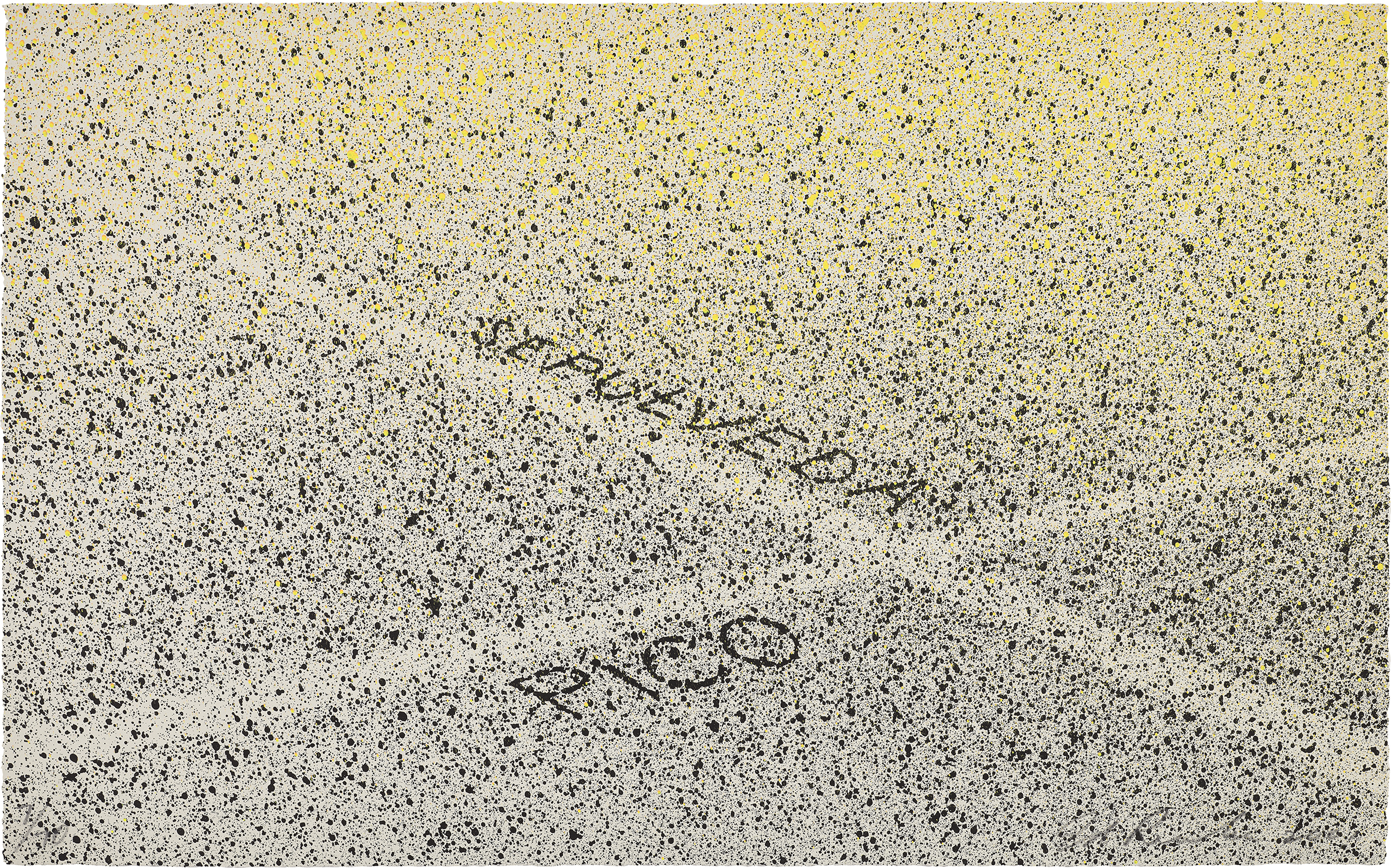
When the Los Angeles County Museum of Art mounted its sweeping survey of Ed Ruscha's work in recent years, something remarkable became clear: this is an artist whose relevance has only deepened with time. Now in his late eighties, Ruscha continues to produce work that feels urgently alive, his canvases and prints arriving with the same dry wit and visual authority that first announced him as a major voice in American art more than six decades ago. Museums from the Tate Modern in London to the Museum of Modern Art in New York have mounted significant exhibitions of his practice, and each new… Continue reading
Collectors
Artists in conversation
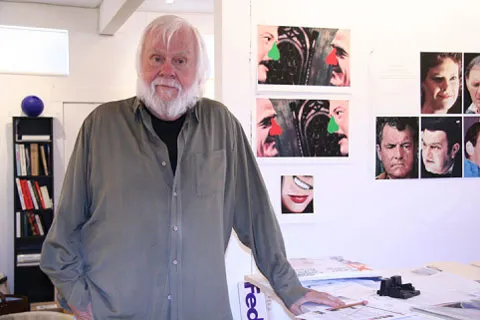
John Baldessari
Baldessari shared Ruscha's conceptual fusion of text and image, often incorporating language directly into visual compositions with a dry wit and emphasis on the relationship between words and photographs.
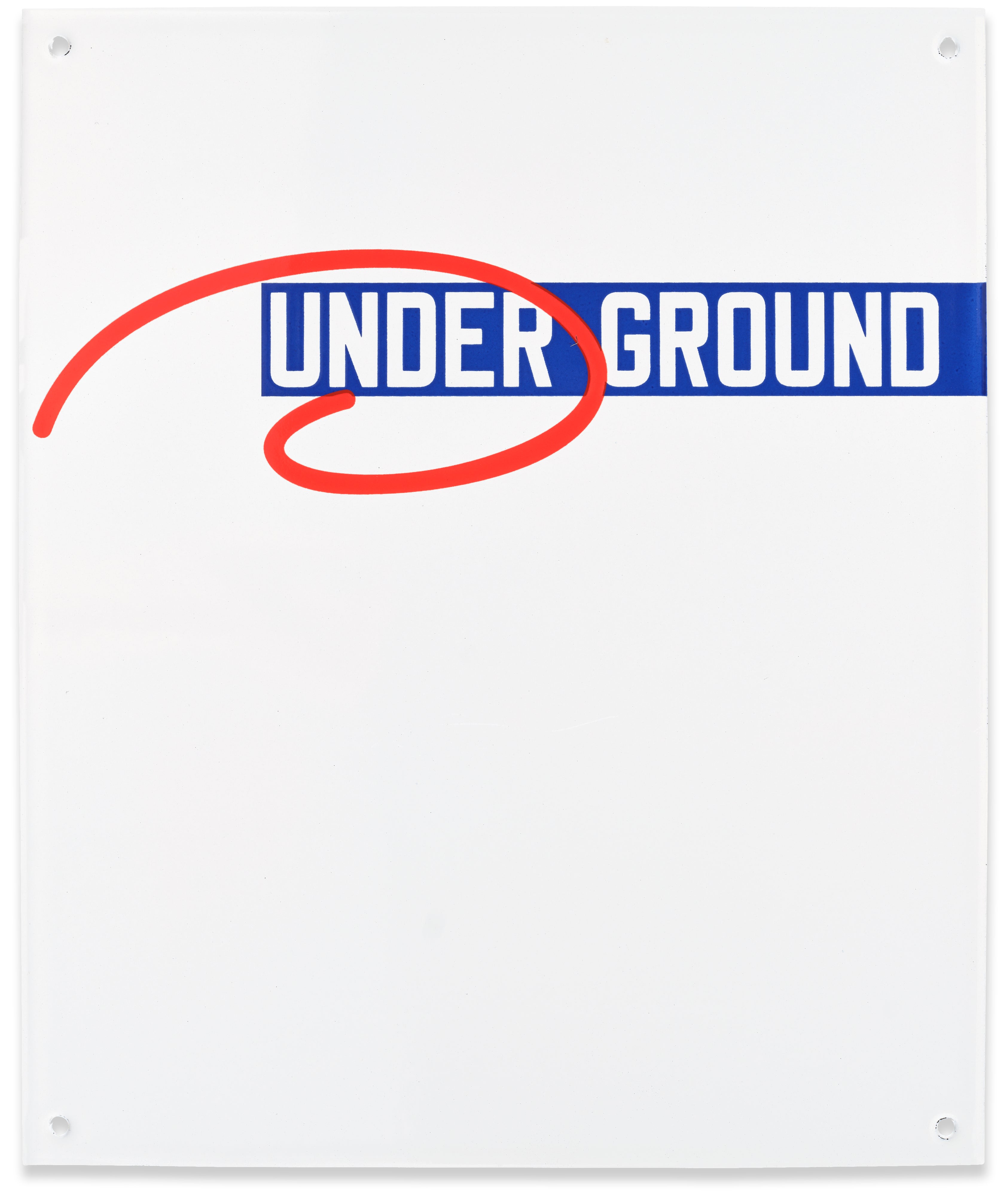
Lawrence Weiner
Weiner similarly elevated language itself as a primary artistic medium, treating typography and declarative text as visual and conceptual objects in their own right within the broader Conceptual Art movement.
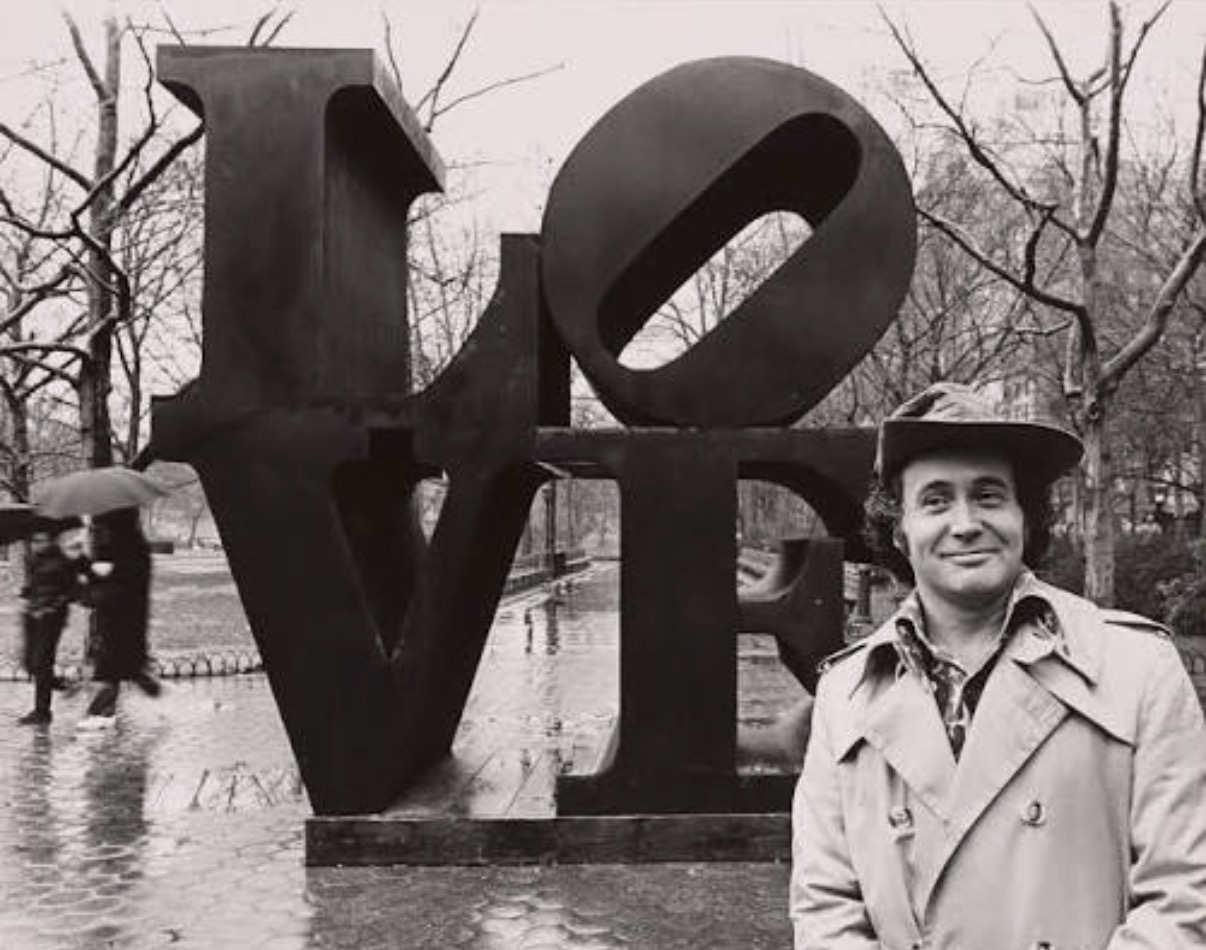
Robert Indiana
Indiana worked in a parallel vein by using bold graphic lettering and words as central pictorial elements, blending Pop Art sensibilities with a strong focus on American vernacular language and signage.
Artists who inspired them
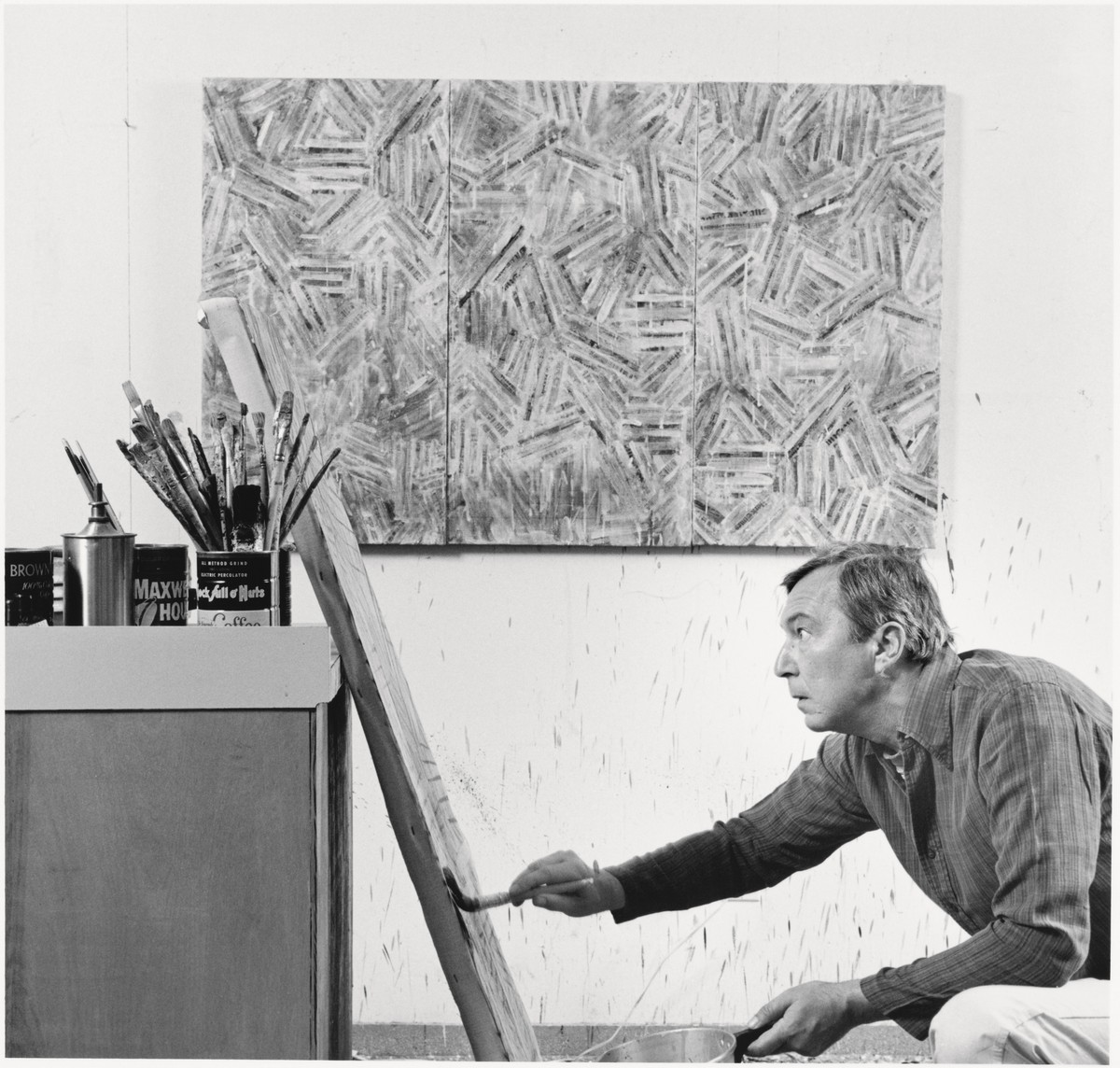
Jasper Johns
Johns demonstrated to Ruscha how familiar symbols, letters, and numbers could be treated as formal pictorial elements, helping to establish the intellectual groundwork for Ruscha's text based paintings.
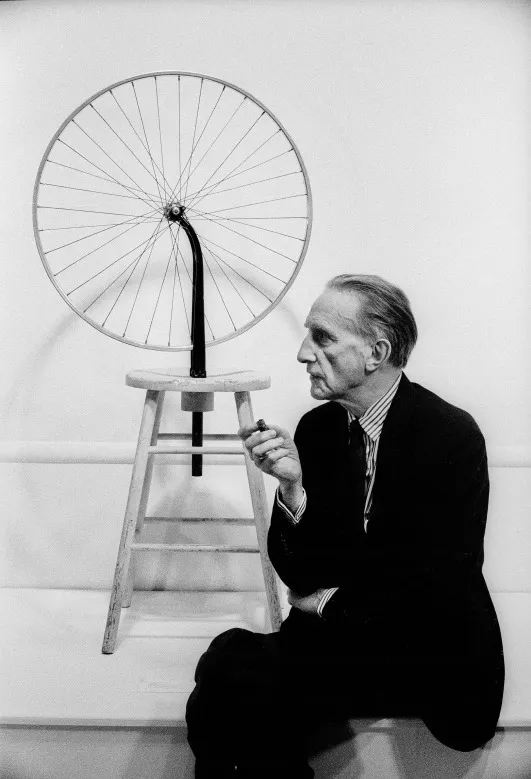
Marcel Duchamp
Duchamp's conceptual strategies and his willingness to question what constitutes art profoundly informed Ruscha's own approach to using everyday language and mundane subjects as legitimate artistic content.
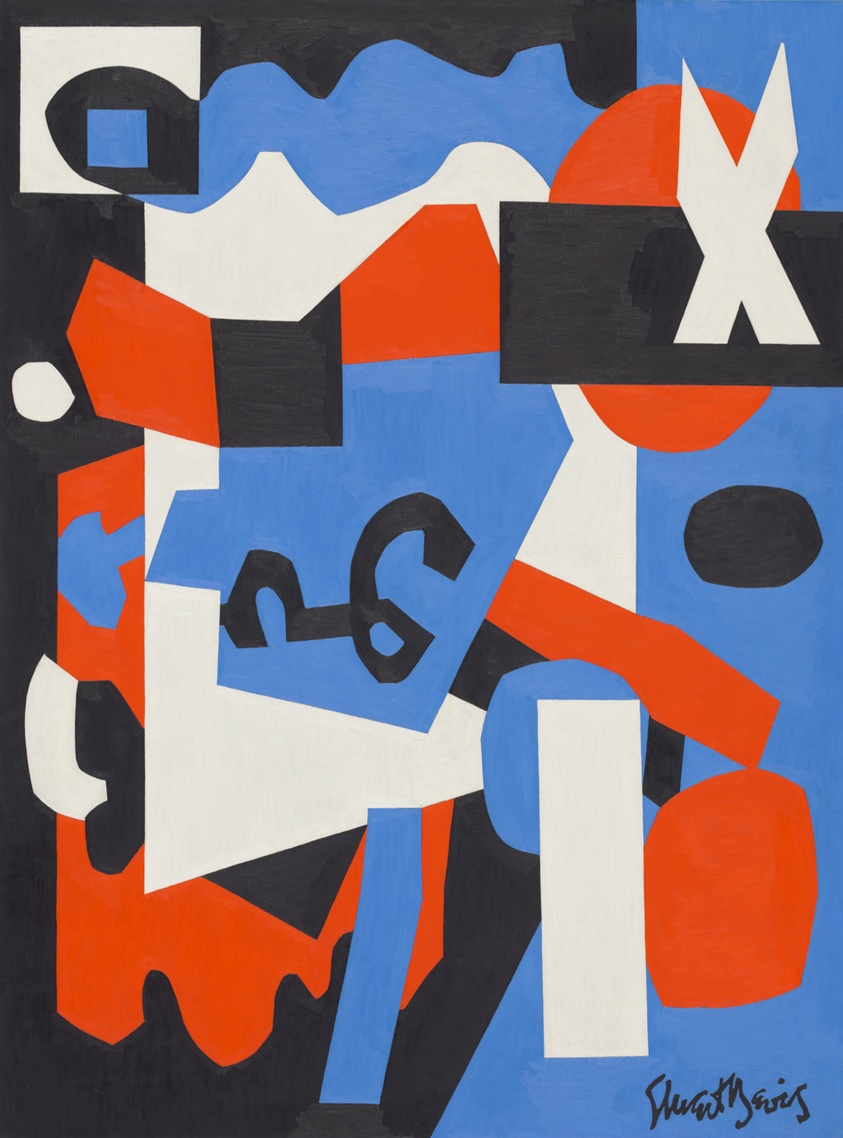
Stuart Davis
Davis pioneered the integration of commercial lettering and American urban vernacular into modernist painting, a visual strategy that anticipated and influenced Ruscha's own incorporation of words and signage into his compositions.
Artists they inspired
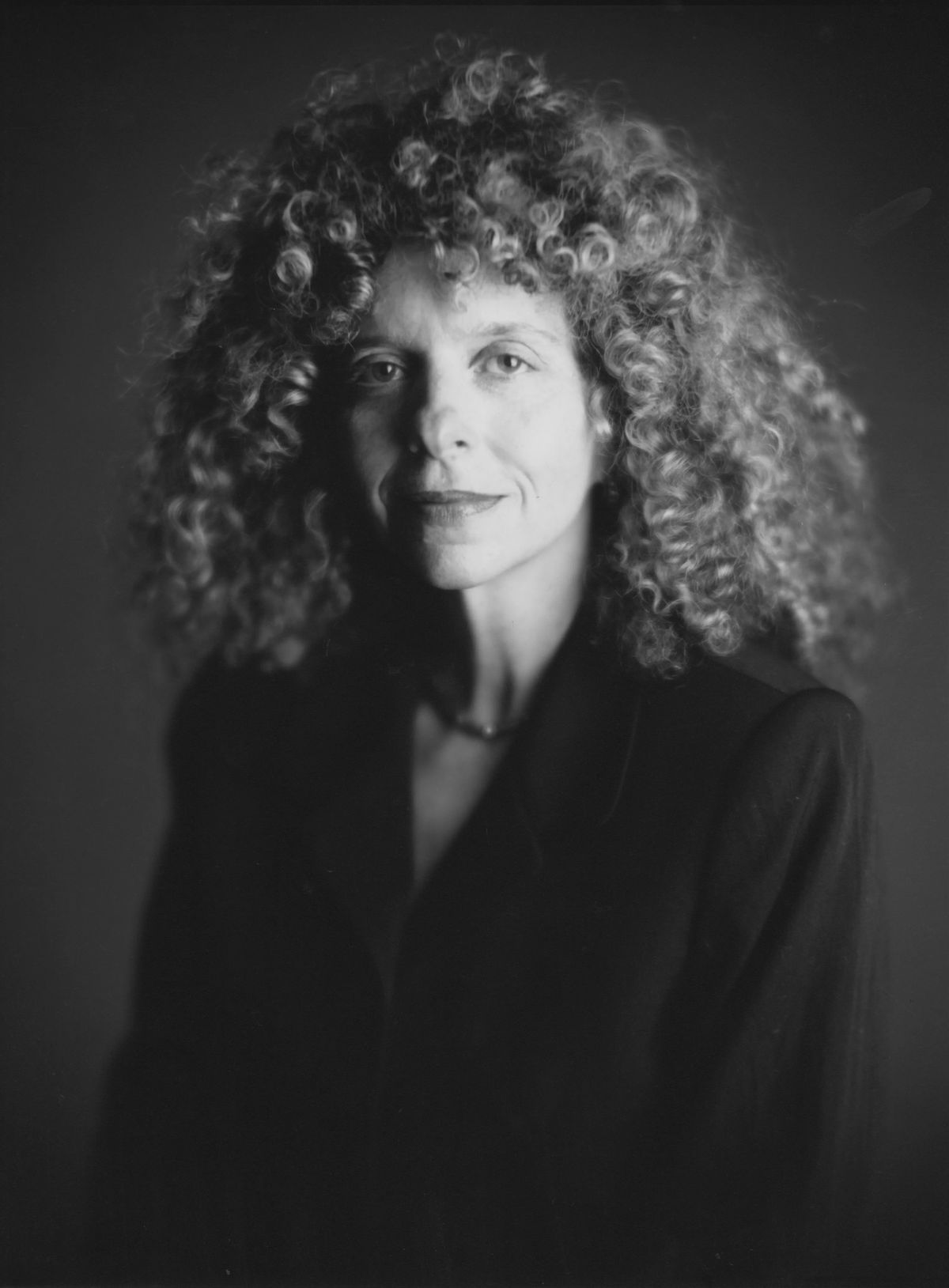
Barbara Kruger
Kruger built upon Ruscha's precedent of using bold graphic text as a central artistic tool, pushing the relationship between language and image further into politically charged feminist critique and mass media commentary.
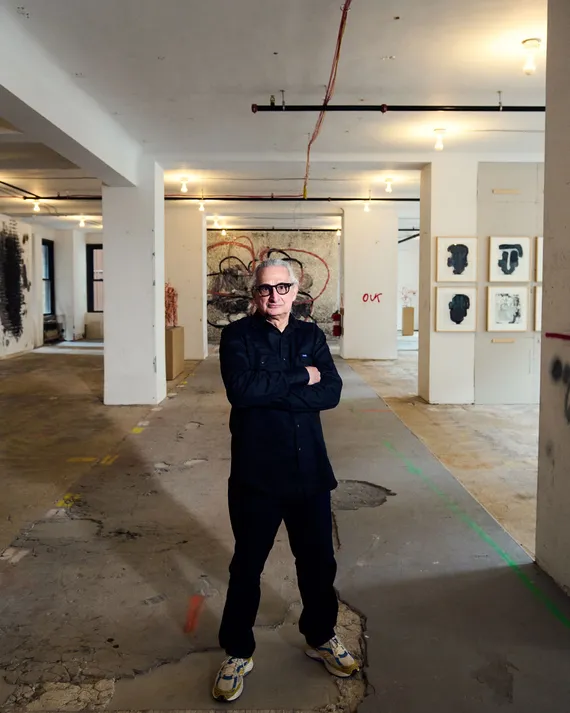
Christopher Wool
Wool's large scale stenciled word paintings directly echo Ruscha's treatment of language as a visceral visual presence on canvas, extending the tradition of text as image into a more raw and confrontational aesthetic.
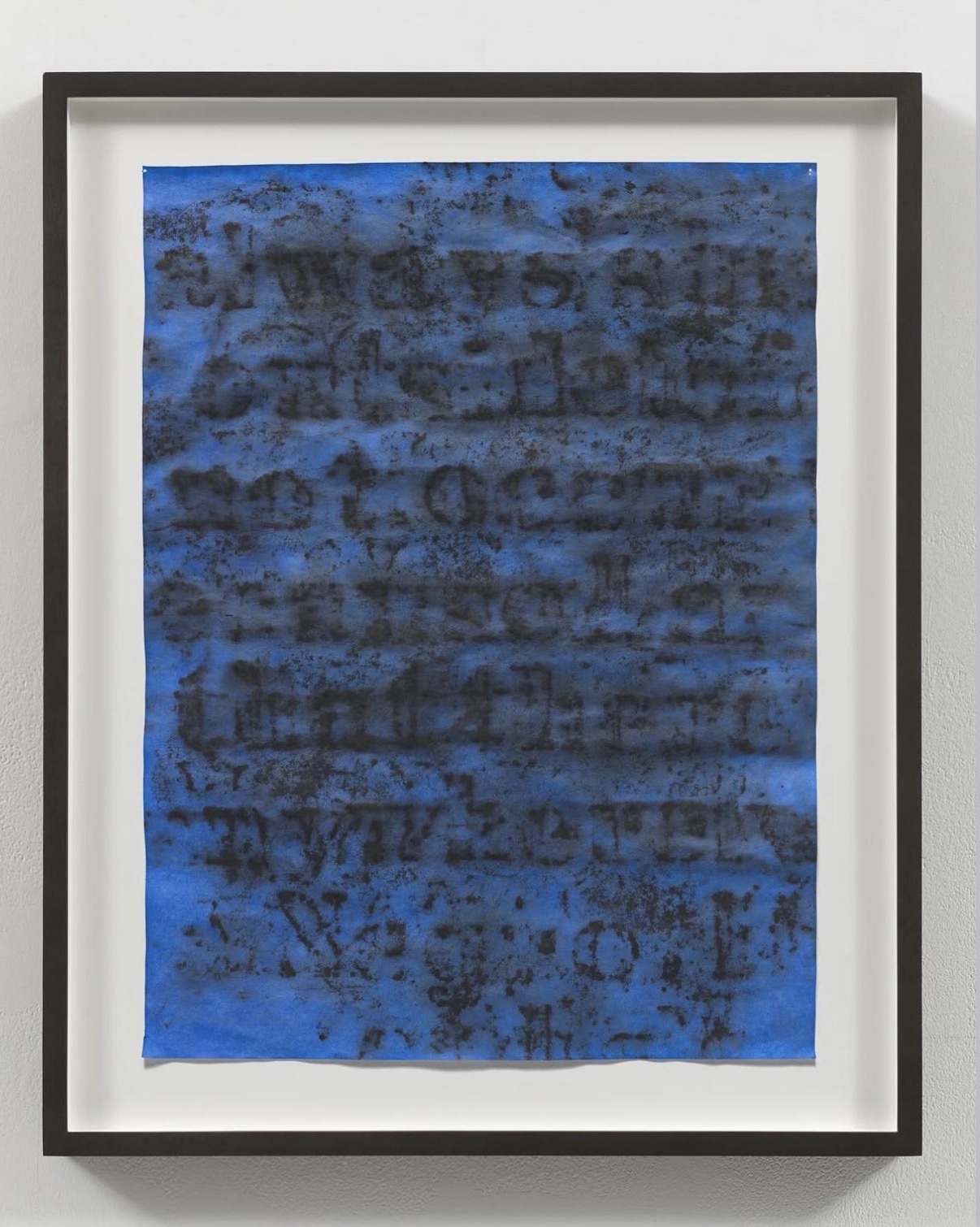
Glenn Ligon
Ligon has cited Ruscha as a foundational influence, adopting the strategy of repeating and layering text directly onto canvas while charging that inherited formal language with explorations of race and identity.