Jiří Georg Dokoupil
Artist Spotlight
Dokoupil: The Magnificent Restlessness of Pure Freedom
There is a particular kind of artist who refuses the comfort of a signature style, who treats the entire history of art as an open invitation rather than a set of constraints. Jiří Georg Dokoupil is that artist, and right now, with renewed institutional interest in the Neo Expressionist generation and a vigorous secondary market for works from the Cologne scene of the 1980s, his reputation is enjoying a richly deserved reassessment. Collectors who encountered his work decades ago are returning to it with fresh eyes, and a younger generation of buyers is discovering, often with something like… Continue reading
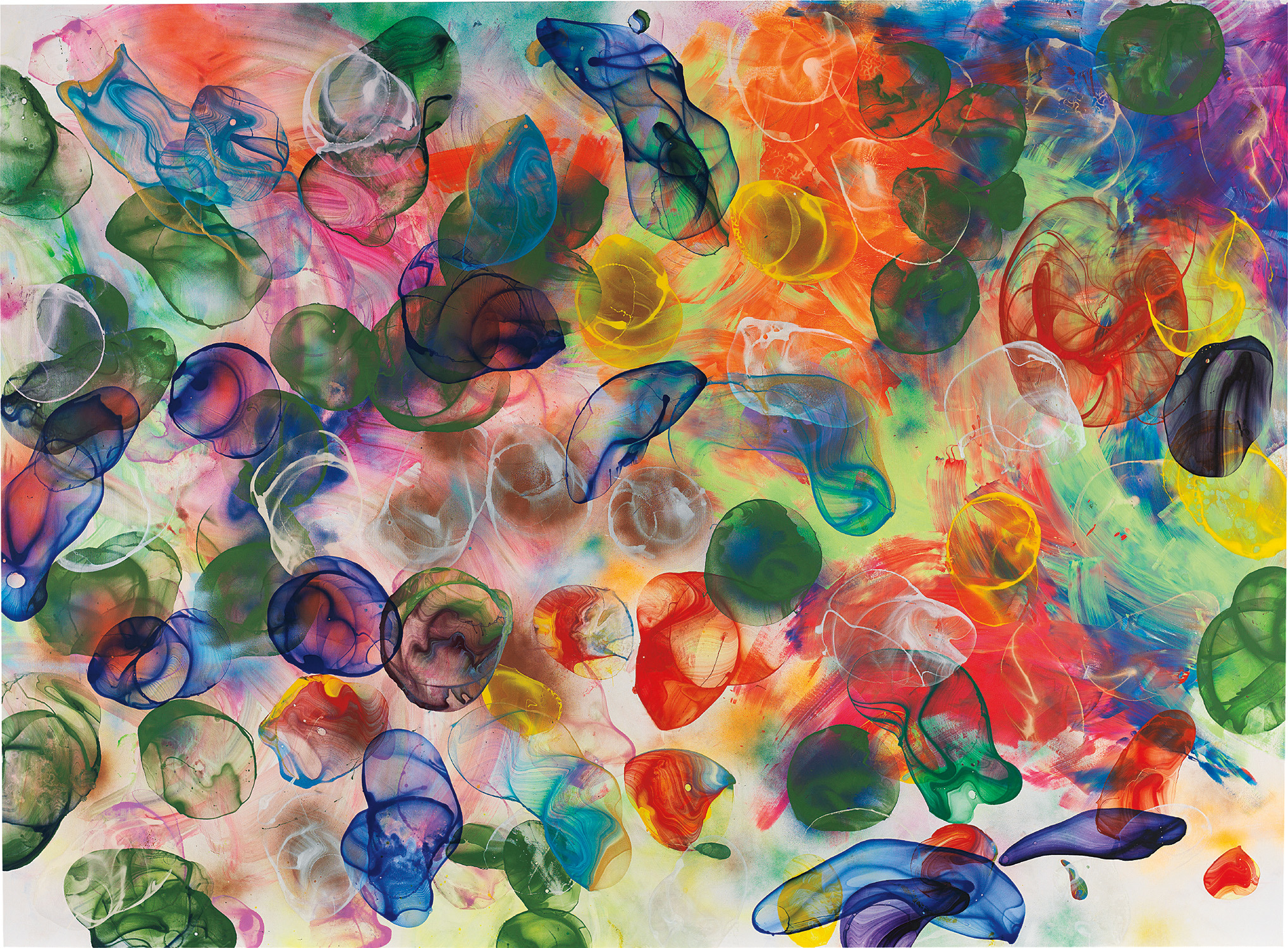
Artists in conversation
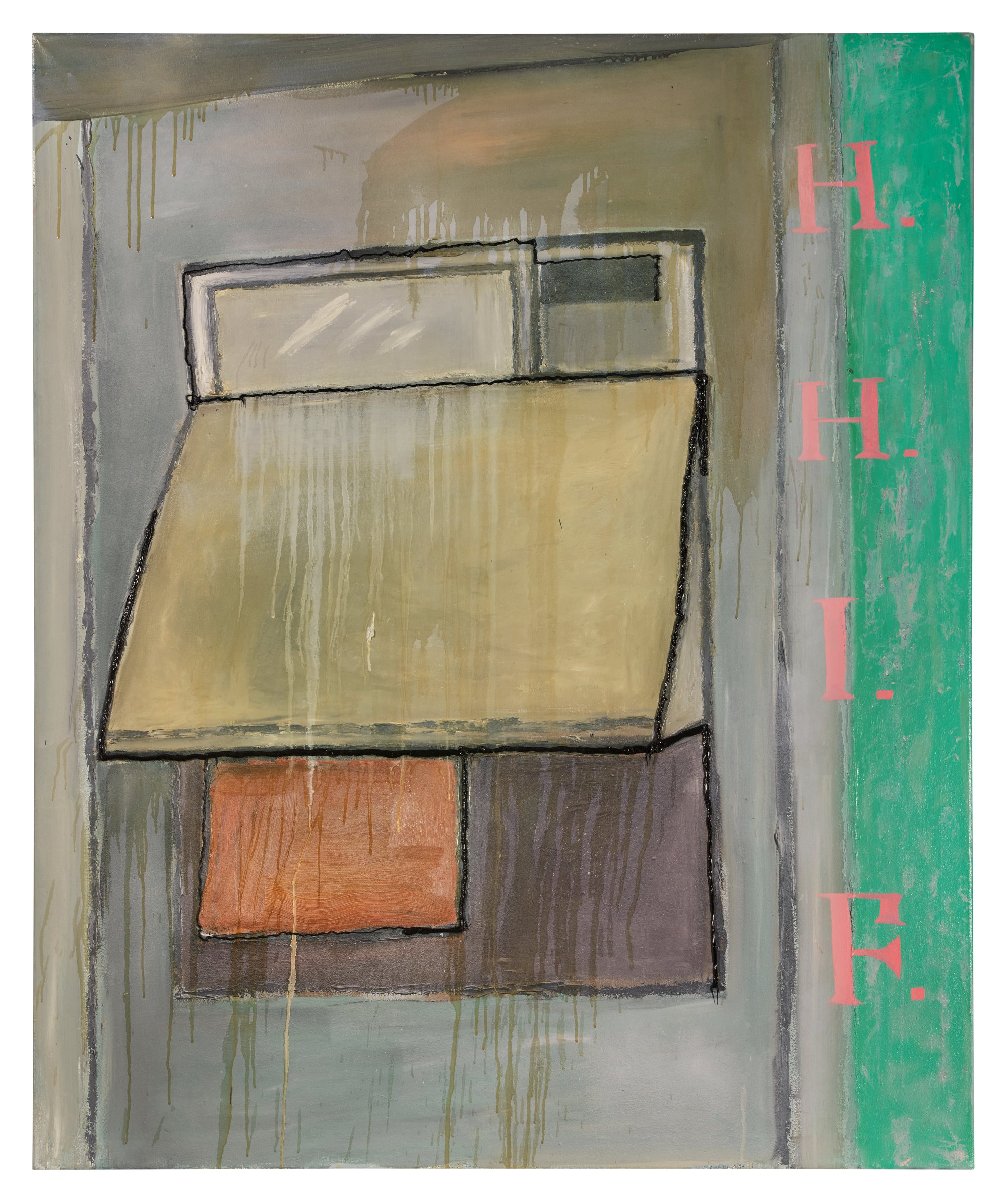
Martin Kippenberger
Kippenberger shared Dokoupil's restless refusal to commit to a single style and his irreverent, pluralistic approach to Neo-Expressionist painting in the Cologne and Rhineland art scenes of the 1980s. Both artists treated painting as a conceptual and often provocative act rather than a purely formal pursuit.
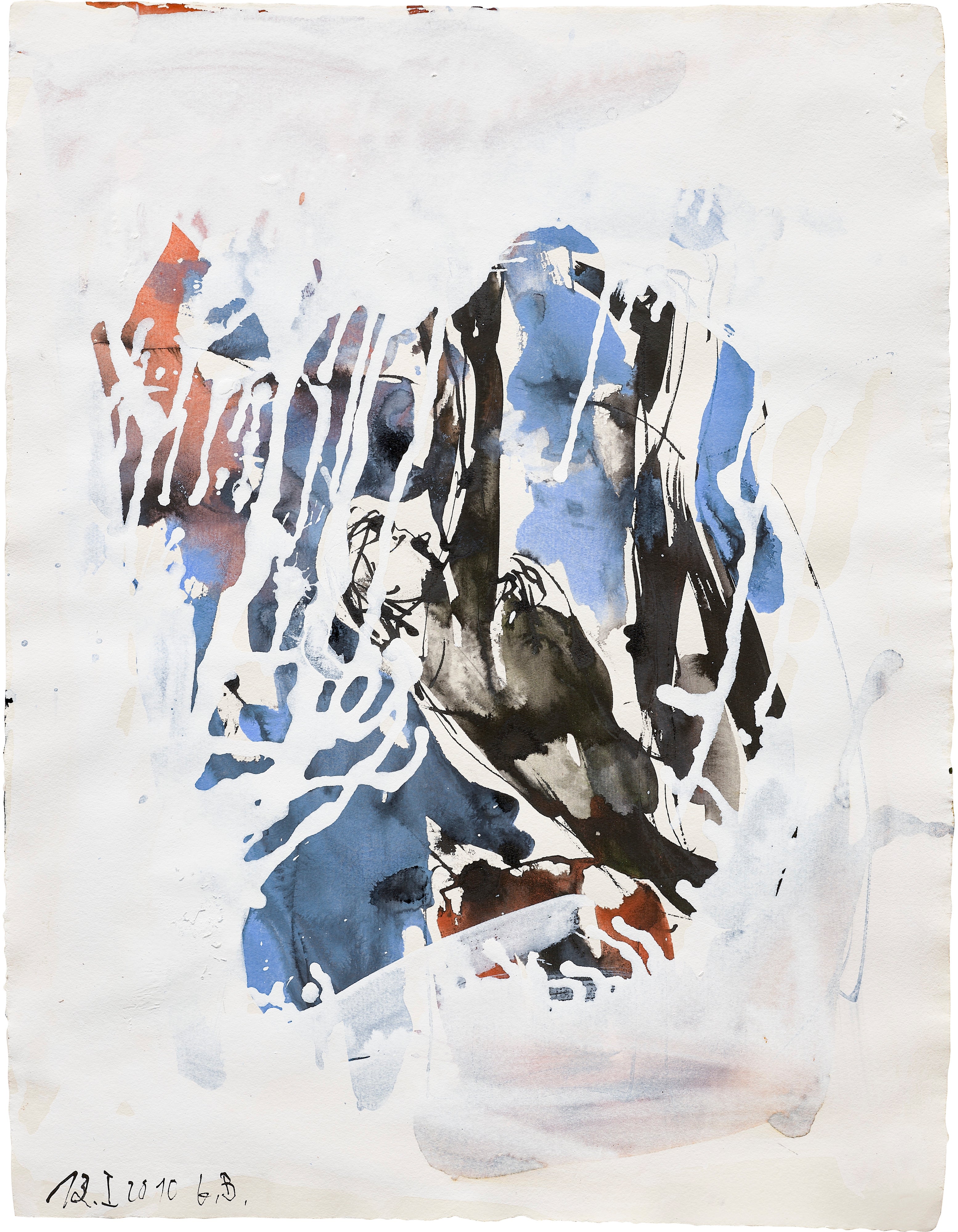
Georg Baselitz
Baselitz represents a key point of reference for Dokoupil through his commitment to gestural, expressive figuration within the German Neo-Expressionist context. Both artists explore raw painterly energy while consistently challenging conventional approaches to the painted image.
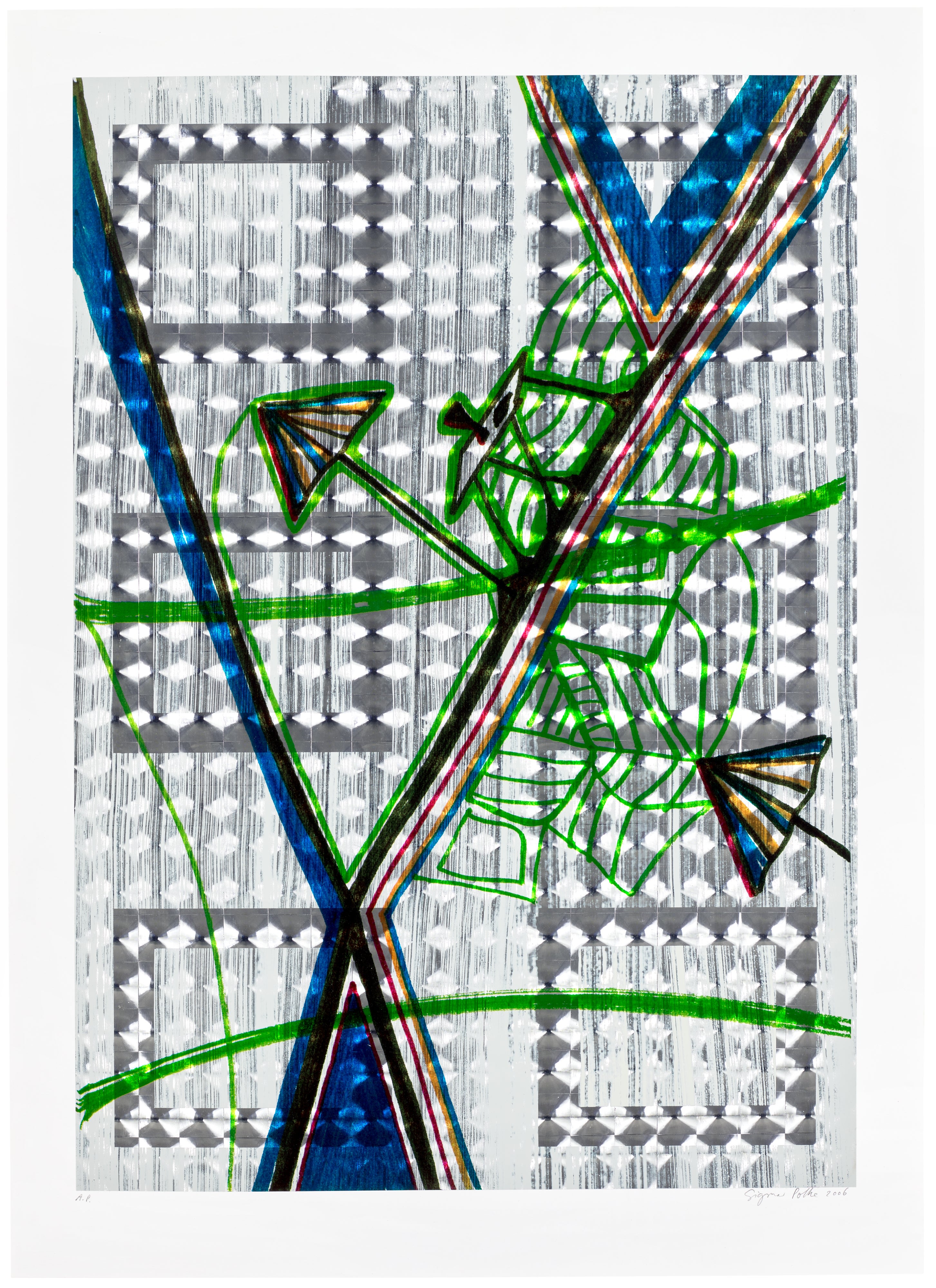
Sigmar Polke
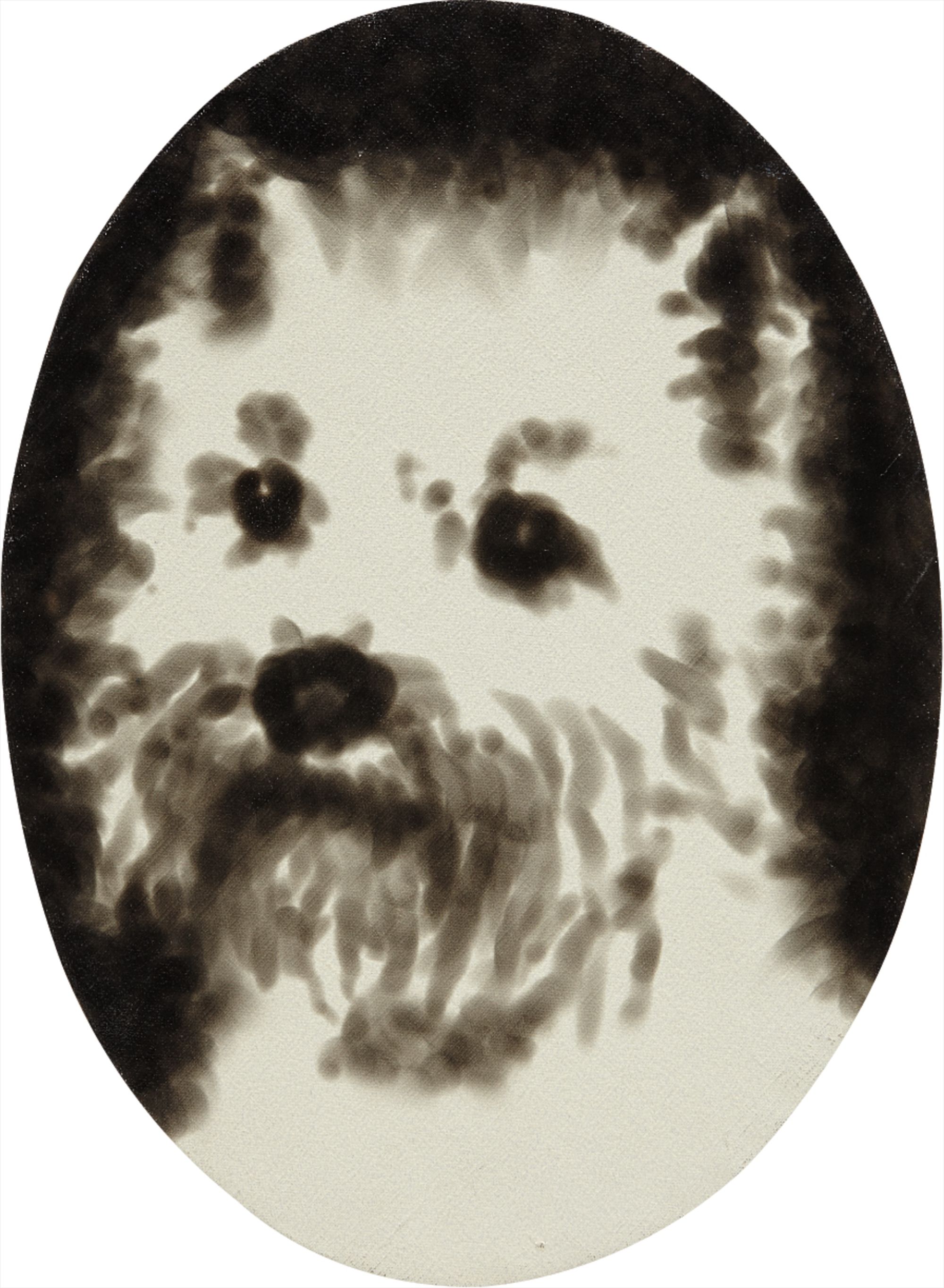
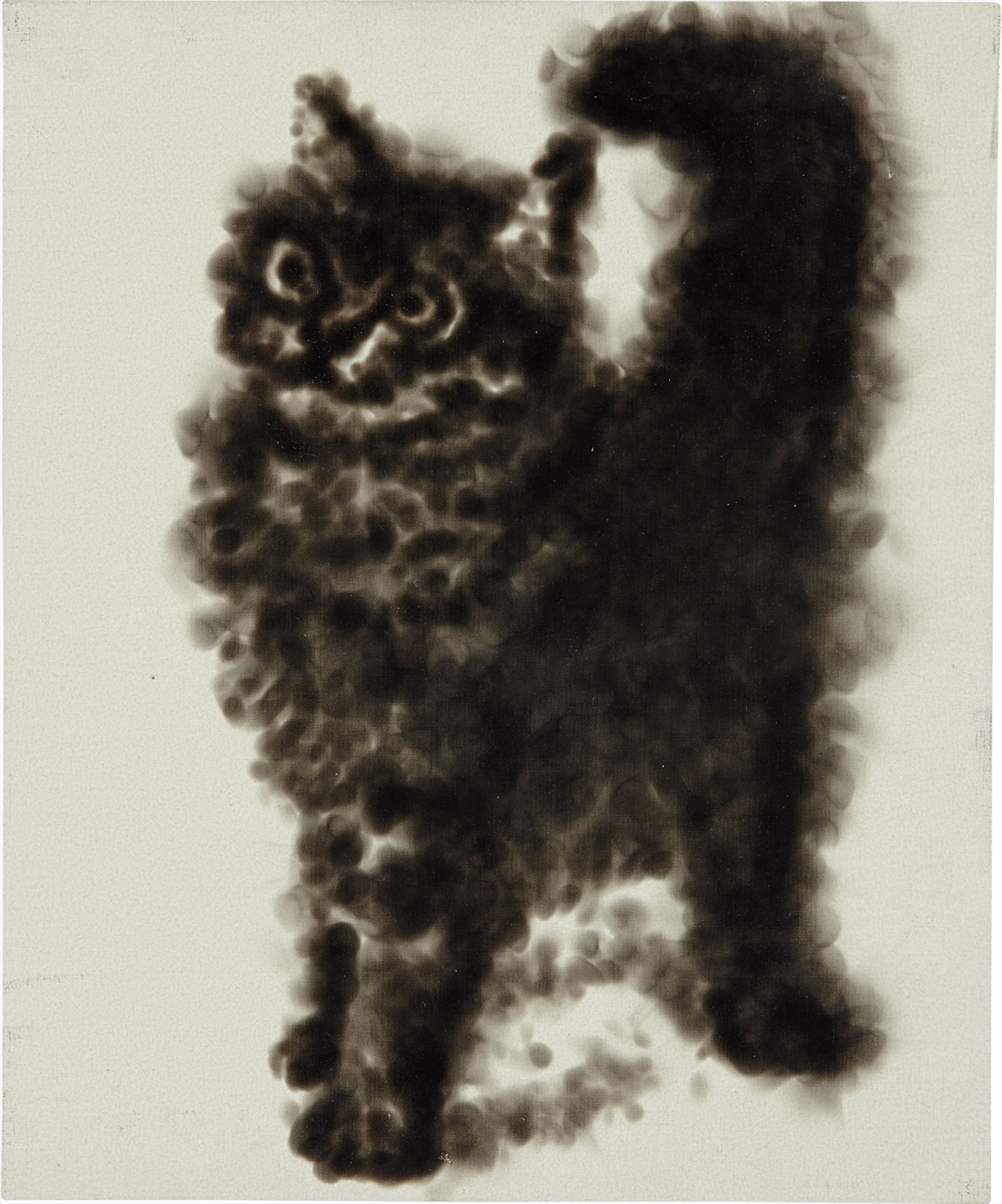
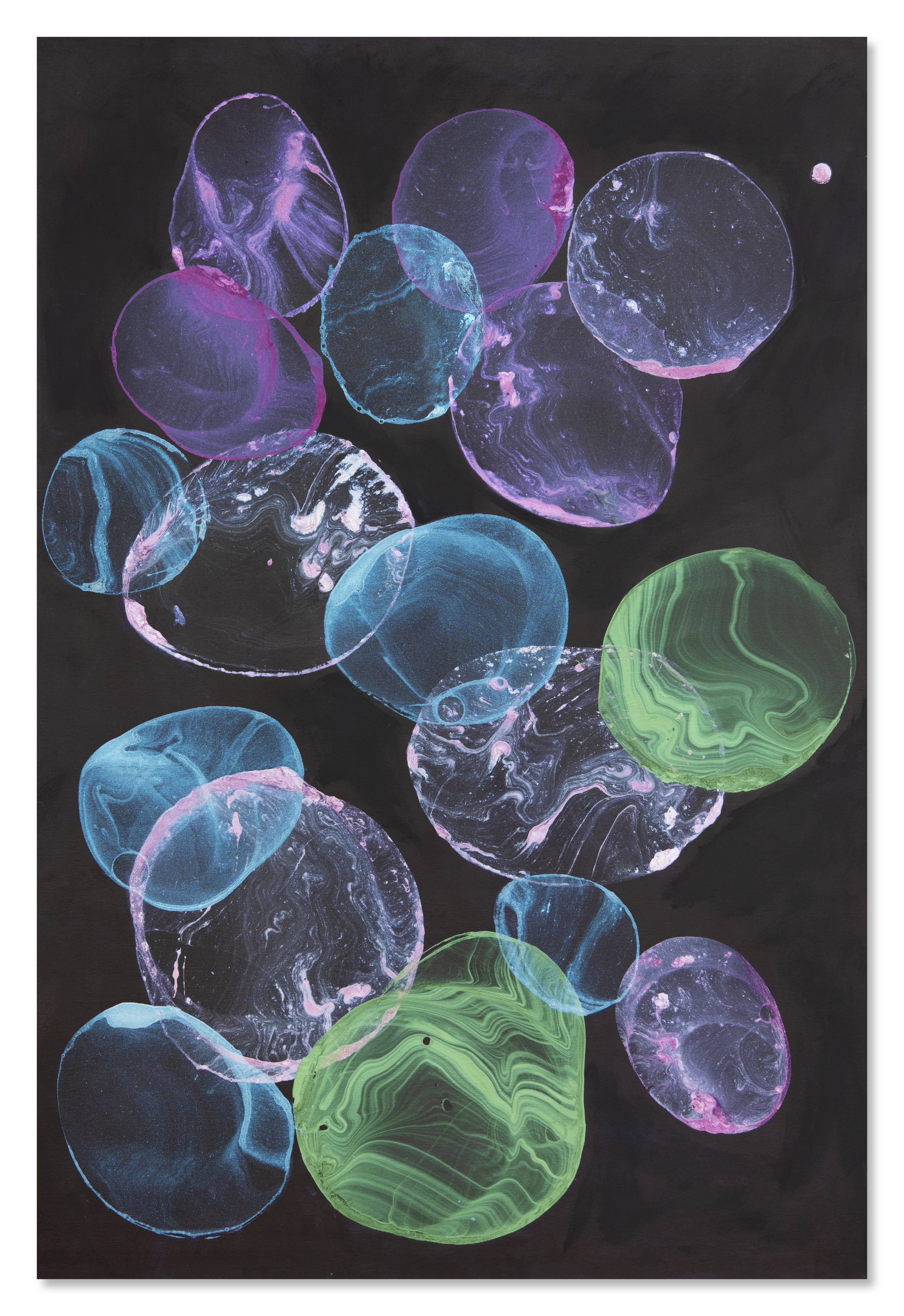
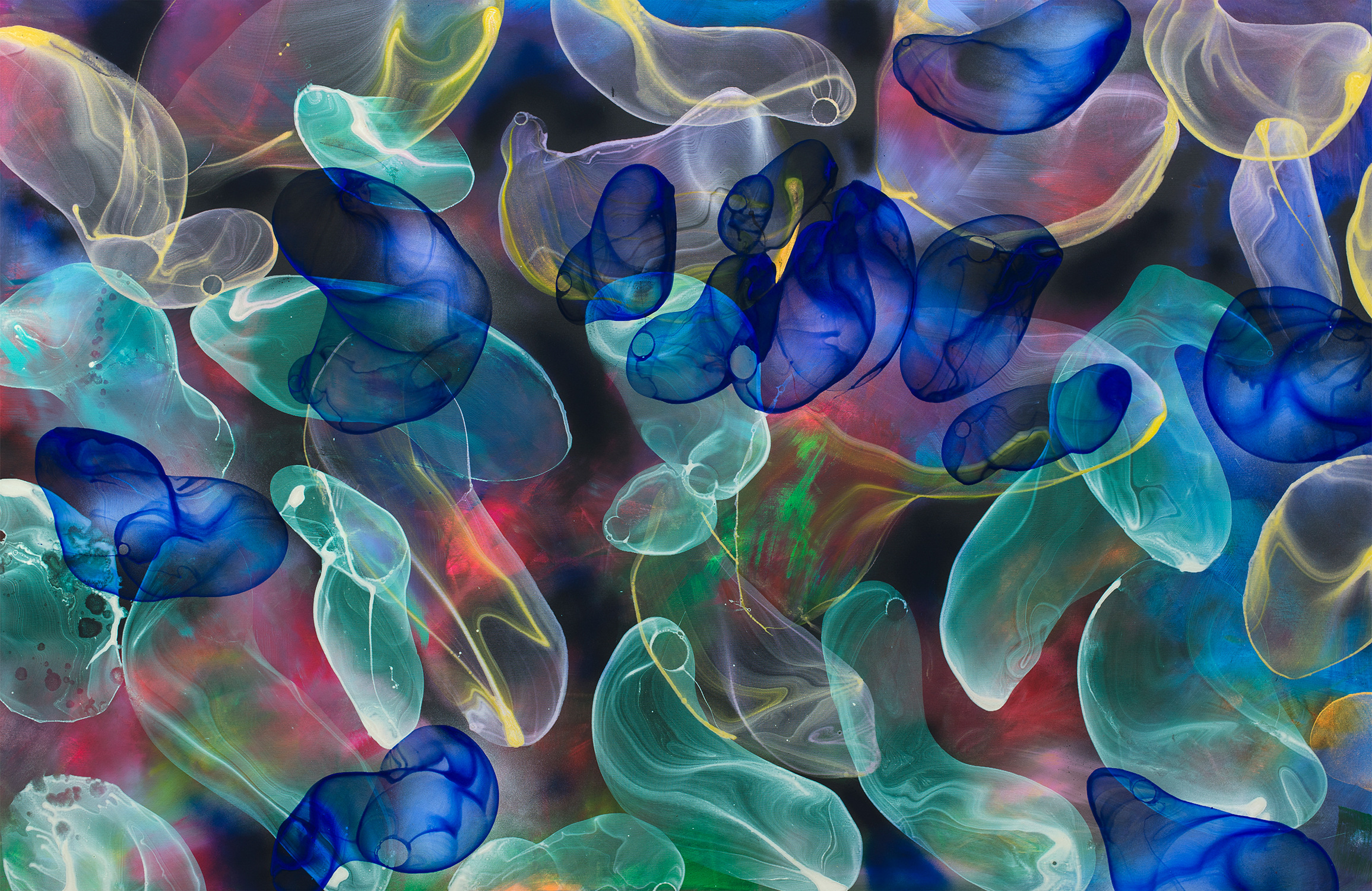
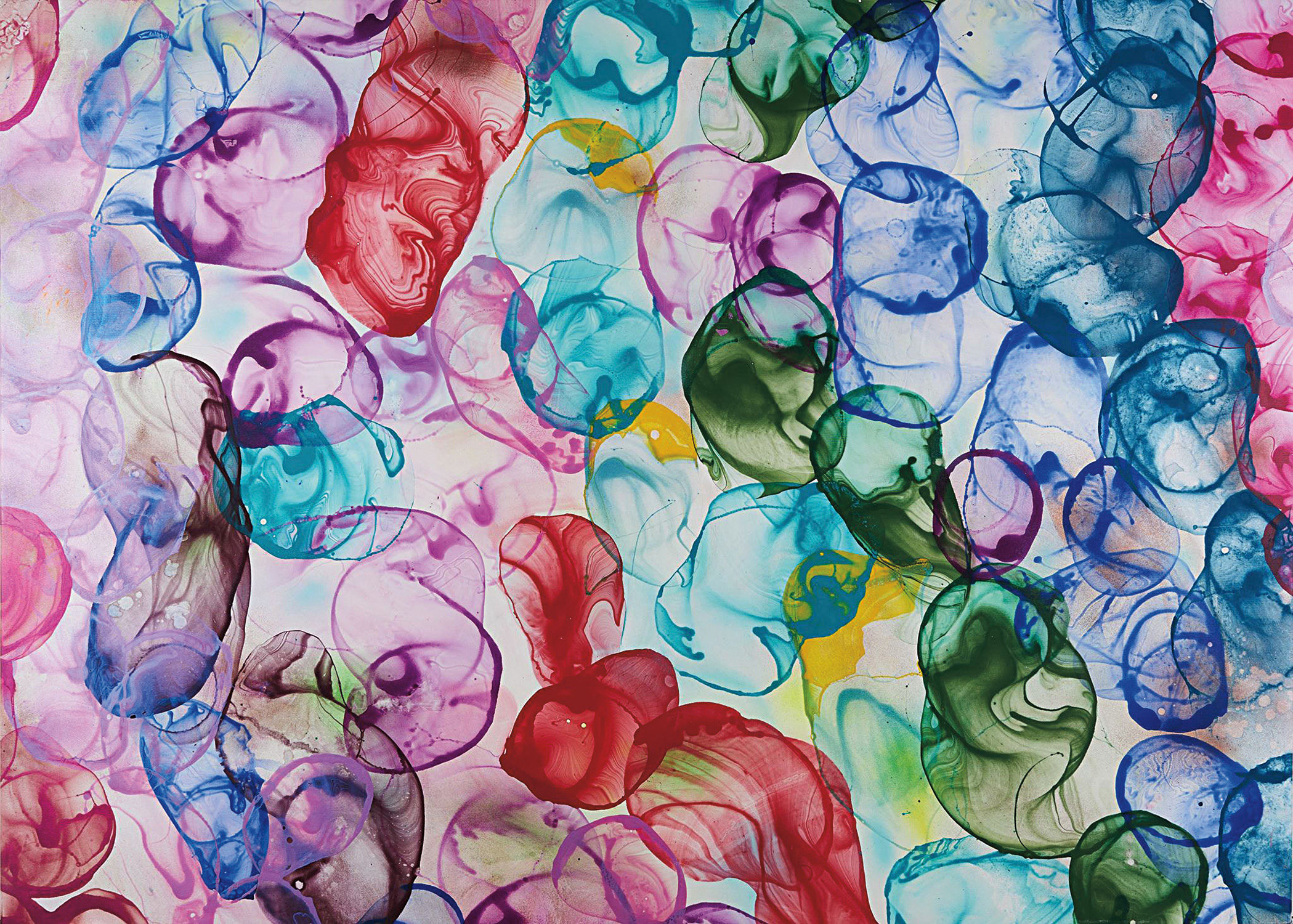
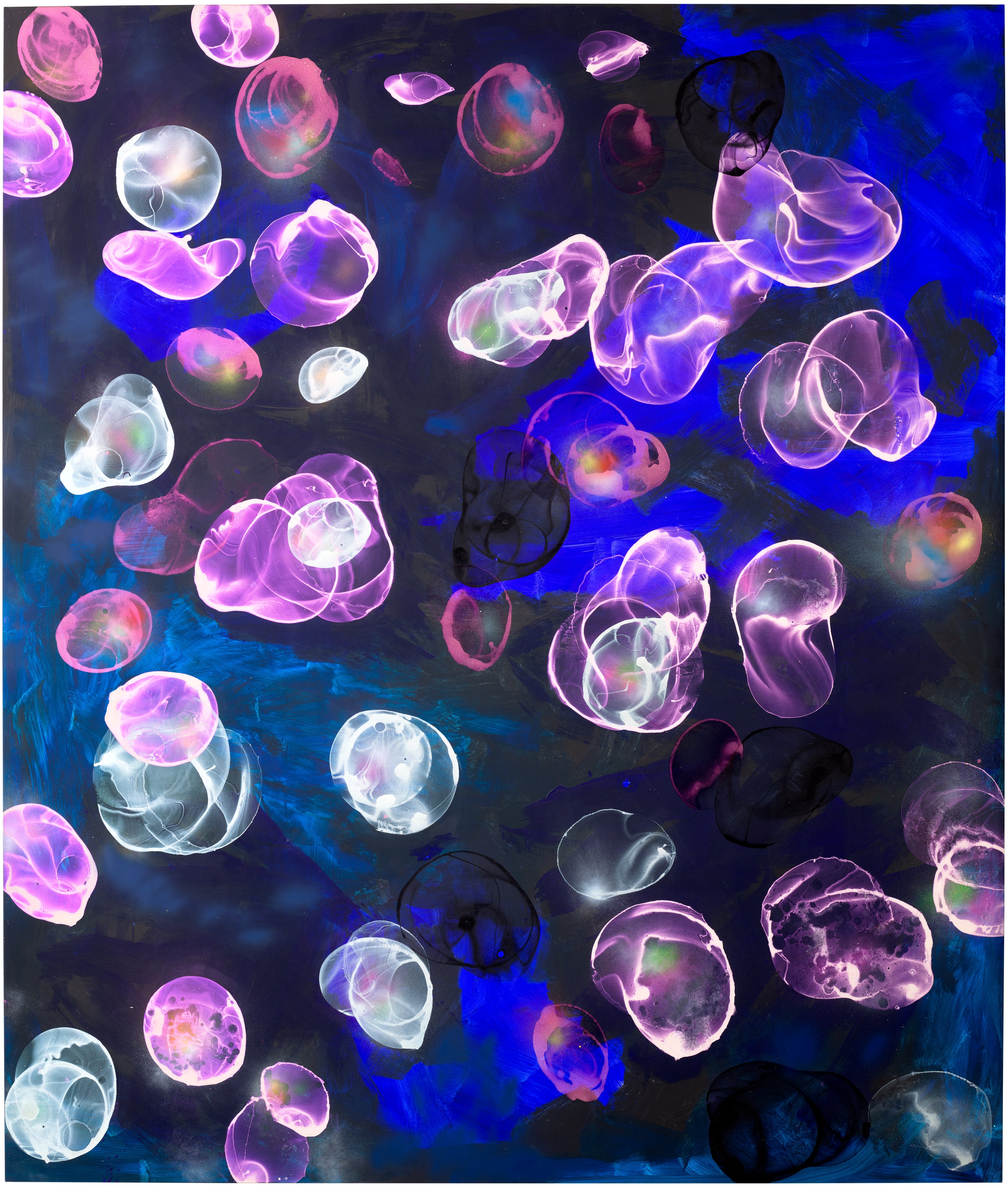
Polke's radical experimentation with unconventional materials, chemical processes, and unstable surfaces closely parallels Dokoupil's use of soot, soap bubbles, and candle smoke as primary pictorial tools. Both artists share a conceptual wit and a delight in subverting the traditional boundaries of painting.
Artists who inspired them
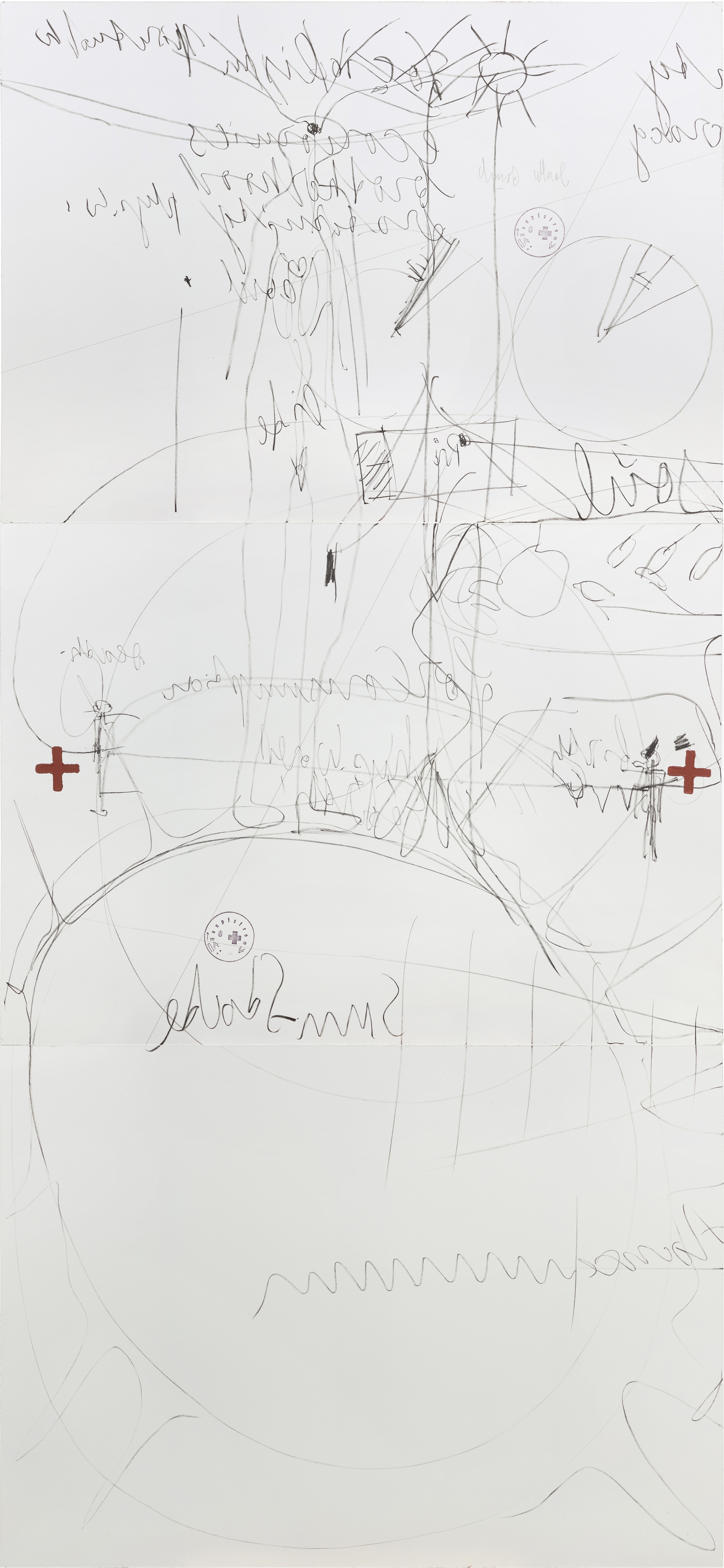
Joseph Beuys
Beuys's expanded concept of art and his use of unconventional materials as carriers of meaning were a formative influence on the generation of German artists including Dokoupil who studied in Cologne and Düsseldorf during the late 1970s. His idea that artistic process and material transformation could themselves become the subject profoundly shaped Dokoupil's experimental methodology.
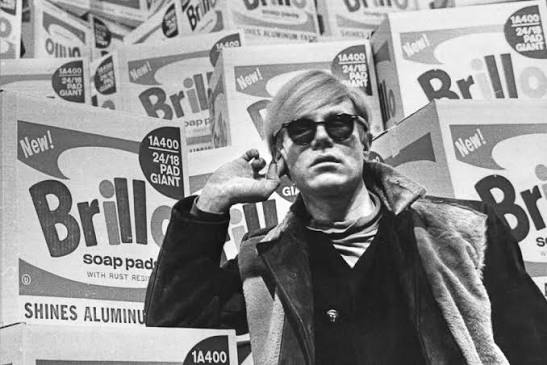
Andy Warhol
Warhol's blurring of high and low culture, his embrace of commercial imagery, and his persona as a shape shifting artistic brand resonated deeply with Dokoupil's own refusal of stylistic identity and engagement with popular culture. Dokoupil's serial and process oriented works echo Warhol's mechanized yet conceptually charged approach to image making.
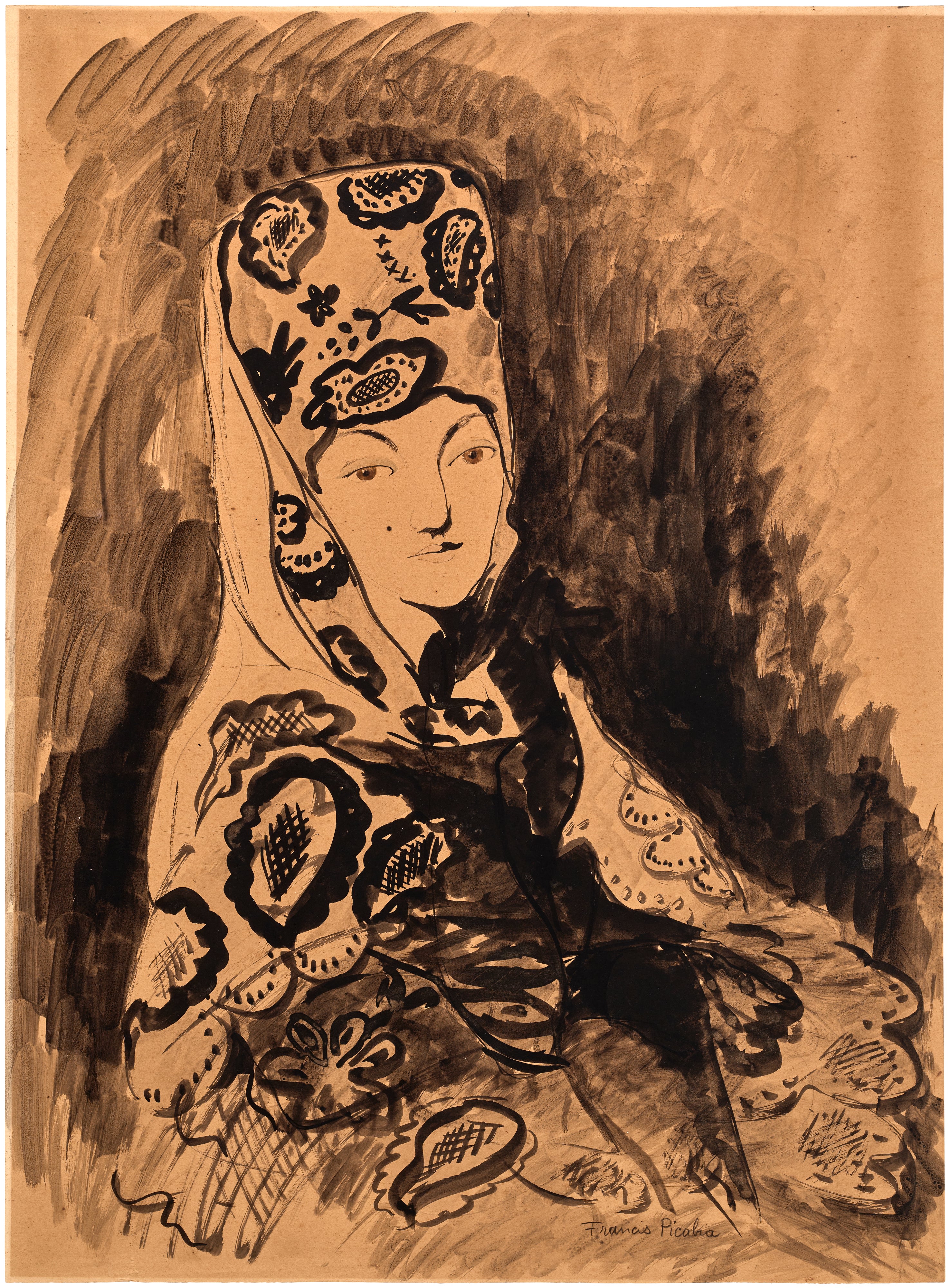
Francis Picabia
Picabia's radical stylistic promiscuity and his career long resistance to being identified with any single movement served as a historical precedent for Dokoupil's deliberate artistic restlessness. Both artists treated constant reinvention and aesthetic contradiction as a core philosophical position rather than an inconsistency.