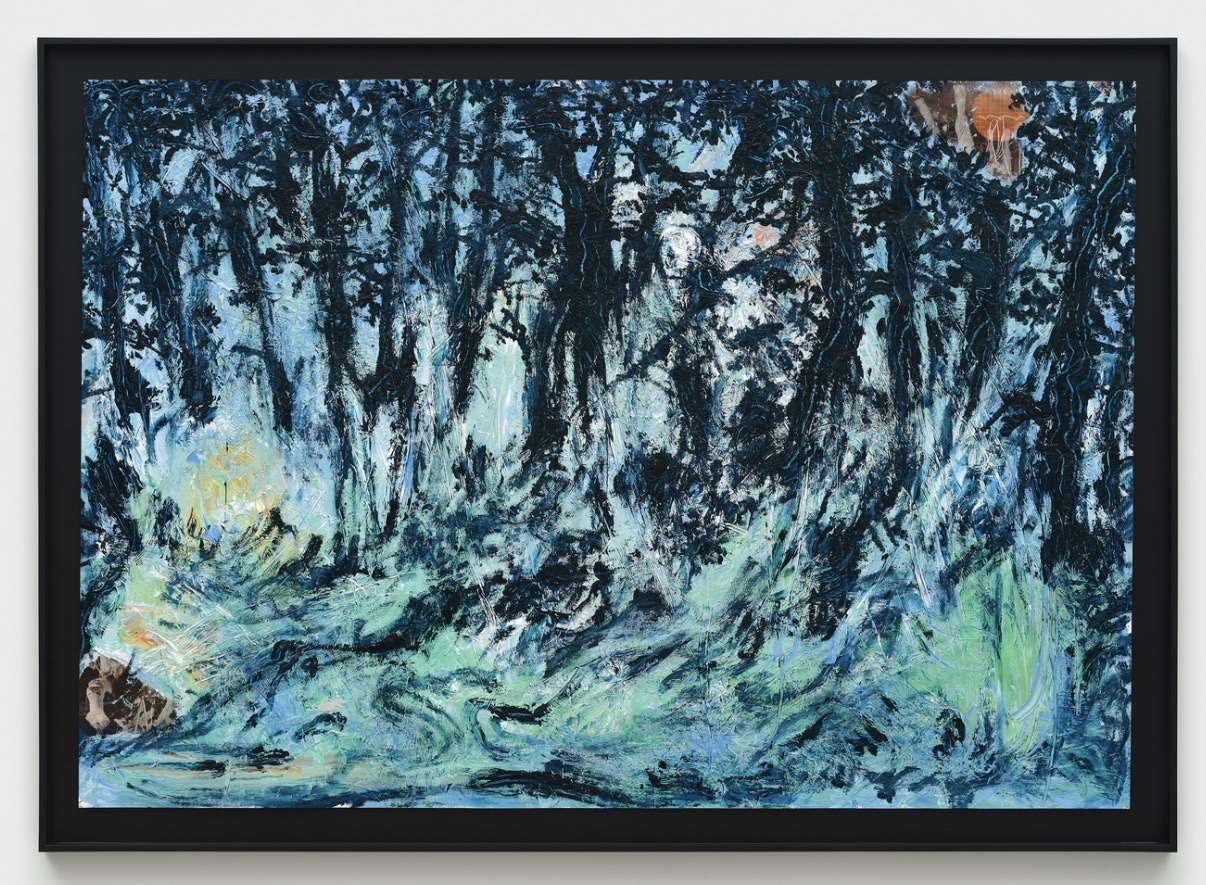
Neo-Expressionism
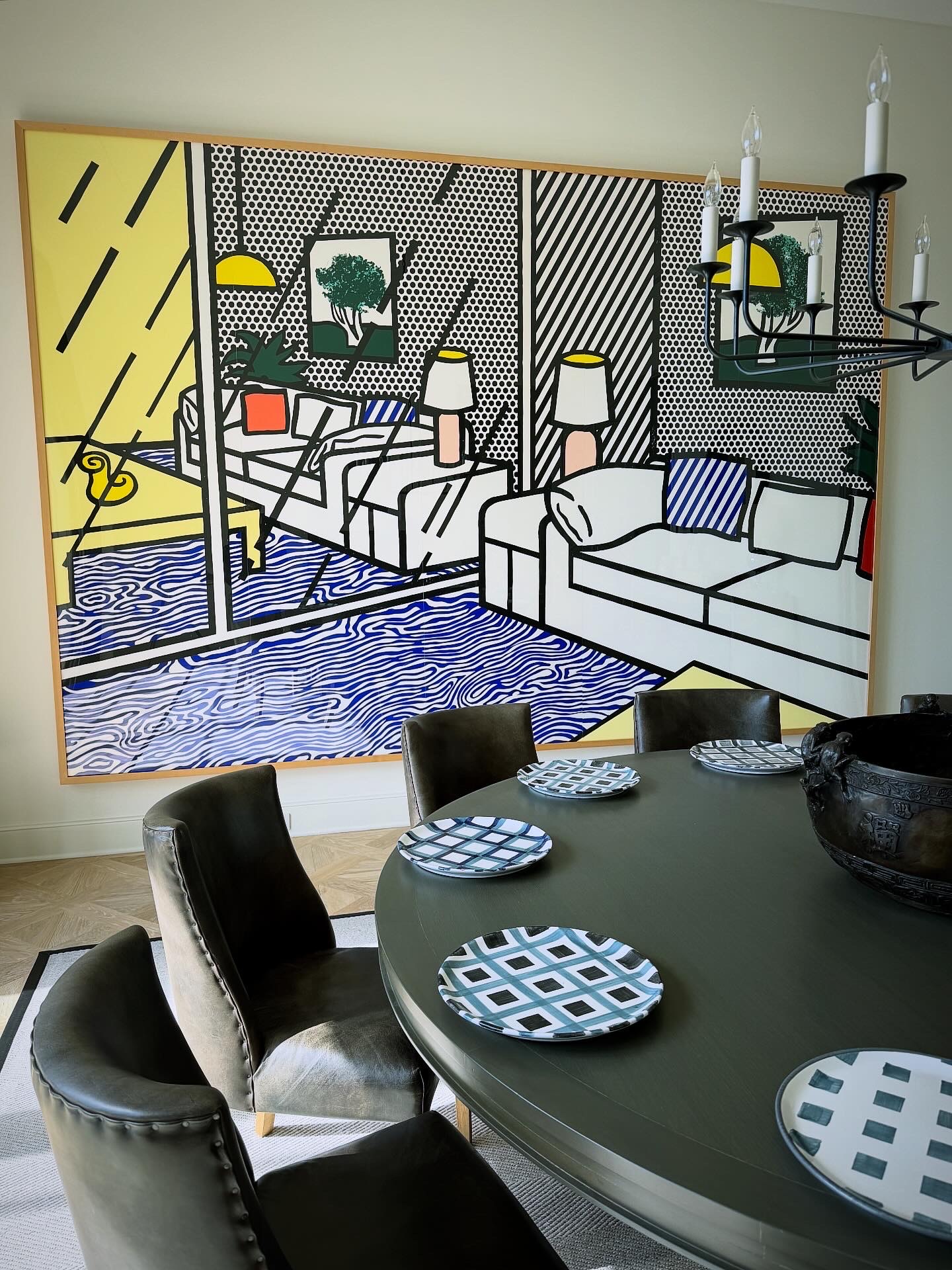
Roy Lichtenstein
untitled




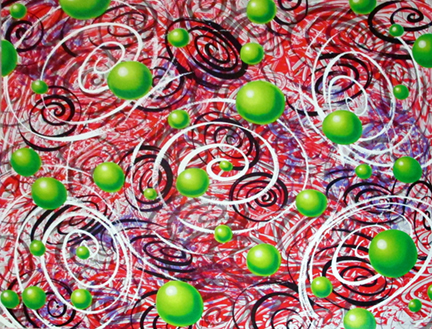
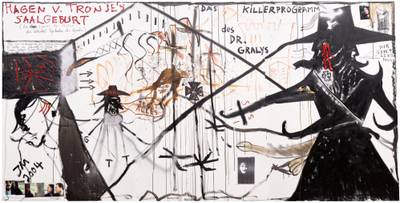
The Wound Is Still Open: Neo-Expressionism Now
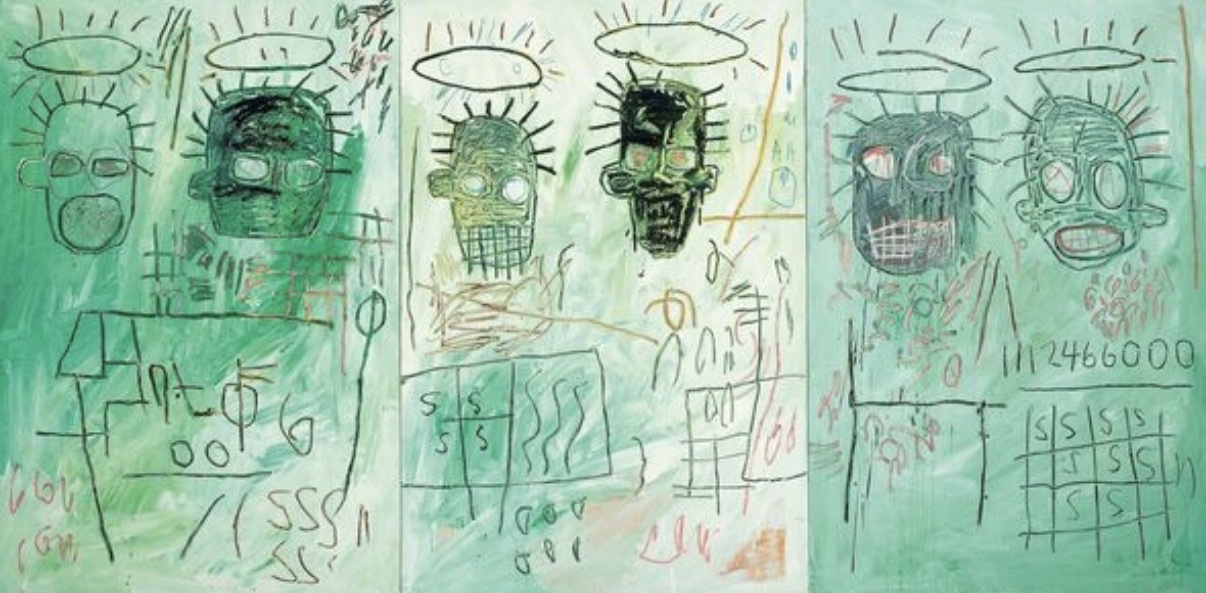
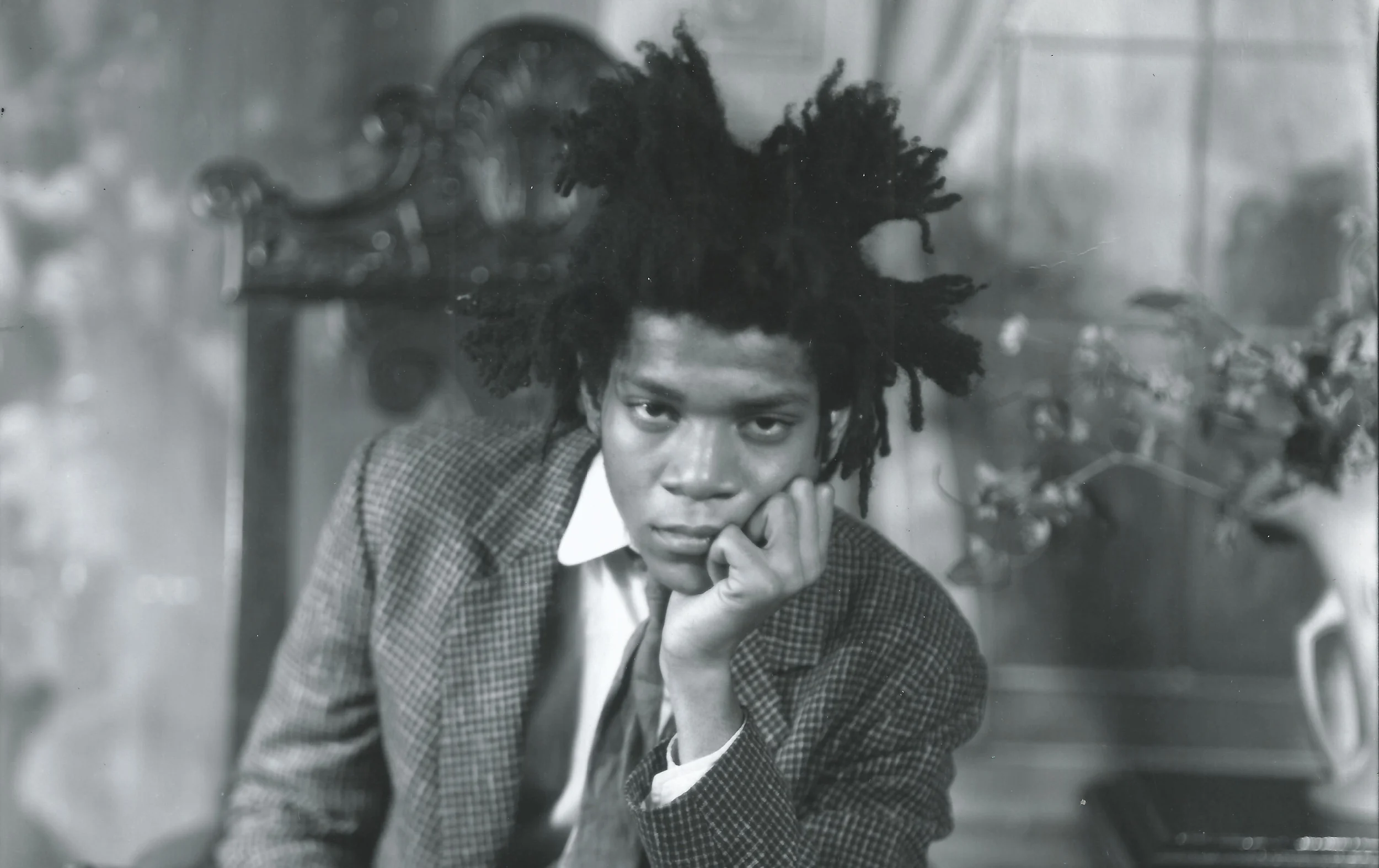
Last November, a Jean Michel Basquiat canvas from 1982 crossed the block at Sotheby's New York and stopped the room. Not because the price was unexpected at this point, Basquiat having long since entered the stratosphere of blue chip certainty, but because of the quality of attention it commanded. People leaned forward. The painting looked rawer and more urgent than anything else in the sale, a reminder that Neo Expressionism was never really about nostalgia or revival.
It was about need. That urgency has not gone anywhere, and the market knows it. The movement that emerged in the late 1970s and erupted through the 1980s in New York, Cologne, and Berlin resists tidy periodization, which is part of why it keeps returning to cultural conversation with such force. When the Royal Academy staged its major survey of Georg Baselitz in 2018, critics who had spent decades treating Neo Expressionism as a settled chapter of art history found themselves reassessing.
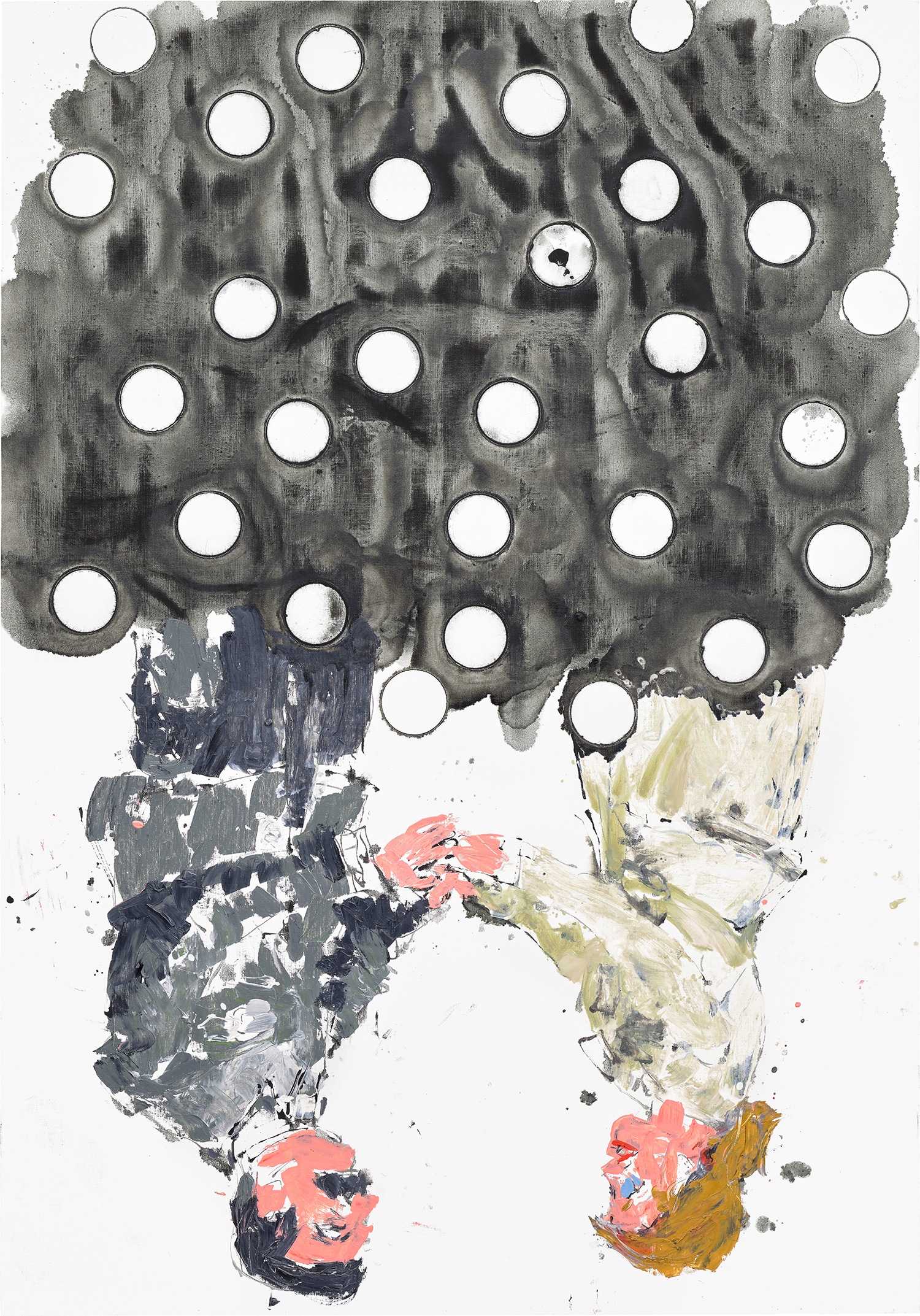
Georg Baselitz
Ein unvergessener Tag, 2002
Baselitz, now in his mid eighties, was not a historical artifact. He was a working painter whose inversions of the figure still carried genuine strangeness. The show reminded London audiences that the movement had always been more philosophically serious than its detractors allowed. Museum interest in this territory has only deepened in the years since.
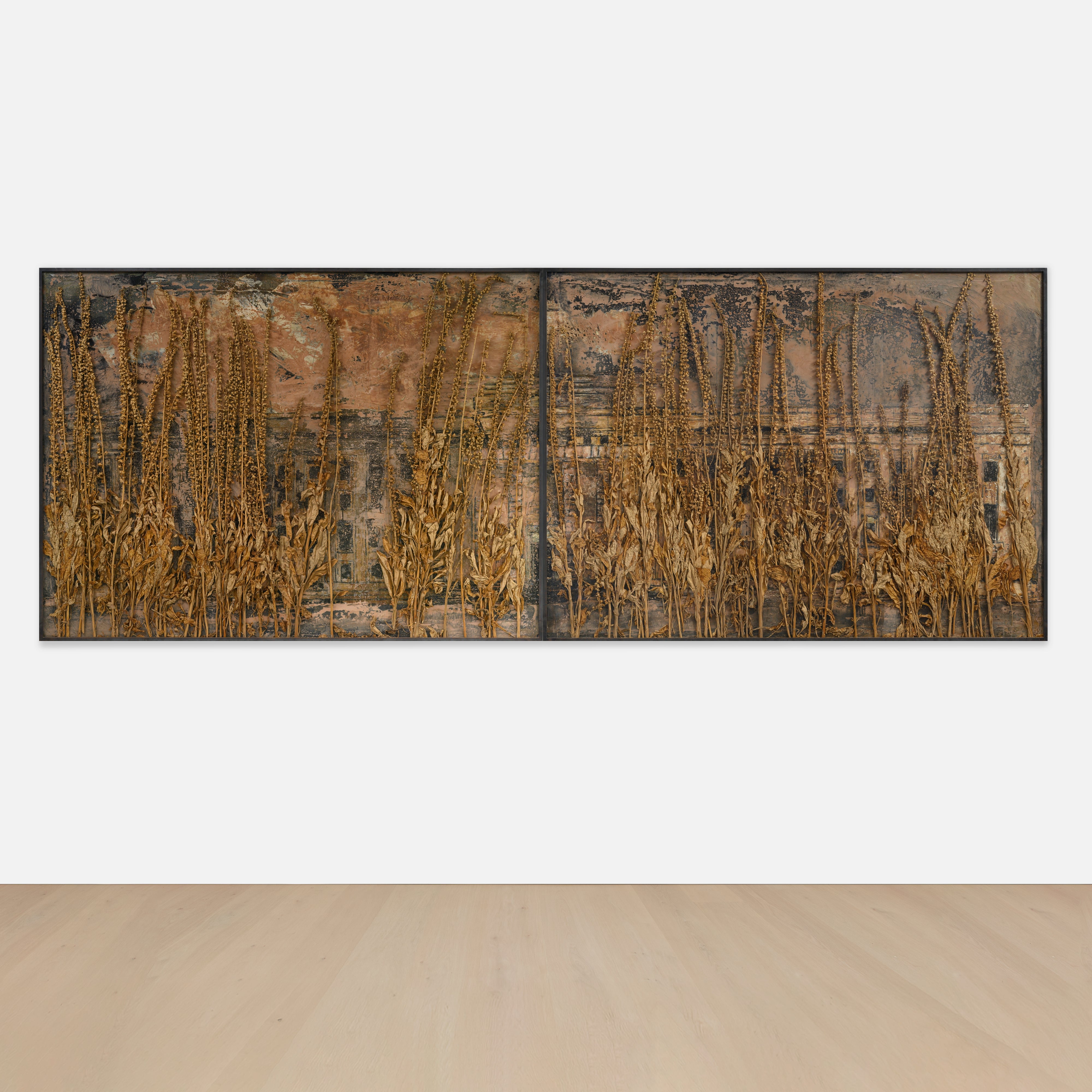
The Broad in Los Angeles built much of its founding collection around the Neo Expressionist moment, and its holdings of Basquiat and Julian Schnabel place it at the center of how American institutions now frame the 1980s. The Museum of Contemporary Art in Chicago has been similarly committed, and the Guggenheim Bilbao devoted significant attention to Anselm Kiefer in a show that traveled widely and introduced a younger generation to his monumental reckoning with German history and mythology. Kiefer's work remains among the most institutionally ambitious in this entire lineage, and its presence in major collecting programs signals that the movement's philosophical weight is taken seriously at the highest levels. At auction, the hierarchy is clear but full of interesting gradations.
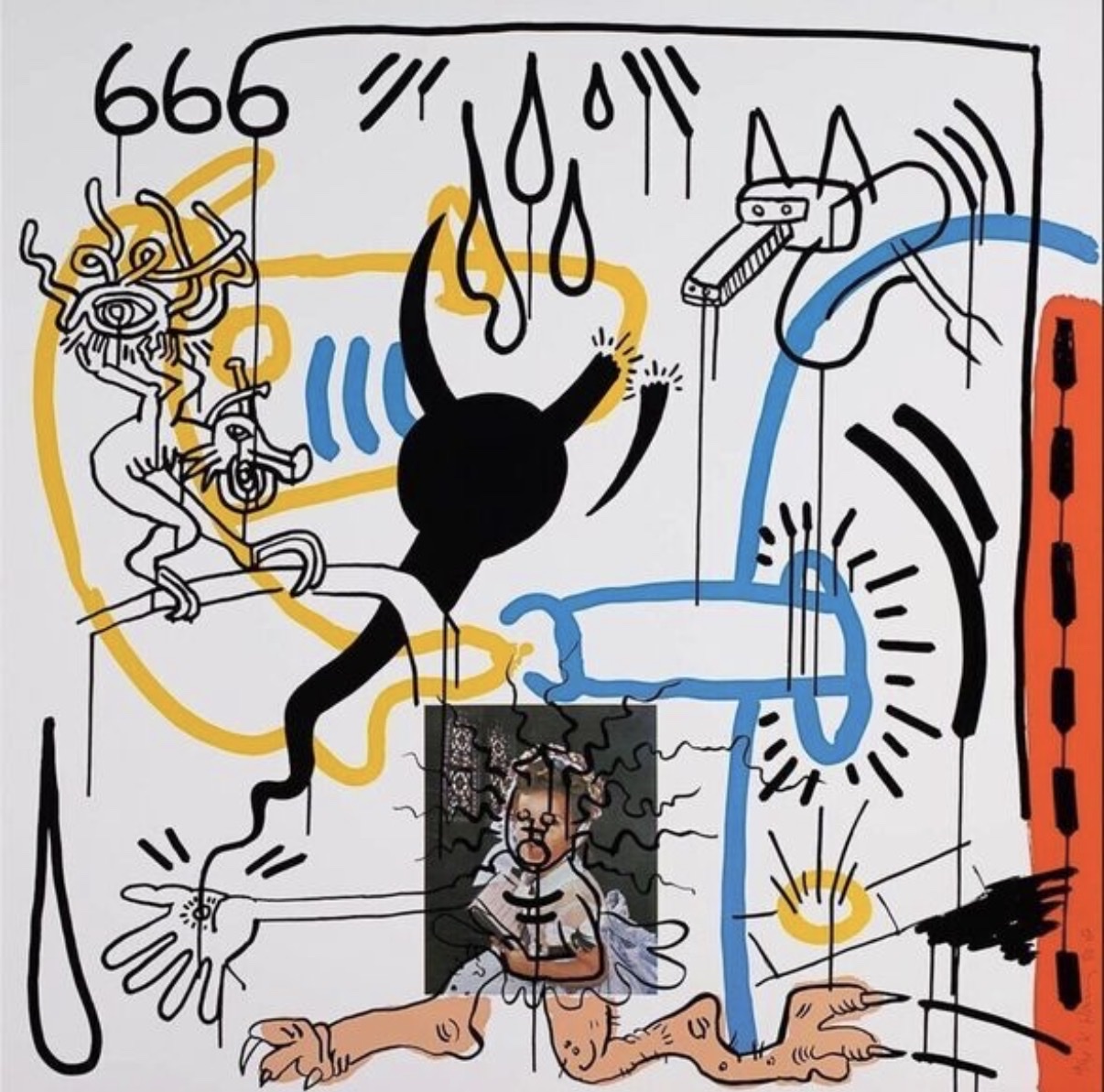
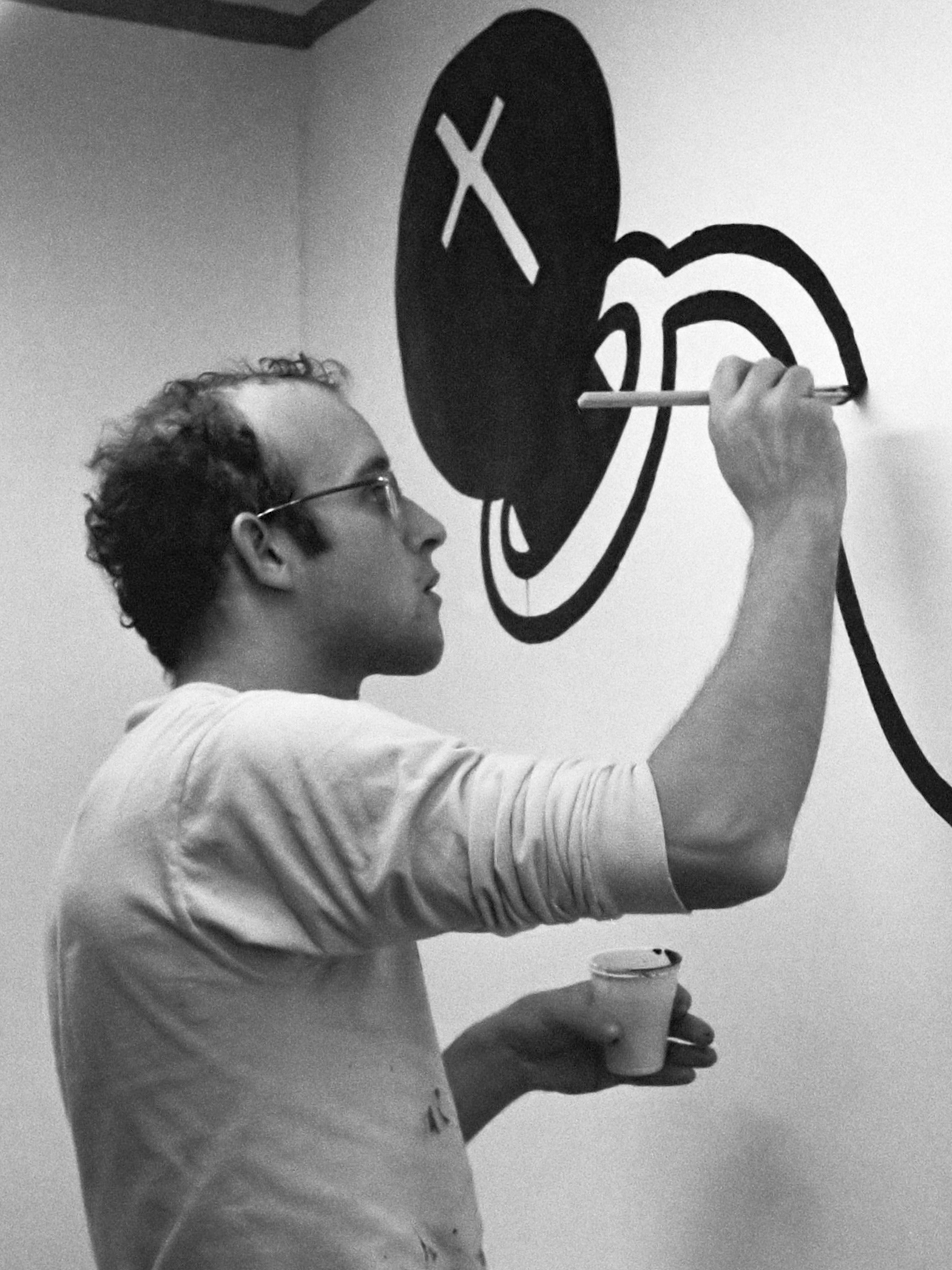
Keith Haring
Apocalypse 8, 1988
Basquiat sits at the apex, with multiple works having crossed fifty million dollars, and one reaching nearly one hundred ten million at Sotheby's in 2017. Keith Haring, whose presence on The Collection is substantial, has seen consistent price growth as institutions and private collectors alike reassess the depth of his practice beyond the pop iconography. George Condo commands serious attention at auction, his psychologically distorted figures finding particularly strong support among collectors in Europe and Asia. Martin Kippenberger, long undervalued outside Germany, has been decisively corrected by the market over the past decade, with major works now routinely achieving seven figures and retrospective attention from institutions that once overlooked him.
The critical rehabilitation of Kippenberger is one of the more satisfying stories in recent art market history. The critical conversation has been shaped in important ways by a generation of curators who grew up looking at this work and are now old enough to write its institutional history with some distance. Kathy Halbreich, during her tenure at MoMA, pushed for a more nuanced reading of 1980s painting that went beyond the culture war framings that dogged the period. The catalogue essays from the Basquiat retrospective that traveled from the Barbican to the Schirn Kunsthalle Frankfurt in 2017 and 2018 were particularly strong, offering fresh scholarship on his relationship to language and text that influenced a wave of subsequent writing.
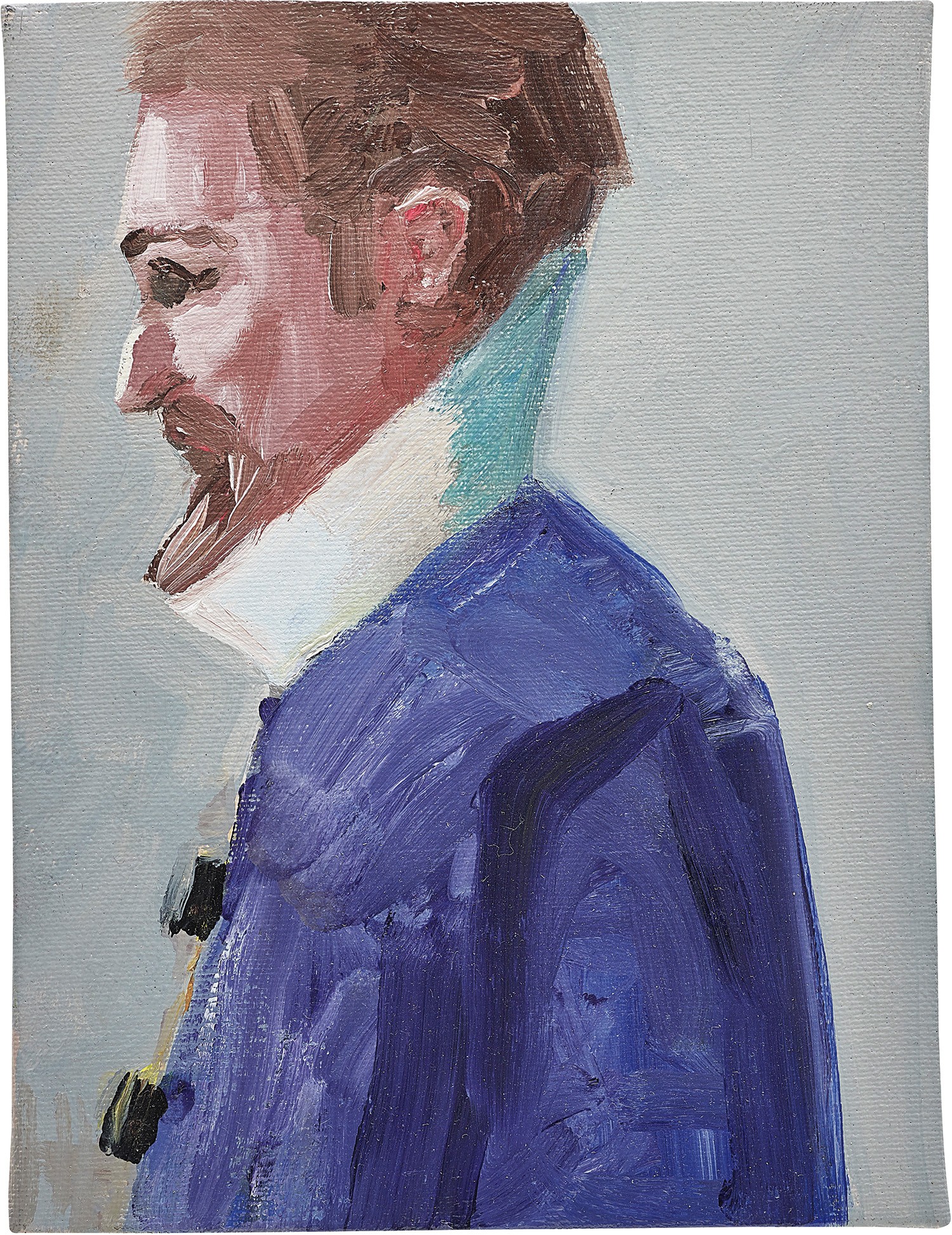
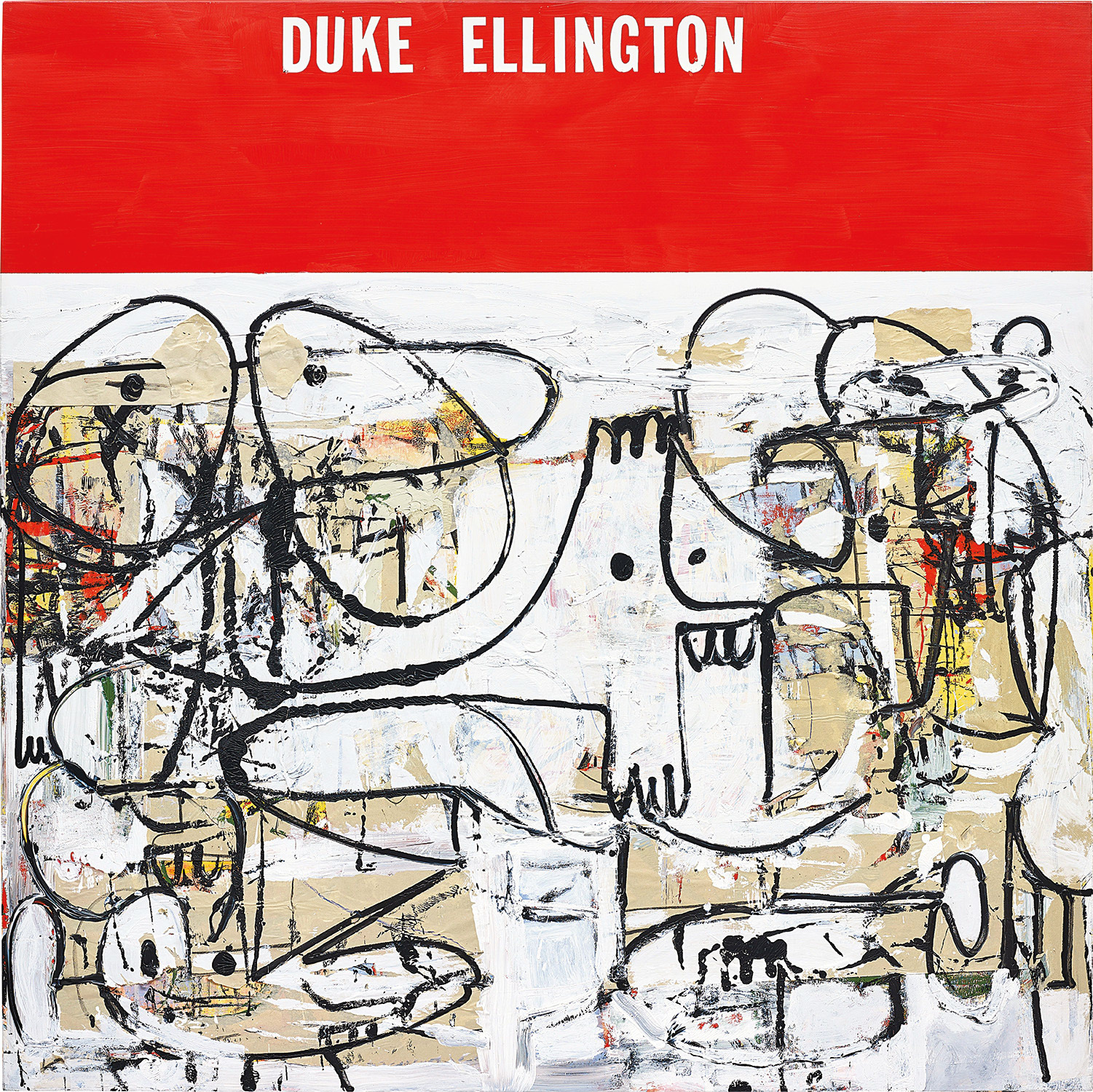
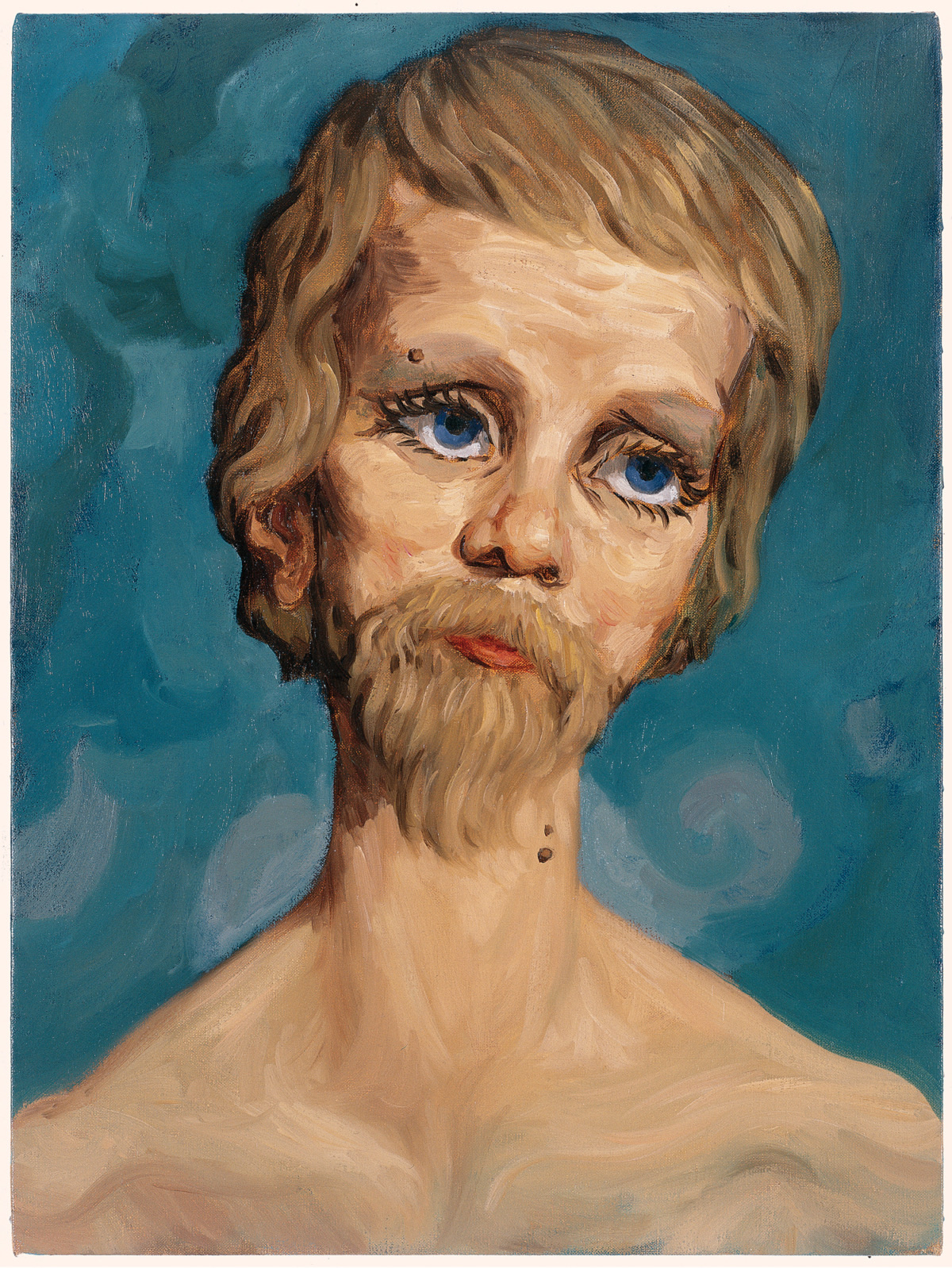
George Condo
The Franciscan, 2004
Artforum and Frieze have both published extensive reconsiderations of artists like A.R. Penck and Sigmar Polke, whose work sits at the intersection of Neo Expressionism and something harder to categorize, and those reconsiderations are filtering into how collectors and curators speak about the period. What feels genuinely alive right now is the conversation between the founding generation and the painters they made possible.
Dana Schutz, Shara Hughes, and Eddie Martinez each carry the inheritance of Neo Expressionist gesture in ways that are formally sophisticated and emotionally immediate. None of them are simply revivalists. Schutz's figure paintings engage in a dialogue with the expressionist tradition that is knowing without being ironic, and her market has grown steadily as institutional support has confirmed what private collectors already sensed. Hughes has been embraced by collectors across generations for her hallucinatory landscapes, and her works on The Collection represent an artist whose prices are still moving upward.
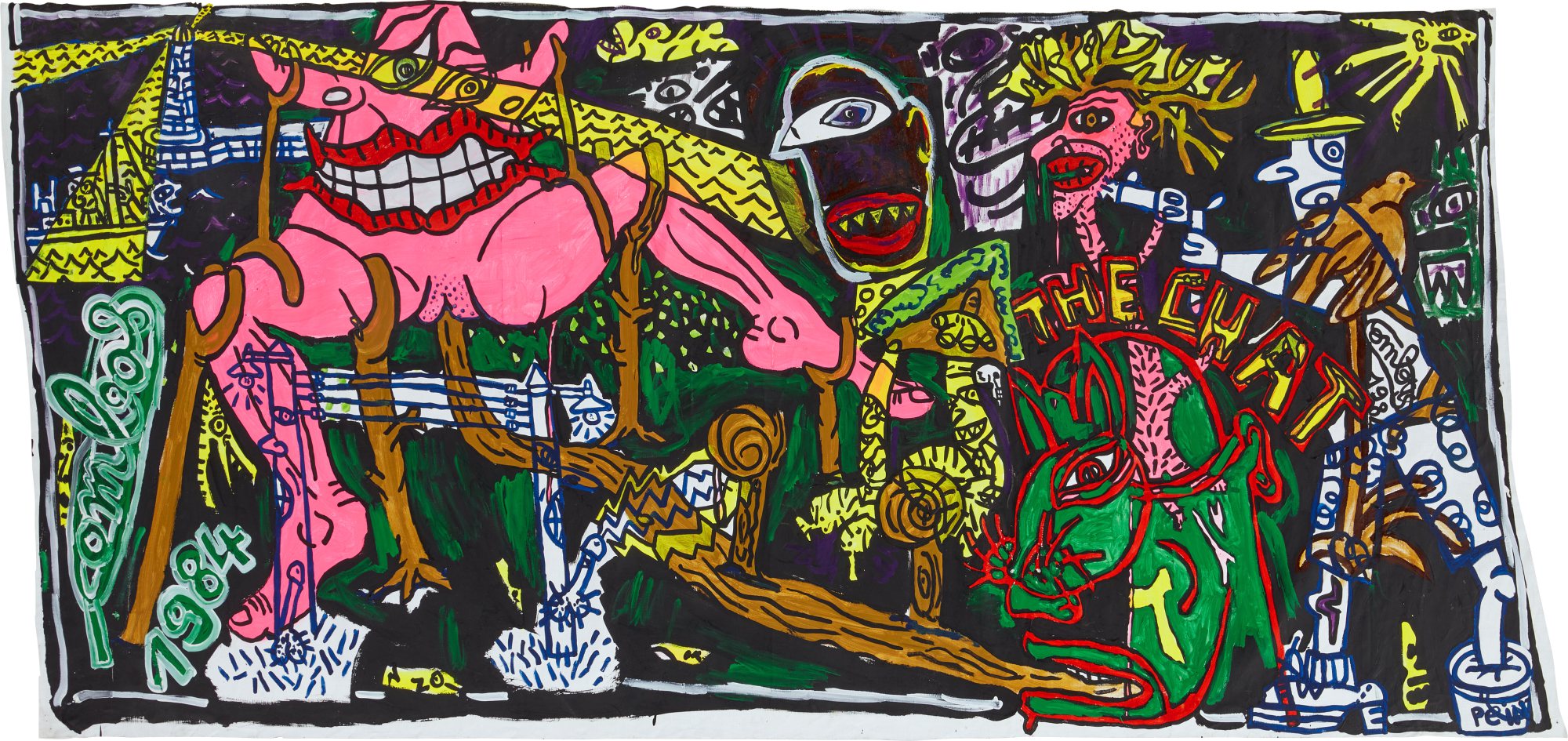
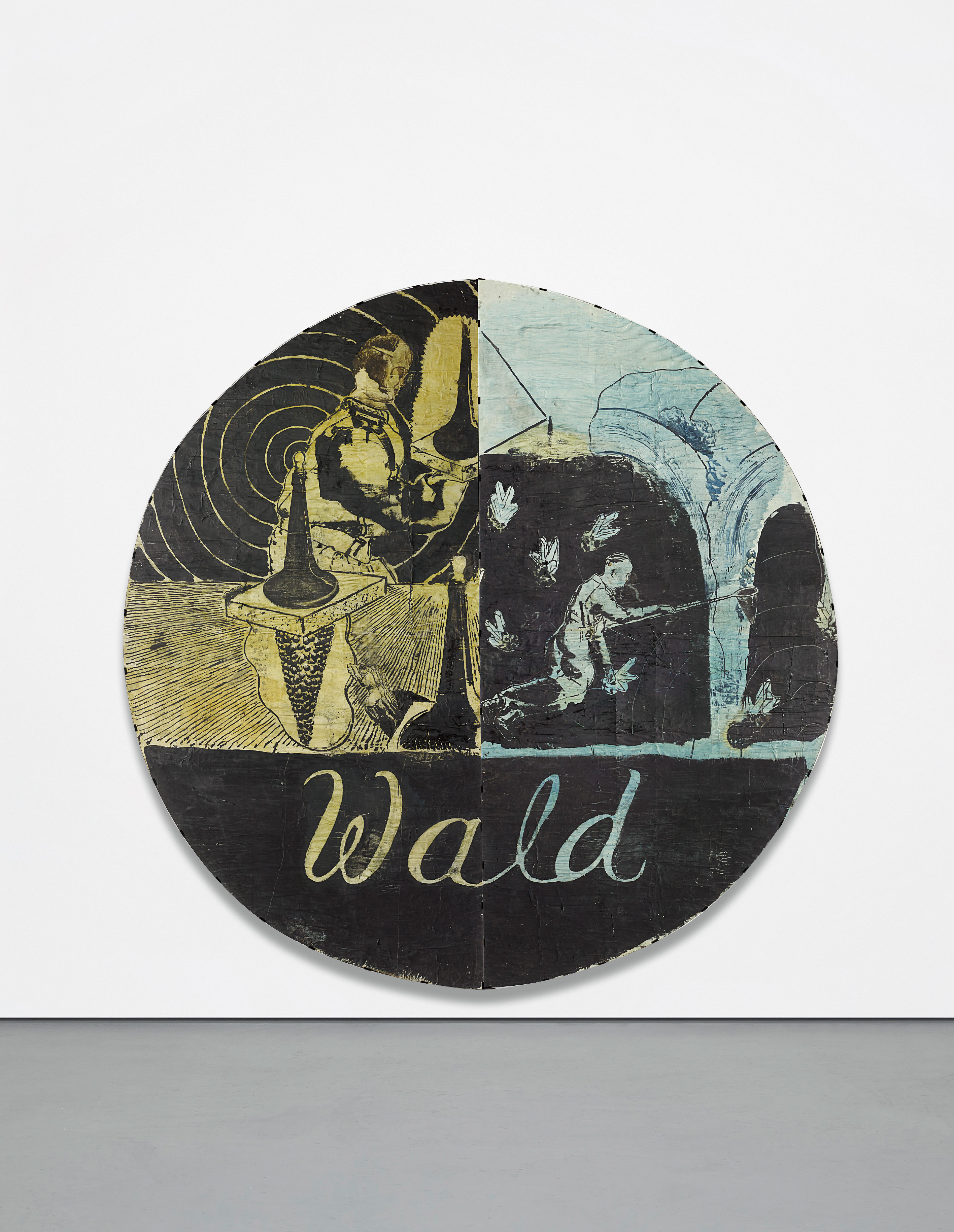
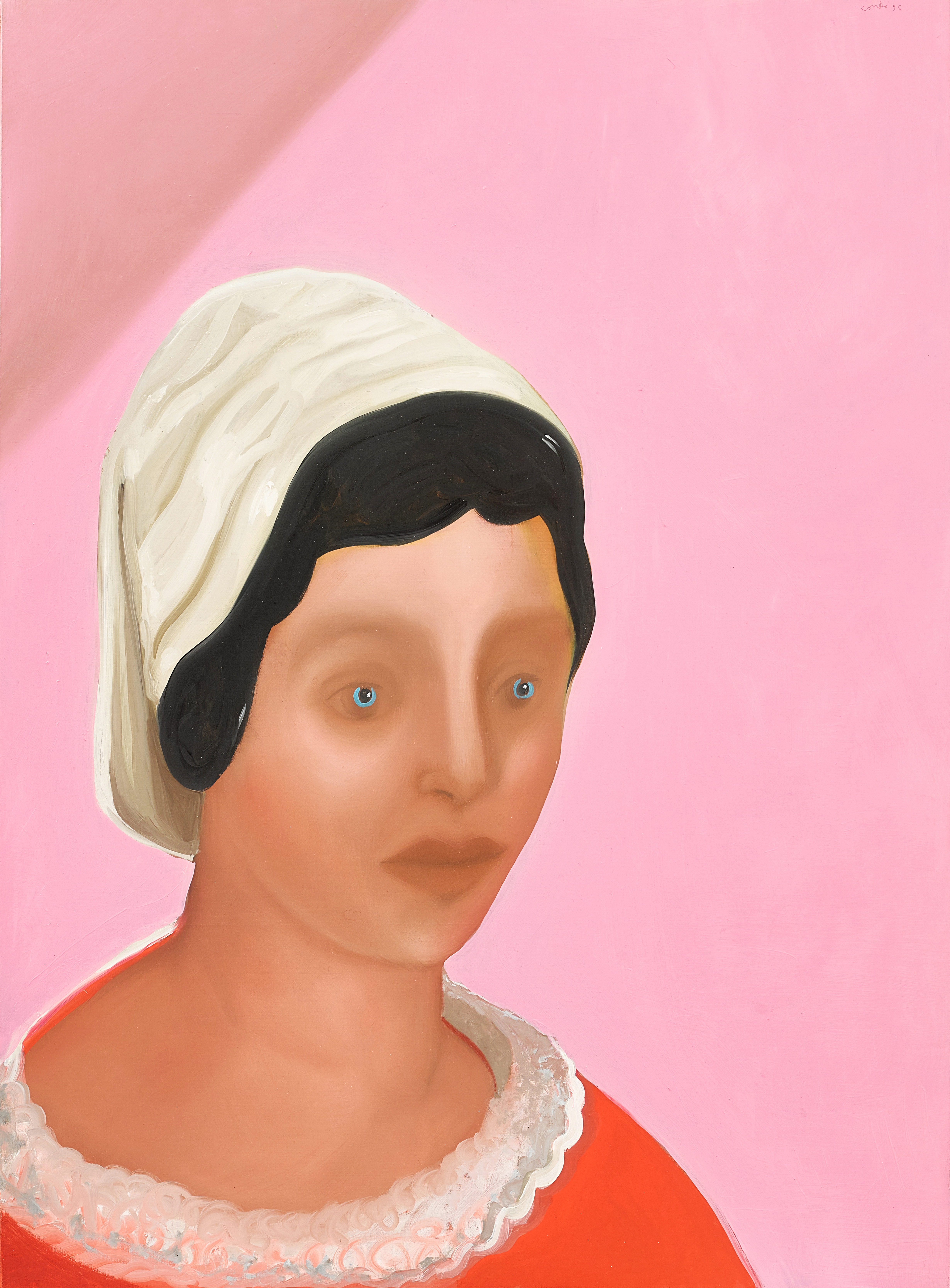
Robert Combas
The Chat Vert La Nuit Se Retrouve À Découvrir Un Monde De Nuit Pas Piqué Des Hannetons !, 1984
The appetite for this sensibility shows no sign of exhaustion. What feels more settled, in the best sense, is the canonical standing of the movement's acknowledged masters. Kiefer's mythological canvases, Baselitz's inverted figures, Schnabel's plate paintings: these have passed through the volatility of fashion and emerged as genuinely historic works that major institutions treat with the seriousness they always deserved. The 1980s art world dismissed a great deal of this work as market hysteria even as it was happening, and the intervening decades have been a long correction.
Collectors who stayed committed to quality during the cooling periods were right, and the auction record confirms it repeatedly. The surprise, and it should not really be a surprise at this point, is how much energy remains in the younger artists who have absorbed these lessons. Yoshitomo Nara, whose work carries traces of Neo Expressionist rawness filtered through Japanese popular culture, has become one of the most aggressively collected artists of his generation worldwide. Carroll Dunham and Mike Kelley, both well represented on The Collection, built careers that took the movement's psychological intensity into stranger and more conceptually layered territory.
The thread running from Basquiat and Haring through Condo and Kippenberger and forward to the current generation is not a straight line, but it is unmistakably a thread. And following it closely, as a collector or a curator or simply an attentive viewer, continues to be one of the more rewarding things you can do with your attention in contemporary art.