Jiří Georg Dokoupil
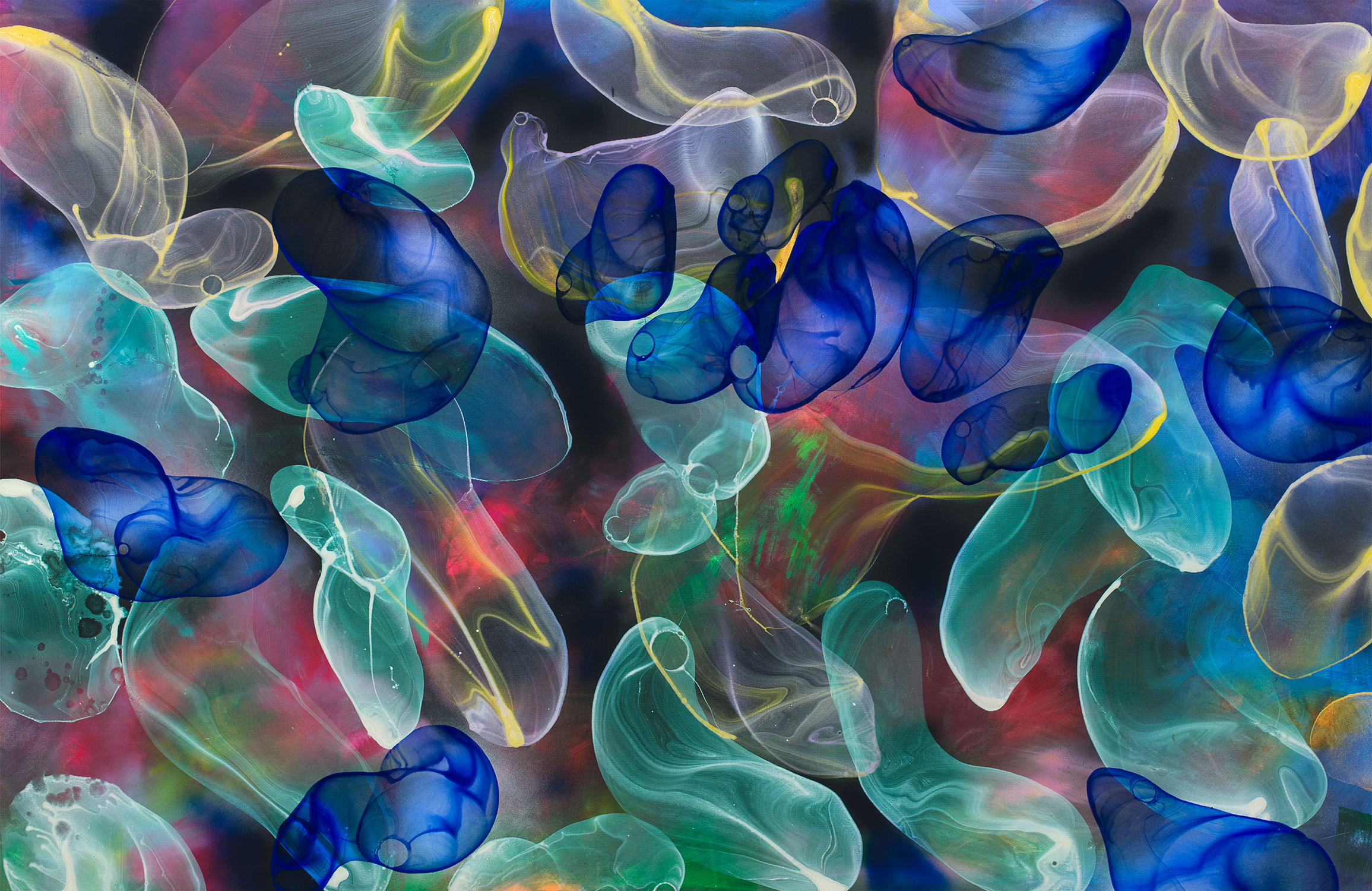
Dokoupil: The Magnificent Restlessness of Pure Freedom
Artist Spotlight · The Collection Editorial
There is a particular kind of artist who refuses the comfort of a signature style, who treats the entire history of art as an open invitation rather than a set of constraints. Jiří Georg Dokoupil is that artist, and right now, with renewed institutional interest in the Neo Expressionist generation and a vigorous secondary market for works from the Cologne scene of the 1980s, his reputation is enjoying a richly deserved reassessment. Collectors who encountered his work decades ago are returning to it with fresh eyes, and a younger generation of buyers is discovering, often with something like shock, just how prescient and alive his practice remains. Dokoupil was born in 1954 in Krnov, in what was then Czechoslovakia, and his early years were shaped by the particular atmosphere of Central European cultural life under socialist governance, a world in which art carried both weight and risk.
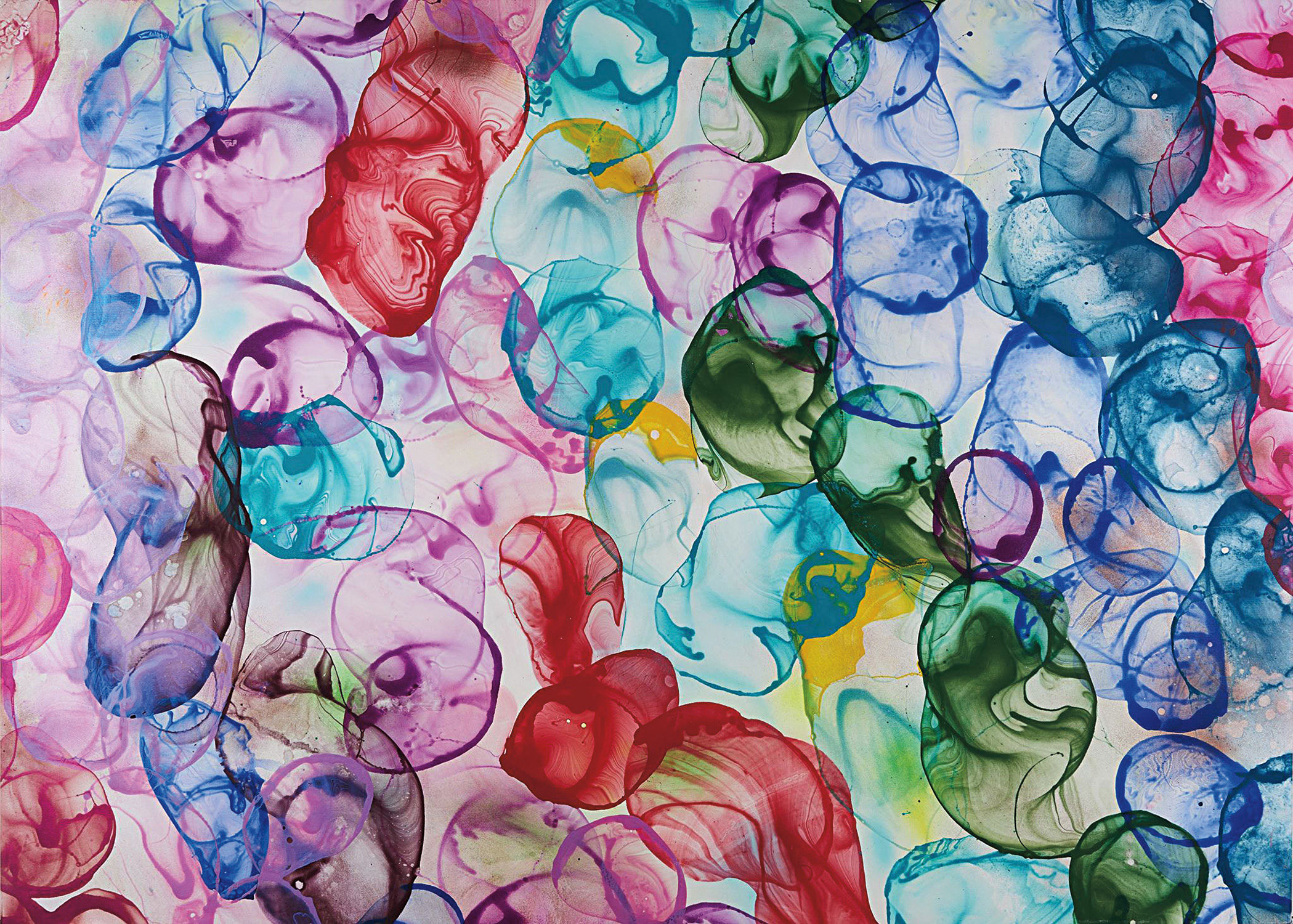
Jiří Georg Dokoupil
soap-lye and pigments on canvas, 2013
His family moved to Germany when he was a teenager, and he eventually made his way to Cologne, that postwar crucible of contemporary art where Joseph Beuys had electrified an entire generation and the city's galleries were among the most intellectually serious in the world. Dokoupil also spent time studying in New York, absorbing the energy of American art without ever surrendering his European sensibility. That dual formation, at once deeply rooted in the German avant garde and genuinely open to transatlantic influence, gave him a perspective that few of his contemporaries could match. In the early 1980s, Dokoupil became a founding member of Mülheimer Freiheit, a loose collective of Cologne based artists whose name referenced their shared studio address on Mülheimer Freiheit street.
Alongside Hans Peter Adamski, Peter Bömmels, Walter Dahn, Gerhard Naschberger, and Gerard Kever, Dokoupil helped define a strain of Neo Expressionism that was simultaneously earnest and ironic, emotionally raw and intellectually playful. The group's exhibitions in Cologne and beyond drew immediate attention, arriving at a moment when painting itself was being proclaimed both dead and urgently alive, and when figures like Georg Baselitz, A.R. Penck, and the Italian Transavanguardia painters were reshaping what figurative art could mean.
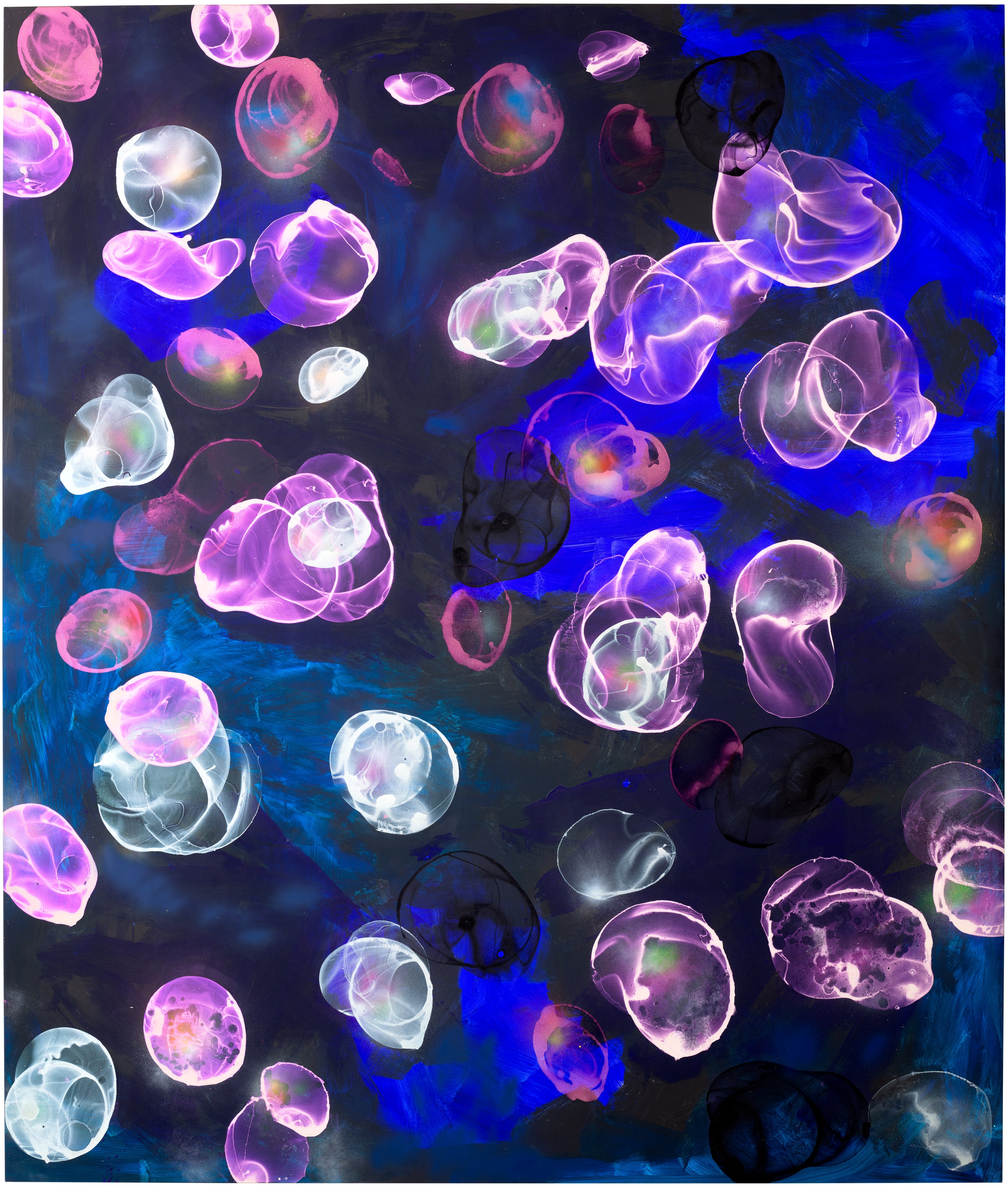
Jiří Georg Dokoupil
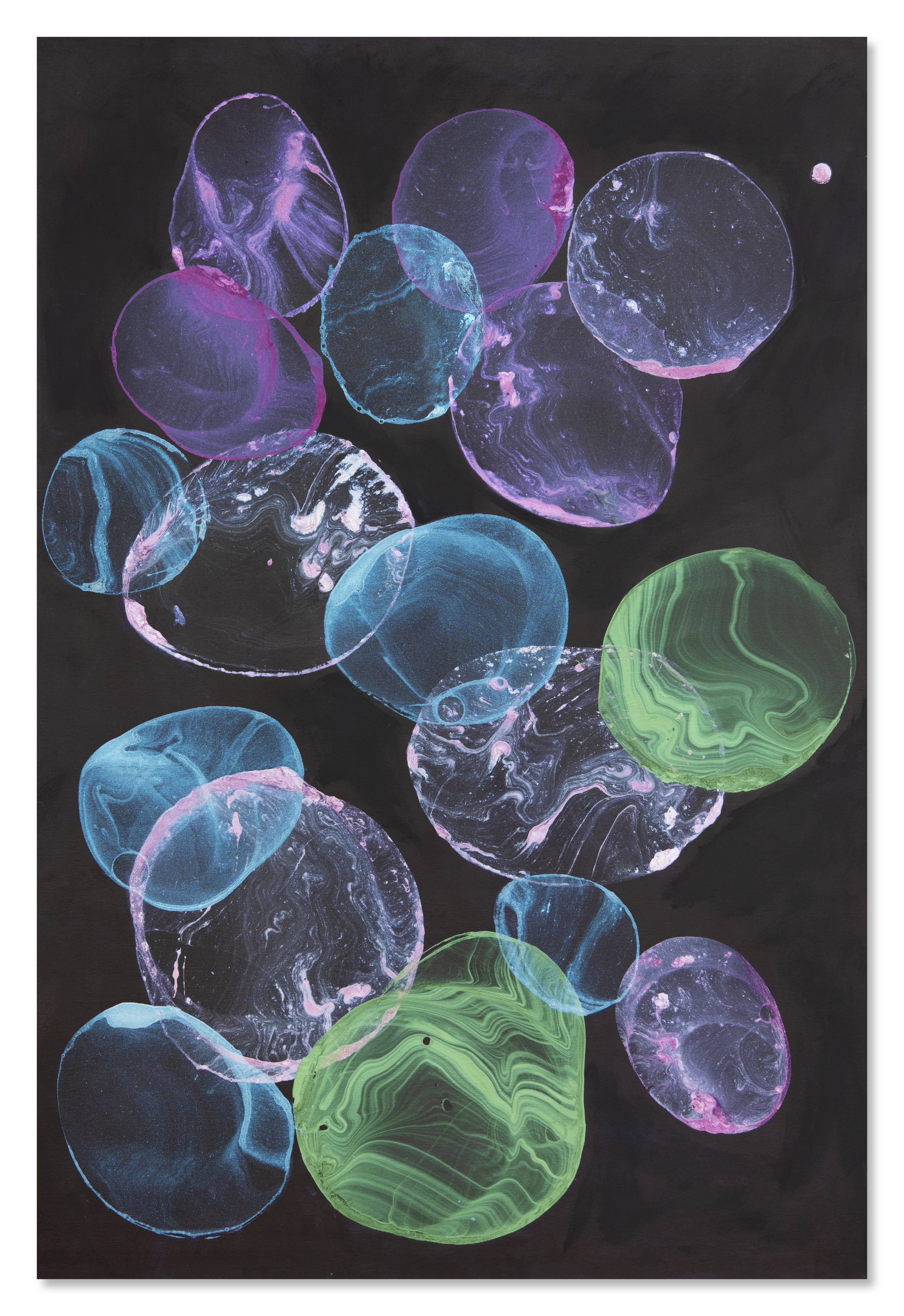
soap-lye and pigments on canvas, 2013
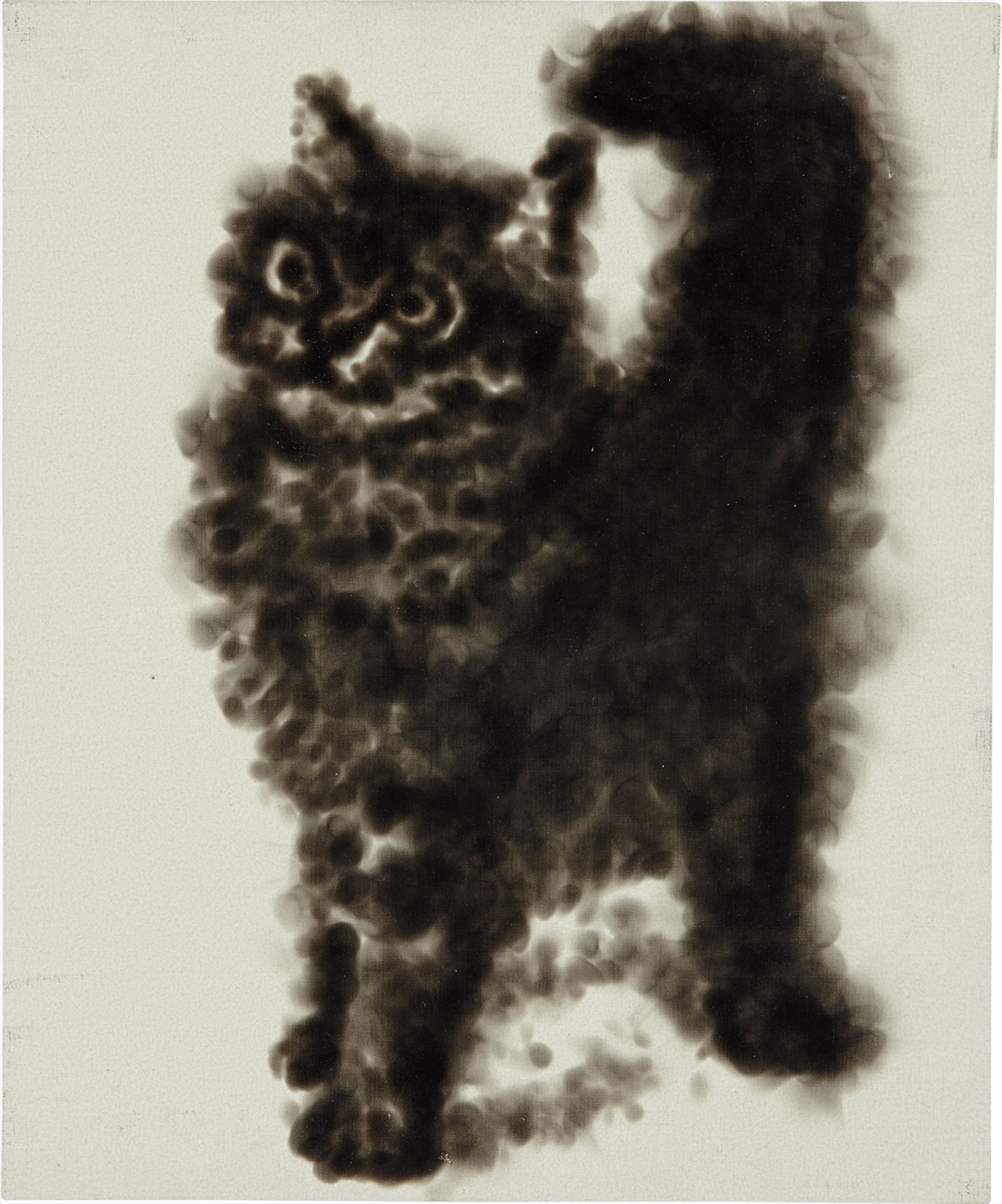
Mülheimer Freiheit occupied its own distinct position within that conversation, looser and more provisional than the established German masters, more concerned with process than with myth. What has always distinguished Dokoupil from his contemporaries is his extraordinary, almost restless appetite for material experimentation. While others committed to a recognizable language, Dokoupil kept moving, adopting and abandoning techniques the way some artists adopt and abandon subjects. He has made paintings using soot deposited by burning candles, creating atmospheric, almost photographic images from pure combustion.
He has worked with soap bubbles, allowing their iridescent geometry to leave traces on prepared surfaces, generating compositions of startling delicacy and optical complexity. His soap lye and pigment paintings, works in which the very medium seems to breathe and shift, have become among the most recognized expressions of his mature practice. These are not gimmicks or provocations. They are serious investigations into what paint can do when it is no longer entirely under the artist's control, when chance and chemistry become collaborators.
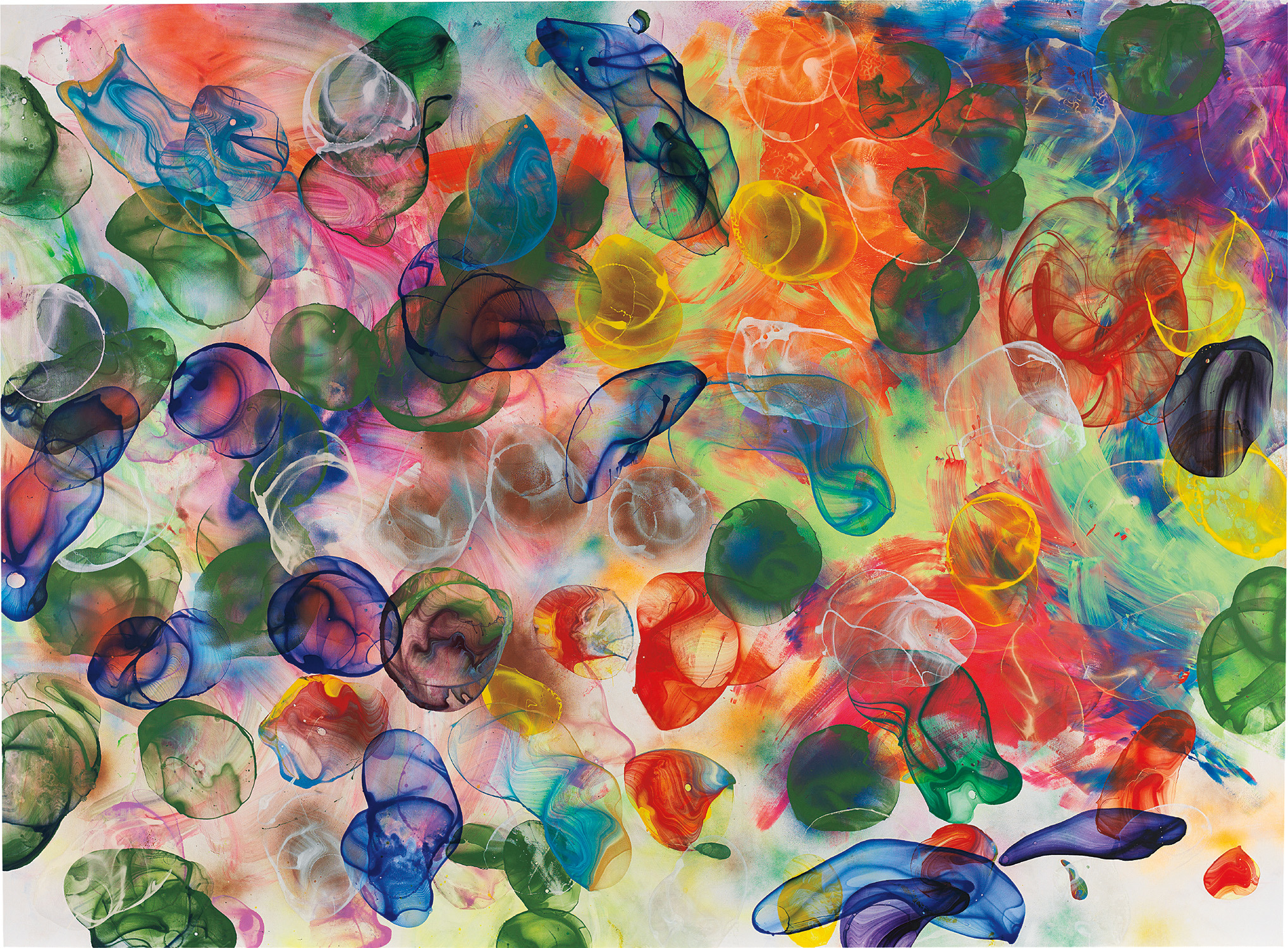
Jiří Georg Dokoupil
Bubbles, 2008
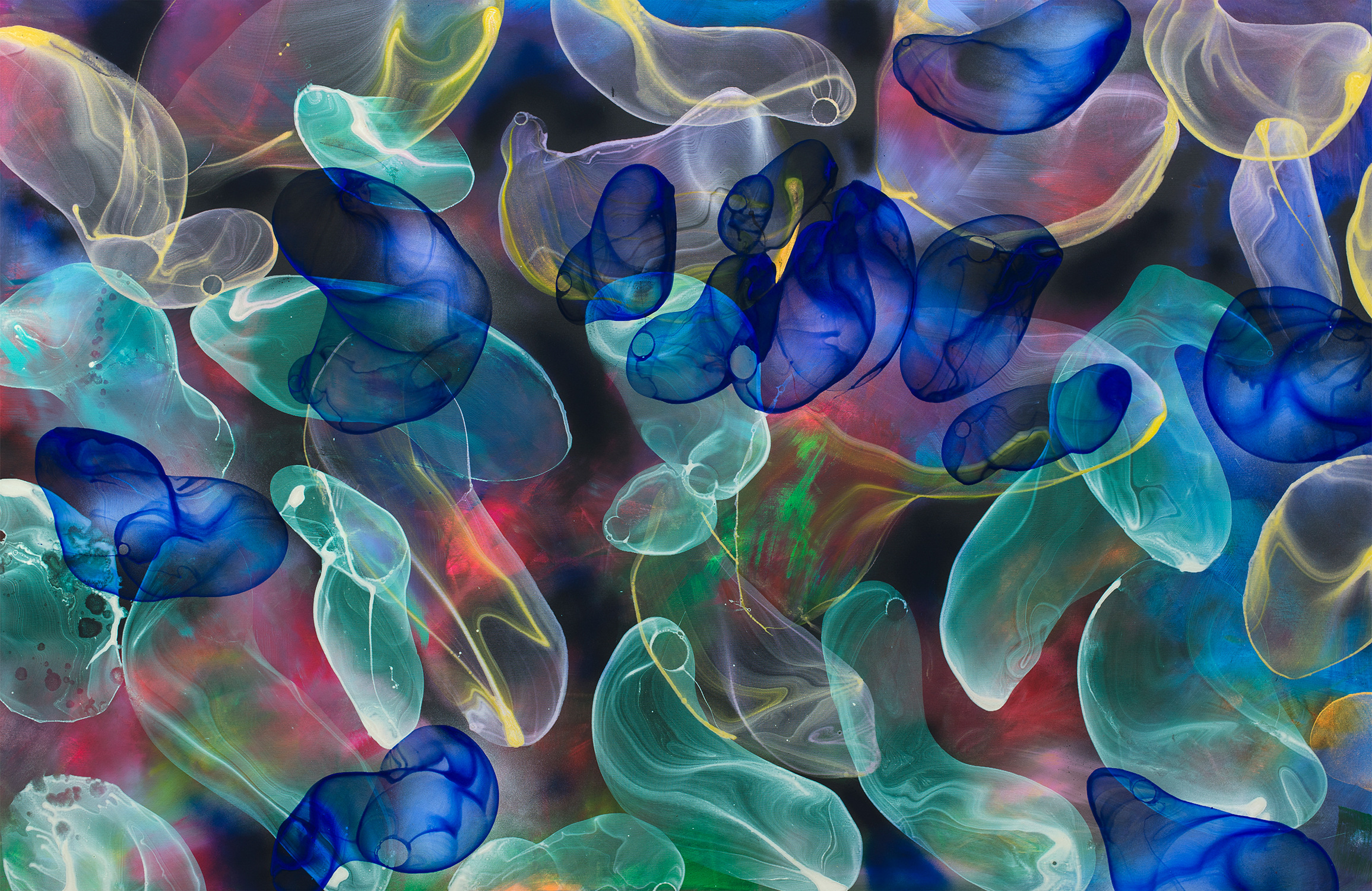
Among the works that best represent Dokoupil's achievement, the Bubbles series occupies a place of special distinction. The 2008 Bubbles work exemplifies his ability to turn a seemingly ephemeral gesture into something monumental and enduring. Soap bubbles, those ultimate symbols of transience, are rendered with a precision and luminosity that transforms fragility into grandeur. His soap lye and pigment on canvas works from 2013 and the Azul De Juana series from 2015 demonstrate a similarly profound engagement with color as substance rather than decoration.
The blues in Azul De Juana carry a Mediterranean clarity, a warmth that speaks to the time Dokoupil has spent living and working in Spain, particularly in the Canary Islands, where light operates differently and color becomes a kind of argument. The Sans Titre works from 2018 continue this investigation, each canvas a record of material decisions made in real time, with all the confidence and vulnerability that implies. Even his more figurative works, including the tender animal portraits such as Standing Cat and Dog Portrait, reveal an artist for whom observation and affection are inseparable from formal rigor. From a collecting perspective, Dokoupil presents an unusual and rewarding opportunity.
Jiří Georg Dokoupil
Azul De Juana, 2015
His market reflects the genuine complexity of his practice: prices vary meaningfully across techniques and periods, which means that informed collectors can still find significant works at prices that feel proportionate to his historical importance. His major paintings have appeared at auction houses including Sotheby's, Christie's, and Phillips, and while headline prices for his most celebrated soot and bubble works are substantial, the breadth of his output means that entry points exist across a range of budgets. What to look for is consistency of material ambition. The works that reward attention most generously are those in which the technique is not simply displayed but genuinely interrogated, where the process has produced something that could not have been predicted at the outset.
Condition is a particular consideration with the soot and soap lye works, which benefit from careful conservation and appropriate framing. In art historical terms, Dokoupil occupies a fascinating position between movements and categories. His generation bridges the gestural intensity of Arte Povera and Fluxus, the conceptual inheritance of Beuys, and the market facing energy of the New York scene in the 1980s. Collectors drawn to Sigmar Polke will recognize in Dokoupil a similarly restless intelligence and a shared taste for materials that carry their own history.
Those who admire the Transavanguardia painters, Sandro Chia, Francesco Clemente, or Enzo Cucchi, will find in Dokoupil a Northern European counterpart whose figuration is equally mythologized but whose material investigations go perhaps further. He is also a meaningful point of reference for anyone interested in the German Neo Expressionist scene more broadly, not only Mülheimer Freiheit colleagues like Walter Dahn but also the wider Cologne gallery world of the period, centered on galleries such as Paul Maenz and later Karsten Greve, both of which championed work of genuine ambition. What makes Dokoupil matter today, at this particular moment in the culture, is precisely the quality that made him difficult to categorize in the 1980s: his absolute refusal to be pinned down. In an art world that sometimes rewards legibility and brand consistency above all else, his career stands as evidence that genuine artistic freedom produces something richer and stranger than any single style could contain.
His works in soap and soot and pigment are not just technically inventive. They are philosophically serious, made by an artist who understands that the most honest thing a painting can do is admit everything it does not fully control. For collectors who value that kind of integrity, who want their walls to hold not just beautiful objects but genuine thinking, Dokoupil rewards both the initial encounter and the long relationship that follows.
Featured Works
Explore books about Jiří Georg Dokoupil
Jiří Georg Dokoupil: Monographie
Dieter Koepplin
Dokoupil
Wolfgang Max Faust
Jiří Georg Dokoupil: Works on Paper
Various Contributors
Dokoupil: Retrospektive
Museum moderner Kunst
Jiří Georg Dokoupil: Catalogue Raisonné
Werner Spies