Woodcut Print
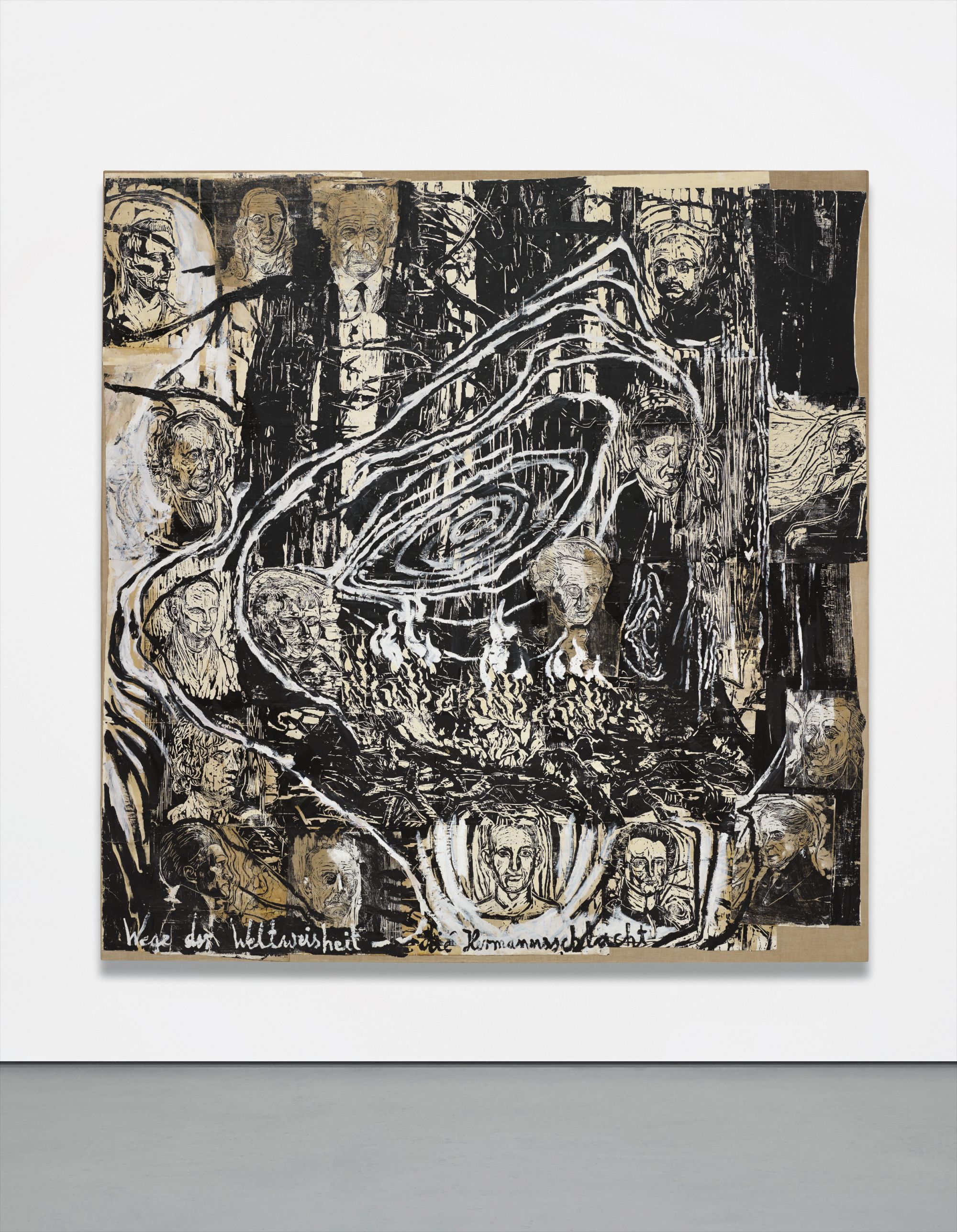
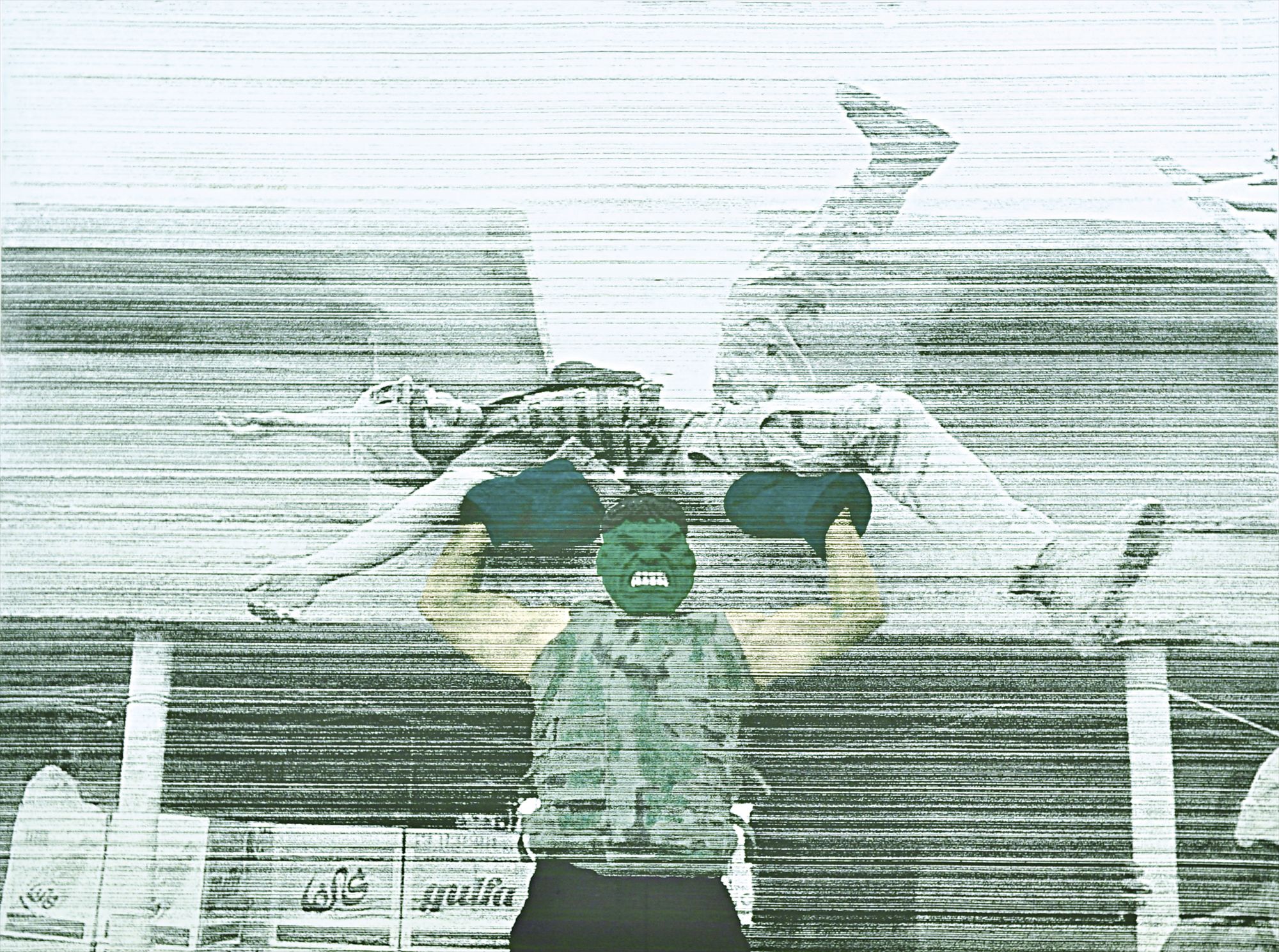
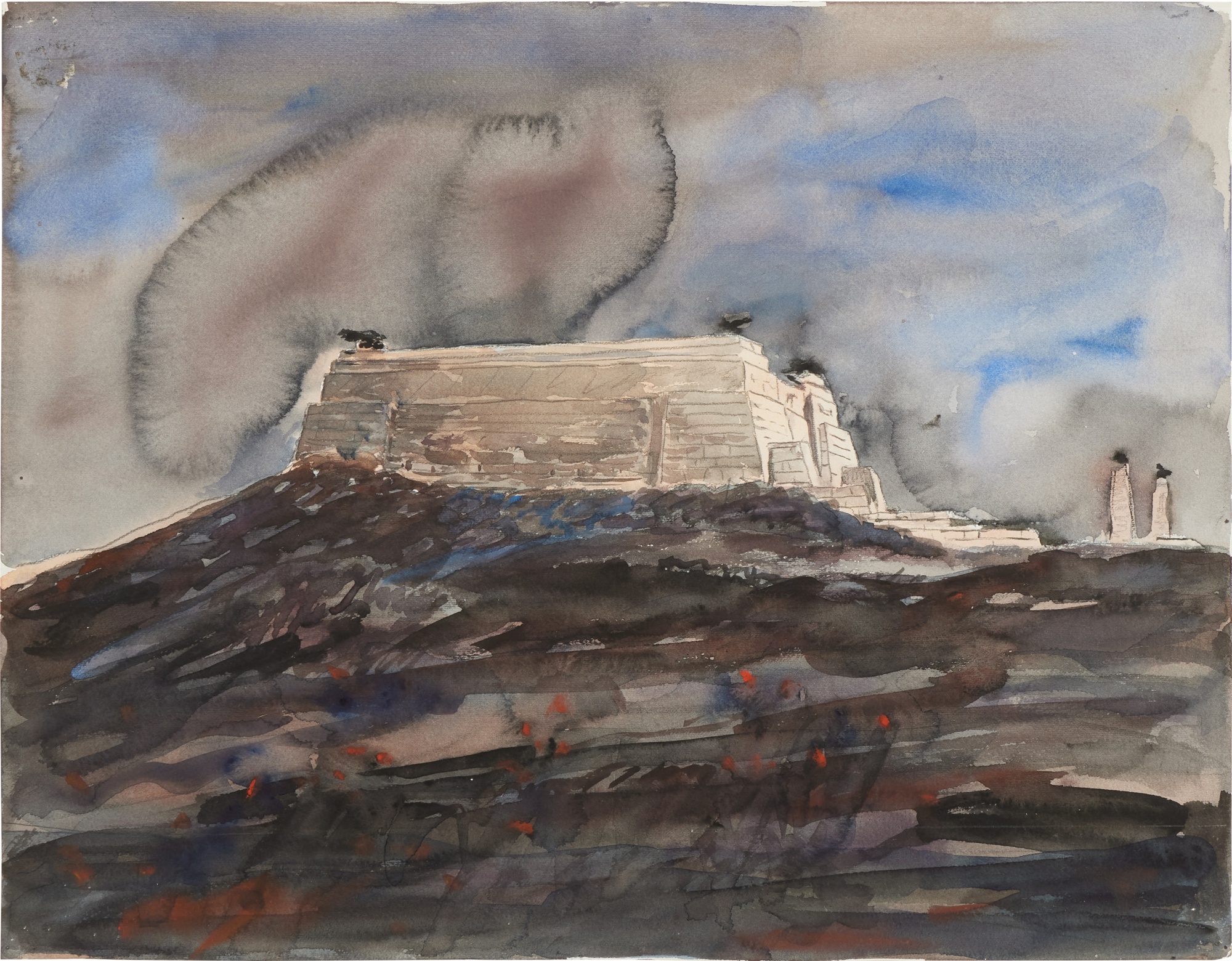
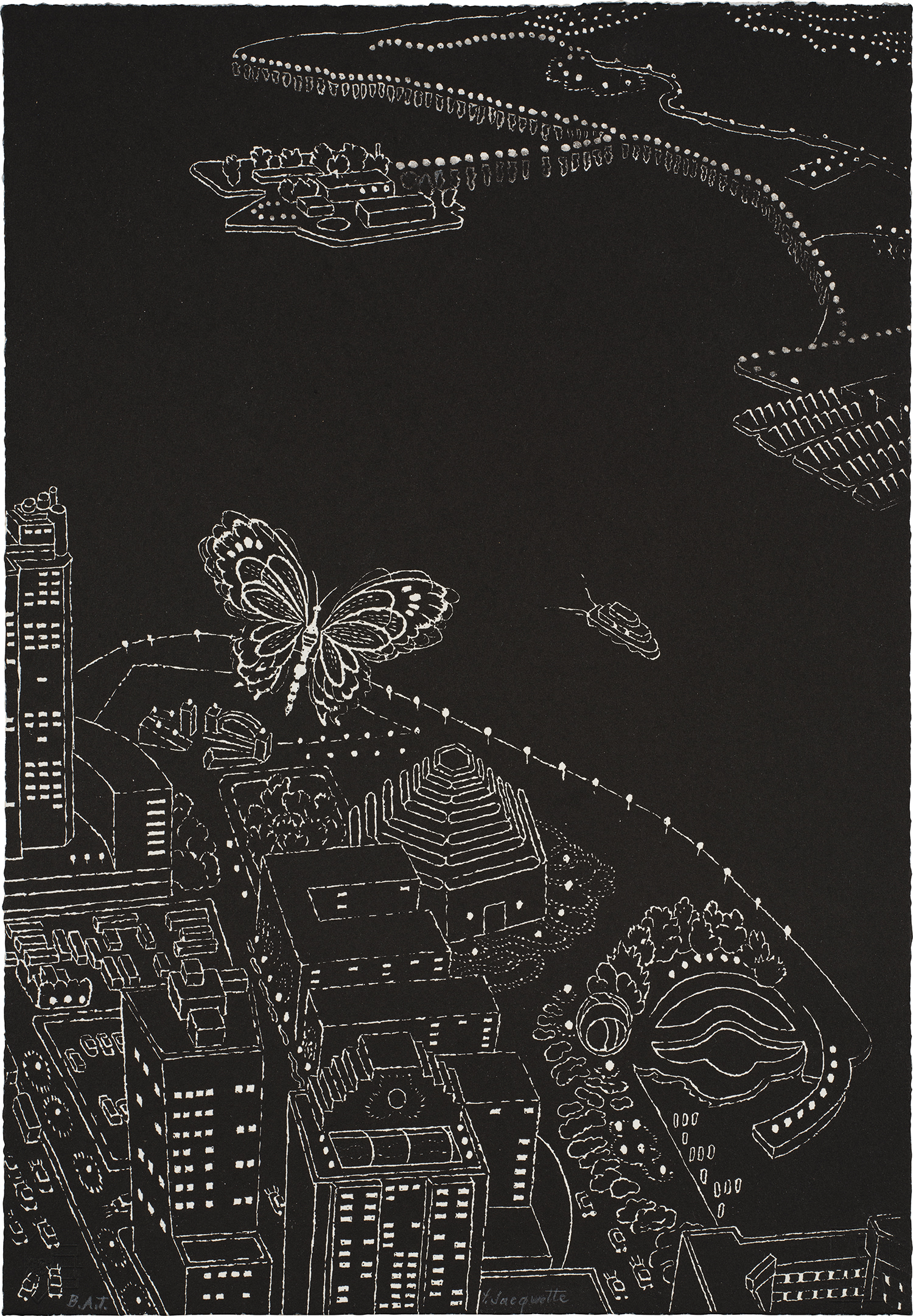
Anselm Kiefer
Wege Der Weltweisheit - Die Herrmannsslacht

The Cut That Changed Everything in Print
There is something almost violent about the act of making a woodcut. The artist gouges into the surface, removes what will not print, and commits every mark to a kind of permanence that other mediums do not demand in quite the same way. What remains on the block is what will carry ink, what will press against paper, what will survive. This irreversibility gives woodcut a tension and an honesty that collectors and artists keep returning to across centuries and continents, from medieval Europe to contemporary Tokyo.
The medium's origins in the Western tradition trace back to the late fourteenth century, when woodcut emerged as a means of reproducing devotional images for a growing literate public. By the early fifteenth century, artists in Germany and the Low Countries were pushing the technique into genuinely expressive territory. Albrecht Dürer transformed the woodcut into a vehicle for extraordinary pictorial complexity with his Apocalypse series of 1498, demonstrating that the medium could hold as much intellectual and emotional weight as any painting. What Dürer established was not just a technical benchmark but a philosophical one: the woodcut was capable of seriousness, of grandeur, of sustained artistic ambition.
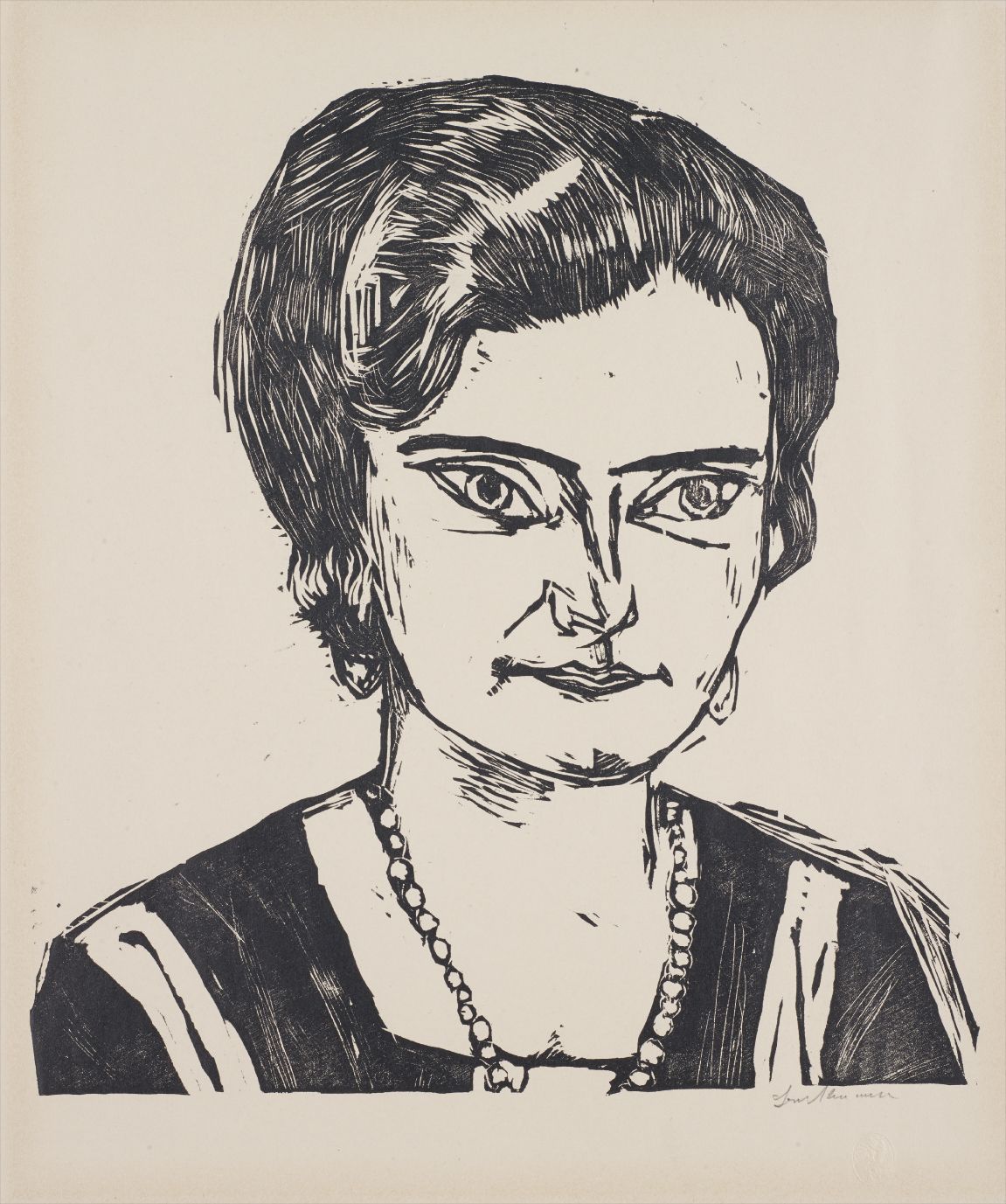
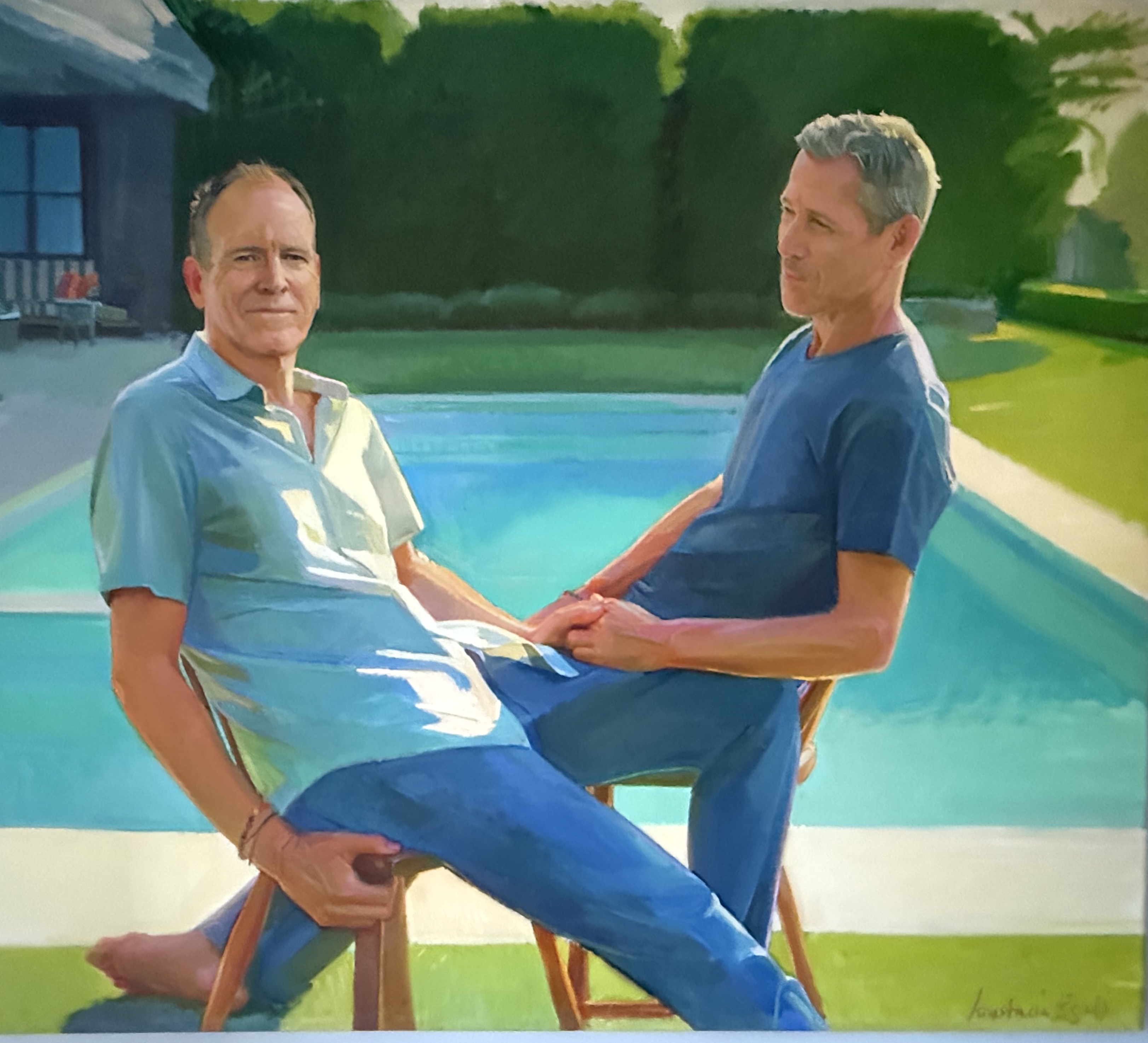
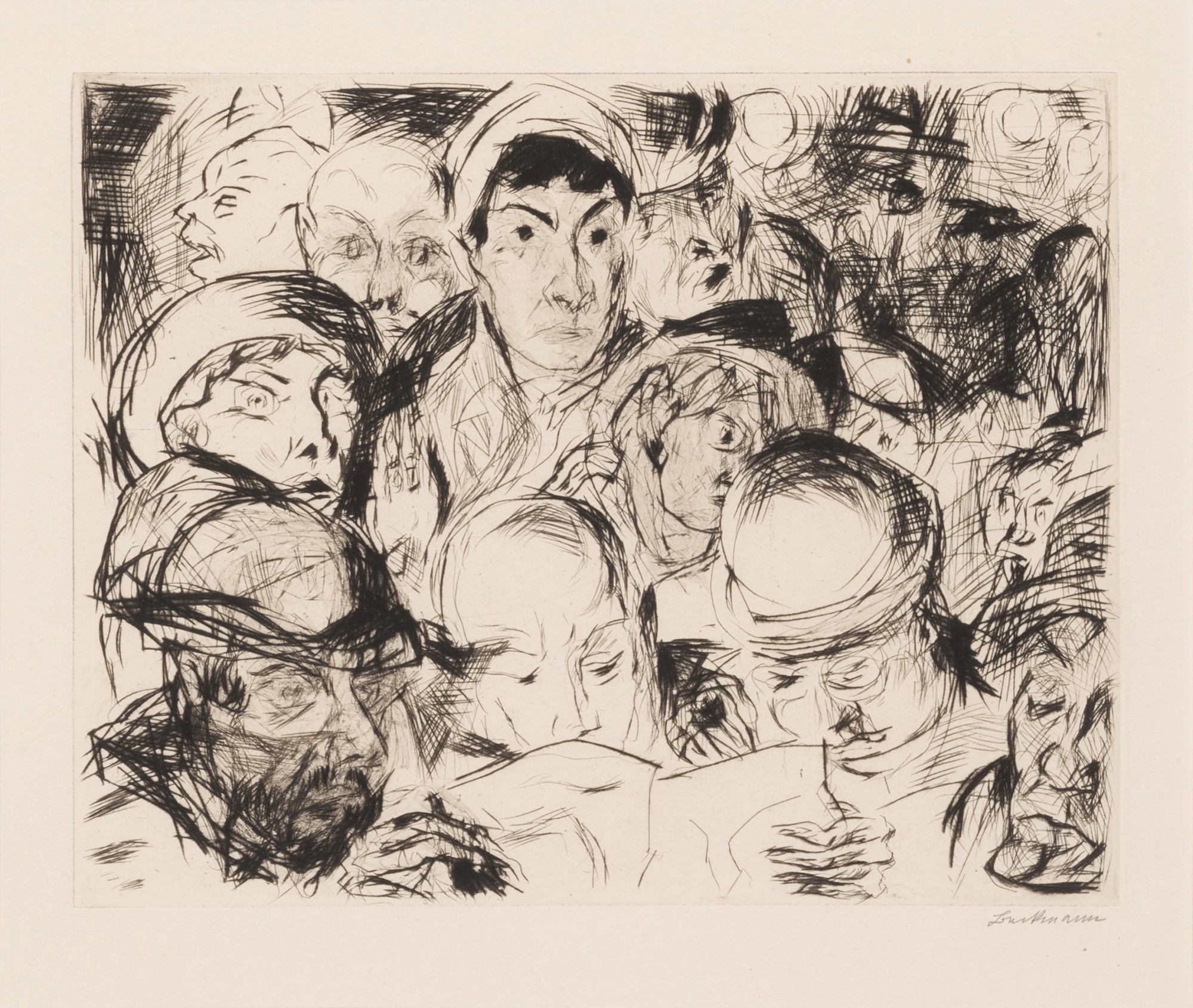
Max Beckmann
Portrait of Frau H.M. (Naila)
In Japan, the tradition developed along a parallel but entirely distinct path. Ukiyo e woodblock printing reached its peak in the Edo period, with artists like Hokusai and Hiroshige producing work of such compositional sophistication and chromatic subtlety that it would later upend European modernism. When Japanese prints began circulating widely in France and Britain in the 1860s and 1870s, the effect on painters like Monet, Degas, and Van Gogh was profound and well documented. Flat areas of color, unconventional cropping, and a feeling of decorative intensity entered the Western vocabulary almost directly from the woodblock tradition.
Arthur Wesley Dow, whose work appears in The Collection, absorbed these lessons deeply during his studies in the 1890s and went on to teach principles of Japanese compositional thinking to a generation of American artists, including Georgia O'Keeffe. The twentieth century brought a new urgency to the woodcut. German Expressionism seized on the medium's inherent rawness, its tendency toward stark contrast and angular forms, as a perfect match for the emotional extremism of the movement. Ernst Ludwig Kirchner, Erich Heckel, and the artists of Die Brücke embraced woodcut precisely because it resisted refinement.
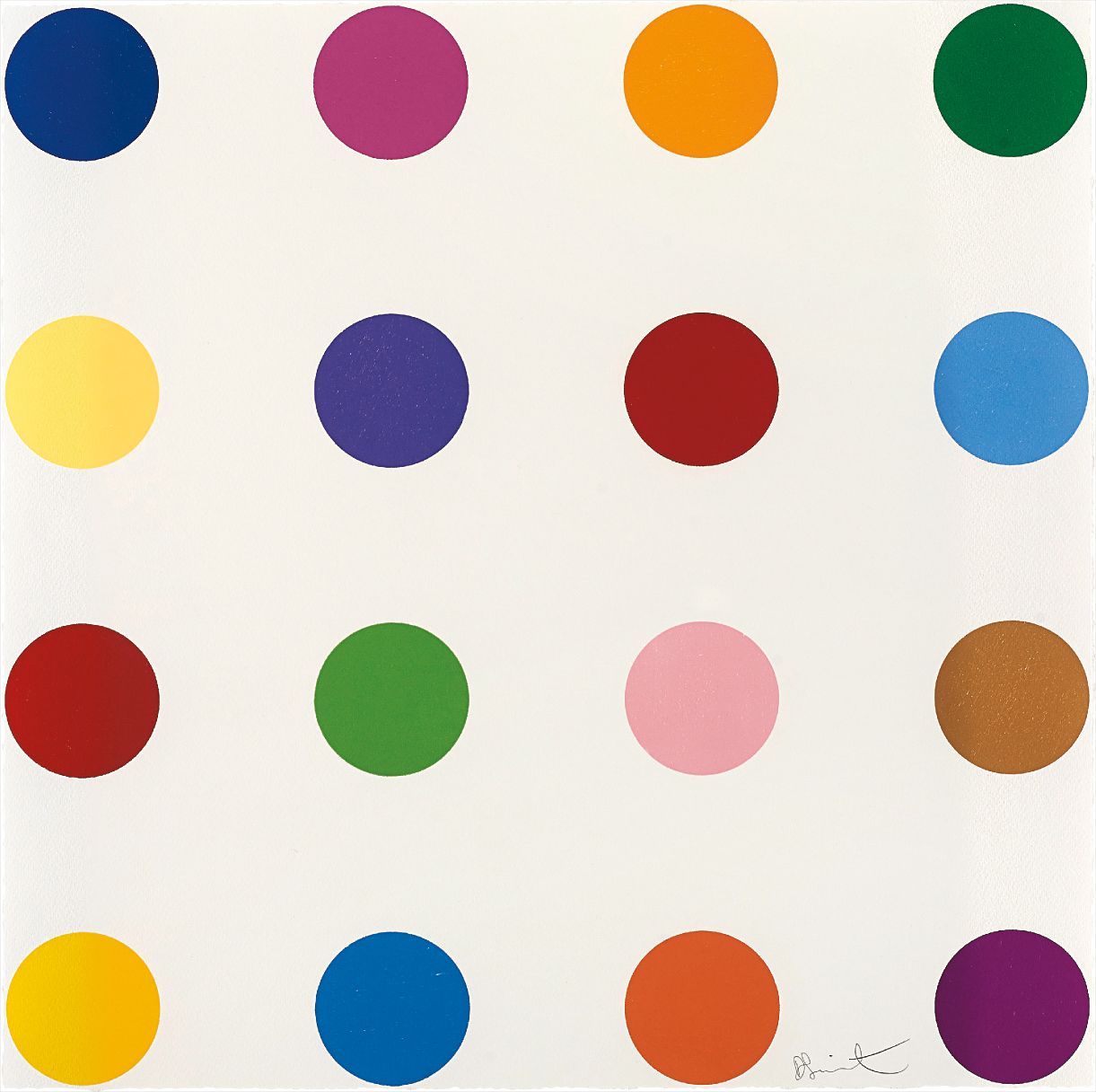
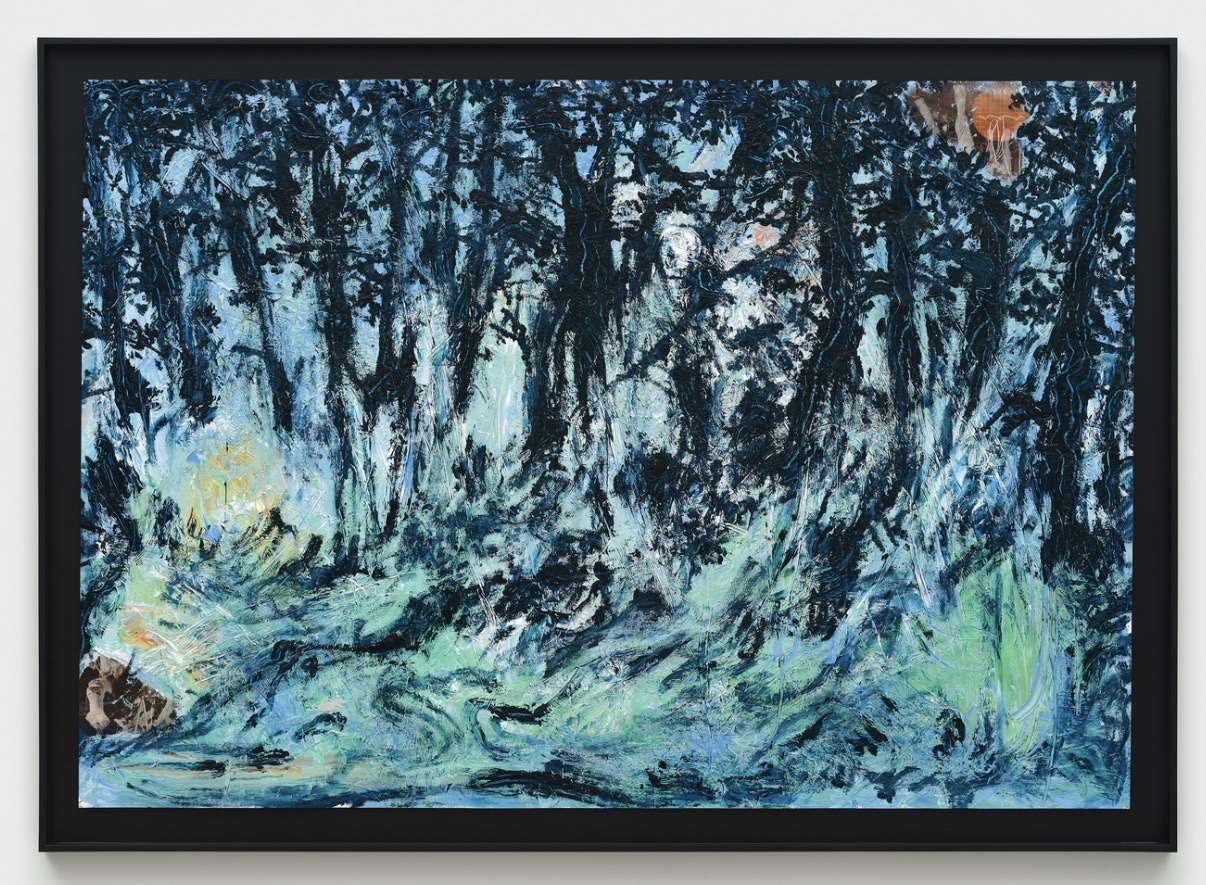
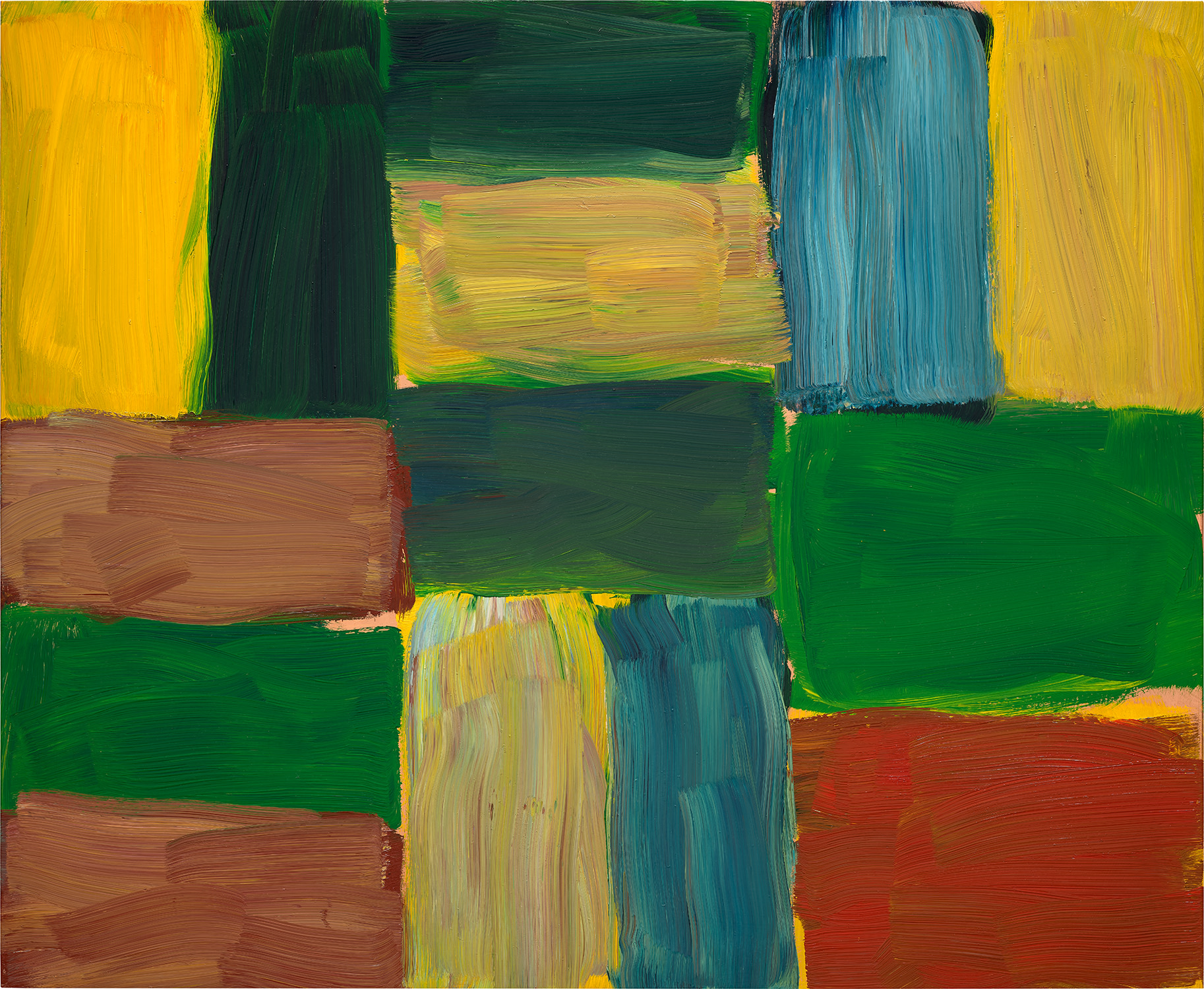
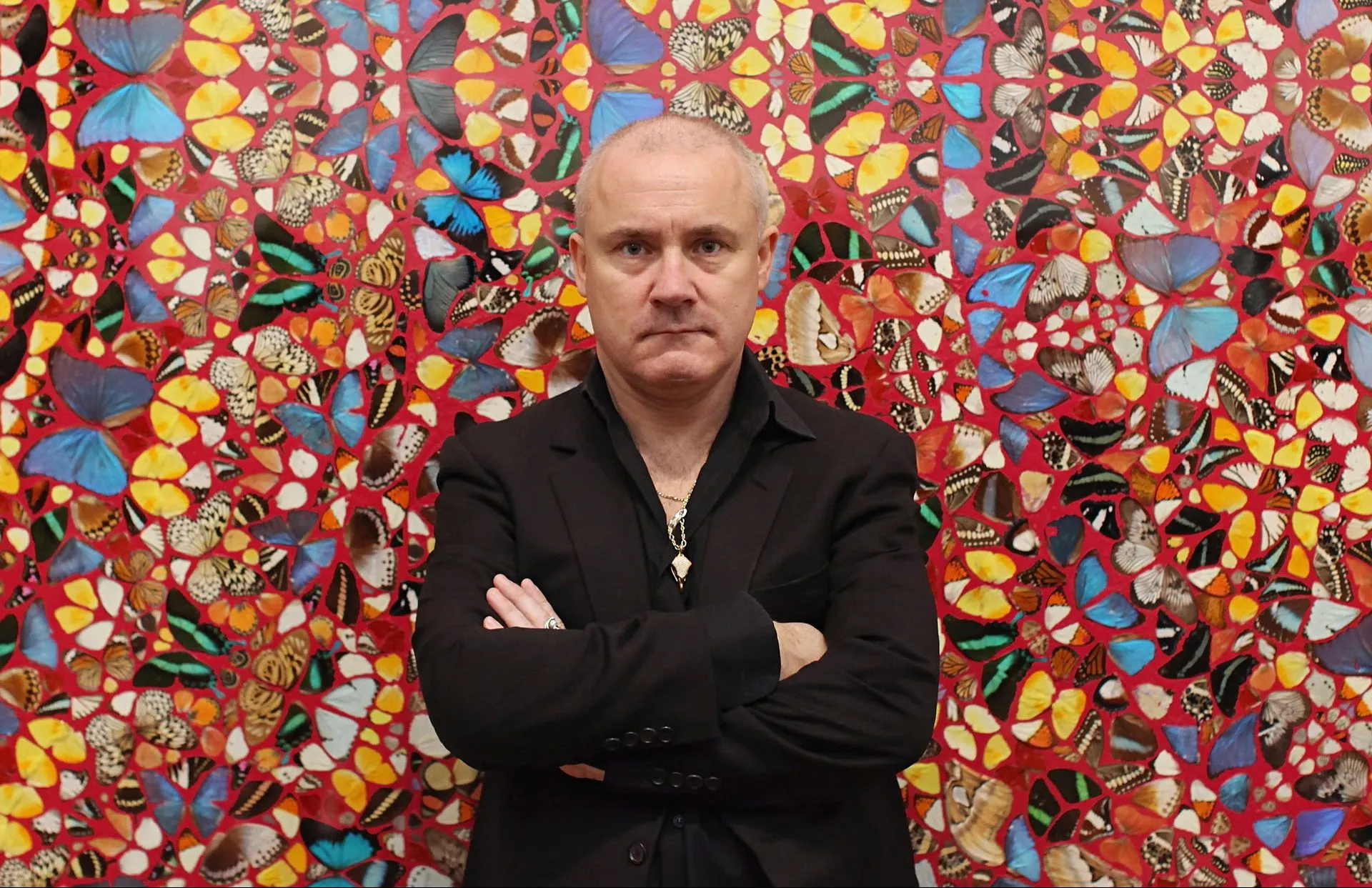
Damien Hirst
Nopaline
Max Beckmann, represented in The Collection, brought a related sensibility to his printmaking practice, and the graphic severity of his imagery owes something to the medium's unforgiving nature even when he worked in drypoint or lithography. The woodcut asked for directness, and the Expressionists answered. Woodcut's capacity for political and cultural statement has made it consistently attractive to artists working outside comfortable institutional frameworks. William Kentridge, one of the most important artists working today and well represented on The Collection, has drawn throughout his career on printmaking traditions as a way of thinking through history, memory, and erasure.
The act of cutting away, of removing to reveal, carries metaphorical weight that Kentridge's practice makes fully explicit. Similarly, Fang Lijun, whose work is also held in The Collection, has used woodcut to confront the tensions between individual identity and collective pressure in post Mao China, producing monumental prints in which human figures crowd and dissolve against one another in images that feel simultaneously ancient and urgently contemporary. The medium's relationship to the body of the artist is worth pausing on. Unlike lithography, which allows a kind of fluid drawing, or etching, which rewards delicacy and correction, woodcut demands physical commitment.
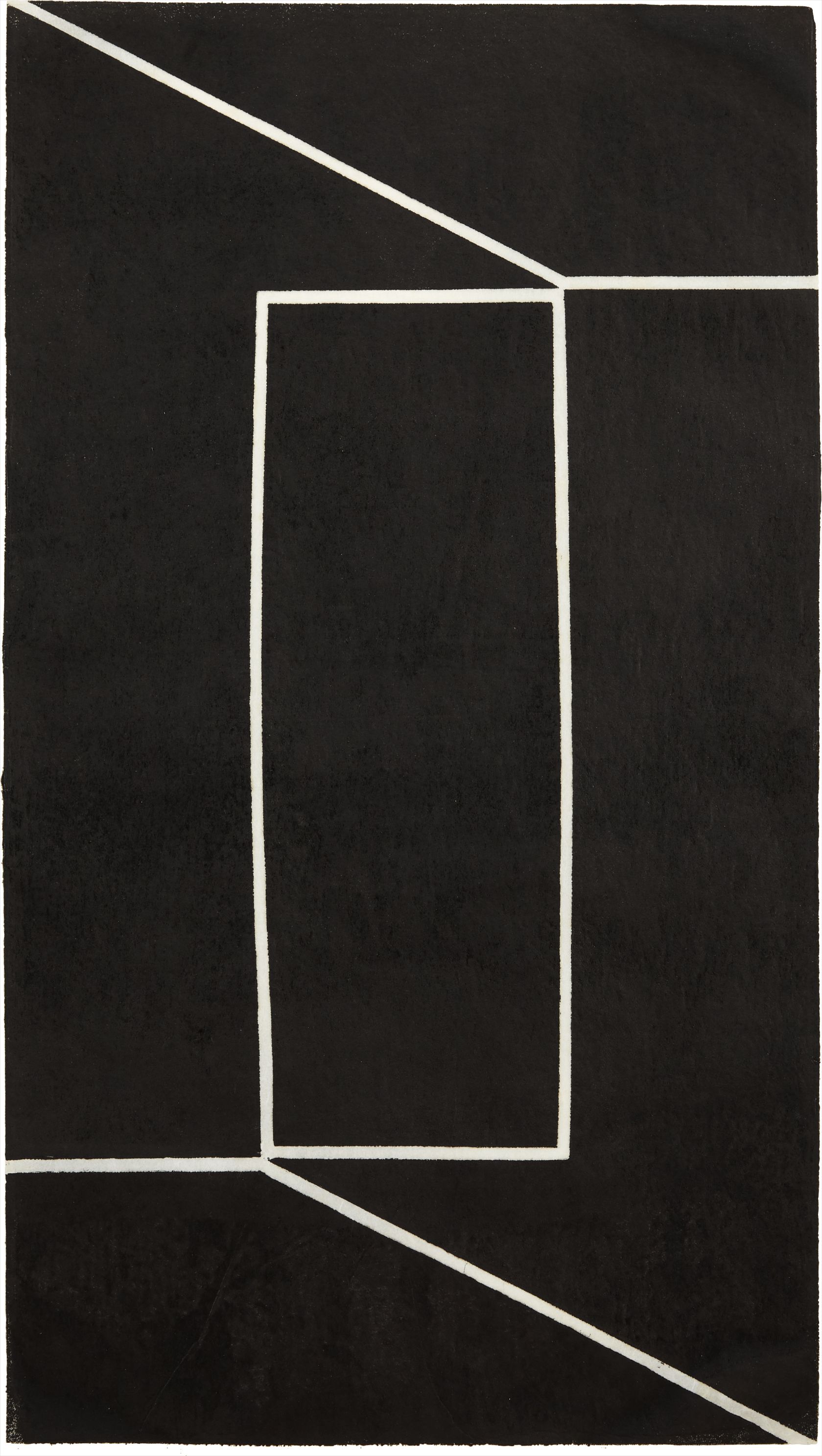
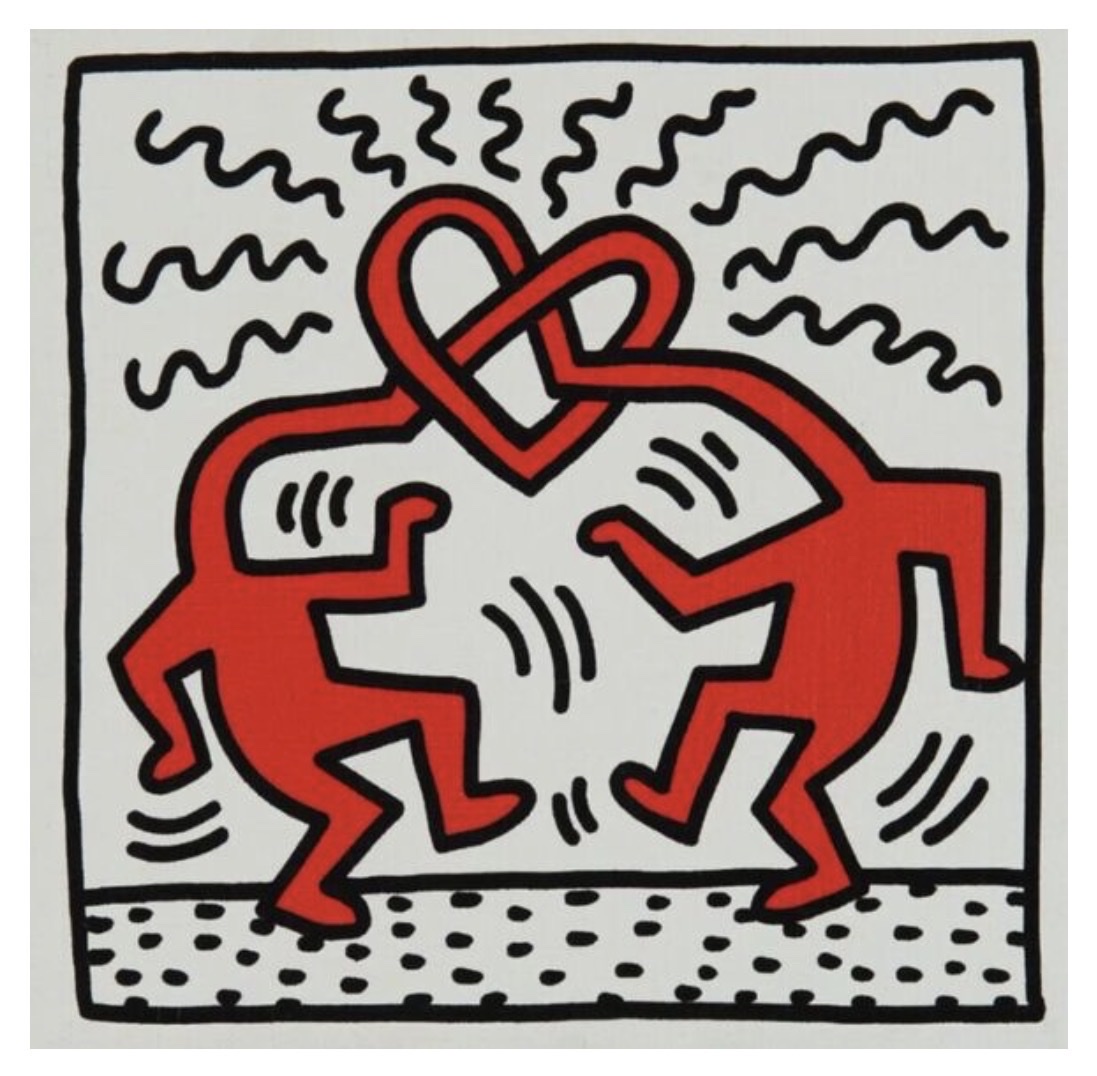
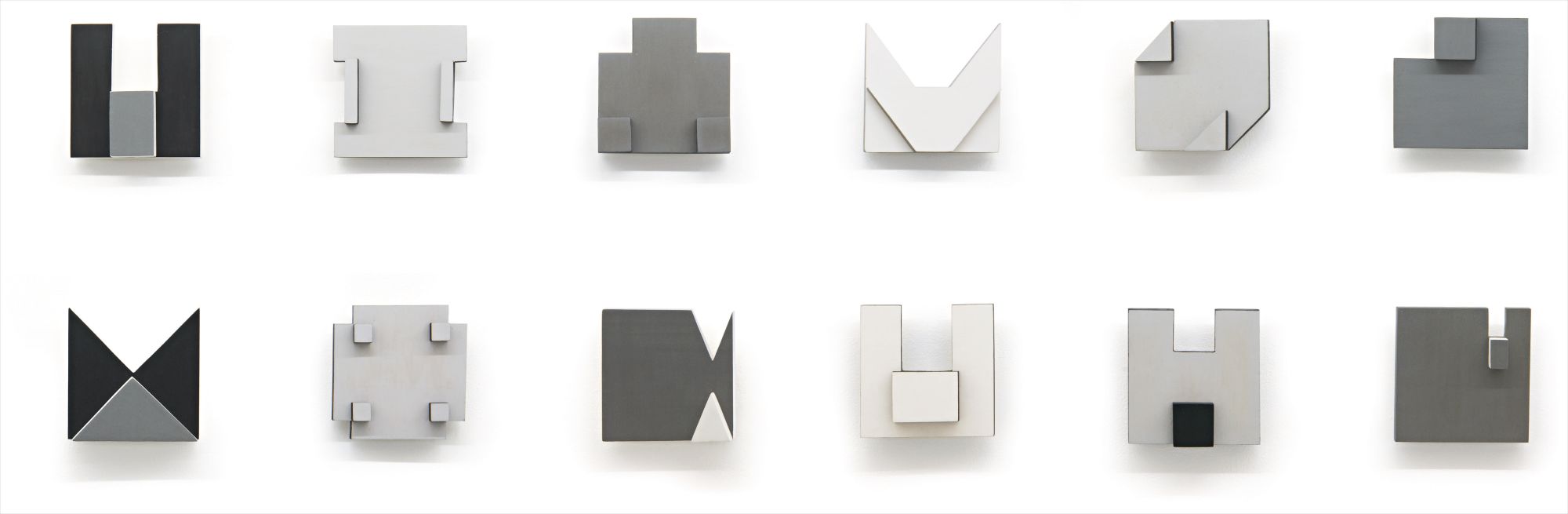
Lygia Pape
Tecelar
The grain of the wood pushes back. The gouge slips or catches. Lygia Pape, the Brazilian Neo Concrete artist whose work appears in The Collection, used woodcut in her Tecelares series beginning in the 1950s to explore geometry, rhythm, and perception in ways that felt inseparable from the physical act of cutting. For Pape, the resistance of the wood was not an obstacle but a collaborator.
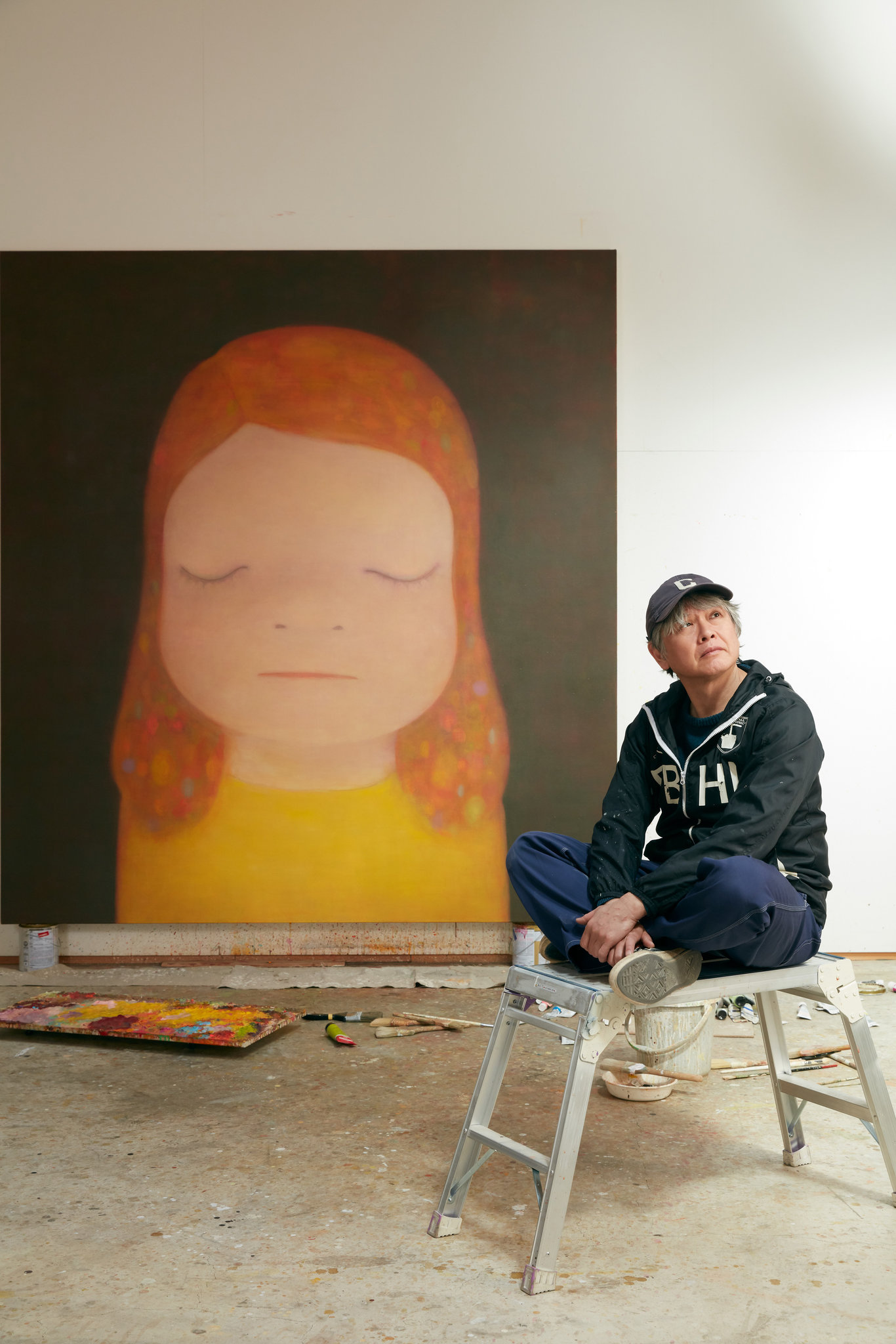
The material had agency, and she worked with it. Contemporary artists have found ways to stretch what woodcut can mean without abandoning its fundamental logic. Yoshitomo Nara, whose work is among the most strongly represented on The Collection, has used print media including woodcut to circulate his imagery of solitary, emotionally complex children in ways that feel connected to both the democratic spirit of traditional Japanese printmaking and to contemporary visual culture's appetite for iconic, reproducible images. Sol LeWitt, also in The Collection, approached printmaking from a completely different angle, as a system for executing conceptual propositions, and the woodcut's ability to produce bold graphic structures made it a natural fit for his thinking about structure and seriality.
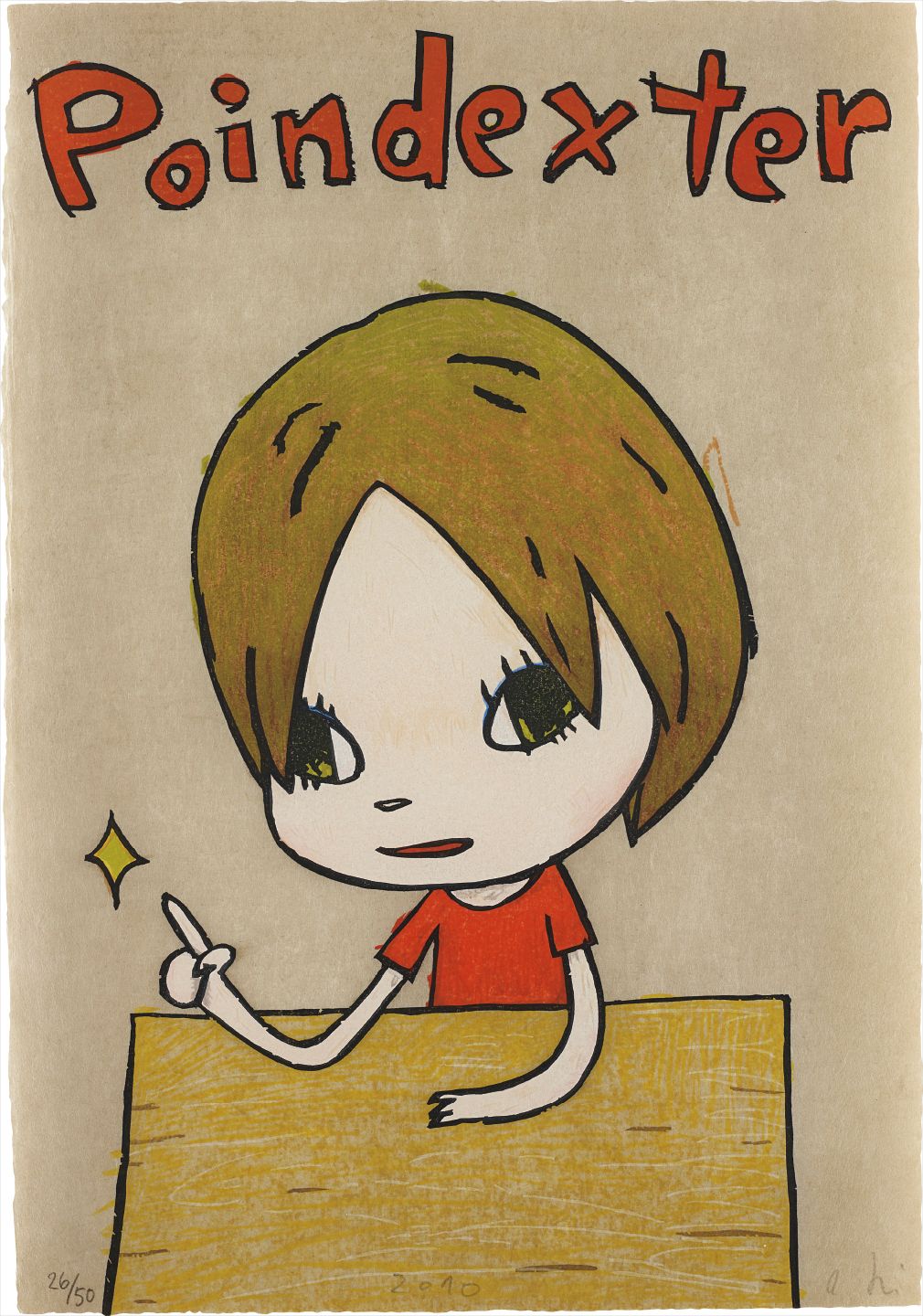
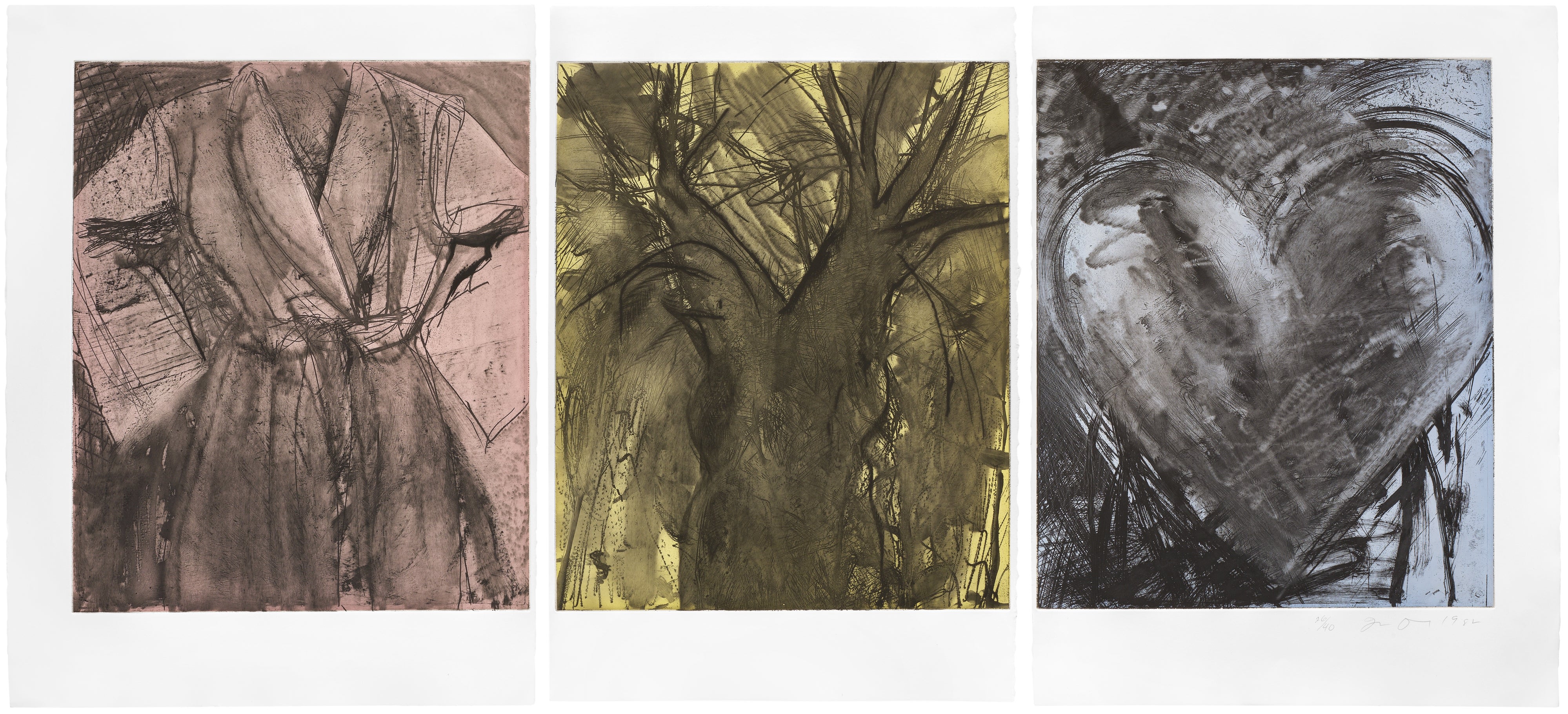
Yoshitomo Nara
Poindexter
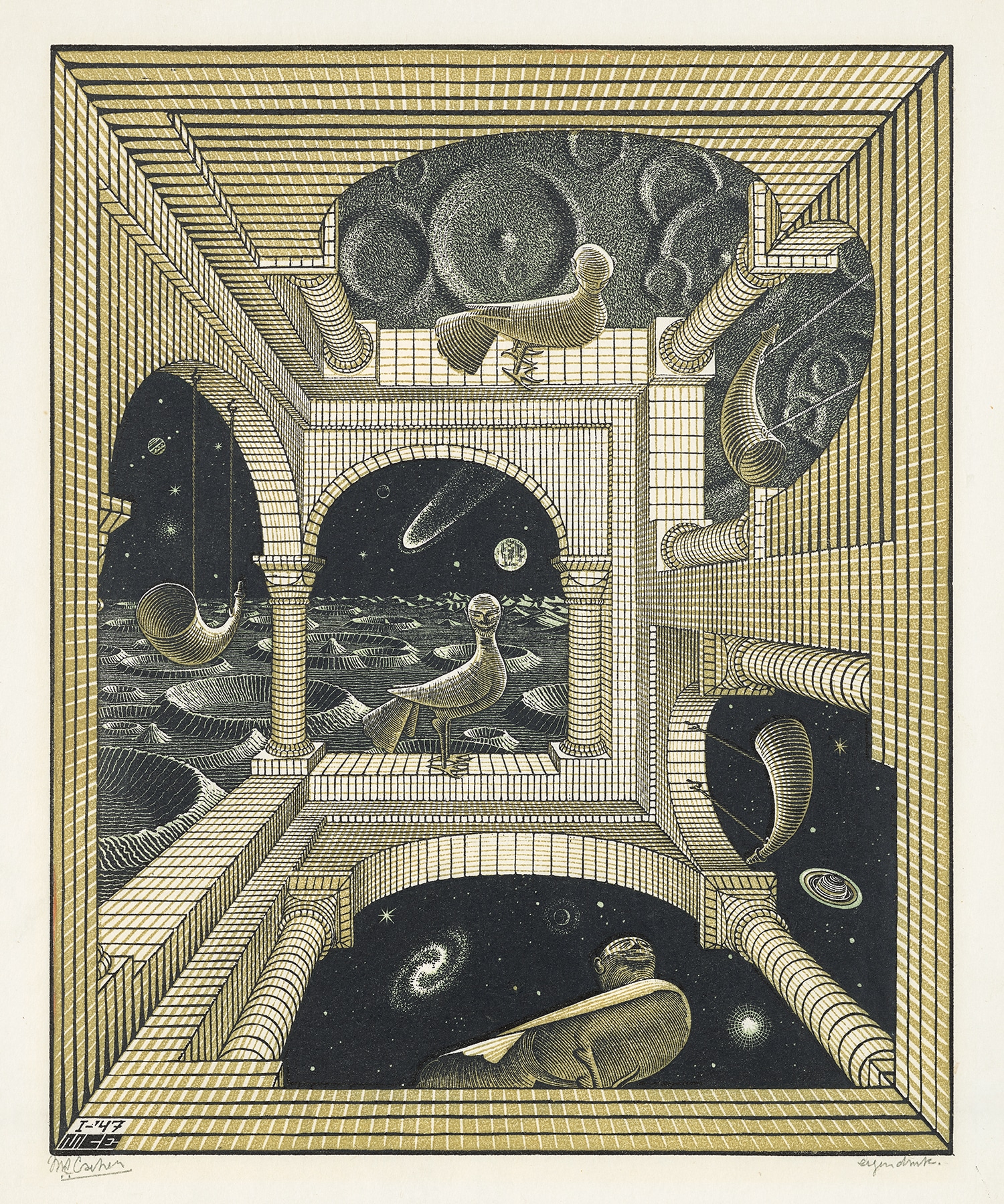
The tension in woodcut between the unique hand of the artist and the reproductive potential of the medium is one of its most generative qualities. M.C. Escher, whose mathematical precision finds a natural home in The Collection, exploited this tension to produce images that interrogate perception and logic, works that are simultaneously products of meticulous craft and almost vertiginous intellectual propositions.
Joan Miró used woodcut as one tool among many for releasing the biomorphic vocabulary he had developed in paint into a more graphic and broadly accessible form. Each artist remade the medium according to their own needs, and the medium accommodated all of them. What keeps woodcut alive in a period saturated with digital image production is, paradoxically, exactly what made it compelling five centuries ago. The mark is real.
The wood grain shows. The pressure of the press leaves an indentation in the paper that you can feel with your fingertip. In an era of infinite reproducibility and frictionless image circulation, the woodcut insists on its own materiality, its own labor, its own time. For collectors who want to own something that carries the full weight of human making, there are few categories as satisfying, or as historically rich, as this one.