Wood

Giacomo Balla
Futurist Flowers, 1968

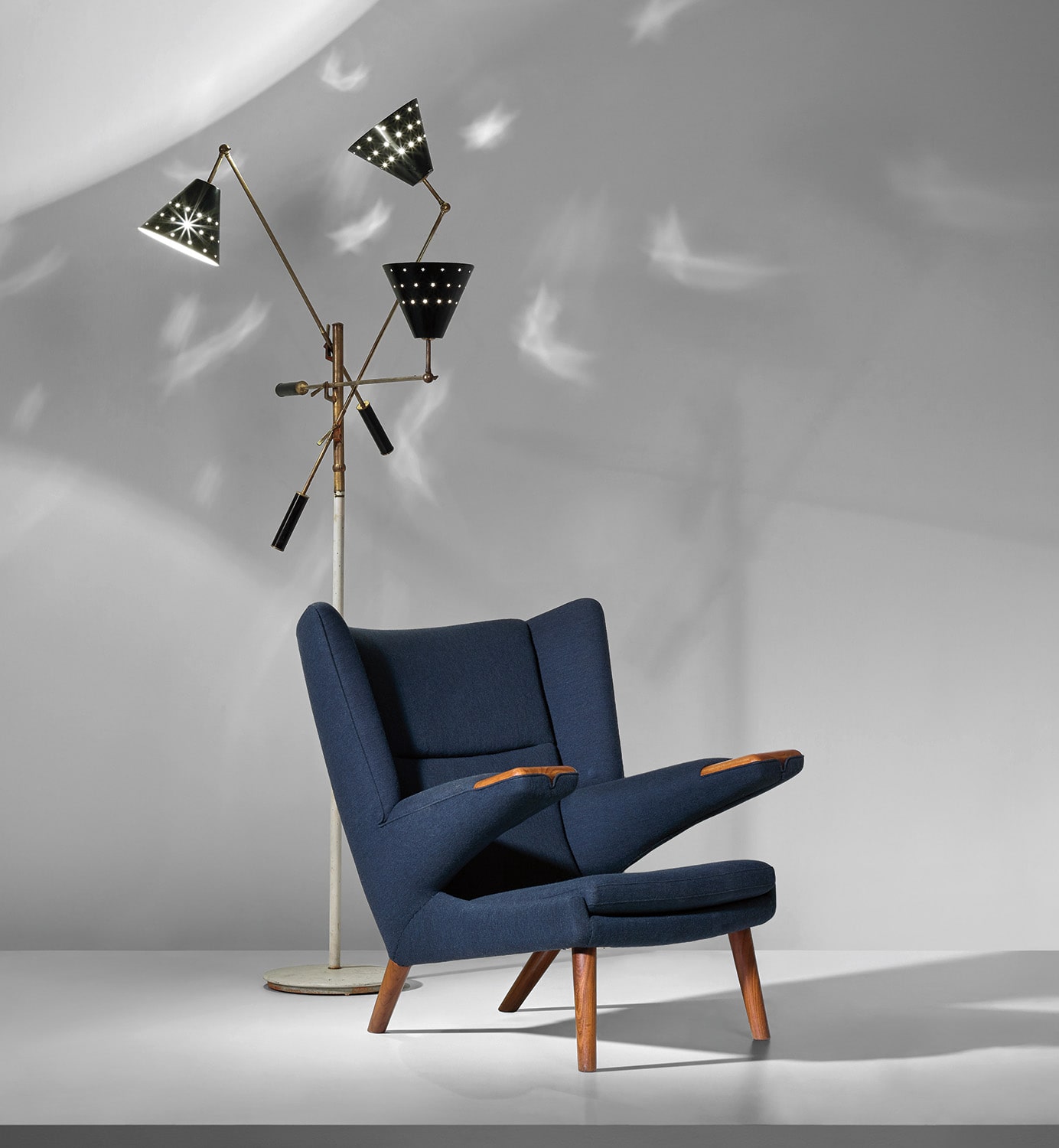
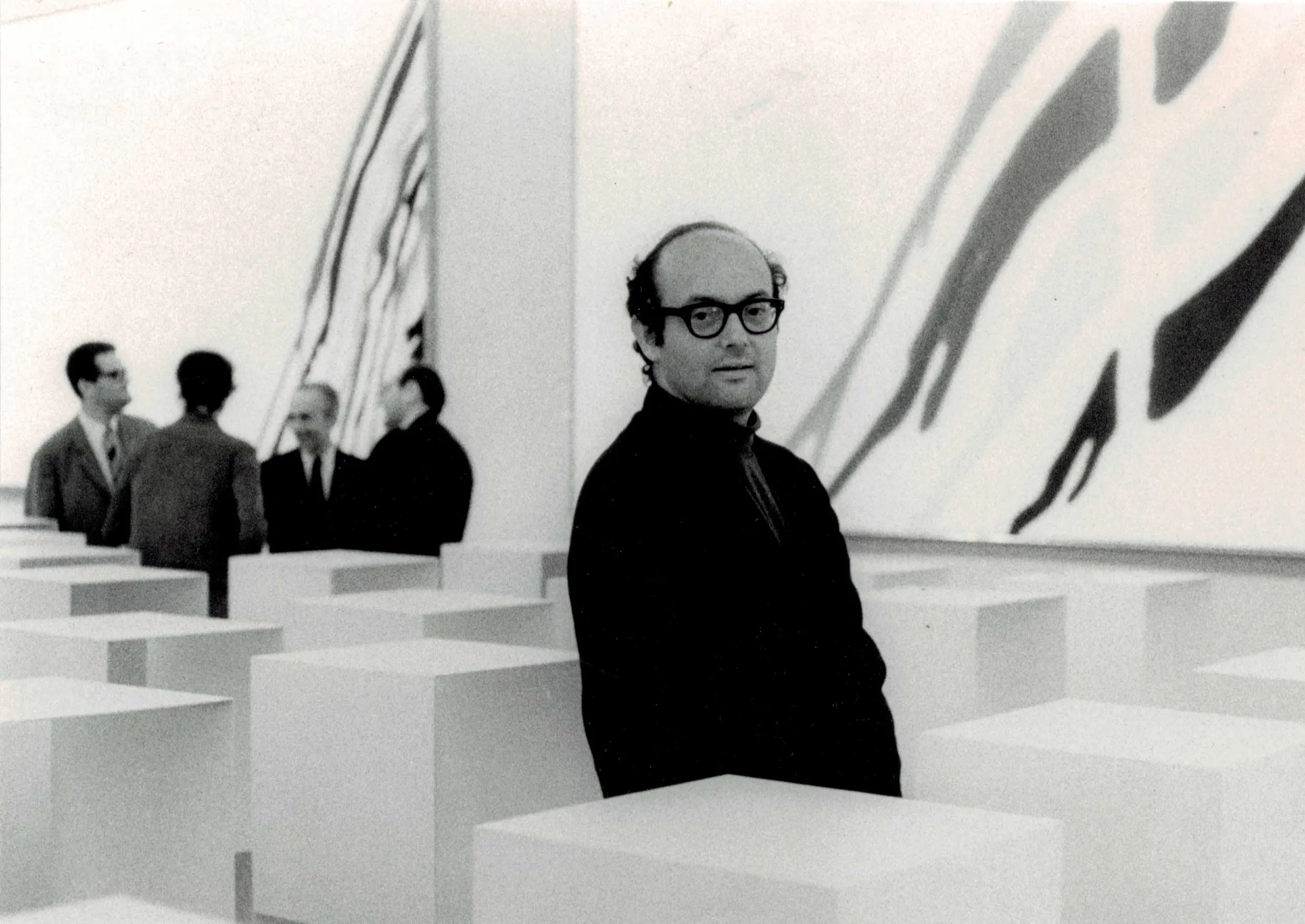
The Living Material That Never Stops Talking
There is something almost unreasonable about the hold wood has on collectors. It is warm to the touch in a way stone never quite manages. It carries light differently at nine in the morning than it does at dusk. It moves, barely perceptibly, with the seasons, and that movement is not a flaw but a kind of ongoing conversation between the object and its environment.
Collectors who live with significant works in wood often describe a quality of presence that is difficult to articulate but impossible to ignore, a sense that the material itself is participating in the room. This is not sentiment. It is one of the central reasons wood commands serious attention across disciplines, from sculpture and furniture to carved devotional objects and printed surfaces. A collector drawn to wood is rarely drawn to just one category of it.
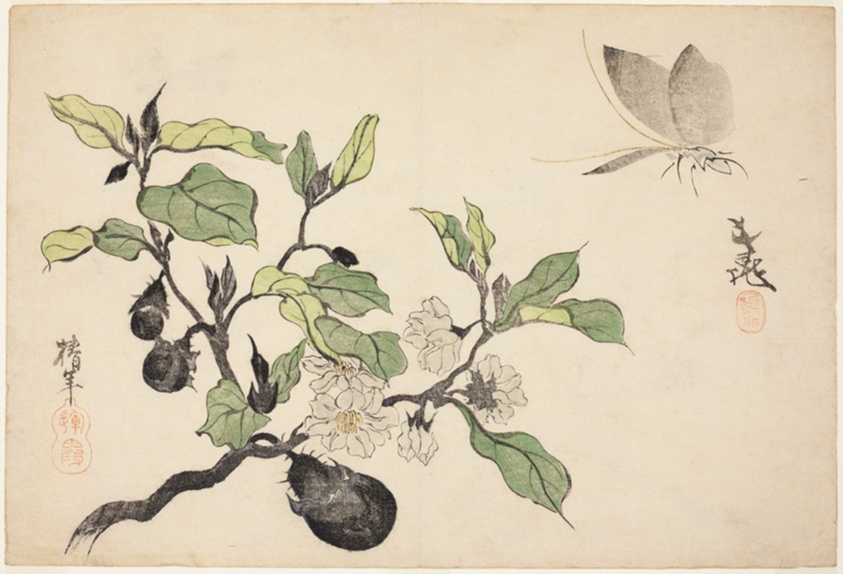
Ônishi Chinnen
Eggplant with fruit and flowers, 1829
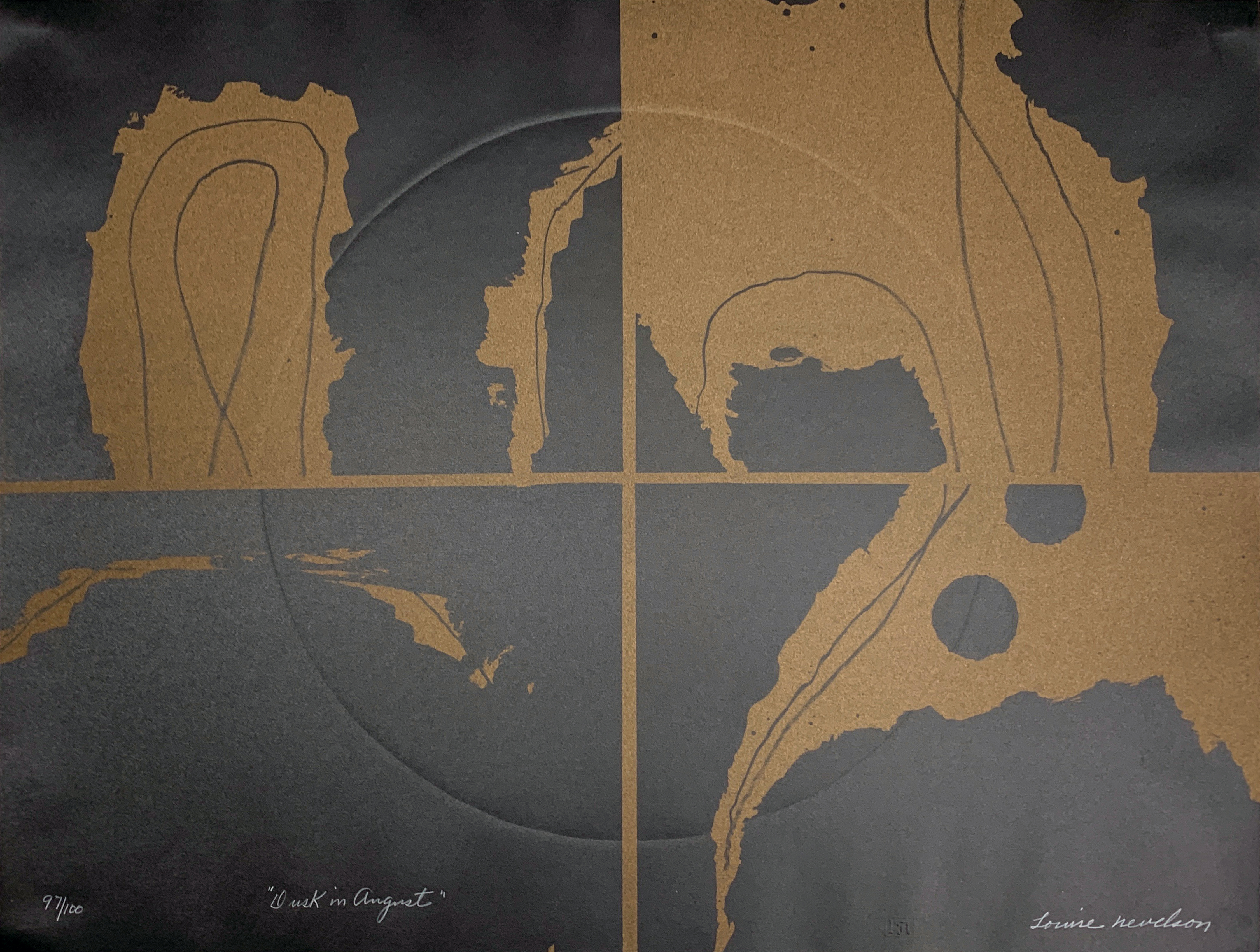
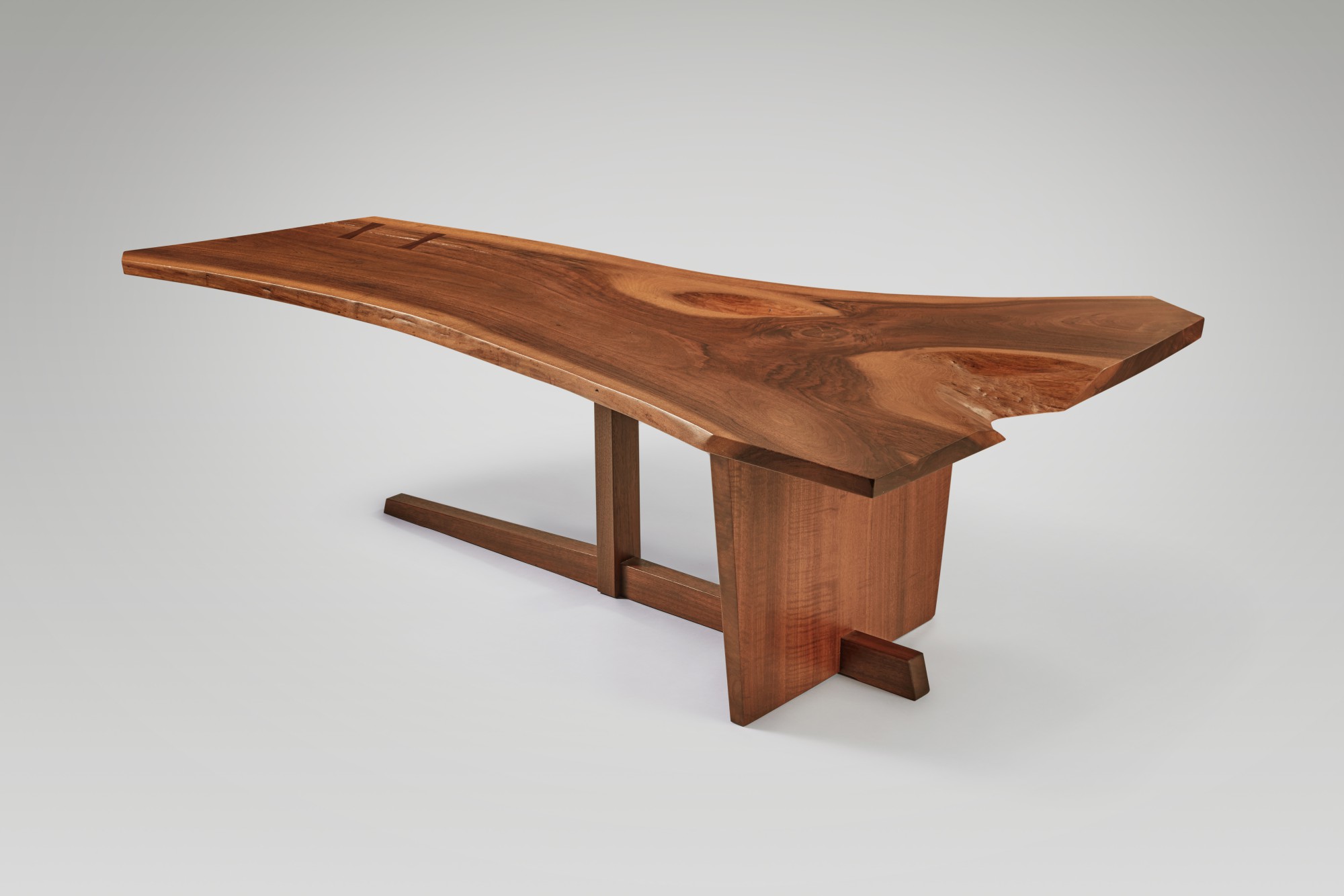
The same eye that responds to the grain density of a George Nakashima slab table tends to find itself arrested by the layered blackened assemblages of Louise Nevelson, or by the raw physicality of a Stephan Balkenhol figure emerging from a rough pine block. The material creates unlikely adjacencies, and those adjacencies are part of what makes collecting in this space so intellectually alive. Knowing what separates a good work from a great one requires spending real time with objects rather than with photographs of them. In furniture, the distinction often comes down to whether a maker understood the wood as a collaborator rather than a substrate.
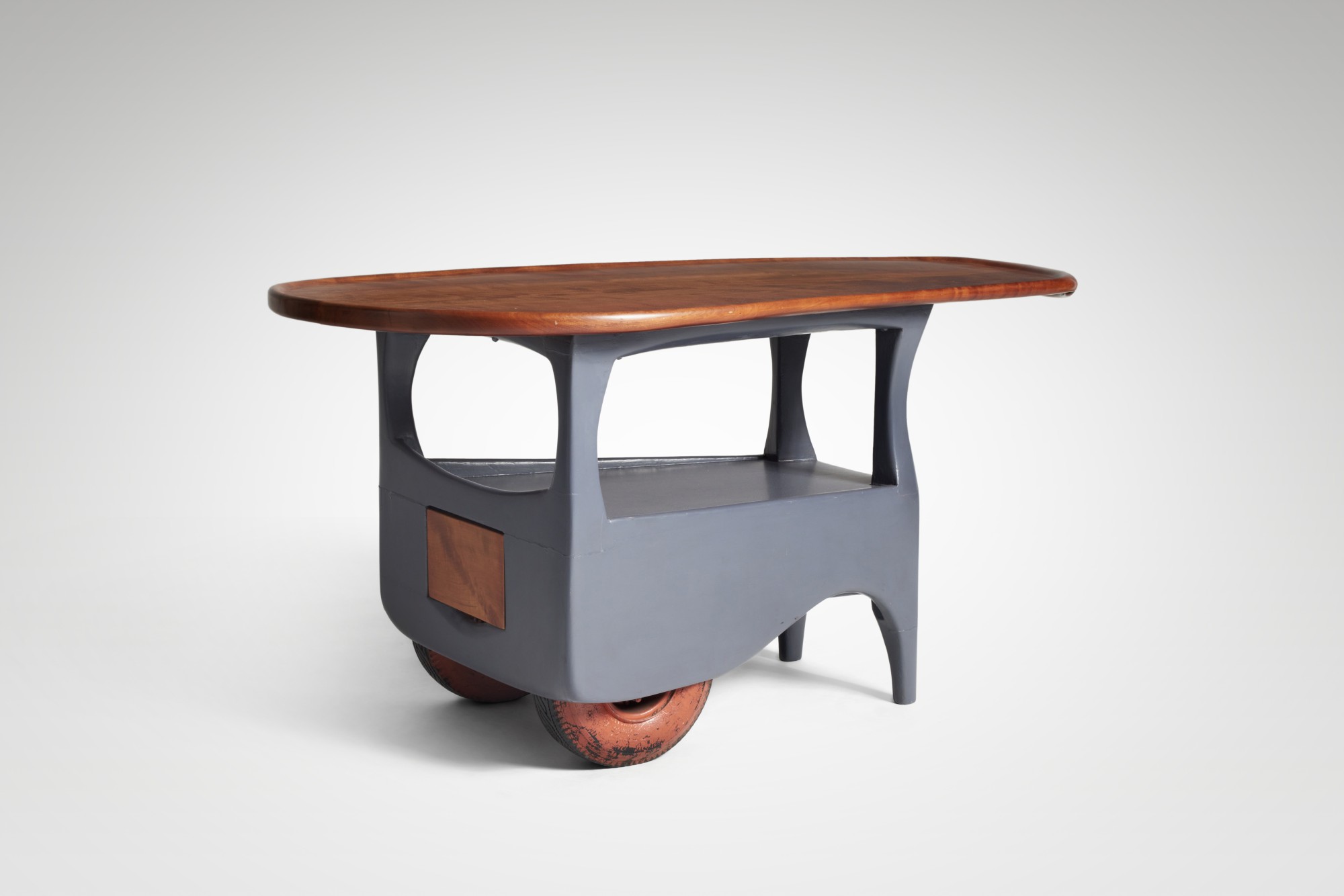
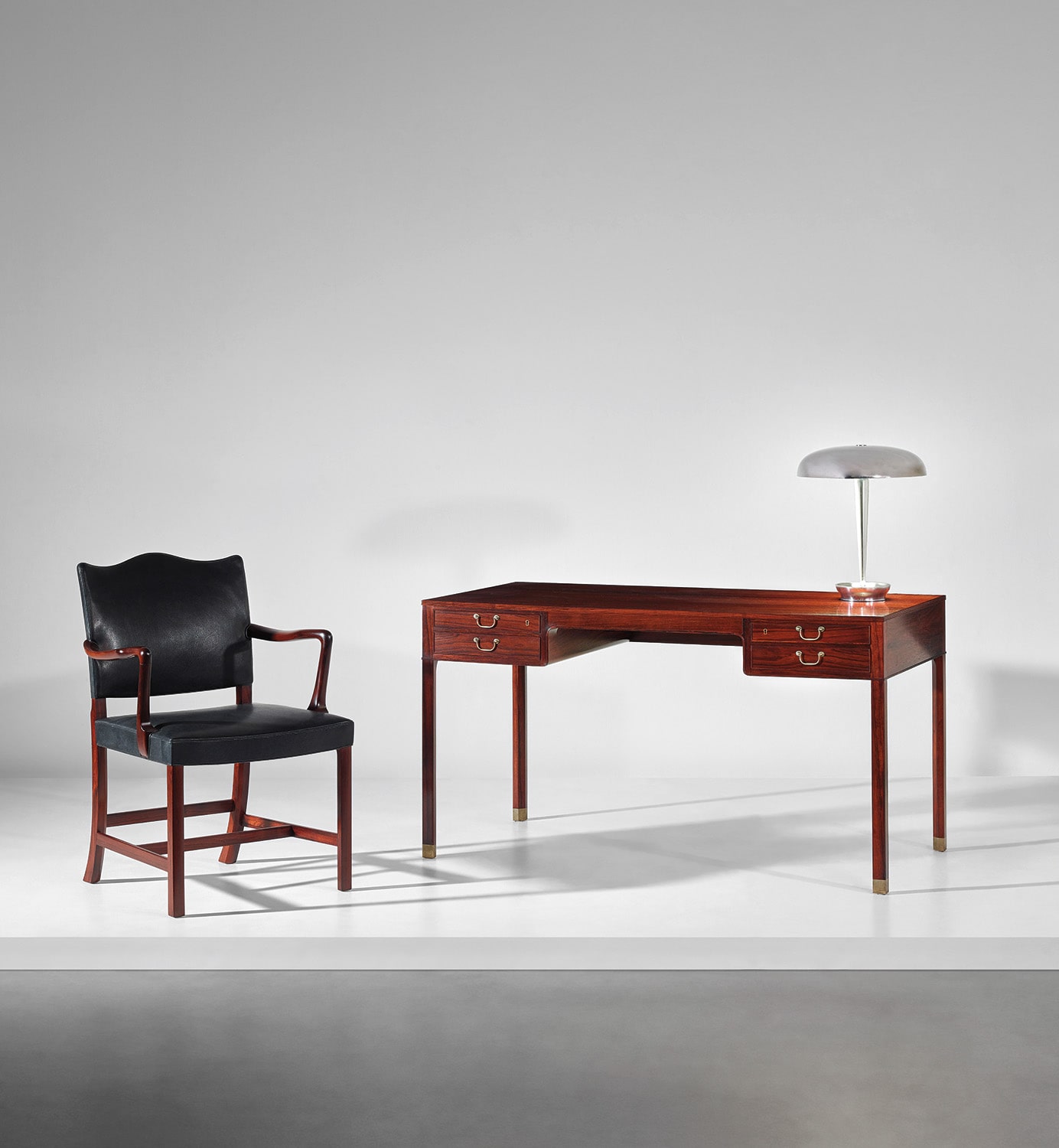
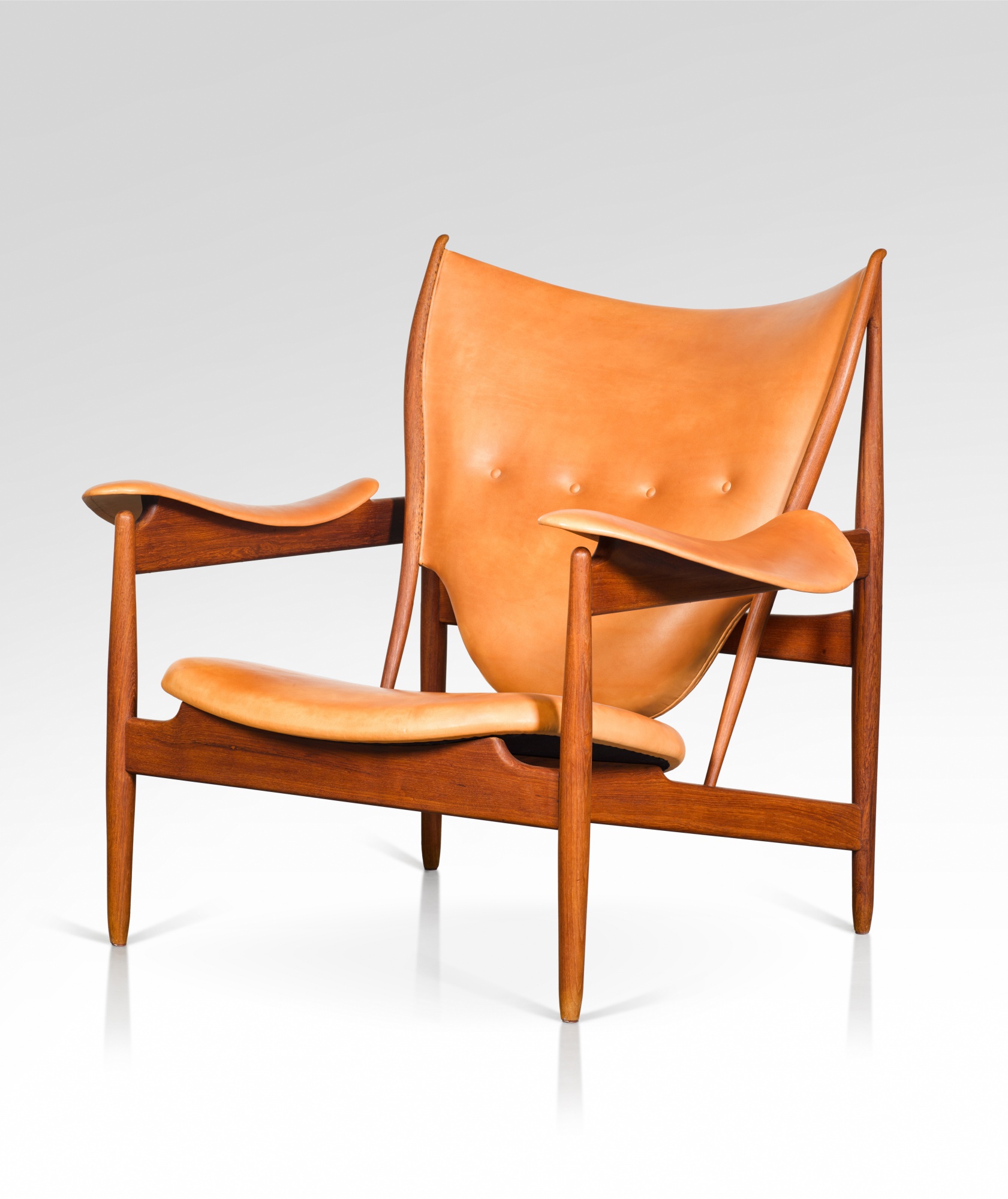
George Nakashima, working out of New Hope, Pennsylvania through the mid twentieth century, had an almost philosophical relationship with individual trees. His free edge pieces were not simply well crafted. They were specific, each one a response to a particular piece of walnut or cherry that no reproduction could replicate. Ole Wanscher and Finn Juhl, both central figures in Danish modernism, achieved something different but equally exacting: a refinement of joinery and proportion that makes their chairs among the most studied works in the canon of twentieth century design.

Katsushika Hokusai
Yoshitsune’s Horse-Washing Falls at Yoshino in Yamato Province (Washū Yoshino Yoshitsune uma arai no taki), from the series Tour of the Waterfalls in Various Provinces (Shokoku taki meguri), 1828
In sculpture and assemblage, the question shifts to whether the artist used wood's associative weight or simply its availability. Nevelson understood this completely. Her stacked and unified constructions, often painted in uniform black or gold, transformed discarded architectural elements into something hieratic and strange, collapsing the boundary between found object and invented form. For collectors thinking about where the strongest positions are right now, it is worth considering the range that well collected wood work actually spans.
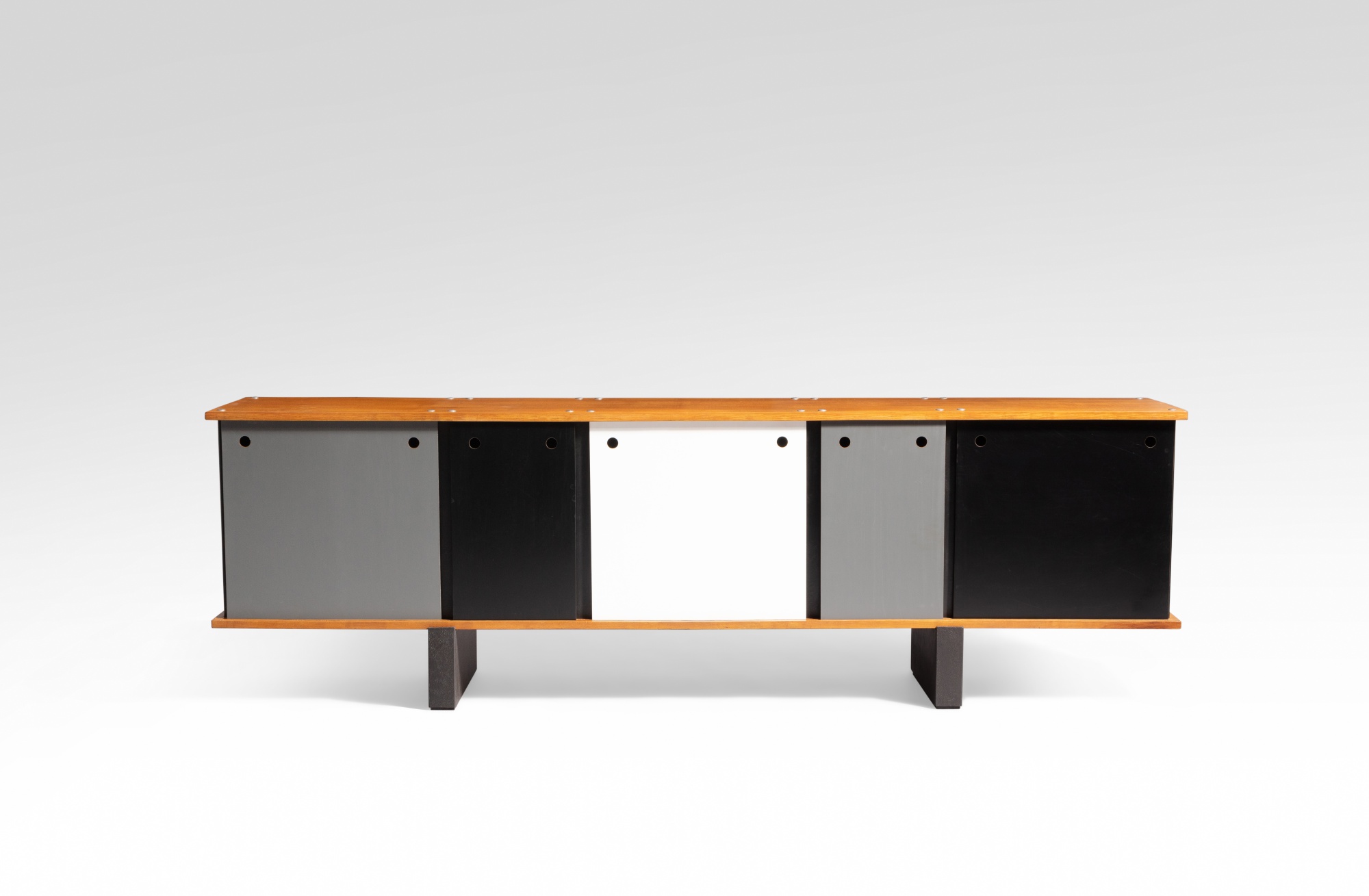
The furniture of Pierre Jeanneret, made for the administrative buildings of Chandigarh in the 1950s and 1960s, has seen sustained market interest for over a decade. These objects carry unusual layering: they are design history, postcolonial history, and material culture simultaneously, which gives them a density that purely decorative objects rarely achieve. Wharton Esherick, sometimes called the dean of American craftsmen, remains undervalued relative to his actual influence. His studio in Paoli, Pennsylvania is now a museum, and yet prices for his work have not caught up to the historical weight his peers assign him.
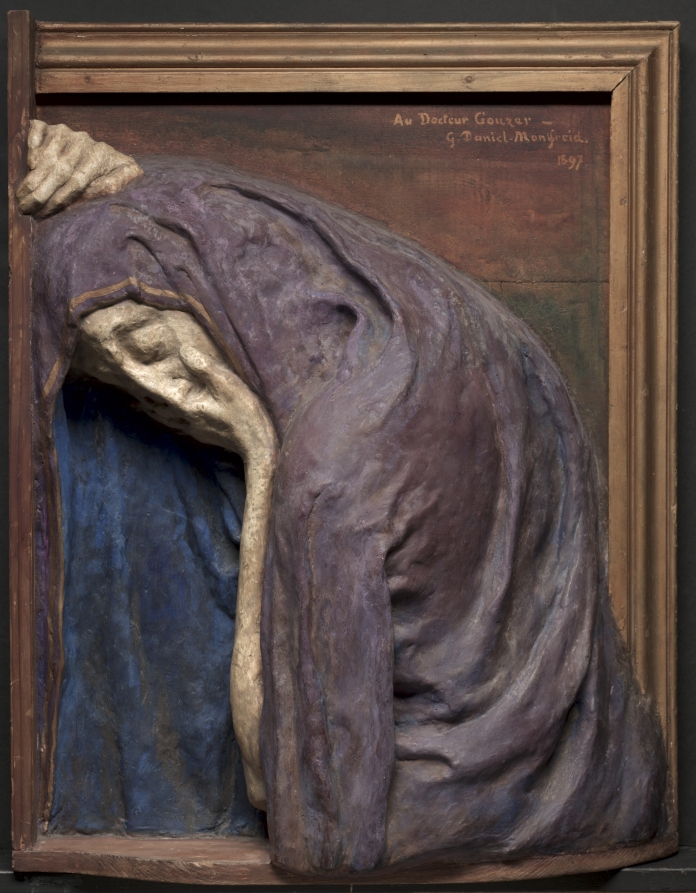
Georges-Daniel de Monfreid
Mater Dolorosa (The Virgin Mary Mourning), 1897
That gap is closing, and collectors paying attention now are positioned well. Richard Artschwager, whose wood grain Formica surfaces from the 1960s played brilliant games with perception and representation, occupies a different register entirely but is worth considering as part of any serious inquiry into how wood functions as a conceptual material rather than just a physical one. The question of emerging or underrecognized artists in this space is complicated by the fact that wood has never been fashionable in the contemporary market in the way that painting or photography has. That is precisely the opportunity.
Stephan Balkenhol has maintained a committed practice for decades, carving figures directly from tree trunks in a way that is deliberately unresolved, leaving tool marks visible and surfaces rough, and his work has genuine staying power in European institutional collections without yet commanding the auction records his critical standing would suggest. Collectors looking at younger practitioners should pay attention to those working in traditions adjacent to craft, artists who came up through furniture making or woodworking before moving into gallery contexts. The institutional gatekeeping around craft versus fine art has genuinely loosened in the past decade, and there are significant careers being built in the space between. At auction, works in wood behave differently depending on category.
Ellsworth Kelly
Black Panel, 1989
Nakashima furniture has traded consistently well at the major houses, with major examples routinely achieving prices in the six figure range at Wright and at Sotheby's. Nevelson has a complicated secondary market in which works on paper often outperform sculptures due to condition issues, which points to something every collector should understand: wood is not stable in the way bronze or ceramic is. It checks, splits, warps, and responds badly to forced air heating, which is ubiquitous in American homes and museums alike. Relative humidity is the real variable to manage.
Works that have spent decades in well controlled environments will always be more desirable than those that have not, and that history is often not fully disclosed at the point of sale. Practical advice for collectors entering this space begins with provenance and condition documentation. Ask specifically about any repairs, any consolidation of splits, any refinishing. For furniture, ask whether pieces retain their original finish and hardware, since restoration dramatically affects value.
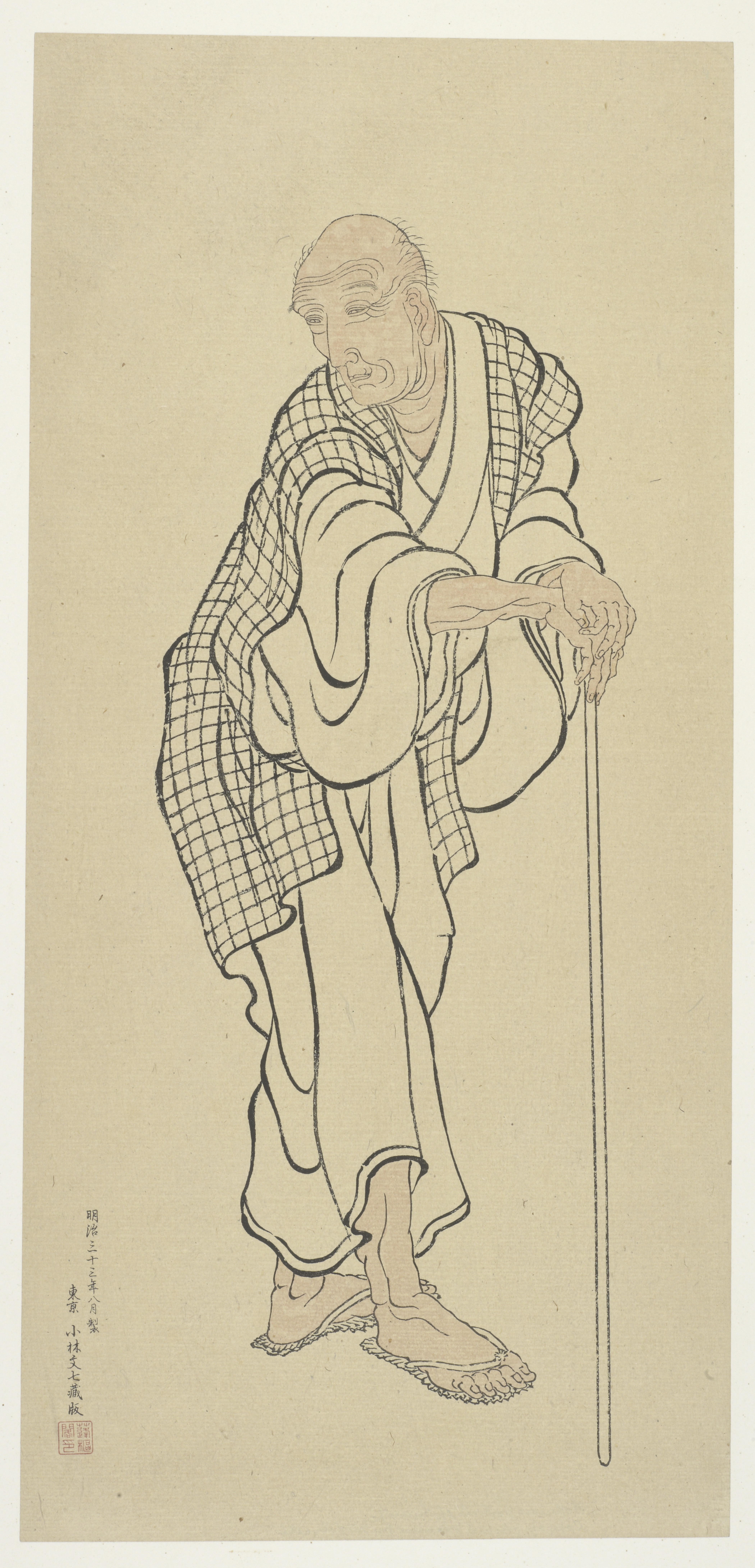
For sculpture, inquire about any previous display conditions and whether the work has been stored or shipped in ways that could have introduced stress. On the question of unique works versus multiples: in carved sculpture, uniqueness is essentially inherent, but artists working with printed wood surfaces, like Noda Tetsuya whose woodblock prints occupy a serious place in the postwar Japanese canon, ask you to think about edition size and impression quality in the way you would any works on paper. Gallery relationships matter more in this category than in almost any other, because the material knowledge required to evaluate condition properly takes years to develop. Find advisors and dealers who have actually handled significant objects rather than simply sold them, and ask questions that reveal whether they have.