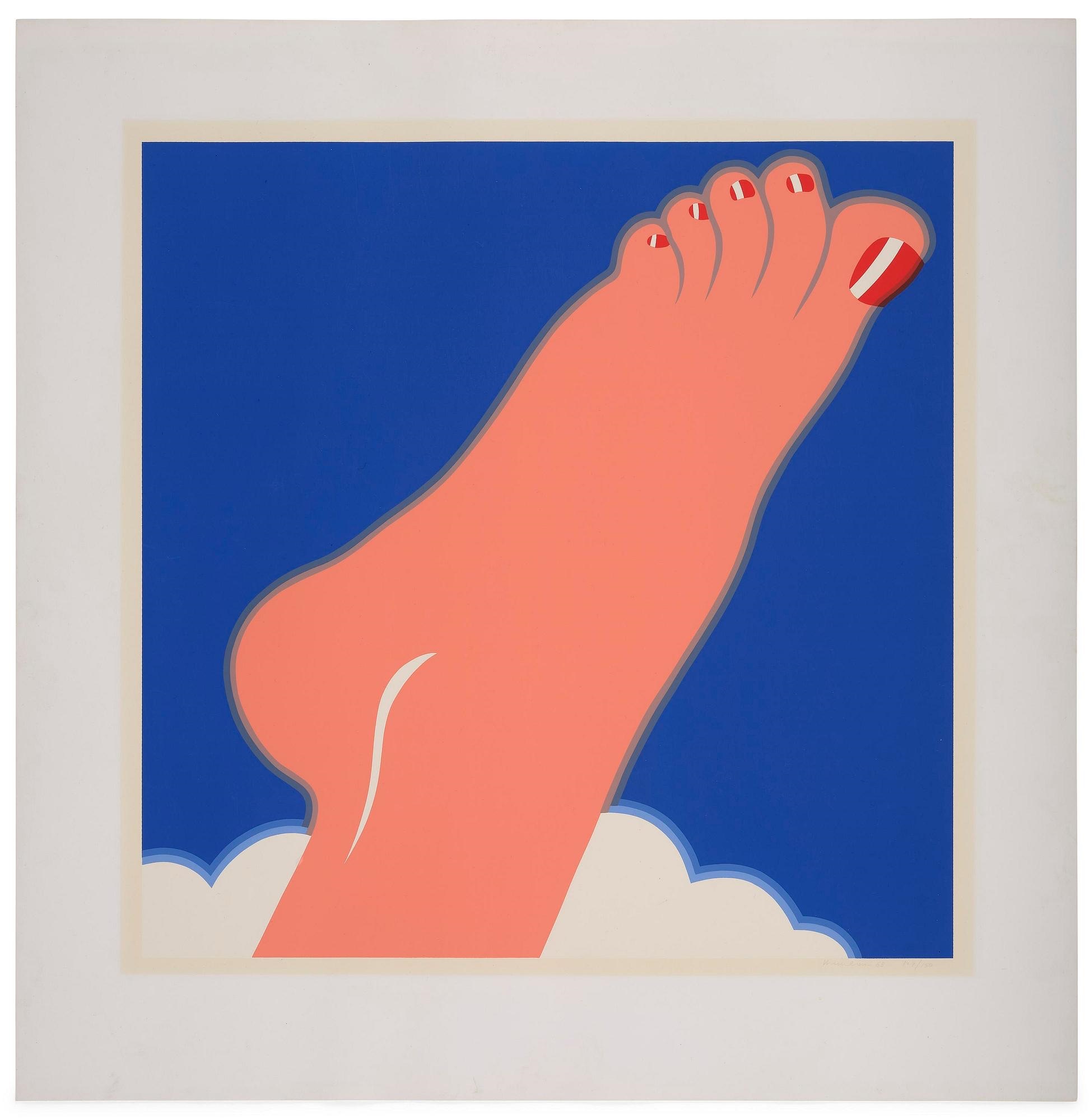
Water Scene
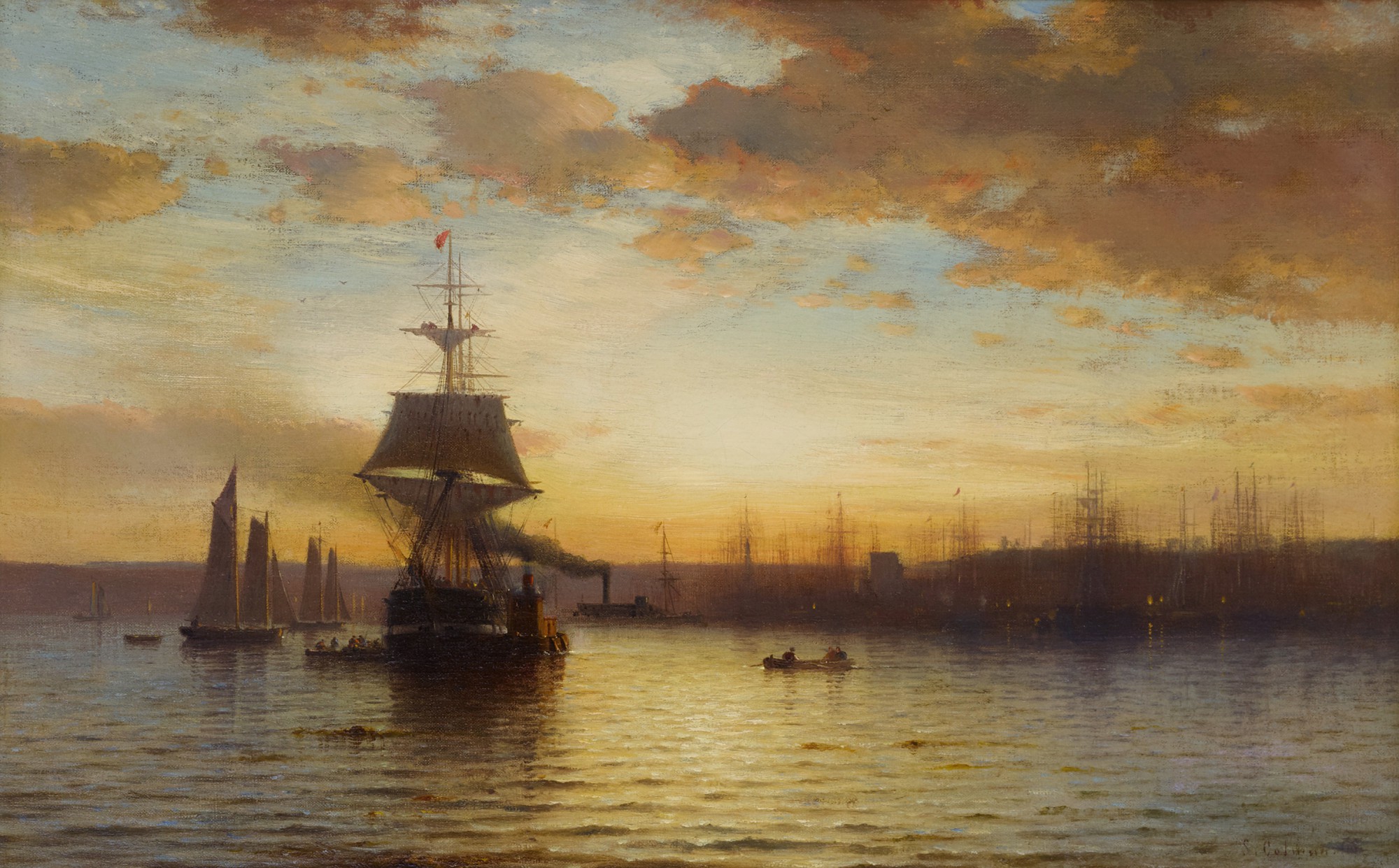
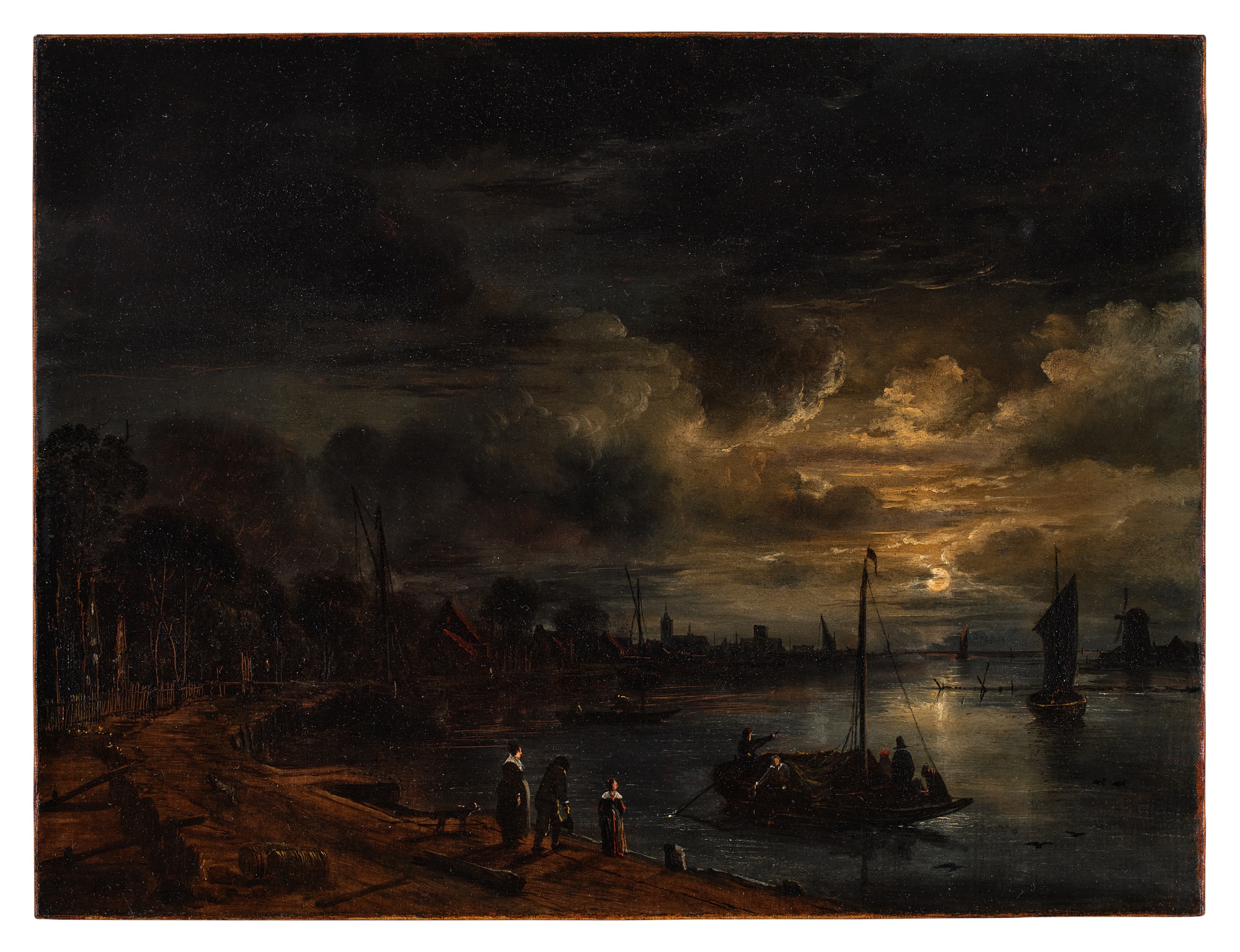
Samuel Colman
Shipping on the Hudson
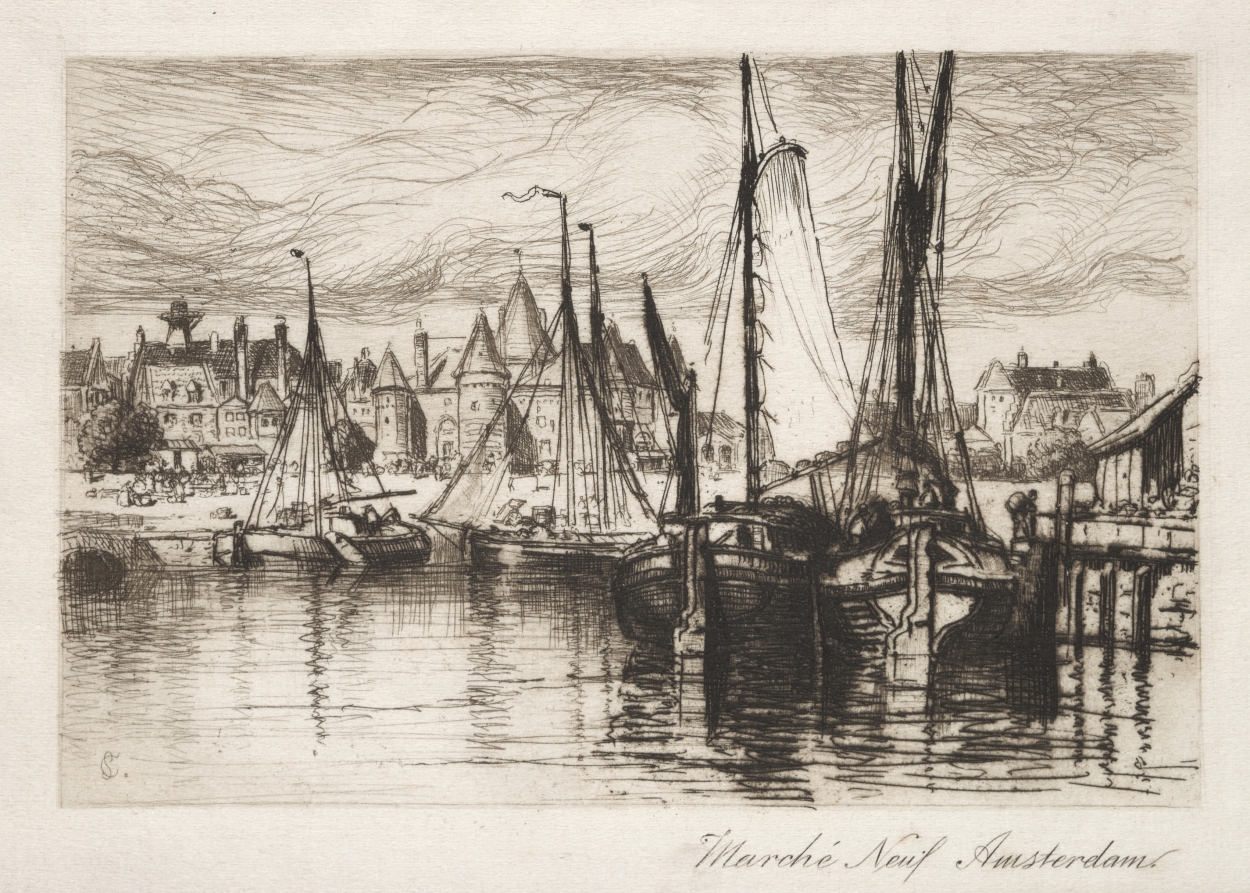
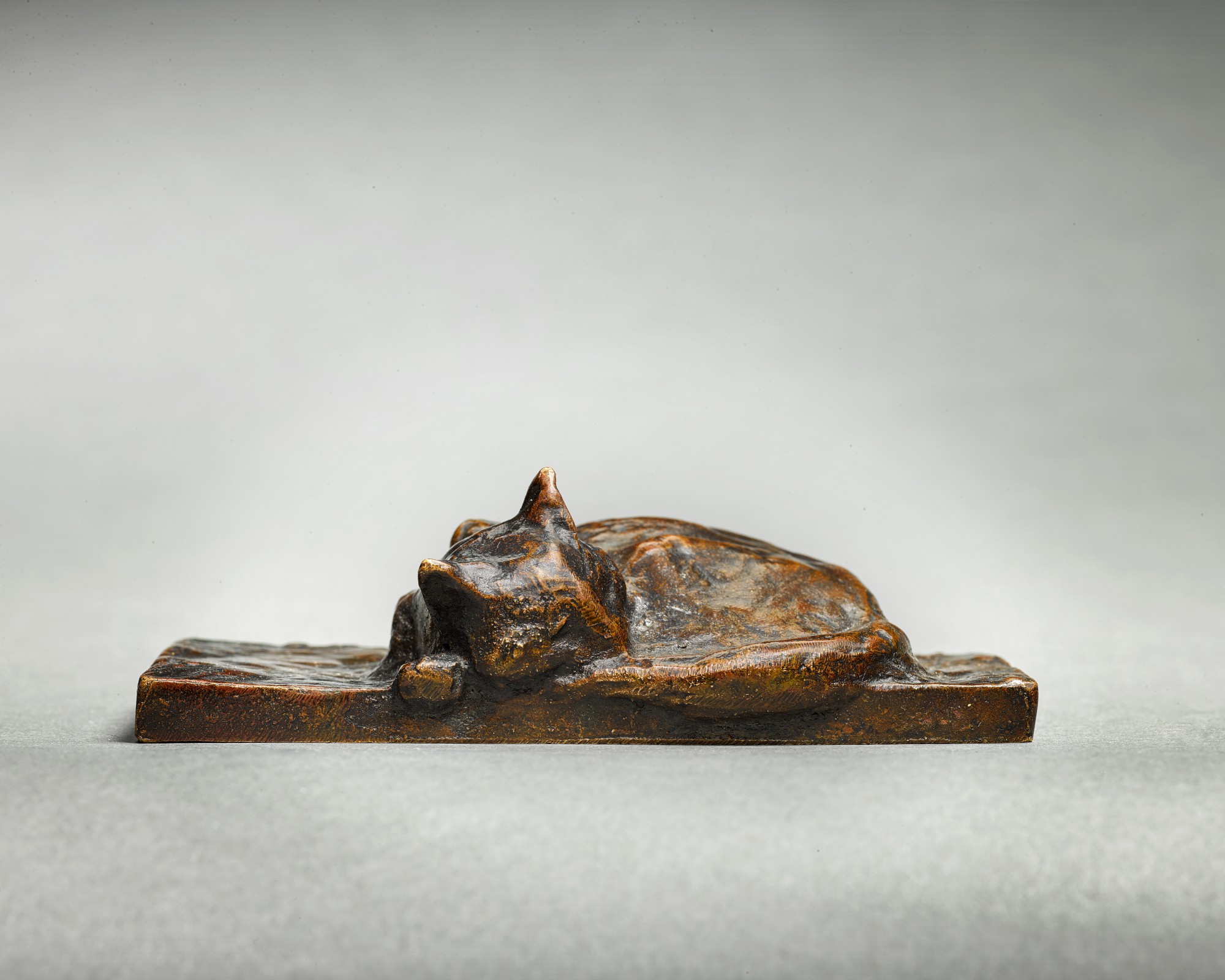
Still Waters Run Deep in Any Collection
There is something quietly irresistible about water as a subject. Collectors who live with water scenes consistently describe the same thing: the work changes throughout the day. Light shifts across the canvas in the morning differently than it does at dusk, and suddenly a painting you have owned for years reveals something you had not noticed before. This quality of aliveness, of a subject that mirrors the actual behavior of light in your own rooms, is rare in art and it is one of the core reasons water scenes have held their value, emotionally and financially, across centuries of collecting.
The appeal is also deeply psychological. Water has always carried symbolic freight, evoking time, passage, reflection, and the unknowable. For a collector thinking about what they want to wake up to, there is genuine comfort in a surface that holds ambiguity so beautifully. Unlike figurative work that can feel demanding or confrontational, a thoughtfully chosen water scene asks nothing of you.
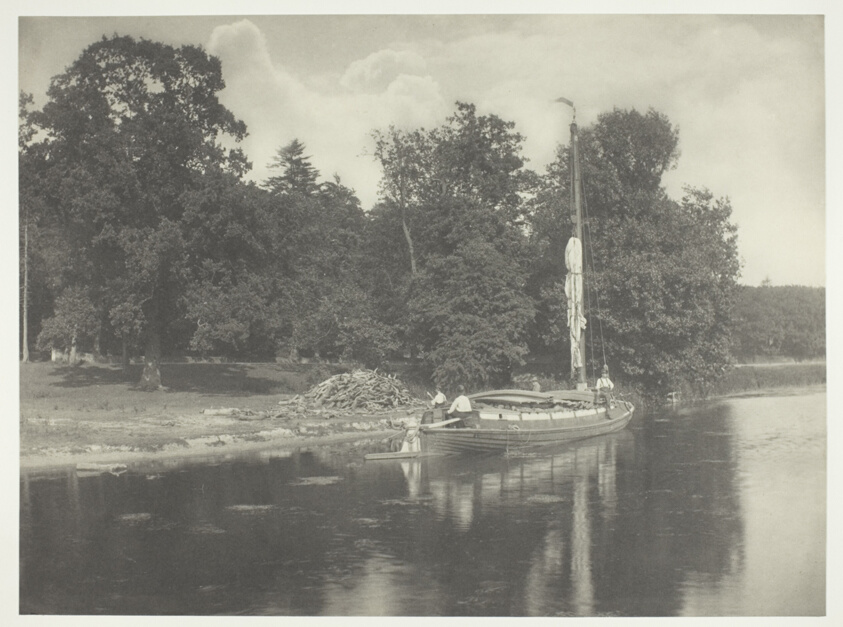
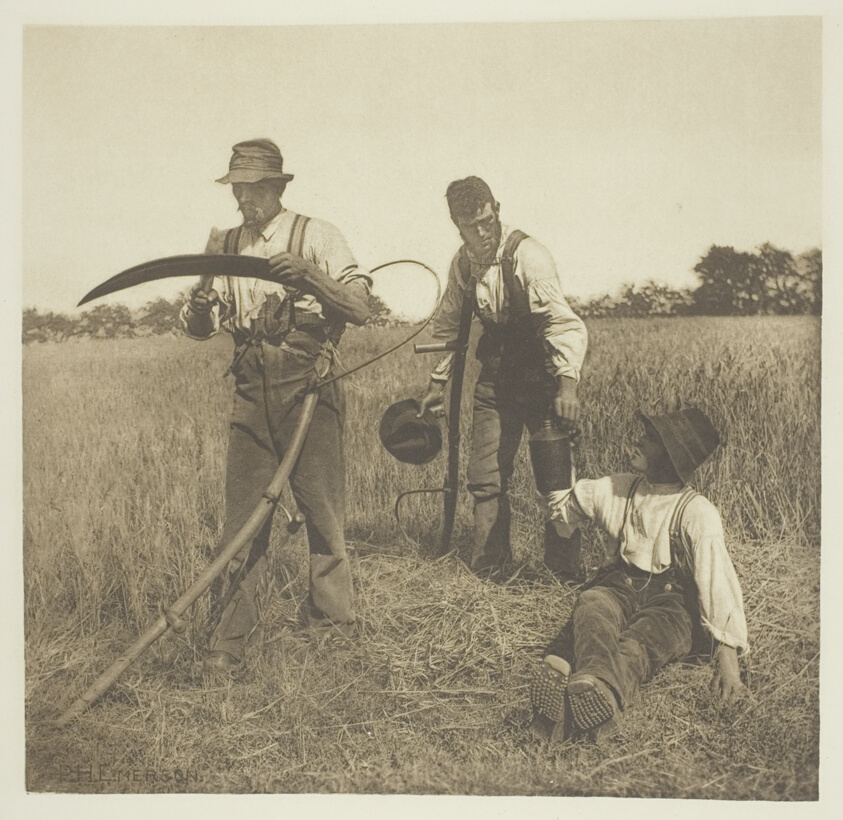
Peter Henry Emerson
The River Bure at Coltishall, 1886
It simply offers something back, different every time you look. Knowing what separates a good water scene from a truly great one takes some experience, but there are reliable markers. The handling of light on water is everything. A mediocre work will render light as a formula, a repeated shorthand for reflection.
A masterful one will understand that water is never one color, never static, and that its surface is always in conversation with the sky above it and the land around it. When you stand before a work and feel genuine uncertainty about whether the light is coming from inside the painting or from the window behind you, that is a signal worth paying attention to. Composition matters enormously in this category. The horizon line is a decision with real consequences.
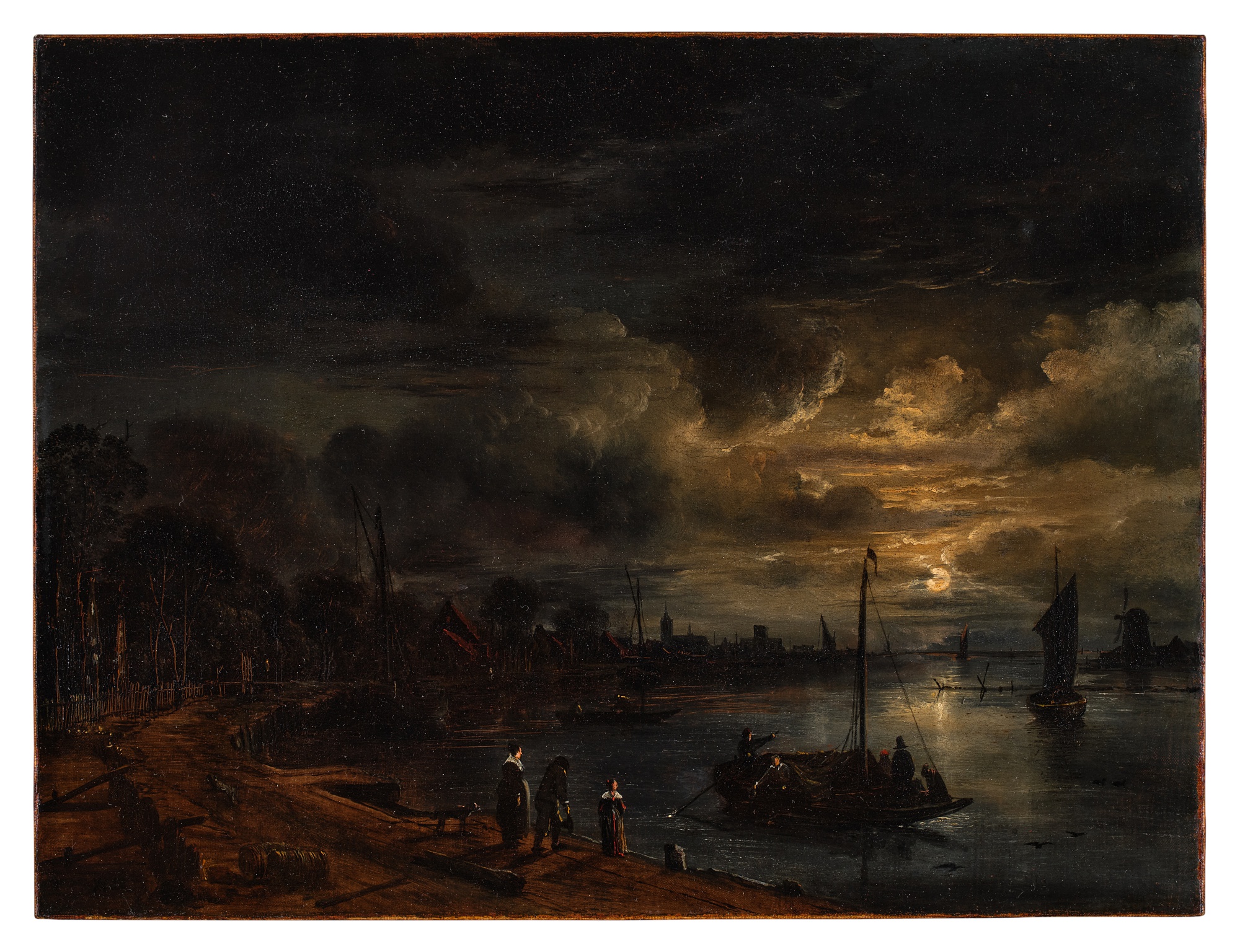
Aert van der Neer
Moonlit Estuary
Aert van der Neer, the seventeenth century Dutch master who specialized in nocturnal river landscapes, understood this instinctively. His moonlit waterways feel vast and intimate simultaneously, and that tension comes entirely from how low he placed the horizon and how much sky he allowed to breathe above the land. Works in this tradition, where sky and water together account for the overwhelming majority of the picture plane, tend to reward the collector in ways that more crowded compositions do not. For collectors building a collection with an eye toward long term value, certain artists represented on The Collection deserve serious attention.
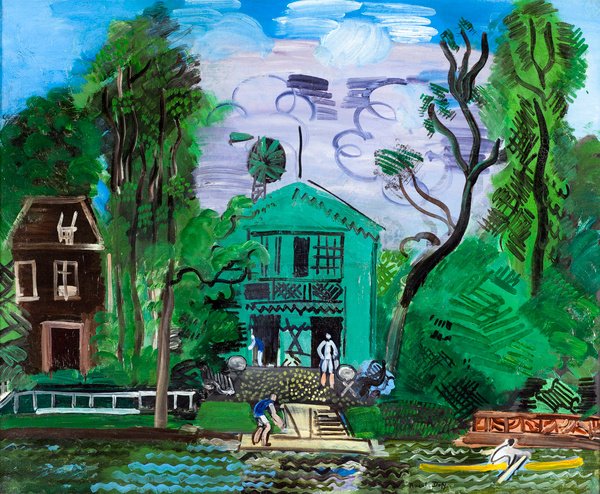
Samuel Colman, the nineteenth century American painter associated with the Hudson River School and later with Orientalist subjects, brought a rigorous sense of atmosphere to water that distinguished him from his peers. His ability to render the shimmer of a harbor or the haze above a river without losing structural clarity is a quality the market has been slowly rediscovering. Raoul Dufy presents a different but equally compelling case. His water scenes, particularly those featuring regattas and Mediterranean ports done in his signature loose, joyful line work, have remained consistently desirable at auction precisely because they are immediately pleasurable to live with and yet technically distinctive.
Samuel Colman
Shipping on the Hudson
Dufy works in good condition with clear provenance tend to find strong bidders and rarely disappoint at the hammer. Peter Henry Emerson occupies a fascinating position in this conversation. As one of the pioneering figures of art photography in the late nineteenth century, his work in the Norfolk Broads brought a painterly naturalism to the photographic image that was genuinely radical at the time. For collectors interested in the intersection of photography and painting traditions, an Emerson is a serious acquisition.
His platinum prints, when well preserved, have a tonal range and surface quality that digital reproduction cannot approximate, and the institutional interest in his work has been building steadily. Similarly, Théophile Alexandre Steinlen brings a different energy altogether. Known primarily for his Montmartre scenes and poster work, his water adjacent subjects carry the vitality of his draftsmanship into a more contemplative register. The emerging opportunities in this category are genuine.
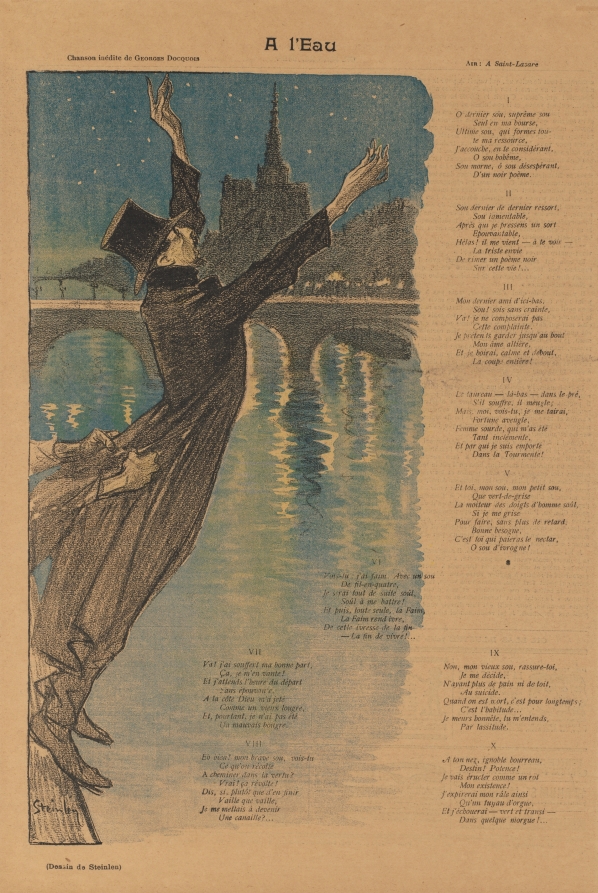
Théophile Alexandre Steinlen
Gil Blas Illustré: At the Water's Edge (A l'Eau), 1896
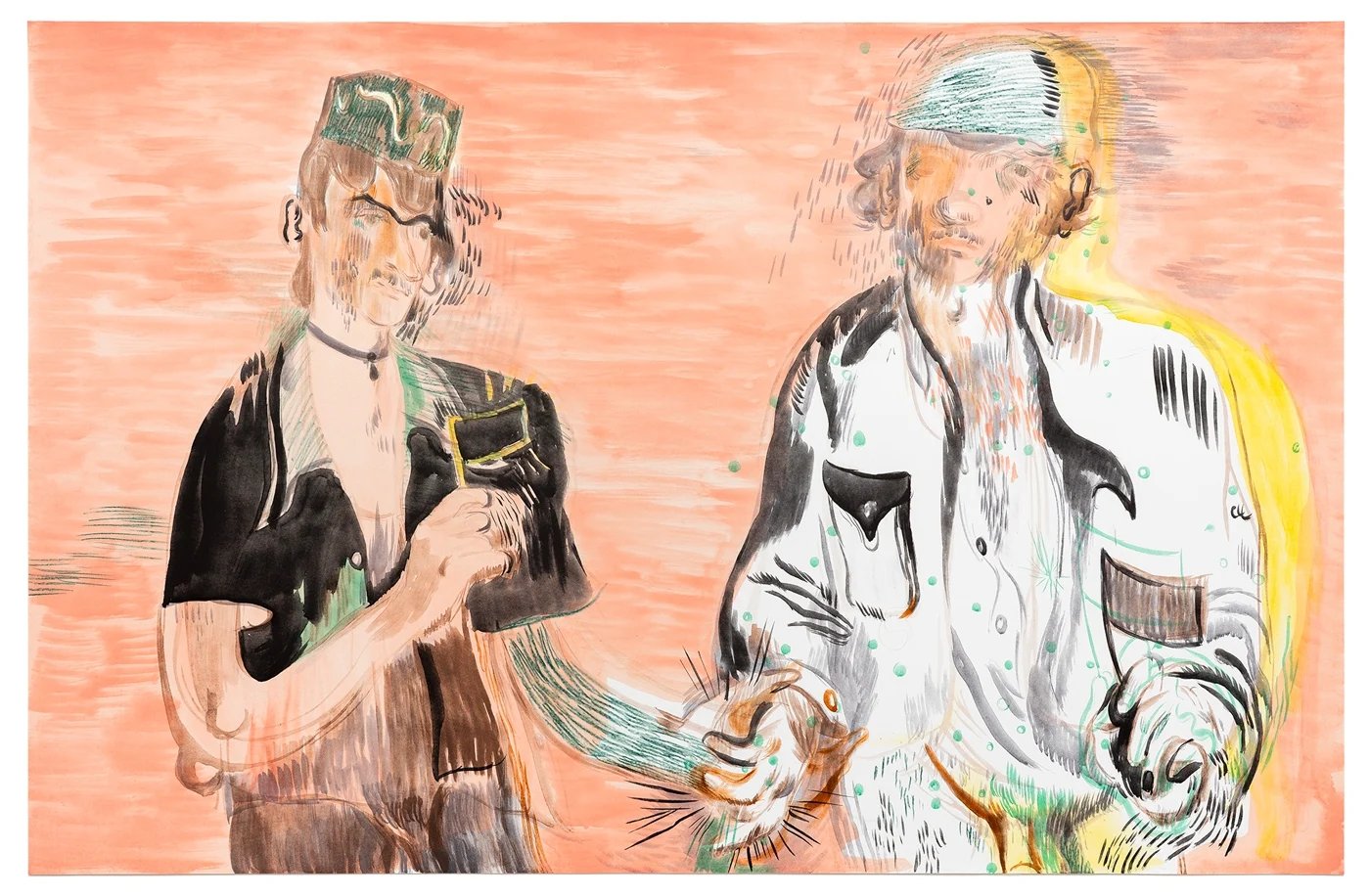
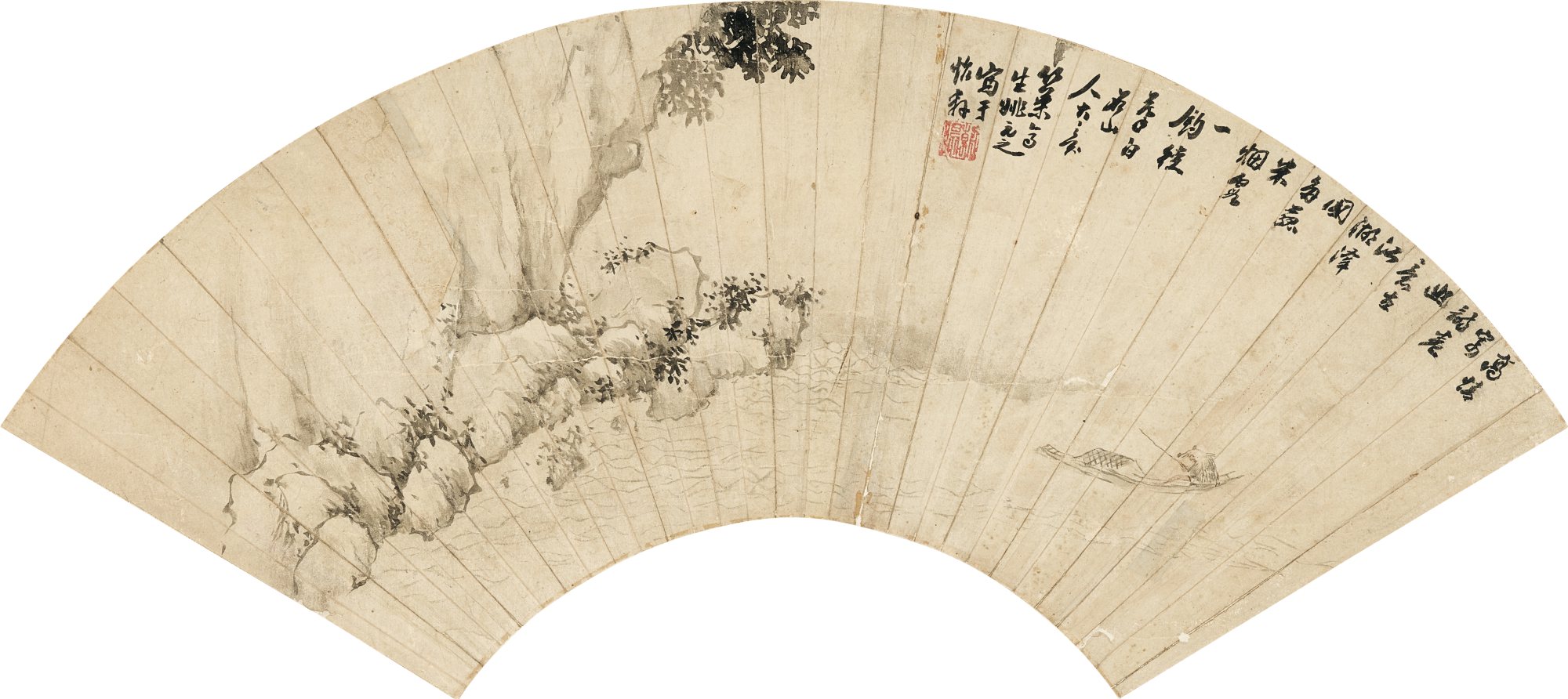
Younger artists working with water as subject and often as metaphor are finding that the tradition gives them enormous room to maneuver. Yao Yuenzhi represents this generation well, bringing a sensibility rooted in ink painting traditions into conversation with contemporary concerns about landscape, environment, and perception. The market for artists working at this crossroads of Eastern and Western water painting traditions is still forming, which means collectors who move thoughtfully now are likely to find themselves ahead of institutional and auction house interest within the next decade. At auction, water scenes across periods have historically shown resilience even in softer markets.
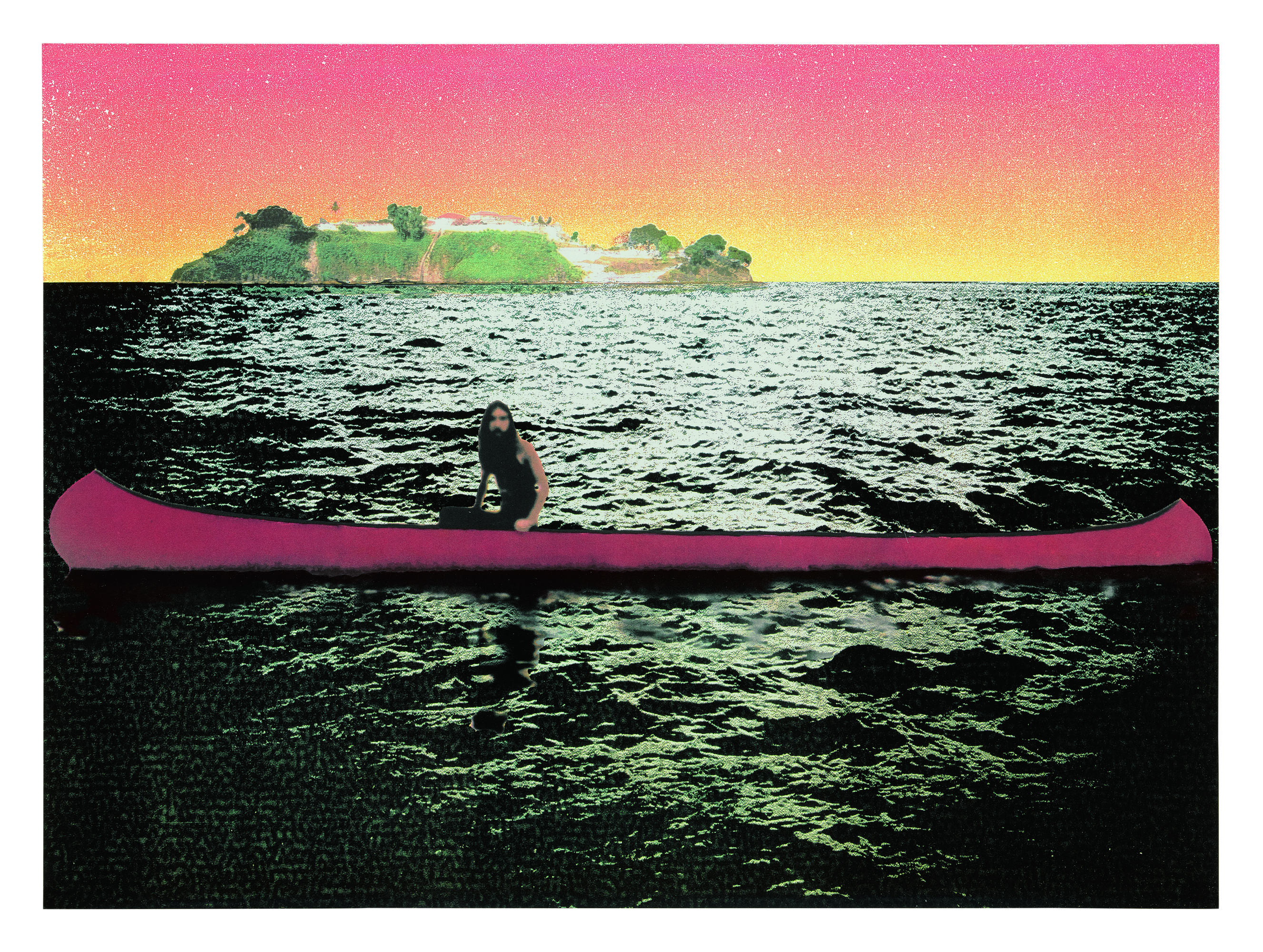
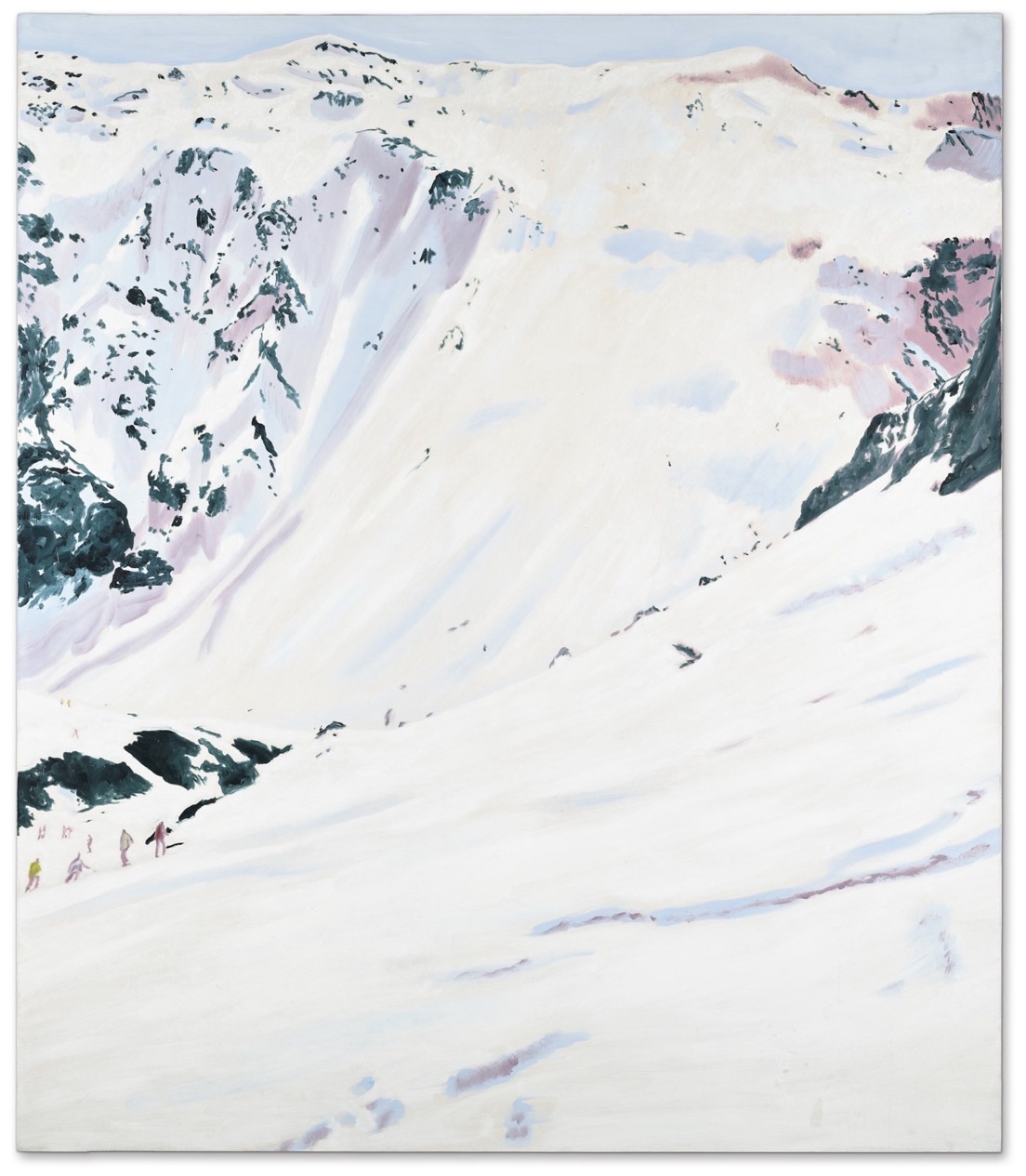
Works by established names like Dufy or van der Neer tend to attract international bidding, as water is a subject without strong regional bias. A French collector is as likely to want a Dutch nocturnal river scene as a Dutch one, and that breadth of demand provides a degree of price stability that more culturally specific subjects do not always enjoy. Peter Doig is a useful reference point for understanding how the contemporary market values water. His lake and water subjects have achieved some of the highest prices for any living painter, and while his market operates at a different altitude than most, it demonstrates how powerfully collectors respond to water handled with genuine originality and painterly intelligence.
Practically speaking, there are a few things every collector should ask before acquiring a water scene. Condition is particularly important because varnish yellowing, which affects all oil paintings over time, is especially damaging to works where the luminosity of water is the entire point. Ask for a condition report and look at the work under raking light to assess any past restoration. For works on paper, including Emerson photographs or Steinlen drawings, ask about light exposure history, as fading is irreversible.
When considering editions versus unique works in photography or printmaking, understand that edition size, positioning within the edition, and the presence of the artist's signature all affect both the living experience and the resale value meaningfully. Finally, think about where the work will actually hang. Water scenes often perform best on walls that receive natural light but not direct sun, where the surface can interact with ambient daylight without the risk of UV damage over time.