Water Reflection
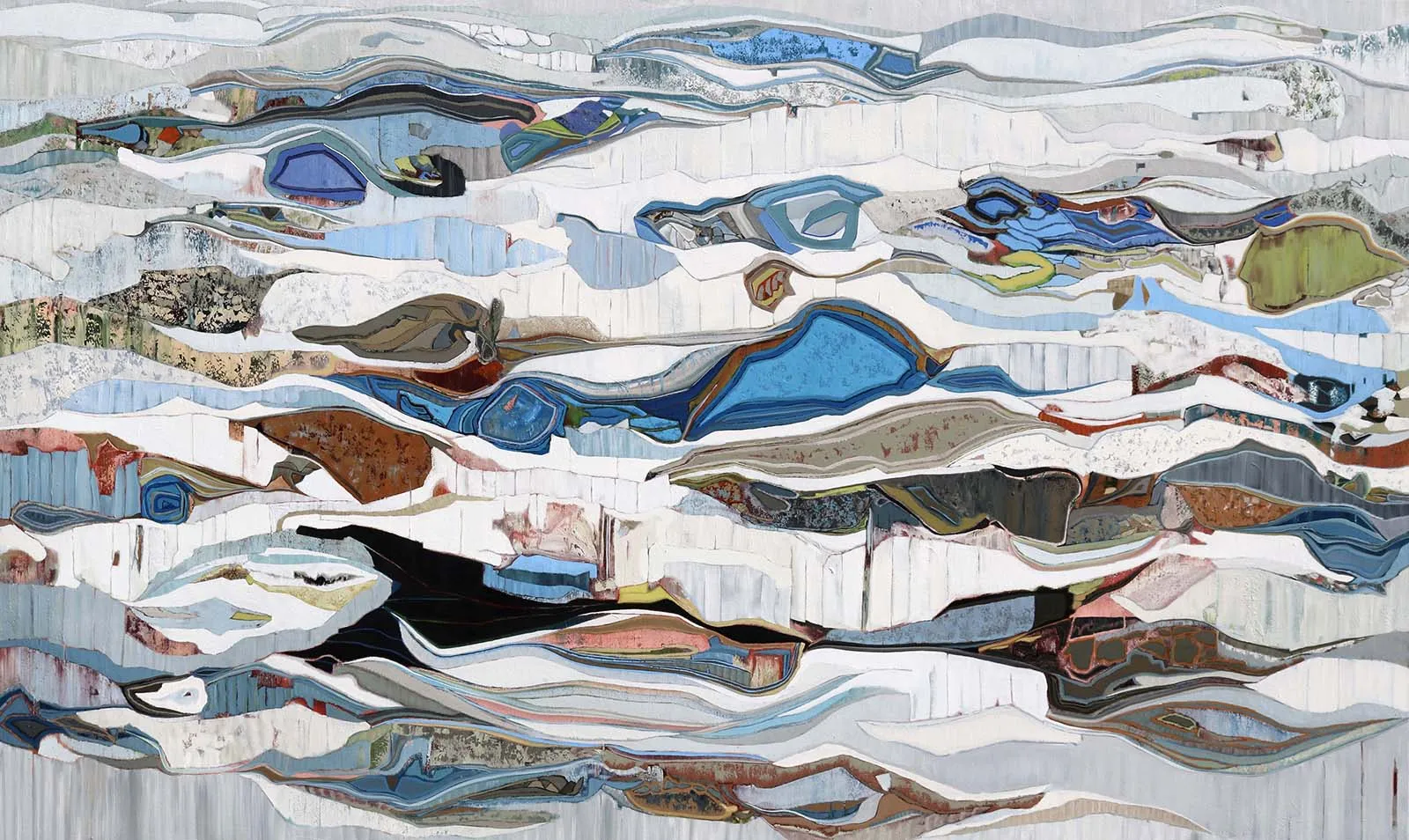
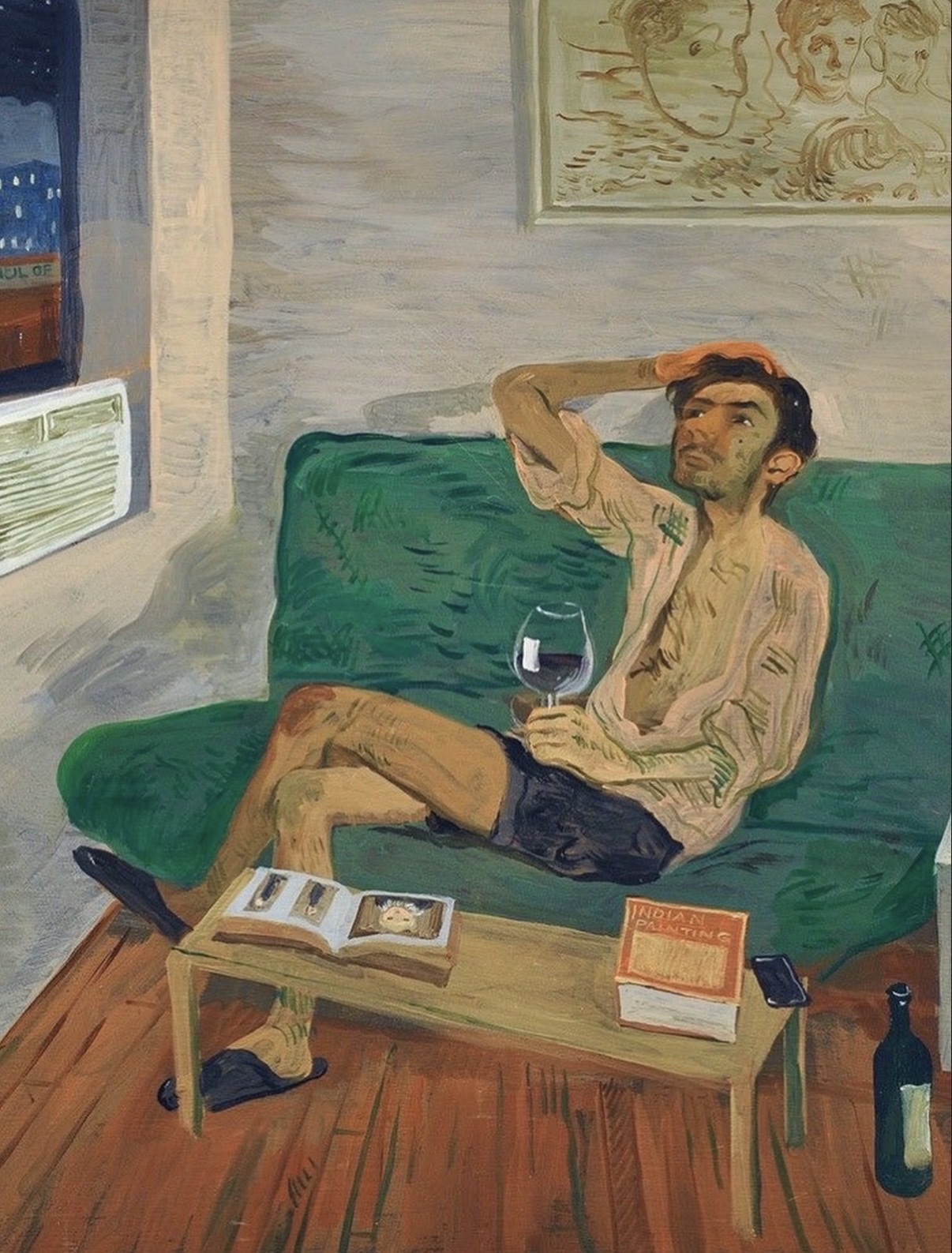
Chase Langford
Loon Point, 2025


Still Waters, Infinite Depths: Reflection Reimagined
There is something almost primal about the reflected image on water. Long before painting had a name, humans crouched at the edges of rivers and pools and saw the world doubled, inverted, trembling. That experience, simultaneously familiar and estranging, has never lost its hold on artists. The mirror that water provides is not passive.
It distorts, it animates, it offers a version of reality that tells you as much about light and time as it does about the subject itself. The formal engagement with water reflection in Western painting deepens considerably during the seventeenth century, when Dutch masters began treating still water as a philosophical proposition. Jan van Goyen and Aelbert Cuyp made river surfaces into theaters of light, understanding that the reflection was not merely a compositional device but a subject in its own right. The sky, usually dominant and authoritative above, became subordinate and soft when glimpsed in the water below.
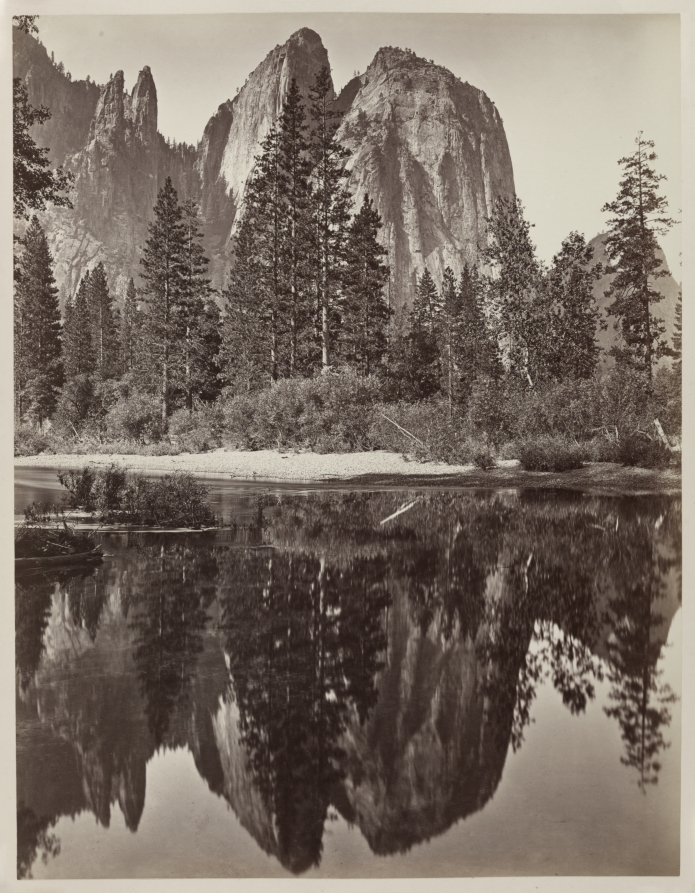
Charles Leander Weed
Cathedral Rocks and Reflections, Yosemite, 1864
This inversion of hierarchy was quietly radical. By the nineteenth century, that radicalism had become central to entire movements. The Hudson River School painters, working from roughly the 1820s through the latter decades of the nineteenth century, elevated water reflection into something approaching the sacred. For these artists, the American wilderness was a site of divine encounter, and water provided the visual proof.
Jervis McEntee, a student of Frederic Edwin Church, brought a particular melancholy tenderness to his landscapes, and his treatment of still water carries that quality. Where Church and Albert Bierstadt often dramatized with scale, McEntee preferred the quieter register, the late afternoon light caught in a pond, the subtle grief of autumn color mirrored in a glassy lake surface. His work on The Collection rewards this kind of attentive looking. The American West added another dimension entirely.
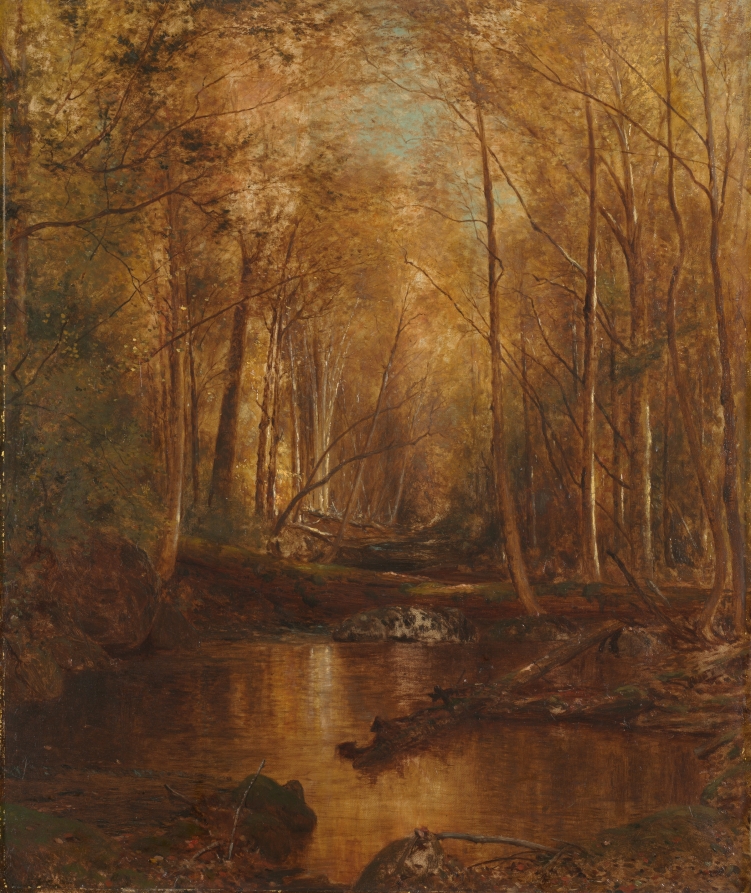
Jervis McEntee
Autumn in the Catskills, 1873
Charles Leander Weed, the pioneering photographer who was among the first to document Yosemite Valley in the early 1860s, understood that water reflection in that landscape was not incidental but essential. The valley's rivers and meadow pools gave back the granite cliffs in images that doubled the sense of wonder. Photography, still young and self conscious at the time, found in water reflection a way to demonstrate its own capacities. The reflected image within a photograph is a kind of representation squared, and Weed's images understood that conceptual richness even if they did not articulate it in those terms.
No conversation about water reflection and modernity is complete without Impressionism, and no Impressionist engaged the theme more obsessively than Claude Monet. His late water lily series, produced at Giverny from the early twentieth century onward and culminating in the monumental Orangerie installation unveiled in 1927, stripped the reflected surface of almost everything except color and atmosphere. The horizon disappears. There is no sky above and reflection below.
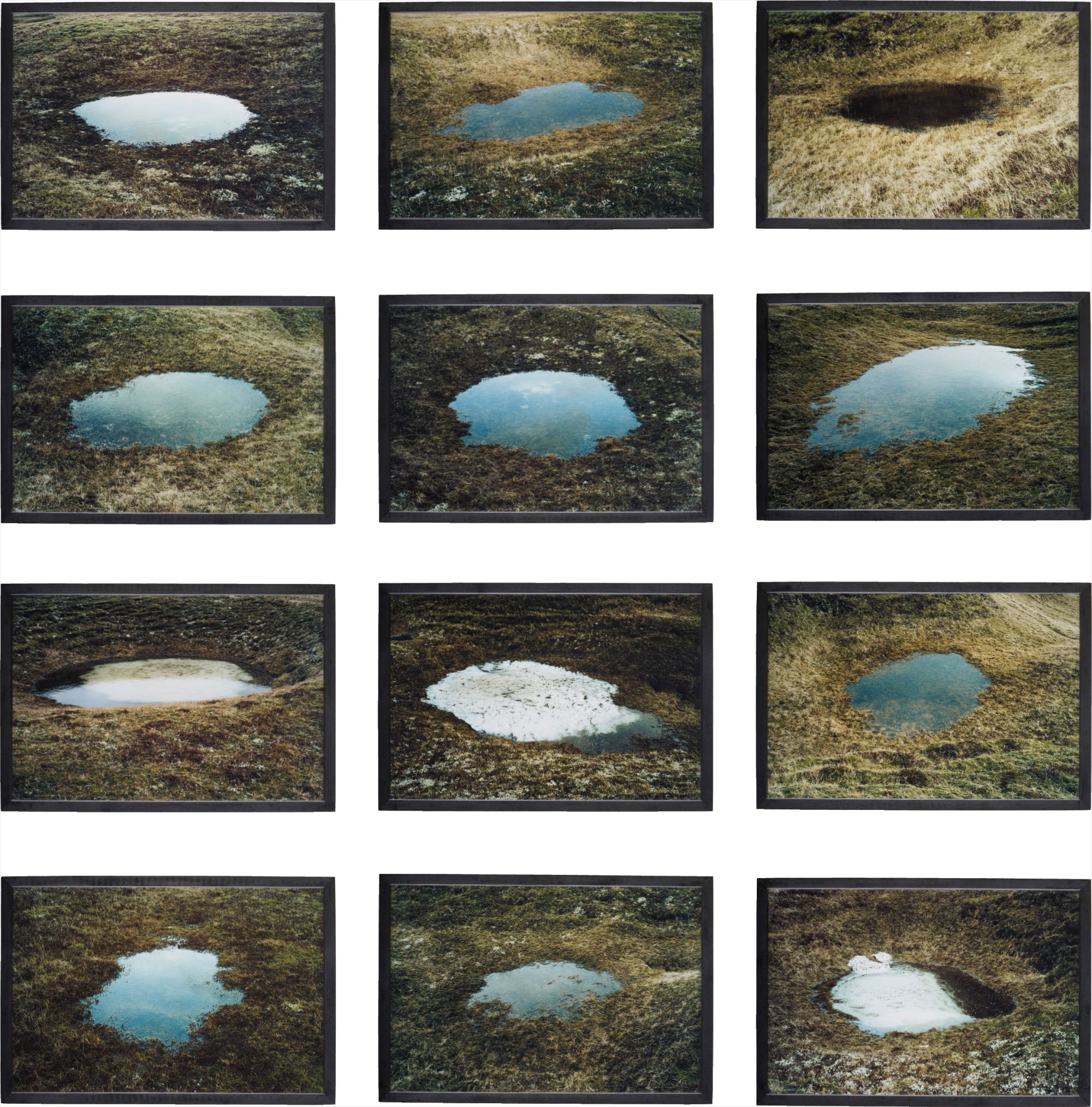
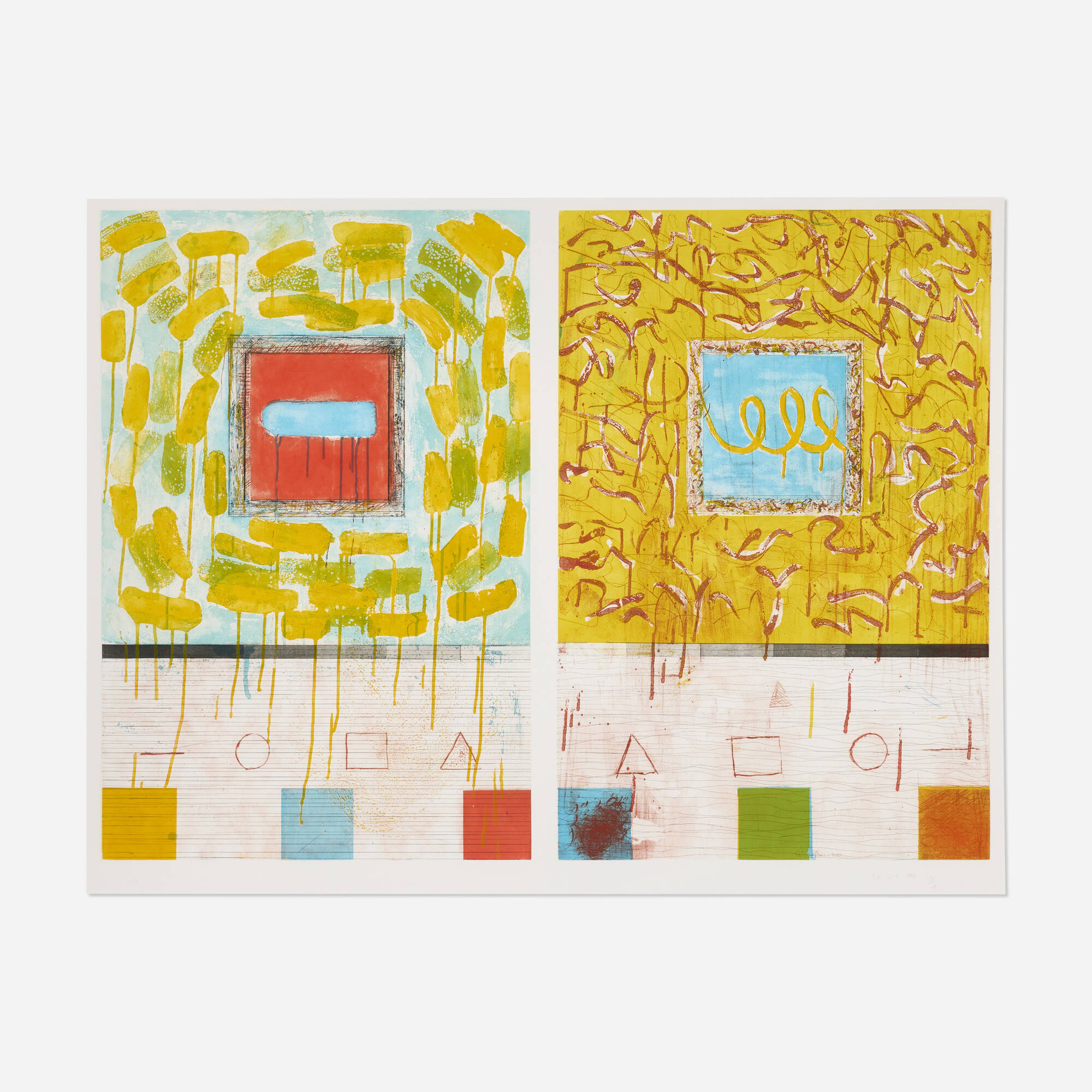
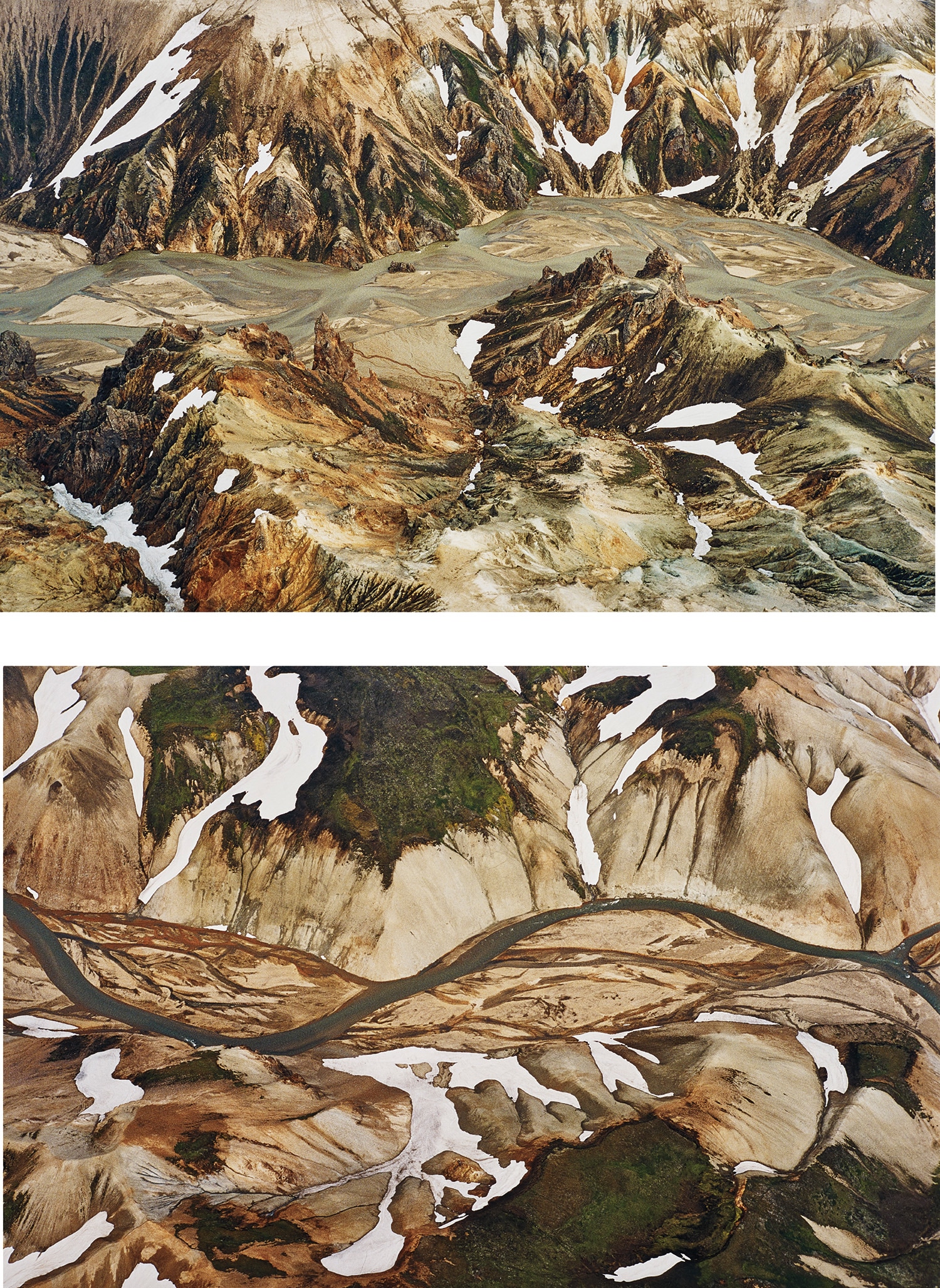
Ólafur Elíasson
Spring puddle series (set of 12)
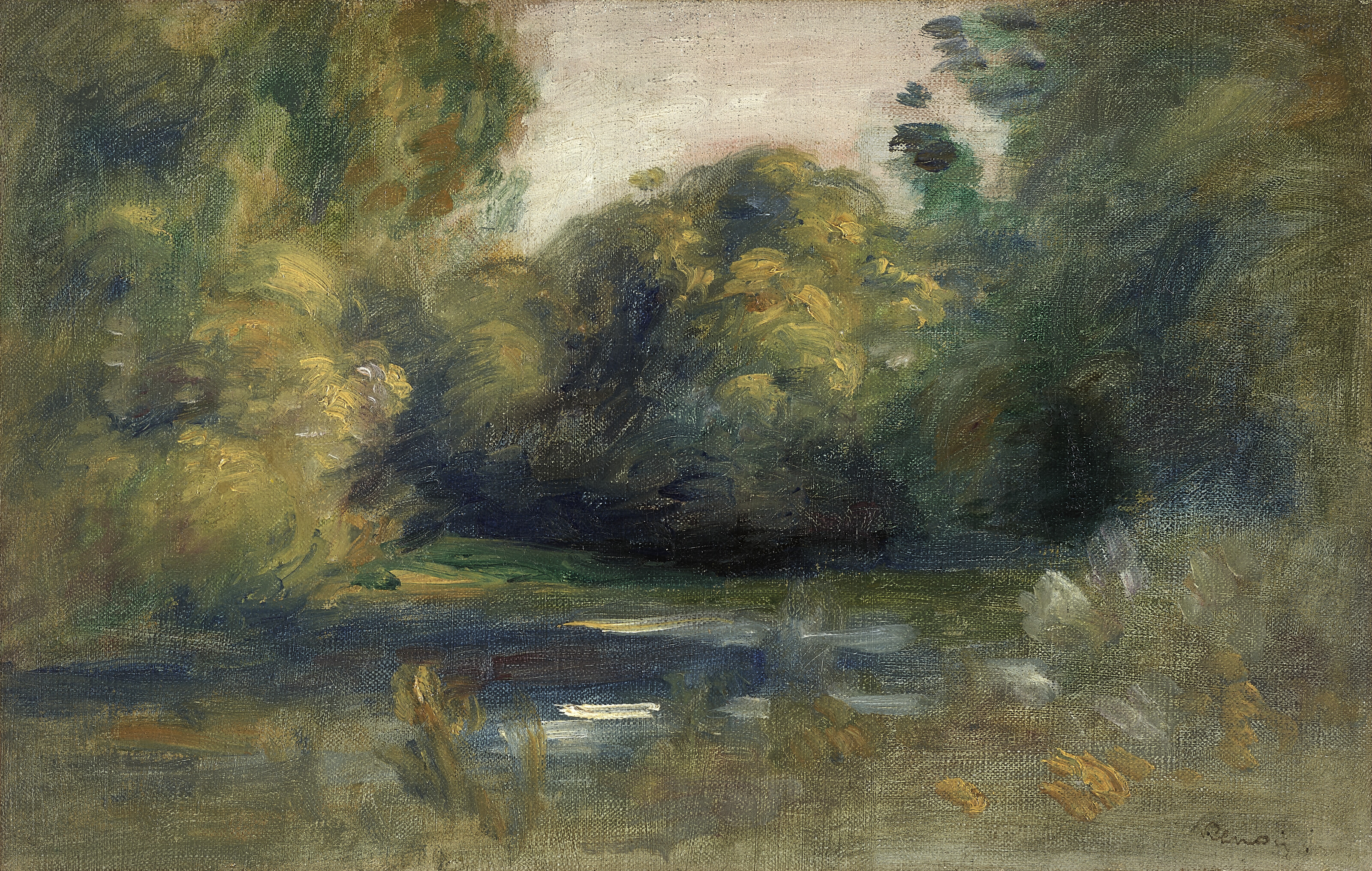
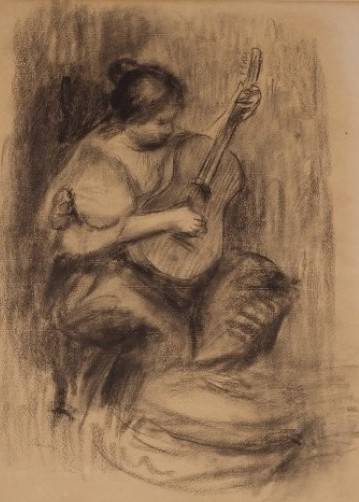
There is only the surface, endlessly complex, endlessly present. Pierre Auguste Renoir, whose sensibility ran parallel to Monet's in many ways, brought a warmer and more social vision to similar territory. His river scenes pulse with human life, with boaters and bathers, but the water in those paintings is always active, always registering the play of light with that characteristic Renoir shimmer that sits somewhere between observation and pleasure. The twentieth century brought a sharper conceptual edge to the subject.
Venetian vedute painting had long made water reflection central to the city's identity, and Giovanni Grubacs, working in the nineteenth century tradition of precise atmospheric observation, produced views of Venice where the canal surfaces function almost as second canvases. The reflection in his work is not romantic softening but structural repetition, the city occurring twice, with the lower version belonging entirely to light. That doubling anticipates much of what conceptual and environmental artists would later explore with far greater theoretical scaffolding. Ólafur Elíasson has made the phenomenology of perception his life's work, and water reflection sits near the center of that investigation.
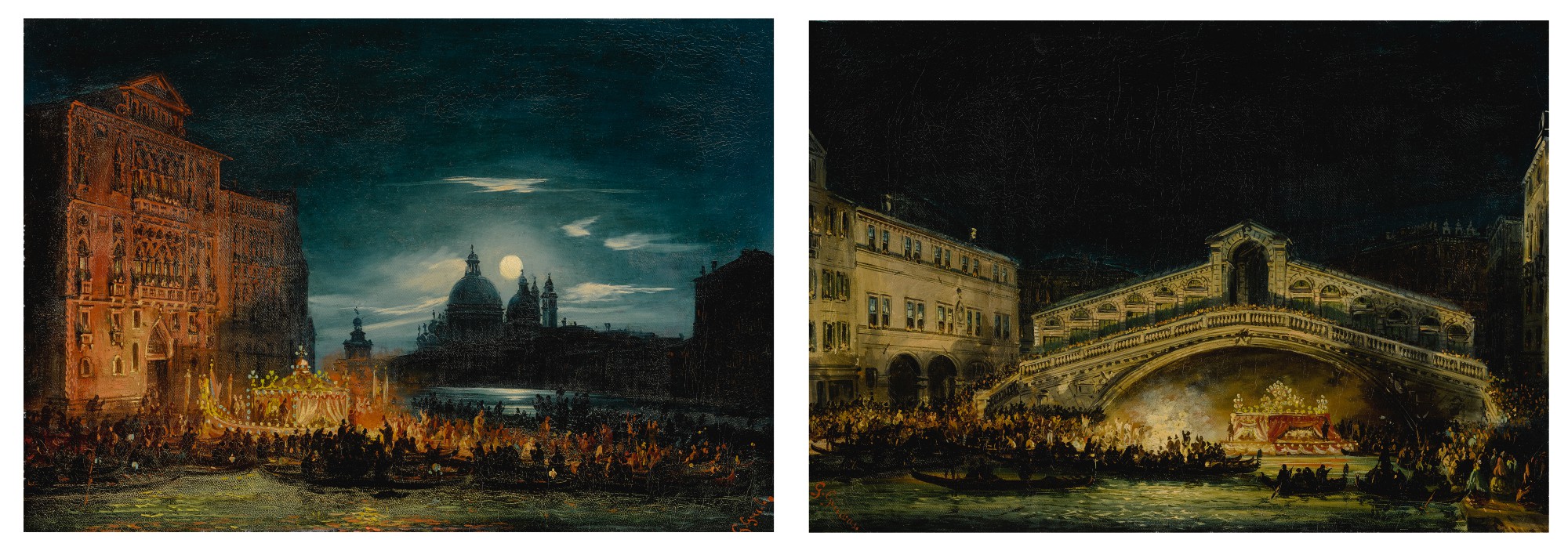
Giovanni Grubacs
A pair of nocturnal Venetian scenes on the Feast of the Redentore
From his large scale installations involving mirrors, light, and water to his outdoor interventions that ask viewers to question the stability of what they see, Elíasson treats the reflected image as evidence that seeing is never neutral. His 2003 installation The Weather Project at Tate Modern, while focused on artificial sunlight rather than water, belongs to the same intellectual family. The work on The Collection from Elíasson represents this ongoing interrogation of the visual world and our habitually unexamined trust in it. Pat Steir arrived at water through abstraction, which is its own kind of revelation.
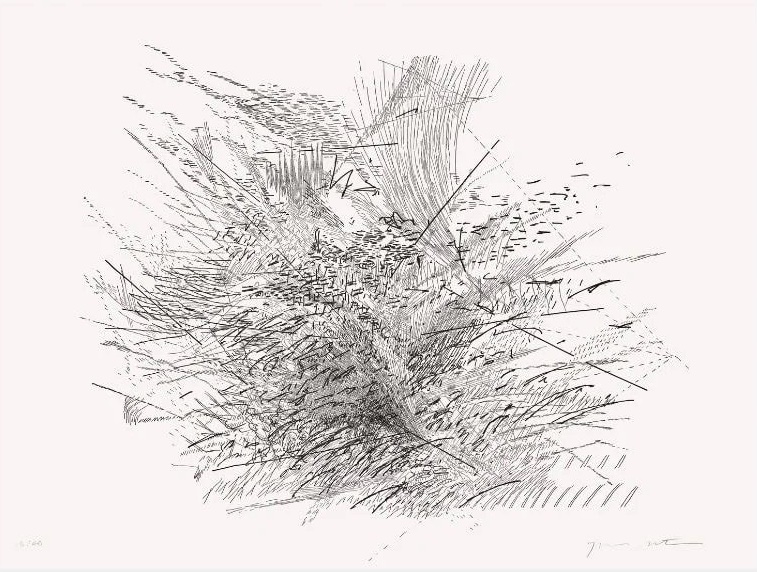
Her waterfall paintings, developed from the late 1980s onward, are made by pouring and dripping paint down large canvases, letting gravity and fluid dynamics do the compositional work. The result reads as reflection, as cascading water, as pure mark making, all at once. Steir's method collapses the distinction between depicting water and behaving like it. That is an elegant solution to a problem painters had been circling for centuries.
Chase Langford, whose atmospheric and process driven work shares something of this interest in the indeterminate and the luminous, brings a contemporary painter's intelligence to the question of how surface and depth coexist. What draws collectors to works in this territory is often something they struggle to articulate precisely, which is itself a clue to the theme's power. Water reflection belongs to experience before it belongs to art history. It is the kind of image you carry from childhood without knowing it, the afternoon you lay on a dock and watched the clouds move through the water below you, the city at night broken into ribbons of color across a harbor.
When a painting or photograph or installation reactivates that experience, it does something that purely formal or conceptual work cannot always manage. It makes you feel that you have been seen. The sustained presence of water reflection across such disparate practices and periods speaks to its fundamental usefulness as a lens. It raises questions about representation, about presence and absence, about the instability of the visible world, and it does so with an immediacy that bypasses argument.
The works gathered on The Collection that engage this theme are not unified by style or period but by this shared understanding: that the surface of water is where the world comes to examine itself, and where looking becomes something close to thinking.