Urban Scene
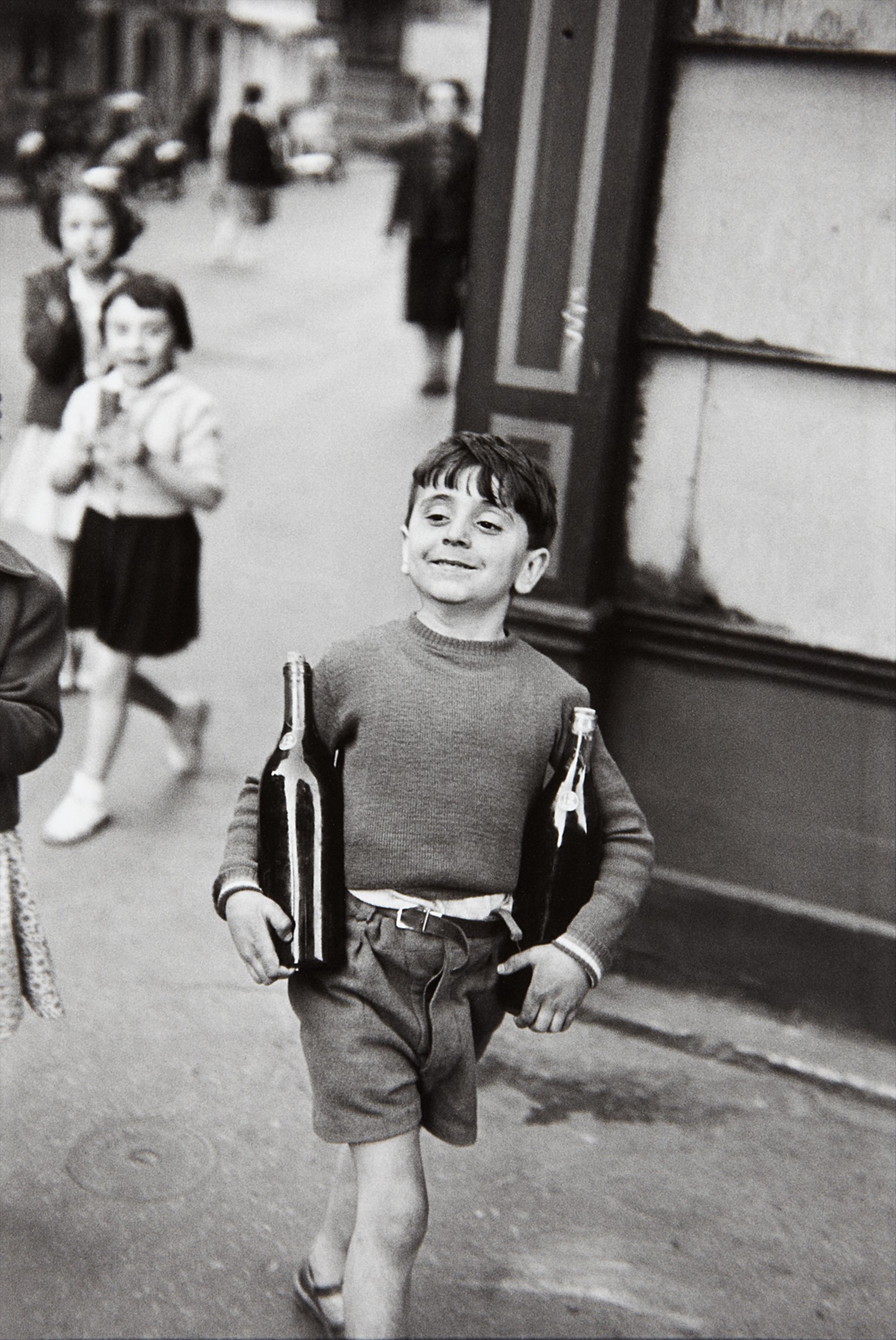
Henri Cartier-Bresson
Rue Mouffetard
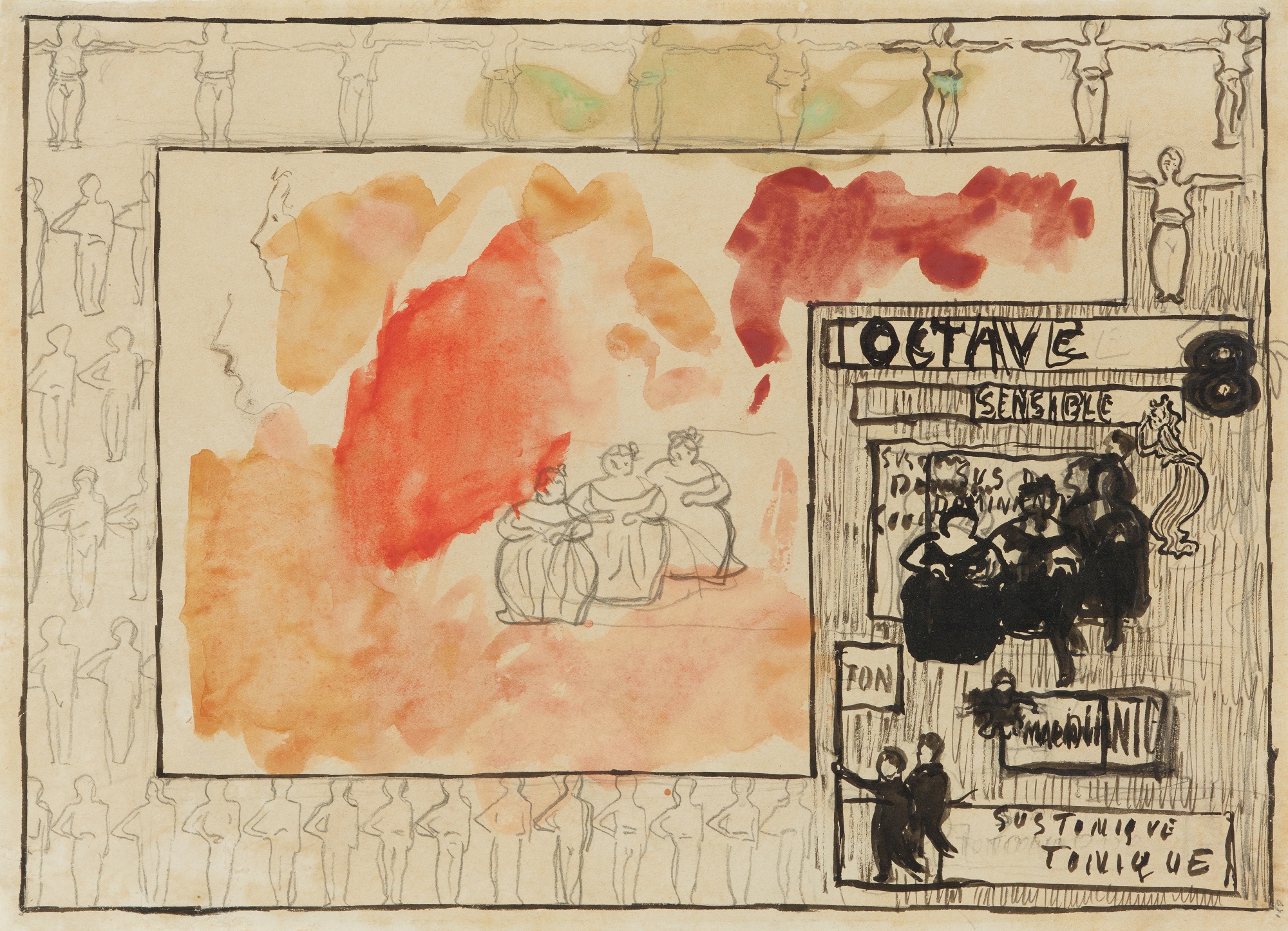
The City Looks Back at Us
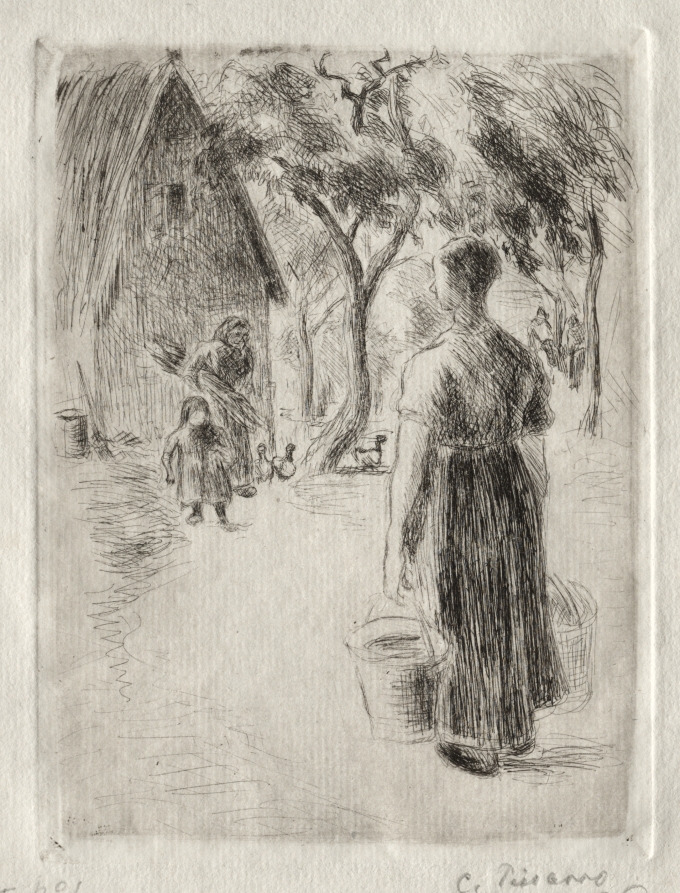
When Christie's brought a luminous Camille Pissarro view of the Boulevard Montmartre to auction in recent years, the room held its breath in a way that surprised even seasoned observers. Urban scenes have always attracted serious collectors, but something has shifted in the critical and commercial atmosphere around them. The city as subject, once considered the workhorse territory of printmakers and illustrators, has been reassessed as one of the great sustained projects of modern art. Collectors are paying accordingly, and the institutions are taking notice.
The appetite for urban imagery across media and periods has rarely felt more coherent than it does right now. The Morgan Library's sustained engagement with works on paper, including prints and drawings of Paris and New York that span generations, has helped frame the conversation around how artists returned obsessively to the street as a site of psychological as much as documentary interest. The Whitney Museum's programming around American urban realism, and the Art Institute of Chicago's deep collection of French graphic work, have given curators the institutional vocabulary to talk across periods without forcing false continuities. The city is not one thing in these works.
James McNeill Whistler
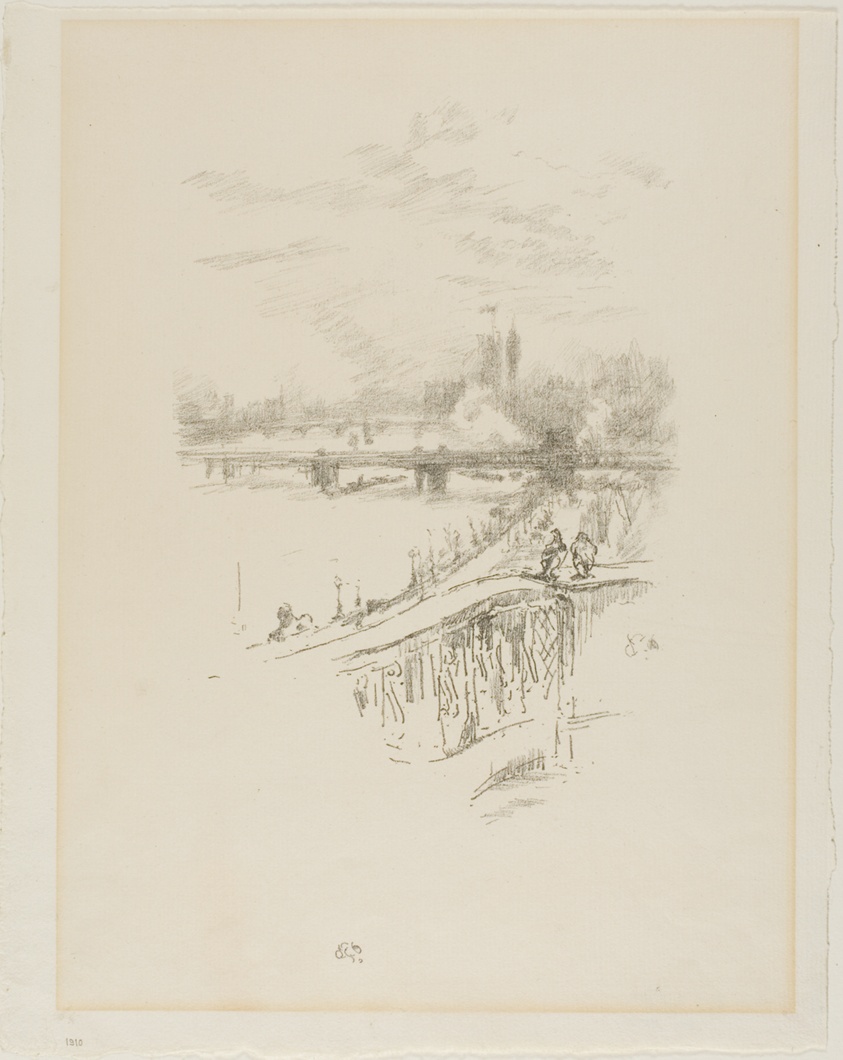
Savoy Pigeons, 1896
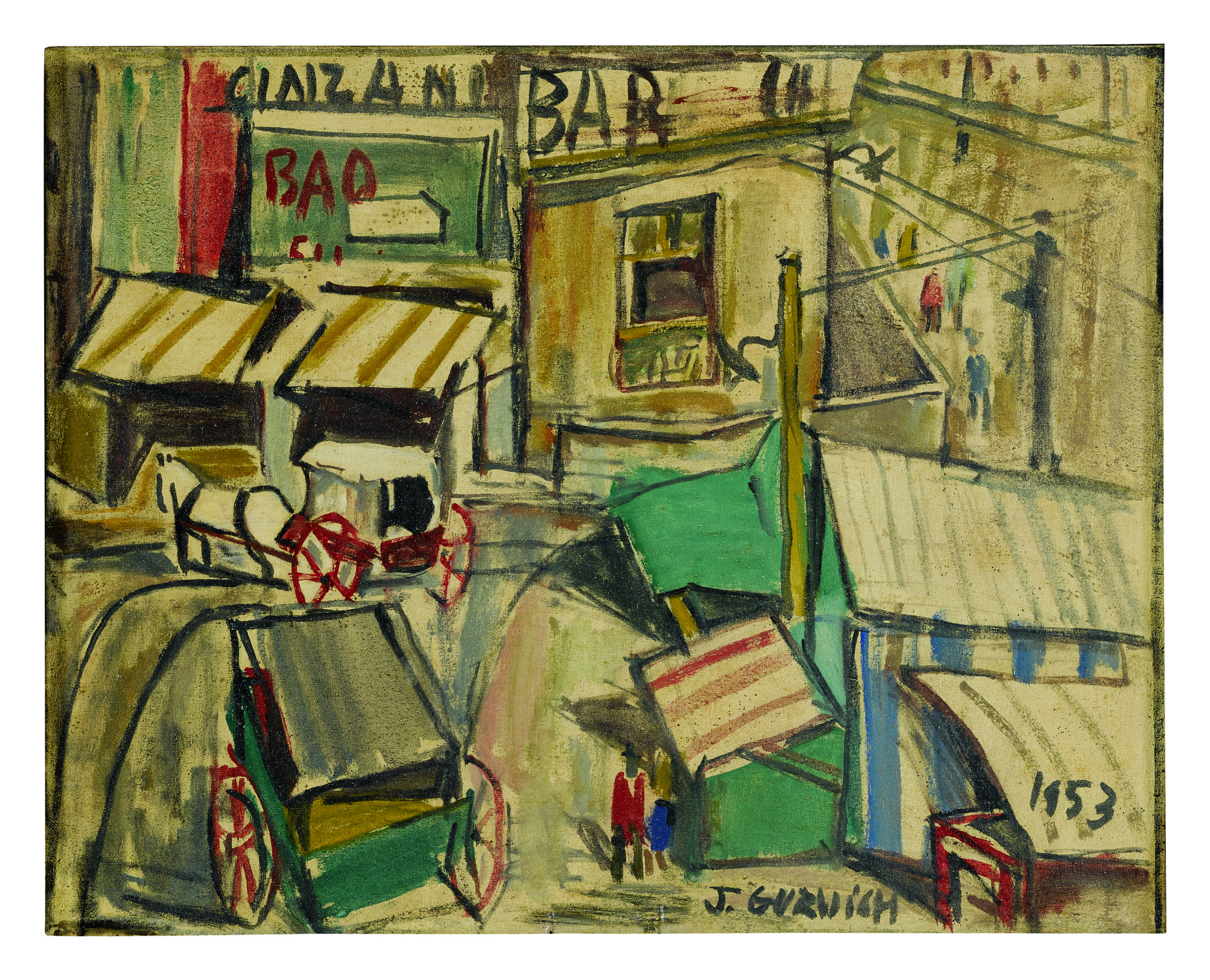
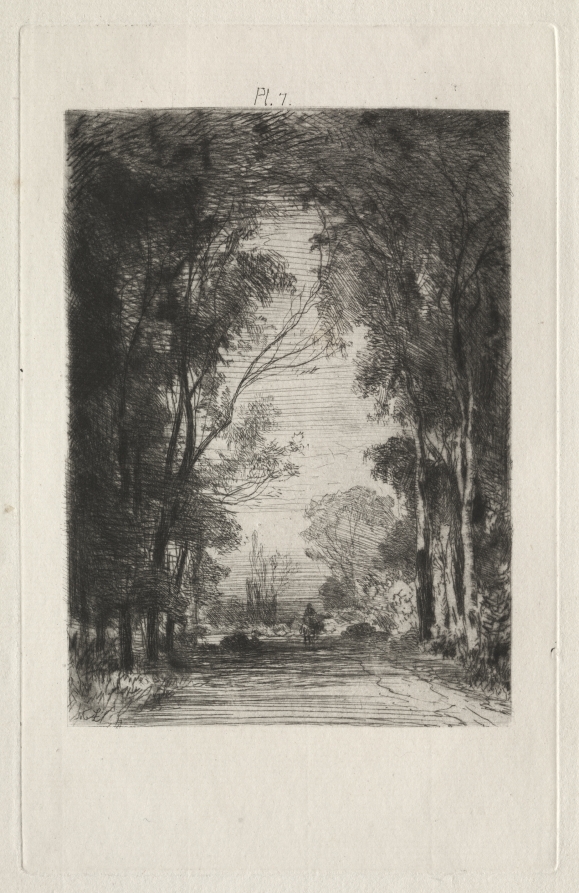
It is a pressure, a surface, a state of mind. Auguste Louis Lepère and Maxime Lalanne represent the serious end of the French etching revival, a movement that ran roughly from the 1860s through the early twentieth century and produced some of the most searching images of Paris ever made. Lepère in particular rewards close looking. His wood engravings and etchings of the city carry a social weight that goes well beyond picturesque record, and the market for his work has strengthened steadily as collectors who came up through Impressionism begin to look for the graphic traditions that fed it.
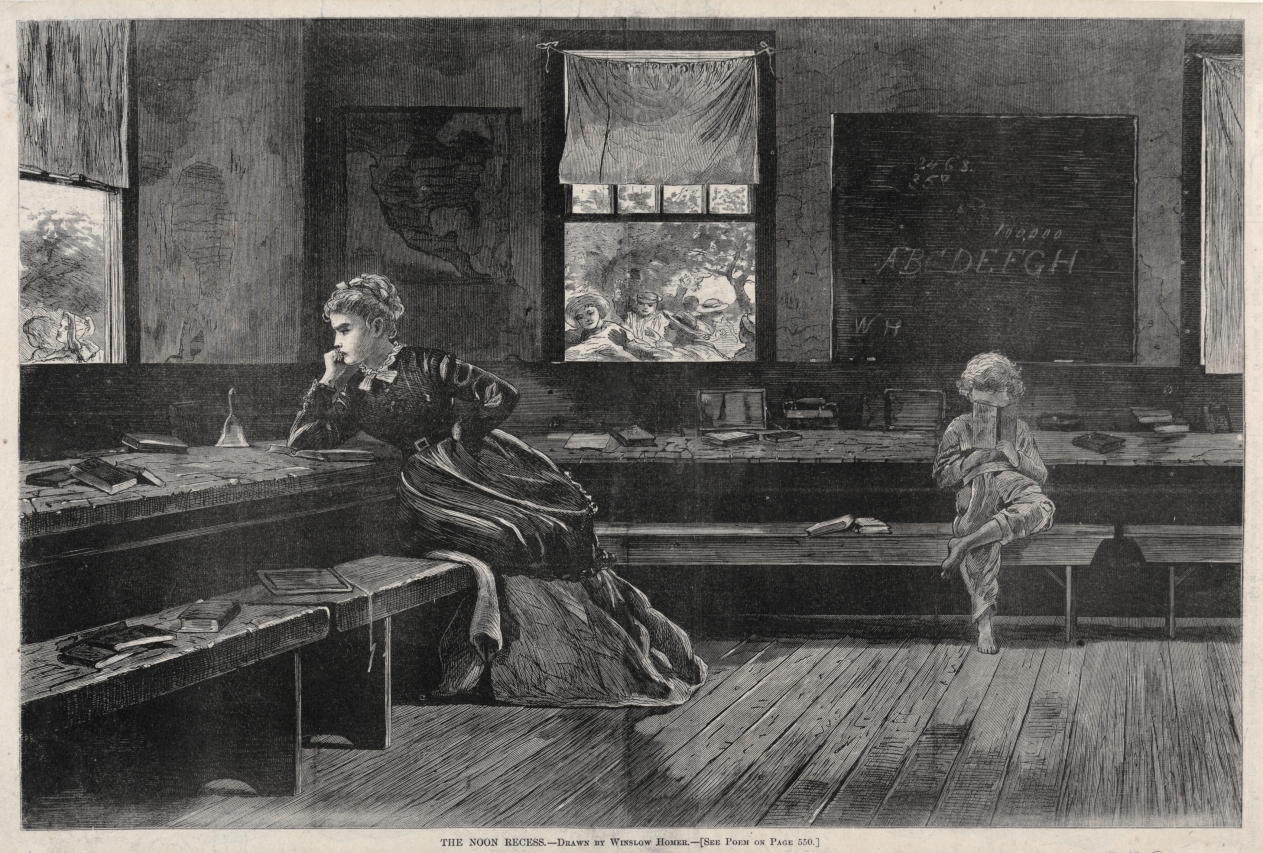
Félix Hilaire Buhot, with his atmospheric marginal vignettes and his restless, weather haunted street scenes, has attracted a devoted scholarly following, and auction results in Paris and New York over the past decade reflect a growing recognition that he belongs in serious company. The American side of this conversation is anchored by Winslow Homer and James McNeill Whistler, two figures whose relationship to the urban is so different it almost constitutes an argument between them. Whistler's nocturnes and his Thames etchings dissolved the city into atmosphere and sensation, while Homer's magazine illustrations and early genre scenes kept the city legible, social, particular. Both have commanded strong results at auction, and both are well represented on The Collection.
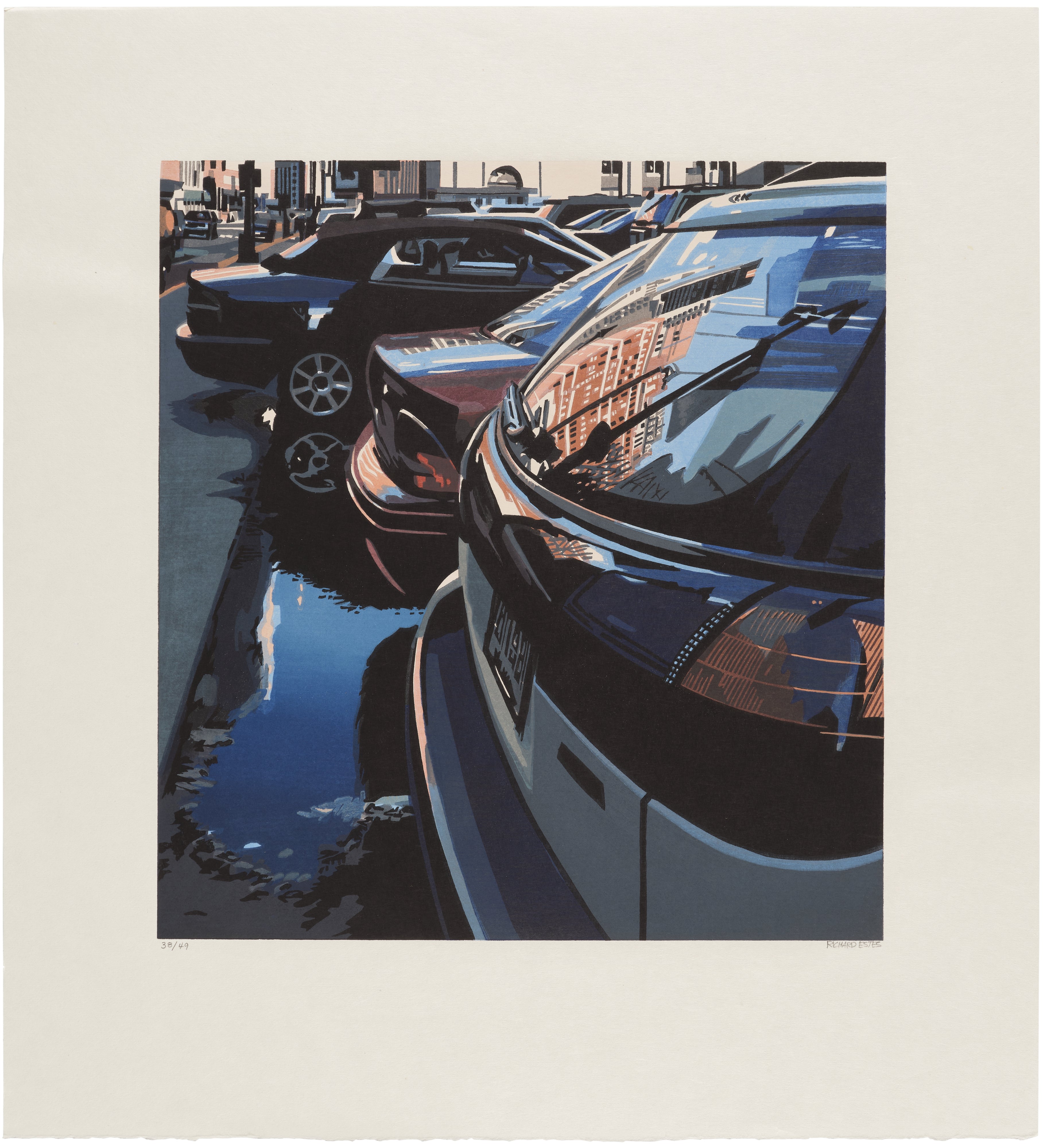
Richard Estes
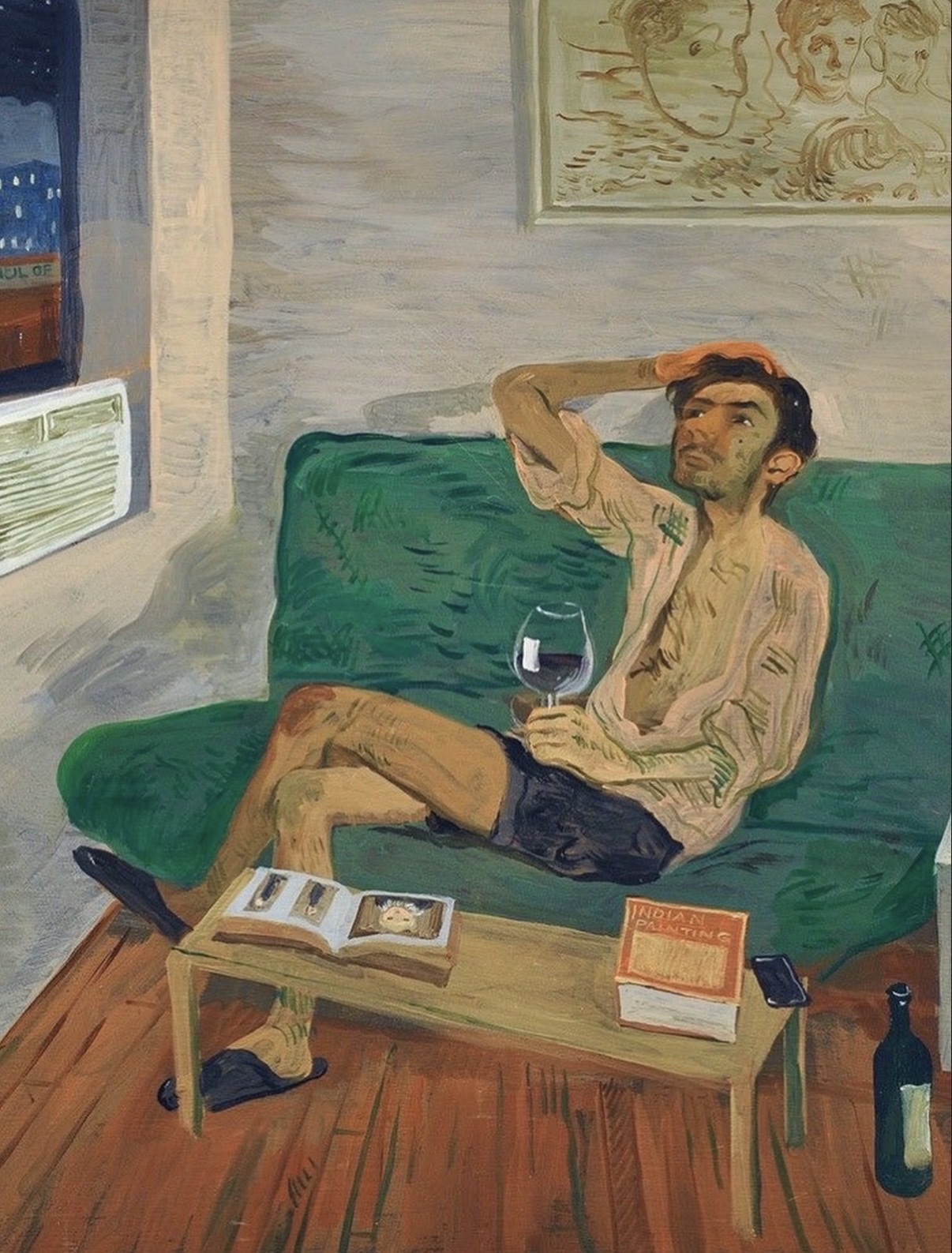
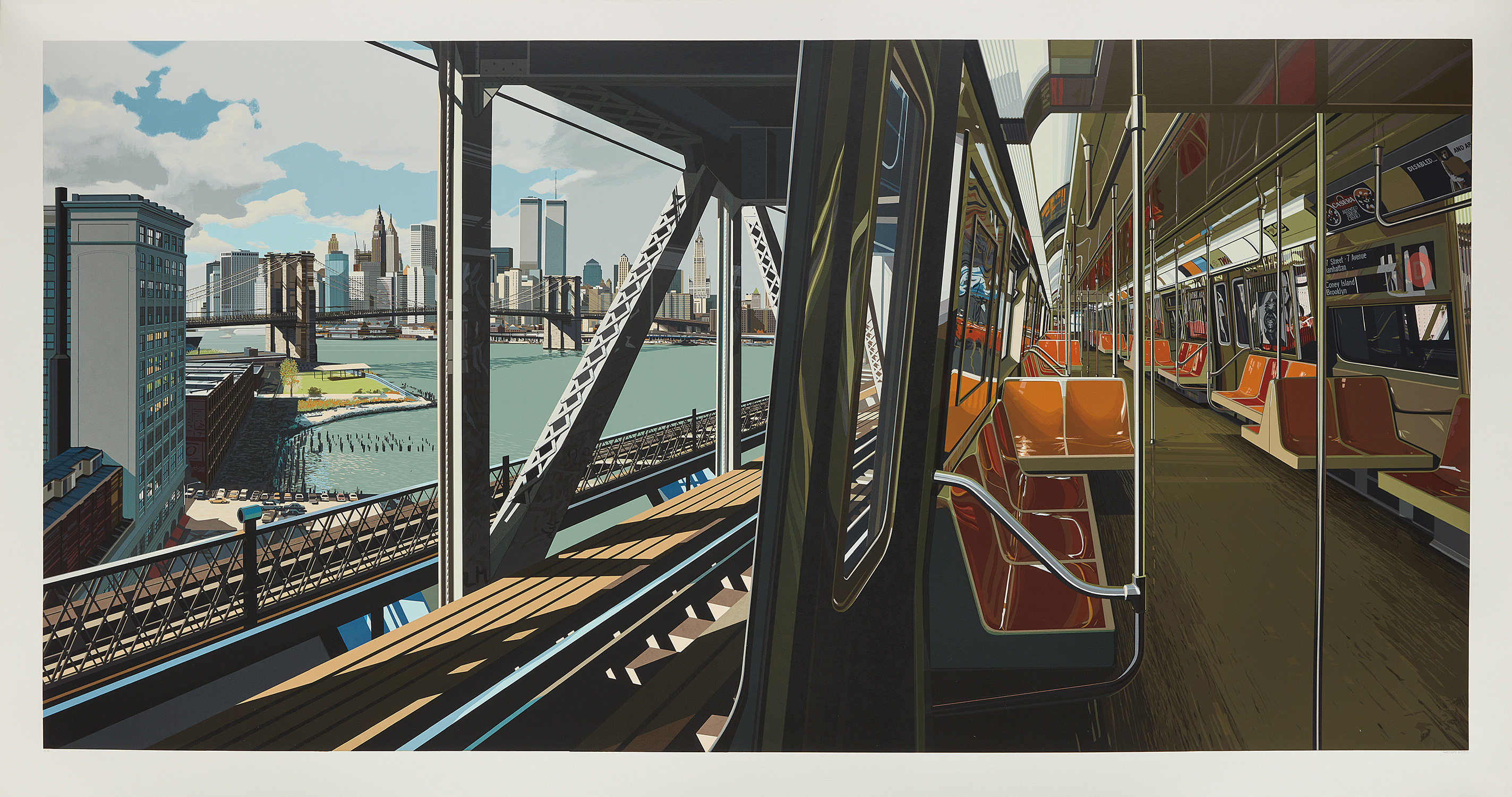
D Train
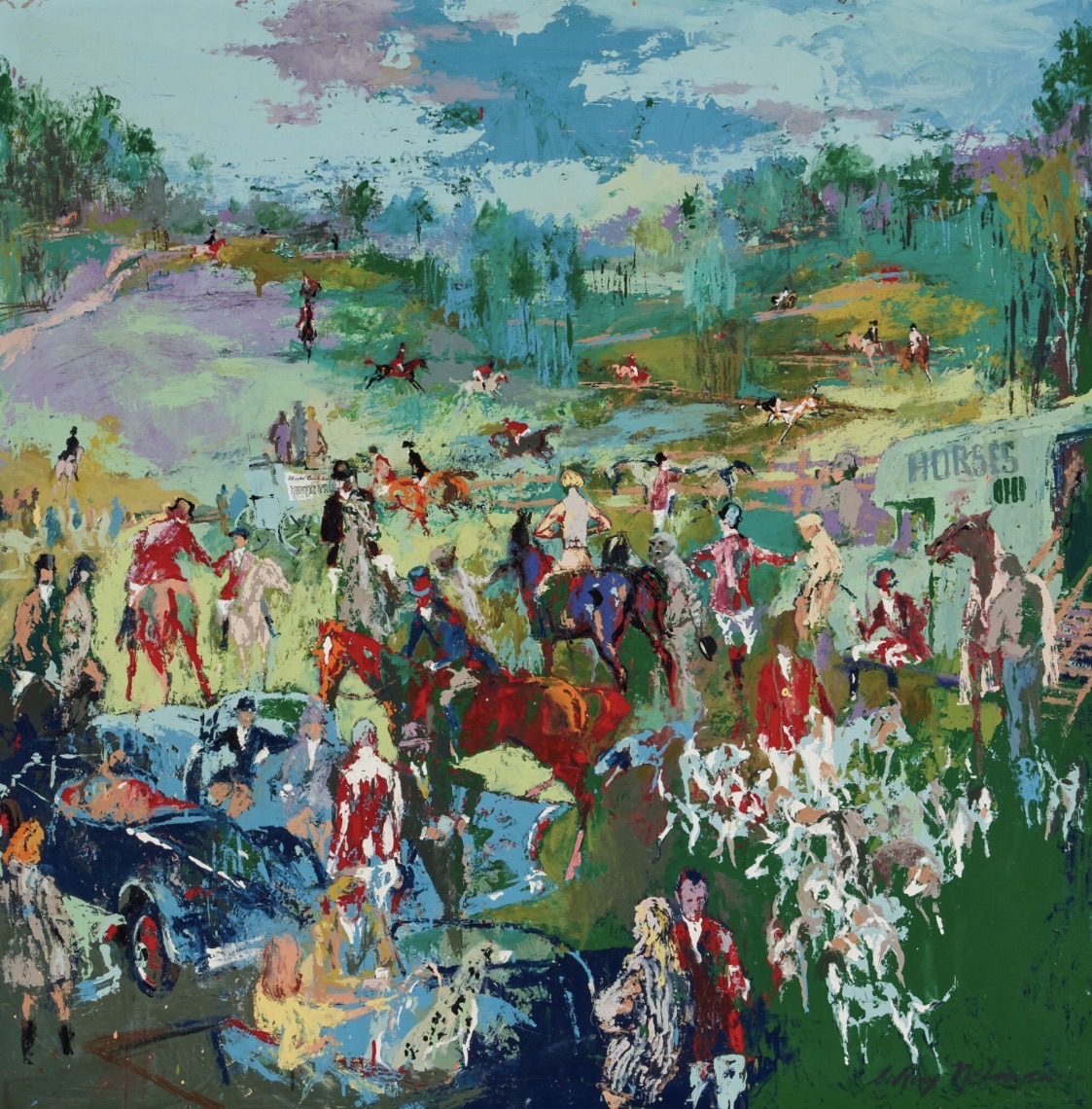
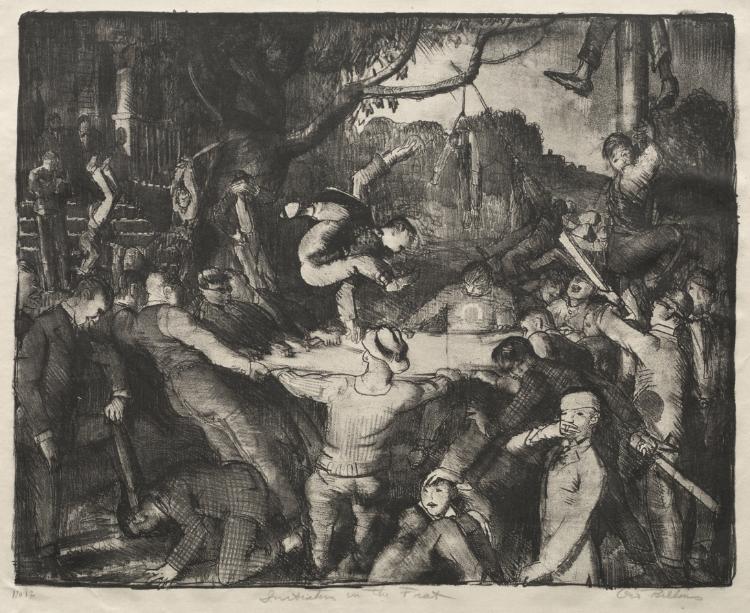
George Bellows, whose boxing paintings often overshadow his street scenes, has been reconsidered in recent years as a genuinely great urban artist. His images of New York in the 1910s carry a physical energy that feels startlingly contemporary. Richard Estes, whose photorealist storefronts and diners were once slightly unfashionable, has been the subject of serious reappraisal, with museum retrospectives confirming what a handful of prescient collectors had understood for years. The photographic dimension of urban imagery has never been more central to the collecting conversation.
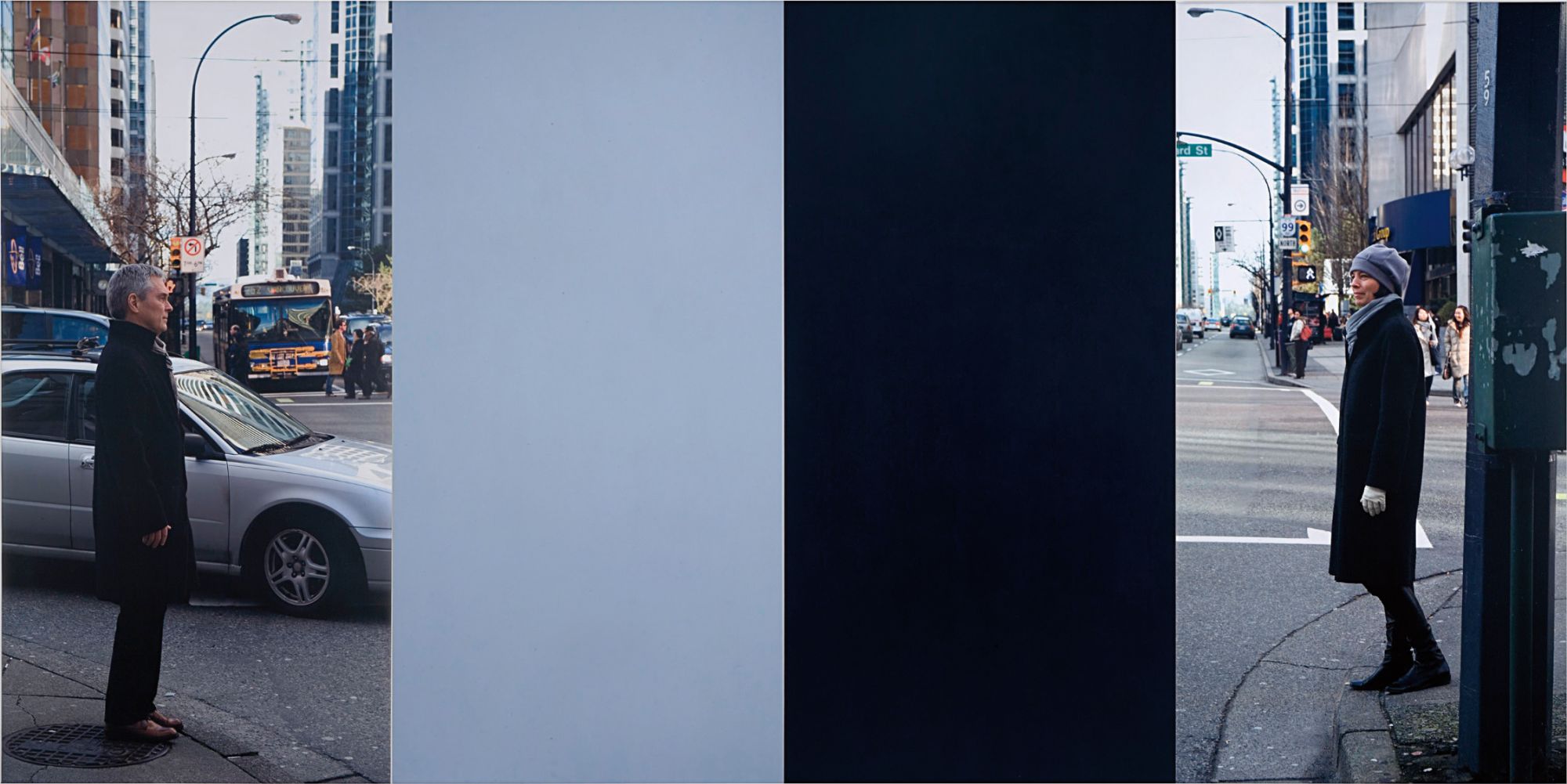
Henri Cartier Bresson's streets are now firmly canonical, the prices for his prints reflecting both their art historical significance and their increasing scarcity in strong condition on the market. Robert Frank's work, following the renewed attention around his death in 2019 and the subsequent reassessment of The Americans as one of the defining visual documents of the twentieth century, has found new audiences among collectors who previously focused on painting. Louis Faurer and Ormond Gigli, both well represented on The Collection, offer entry points into mid century American street photography that feel more intimate and less institutionally settled than the obvious names, which is precisely where interesting collecting happens. Among the institutions actively building in this space, the Museum of Fine Arts Boston has long been a quiet leader in urban prints and drawings, while the Bibliothèque nationale de France holds reference collections that continue to shape scholarly understanding of the French graphic tradition.
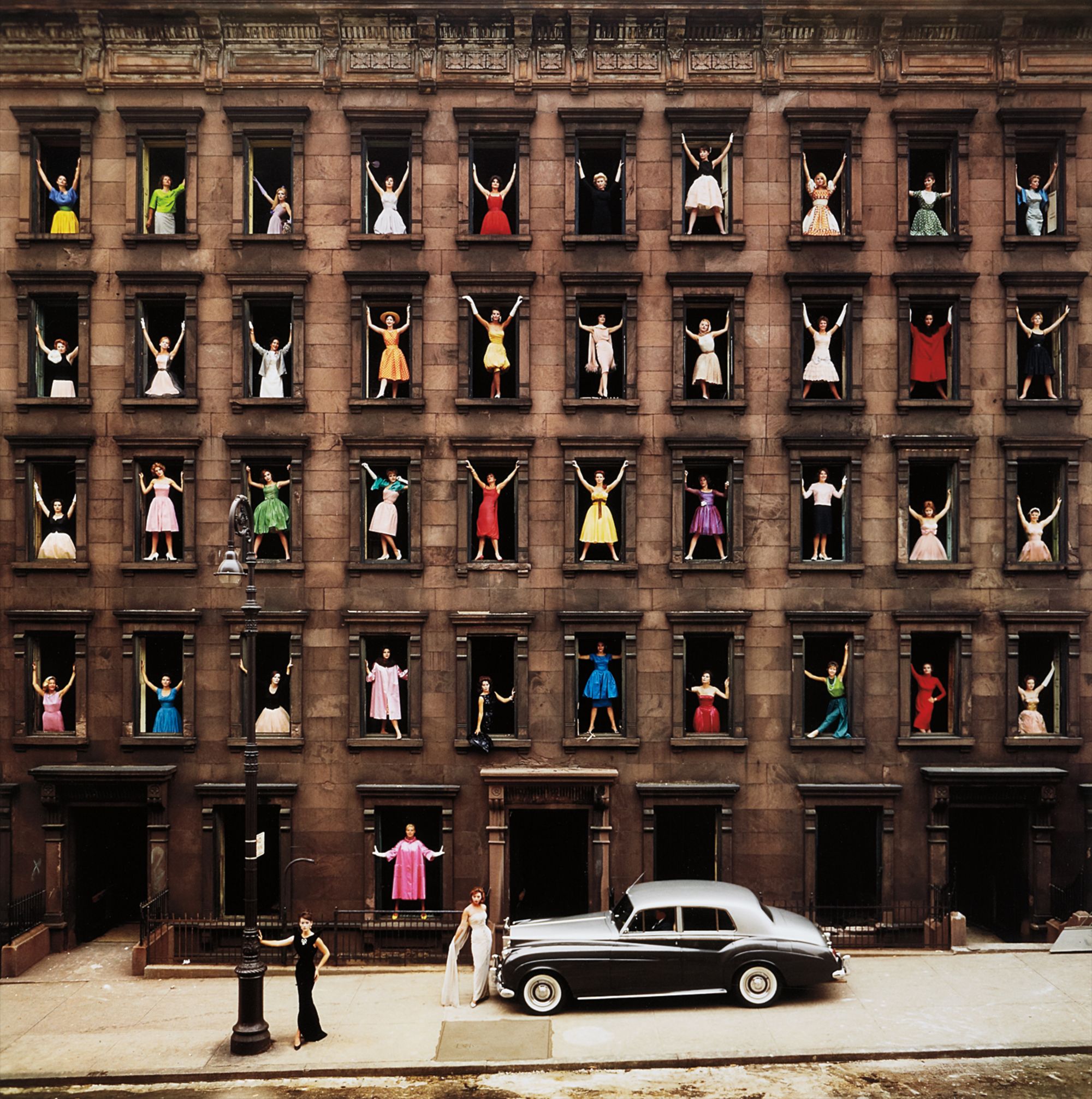
Ormond Gigli
Girls in Windows, New York City
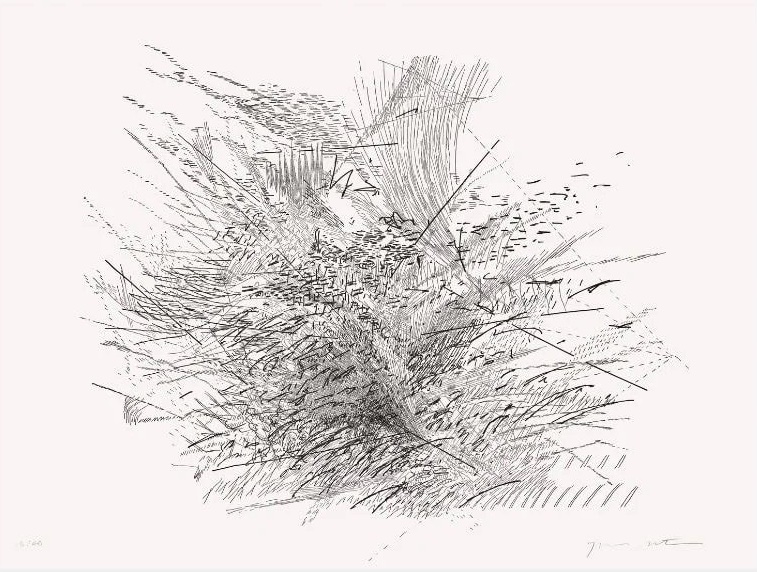
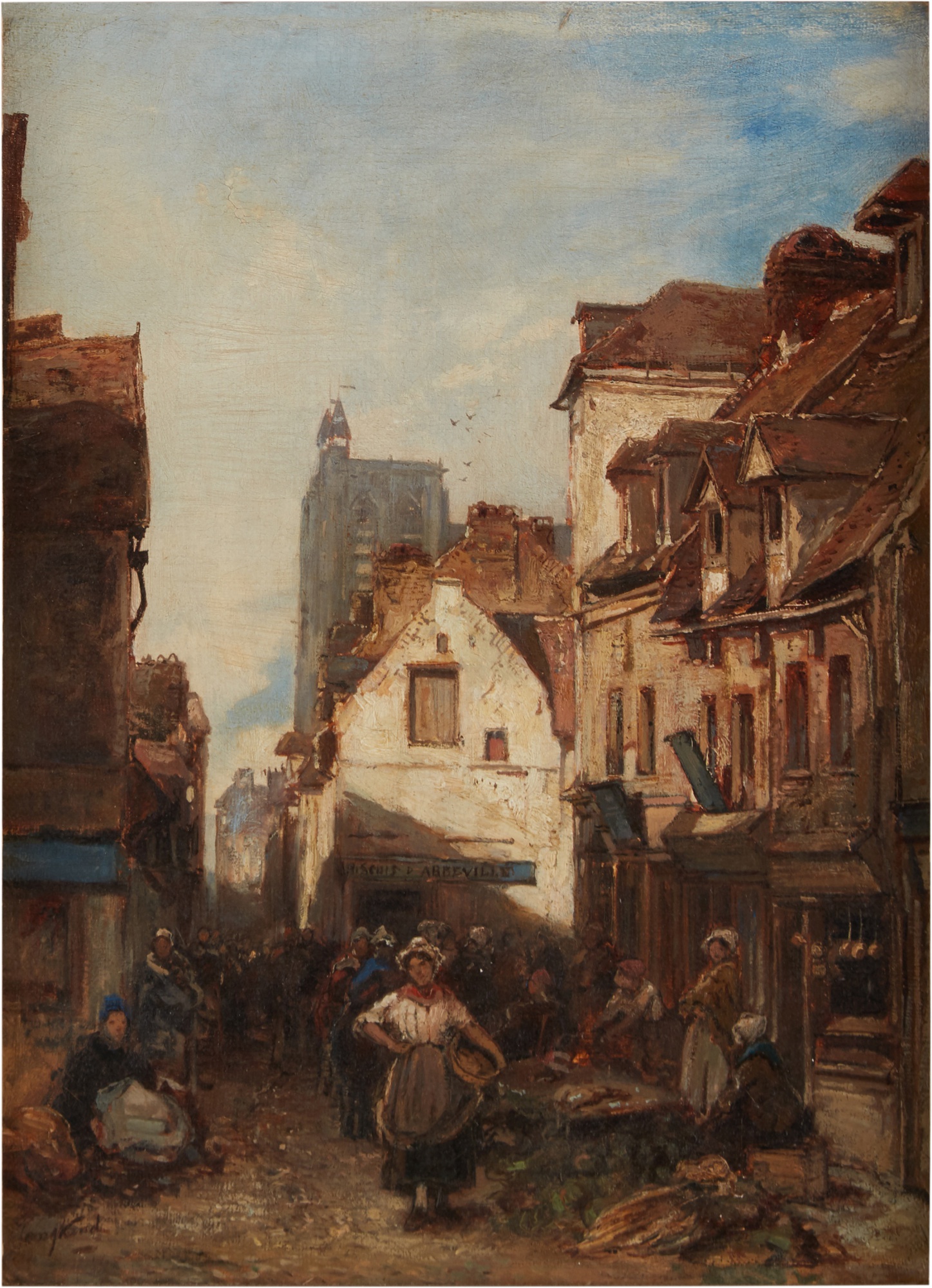
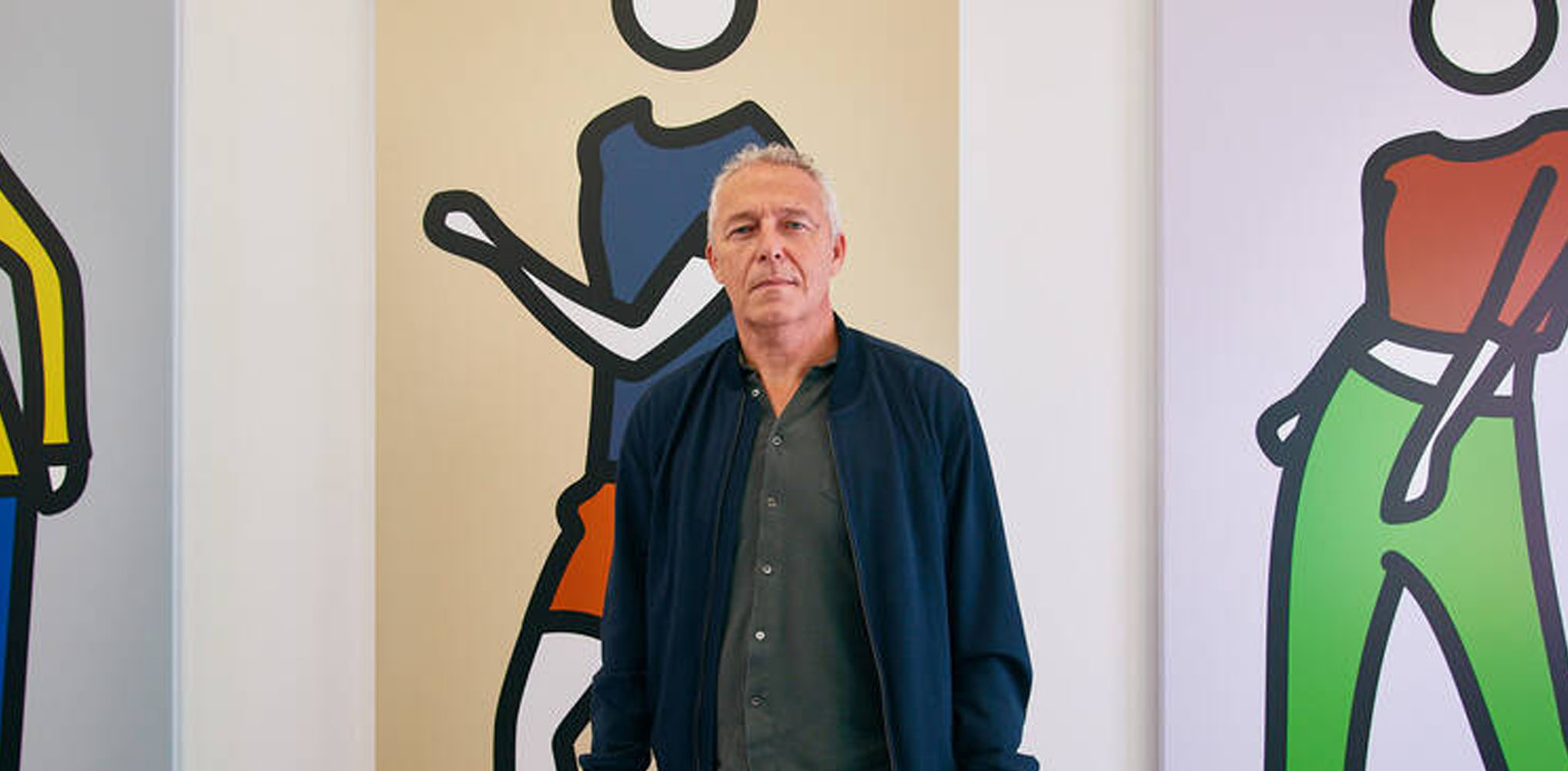
The Cleveland Museum of Art and the Philadelphia Museum of Art have both made meaningful acquisitions in urban realism over the past decade. What these institutions signal, collectively, is that the urban scene is not a niche or a period speciality but a transhistorical concern, one that connects Johan Barthold Jongkind's canal views of the 1860s to Julian Opie's algorithmic pedestrians and back again without contradiction. The critical conversation around urban imagery has been shaped in recent years by a handful of writers and curators who have pushed past the sociological framing that dominated earlier scholarship. Scholars working on the flaneur tradition have expanded it beyond Baudelaire to include women artists and photographers who navigated the city on very different terms.
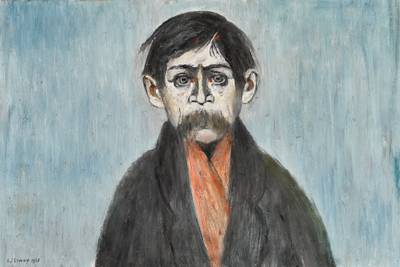
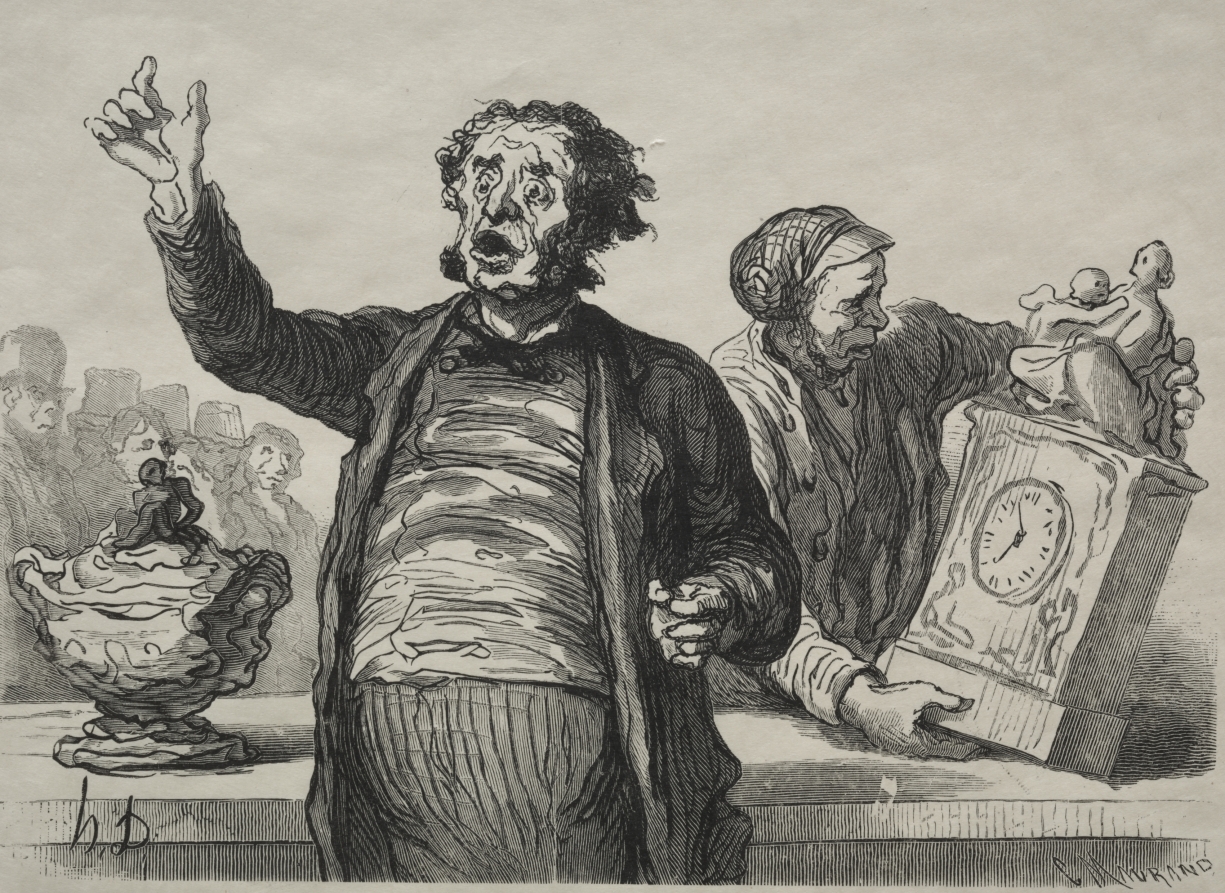
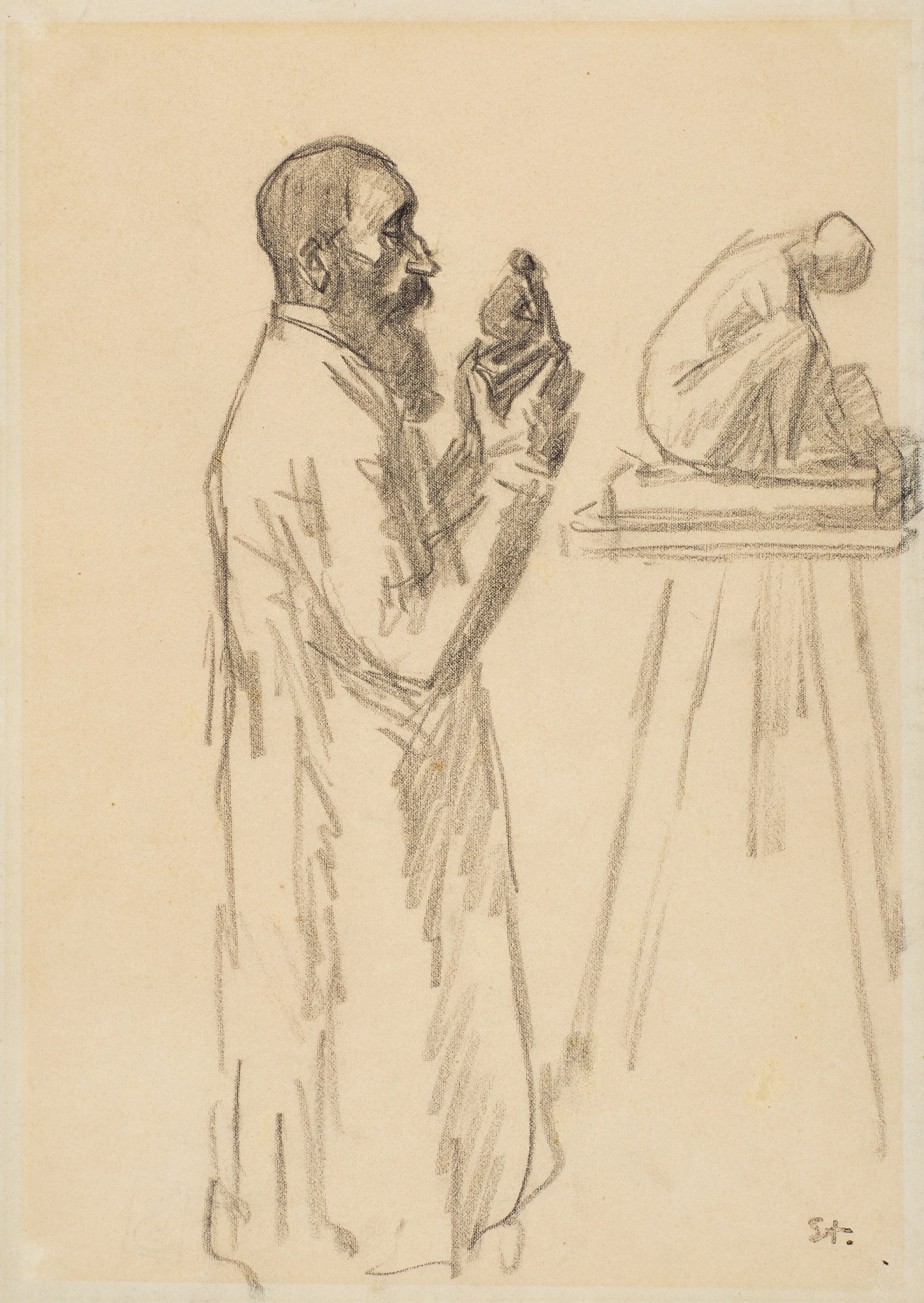
Curators at the Musée d'Orsay have brought renewed attention to the illustrators and printmakers, figures like Paul Gavarni and Honoré Daumier and Théophile Alexandre Steinlen, who shaped how Paris saw itself during the long nineteenth century. Publications including The Print Collector's Newsletter and more recently academic journals devoted to urban visual culture have made this a genuinely contested and productive field. Where is the energy heading. L.
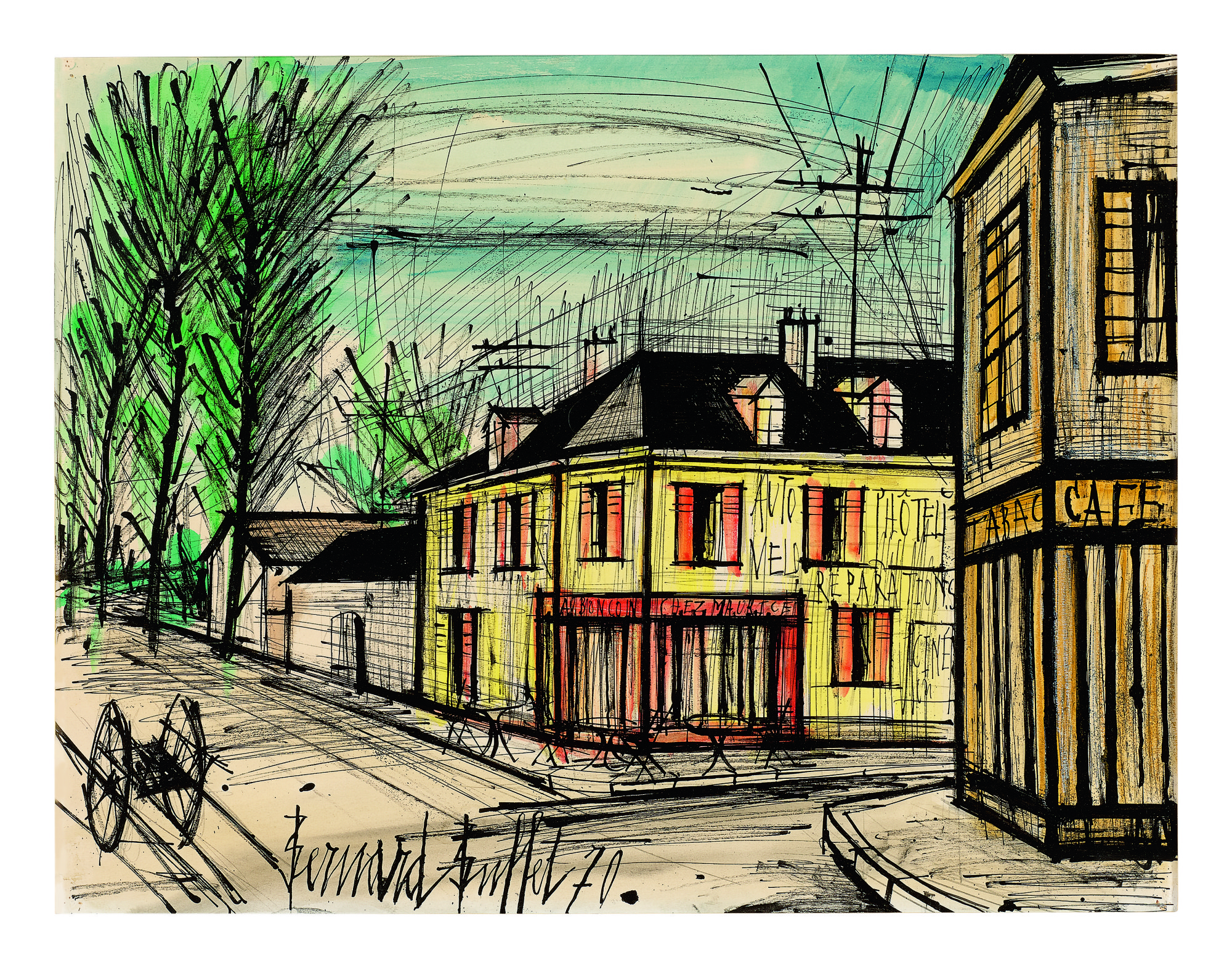
Bernard Buffet
Au Bon Coin, Chez Maurice, 1970
S. Lowry, whose matchstick figures and industrial townscapes were for years treated as a regional British curiosity, has been undergoing a sustained international reassessment. Major sales in London have confirmed that serious collectors outside Britain are paying attention. Toulouse Lautrec's prints, always desired, have held their value through volatile market cycles in ways that quieter works have not, which says something useful about the relationship between iconic imagery and long term market stability.
Pierre Bonnard's street scenes and public spaces, less celebrated than his interiors, feel like an area where the market has not yet caught up with the critical conversation. The surprise, as always, is hiding somewhere in plain sight. The collector who looks carefully at the urban tradition right now, across media and periods and geographies, will find it.