Uncanny Mood
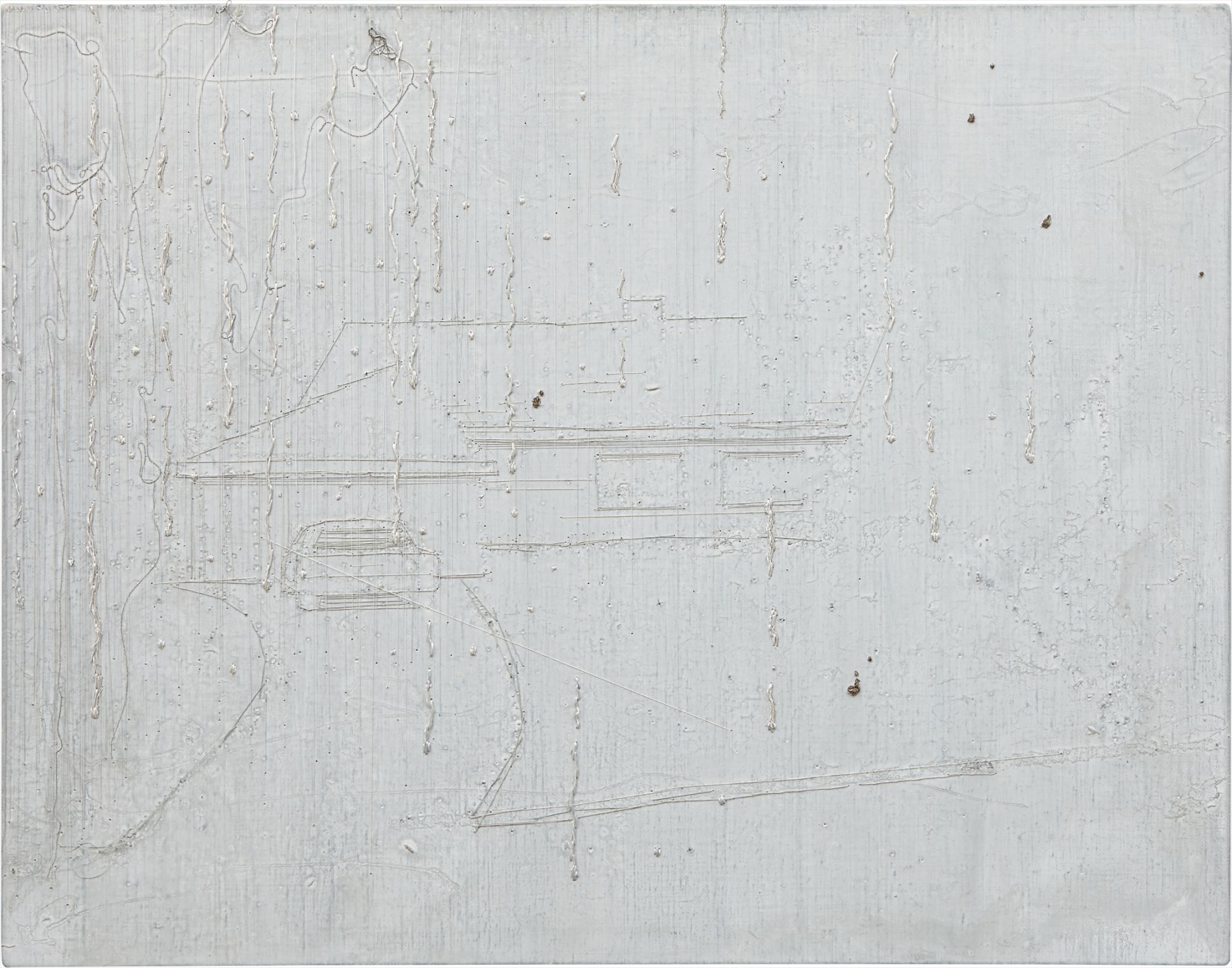
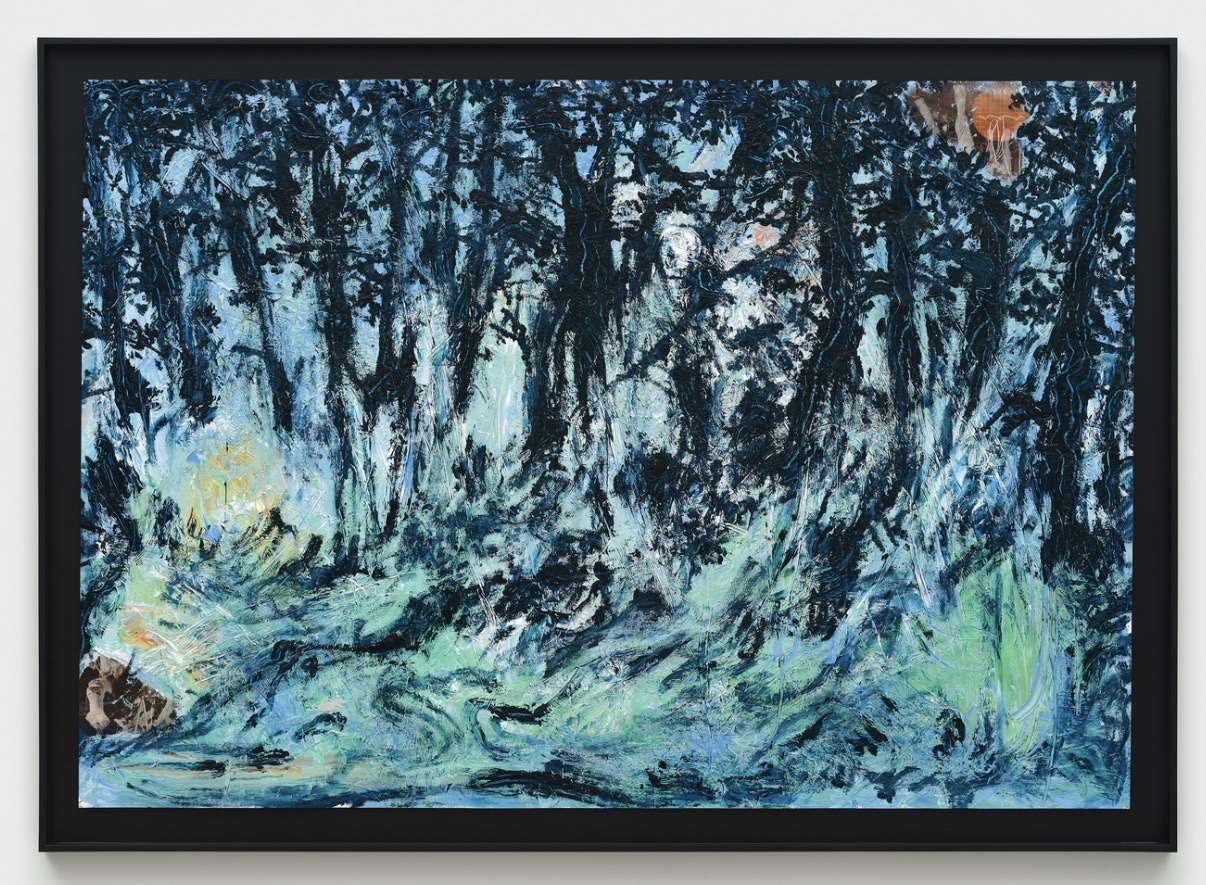
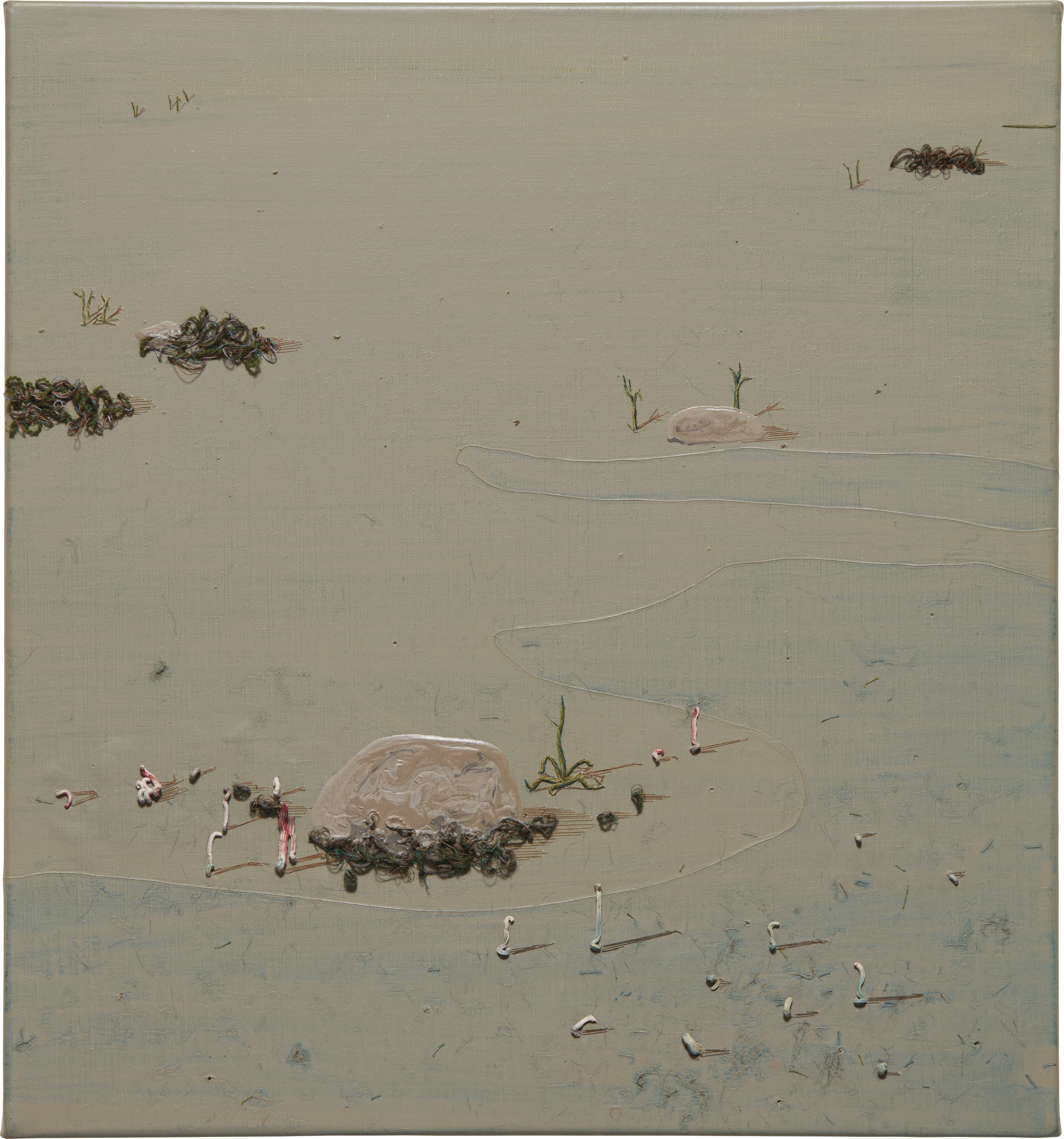
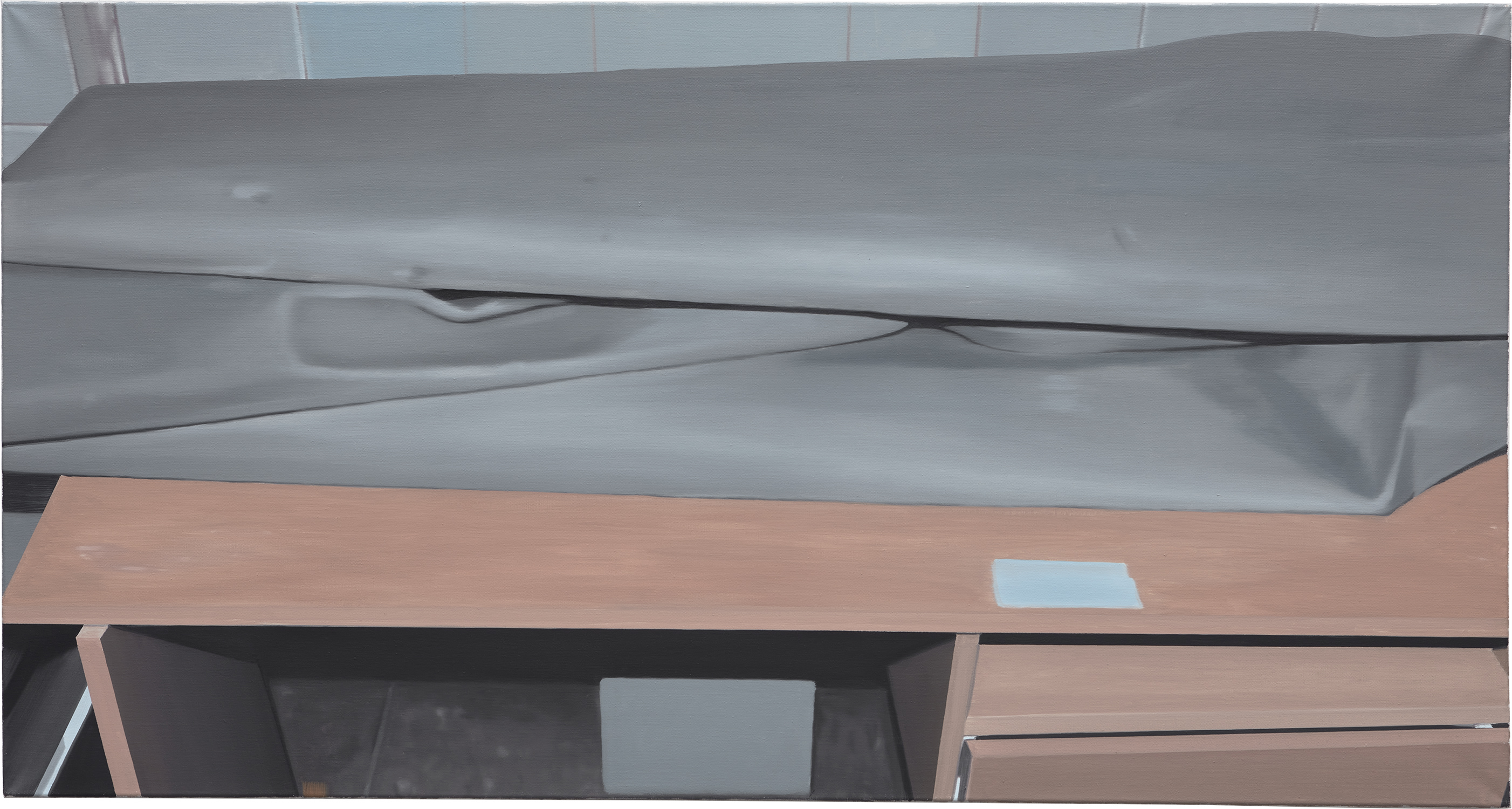
Michael Raedecker
Close

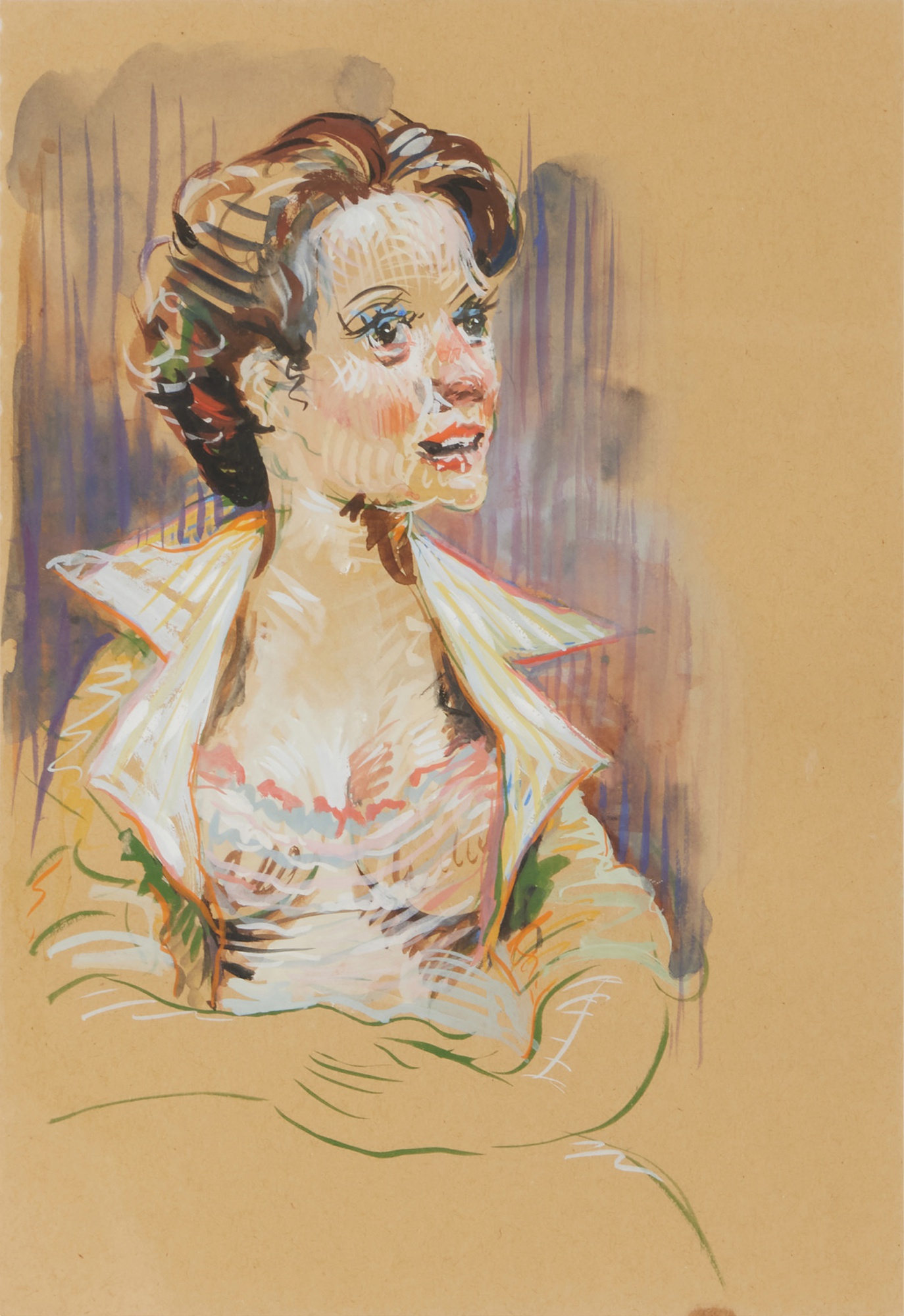
The Art That Makes You Look Twice
There is a particular kind of collector who keeps returning to works that unsettle them just enough. Not the shock of transgression, not the cold remove of pure conceptualism, but something more intimate and harder to name: the feeling that a familiar thing has become strange, that a face you should recognize is somehow wrong, that the world depicted is our world and also absolutely not. Collectors drawn to uncanny work often describe a physical sensation when they first encounter it, a slight catch in the chest, a reluctance to look away. This is not comfort art.
It is, in some ways, the opposite. And yet people live with it, willingly, for decades. What makes that choice so interesting from a collector's perspective is that the uncanny is one of the few aesthetic registers that actually deepens over time rather than exhausting itself. Works that rely on spectacle or novelty tend to flatten with familiarity.
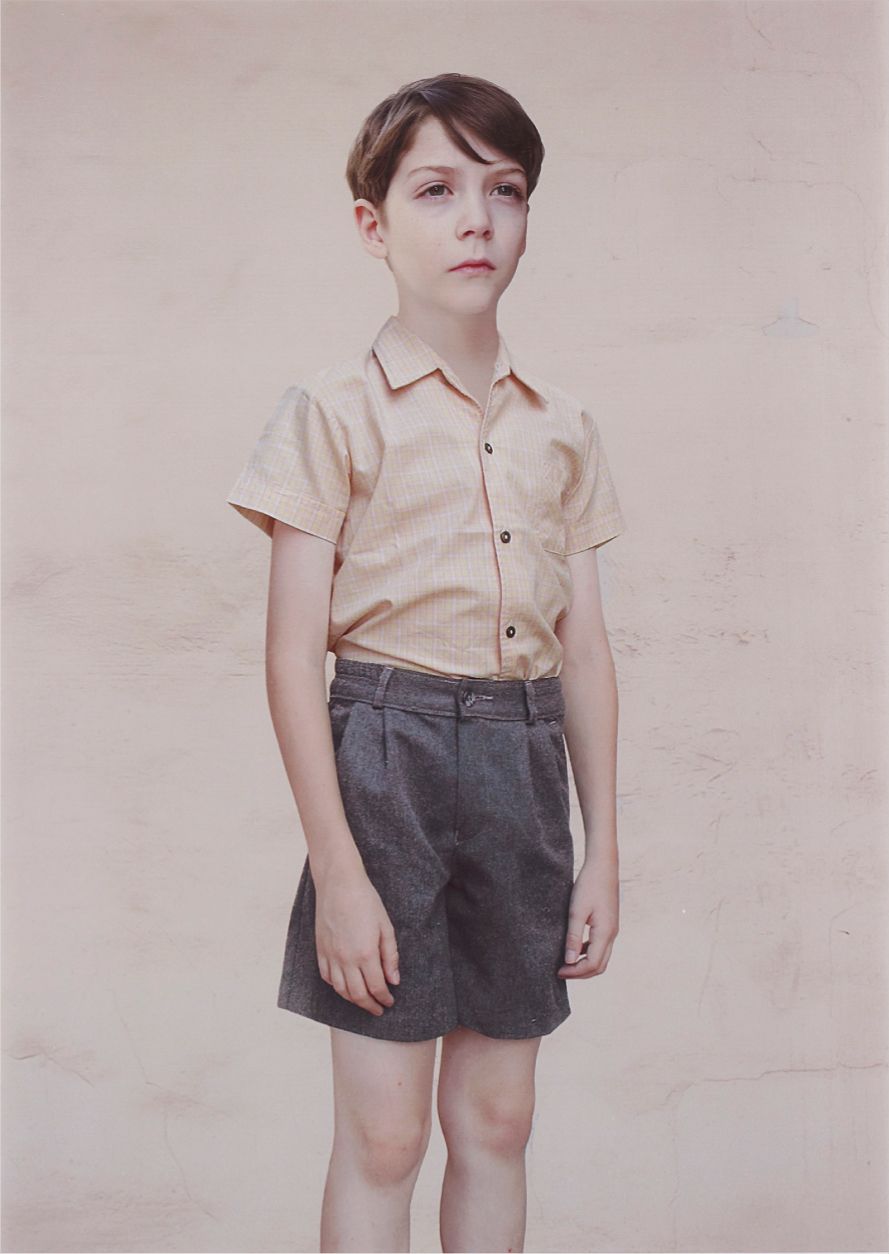
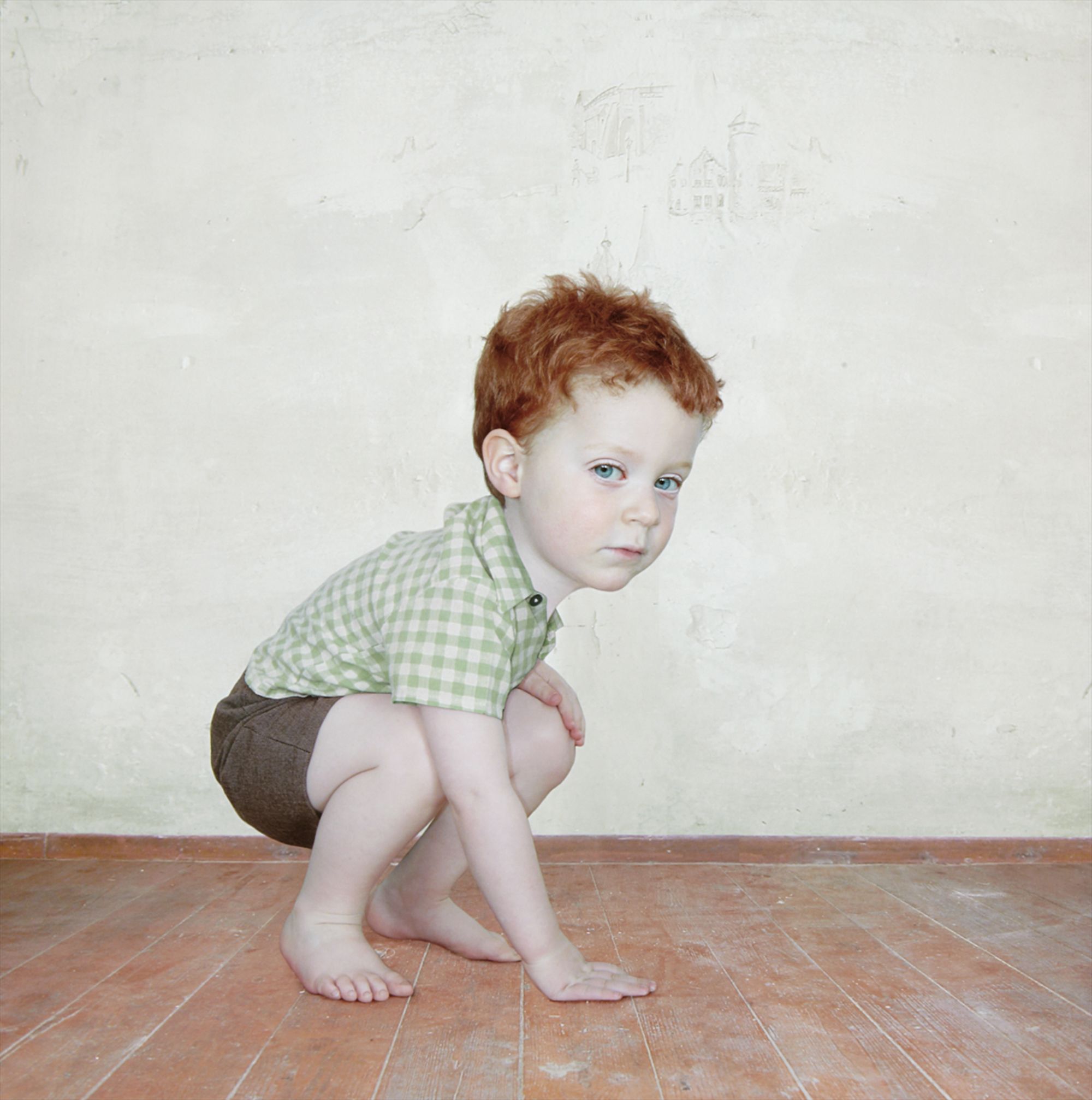
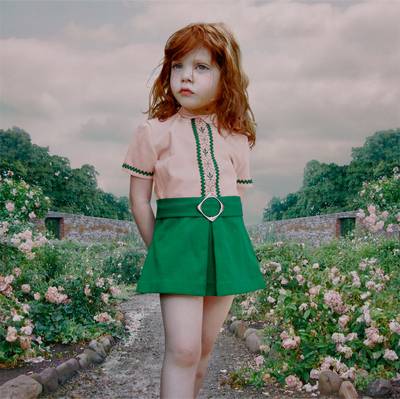
Loretta Lux
The Boy
But an image by Loretta Lux, with her digitally composited children suspended in eerie pastoral light, grows stranger the longer it hangs in your home. You begin to notice the way the scale of the child relative to the landscape refuses to resolve. You start to wonder what the child is thinking, or whether they are thinking at all. The work does not give you answers.
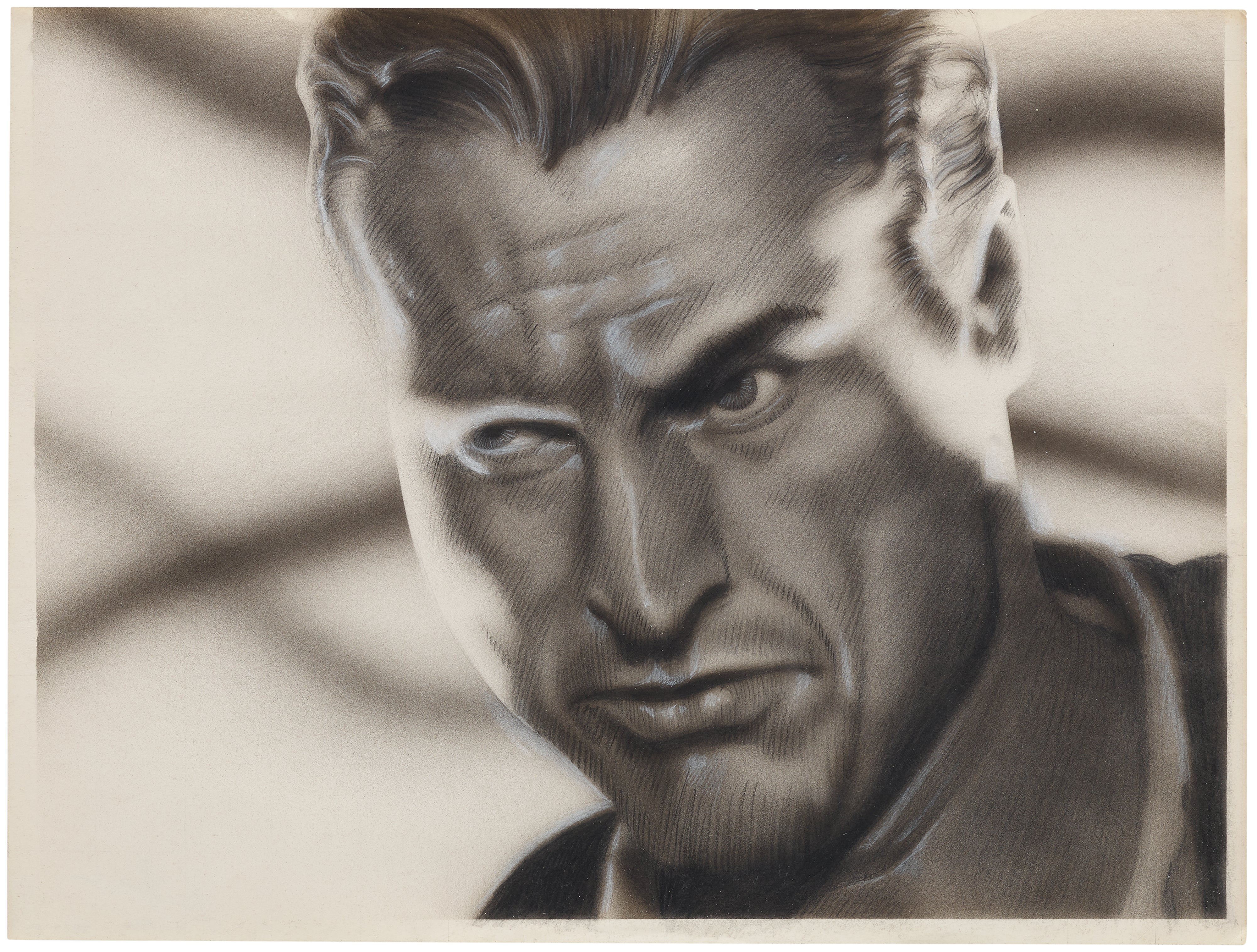
That productive withholding is precisely why uncanny art sustains attention. Separating a strong work from a truly great one in this space comes down to specificity of unease. The best uncanny works are not simply weird or disorienting in a generic sense. They locate their strangeness in something precise: a gesture that is almost human, a room that is almost inhabited, a texture that is almost skin.
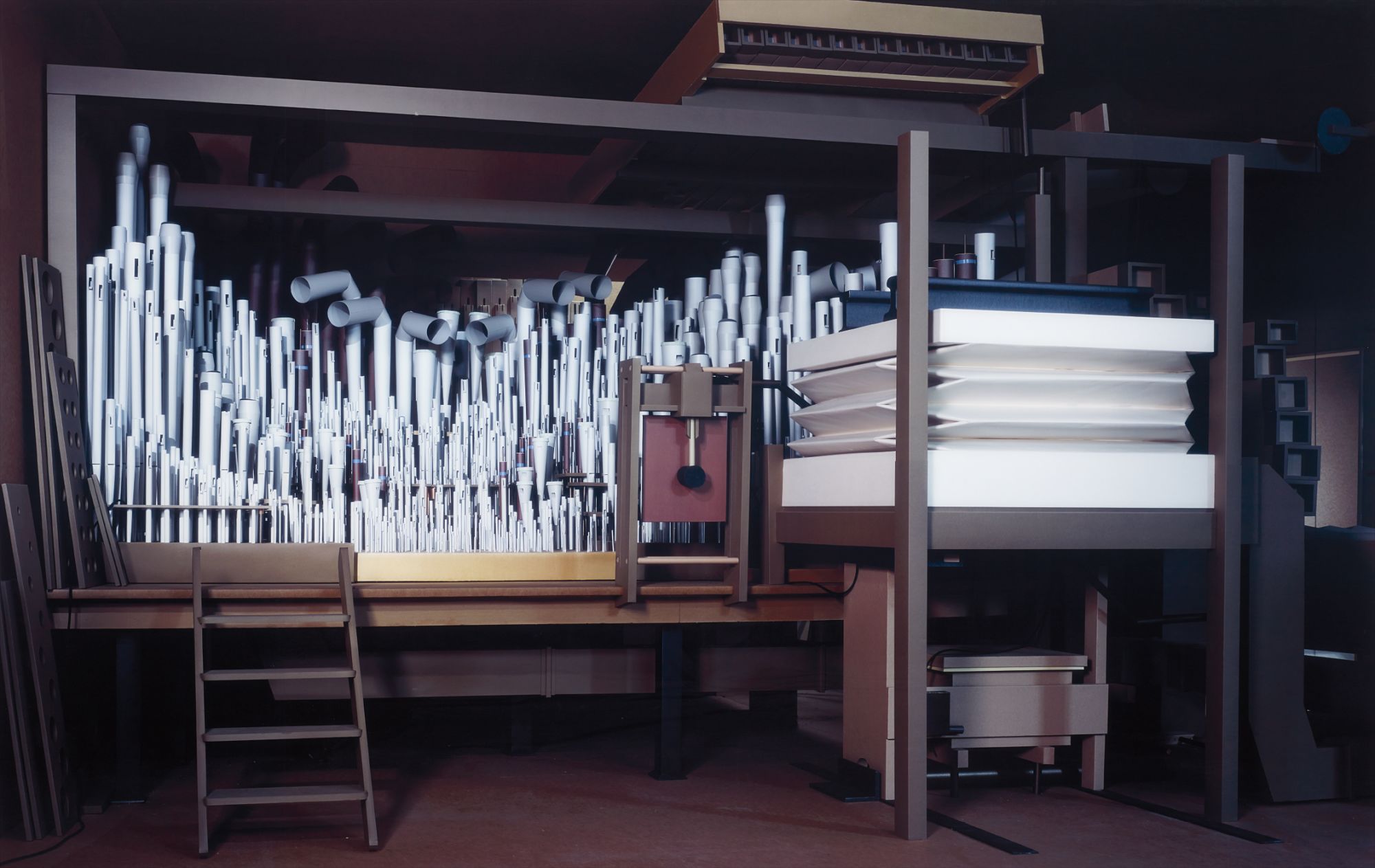
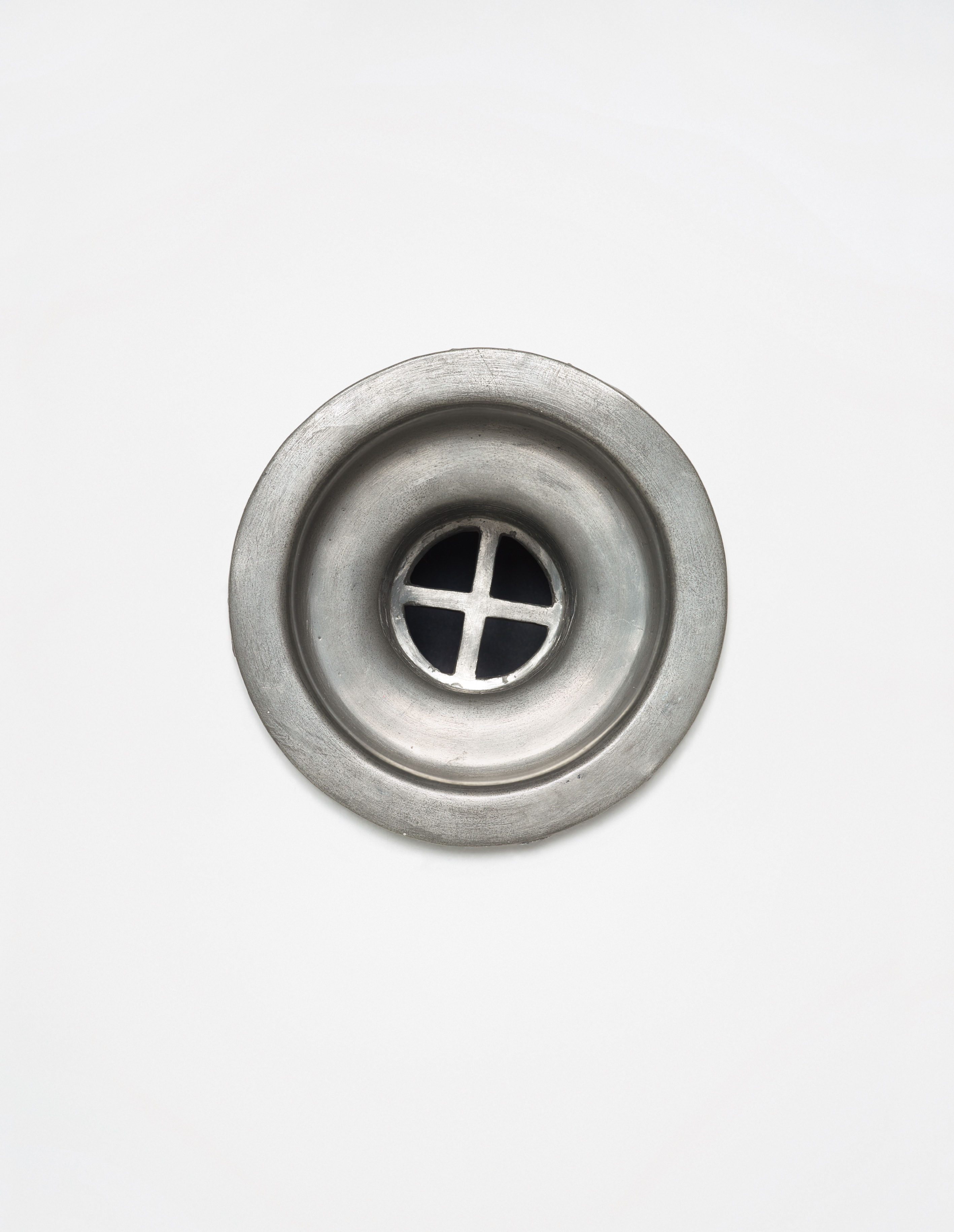
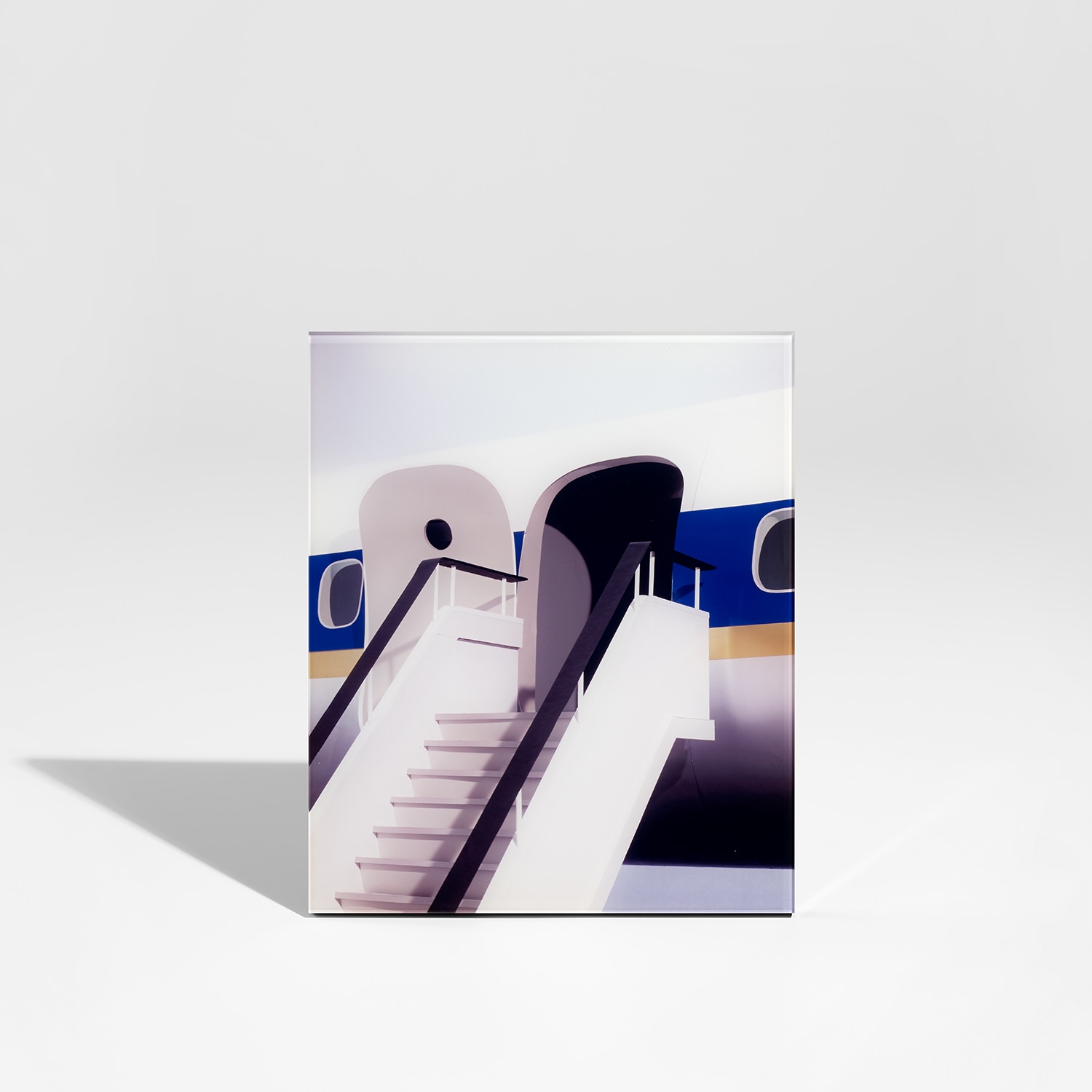
Thomas Demand
Heldenorgel
Thomas Demand's photographs of painstakingly reconstructed paper environments achieve this through the slow dawning recognition that every surface in the image is fabricated. There are no accidents, no dust, no wear. The world he shows us is one in which evidence of lived experience has been systematically removed. That is a very specific kind of horror, and it is entirely distinct from the unsettling quality in, say, a Robert Gober installation, where domestic objects are altered just enough to suggest violation.
When you are evaluating a work, ask yourself whether the uncanniness is doing something irreplaceable or whether it is interchangeable with another artist's strangeness. Specificity is everything. Among the artists well represented on The Collection, several have built secondary market track records that reward serious attention. Loretta Lux has attracted sustained interest from European and American collectors since her emergence in the early 2000s, and her edition sizes are modest enough that strong examples remain genuinely scarce.
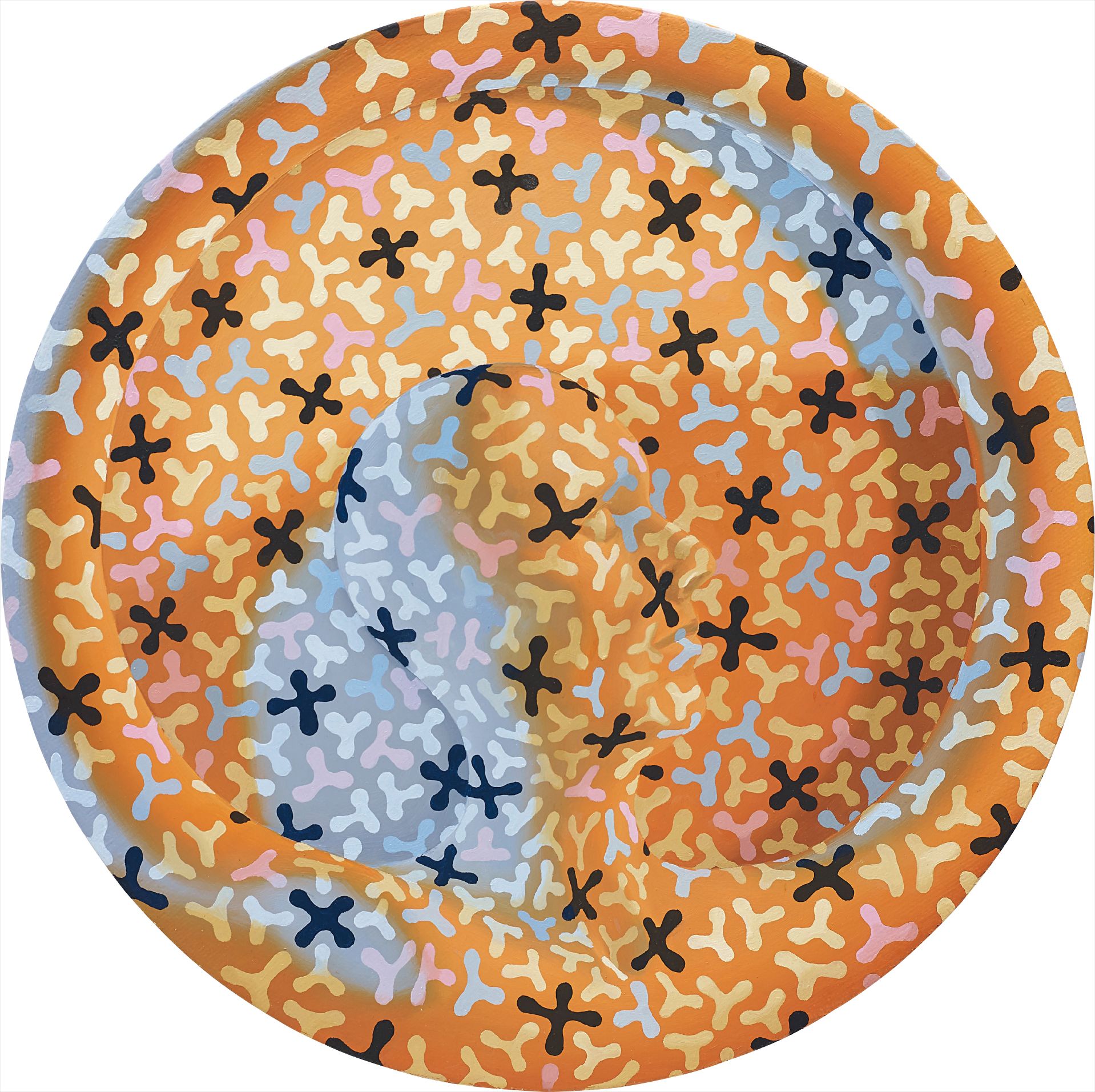
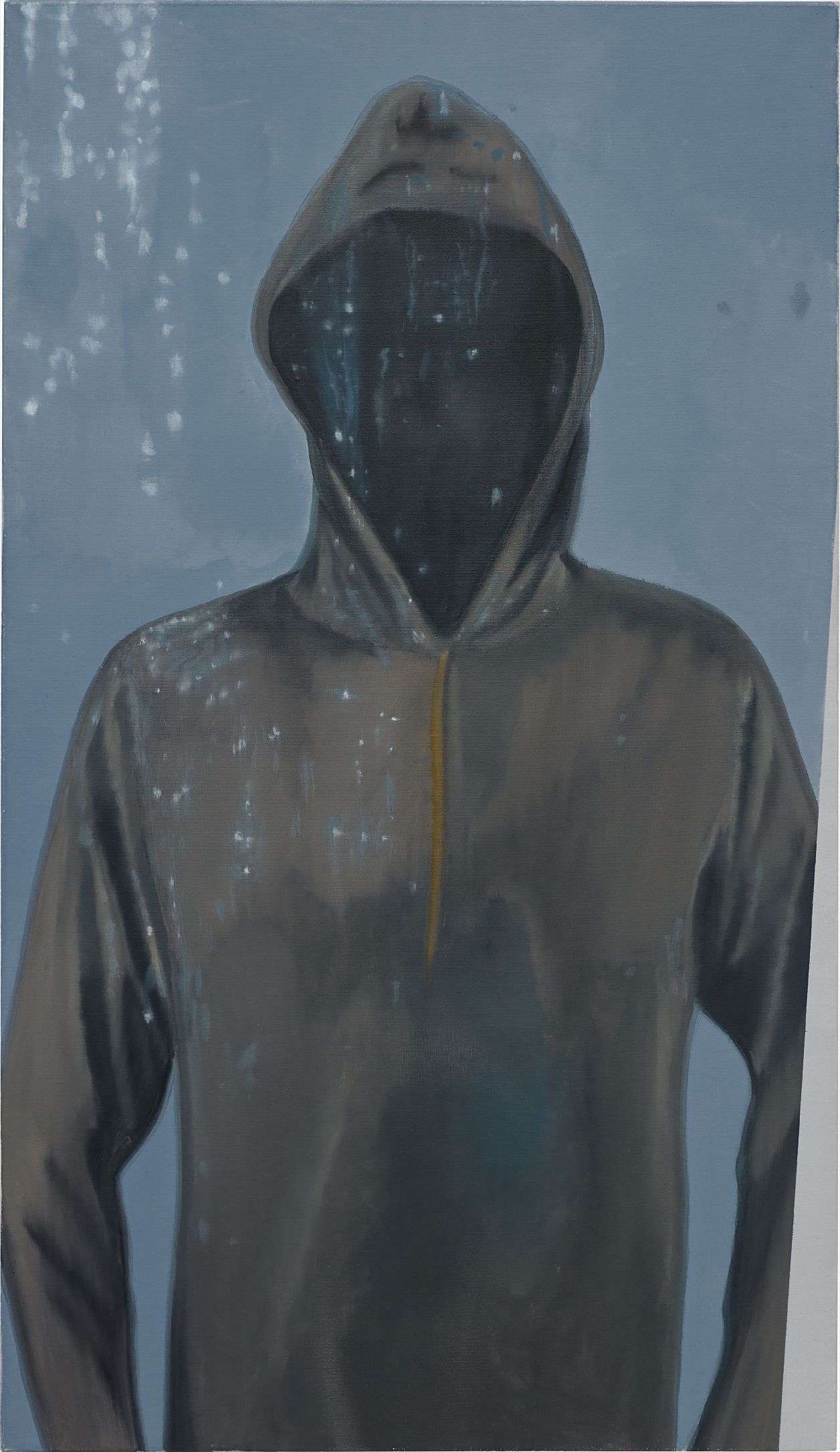
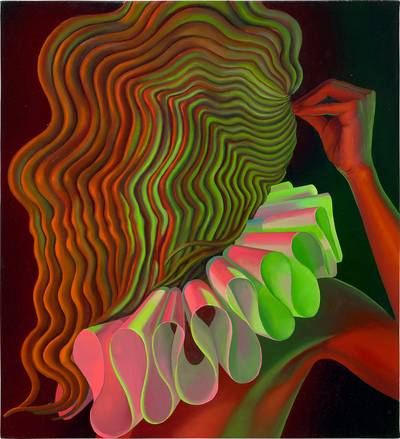
Sascha Braunig
Reef, 2015
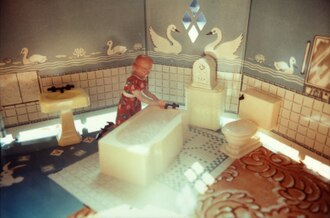
Thomas Demand's market has matured considerably, with major institutions holding his work and auction results reflecting that institutional confidence. Sascha Braunig occupies a compelling position: her painted figures, with their taut synthetic surfaces and ambiguous spatial logic, have moved steadily in the primary market and are beginning to appear with more regularity at auction. Laurie Simmons, whose photographs of dolls and domestic interiors have been central to discussions of the Pictures Generation, represents a category of work that has benefited from renewed scholarly and institutional attention over the past decade. For collectors watching where the next wave of uncanny art is forming, several names deserve careful attention.
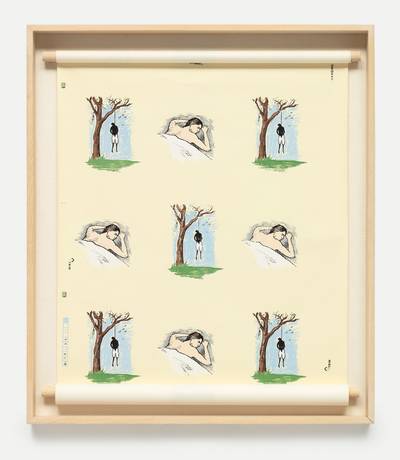
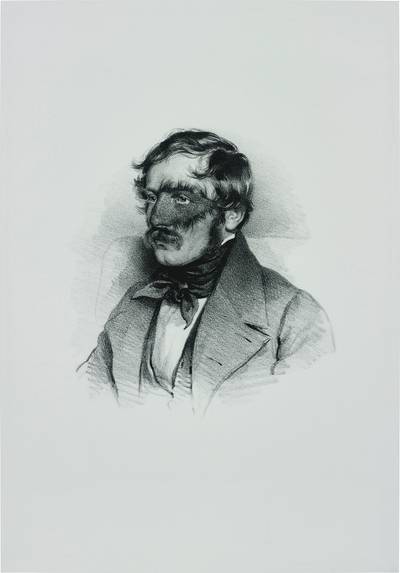
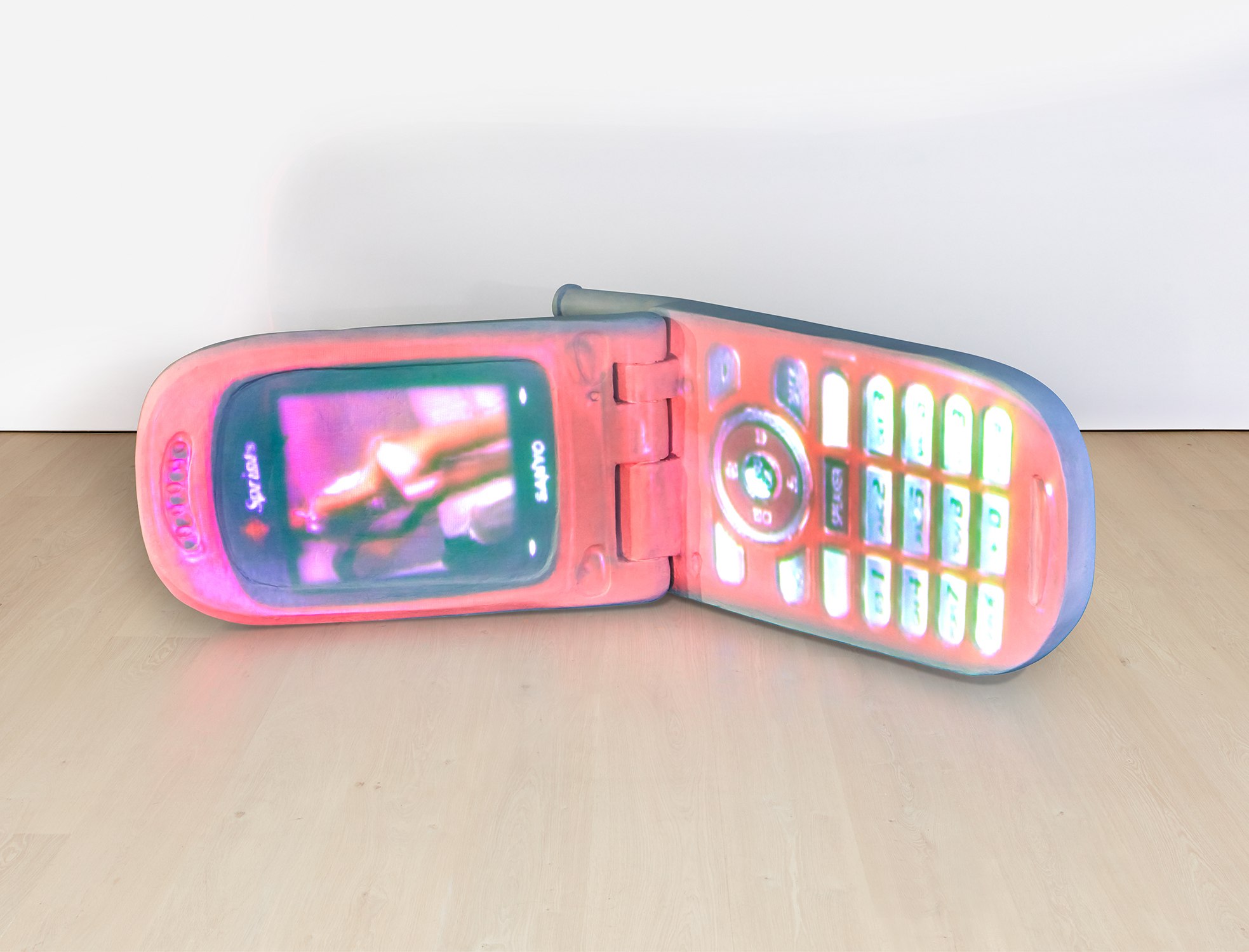
Jon Rafman works at the intersection of gaming aesthetics, internet culture, and genuine psychological disturbance, and his practice raises questions about the uncanny that feel genuinely new rather than derivative of earlier photographic or painterly traditions. Markus Schinwald, the Austrian artist known for his corseted and mechanically constrained figures, has a European market presence that has not yet fully translated to North American collectors, which creates an asymmetry worth considering. Richard Dupont's work with body scanning and distorted figuration sits at a threshold between sculpture and digital practice that is only beginning to be understood by the market. These are artists whose critical reputations have outpaced their auction visibility, which is typically the condition that precedes a revaluation.
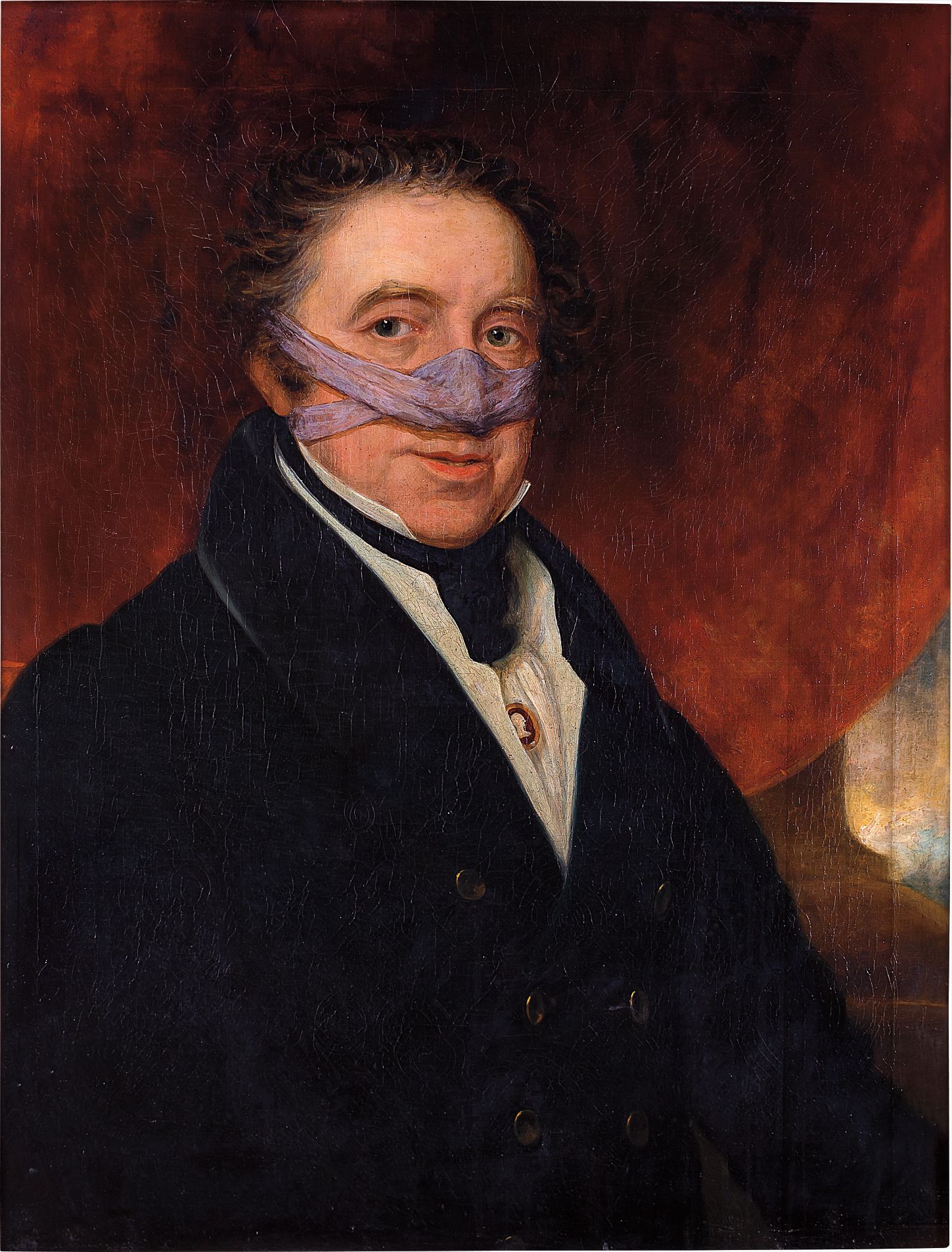
Markus Schinwald
Adam
At auction, uncanny work has historically performed best when it arrives with clear provenance and institutional exhibition history. Collectors and specialists tend to be skeptical of works in this category that feel generically strange without the anchoring context of critical discourse. A Loretta Lux photograph with a Saatchi Collection provenance and a Kunsthalle exhibition on its record will command a premium over a comparable work with no such history. This matters practically: when you are acquiring, ask the gallery not just about the edition number but about where the work has been shown and whether it appears in any catalogue raisonné or significant publication.
That paper trail is not bureaucratic formality. It is the scaffolding that supports long term value. Condition is a particular concern in this category because so much uncanny work involves photographic or hybrid media that can degrade in ways that undermine the precise effect the artist intended. A Lux photograph that has shifted in color temperature no longer occupies the same psychological register.
Display matters enormously as well. These works are often sensitive to ambient light, and many collectors who live seriously with them invest in proper UV filtering and controlled hanging environments. For editions specifically, ask whether the artist has supervised the printing of your particular work, and confirm whether the edition is open or strictly limited and whether artist proofs are included in the count. With unique works on canvas or panel, as with a Michael Raedecker or a John Currin, standard painting conservation practices apply, but ask specifically about any mixed media elements that may have different aging properties.
The goal is to preserve not just the physical object but the precise calibration of strangeness the artist intended. That calibration is the whole point.