Twentieth Century
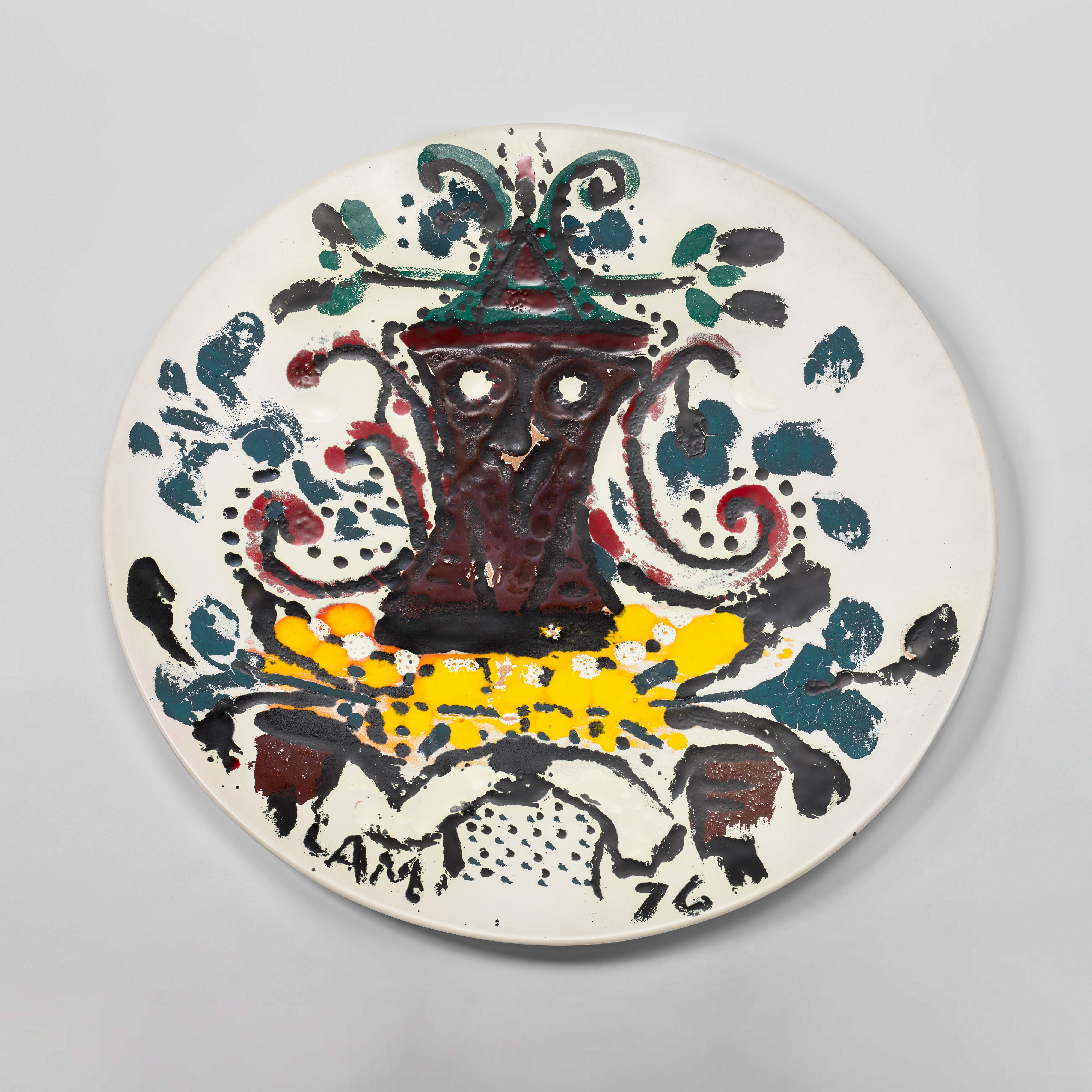
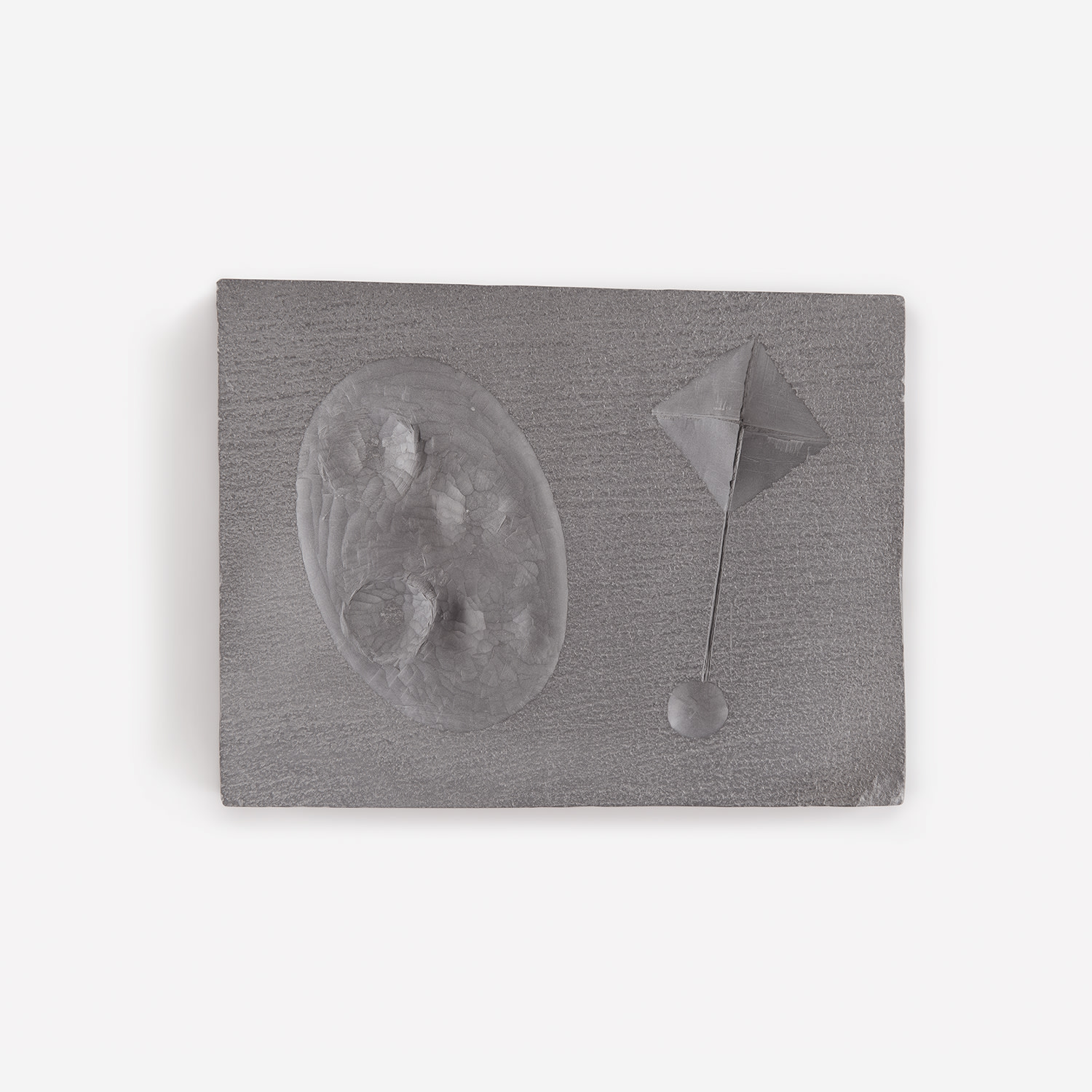
Wifredo Lam
Masque, 1976
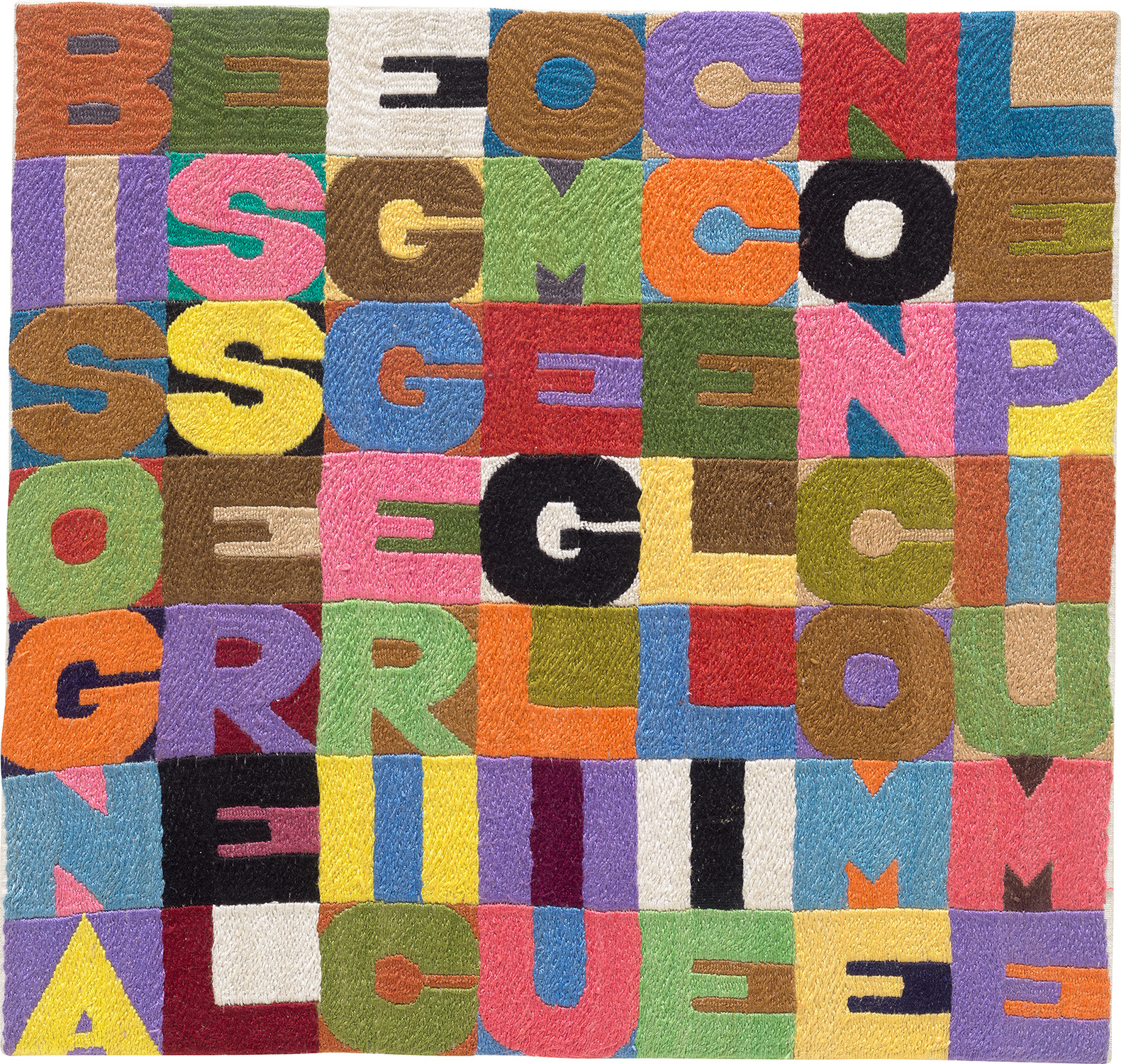
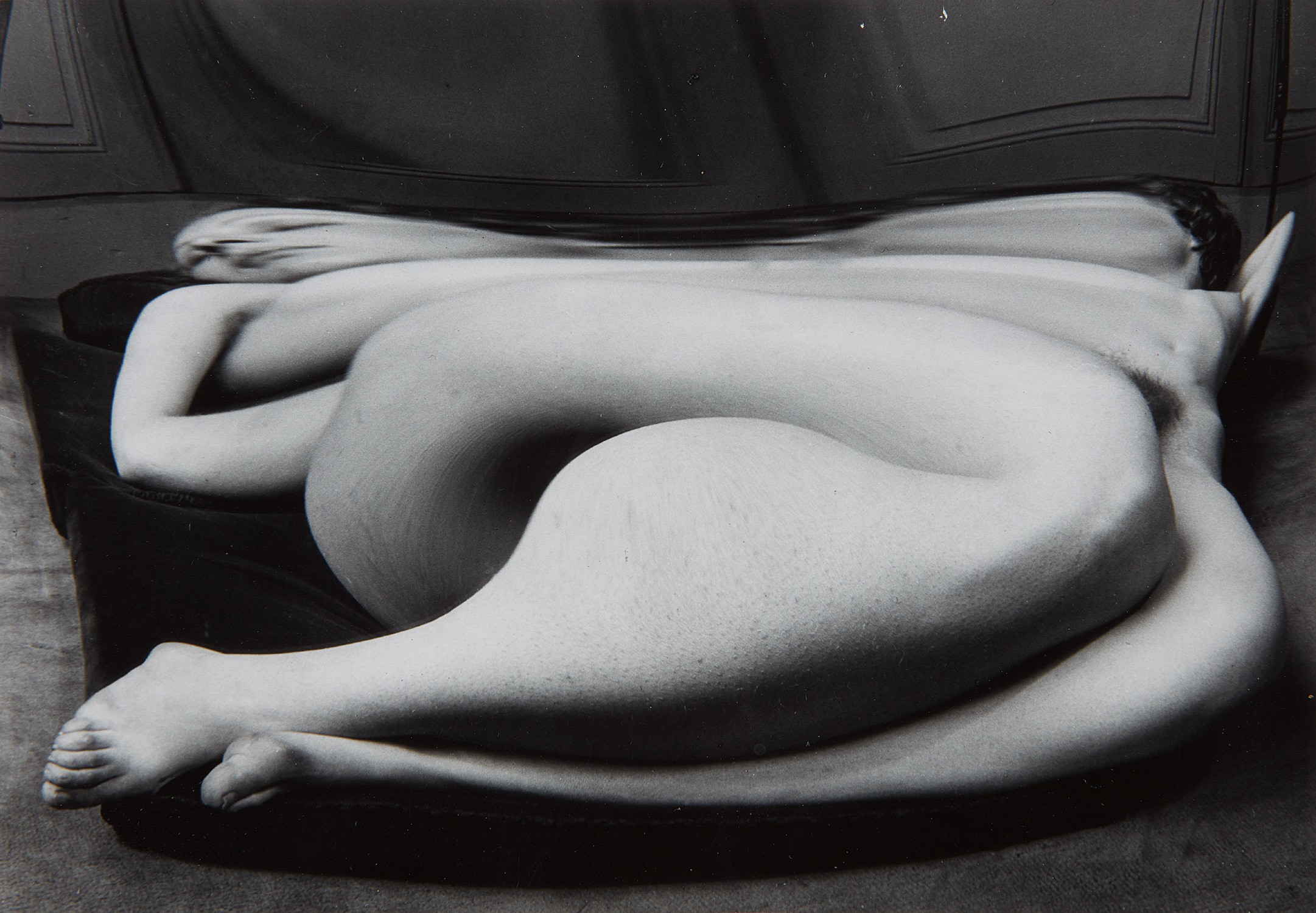
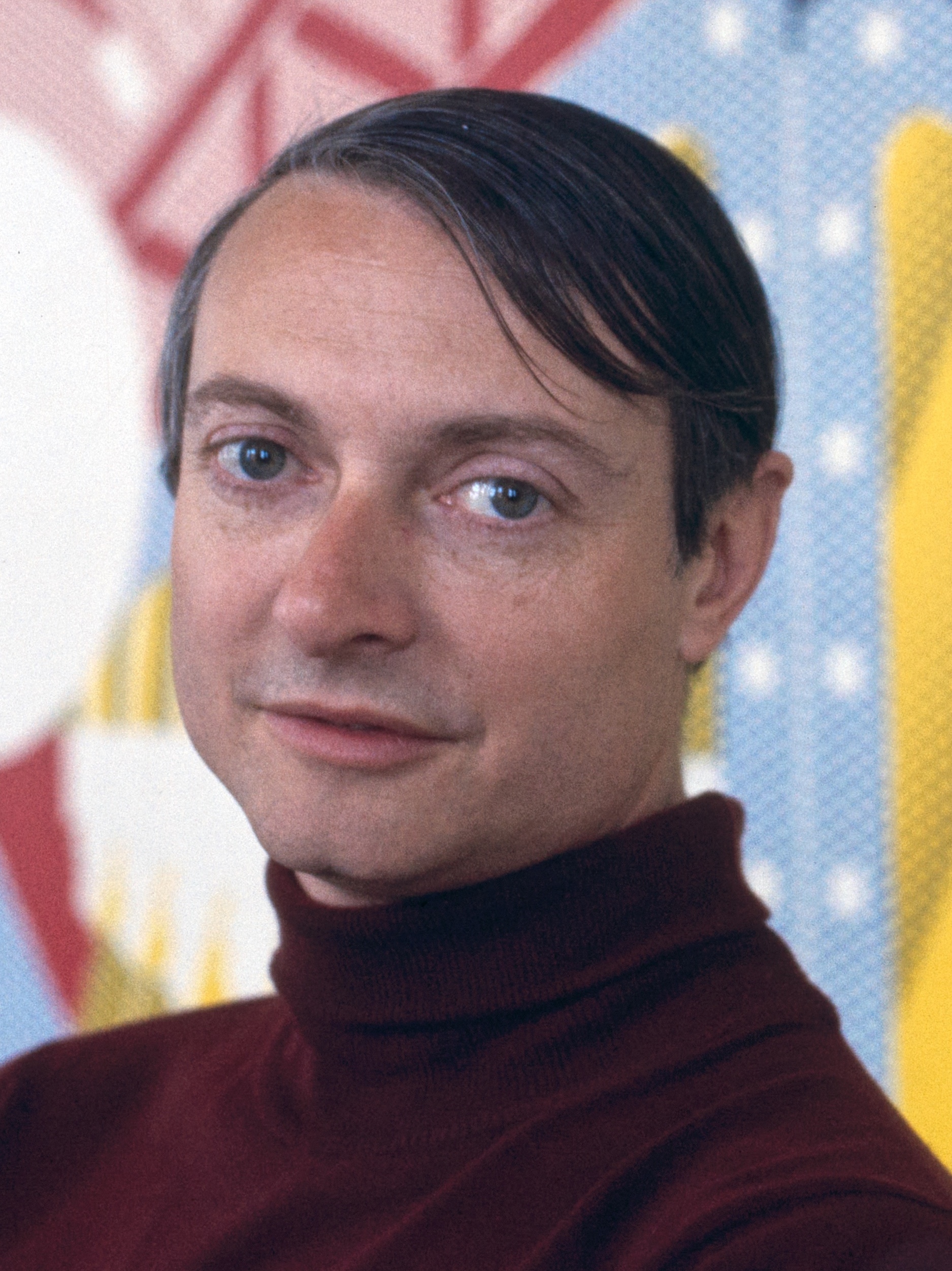
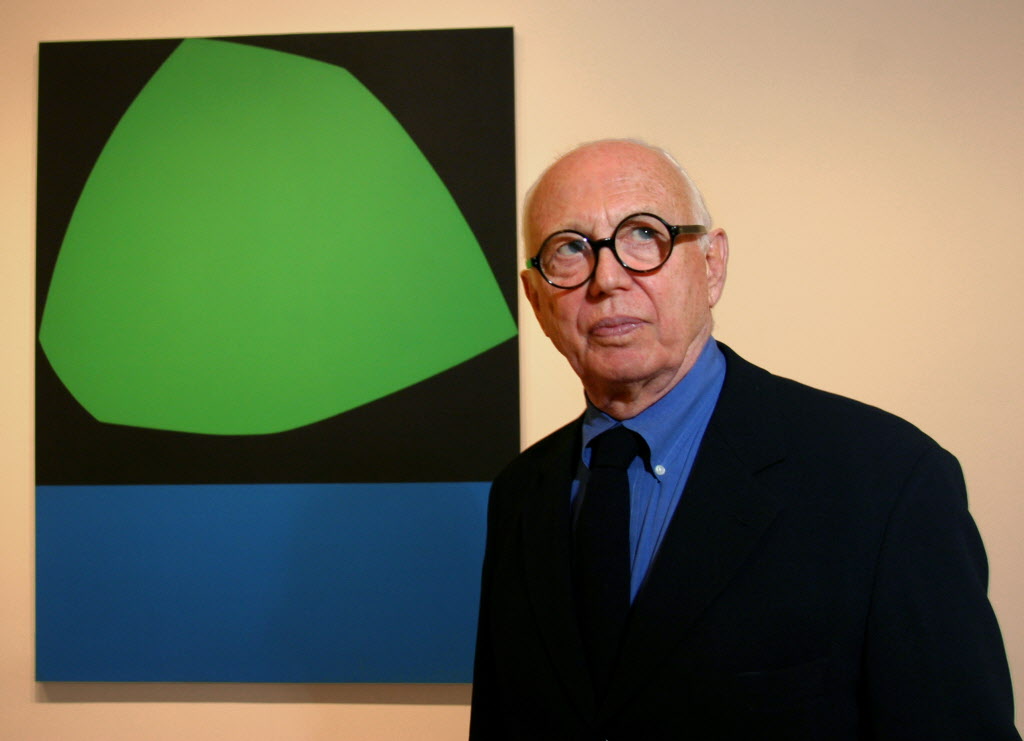
The Century That Still Won't Let Go
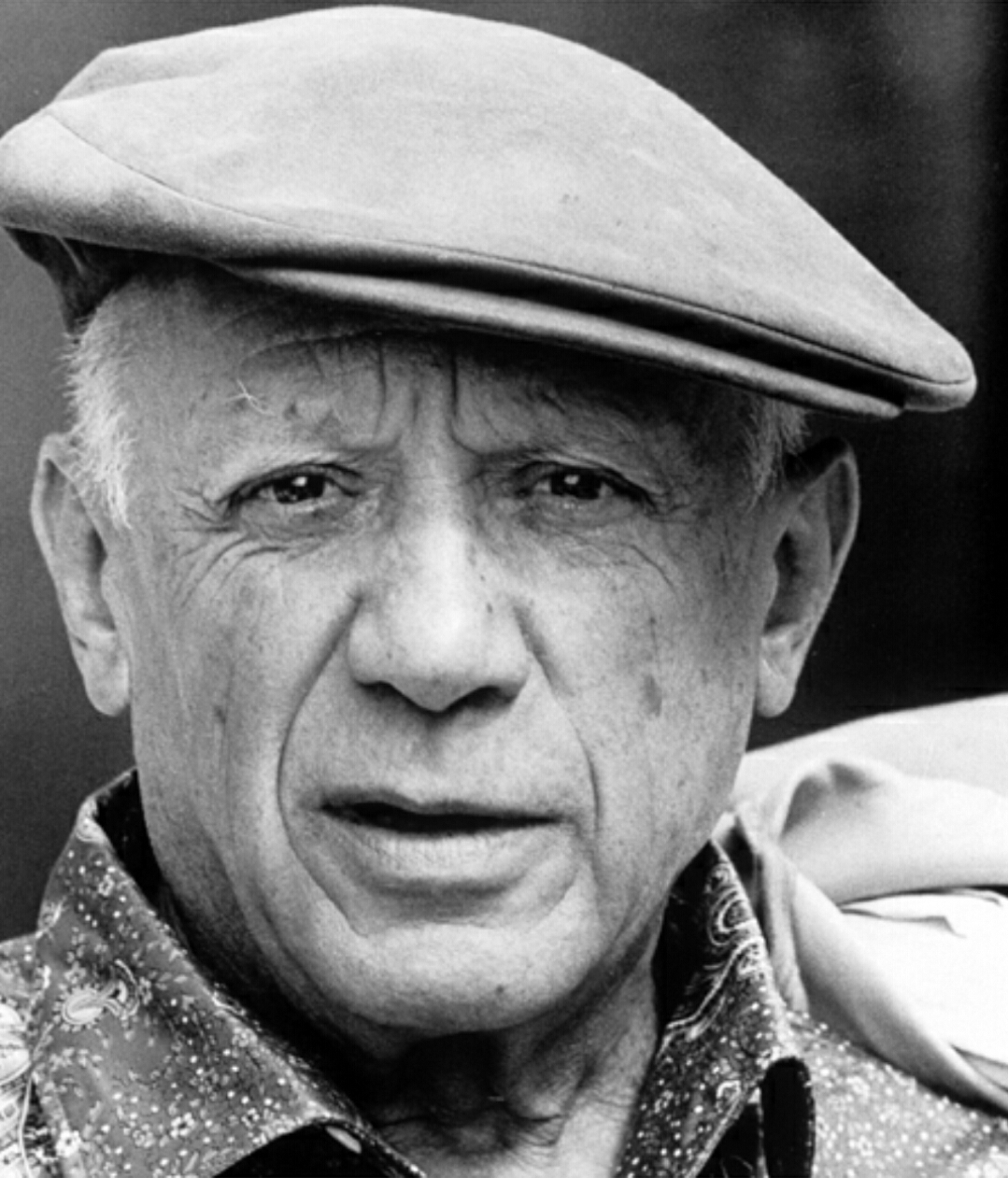
When Christie's brought a late Picasso to auction in 2023 and watched it sail past estimate, the room did what rooms in major salerooms always do when a twentieth century giant performs: it exhaled, then started talking. Not just about the price, but about what it meant that collectors were still fighting over work made in the final decades of a century now receding into historical distance. The twentieth century, as a collecting category, refuses to behave like history. It keeps feeling like now.
That tension sits at the heart of why this category generates such sustained energy across the market. Works by artists like Pablo Picasso, Joan Miró, and Henri Matisse have long occupied the blue chip tier of the auction world, their prices functioning almost like benchmarks against which newer markets are measured. But the story being told right now is more interesting than simple dominance. It is about which corners of the century are being rediscovered, which reputations are being stabilized by serious institutional attention, and which figures once considered secondary are quietly becoming essential.
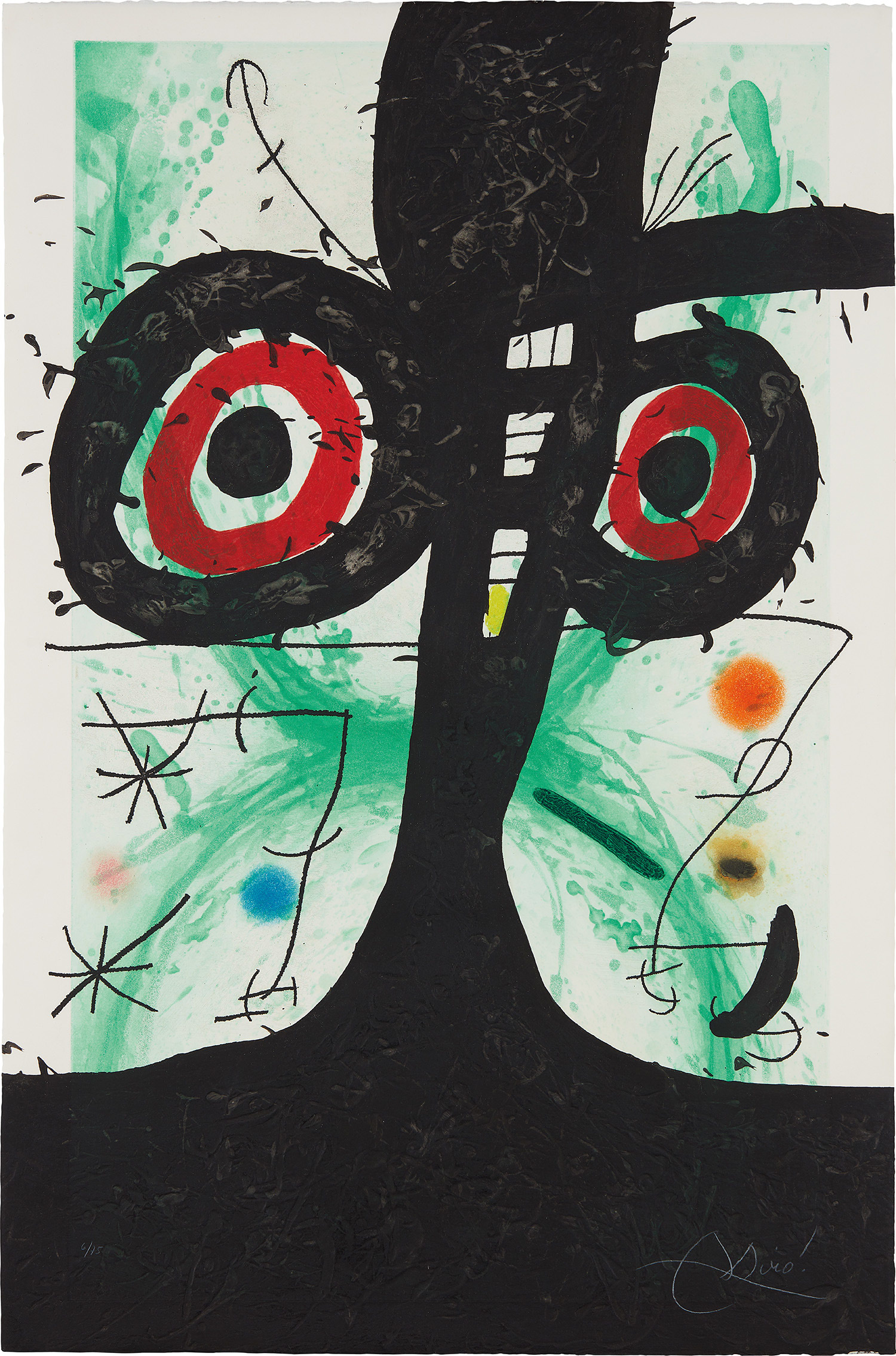
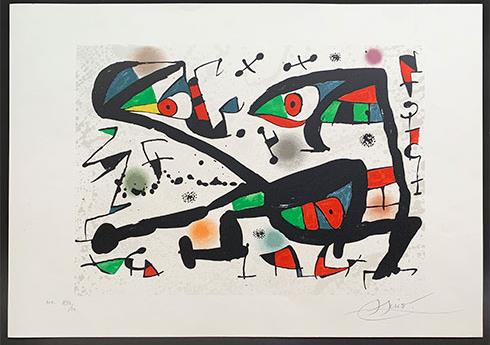
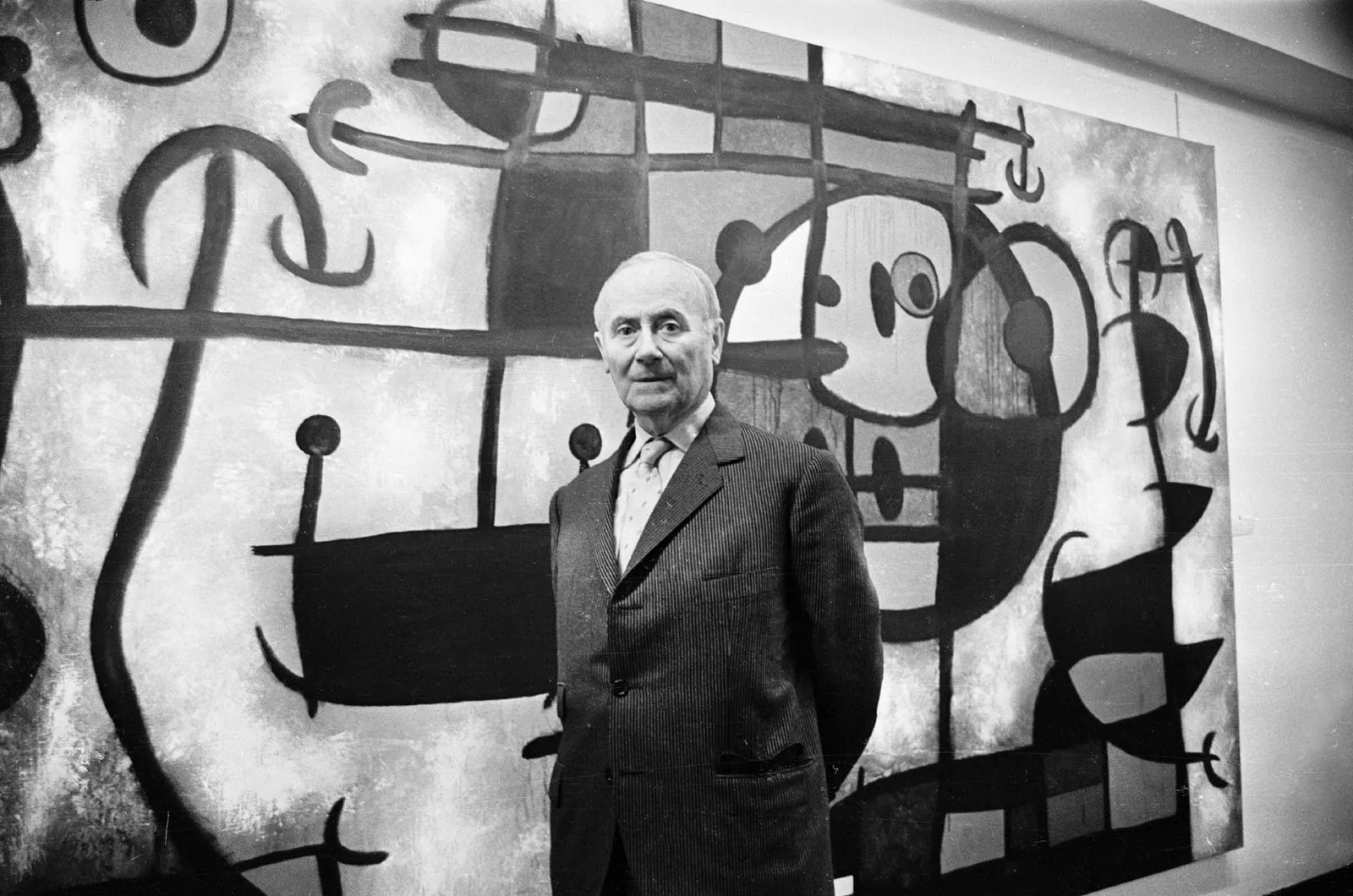
Joan Miró
Le Vieil Irlandais (The Old Irishman)
The exhibition record of recent years has been particularly instructive. The Miró retrospectives that circulated through European institutions in the past decade did something important: they reframed a painter many casual observers had reduced to cheerful biomorphic shapes into a figure of genuine philosophical weight, an artist whose engagement with surrealism and Catalan identity produced one of the most sustained and coherent bodies of work the century produced. The Fundació Joan Miró in Barcelona and the Tate Modern have both contributed to this reassessment. Miró is exceptionally well represented on The Collection, and spending time with those works through that critical lens rewards the effort.
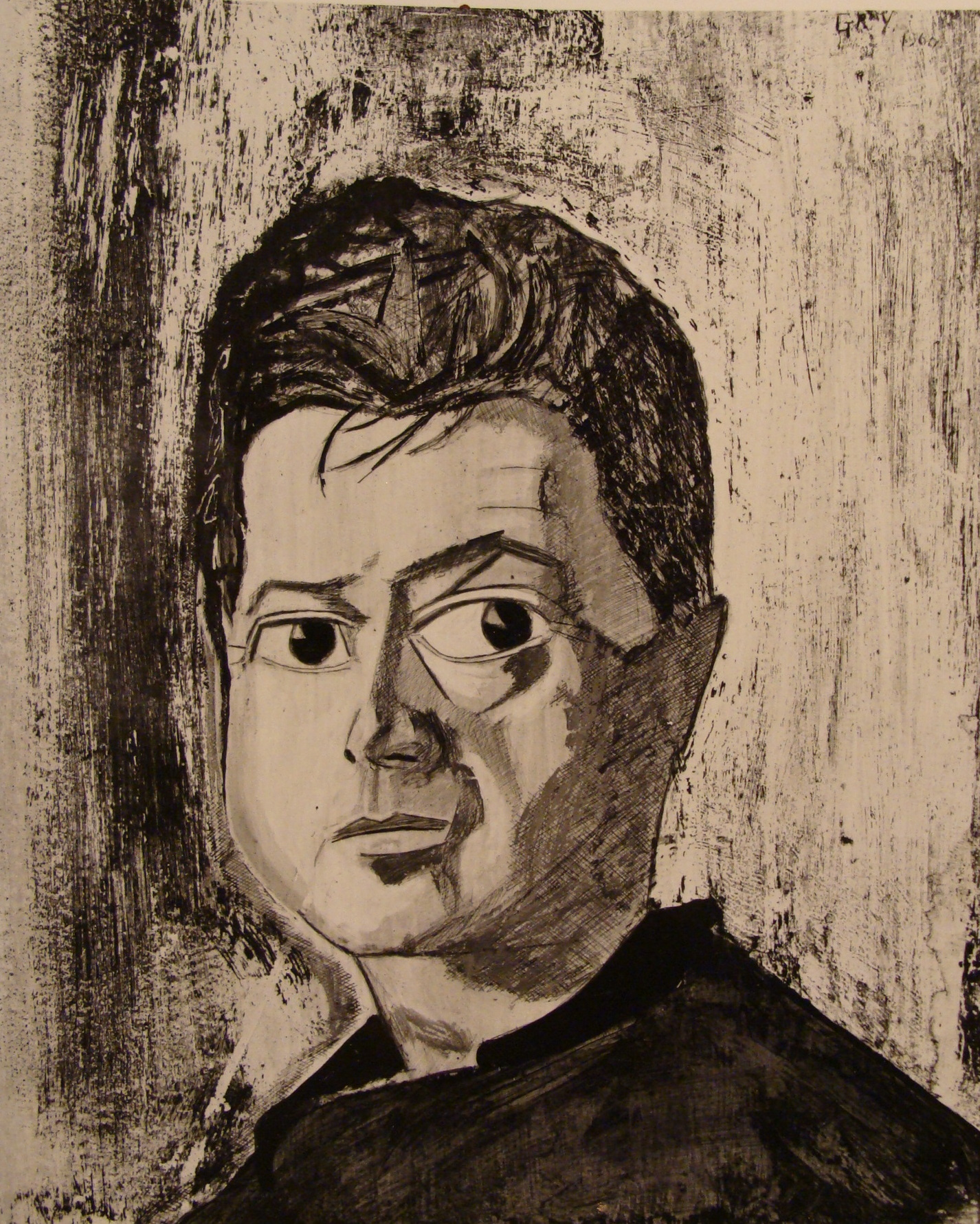
Salvador Dalí benefits from similar institutional stewardship, though his market has always carried a slight complication: the enormous volume of work he produced, combined with printmaking enterprises of varying quality, means that provenance and edition scrutiny matter enormously for serious collectors. The Dalí Theatre Museum in Figueres remains one of the great artist controlled environments anywhere, and major survey shows have repeatedly demonstrated that when you strip away the celebrity surrealism and look at the paintings seriously, the craft is staggering. Francis Bacon's market tells a different story: tightly held, institutionally serious, with major canvases rarely appearing and fetching extraordinary results when they do. The 2022 retrospective at the Royal Academy reinforced what collectors already knew, which is that Bacon belongs in a very short list of artists who genuinely altered how painting could think.
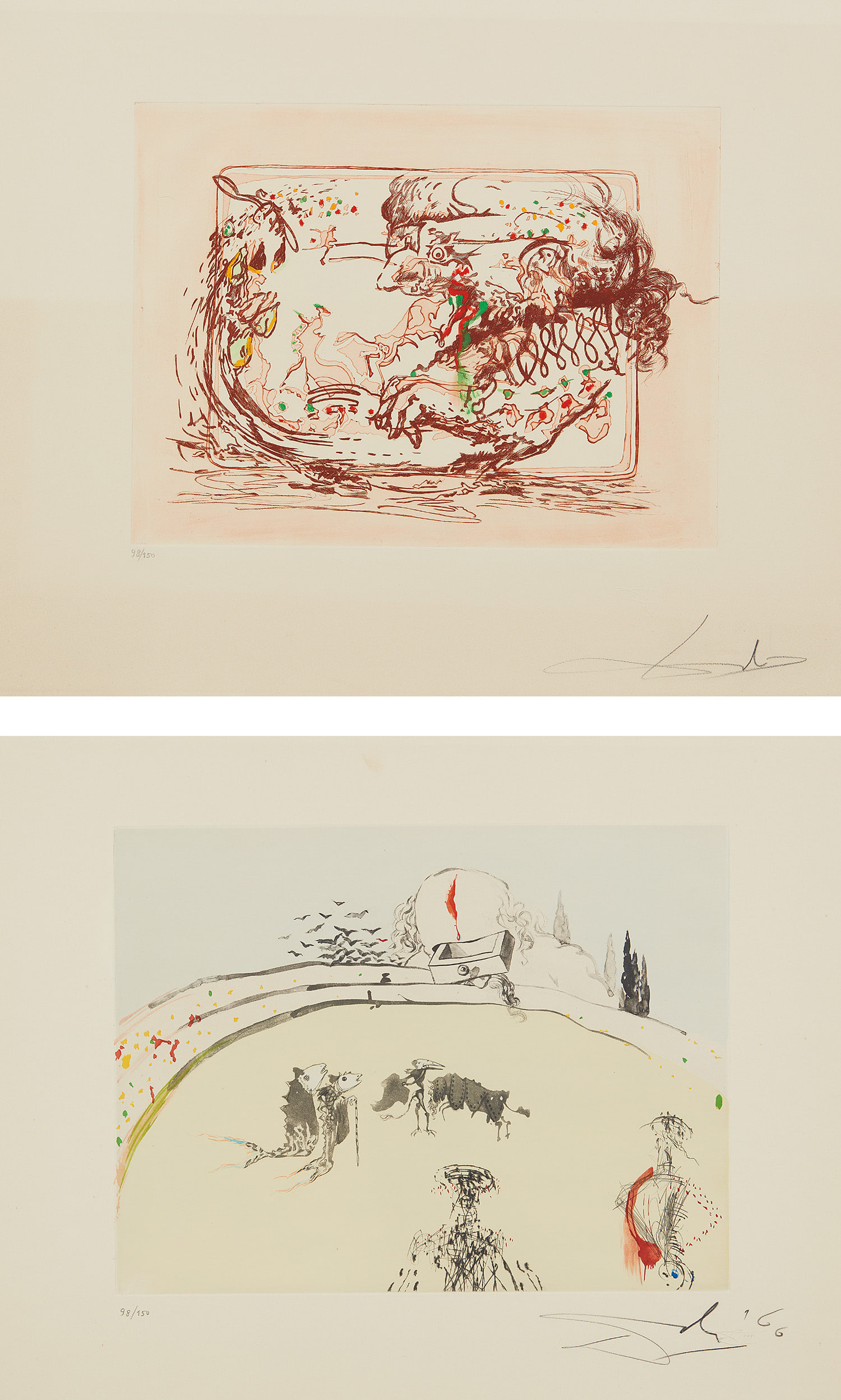
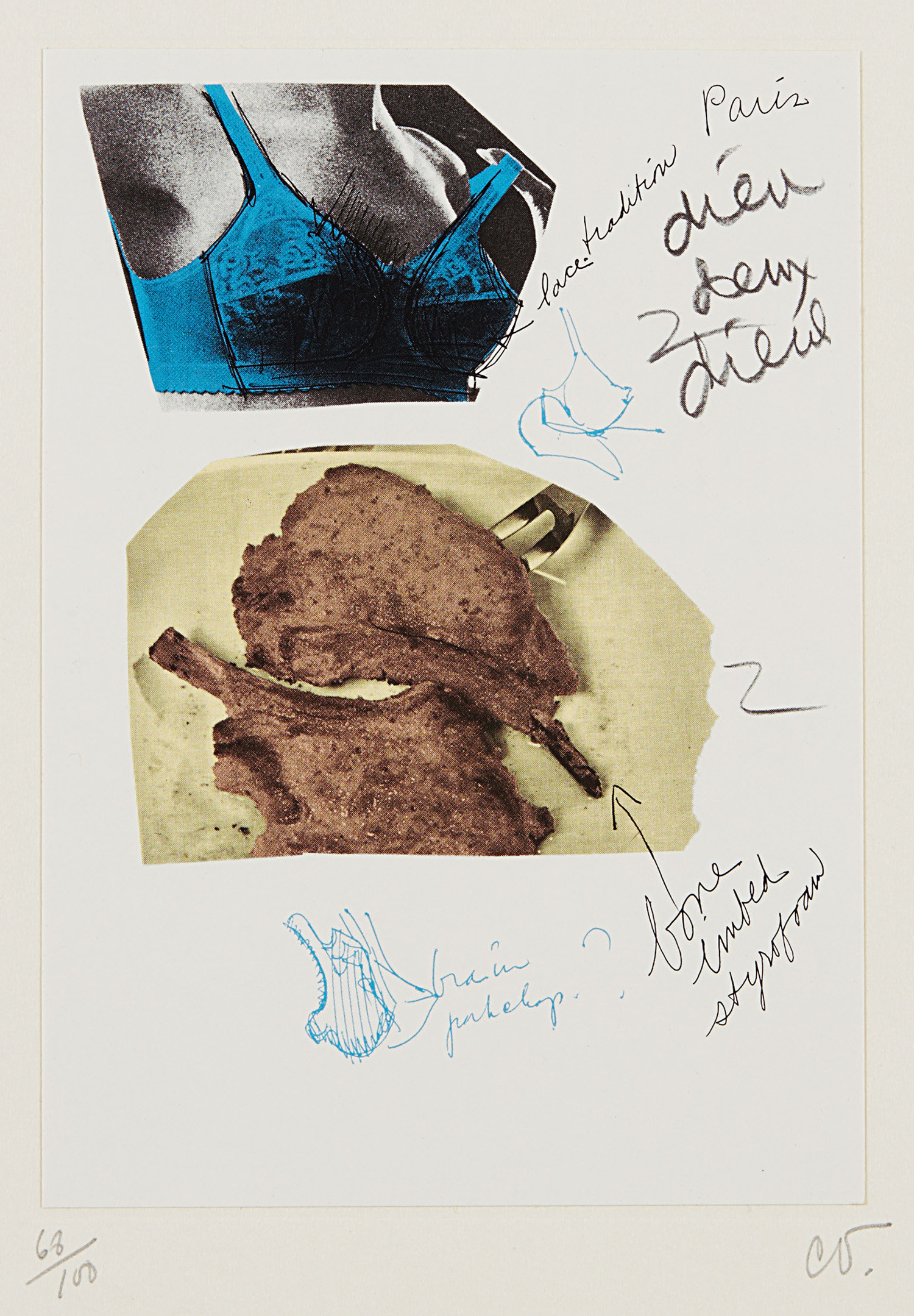
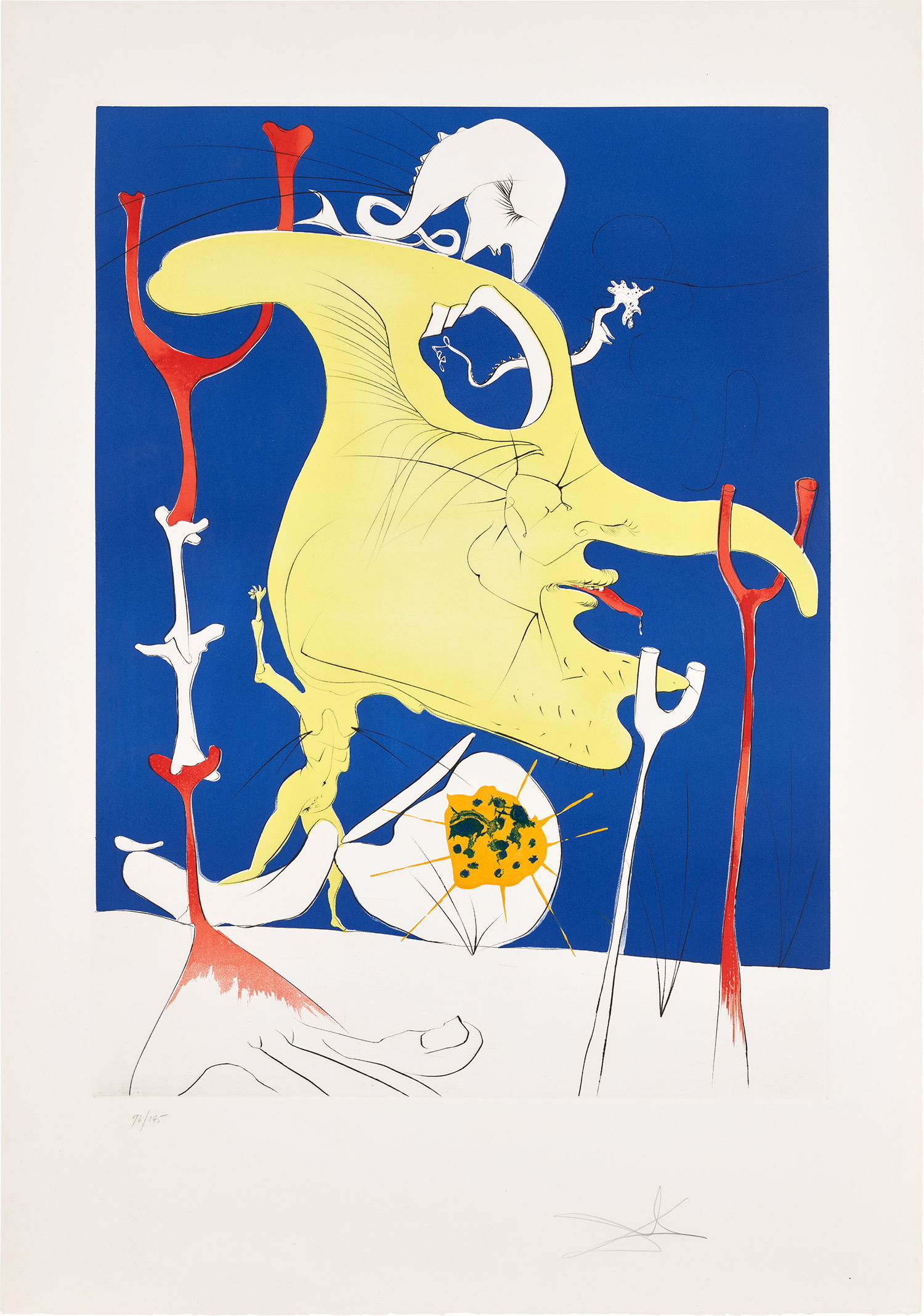
Salvador Dalí
La Télévision; and La Tauromachine au tiroir, from Tauromachie surréaliste (Television; and Bullfight in a Drawer, from Surrealistic Bullfight)
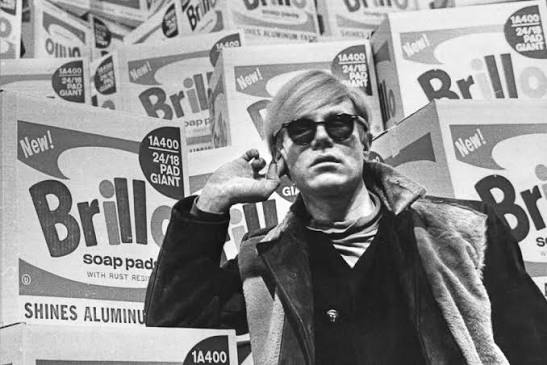
Andy Warhol presents perhaps the most complex market proposition in the entire century. The Andy Warhol Foundation's authentication history created uncertainty that shaped prices for years, and while that chapter has largely closed, it left collectors more attentive to documentation than they might otherwise have been. What has not changed is the appetite. Warhol works on The Collection represent the full range of his practice, and the market continues to validate the most significant examples at the very highest levels.
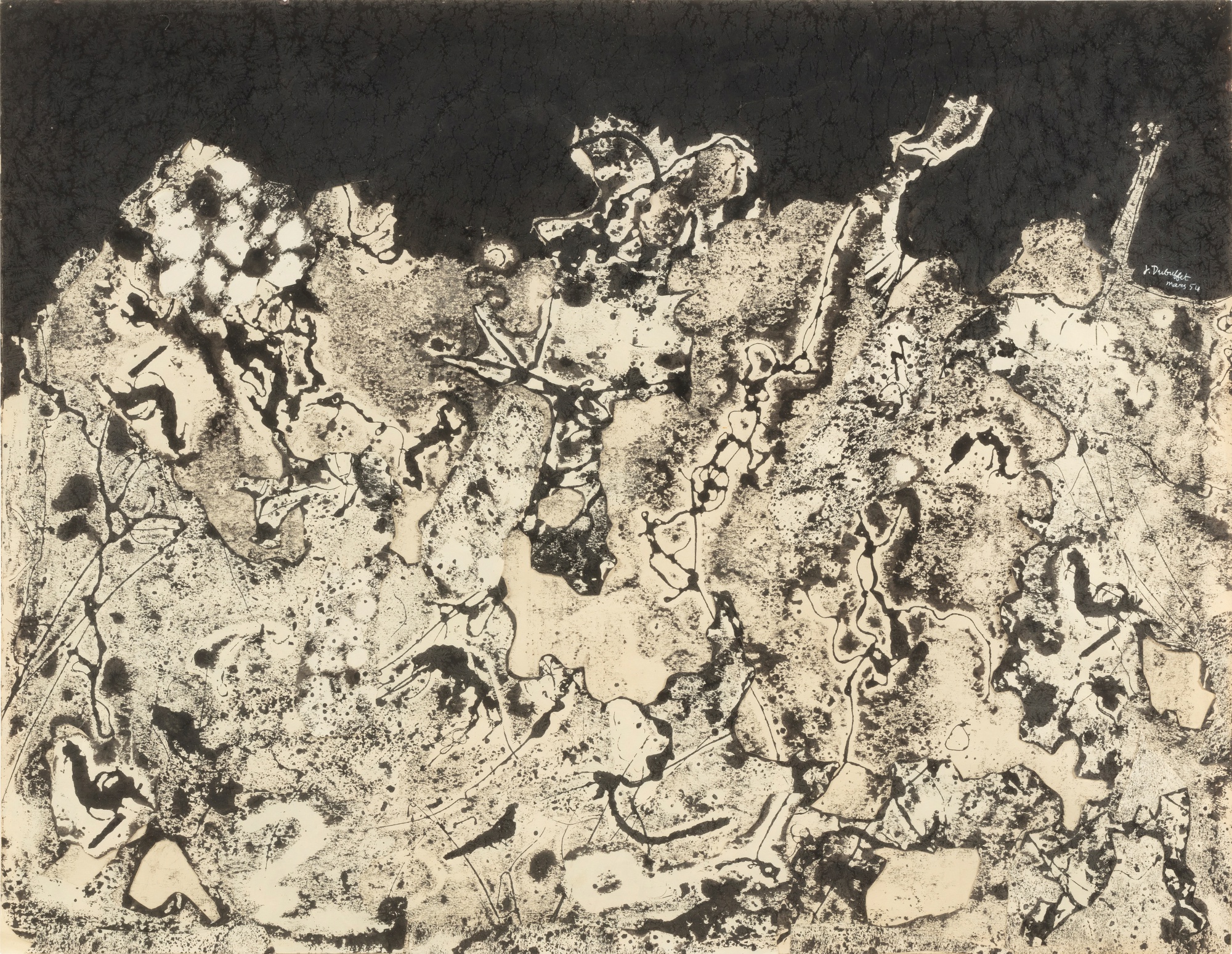
Jean Dubuffet, by contrast, remains somewhat undervalued relative to his critical standing, which makes him interesting. His Art Brut philosophy shaped so much of what came after, and institutions including the Collection de l'Art Brut in Lausanne have done serious work maintaining his legacy, yet his auction prices still feel like an opportunity compared to his peers. The critical conversation around twentieth century art has shifted noticeably in the past decade toward recovery and recontextualization. Writers and curators have been asking whose version of the century was being canonized and whose was being omitted.
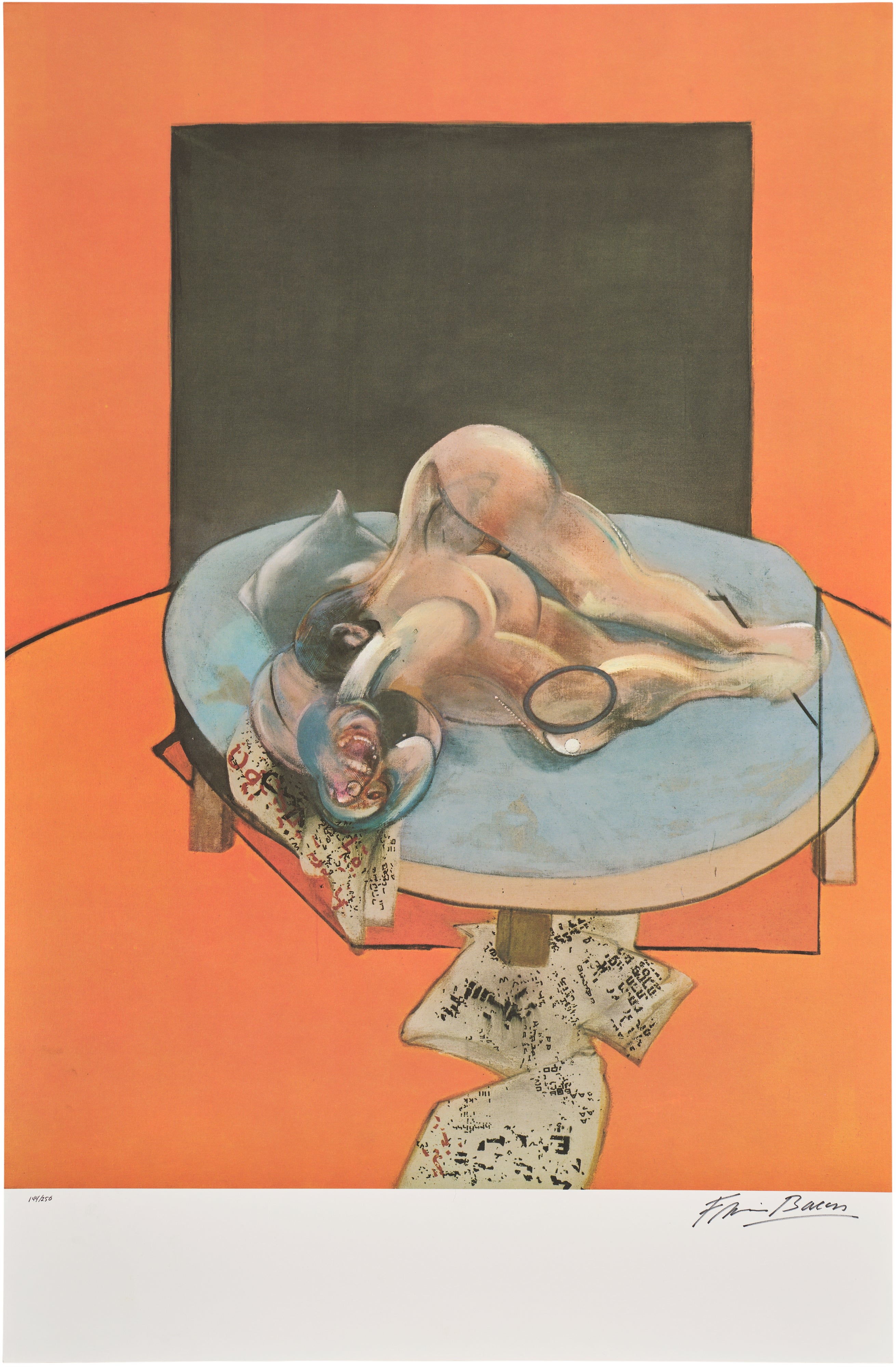
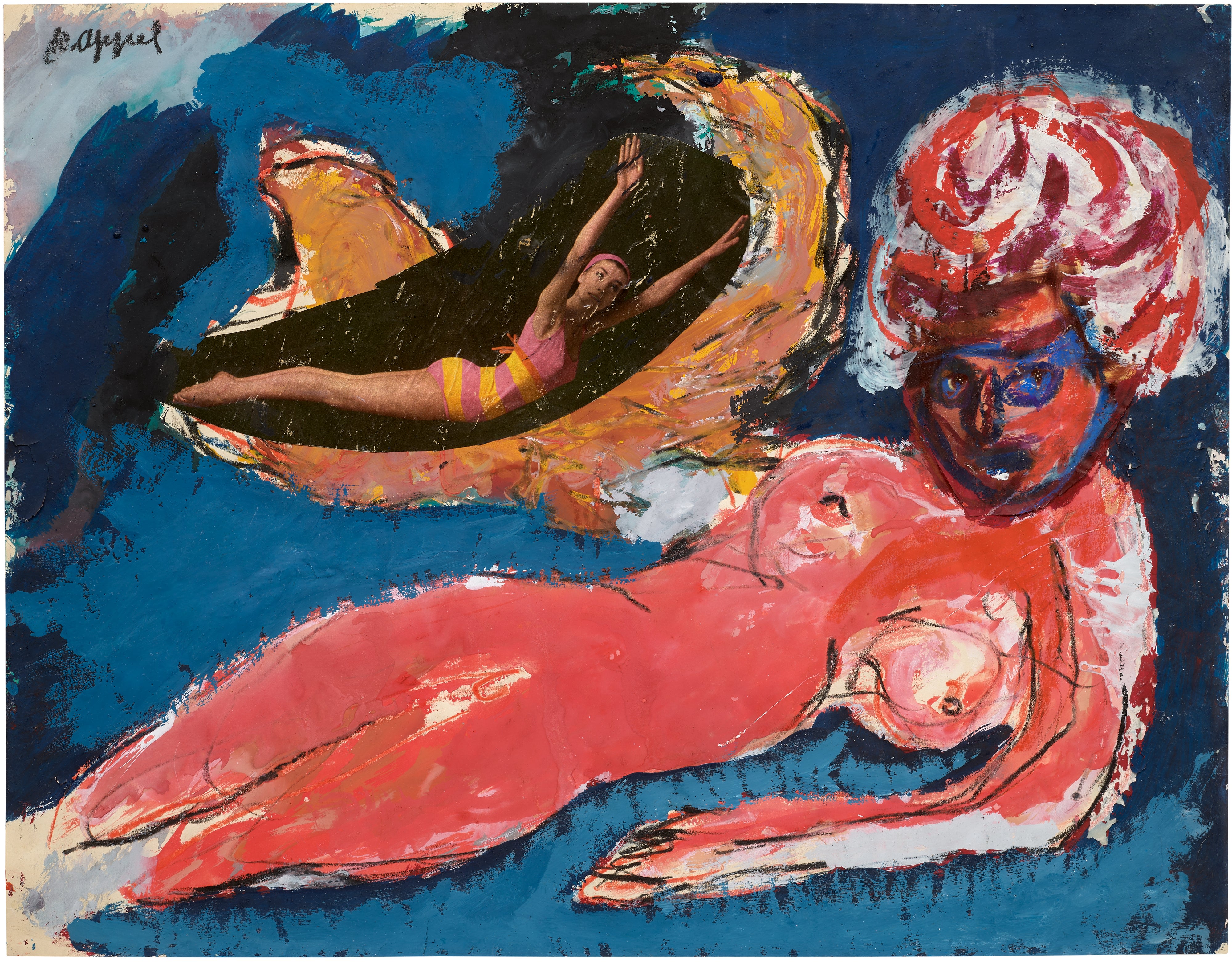
Francis Bacon
Studies of the Human Body
This has brought sustained attention to figures like Louise Nevelson, whose monumental sculptural installations are now understood as central to postwar American art rather than adjacent to it, and to photographers like André Kertész and Walker Evans, whose documentary and formal practices look increasingly prescient in an image saturated world. Irving Penn's retrospective at the Metropolitan Museum of Art in 2017 was a landmark moment for understanding fashion and fine art photography as genuinely continuous rather than separate disciplines. Bill Brandt's brutal and atmospheric work has similarly benefited from renewed critical attention in British photography circles. Publications including Artforum, Frieze, and The Burlington Magazine continue to shape which artists receive serious reconsideration, and the academic literature around figures like Joseph Beuys has grown considerably more nuanced.
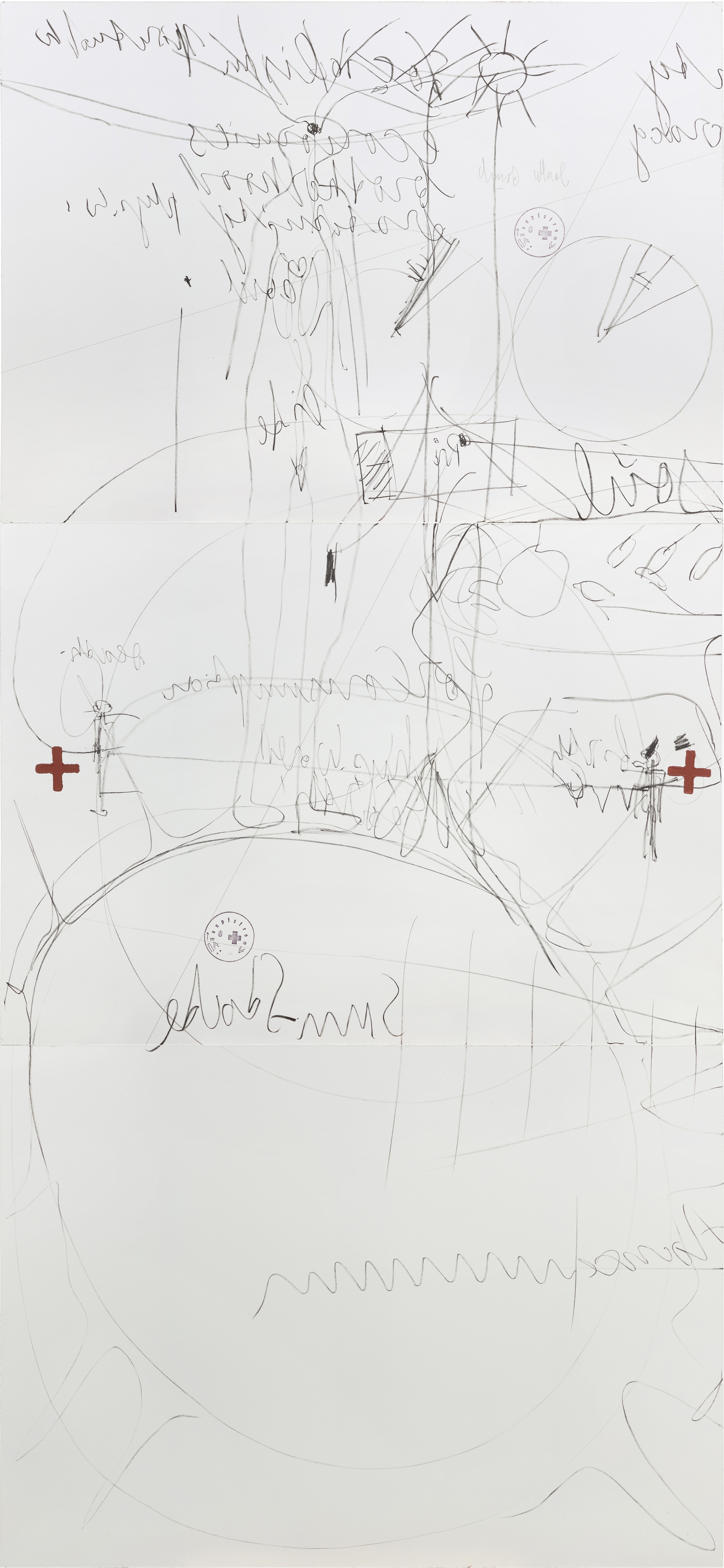
Beuys, whose expanded notion of art as social sculpture once seemed provocatively eccentric, now reads as foundational to almost everything interesting happening in participatory and politically engaged contemporary practice. The Dia Art Foundation and various German institutions have worked to keep his legacy intellectually alive rather than merely archival. Similarly, the Albers Foundation has maintained a genuinely scholarly approach to Josef Albers that keeps the Homage to the Square series feeling like an active conversation about color perception rather than a settled chapter. Where is the energy heading?
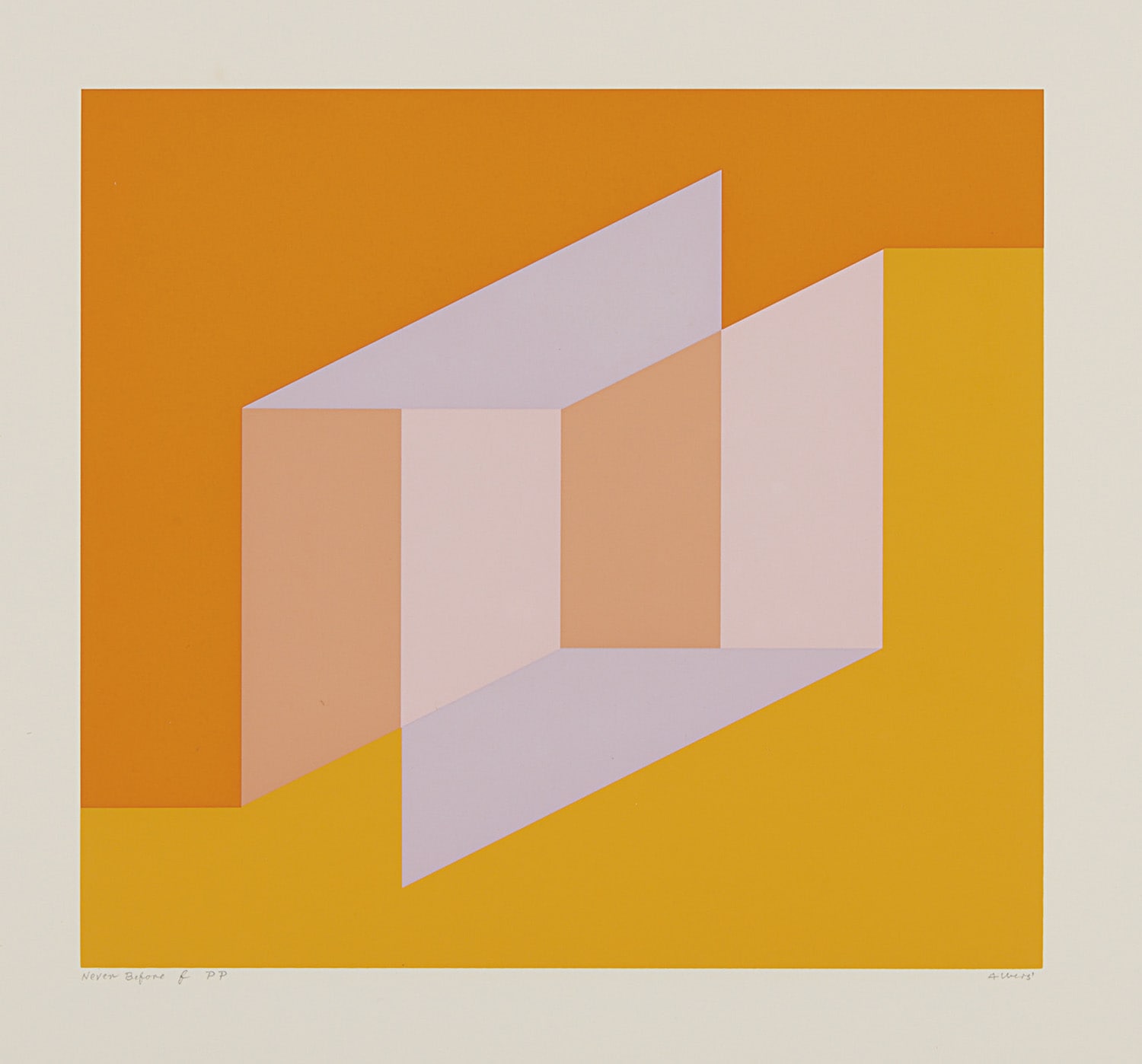
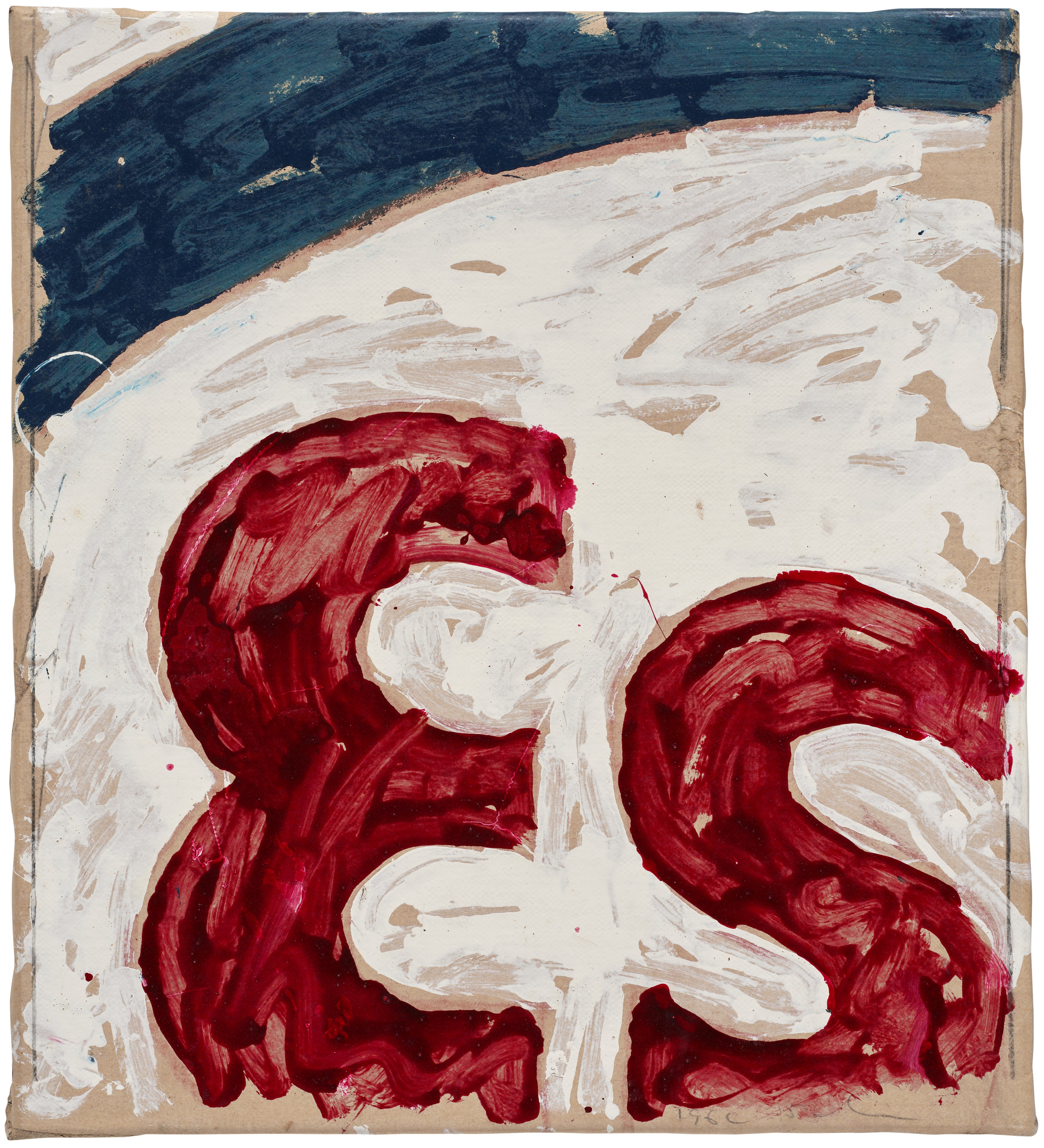
Josef Albers
Never Before f; from Never Before portfolio
The geometric abstraction strand of the century, represented by artists like Ellsworth Kelly and Victor Vasarely, feels positioned for continued reappraisal as younger collectors drawn to clean forms and optical rigor seek out its canonical sources. Helen Frankenthaler's market has strengthened considerably since major retrospectives reestablished her independence from the color field painters she is too often grouped with. Alexander Calder continues to delight, but the market for his works has matured into something serious and competitive. Robert Rauschenberg and Robert Motherwell both feel like they are in a moment of consolidation, their positions secure but not yet fully priced to reflect their importance.
What remains true about the twentieth century as a collecting category is that it contains multitudes that are still being sorted. The century was long, chaotic, geographically dispersed, and philosophically restless. No single institution has managed to fully account for it, no auction house has exhausted its surprises, and no collector has assembled a version of it that does not suggest several other versions waiting to be built. That is what keeps it alive.
The works on The Collection represent exactly the kind of range that rewards patient looking and ongoing curiosity. The century is not finished with us yet.