Triptych
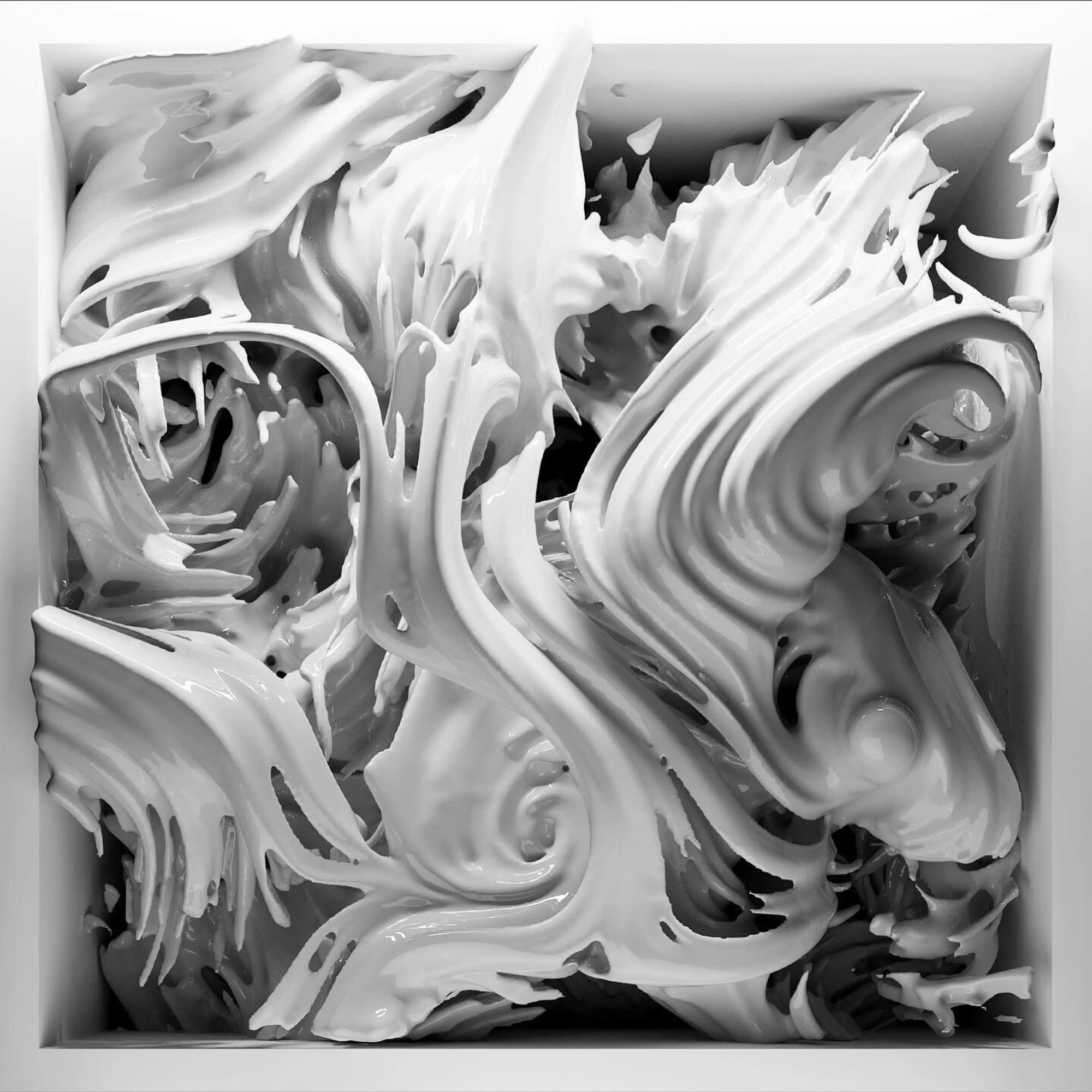
Refik Anadol
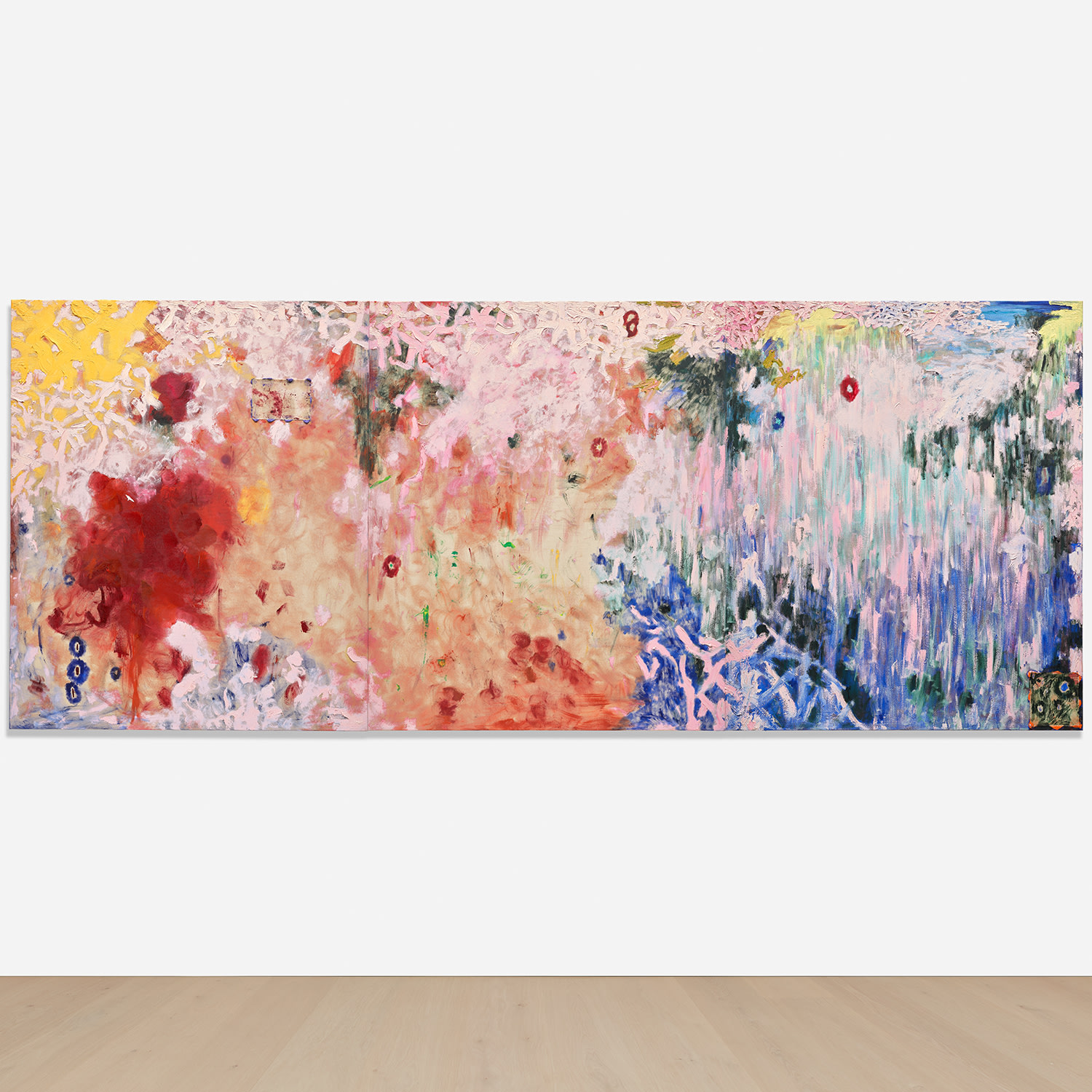
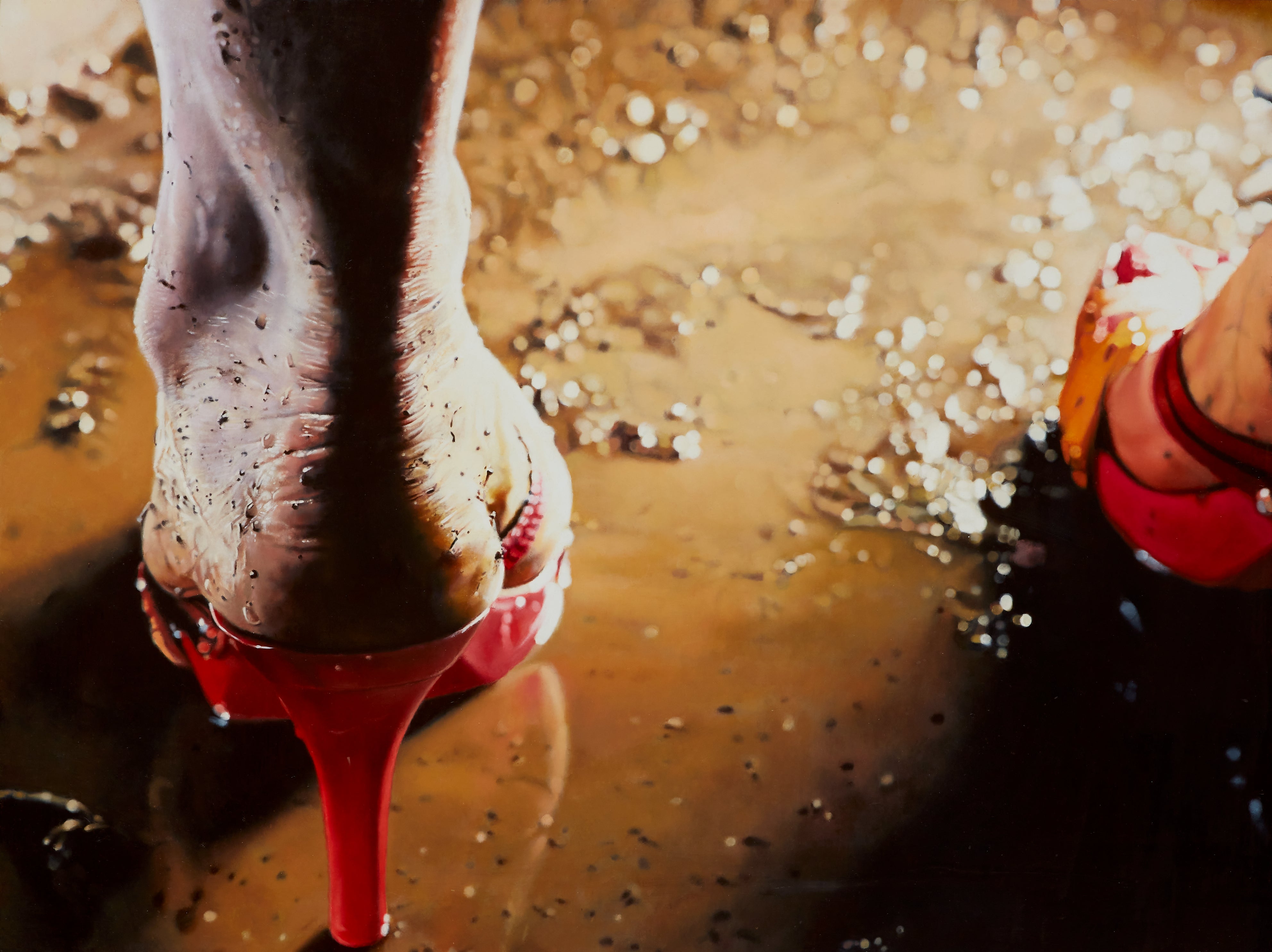
Quantum Memories: Noise A, B and C, 2020
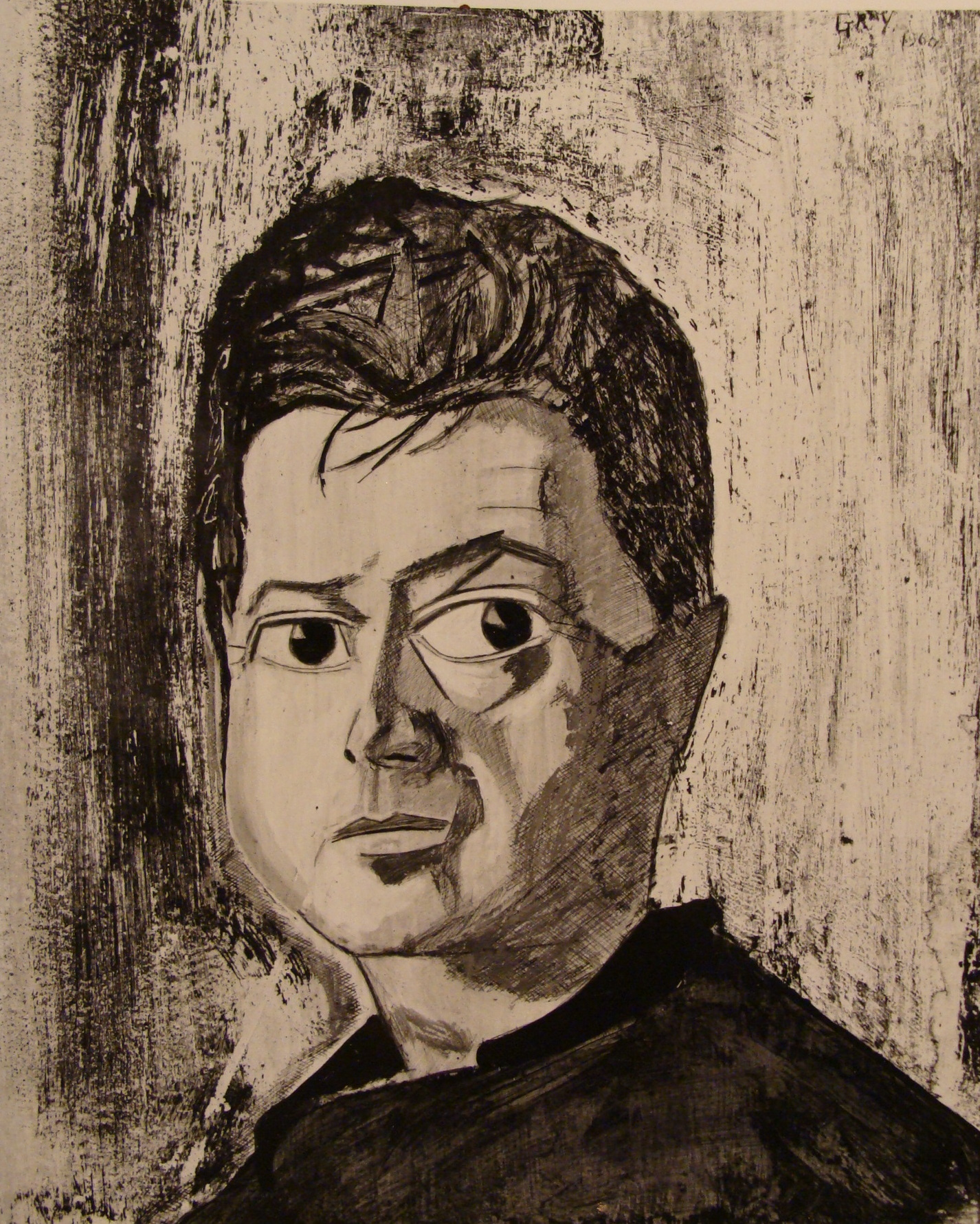


Three Panels That Changed Everything
When Francis Bacon's Triptych Inspired by the Oresteia of Aeschylus sold at Sotheby's New York in 1999 for just over seventeen million dollars, it felt like the market was finally catching up to something critics had understood for decades. Bacon had essentially made the triptych format his own in the postwar period, returning to it obsessively as a way of holding figures in a kind of suspended psychological drama, refusing the resolution that a single canvas might offer. That result set a tone for how the market would eventually price not just Bacon but the entire logic of the three panel work. The message was unambiguous: collectors were willing to pay a premium for the format itself, not merely for the image.
The triptych carries weight that goes beyond its religious origins in altarpiece painting. When contemporary artists return to the format, they are almost always doing so in full awareness of that lineage, either leaning into it or working against it with deliberate friction. Bacon is the clearest example of this tension in the twentieth century. His works on The Collection speak to that obsession directly.
Matthew Barney
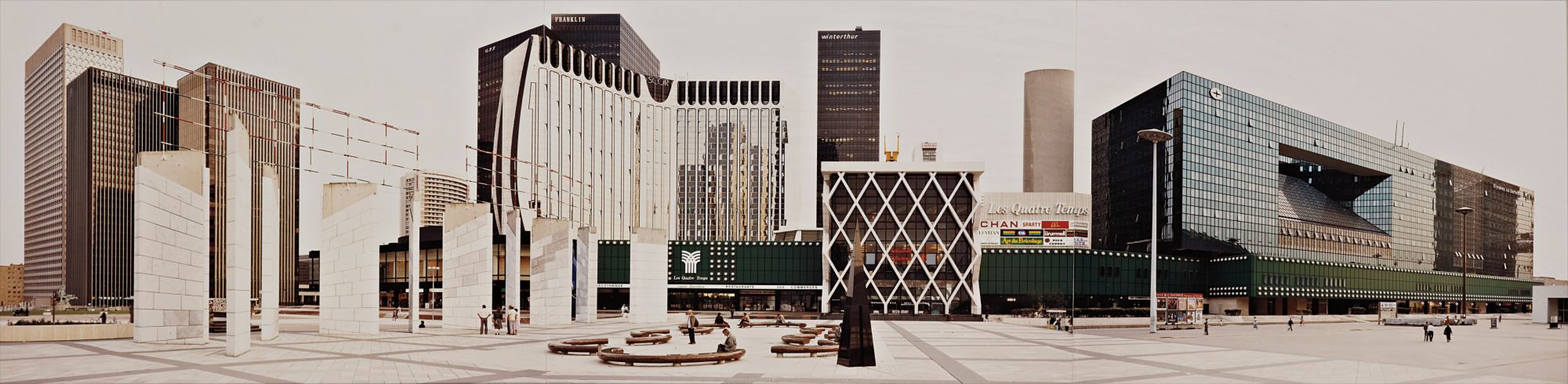
Cremaster 4: Triple Option (Triptych), 1994
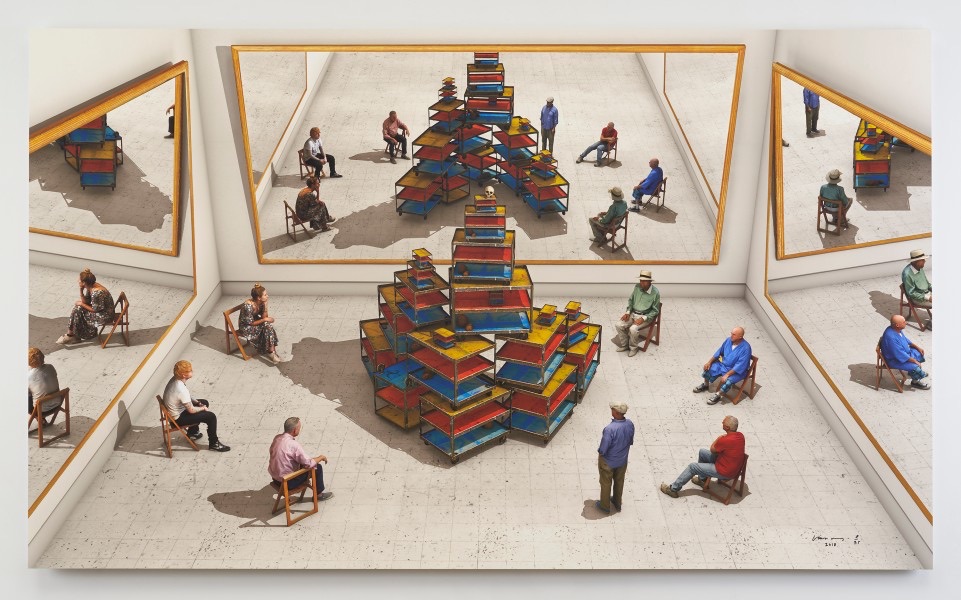
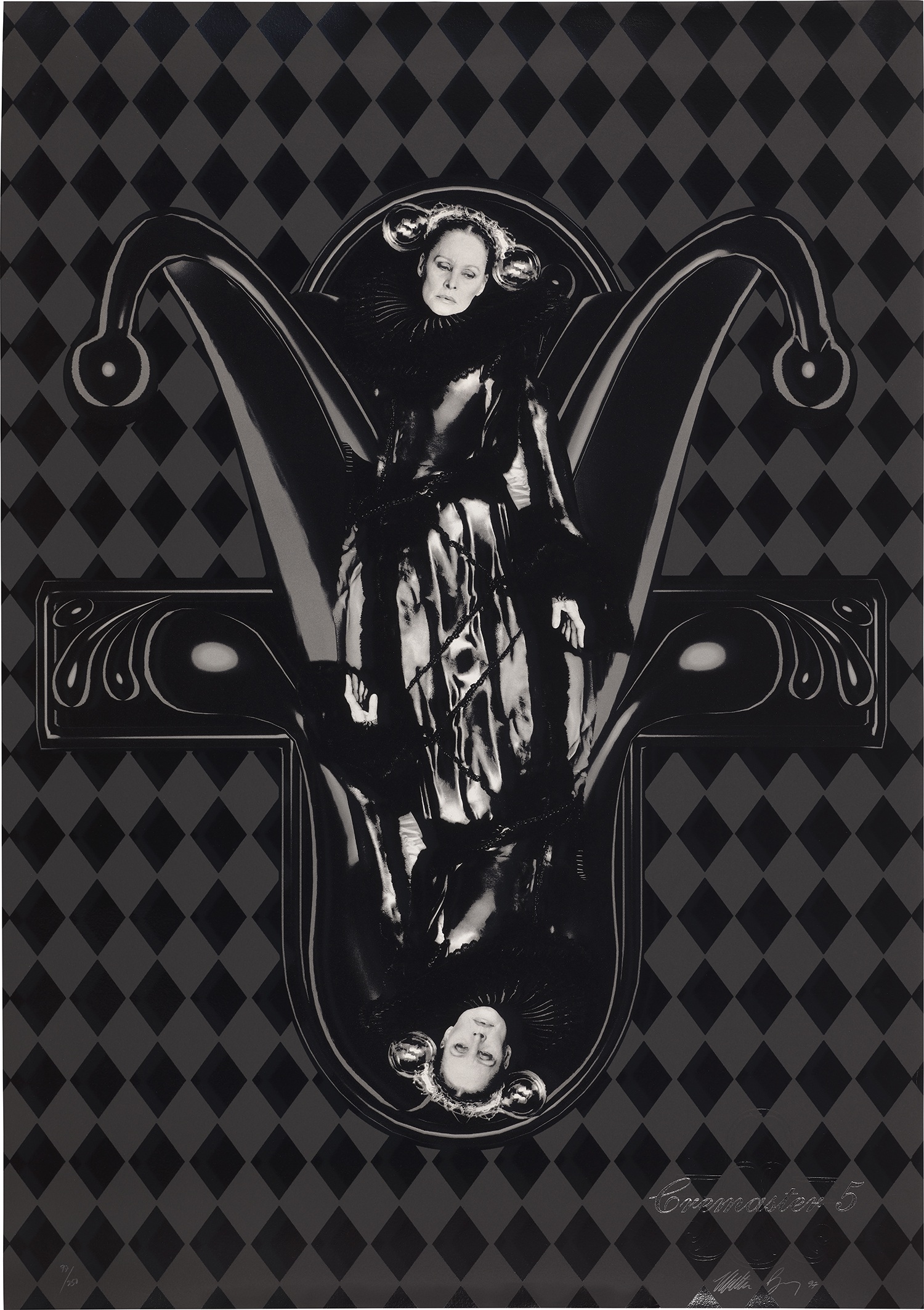
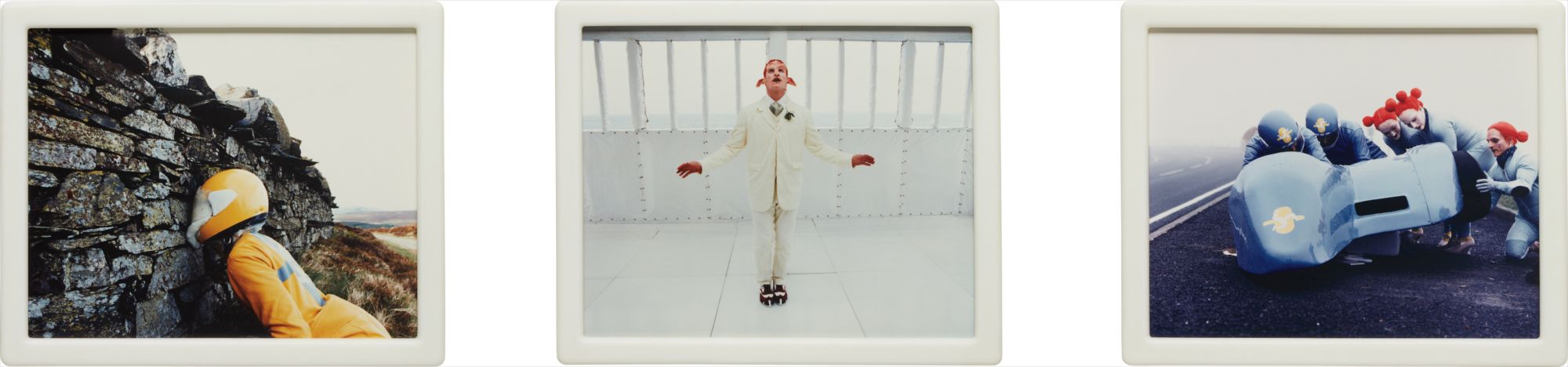
He used the three panel structure to fragment and multiply the body, to suggest duration and discomfort rather than narrative closure. The gaps between the panels, those thin strips of raw canvas or painted void, became as meaningful as the figures themselves. The exhibition record over the past decade reflects just how seriously institutions have engaged with the triptych as a critical category rather than simply a formal one. The Centre Pompidou's ongoing commitment to Matthew Barney, whose Cremaster cycle contains some of the most formally ambitious multi panel thinking in contemporary art, signals that European museums understand the triptych as a site of philosophical argument, not just visual spectacle.
Barney's work, represented on The Collection, operates across media but always with that same structural impulse, the desire to hold contradictory forces in productive suspension across multiple frames. The Museum of Modern Art's 2020 retrospective for Brice Marden gave renewed attention to his Cold Mountain series and the way he uses diptych and triptych arrangements to think about rhythm and incompleteness. Marden's presence on The Collection feels particularly resonant in this light. At auction, the data tells a story about appetite and confidence.

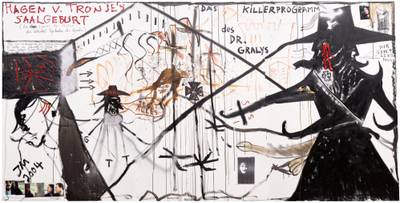
Jonathan Meese
Oh Herbst Du, 2007
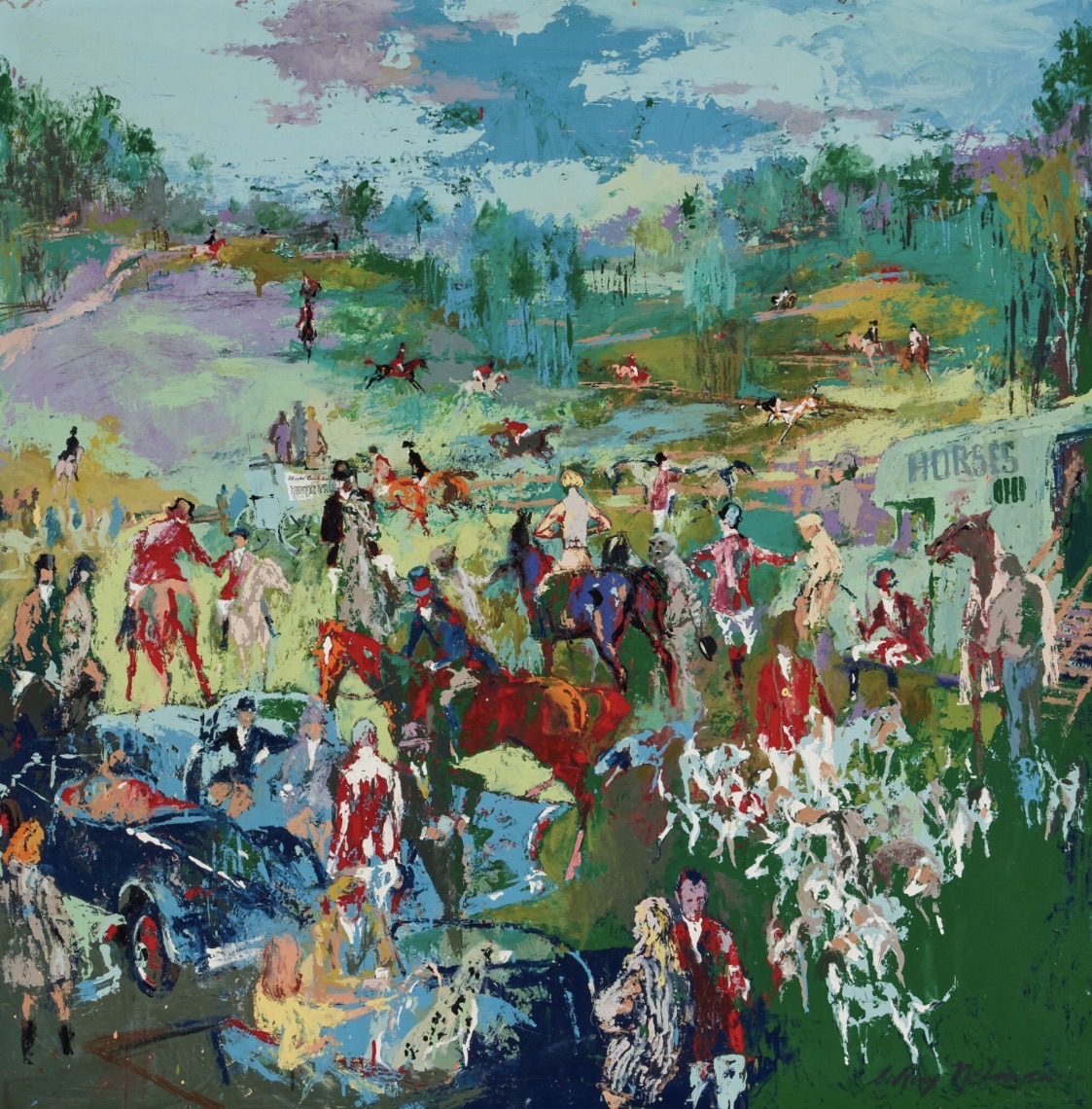
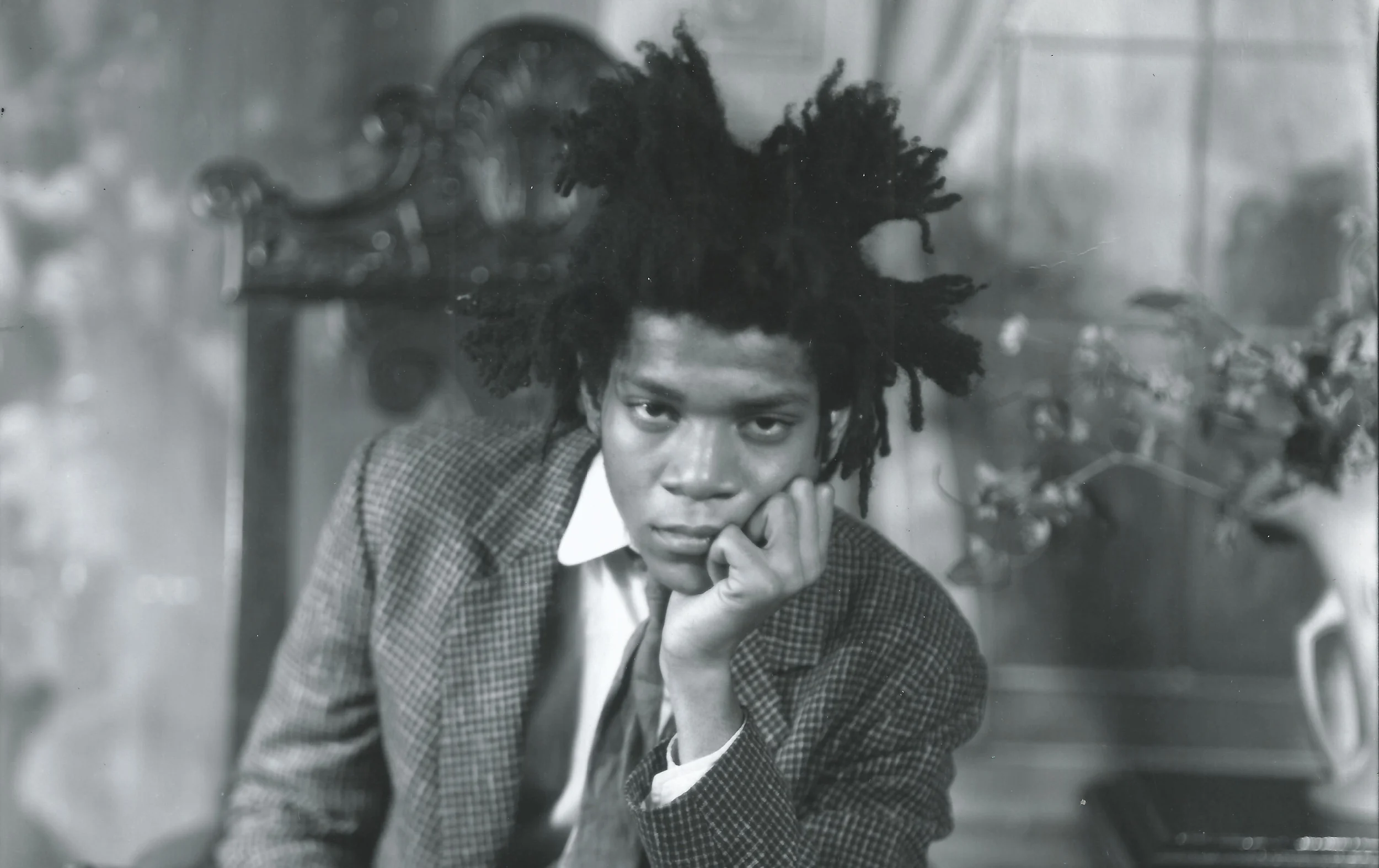
Beyond Bacon, who remains the dominant figure when it comes to price, Jean Michel Basquiat's multi panel works have drawn serious attention at Christie's and Phillips over the past five years, with collectors responding to the way he used sequential and adjacent panels to build associative rather than linear meaning. Basquiat, well represented on The Collection, understood the triptych as a way of thinking out loud, spreading a thought across surfaces the way a notebook might spread across a desk. Jonathan Meese, whose theatrical and symbolic work appears on The Collection, has attracted strong secondary market interest particularly in Germany and among younger international collectors who see in his multi panel installations a kind of operatic ambition that single works cannot contain. Institutional collecting in this space has become increasingly sophisticated in how it frames the triptych.
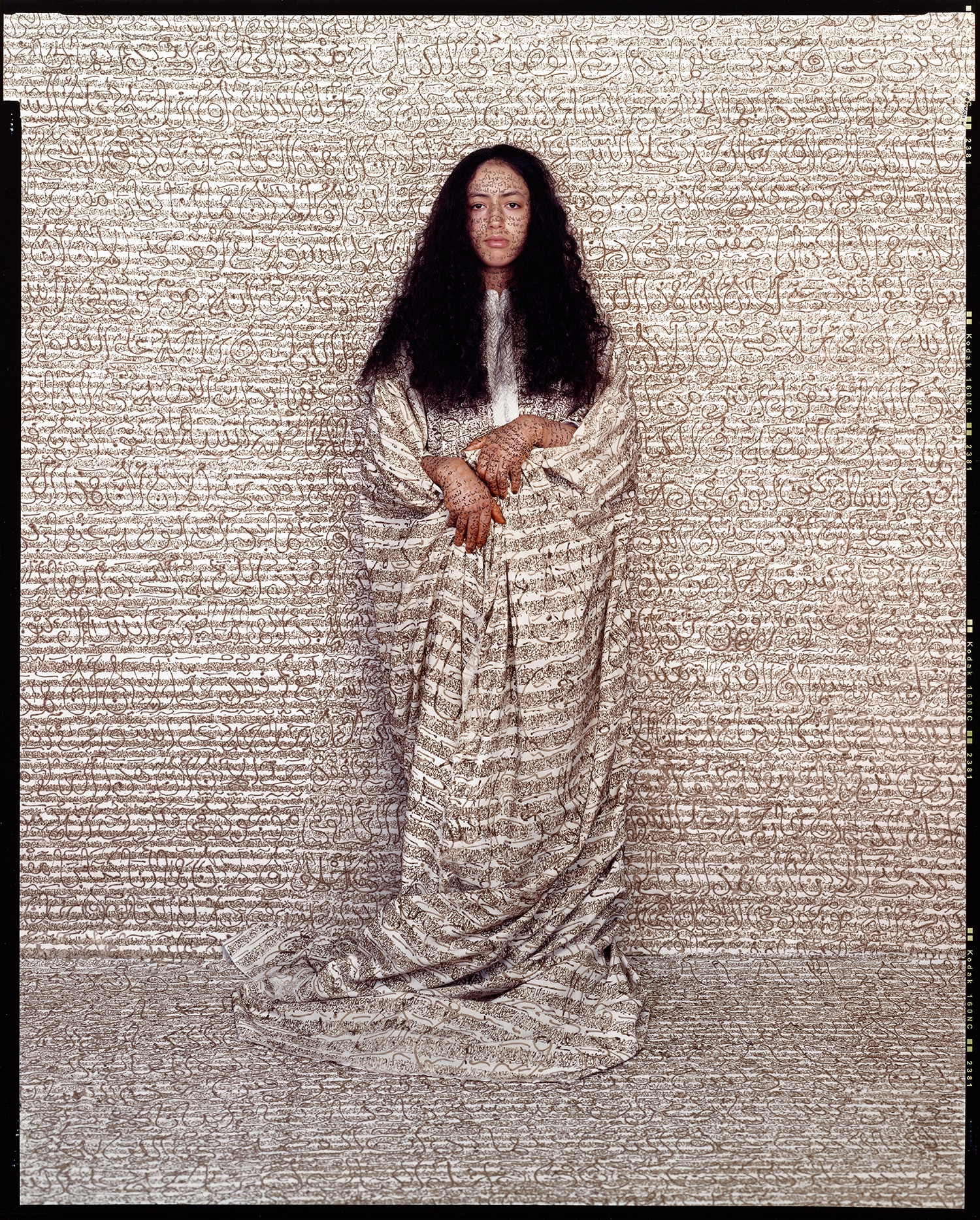
The Broad in Los Angeles, the Pinault Collection in Venice, and Fondation Louis Vuitton in Paris have all made acquisitions in recent years that treat the format as a subject worthy of sustained focus. What is interesting is that these collections tend to mix the devotional and the secular, placing historical altarpiece thinking in conversation with contemporary work in ways that illuminate both. When Lalla Essaydi's photography appears alongside older multi panel painting traditions, as it has in several recent institutional contexts, the conversation becomes about women's bodies, framing, and the politics of the gaze across centuries. Her work on The Collection carries exactly that kind of charge.
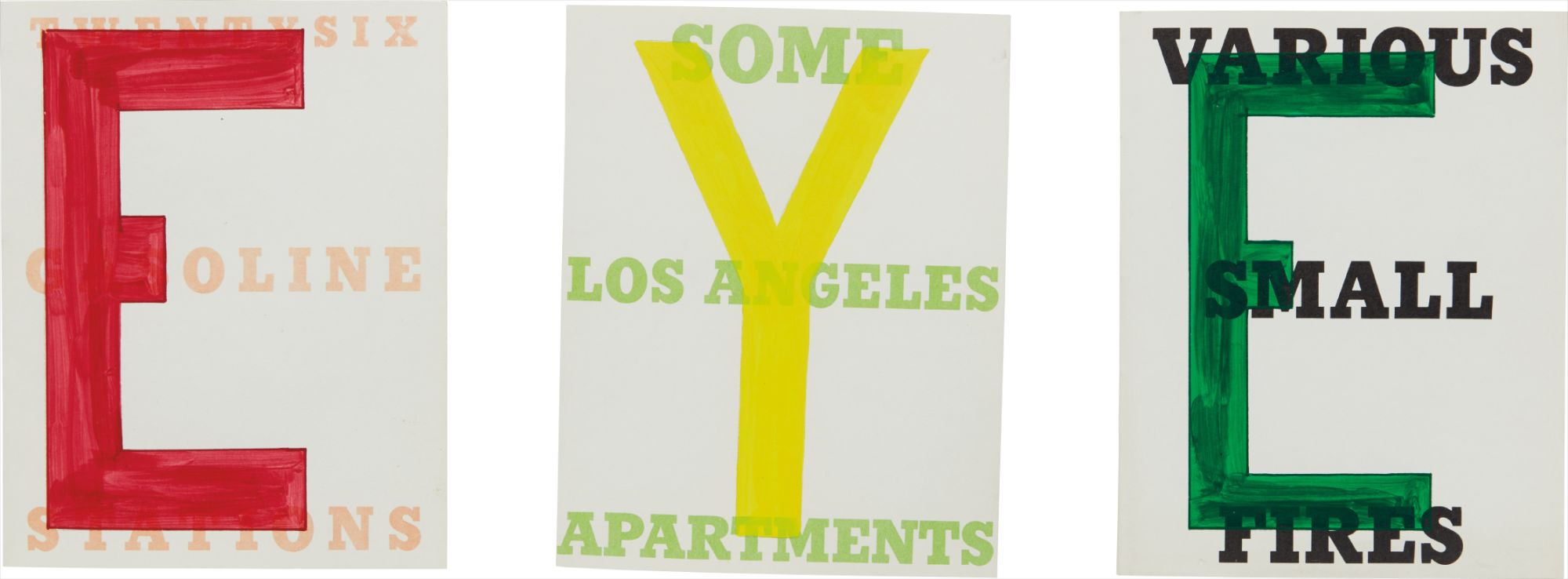
Ed Ruscha
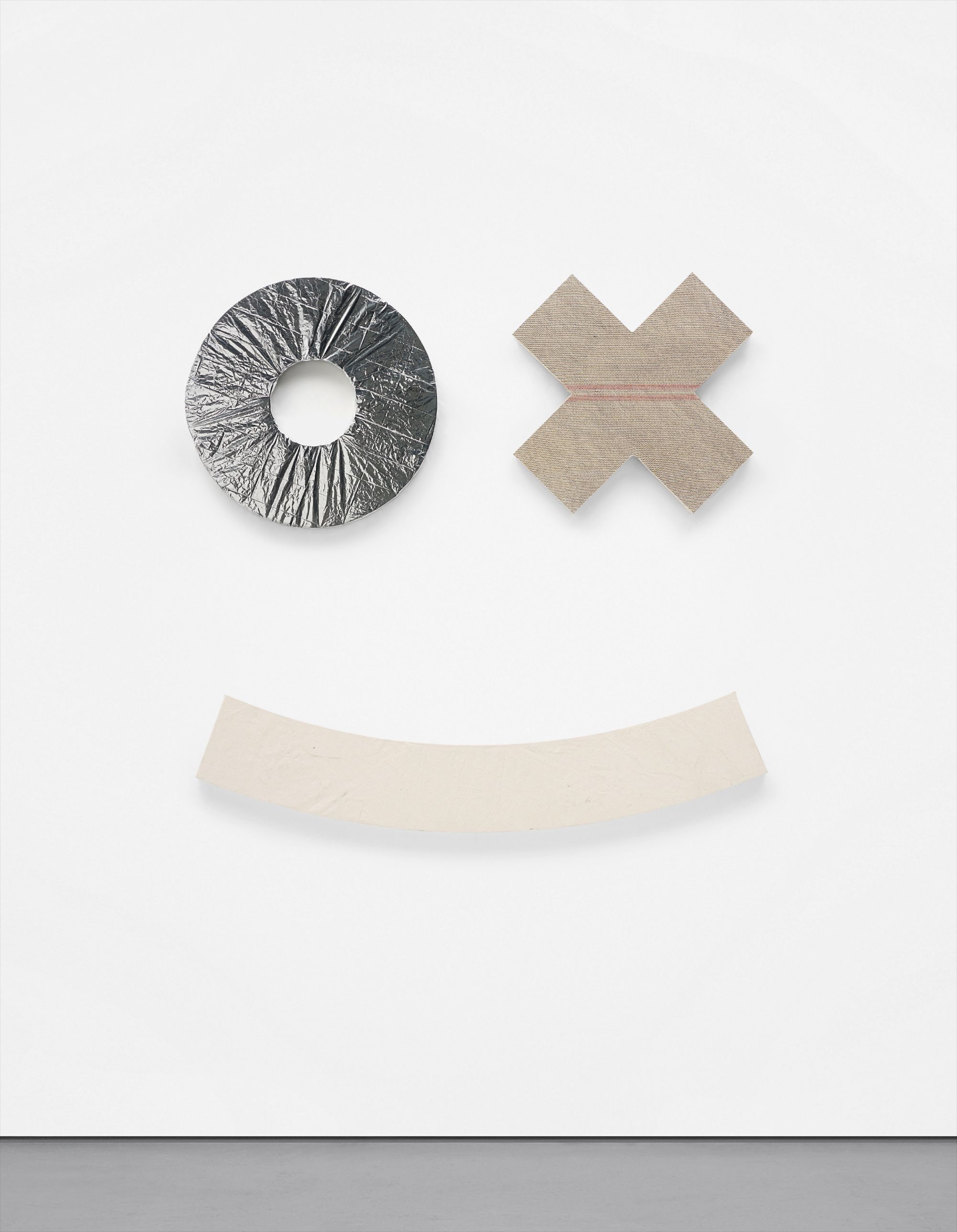
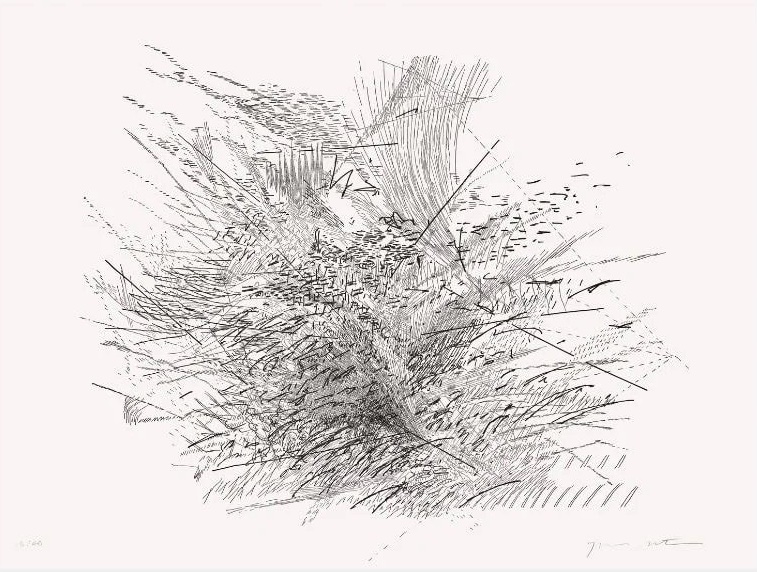
Three Works: (i) Vowel #54 (E); (ii) Vowel #86 (Y); (iii) Vowel #59 (E), 1996
The critical conversation has shifted meaningfully in recent years. Writers like Hal Foster and T.J. Clark have long grappled with what sequential and multiple panel structures do to time and to the body of the viewer.
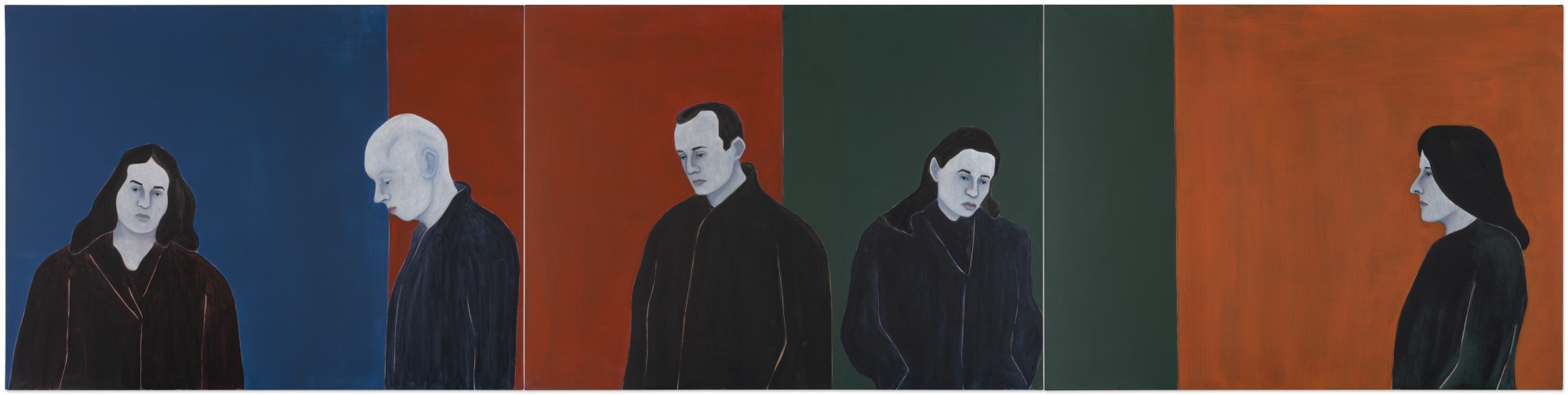
But younger critics writing in Artforum, Frieze, and October have begun to approach the triptych from a more explicitly political angle, asking whose stories get told across three panels and whose get compressed into one. The interest in artists like Djamel Tatah, whose quiet and monumental figures on The Collection seem to exist slightly outside of time, reflects a critical appetite for works that use the format to speak about marginality and presence in ways that resist easy resolution. What feels alive right now is the expanded definition of what counts as a triptych. The strict three canvas rule has loosened considerably, and artists working across photography, video installation, and digital formats are being read through this lens with increasing frequency.
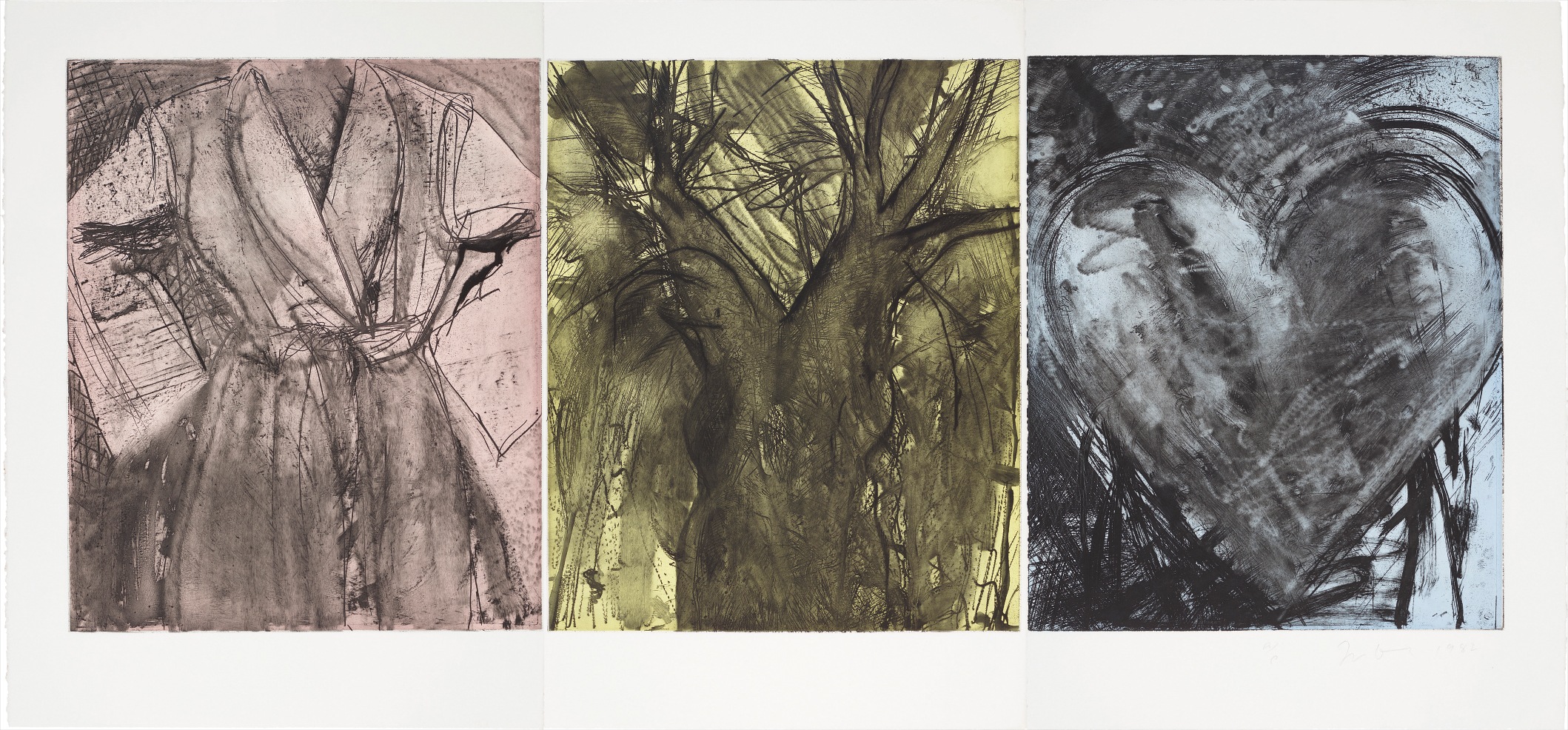
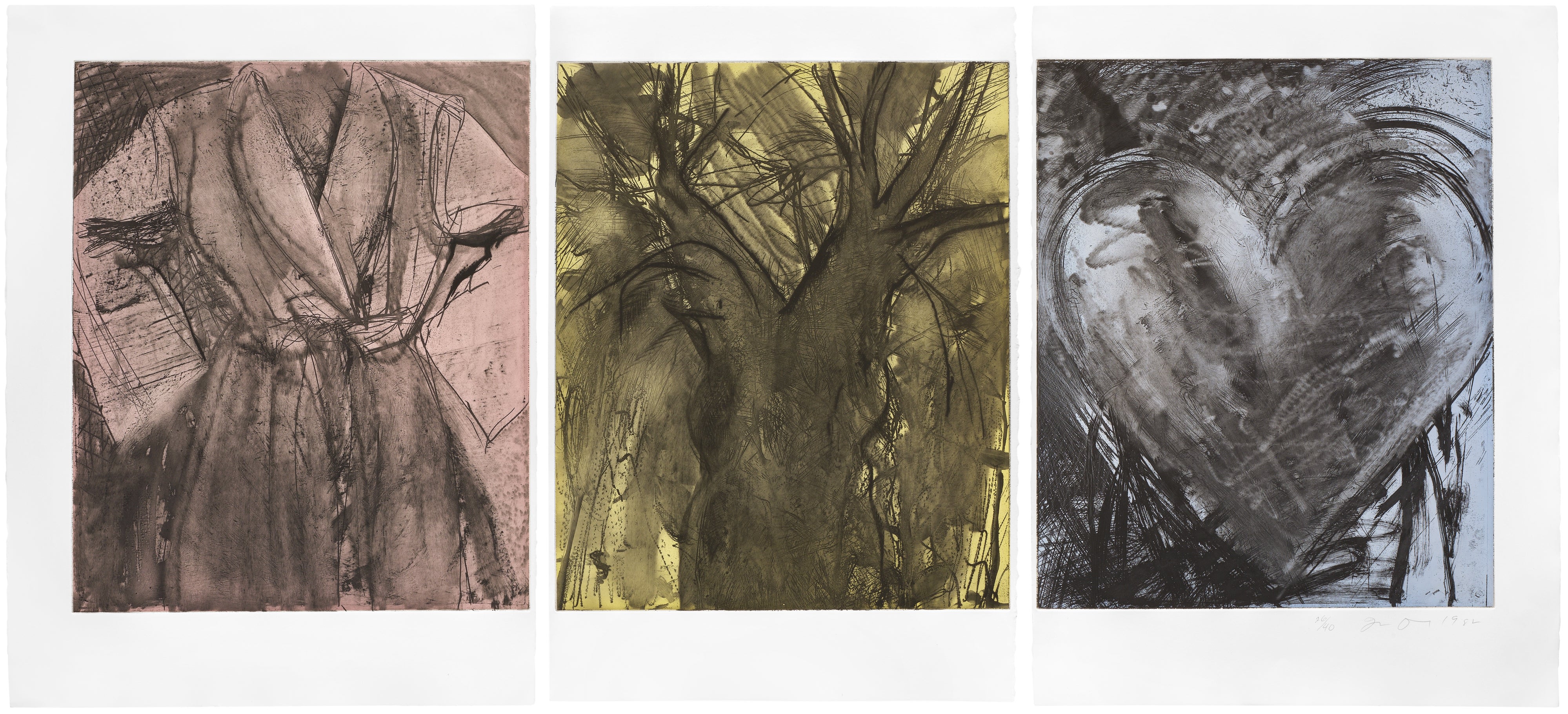
Jim Dine
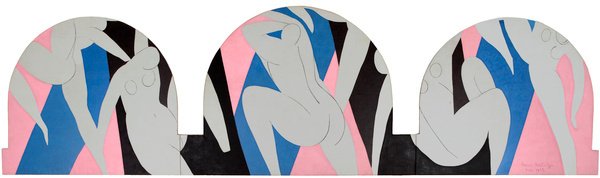
Desire in Primary Colors
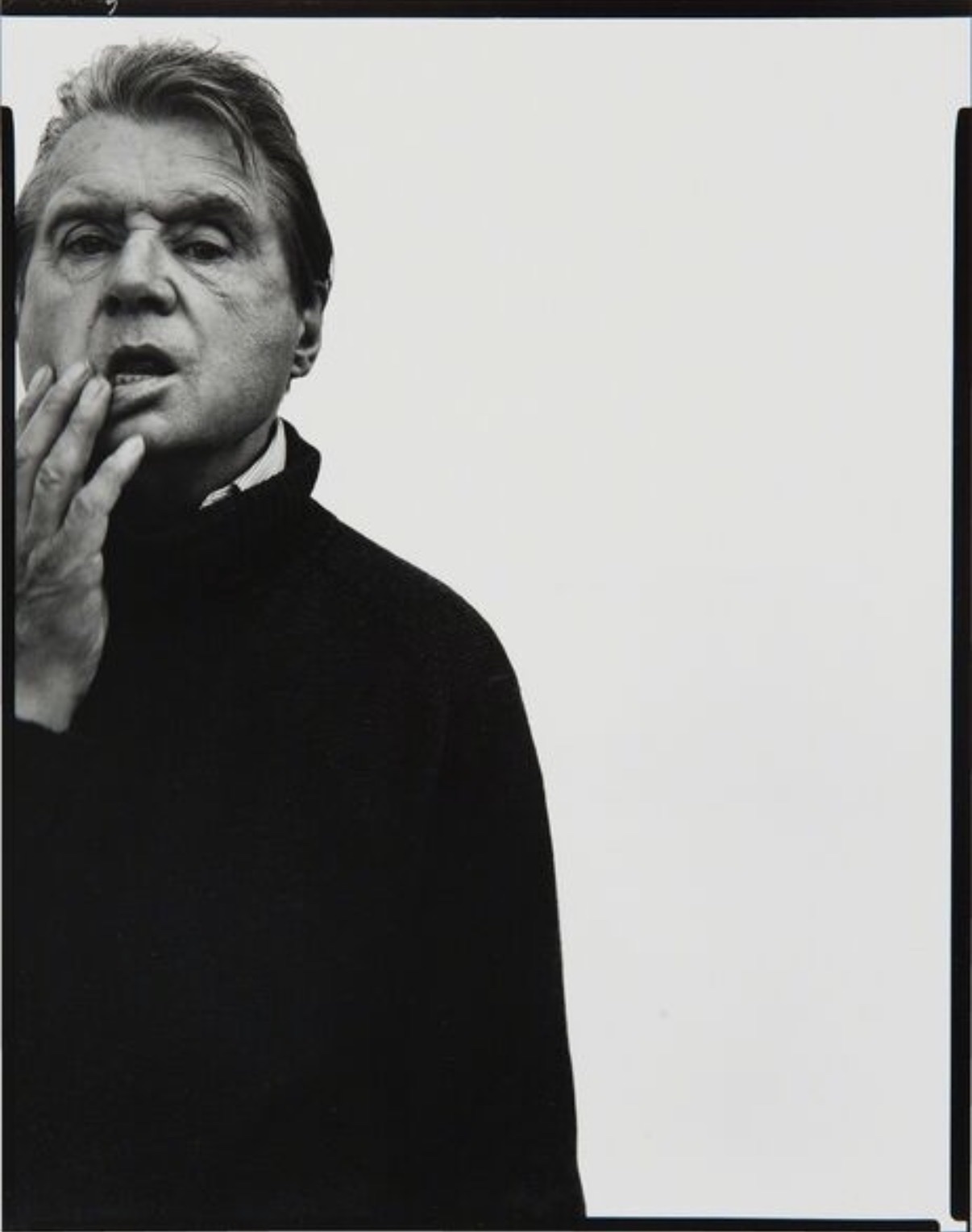
Richard Avedon's sequential portrait work, for instance, has been reframed by curators as sharing something essential with the triptych impulse even when it exceeds three panels. His works on The Collection invite exactly this kind of extended thinking. Sol LeWitt's serial structures, which at first seem opposed to the triptych's drama, actually share with it an insistence that meaning accumulates across units rather than residing in any single one. What feels settled is the primacy of Bacon.
No artist in the twentieth century used the format more searchingly or more influentially, and the market has made that judgment with remarkable consistency. What surprises are coming is harder to say, but the energy around artists who work at the intersection of digital structure and physical presence suggests that the triptych will find new forms in the coming decade. The three part division maps onto so much of how we process information now, across screens and feeds and parallel streams of attention, that it feels less like a historical form and more like a basic cognitive template. The collectors who understand this are already paying attention.