Three-Dimensional
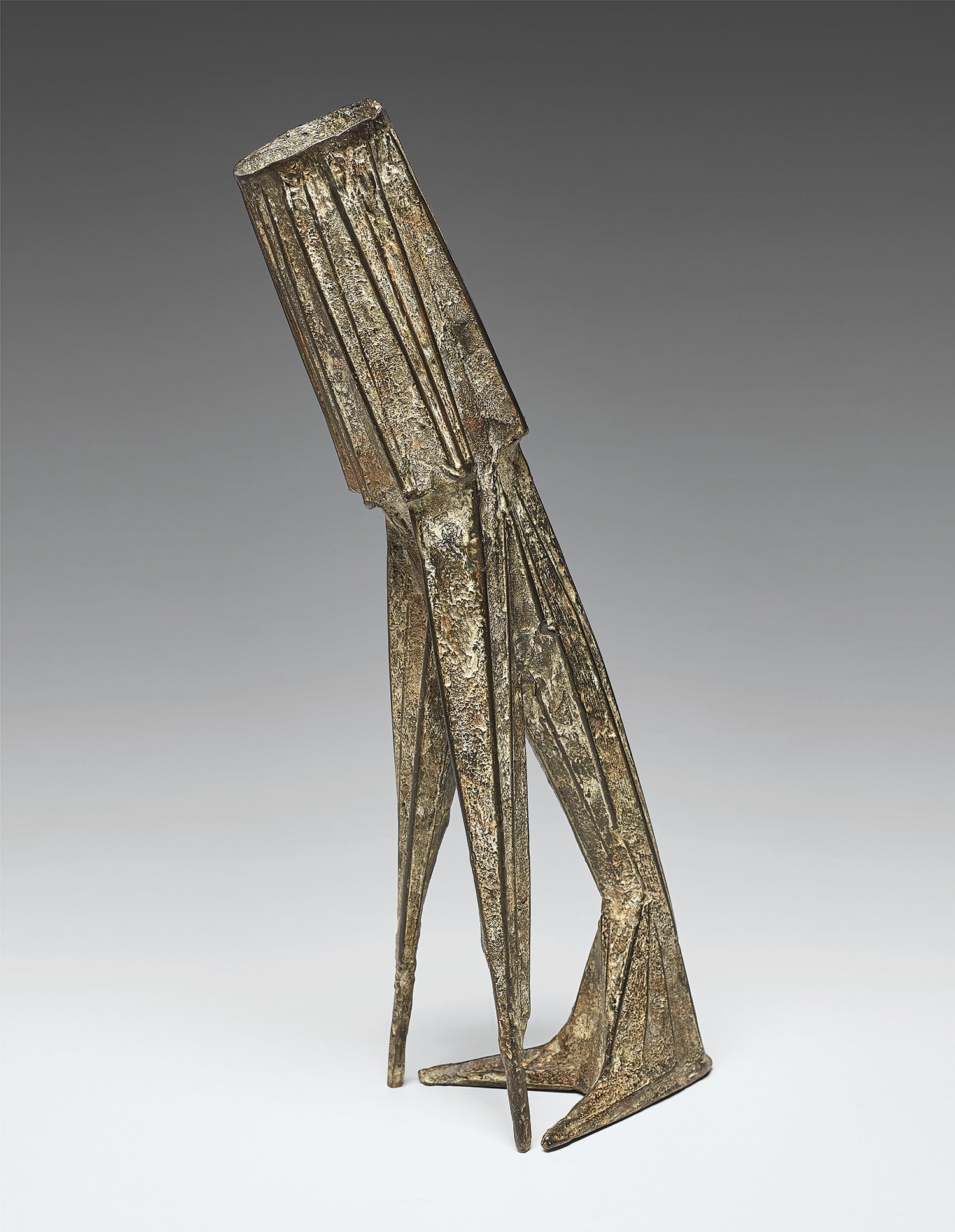
Lynn Chadwick
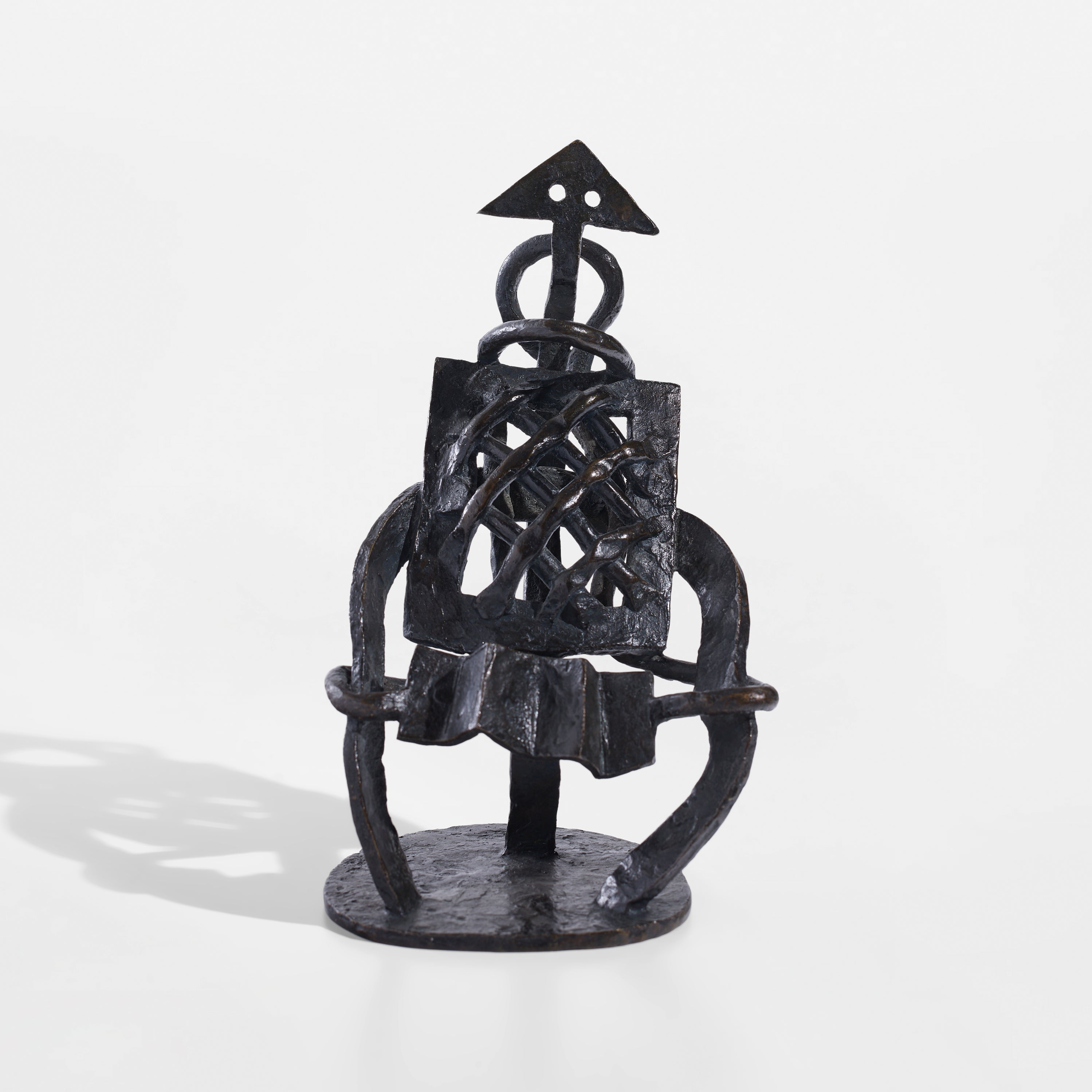
Beast III (Sitting Lion), 1990
The Object Demands Your Whole Body
There is something fundamentally different about standing in front of a sculpture. Painting asks you to look. Sculpture asks you to move, to circle, to reconsider. Your relationship to it changes as you do.
This is the oldest argument for three dimensional art, and also the most enduring one. From the carved ivory figurines of the Upper Paleolithic to the monumental steel works spilling across contemporary museum courtyards, sculpture has always understood something that other mediums are still catching up to: that space itself is a material. The story of Western sculpture begins in Greece, roughly in the seventh century BCE, when artisans began carving freestanding human figures from marble and limestone. These early kouroi were stiff, frontal, deeply influenced by Egyptian precedent.
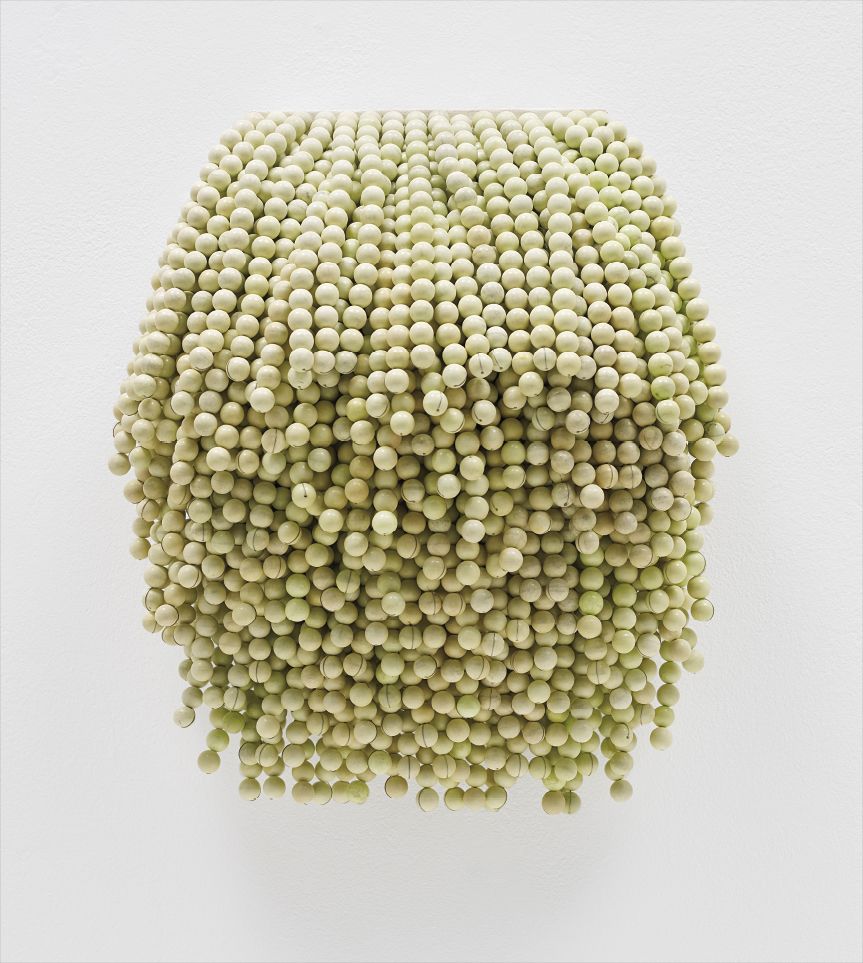
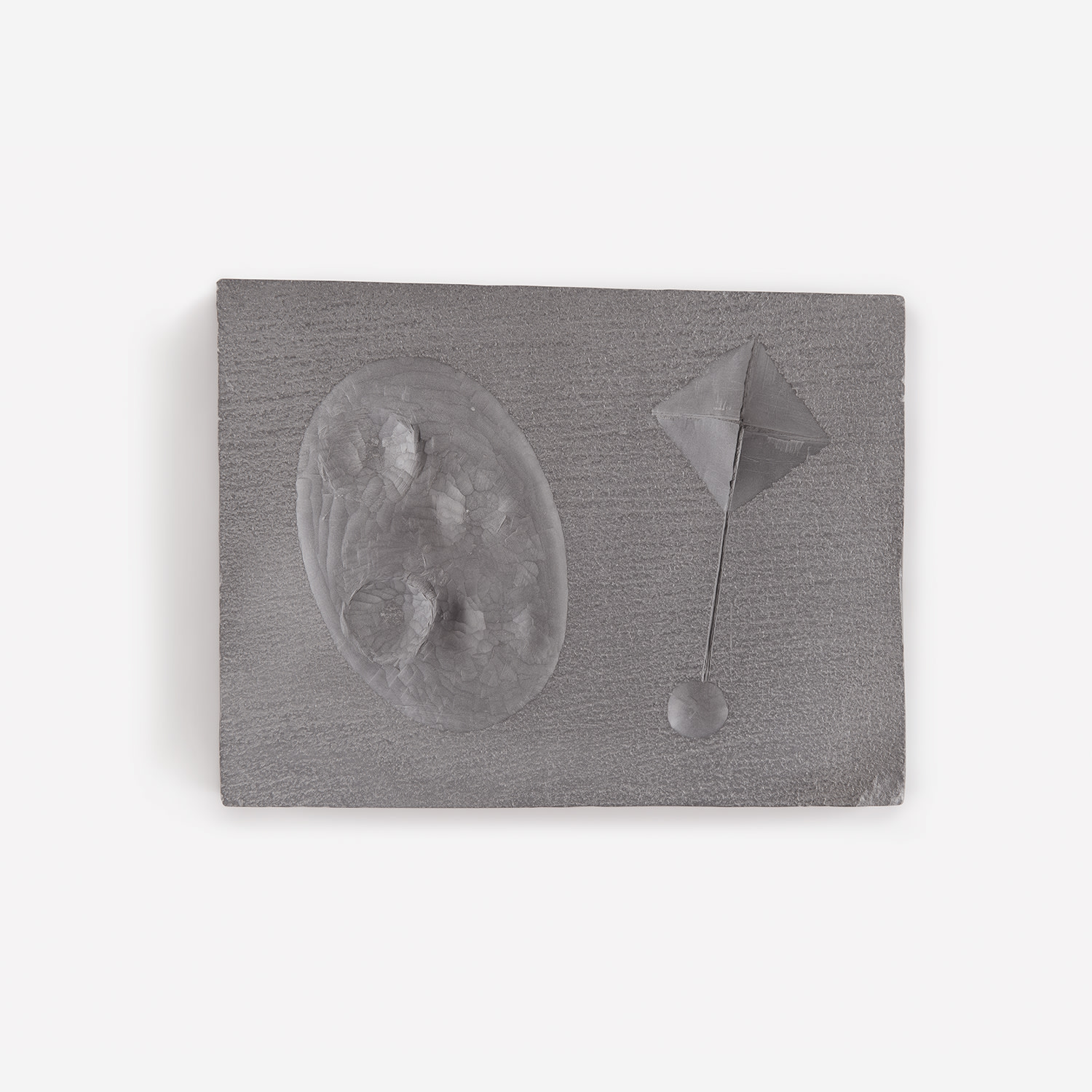
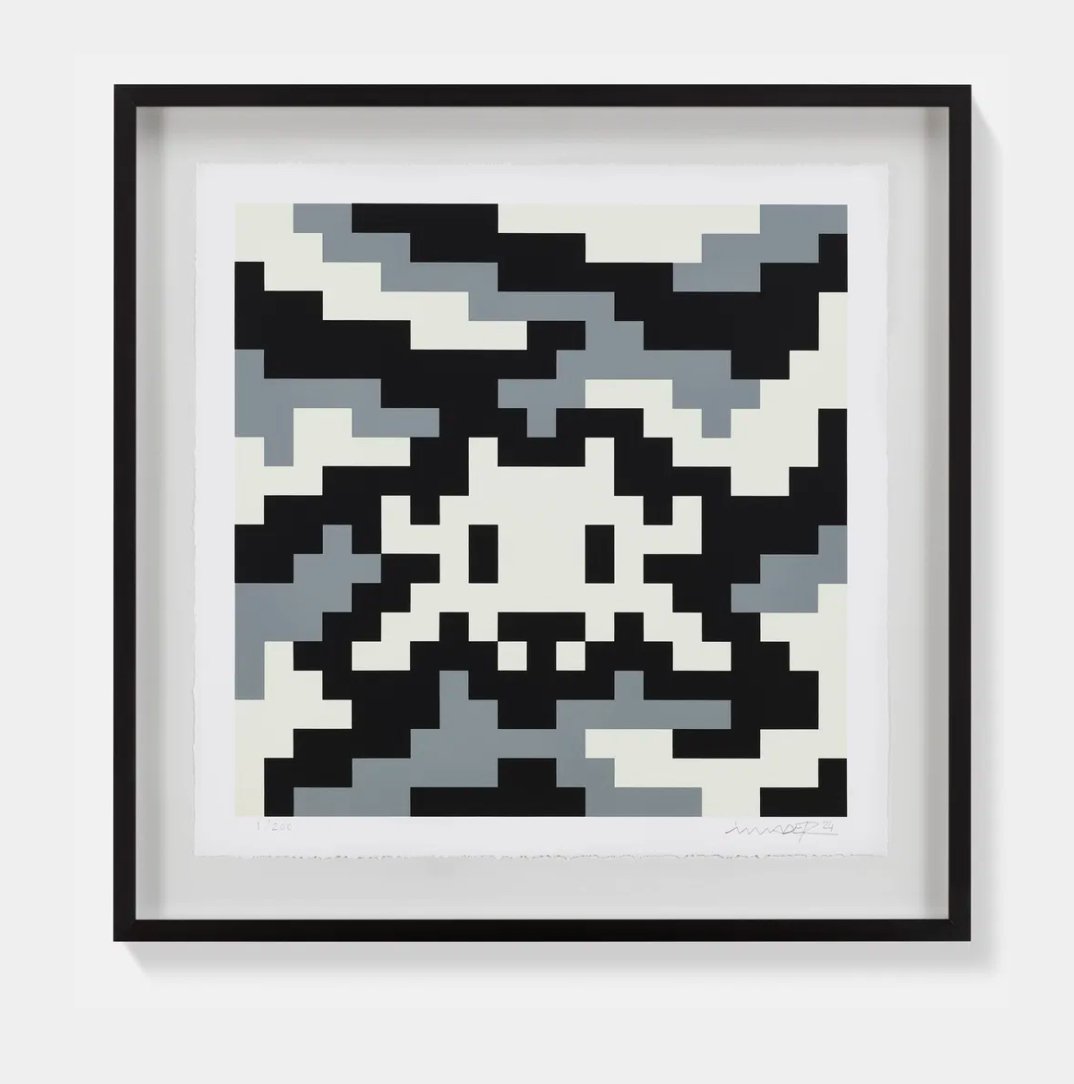
Paola Pivi
Crisoprasio pearls attached to a wooden canvas backing board, 2003
But within two centuries the Greeks had cracked open the problem of representing the body in motion, and by the fifth century BCE Phidias and Praxiteles were producing works of such torsional energy that they seemed genuinely alive. The Romans copied them relentlessly, which is largely why we know them at all. This inheritance shaped European sculpture for almost two thousand years, and the pressure of that tradition was exactly what modern artists spent the twentieth century dismantling. The rupture began in earnest around the 1910s and 1920s, when artists like Constantin Brancusi started stripping sculpture down to its essential forms.
Brancusi was not interested in likeness. He was interested in presence. His polished bronze Sleeping Muse works, shown in Paris in the years around the First World War, proposed that a simplified ovoid could carry more emotional weight than the most naturalistic portrait bust. This was a genuinely radical idea, and it opened the door to everything that followed.
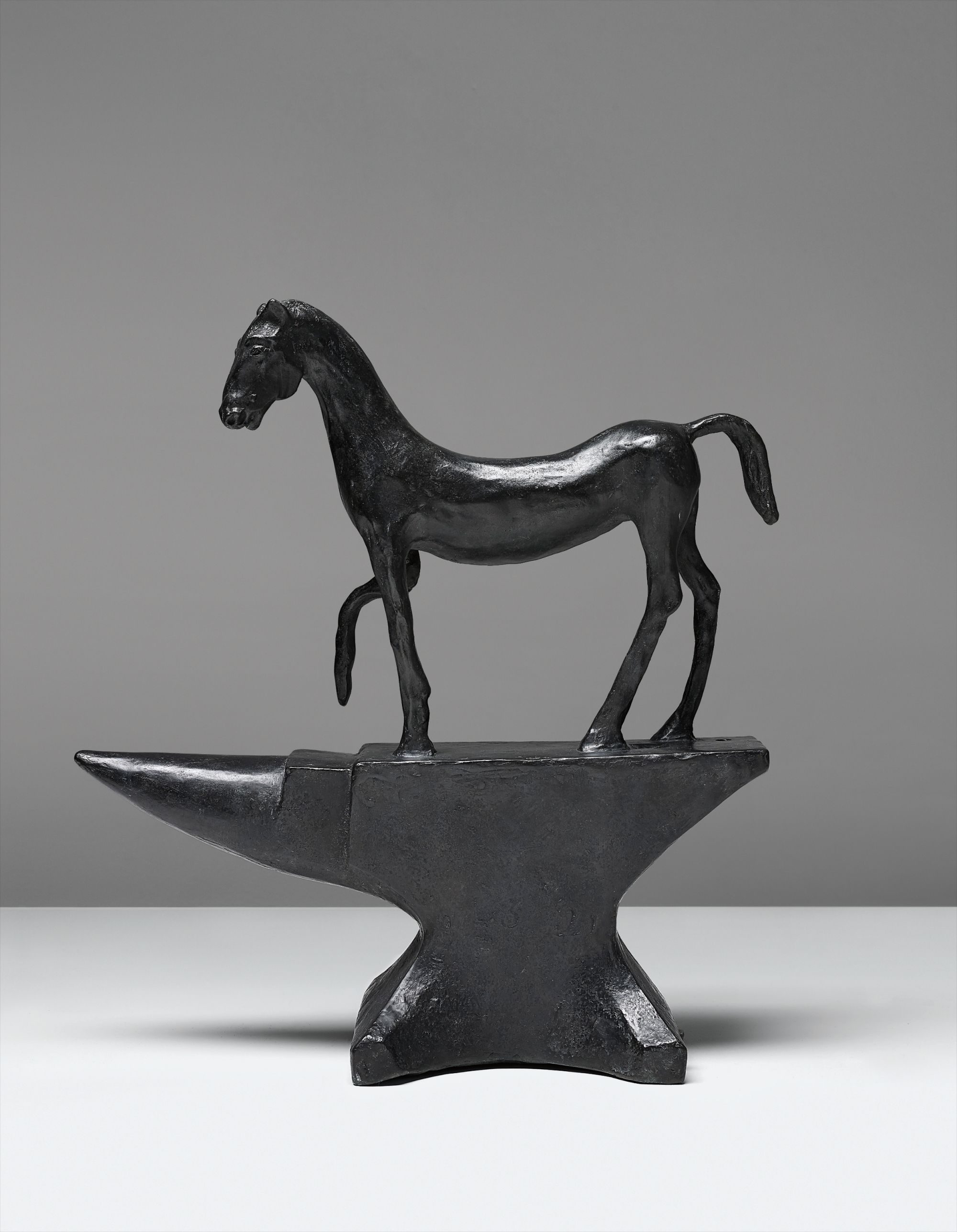
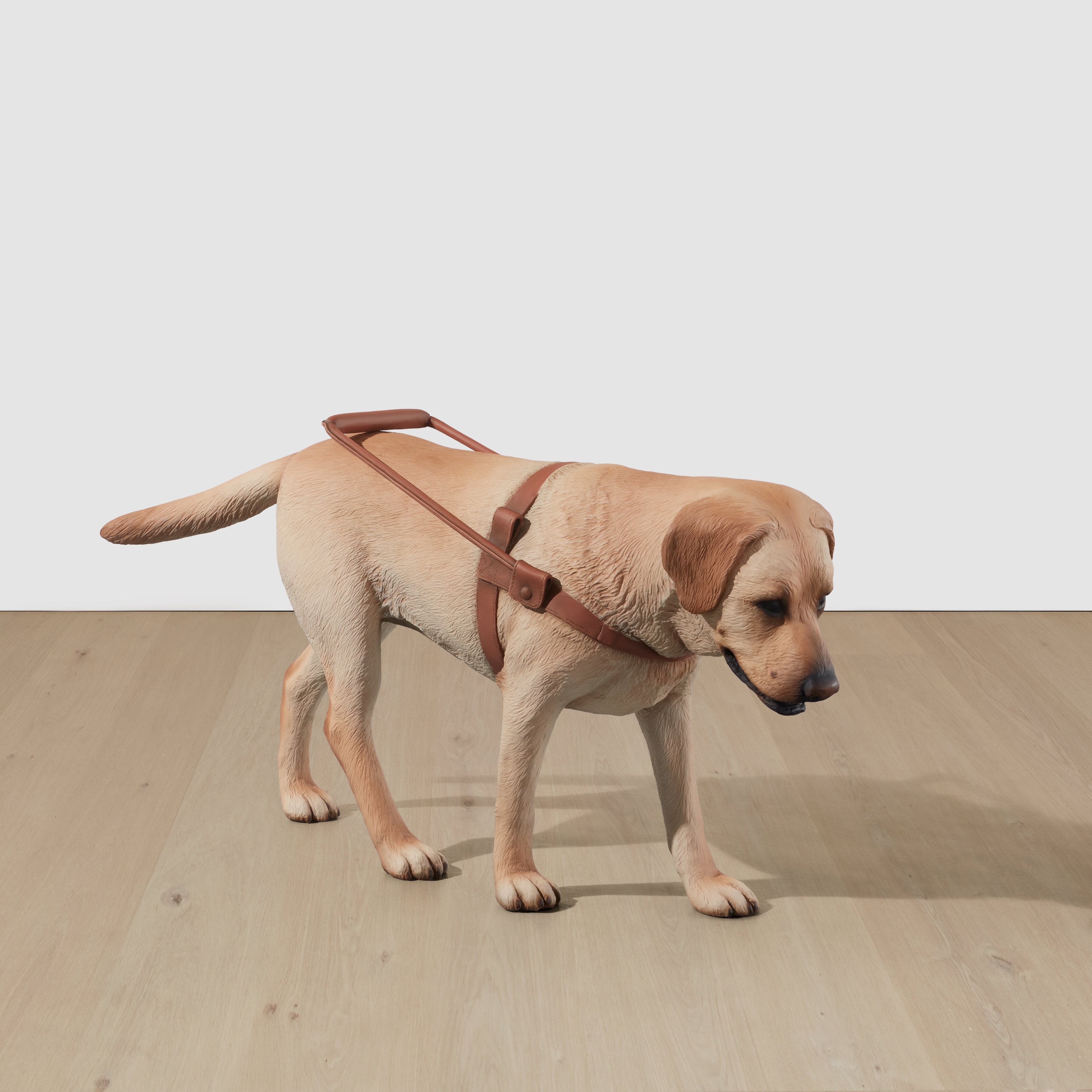
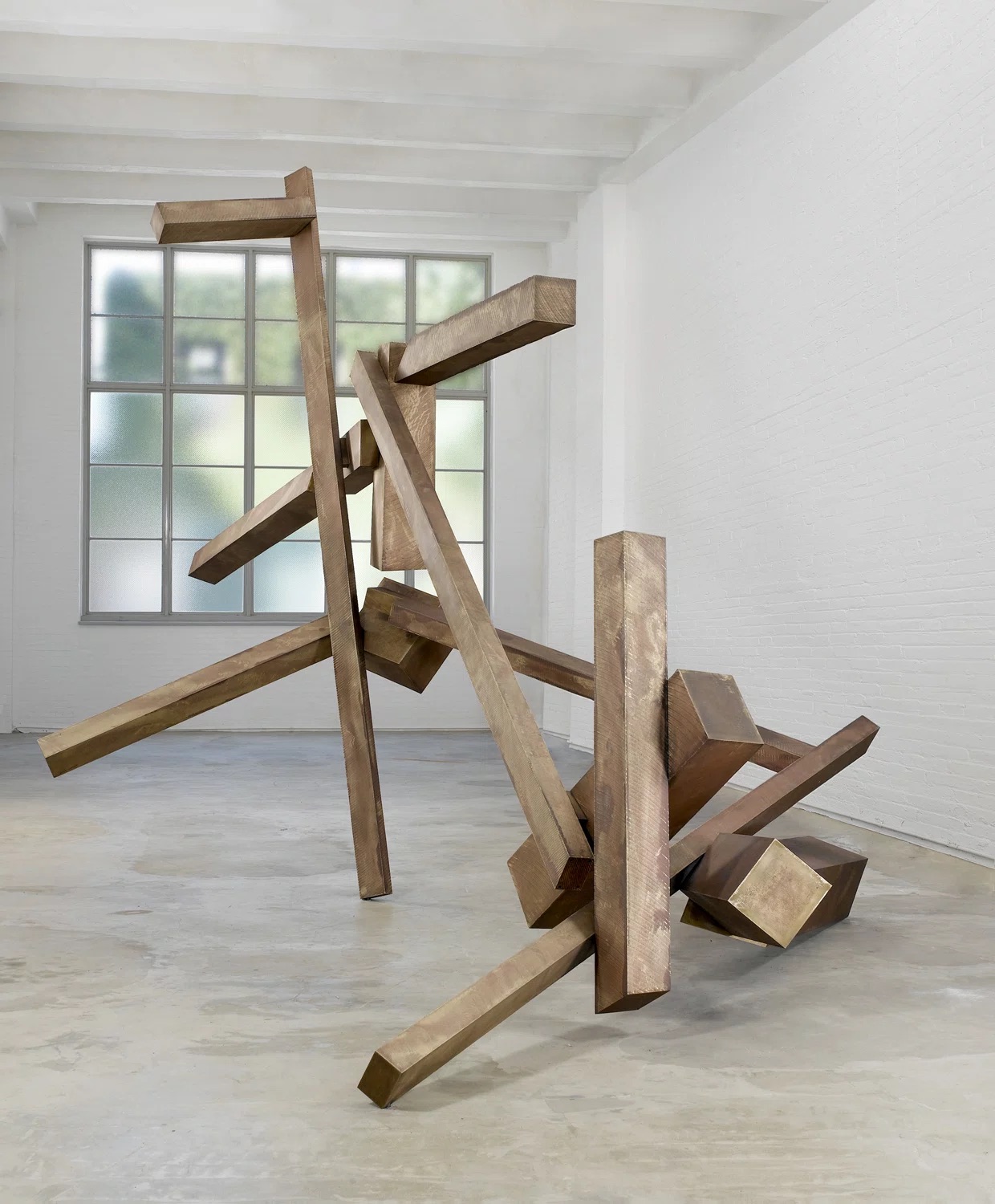
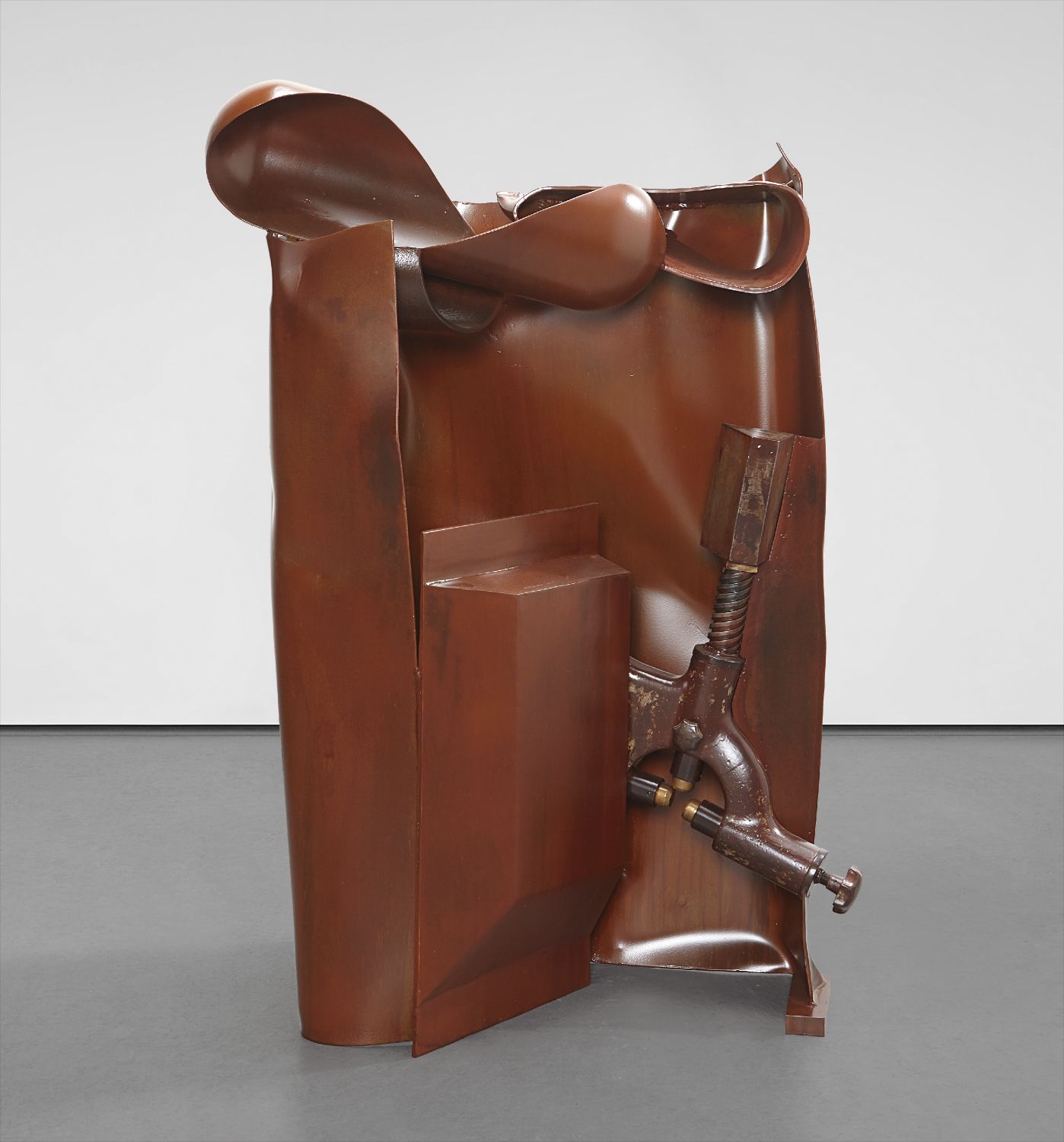
Barry Flanagan RA
Horse on Anvil, 2001
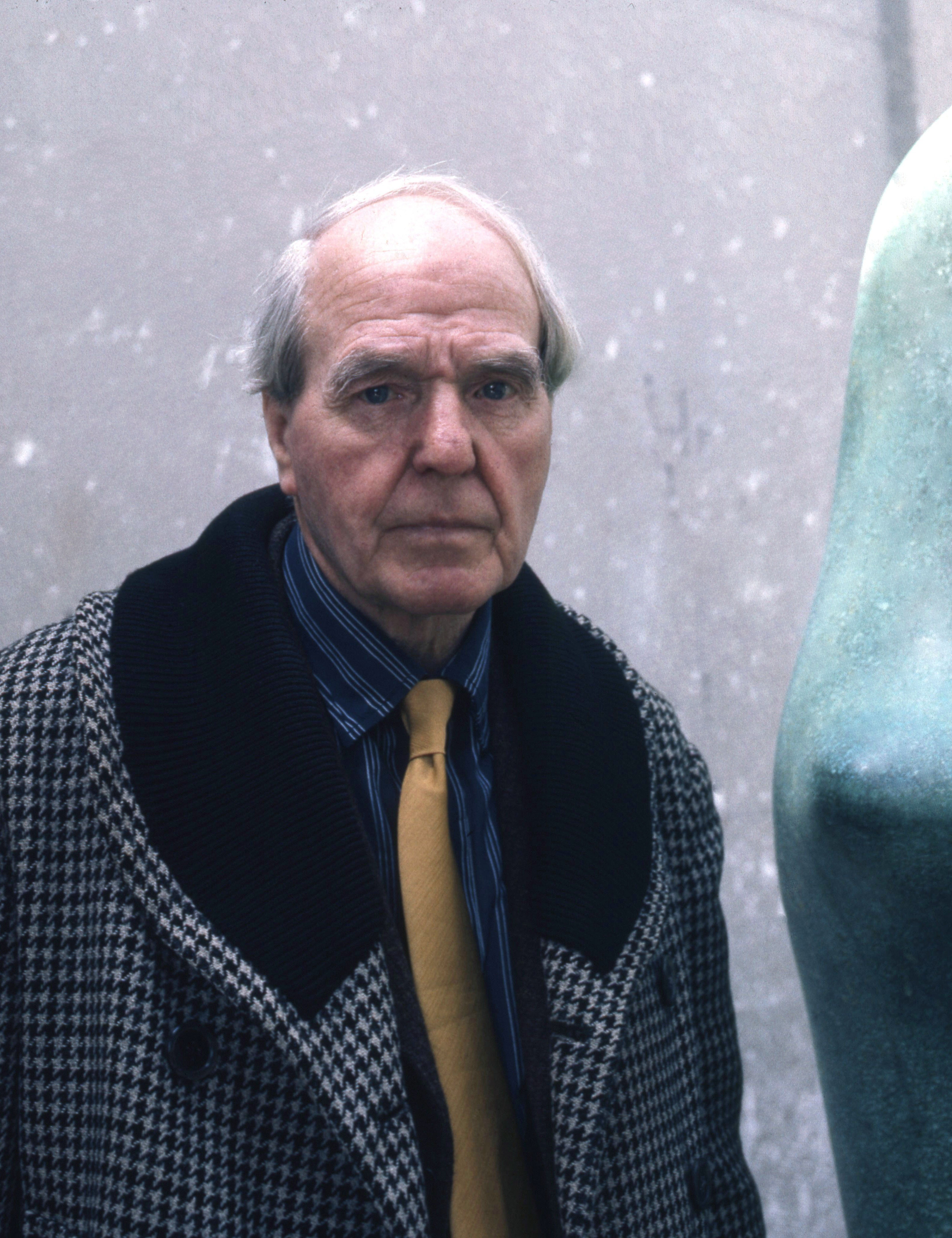
Henry Moore absorbed this lesson deeply. From the 1930s onward his reclining figures and mother and child groups pushed figuration toward abstraction without abandoning the organic warmth of the human body. Moore's work, richly represented on The Collection, reminds us that sculpture can be simultaneously ancient and entirely new. The postwar decades brought an explosion of approaches that nearly defies summary.
In America, David Smith was welding industrial steel into painterly gestures in the open air of Bolton Landing. In Britain, Anthony Caro took that freedom further still, placing raw painted steel directly on the ground, refusing the pedestal entirely in works like Early One Morning from 1962. That decision sounds small but it was seismic. It said that sculpture did not need to announce itself as sculpture, did not need a plinth to separate it from ordinary life.
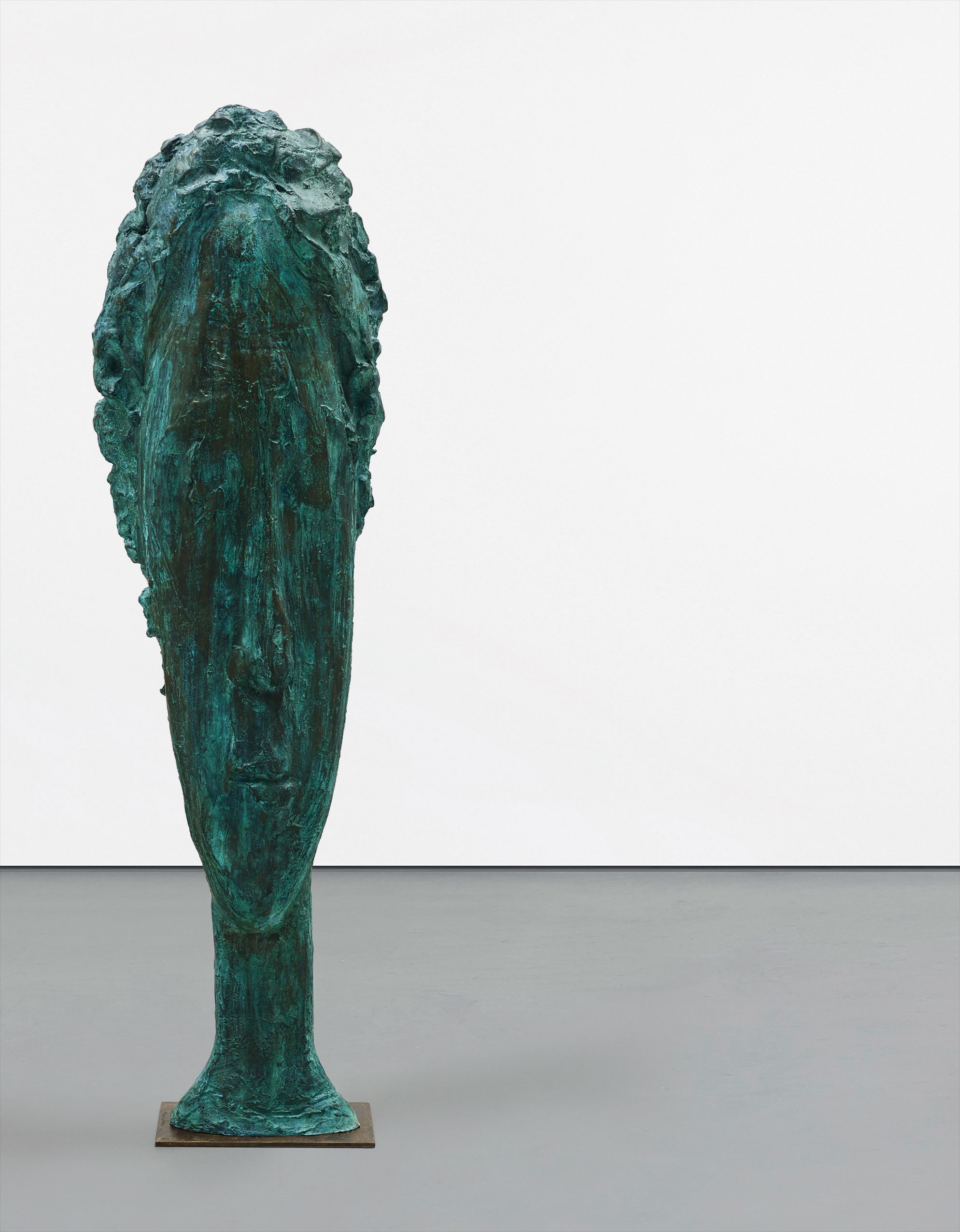
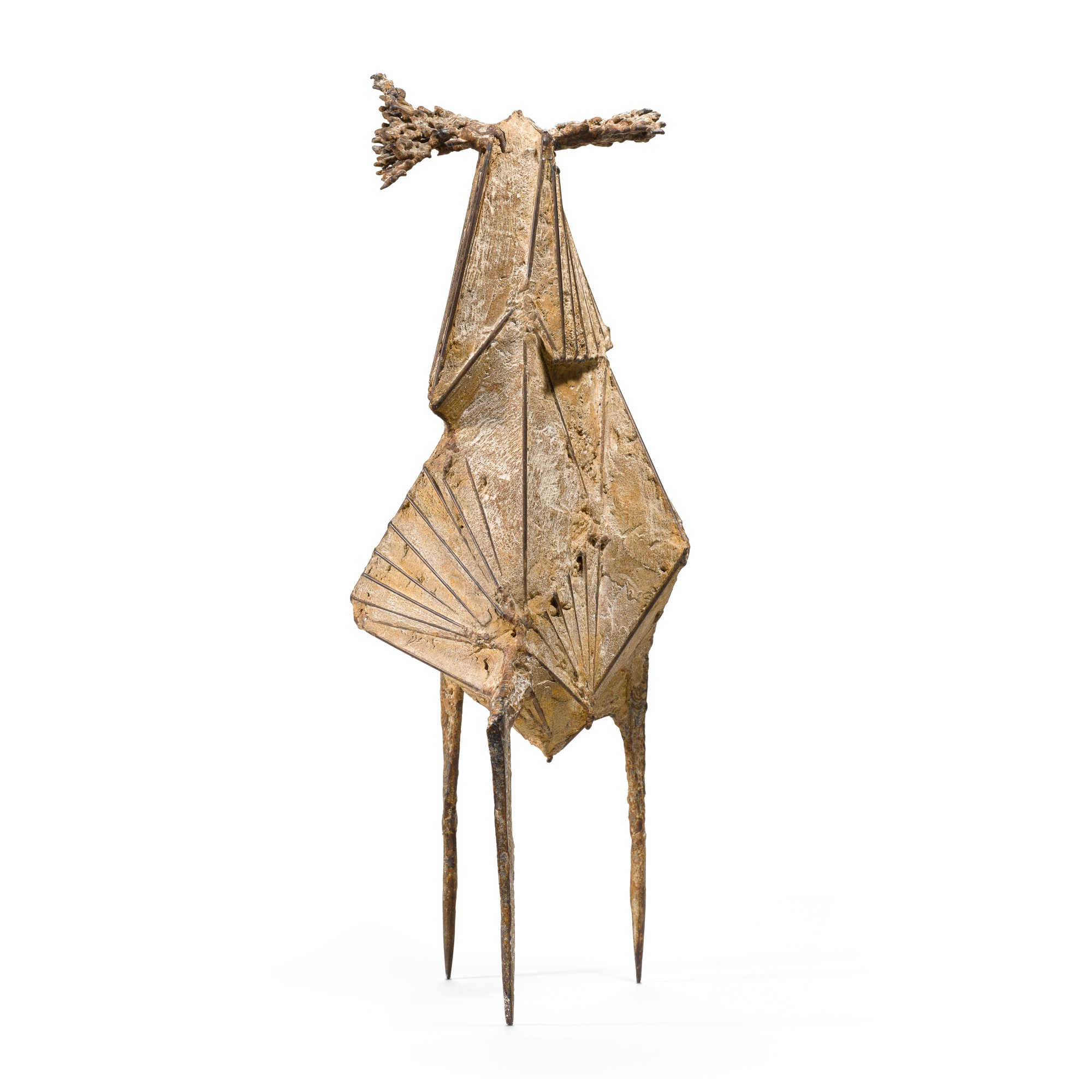
Lynn Chadwick
Beast III (Sitting Lion), 1990
Caro's work on The Collection carries that same charged immediacy, steel in conversation with the floor, the wall, the viewer's own feet. Lynn Chadwick, another significant figure in postwar British sculpture, took a different path, working with iron and geometric angular forms that felt both threatening and elegiac, winning the International Sculpture Prize at the Venice Biennale in 1956. Minimalism arrived in the mid 1960s and changed the terms of the conversation completely. Donald Judd, whose works appear on The Collection, was its most articulate theorist and one of its most rigorous practitioners.
His stacks and progressions of industrially fabricated metal boxes were not about expression. They were about the specific reality of an object in a specific space. Judd called them specific objects deliberately, a rebuke to both painting and traditional sculpture. Sol LeWitt was doing something adjacent but philosophically distinct, building his open modular structures on logical systems that could in theory be executed by anyone following instructions.
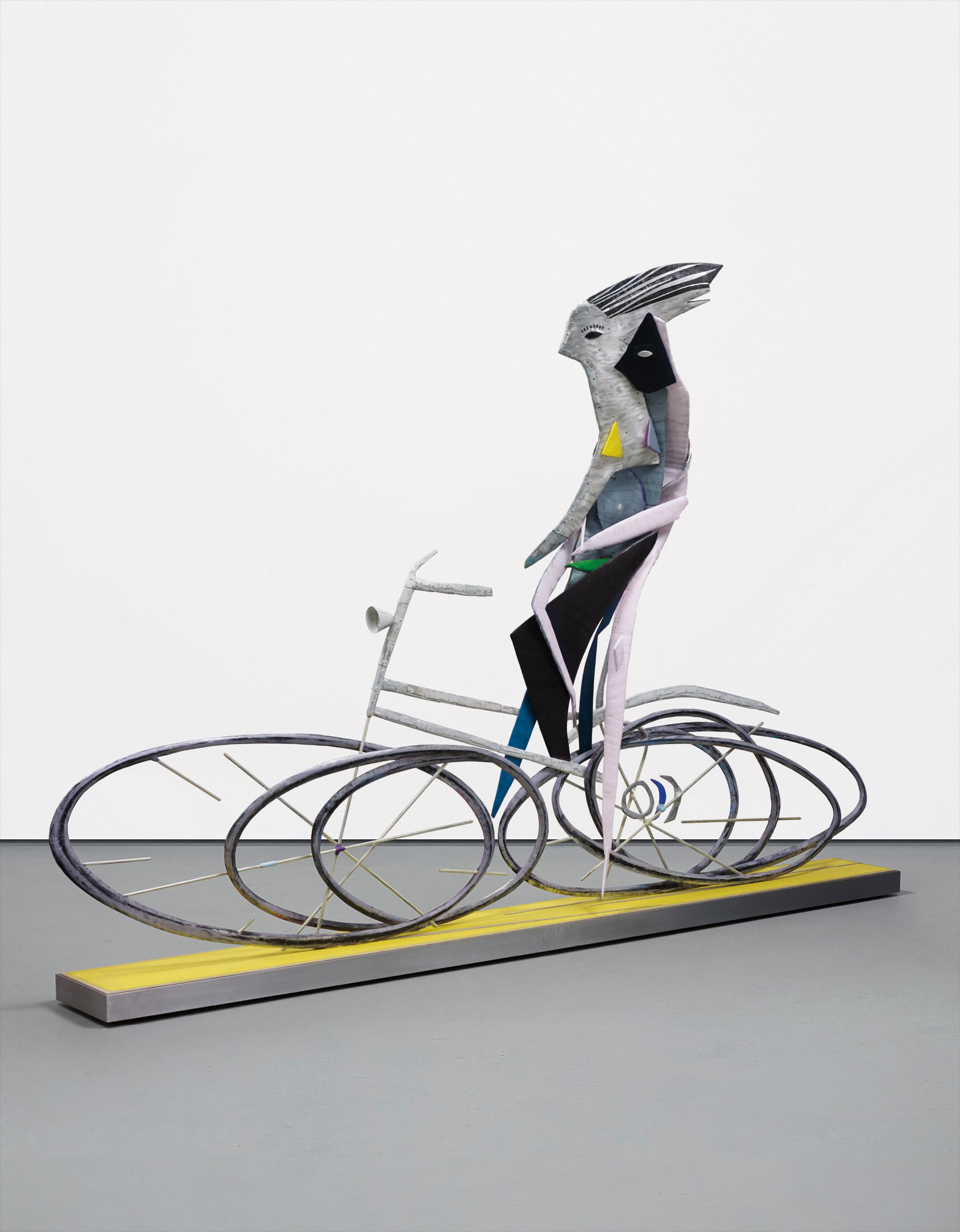
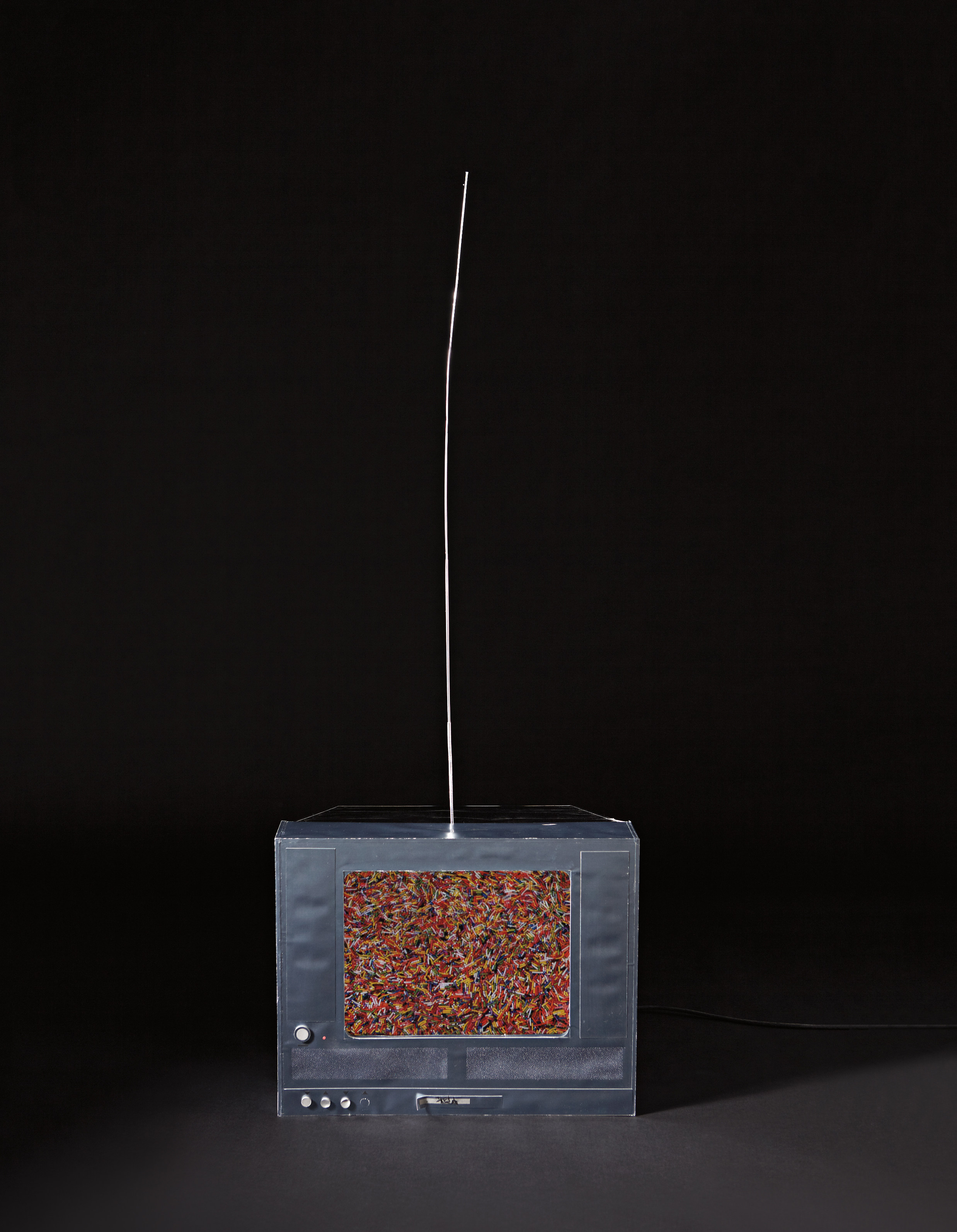
Ryan Johnson
Bicycle, 2012
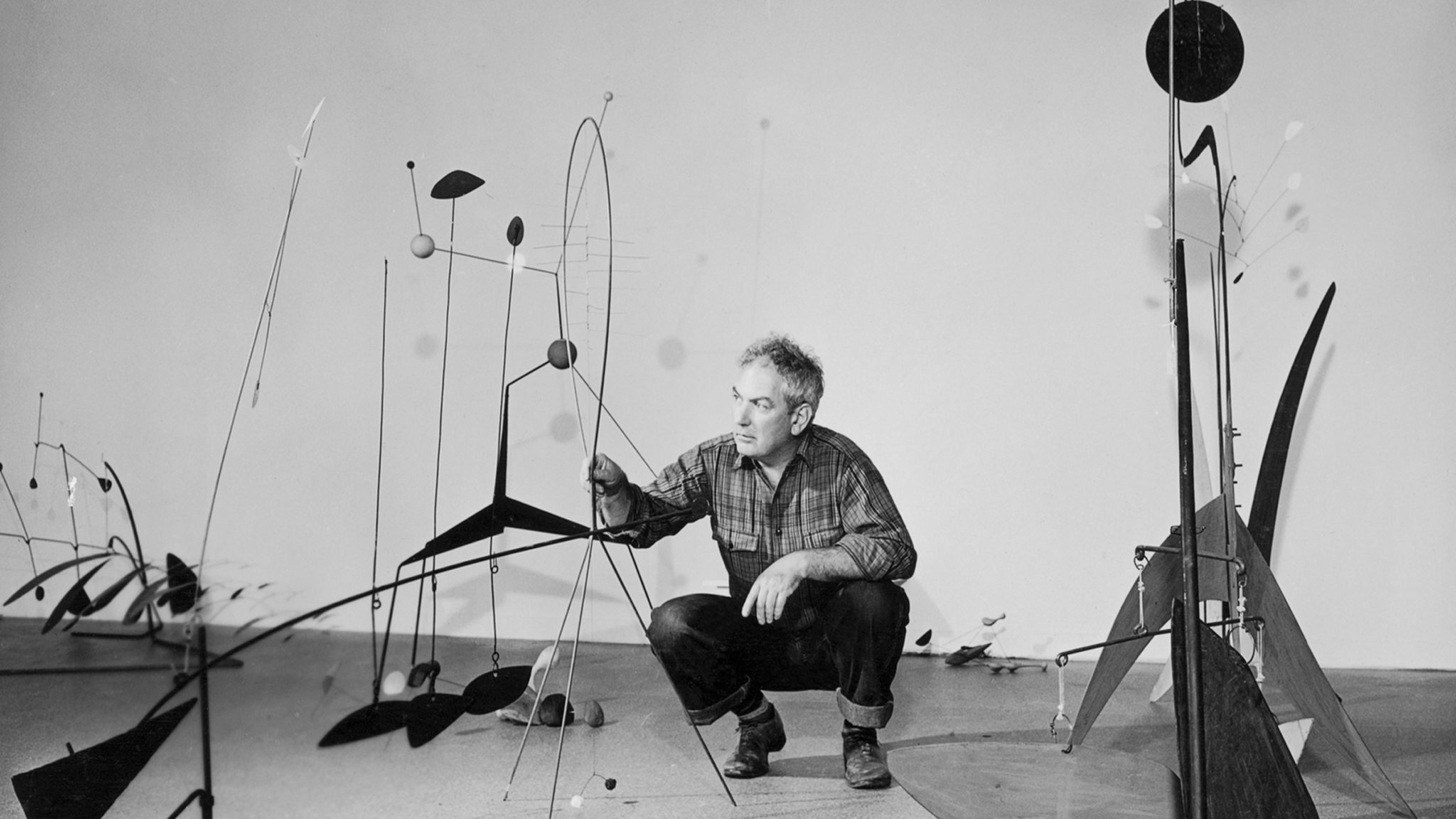
Both artists insisted that you could not understand the work from a photograph. You had to be in the room with it. That insistence on physical encounter feels more important now, in an era of screens, than it ever has. Alexander Calder brought an entirely different sensibility to three dimensional form, one grounded in play, in motion, in the gentle comedy of objects suspended in air.
His mobiles, which Marcel Duchamp named in 1931, introduced time as a sculptural material. The work was never the same twice because air currents and chance determined its configuration. Calder's presence on The Collection speaks to a strand of sculpture that values delight without sacrificing intelligence. Anish Kapoor has pursued related questions about perception and space from a very different angle, using mirrored surfaces and concave forms to fold the viewer and their environment back into the work itself.
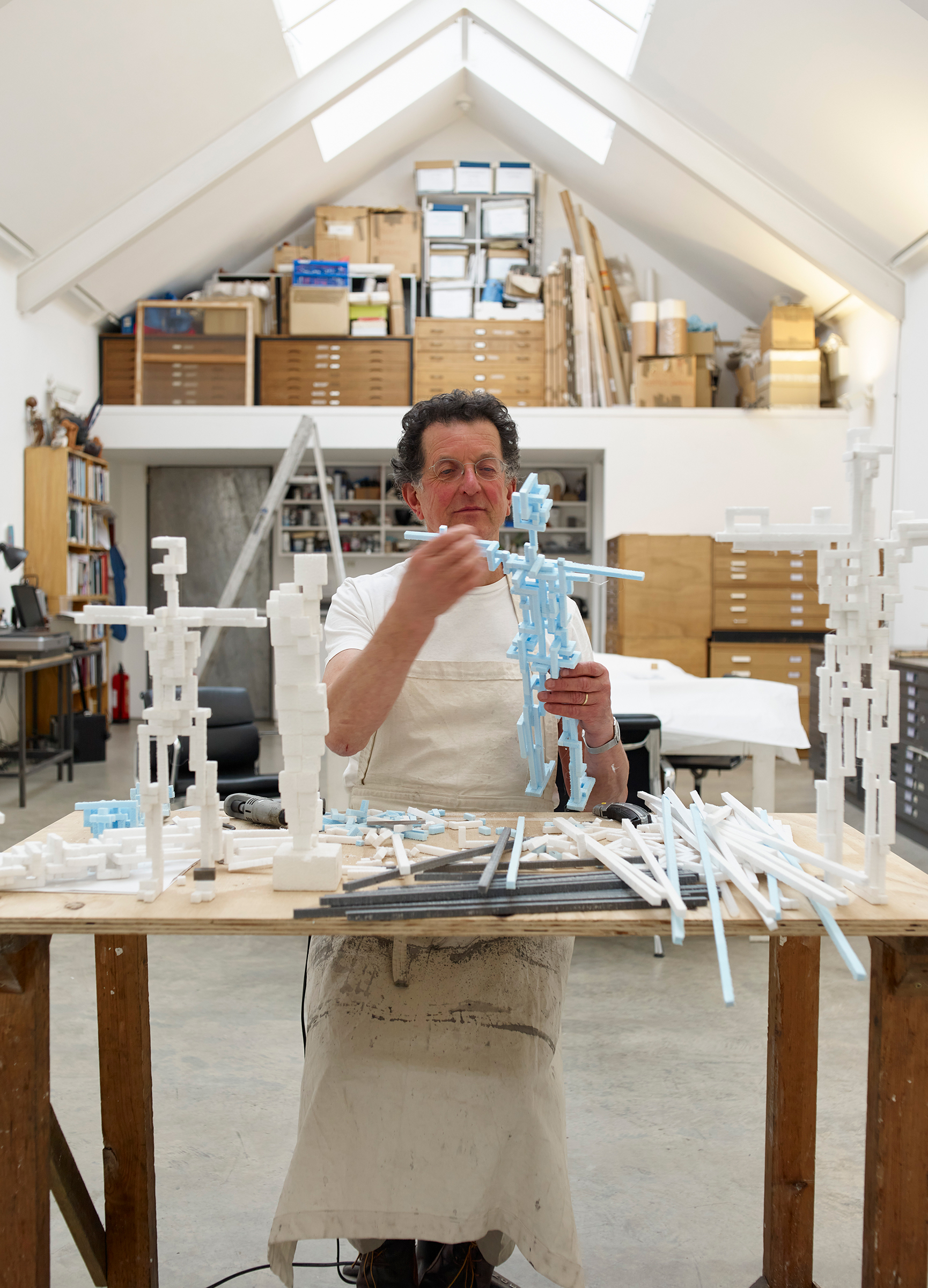
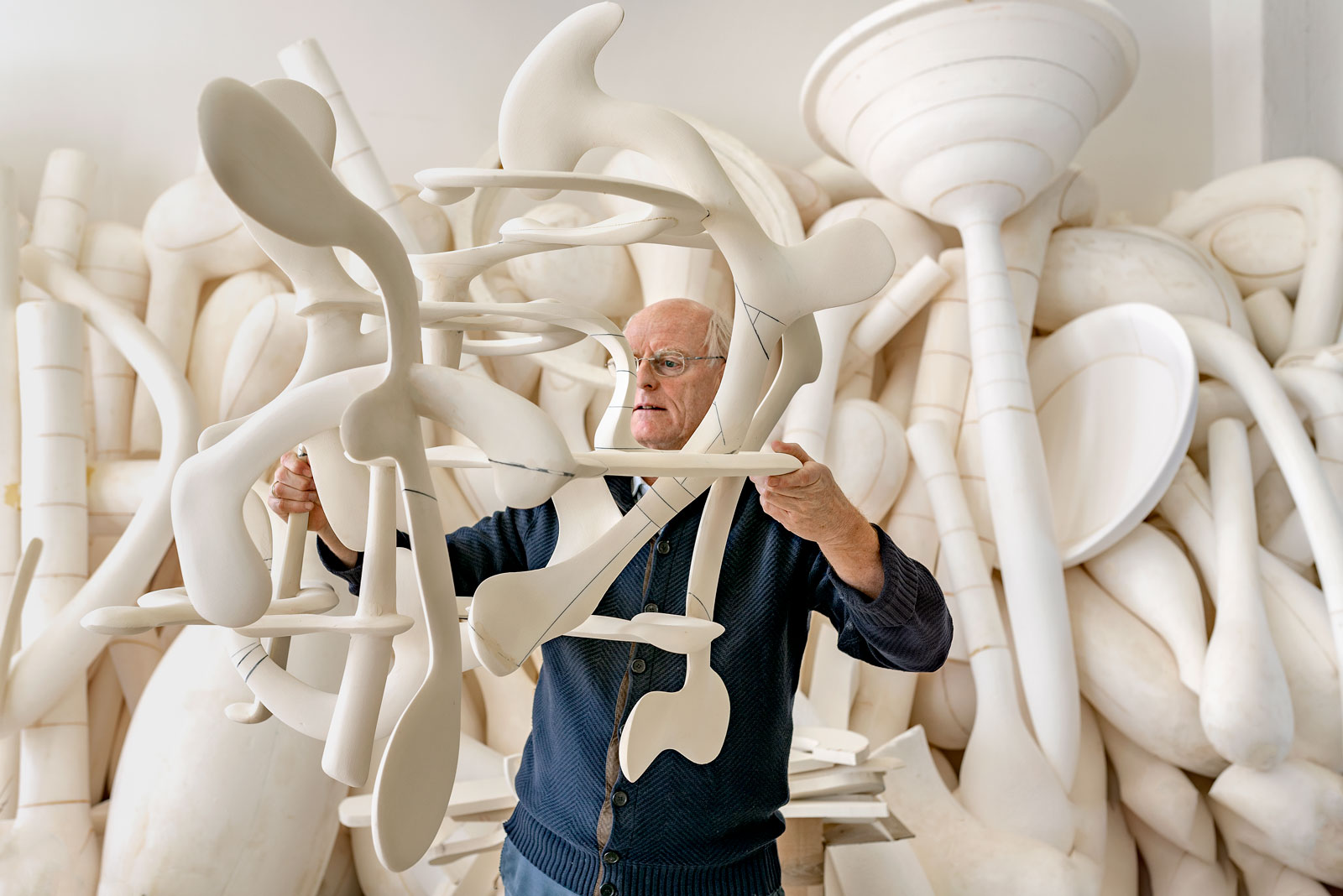
Contemporary sculpture has absorbed all of these histories and tends to wear them lightly. Antony Gormley, one of the most generously represented artists on The Collection, begins every work from the same place: his own body. Cast iron figures deployed across landscapes, rooftops, and gallery floors, they are simultaneously self portrait and collective archetype. Tony Cragg builds accumulations of industrial and natural materials into totemic forms that seem to be in the process of becoming something else.
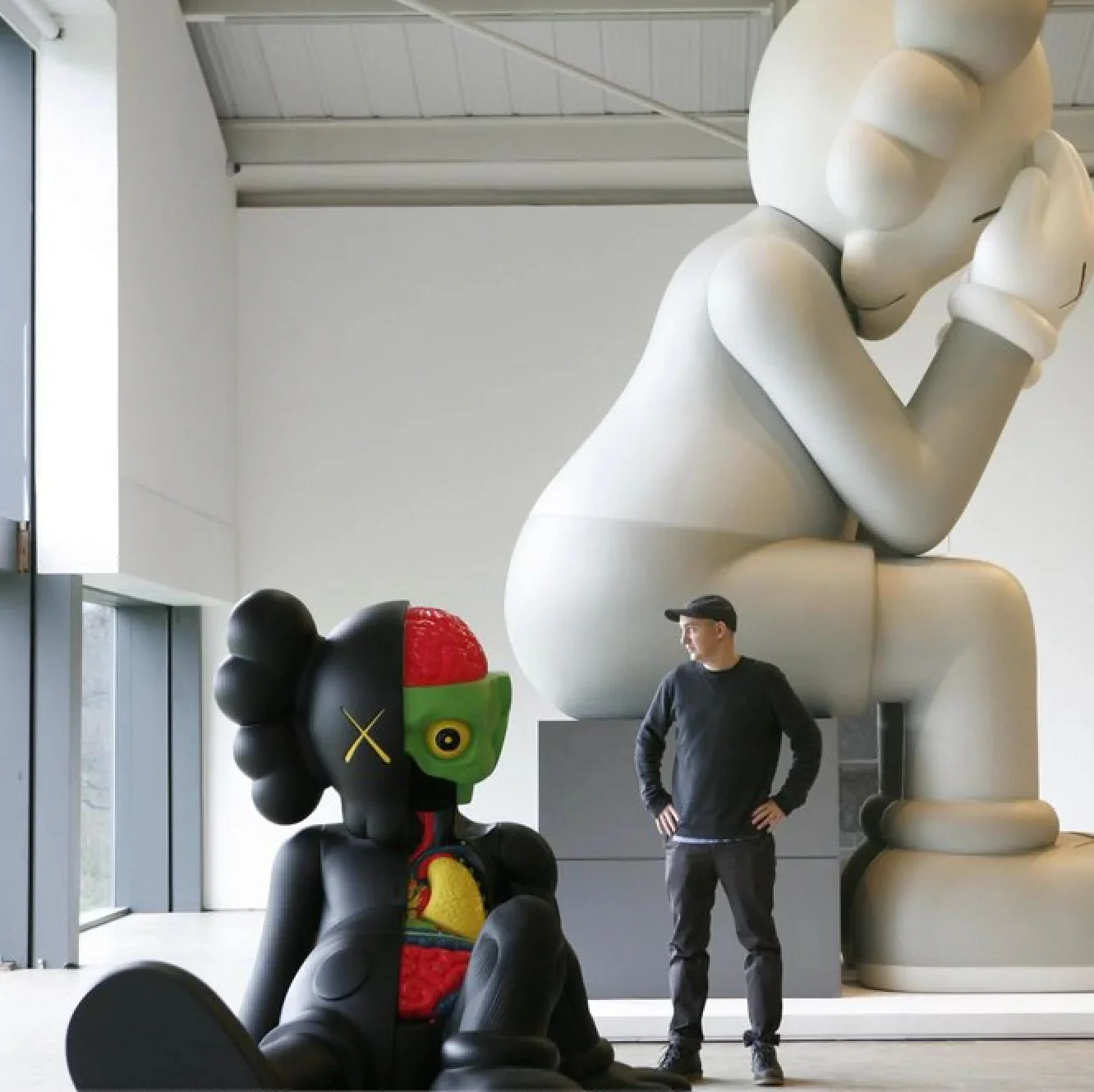
Erwin Wurm has spent decades asking what the minimum gesture required to make a sculpture might be, whether a person holding a pose for one minute constitutes a sculptural act. KAWS has moved from street culture into monumental bronze with a fluency that says something important about how the hierarchies between fine art and popular imagery have collapsed. Subodh Gupta works with the stainless steel vessels of everyday Indian domestic life, stacking them into forms that are simultaneously autobiographical and universal. What unites this extraordinary range of practice is something that Brancusi sensed a century ago and that every serious sculptor since has had to reckon with.
Three dimensional work demands a different kind of attention. It does not submit to the single glance. It requires duration, physical commitment, a willingness to move around something and let your understanding of it shift. In that sense sculpture is not just an art form.
It is a model for how to look at anything that matters.