Tapestry
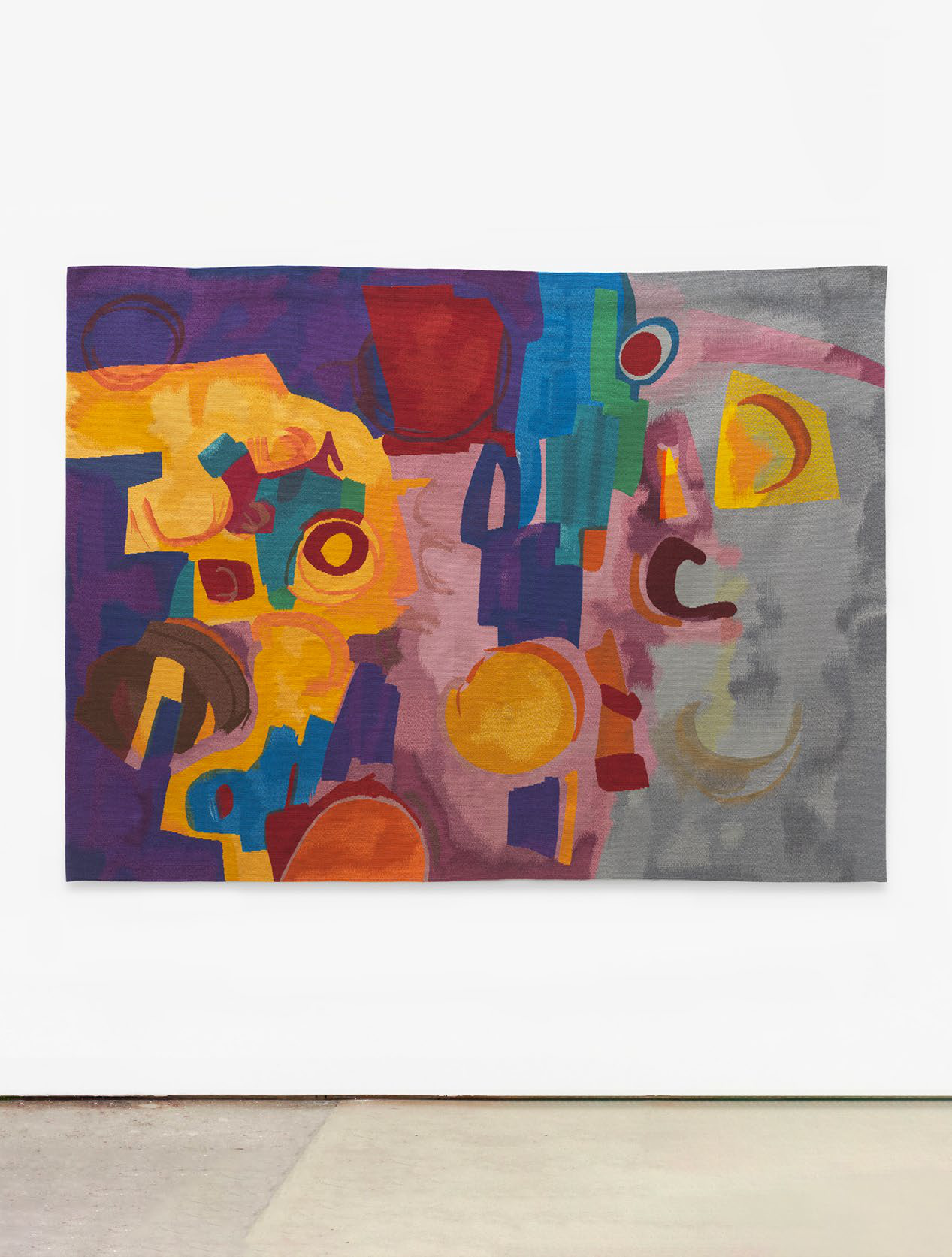
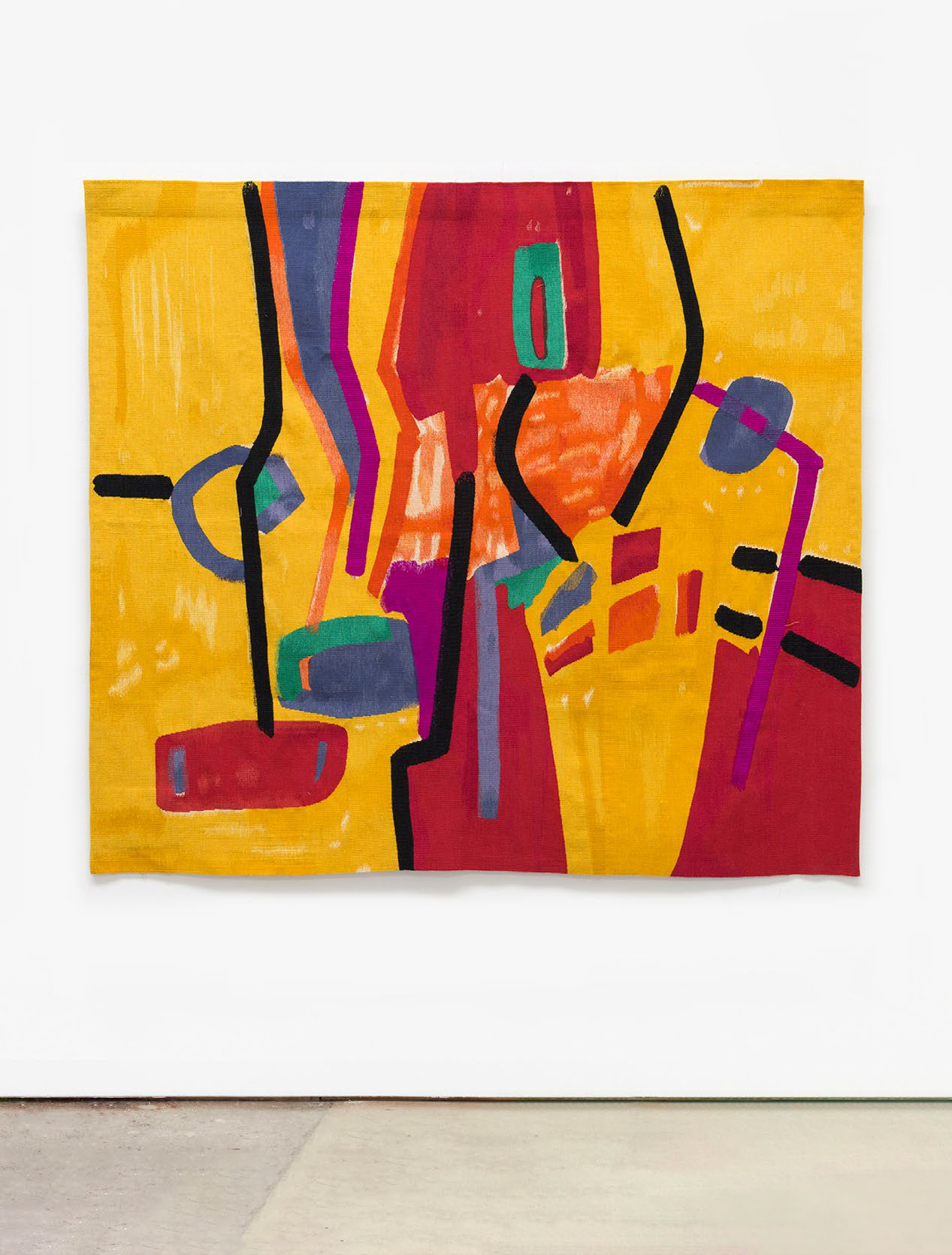
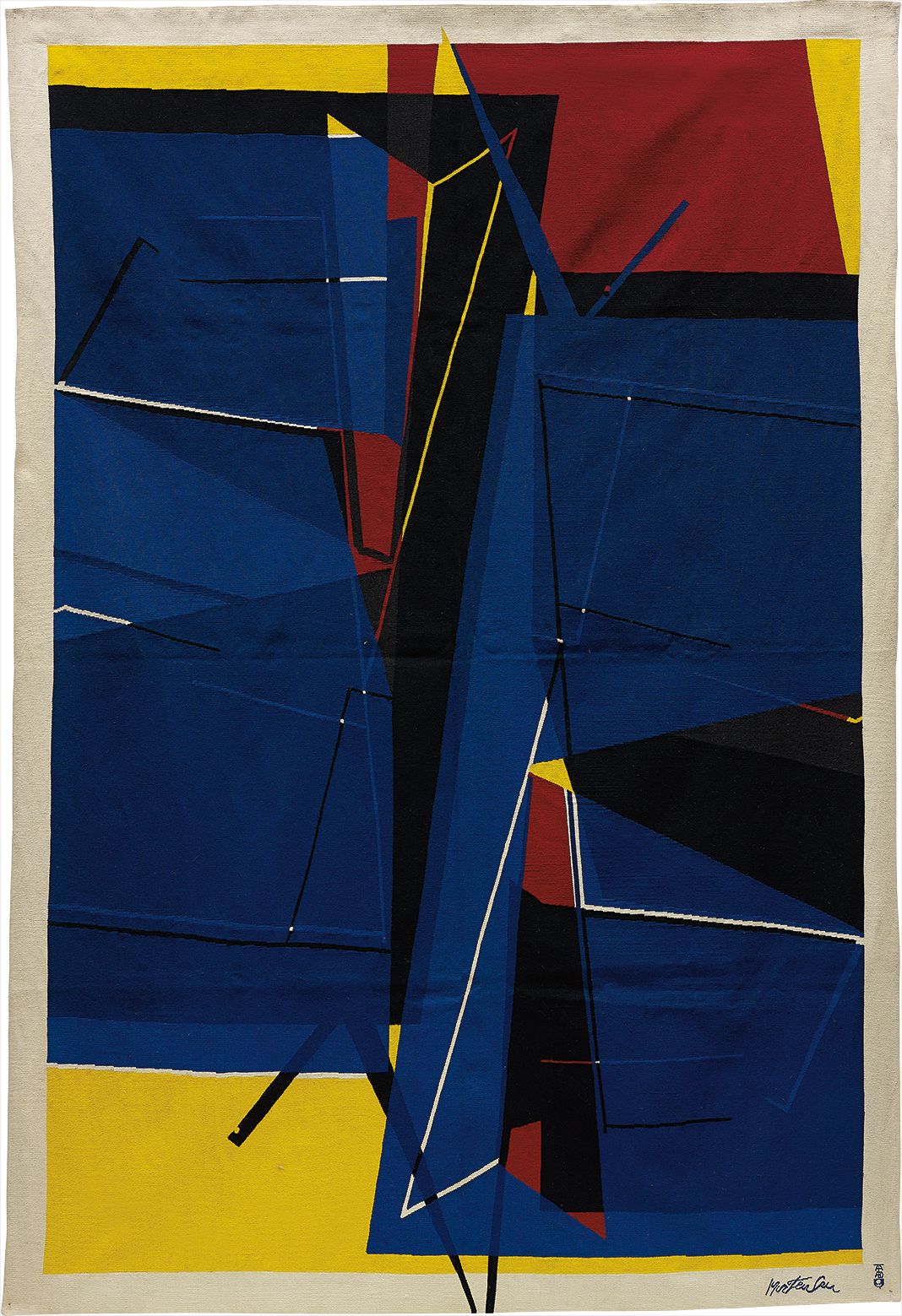
Etel Adnan
Défilé nocturne, 2017

Thread, Time, and the Walls We Live With
There is something quietly radical about choosing to live with a tapestry. In an era saturated with photographic reproductions and screen based images, the woven object asks you to slow down, to move closer, to notice the way light shifts across its surface throughout the day. Collectors who come to tapestry often describe the same initial pull: the sense that the work is alive in a way a canvas simply is not. The texture breathes.
The image emerges from structure rather than sitting on top of it. For those who spend their lives looking at art, this distinction matters enormously. Tapestry also carries an unusual intimacy for a medium of such scale. A great woven work can dominate a room while simultaneously warming it, absorbing sound, holding heat, and inviting a kind of sustained looking that flat works rarely demand.
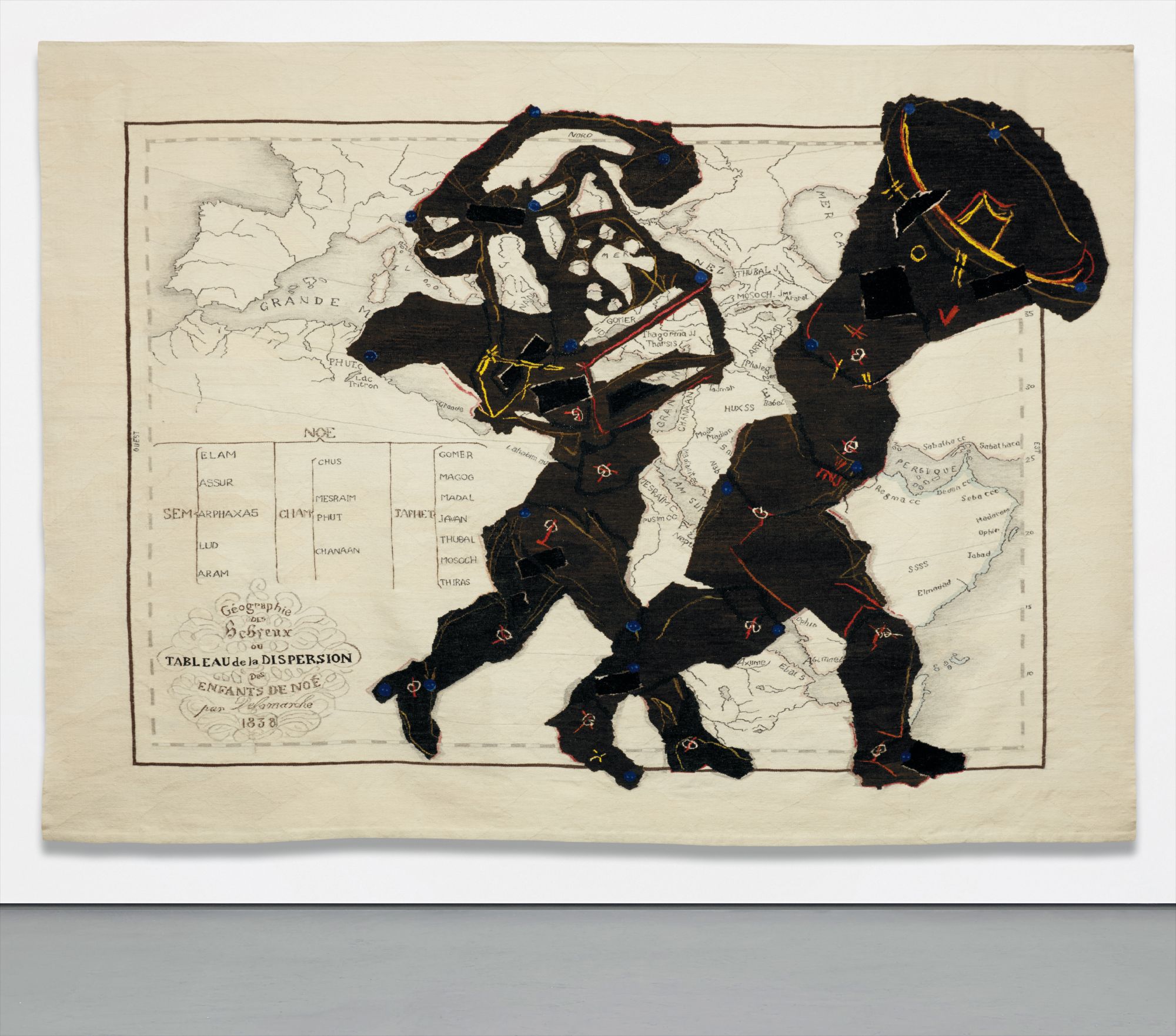
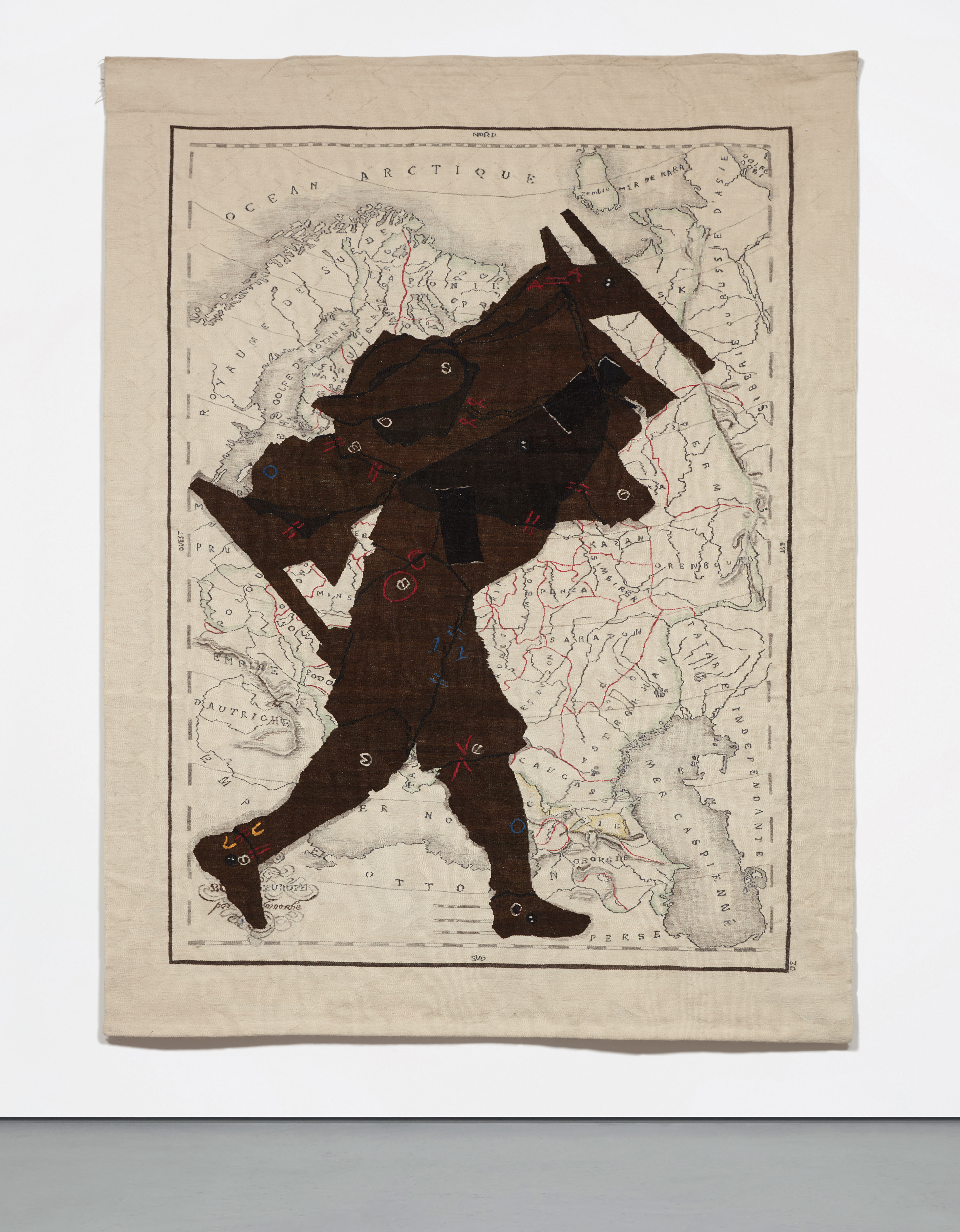
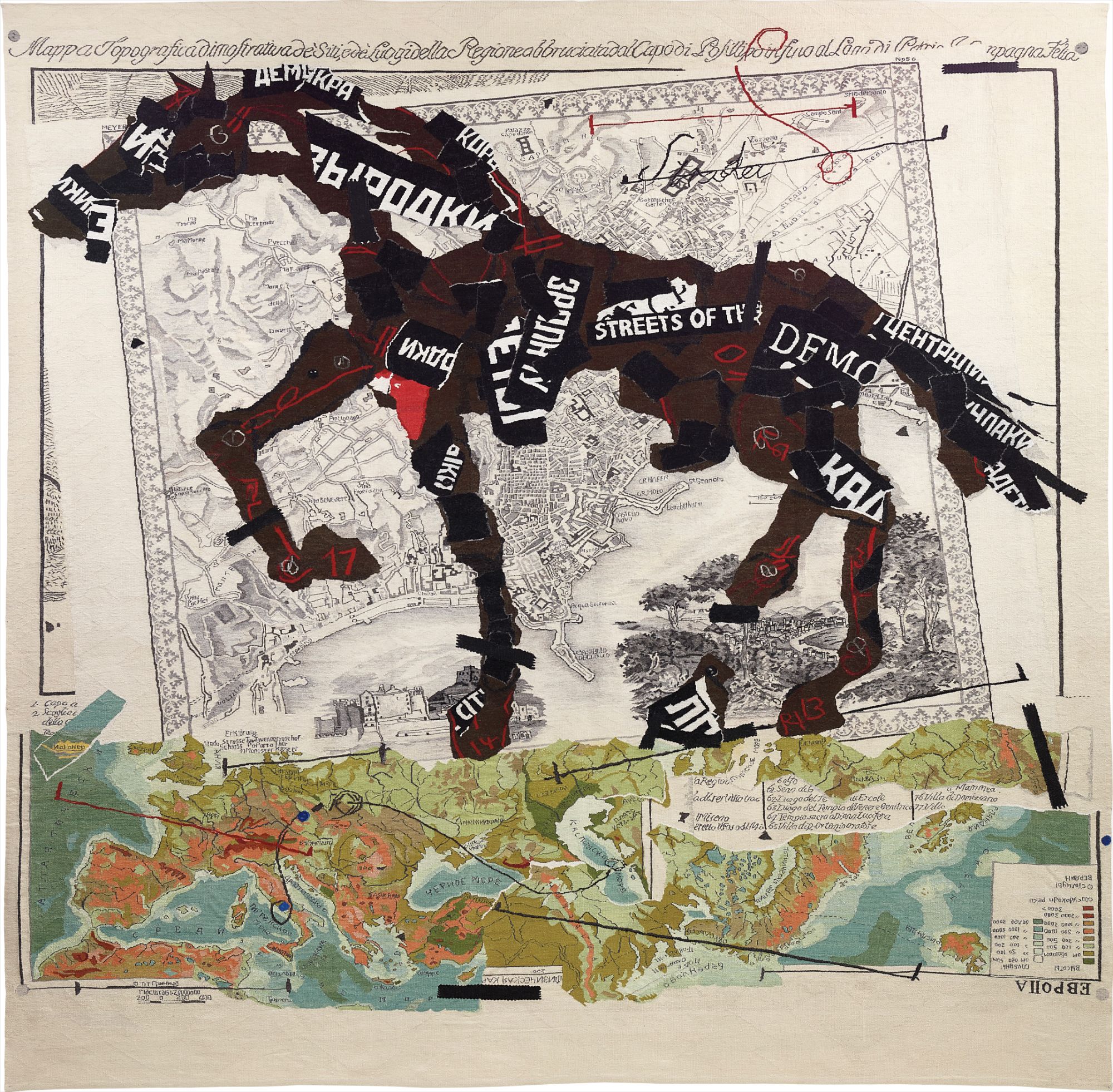
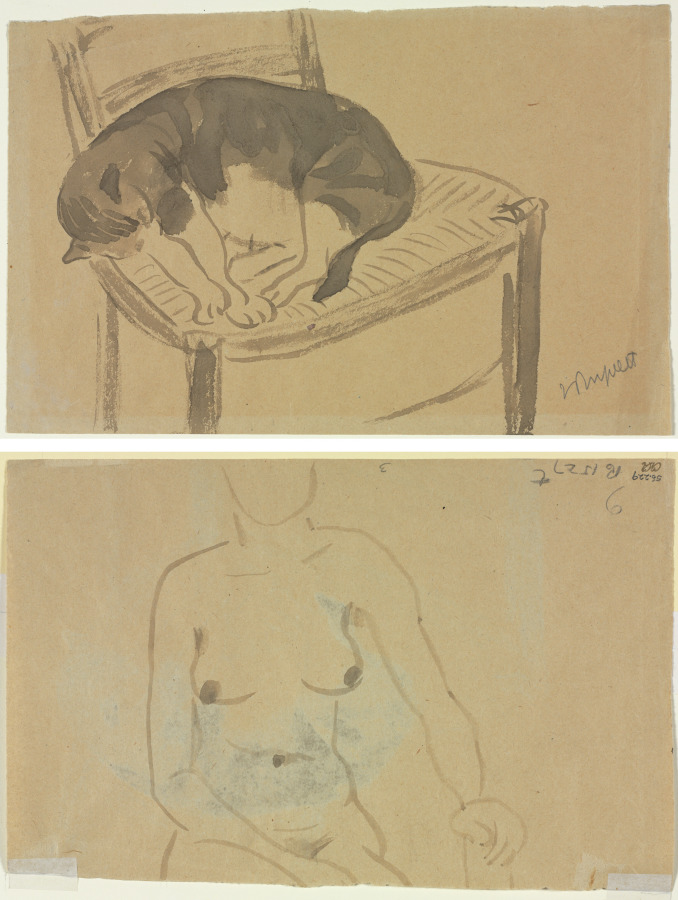
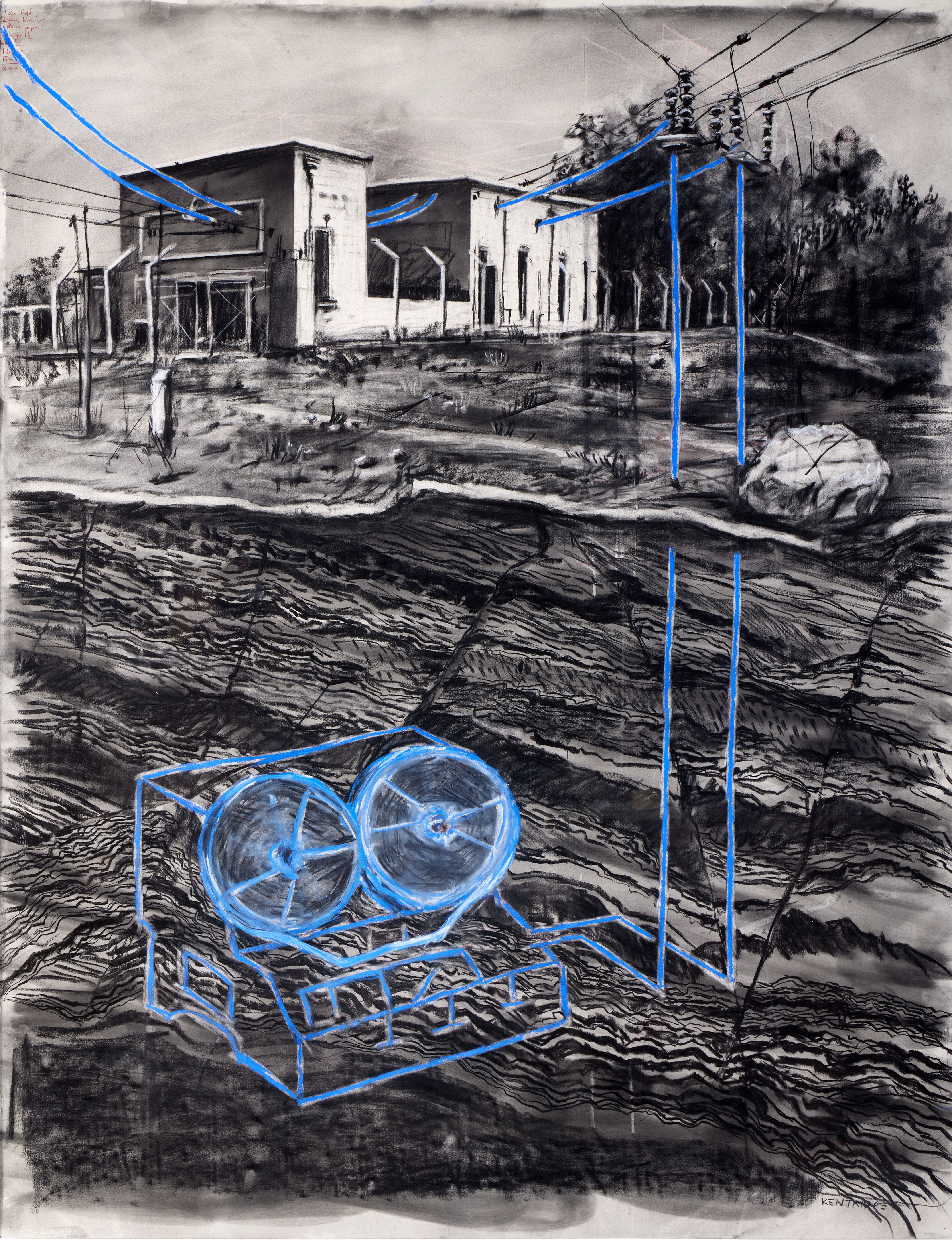
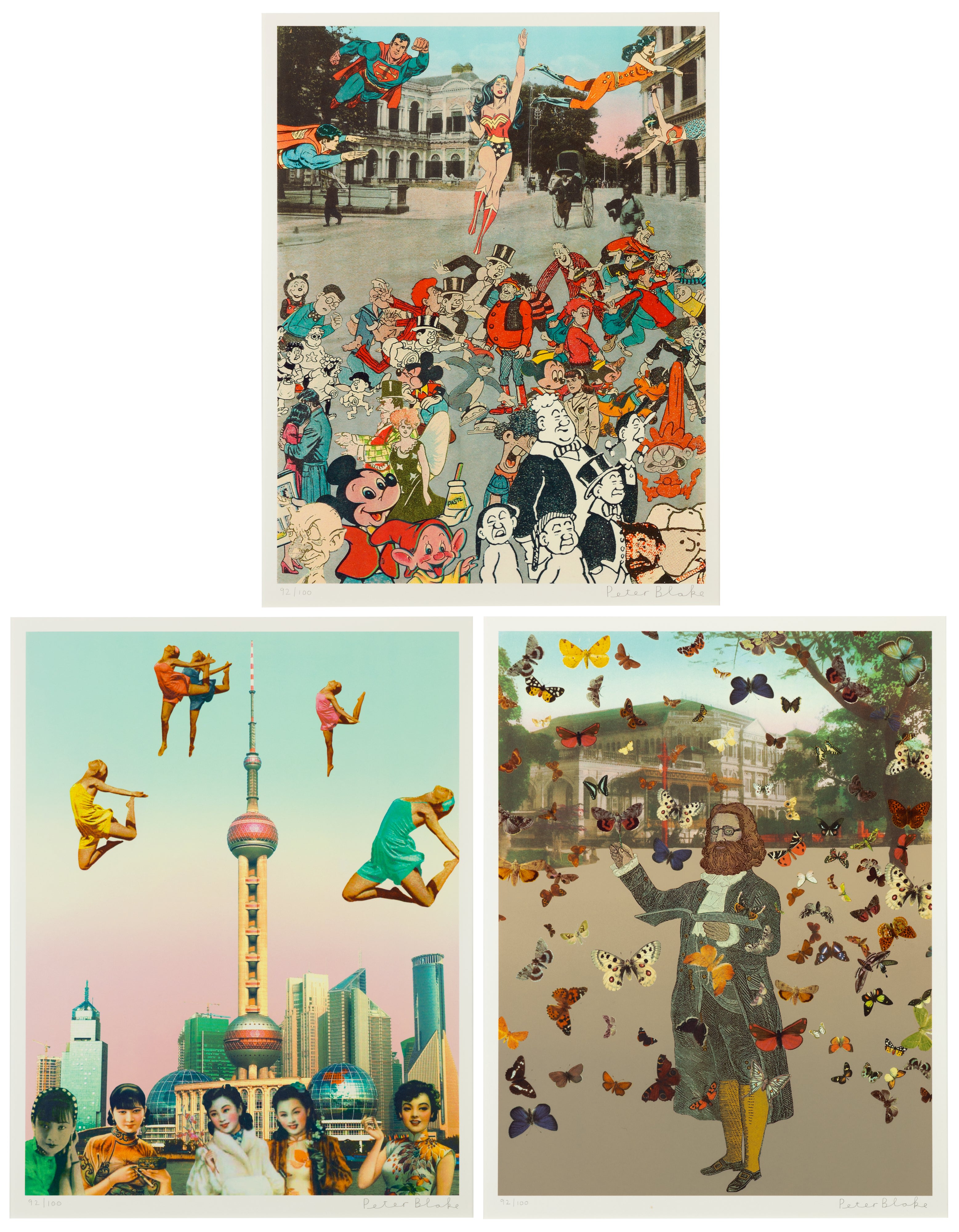
William Kentridge
Porter Series: Géographie des Hebreux ou Tableau de la dispersion des Enfants de Noë, 2005
Collectors who live with historic examples from Flemish ateliers or modern works designed by twentieth century painters frequently speak about how the work changes with them, how the color reads differently in winter light, how guests inevitably gravitate toward it. That quality of presence is not something you can fully anticipate before you own one. It must be experienced. So what separates a good tapestry from a truly great one?
The answer, unsurprisingly, begins with the cartoon. The original design, and the intelligence with which it was translated into woven structure, determines almost everything about the work's visual success. A tapestry after a strong, purposeful composition will hold its power across centuries. One designed for translation into thread by an artist who genuinely understood the medium's constraints will almost always outperform one where the weaving feels like a mechanical reproduction of a painting.
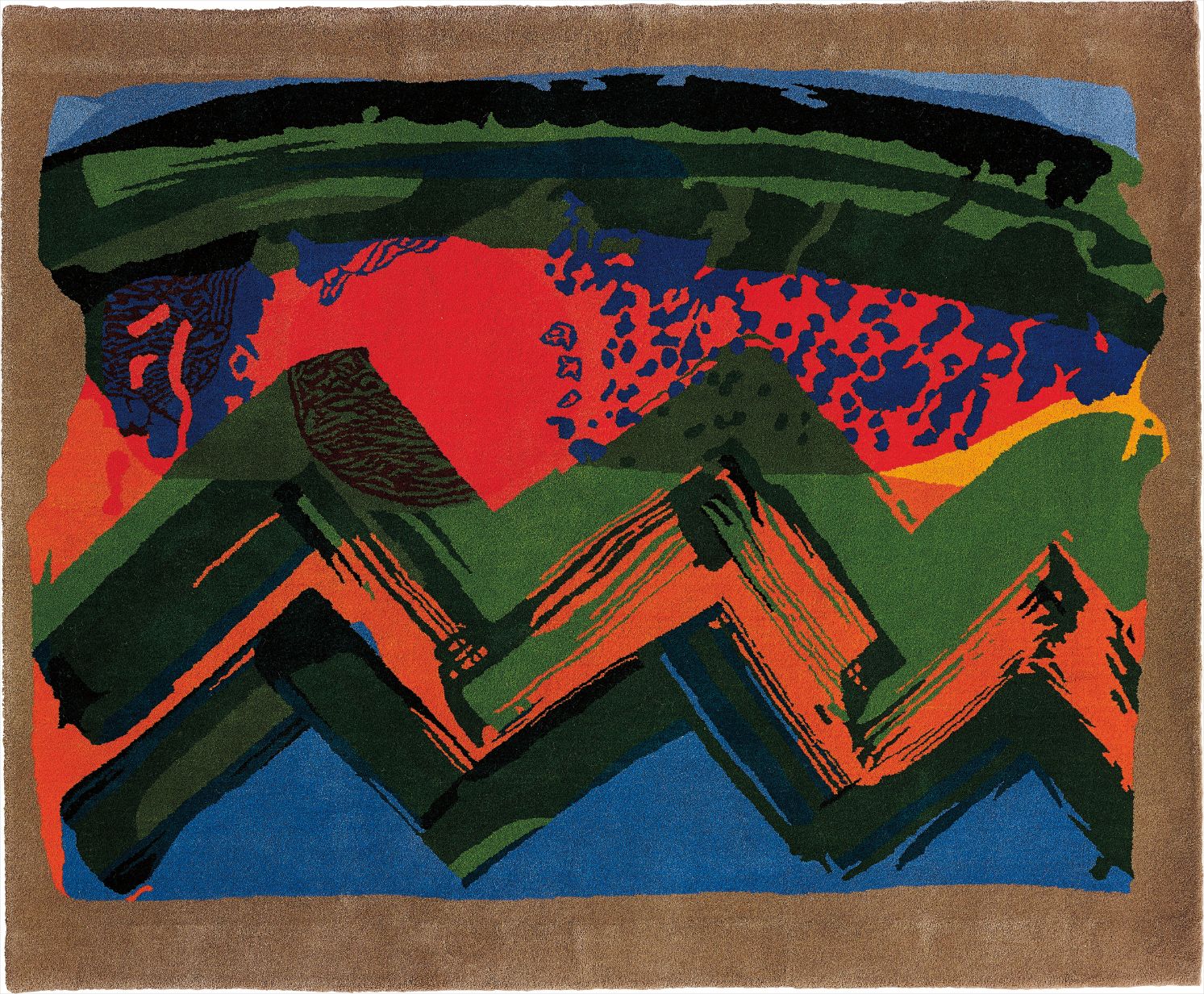
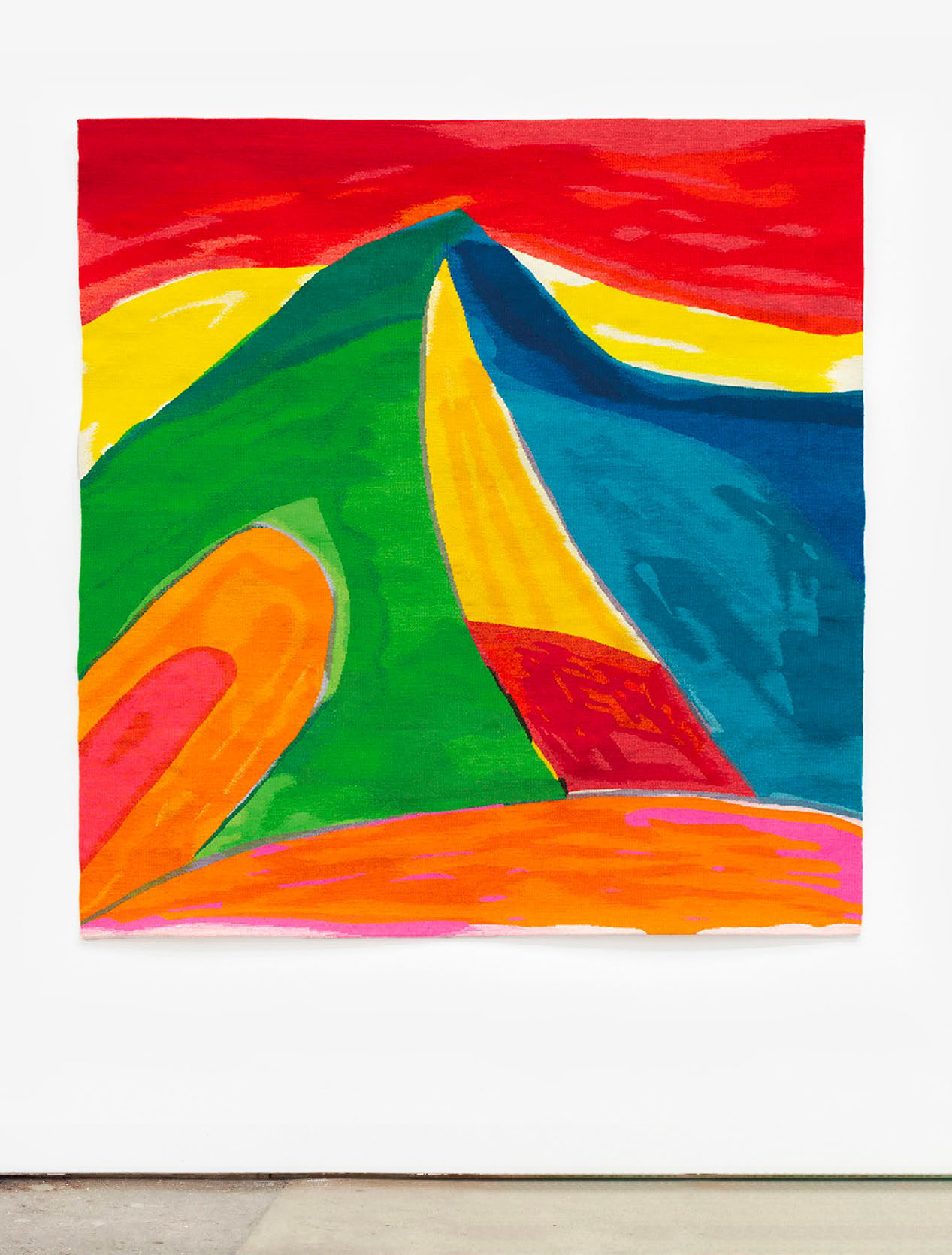
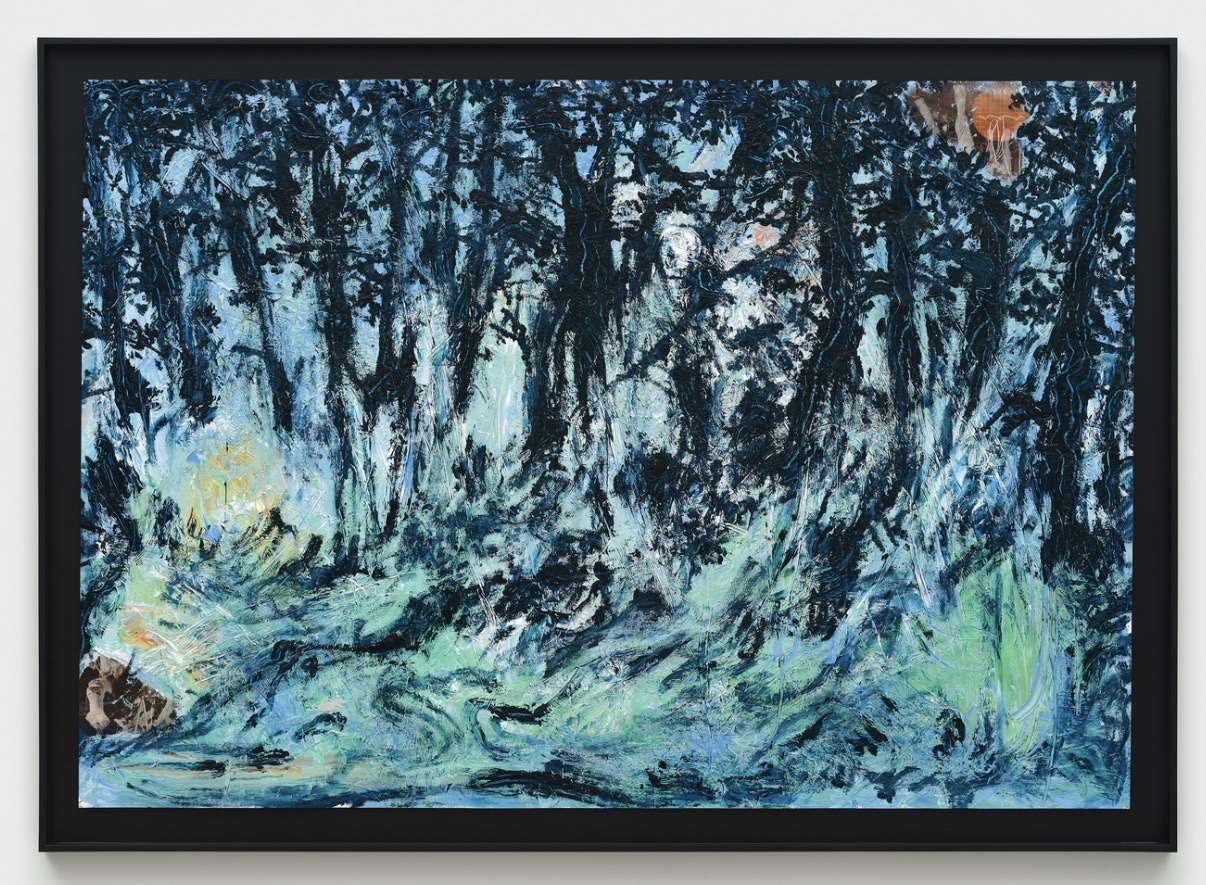
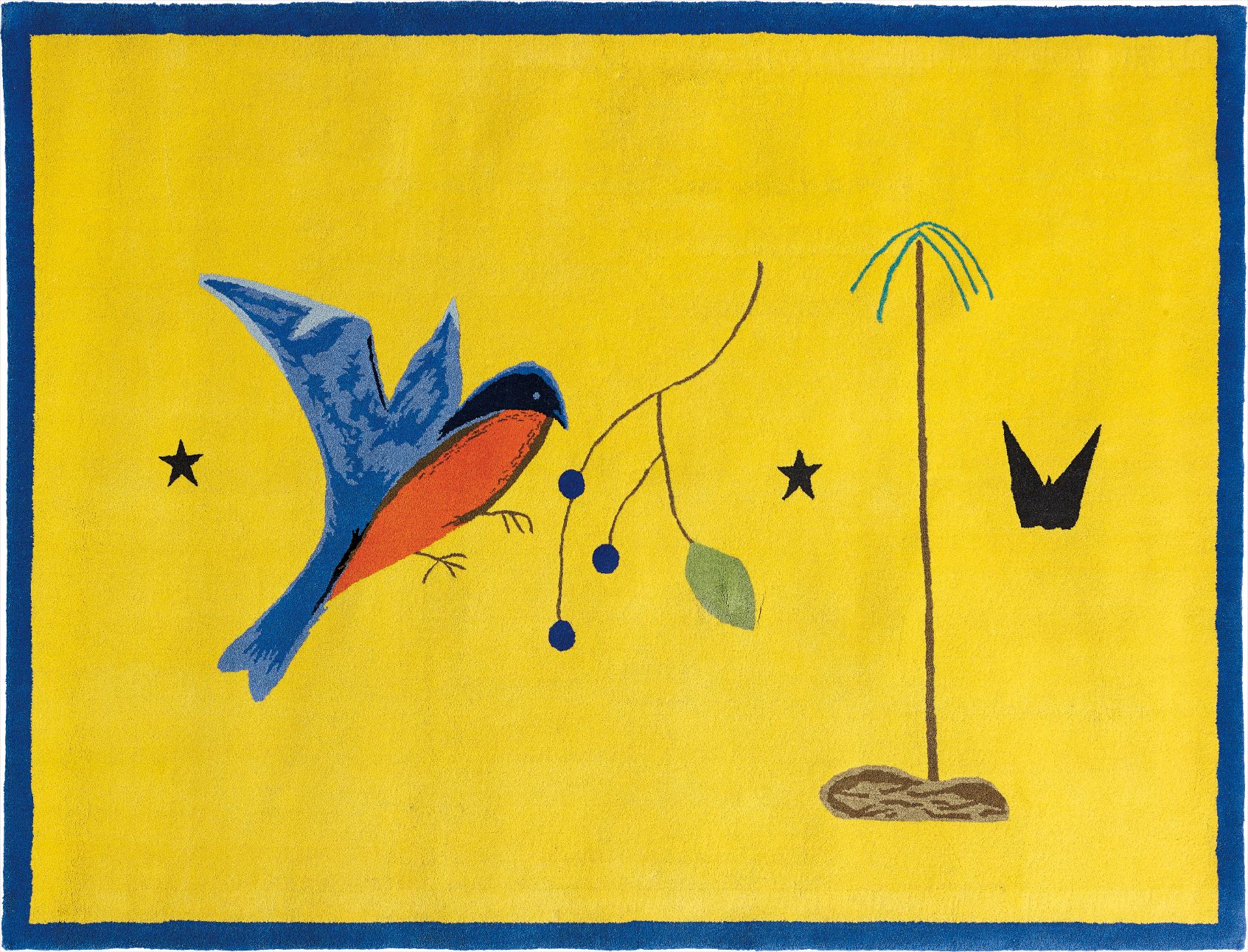
Howard Hodgkin
Sunset - India
Collectors should look carefully at whether the color palette has been adapted for wool or silk rather than simply copied, and whether the woven surface has its own logic rather than straining to imitate brushwork. The question of authorship is particularly rich in this medium. Some of the most coveted works in the canon come from collaborative moments when a major artist provided the design and a master weaving atelier brought it to life with genuine craft intelligence. The Brussels allegorical tapestry representing June and Sheep Shearing, attributed to Everaert III Leyniers after cartoons by Jérôme de Potter from around 1670, exemplifies this tradition at its height.
The Leyniers family workshop was among the most celebrated in seventeenth century Brussels, and works that can be firmly attributed to their production represent a meaningful collecting proposition. Similarly, the workshop of Jan II Leyniers and the documented practice of weavers like Erasmus de Pannemaker, working in the sixteenth century, sit at the pinnacle of the medium's technical achievement and command serious auction attention accordingly. For collectors interested in the modern period, the opportunities become even more varied and in some cases more accessible. The twentieth century saw a remarkable flowering of collaborations between painters and tapestry workshops, particularly in France, where the Gobelins and Aubusson traditions attracted artists of the caliber of Fernand Léger and others who brought modernist abstraction into the woven format with genuine conviction.
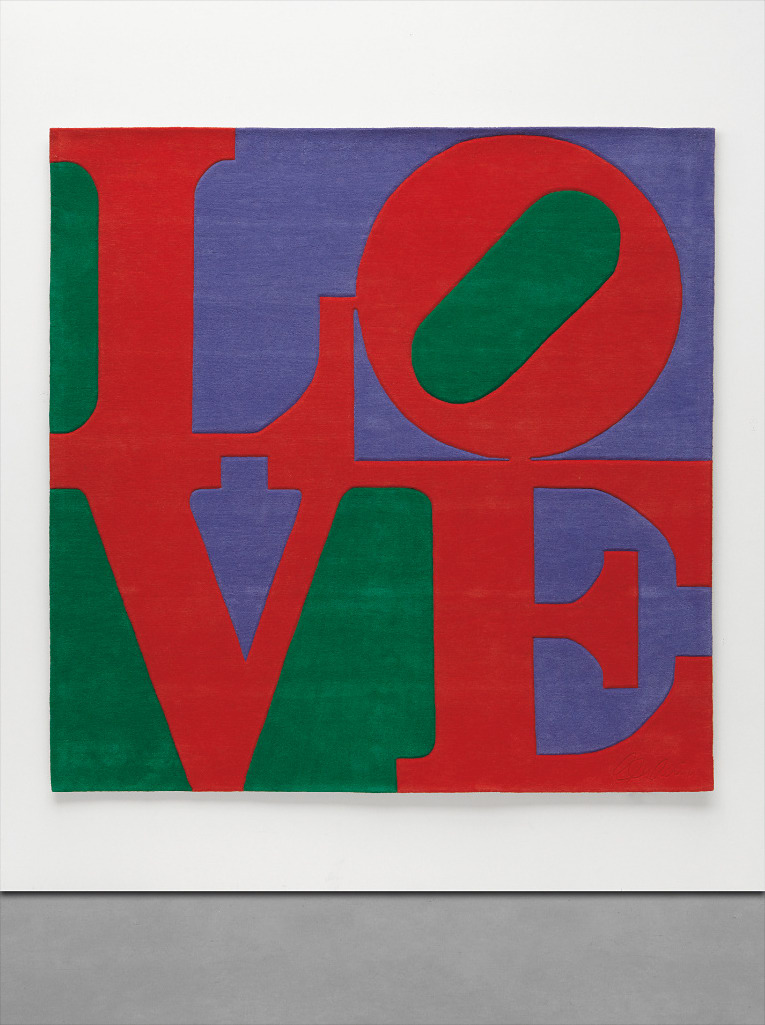
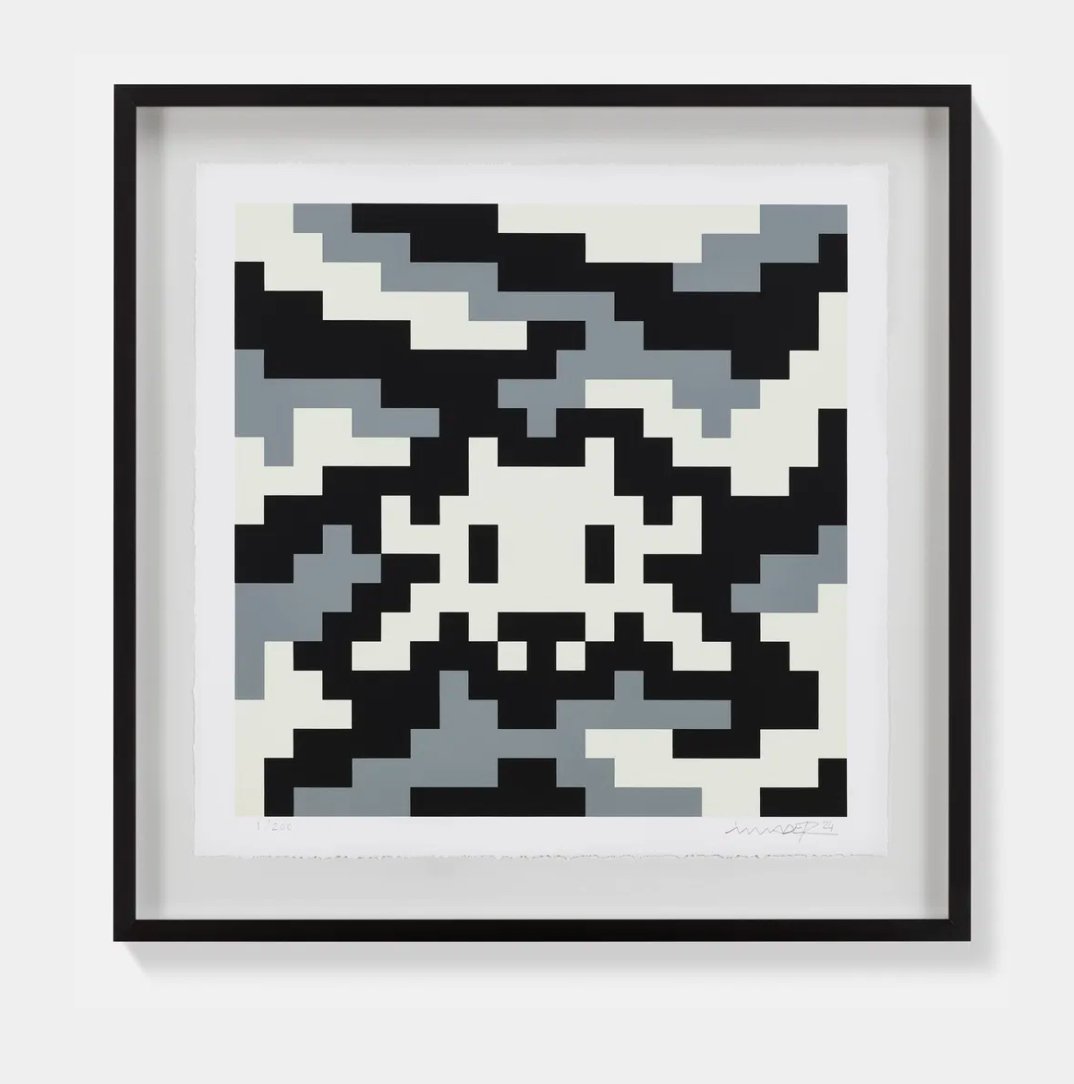
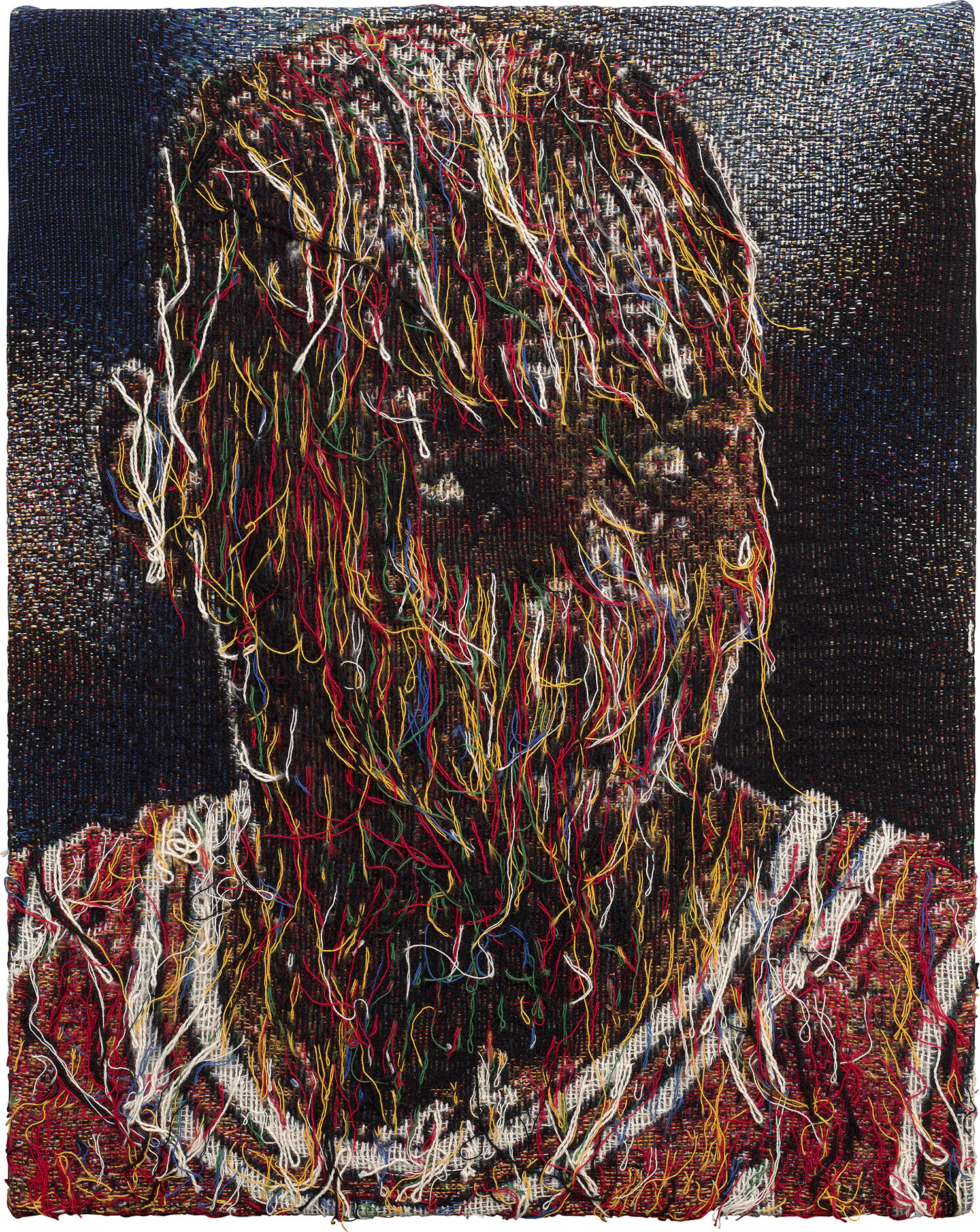
Robert Indiana
Chosen Love (Philadelphia)
Works designed by Léger carry the double weight of his significance as a painter and his genuine investment in applied and decorative arts as a democratic project. That combination of pedigree and idealism tends to hold value well. Collectors considering works from this period should pay close attention to documentation: is there a clear record of the edition, the atelier, and the number of weavings made from the cartoon? The edition question is one of the most practically important a collector can ask in this category.
Unlike prints, where edition sizes are strictly regulated and transparently disclosed, tapestries have historically been produced in varying numbers that are not always clearly disclosed at the point of sale. A unique weaving, produced once from a cartoon and never repeated, will almost always command a premium over an edition of six or ten. Galleries and auction houses do not always volunteer this information proactively. Ask directly: how many weavings exist from this cartoon, where are the others, and is there documentation from the atelier confirming the edition?
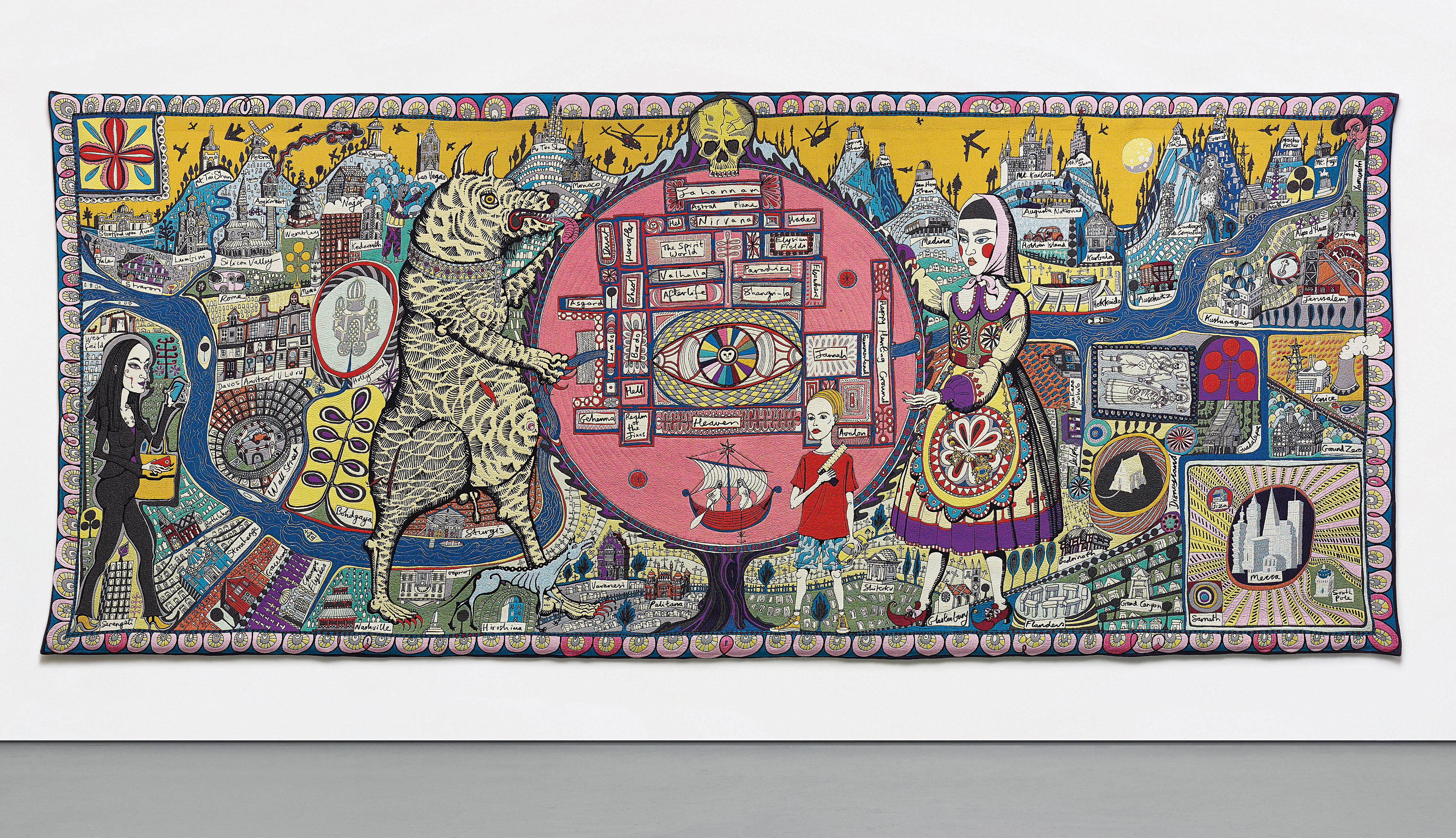
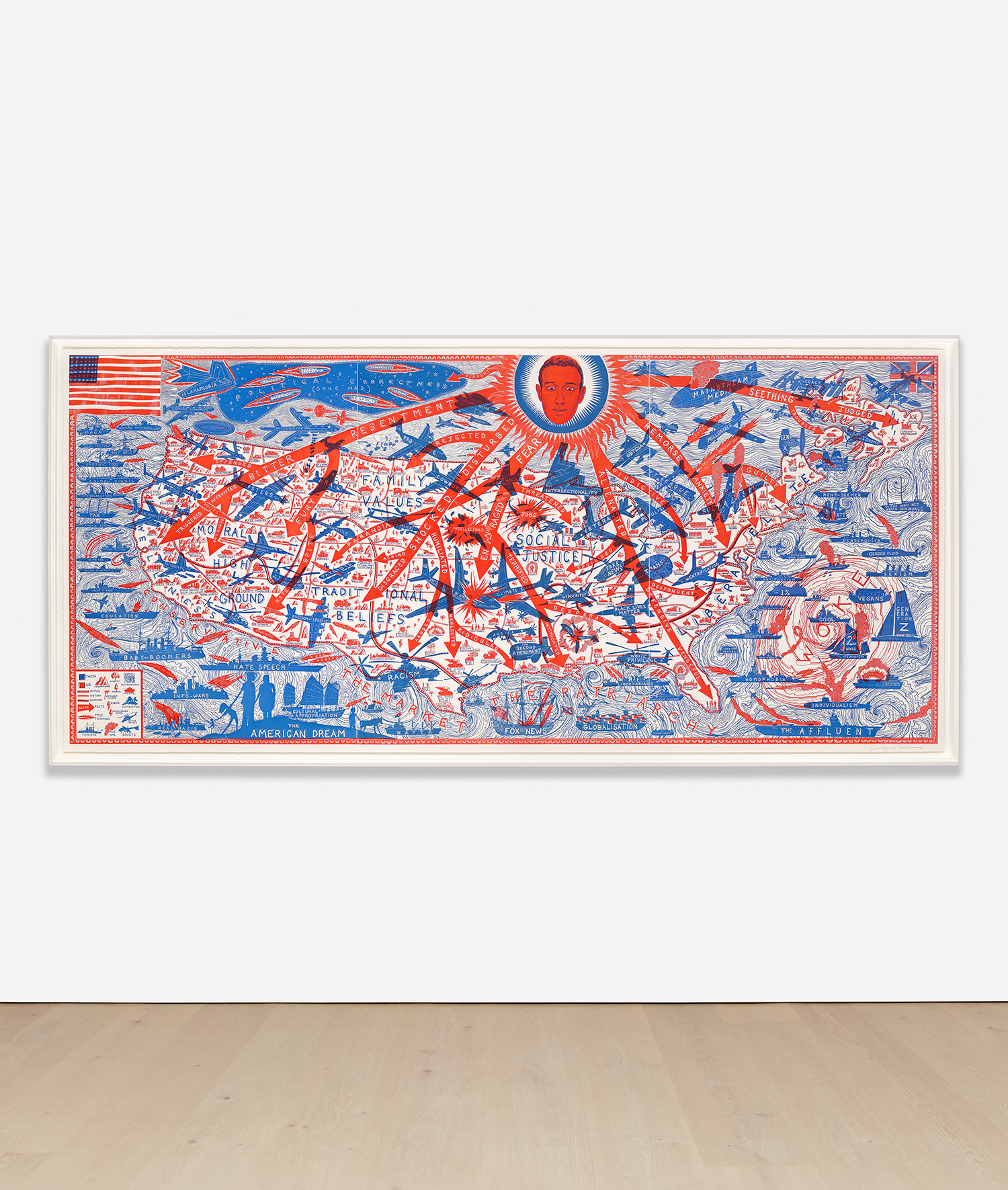
Grayson Perry
Map of Truth and Beliefs, 2011
Among artists whose tapestry work represents a compelling collecting proposition right now, Grayson Perry stands out as someone whose practice engages the medium with genuine critical seriousness. Perry's woven works, which draw on the tradition of narrative tapestry while embedding contemporary cultural commentary, have performed strongly at auction and continue to attract institutional attention. His work is well represented on The Collection and merits sustained attention from collectors building a position in contemporary fiber. Igshaan Adams, the South African artist whose practice weaves together questions of identity, materiality, and postcolonial experience, represents a genuinely exciting emerging proposition.
Adams has gained significant international recognition in recent years and his work, which is increasingly sought after by major institutions, feels undervalued relative to where it is likely to be in five years. At auction, historic tapestries from documented Brussels or Flemish workshops with strong provenance have shown remarkable resilience, even in volatile market conditions. The category rewards patient collecting and punishes impulsive acquisition. Condition is everything.
Unlike paintings, where restoration can be largely invisible, tapestry damage including moth, fading, and structural loss to warps and wefts is extremely difficult to address without visible intervention. Before acquiring any work, insist on a condition report from a specialist conservator, not simply a dealer's assurance. Ask about any relining, any re weaving, and the storage history of the piece. Fading is irreversible and significantly diminishes value.
Works that have been kept from direct light and stored flat or properly rolled will be in measurably better condition than those that have hung unprotected for decades. Display is its own discipline. Tapestries should never be hung from their top edge without a proper sleeved rod or Velcro system that distributes the weight evenly across the full width of the work. Direct sunlight will destroy color over time, and even strong artificial light can accelerate fading in wool.
A specialist textile conservator can advise on the right approach for a specific work. These are not obstacles to collecting in the category. They are simply part of understanding what you are acquiring: an object with its own physical intelligence, its own relationship to time and care, and an ability to hold meaning across centuries that very few art forms can match.