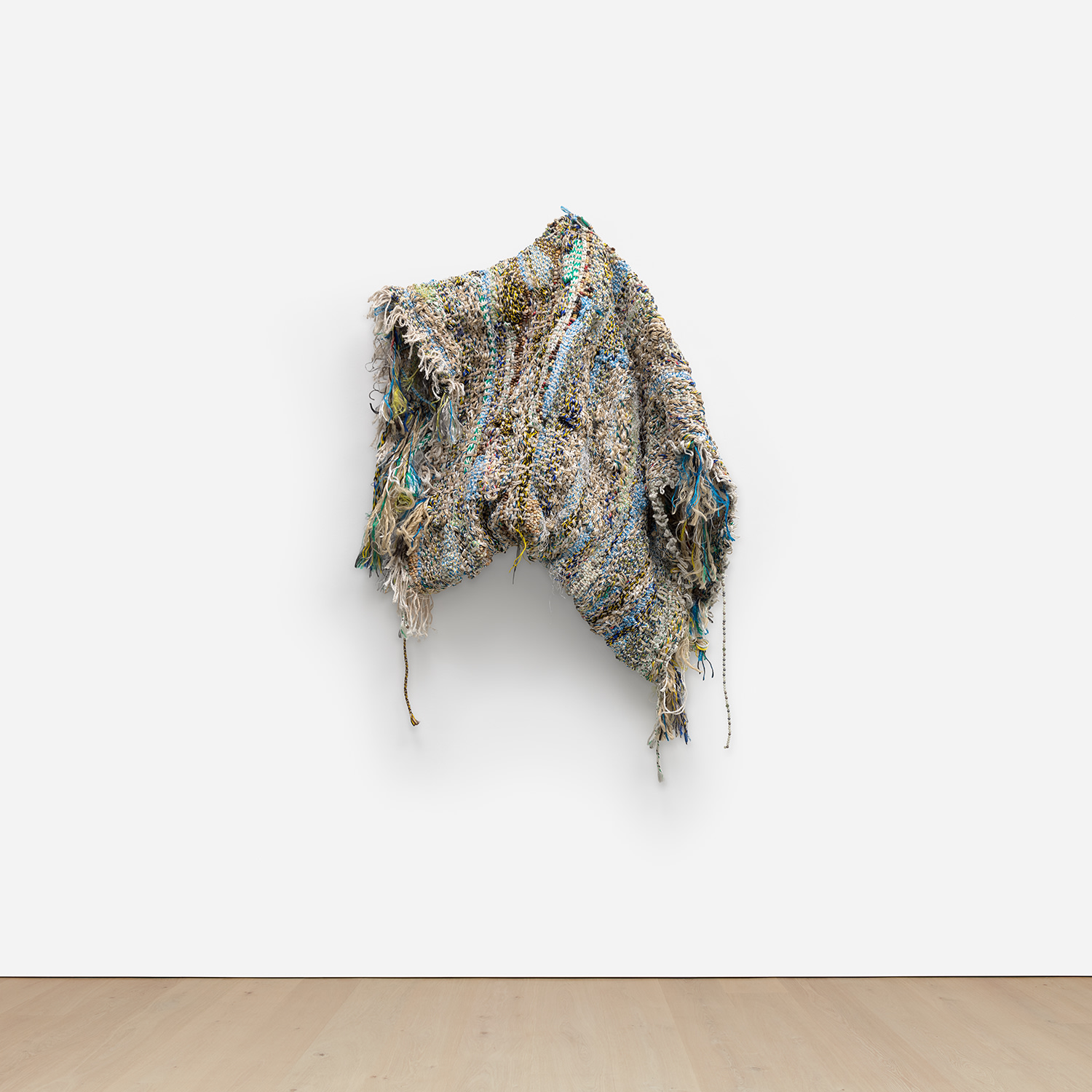
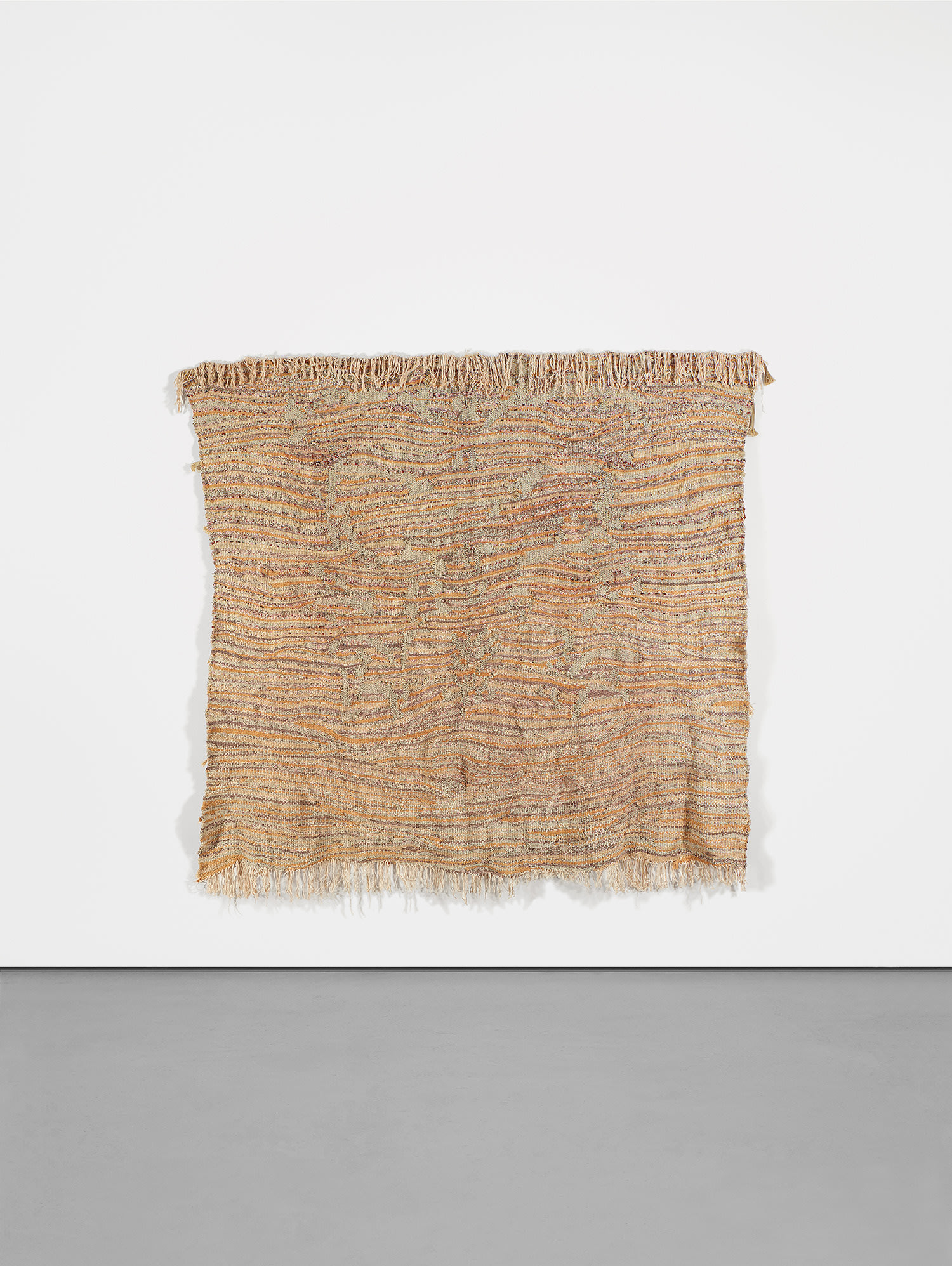
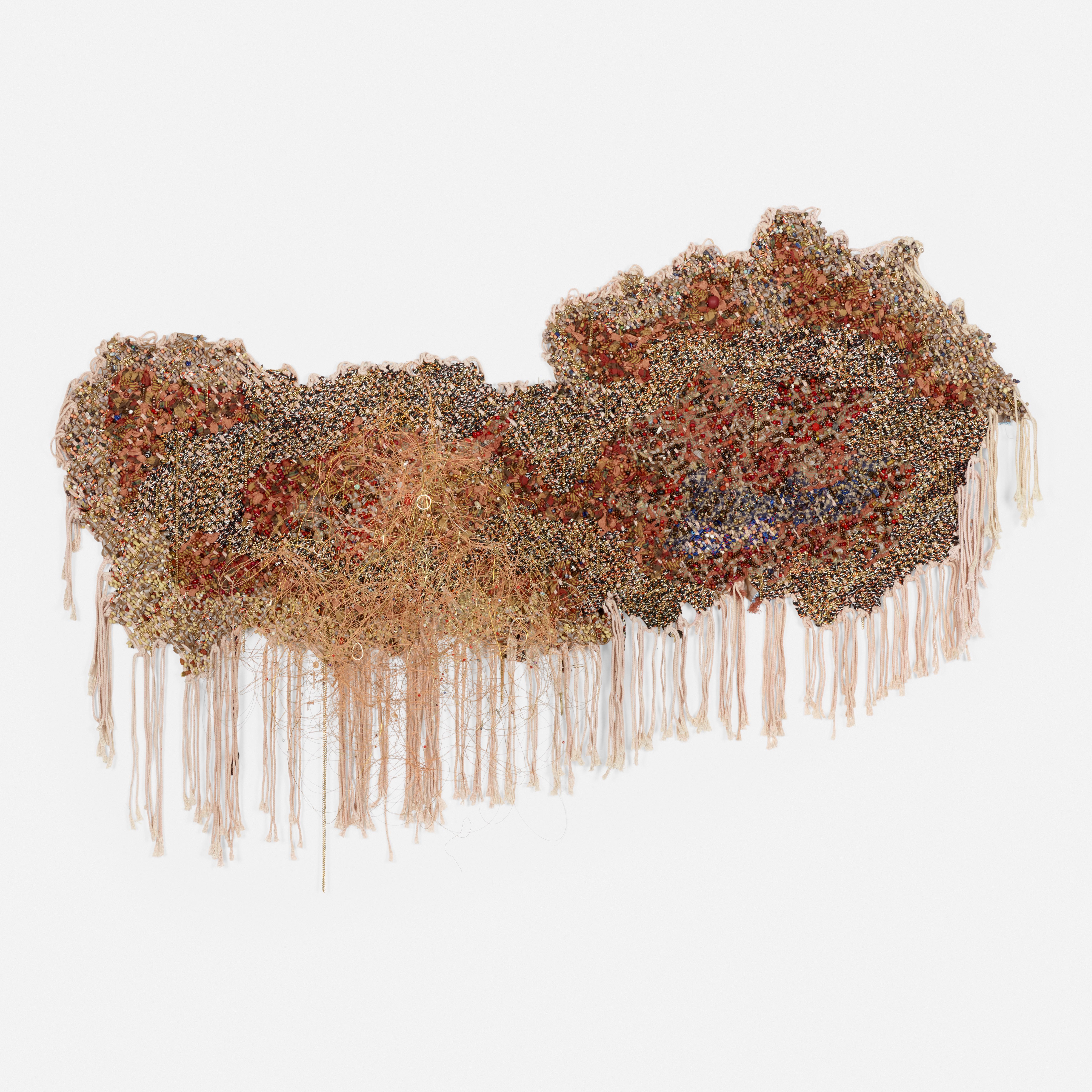
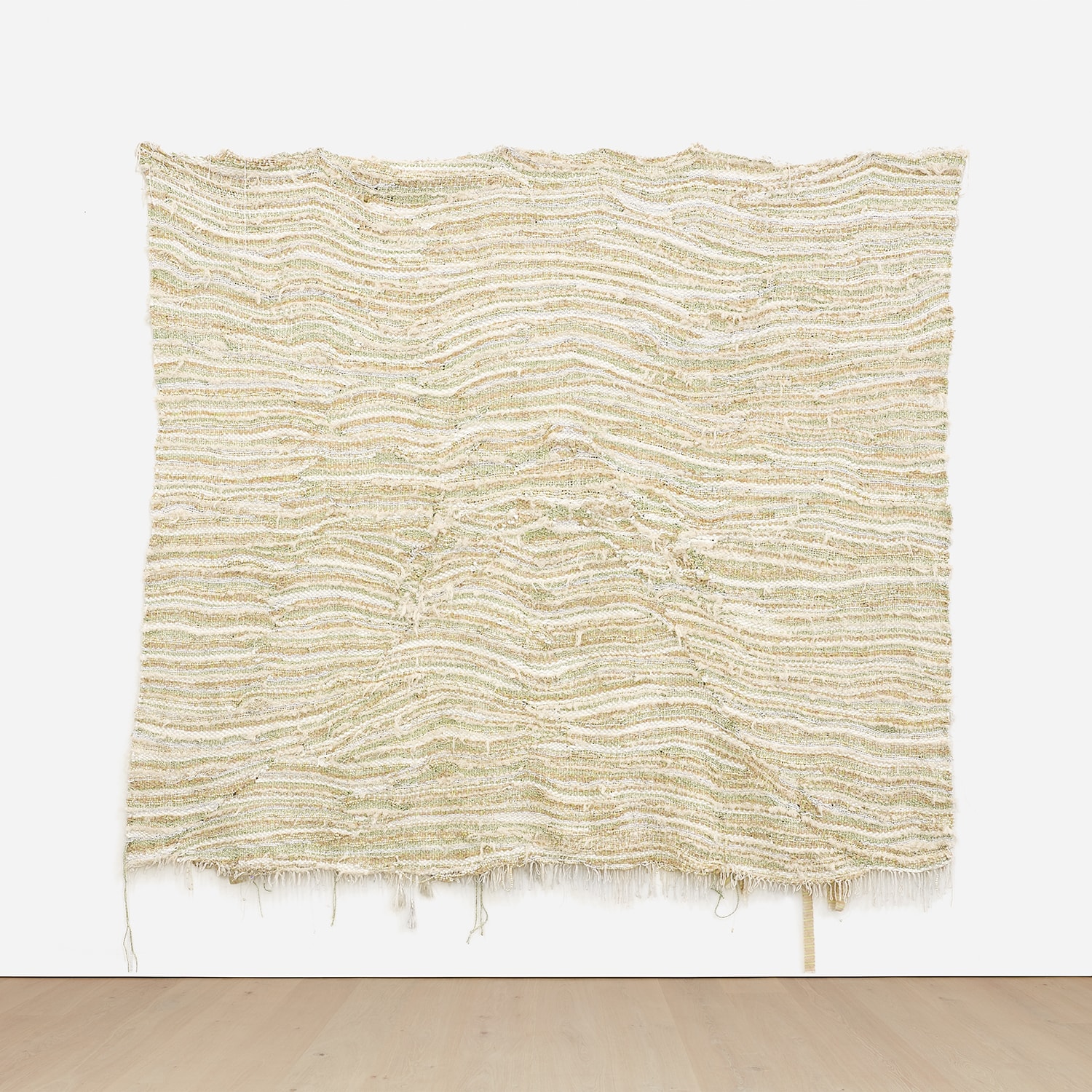
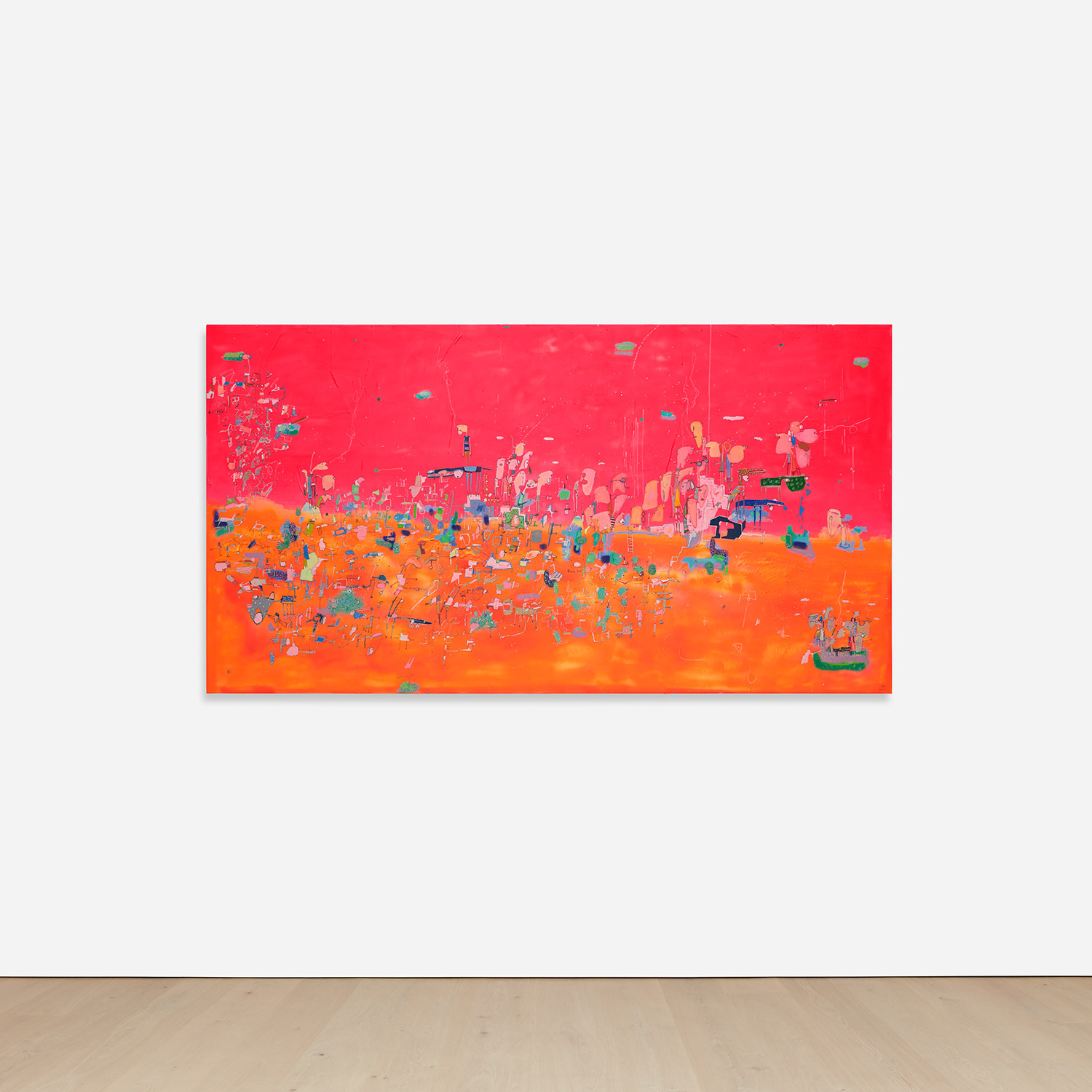
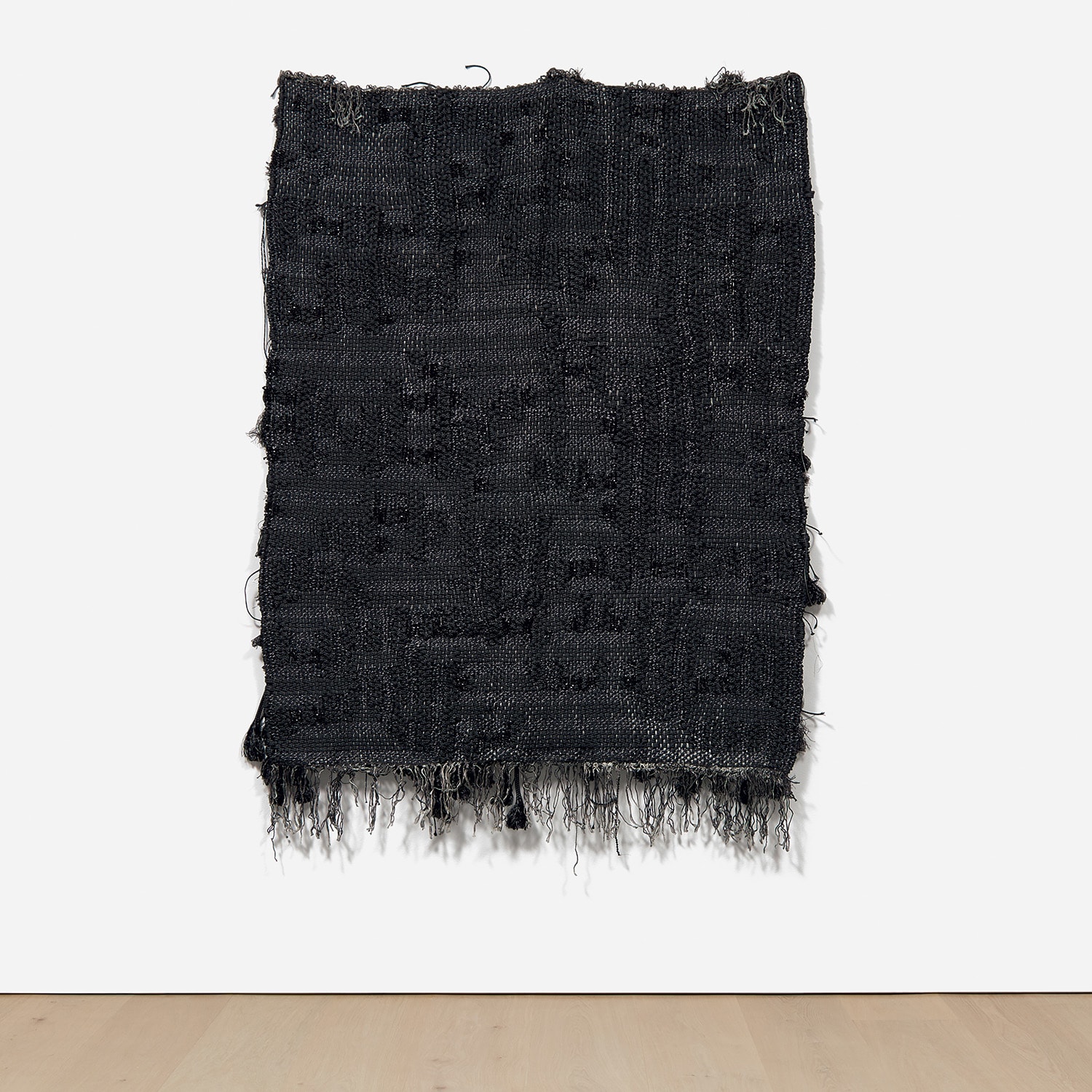
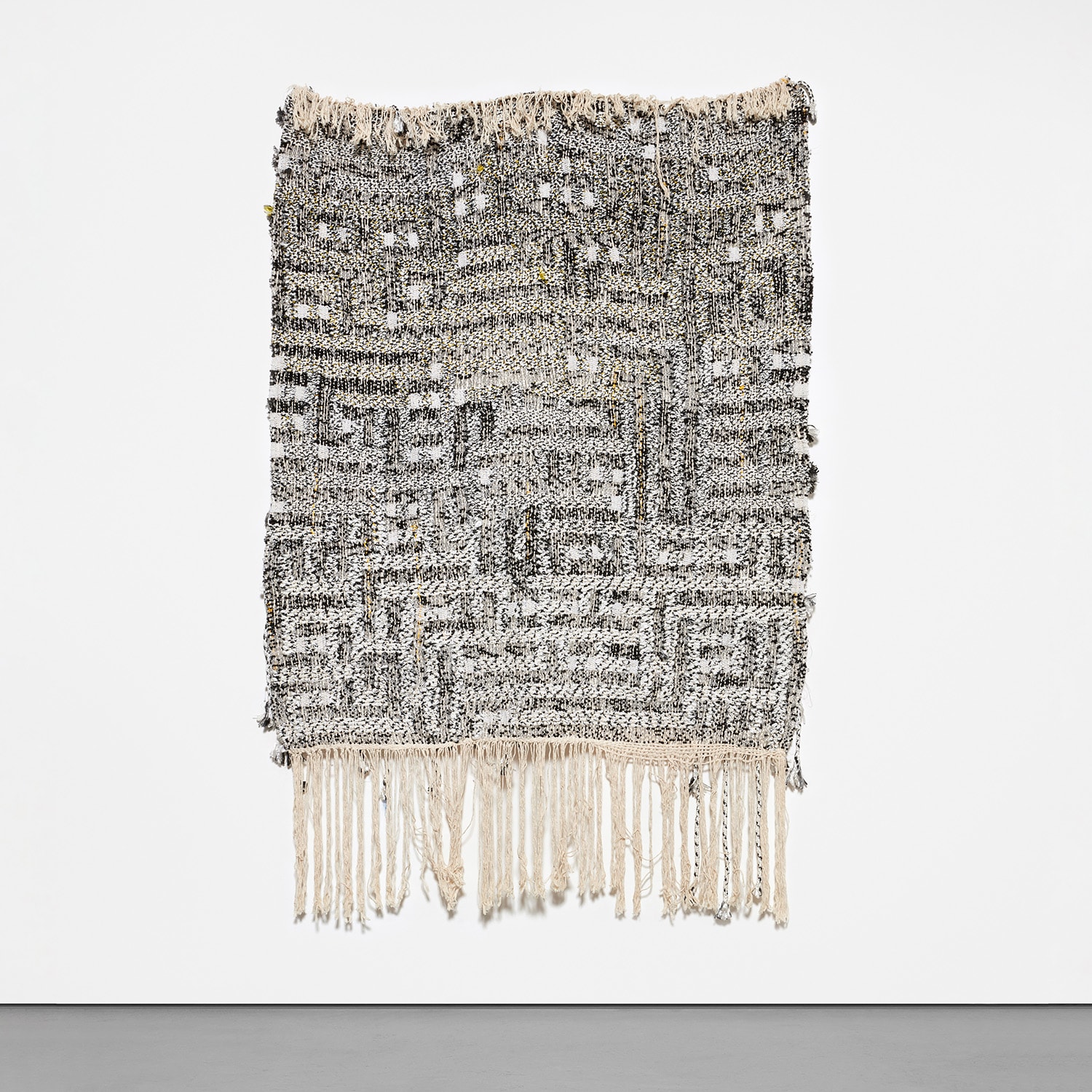
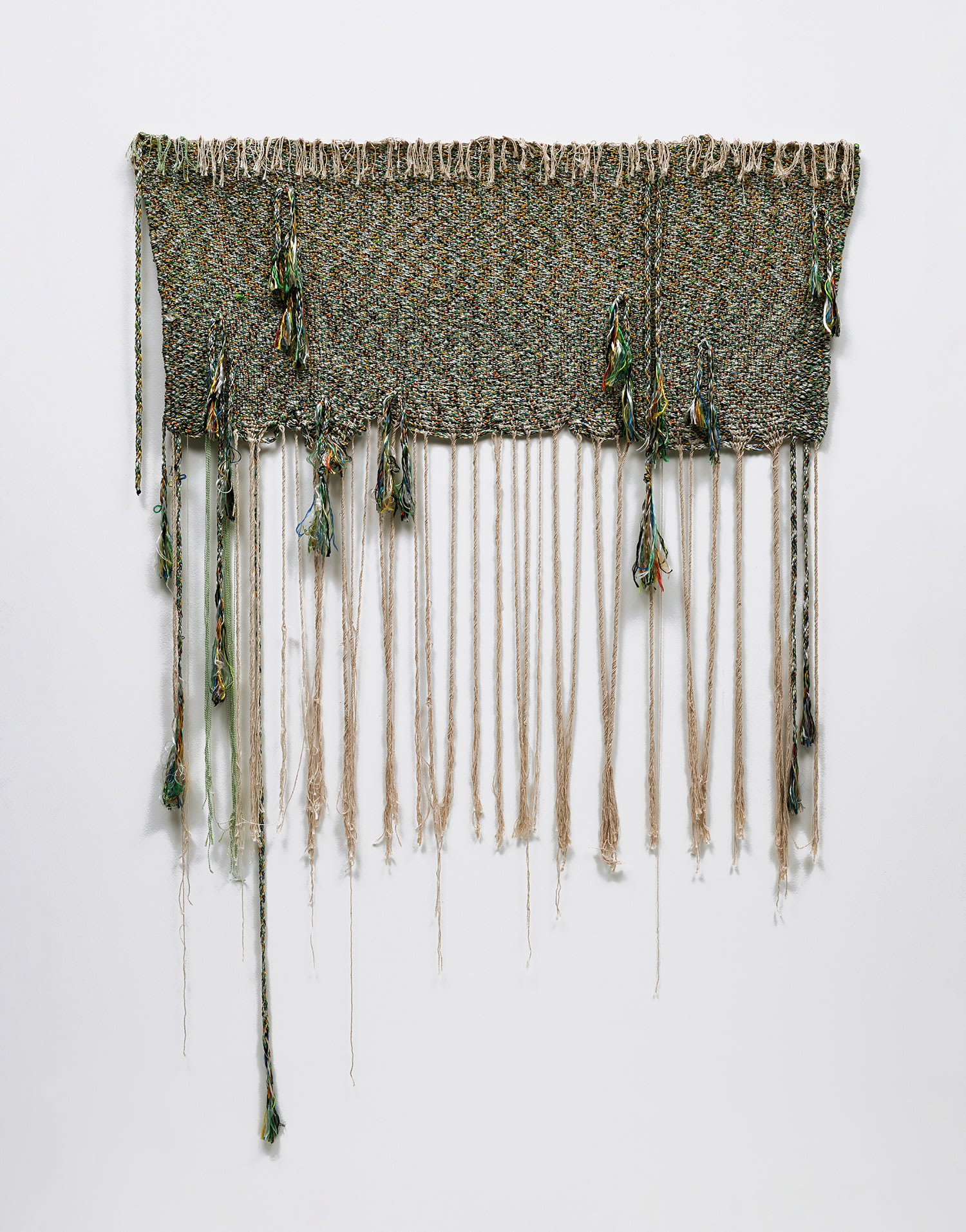
When Igshaan Adams presented his work at the 2024 Venice Biennale, the international art world confirmed what those closer to Cape Town had long understood: here is an artist whose practice operates at a frequency all its own. His large scale woven installations brought together rope, bead, dye, and memory in a way that stopped visitors mid stride, pulling them into a sensory and emotional field that felt at once ancient and urgently of this moment. The Biennale, arguably the most scrutinised stage in contemporary art, offered Adams the audience his vision has always deserved. Adams was born in 1982 in Cape Town, South Africa, and grew up during the final years of apartheid and the extraordinary, complicated transition that followed. His background is mixed race, a designation that under apartheid carried legal and social consequences that shaped every dimension of daily life in South Africa. He was raised Muslim, and the textures of Islamic practice, its geometric visual language, its rhythms of prayer and devotion, its rich material culture, became woven into his sensibility just as literally as thread through a loom. Alongside this, he came to understand and embrace his queer identity, navigating the intersections of faith, desire, race, and belonging in a society still reckoning with its own contradictions. These are not simply biographical footnotes. They are the very material from which his art is made. His development as an artist unfolded through a sustained engagement with craft traditions that South African fine art institutions had long marginalised. While many of his contemporaries worked in paint or photography, Adams turned toward weaving, knotting, and beading, techniques drawn from both Islamic decorative arts and the domestic labour traditions of the coloured communities of the Cape. This was not a nostalgic gesture. It was a conscious act of reclamation. By insisting on the intellectual and aesthetic seriousness of these practices, Adams challenged the inherited hierarchies of the art world while simultaneously building a formal vocabulary of extraordinary richness and complexity. His early works in woven nylon rope and string established the structural logic that would carry through everything that followed. The works from the mid 2010s mark a period of particular concentration and breakthrough. The Parda series, beginning in 2015, takes its title from the Urdu and Farsi word for curtain or veil, a word that carries connotations of privacy, modesty, concealment, and the threshold between the interior and exterior self. Parda IV, executed in woven nylon rope and string, demonstrates the elegant formal discipline that Adams brought to these ideas: the work functions simultaneously as an abstract composition and as something that feels architectural, spatial, almost architectural in the way it inhabits and divides a room. The Surah al Kafiroon series from 2016, which takes its name from a chapter of the Quran addressed to non believers, adds beads to the woven rope and string, introducing colour and light in ways that complicate any simple reading of the work as devotional. These are not illustrations of faith; they are investigations of it. SAWW (sallalahu aleyhi wasallam) I, created in 2017, represents perhaps the most daring expansion of Adams's material palette. The work incorporates acrylic beads, pearls, and polyester rope alongside soda, tea, coffee, dyes, spices, and cleaning detergents. These last ingredients are remarkable: the substances of domestic routine, the things that pass through working hands every day in the kitchens and laundries of Cape Town's townships, are elevated into the body of a work whose title is itself an Islamic honorific, a blessing spoken after the name of the Prophet. The collision of the sacred and the everyday, of devotion and labour, of the beautiful and the functional, is characteristic of Adams at his most ambitious. In Fields of Gold and Green from the same year extends this sensibility through fabric, woven nylon rope, twine, and beads into something that feels almost atmospheric, like a landscape encountered in a state of heightened awareness. Conduit VI from 2018, with its woven rope, string, and beads, continues to develop his command of structure and luminosity, the way light moves through beaded surfaces creating effects that shift as the viewer moves. The Epping series, with Epping II (ii) from 2022 standing as a particularly significant example, marks a further evolution in scale and material ambition. Named for Epping, an industrial area of Cape Town, these works incorporate wood, painted wood, plastic, glass, stone beads, seashells, chain, polyester and nylon rope, cotton fabric, wire, cotton twine, fabric dye, and other found and crafted elements into tapestries that feel like portraits of a place and a people. The density of material and reference in these works rewards sustained attention, and their scale transforms the experience of the gallery into something approaching the immersive. For Those Who Know, with its fabric, beads, woven nylon rope, cotton twine, red wine, tea, and dye, continues this practice of making meaning from the liquids and fibres of lived experience. For collectors, Adams represents a compelling proposition at a moment when the market is engaging seriously with artists who work outside the dominant Western fine art traditions. His exhibition history is impressive and deepening: Zeitz MOCAA, the continent's flagship museum of contemporary African art, has shown his work, and the Venice Biennale appearance in 2024 places him firmly within the international conversation at the highest level. Works on paper and smaller woven pieces offer points of entry for collectors building a collection, while the large scale installations are the kind of statement acquisitions that define serious institutional and private holdings. The materiality of his work, its physical presence and its resistance to simple reproduction, gives it a particular resonance in an age of digital image saturation. Artists working in adjacent territory might include El Anatsui, whose large scale assemblages from found materials similarly reclaim the decorative as a site of cultural seriousness, or the textile traditions explored by artists such as Magdalene Odundo, though Adams's conceptual and biographical specificity places him in a category that is ultimately his own. What Adams has achieved, across a practice now spanning nearly two decades, is the construction of a visual language capacious enough to hold the full complexity of his inheritance: colonial history and Islamic tradition, queer desire and communal devotion, the beauty of handcraft and the weight of social memory. In a post apartheid South Africa still negotiating the terms of its freedom, and in an international art world still learning to decentre its own assumptions, his work arrives as both a gift and a challenge. It asks us to look carefully, to feel the weight of what has been made by hand, and to understand that the threads connecting us to one another, to our histories, and to the possibility of something like grace, are stronger and stranger than we might have imagined.