Stone Sculpture
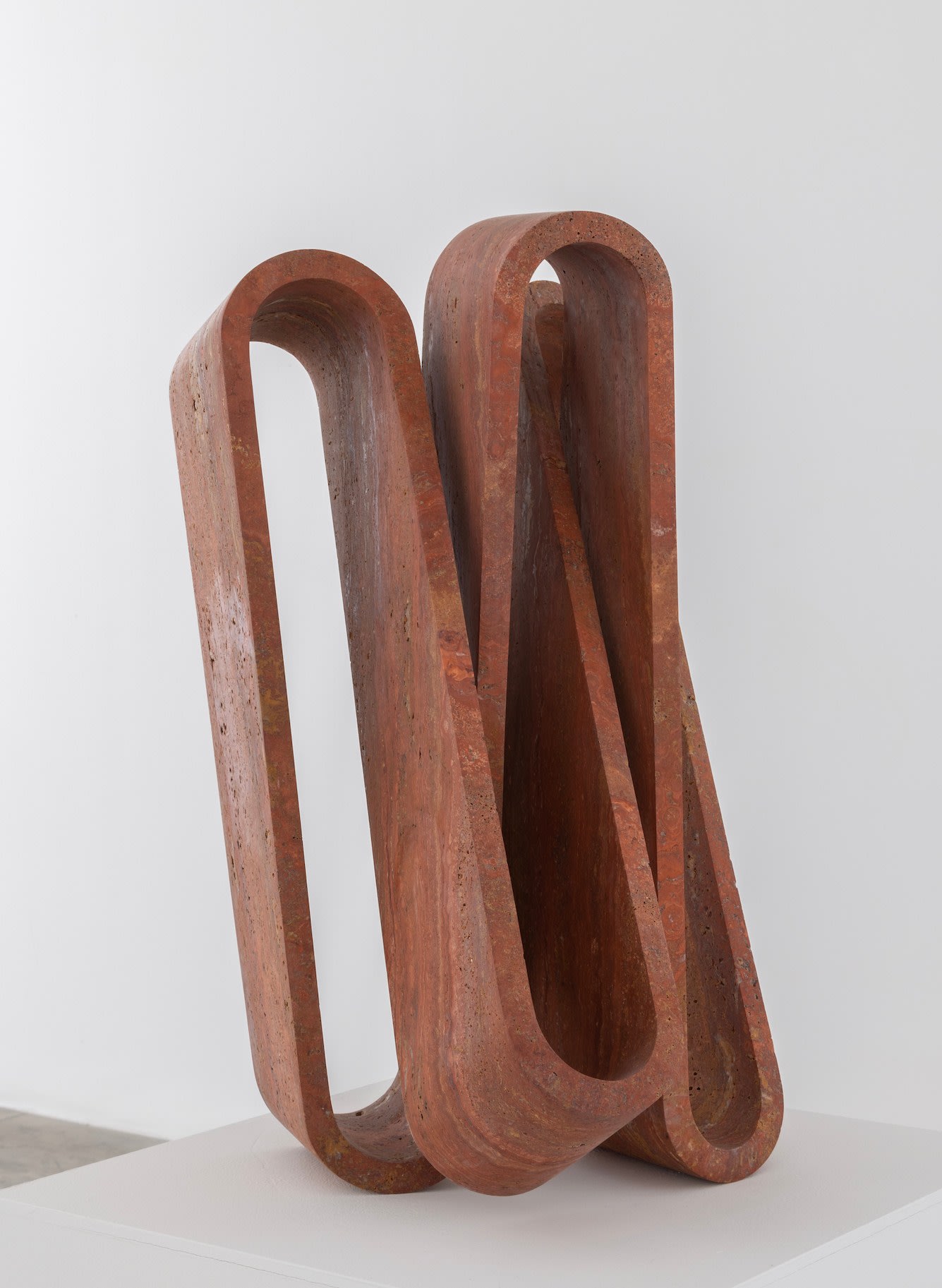
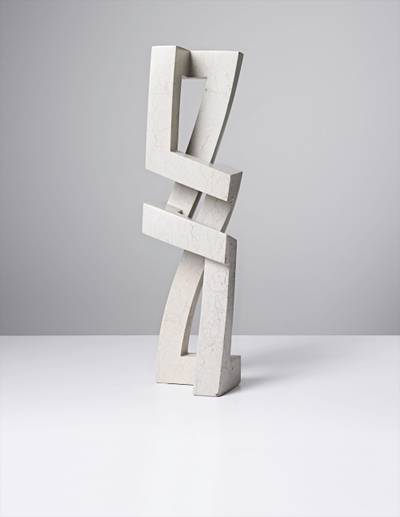
Gianpietro Carlesso
Interazione 2.2, 2024
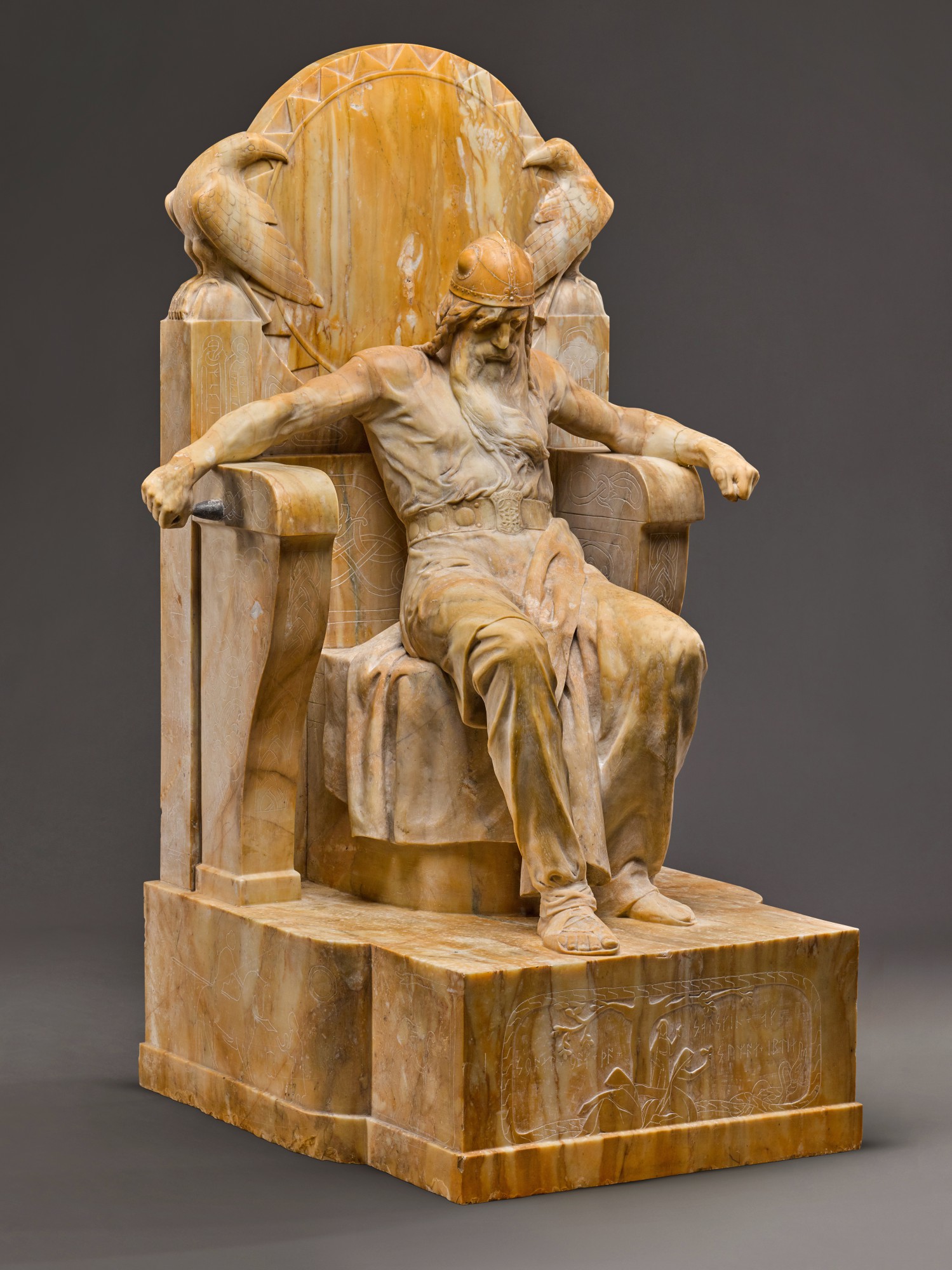
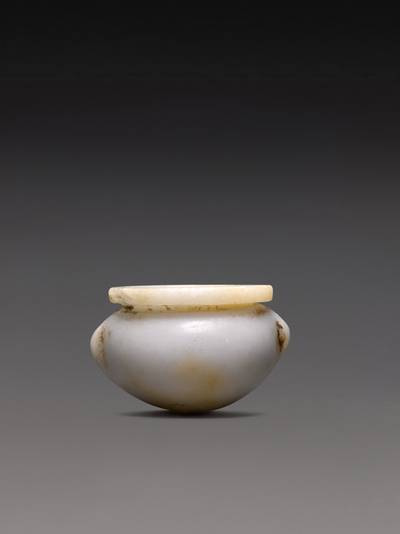
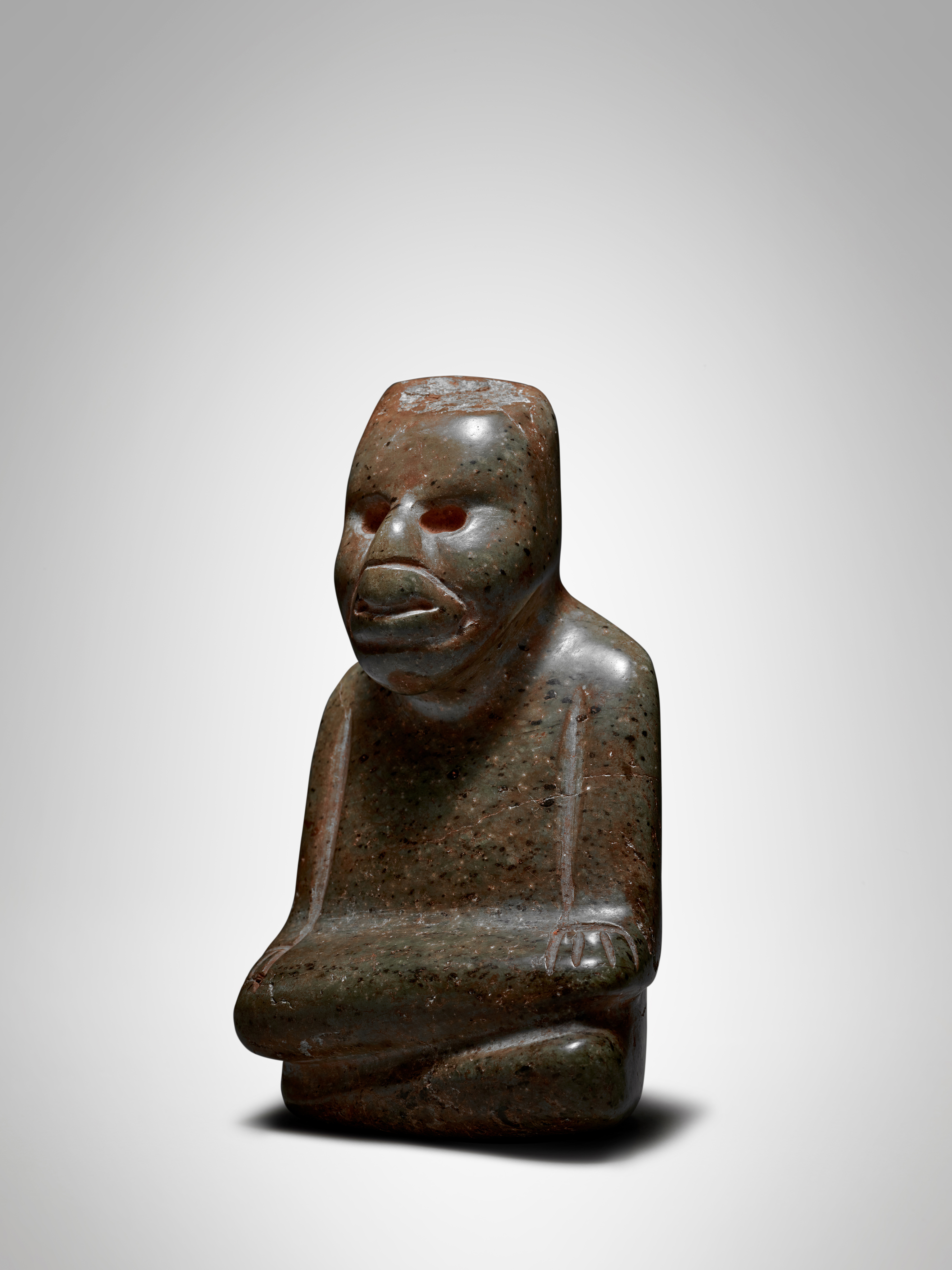
Stone Never Lies: The Material Having Its Moment
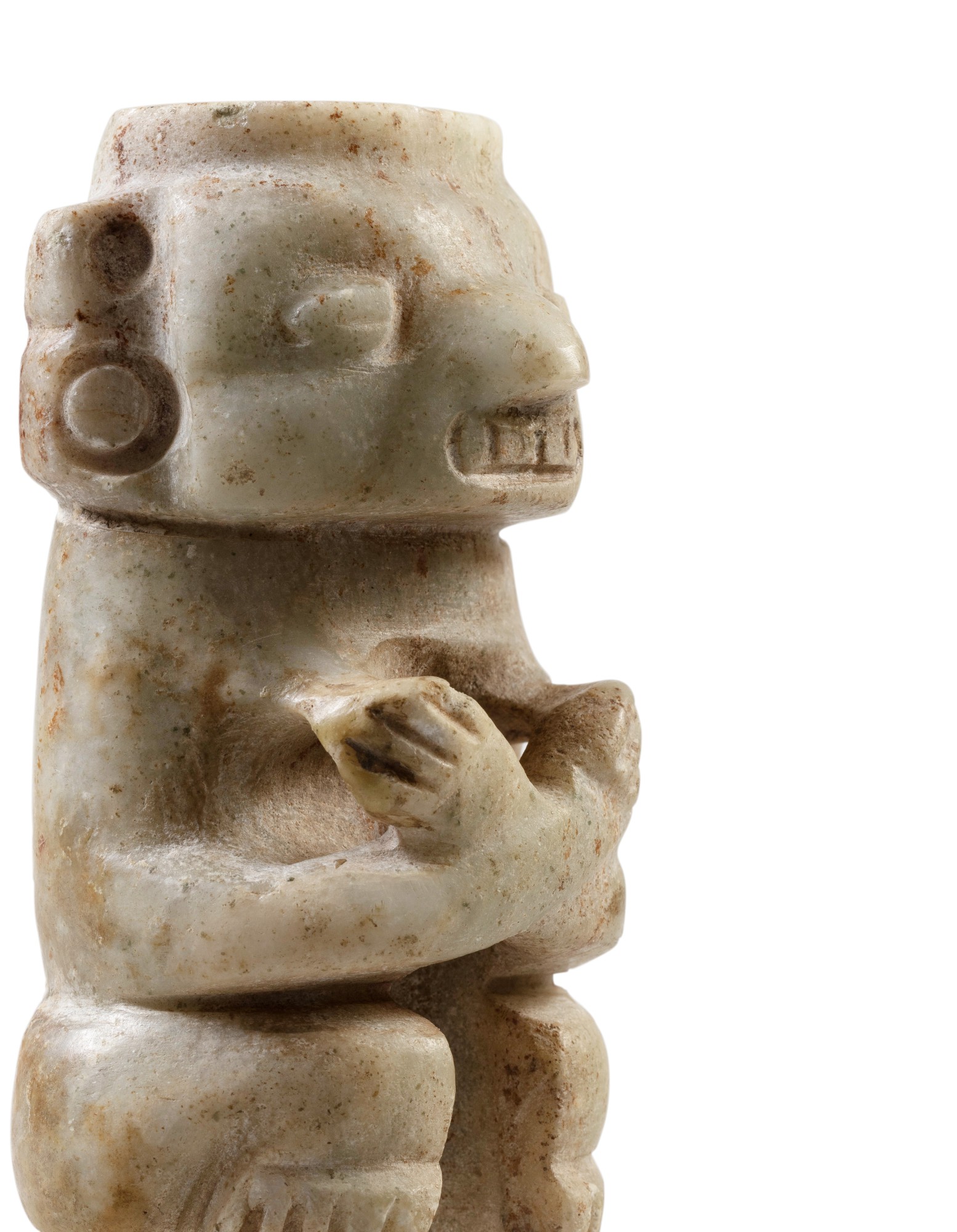
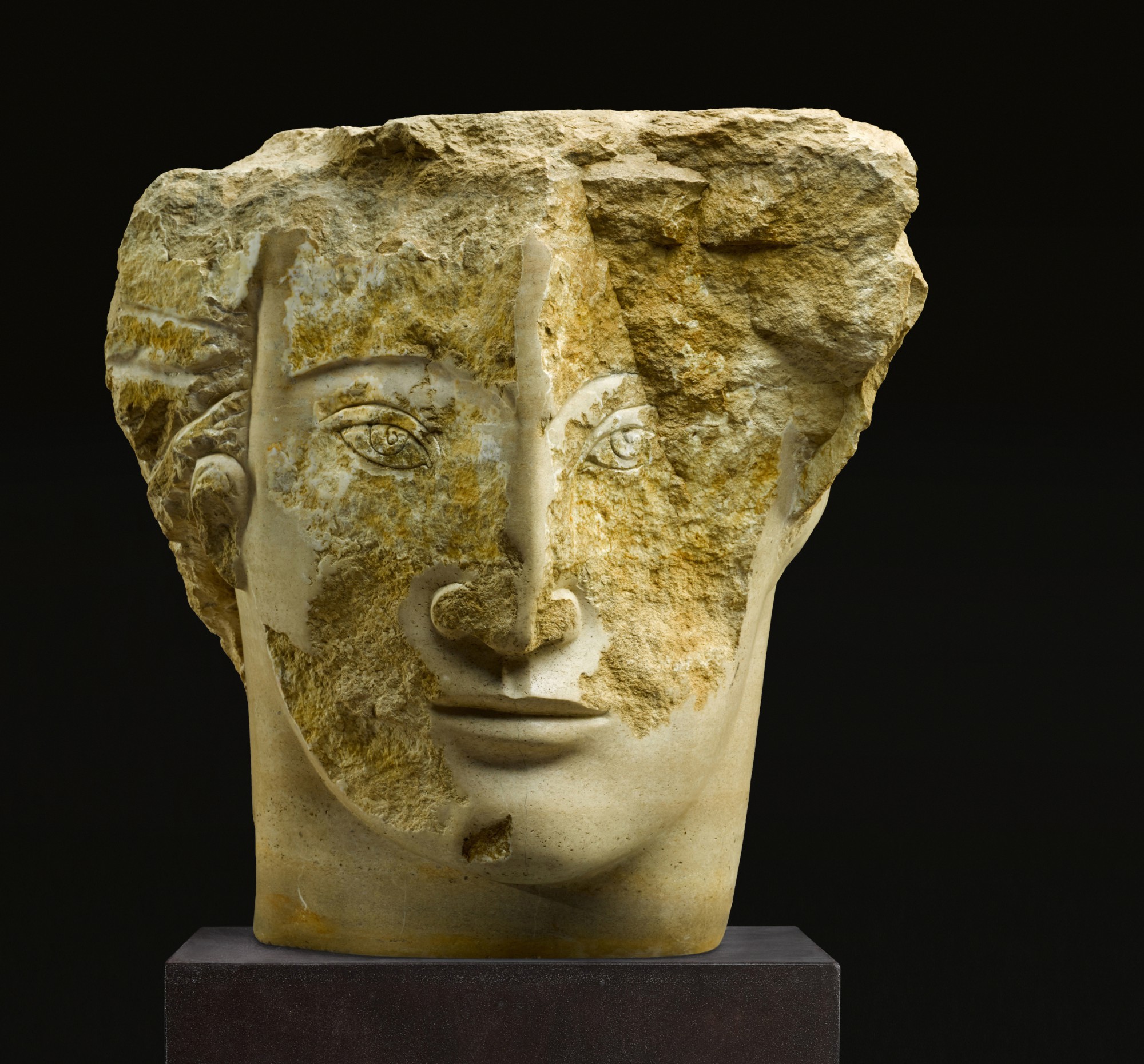
When a rare Olmec stone figure sold at a major New York auction house in recent years for a price well into seven figures, the room went quiet in that particular way that signals something beyond commerce. Olmec sculpture, produced along the Gulf Coast of Mexico between roughly 1500 and 400 BC, has long been understood as foundational to Mesoamerican artistic tradition. But that auction moment crystallised something that curators and collectors had been sensing for some time: stone sculpture, across every culture and century, was no longer being treated as the scholarly cousin of painting and works on paper. It was becoming the thing itself.
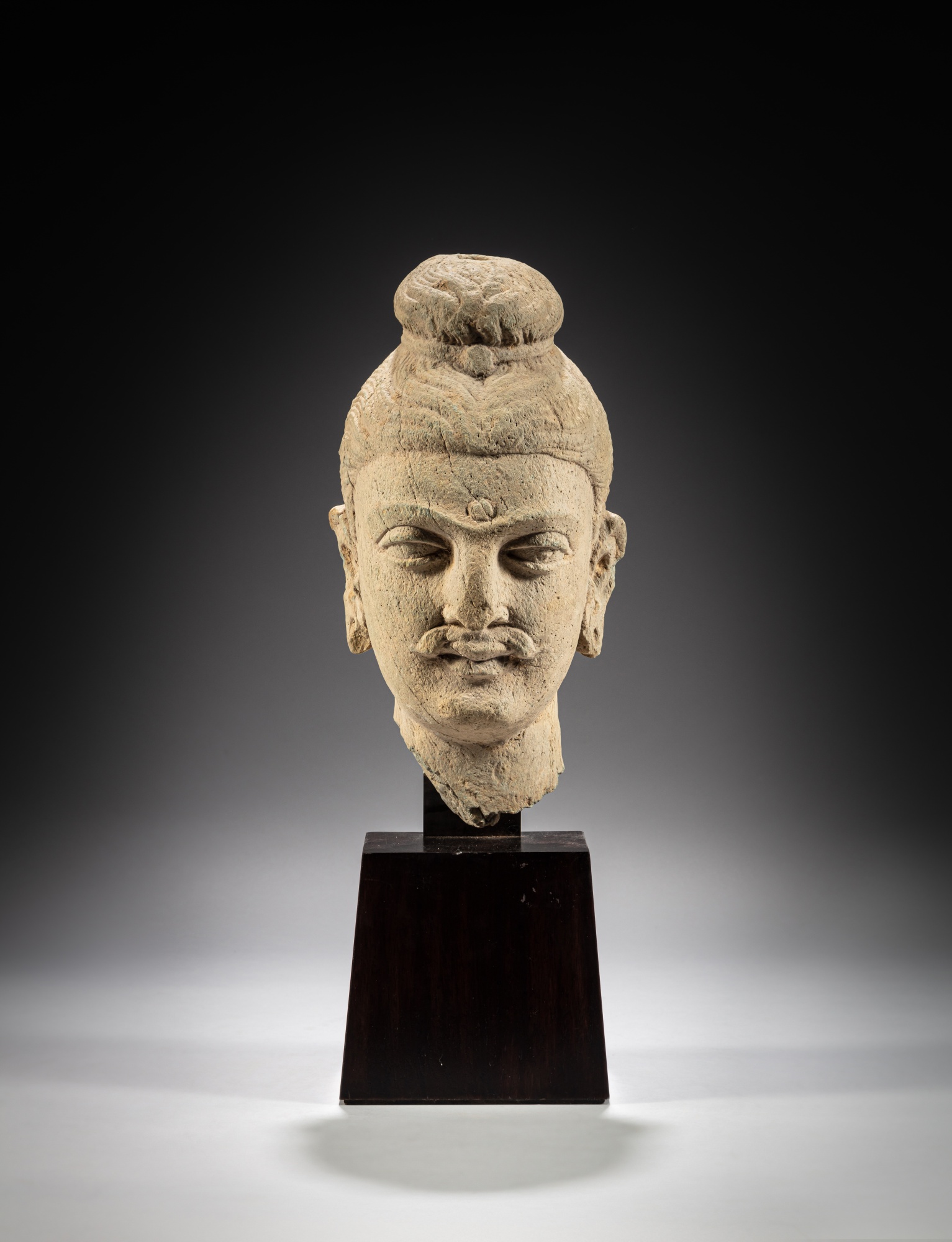
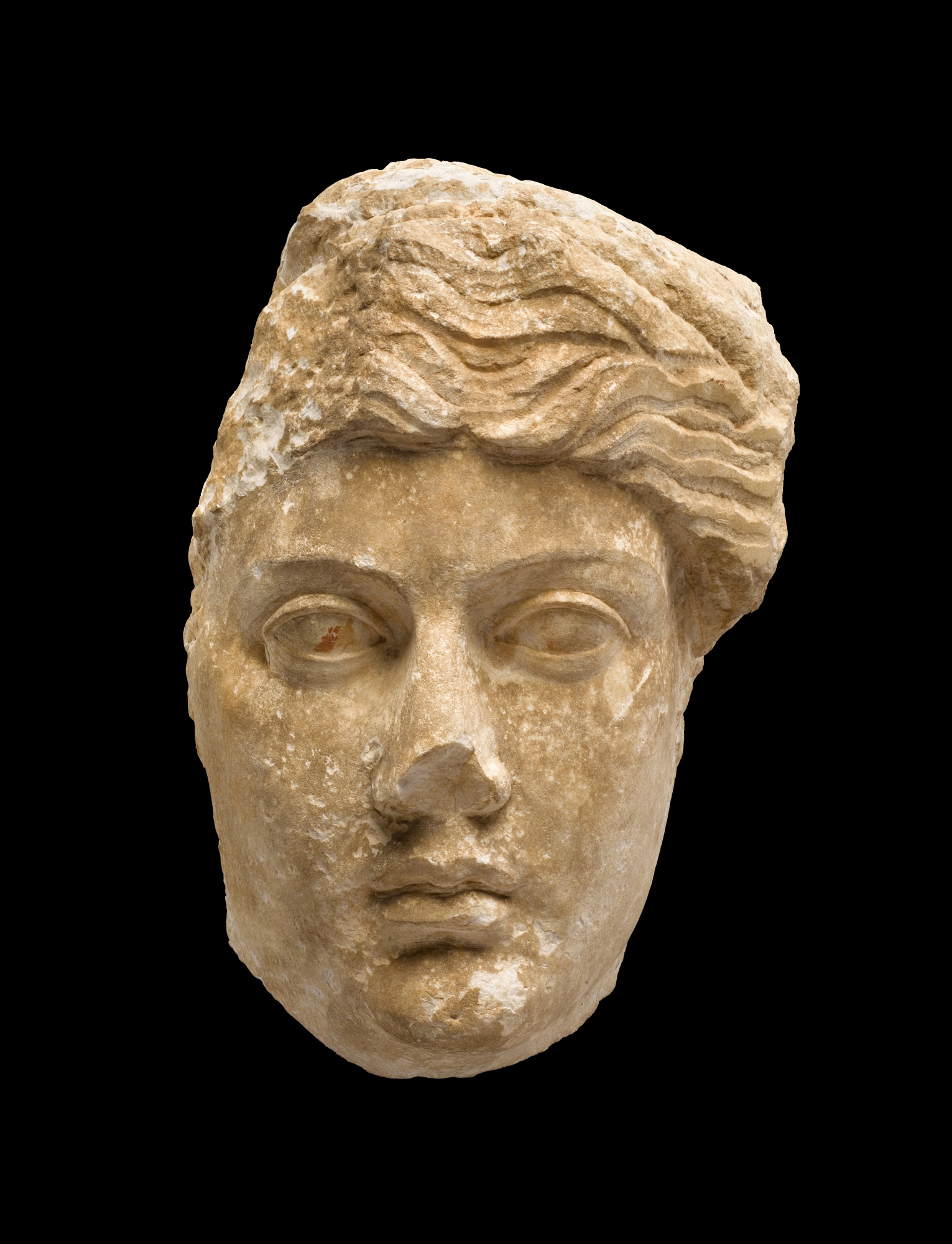
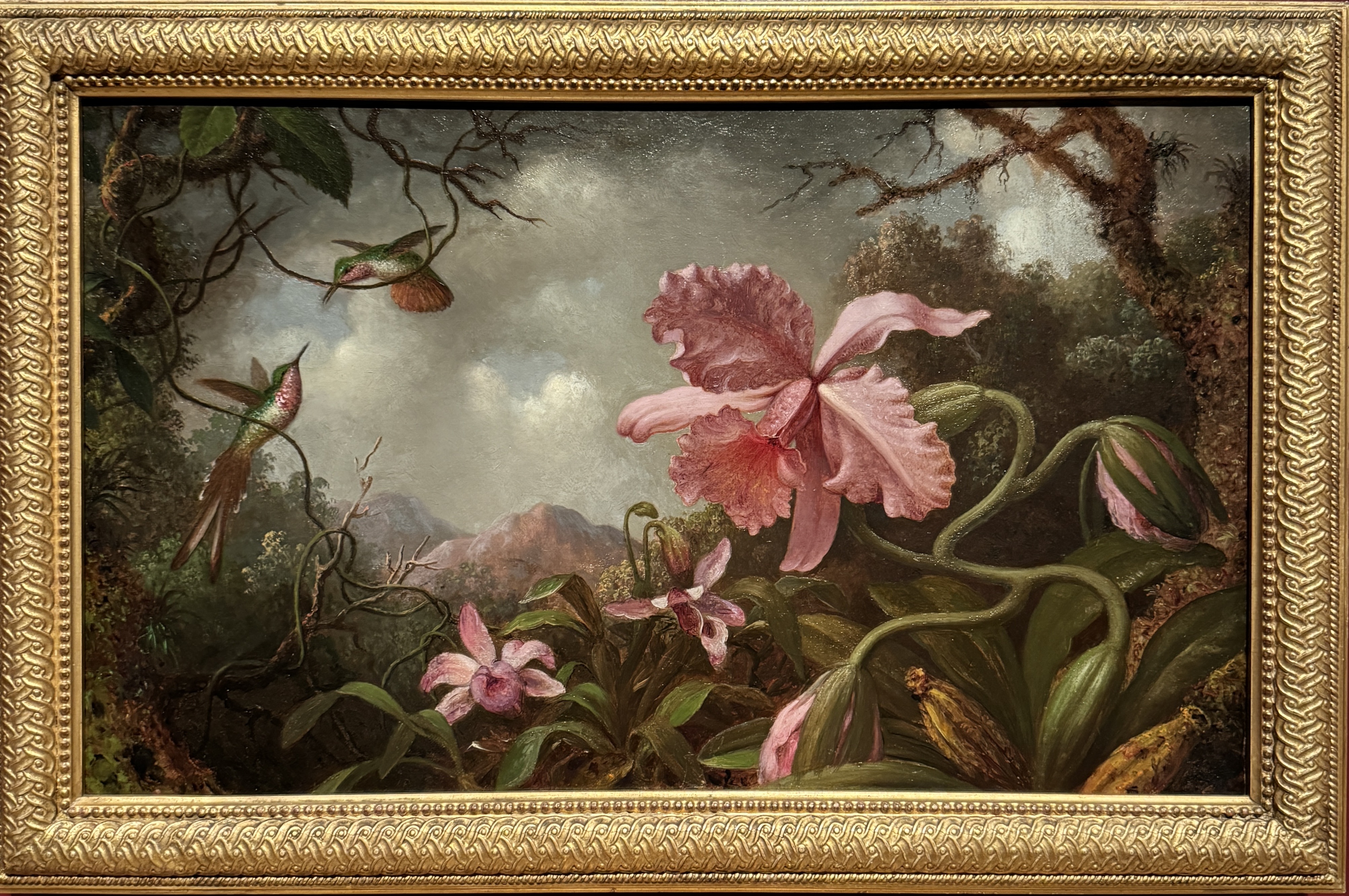
The appetite is genuinely broad. On one end of the spectrum you have ancient works, Olmec seated figures and standing figures of extraordinary formal confidence, Aztec stone heads of deities like Xipe Totec, Egyptian frog figures carved with a precision that still feels startling, Gandharan schist busts of bodhisattvas where Greek and Indian traditions seem to dissolve into one another. On the other end, living artists working in stone are drawing serious institutional and collector attention. The range represented on The Collection captures this breadth beautifully, from pre Columbian Mesoamerican figures to contemporary voices like Emily Young and Ugo Rondinone.
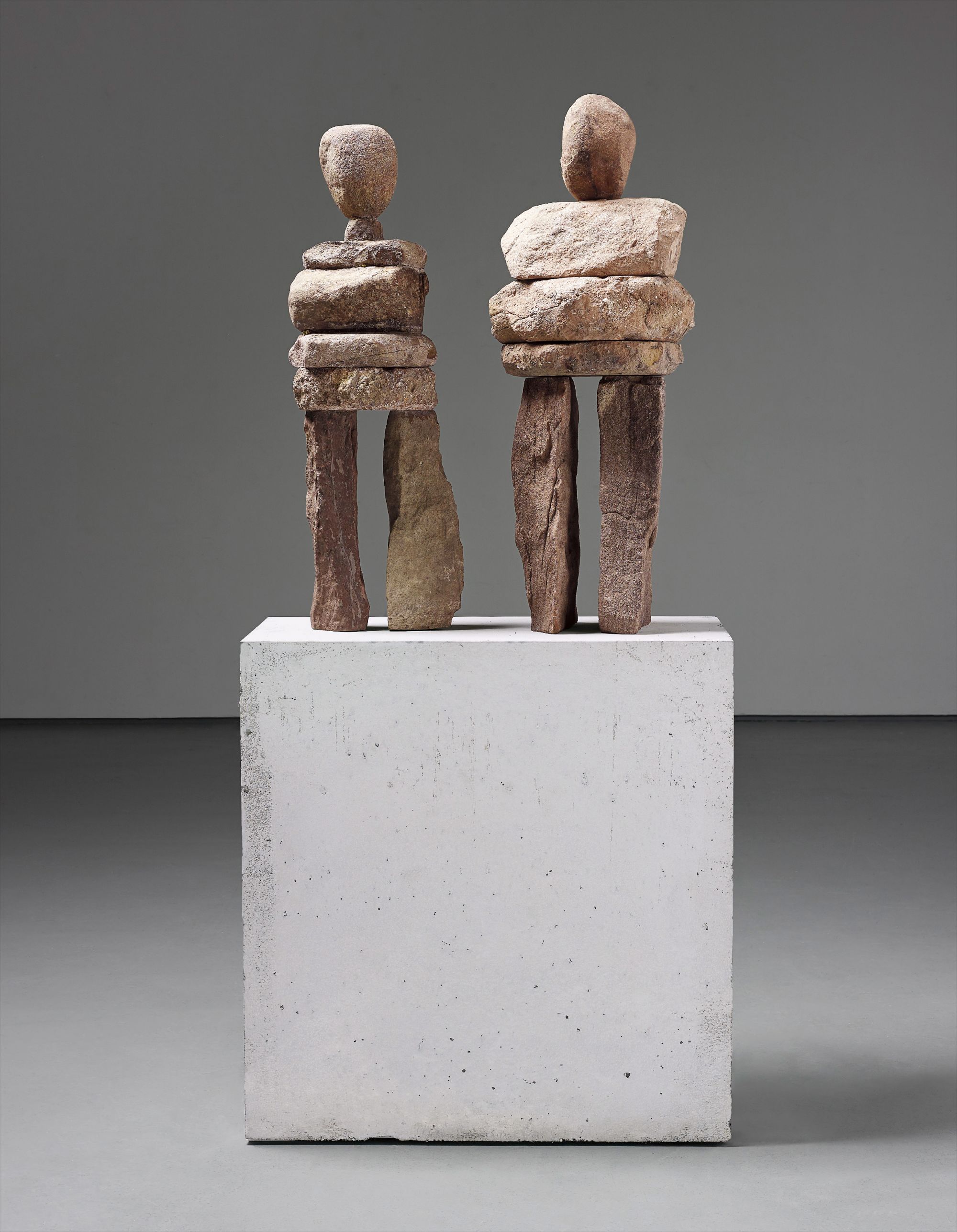
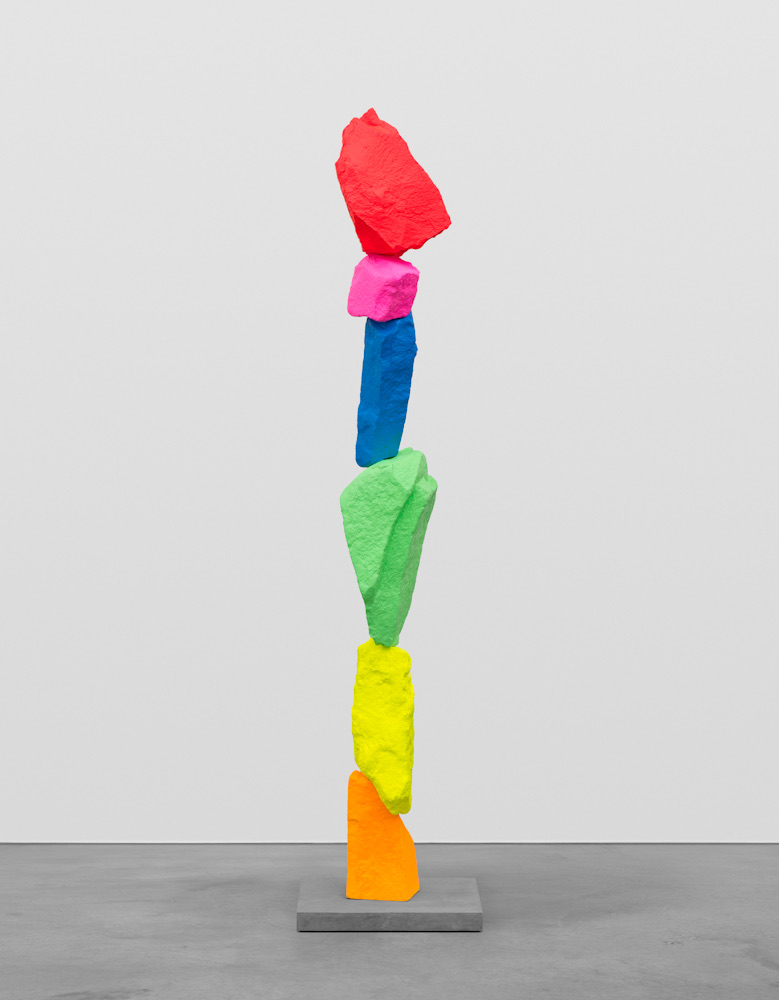
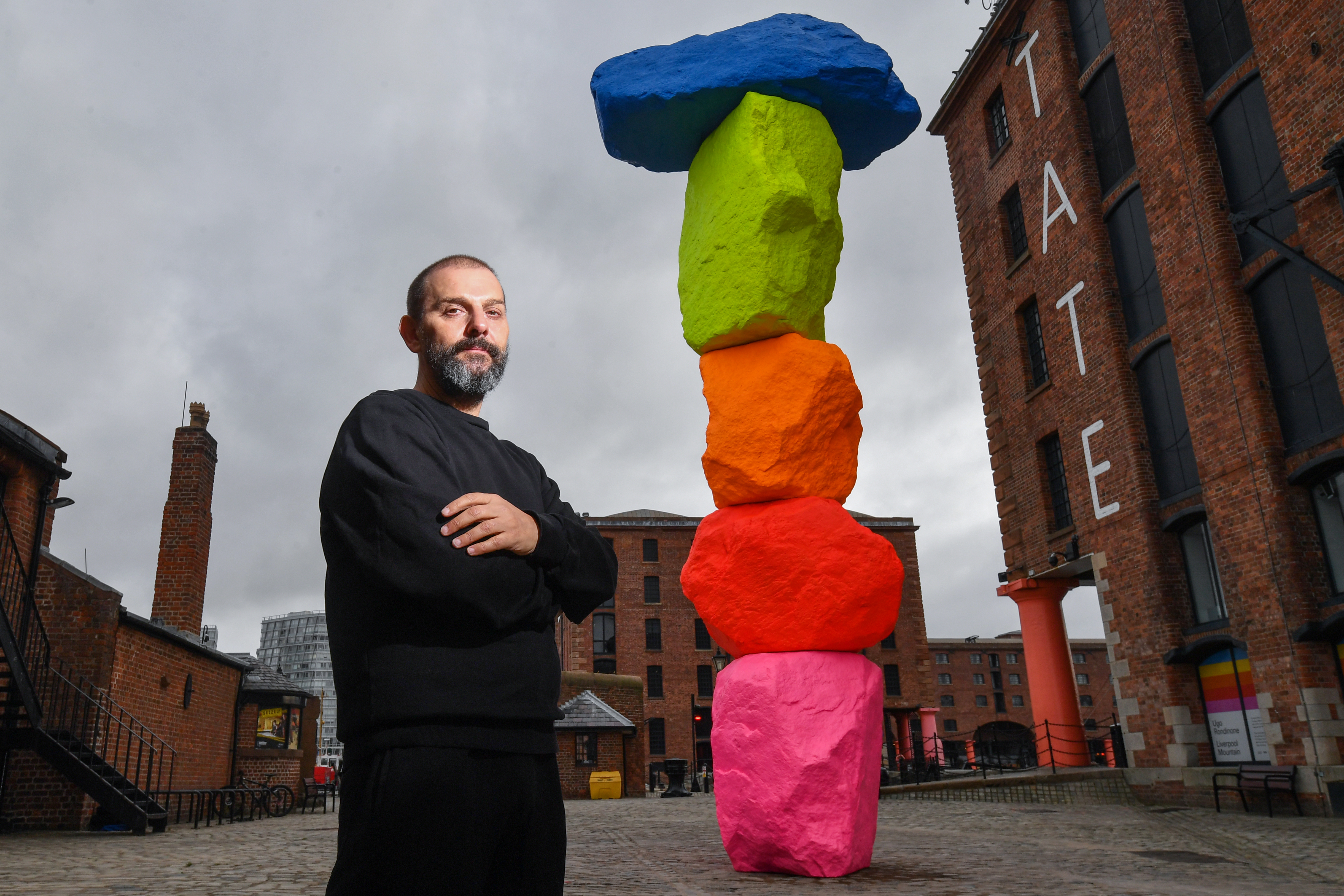
Ugo Rondinone
The Pleased and the Delighted
What connects them is not period or geography but something more essential: the insistence of the material itself. Emily Young has become one of the most discussed stone sculptors working today, and her rise feels entirely earned rather than fashioned by market machinery. Her work, which draws on ancient deposits of marble, alabaster, and sandstone, proceeds from a profound attentiveness to what is already present in the raw block. The Tate holds her work, and her solo shows in London have attracted a critical response more usually reserved for painters with blue chip gallery representation.
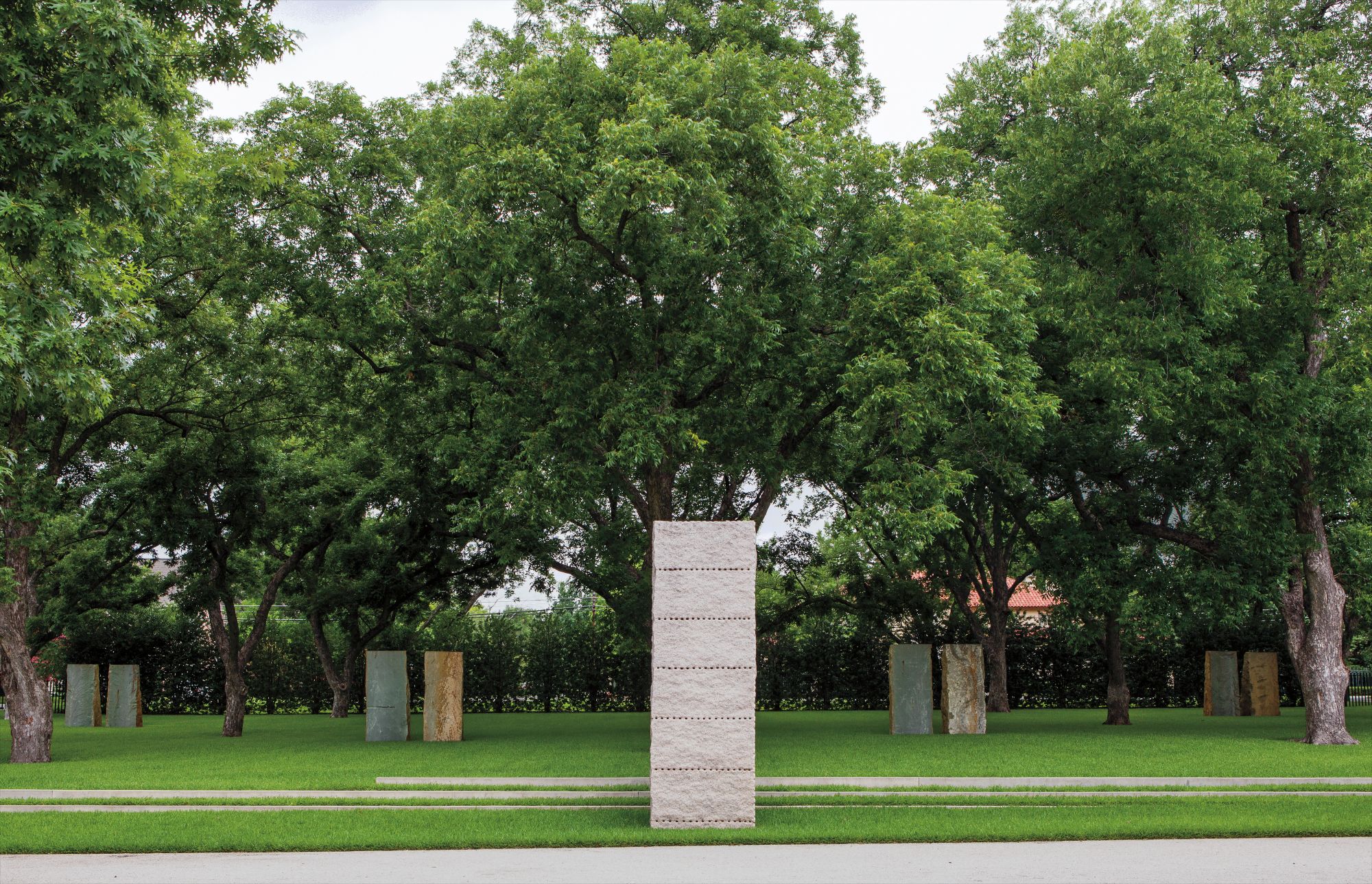
What Young has done is reframe the conversation around stone carving not as a traditional discipline or a craft concern but as one of the most urgent practices in contemporary art, a way of thinking about time, erosion, and planetary scale that no other medium can quite manage. Ulrich Rückriem occupies a different but equally serious position in this conversation. His stone works, which employ industrial cutting and splitting techniques to fracture granite and dolomite into elemental geometric presences, have been central to debates about process, minimalism, and site for decades. Major retrospectives in Germany and sustained representation in European institutional collections have kept his profile high among serious collectors.
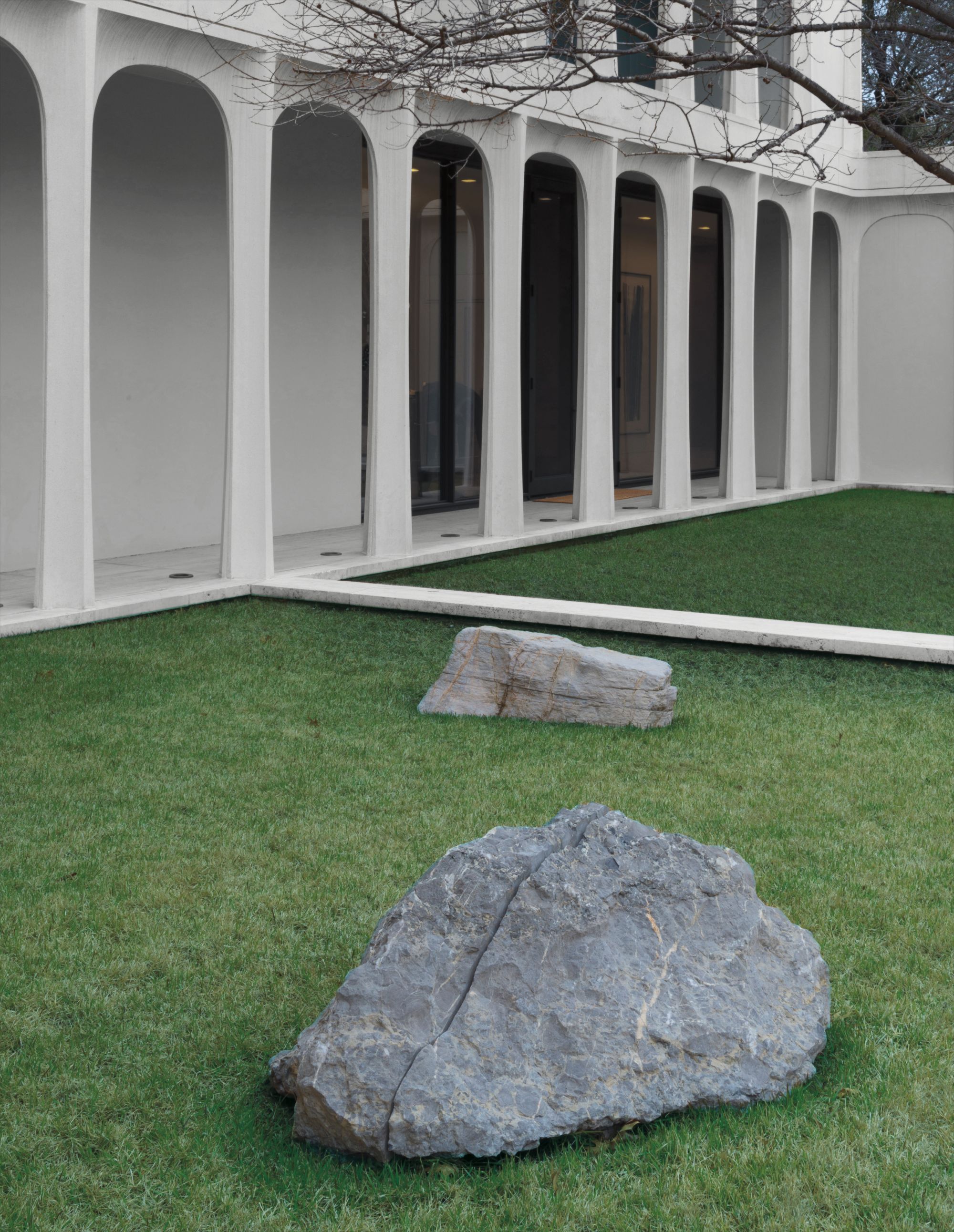
Ulrich Rückriem
Steinrohlinge (Raw Stones) A) horizontal in der Mitte geschnitten (cut horizontally down the middle) B) vertikal in der Mitte geschnitten (cut vertically down the middle)
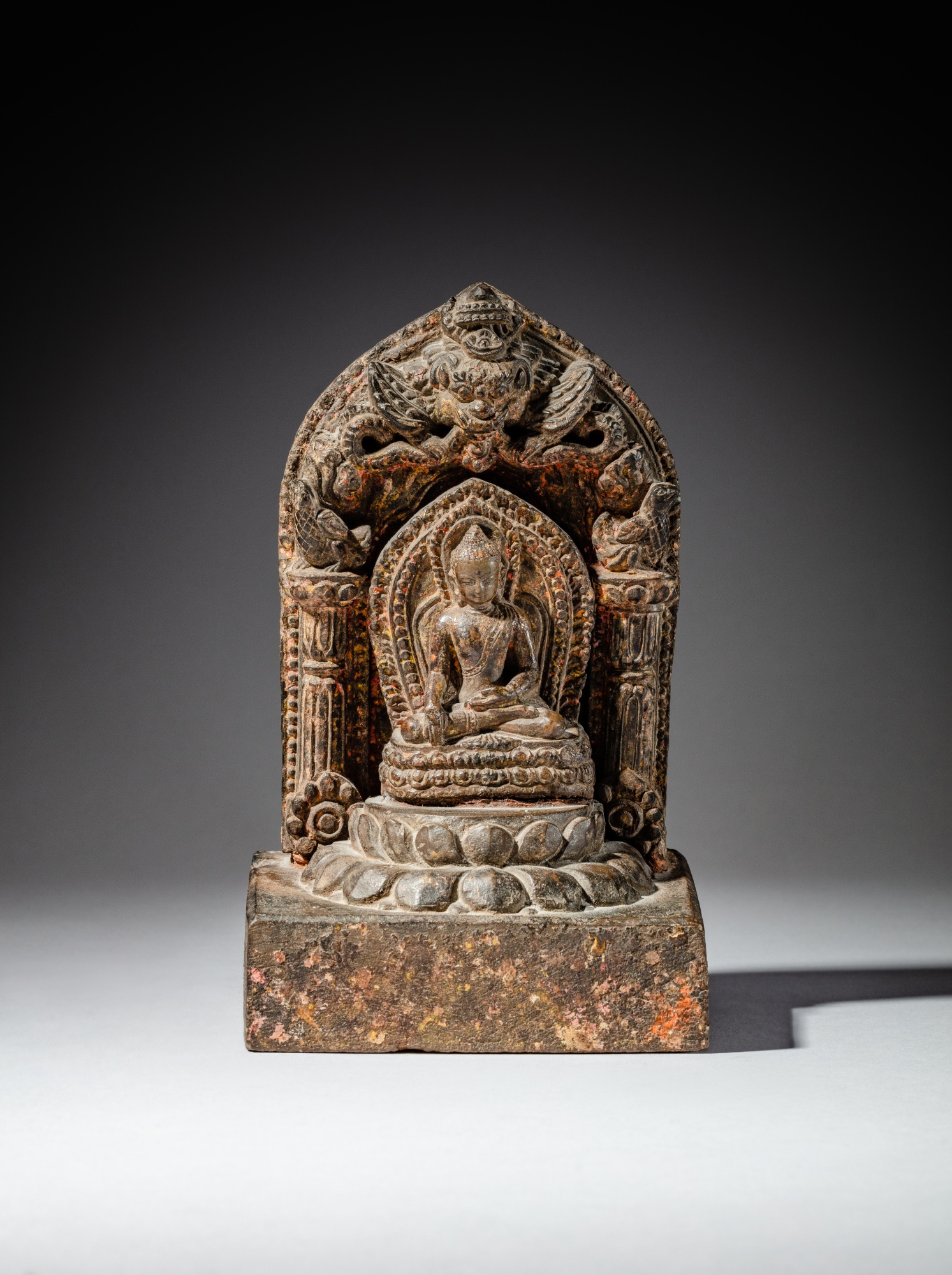
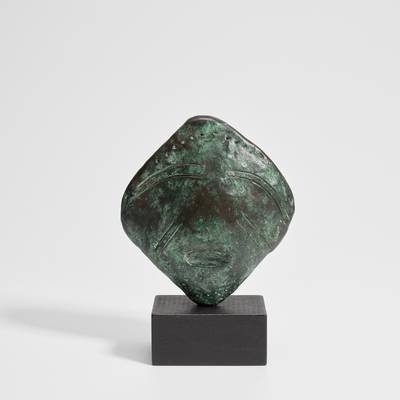
William Turnbull, whose work sits at the intersection of sculpture, painting, and an almost archaeological interest in ancient idol forms, has seen renewed critical attention in recent years. His stone works in particular feel newly relevant to a generation of collectors drawn to objects that carry the feeling of deep time without being ethnographic curiosities. The institutional picture is telling. The Metropolitan Museum of Art, the British Museum, and the Musée du quai Branly in Paris have all mounted significant shows in recent years that repositioned ancient stone sculpture outside purely archaeological frameworks and asked audiences to encounter these objects as art.
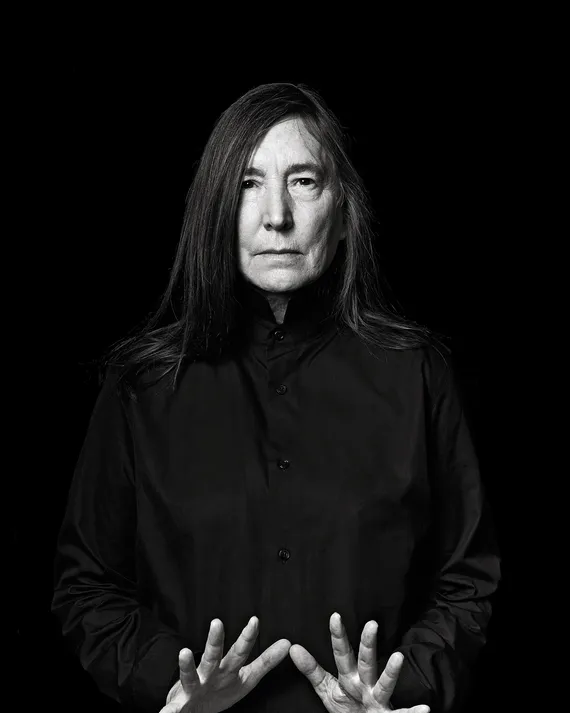
The Quai Branly's treatment of Pacific and pre Columbian material in particular has influenced how auction houses and private collectors approach works that were once siloed into categories like tribal art or antiquities. A stone seated figure from Tobi Island in the Caroline Islands, for example, now reads not as ethnographic document but as one of the great examples of sculptural reduction, a tradition that Brancusi understood and that contemporary abstraction keeps returning to. Jenny Holzer's use of stone, specifically her carved granite and marble benches and sarcophagi bearing language drawn from war, trauma, and political violence, represents one of the more unexpected chapters in contemporary stone sculpture. Her Survival series and the later work using declassified government documents carved into stone surfaces have been shown at the Guggenheim, the Whitney, and internationally.
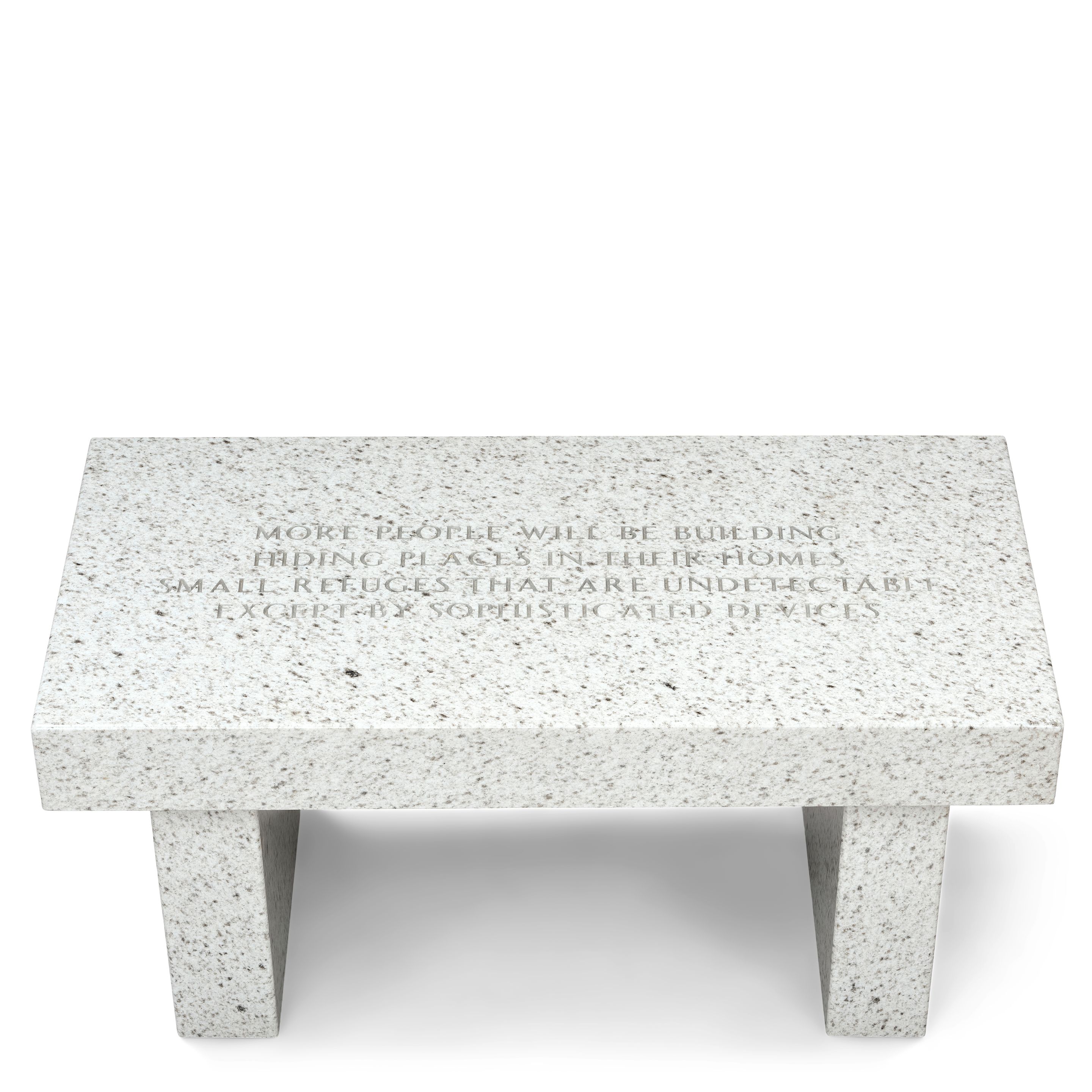
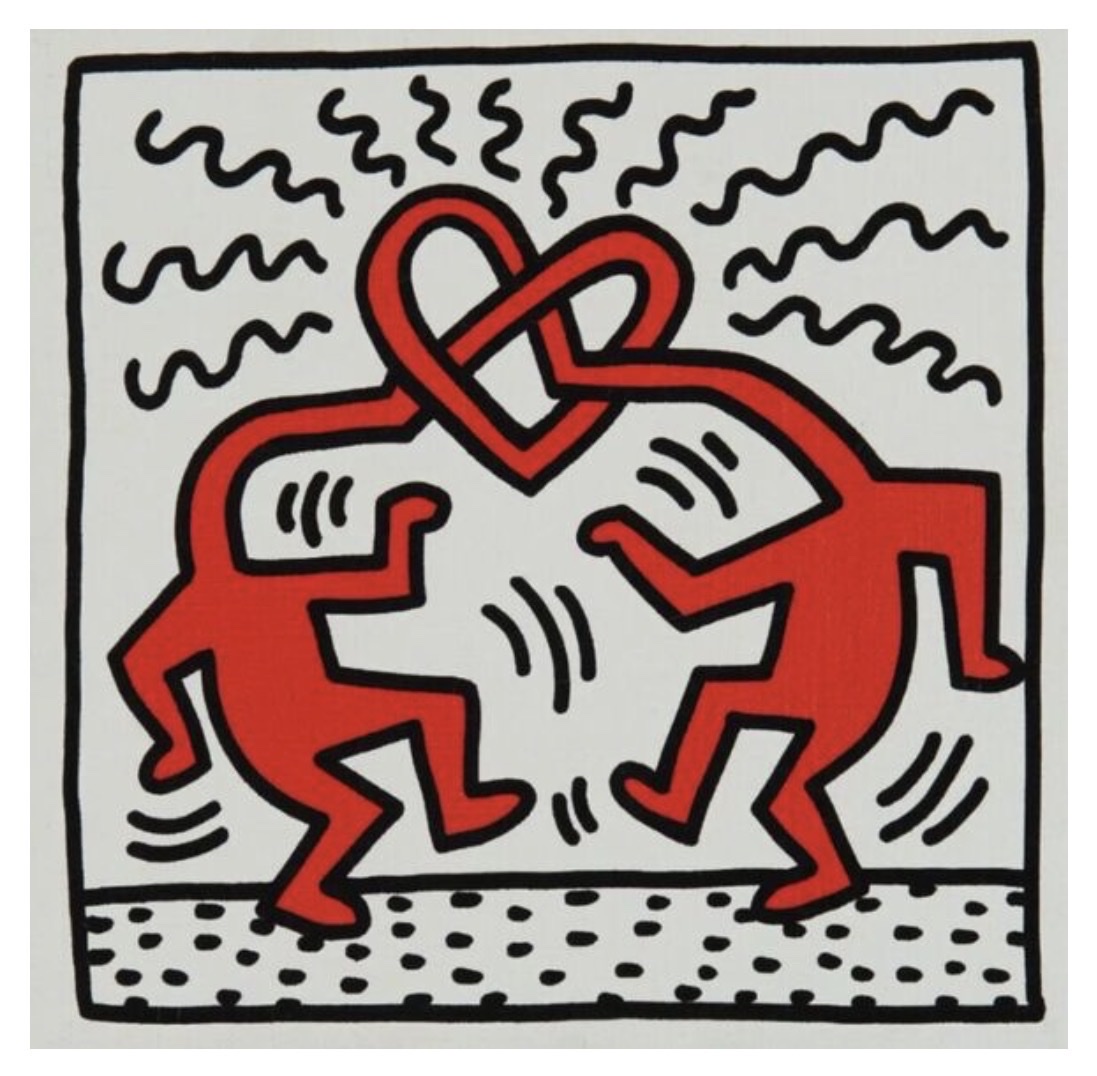
Jenny Holzer
The Living Series: More people will be building..., 1989 17 x 36 x 18 in (43.1 x 91.4 x 45.7 cm)
What Holzer demonstrated was that stone was not simply available for formal or material investigation but could carry conceptual and political weight with a directness that text on paper or screen could never achieve. The permanence is the point. Auction results for ancient and pre Columbian stone works have shown remarkable resilience even in uncertain market conditions. Veracruz stone yokes, those extraordinary carved objects associated with the Mesoamerican ballgame, have consistently attracted competitive bidding at Christie's and Sotheby's.
Aztec deity sculptures when they come to market with clean provenance documentation attract institutional and private buyers simultaneously. The provenance question has become central to the critical and market conversation, with major auction houses now working more carefully with scholars and source country representatives. This scrutiny, while complicating some transactions, has ultimately strengthened collector confidence in works with documented histories. Ugo Rondinone's stone works, particularly his large scale mountain and humanoid figures carved from found stone in collaboration with quarry workers, have become totemic objects of contemporary collecting culture.
Gianpietro Carlesso
Interazione 2.2, 2024
His Seven Magic Mountains installation in Nevada used locally sourced stone to create something between land art, folk sculpture, and colour field painting. The critical response, tracked in publications from Artforum to frieze to the New York Times, positioned Rondinone as someone who had found a genuinely new language within a very ancient tradition. Gianpietro Carlesso, working with a quieter profile but no less serious an intent, brings a European sensibility to carved stone that rewards close attention. Where the energy is heading feels less like a single direction than a convergence.
Ancient works, particularly from Mesoamerican, South Asian, and Pacific cultures, will continue to attract serious collectors as institutional scholarship deepens public understanding of their artistic rather than purely historical significance. Contemporary artists working in stone are producing some of the most talked about work of this decade, and younger sculptors are arriving who understand that the material carries genuine cultural weight. Stone does not permit revision. Every mark is final.
In a moment saturated with the provisional and the digital, that quality of irreversibility feels not like a limitation but like a kind of moral seriousness. Collectors are responding to that, and the market is listening.