Single Subject
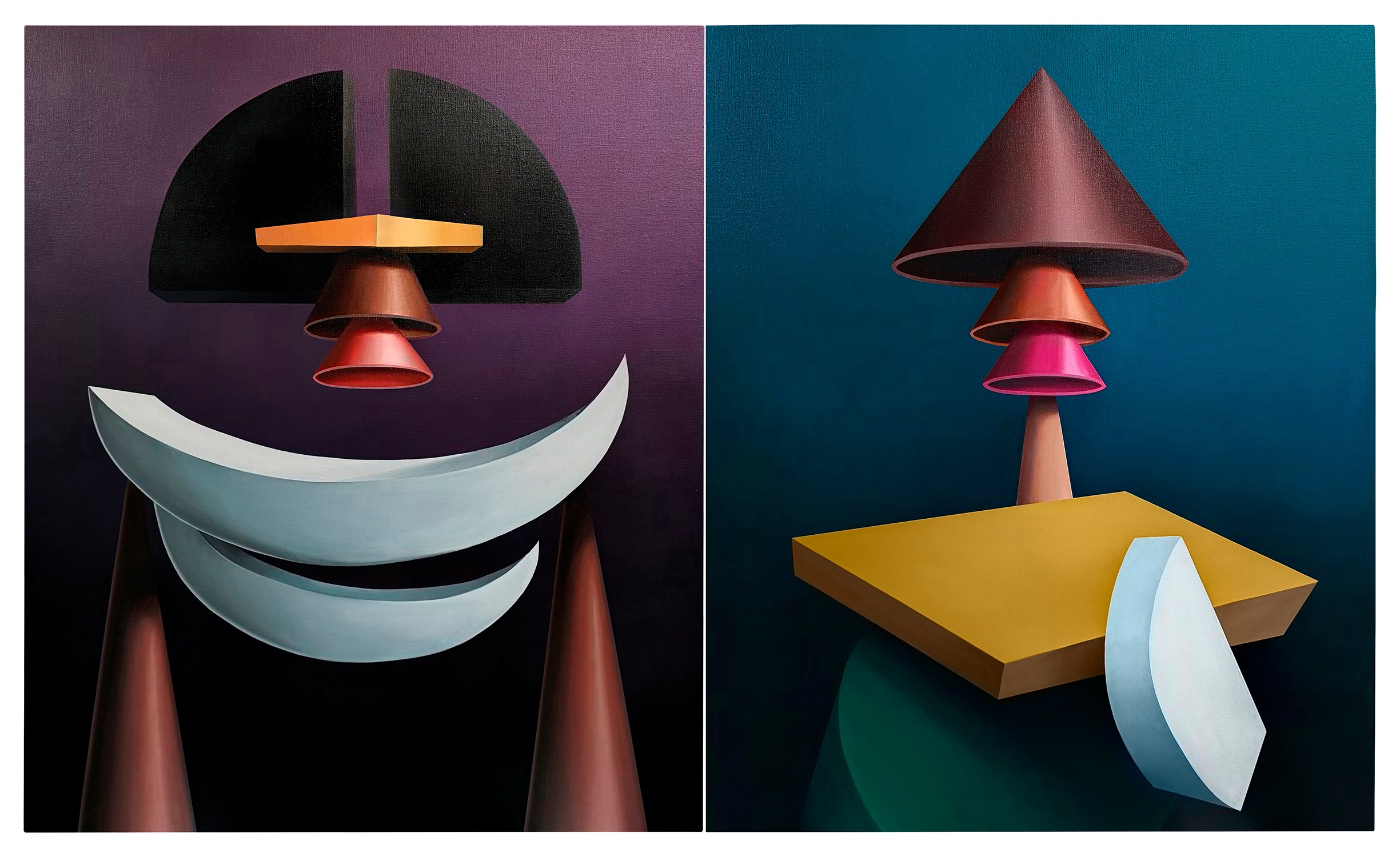
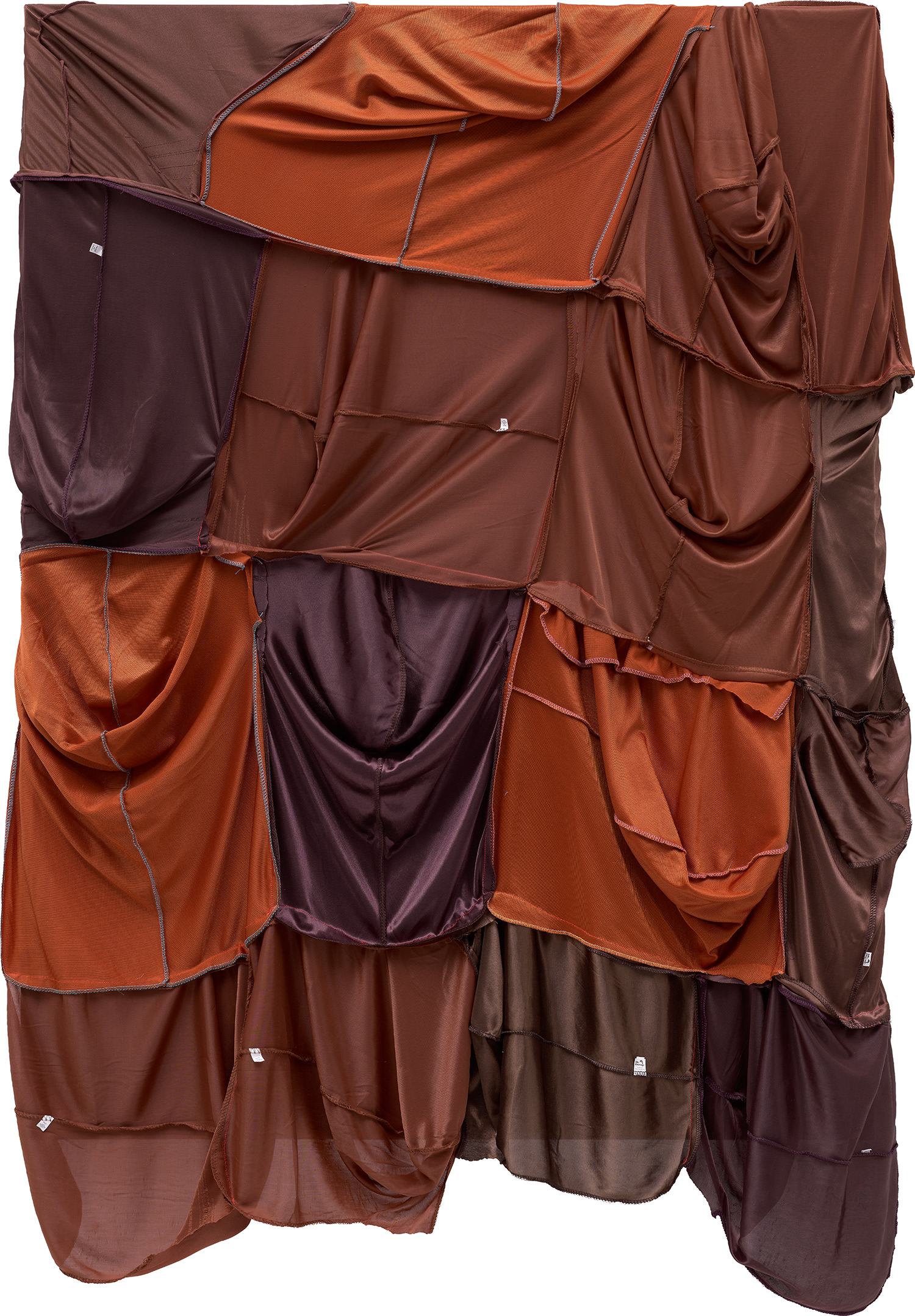
Jason Boyd Kinsella
Lars, 2021
One Face, Infinite Worlds to Discover
There is something almost confrontational about a painting or photograph that refuses to look away. The single subject, that sustained and unblinking attention directed at one person, one face, one body, has driven some of the most consequential art ever made. It is a format that strips away narrative clutter and forces a kind of reckoning between viewer and viewed. What does it mean to truly see another human being?
That question has occupied artists for centuries, and it remains unresolved in the most productive way imaginable. Portraiture as a formal pursuit stretches back to ancient Egypt, where carved likenesses of pharaohs served both commemorative and spiritual functions. But the tradition we tend to think of as foundational crystallized in the European Renaissance, when wealthy patrons commissioned painters to fix their likeness for posterity. Jan van Eyck, Hans Holbein the Younger, and later Rembrandt van Rijn brought psychological complexity to the format that had not existed before.
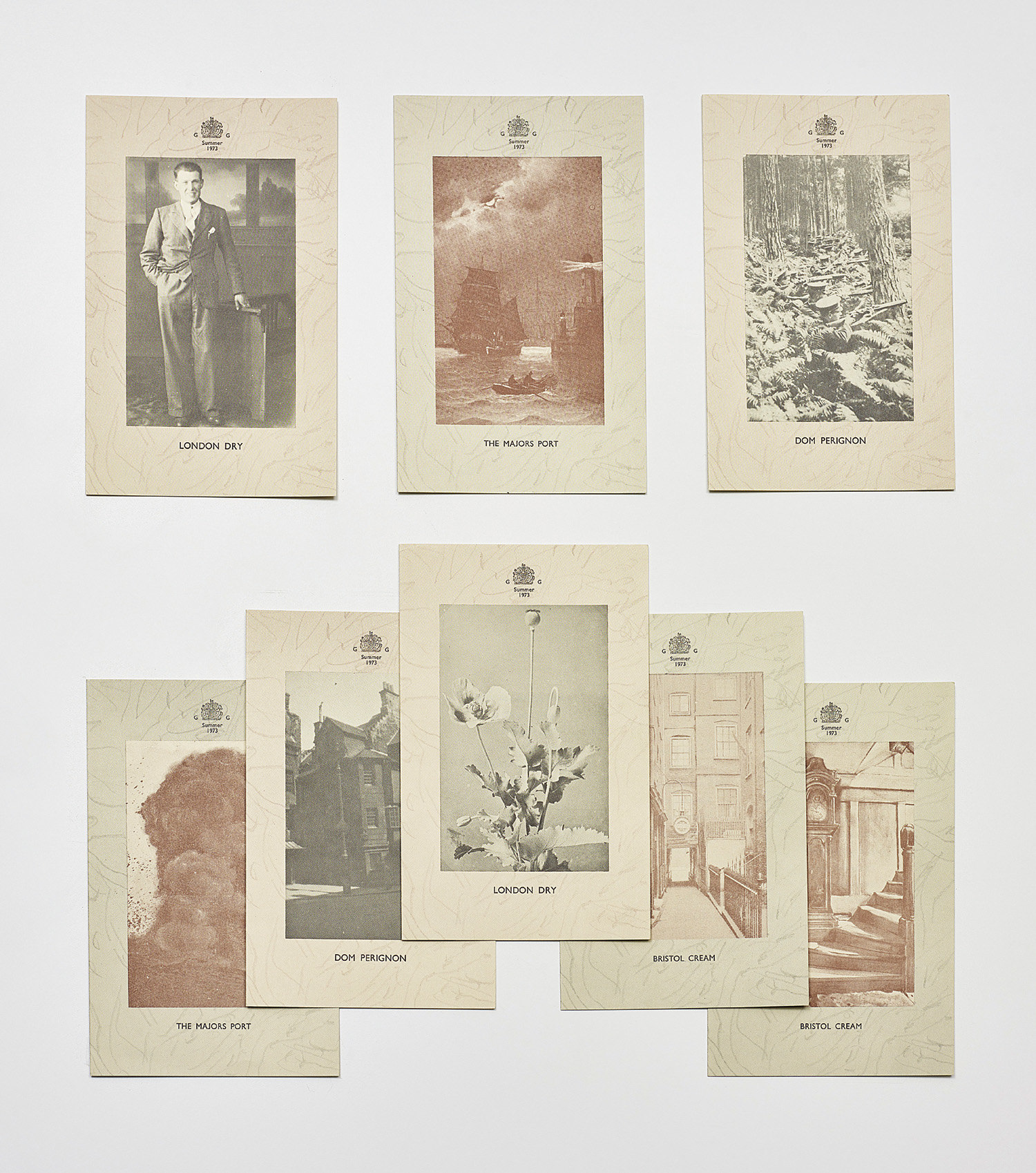
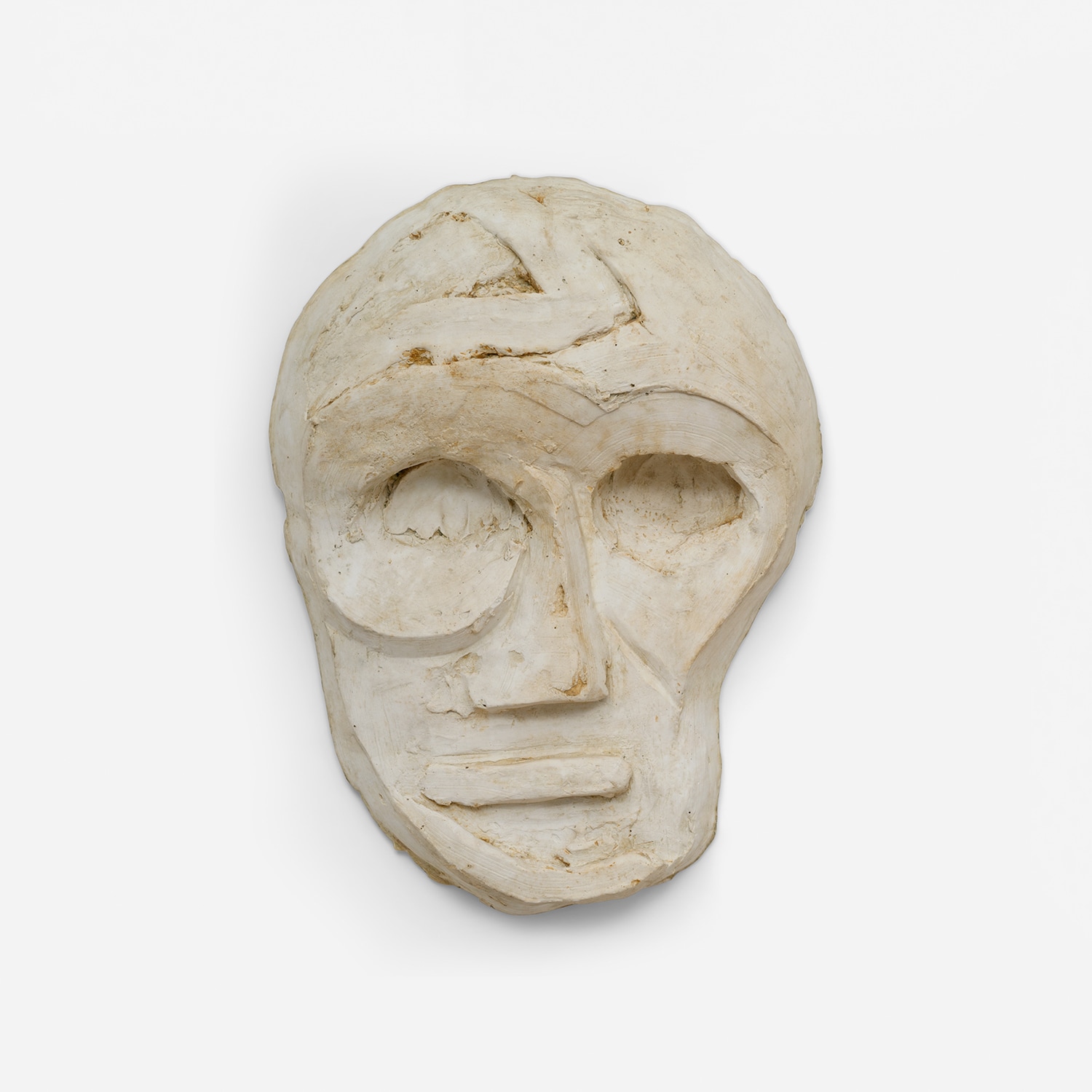
Stuart Cumberland
John Surtees, 2010
Rembrandt in particular understood that the single subject was not merely a record of appearance but an excavation of inner life. His late self portraits, painted in the 1660s when he was aging and financially ruined, remain among the most emotionally penetrating images in Western art history. The nineteenth century brought new tensions to single subject work as the arrival of photography in 1839 seemed to threaten painting's monopoly on likeness. Instead, both mediums pushed each other into more adventurous territory.
Nadar's photographic portraits of Parisian intellectuals in the 1850s demonstrated that the camera could carry the same gravitas as oil on canvas. Meanwhile painters like Gustave Courbet and later Édouard Manet began treating the subject with a frankness that bordered on insolence, refusing the idealizing conventions that had governed portraiture for generations. The subject, once elevated, was becoming a person. The twentieth century exploded the genre entirely.
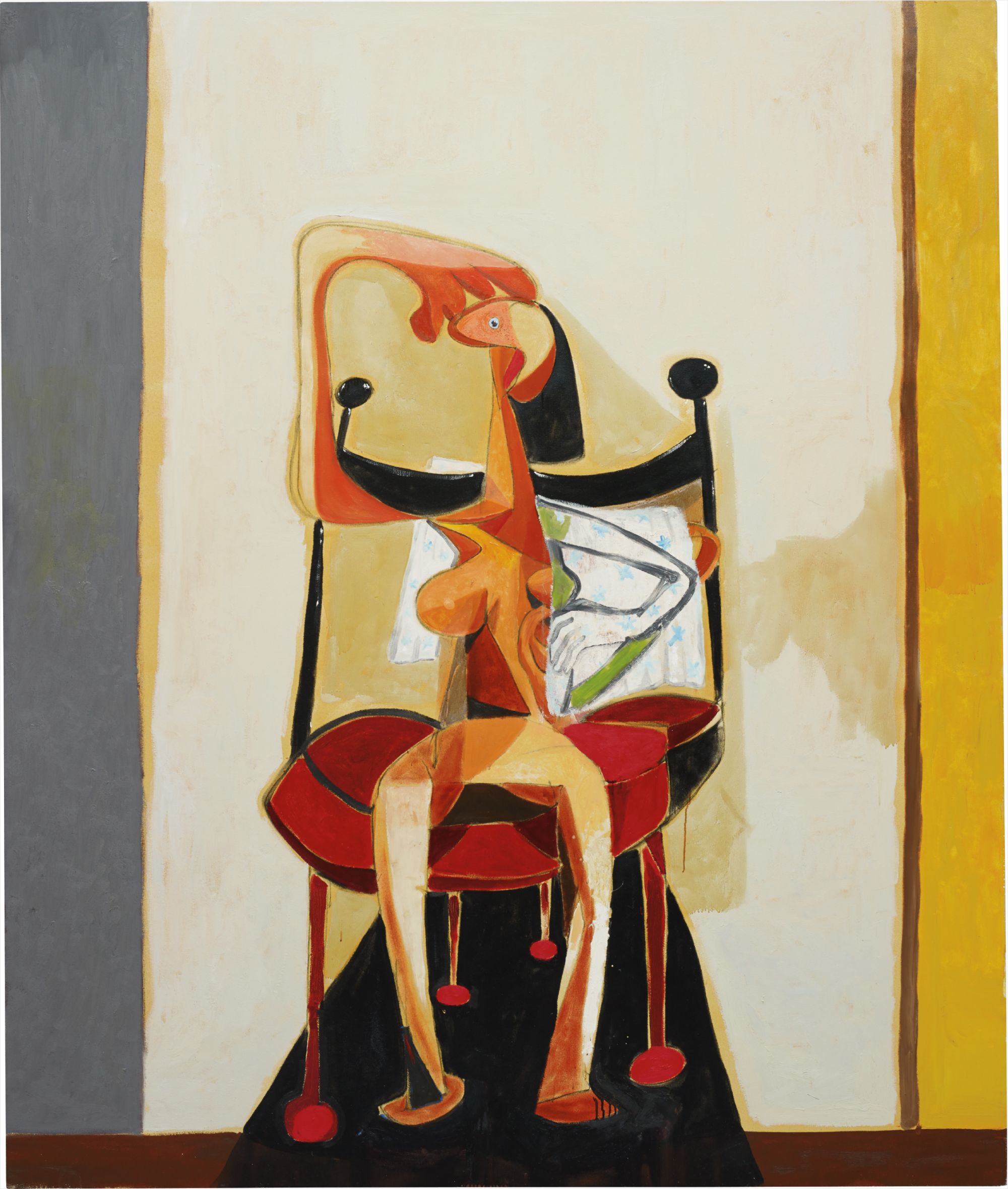
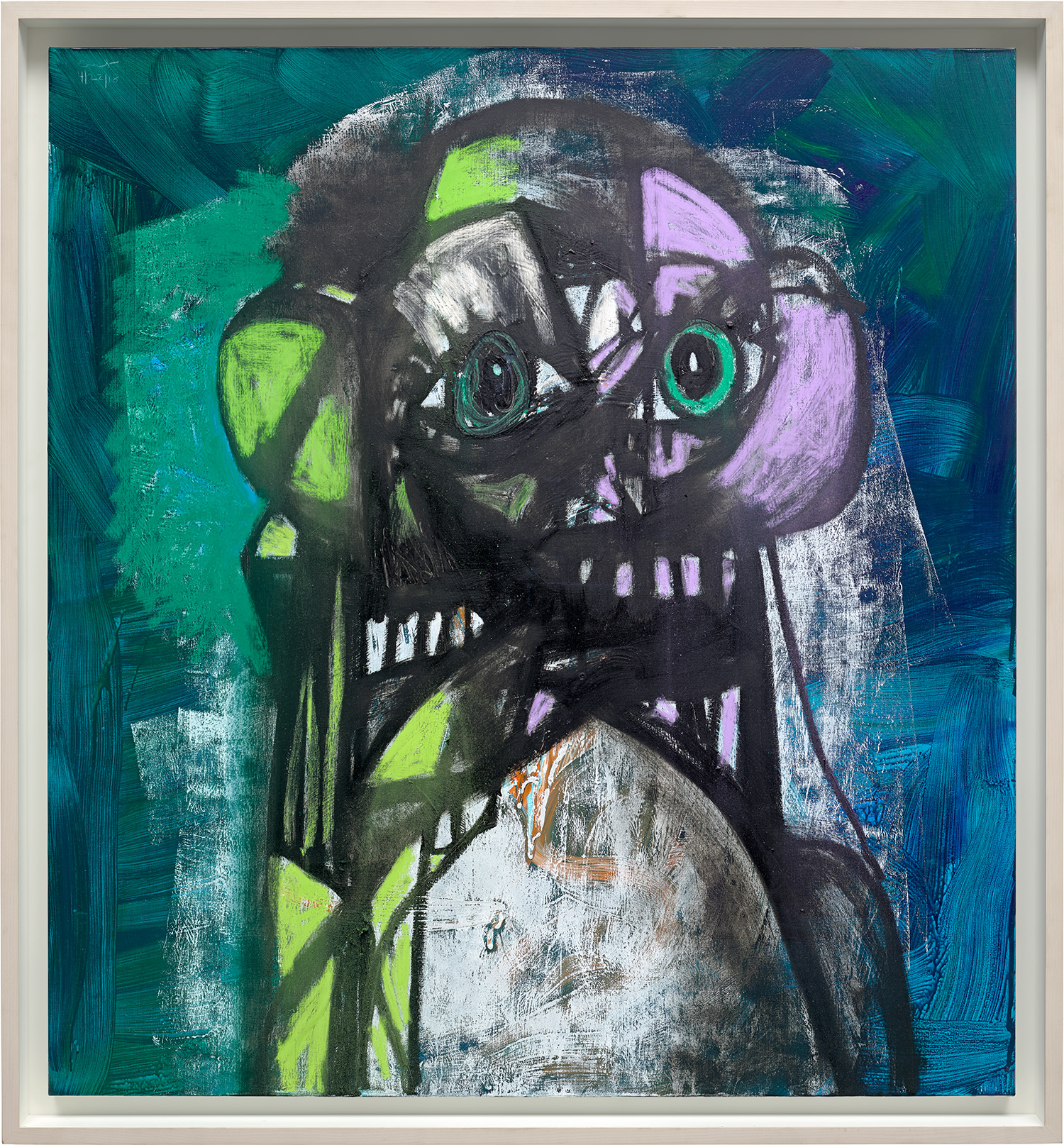
George Condo
Seated Figure with Towel
Francis Bacon's screaming figures, Alice Neel's unflinching renderings of friends and strangers, Andy Warhol's silkscreened celebrity icons: each approach redefined what it meant to place a single human being at the center of an artwork. Neel in particular deserves more credit than she has often received as a radical thinker within the tradition. Working largely outside the mainstream for decades before her 1974 retrospective at the Whitney Museum of American Art, she painted subjects with a kind of raw honesty that felt transgressive precisely because it was so compassionate. The single subject in her hands was always fully, uncomfortably human.
George Condo, one of the artists whose work appears on The Collection, emerged in New York in the 1980s and brought an entirely different kind of strangeness to the tradition. Condo coined the term artificial realism to describe his practice, and his portraits fuse Old Master techniques with cartoon grotesquerie and psychological fragmentation. A Condo face is simultaneously familiar and alien, rooted in art history and in the anxieties of the present moment. His work asks what a portrait actually captures when the self is understood as unstable, multiple, and shot through with contradiction.
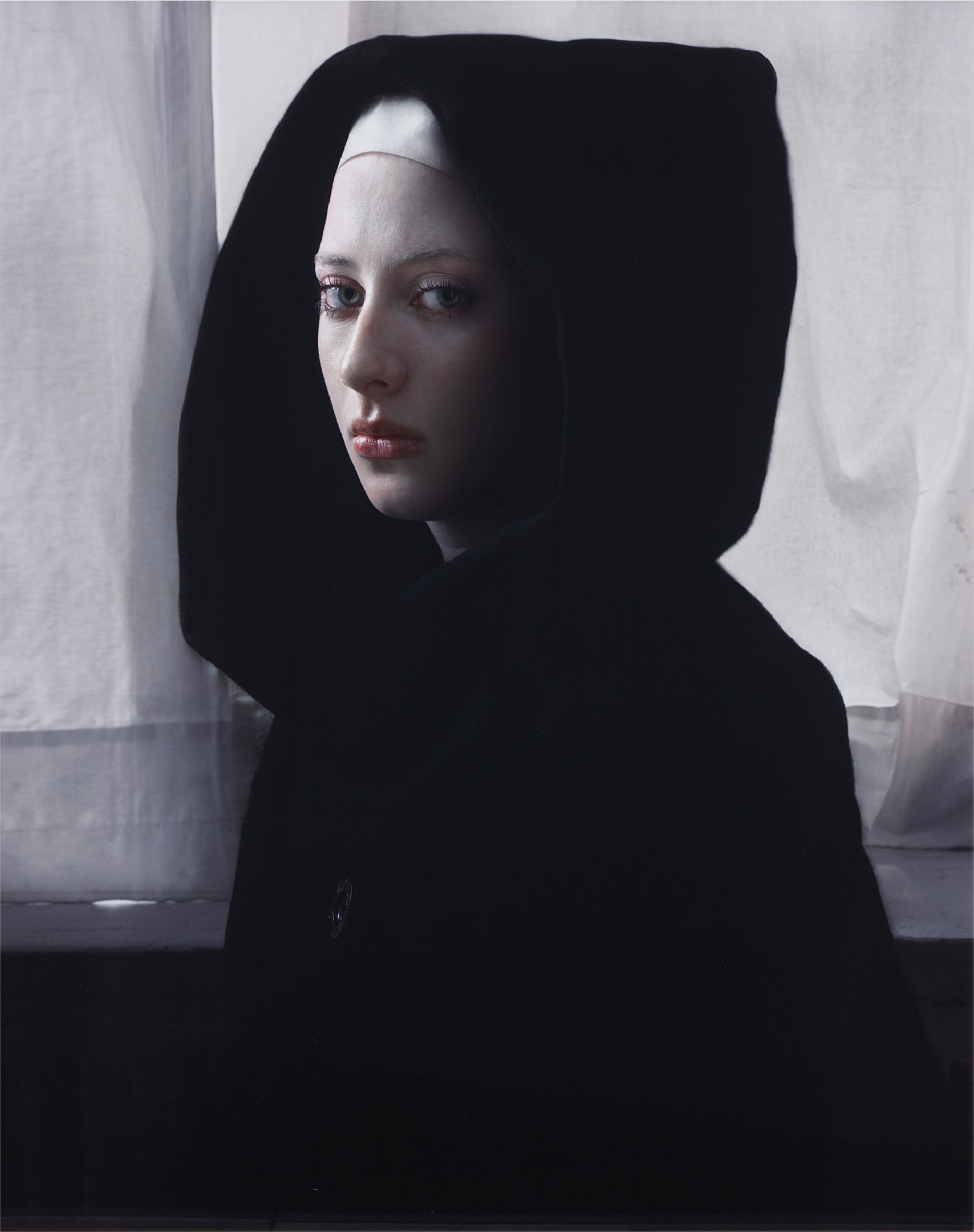
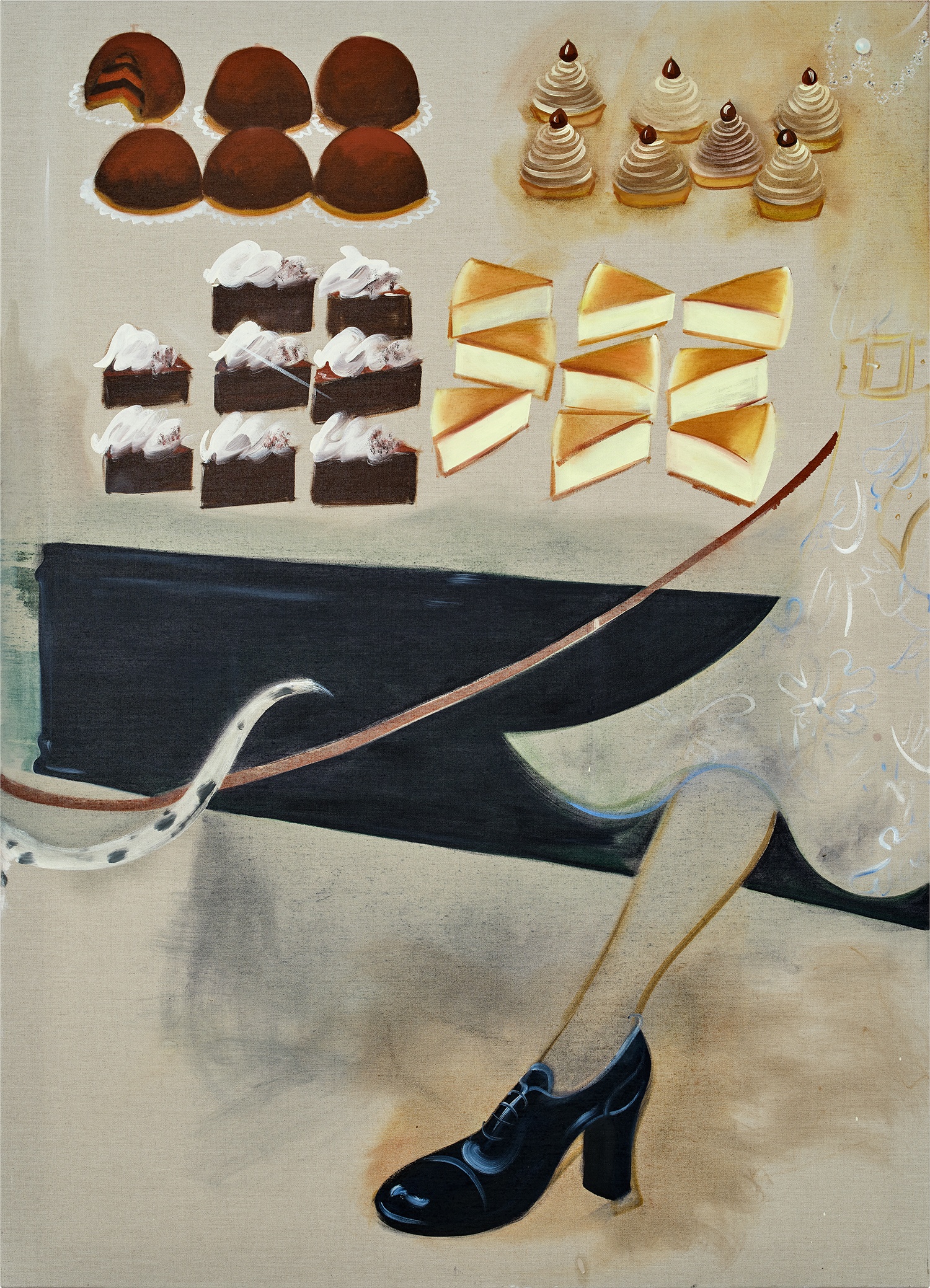
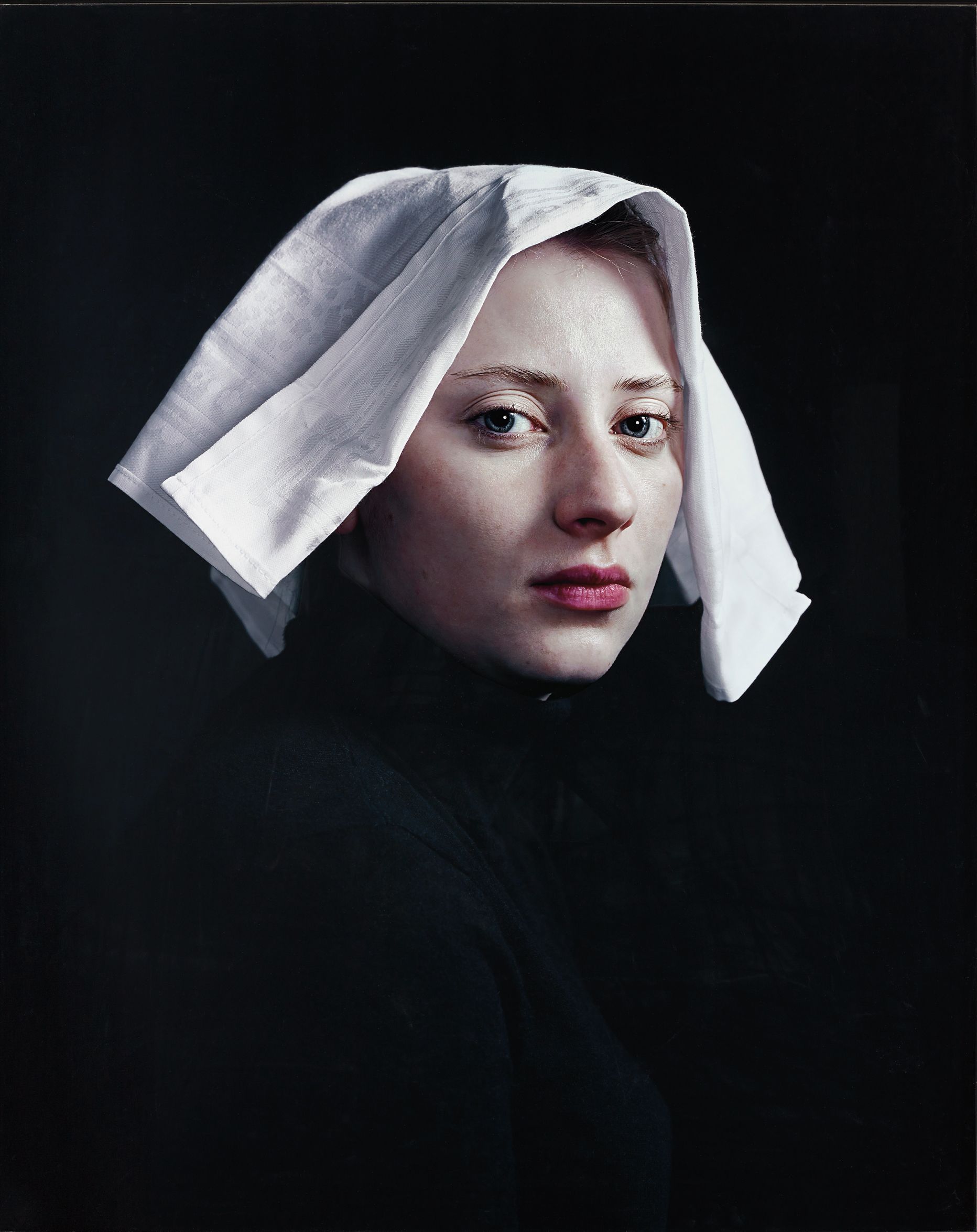
Hendrik Kerstens
Black Cap
It is a genuinely contemporary answer to a very old question. Hendrik Kerstens, the Dutch photographer also represented on The Collection, has spent decades working within a narrow and deeply resonant frame. His photographs of his daughter Paula, shot against plain backgrounds and bathed in the cool northern light of Dutch Golden Age painting, place a contemporary face in direct dialogue with Vermeer and Rembrandt. What makes Kerstens's work so compelling is the seriousness of its formal commitment alongside its quiet wit: Paula has been photographed with a plastic bag twisted into a ruff collar, a shower cap standing in for a lace bonnet.
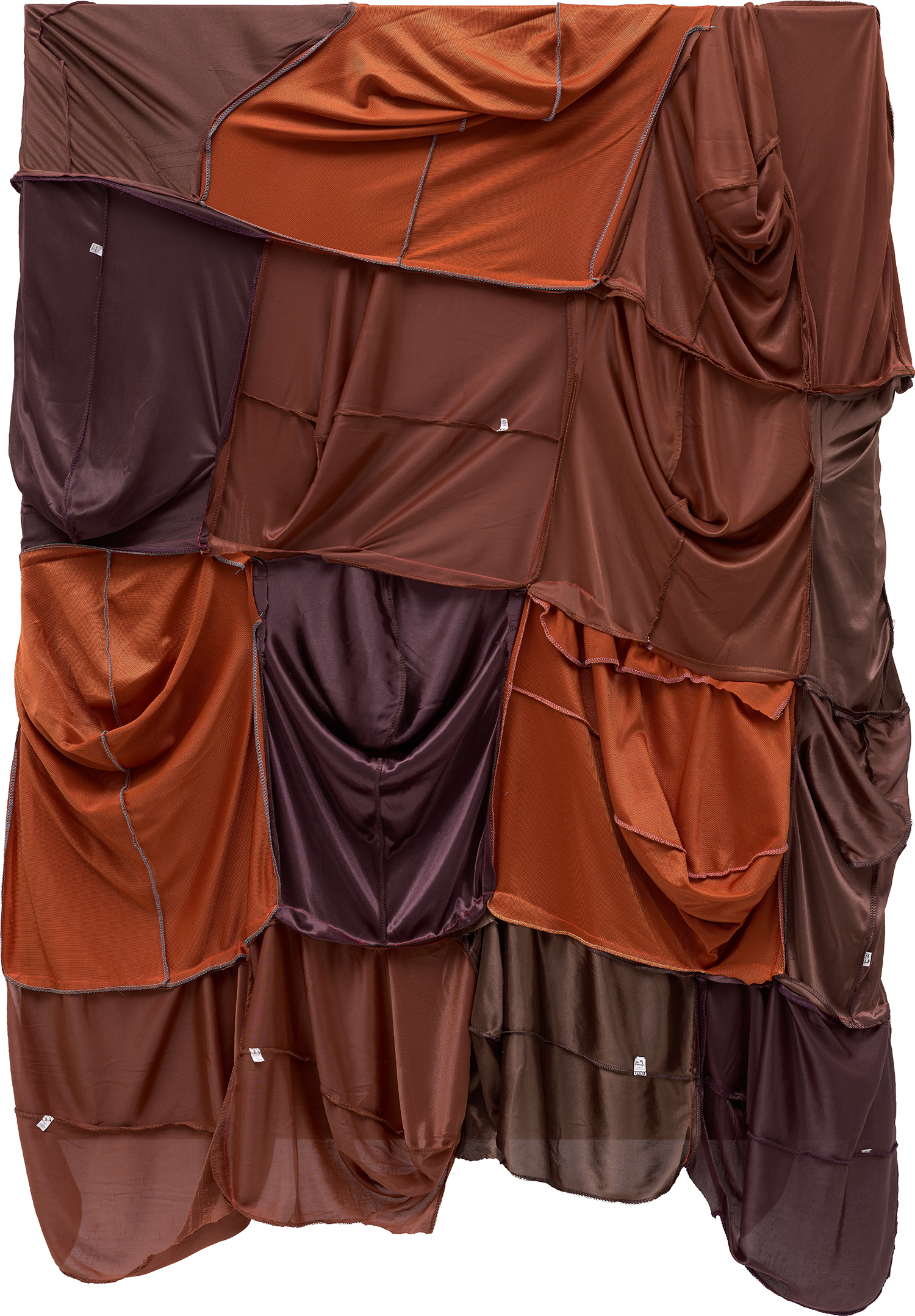
The humor is never trivial. It sharpens our awareness of how convention shapes what we choose to see as beautiful or significant. Anthony Olubunmi Akinbola brings a conceptual dimension to the single subject that speaks directly to questions of identity, visibility, and cultural inheritance. Working with durag fabric as both material and symbol, Akinbola creates works that address Black subjecthood and representation with an intelligence that is formally rigorous and politically alert.
Jason Boyd Kinsella
Lars, 2021
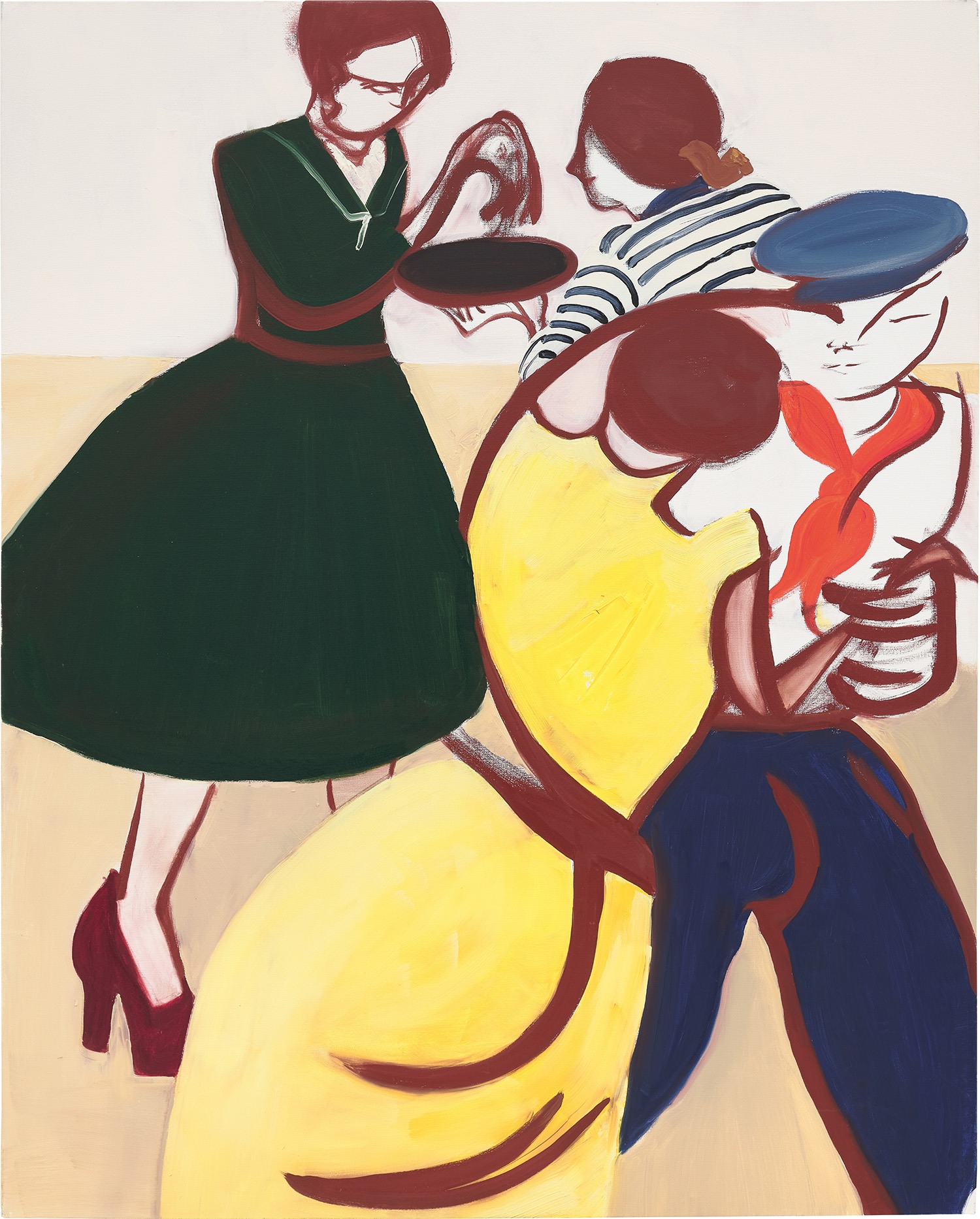
His practice sits within a broader conversation that includes artists like Kerry James Marshall and Kehinde Wiley, who have insisted on centering Black figures in a tradition that historically excluded or distorted them. Stuart Cumberland and Maria Farrar, both also present on The Collection, similarly bring their own distinct approaches to depicting the individual, each finding within this ancient format something personal and irreducibly current. Jason Boyd Kinsella has developed one of the more instantly recognizable visual languages in contemporary portraiture. His geometric, modular figures reduce the human face to interlocking forms that are somehow both impersonal and deeply expressive.
The work is technically striking but what lingers is the feeling it generates: a sense that identity is assembled from parts, that the self is constructed rather than given. In an era obsessed with self presentation and personal branding, that idea carries real weight. What unites work as formally different as a seventeenth century Dutch master portrait, a Condo grotesque, and a Kerstens photograph is the shared conviction that a single human being is worth this much sustained attention. The single subject format refuses the noise of group scenes, historical allegories, and landscape panoramas.
It insists on the particular. And in doing so it makes an argument that art has always quietly been making: that the individual, seen clearly and with care, is endlessly complex. No algorithm, no data set, no trend report will ever make that argument obsolete. The face looking back at you from the canvas or the print carries more information than we can fully process, and the best artists have always known it.