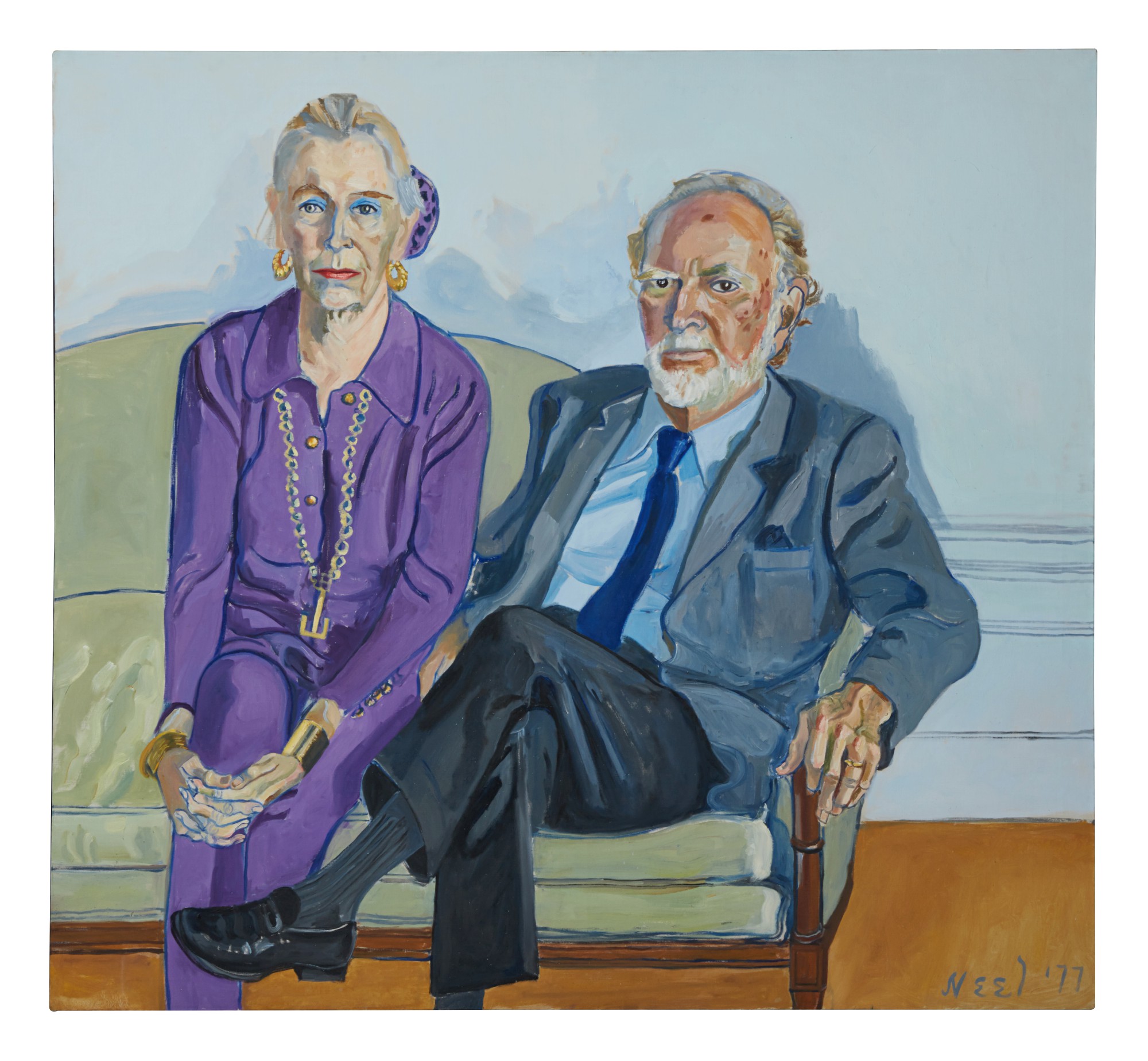
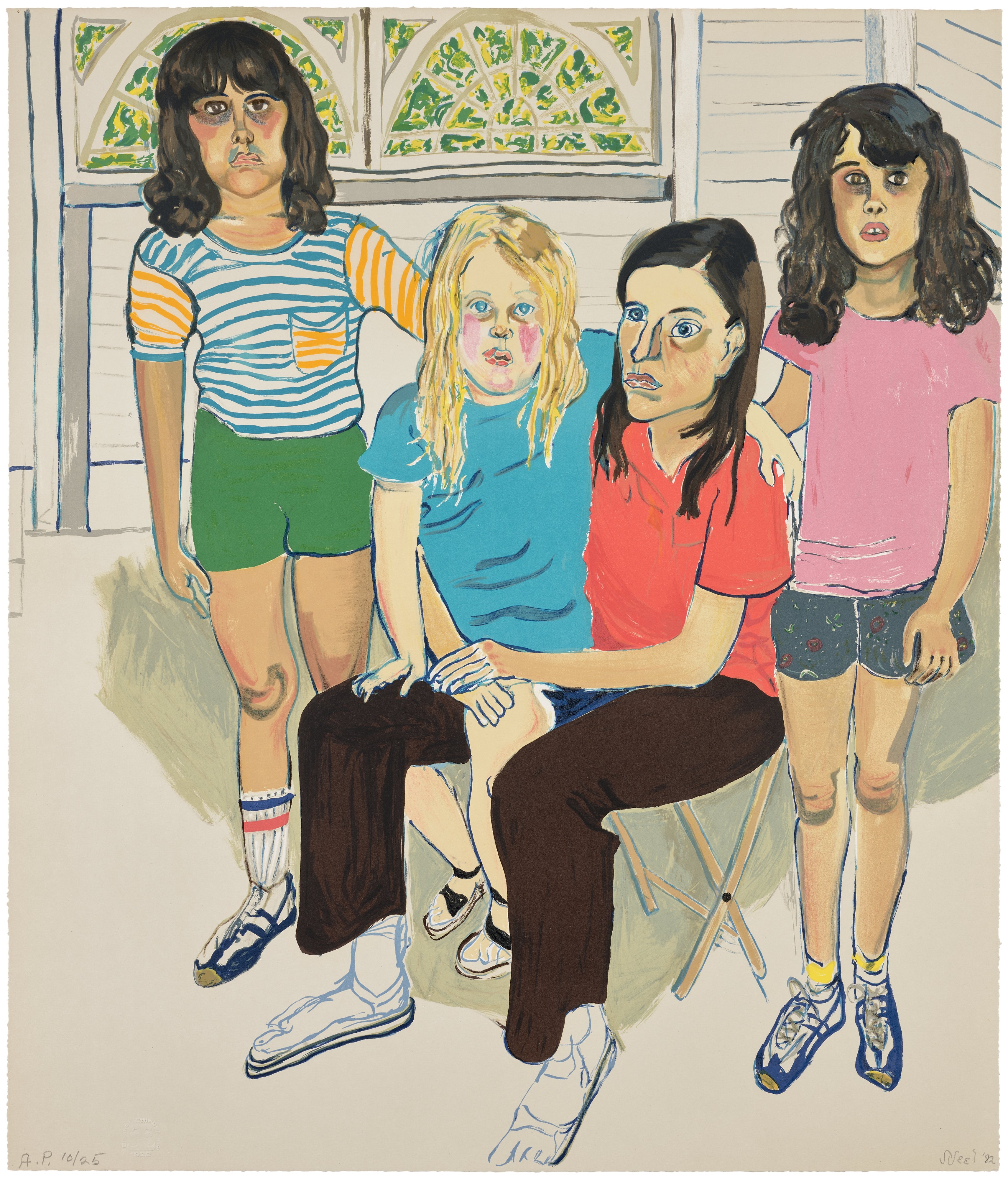
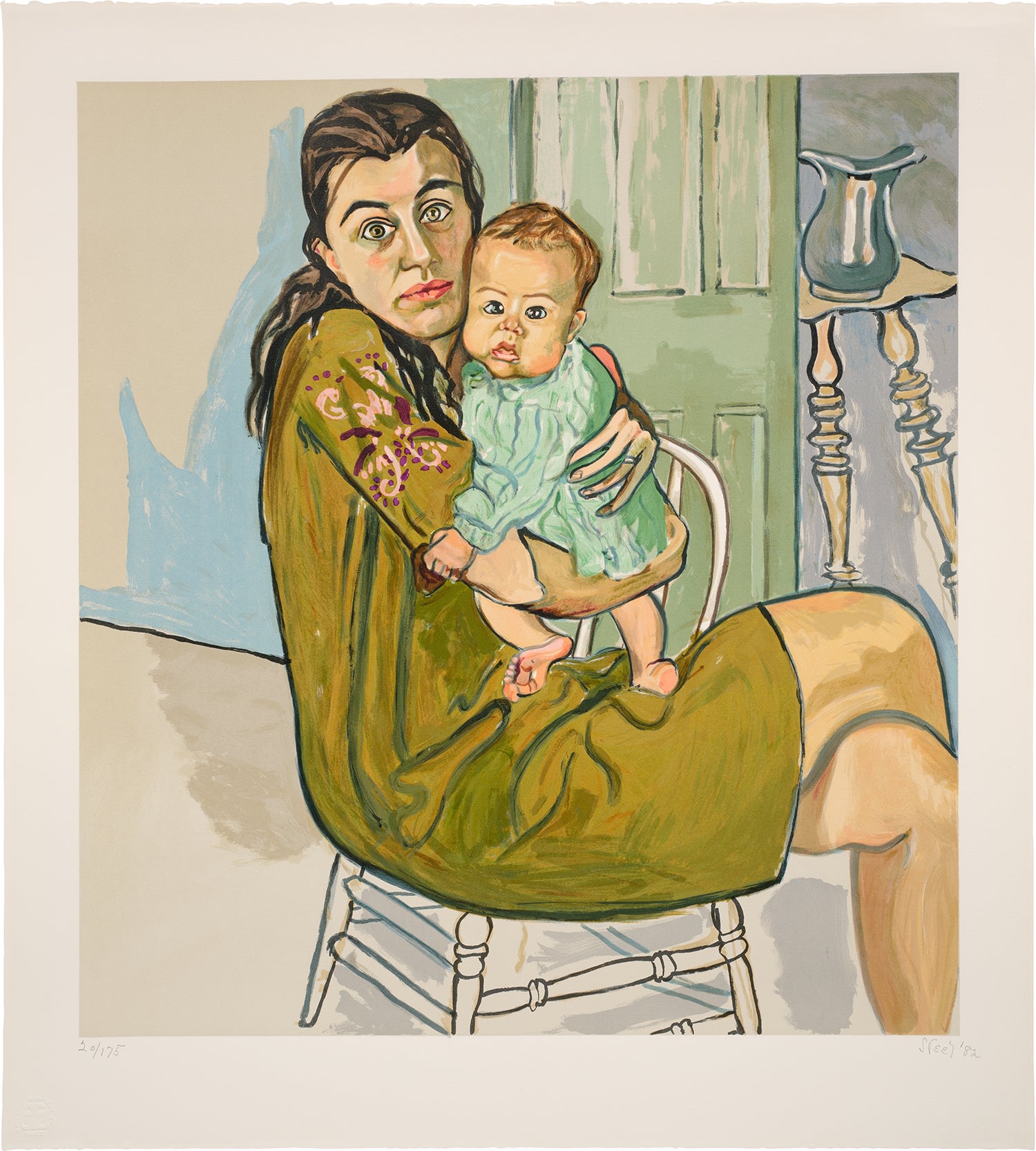
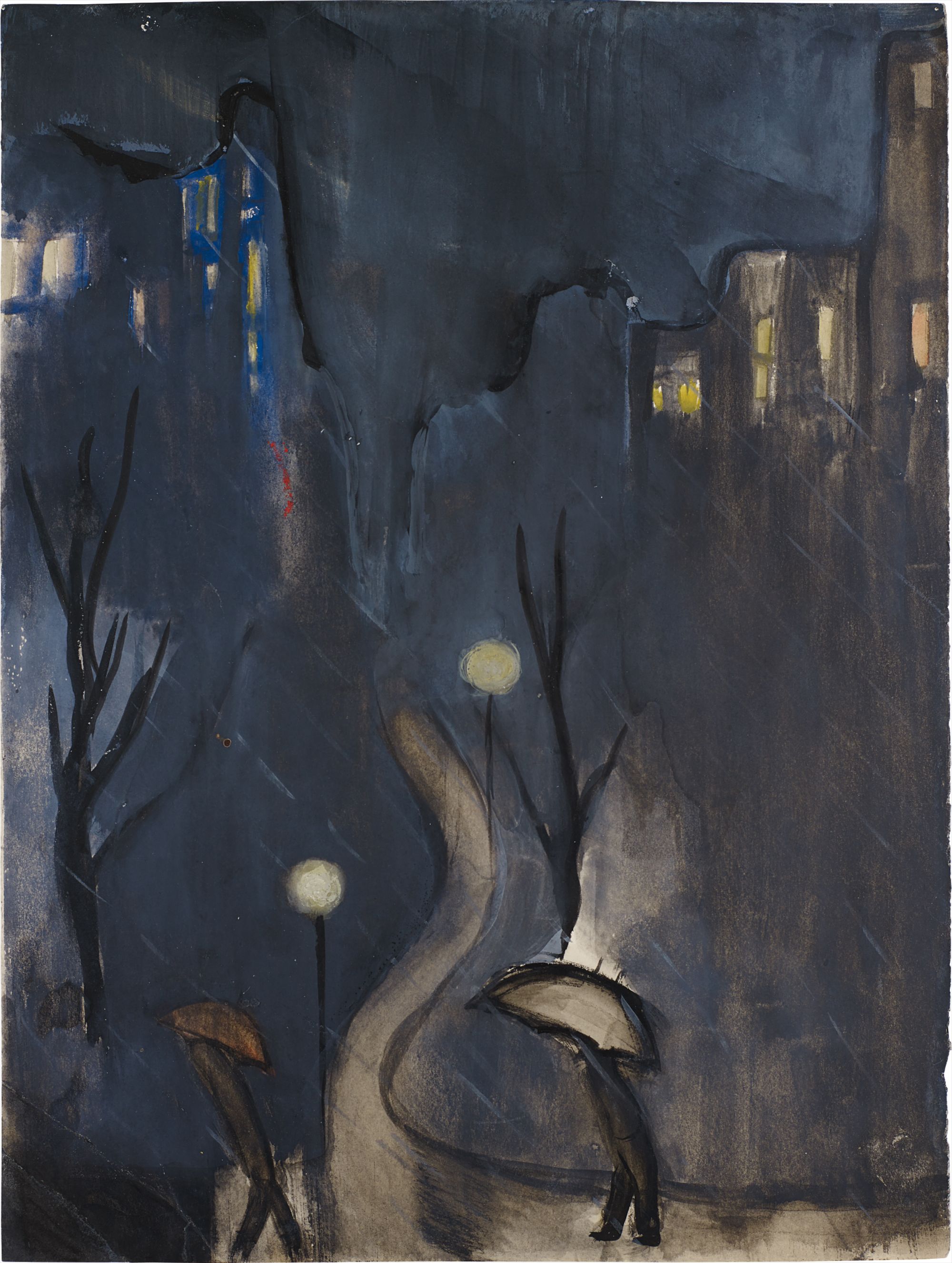
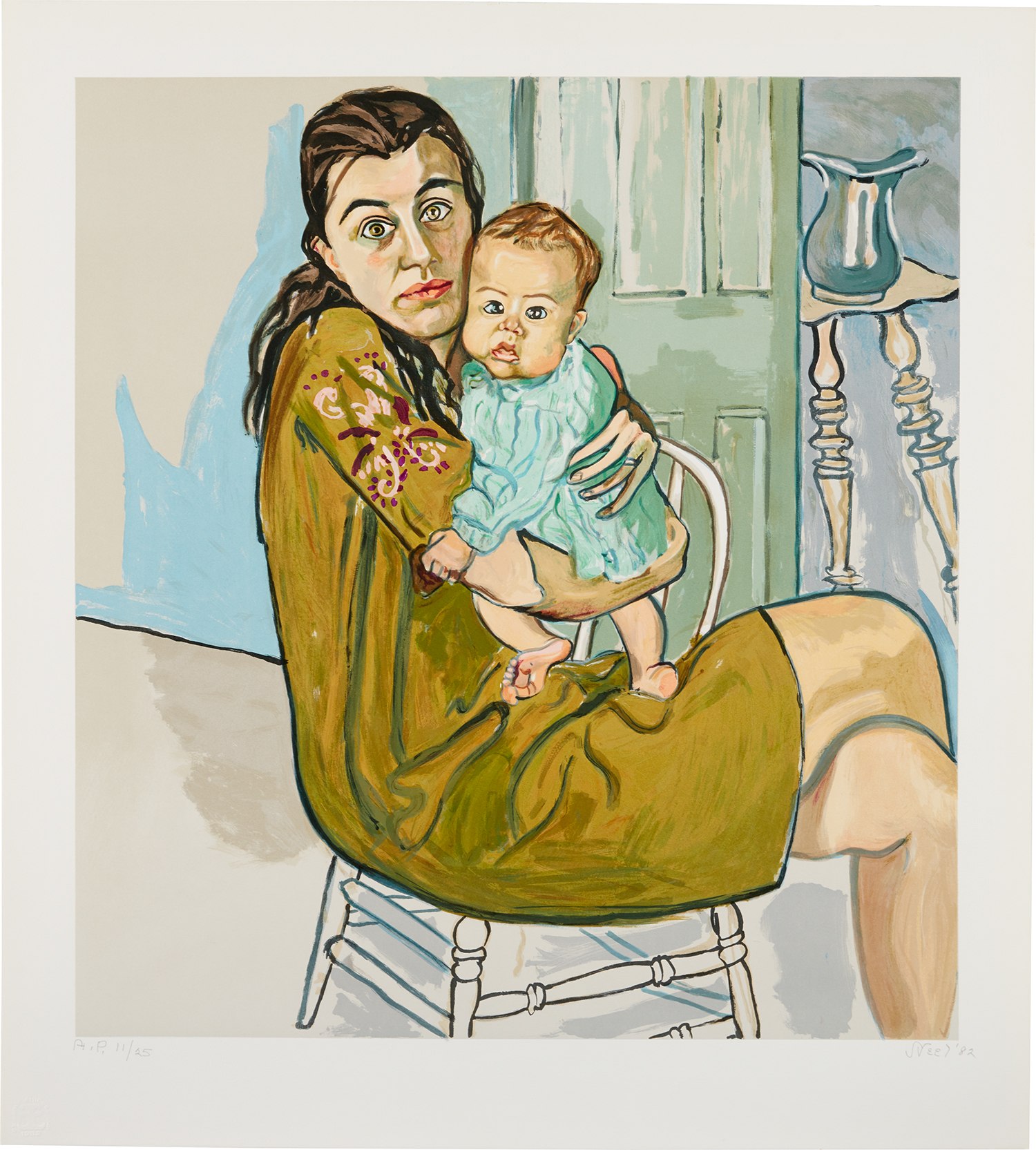
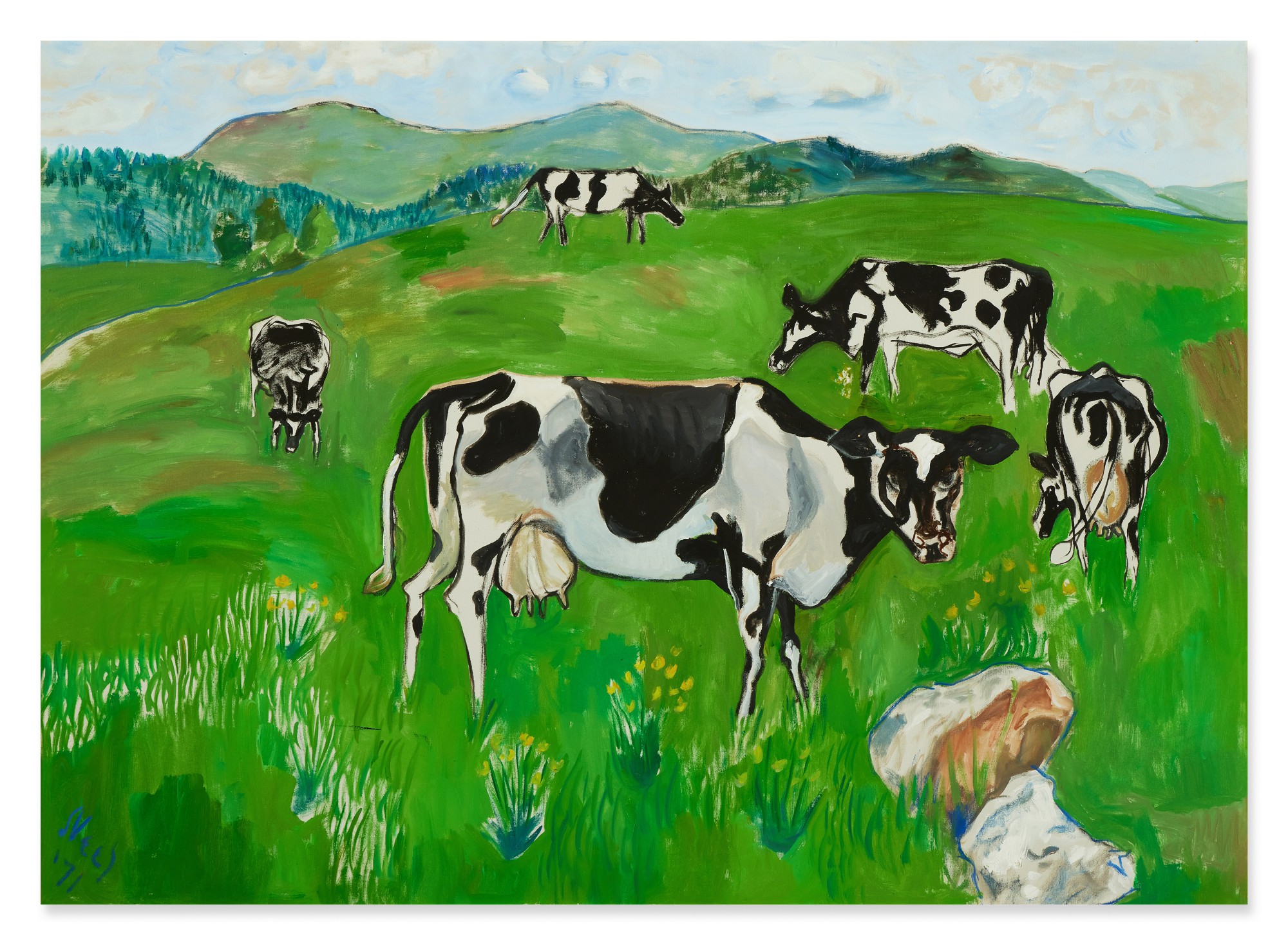
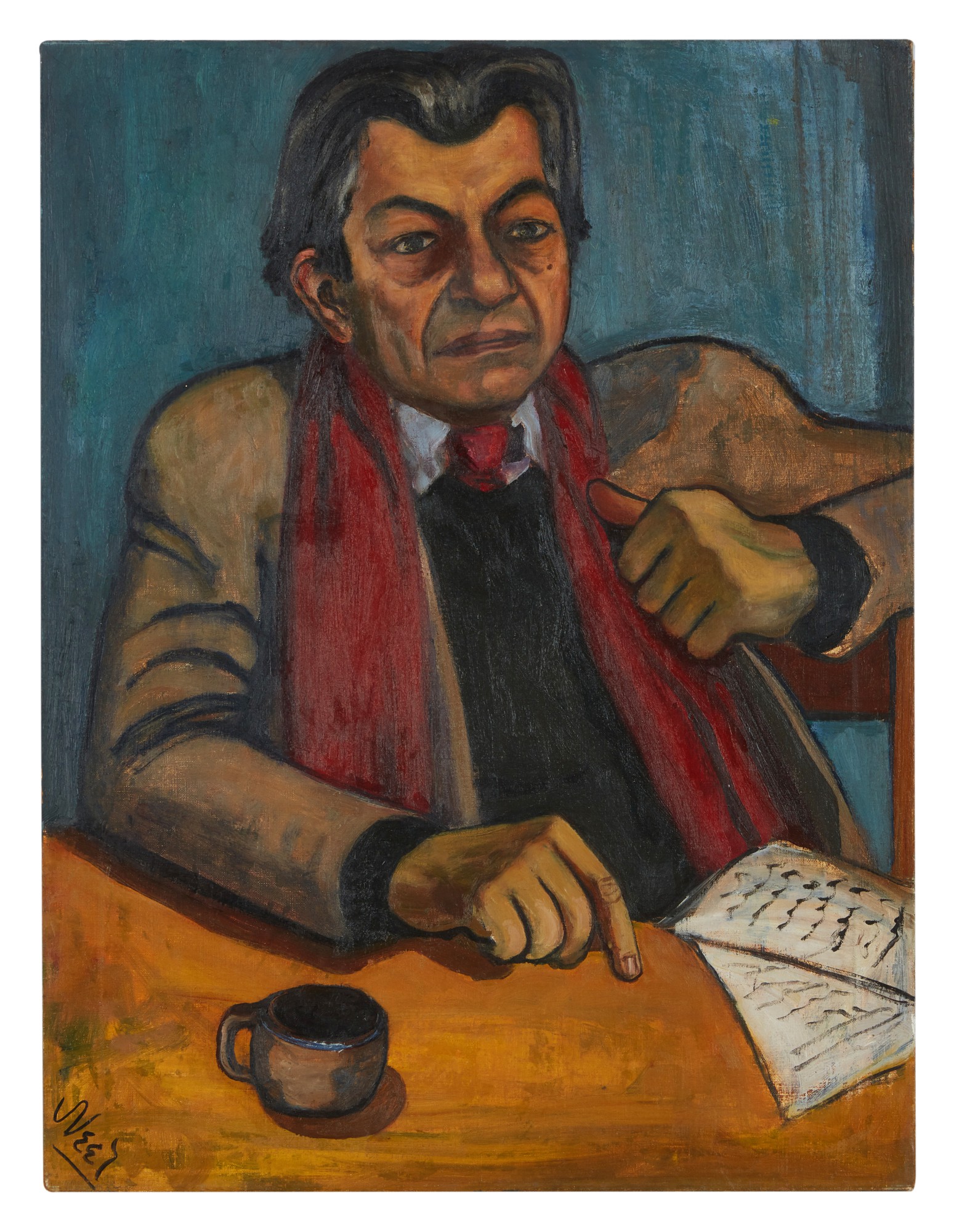
In 2021, the Metropolitan Museum of Art mounted a landmark retrospective of Alice Neel's work, bringing together over one hundred paintings that spanned six decades of her career. Titled "Alice Neel: People Come First," the exhibition arrived at a moment when the world was reckoning with questions of visibility, dignity, and whose stories get told. The timing felt less like coincidence and more like inevitability. Neel, who spent much of her life painting the overlooked and the beloved in equal measure, had always been ahead of the conversation. The Met retrospective confirmed what a growing generation of collectors, curators, and artists had come to understand: she is one of the most important American painters of the twentieth century. Alice Neel was born in 1900 in Merion Square, Pennsylvania, a small town outside Philadelphia, into a middle class family that offered little obvious encouragement toward the arts. She enrolled at the Philadelphia School of Design for Women in 1921, where she encountered a rigorous classical training that she would spend the rest of her life simultaneously honoring and dismantling. Her early years were marked by profound personal upheaval, including the loss of her infant daughter Santillana and a painful separation from her first partner, the Cuban painter Carlos Enriquez. These early griefs did not break her. They deepened her. By the time she arrived in New York City in the early 1930s, she carried within her an uncommon capacity for emotional witnessing. New York became Neel's true subject and her true home. She lived and worked first in Greenwich Village, then Spanish Harlem, and eventually on the Upper West Side, and in each neighborhood she embedded herself among the people around her. She painted her neighbors, her lovers, her landlords, her doctors, her fellow artists, and her children. She was briefly involved with the Works Progress Administration Federal Art Project during the Depression era, which connected her to the radical political energies of the time and to a circle of leftist intellectuals and activists who would become recurring presences in her work. Her portrait of the communist writer Mike Gold, completed in 1952, is a testament to her willingness to stand by her subjects regardless of the political climate surrounding them, including the years of McCarthyite pressure that made such associations genuinely costly. What makes a Neel portrait unmistakable is its quality of mutual consent. Her sitters do not feel captured or analyzed. They feel accompanied. She worked in oil on canvas with a directness that owed something to Expressionism and something to the Northern European portrait tradition, but ultimately belonged entirely to itself. Her line was loose and searching, her color both intuitive and precise. She had a gift for the telling detail: the slight slump of tired shoulders, the way hands betray anxiety or ease, the particular light in someone's eyes when they have decided to trust the person looking at them. Works like "Lida Moser" from 1962 demonstrate her ability to render psychological complexity without resorting to artifice. "Mady" from 1942 shows how early she had arrived at full command of her voice. These are paintings that hold their subjects with a warmth that never tips into sentimentality. Neel also worked in watercolor and lithography, and these works on paper reveal a different register of her sensibility. Her watercolor "Night" carries an intimacy and spontaneity that feels like a private note passed between friends. Her lithographs, including the beautiful "Nancy and Olivia" and "Mother and Child (Nancy and Olivia)" printed on Arches paper, and the richly colored "The Family," show her instinct for composition translating fluidly across media. These works are a reminder that Neel was not only a painter of grand psychological ambition but also an artist at ease with quieter, more tender modes of looking. Her occasional landscapes, among them "Cows, Vermont" from 1971, offer a further surprise: she brought the same attentive humanity to the natural world that she brought to the people around her. From a collecting perspective, Neel occupies a position of genuine rarity. For much of her career she was undervalued, a fact that has only made her rediscovery more electric. Her major paintings have appeared at Christie's and Sotheby's with increasing frequency and increasingly significant results, reflecting a market that has at last caught up with her critical reputation. Works on paper and lithographs, including her prints of family subjects, offer collectors a meaningful and often more accessible point of entry into her practice. What draws serious collectors to Neel is not speculation but conviction: the work is simply outstanding, and it only grows more resonant with time. Collectors of Philip Guston, Fairfield Porter, and Lucian Freud will find in Neel a natural companion, an artist who shared their commitment to the human figure as a site of infinite emotional and formal possibility. Within art history, Neel stands at a productive crossroads. She was a contemporary of the Abstract Expressionists but refused the pressure to abandon figuration at a moment when doing so might have brought her greater institutional favor. In this she anticipated the broader figurative revival that would reshape painting in the decades after her death, influencing painters from Eric Fischl to Nicole Eisenman to Jordan Casteel. Her insistence on painting women's bodies honestly, including her unflinching nude portraits of pregnant women and elderly subjects, was decades ahead of its cultural moment. Artists like Cecily Brown and Jenny Saville have acknowledged the debt the current generation of figurative painters owes to her courage. Alice Neel died in 1984, but she feels less like a historical figure than a living presence in contemporary art. Her face, familiar from her extraordinary self portrait painted at the age of eighty, has become something of an icon: the unblinking gaze of someone who saw clearly and loved what she saw. She painted people as they were, in their full complexity, and in doing so she made an argument about the value of every life that is as urgent now as it ever was. To collect Alice Neel is to invest in that argument, and to welcome into your home a quality of seeing that does not diminish with familiarity. It only deepens.