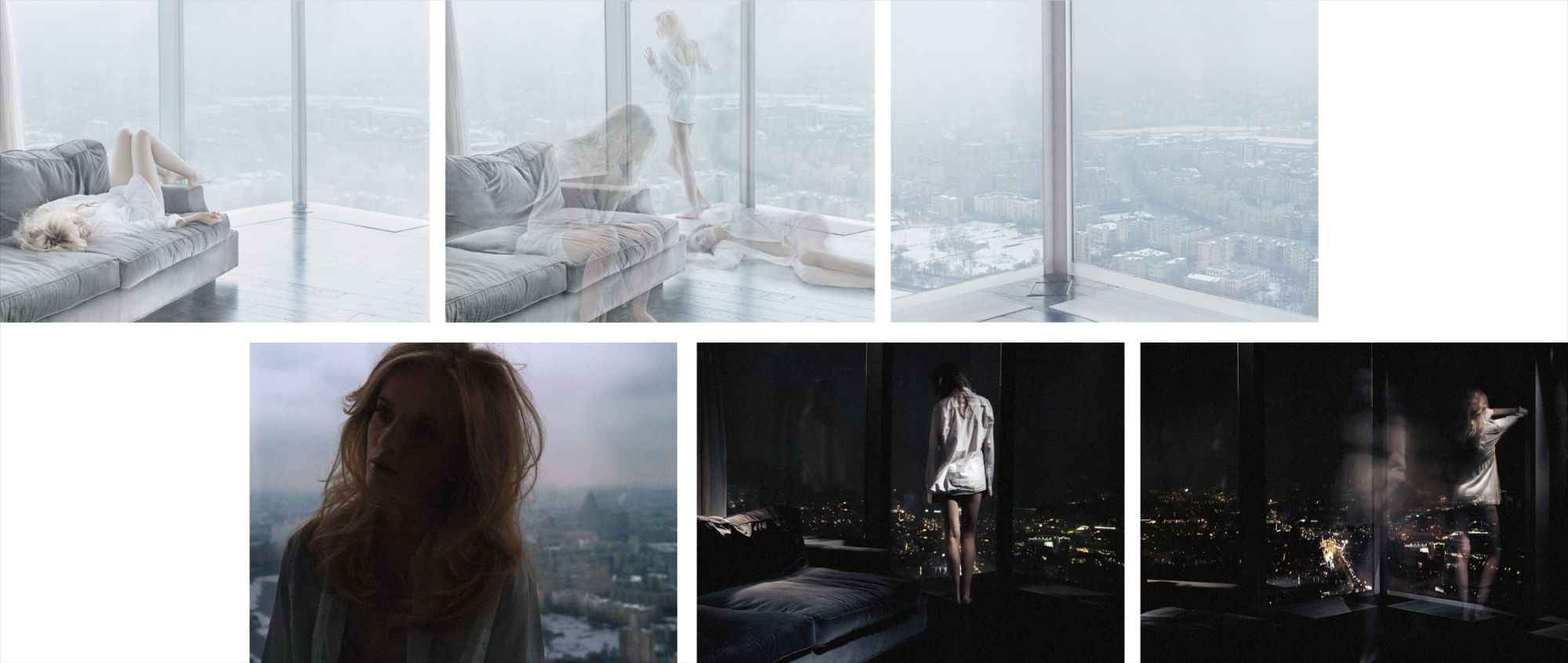
Sequential Art
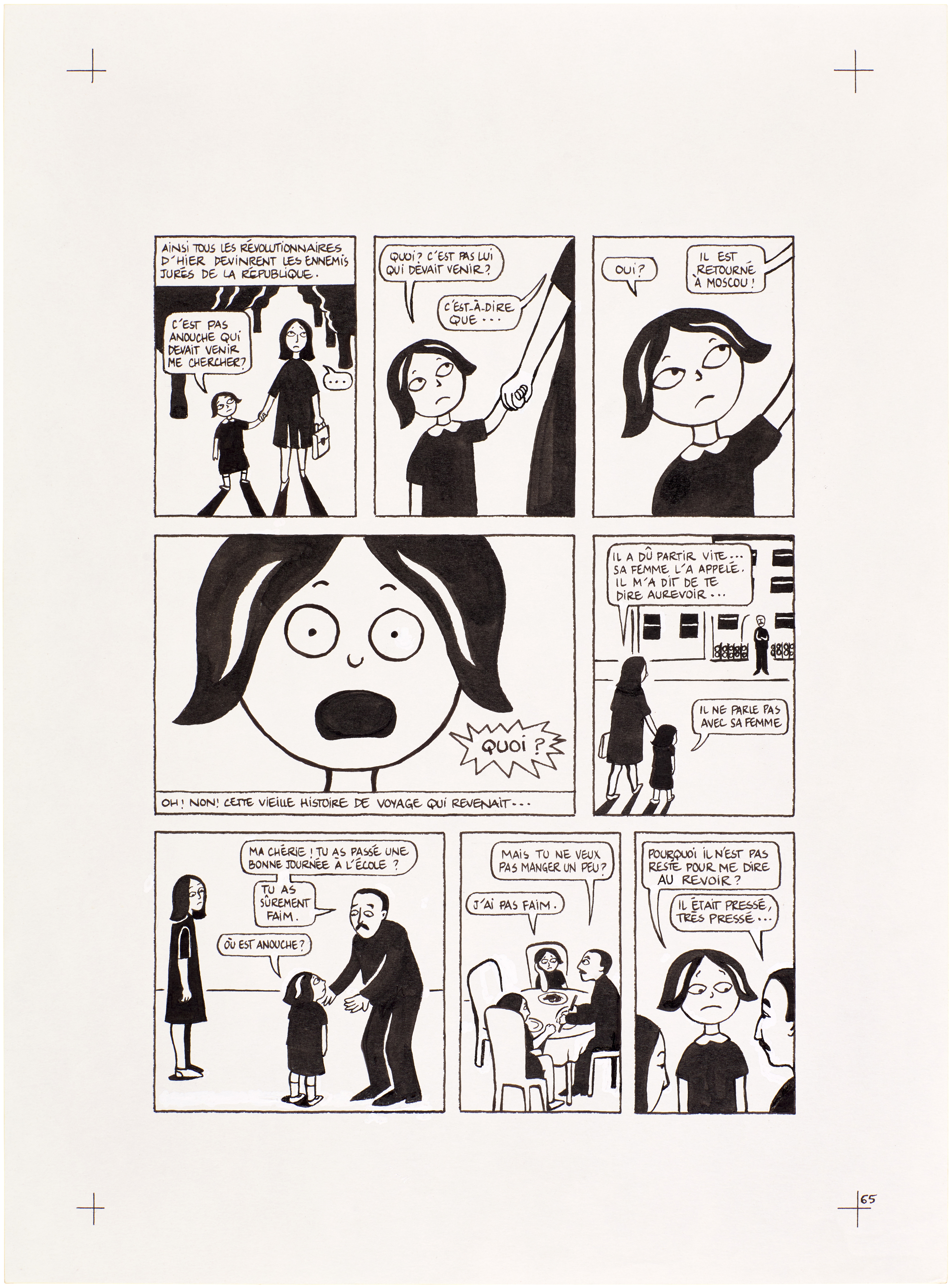
Marjane Satrapi
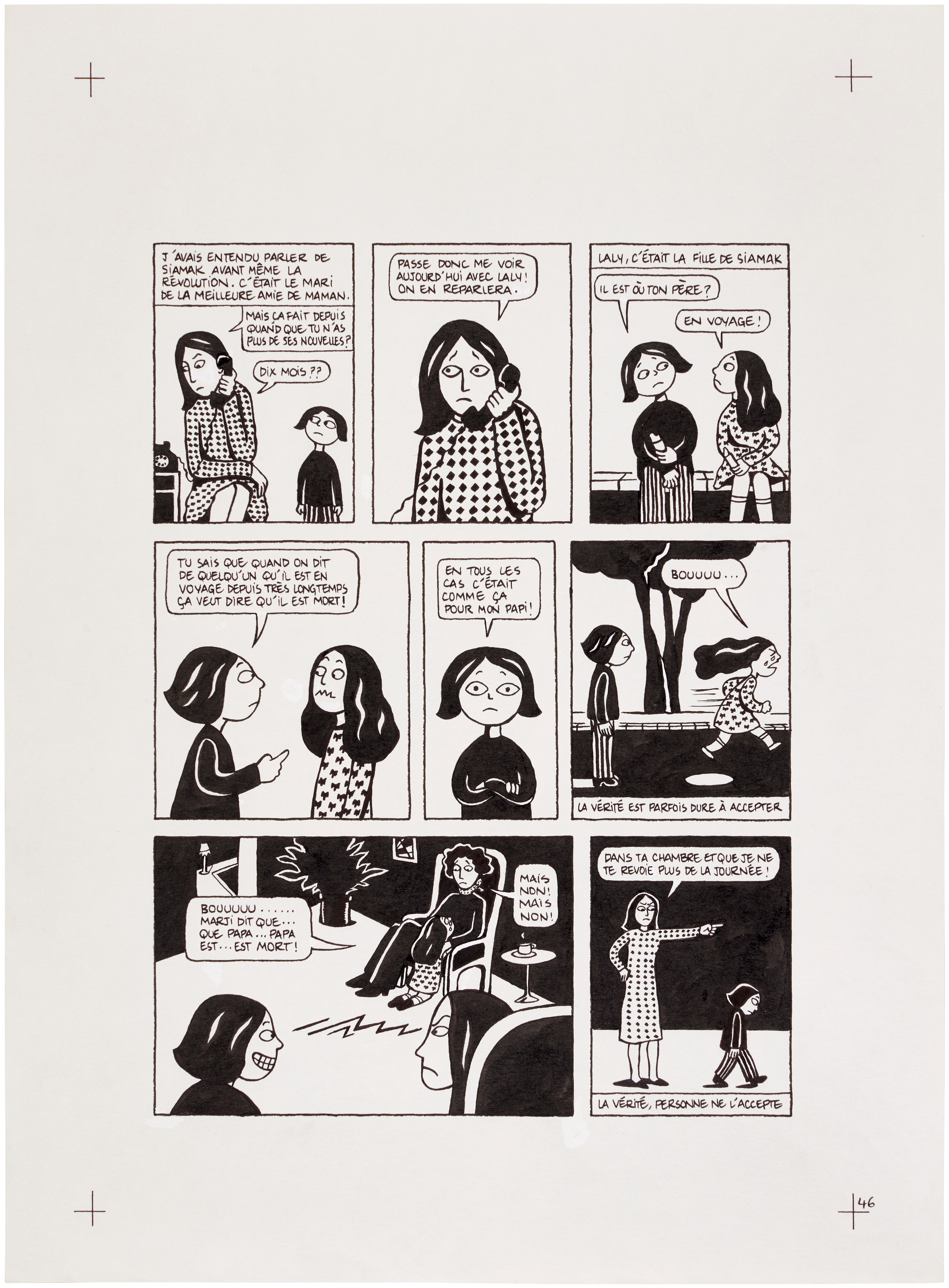
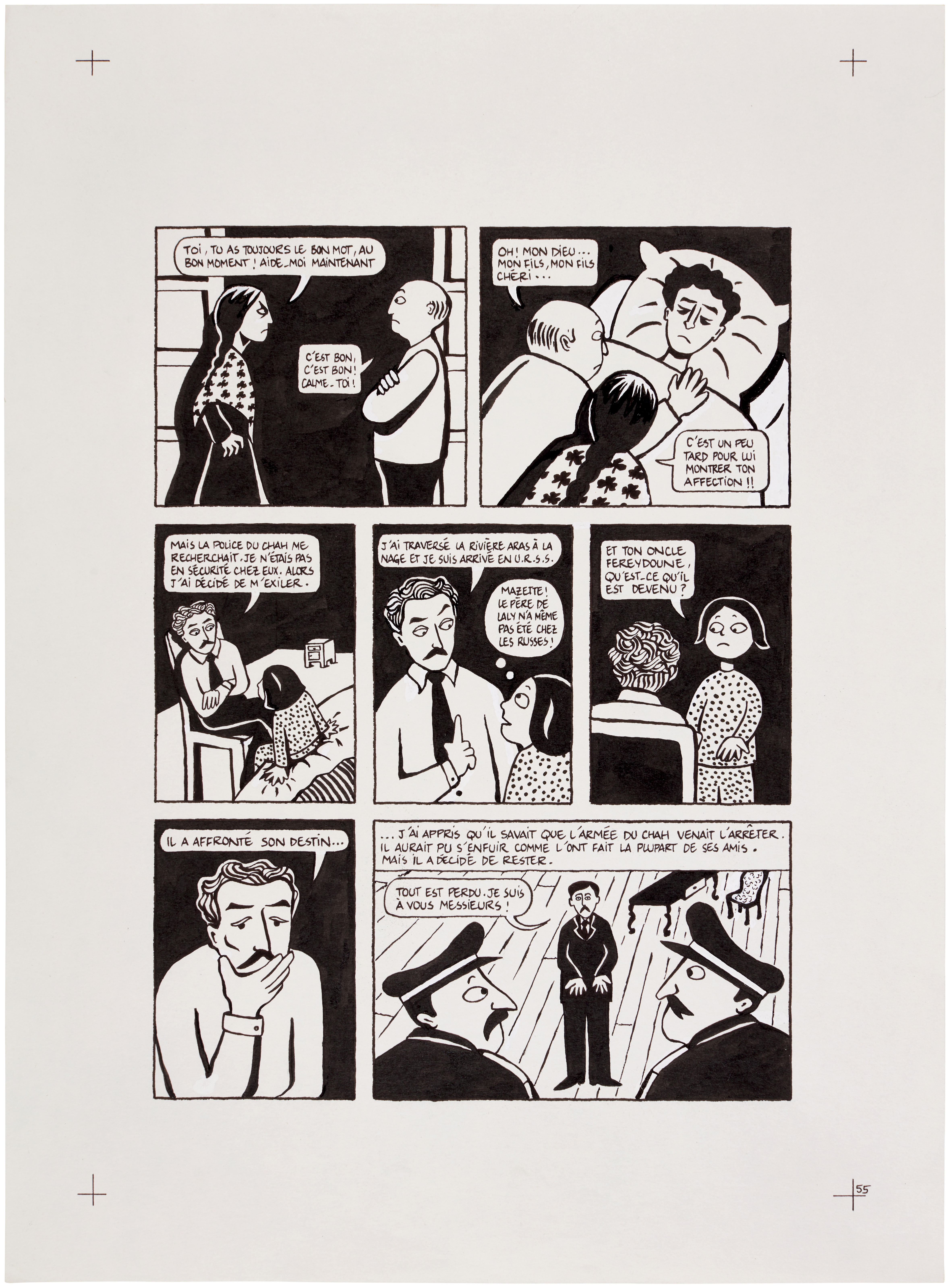
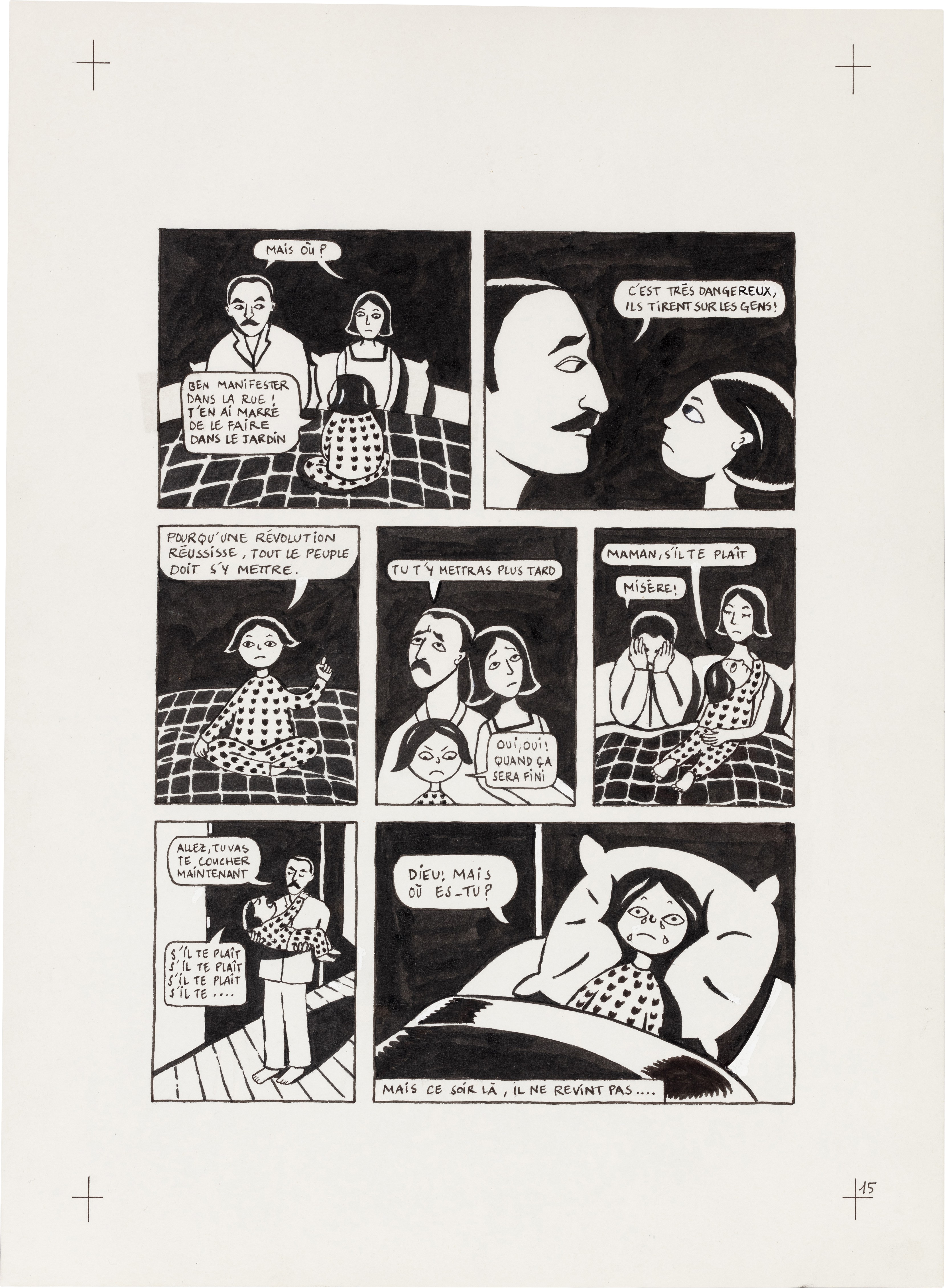
Persepolis (Original Book Art, page 65), 2000



The Frame Cannot Hold This Story
When the British Museum mounted its landmark exhibition 'The Citi Exhibition: Manga' in 2019, drawing over 100,000 visitors and prompting a full reappraisal of sequential art's place within institutional culture, it was not simply a pop culture moment. It was a signal. Curators who had spent decades quietly acquiring comics, graphic novels, and narrative print works suddenly found themselves in a conversation the broader art world could no longer sidestep. Sequential art, the practice of telling stories through ordered images, was no longer waiting at the door.
It had walked in and sat down at the table. The critical energy around this category has been building steadily since the early 2000s, but the market acceleration of the past several years feels qualitatively different. When original pages from Art Spiegelman's Maus began trading at auction for figures that rivaled mid career contemporary painting, something had shifted in the collective understanding of what these works are. They are not illustration.
Marjane Satrapi
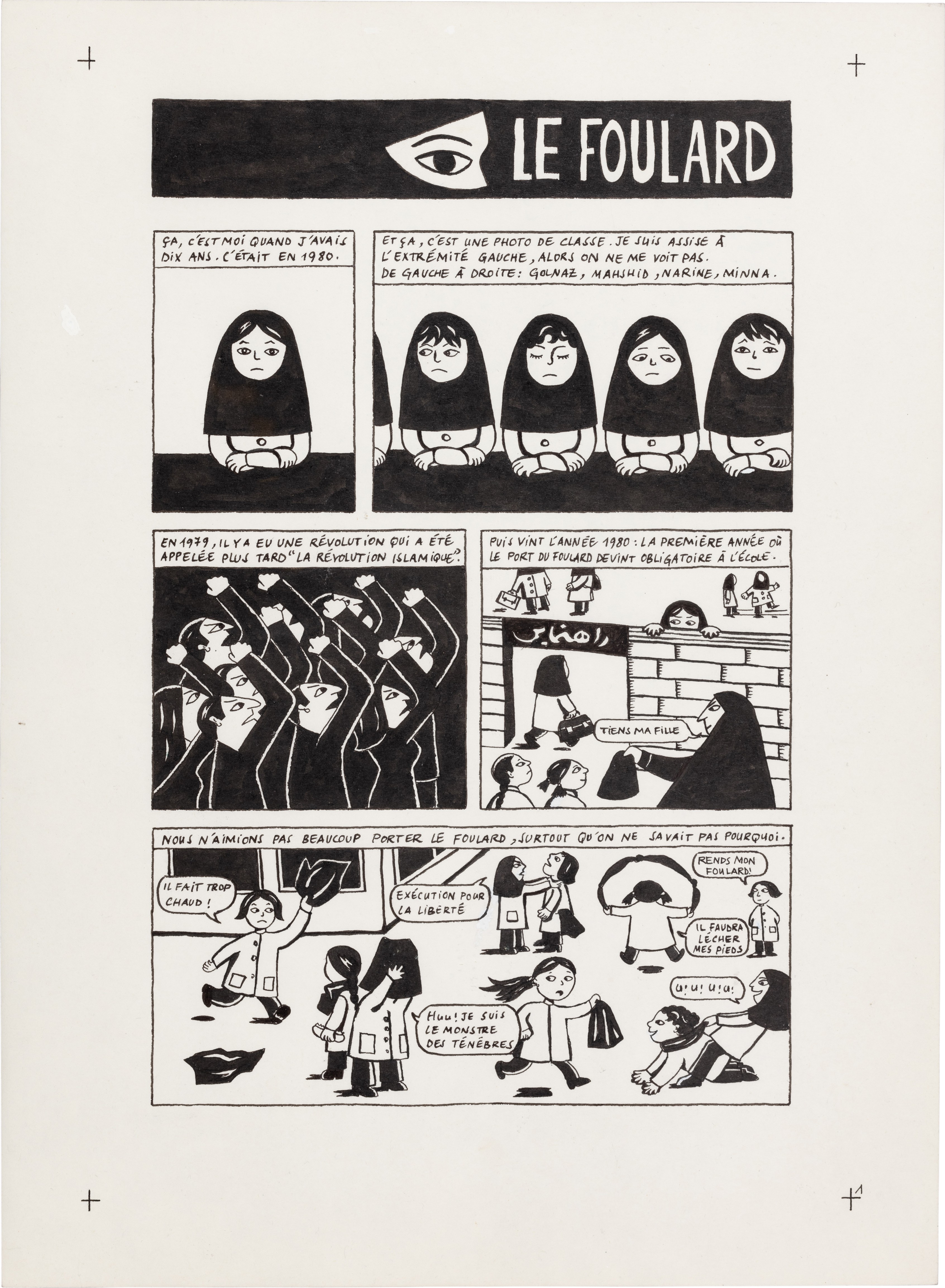
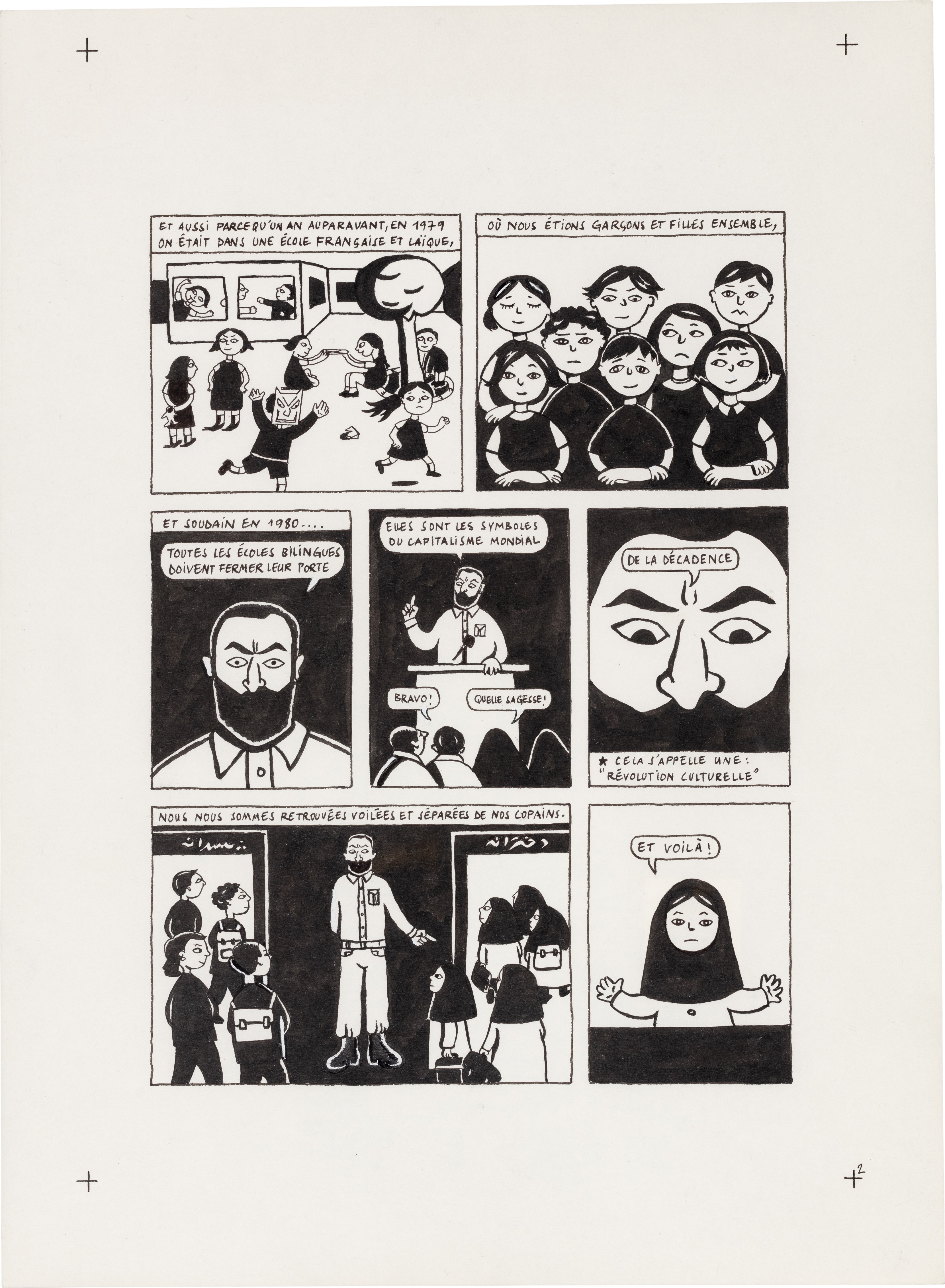
Persepolis (Original Book Art, page 2), 2000
They are not graphic design. They are a distinct visual language with its own grammar, its own history, and increasingly, its own serious collecting infrastructure. Marjane Satrapi is perhaps the most important single figure in understanding how the Western art market has come to terms with sequential art as a fine art practice. Her graphic memoir Persepolis, published in France in 2000 and translated into English in 2003, did something quietly revolutionary.
It made the case, through the accumulating weight of its own imagery, that the drawn panel could hold genuine memoir, genuine politics, and genuine grief. Satrapi's stark black and white compositions, rooted in Persian miniature painting as much as in Franco Belgian bande dessinée, gave collectors a visual vocabulary they recognized as serious. Her works on The Collection reflect both the range and the depth of her practice, and they continue to attract sustained attention from collectors who came to her through literature and found themselves staying for the art. The auction market has tracked this seriousness with increasing confidence.
Roy Lichtenstein
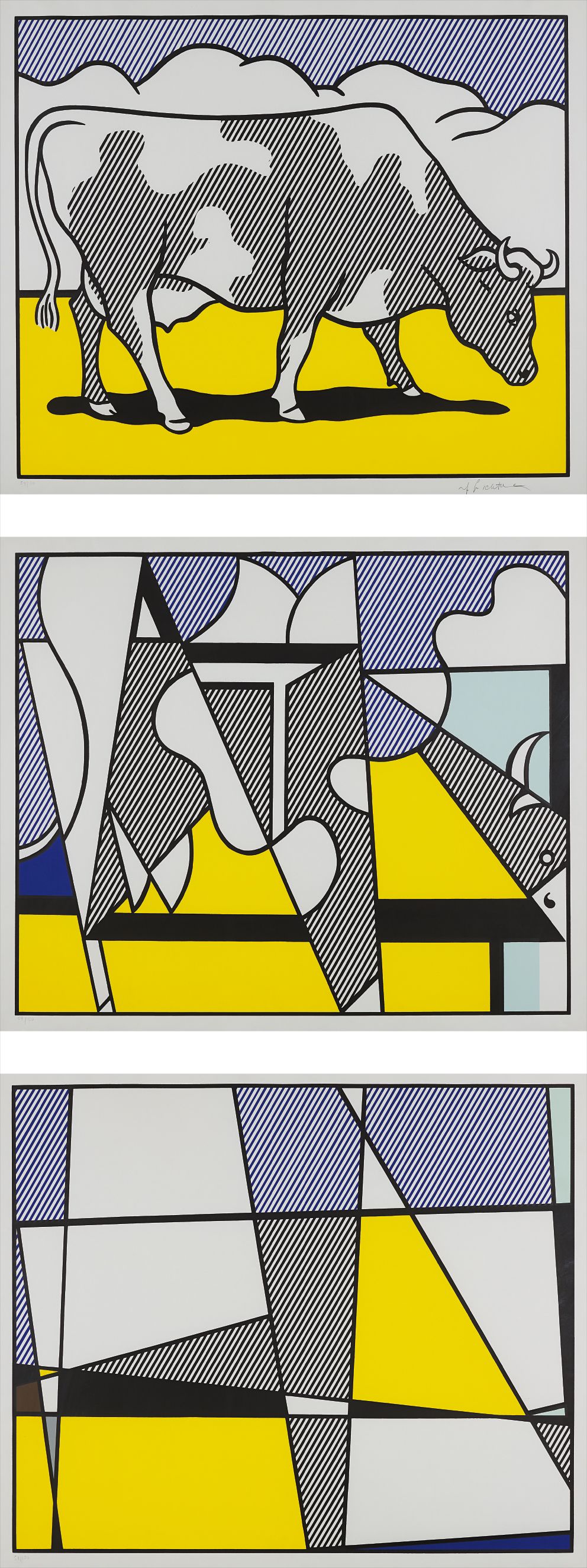
Cow Going Abstract
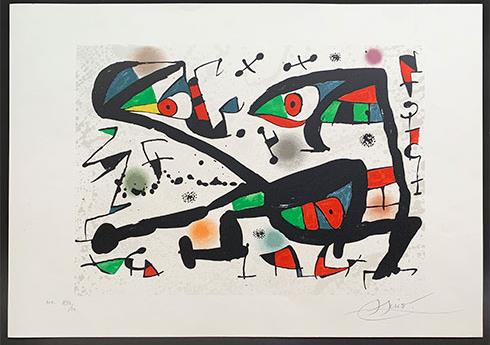
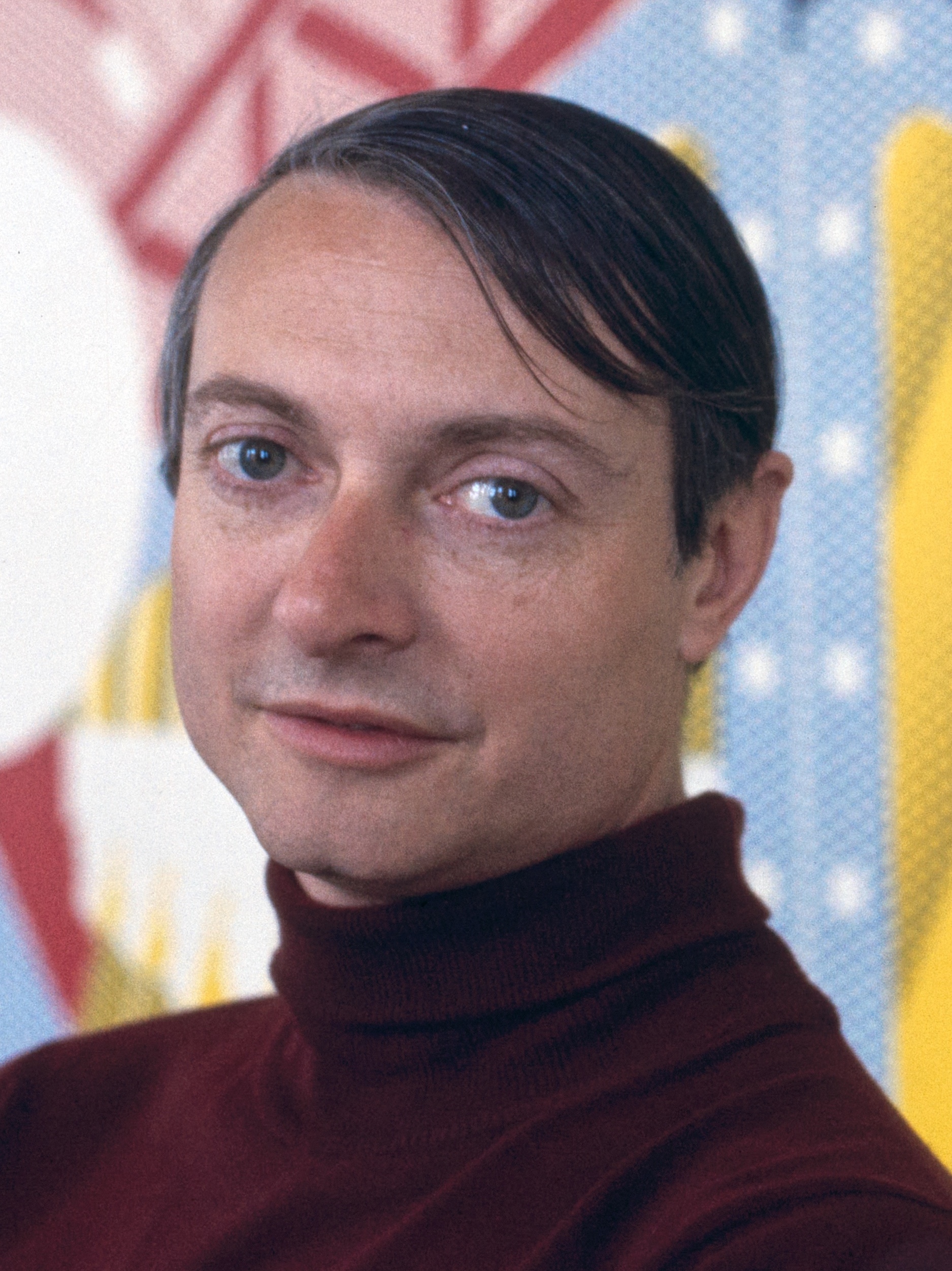
Heritage Auctions in Dallas, long the dominant venue for comics and original sequential art, has seen consistent year over year growth in its dedicated comics categories. More telling is the migration of certain works into the major contemporary sales at Christie's and Sotheby's. Roy Lichtenstein's relationship to comics is foundational to any conversation in this space. His appropriation of Ben Day dots and melodramatic panel compositions made sequential art's visual codes central to the Pop Art movement, and his market remains one of the most robust in postwar contemporary art.
The presence of a Lichtenstein on The Collection is a reminder of how deeply that dialogue between high art and sequential narrative runs through twentieth century art history. Institutional collecting has accelerated dramatically. MoMA expanded its comics holdings significantly over the past decade, and the word from curators there is that the acquisition pace has not slowed. The Smithsonian American Art Museum has been particularly active, and the Bibliothèque nationale de France treats bande dessinée as the full cultural patrimony it is, with dedicated curatorial posts and rigorous acquisition protocols.
Julian Opie
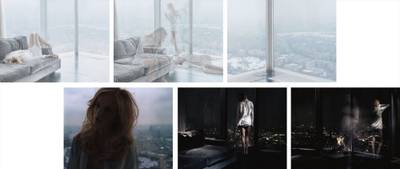
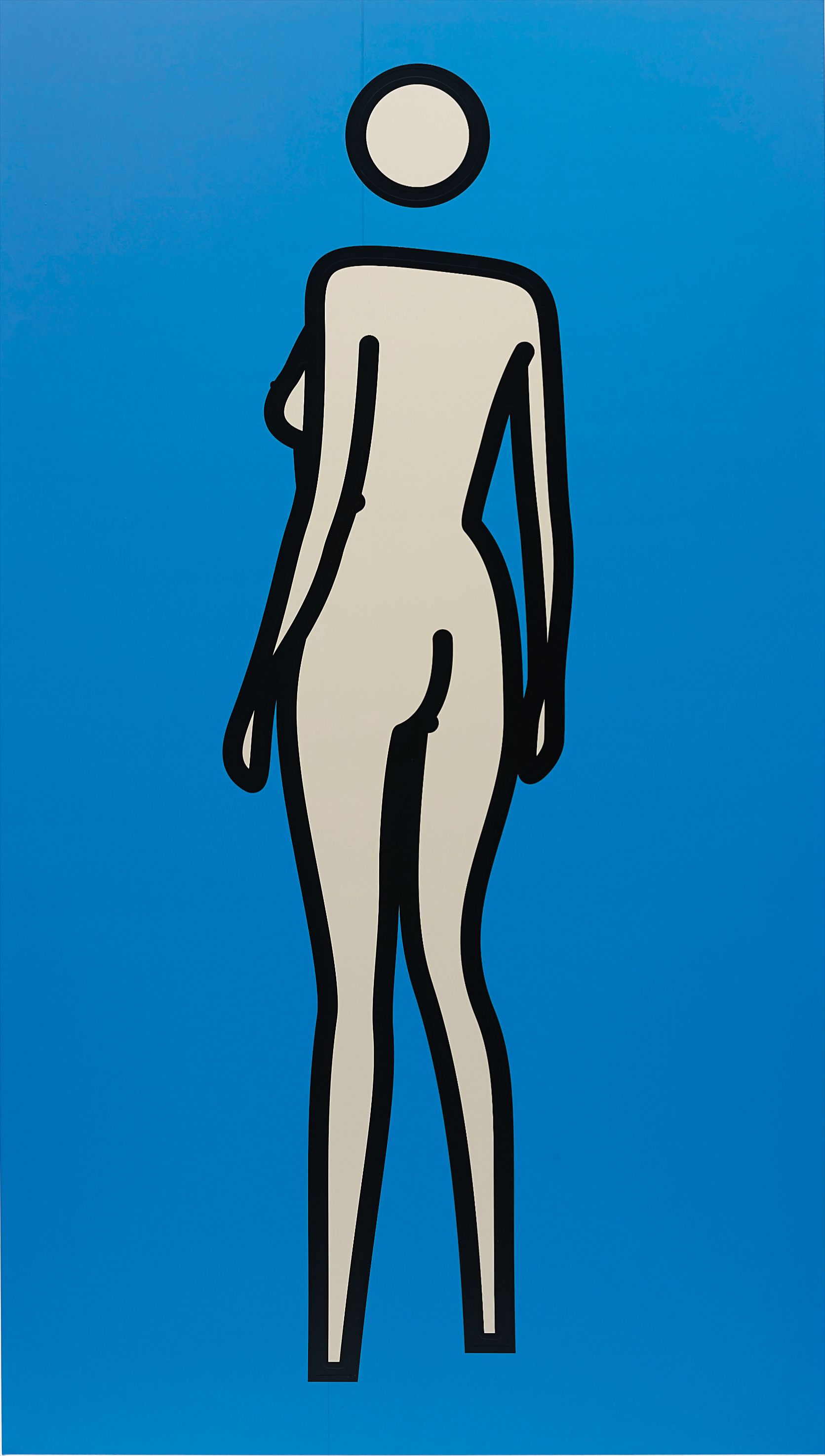
Sara gets undressed. 32
What these institutions are signaling is not novelty. It is permanence. When national libraries and encyclopedic museums begin building infrastructure around a category, they are betting on its long term critical relevance, not its trending status. The critical conversation has found its most nuanced voices in unexpected places.
The scholar Charles Hatfield, whose book Alternative Comics came out in 2005, gave academic discourse a serious framework for thinking about the formal properties of sequential art. Thierry Groensteen's The System of Comics remains essential reading for anyone who wants to understand the structural logic of how panels create meaning across a page. These writers have made it possible for curators to speak with precision about what they are actually looking at when they look at sequential art, rather than reaching awkwardly for analogies to film or literature. The artists who occupy the most interesting position in this conversation are those who move fluidly across the supposed boundary between sequential and fine art practice.

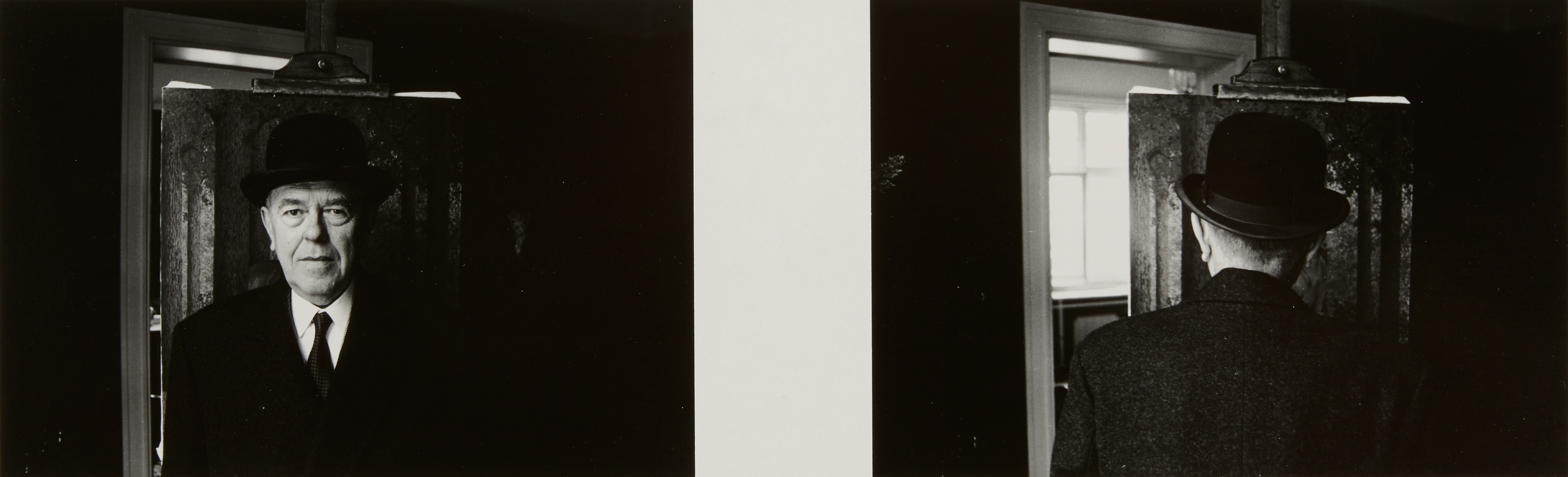
Duane Michals
Annie's Magic Hair
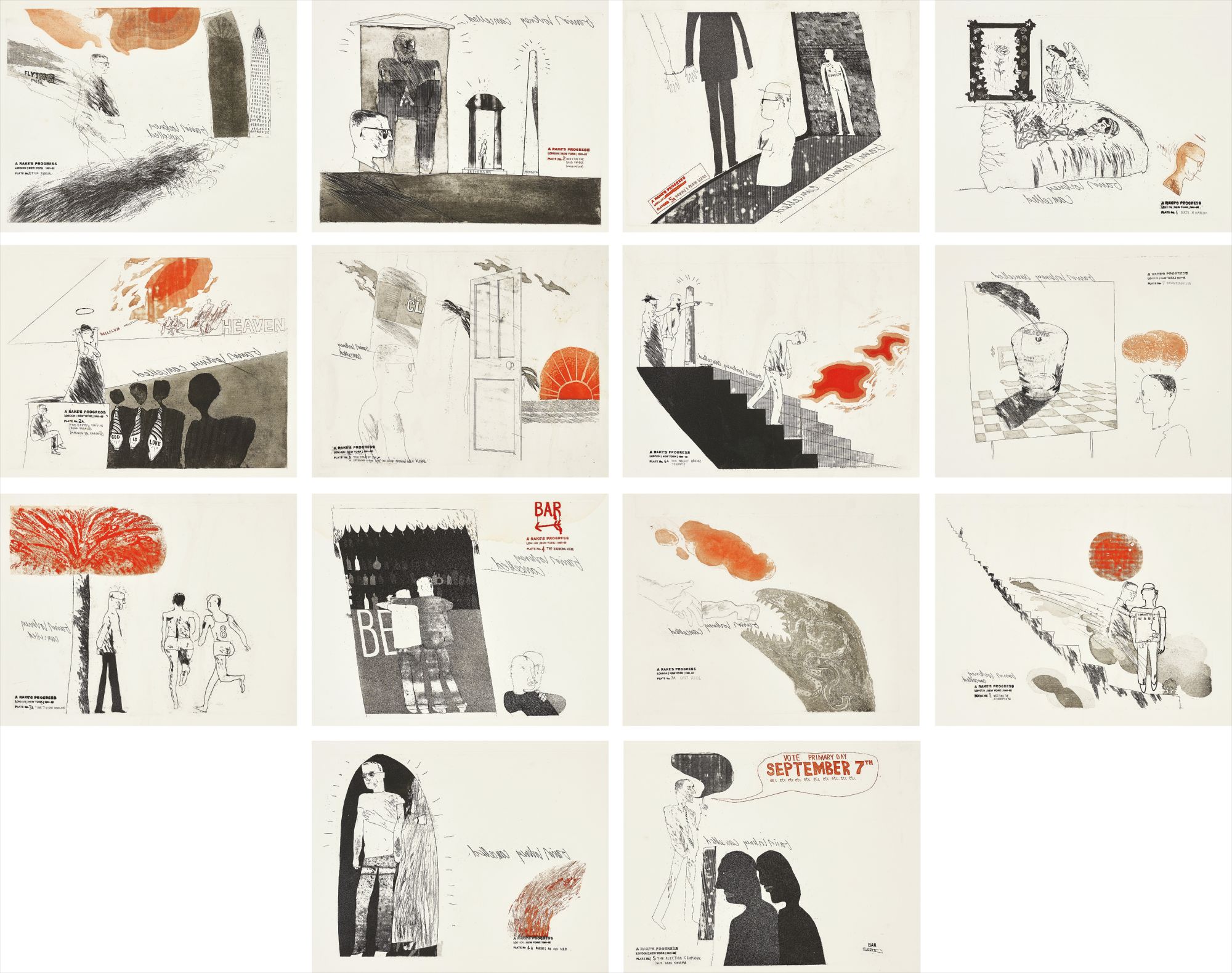
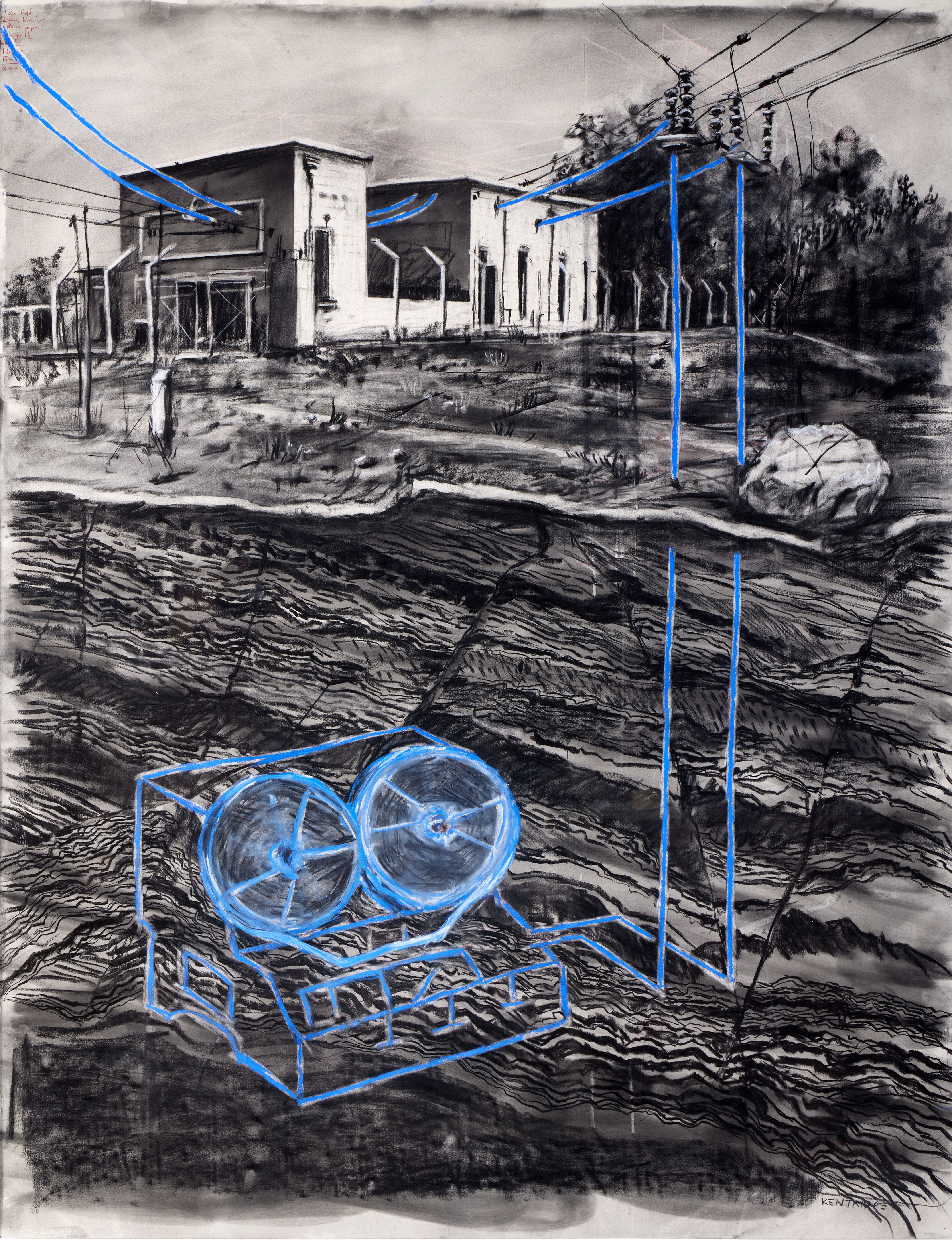
William Kentridge, whose work on The Collection represents his broader engagement with image, narrative, and time, has always worked with the logic of sequence even when he is making films or prints rather than comics pages. His practice is a reminder that sequential thinking is not a genre but a mode, one that runs through drawing, animation, theater, and printmaking alike. Similarly, Duane Michals, the American photographer whose text and image combinations challenged photography's supposed muteness, understood intuitively that meaning accumulates across a series of frames in a way that no single image can replicate. Julian Opie brings a different energy to this conversation.
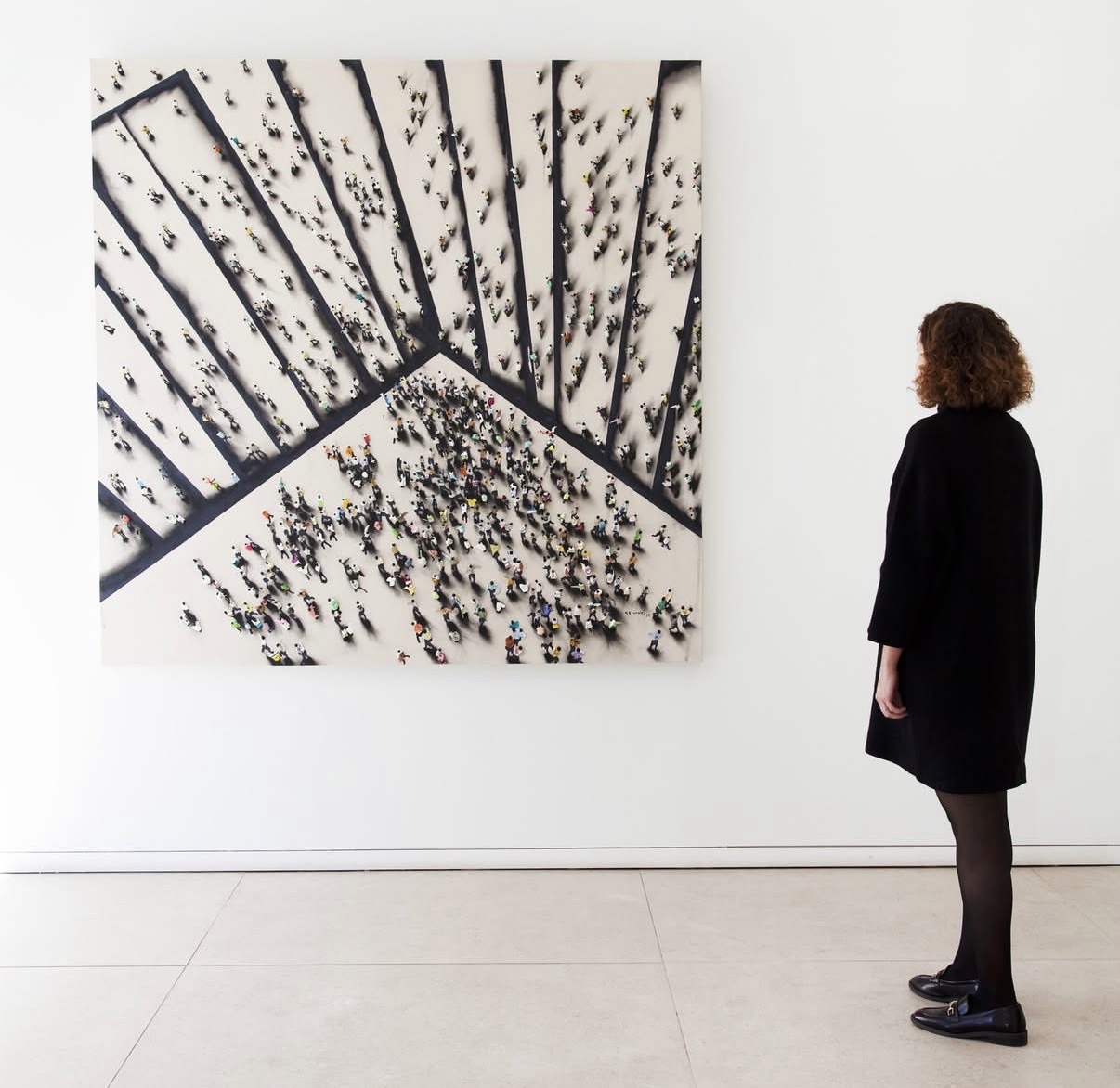
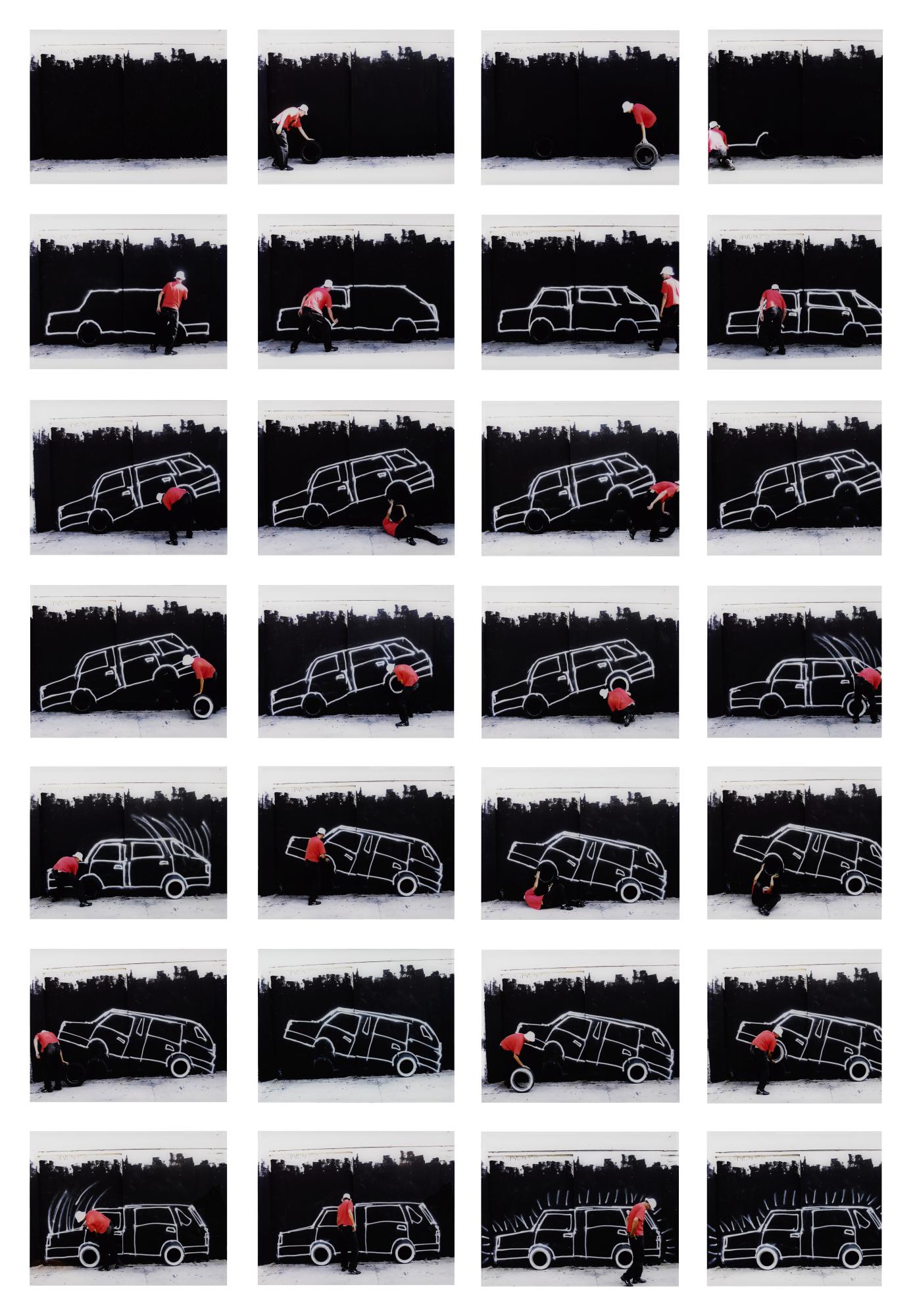
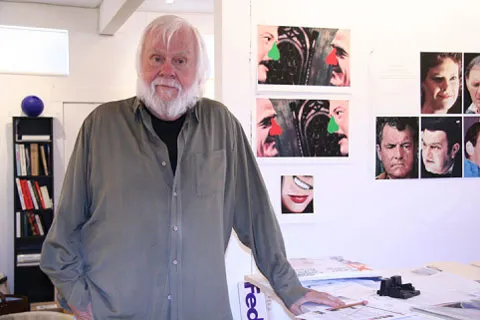
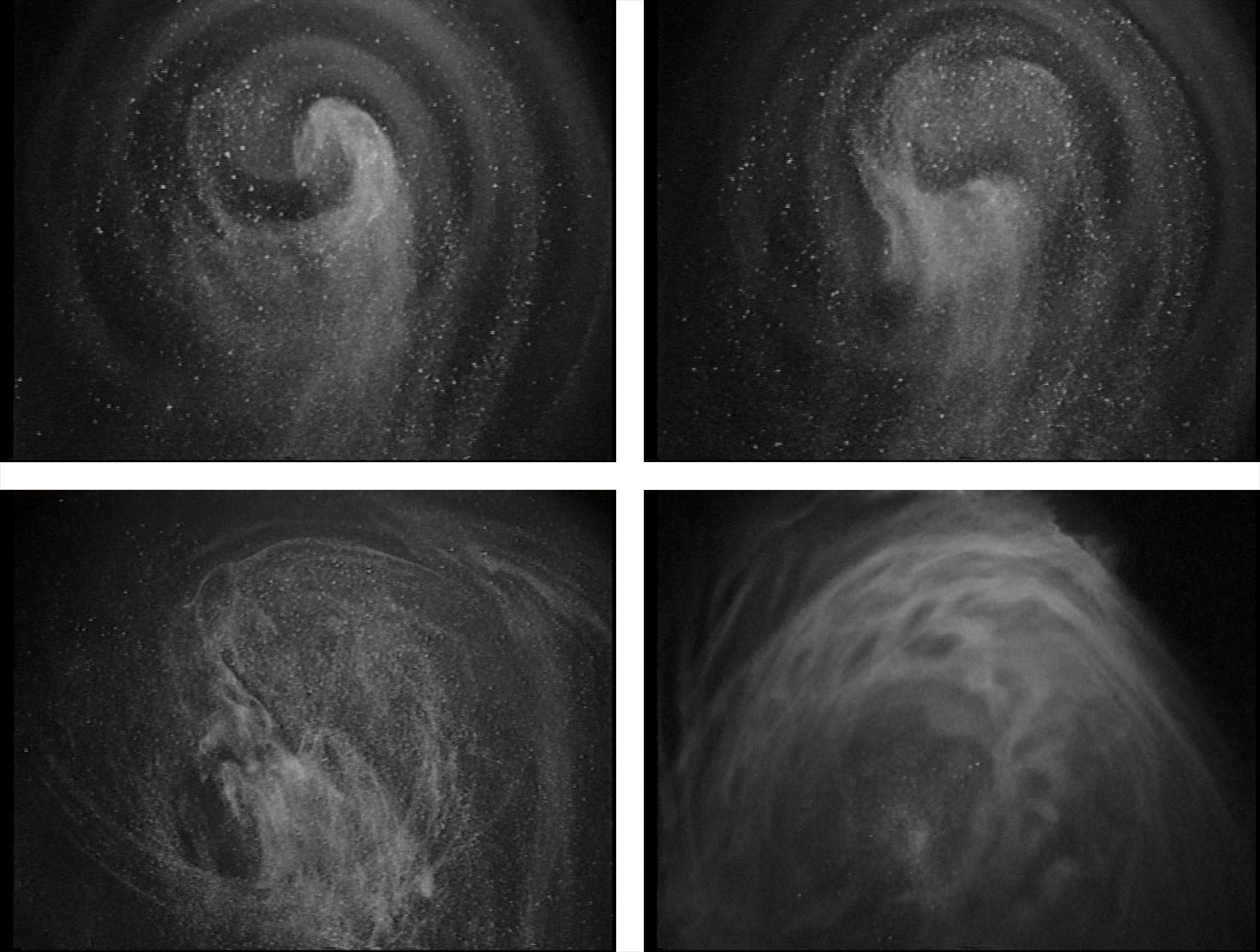
His simplified, iconic figures carry something of the graphic novel's economy of line, that understanding that reduction is not poverty but precision. Robin Rhode, working often in public space and across photographic sequences, uses the logic of the panel without the frame, letting architecture and time do the structural work that gutters do on a comics page. John Baldessari's text and image works belong to this lineage as well, skeptical of the single image's authority and always reaching for the gap between what is shown and what is told. Where is the energy heading?
The answer right now is generational and geographic simultaneously. A cohort of artists working in manga influenced styles, in webcomics, in zines that have migrated from Risograph printers to gallery walls, are building audiences that are younger, more global, and less interested in the old distinctions between high and low. The market for their work is still forming, which is exactly where the opportunity lives for a collector paying close attention. The institutional infrastructure is there.
The critical vocabulary is there. The historical precedent, from Lichtenstein's panels to Satrapi's memoir, is secure. What remains is the collector's willingness to look at a drawn sequence and see what is actually in front of them, which is a complete and serious form of art.