Rural Landscape
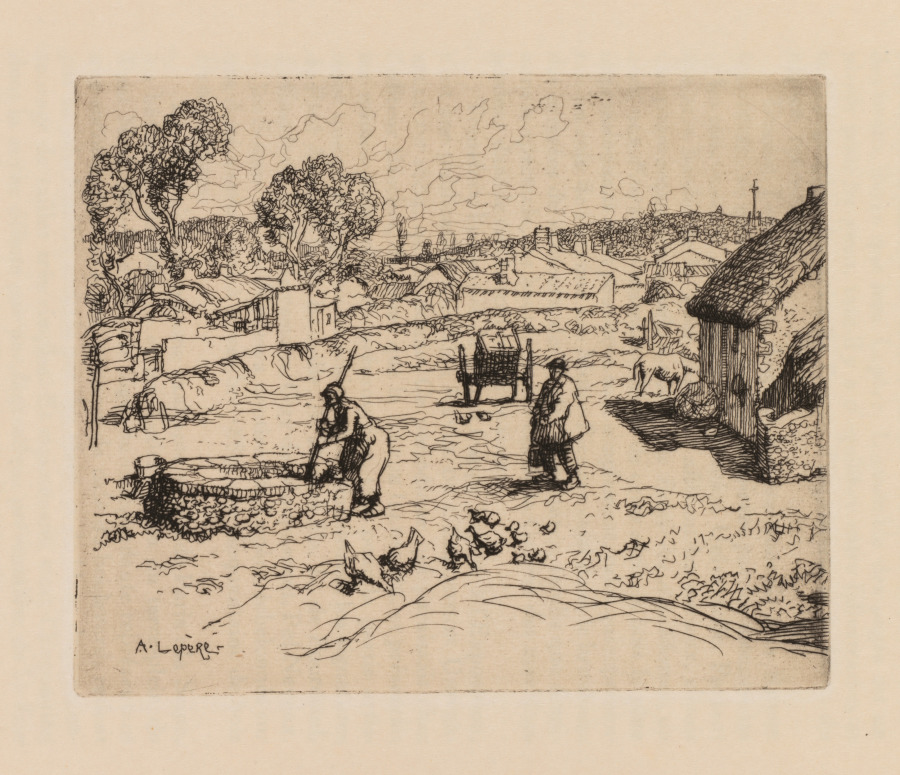
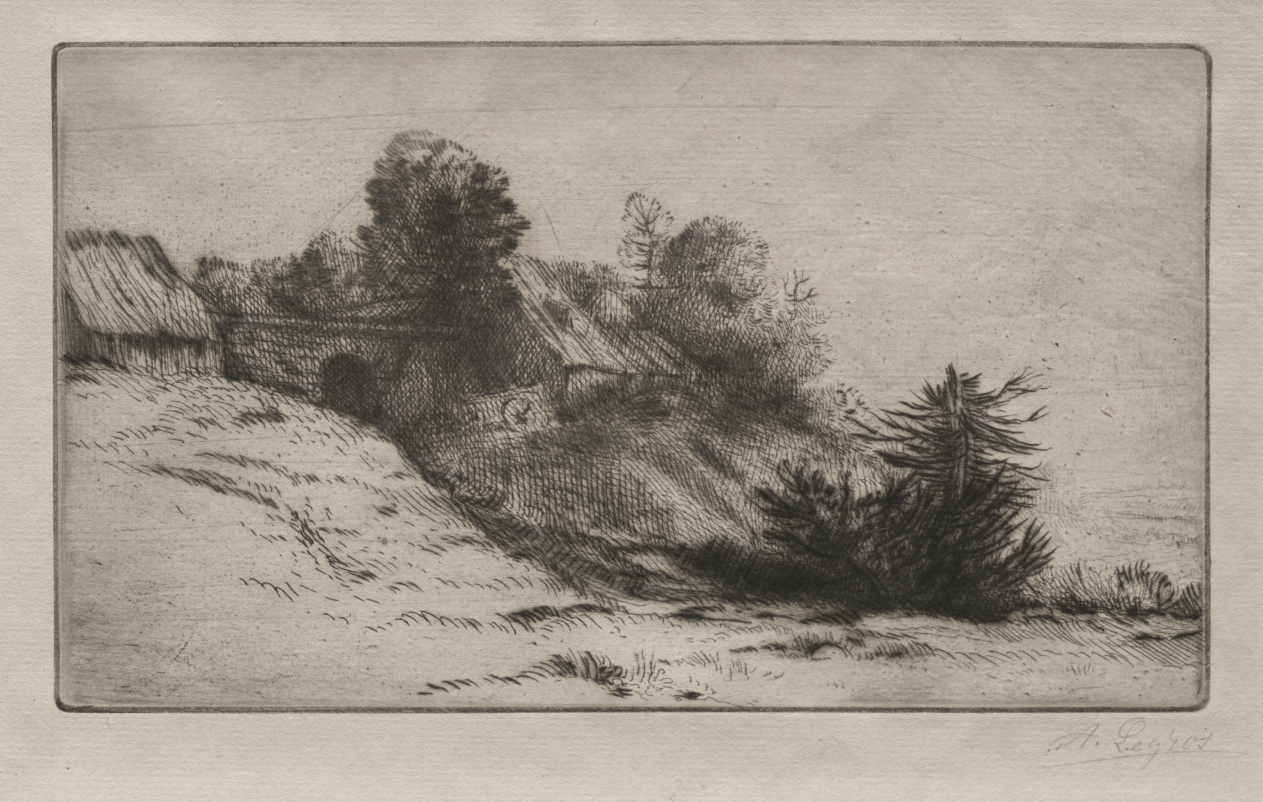
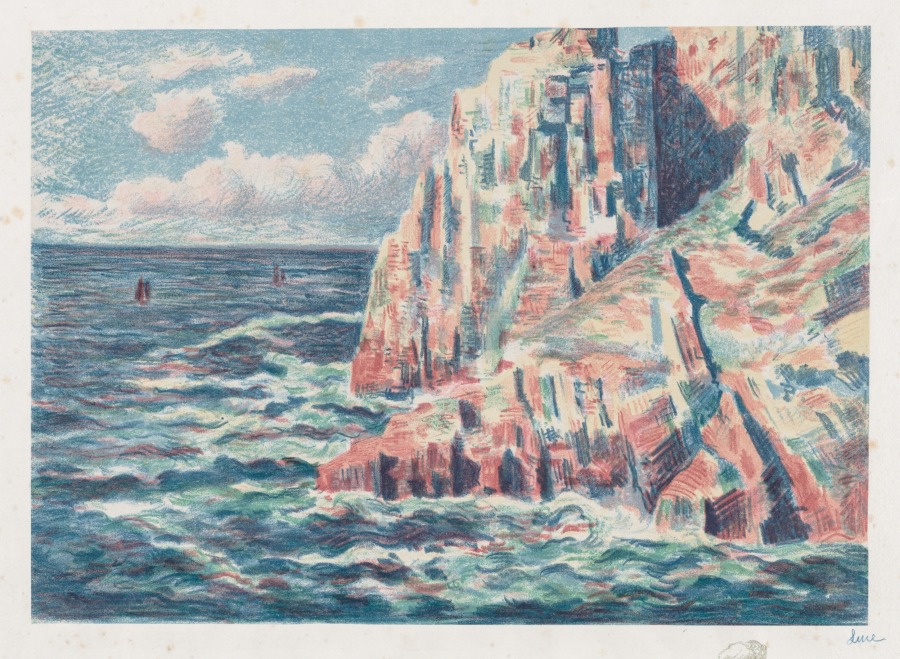
Auguste Louis Lepère
Auguste Lepère: La Masure (Vendèe), 1931

The Land Never Lies to Collectors
There is something deeply settling about living with a rural landscape. Not nostalgic in a sentimental way, though sentiment is certainly part of it, but settling in the way that looking out a window at open ground is settling. Collectors who gravitate toward this category often describe the same experience: the work does not demand anything of you. It simply holds its ground, day after day, and somehow manages to say something different depending on the hour, the season, your mood.
That durability of attention is rare in art and it is one of the central reasons why rural landscape, across every medium and period, continues to attract serious collectors who are building for the long term. The pleasure of living with these works is also partly philosophical. Rural landscape has always been where artists went to think, to strip things back, to find out what they actually believed about light and time and the relationship between human beings and the natural world. When you bring that inquiry into your home or office, you are not just acquiring a picture of fields or trees.
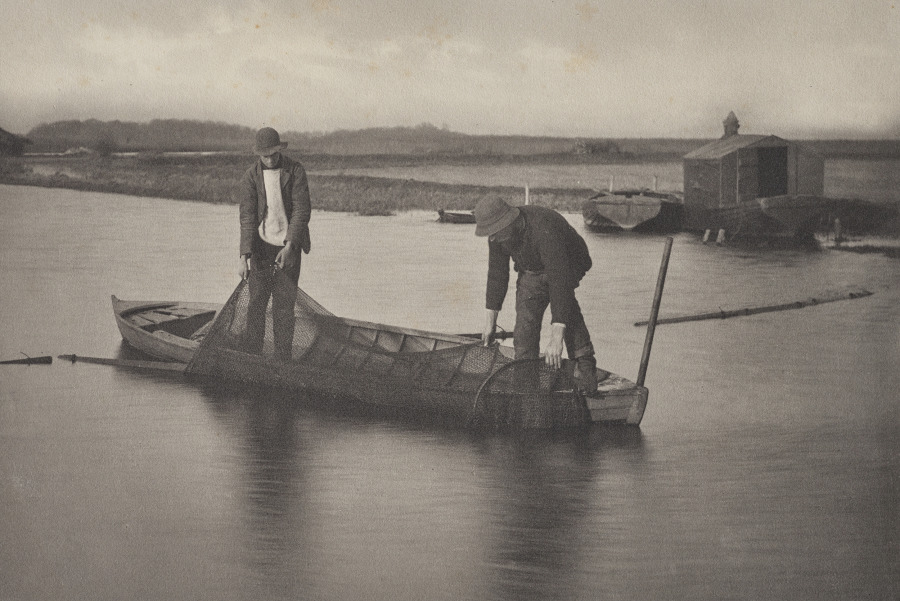
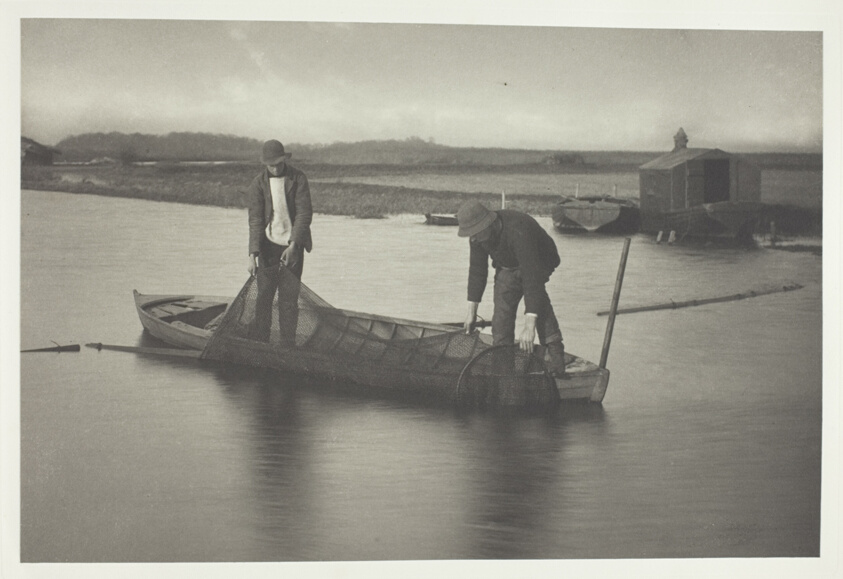
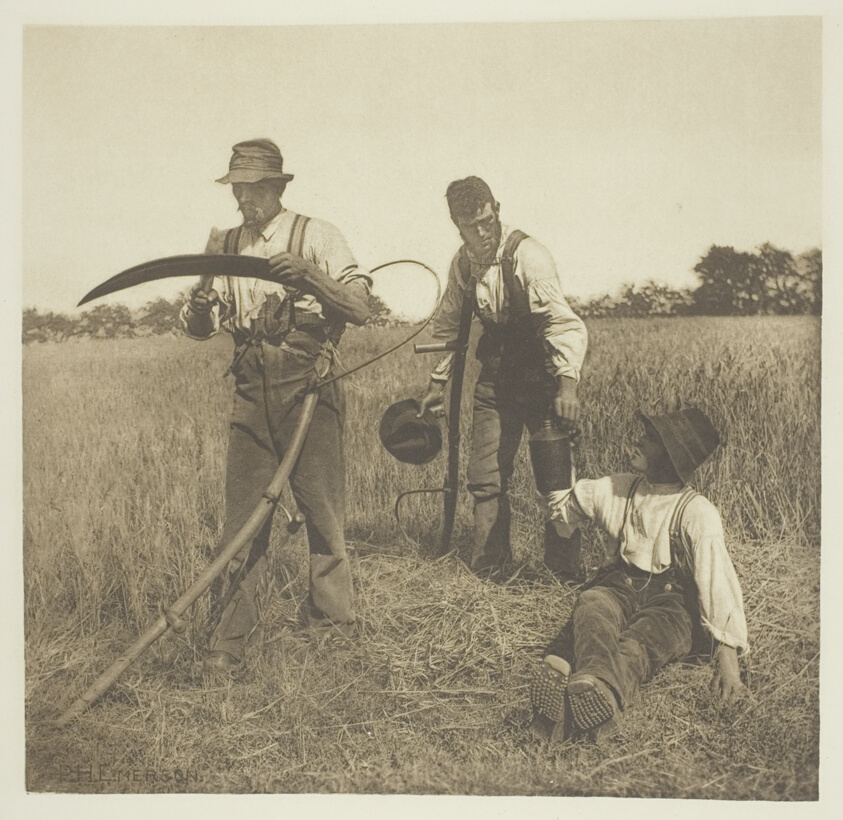
Peter Henry Emerson
Taking Up the Eel Net, 1886
You are acquiring a record of someone's sustained attention, which is increasingly rare and increasingly valuable as a cultural object. What separates a good rural landscape from a great one is a question worth sitting with before you spend anything. Competence in the genre is extraordinarily common. The nineteenth century in particular produced a near industrial quantity of pleasant pastoral scenes with acceptable technique and no particular vision.
What makes a work genuinely compelling is evidence of a specific sensibility, a set of decisions that could only have been made by this artist, on this day, in this place. Look for the quality of light handling, not just whether the light is rendered accurately but whether it feels earned. Look for composition that creates genuine spatial tension rather than simply filling the frame with agreeable scenery. And look very carefully at the foreground, which is where the weakest rural landscapes always betray themselves.
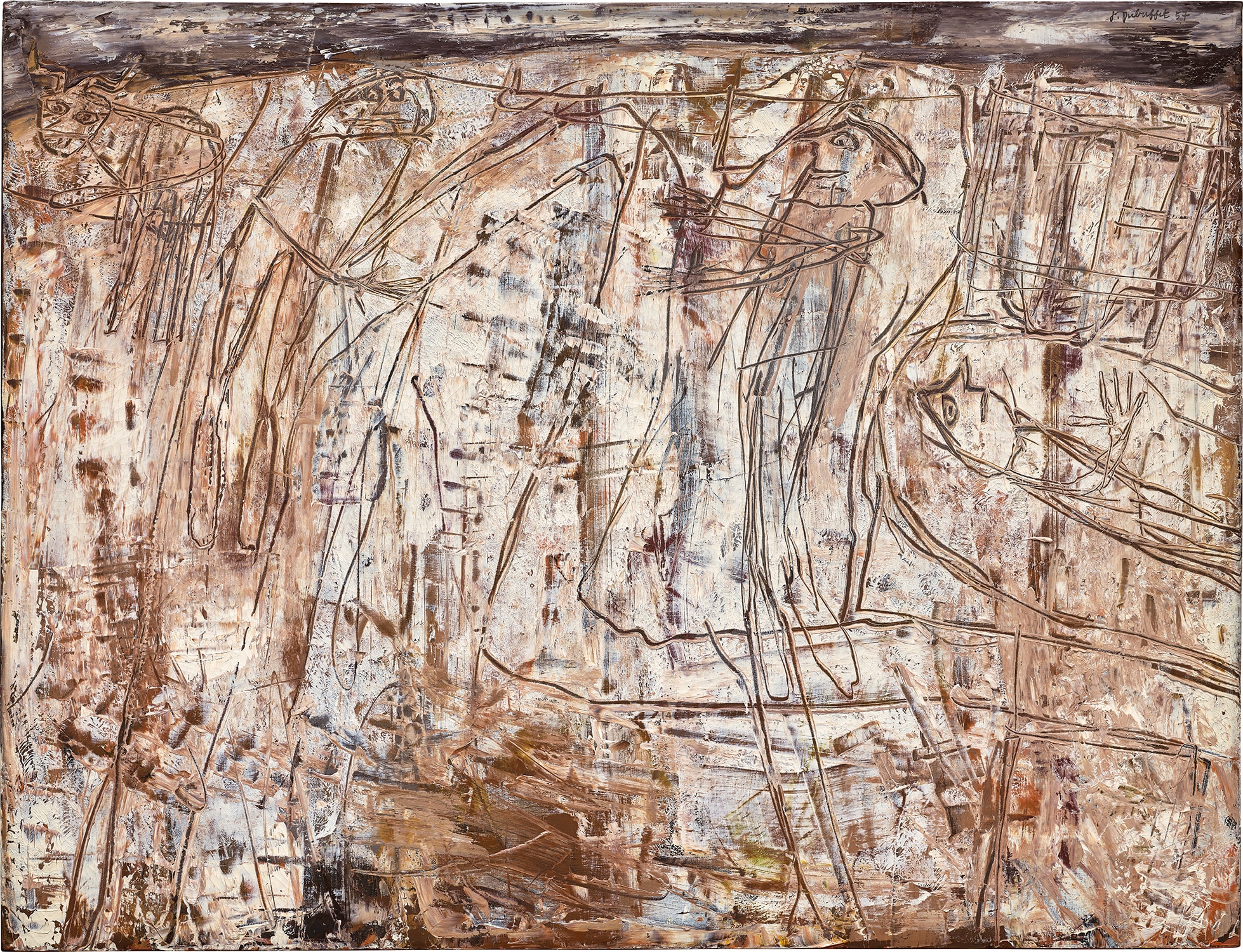
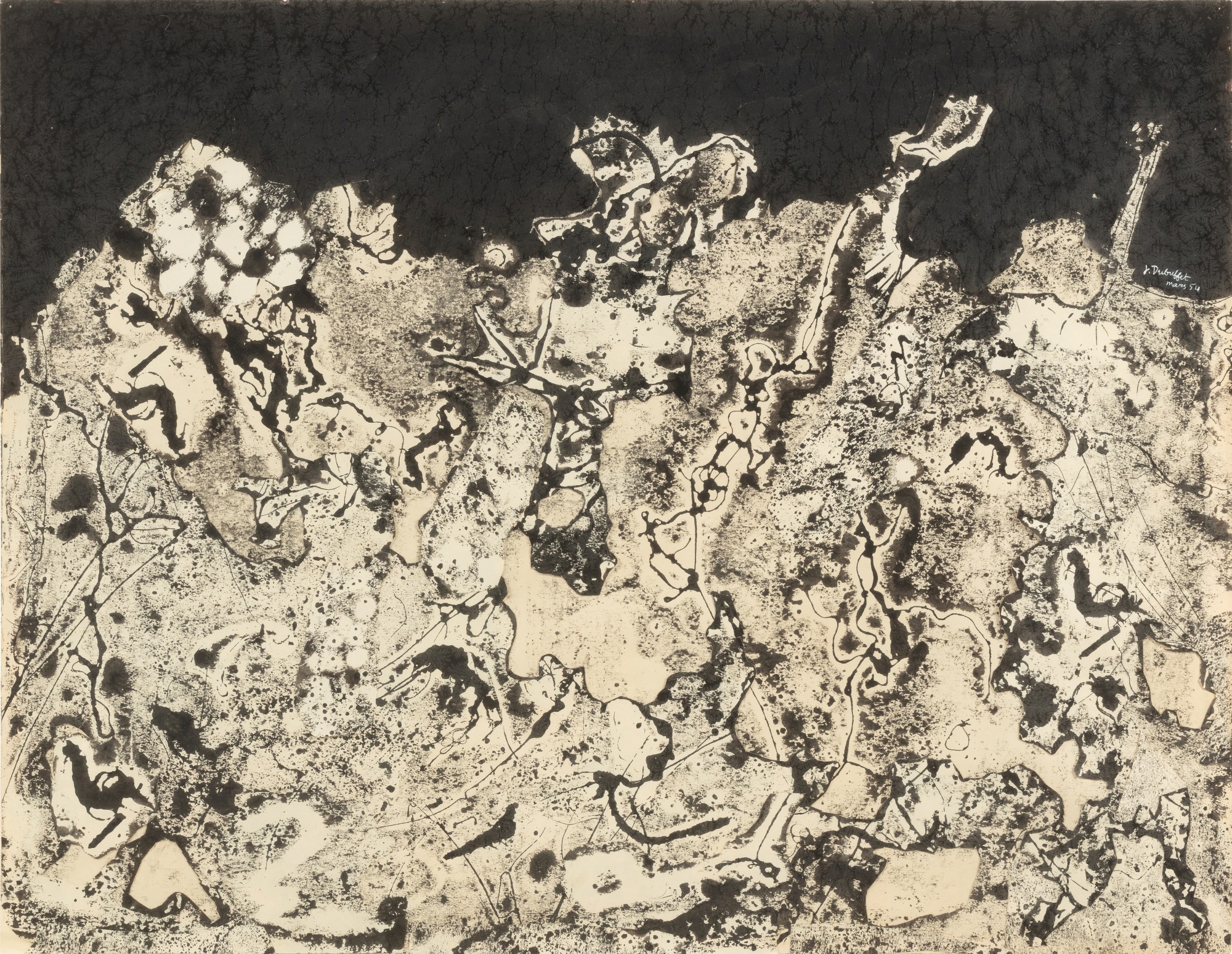
Jean Dubuffet
Paysage à la vache (Le rendez-vous)
Among the artists well represented on The Collection, several stand out as genuine anchors for a collection in this space. Charles Émile Jacque, the Barbizon painter and printmaker, understood rural France with an intimacy that came from actually living it rather than visiting it for picturesque effect. His etchings in particular carry a weight of lived observation that feels completely contemporary in its directness. Alphonse Legros, who bridged the French and British printmaking traditions across the latter half of the nineteenth century, brought a similar seriousness to rural subjects, and his prints on the secondary market remain undervalued relative to their quality.
Auguste Louis Lepère is another name worth attention. His wood engravings and etchings of the French countryside have a graphic intelligence that makes them look remarkably fresh, and he has not yet attracted the full market attention his work deserves. Anna Mary Robertson Moses, universally known as Grandma Moses, occupies a different but equally serious position. Her rural American scenes have been somewhat condescended to by the critical establishment over the decades, but collectors who have looked carefully know that her best work contains a genuine structural complexity beneath its accessible surface.
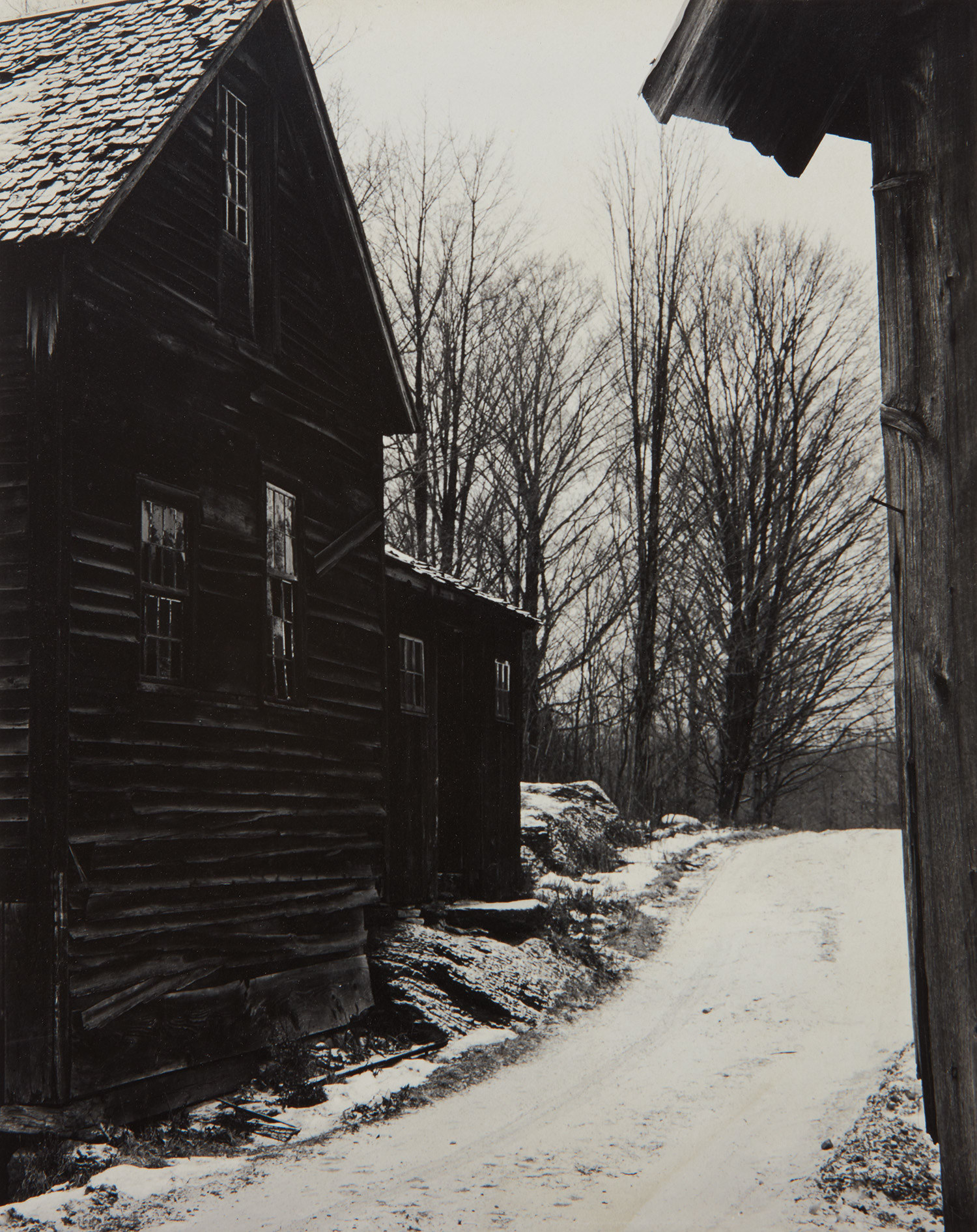
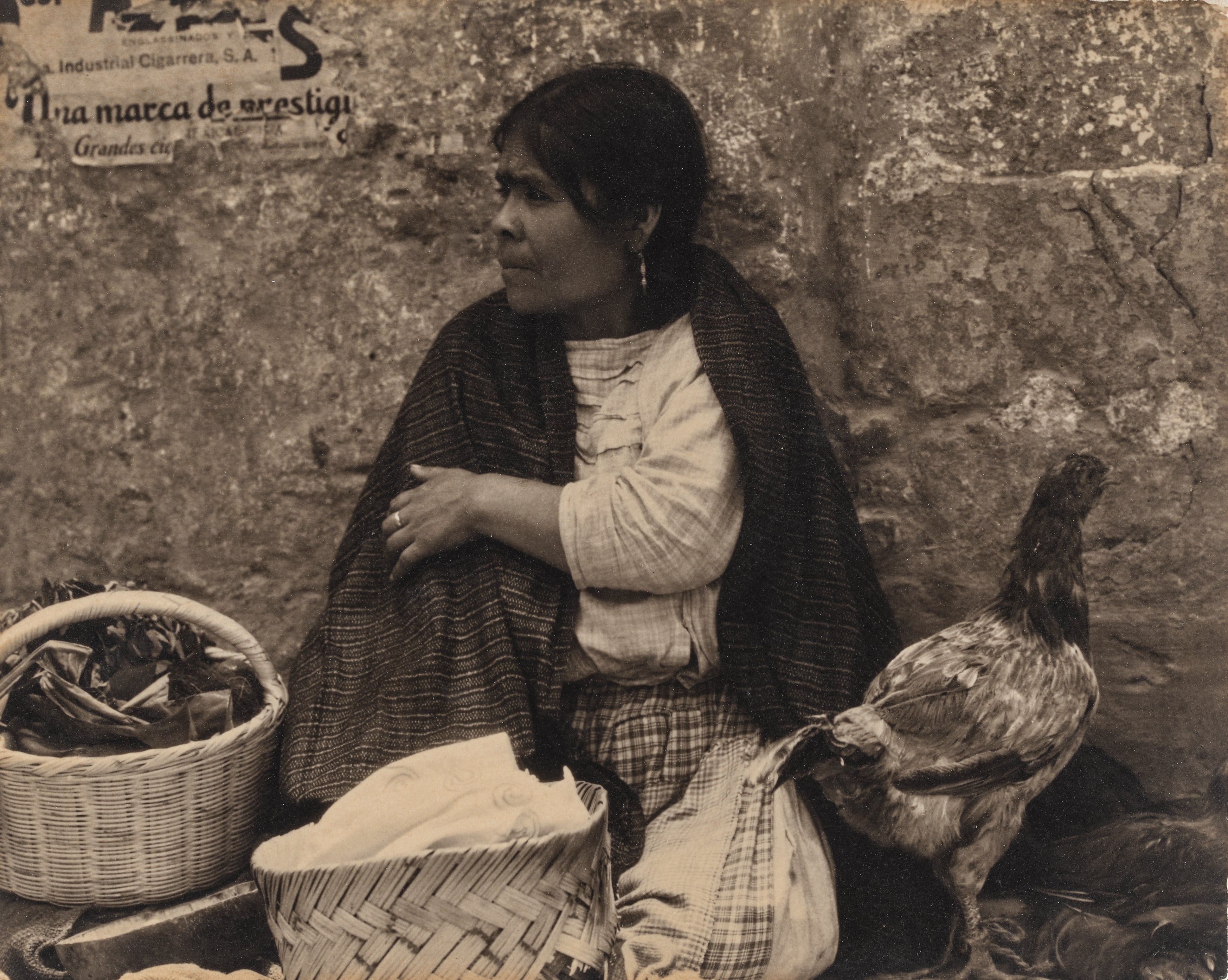
Paul Strand
Road into the Farm, East Jamaica, VT
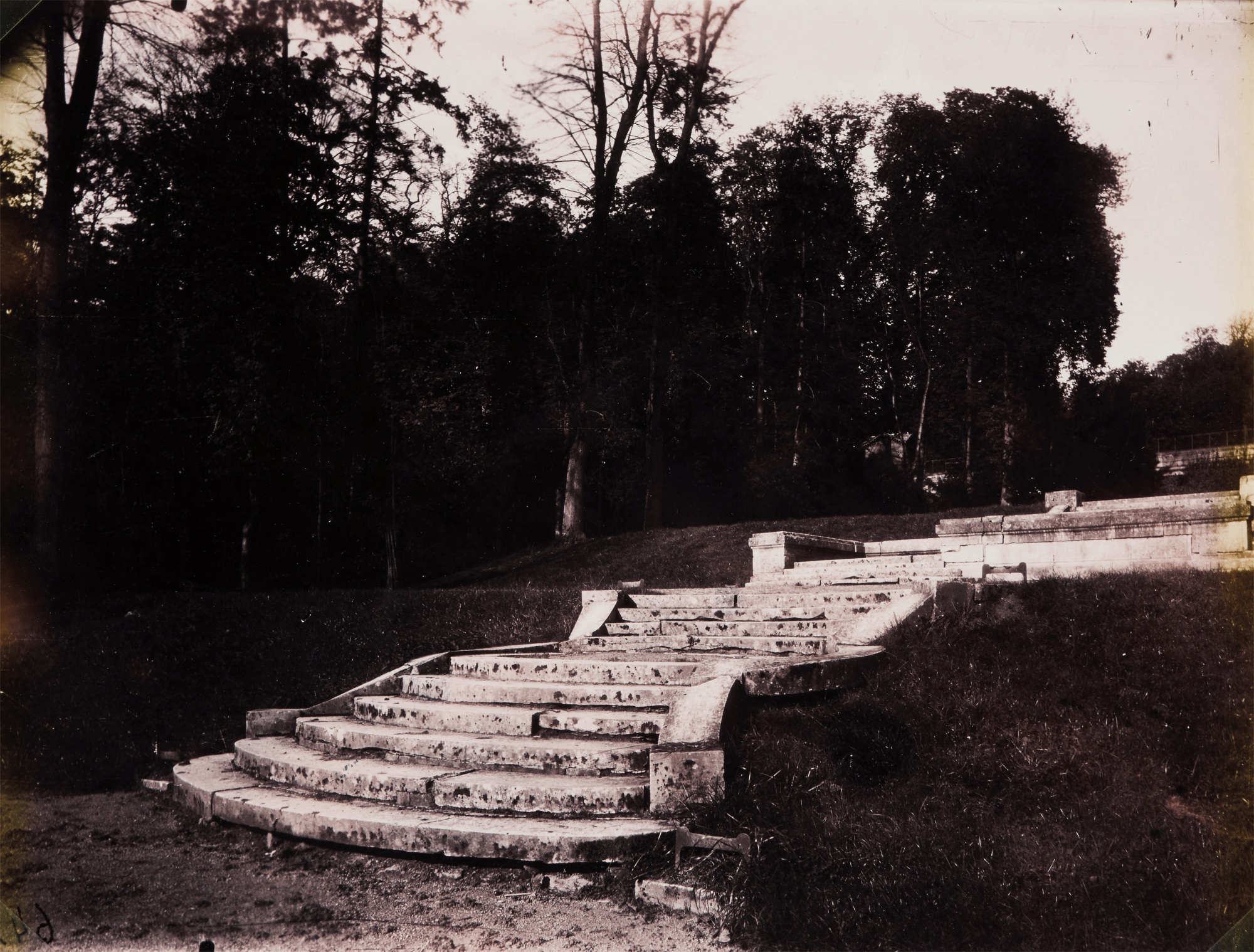
Her market has been consistent for decades precisely because the work delivers both visual pleasure and emotional depth, which is a combination that sustains demand across market cycles. In photography, the range of talent engaged with rural and landscape subjects on The Collection is particularly strong. Peter Henry Emerson, whose late nineteenth century photographs of the Norfolk Broads remain some of the most poetic landscape images in the medium, is represented alongside Paul Strand, whose formal rigor transformed landscape photography into something philosophically serious. Eugène Atget, though primarily known for his documentation of Paris, also produced rural and peri urban landscapes of extraordinary quiet intensity.
For collectors looking toward emerging or underrecognized figures, Willering Epko and Nguyen Tri Minh represent interesting propositions. Both artists bring perspectives on rural land and landscape that fall outside the Western European traditions that have historically dominated this collecting category, and that outside perspective is precisely where the most interesting critical and market repositioning tends to happen. Nguyen Tri Minh in particular deserves attention from collectors who are thinking about where the next wave of serious international collecting interest will travel. The Vietnamese art market has been developing rapidly, and works acquired thoughtfully now at current price levels will look very different in ten years.
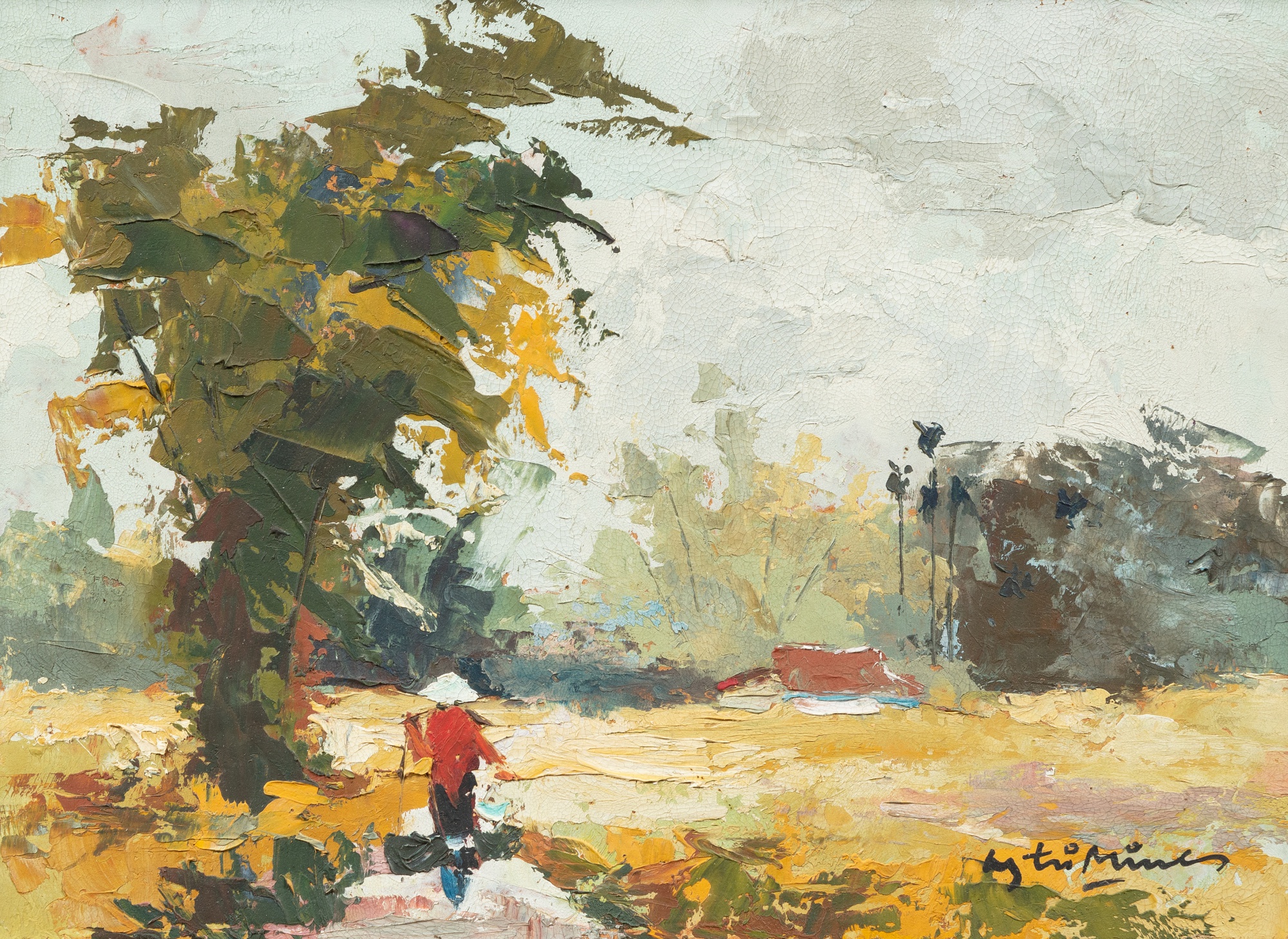
Nguyen Tri Minh
Nguyen Tri Minh (1924-2010), 鄉間小路, 1960
At auction, rural landscapes in traditional media, particularly prints and works on paper from the nineteenth and early twentieth centuries, have shown consistent performance. They are not the category that produces the shocking headline prices, but they are also not the category that suffers the dramatic corrections. Collector depth is broad, meaning there are always multiple serious bidders for quality material, which creates price stability and genuine liquidity at the middle market level. Photographs in this space, particularly vintage prints with documented provenance and clean condition histories, have been one of the genuinely strong performers of the past two decades as photography's place within museum and institutional collections has fully solidified.
Practically speaking, there are several things worth asking before any acquisition. Condition in works on paper is paramount and deserves professional assessment rather than casual inspection. Ask specifically about any restoration, any foxing treatment, any previous mounting or backing that may have affected the sheet. For photographs, understand the edition structure completely.
A vintage print from the period of making and a later authorized edition are fundamentally different objects regardless of what the image looks like. For paintings, light sensitivity matters enormously for works you intend to display in natural light. Ask the gallery or auction specialist directly about display requirements and let the honest answer inform where the work will actually live in your home. A great rural landscape, properly understood and properly cared for, will repay you with decades of the kind of quiet company that very few things in life actually provide.