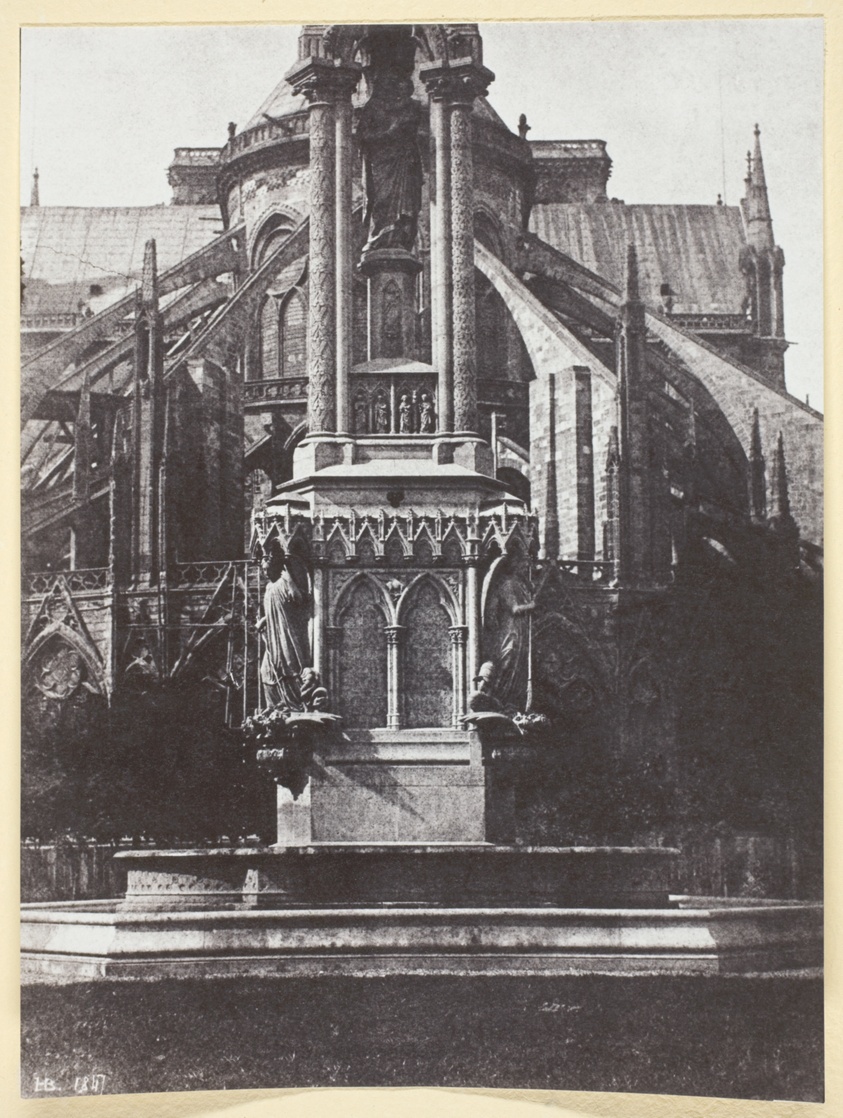
Hippolyte Bayard
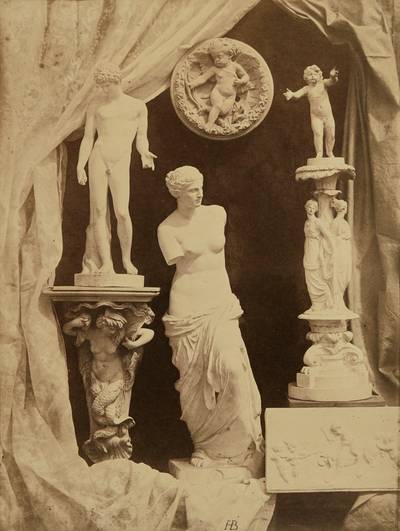
Artist Spotlight
Hippolyte Bayard: Photography's Most Generous Pioneer
There is a photograph that stops every visitor who encounters it. A man reclines with eyes closed, hands folded, his bare torso pale against dark drapery. He appears to be dead. Yet the man is very much alive, and the image is not a document of tragedy but an act of protest, one of the most quietly radical gestures in the history of art. That man is Hippolyte Bayard, and his 1840 self portrait as a drowned man stands as one of the earliest examples of staged, conceptual photography ever made. In a medium barely a year old at the time, Bayard was already using it to tell a story, to argue a… Continue reading
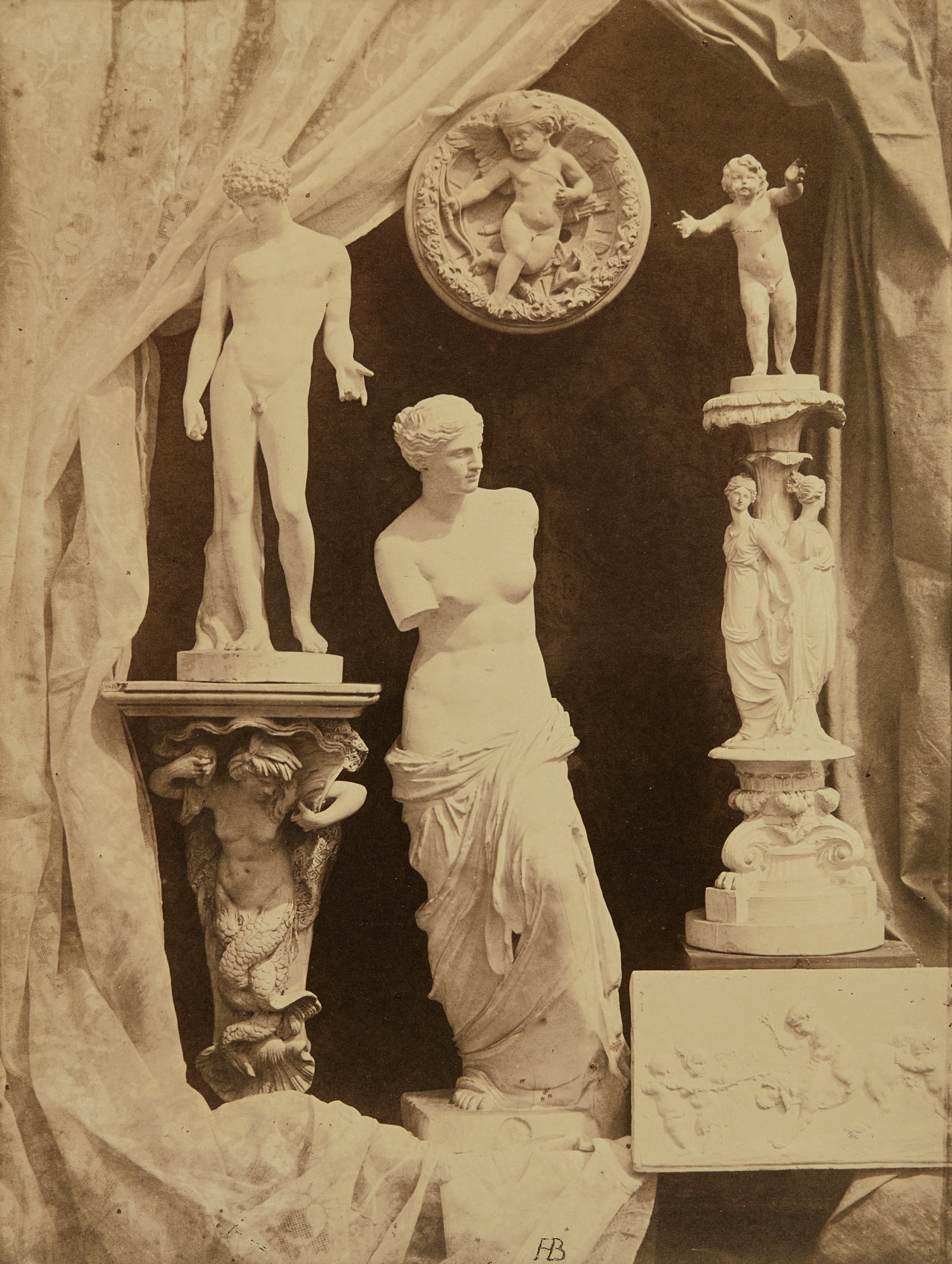
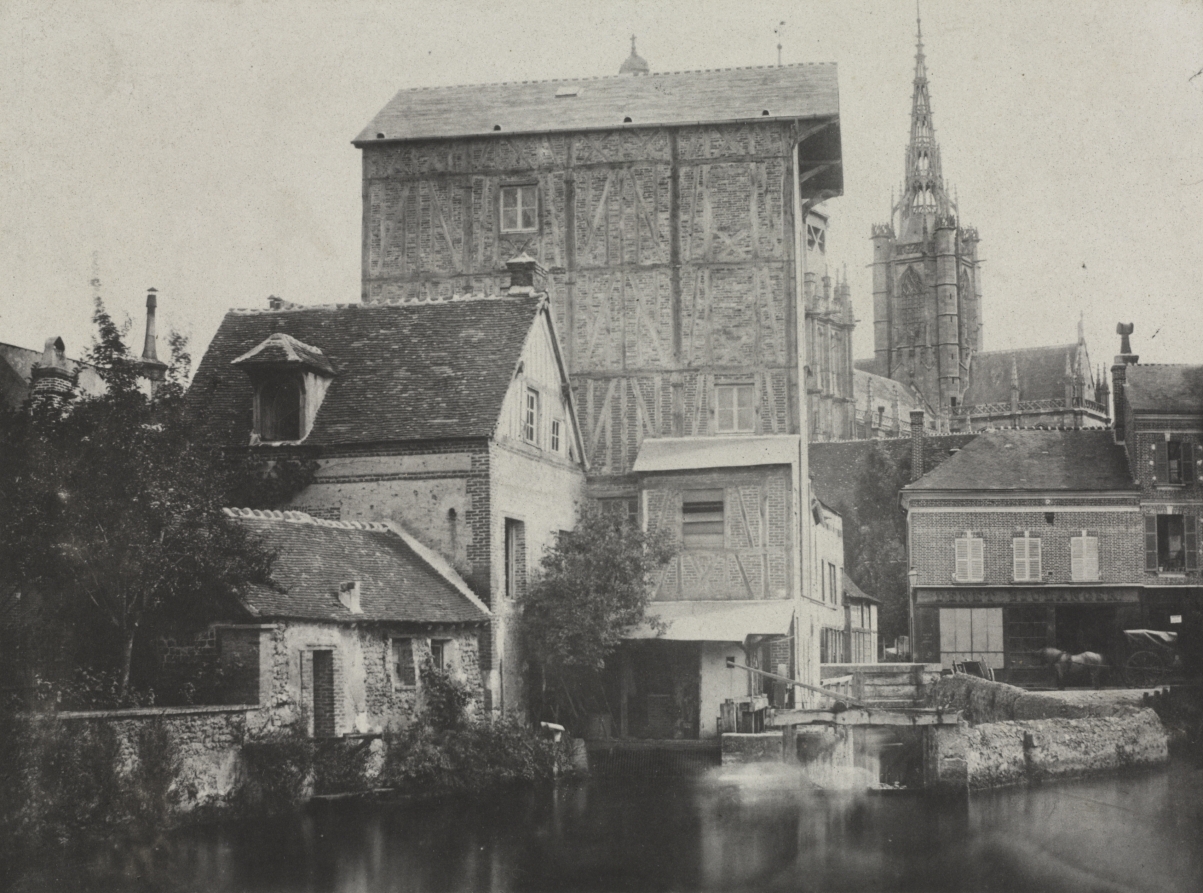
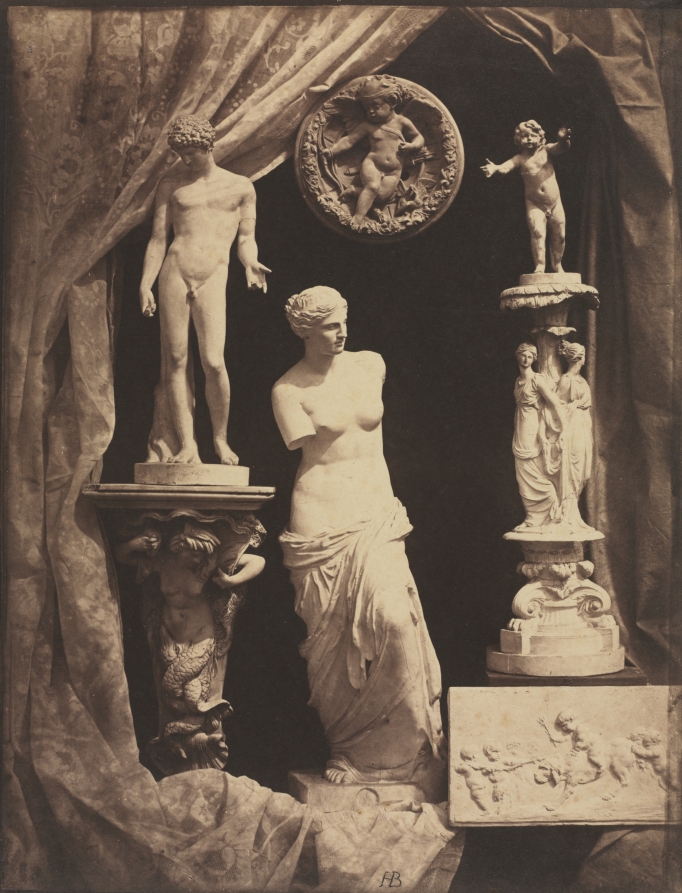
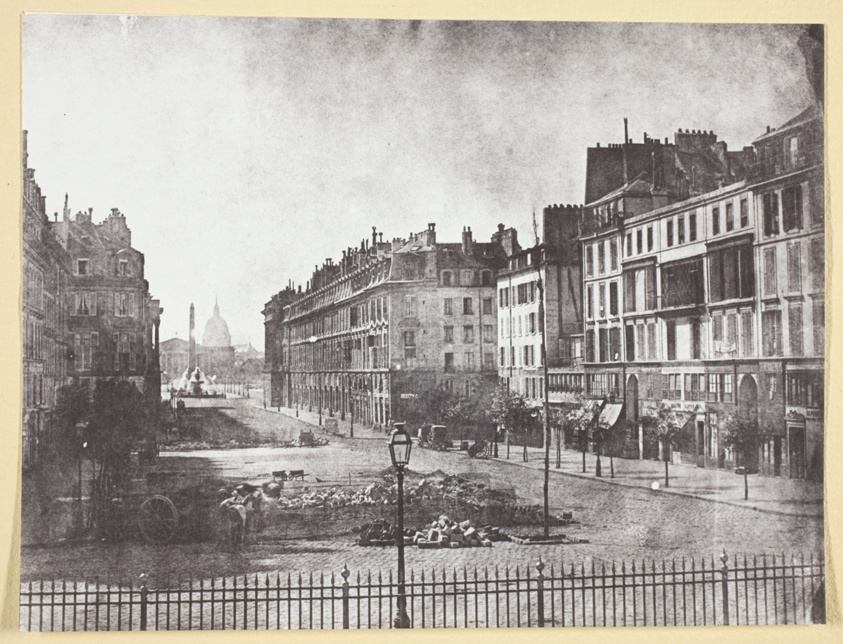
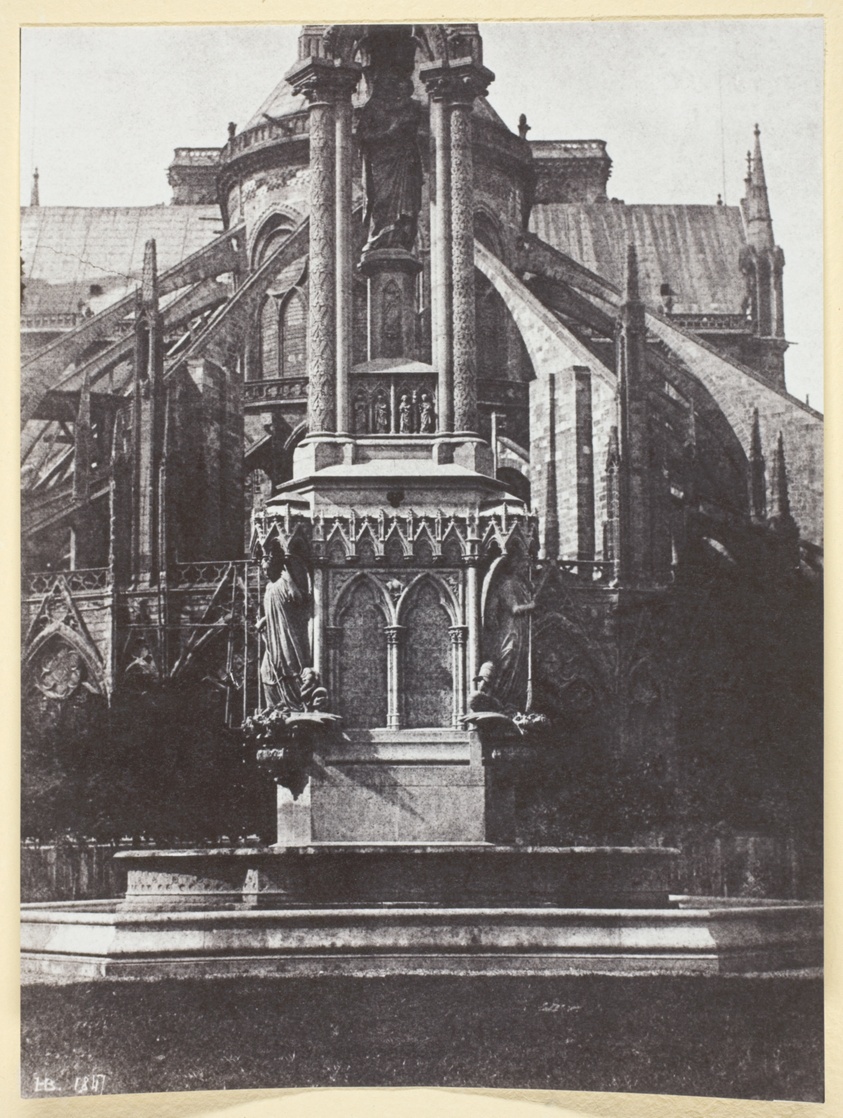
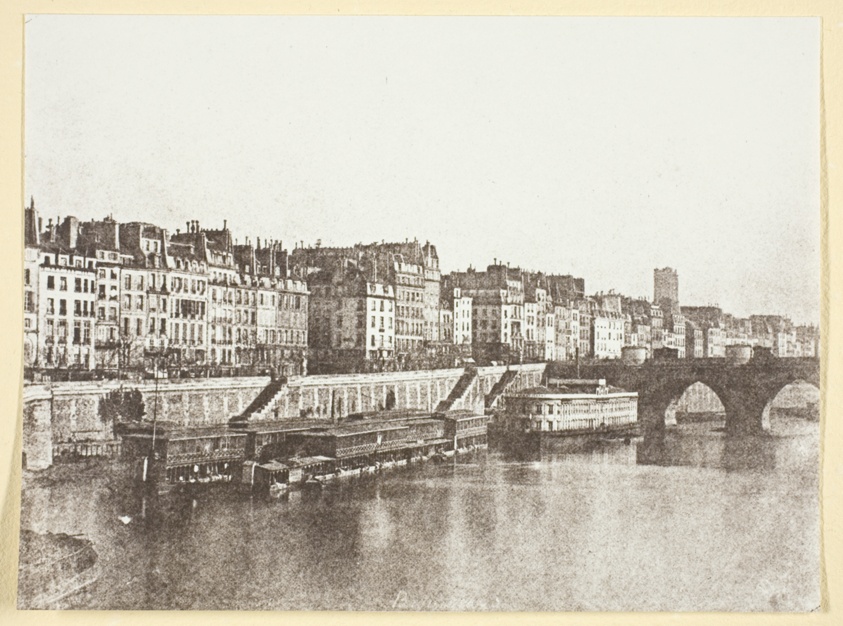
Artists in conversation
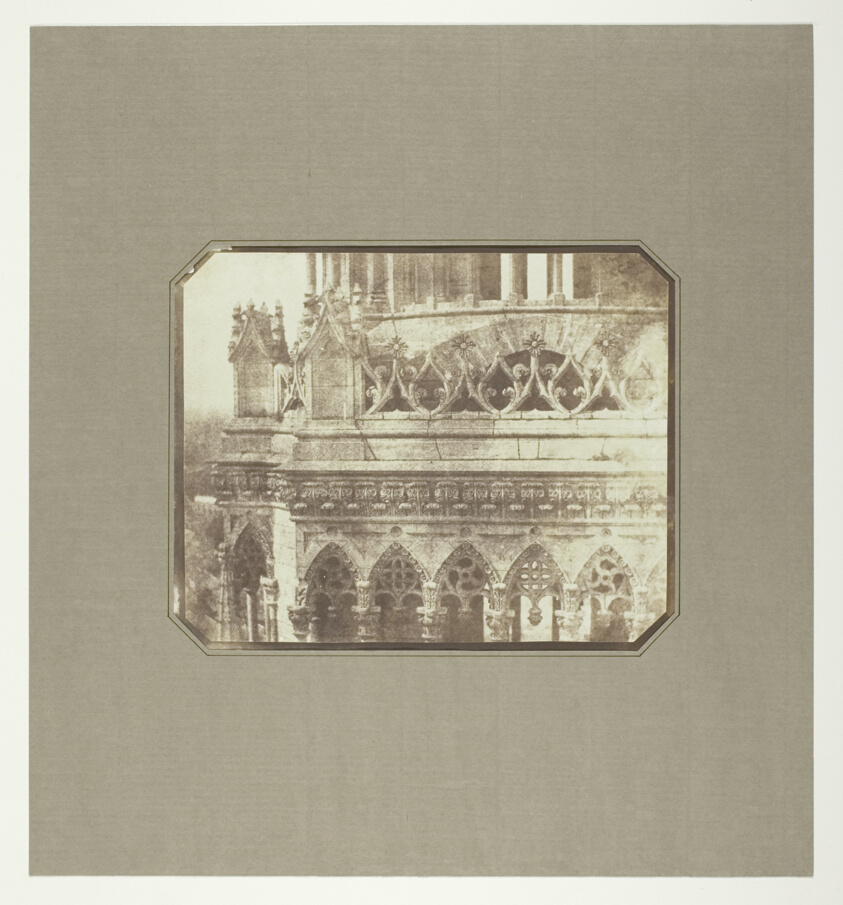
William Henry Fox Talbot
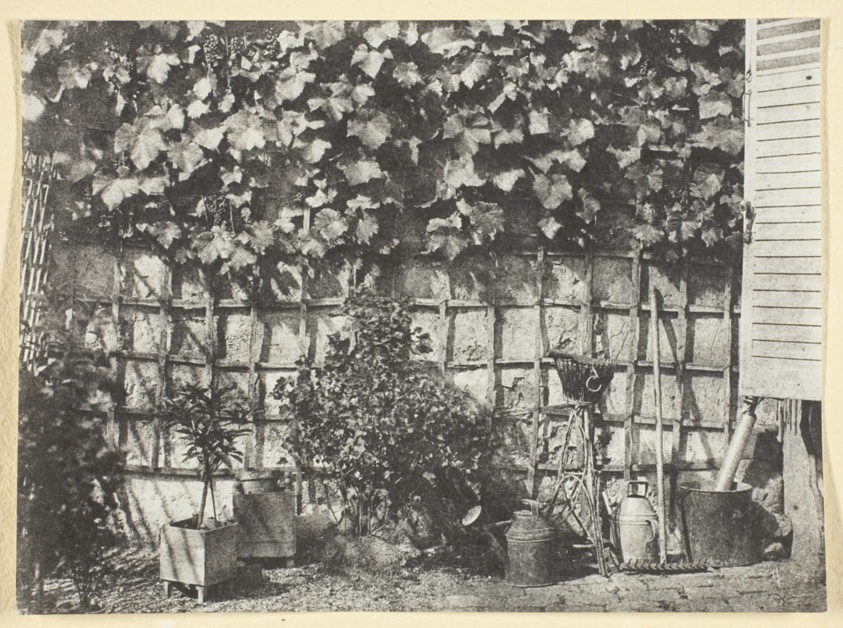
Talbot was a contemporary pioneer of photography who similarly developed early paper based photographic processes including the calotype, producing monochrome architectural and documentary images in the same formative era of the medium.
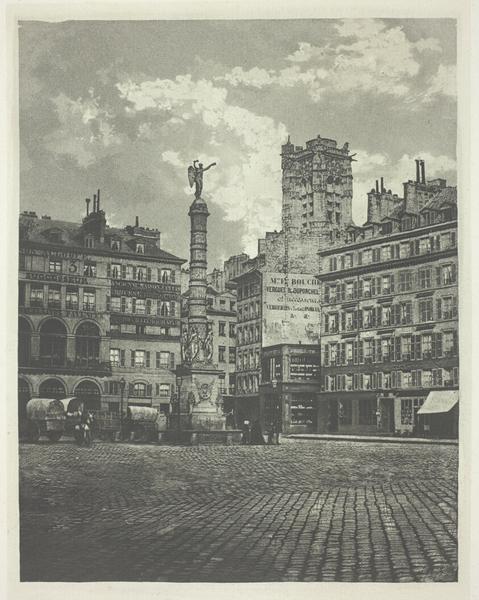
Charles Nègre
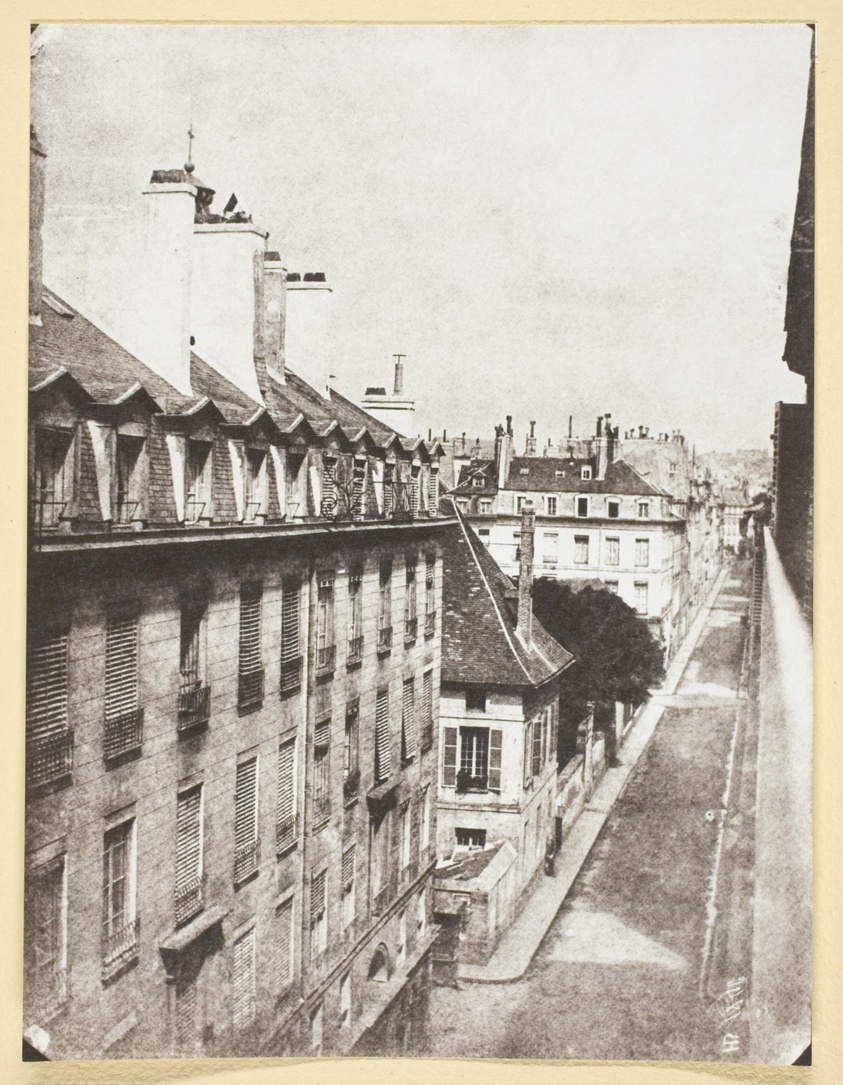
Nègre was a French photographer working in the mid 19th century who produced calotype and early photographic images of Parisian street scenes and architecture with a similar documentary sensibility and tonal quality to Bayard's work.
Artists who inspired them
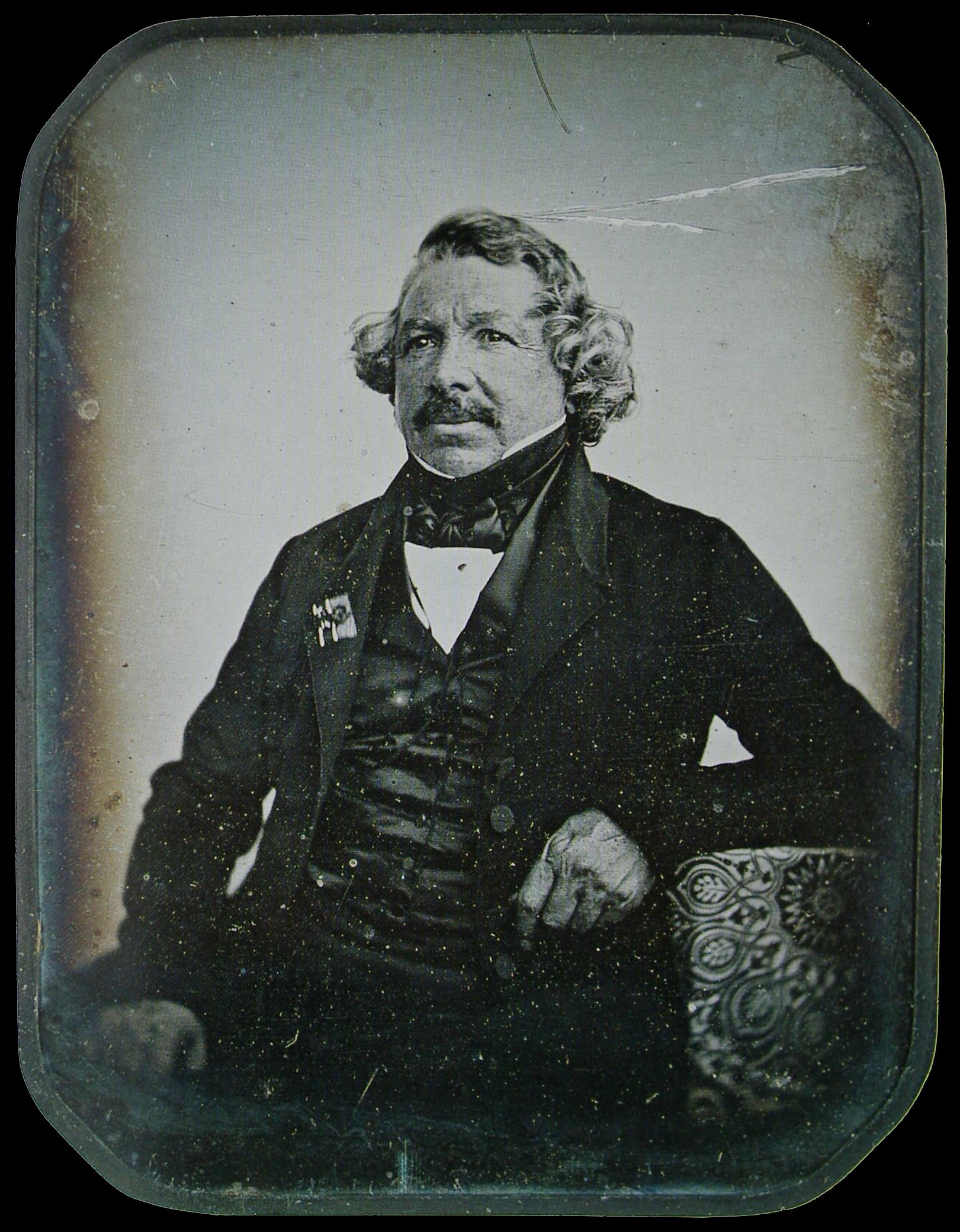
Louis Daguerre
Daguerre's announcement of the daguerreotype process in 1839 directly spurred Bayard to accelerate and refine his own photographic experiments, making Daguerre a central competitive and technical inspiration for Bayard's invention of the direct positive paper process.
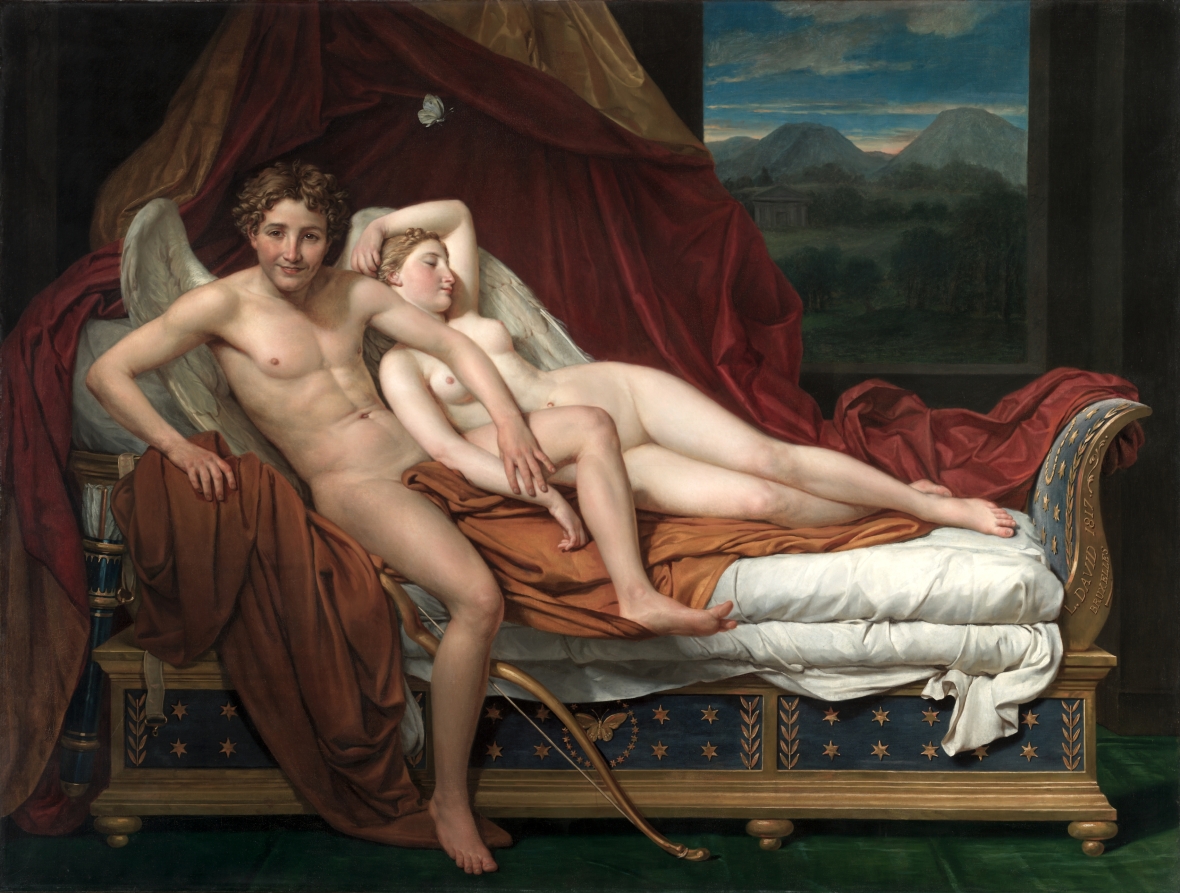
Jacques-Louis David
David's tradition of French neoclassical composition and staged self portraiture can be seen as a cultural backdrop informing Bayard's theatrically composed self portrait as a drowned man, which drew on painterly conventions of figural staging to make a conceptual statement.