Poet
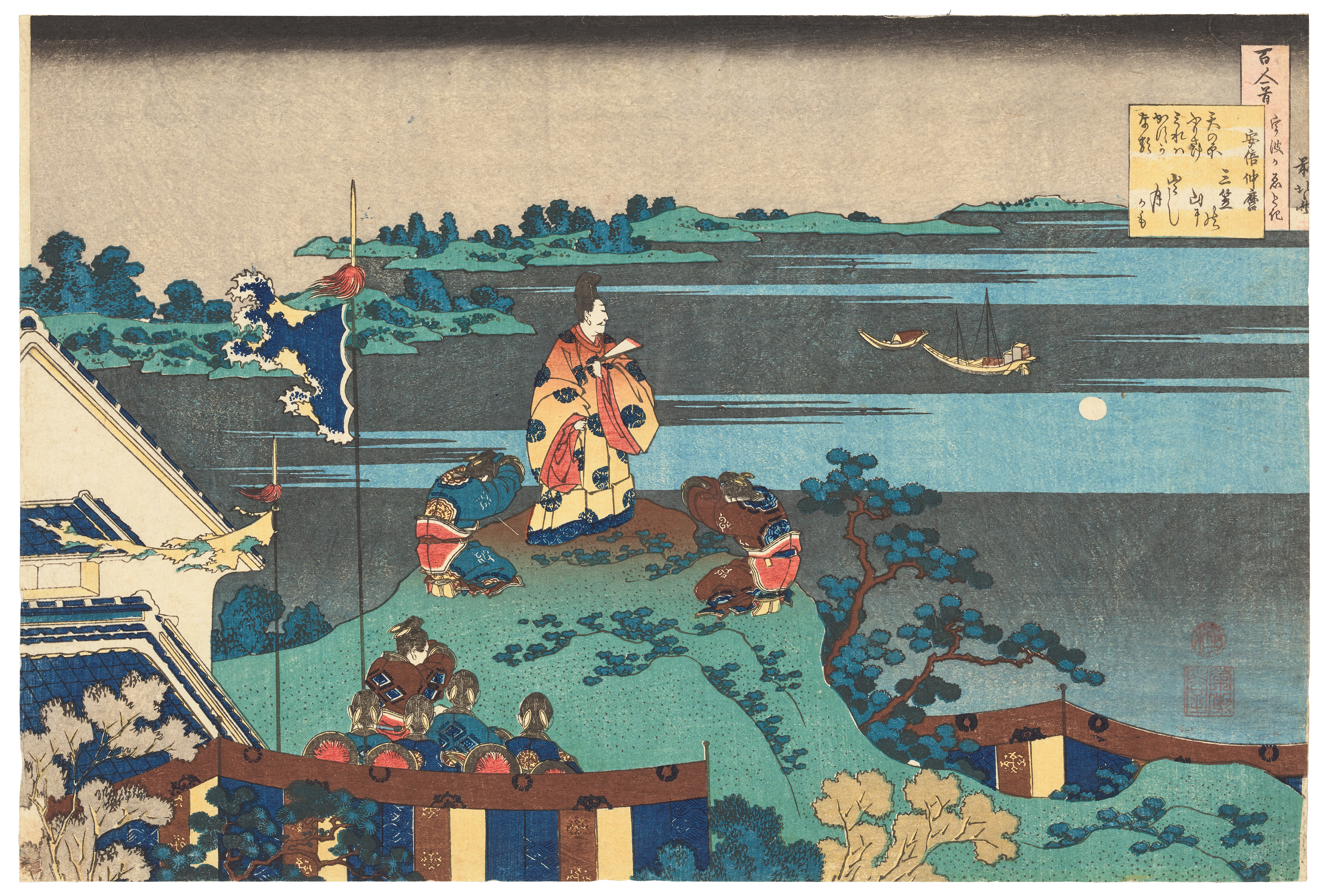
Katsushika Hokusai
The Poet Abe no Nakamaro | Edo period, 19th century

The Poet's Gaze Has Never Cost More
When a small etching of a solitary figure bent over a manuscript sold at Sotheby's Paris for nearly three times its high estimate, the room took notice. The work was quiet, intimate, almost monastic in its subject matter. And yet bidders competed for it with the kind of focused energy usually reserved for splashier categories. That moment crystallized something that dealers and museum curators have been saying for a few years now: representations of the poet, the writer, the solitary thinker at work, occupy a peculiar and undervalued place in the history of portraiture, and the market is finally catching up to what scholars have long understood.
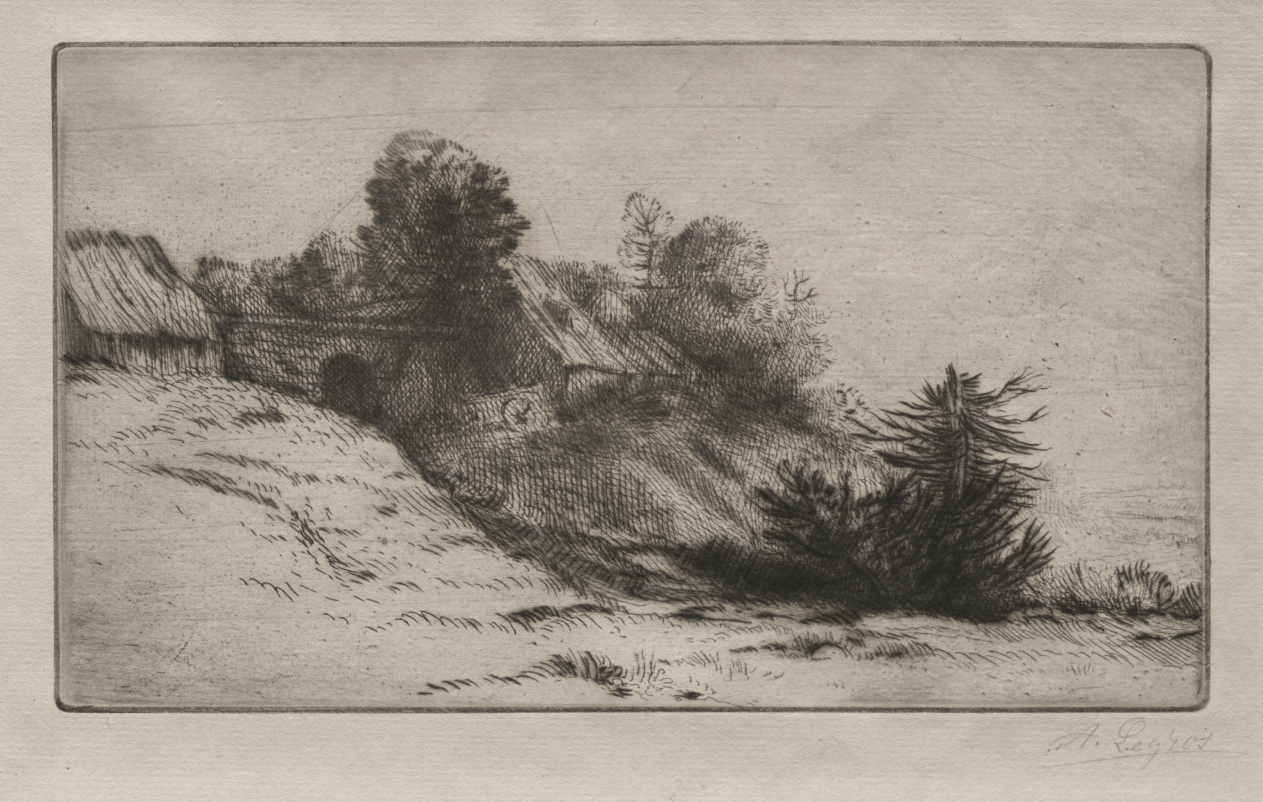
The figure of the poet as artistic subject carries an enormous amount of cultural freight. It is not simply a portrait in the conventional sense. It is a meditation on interiority, on the relationship between thought and form, on what it means to be a person in conversation with language rather than with the world. When Alphonse Legros, the French born etcher and painter who spent much of his career in England and became a central figure at the Slade School of Fine Art, turned his attention to solitary male figures in contemplative poses, he was doing something that sat at the intersection of Realism and a kind of Northern European melancholy.
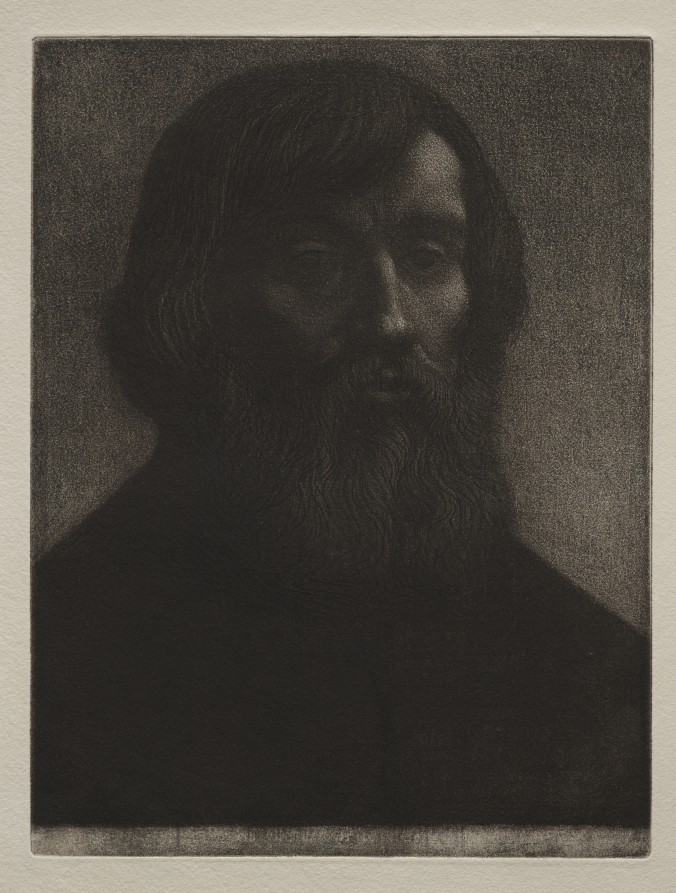
Alphonse Legros
The Poet, 1857
His etchings in particular reward close attention, and collectors who have recently come to his work on The Collection are responding to exactly that density of feeling. The exhibition record around this theme has been building steadily. The National Portrait Gallery in London mounted programming around the idea of the creative mind as a portrait subject, and institutions from the Morgan Library in New York to the Bibliothèque nationale de France have explored the visual culture of literary identity. What these shows revealed is that the poet as a depicted figure spans an extraordinary range of media and cultural contexts.
Jonathan Richardson, the eighteenth century British portraitist and theorist who painted and drew many of the literary figures of his age, understood the poet's face as a site of philosophical speculation. His influential treatise on the art of criticism helped establish the idea that portraiture could carry intellectual weight equal to history painting, and his surviving likenesses of writers carry that argument in their very brushwork. Auction results in recent seasons have reflected this renewed critical attention. Works touching on literary identity and the contemplative figure have performed strongly across Old Master drawings sales at Christie's and Bonhams, with particular appetite for works on paper that feel intimate and unmediated.
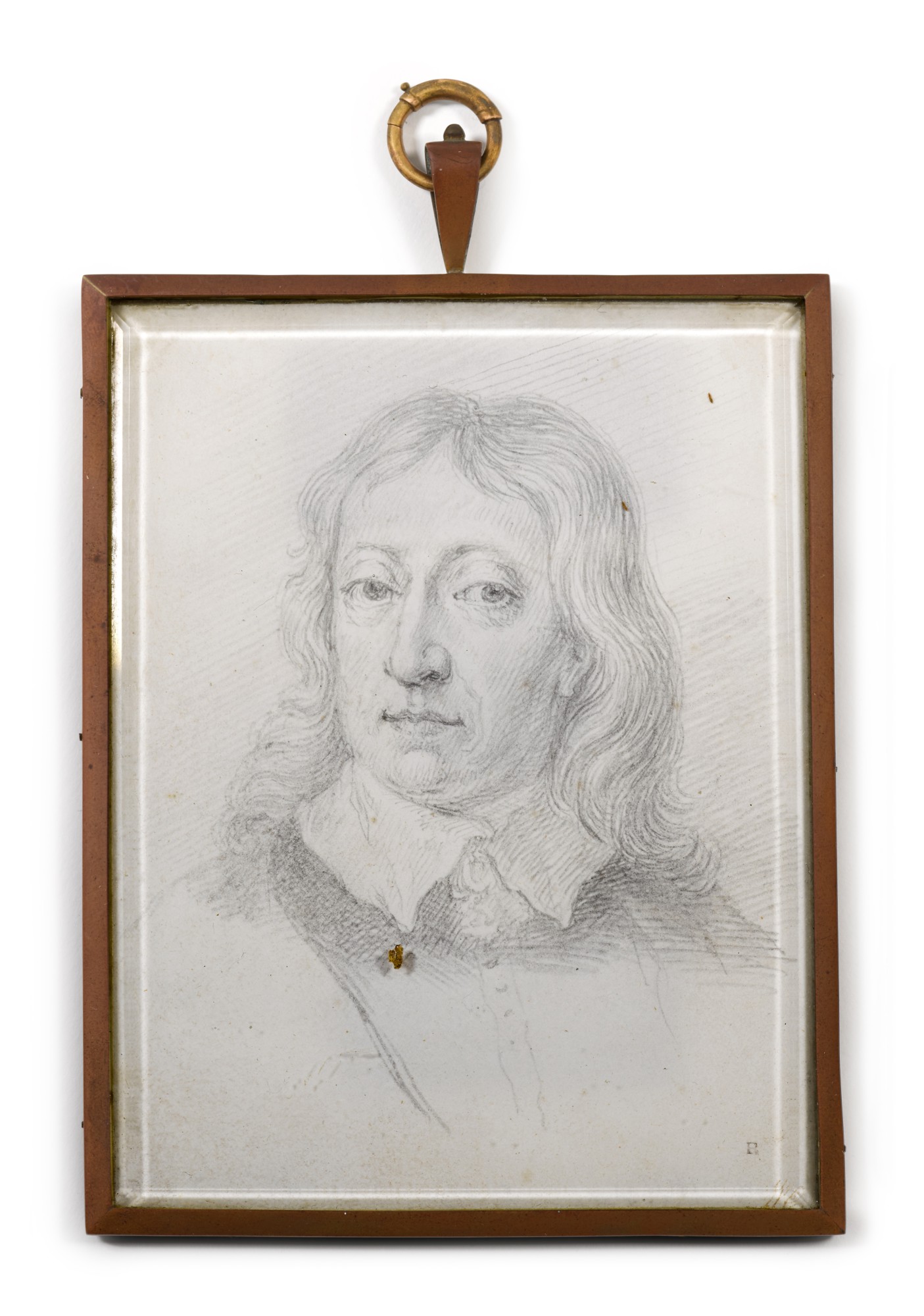
Jonathan Richardson
Portrait of John Milton (1607-1674)
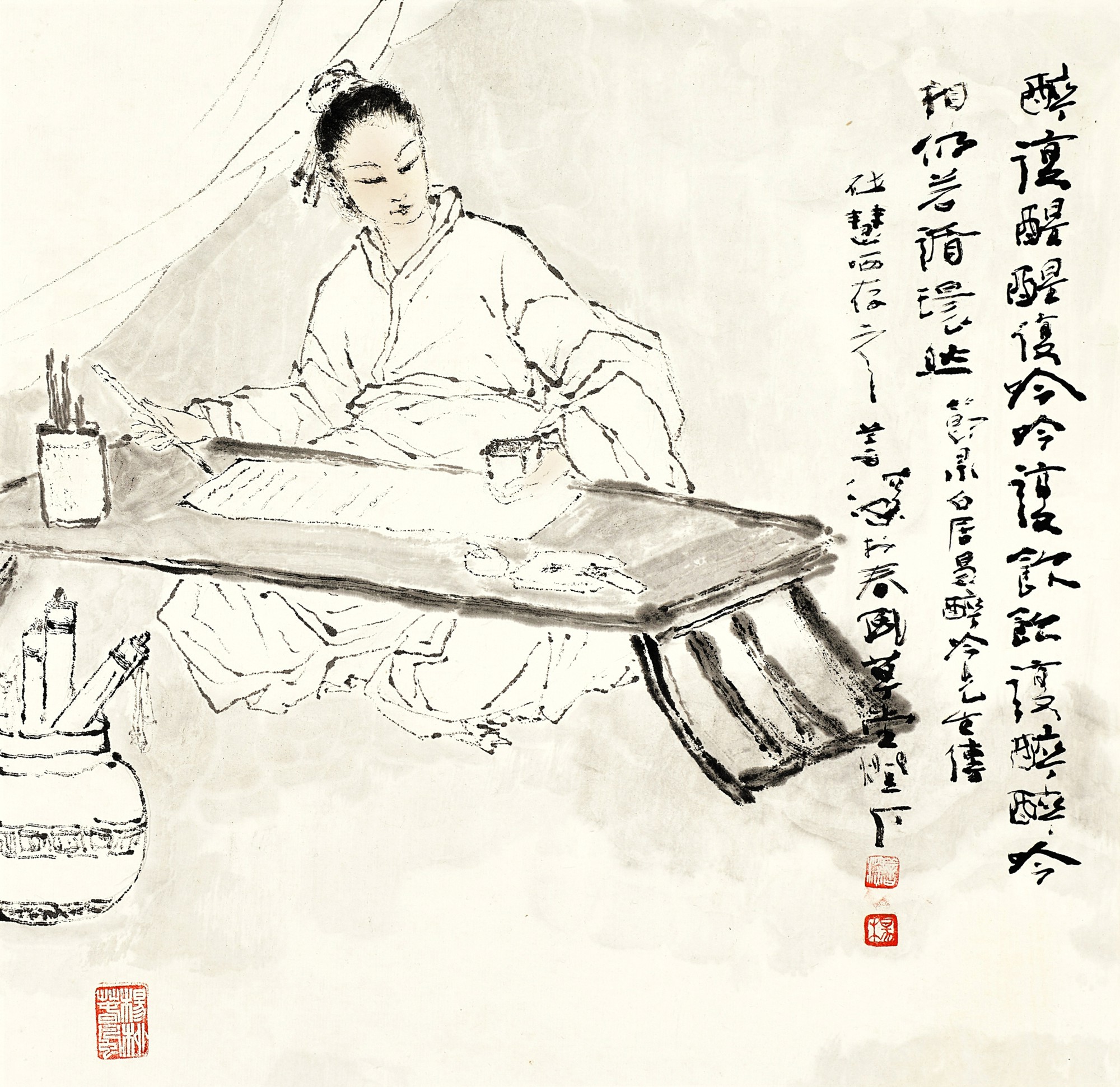
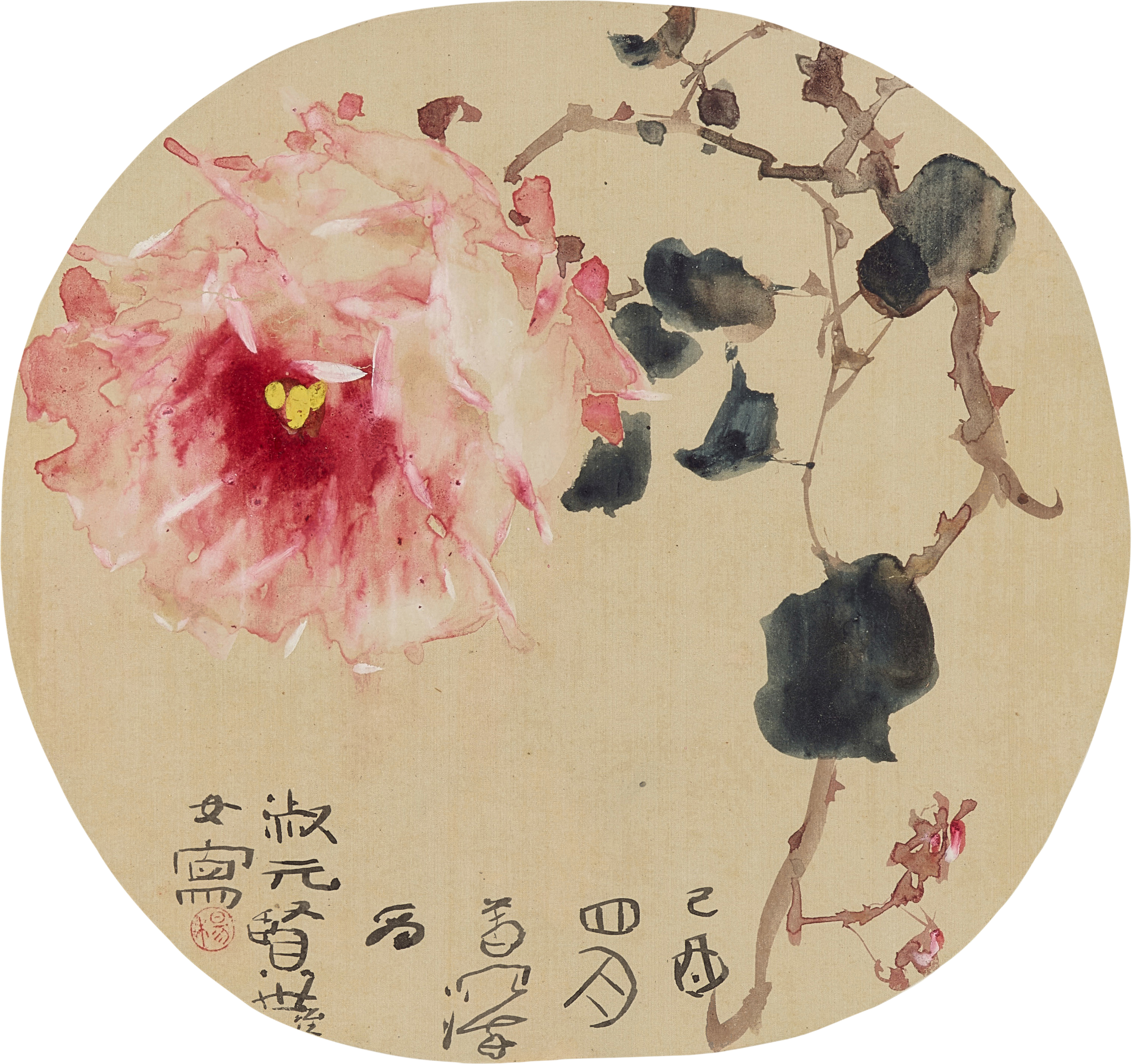
The Japonisme inflected works of Katsushika Hokusai have always commanded serious prices, but it is worth noting that collectors who enter through the landscape work often find themselves drawn eventually to the figure studies, to the images of scholars and monks bent over texts, to the quiet drama of thought made visible. Hokusai understood the depicted act of reading or writing as a kind of action, charged with as much dynamism as a cresting wave. The Chinese painting market has brought similar intelligence to the figure of the literary gentleman. Yang Shanshen, the twentieth century Cantonese master whose work bridges classical Chinese ink painting with a thoroughly modern sensibility, produced images of scholars and poets that are saturated with art historical reference while remaining entirely personal.
His works have attracted serious institutional attention in Hong Kong and increasingly in European and American collections. The poet in the Chinese literati tradition is not a marginal or bohemian figure but a cultural ideal, and Yang's paintings carry that weight with remarkable grace. His presence on The Collection sits well alongside work that crosses other cultural traditions. Vu Cao Dam, the Vietnamese French painter whose long career unfolded primarily in France after he left Hanoi in the late 1930s, brought a similarly layered cultural perspective to his figure work.
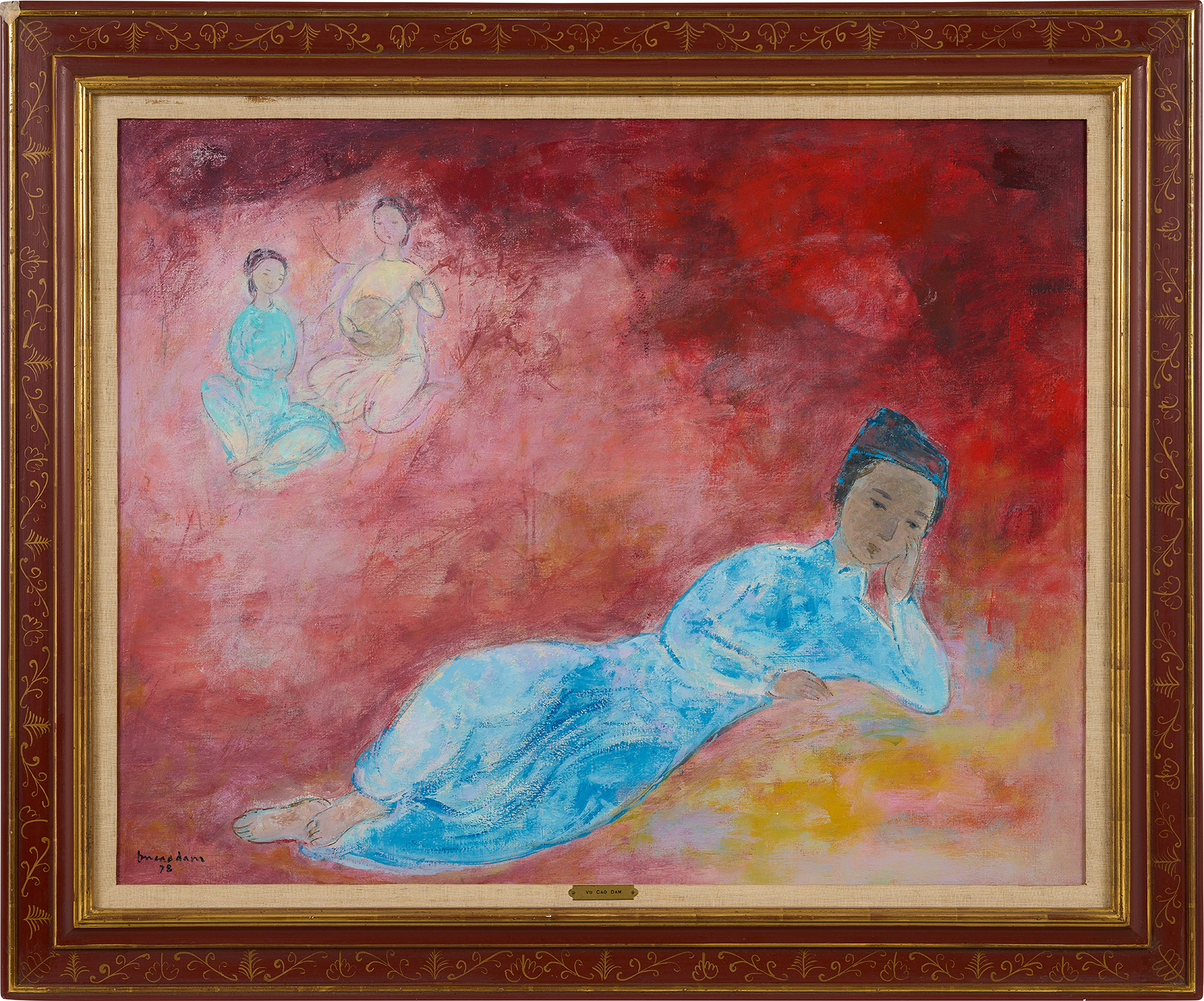
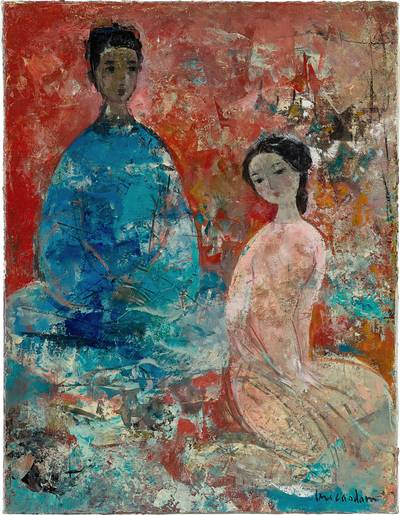
Vu Cao Dam
Le Poete (The Poet), 1978
His paintings often carry a dreamlike quality that connects the inner life of the depicted figure to a broader symbolic vocabulary. Collectors of School of Paris painting have long understood his importance, and recent auction results in Paris and Southeast Asia suggest that a wider global audience is arriving at the same conclusion. The poet in his work is less a specific person than a state of being, which may explain why his canvases feel so remarkably contemporary. The critical conversation shaping this category is genuinely exciting right now.
Writers like T.J. Clark and Rosalind Krauss laid groundwork for thinking seriously about interiority in painting, and a younger generation of curators has taken that seriously in their programming choices. Publications including Burlington Magazine and the Journal of the Warburg and Courtauld Institutes have run important pieces in recent years on the iconography of the literary figure across Western and non Western traditions.
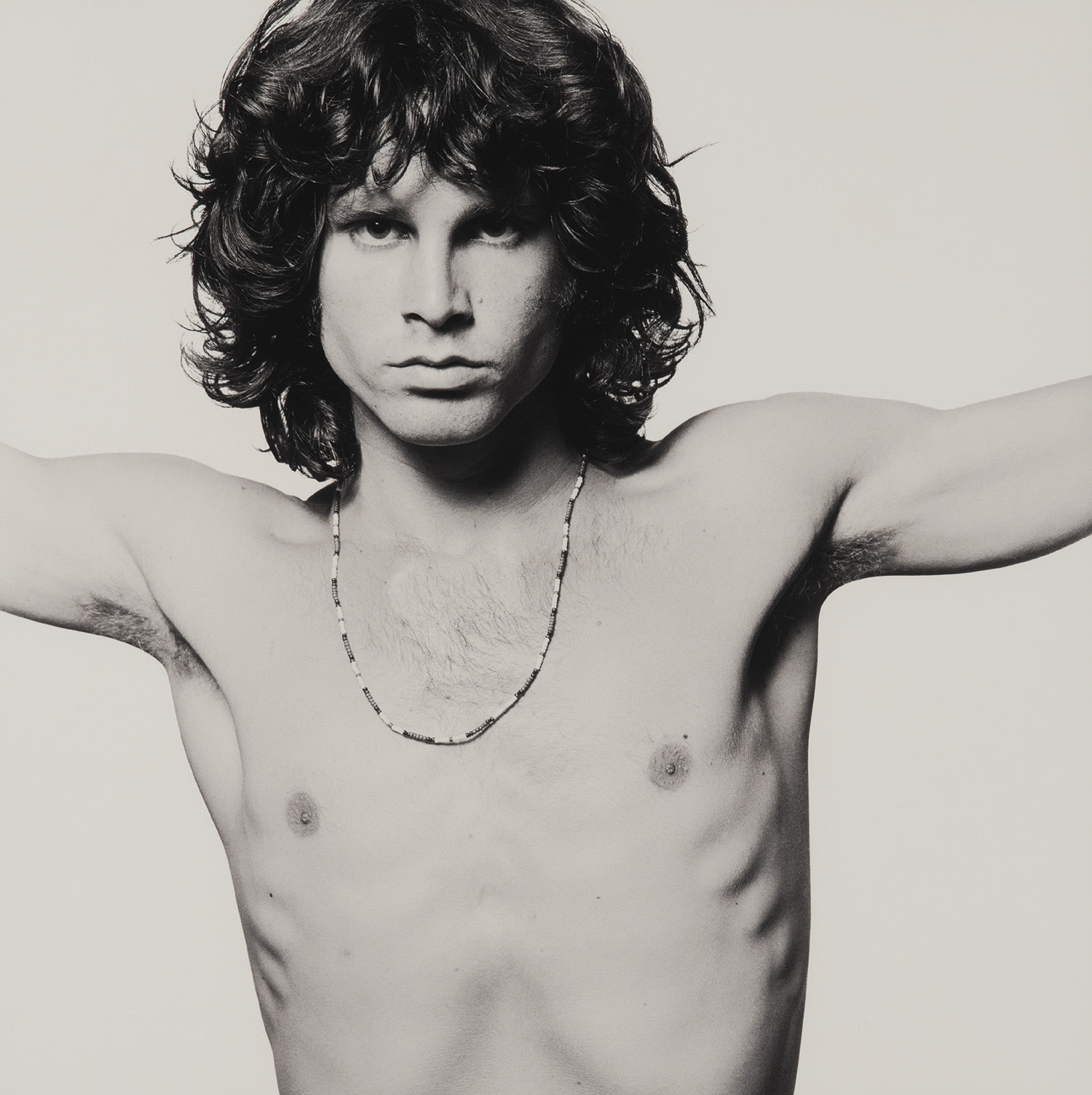
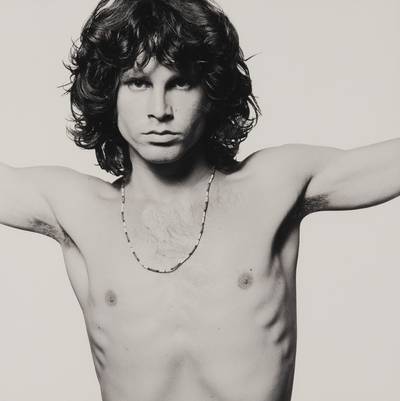
Joel Brodsky
American Poet
What is emerging is a more capacious understanding of who counts as a poet in the visual record, one that moves beyond the European canon to include literati painting, calligraphy as portraiture, and the documentary traditions of photographers like Joel Brodsky, whose sharp black and white images of cultural figures in the 1960s and 1970s captured artists and musicians with an intimacy that feels ancestral to the portrait tradition even as it breaks from it entirely. Where is the energy heading? The strongest signal right now is institutional acquisition of works that treat thought and creativity as their explicit subject matter. Museums building collections around the idea of the creative mind, rather than simply the creative product, are looking at exactly the kind of material represented on The Collection.
For private collectors, the opportunity is real and the window may be narrowing. Works that once seemed too quiet or too literary for a certain kind of buyer are now exactly what sophisticated collections want at their center. The poet, it turns out, was never marginal. We just needed the right moment to see the figure clearly.