Photographic
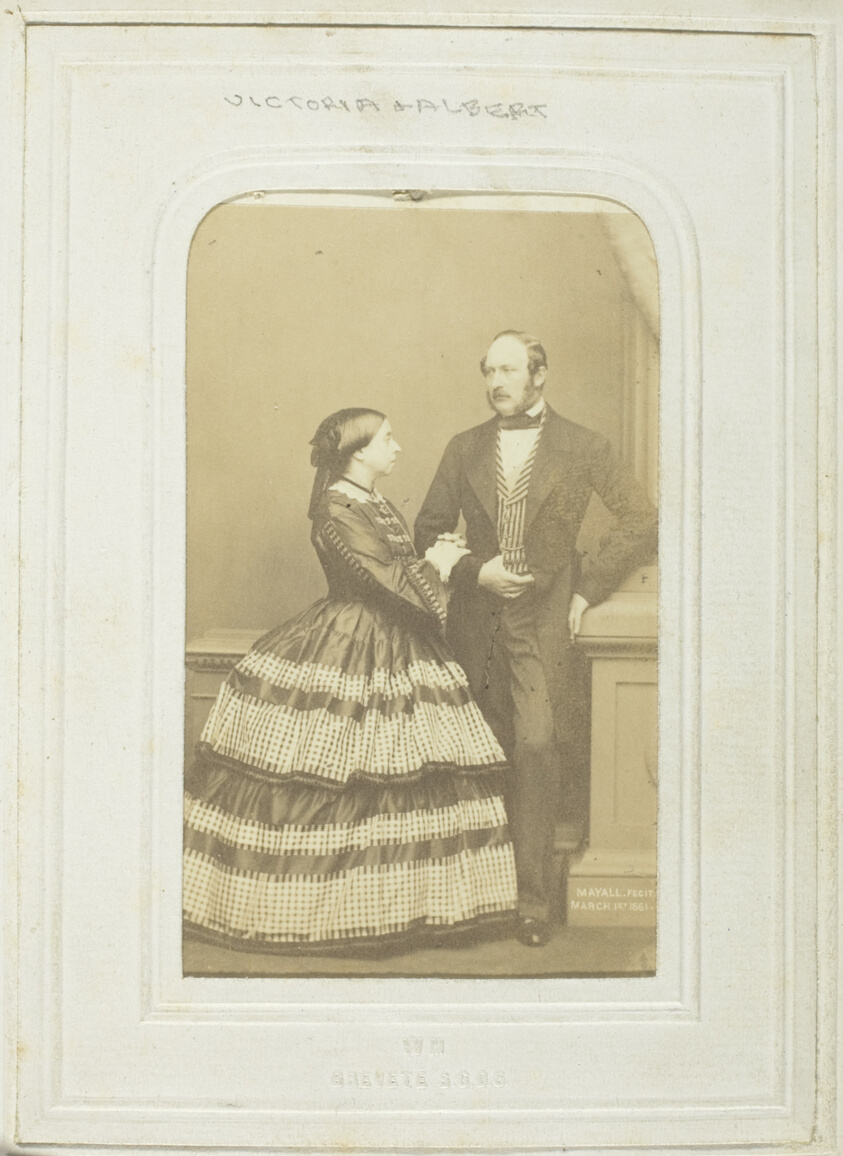
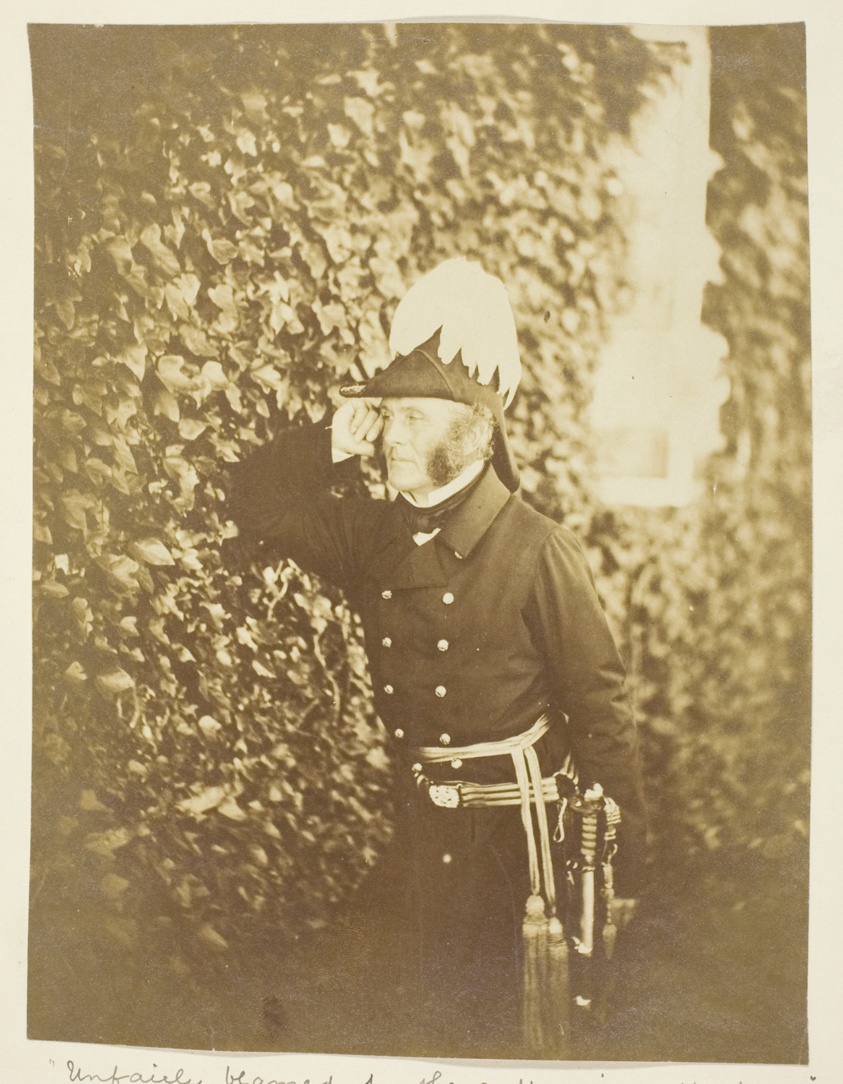
John Jabez Edwin Mayall
The Queen and Prince Consort, 1861
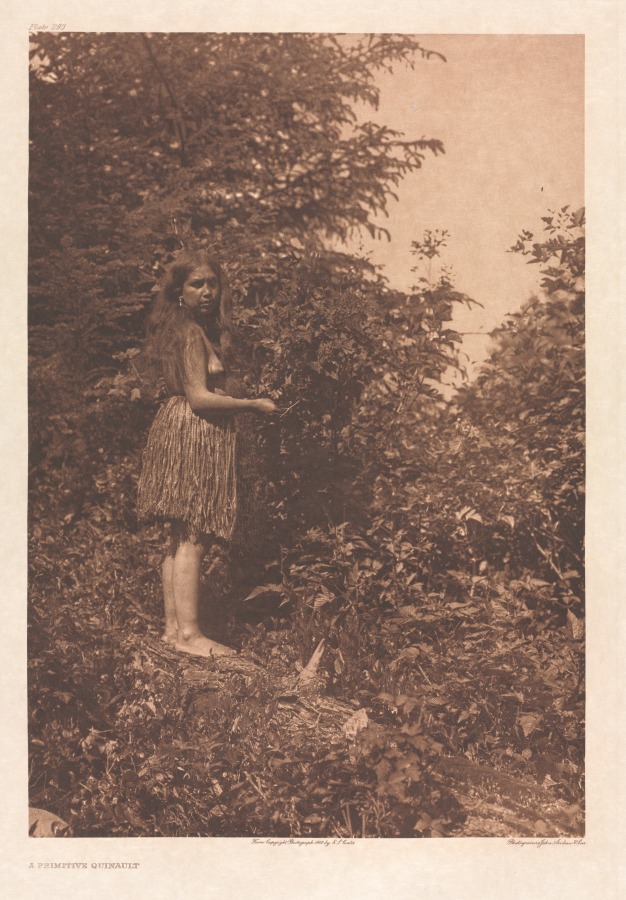

The Camera Never Lies, But It Always Seduces
There is something particular about living with a photograph. Unlike painting, which announces its own artifice from across the room, a photograph pulls you into a negotiation with reality itself. Collectors who fall for the medium tend to fall hard, and they often describe the experience of acquiring their first serious photograph in almost confessional terms, as if they had been let in on a secret that changes how you move through the world. That tension between document and dream, between the mechanical and the deeply personal, is what keeps serious collectors returning to the medium decade after decade.
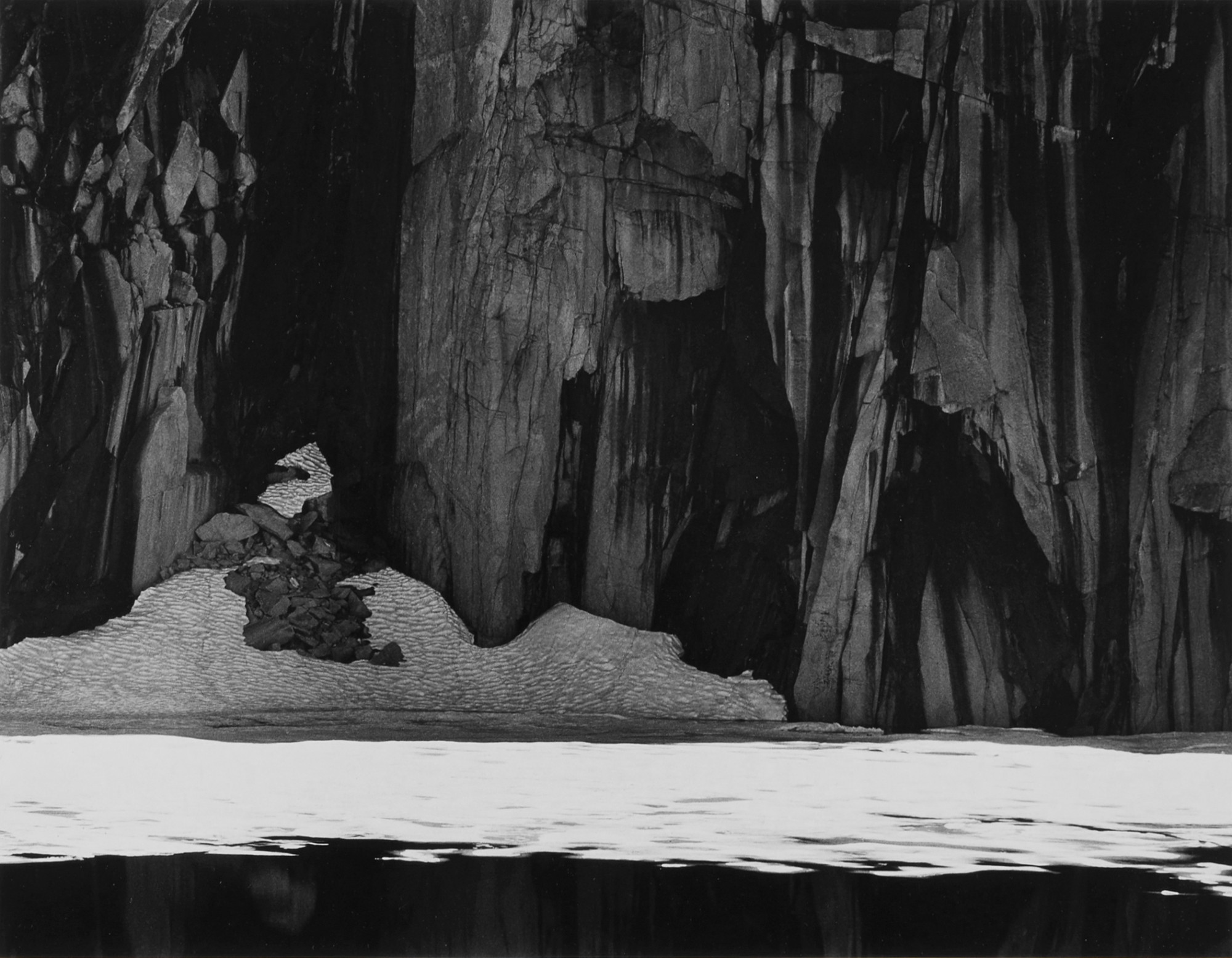
The emotional register of photographic collecting is distinct from almost any other category. A work by Ansel Adams is not simply a landscape. It is a meditation on light, time, and the act of seeing, made more urgent by the knowledge that Adams stood in a specific place at a specific moment and made a choice. The same is true for the quieter intimacy of Alfred Stieglitz, whose photographs carry the weight of a life's philosophy about art and America.
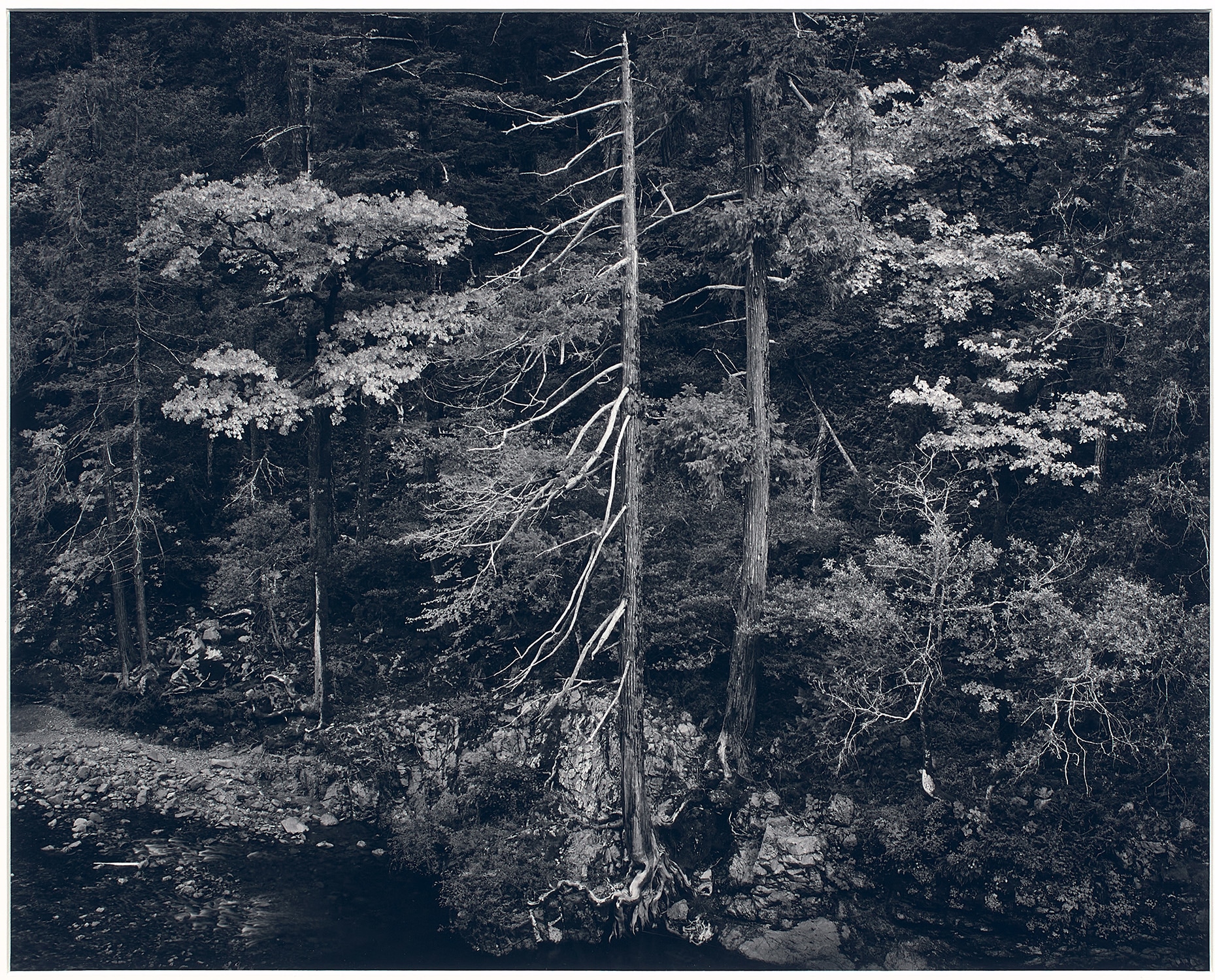
Ansel Adams
Forest and Stream, Northern California
Living with these works means living with questions rather than answers, and the collectors who understand this are the ones who build the most compelling holdings. When separating a good photographic work from a great one, the first thing to look at is the print itself. Vintage prints, made close to the time of the original negative, carry an authority and a physical presence that later reprints simply cannot replicate. The surface quality, the tonal range, and even the slight imperfections of period papers and chemistry are part of what you are acquiring.
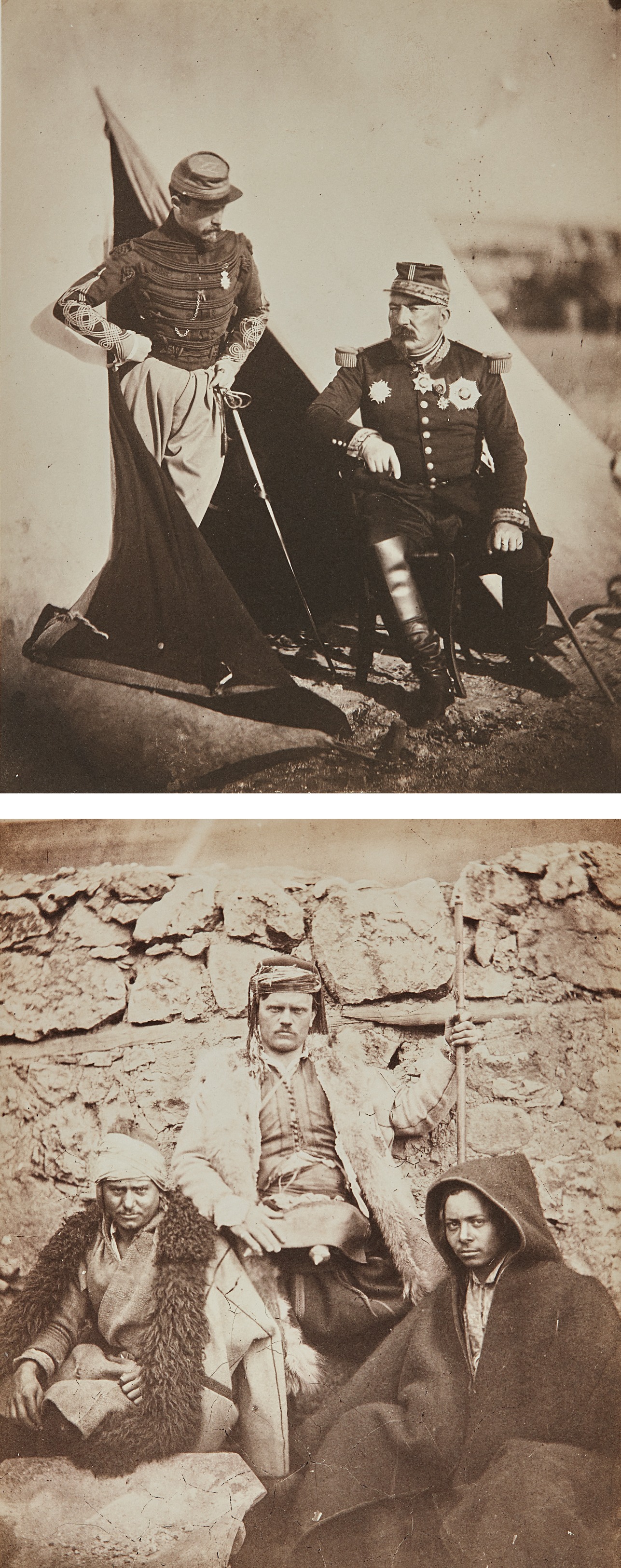
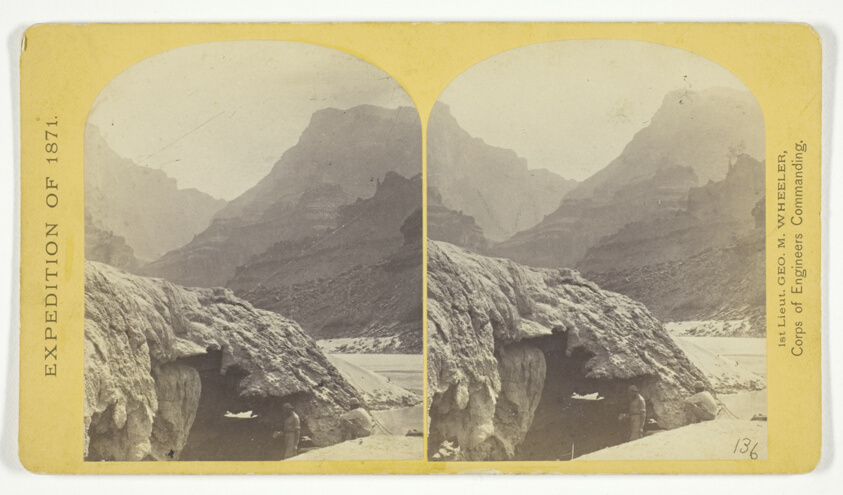
A great work also demonstrates a specific artistic intention that transcends the moment of capture. Roger Fenton's photographs from the Crimean War, for instance, are not journalism. They are careful compositions that reveal a mind thinking about framing, silence, and the representation of conflict in ways that still resonate in contemporary practice. Editions matter enormously in this market, and the question of how many prints were made from a given negative is one every serious collector should ask before committing to a purchase.
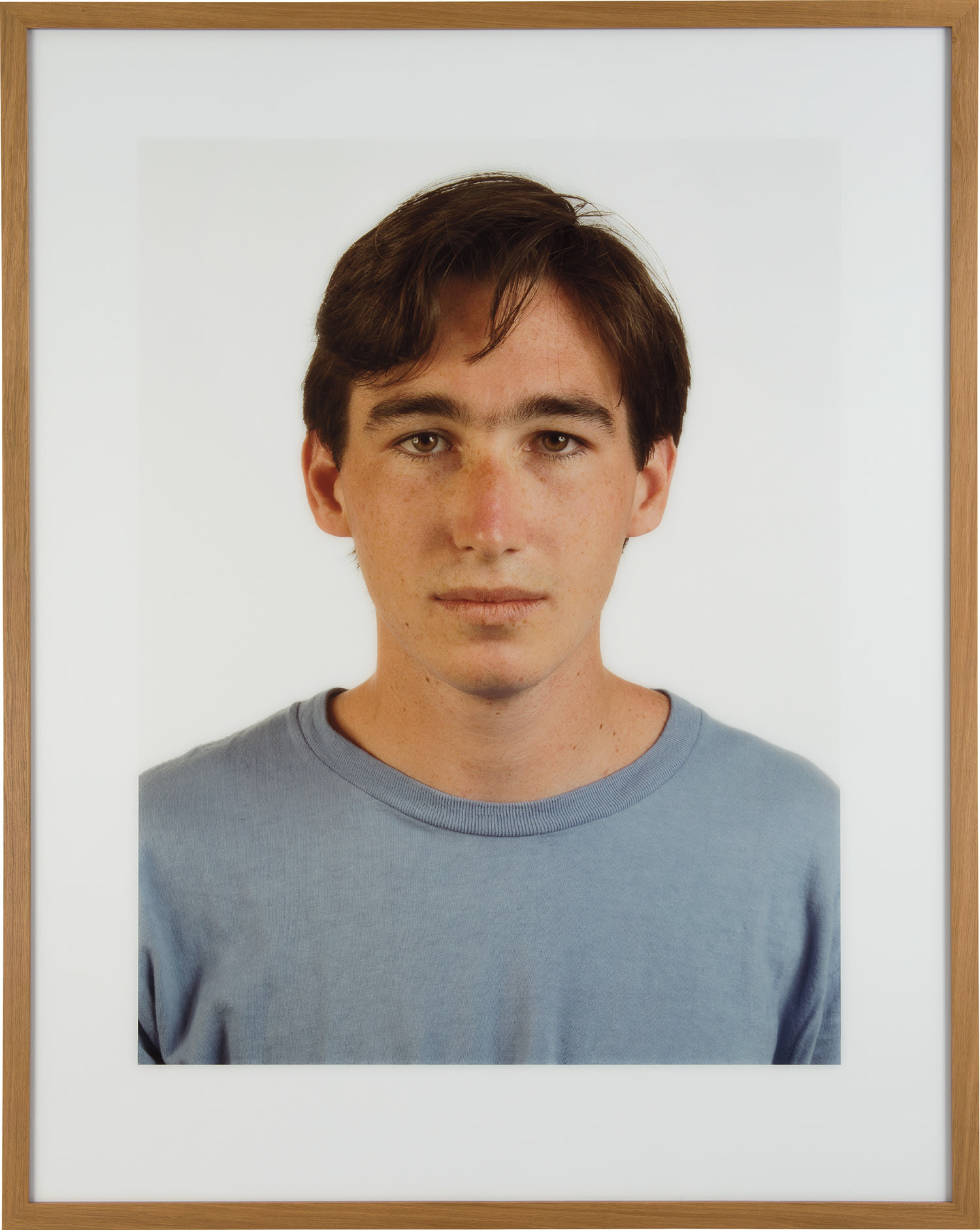
Thomas Ruff
Portrait (J.Blum), 1989
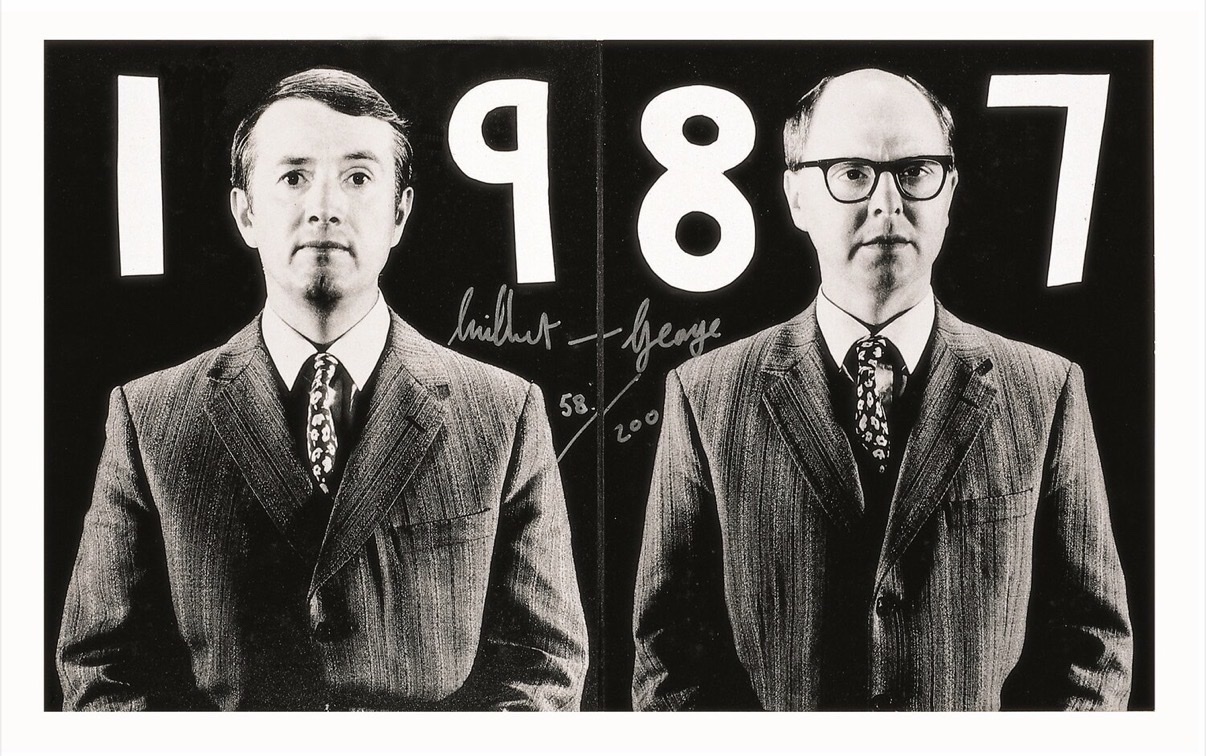
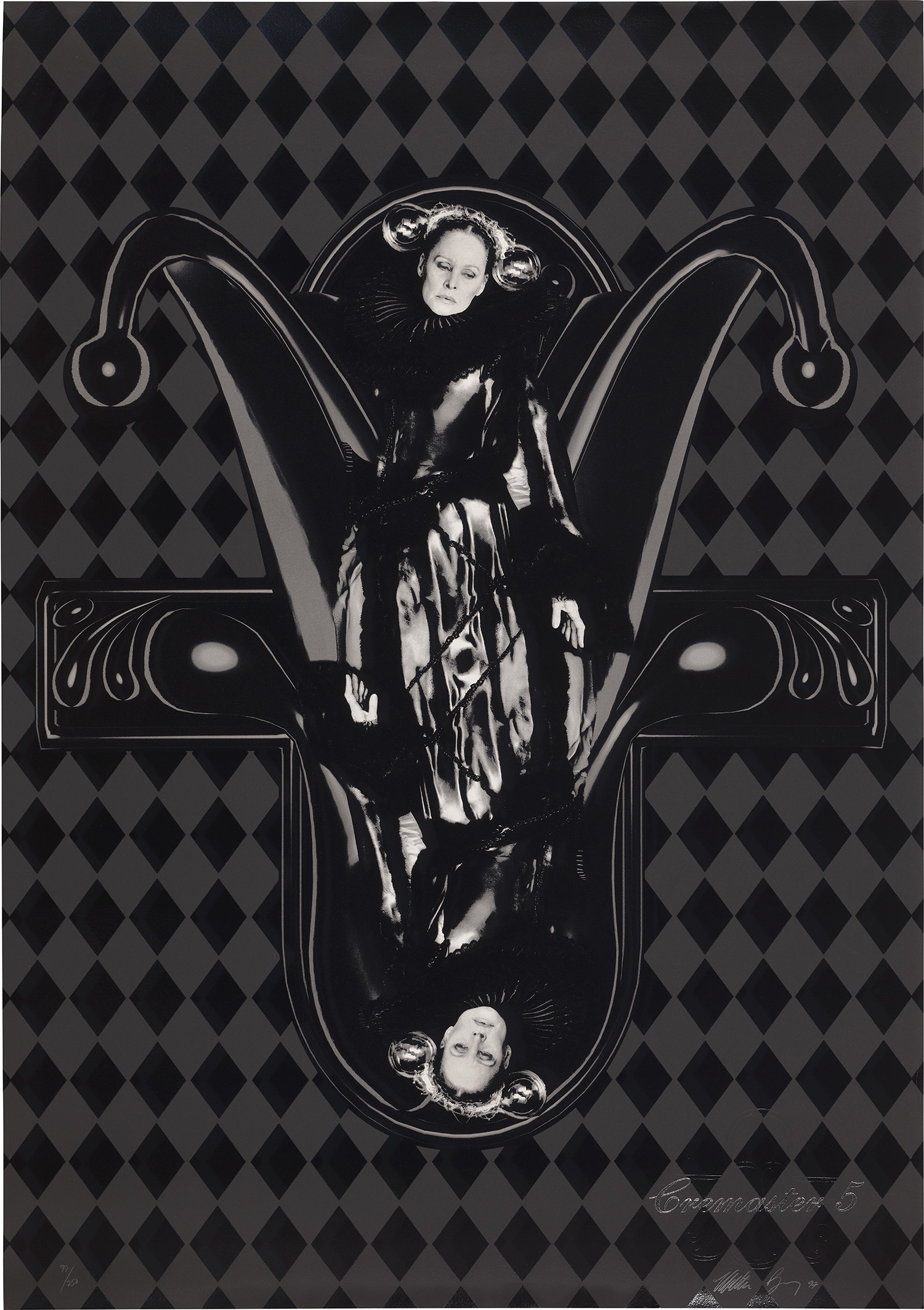
Works by Thomas Ruff exemplify the complexity here. Ruff has worked extensively with found photographic material and digital manipulation, creating large scale works that exist in strictly controlled editions. His clarity about the constructed nature of the photographic image, and his willingness to make that construction the subject of the work, place him among the most intellectually rigorous artists working in the medium. Similarly, Louise Lawler has built a career around photographing other artworks in situ, turning the question of context and value into the primary subject.
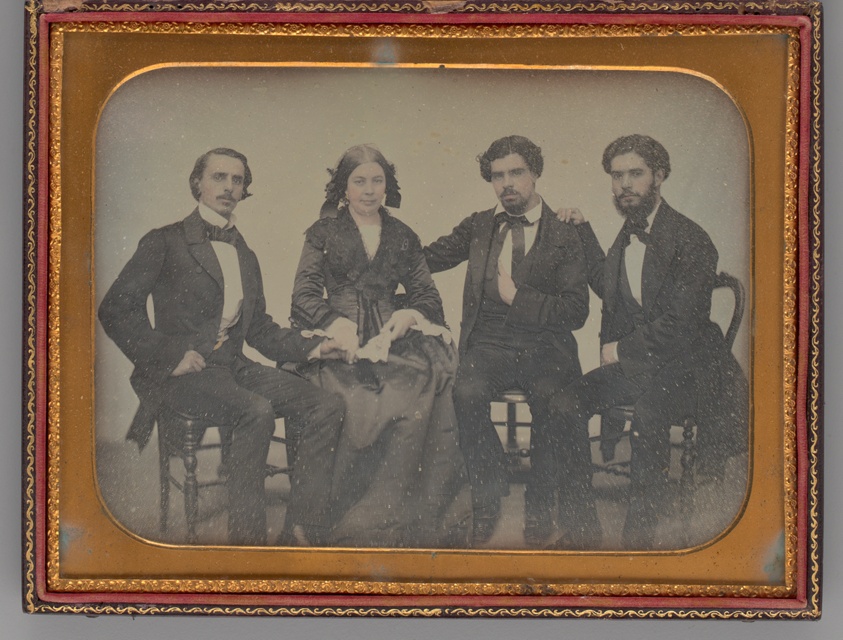
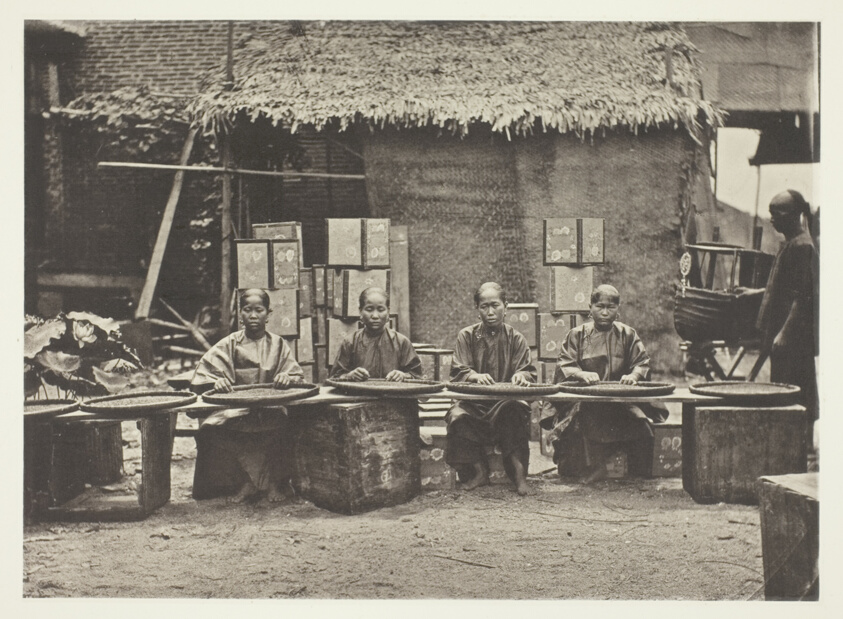
Both artists represent a strain of photographic practice that rewards collectors who are willing to sit with conceptual complexity. For collectors interested in where the strongest long term value lies, the historical figures on the market remain remarkably stable. Works by Étienne Carjat, whose portrait photographs from the 1860s and 1870s capture the literary and artistic world of Second Empire Paris with extraordinary psychological depth, have performed consistently at auction precisely because their historical importance is not in dispute. John Thomson's photographs of China and the streets of London occupy a similarly secure position, combining ethnographic significance with genuine formal beauty.
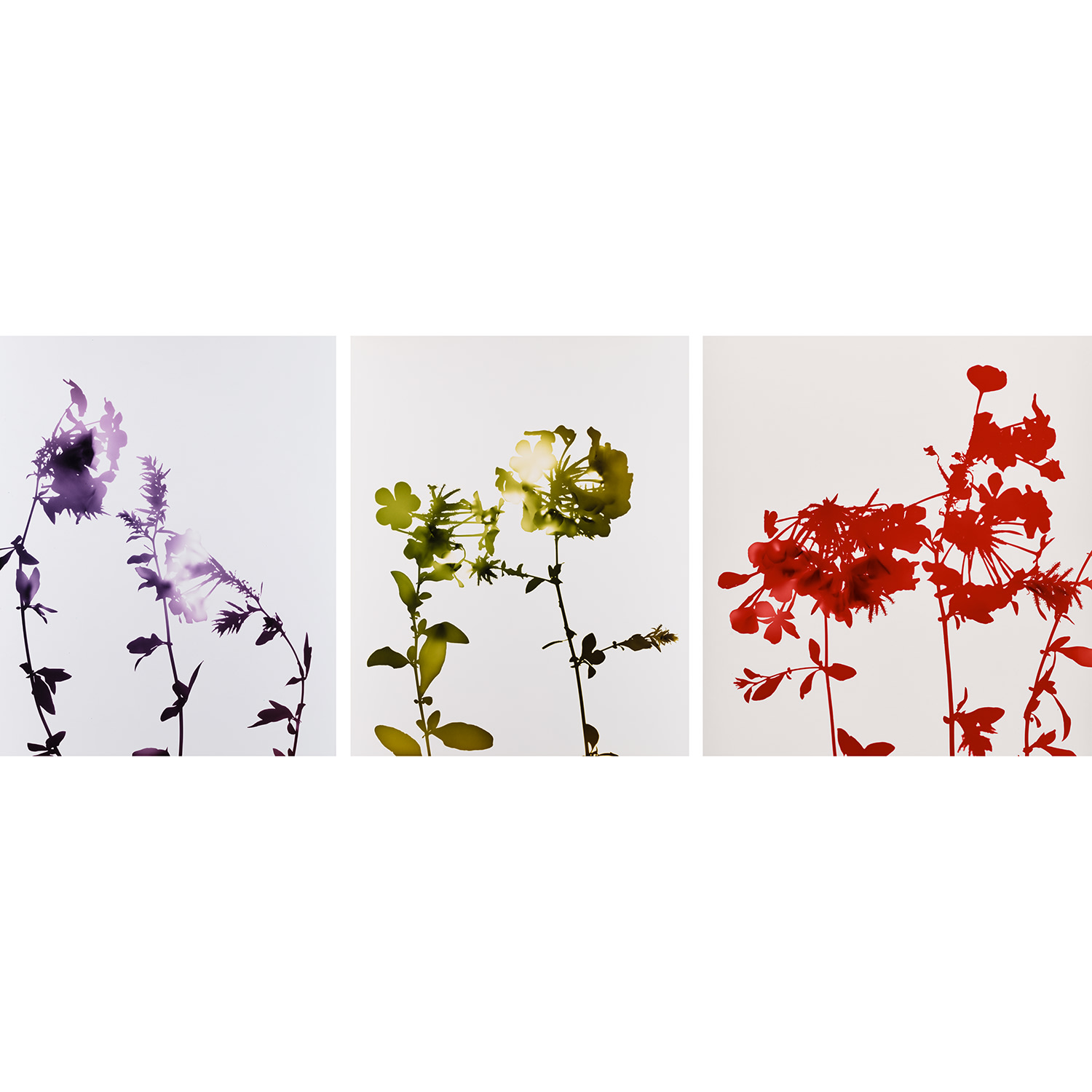
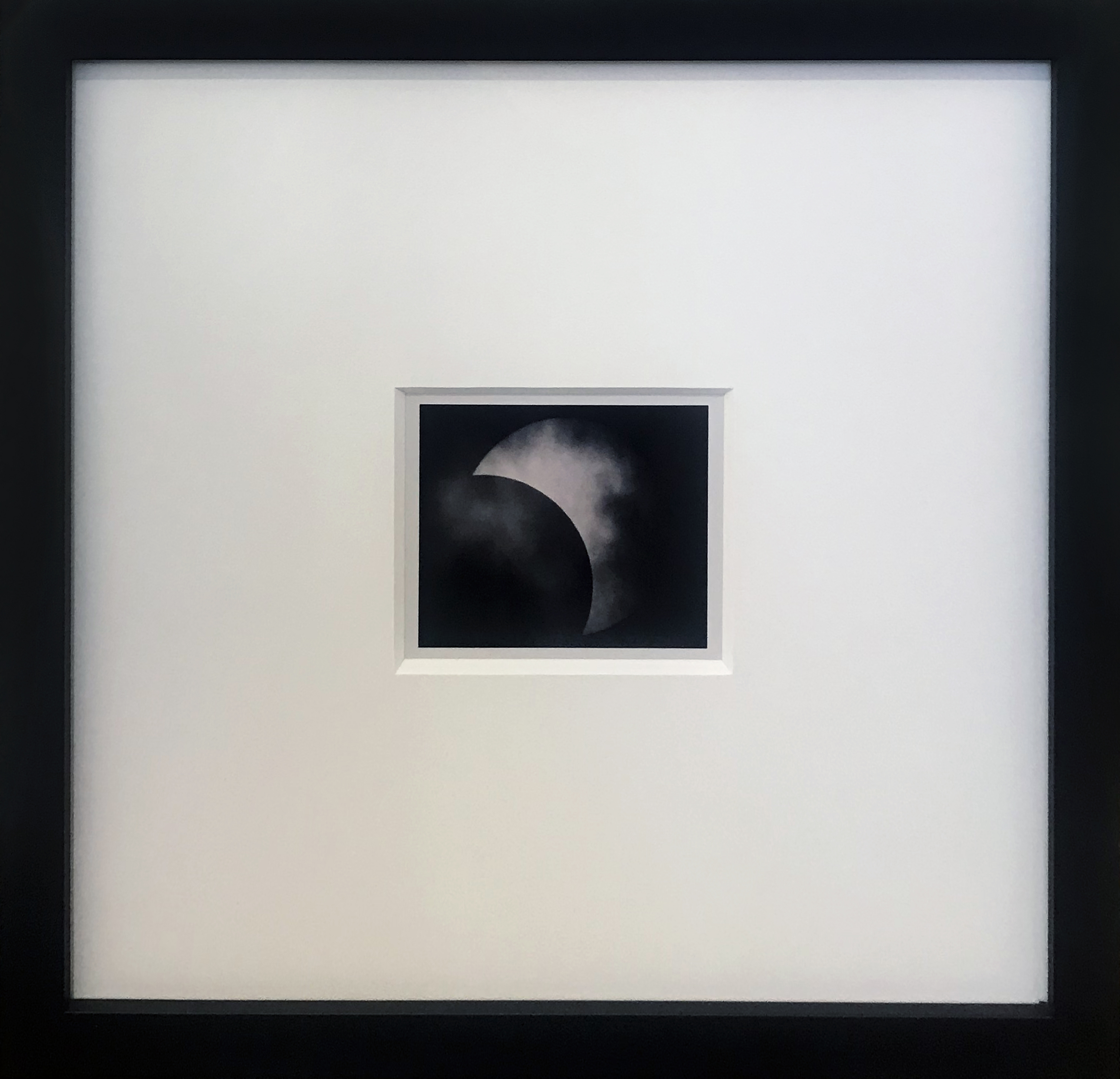
James Welling
Three works from, 2004
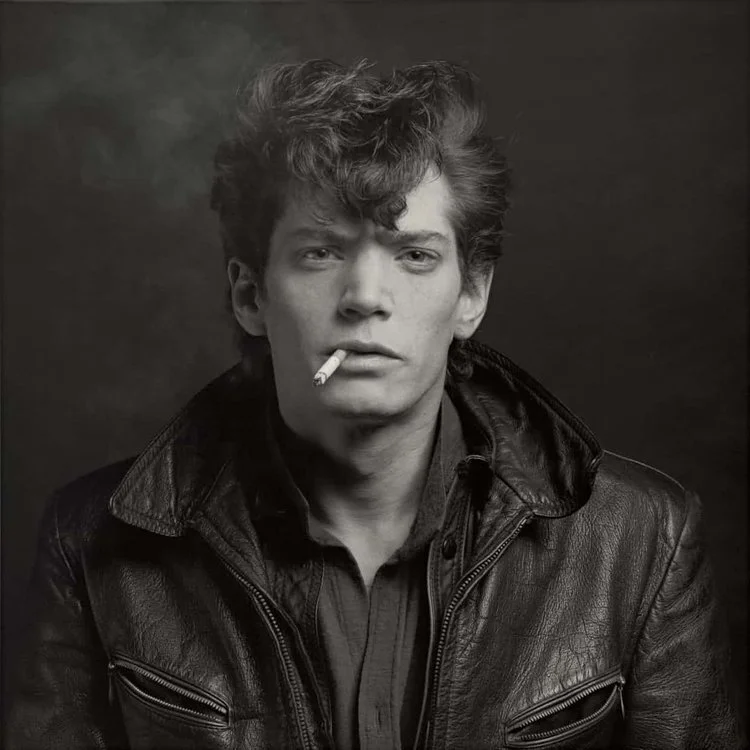
The photographs of Mathew B. Brady and his studio, which documented the American Civil War, continue to attract serious institutional interest as well as private buyers who understand that these works sit at the intersection of art history and national memory. The secondary market for photography has matured considerably over the past two decades, with specialist sales at the major auction houses now commanding serious attention from advisors and institutions alike. Works by Robert Mapplethorpe have held their value particularly well, with strong prices for vintage prints from his most celebrated series.
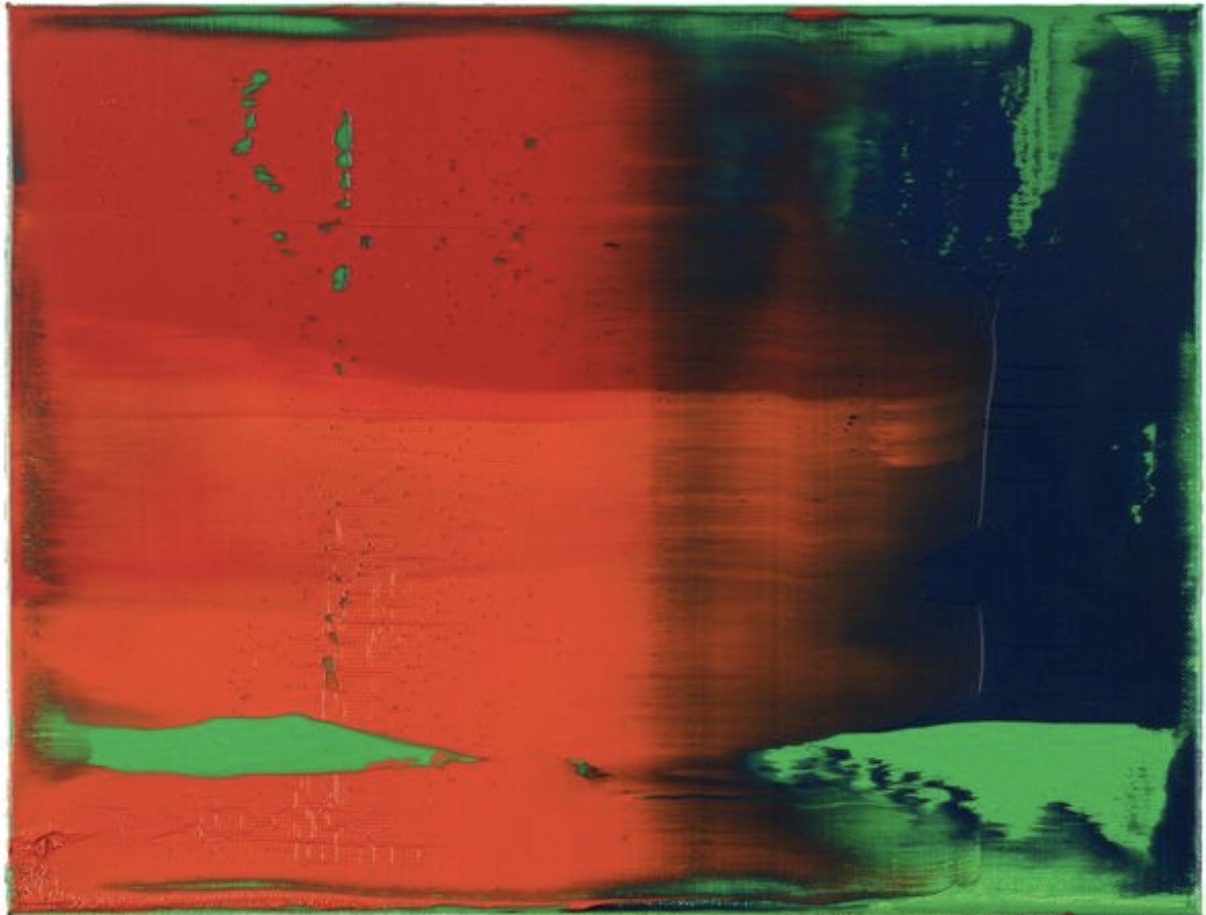
Gerhard Richter's photographic works, which complicate the boundary between painting and photography in deeply productive ways, have seen significant auction results that reflect both his canonical status in the painting world and a growing recognition of the photographs as essential to understanding his practice as a whole. Vik Muniz presents a different but equally compelling case. His works, which reconstruct famous images from unexpected materials and then photograph the results, perform well at auction because they operate simultaneously in multiple collecting categories. For collectors willing to look beyond the established names, the opportunity is real and the prices are still accessible.
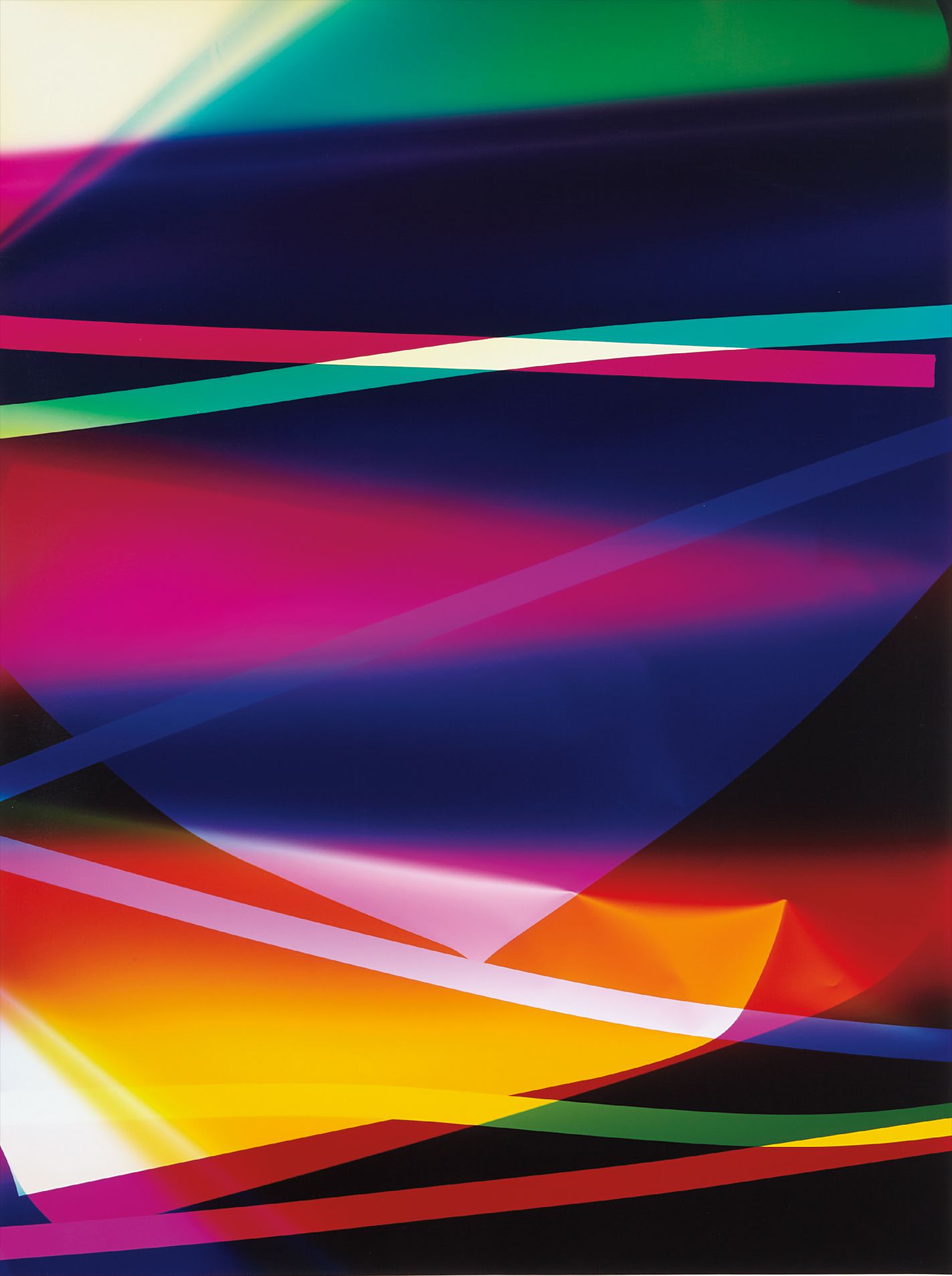
Walead Beshty
Three Color Curl (CMY: Irvine, California, August 24th 2008, Fuji Crystal Archive Type C)
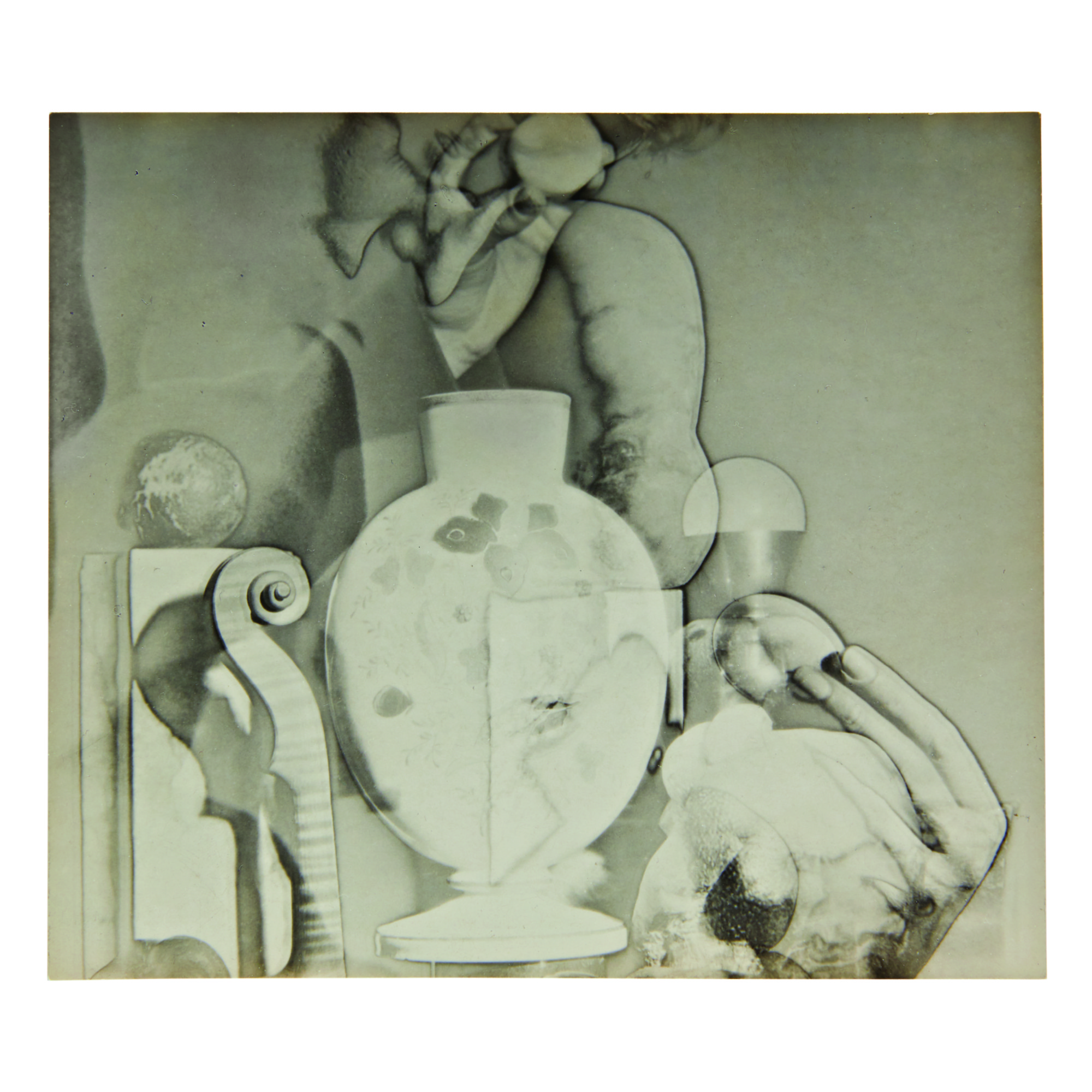
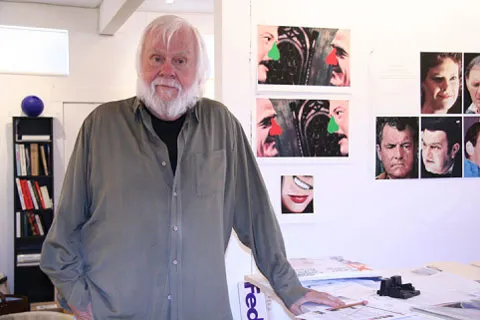
James Welling has spent decades exploring the formal properties of light and the instability of the photographic medium, producing work that reads differently every time the conversation about photography shifts. Walead Beshty's process based practice, in which photographic paper is physically folded and exposed to light in transit, raises fundamental questions about what a photograph can be and what it means to make one in the contemporary moment. These are artists with serious institutional support and a growing presence in the kind of collections that tend to set the terms for the broader market. Practically speaking, the care of photographic works requires more attention than many collectors anticipate at first.
Light sensitivity is the primary concern, and UV filtering glazing is not optional for works on paper. Vintage prints should be stored and displayed away from humidity and temperature fluctuation. When acquiring work, ask the gallery or auction house for full provenance, a condition report that notes any fading or foxing, and clear documentation of the edition size and print date. For works from artists who are still active, understand whether the edition is open or closed and how the artist or estate handles the release of additional prints.
These details are not bureaucratic. They are what protect the integrity of what you own and, over time, the value of your collection as a whole. Photography remains one of the most genuinely democratic and one of the most intellectually demanding categories in the contemporary art market, which is part of why it continues to attract collectors across such a wide range of experience and means. The works represented on The Collection, from the earliest daguerreotype era photographers through to the most conceptually ambitious contemporary practitioners, offer an unusually rich map of that range.
What unites them is the medium's persistent insistence on asking the hardest question of all, which is whether you are looking at the world or at a picture of the world, and whether that difference matters as much as you thought.