Patriotic Theme
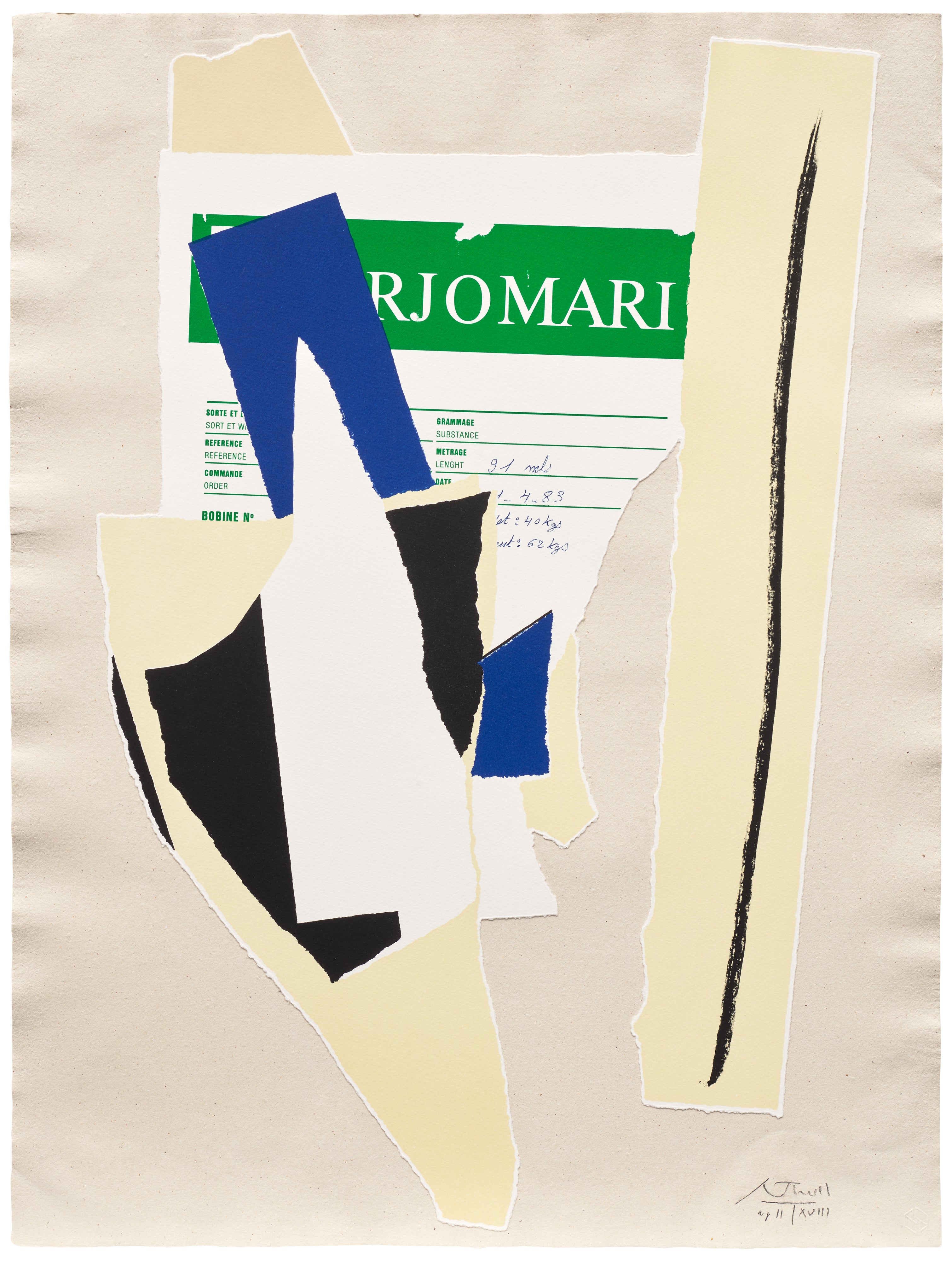
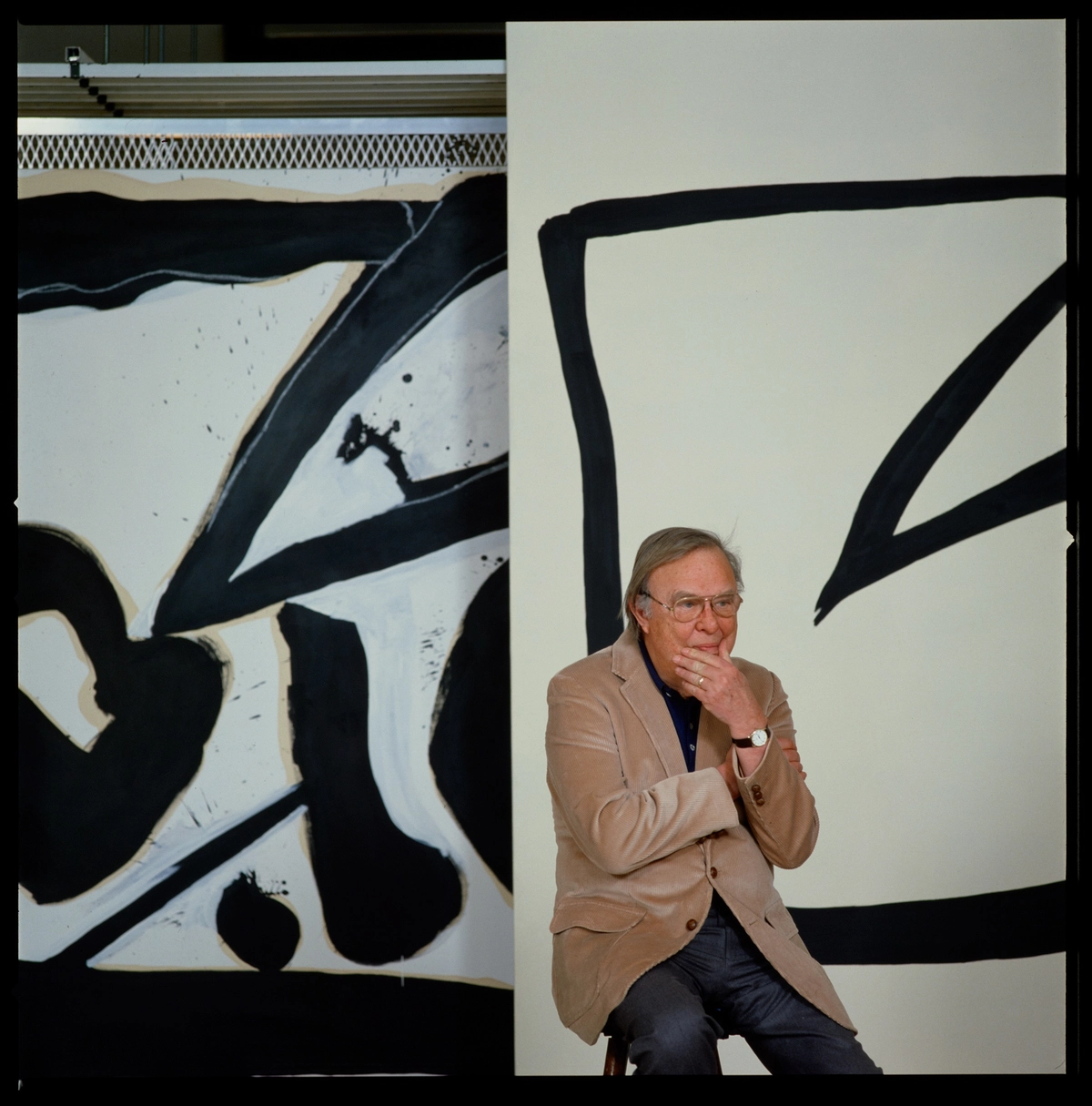
Robert Motherwell
America La France Variations IX, 1984
When Art Dares to Wave the Flag
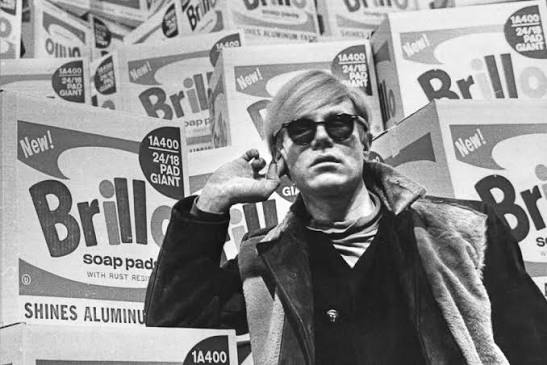
At Christie's New York in 2023, a silkscreen by Andy Warhol featuring the Statue of Liberty sold for well above its estimate, a reminder that American iconography still carries enormous weight in the room. The result was not simply a market moment. It was a signal that patriotic imagery, long treated as either naive or politically radioactive, is once again commanding serious attention from collectors who understand the difference between propaganda and provocation. That distinction is precisely where the most interesting work in this category lives.
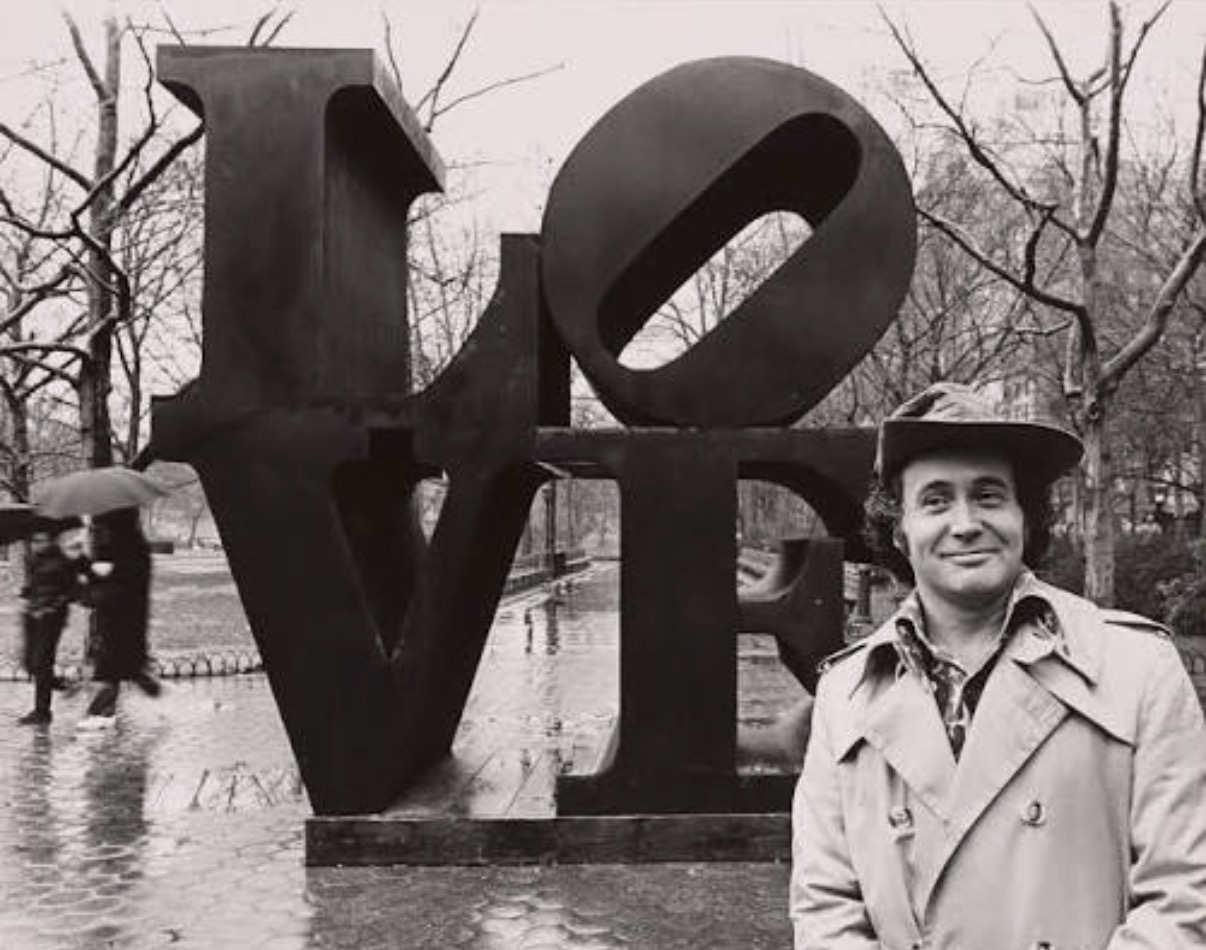
Patriotic theme as a collecting category sits at one of the most charged intersections in contemporary art. It encompasses works that celebrate national identity, works that interrogate it, and works that do both simultaneously with unnerving precision. The artists represented on The Collection working in this space span a remarkable range of intentions. Robert Indiana's LOVE and HOPE works, rooted in the visual language of American signage and democratic optimism, occupy a different emotional register than David Hammons, whose engagement with the American flag has consistently exposed the gap between the nation's stated ideals and its lived realities.
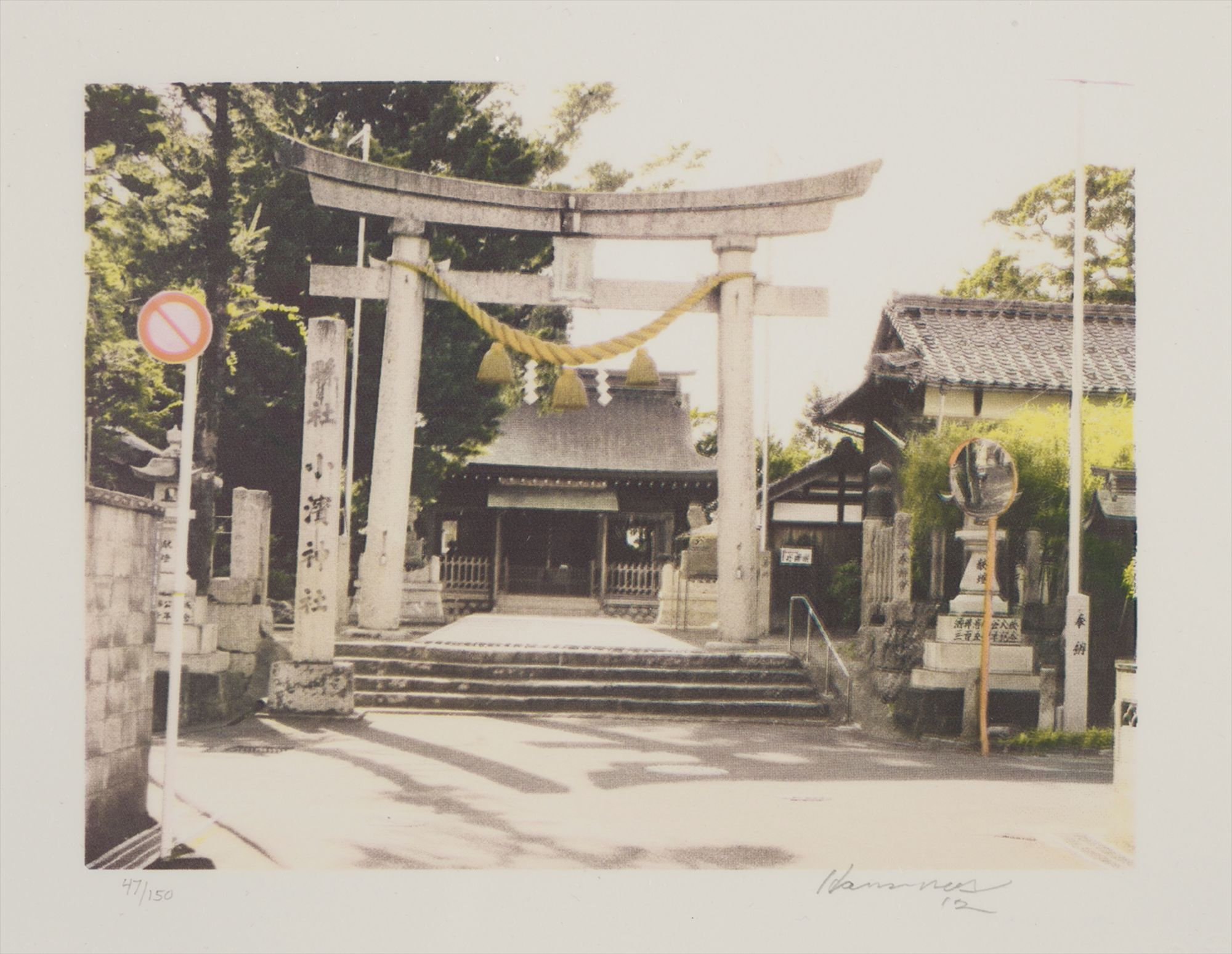
David Hammons
Obama Shrine - 16th century - Obama, Japan, from Artists for Obama
Both approaches matter. Both are, in their own way, deeply patriotic. Recent museum programming has reflected a renewed appetite for this territory. The Whitney Museum of American Art has long been attentive to works that use national symbols as artistic raw material, and its holdings of Jasper Johns flag works remain a foundational reference point for understanding how fine art transformed the flag from emblem into object of contemplation.
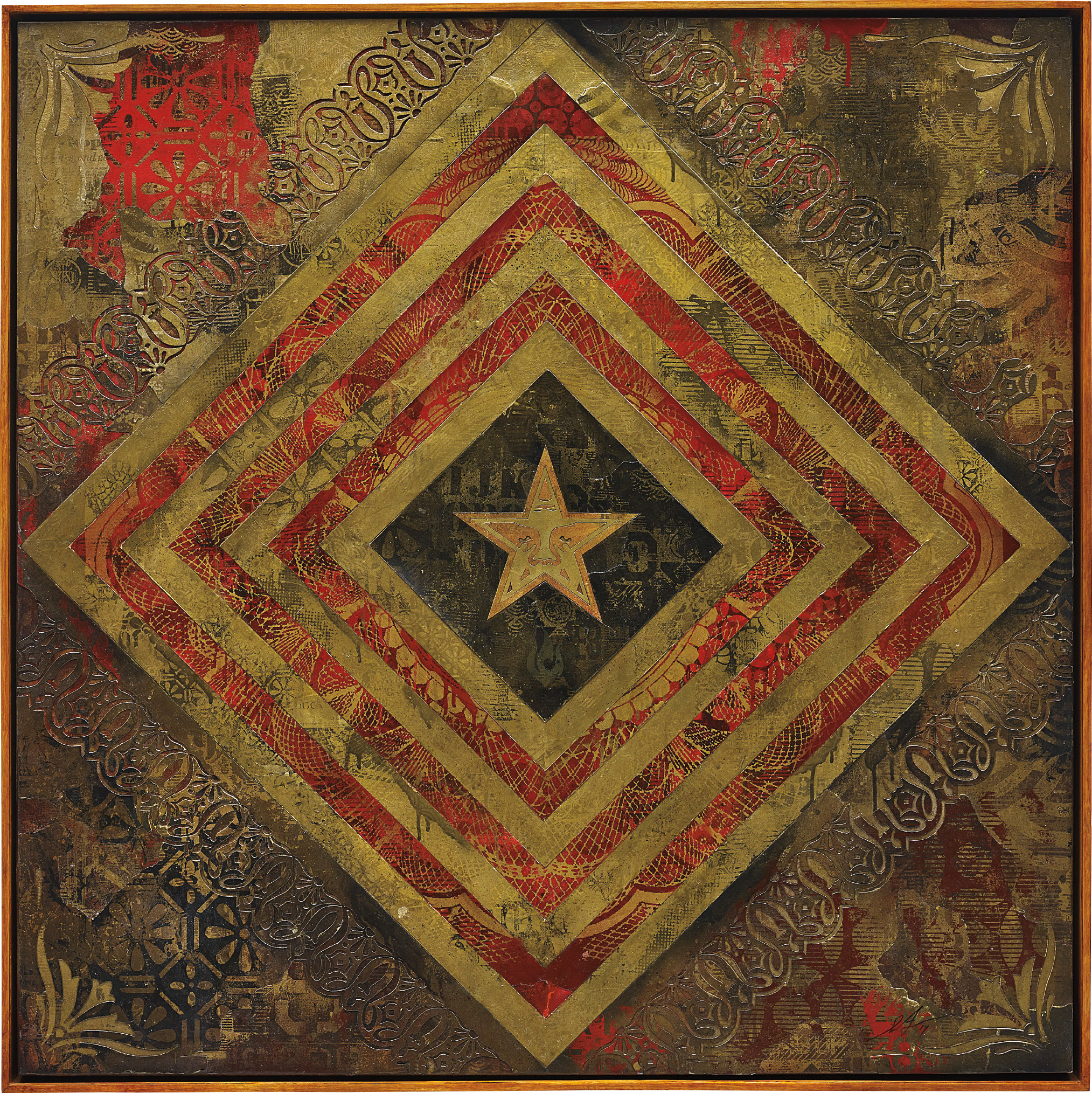
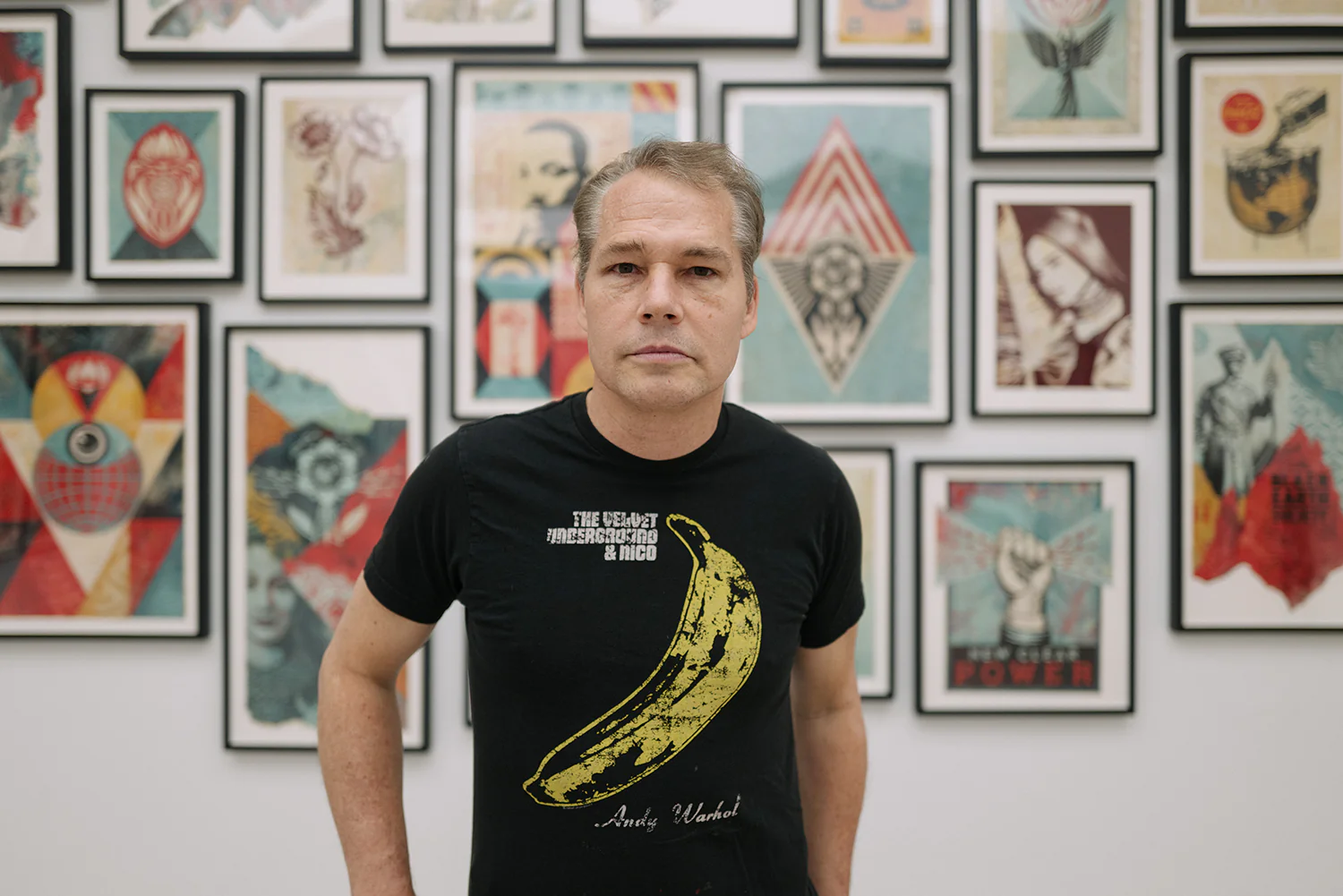
More recently, institutions including the Smithsonian American Art Museum have mounted exhibitions exploring how artists from marginalized communities have reclaimed and reimagined national imagery on their own terms. These shows have been critically important because they expand the conversation beyond the obvious and into something genuinely searching. Shepard Fairey's HOPE poster, created during the 2008 Obama presidential campaign, became one of the most reproduced images of the twenty first century almost overnight. Its presence in museum collections including the National Portrait Gallery in Washington confirmed that street derived, politically engaged imagery could carry both cultural urgency and institutional legitimacy at the same time.
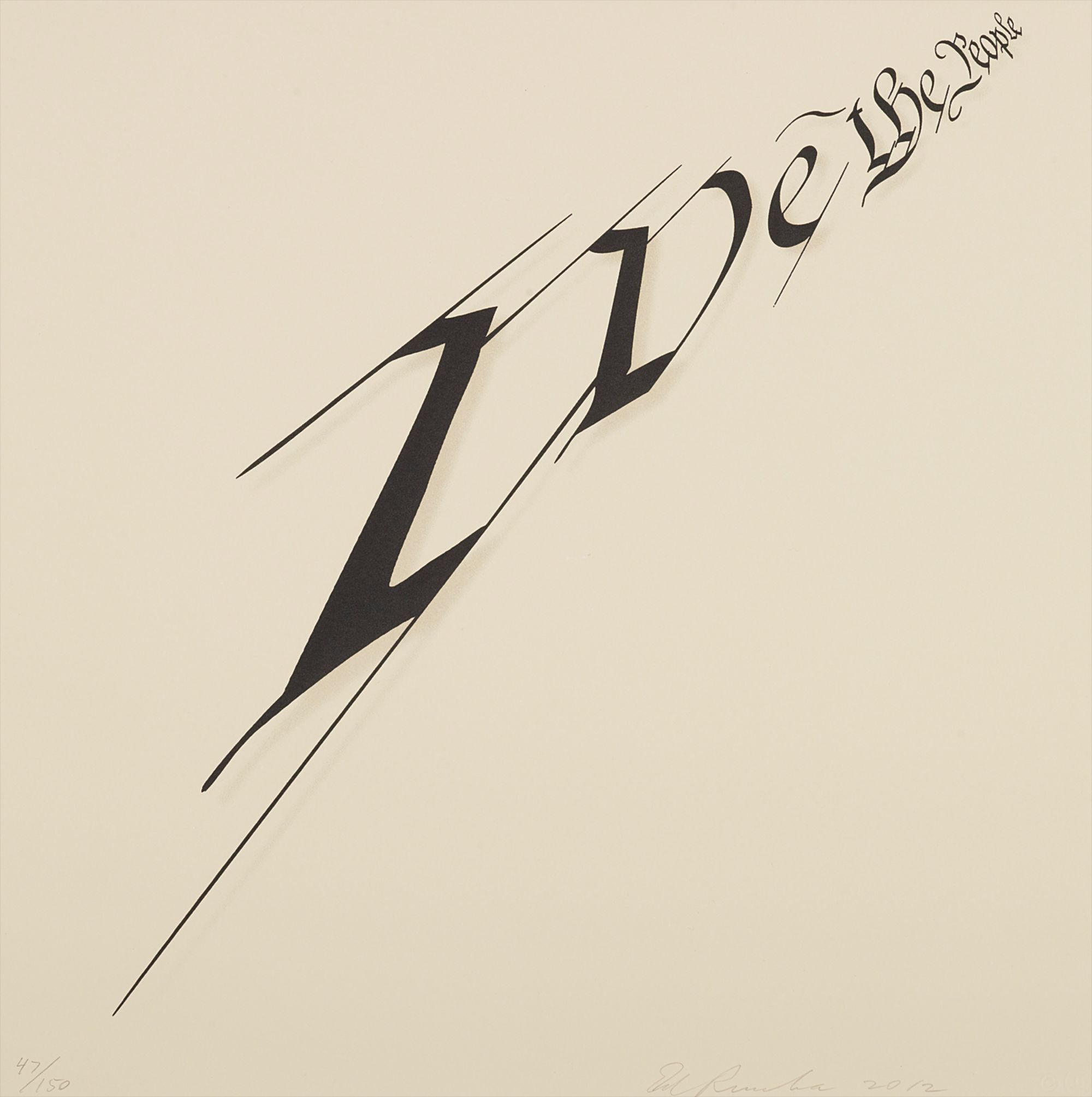
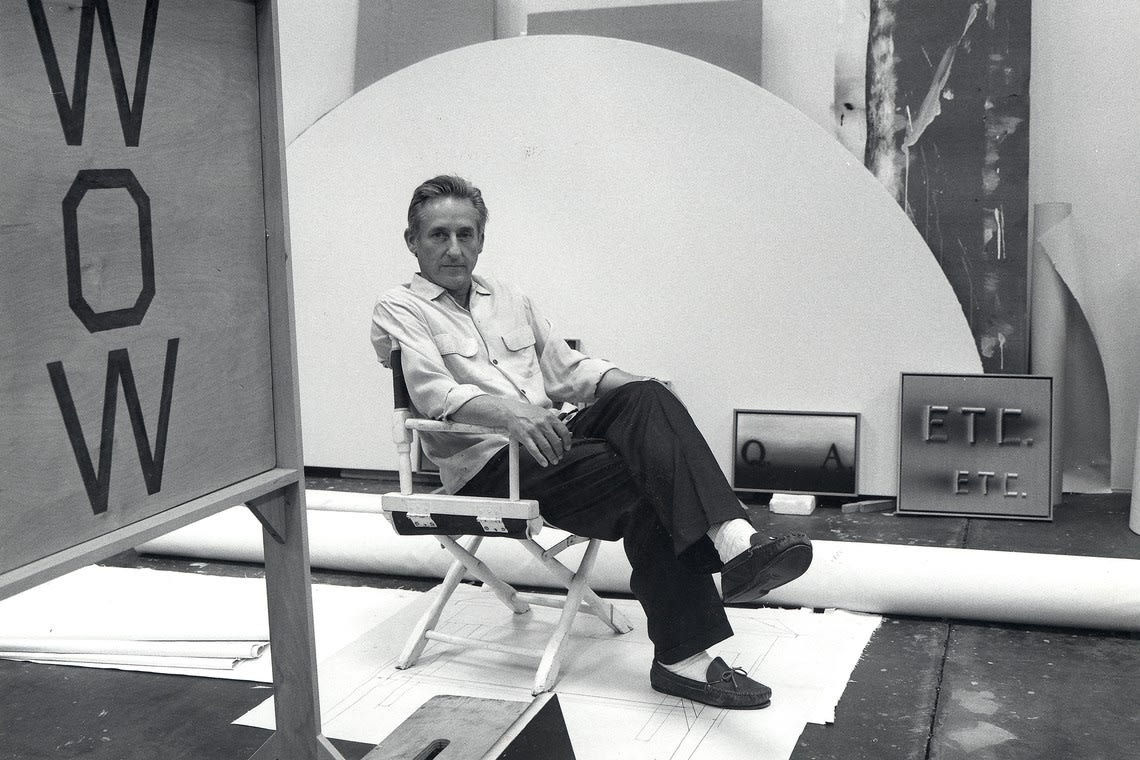
Ed Ruscha
We the People, from Artists for Obama
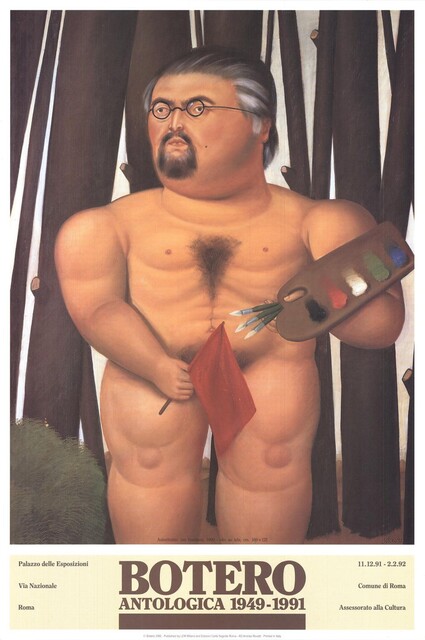
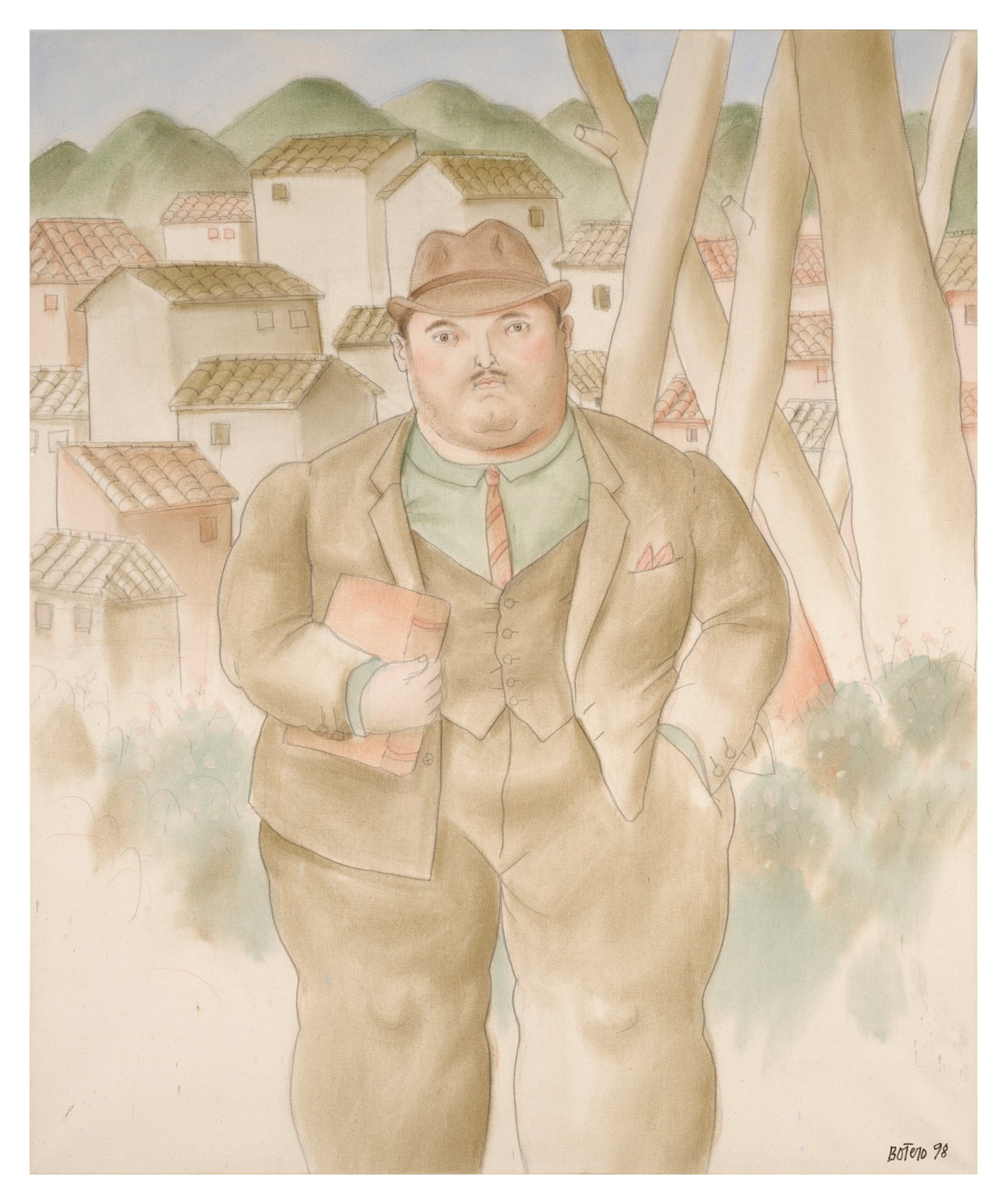
Fairey's work on The Collection sits within that larger project of recasting patriotic visual language for a new generation, one skeptical of official narratives but still drawn to the emotional power of collective symbols. Fernando Botero, whose late series on Abu Ghraib used his signature volumetric figures to indict American military conduct, occupies the sharper, more confrontational end of this spectrum, proving that patriotic theme need not mean flattery. The auction market for works in this category has become increasingly sophisticated in how it prices intent. Ed Ruscha's text based works, with their deadpan engagement with American vernacular culture, consistently perform at the highest levels, with major canvases reaching eight figures at auction in recent years.
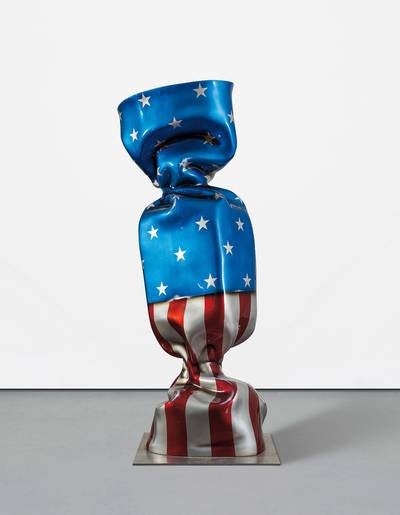
Robert Motherwell's Elegy to the Spanish Republic series, while rooted in a different national tragedy, speaks to the same underlying impulse: the use of visual art to process collective grief and political feeling. Collectors who understand this lineage are acquiring with real conviction, not merely decorating. Laurence Jenkell, known for his candy wrapper flag sculptures that playfully examine national branding and consumer culture, represents a more recent entry into this space, one that feels increasingly relevant as discussions about soft power and cultural identity intensify globally. Institutional collecting in this area sends clear messages about how museums see their own civic role.
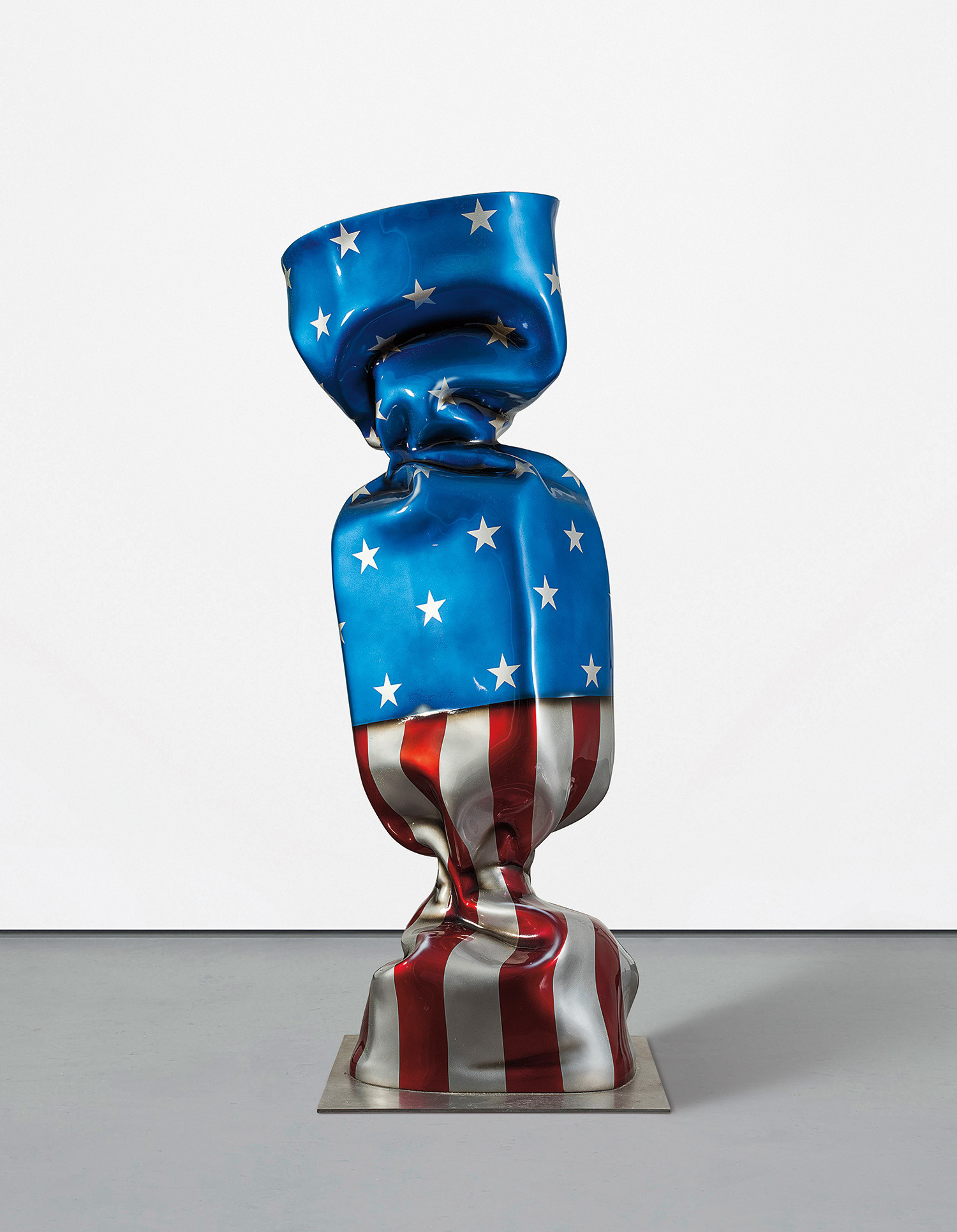
Laurence Jenkell
Bon Bon - American flag candy, 2011
The Museum of Modern Art's deep holdings of Warhol's political imagery, from his celebrity portraits to his disaster series, affirm that patriotic and national theme can be simultaneously mass cultural and formally rigorous. The fact that the Hirshhorn Museum has prioritized work by artists like David Hammons signals that the conversation about American identity is inseparable from the conversation about race, belonging, and exclusion. When a museum acquires in this space, it is making an argument about who the nation is and who gets to say so. The critical conversation around patriotic themed work has been shaped significantly by writers including Lucy Lippard, whose 1990 book Mixed Blessings examined how artists from diverse backgrounds were negotiating identity and national belonging long before those ideas entered mainstream discourse.
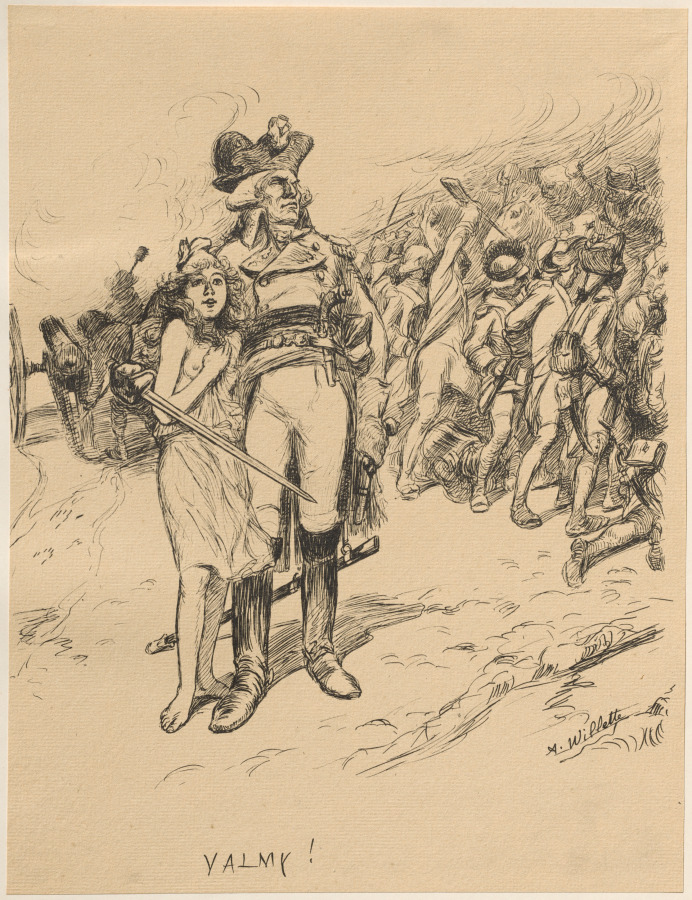
More recently, curators at institutions like the Brooklyn Museum and the Studio Museum in Harlem have written thoughtfully about how Black artists in particular have used and subverted patriotic imagery as an act of both critique and claim. Publications including Artforum and October continue to provide the theoretical scaffolding for understanding this work not as illustration of political positions but as genuine aesthetic inquiry. Adolphe Léon Willette, the nineteenth century French illustrator whose work touched nationalist themes in fin de siècle Paris, serves as a useful historical reminder that the entanglement of art and national feeling is as old as modern democracy itself. His presence alongside figures like Vinny Reunov, whose work engages post Soviet identity and the visual culture of Ukrainian nationhood, illustrates the genuinely global scope of this collecting category.
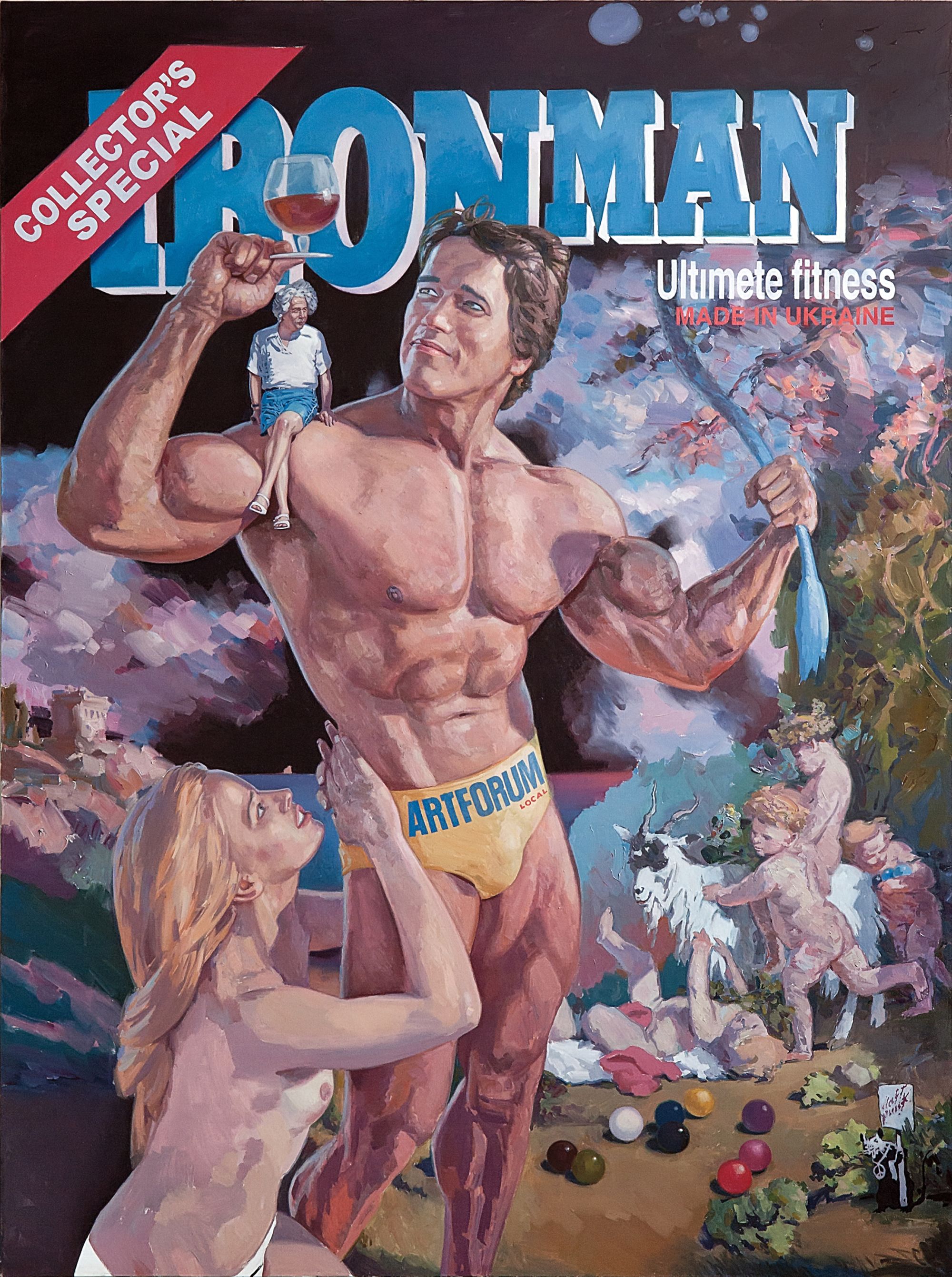
Vinny Reunov
Made in Ukraine
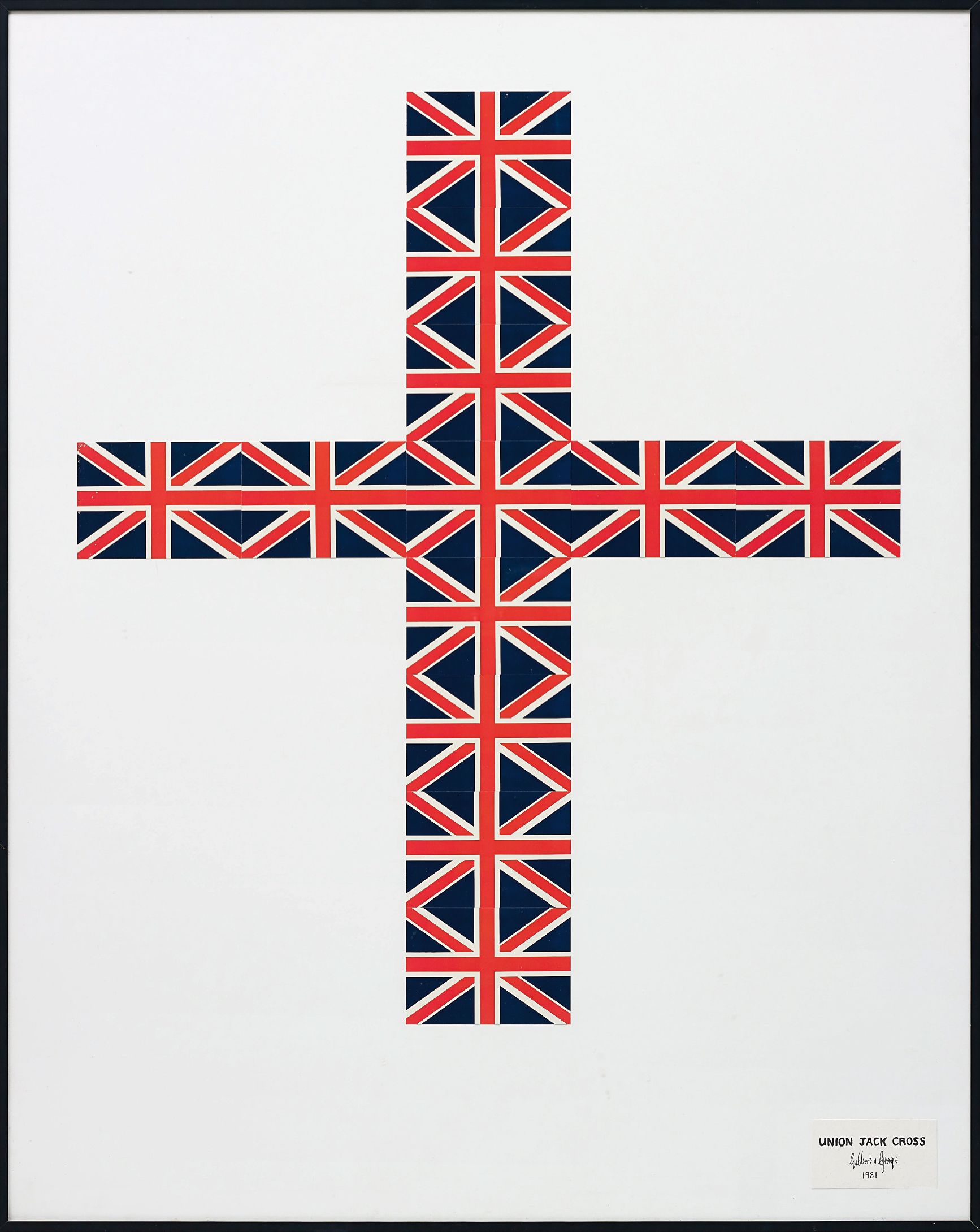
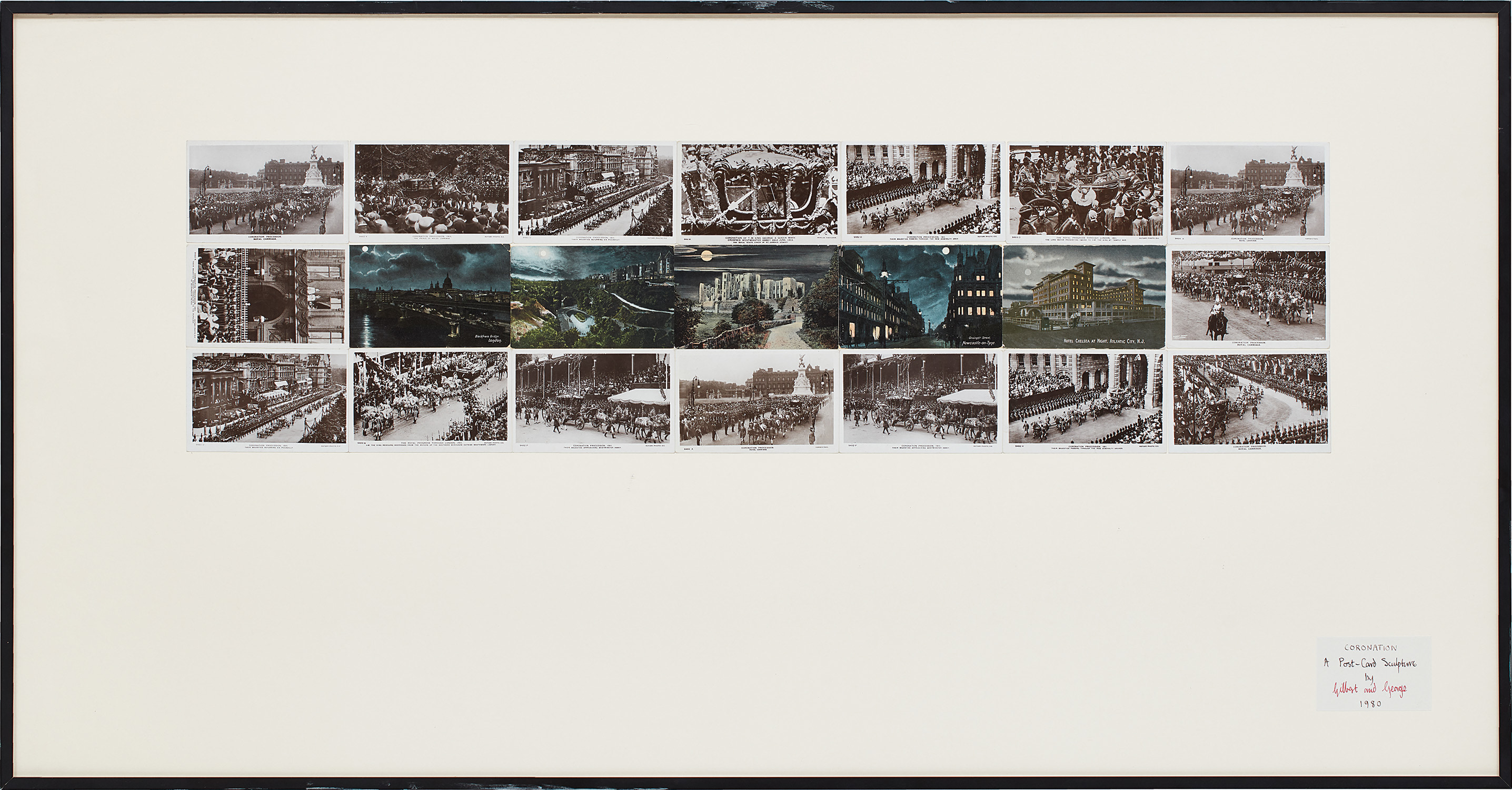
Gilbert, the British artist known for provocative engagements with identity and belonging, adds yet another dimension. Patriotic theme, understood broadly, is not a category that belongs to any single nation or tradition. What feels most alive right now is work that refuses easy positioning, art that makes you feel the pull of belonging and the discomfort of scrutiny at the same moment. The market senses this.
So do the institutions. The collectors who are moving most confidently in this space are those who have stopped asking whether patriotic imagery is too hot to handle and started asking instead which artists are doing something genuinely new with it. That question leads to some of the most urgent and formally rewarding work being made today, and the artists represented on The Collection make for a compelling starting point in that conversation.