Parisian
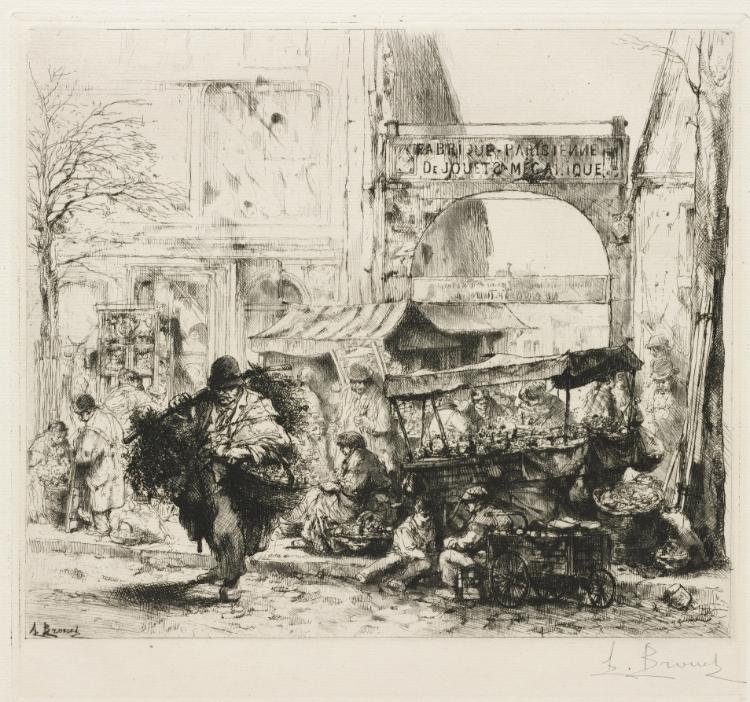
Auguste Brouet
Une Matinee Avenue de Clichy, 1925
Paris Never Stops Seducing the Collector's Eye
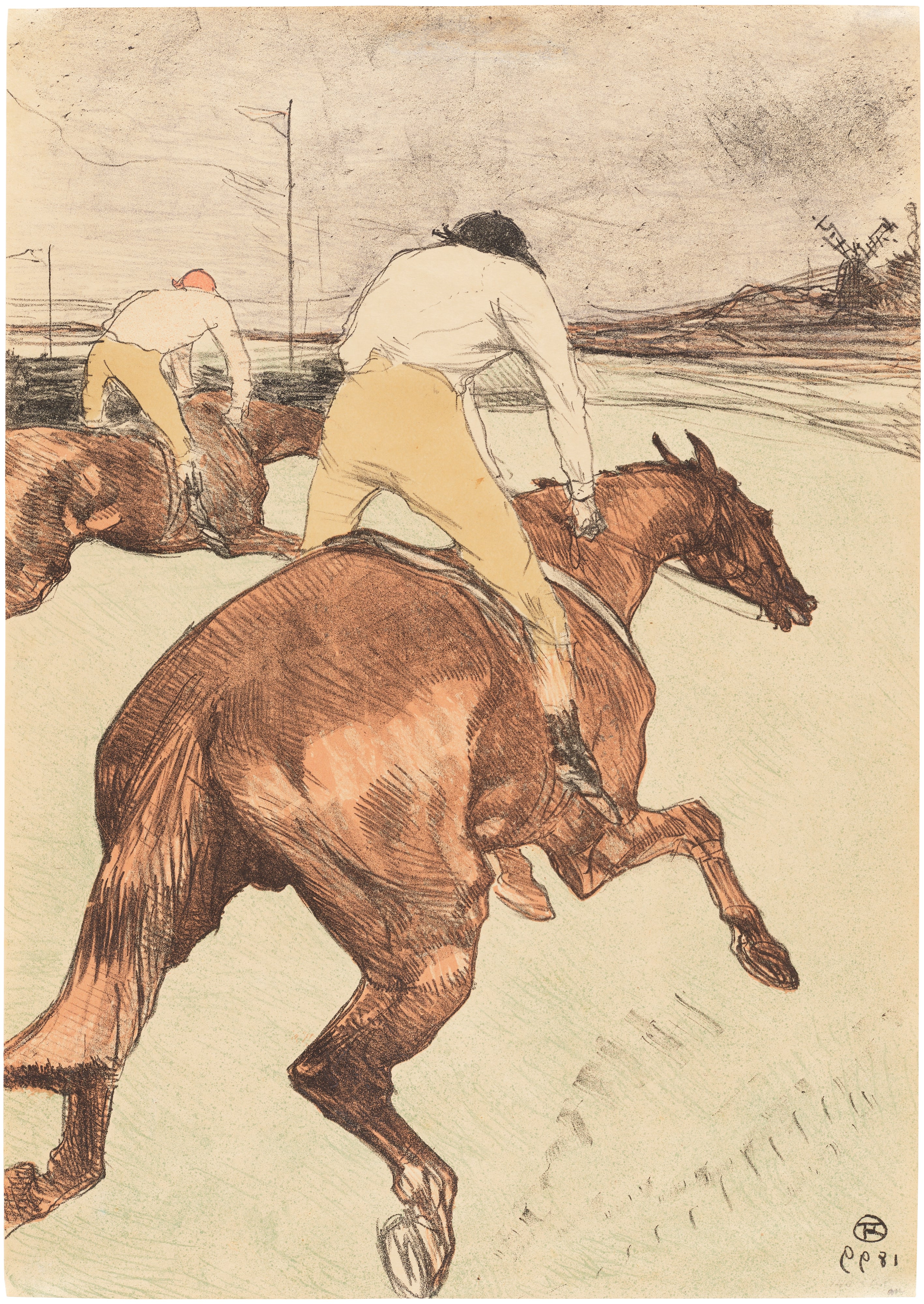
There is a particular quality of light that Parisian art captures and that no other subject quite replicates. It is the light of gaslit boulevards becoming electric, of early morning rain on cobblestones, of café windows spilling warmth into grey afternoons. Collectors who fall into this category often describe the same experience: they encountered one work, something by Eugène Atget perhaps or a lithograph by Toulouse Lautrec, and something in them simply opened. The city as subject has an almost unfair gravitational pull, and living with work that renders it becomes an ongoing conversation between your walls and your memory of the place itself.
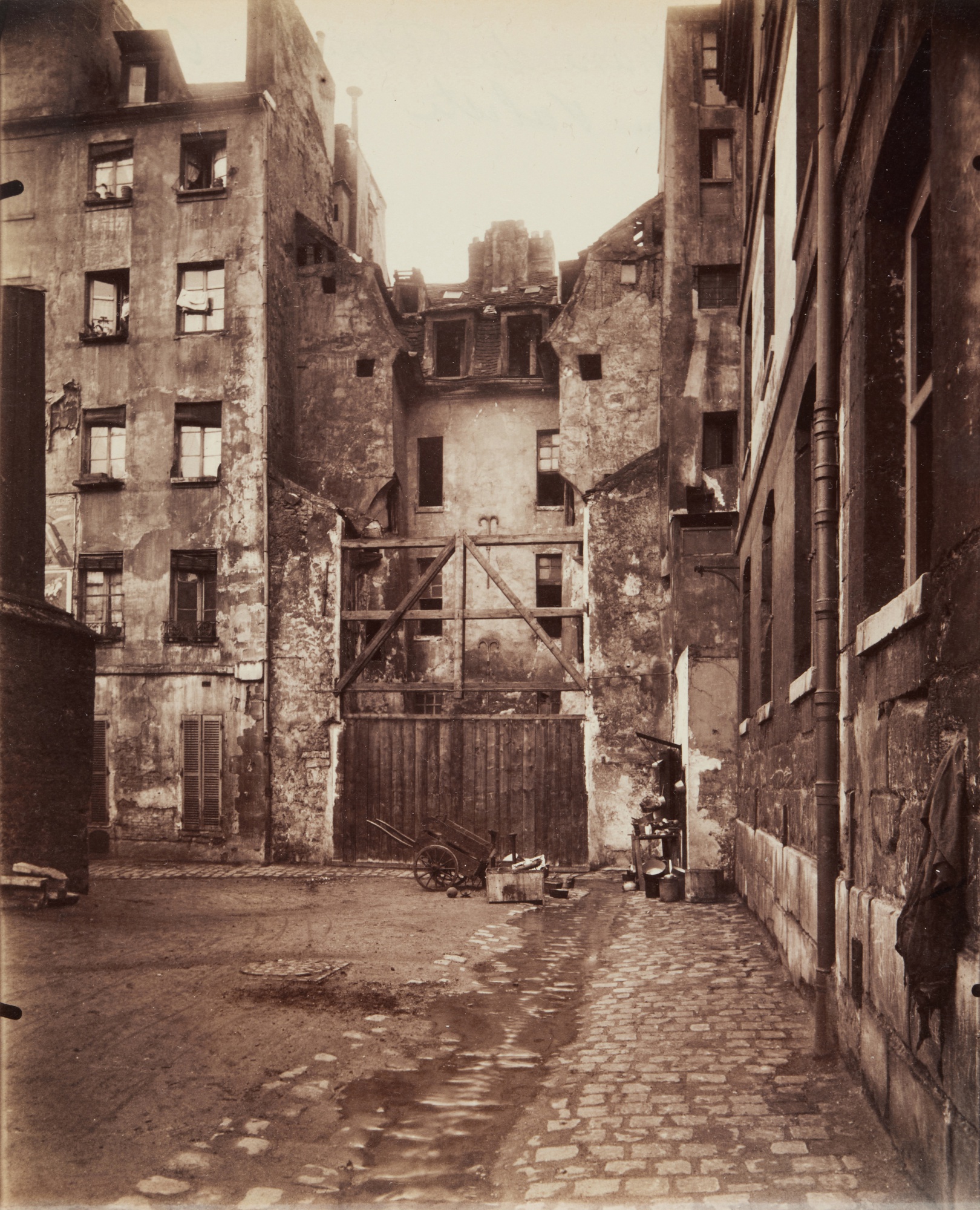
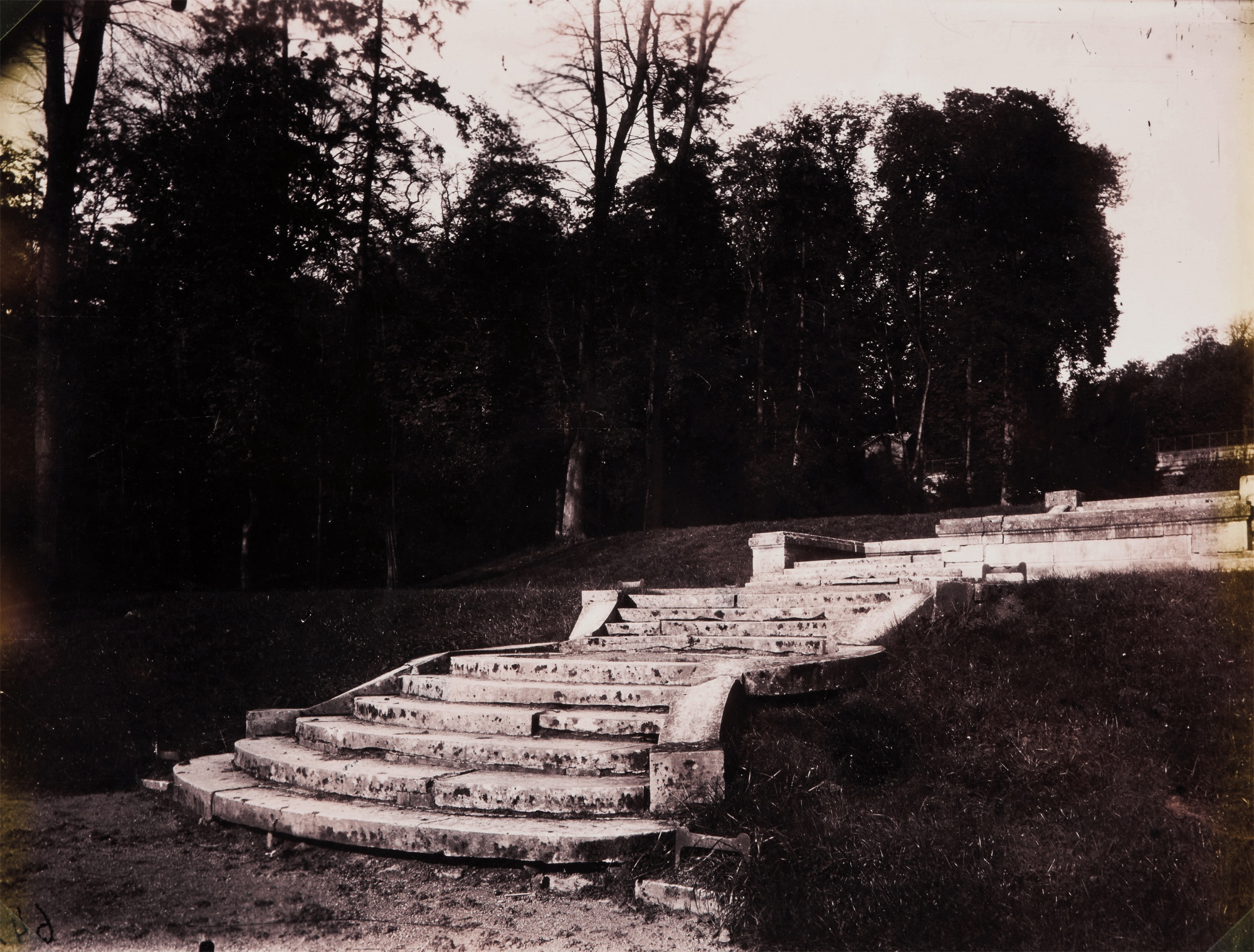
What makes Parisian art so compelling to collect is precisely that it is not a genre in the traditional sense. It is a convergence of documentary impulse, lyrical affection, and formal ambition. The artists drawn to Paris as subject were rarely making postcards. Atget spent decades photographing a city in transformation, his glass plate negatives recording streets and storefronts with an archaeological seriousness that would later captivate the Surrealists.
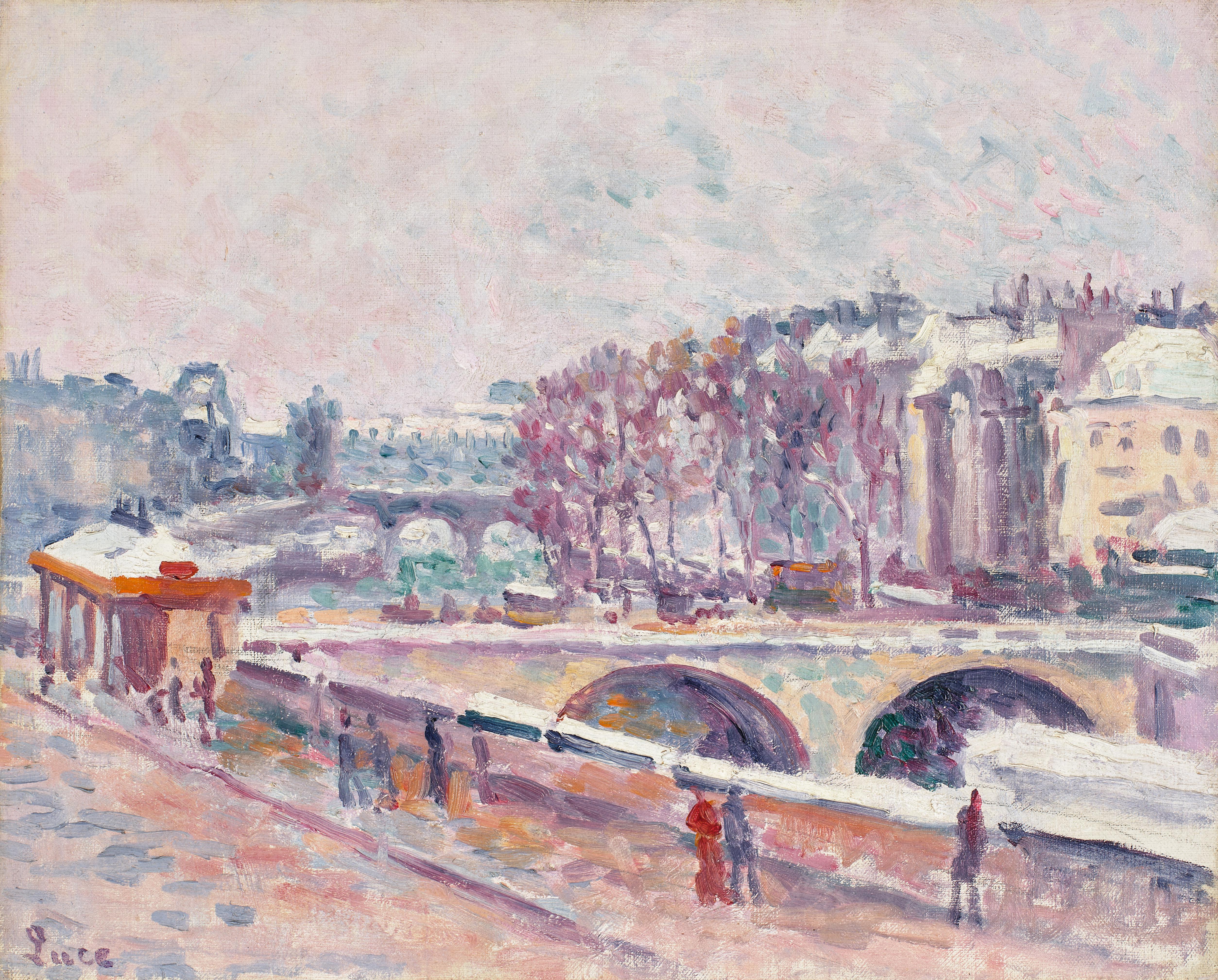
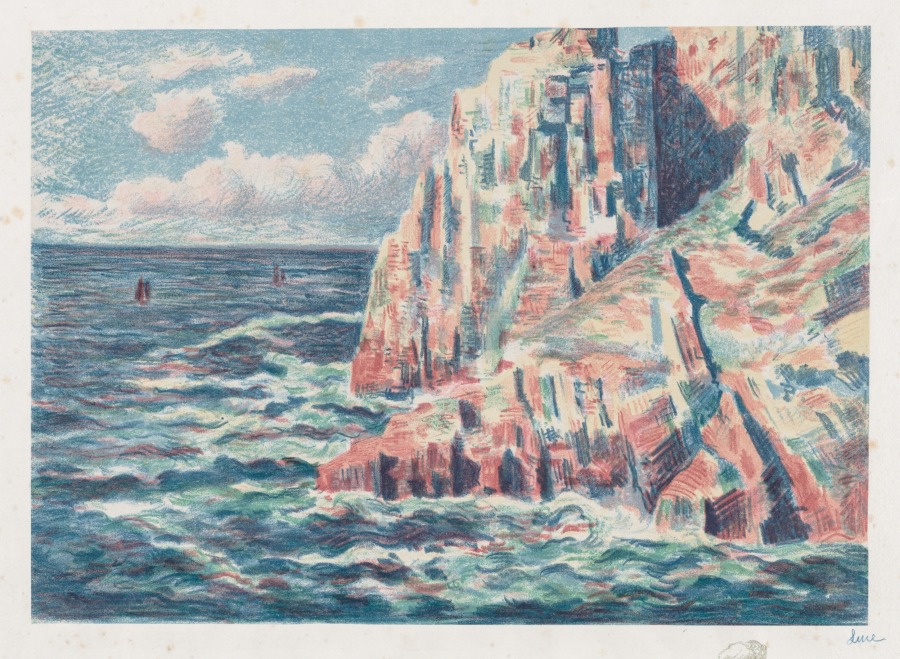
Maximilien Luce
Le Quai Saint-Michel
Toulouse Lautrec distilled the Moulin Rouge into color and line with a psychological precision that still feels startlingly modern. To collect in this space is to collect multiple versions of the same love affair, each one distinct in method and mood. Separating a good work from a great one requires some clarity about what you are actually responding to. A great Parisian work does more than document or decorate.
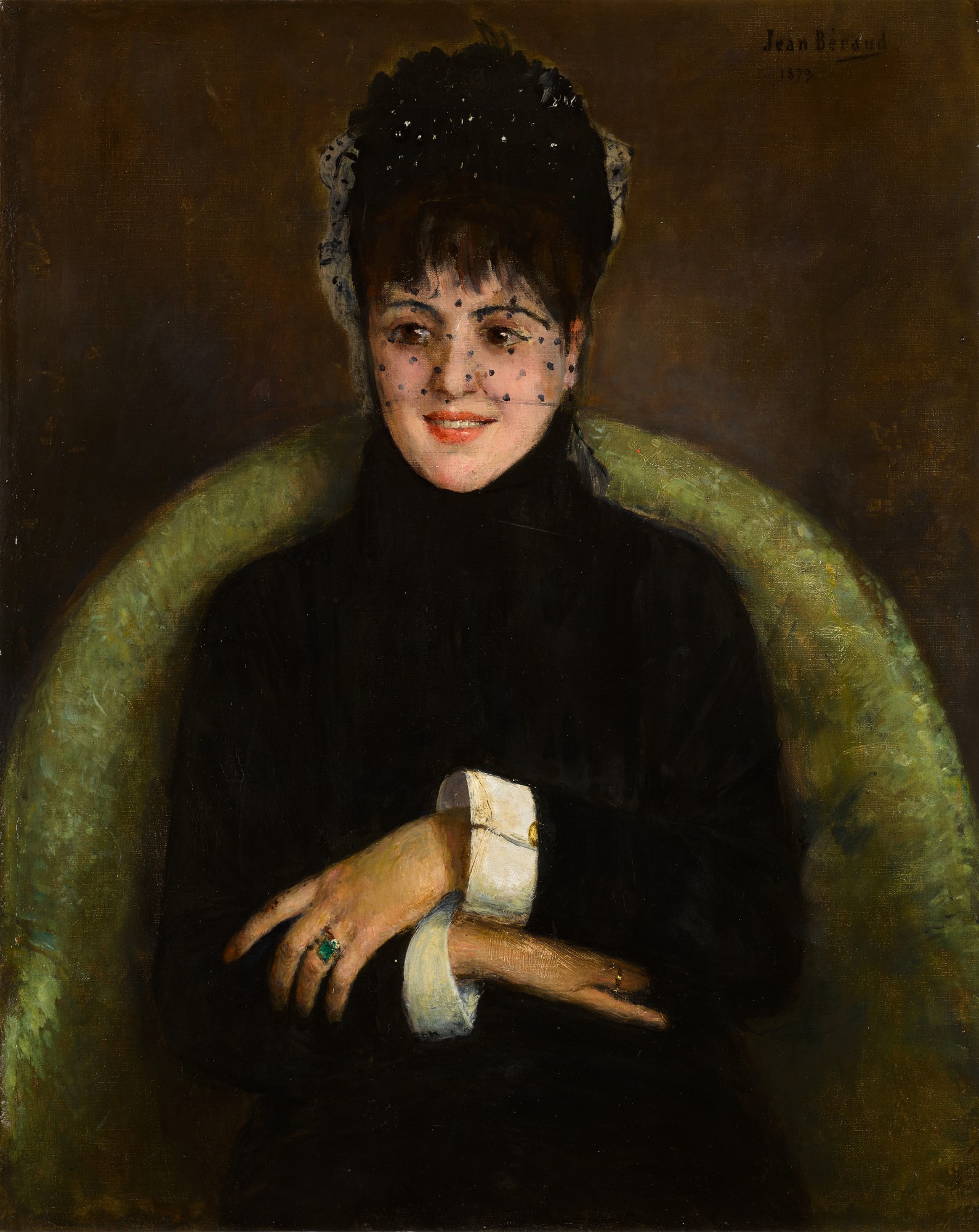
It captures a specific condition of the city at a specific moment, and it does so through a formal decision that could only have been made by that particular artist. Look for specificity over generality. A Maximilien Luce scene of working class Paris carries an entirely different charge than a more decorative treatment of the grands boulevards, and that charge comes from his pointillist technique being deployed in service of genuine social observation. Similarly, Jean Béraud's paintings of bourgeois Paris in the 1880s and 1890s reward close looking because his rendering of social ritual is both affectionate and quietly knowing.
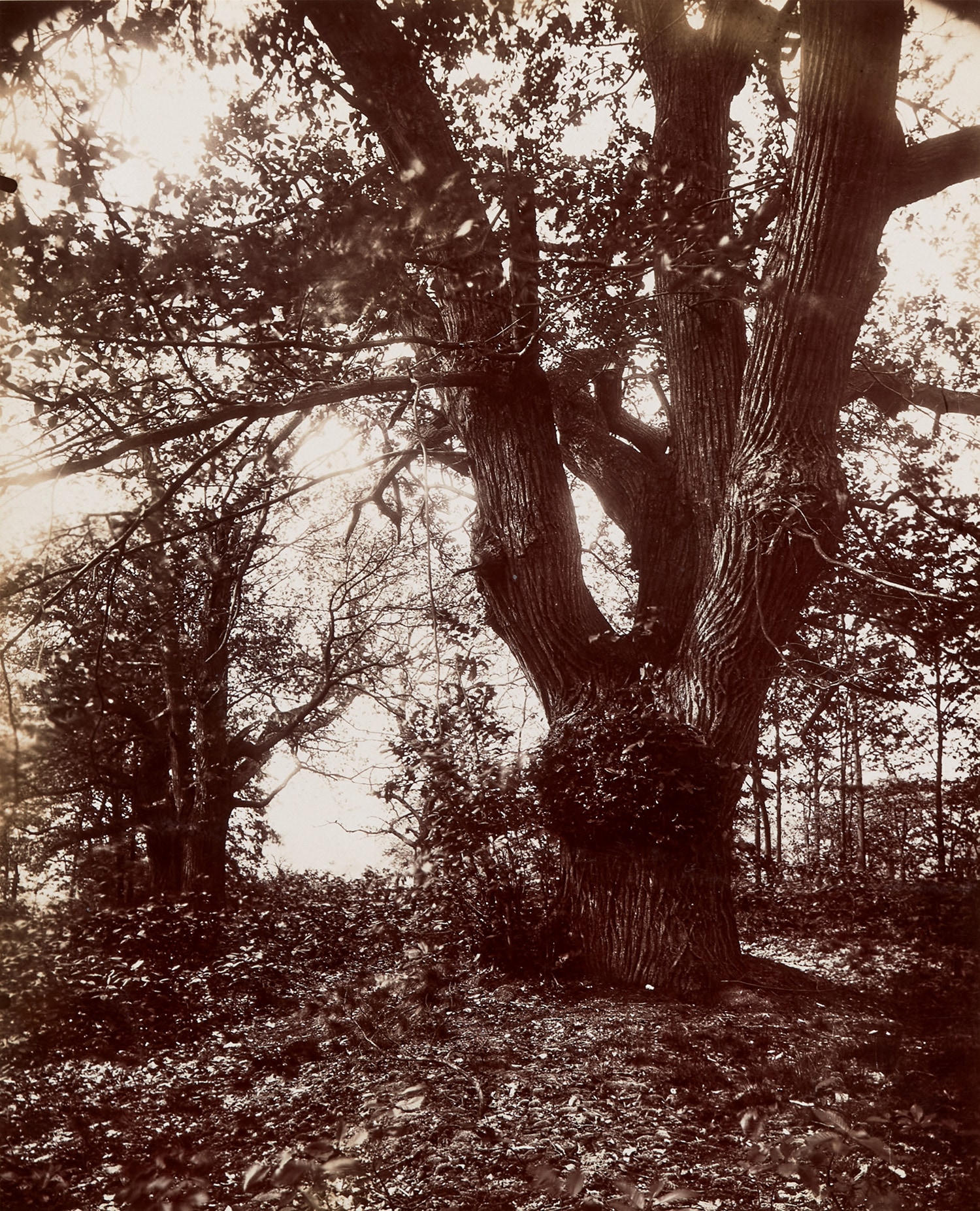
Eugène Atget
Châtaigniers (Chestnut Trees)
Ask yourself whether the work is content to be beautiful or whether it is doing something more. Both have value, but they command different prices and occupy different places in a collection. In terms of artists representing strong long term value on The Collection, the conversation naturally gravitates toward those with institutional footprints and established auction histories. Toulouse Lautrec needs little introduction as a market proposition, but the depth of interest in his work across print and poster continues to hold because of genuine public appetite and museum acquisition activity.
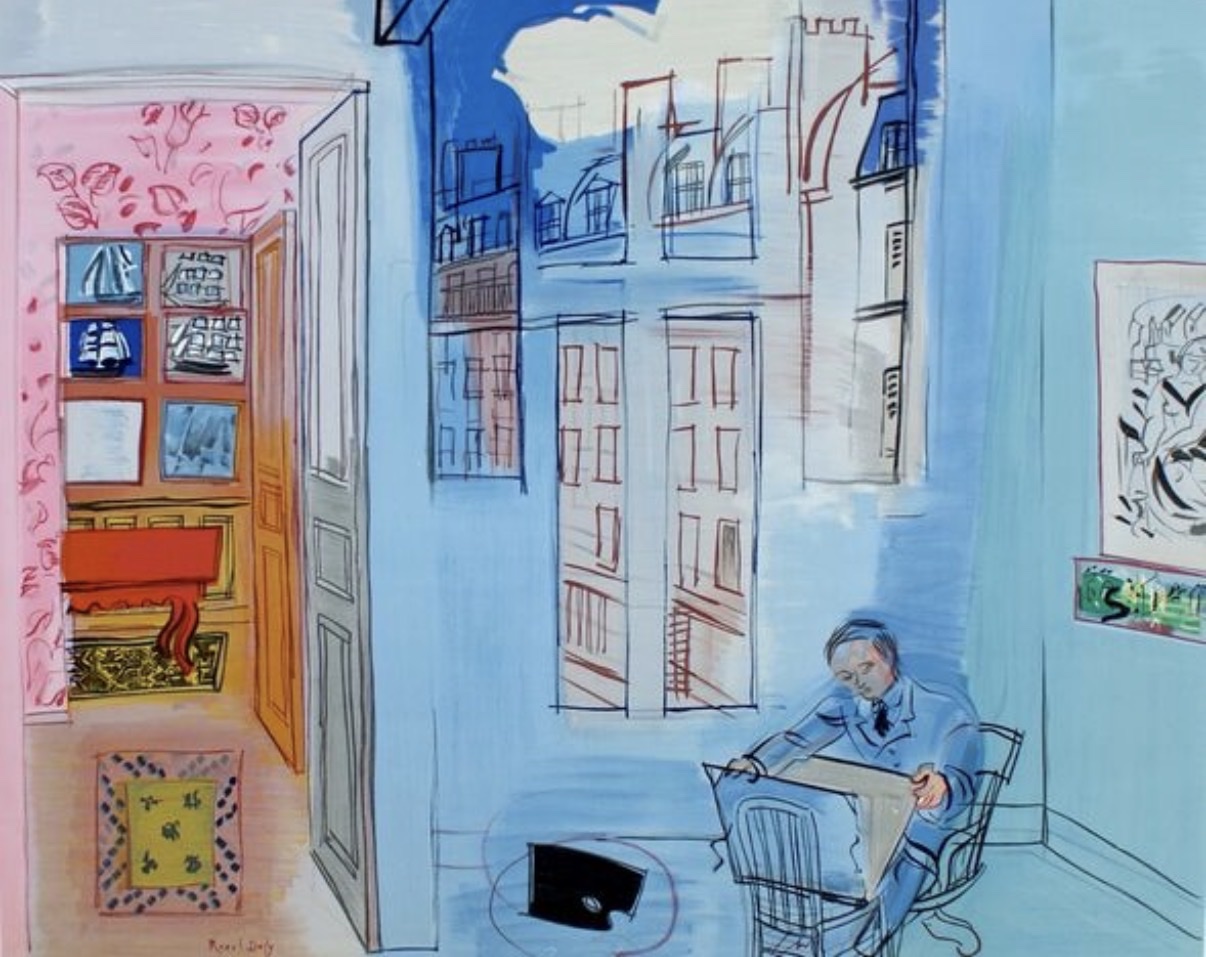
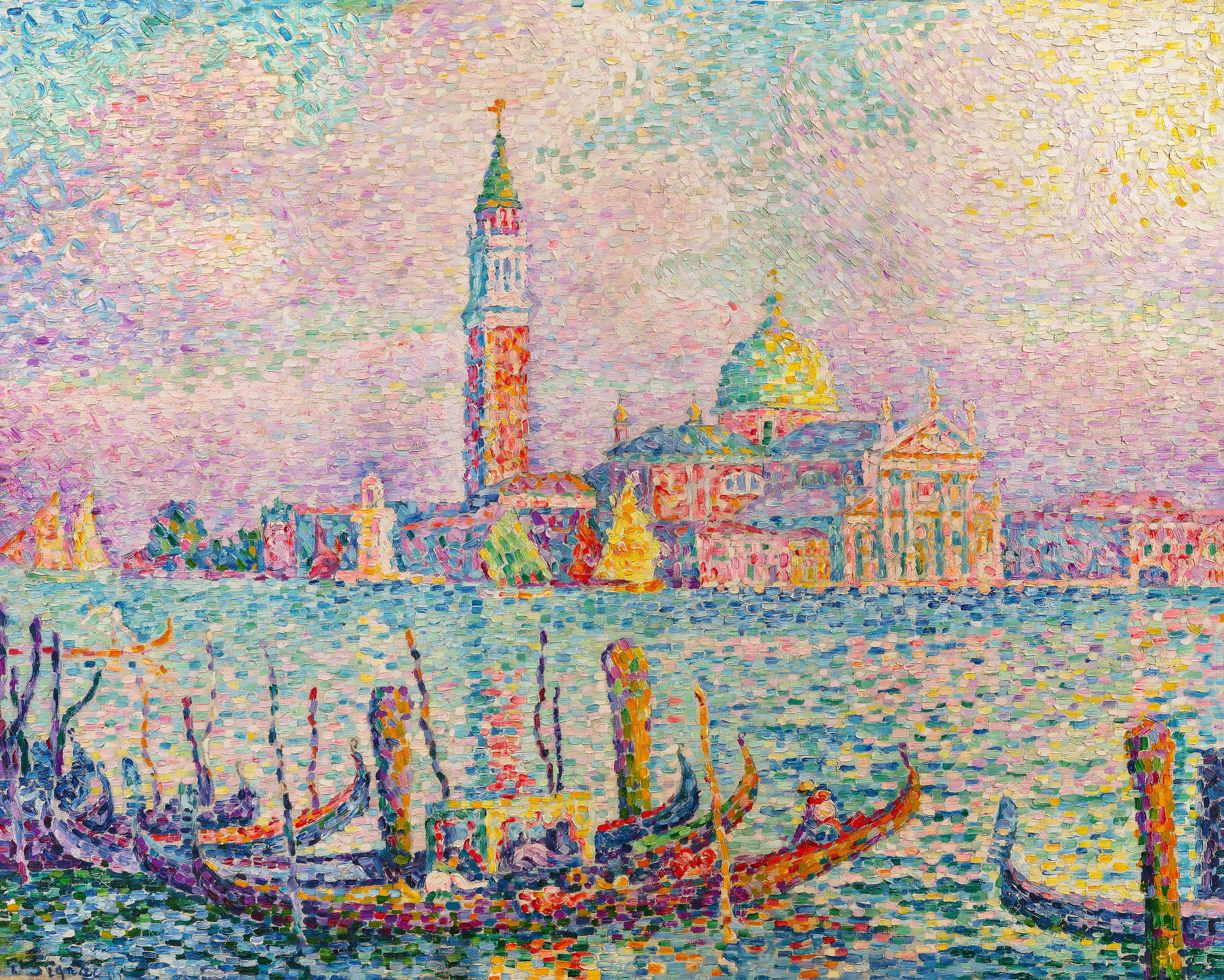
Paul Signac, whose pointillist Paris compositions connect to a rigorous theoretical framework, has seen consistent appreciation as collectors recognize his place as both peer and intellectual interlocutor to Seurat. Pierre Bonnard and Raoul Dufy both offer entry points into the early twentieth century Paris sensibility at different price thresholds, with Dufy in particular remaining somewhat undervalued relative to his actual art historical significance. Robert Frank and Horst P. Horst represent the photographic strand of this collection, and fine prints from either carry genuine blue chip appeal.
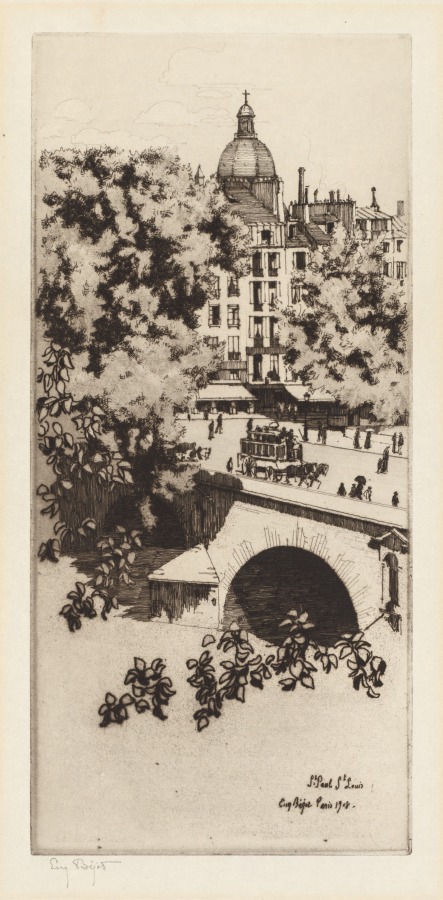
Eugène Bejot
Saint-Paul-Saint-Louis, 1908
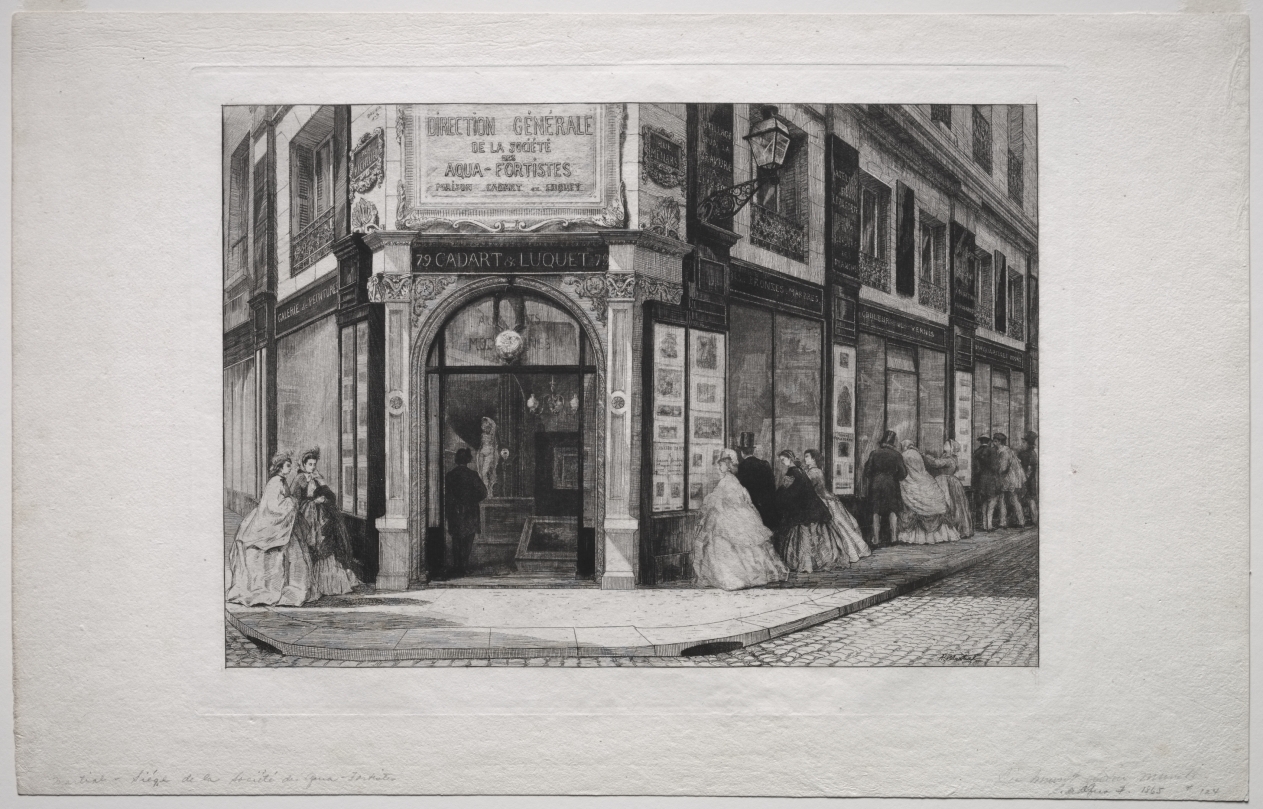
Frank's Paris work, made in the same period as his iconic American photographs, is rarer in the market and therefore commands particular attention. The more interesting speculative conversation, though, is around artists like Eugène Bejot and Auguste Louis Lepère, both printmakers whose intimate etchings of Parisian streets occupied a serious position in fin de siècle print culture and have since slipped below the radar of most collectors working outside specialist circles. Lepère in particular was considered one of the great woodblock revival artists of his generation and his Paris scenes have a tactile quality that rewards the kind of close attention prints often don't receive. Auguste Brouet's work operates in a similar register, combining technical mastery with a slightly darker, more ambiguous treatment of Parisian street life that feels genuinely modern in retrospect.
These are artists where scholarly attention and collector interest have not yet fully aligned, which is precisely where opportunity lives. At auction, Parisian works as a category have shown remarkable resilience, in part because the subject retains romantic appeal across collector geographies. Works by Edouard Cortès and Eugène Galien Laloue, both known for their atmospheric nocturnal Paris street scenes, circulate regularly through mid tier auction houses and have developed loyal followings among collectors who prioritize mood and livability. Prices in this segment have been stable to slightly rising over the past decade.
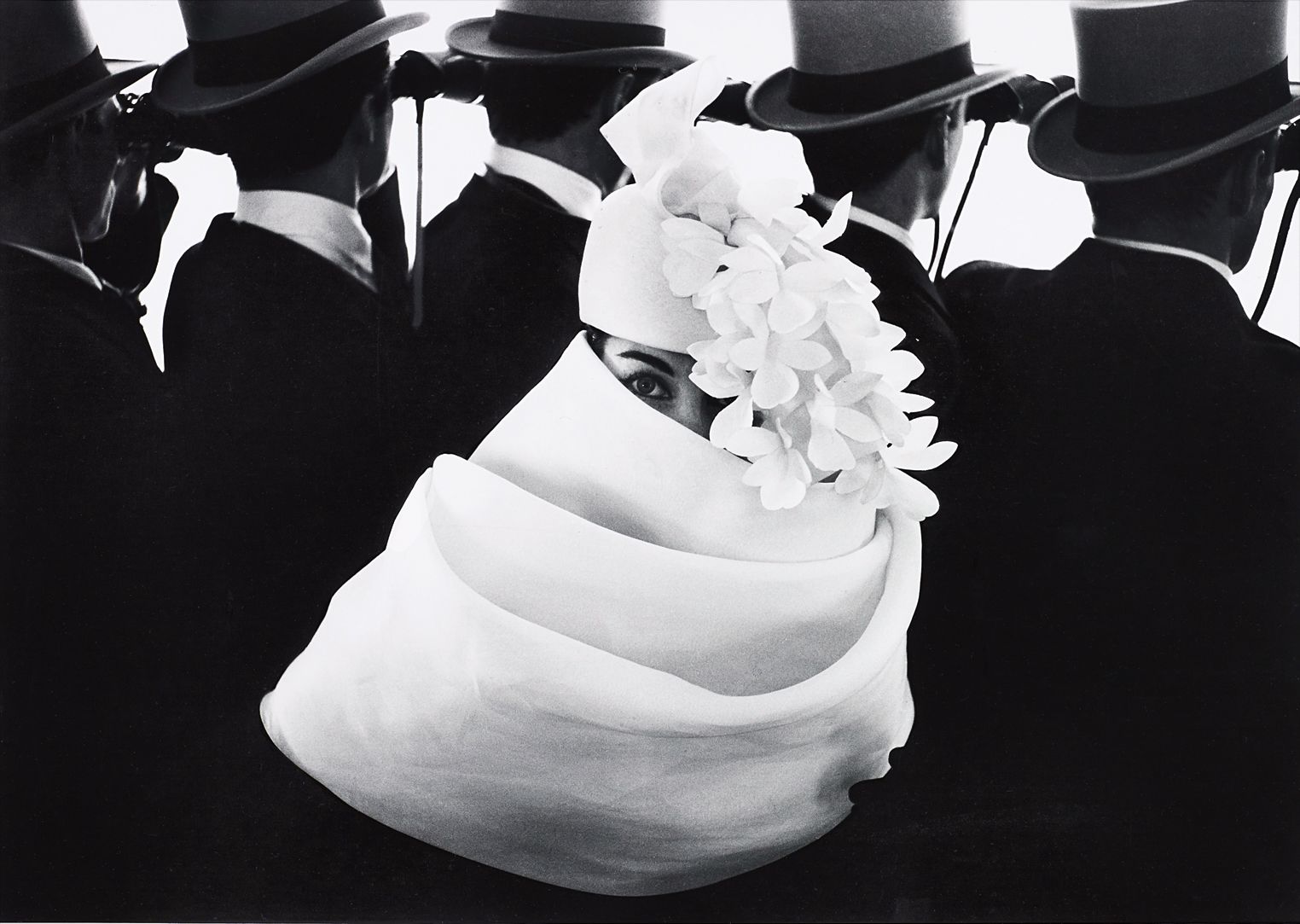
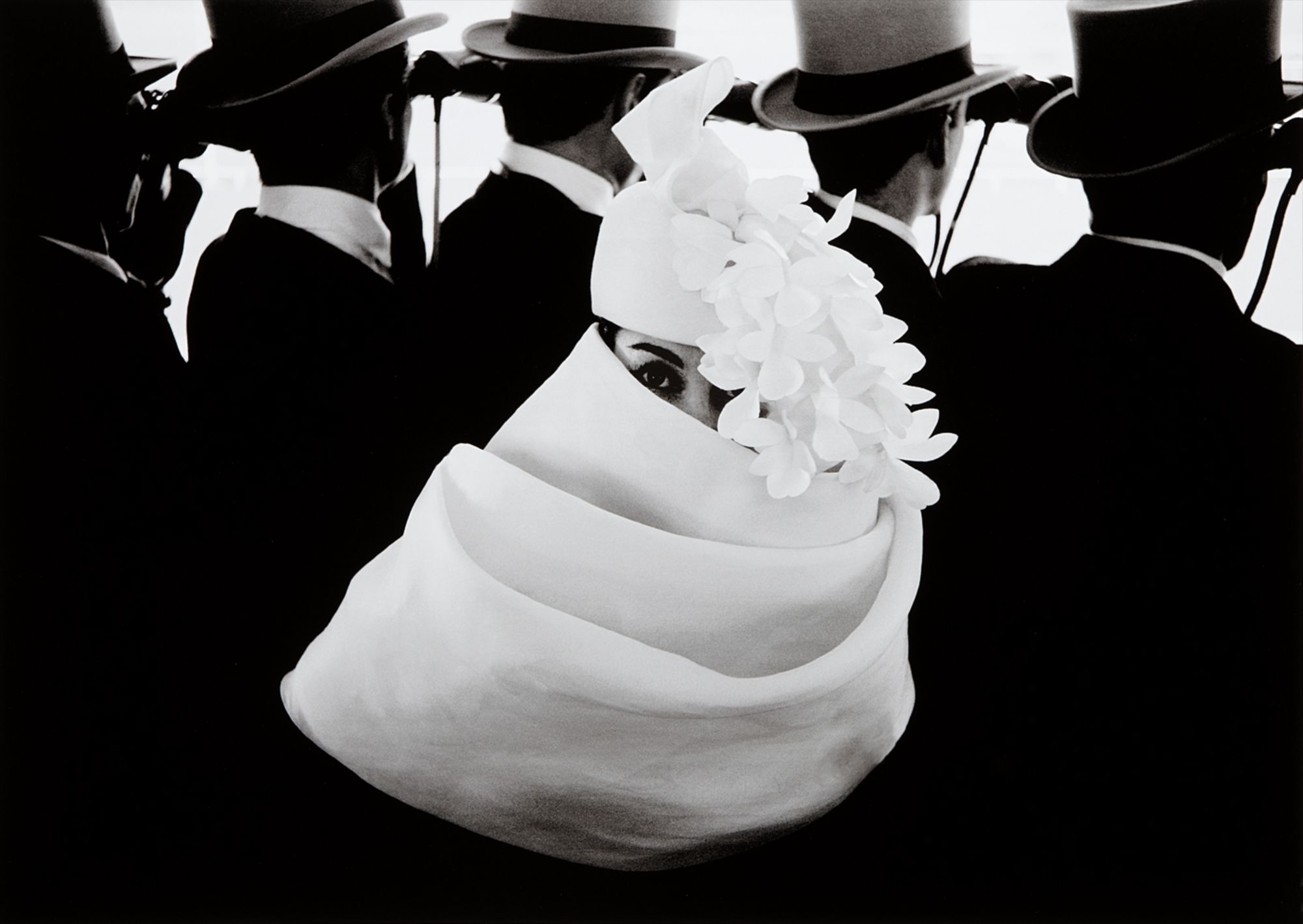
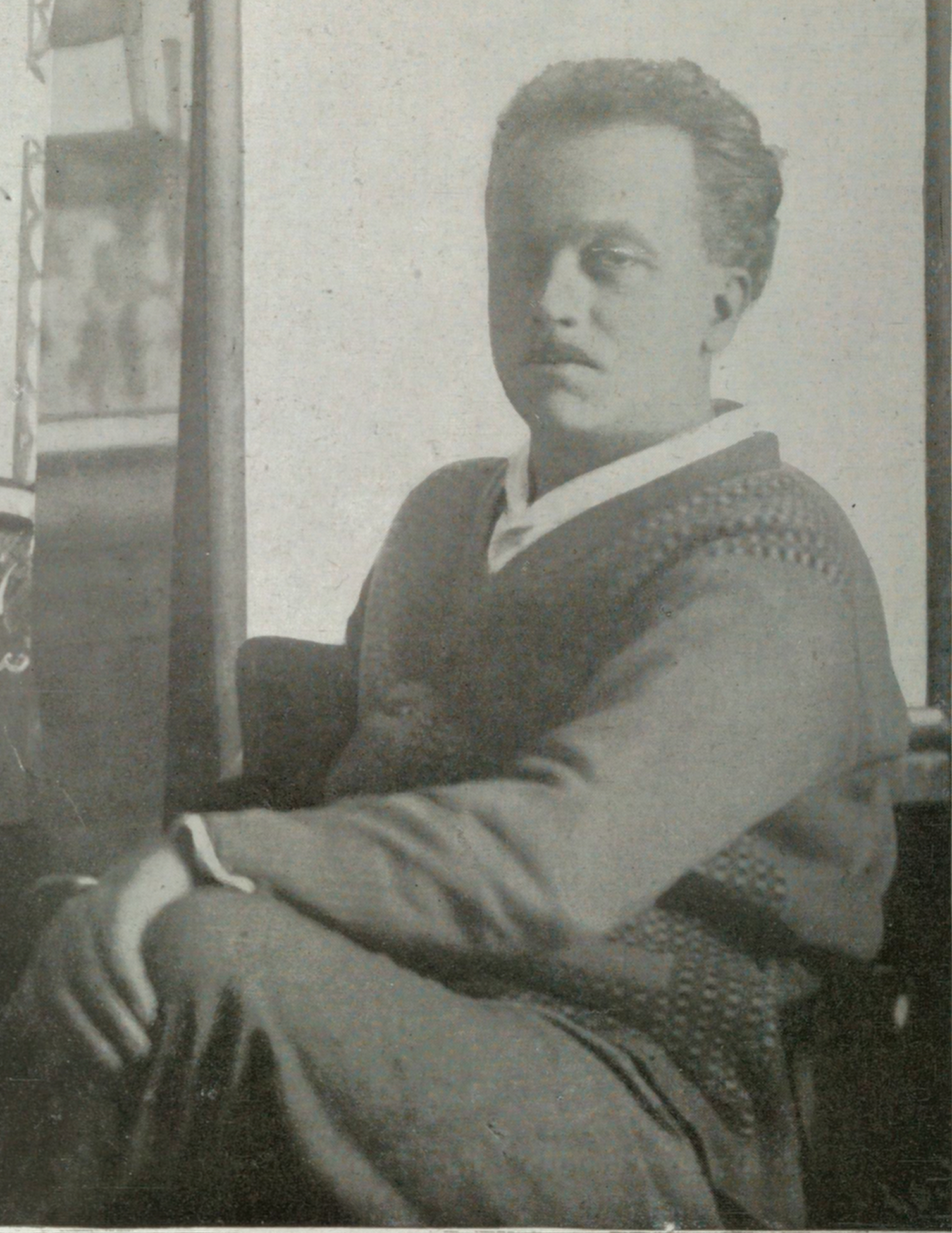
Frank Horvat
Givenchy Hat A, for Jardin des Modes, Paris
The photographic works, particularly vintage prints by Atget or Frank Horvat, tend to perform more variably depending on print quality, edition clarity, and provenance, which makes condition and documentation particularly critical in this area. Works on paper generally require more careful environmental management than canvas, and this can affect secondary market desirability. On the practical side, there are several questions every collector should be asking before acquiring work in this category. For prints, the distinction between a lifetime print and a posthumous edition matters enormously both for value and for the experience of ownership.
Ask directly about edition size, print date relative to the artist's life, and whether the work has been exhibited or reproduced in catalogue literature. For photographs, understand whether you are acquiring a vintage print or a later authorized edition, and ask to see documentation. Condition in works on paper should be assessed for foxing, fading, and any previous restoration, ideally by a conservator before purchase. Display considerations are real: Parisian prints and photographs on paper will suffer under strong natural light and should be framed with UV protective glazing.
The works that age best in a collection tend to be those acquired with some understanding of what they actually are, not simply what they look like on a well lit gallery wall. That understanding, ultimately, is what separates a collection from an accumulation.