Paper
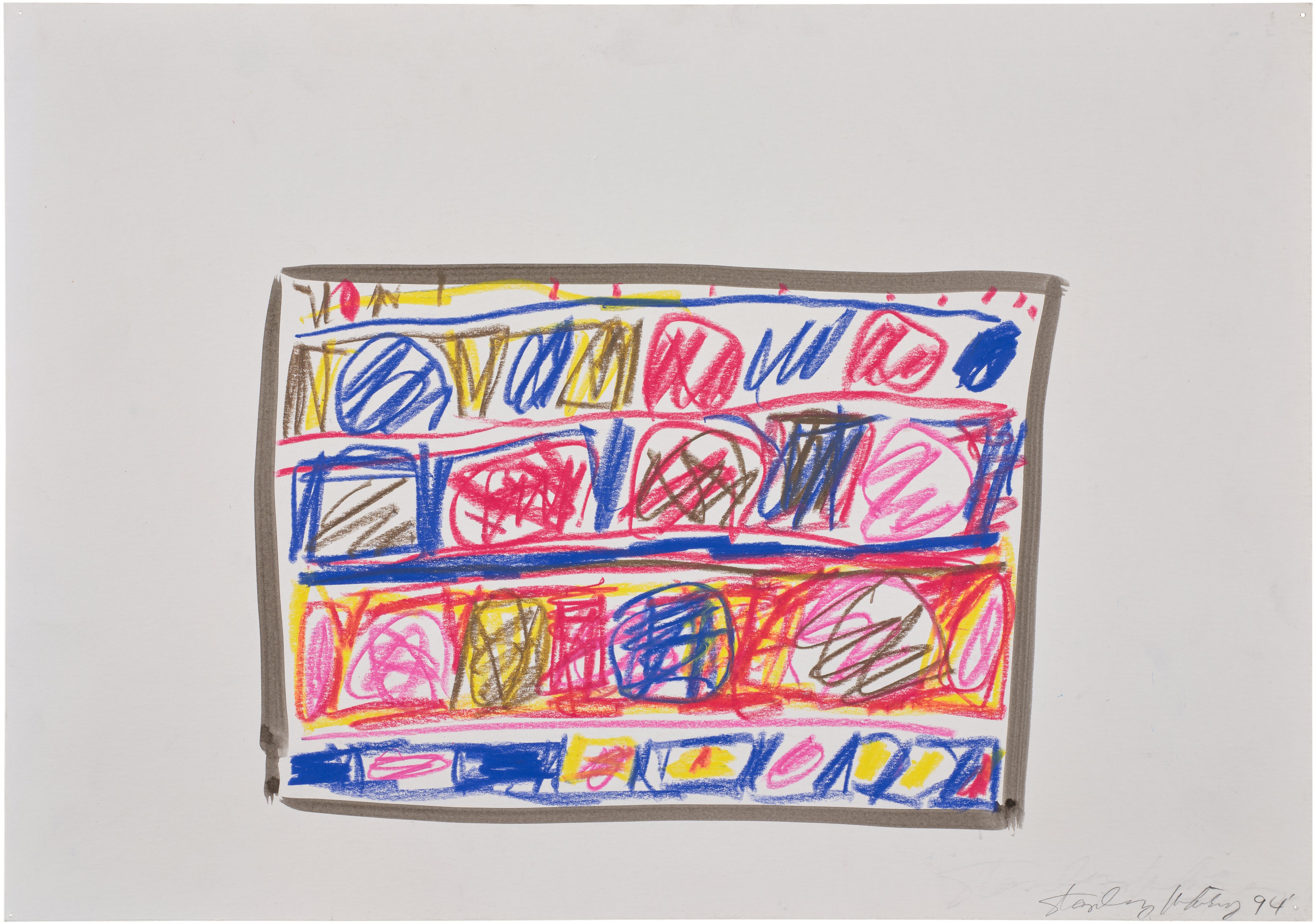
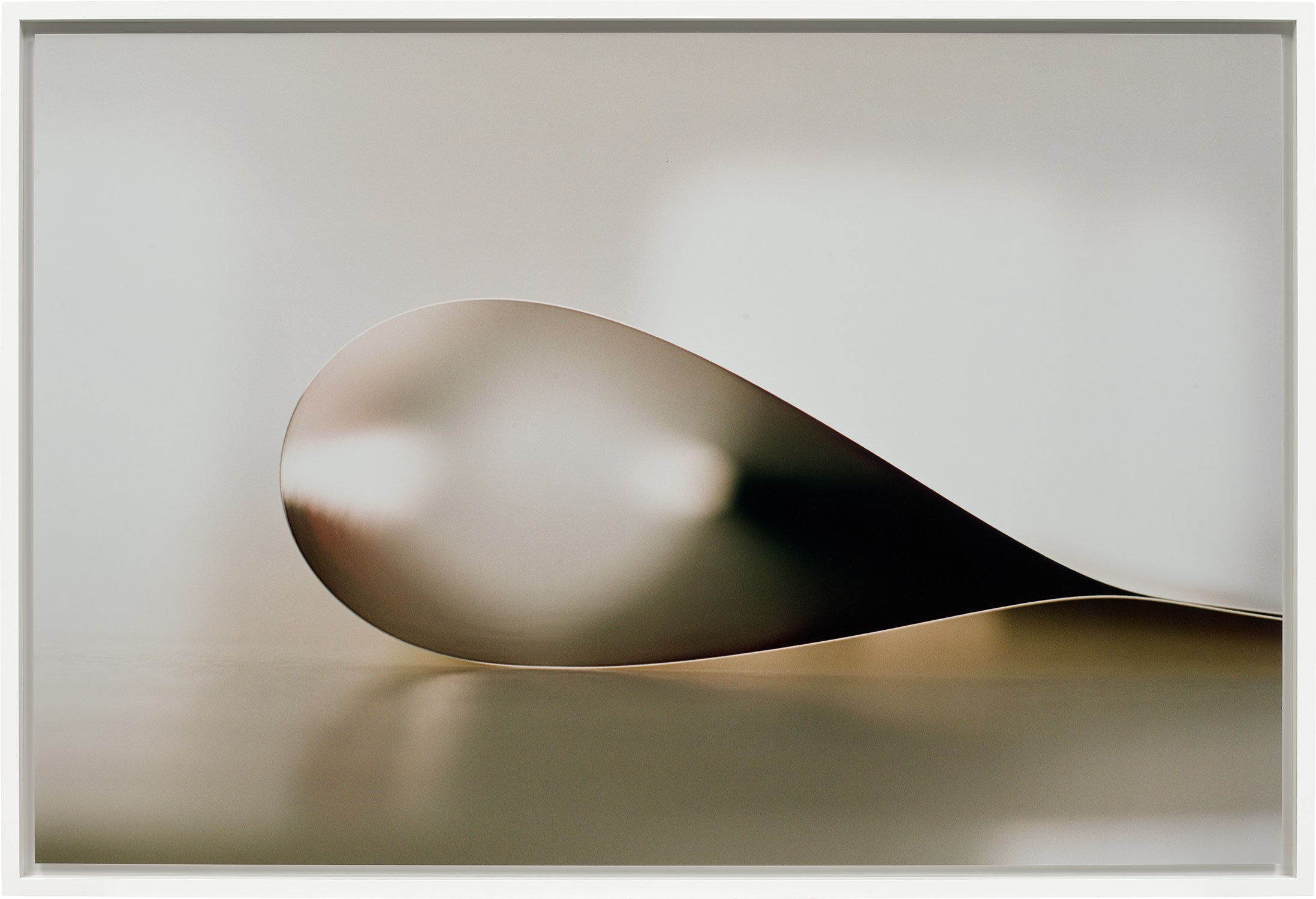
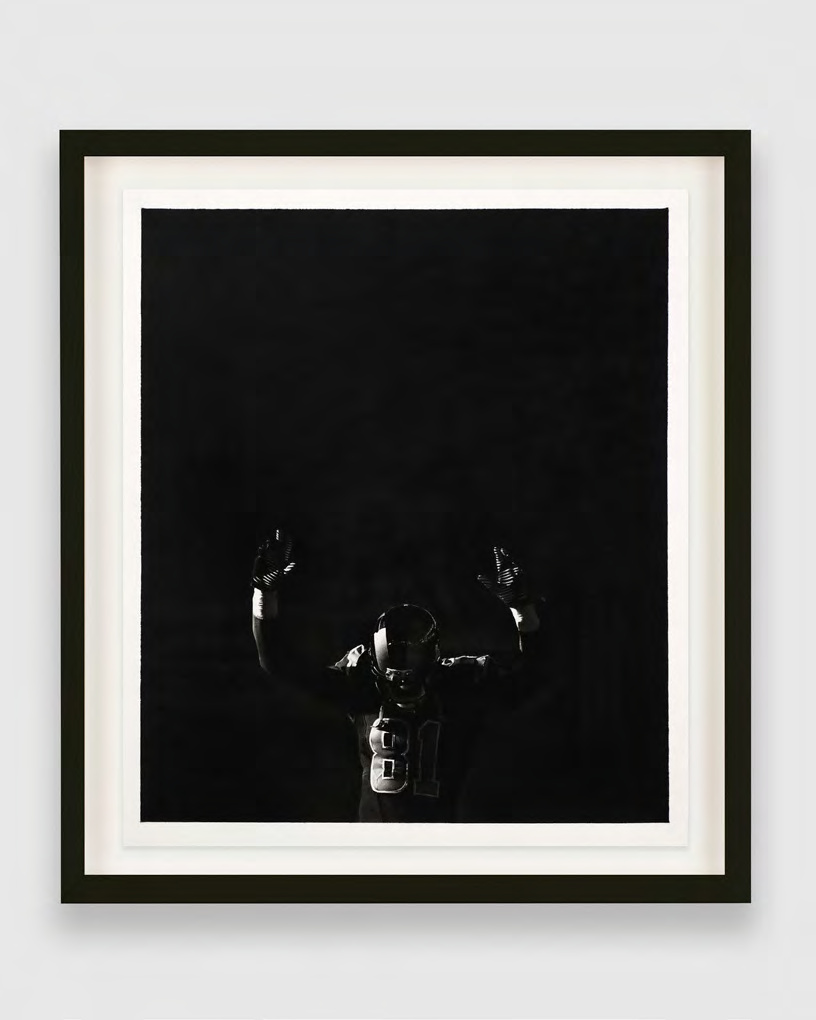
Stanley Whitney
water soluble crayon on paper, 1994

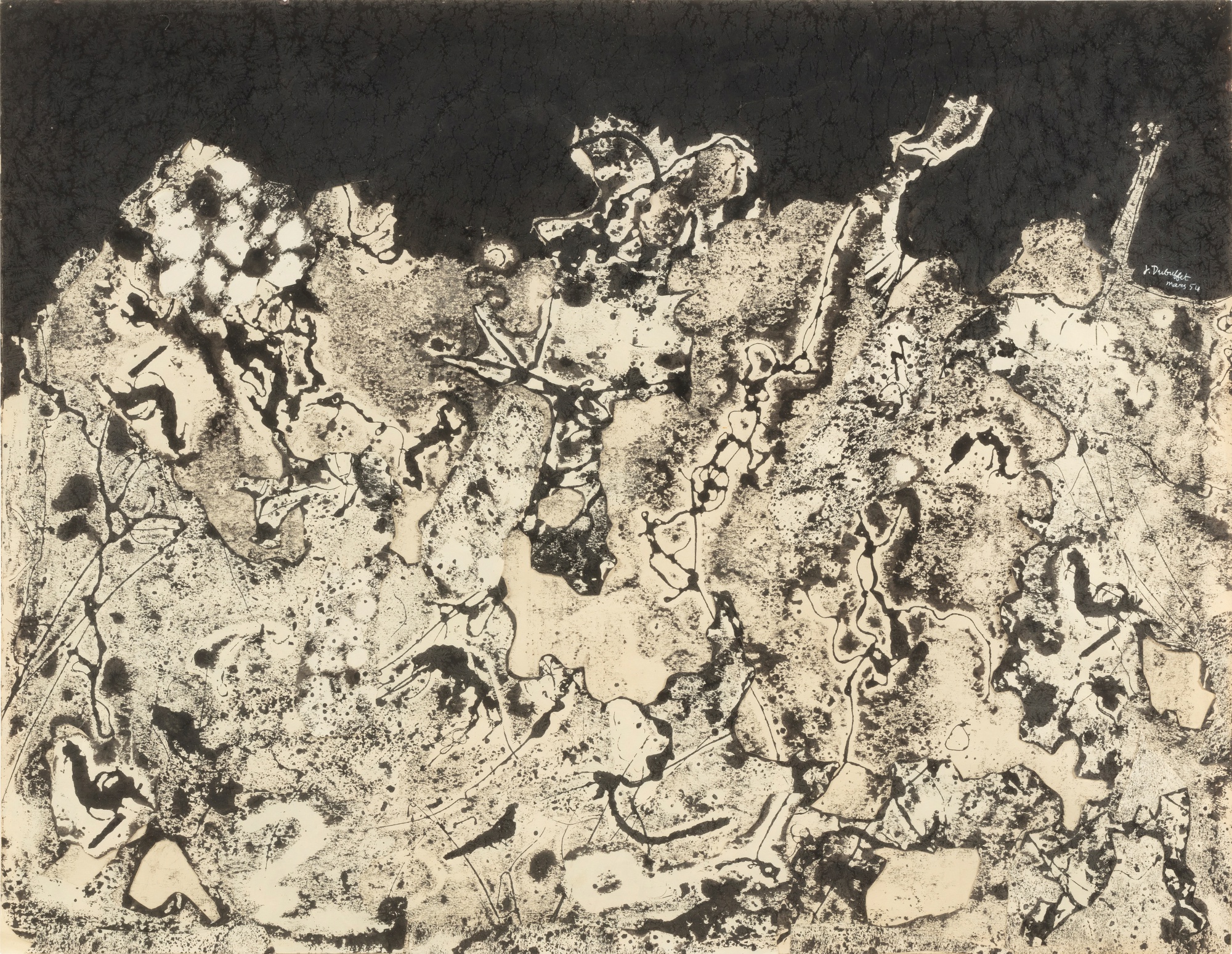



The Quiet Power of Works on Paper
There is something almost conspiratorial about collecting works on paper. The best collectors will tell you it started almost by accident, with a drawing picked up at a small gallery or a print acquired because it captured something the paintings in the same room could not. Paper rewards that kind of instinctive response. It has an immediacy that canvas rarely matches, a sense of the artist thinking in real time, the hand moving without the ceremony that oil and linen tend to impose.
Living with a great work on paper is a genuinely different experience from living with a painting. It breathes differently in a room. It invites you closer. What separates a good work on paper from a great one is often a question of intention.
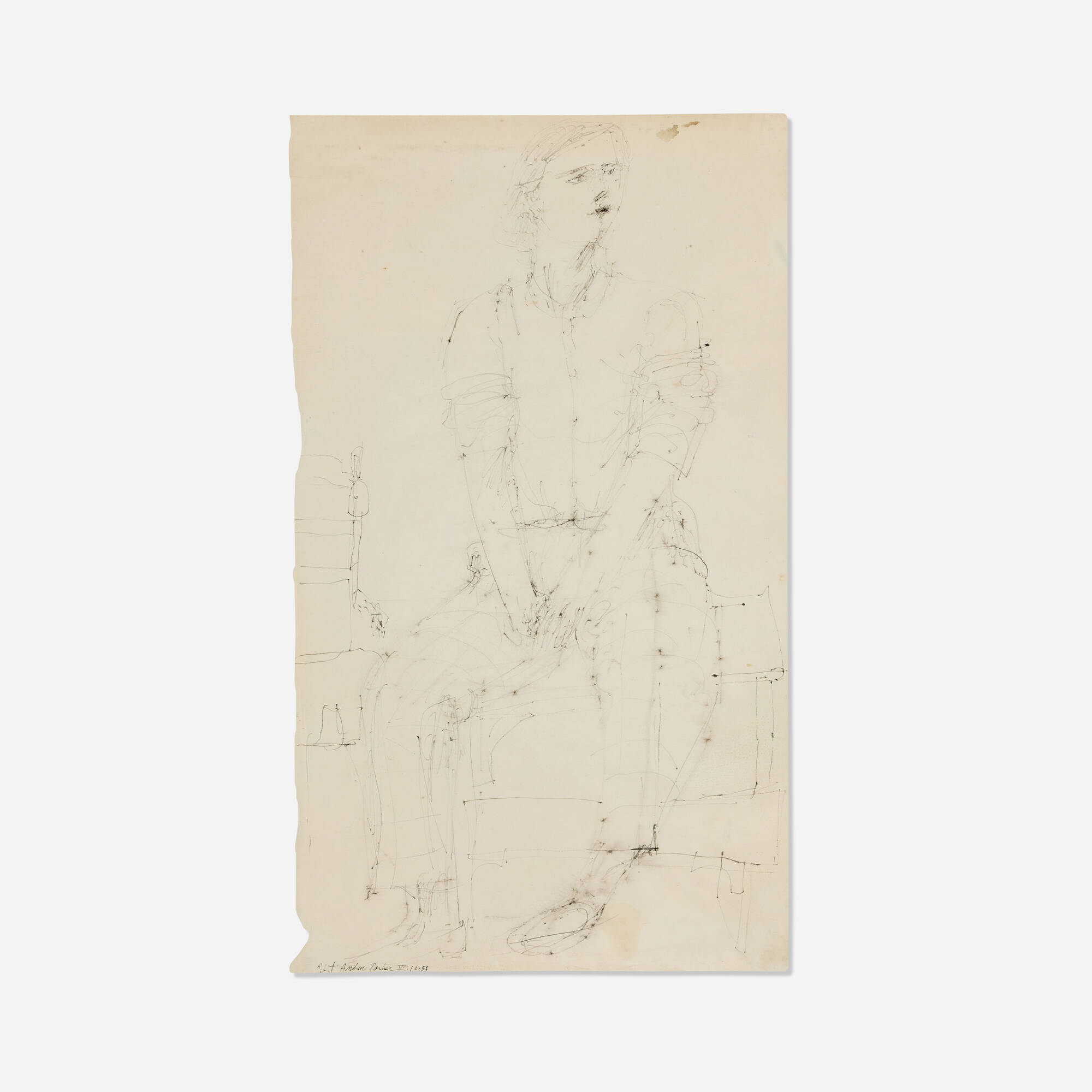
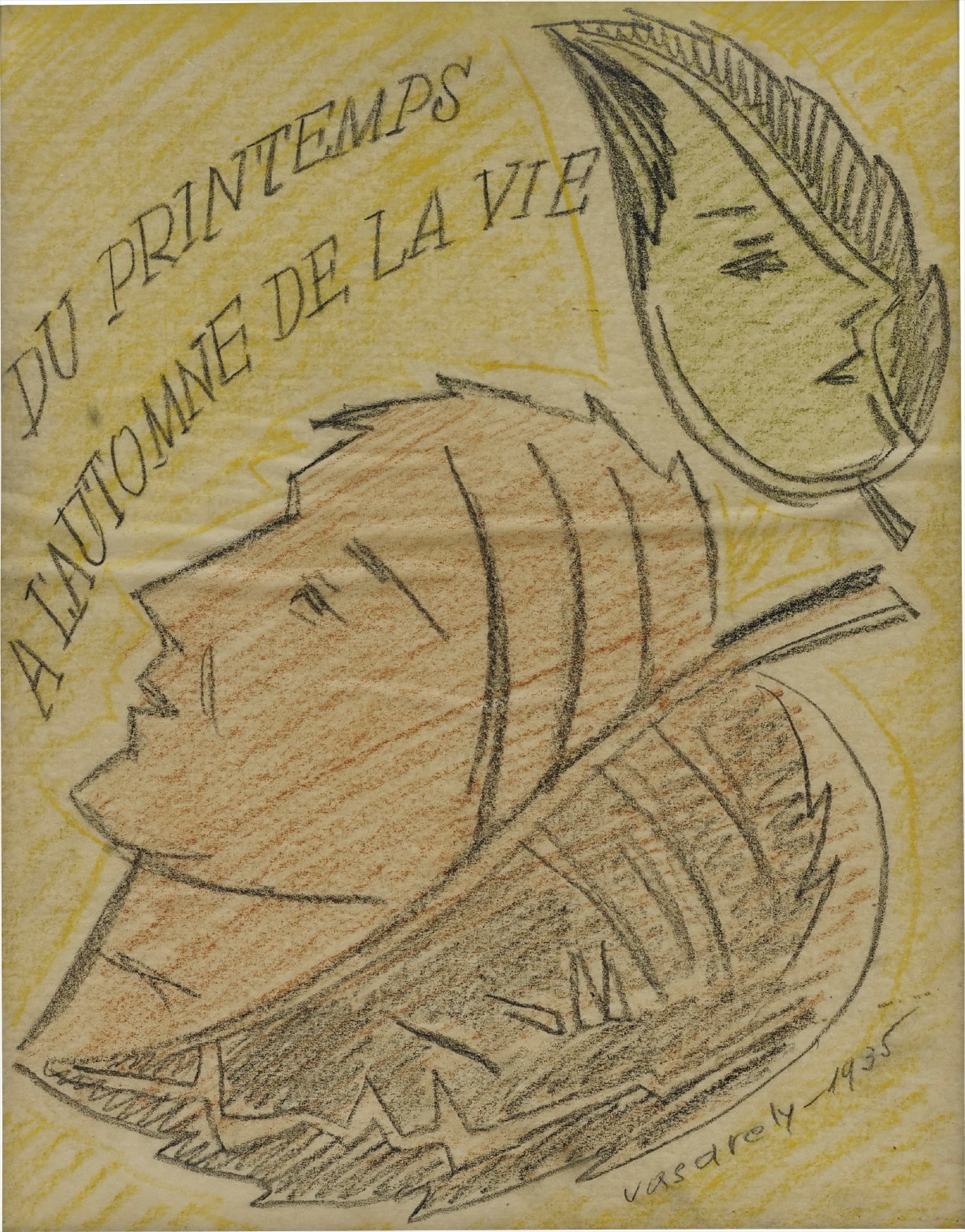
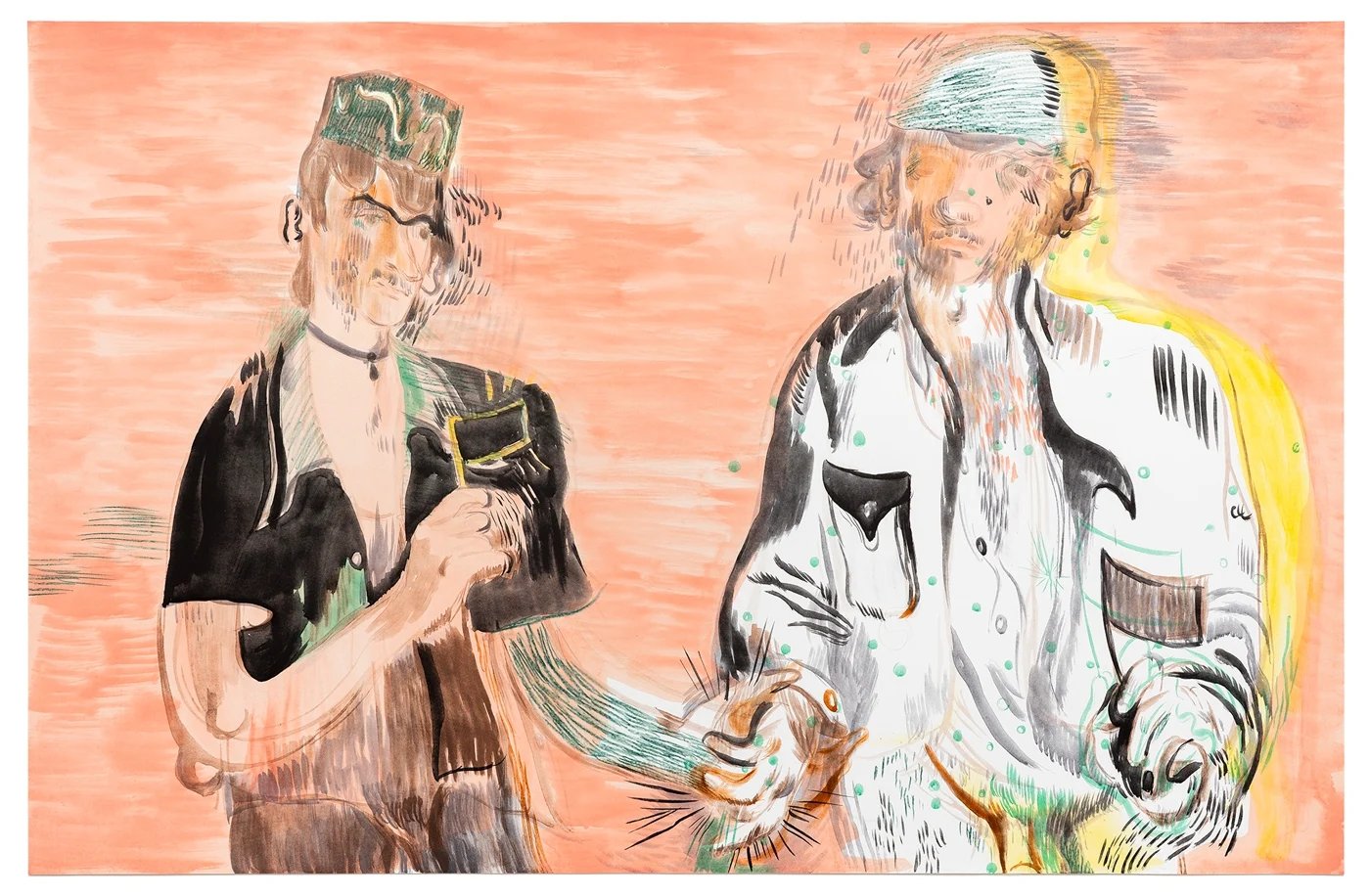
Robert Andrew Parker
Portrait, 1955
A drawing made as a study is interesting. A drawing made as a destination is something else entirely. Collectors should look for works where the medium is not incidental but essential, where the artist chose paper because paper was the right answer. The density of a pastel, the transparency of a watercolor, the controlled accident of ink on a soft ground, these are not compromises.
In the hands of someone who genuinely understood the medium, they become the whole argument. Condition matters enormously here, but so does purpose. Ask yourself whether the work would lose anything if it were larger, if it were on canvas. If the answer is yes, you are probably looking at something worth owning.
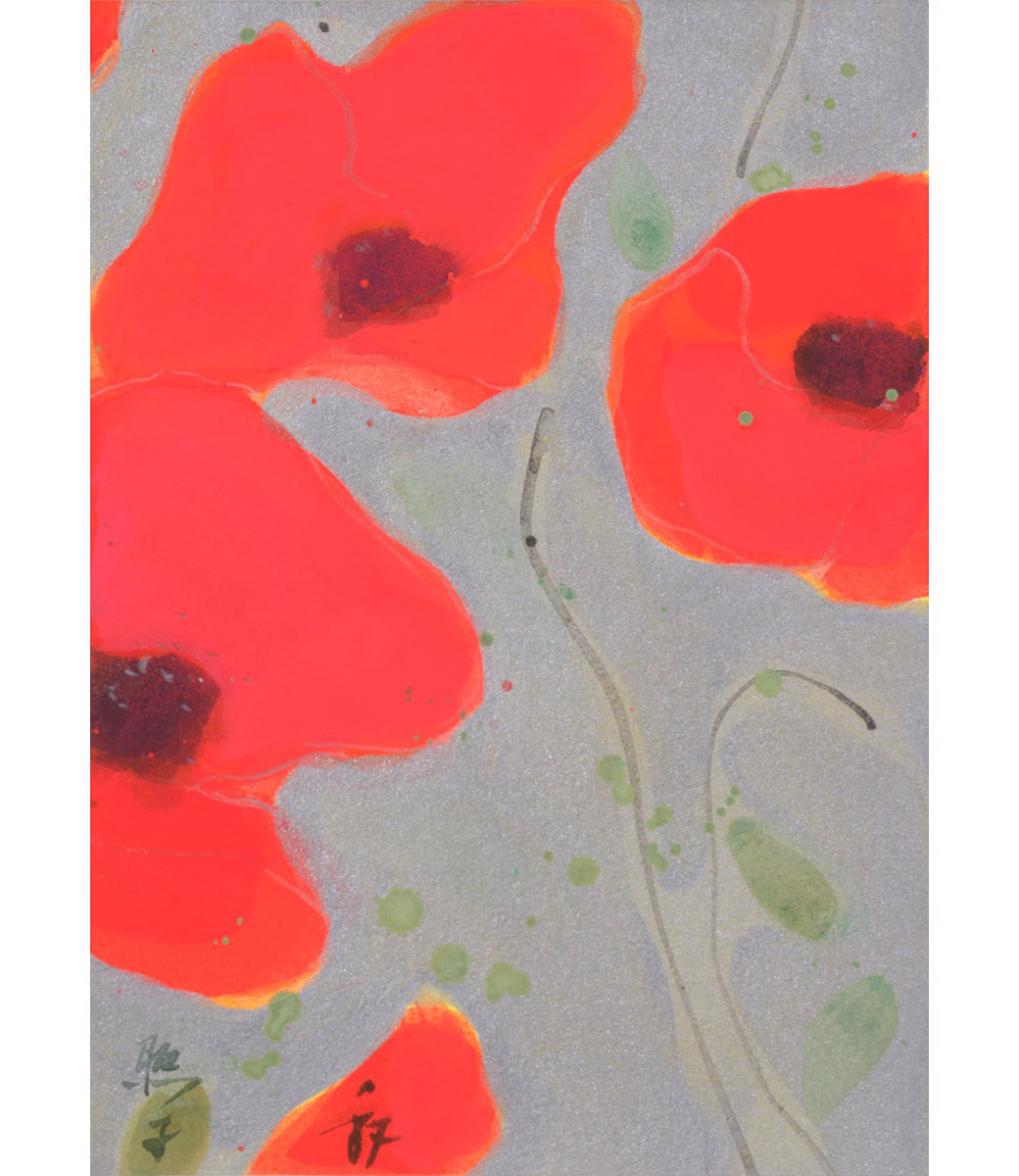
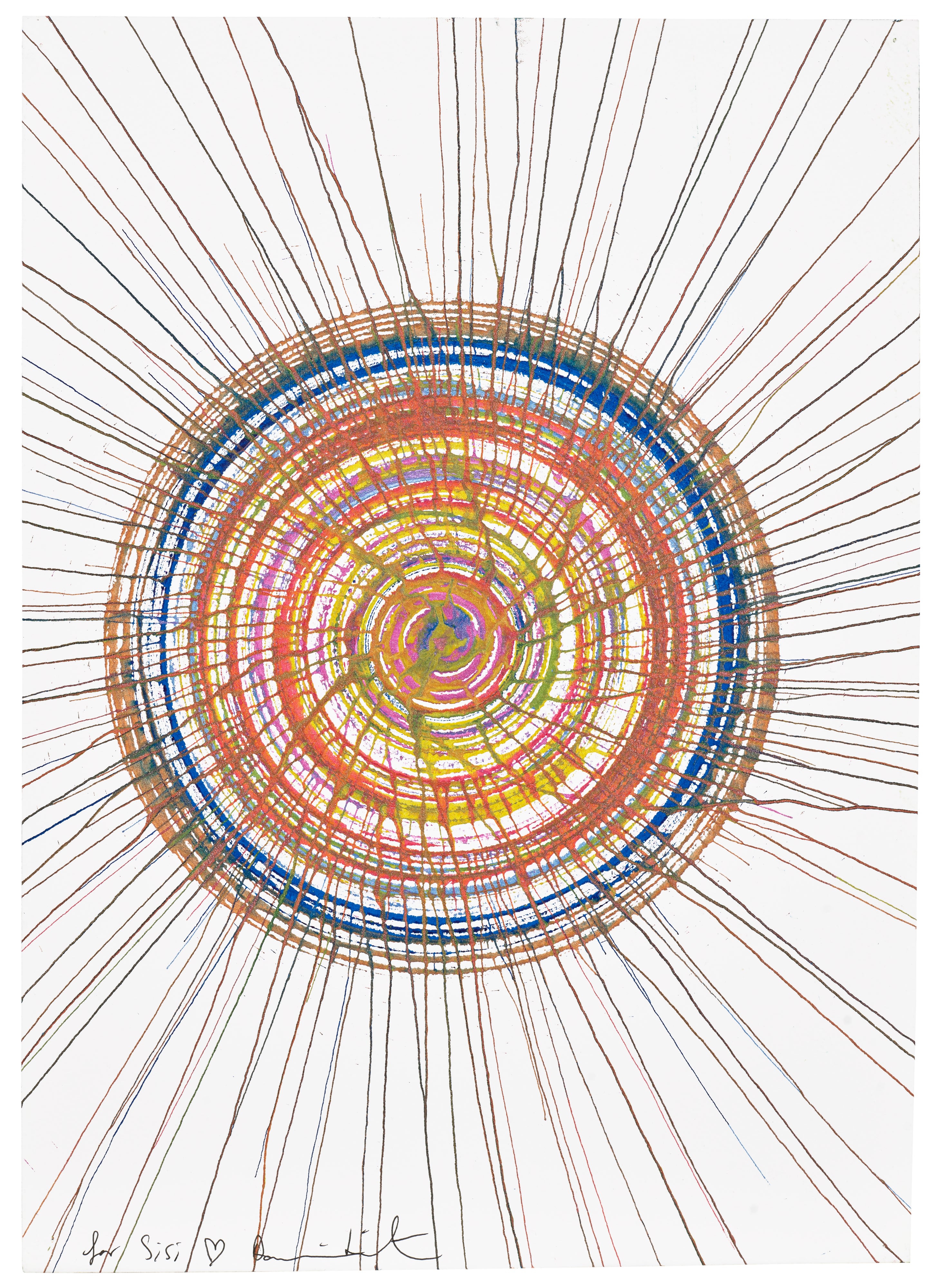
Teruko Yokoi
Untitled (Poppies), 1987
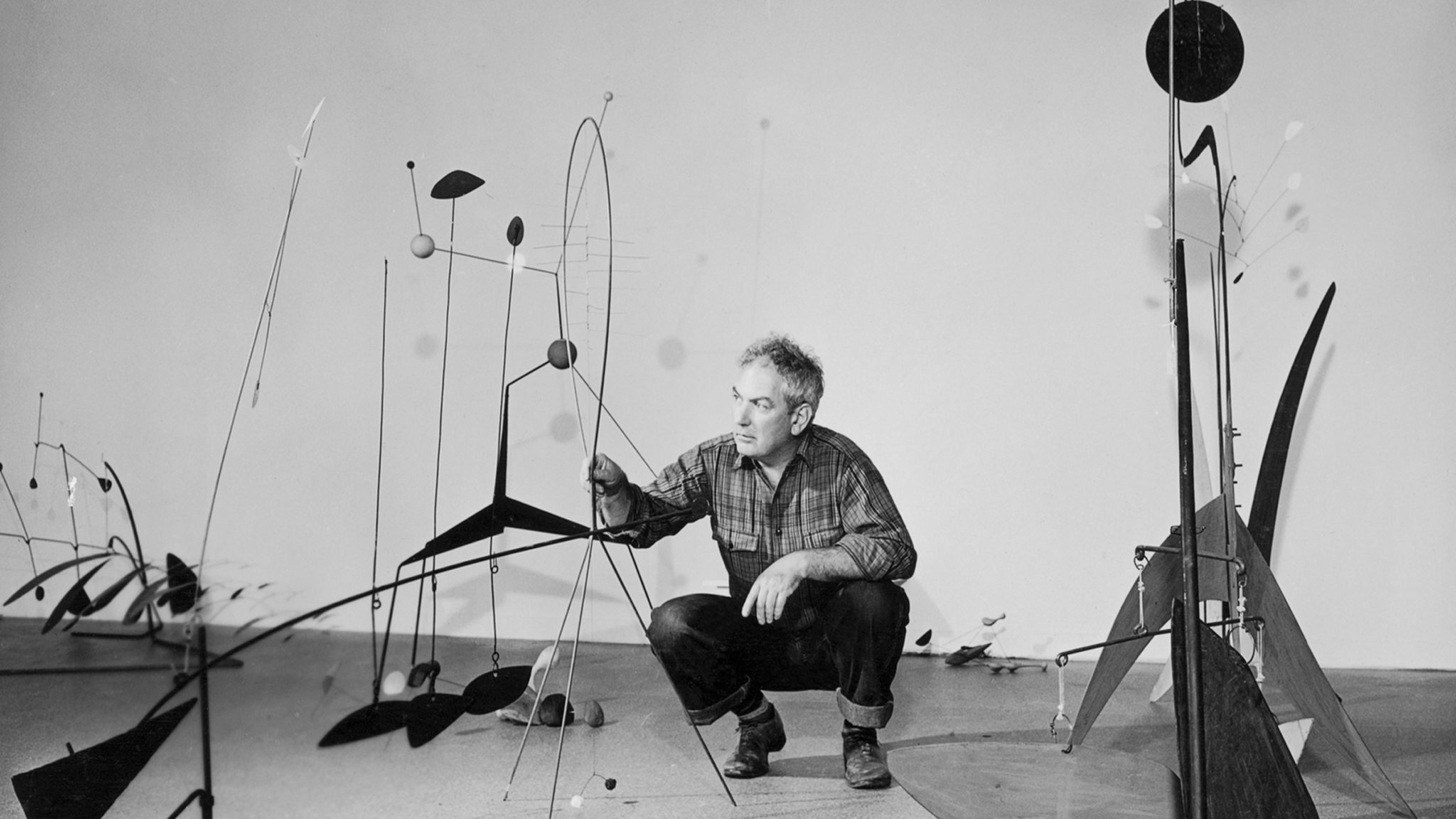
The historical case for paper as a serious collecting category was made long ago by the most discerning buyers in the market. Alexander Calder's gouaches are among the most joyful and structurally rigorous works the twentieth century produced on any surface. They are not preparatory notes toward his mobiles. They are complete statements, and the market has gradually understood that.
Works by Calder on paper have performed with remarkable consistency at auction over the past two decades, regularly finding buyers at the major houses who understand that a strong gouache sits at the absolute center of his practice. The same is true for Joan Miró, whose works on paper carry the full weight of his visual language in a format that feels almost intimate by comparison to his large canvases. Picasso understood paper perhaps better than any artist of his century, and the range of his output across drawing, collage, and print is simply staggering. A well chosen Picasso work on paper, acquired with real attention to quality and period, remains one of the more defensible positions a collector can take.
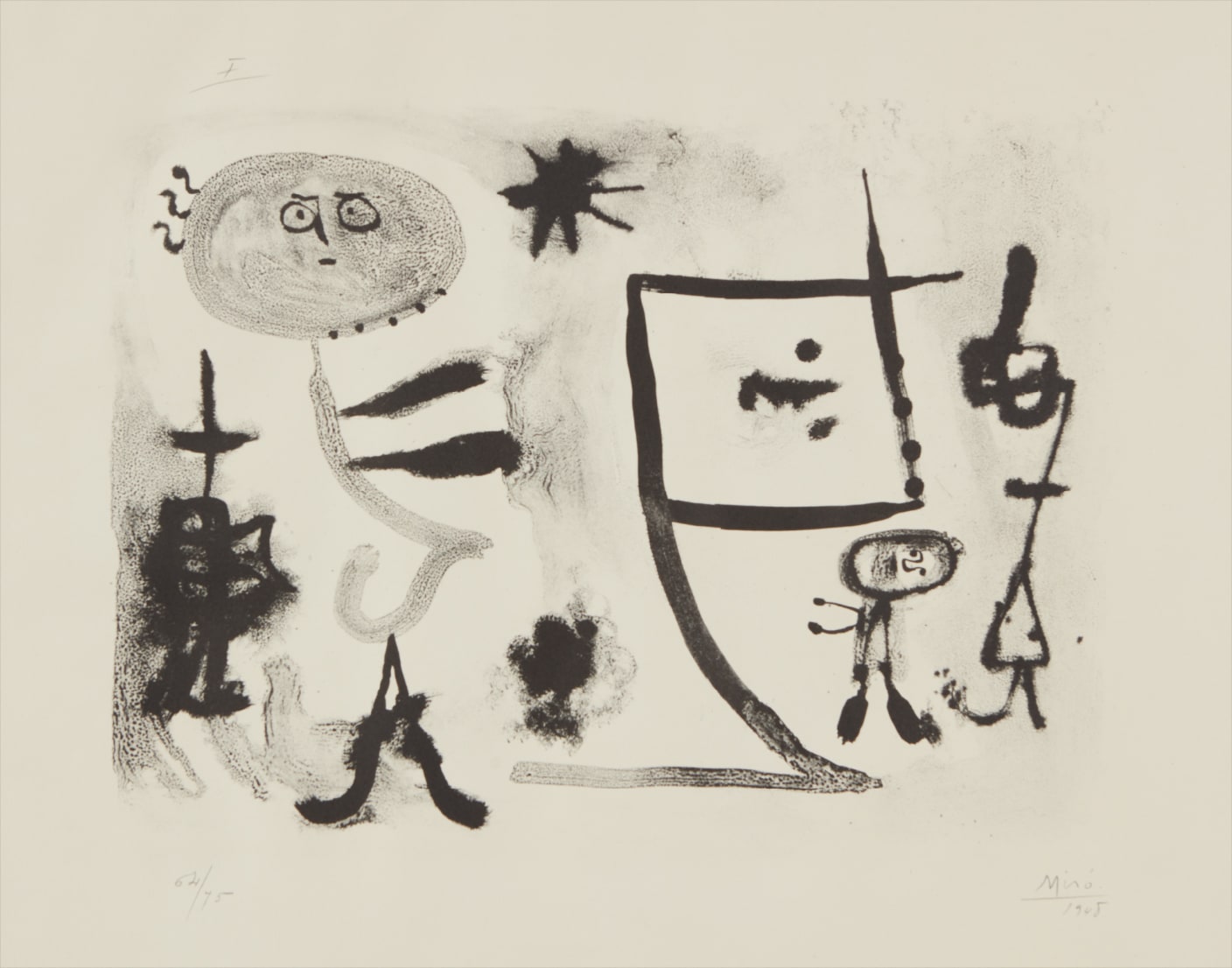
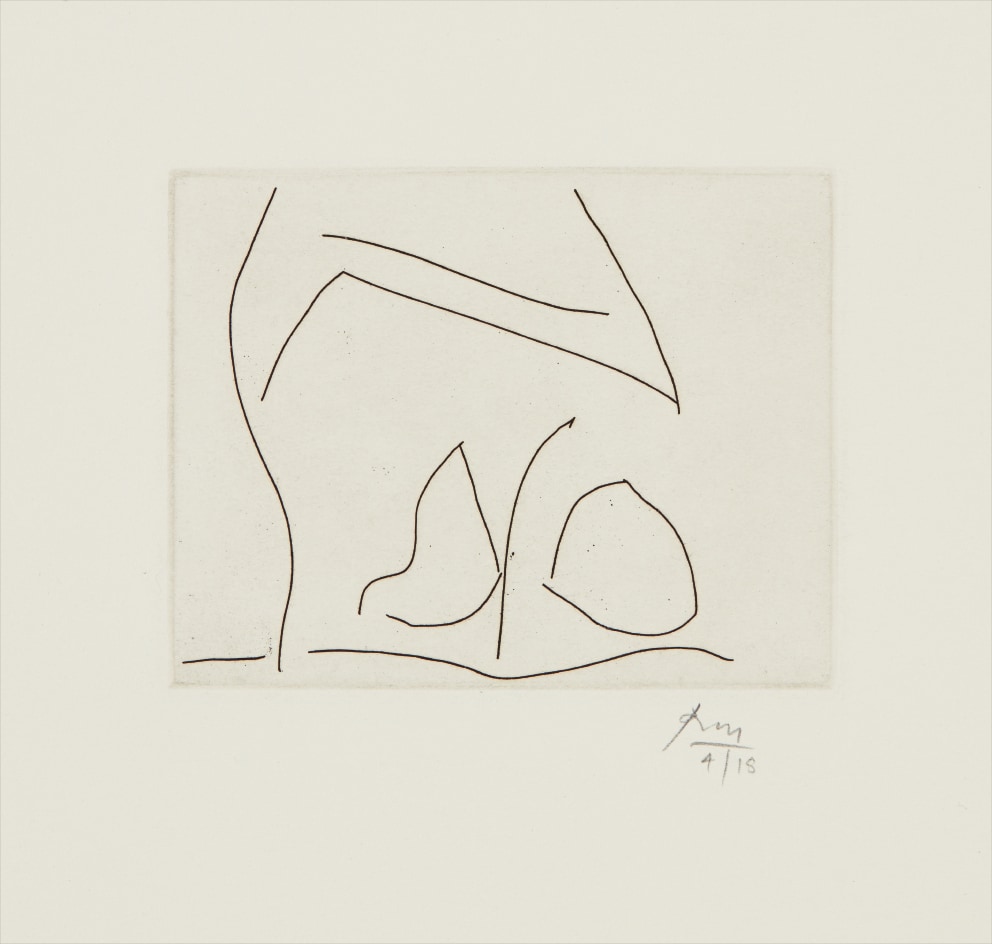
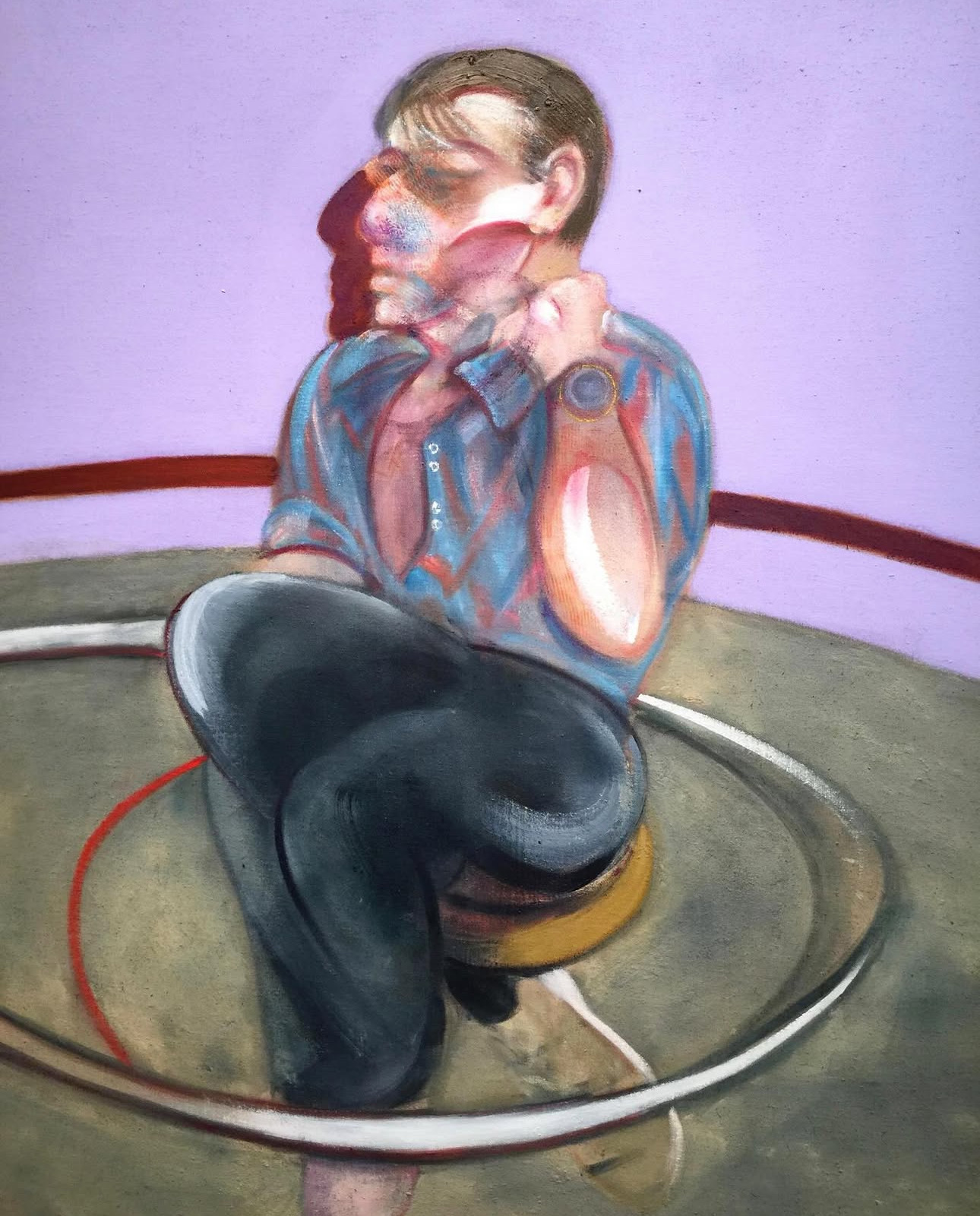
Joan Miró
Album 13: plate I
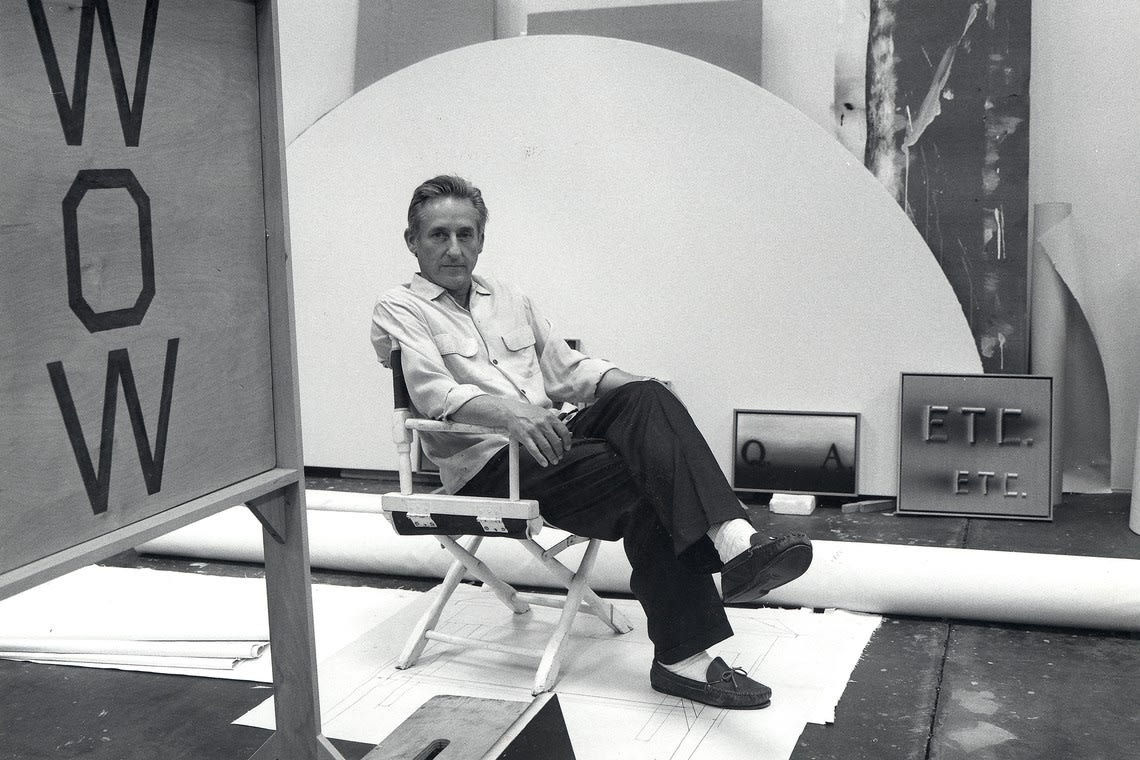
For collectors interested in more recent territory, the works on paper by Jean Michel Basquiat have become extraordinarily sought after, in part because they reveal a directness that even his most celebrated paintings can obscure. His drawings feel like evidence of a mind working at full speed. Ed Ruscha is another figure whose paper works deserve serious attention. His technical range across prints, drawings, and works involving unconventional organic materials is genuinely without parallel in American art, and his prices on paper still feel rational relative to his paintings.
Richard Serra's paintstick works on paper are monumental in effect despite their intimacy in scale, and they represent one of the most compelling entry points into an artist whose large installations are obviously inaccessible to most private collections. Sam Francis brought a luminosity to works on watercolor and paper that few of his contemporaries matched, and his market on paper remains active and well supported. The emerging opportunities in this category are real. Raymond Pettibon has spent his entire career insisting that drawing is not a secondary art form, and the depth and consistency of his output across works on paper makes him one of the most important figures working in this mode today.
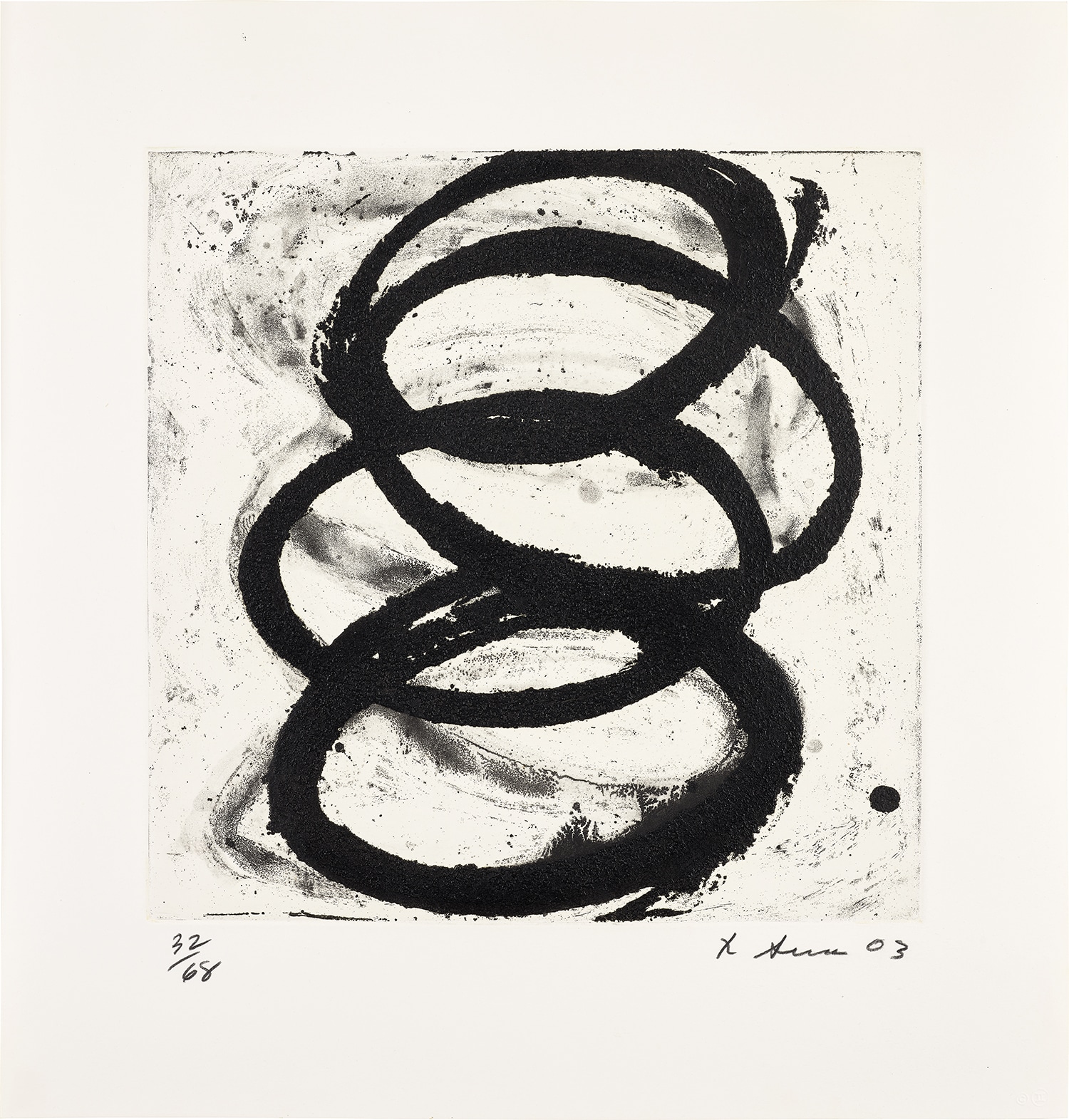
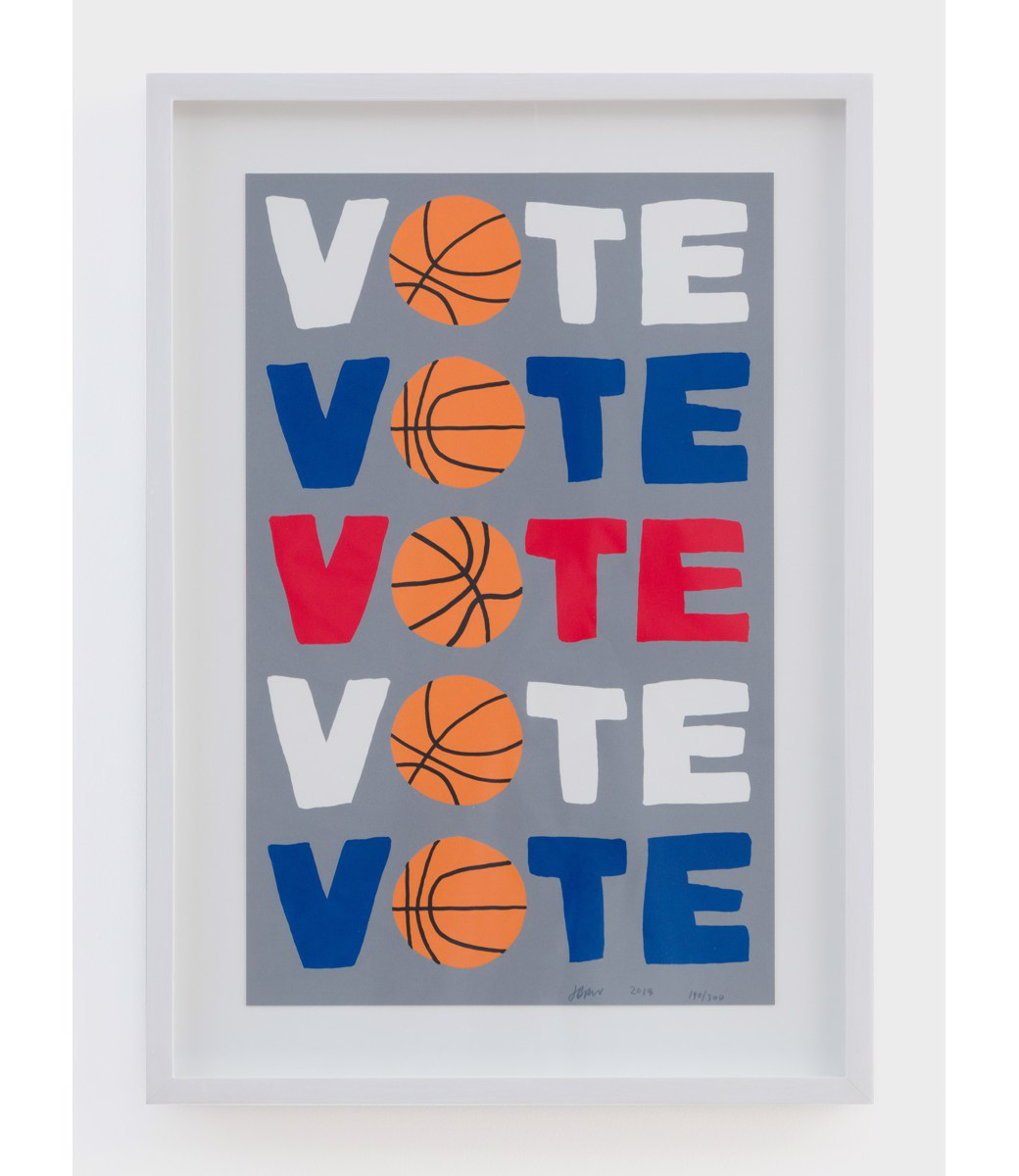
Richard Serra
Xavier (G. 1967, B.-W. 164)
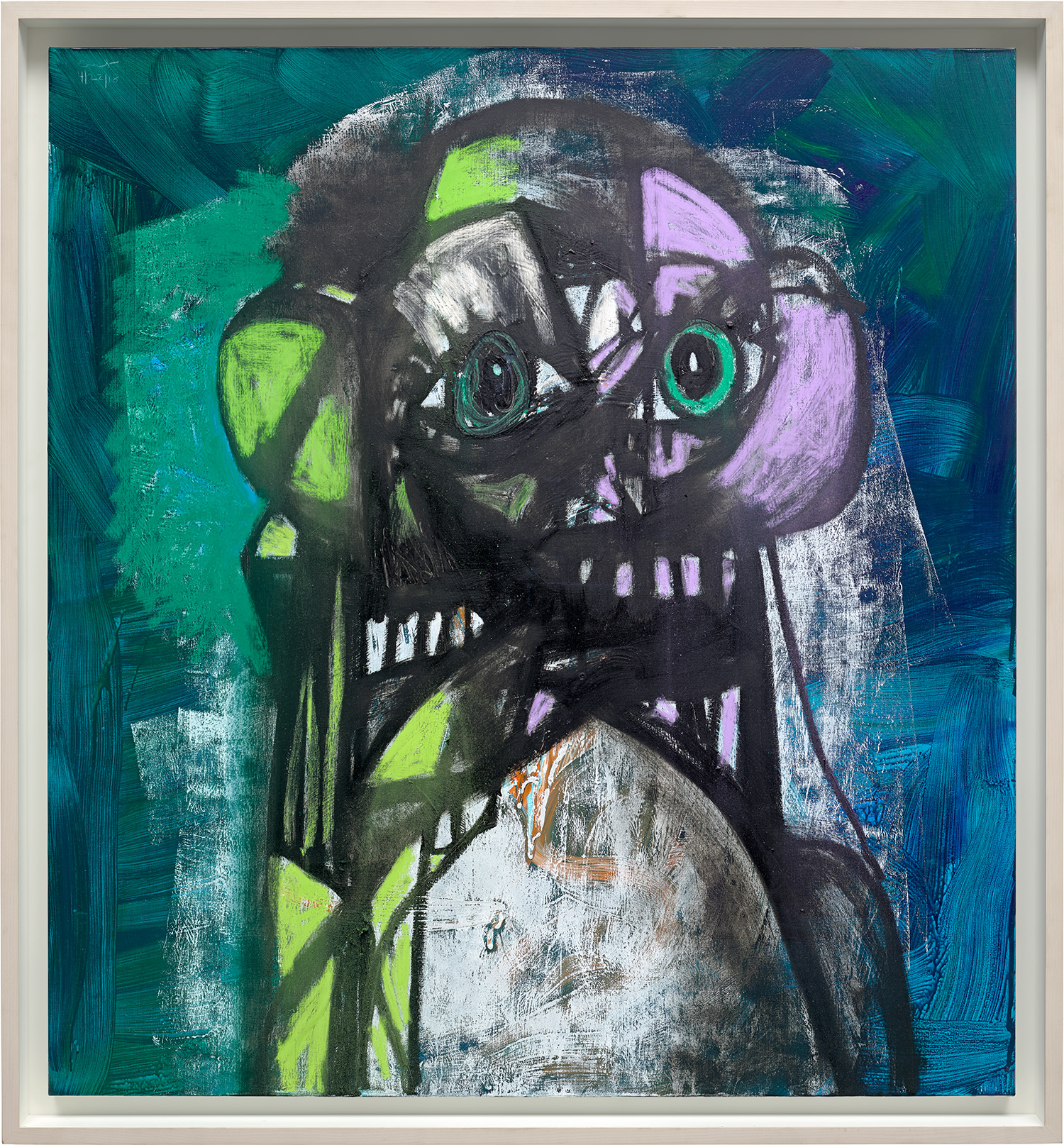
His prices have moved considerably but there is still room for collectors who come with genuine knowledge and patience. Anna Park is a name worth knowing. Her large scale drawings carry a ferocious energy and a real command of figuration, and she is at a stage of her career where serious collectors can still acquire meaningful works without competing against the full force of institutional demand. Among artists with a longer track record, Georg Baselitz on paper offers an interesting entry into a figure whose market is anchored by his paintings, meaning that strong works on paper can sometimes be acquired at a relative discount to his overall standing.
At auction, works on paper carry specific risks that collectors should understand before bidding. Condition is not just a factor, it is the factor. Foxing, fading, tears, and old repairs can dramatically affect value and future saleability, and many of these issues are not fully visible in catalog photography. Always ask for a condition report in advance, and if the work is of real significance, consider engaging an independent conservator before committing.
Frame and glazing history matters too. Works that have been displayed behind non conservation glass for decades can show light damage that is difficult and sometimes impossible to reverse. On the other side of this, a work on paper in genuinely pristine condition, with clean provenance and solid exhibition history, can outperform expectations considerably. The market rewards condition at the top end more than almost any other variable.
When approaching a gallery about works on paper, the questions that reveal the most are often the simplest. Ask why the artist made this work. Ask whether it relates to a larger body of work or stands independently. Ask about the paper itself, the manufacturer, the age, whether it is acid free.
Ask about any previous ownership and whether the work has appeared publicly before. Galleries that work seriously in this area will have answers, and those answers will tell you a great deal about the quality of their inventory. The difference between a dealer who treats paper works as secondary material and one who genuinely champions them is usually apparent within the first five minutes of conversation. Find the latter and stay close to them.
The collection you build around paper, approached with this level of seriousness, can be among the most coherent and visually alive you will ever put together.