Orphism
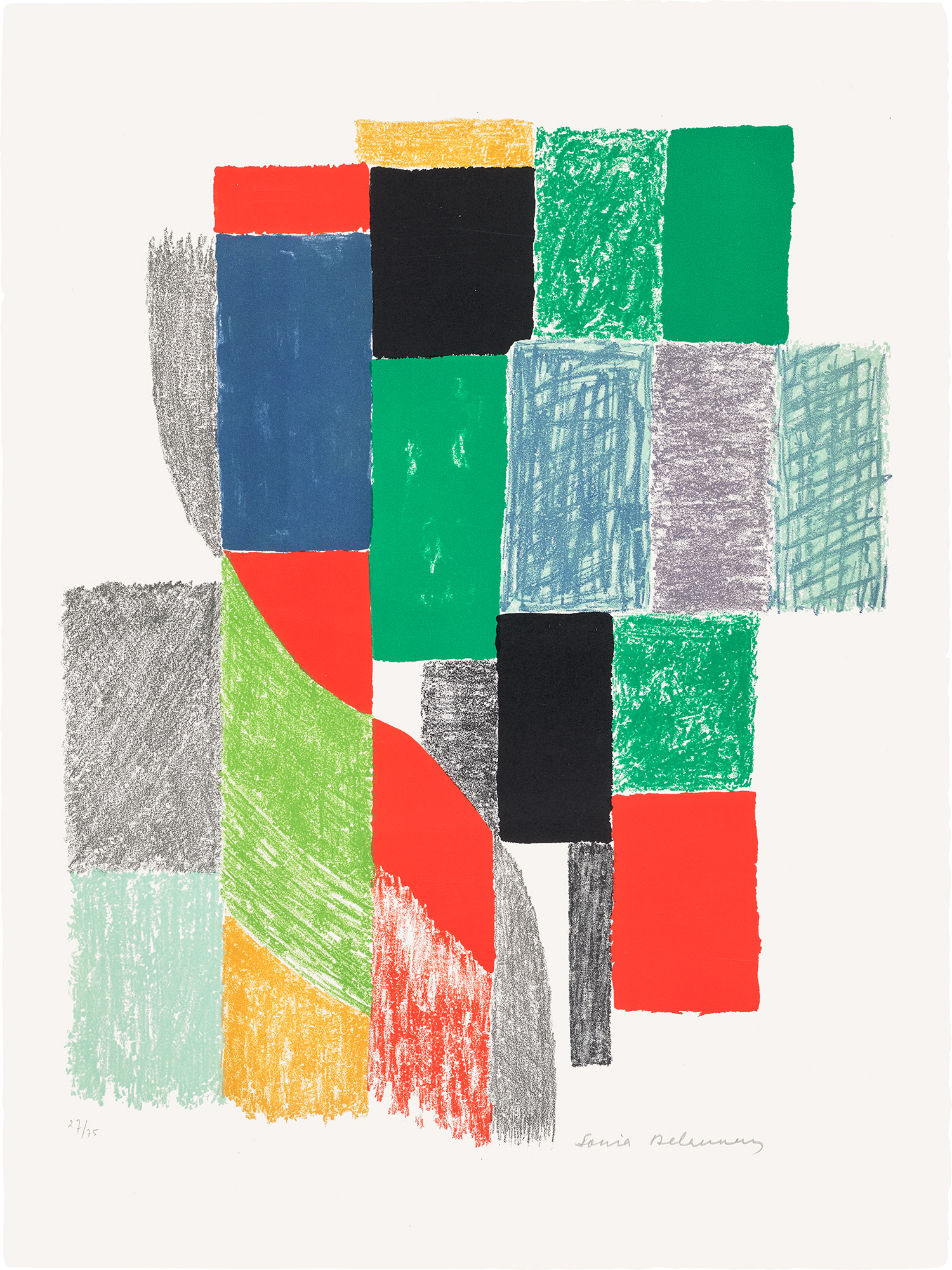
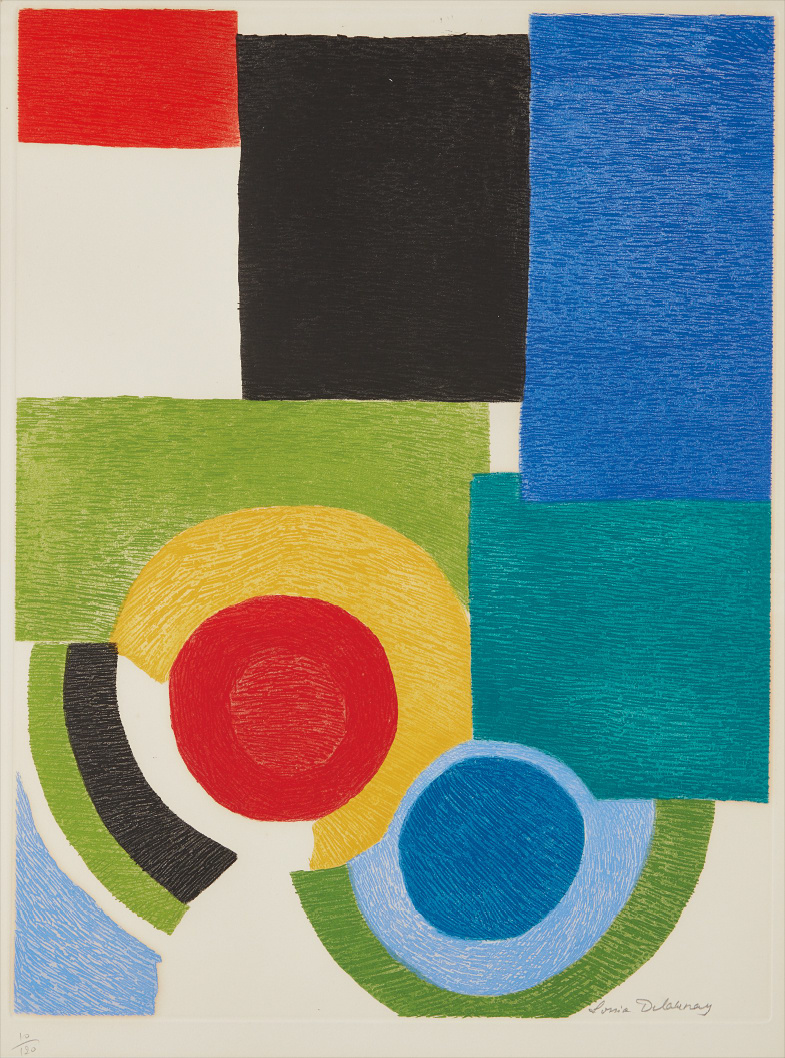
Sonia Delaunay
Oriflamme (Flame Banner)
```json
{ "headline": "Color As Pure Energy: The Orphism Revelation", "body": "There are moments in art history when someone decides that color itself is enough. Not color in service of a figure, a landscape, a narrative, but color as the subject, the structure, and the sensation all at once. Orphism was that decision made boldly and collectively, a movement that arrived in Paris in the early 1910s and refused to let painting be merely descriptive ever again. It is one of the most visually intoxicating chapters in modern art, and its reverberations are still felt every time an artist reaches for abstraction through chromatic intensity rather than form.
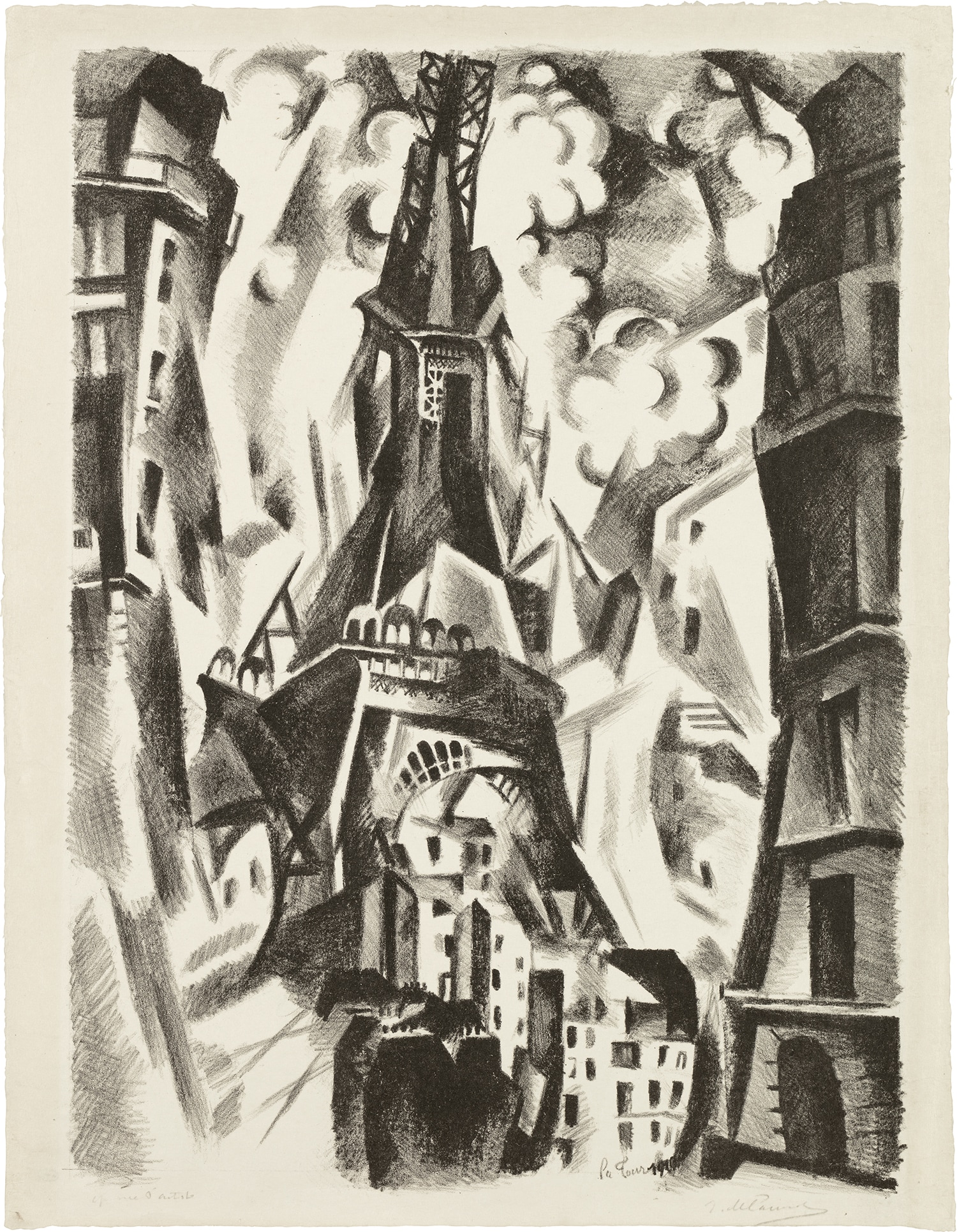
", "There is some irony in the fact that Orphism was named not by its practitioners but by a poet. Guillaume Apollinaire coined the term in 1913, drawing on the myth of Orpheus, whose music was said to move stones and rivers with pure sound. Apollinaire saw the same kind of raw, autonomous force in a new strain of painting emerging around him in Paris, work that seemed to generate its own energy from within rather than borrowing it from the external world. He applied the label particularly to the circle around Robert Delaunay, whose large scale canvases of the period were pushing Cubism toward something far more lyrical and dynamic.
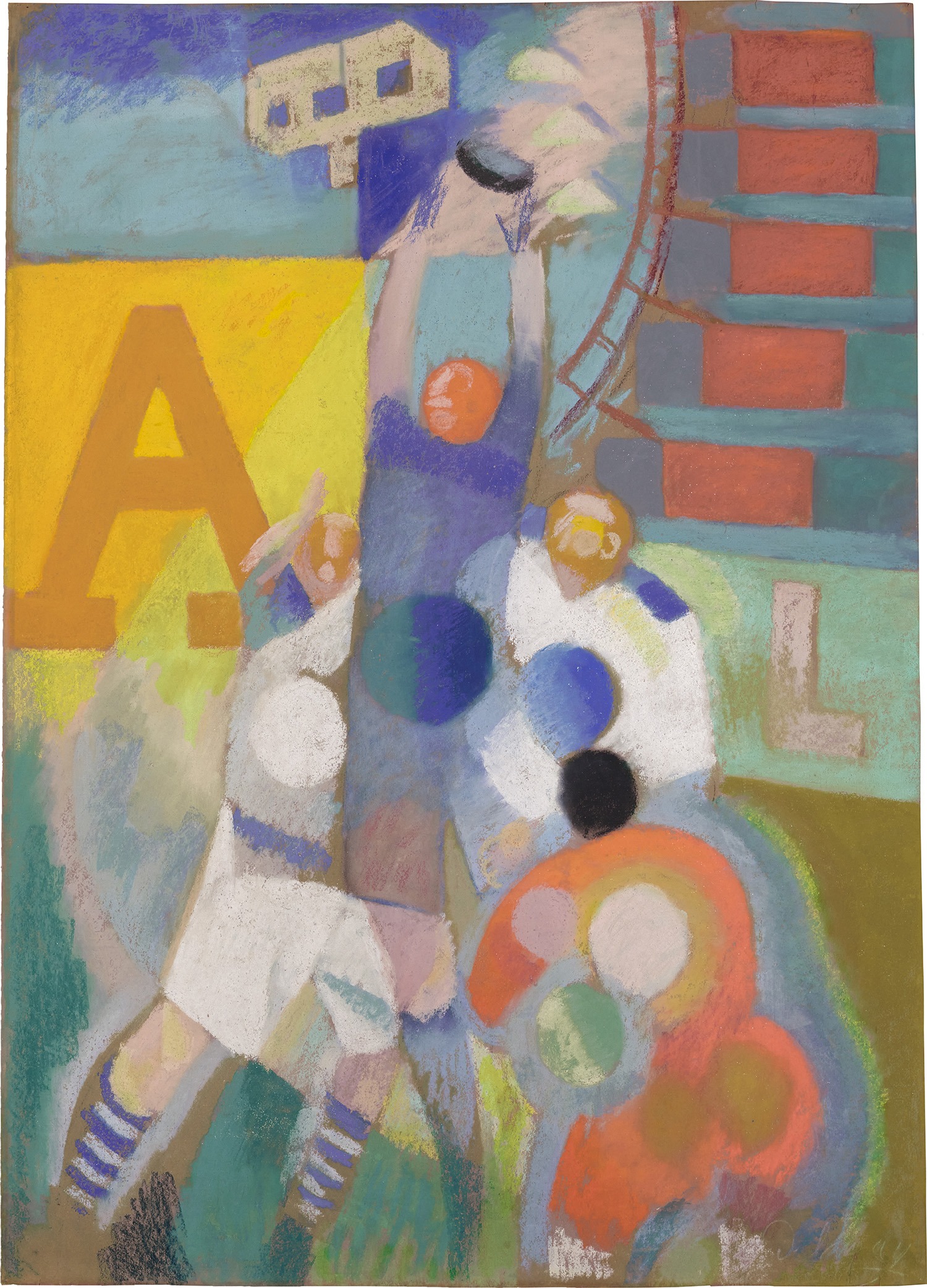
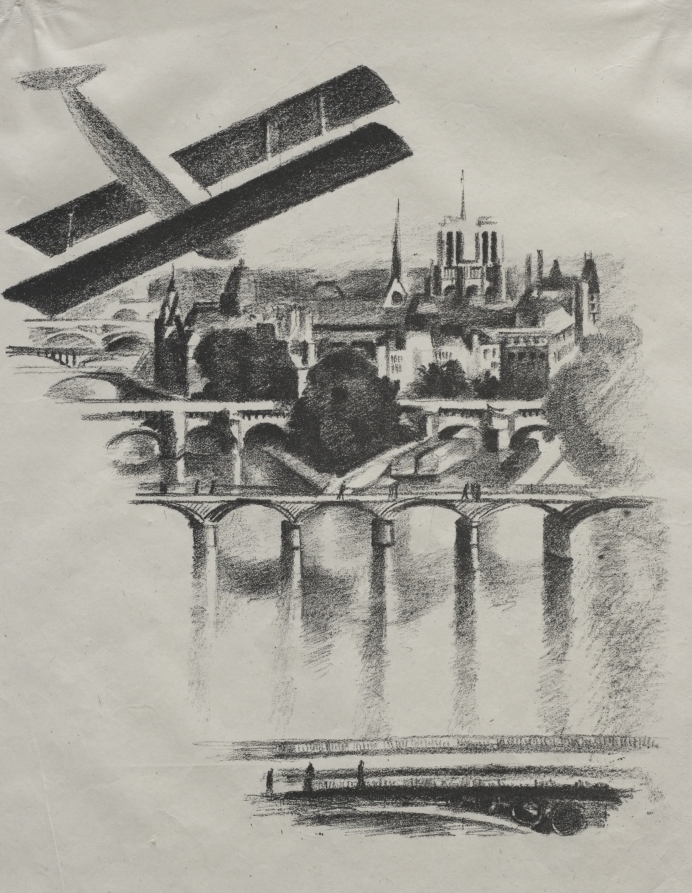
Robert Delaunay
L'Équipe de Cardiff, 1922
", "Robert Delaunay arrived at his signature language through a sustained investigation of color theory, particularly the ideas of Michel Eugène Chevreul, whose work on simultaneous contrast of colors had been circulating among artists since the nineteenth century. Delaunay became obsessed with what happened at the edges where complementary colors met, the way orange and blue would vibrate against each other, creating an optical pulse that felt almost musical. His series of Fenêtres paintings, begun around 1912, were among the first works in Western art to entirely dispense with recognizable subject matter in favor of interlocking planes of pure color. They are extraordinary things, windows not onto the world outside but onto the physics of perception itself.
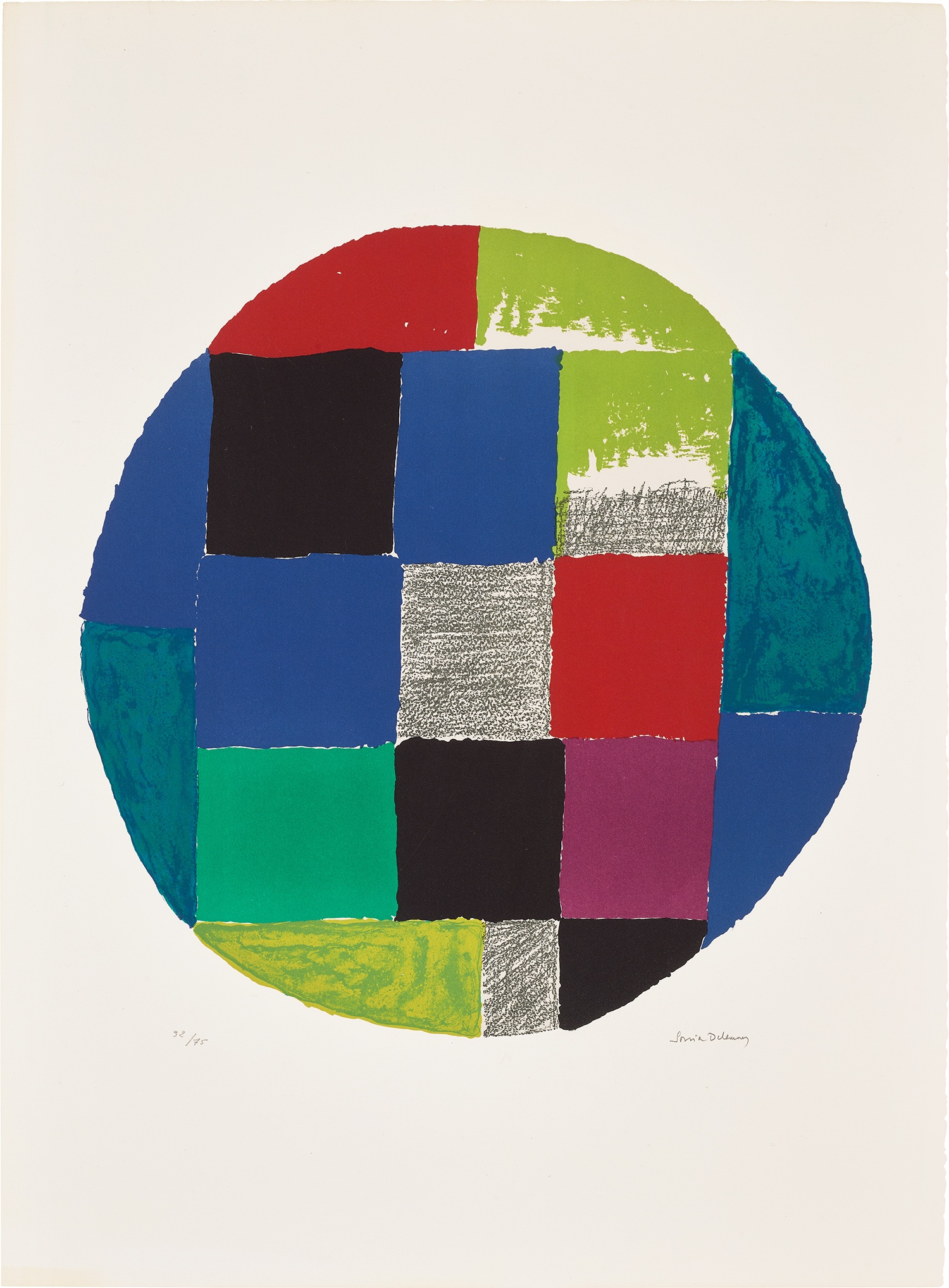
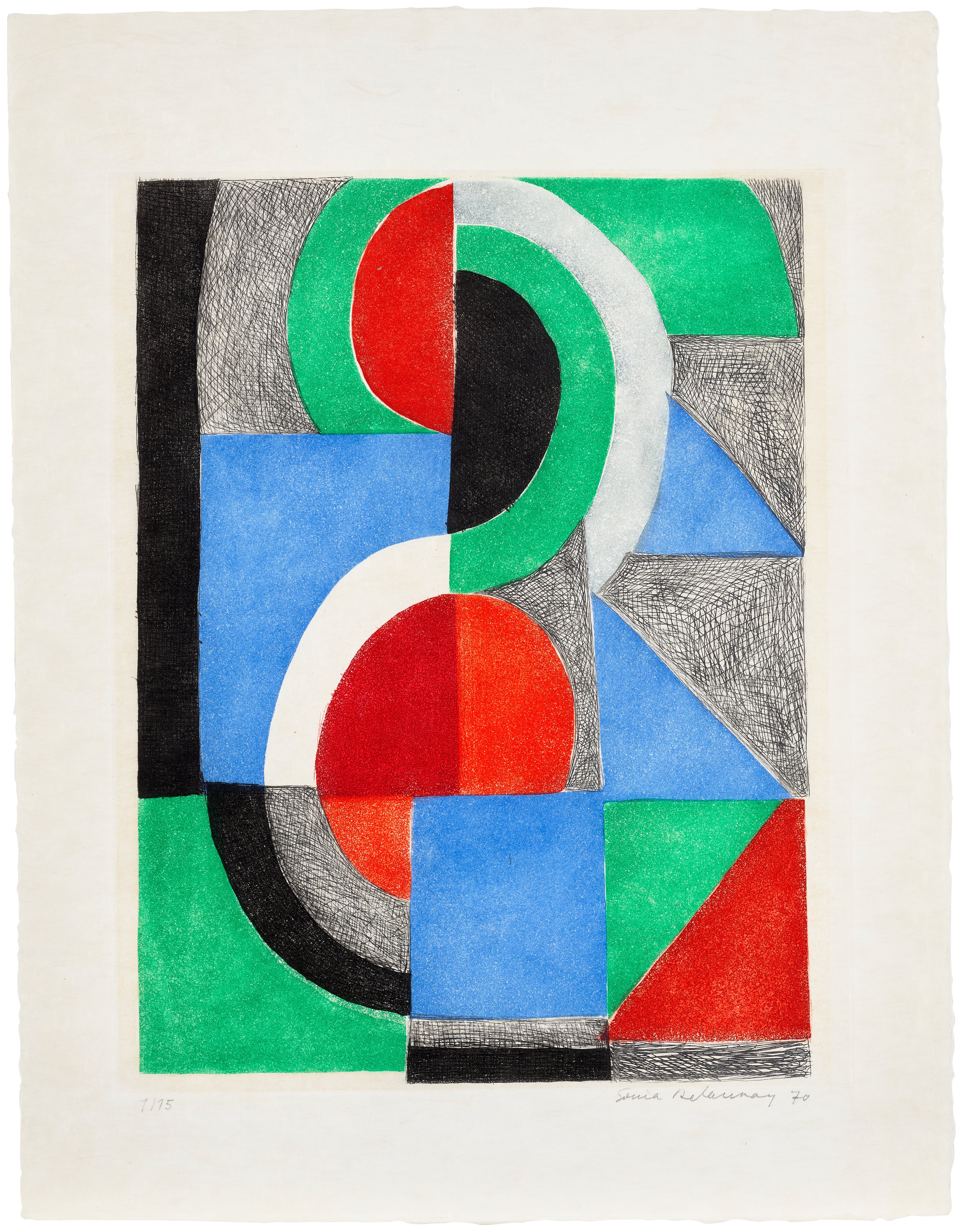
", "Sonia Delaunay brought something to Orphism that her husband's work, brilliant as it was, sometimes lacked: an intimacy with the applied and the bodily. Born in Ukraine and trained in both Germany and France, she came to the movement through an unusually wide set of influences, from folk textile traditions to Fauvism to the rigorous geometry she encountered in Paris. Her famous patchwork quilt made in 1911 for her newborn son is often cited as a kind of proto Orphist object, a purely abstract arrangement of color and pattern made before the theoretical scaffolding had even been erected. That instinct for color as lived experience, as something worn and touched and inhabited, defined her practice throughout her long career and made her work genuinely distinct from the easel painting tradition that framed so much of the movement.
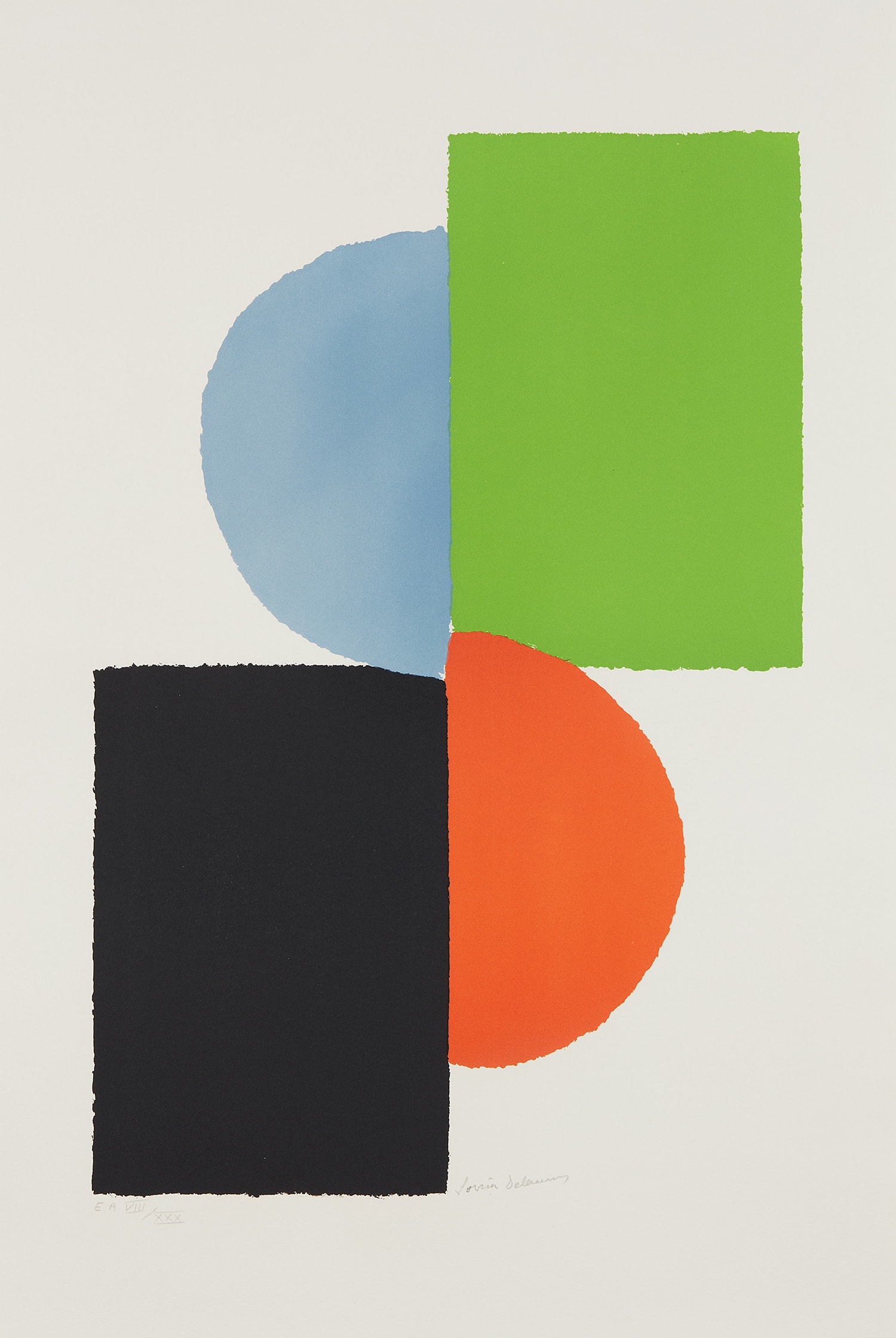
Sonia Delaunay
Oriflamme (Flame Banner)
", "The Salon des Indépendants of 1913 was a watershed moment for Orphism, bringing together works by the Delaunays alongside paintings by Fernand Léger, Francis Picabia, and the Czech painter František Kupka, whose place in the movement has sometimes been undervalued. Kupka had arrived at chromatic abstraction almost independently, through a path that ran through Symbolism and a deep interest in music and theosophy. His Amorpha: Fugue in Two Colors, shown at the Salon d'Automne in 1912, was among the very first fully abstract paintings exhibited publicly in Paris. The fact that Orphism gathered so many different routes to abstraction under a single roof made it one of the most genuinely cosmopolitan episodes in early modernism.
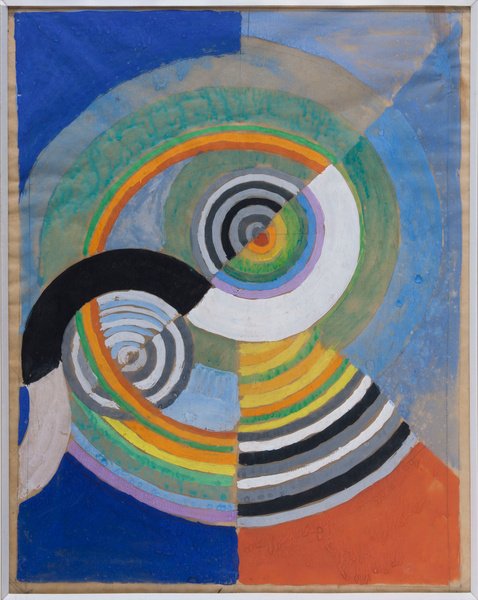
", "What unifies the works we associate with Orphism is less a shared technique than a shared conviction: that color relationships, when handled with enough intelligence and sensitivity, can create movement, depth, time, and emotion without any assistance from the representational world. The disc and circle became the movement's most characteristic form, not because it held symbolic meaning but because it offered the ideal arena for color contrast to play out in every direction at once. Robert Delaunay's Formes Circulaires paintings from 1912 and 1913 are perhaps the purest expression of this, color wheels that seem to rotate before your eyes even on a static canvas. There is something almost scientific about the approach, and yet the experience of standing in front of these works is anything but clinical.
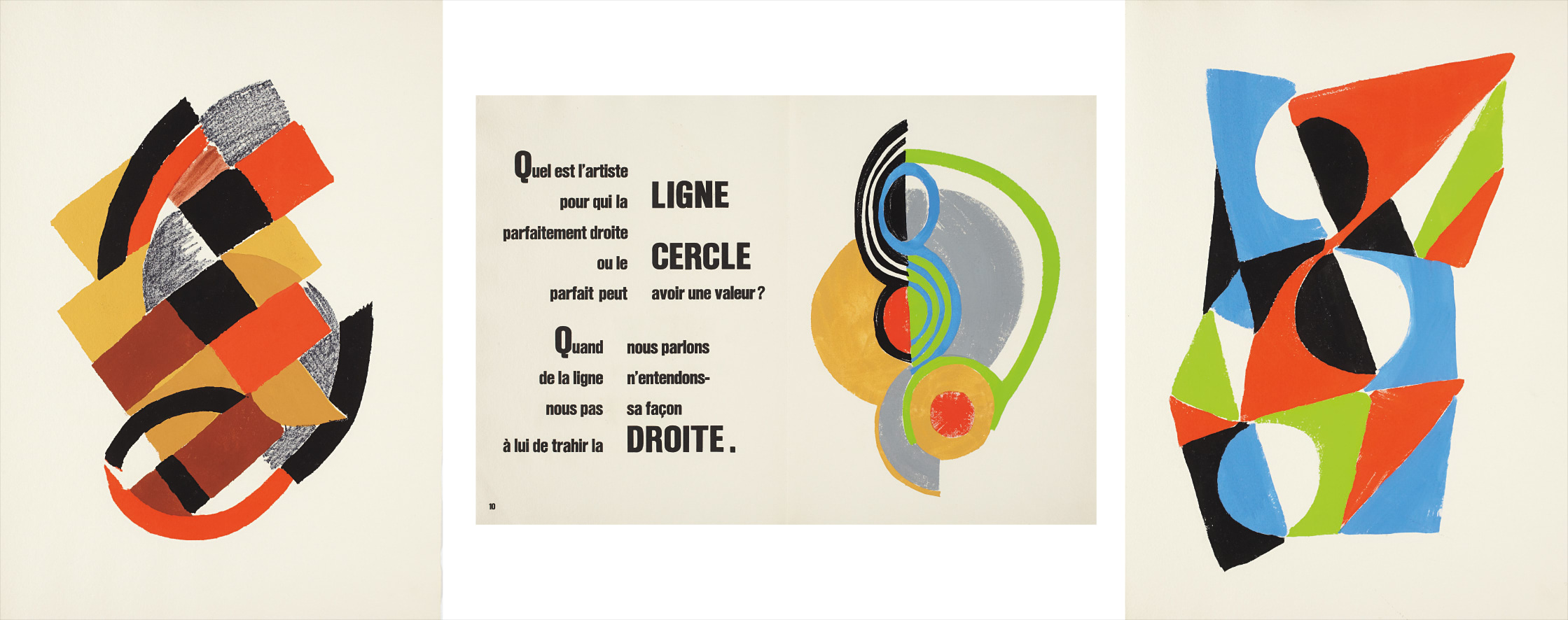
Sonja Delaunay
Rythmes-Couleurs
", "The influence of Orphism spread quickly and widely, arguably faster than that of Cubism, because its vocabulary was more immediately accessible and its emotional register was warmer. Paul Klee visited the Delaunays in 1912 and left transformed. The American Synchromists Morgan Russell and Stanton Macdonald Wright absorbed its lessons and carried them across the Atlantic. Wassily Kandinsky was attentive to what was happening in Paris, and the question of how much Orphism shaped his own path toward abstraction is one that art historians continue to debate with considerable heat.
By the time Sonia Delaunay was designing textiles, book covers, theatre costumes, and automobiles in the 1920s, Orphism had effectively escaped the gallery and entered everyday life.", "Today, the works of both Robert and Sonia Delaunay feel remarkably contemporary. Their preoccupations, with perception, with the body in space, with color as a thing that acts on you rather than a thing you simply look at, are preoccupations that have never left advanced painting and design. Both artists are well represented on The Collection, and spending time with their works side by side reveals just how complementary their sensibilities were and how much each brought to the shared project.
Sonia in particular has benefited from a long overdue critical reassessment, recognized now not as a secondary figure but as one of the defining artists of the twentieth century in her own right. Orphism gave painting permission to be purely itself, and that permission, once granted, has never been taken back.