Oil Pastel
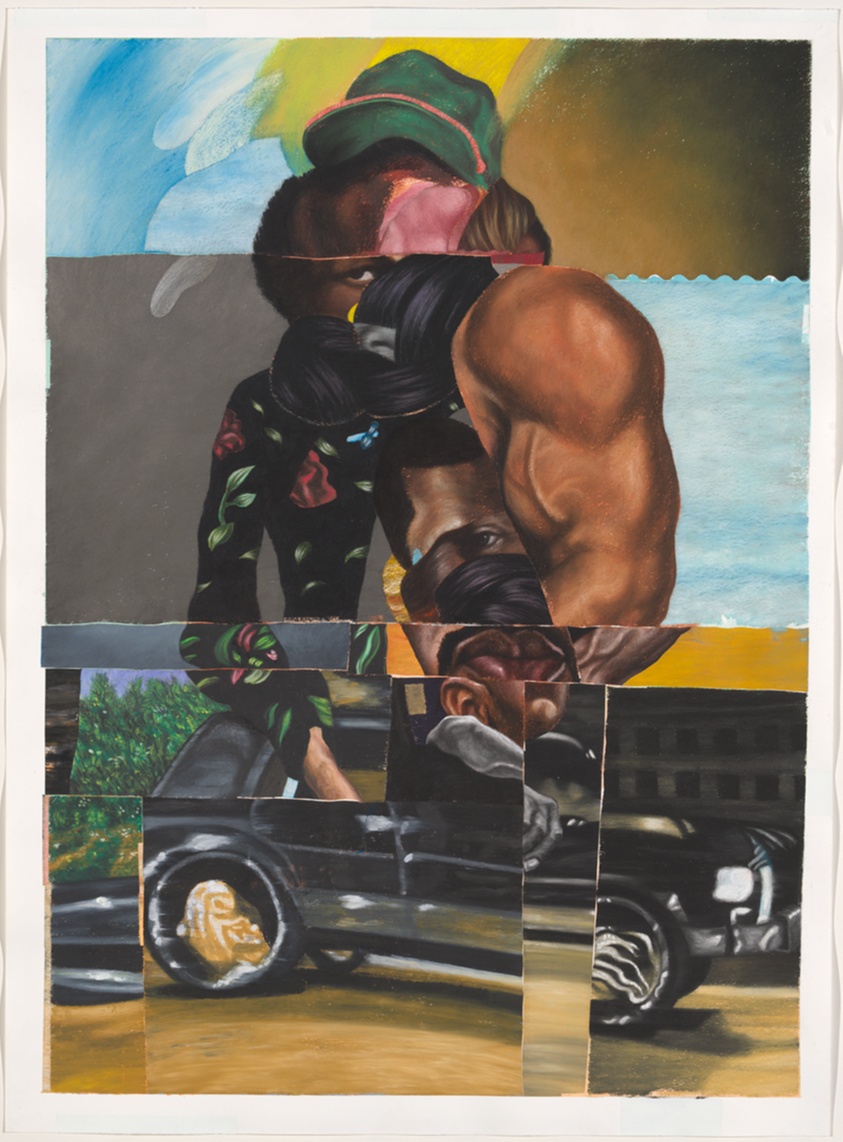
Tobe Kan
A Void 9, 2023
The Waxy Medium That Refuses to Behave
There is something almost rebellious about oil pastel. It refuses the decorum of watercolor, the intellectual cool of graphite, the institutional weight of oil on canvas. It smears, it blooms, it leaves residue on your fingers and occasionally on the wall behind the artwork. And yet in the hands of the right artist, it produces a luminosity and tactile immediacy that no other medium can quite replicate.
The story of oil pastel is, in many ways, the story of the art world learning to take seriously something it once dismissed as a children's supply. The medium's origins trace back to 1921, when the Japanese artist and educator Rinzo Satake developed an oil based pastel for use in schools, working in collaboration with the manufacturer Sakura. The goal was modest and entirely practical: to give young students a drawing tool that would not crumble the way traditional chalk pastels did, and that would not require fixative to hold the pigment in place. For decades, oil pastels remained largely in the domain of the classroom and the sketchbook, useful but not prestigious.
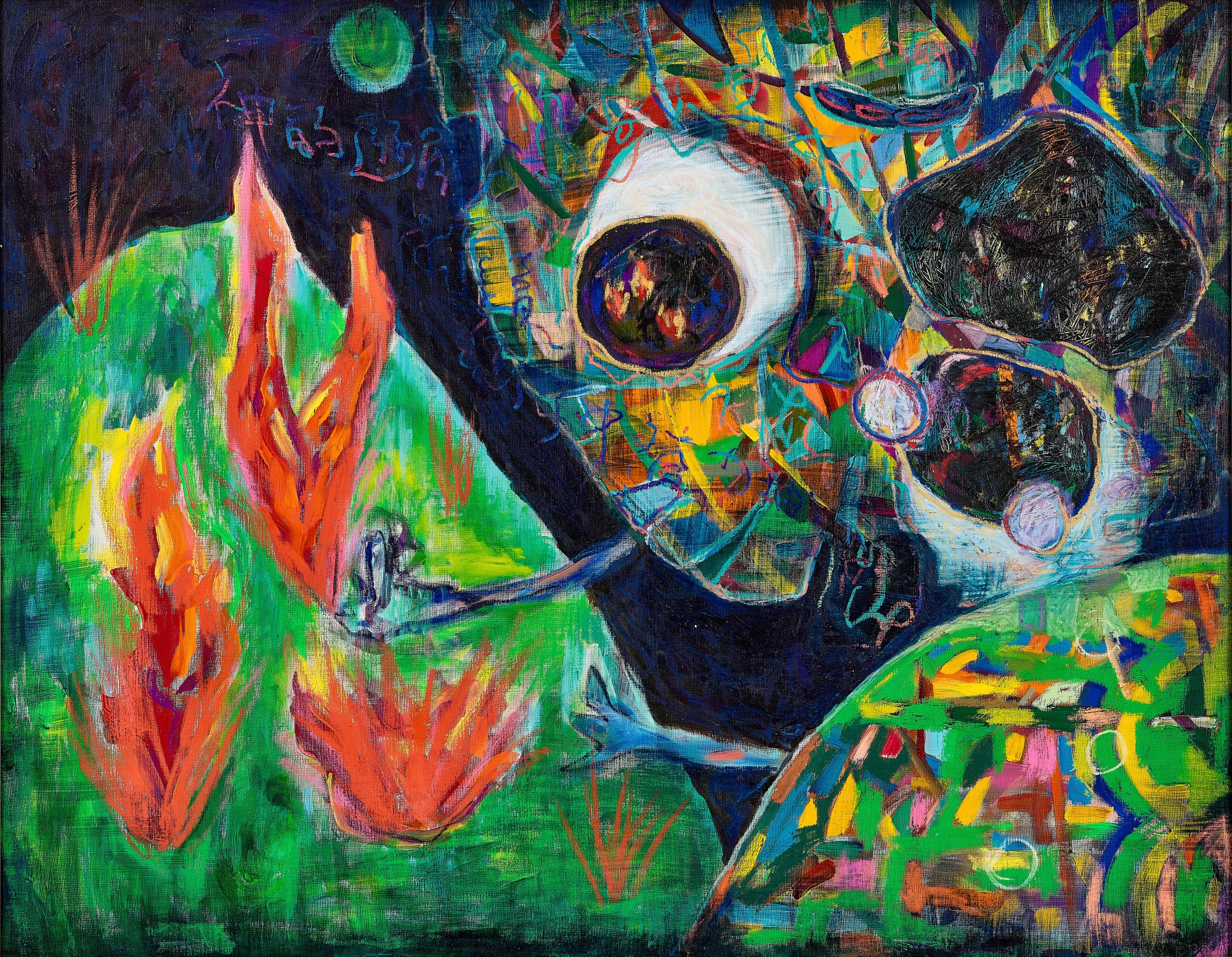
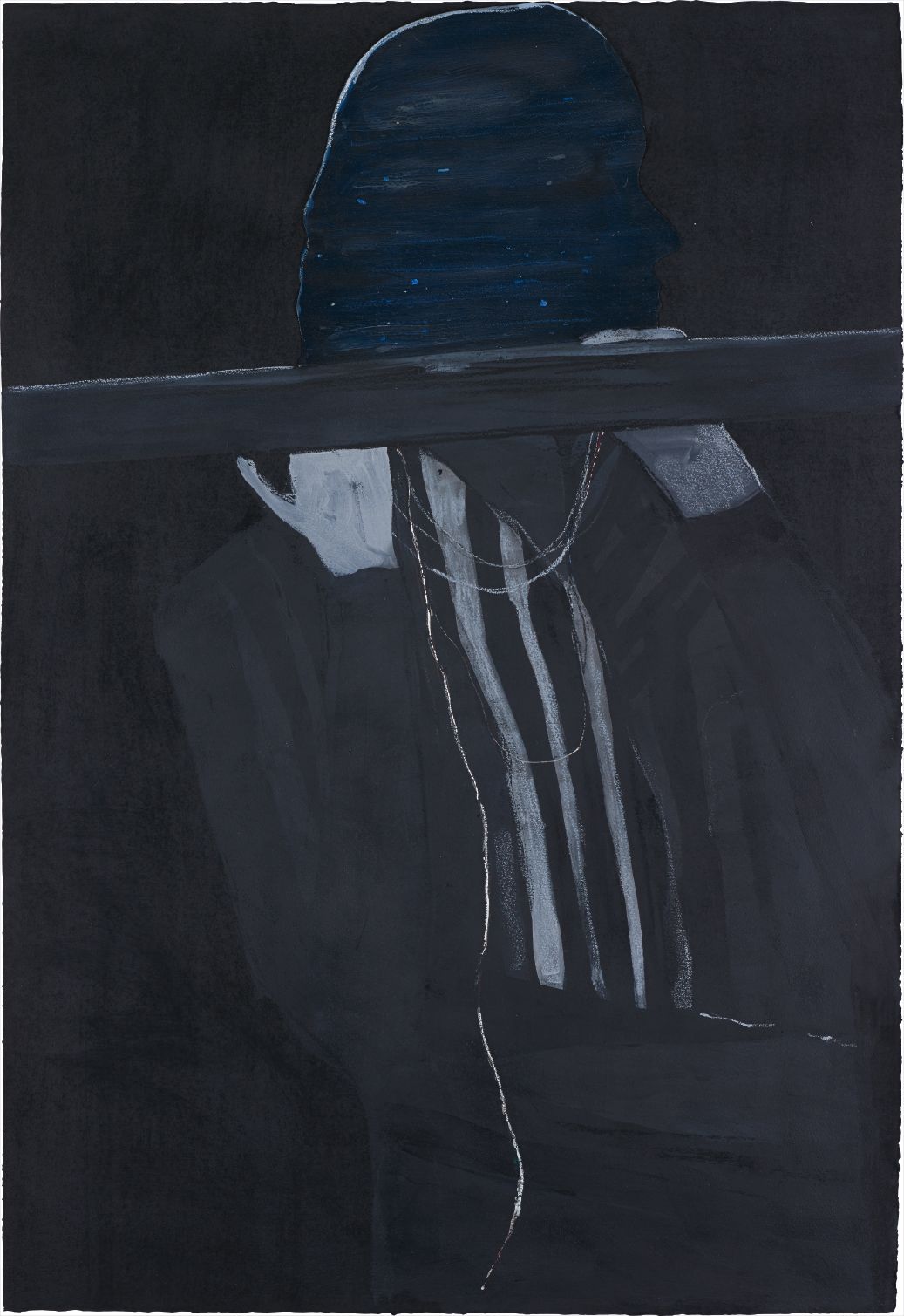
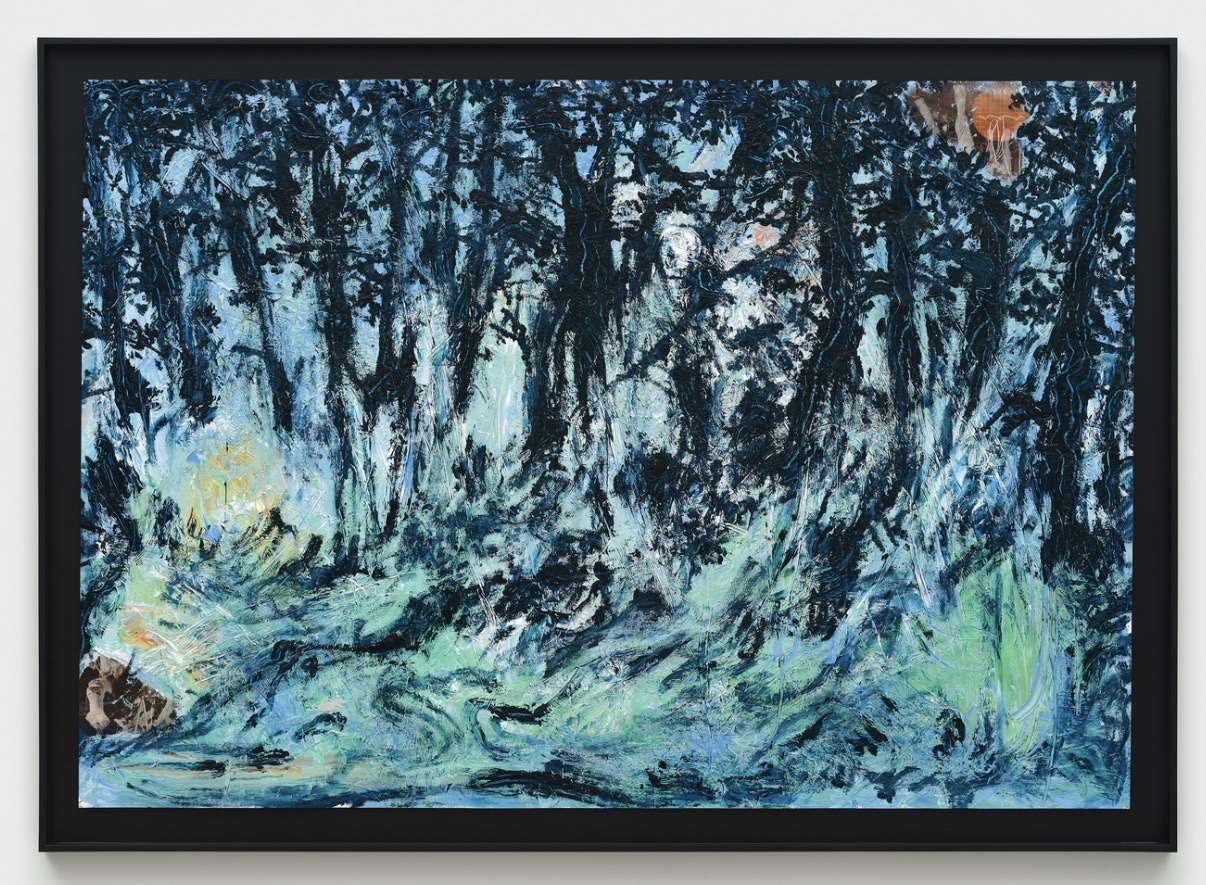
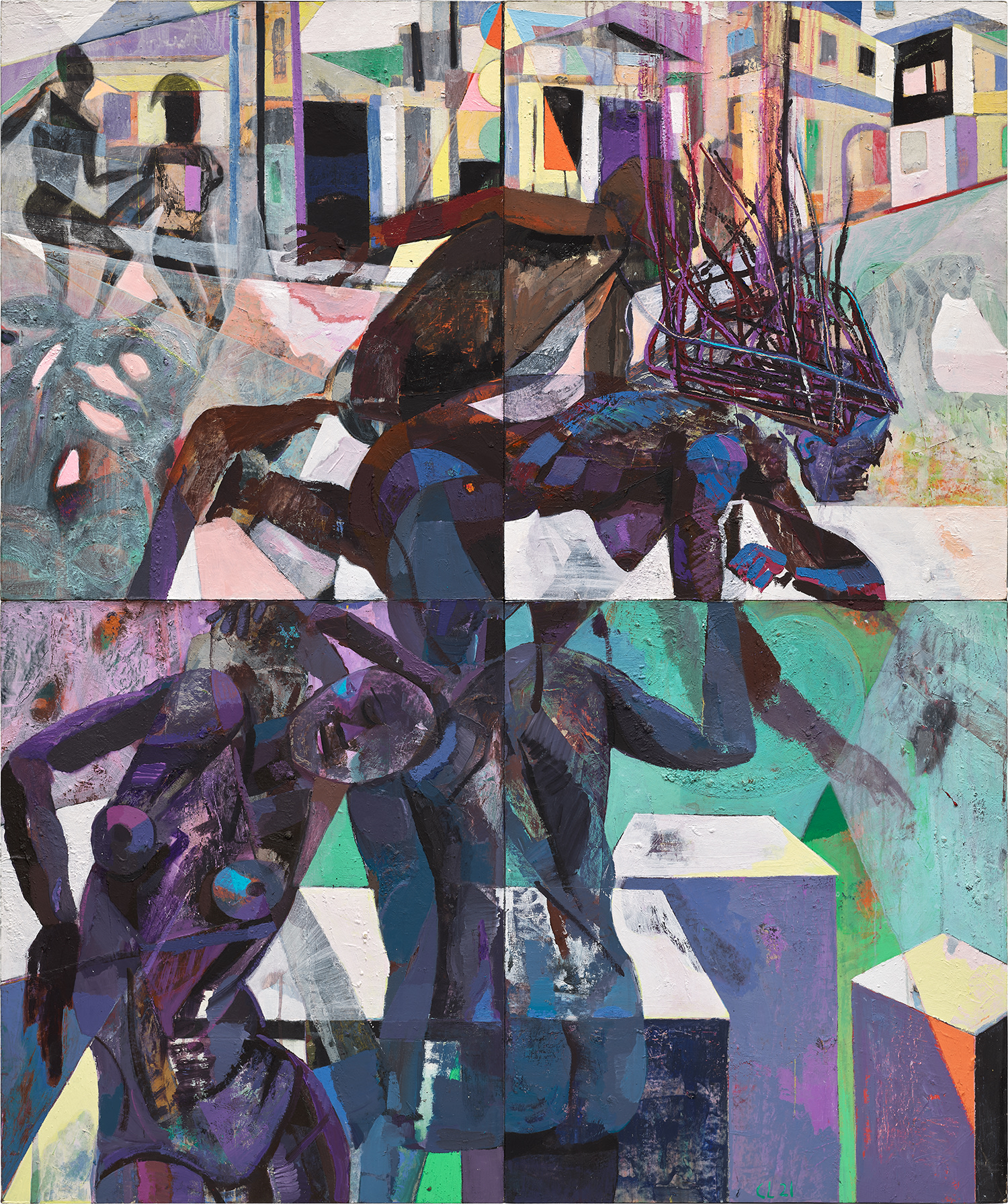
Chen Wei-Ting
神的遊戲
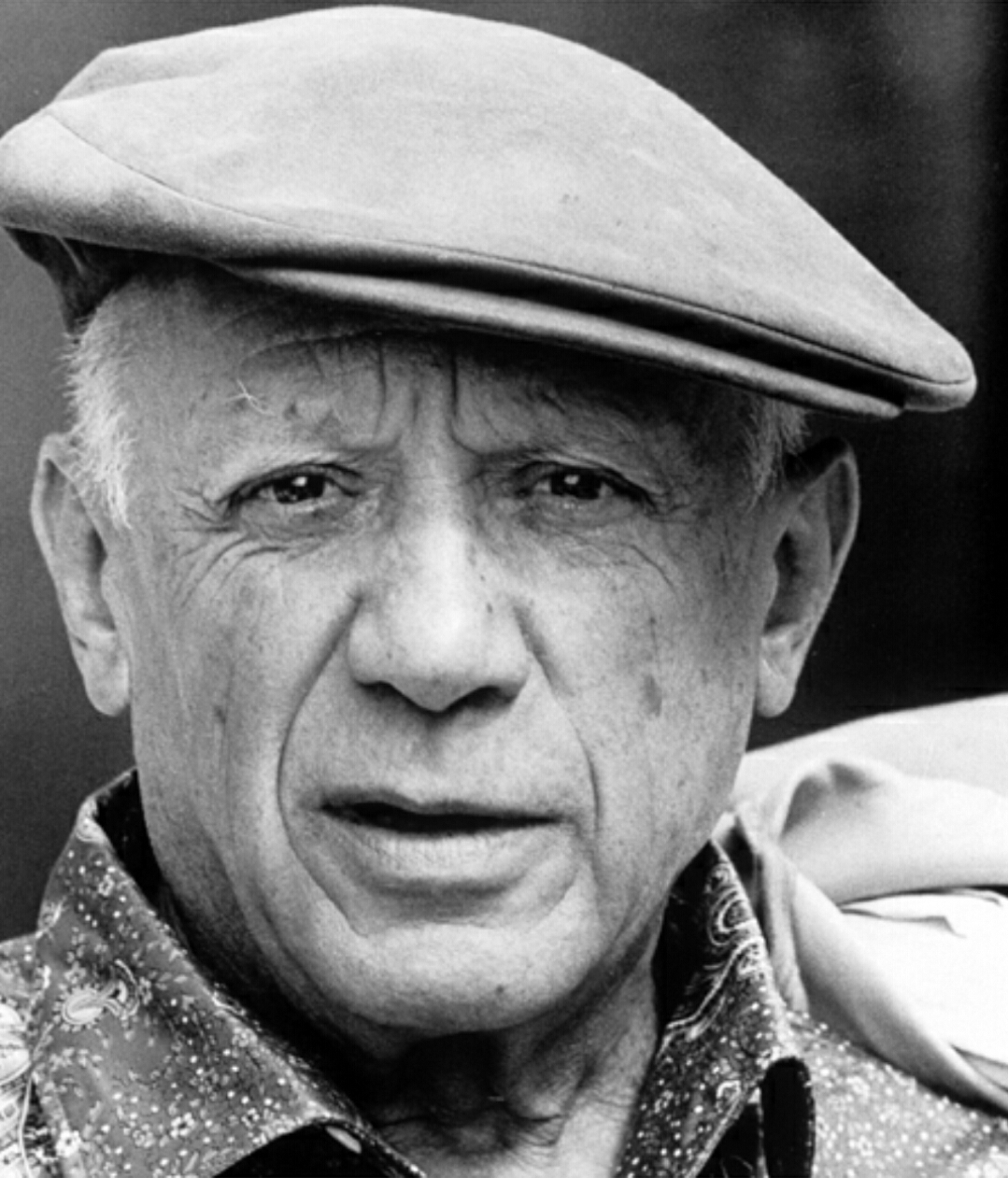
The art world had its hierarchies and oil pastel sat well below the threshold of serious consideration. The transformation came swiftly and decisively in 1949, when Henri Goetz, the American born artist working in Paris, challenged his friend Pablo Picasso to try a new formulation of oil pastel being developed by the manufacturer Sennelier. Picasso, never one to back away from a material challenge, took up the sticks and found in them a directness that suited his instincts perfectly. He encouraged Sennelier to refine the formula, and the result was a professional grade oil pastel that bore the company's name and changed the conversation entirely.
When Picasso engaged with a medium, the art world paid attention, and oil pastel was suddenly no longer a children's tool. It was a serious proposition. What Picasso understood intuitively was what every committed practitioner of the medium has known since: oil pastel resists precision in the most generative way possible. The pigment is suspended in a non drying oil and wax binder, which means the marks stay open, workable, and alive long after the drawing is technically finished.

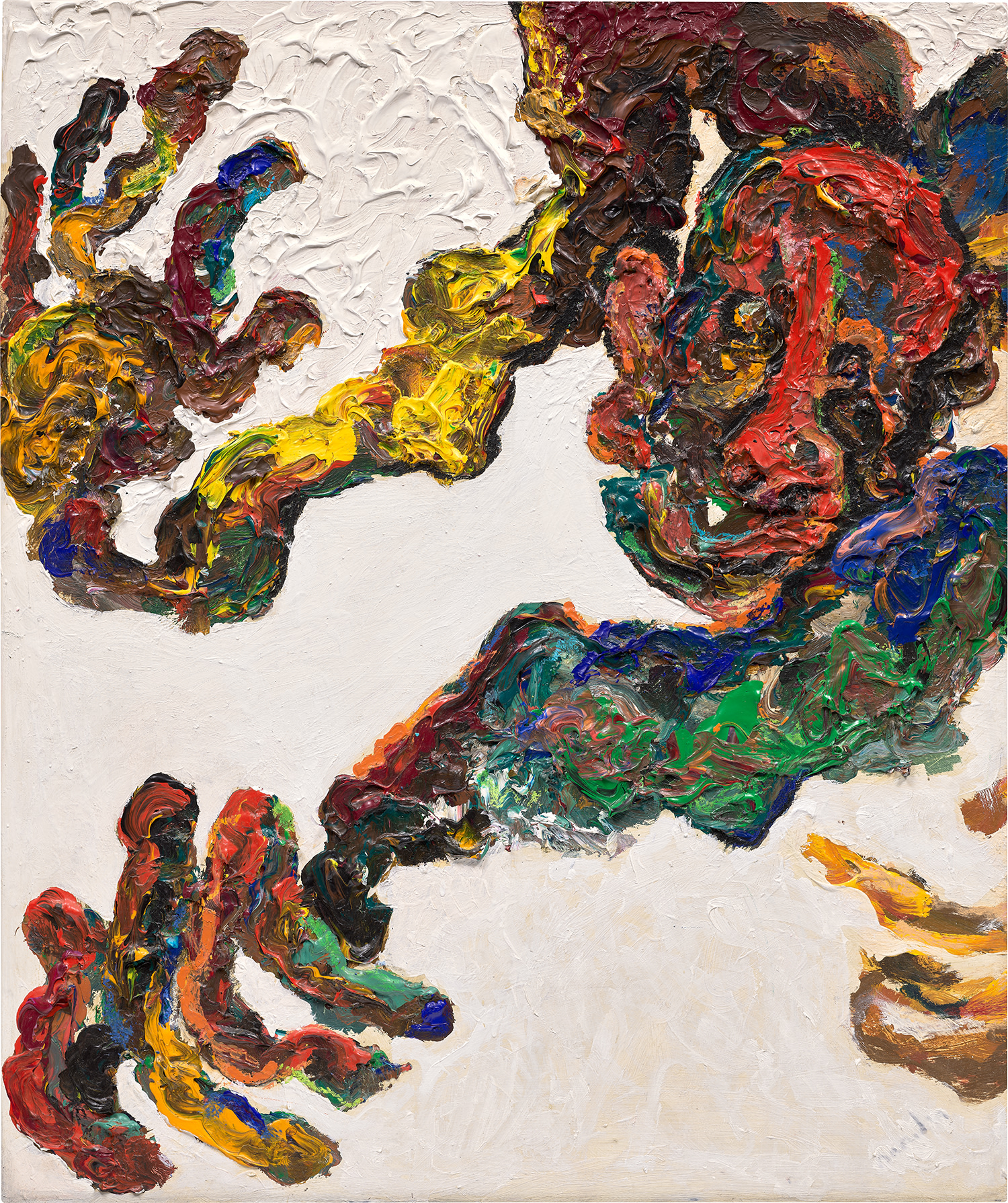
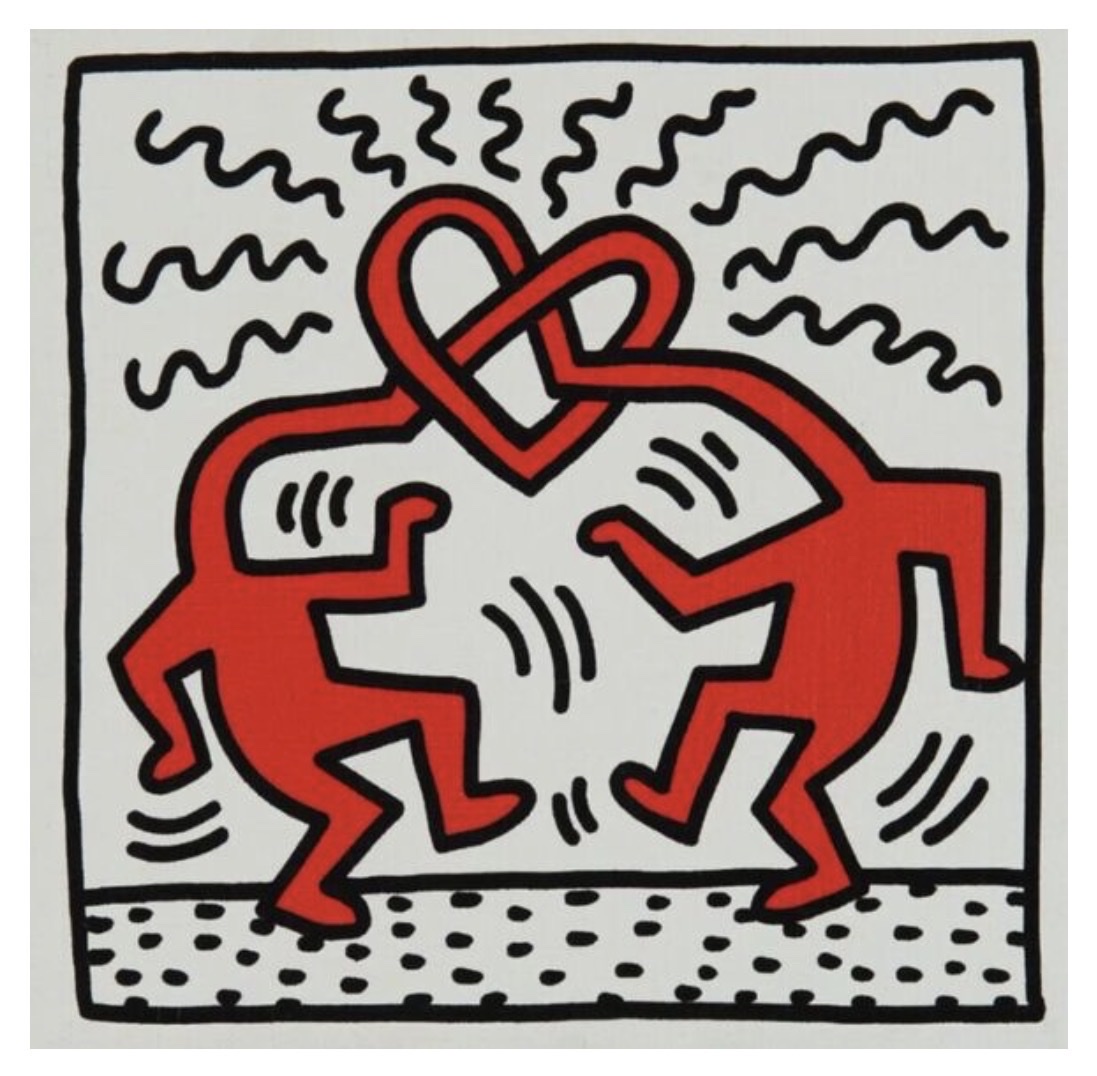
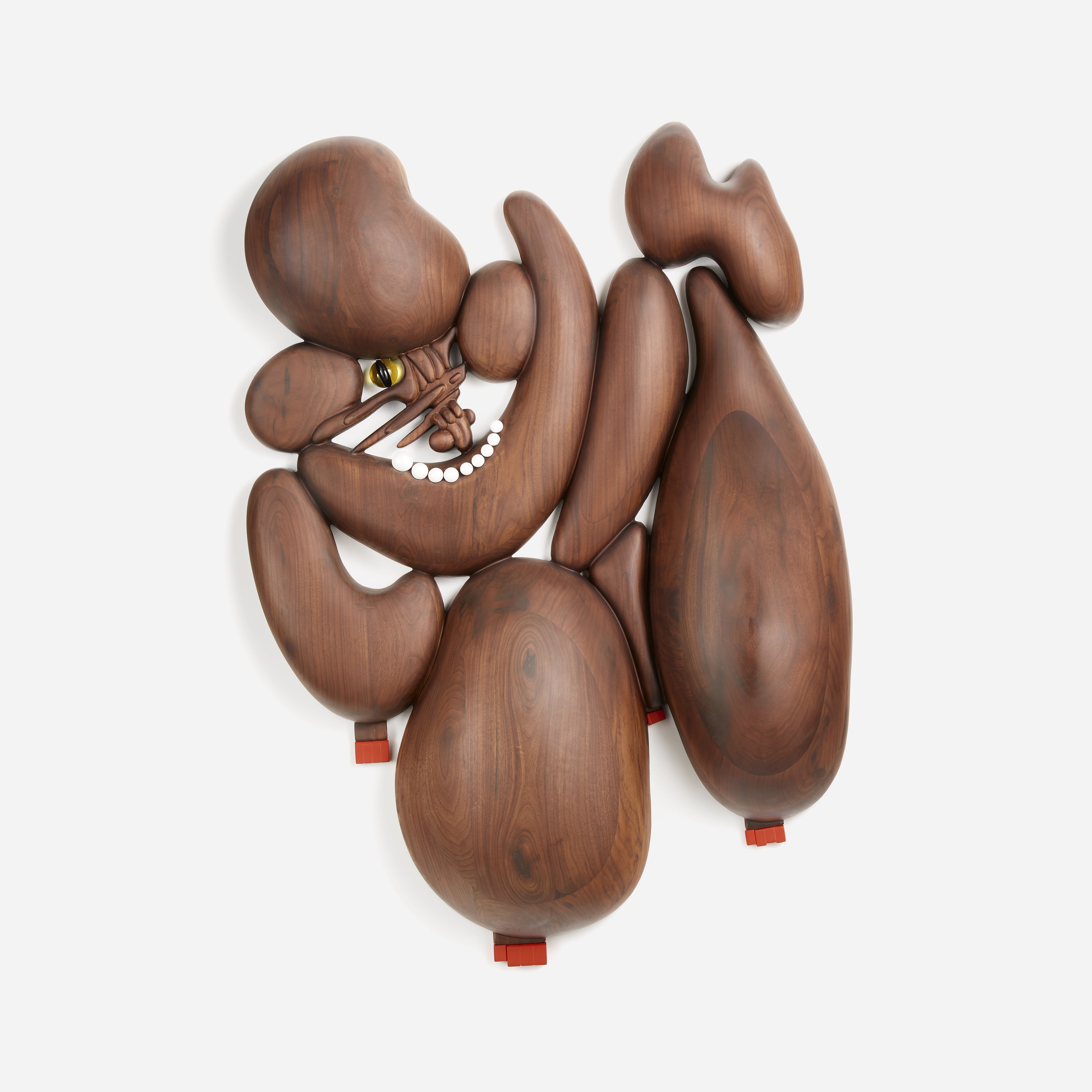
Yuan Fang
Bursting 06 爆裂 06
You can layer colors until the surface is almost sculptural. You can blend with a finger, a solvent soaked rag, or a palette knife and achieve effects ranging from the gossamer to the geological. The medium rewards gesture and punishes timidity. It is, in a sense, painting with your hands.
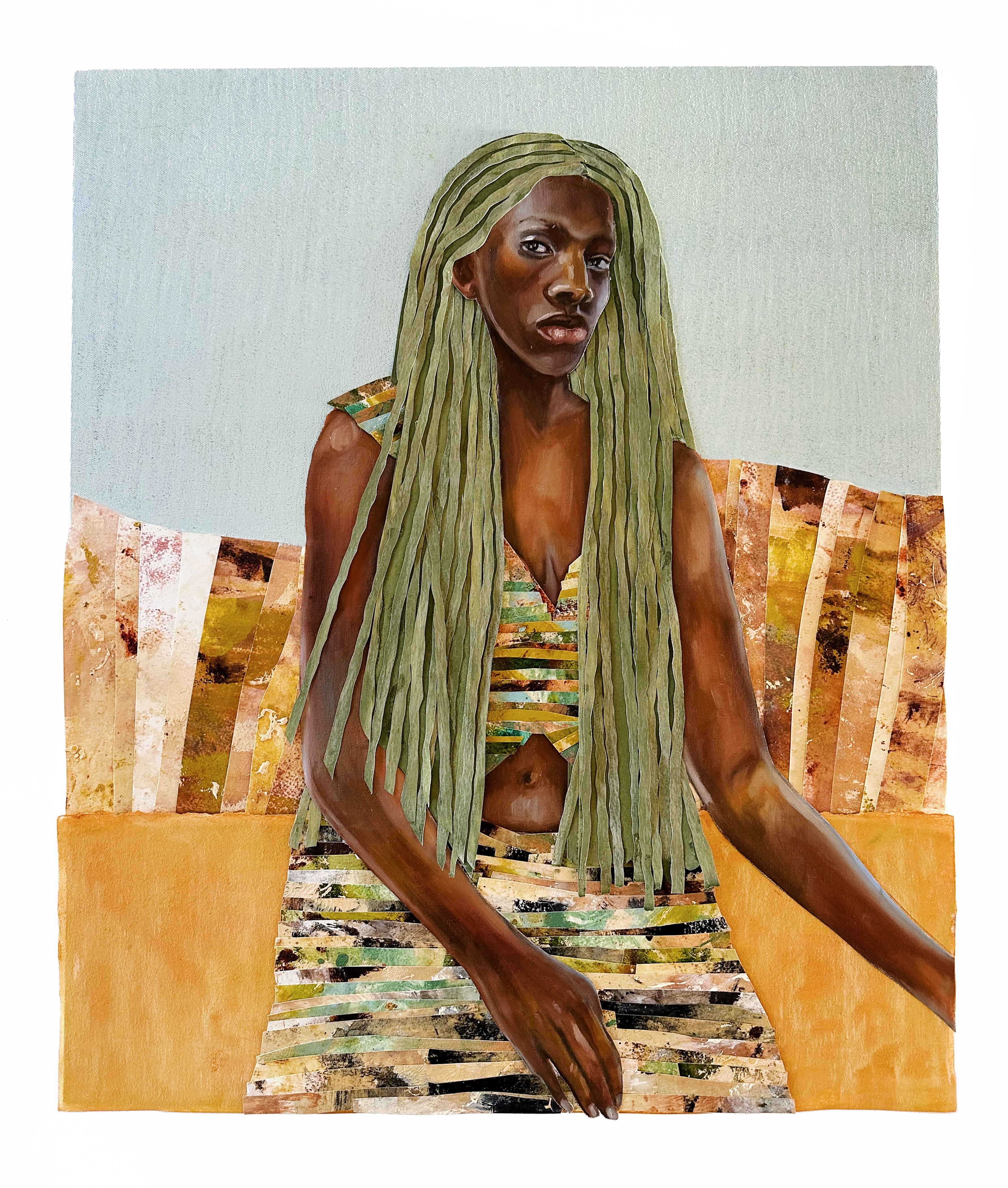
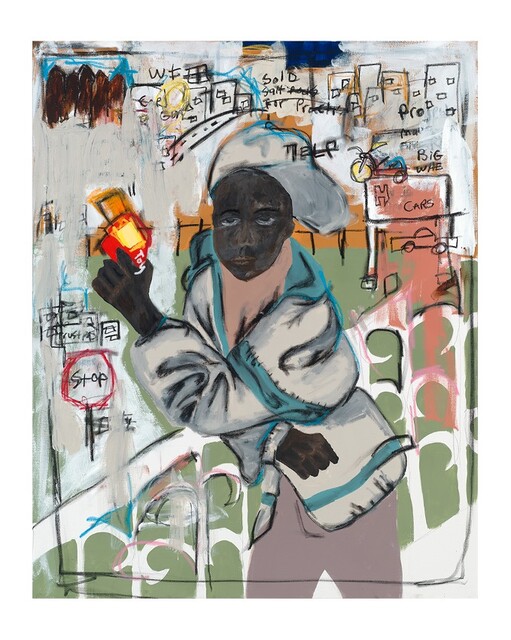
The artists who have committed to oil pastel most seriously tend to share a certain temperament. They are interested in the body, in feeling, in what happens when control is partially surrendered. Nathaniel Mary Quinn, whose work appears on The Collection, builds his fractured figurative portraits using a range of materials, and oil pastel is central to his vocabulary, providing the dense, almost pressurized color fields that make his images feel simultaneously tender and disquieting. Jammie Holmes, another artist well represented here, uses oil pastel's characteristic warmth and intimacy to locate scenes of Black domestic life in a chromatic register that feels both quotidian and sacred.
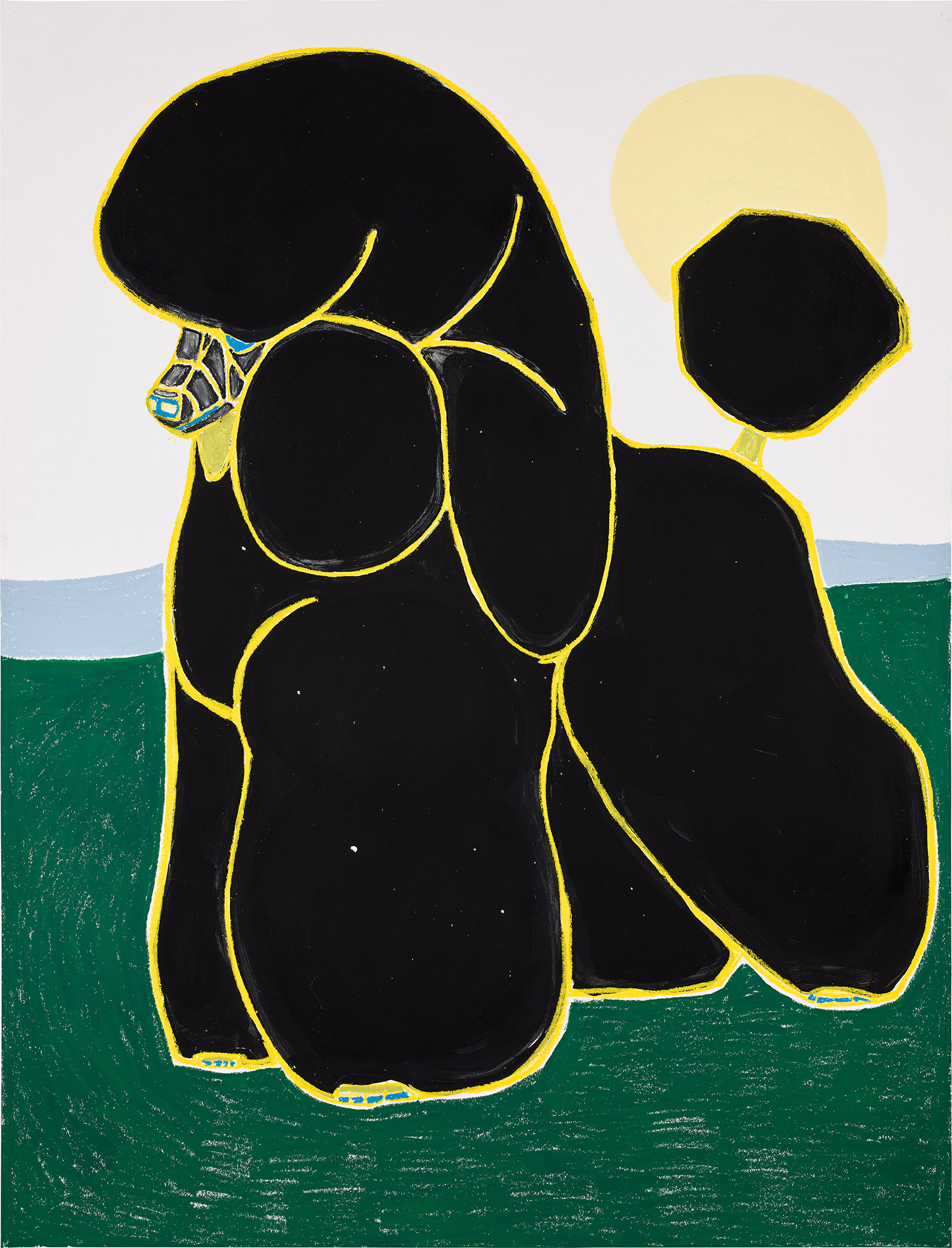
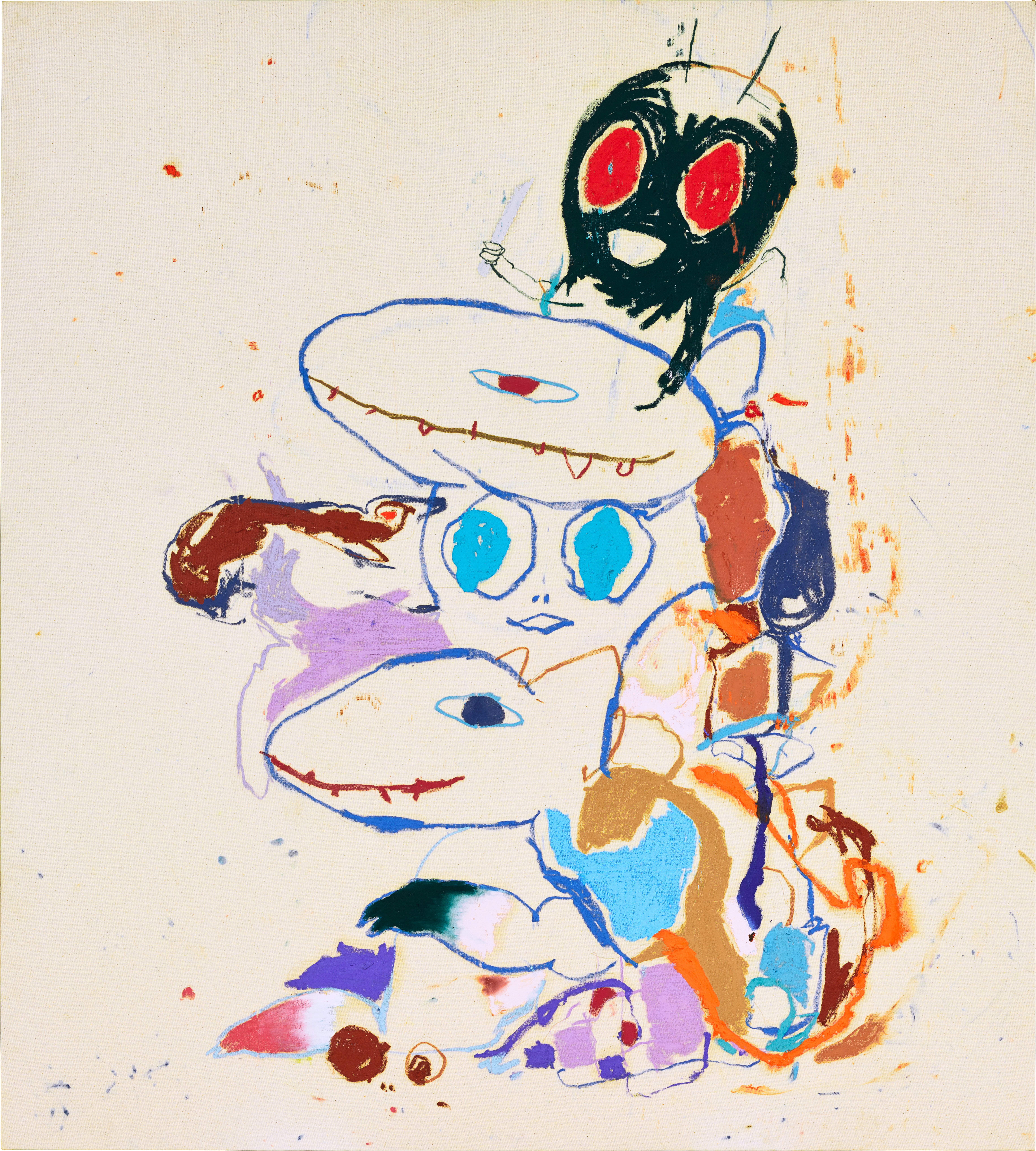
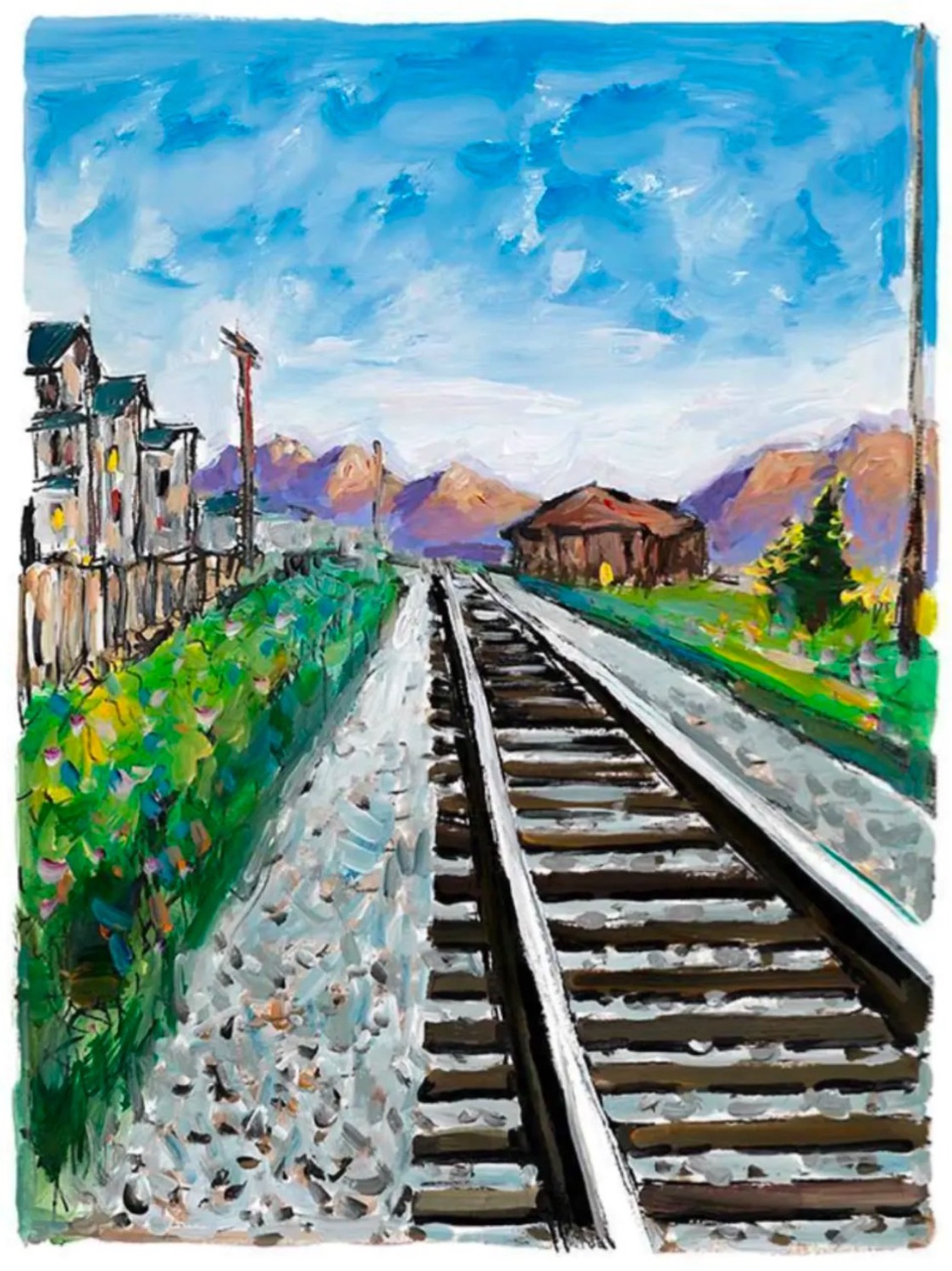
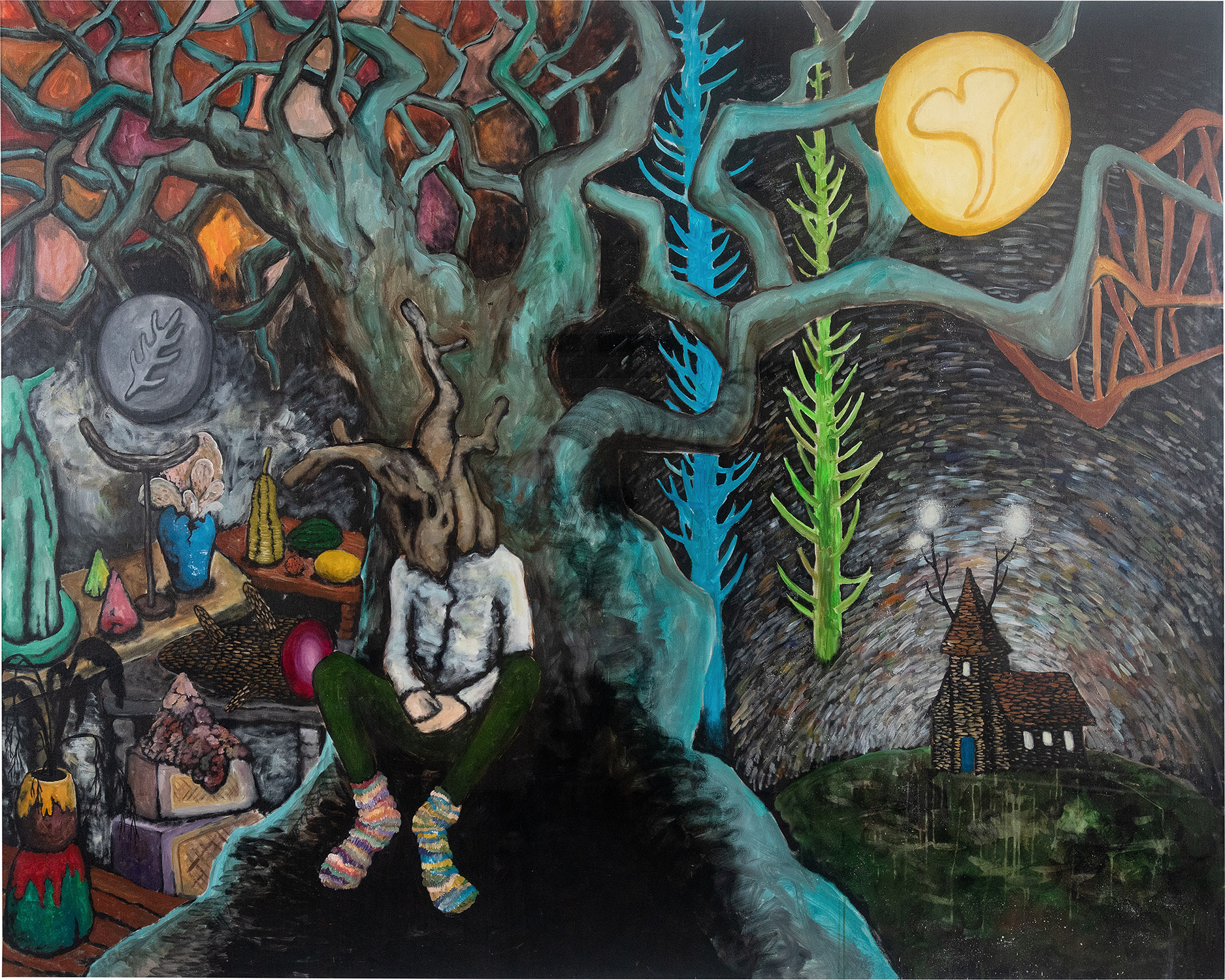
Jan Gatewood
Oscarcopter Stonejam-Pi, 2020
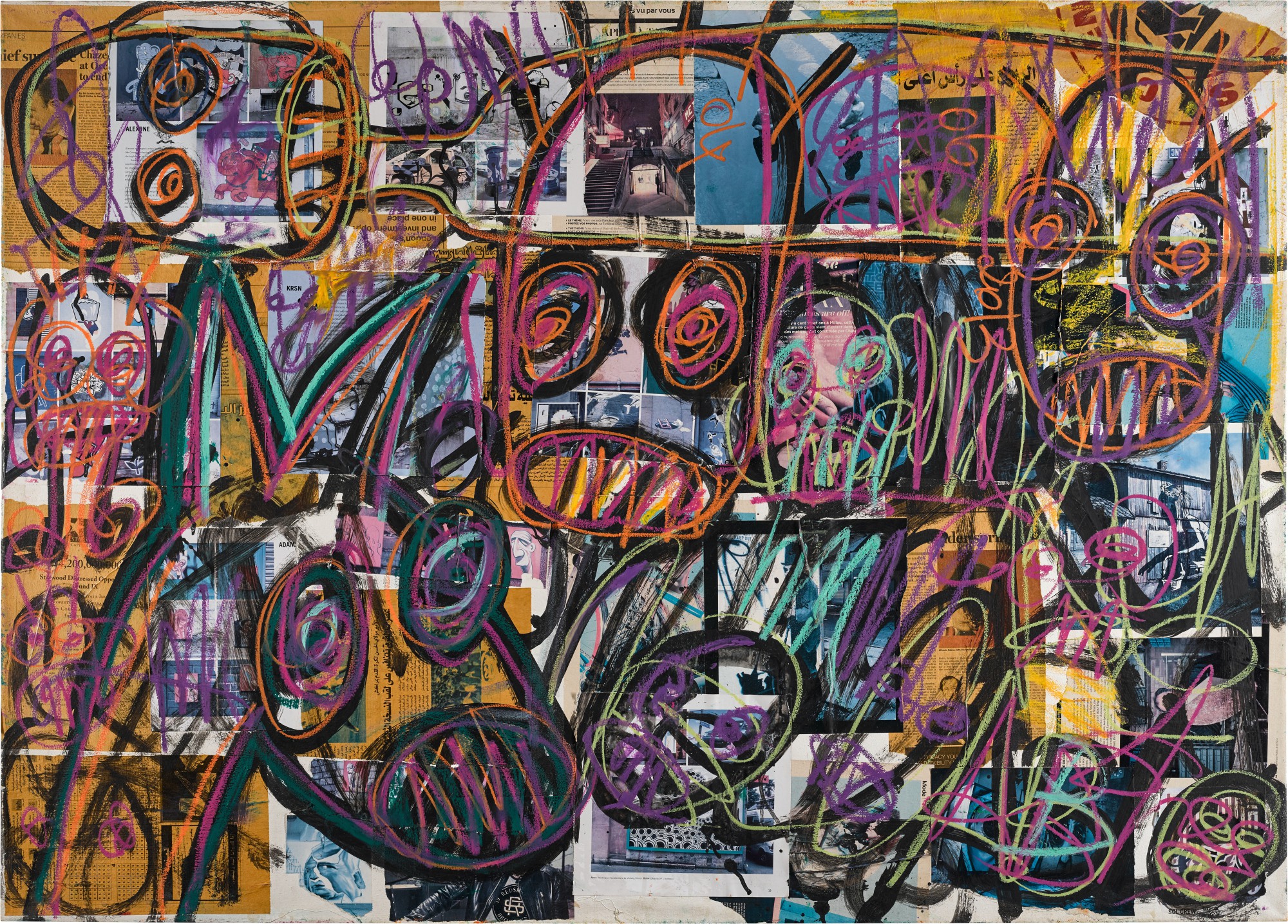
The medium suits his subject matter because it does not perform grandeur. It simply insists. Looking across the works on The Collection, one is struck by how many artists working across vastly different cultural contexts have found in oil pastel a kind of shared language. Aboudia, the Ivorian artist whose work processes the chaos and resilience of urban Abidjan, uses gestural oil pastel marks to build surfaces that are dense with energy and narrative, layers of figures pressing against one another in compositions that feel as immediate as reportage.
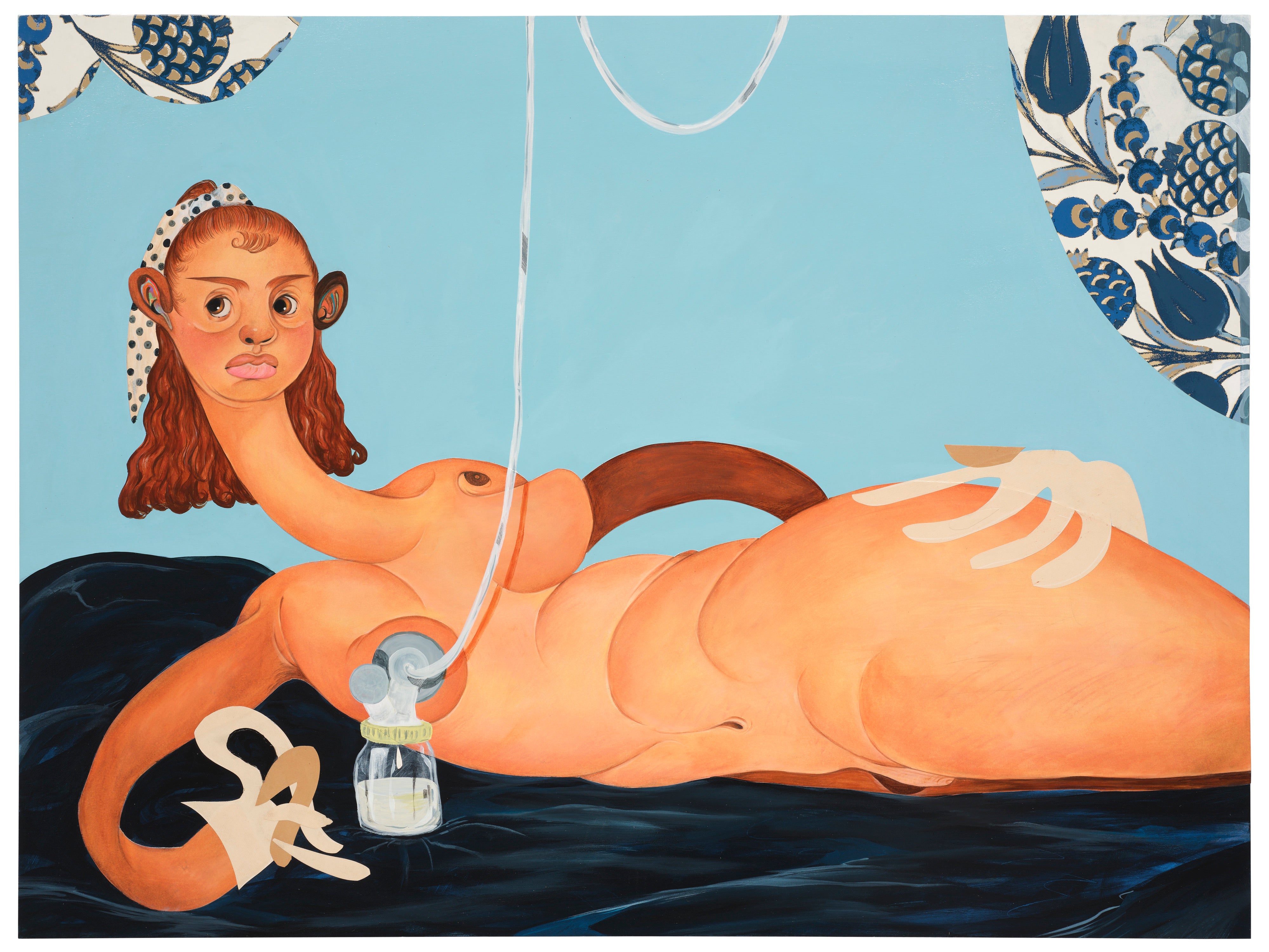
Bony Ramirez brings a completely different sensibility, drawing on Dominican folklore and spiritual tradition, his oil pastel works carrying a ceremonial weight that belies the apparent simplicity of the medium. The range is remarkable, from the contemplative figuration of Yuichi Hirako to the charged, politically alert imagery of Derek Fordjour. It is worth pausing on technique, because understanding what oil pastel demands of an artist deepens one's experience of looking at work made with it. Unlike soft pastels, oil pastels cannot be dusted away or corrected with an eraser.
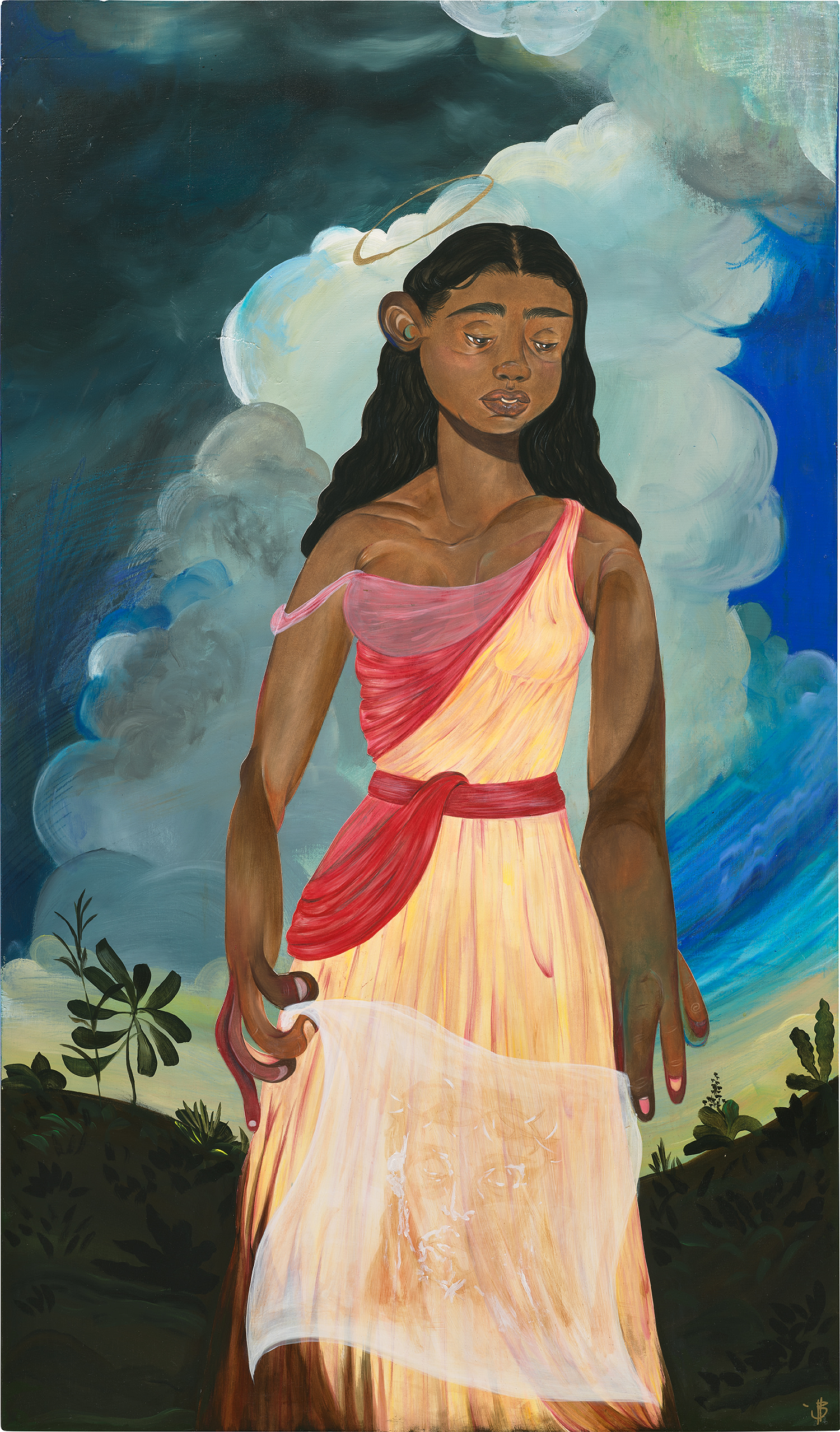
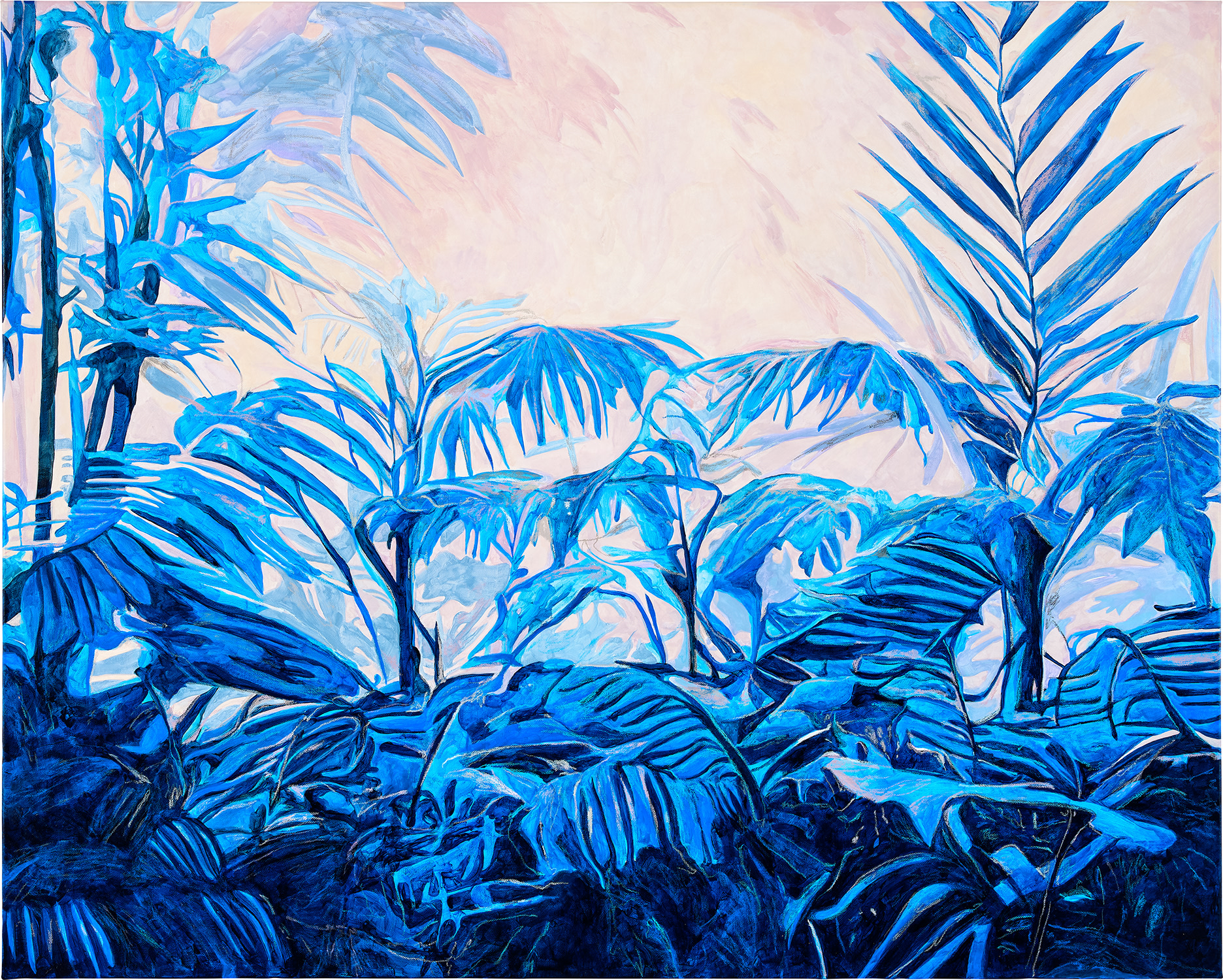
Bony Ramirez
Veronica, 2019
Every mark is a commitment. Skilled practitioners learn to work in sequences of decisions, building underpainting layers of lighter color before pressing darker pigments over them, exploiting the sgraffito technique of scratching back through upper layers to reveal what lies beneath. Some artists, particularly those interested in photorealism or extreme surface density, will dissolve the sticks with mineral spirits or linseed oil, essentially turning the medium into a paint. Others insist on the stick itself, honoring the directness of hand to surface contact.
Culturally, oil pastel occupies a fascinating position. Its association with childhood and accessibility has historically worked against it in certain institutional contexts, but that same association gives it an emotional openness that more prestigious media sometimes lack. There is no pretension built into a stick of oil pastel. You do not approach it with the reverence that a tube of Old Holland oil paint might command.
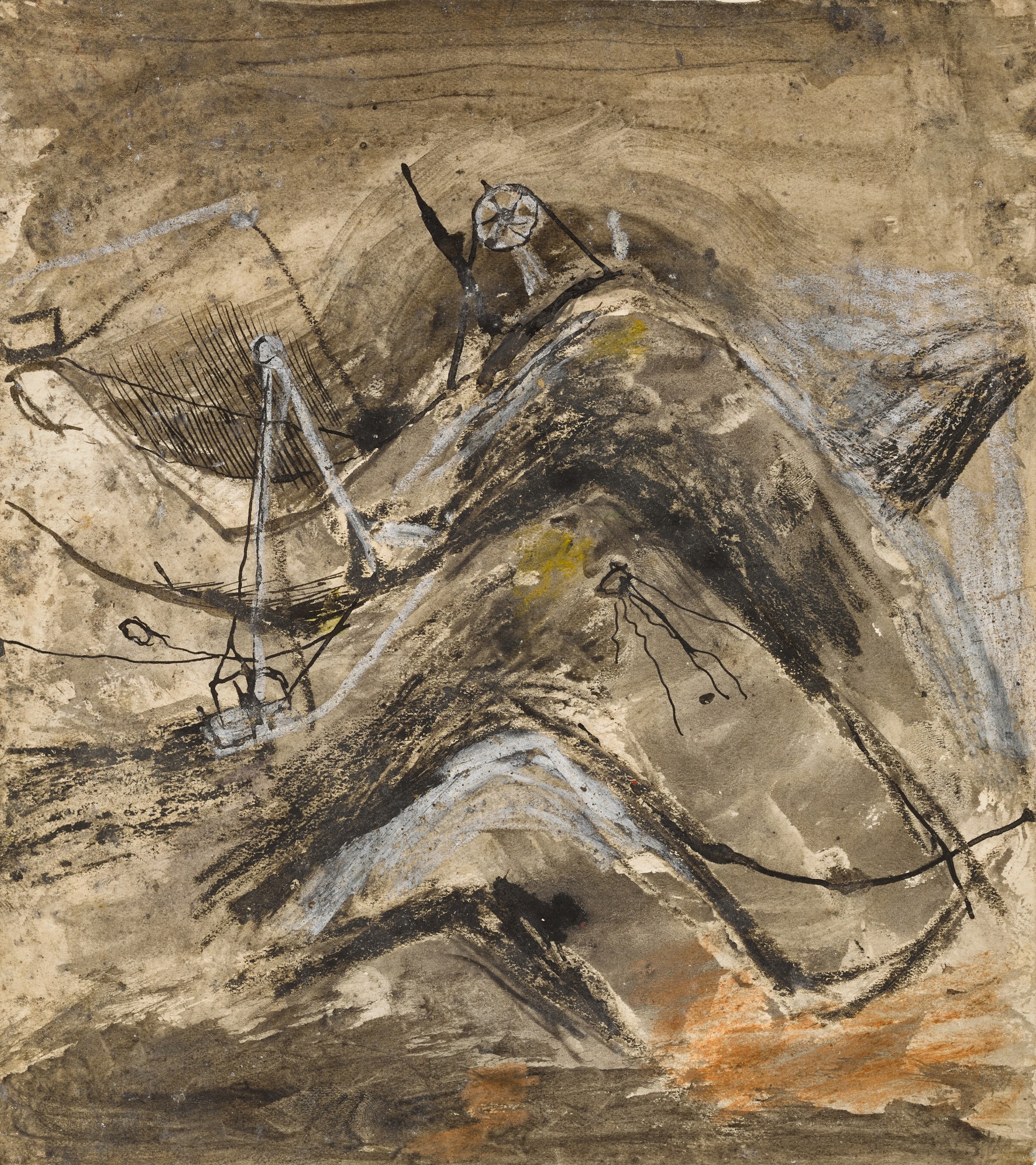
That freedom is, paradoxically, what makes it so powerful in the hands of artists who are interested in authenticity and directness rather than virtuosic display. Wifredo Lam understood this, as did Graham Sutherland, who used oil pastel in studies that fed directly into his most significant large scale works. Today, oil pastel is experiencing a serious critical reassessment, driven in part by a broader reconsideration of what materials and processes signal seriousness in contemporary art. The hierarchies that once consigned certain media to secondary status are being actively dismantled by artists, curators, and collectors who understand that meaning does not flow from a medium's pedigree.
It flows from the intelligence and feeling that an artist brings to it. The works gathered on The Collection make an eloquent case for this argument. They are diverse in origin, intent, and sensibility, but they share the particular quality that the best oil pastel always delivers: an almost uncomfortable closeness to the hand that made them.