Oil On Panel
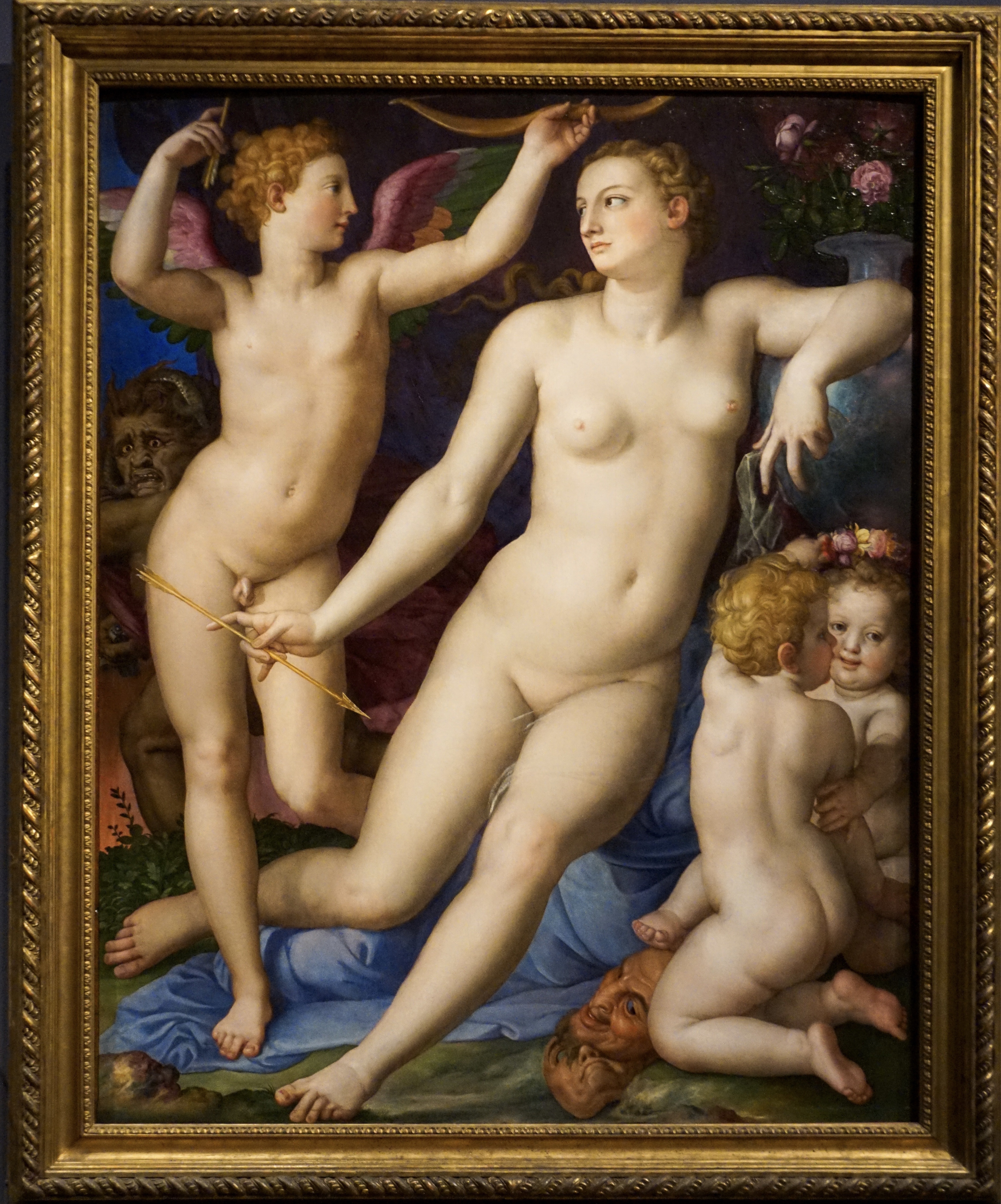
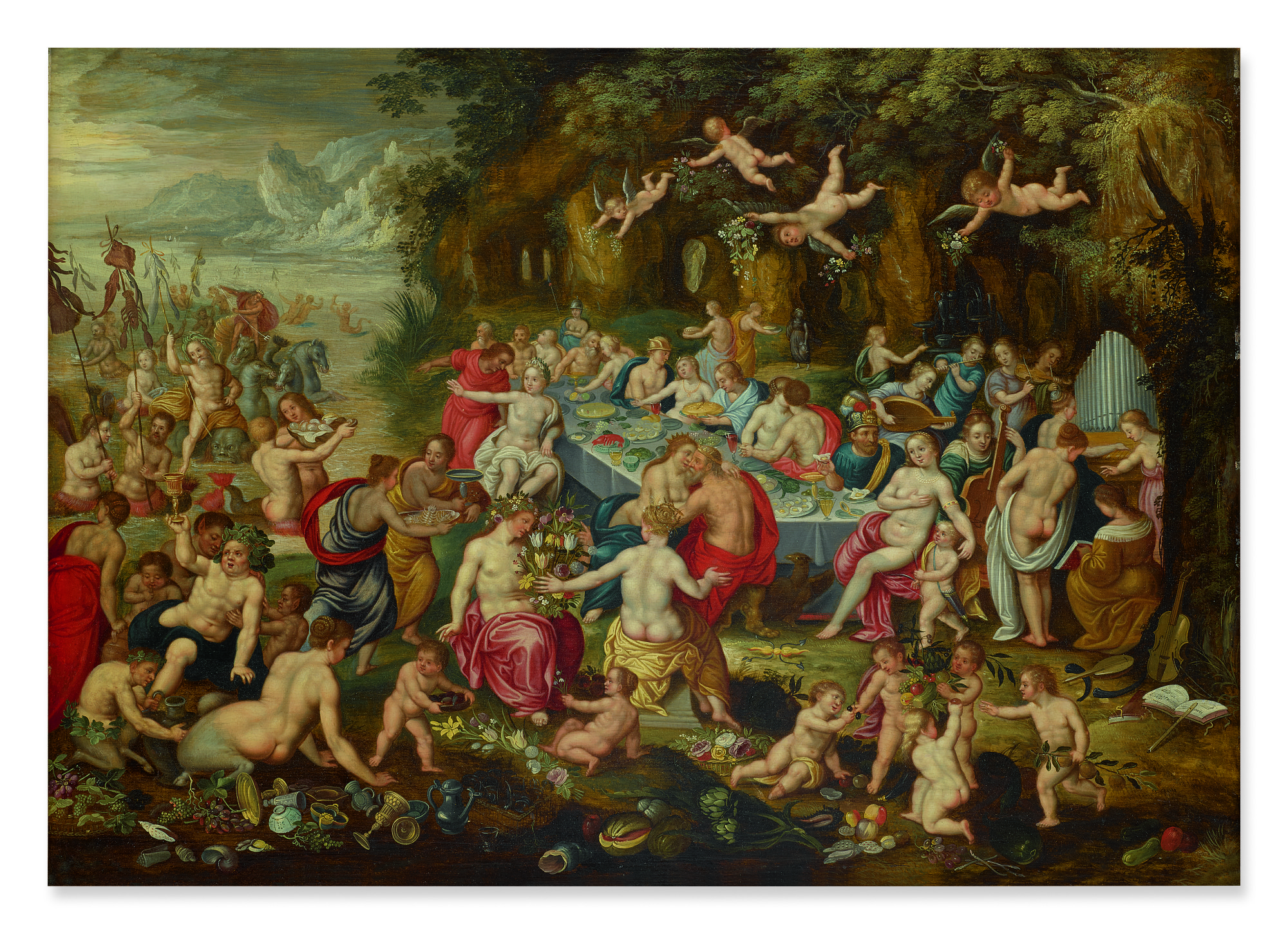
Bronzino
Venus, Cupid and Jealousy, 1550



The Panel That Outlasted Everything Else
When a small oak panel attributed to a follower of Rogier van der Weyden sold at Christie's London for well above its estimate a few seasons ago, the room went quiet in the particular way rooms do when something old reminds everyone in it of something true. The panel was modest in scale, the paint surface cracked and reticulated in ways that no conservator would dare correct too aggressively. And yet the bidding climbed. This is the thing about oil on panel that the market keeps confirming: the support itself carries meaning, and collectors feel it even when they cannot entirely explain it.
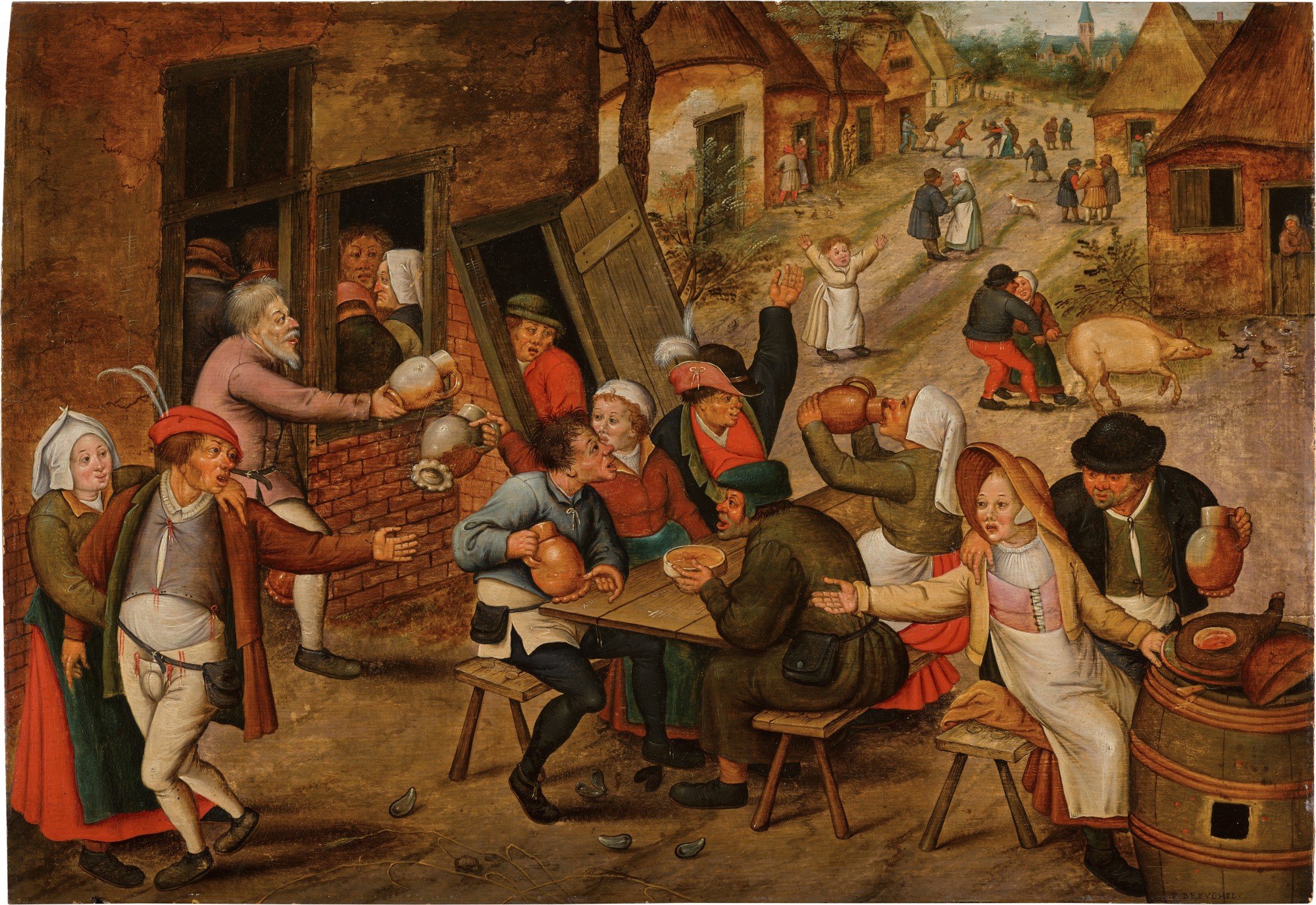
The medium is among the oldest in the Western tradition of easel painting, predating stretched canvas by several centuries and retaining a physical authority that canvas simply cannot replicate. Panel paintings are dense objects. They have weight in the hand and a particular luminosity that comes from pigment applied over chalk or gesso grounds laid directly onto wood. When you stand before a Flemish still life by Osias Beert the Elder or a winter landscape by Pieter Brueghel the Younger, you are confronting something that feels almost geological.
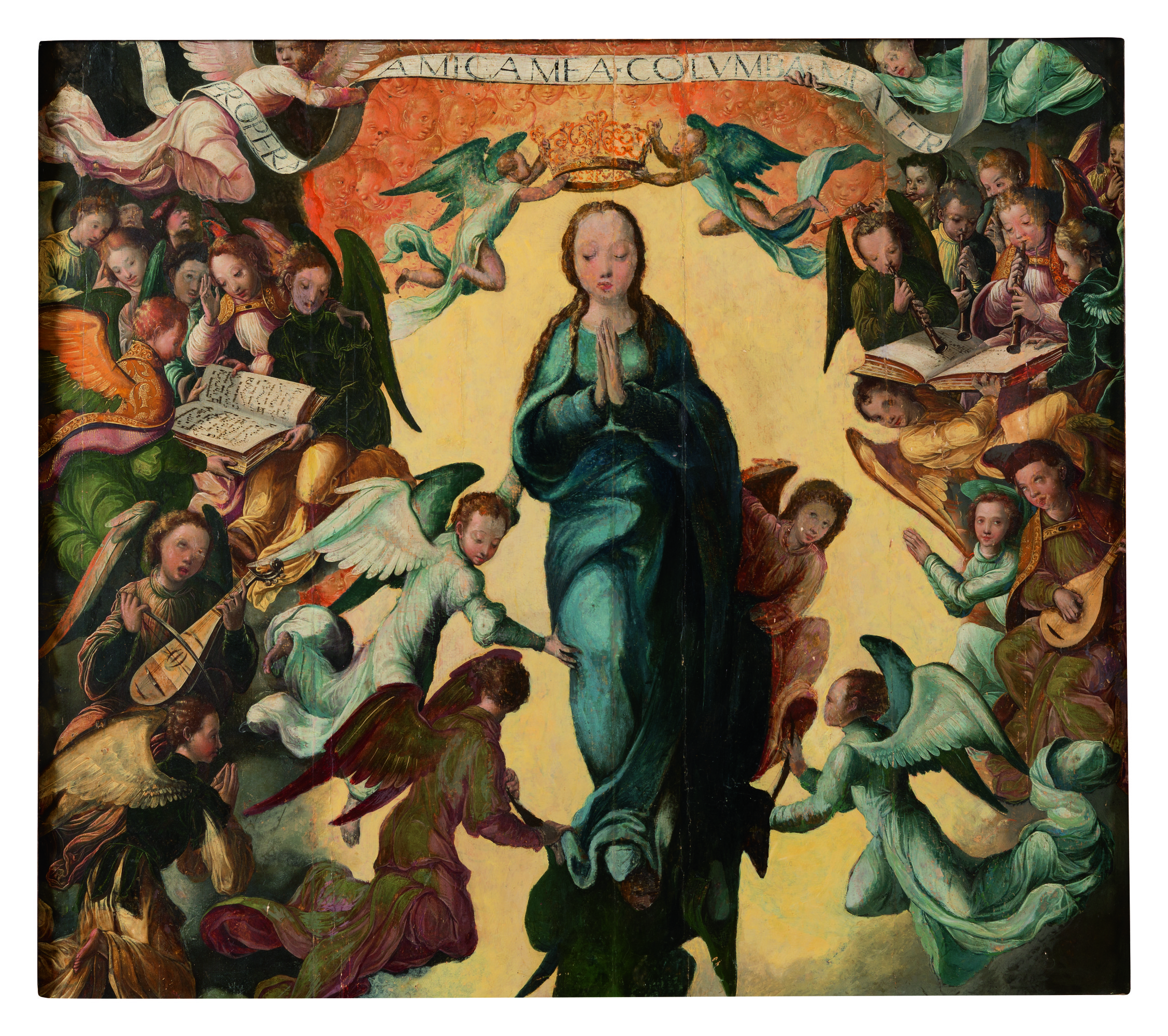
Northern Netherlandish School, Early 16th Century
The Assumption Of The Virgin
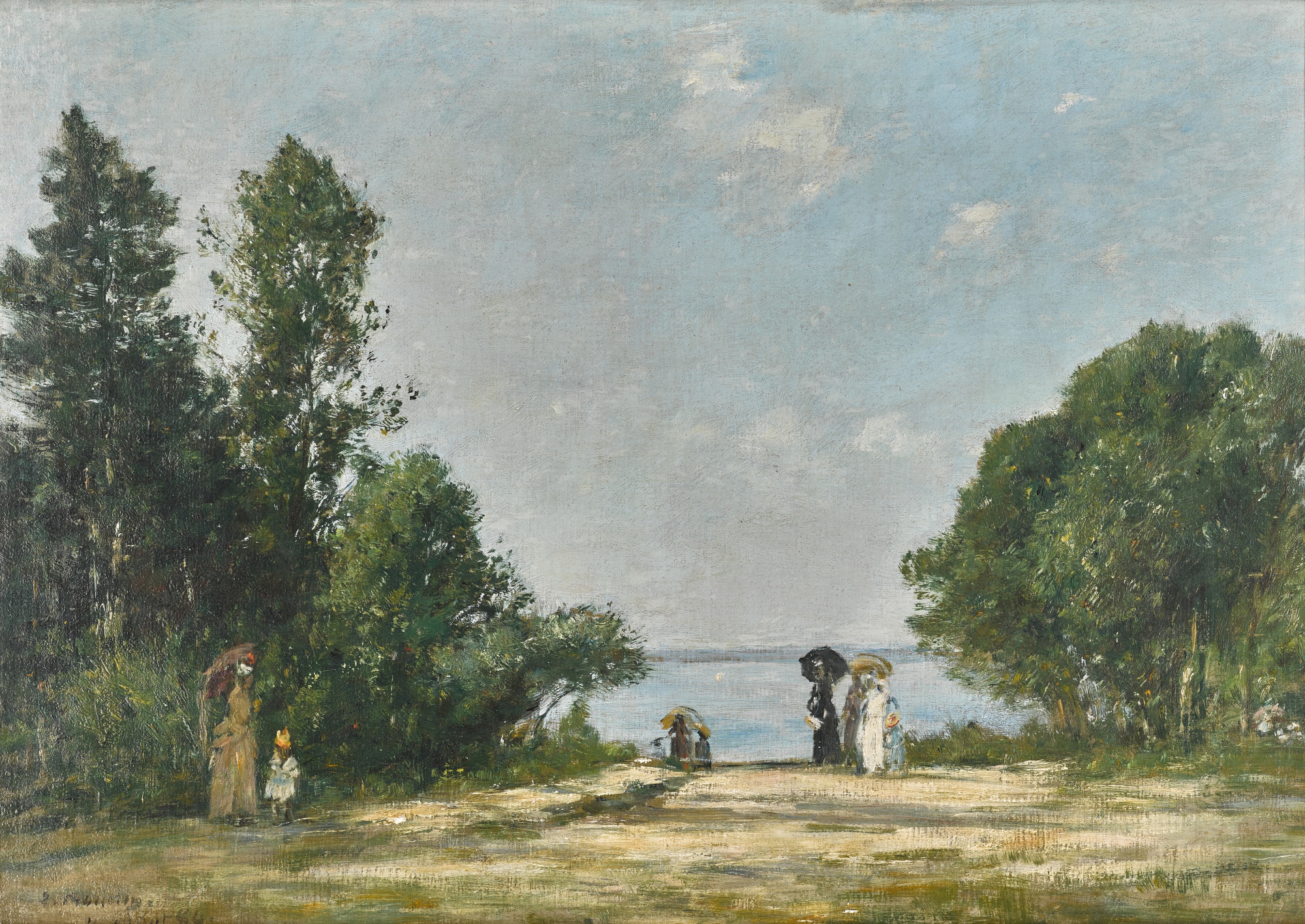
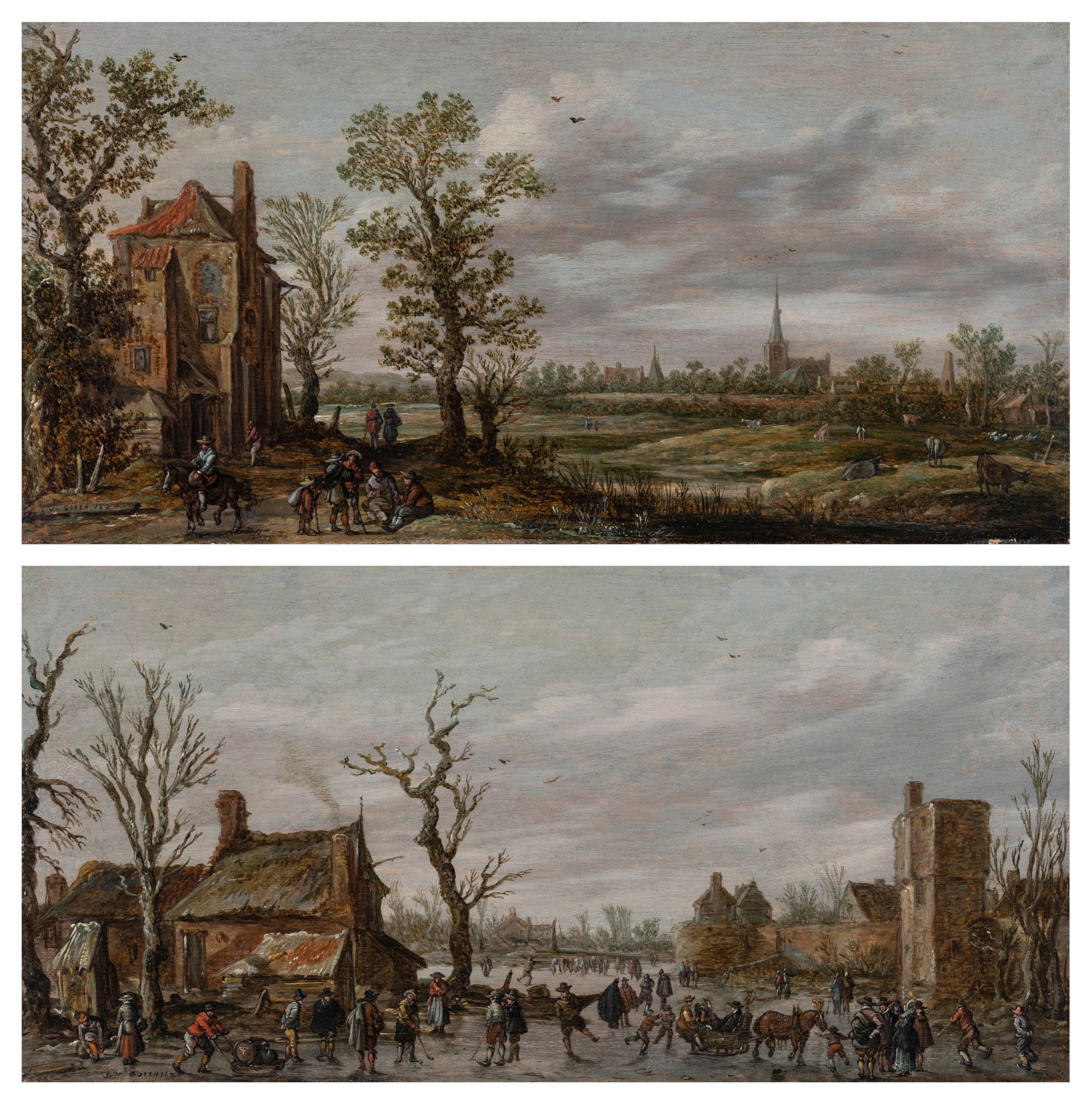
The paint has nowhere to breathe, nowhere to sag. It stays exactly where it was put, sometimes four hundred years ago. Museum programming has responded to this quality with sustained attention in recent years. The Rijksmuseum's ongoing reinstallation of its Golden Age galleries has given renewed prominence to small panel works, many of them by artists working in the tradition of Jan van Goyen, whose luminous tonal studies of the Dutch waterways remain among the most quietly radical things produced in the seventeenth century.
The Met's Department of European Paintings has similarly foregrounded intimate panel pictures in its scholarly publications, drawing connections between the material choices of Flemish masters and the economic and devotional cultures that made those choices meaningful. These are not nostalgic exercises. They are arguments about why certain decisions in art endure while others evaporate. At auction, the appetite is real and it is specific.
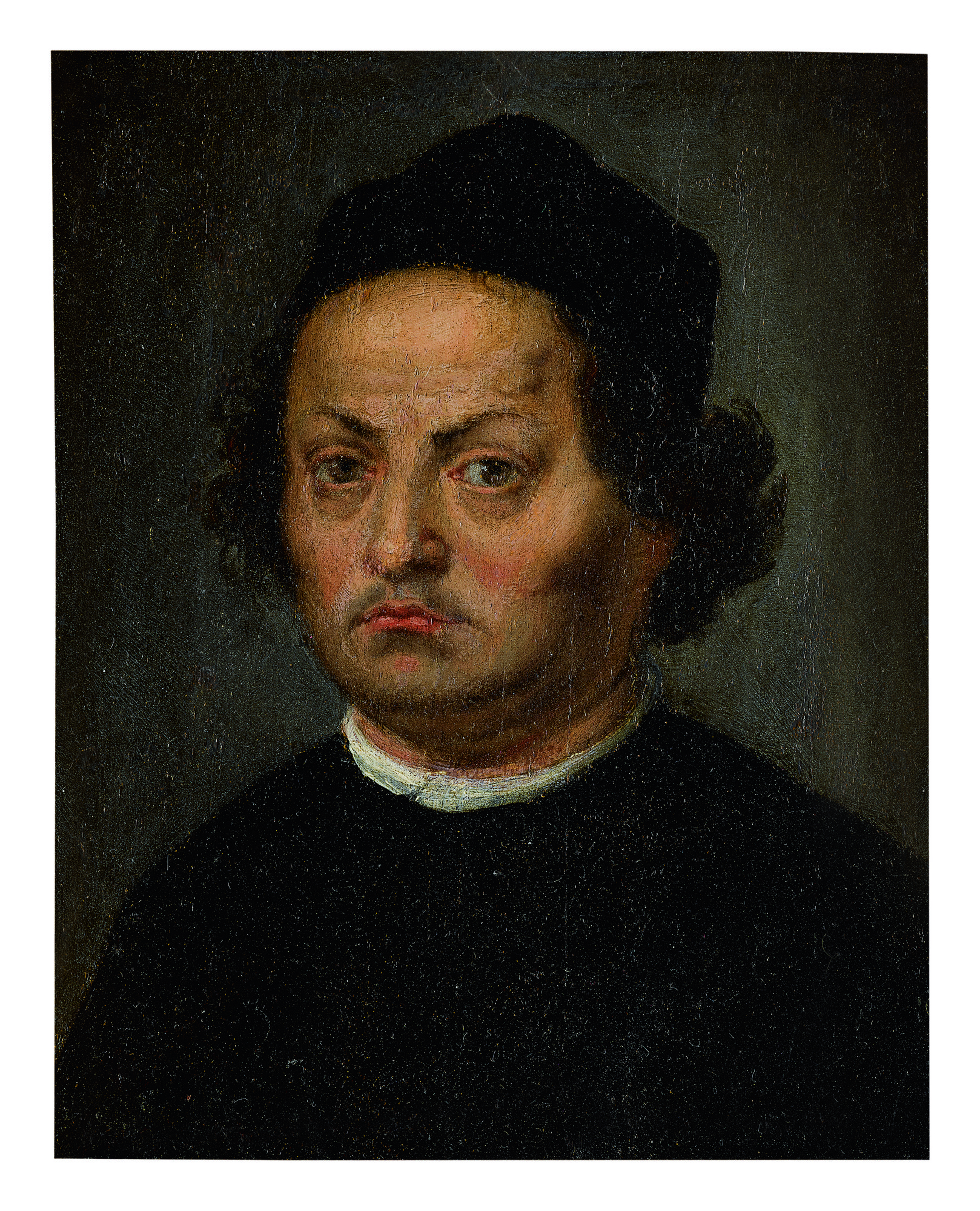
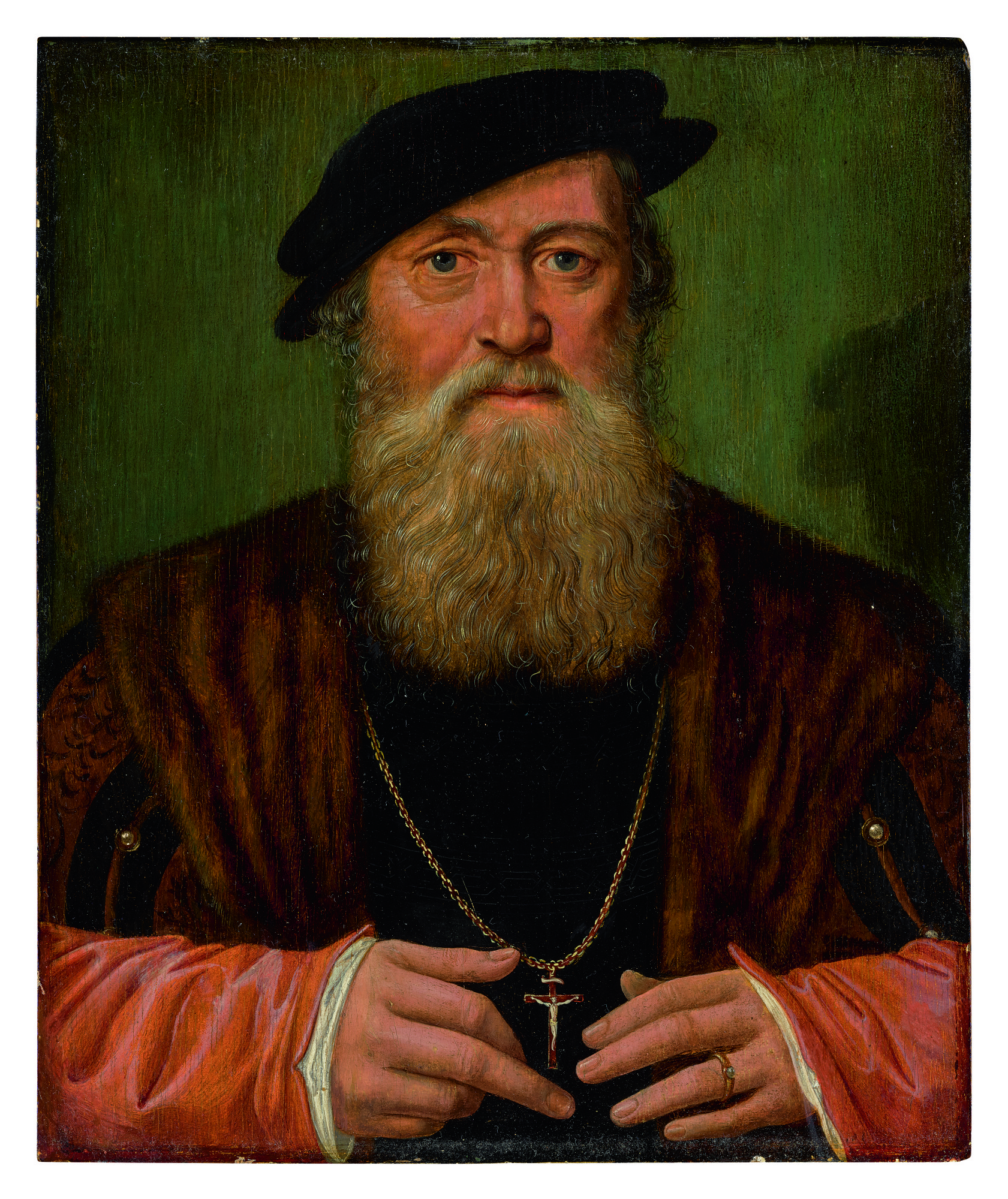
Unknown
Portrait Of A Man, Possibly Perugino, Bust Length, Wearing A Black Cap
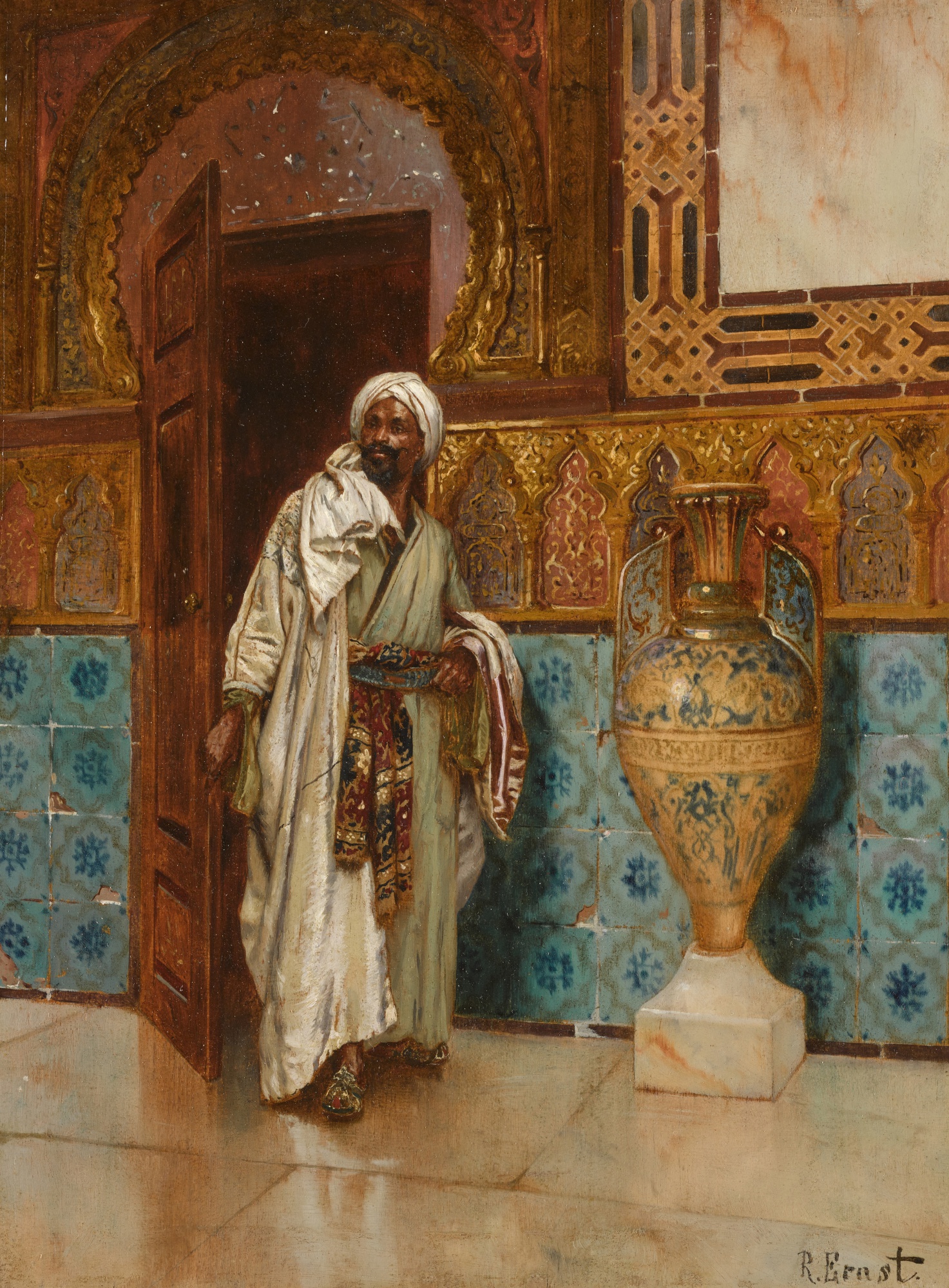
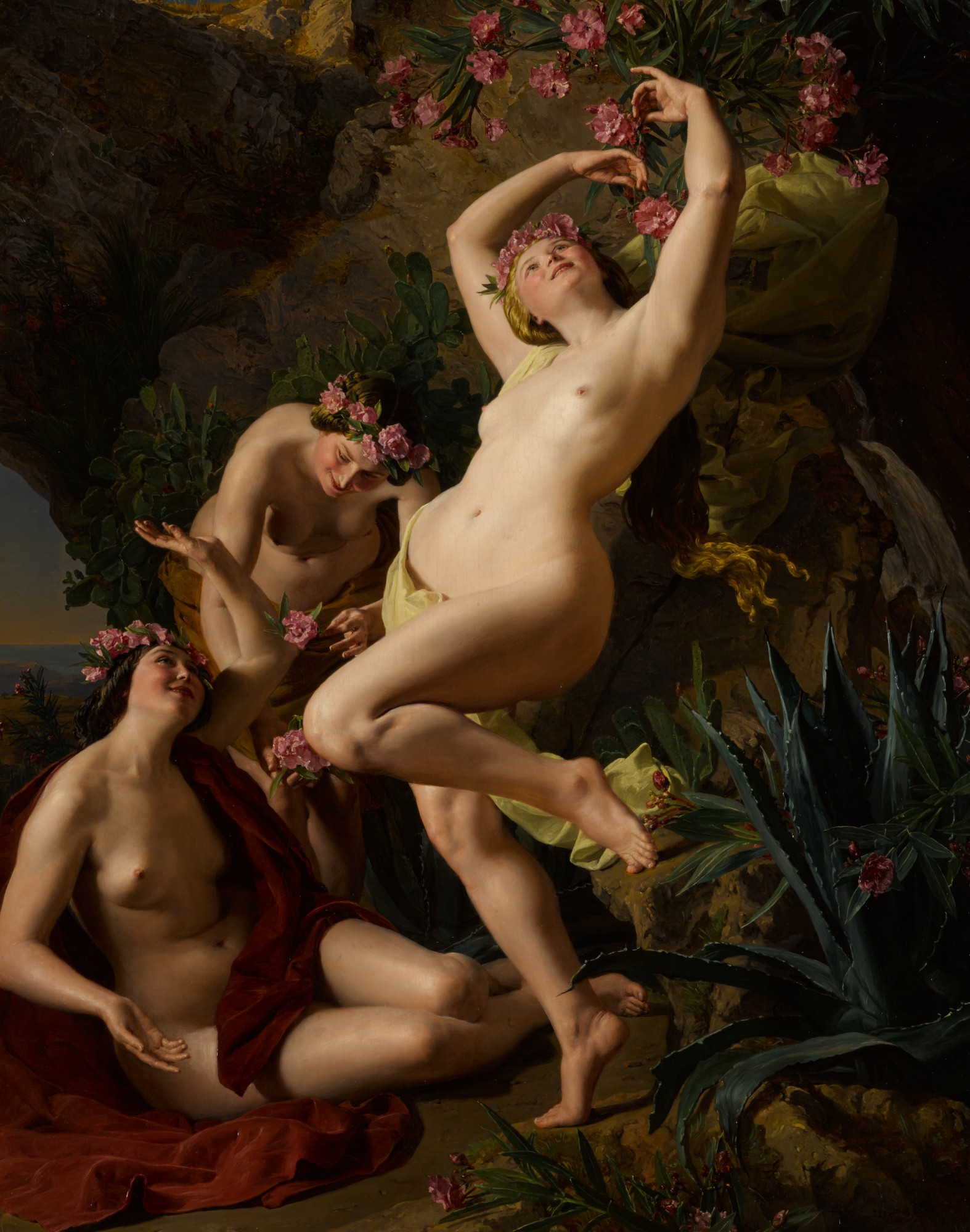
Works by Rembrandt on panel carry a category of their own, the few that appear on the market generating the kinds of numbers that reshape annual tallies for entire auction houses. But the more interesting story is what is happening one tier down from those canonical names. Rudolf Ernst, the Austrian Orientalist painter whose richly detailed interiors translate the conventions of Flemish cabinet painting into a nineteenth century fascination with the Islamic world, has attracted serious collector attention in recent years. His panels reward close looking in a way that larger salon canvases simply do not.
The same can be said of Ivan Pokhitonov, the Russian miniaturist who worked almost exclusively on small panel supports, building jewel like landscapes that are only now receiving the sustained scholarly attention they deserve. Institutional collecting in this area signals something worth paying attention to. The Getty Museum in Los Angeles has been particularly active in acquiring Netherlandish and Flemish panel paintings, and its conservation science program has pioneered dendrochronological analysis of wood supports, effectively turning the panel itself into a primary document of art historical research. The National Gallery in London has long anchored its collection around panel painting from the Northern Renaissance, but its recent loans to regional institutions suggest a democratizing impulse, an effort to distribute access to these objects beyond the capital.
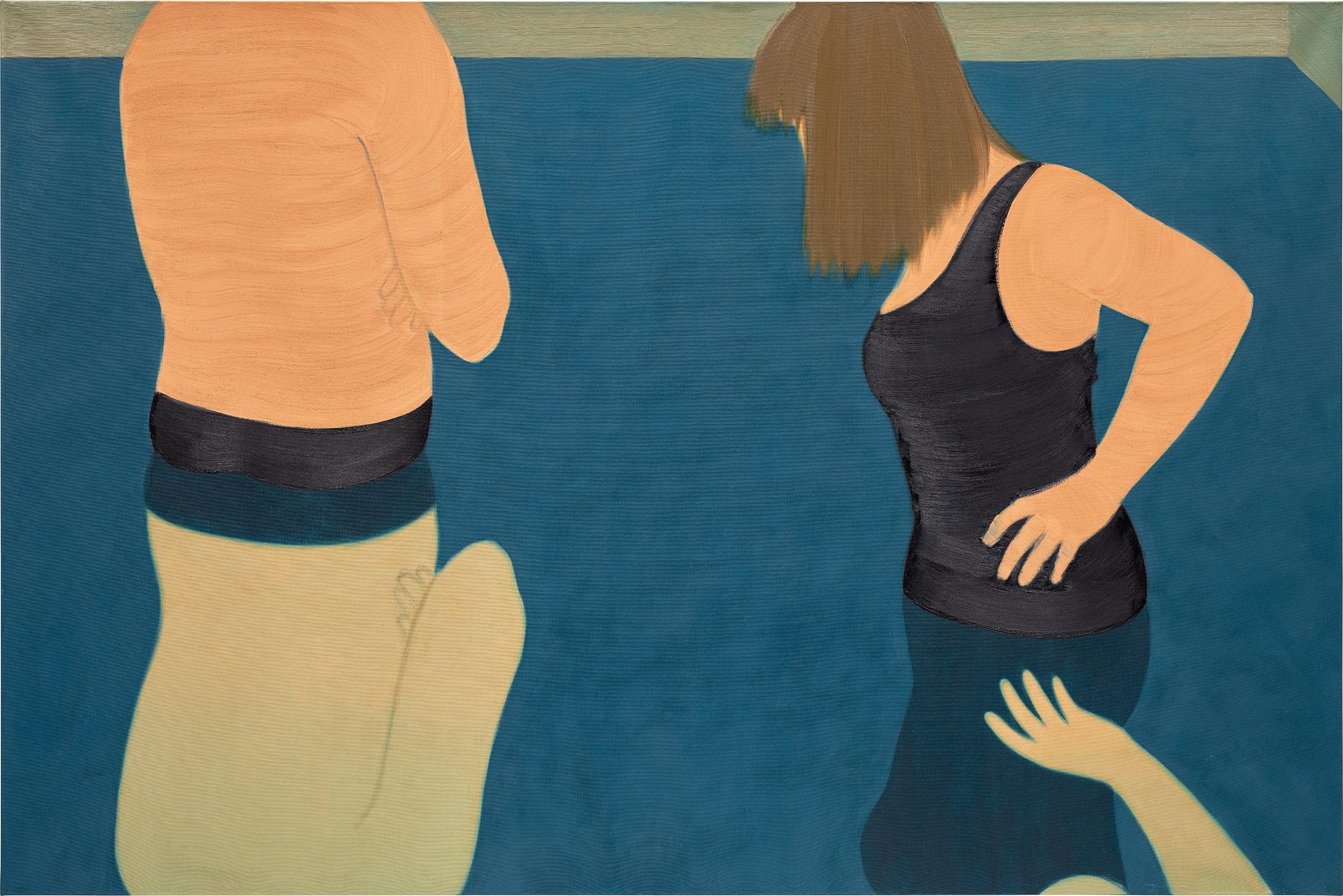
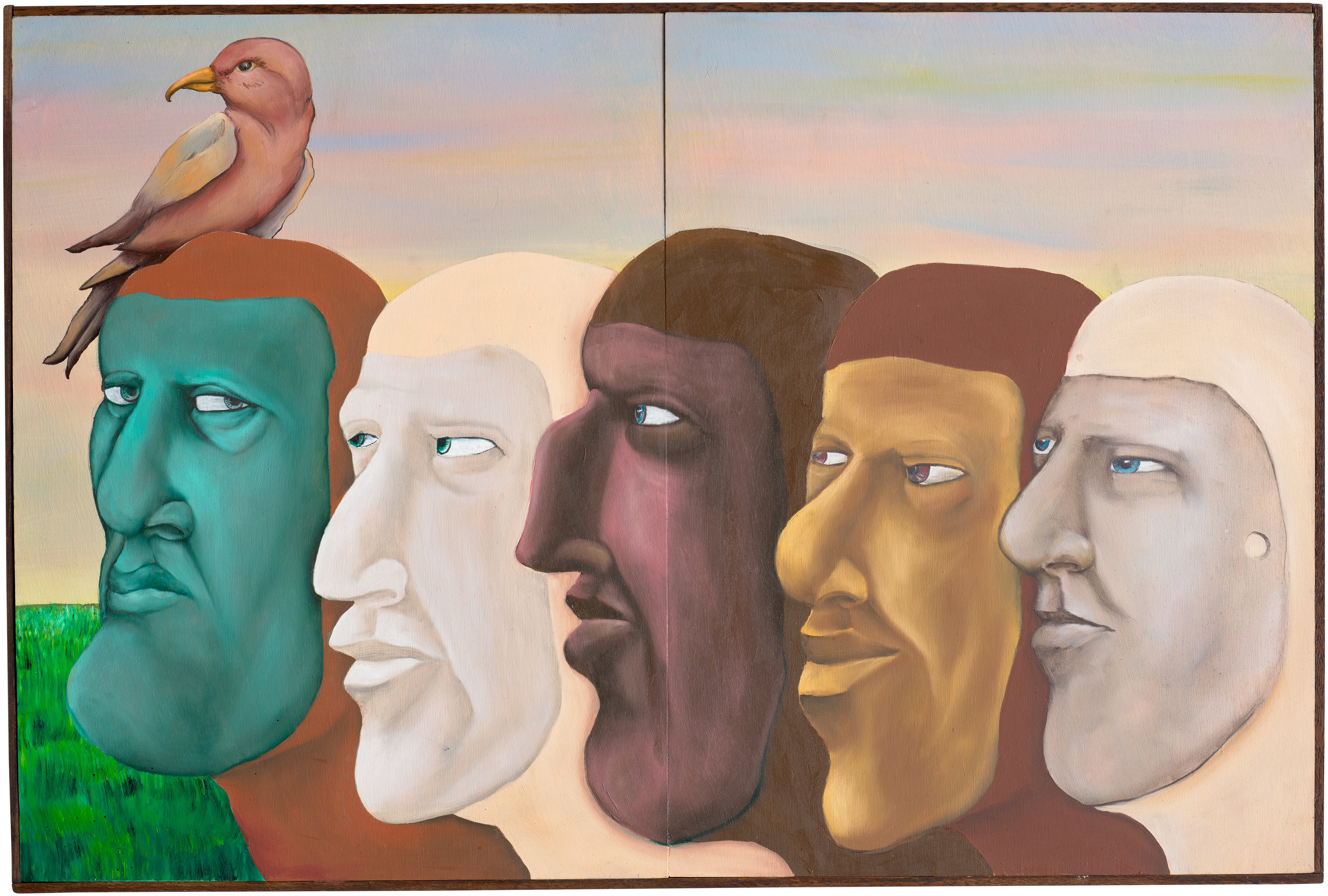
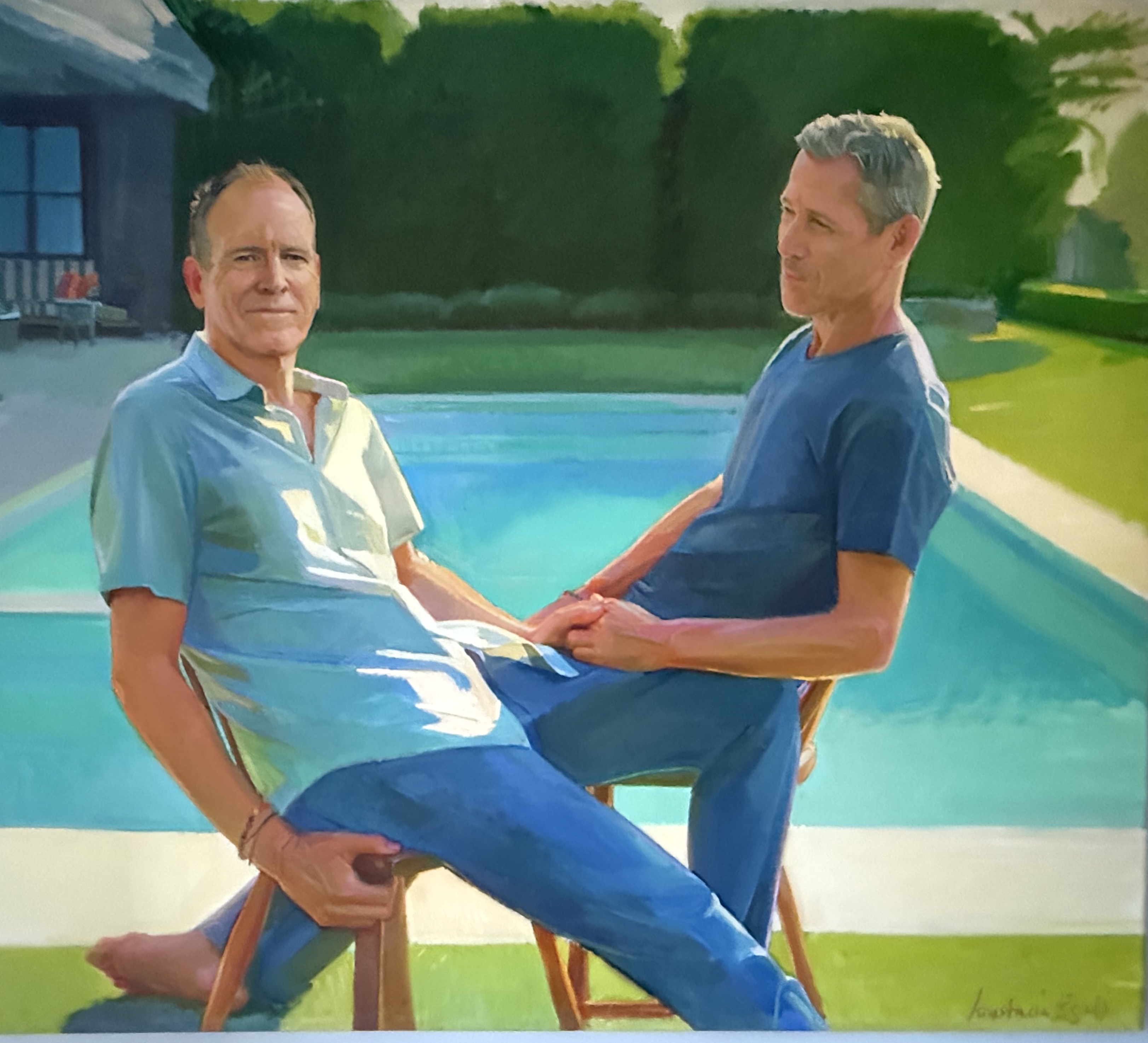
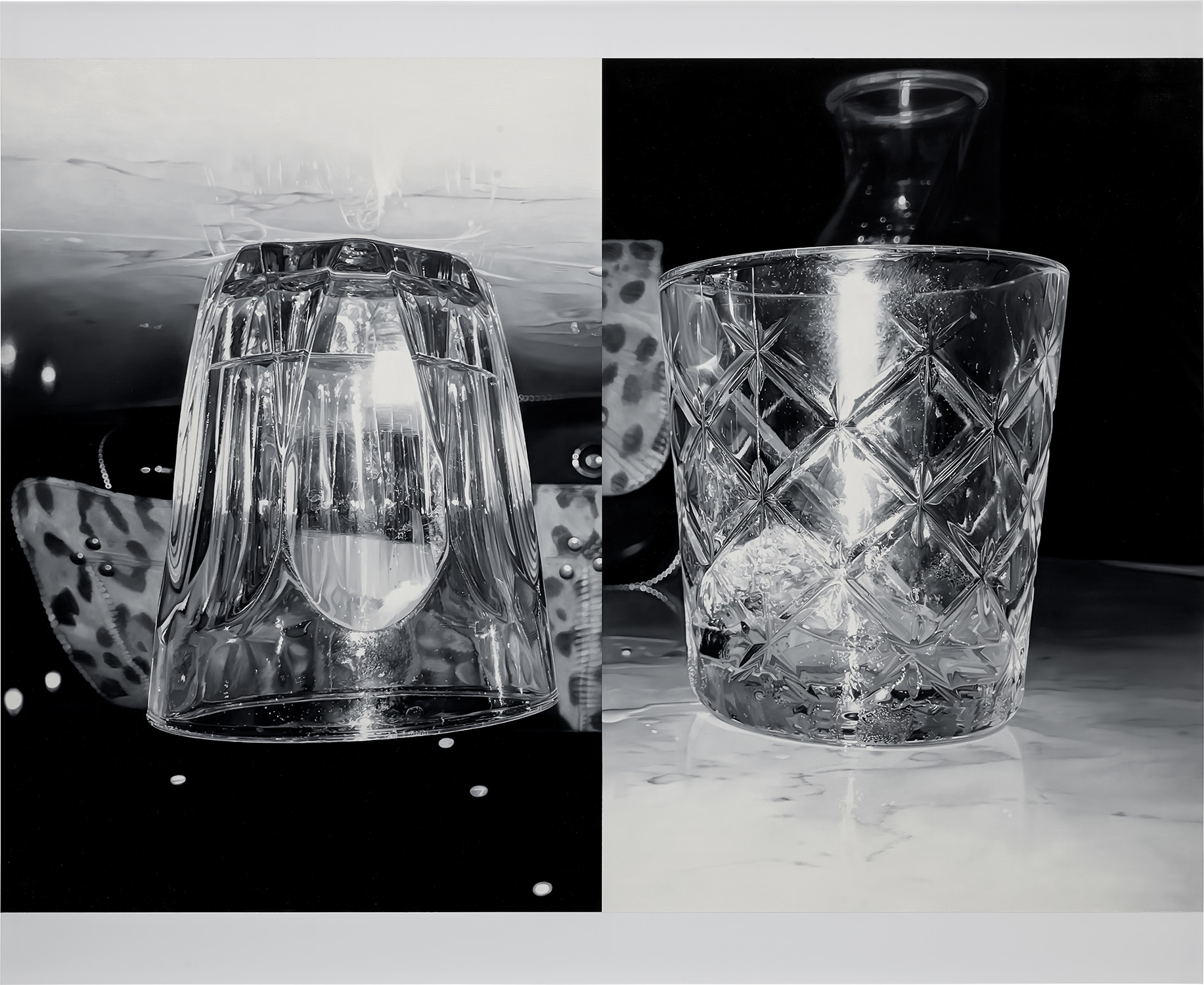
Julien Nguyen
Point Break, 2016
When major institutions prioritize a medium in their acquisition budgets and their conservation resources, collectors tend to take notice, and the market follows. The critical conversation around oil on panel has been shaped in recent years by a handful of writers and curators who have insisted on reading the support as integral to meaning rather than merely incidental to it. Anne Woollett at the Getty, along with scholars at the RKD Netherlands Institute for Art History, has produced research that connects the timber trade routes of the Baltic to the specific visual qualities of Flemish paintings, an argument that is as much about economics and ecology as it is about aesthetics. Publications like the Burlington Magazine and the Journal of Historians of Netherlandish Art have carried these arguments into sustained dialogue, and that conversation is gradually reshaping how collectors think about condition, attribution, and value.
What is perhaps most surprising is how living painters have renewed the conversation. Salman Toor, whose intimate figural works have attracted fierce institutional interest, works on panel with an awareness of the Flemish tradition that feels neither nostalgic nor academic. His surfaces carry the same density and the same compressed emotional register that you find in a seventeenth century cabinet piece by David Teniers the Younger, even as his subject matter and his politics are entirely of this moment. Anna Weyant, another painter whose work has generated considerable market heat, likewise engages the panel as a support in ways that foreground her awareness of the Old Master tradition without being imprisoned by it.
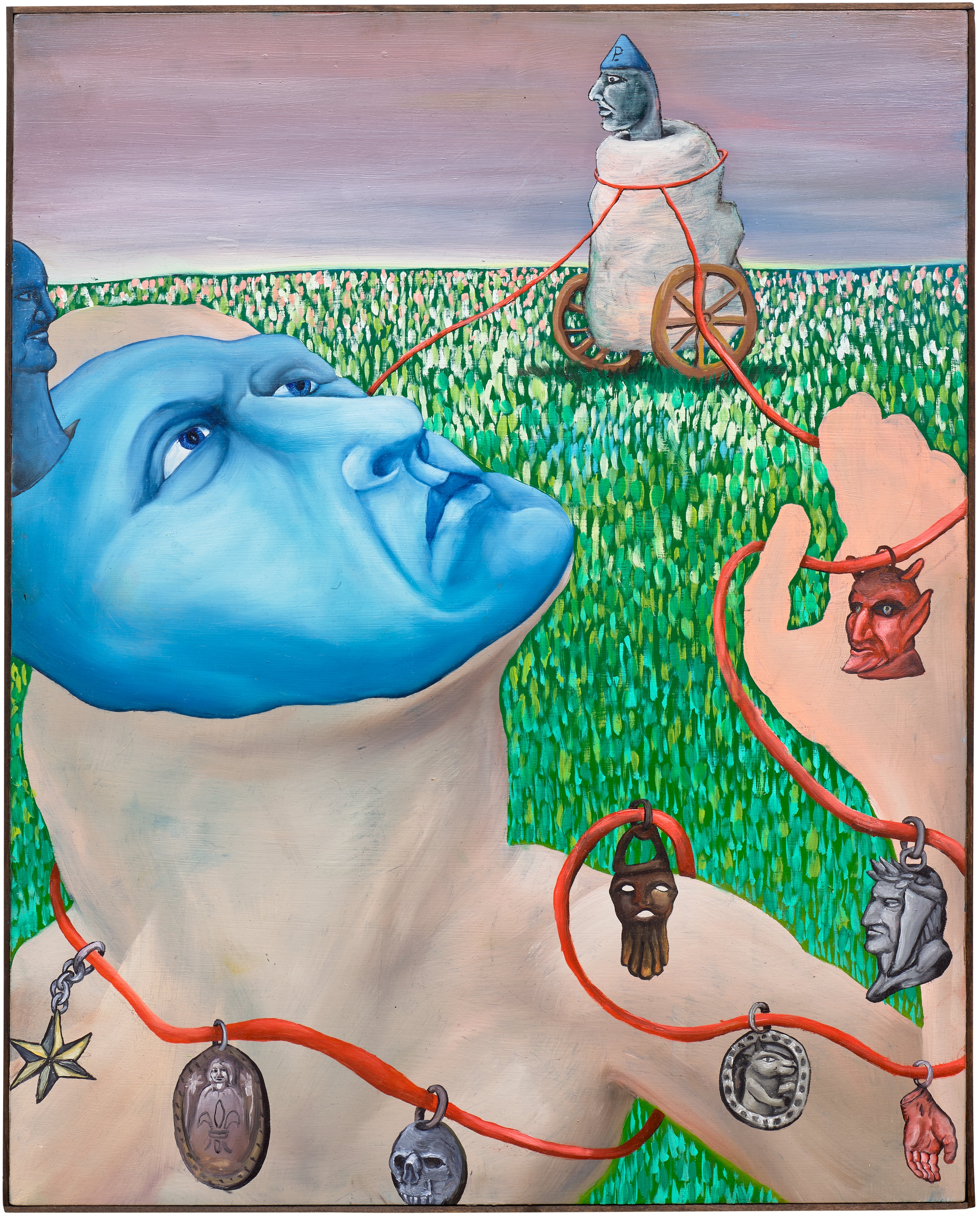
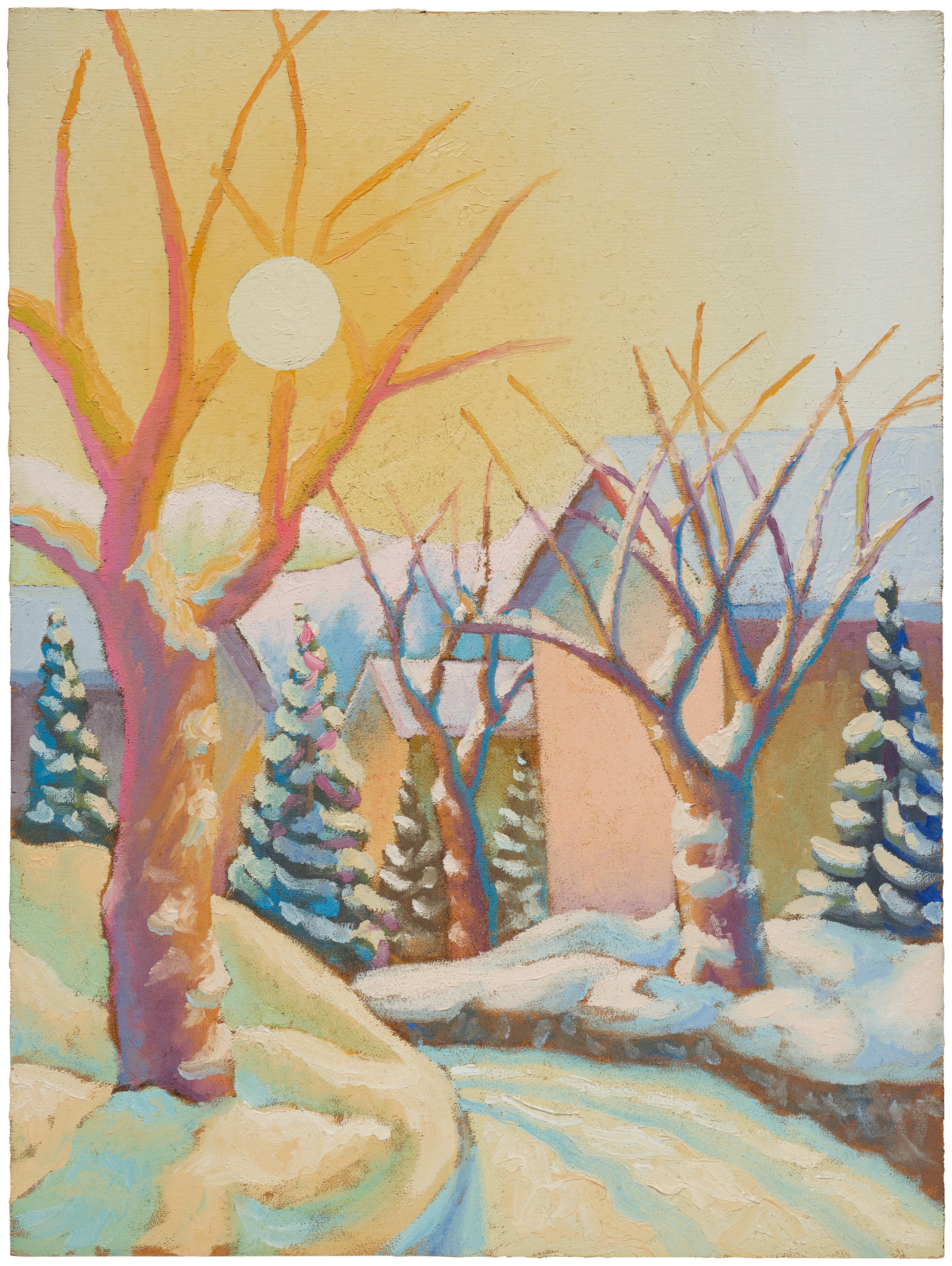
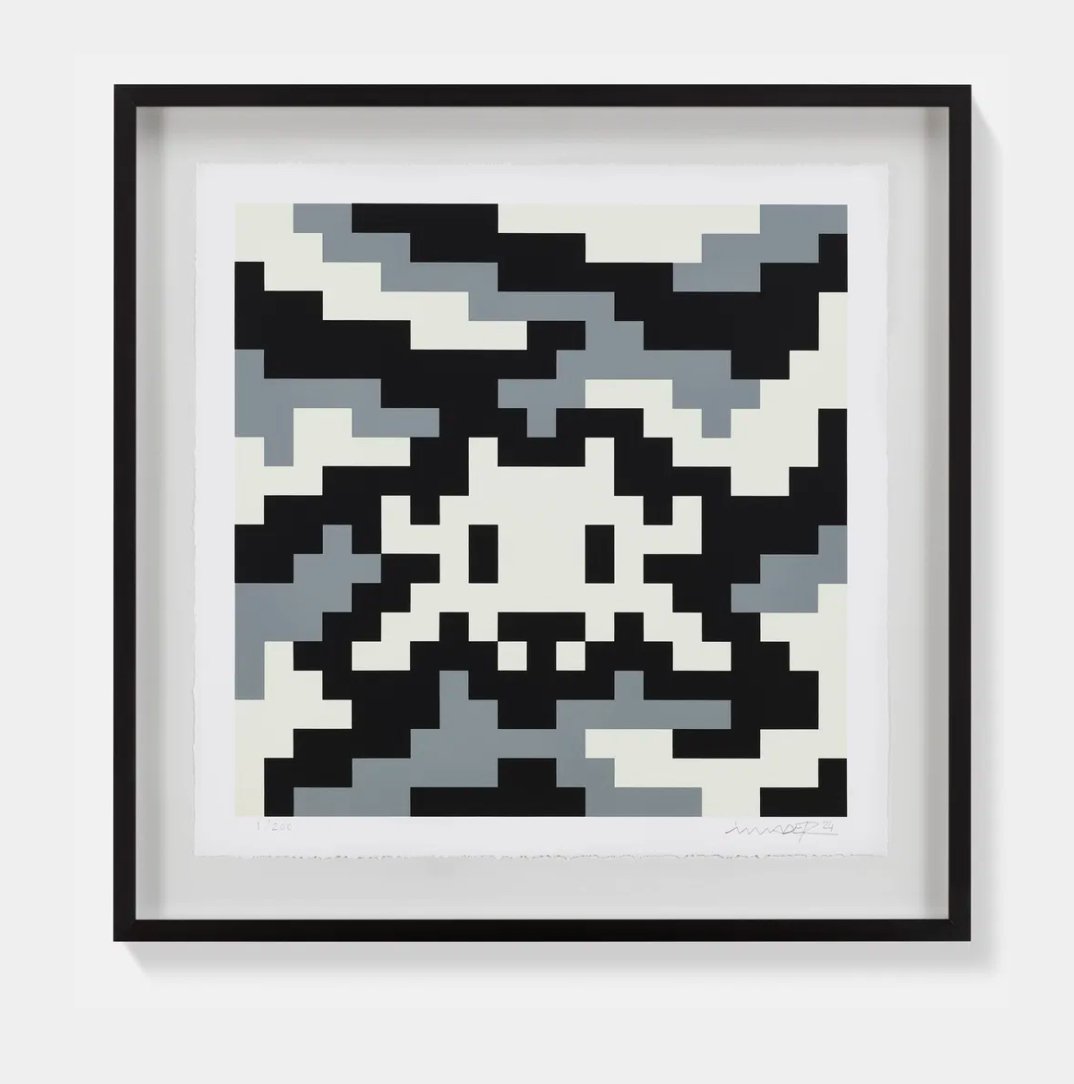
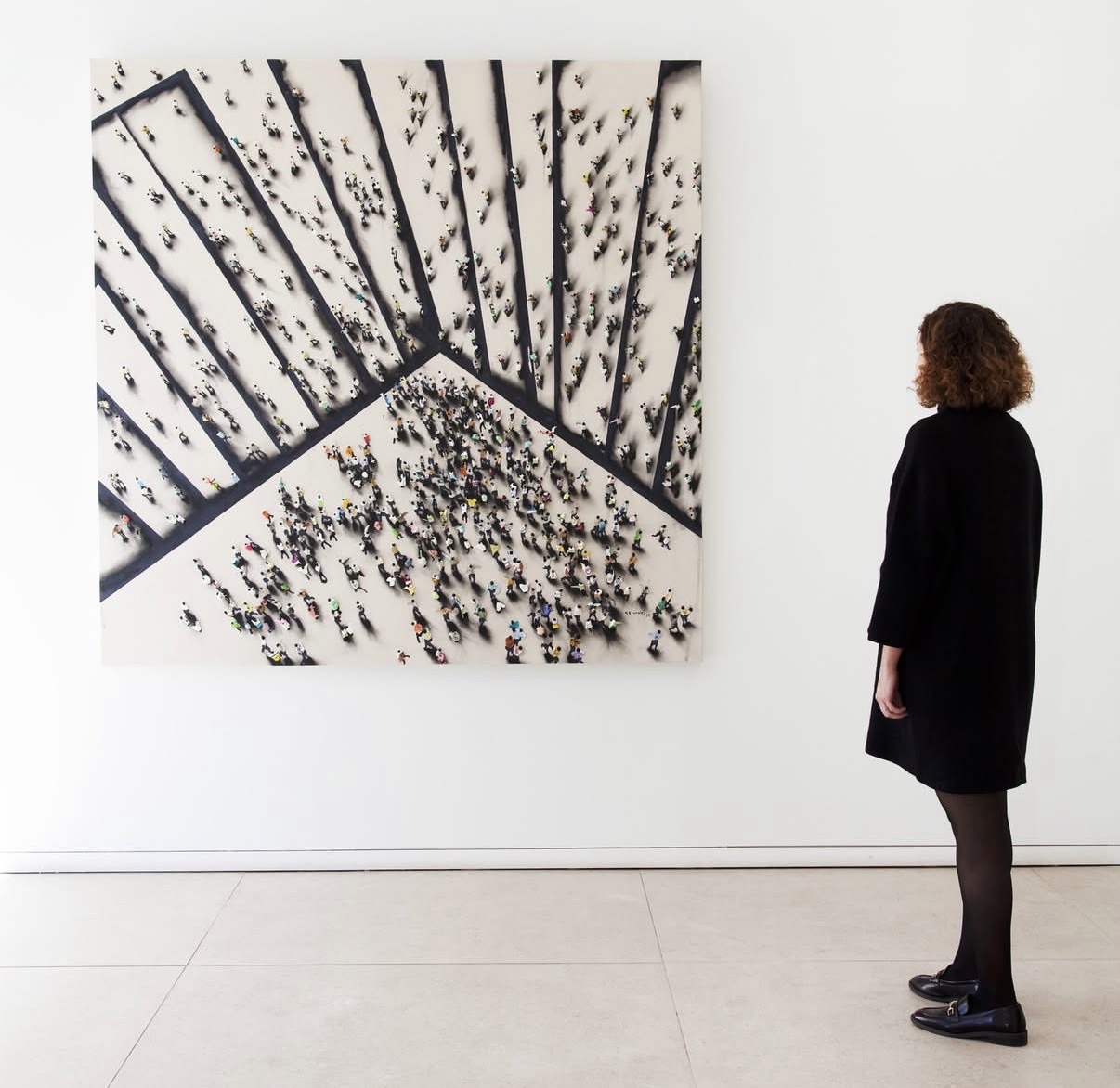
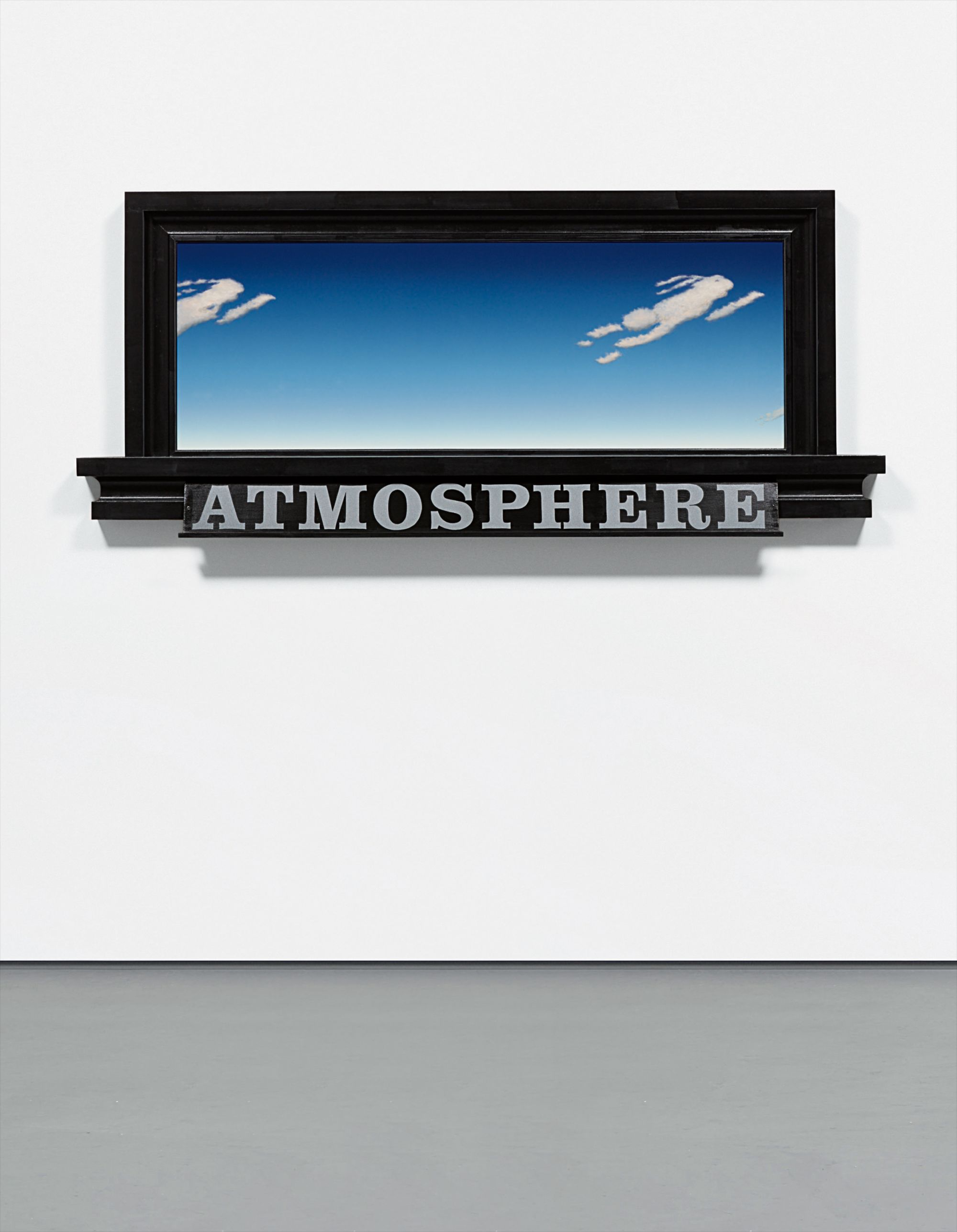
Tom Poelmans
Het verleden is een ander land, 2021
These artists understand that the panel is not a conservative choice. It is a declaration. The energy right now feels concentrated around two poles that are further apart than they might initially appear. On one side there is the rigorous archival and scientific work being done to stabilize and reattribute the great corpus of anonymous panel painting, works catalogued simply as Dutch School or Unknown, that still constitute a significant portion of what circulates in the market and what sits in institutional storage.
On the other side there is the growing number of contemporary painters who are returning to the support with fresh eyes and serious intentions. Both poles are generating genuinely new knowledge. The surprise is that they are beginning to speak to each other, and the collectors paying closest attention are the ones positioned to benefit most from that conversation as it unfolds.