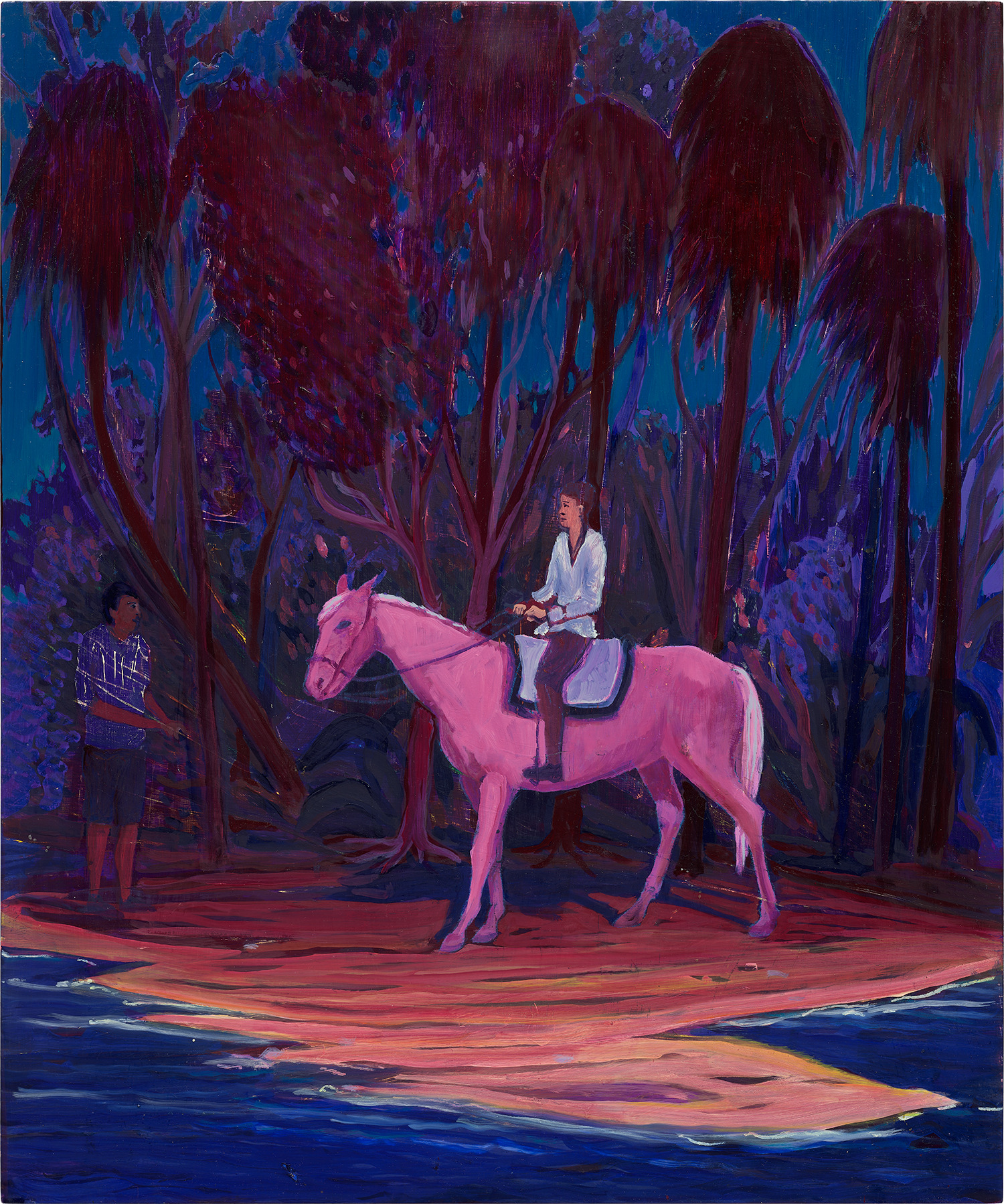
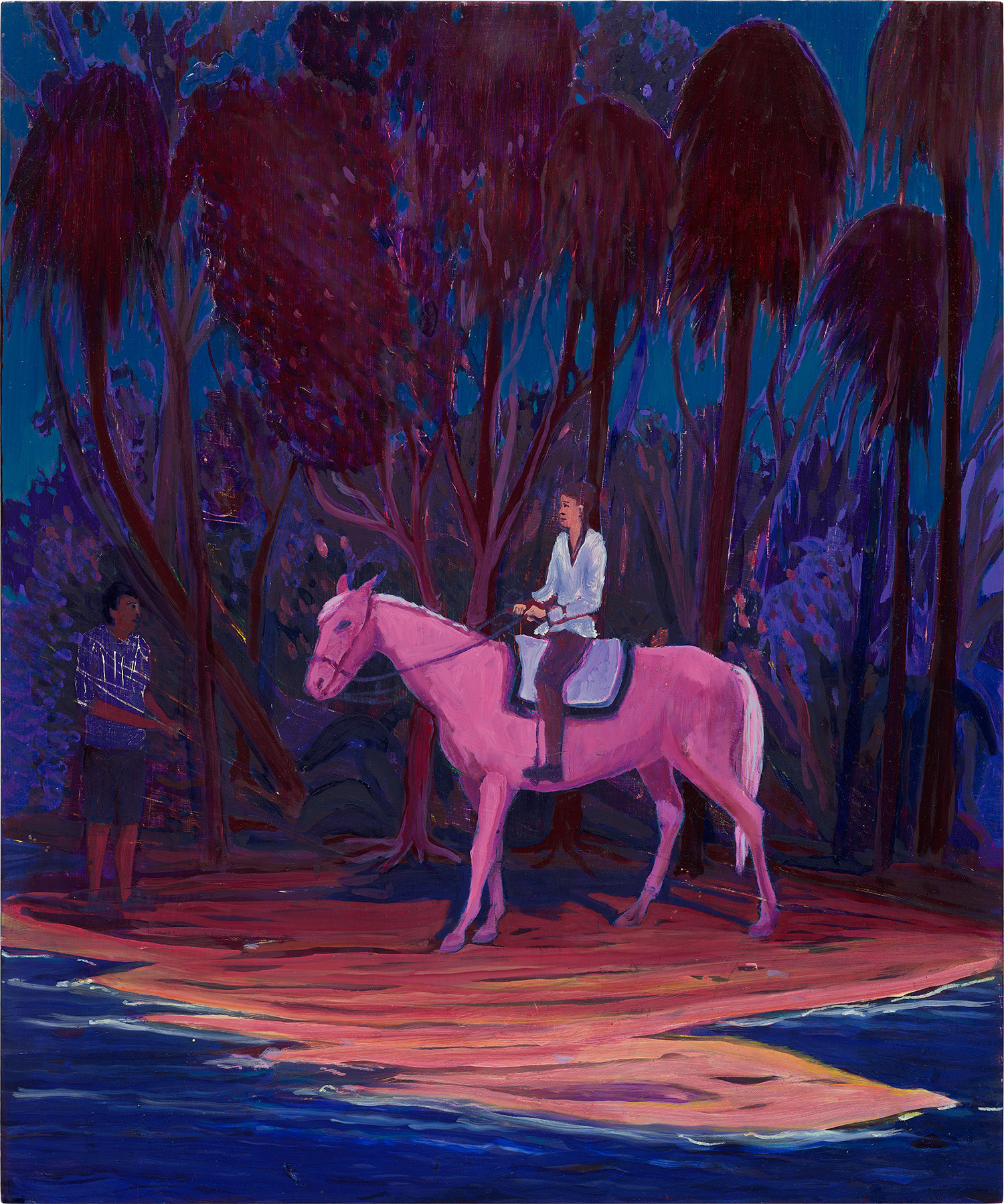
Jules de Balincourt
Artist Spotlight
Jules de Balincourt Paints the World Dreaming
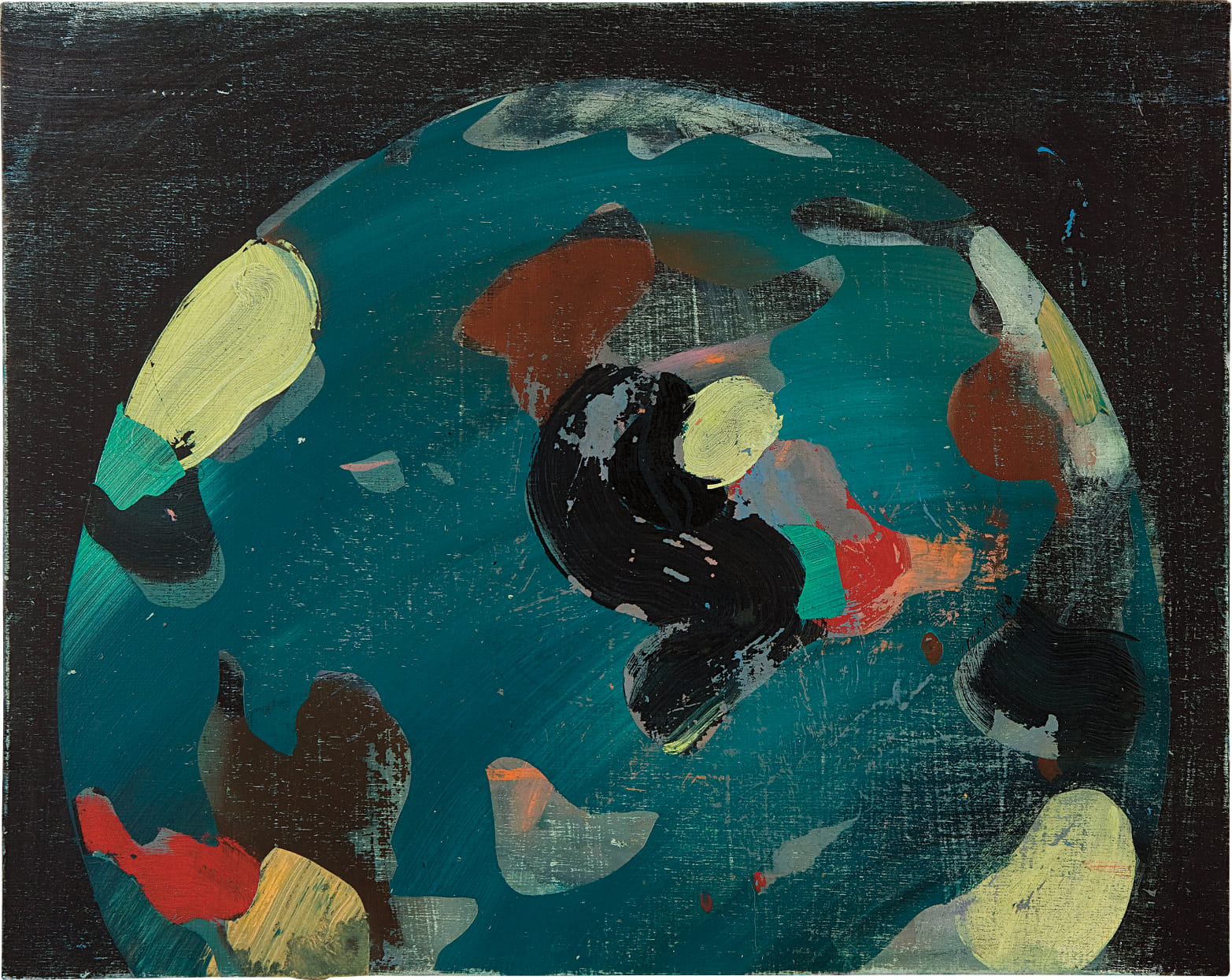
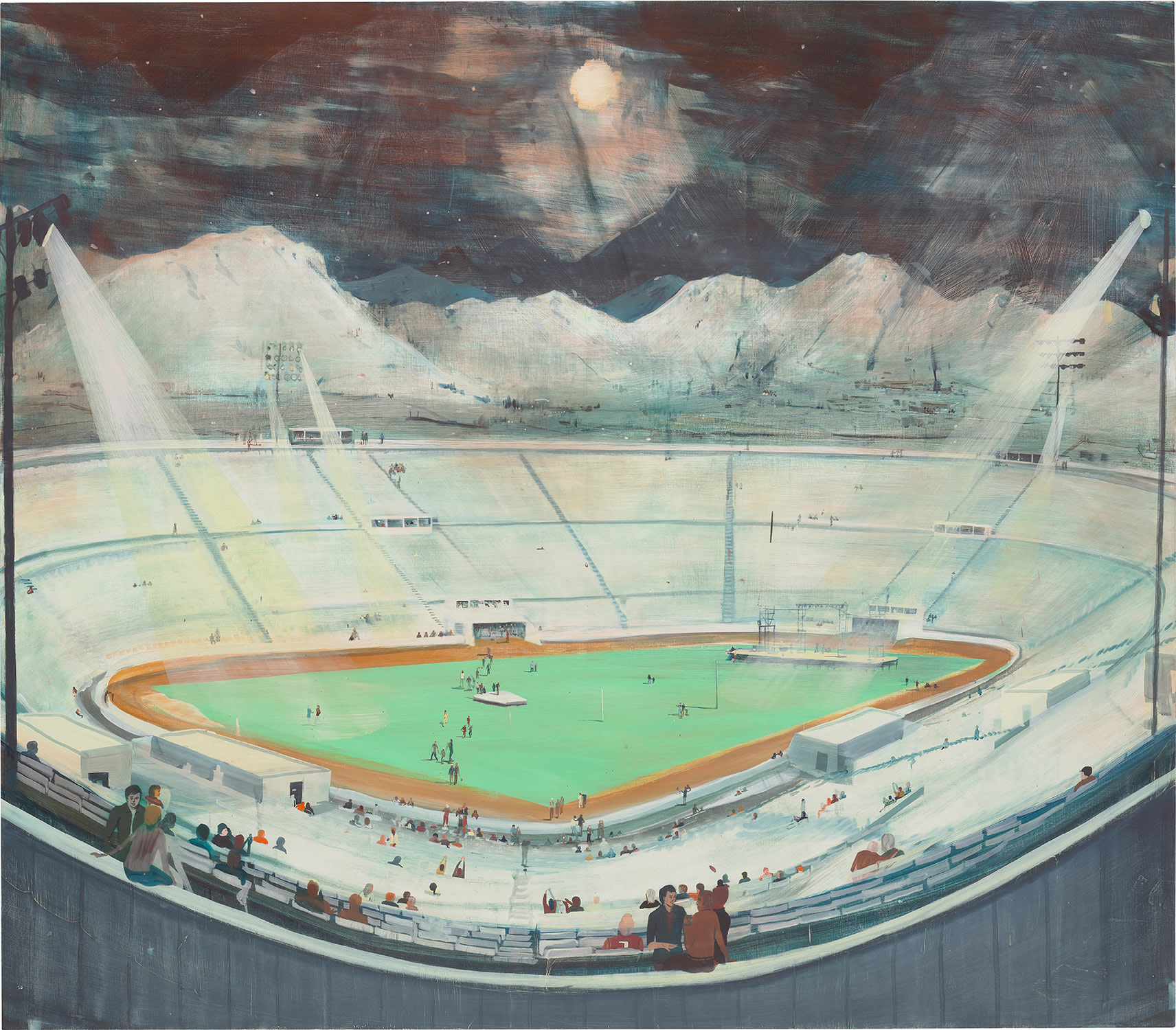
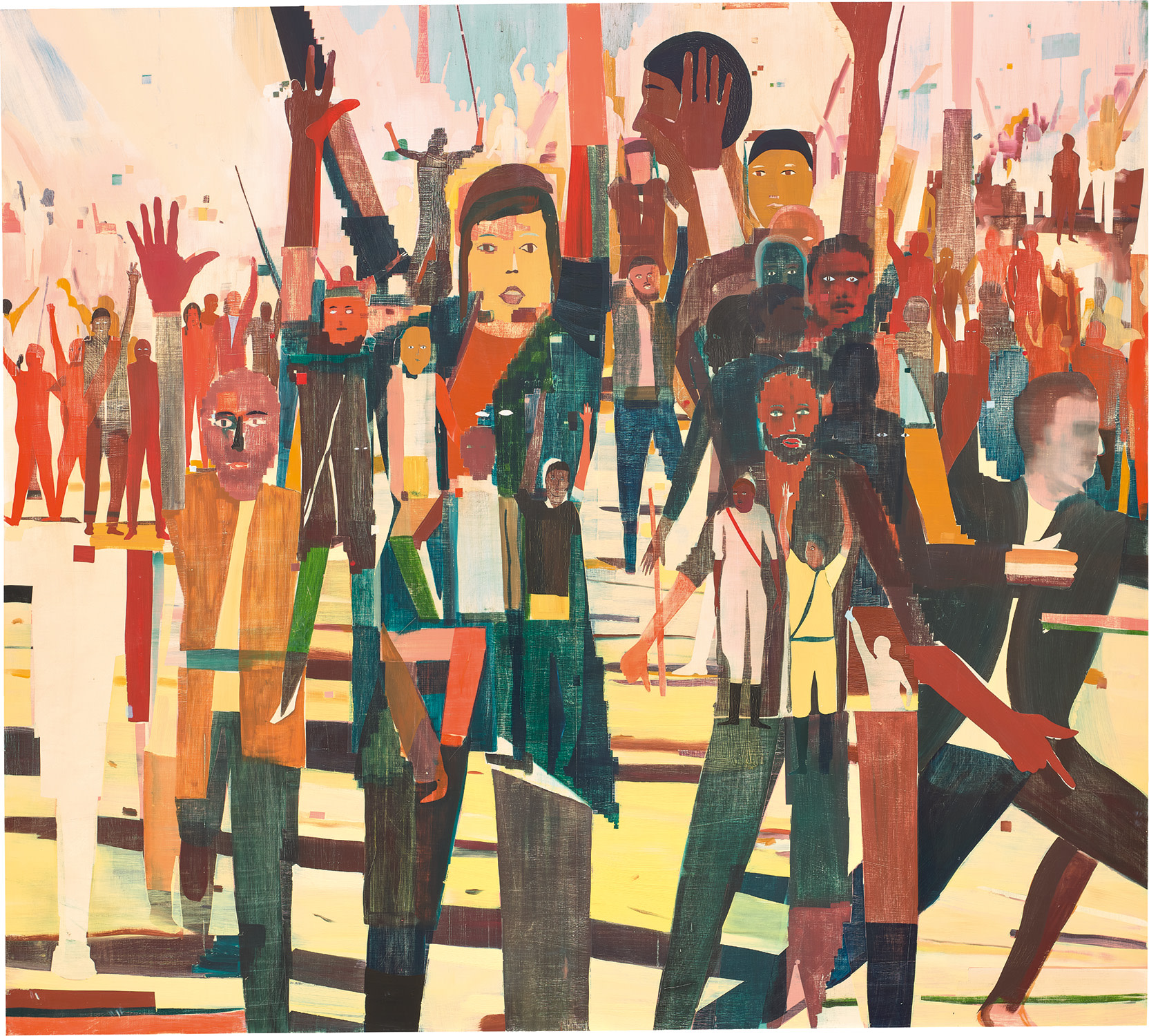
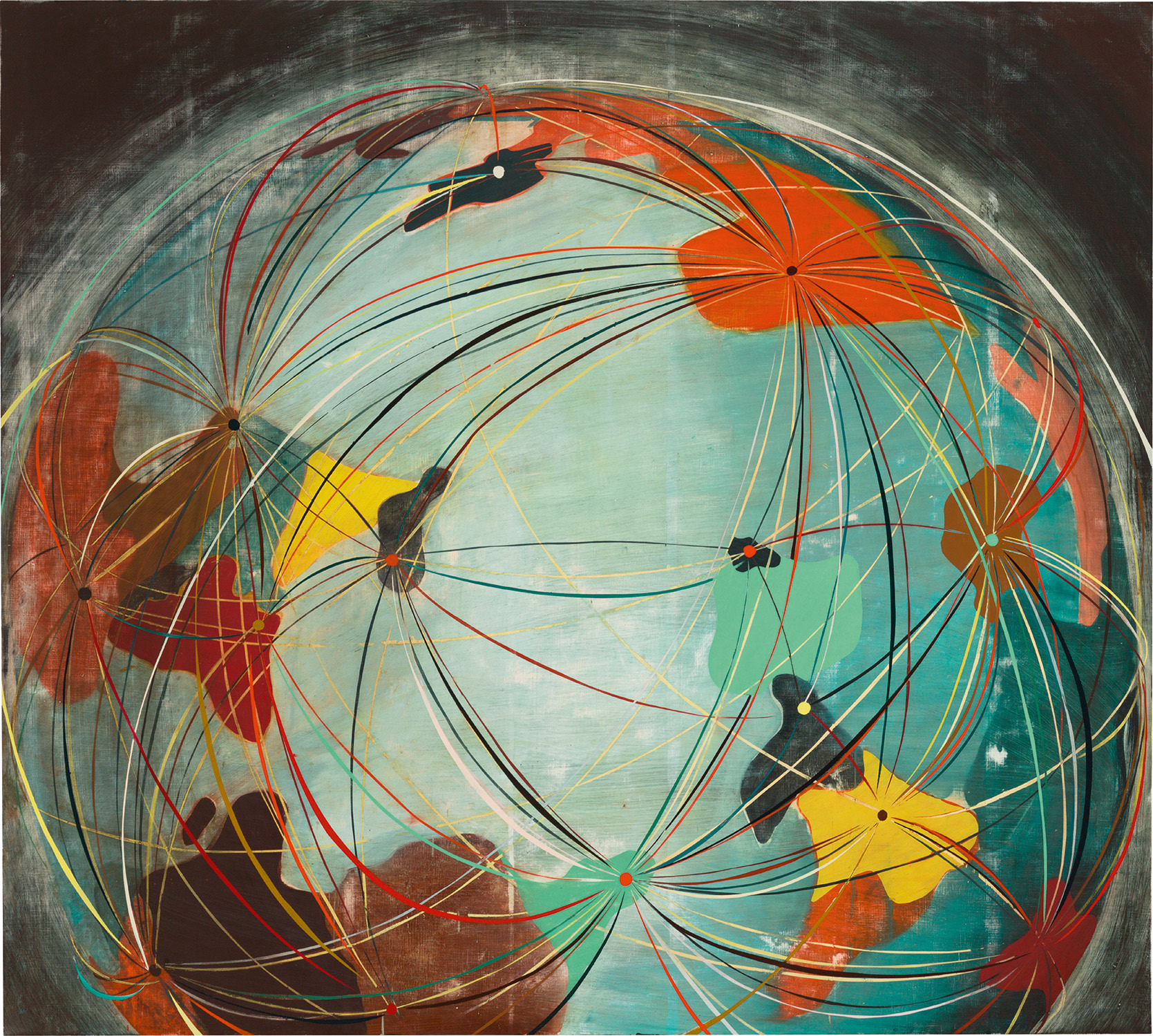
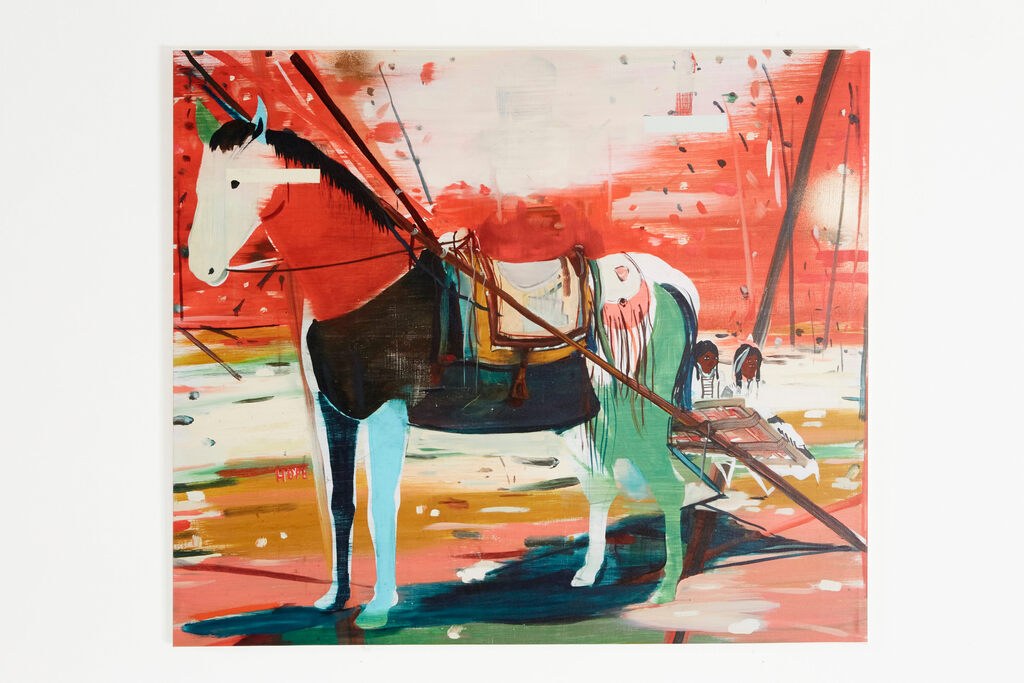
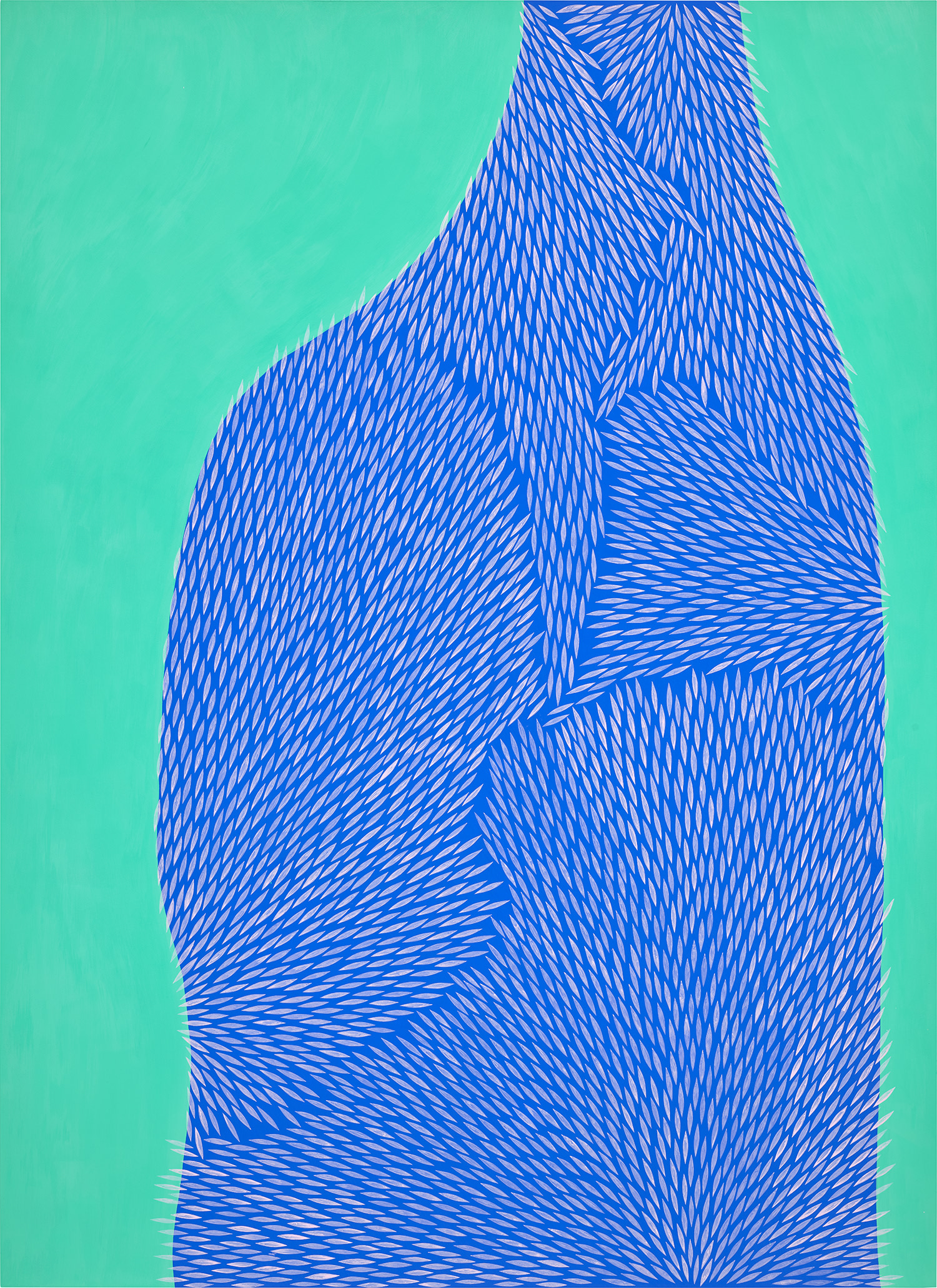
There is a particular kind of painting that stops you mid stride, the kind that feels simultaneously familiar and utterly foreign, grounded in the recognizable world yet tilted just enough to reveal something truer underneath. Jules de Balincourt has been making that kind of painting for over two decades, and the art world has taken notice in a sustained, deepening way. His continued representation by Victoria Miro, one of the most respected galleries operating across London and Venice, places him in august company, and recent years have seen collectors and institutions alike returning to his… Continue reading
Artists in conversation
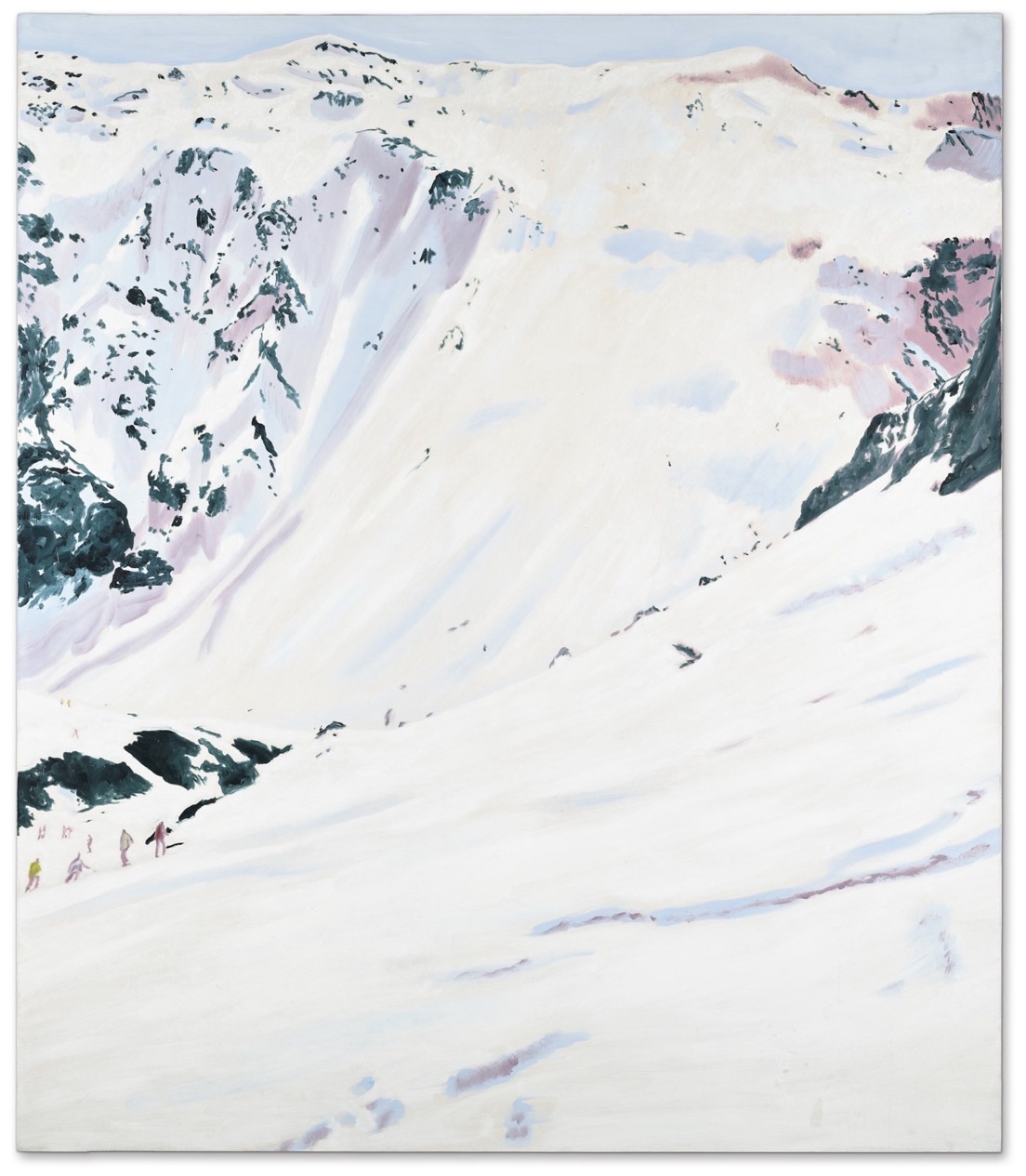
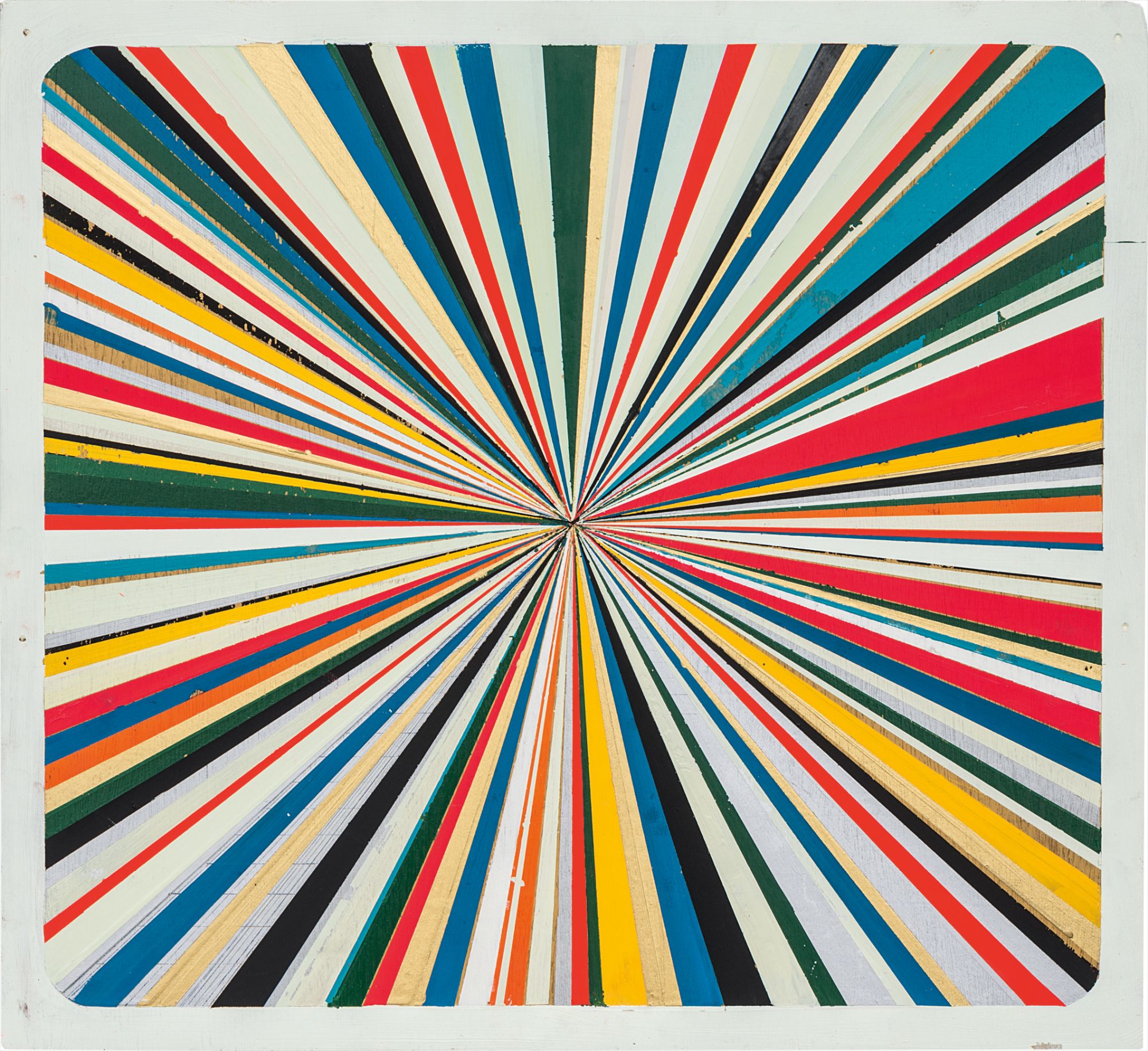
Peter Doig
Doig shares de Balincourt's commitment to psychedelic, dreamlike landscapes rendered in vivid color with a figurative sensibility that hovers between the real and the imagined. Both painters use flattened perspective and lush surface treatment to transform everyday environments into visionary spaces.
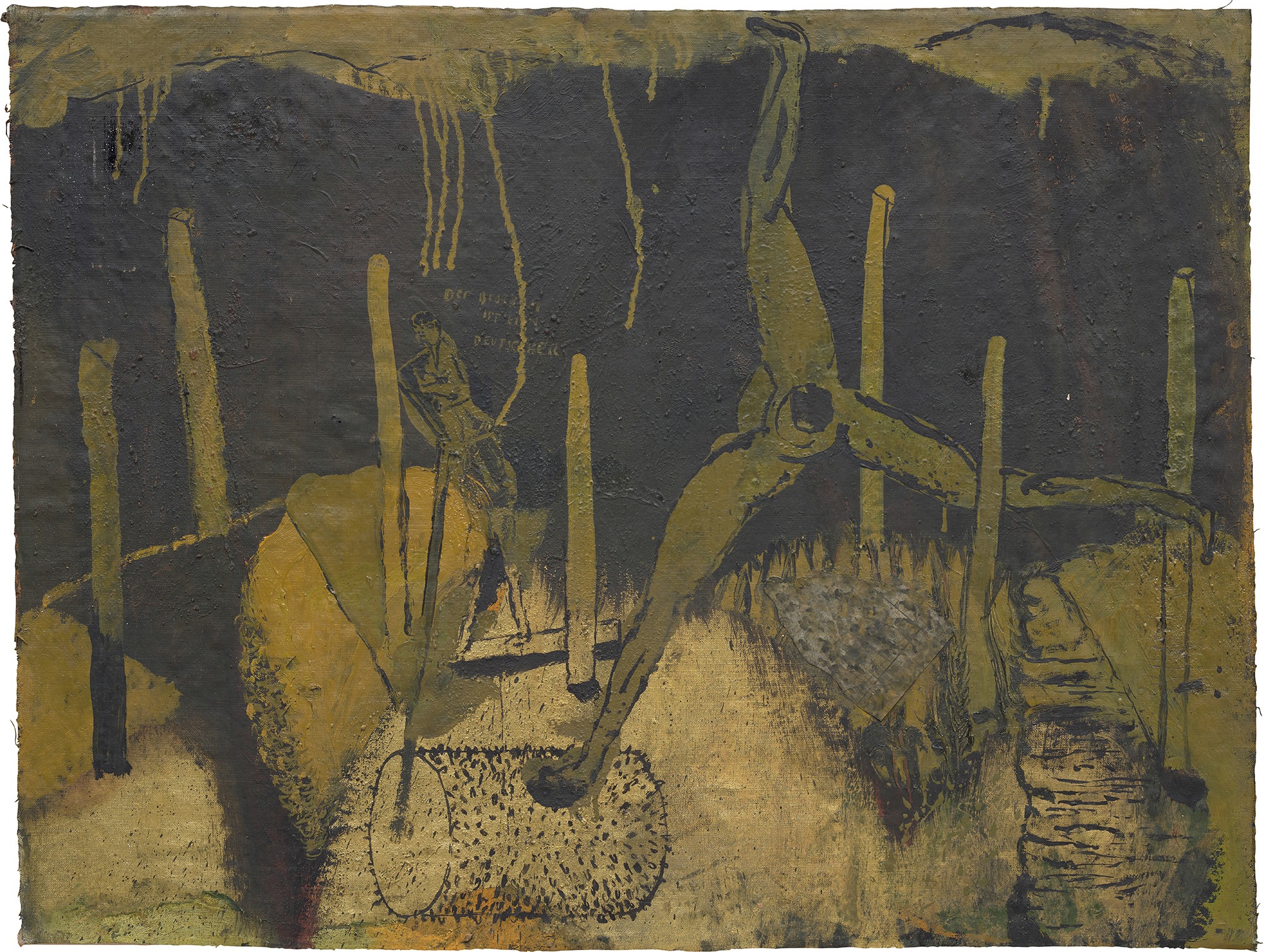
Neo Rauch
Rauch similarly constructs narrative figurative scenes populated by communities engaged in ambiguous, surreal activities that carry undertones of social and political commentary. His dreamlike staging and folk art inflected imagery resonate closely with de Balincourt's thematic and visual concerns.
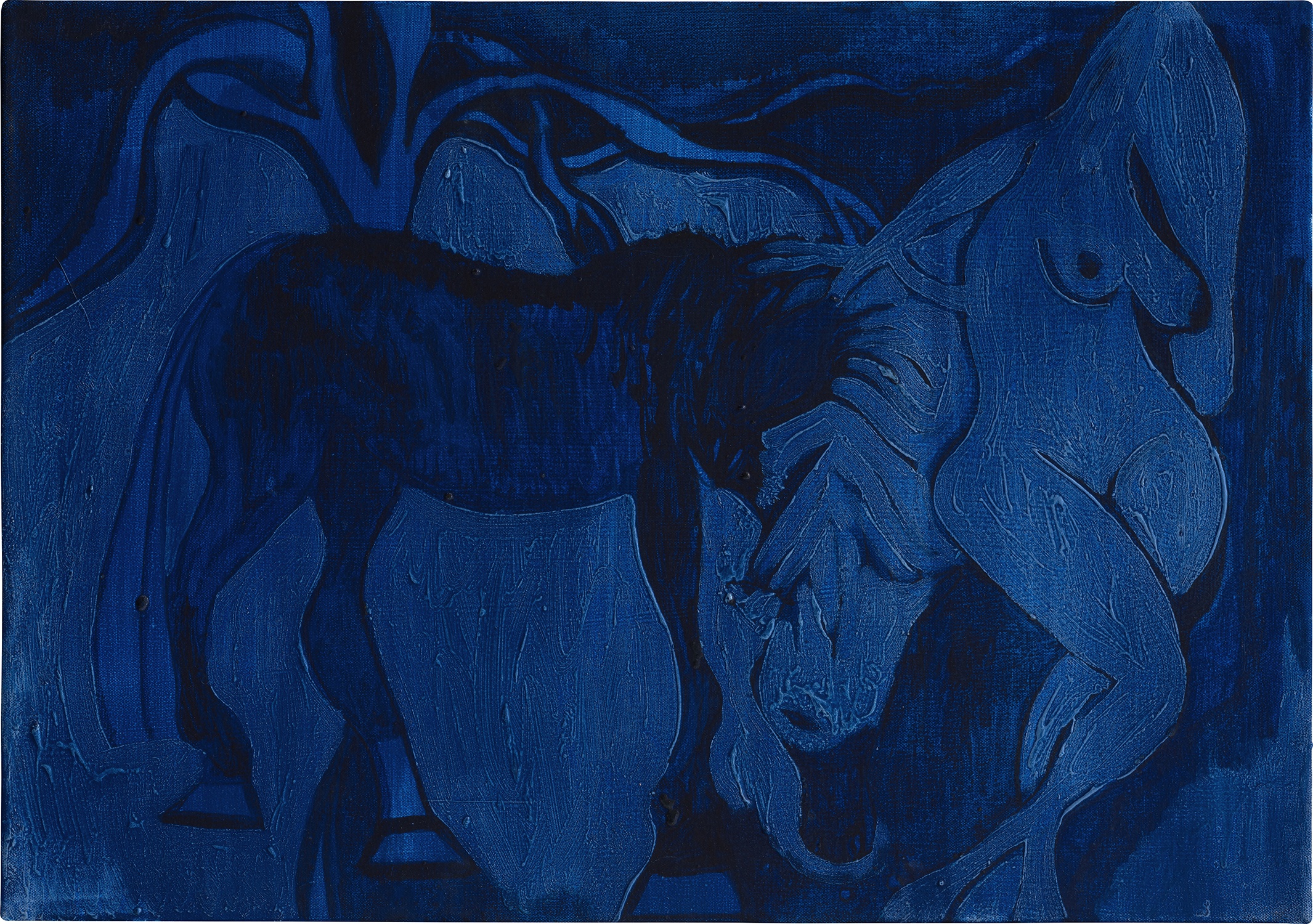
Chris Ofili
Ofili's richly colored, pattern dense figurative paintings blend communal and utopian imagery with decorative flatness in ways that echo de Balincourt's vibrant palette and interest in collective human experience. Both artists use lush, saturated surfaces to invest social themes with a near mythological quality.
Artists who inspired them
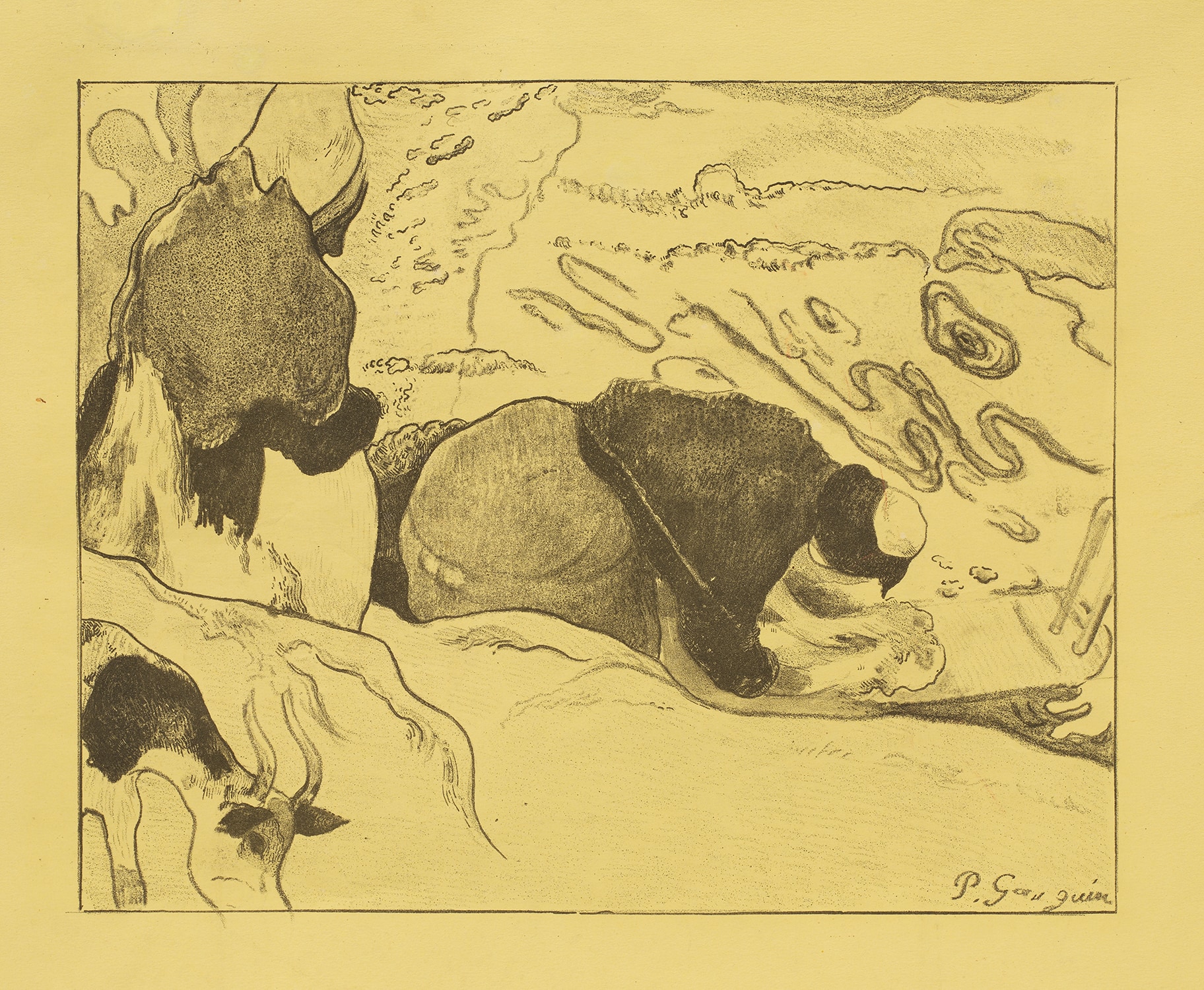
Paul Gauguin
Gauguin's flattened color fields, Primitivist utopian fantasies, and island landscapes are direct antecedents to de Balincourt's own tropical and communal scenes. His synthesis of folk visual traditions with fine art painting provided a foundational model for de Balincourt's aesthetic approach.
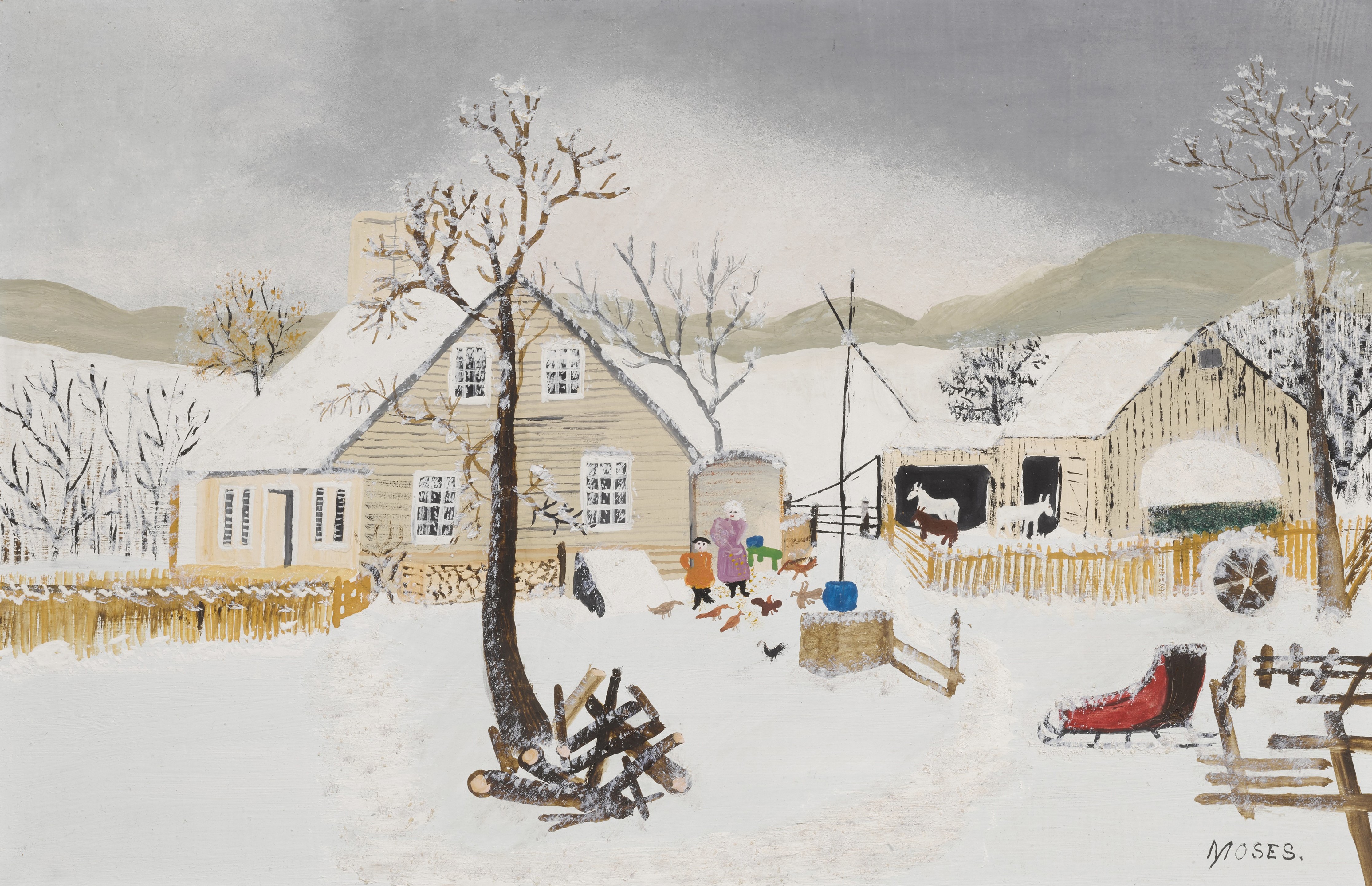
Grandma Moses
The aerial folk art perspective and depictions of American communal life found in Grandma Moses's work are clear precursors to de Balincourt's bird's eye crowd scenes and map like compositions. Her naive flatness and warm narrative quality informed his figurative vocabulary.
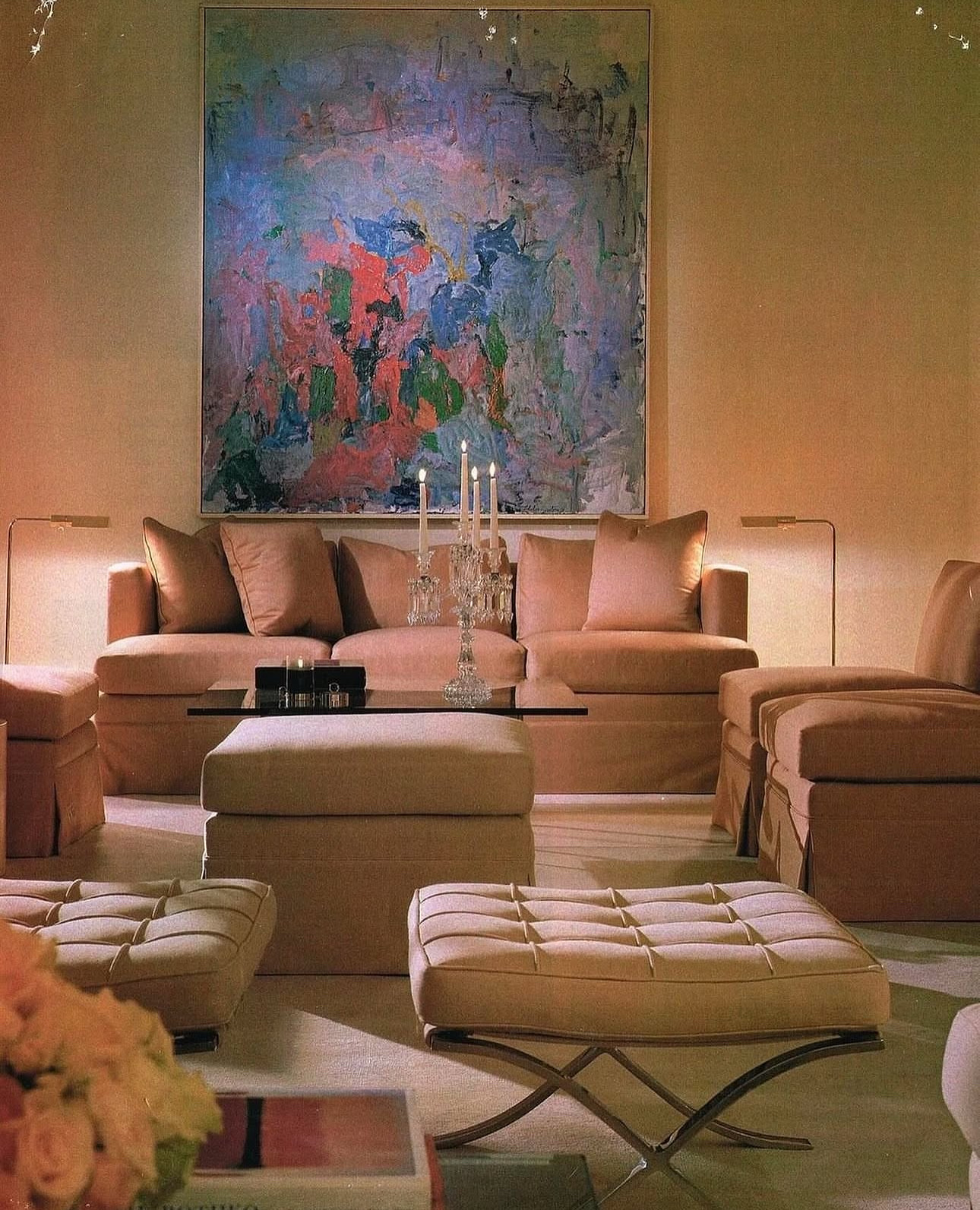
Philip Guston
Guston's late career turn toward cartoonish figurative painting loaded with social satire and personal mythology opened a path that de Balincourt has followed in his own politically charged and symbolically dense imagery. His willingness to blend lowbrow visual culture with serious painterly ambition is a model de Balincourt clearly absorbed.