Oil On Card
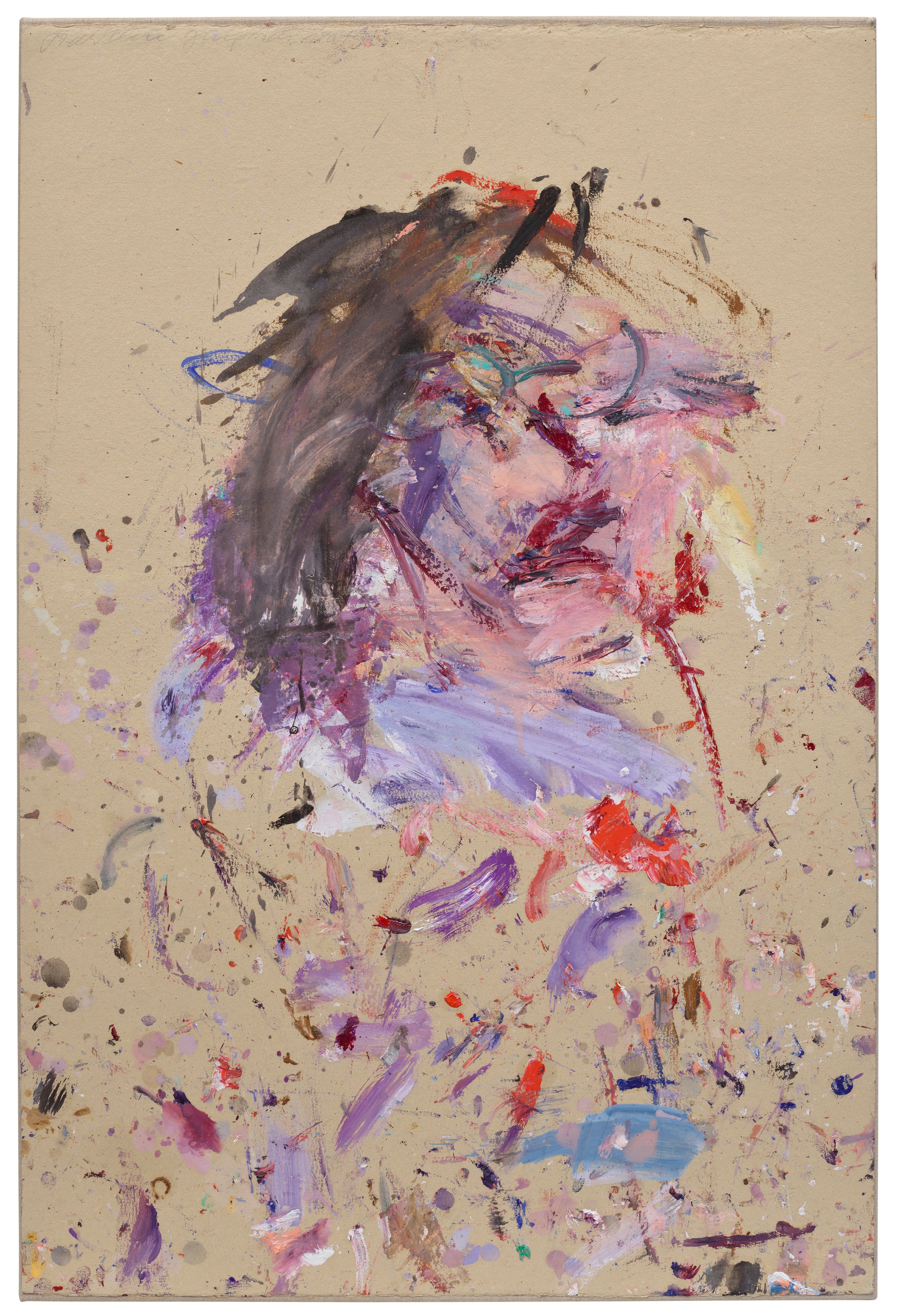
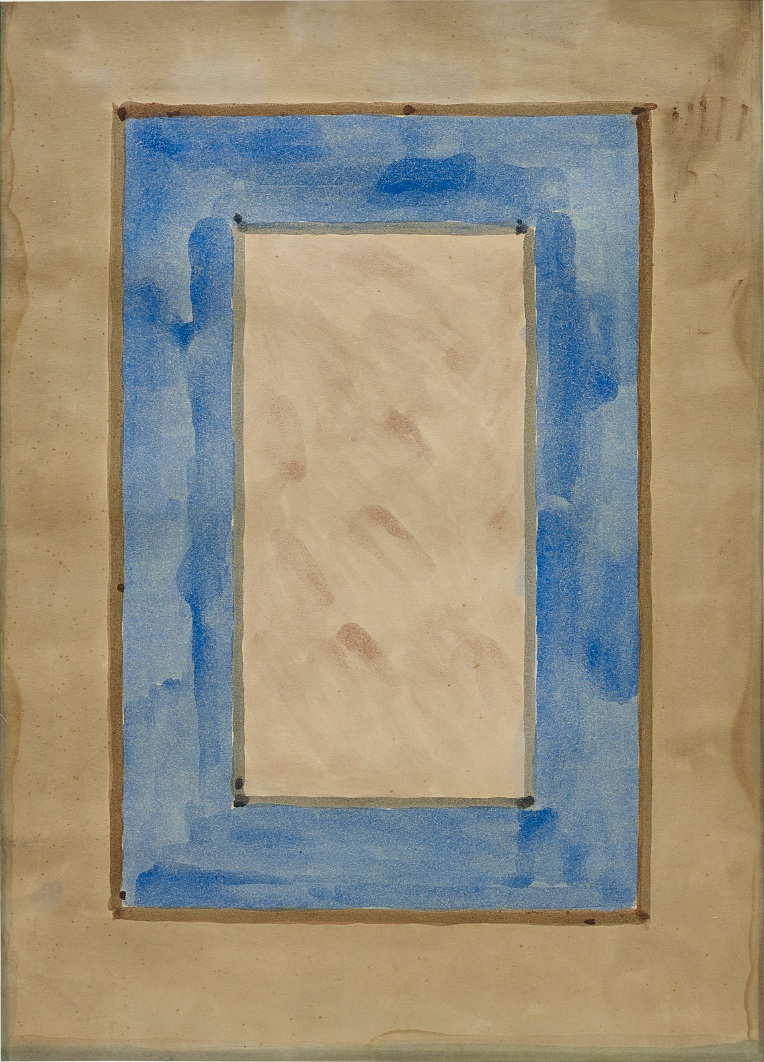
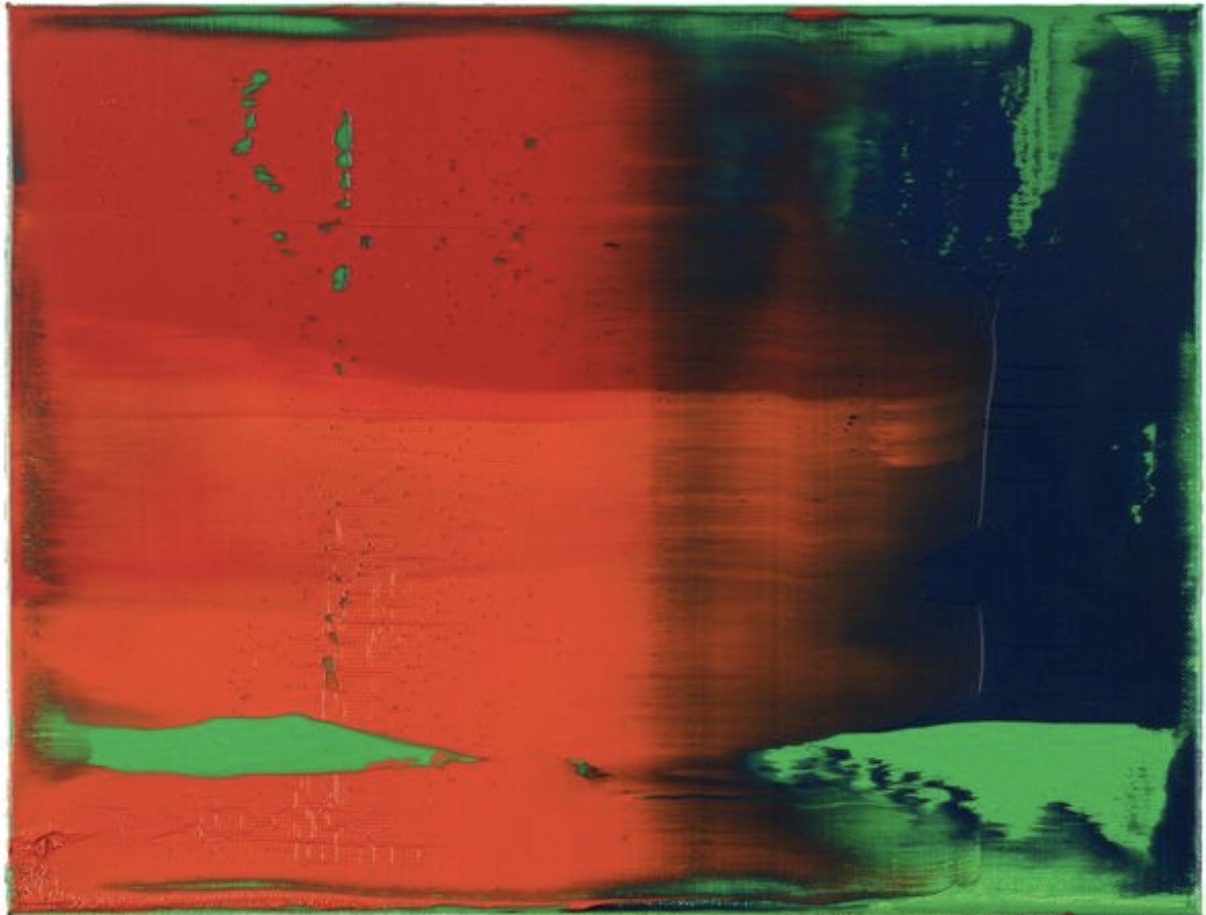
Martha Jungwirth
Ohne Titel, 1987
The Humble Card That Changed Everything
There is something almost conspiratorial about oil on card. It is too small to demand attention, too modest to insist on permanence, and yet the greatest practitioners of the form have used it to say things that monumental canvases could never quite manage. The intimacy is not incidental. It is the point.
When an artist reaches for a piece of card rather than a stretched linen canvas, something shifts in the relationship between hand and surface, between intention and accident, and between the private act of looking and the public life of art. The origins of oil paint on card and paper supports stretch back further than most collectors realize. Long before it became a conscious aesthetic choice, it was a practical one. Artists in the sixteenth and seventeenth centuries used prepared card and board as grounds for studies, sketches, and preparatory works that were never intended for the market.
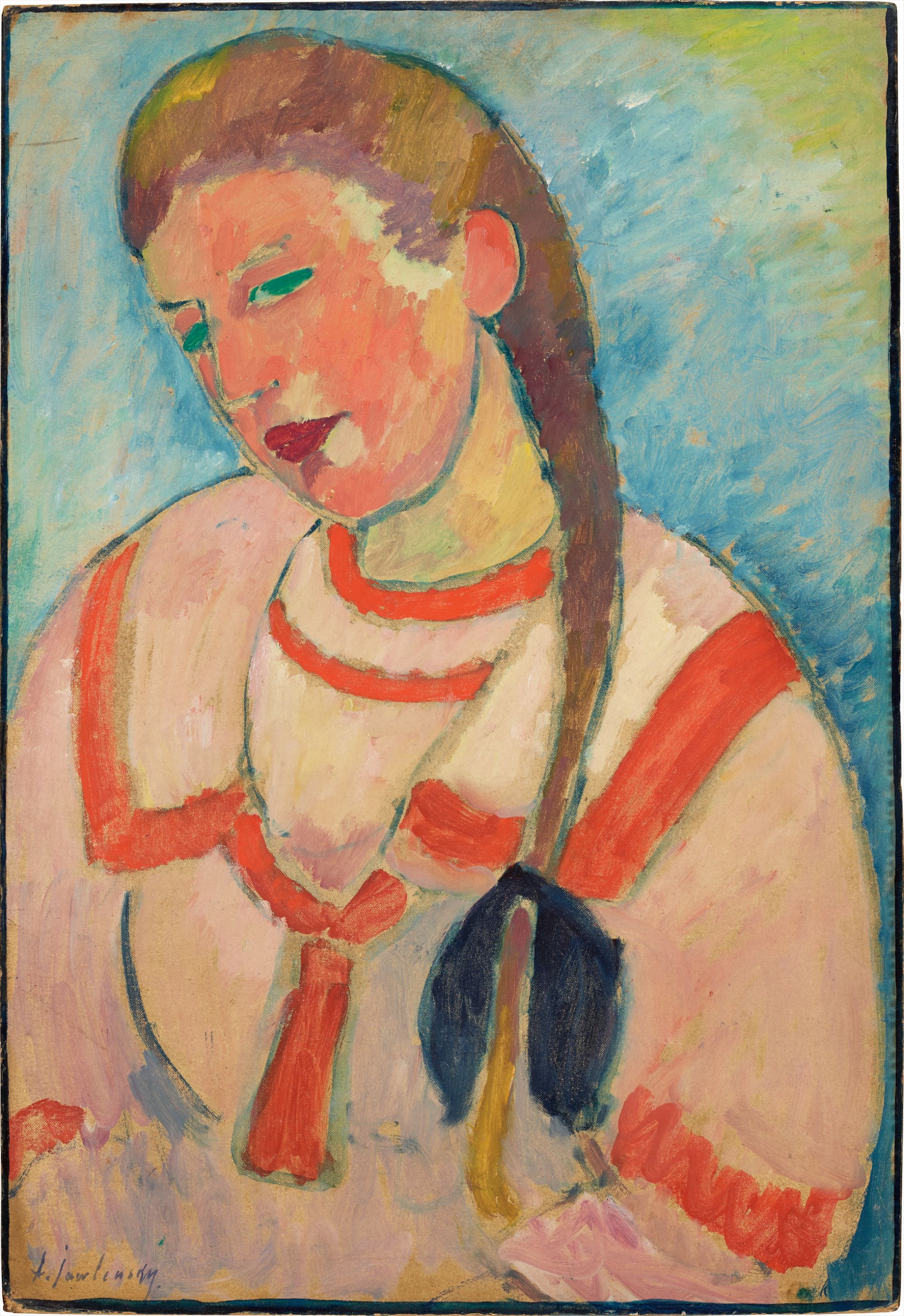
Alexej Jawlensky
Junges Madchen Mit Zopf
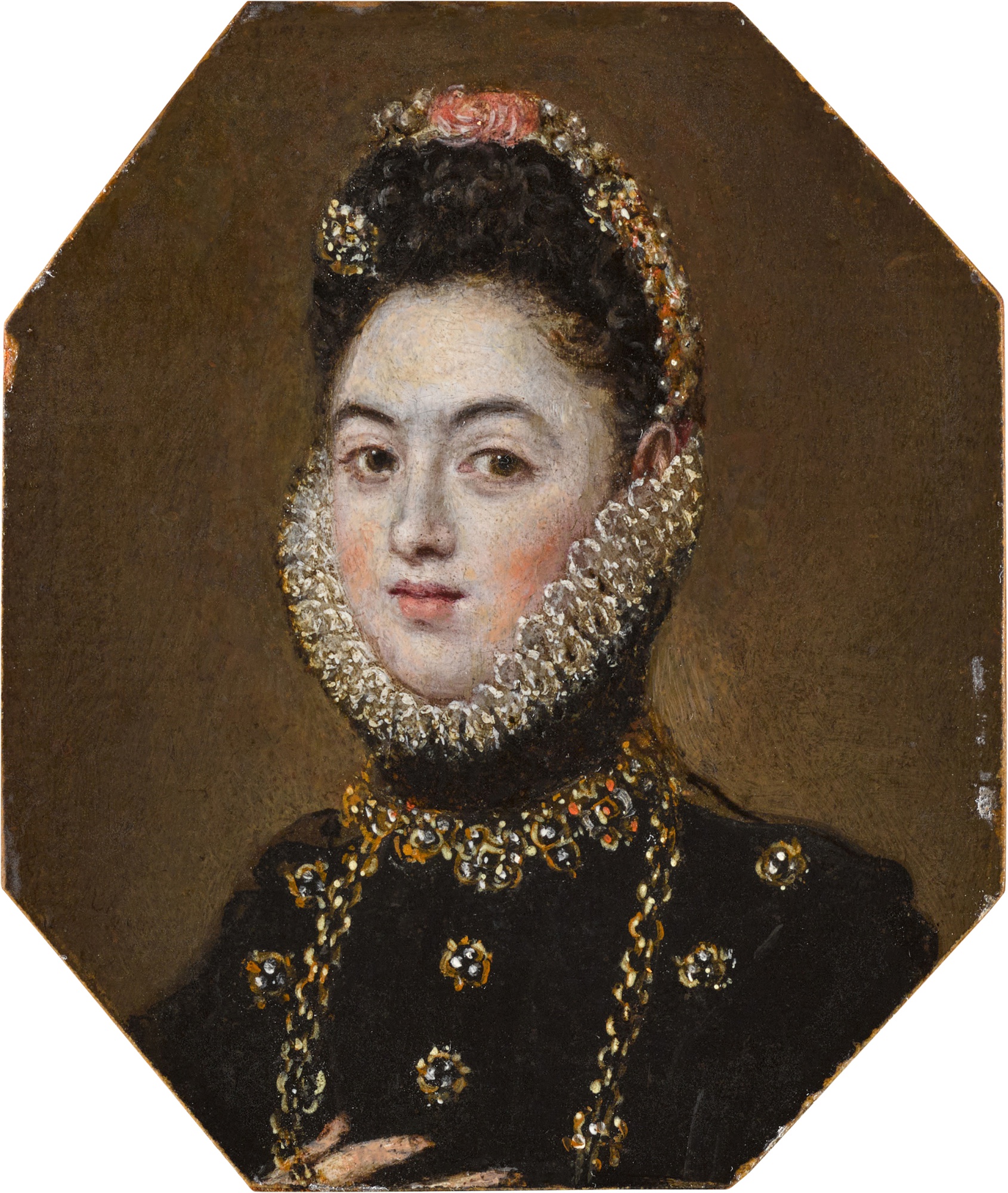
The portrait tradition, in particular, relied on small card supports for preliminary likenesses. The work attributed to Alonso Sánchez Coello in The Collection sits within this lineage, connecting to the Spanish court tradition of intimate portraiture where the support itself carried a kind of privileged discretion. By the nineteenth century, the practice had evolved considerably. The rise of plein air painting and the broader Impressionist impulse toward speed and spontaneity made card an increasingly attractive ground.
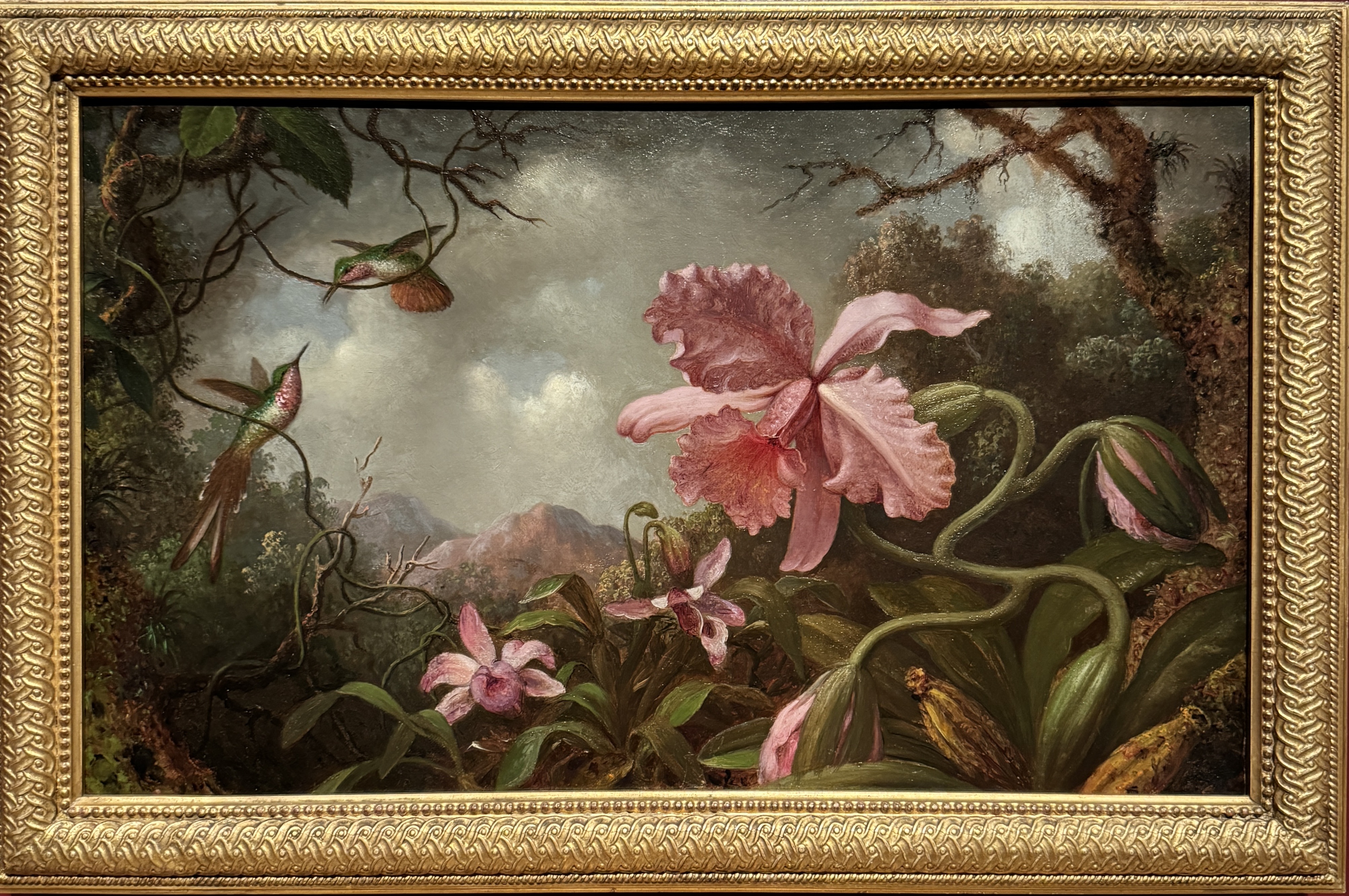
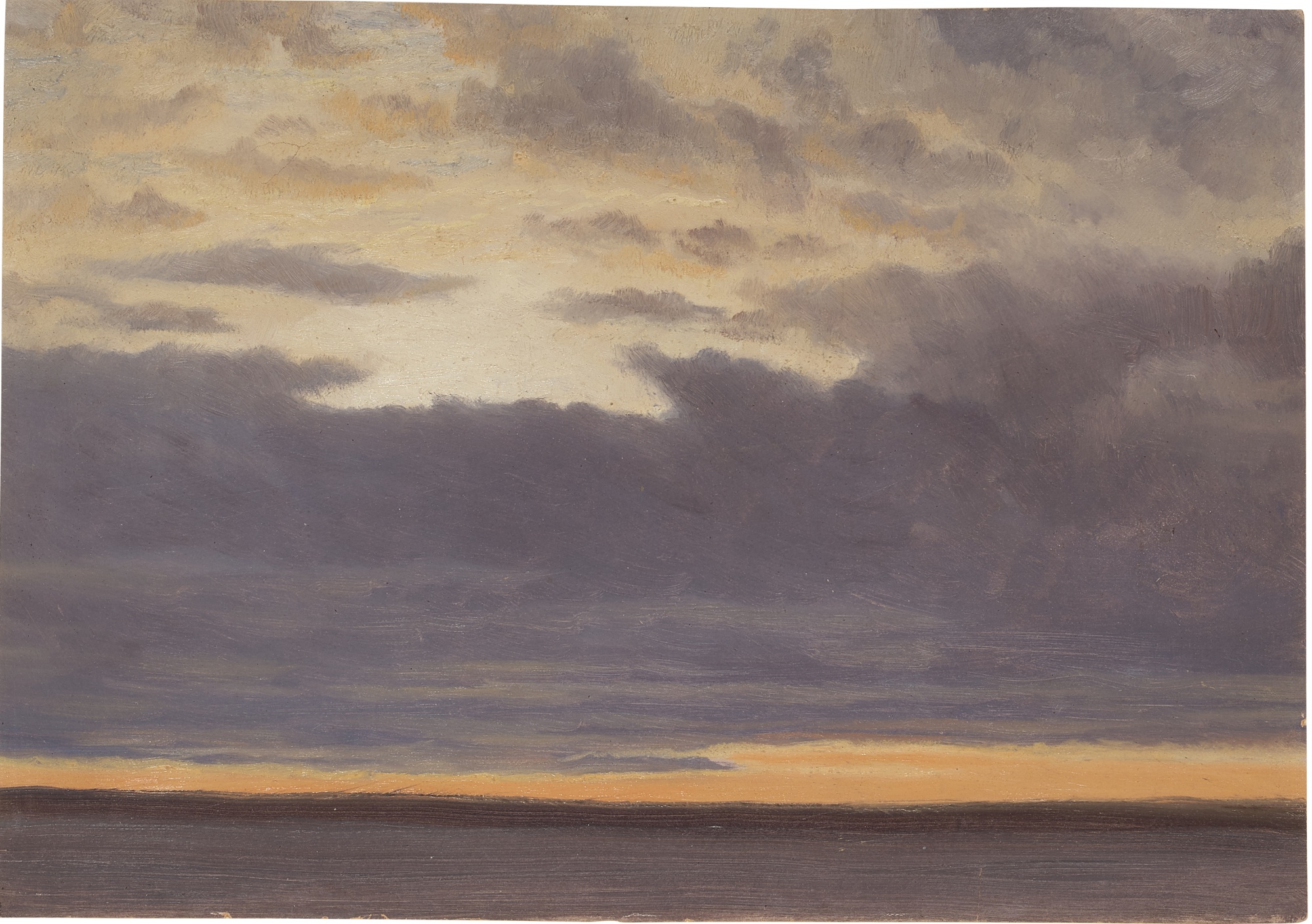
Its slight absorbency pulls paint differently than canvas, creating a particular quality of mark that many artists came to prefer for its directness. John Atkinson Grimshaw, whose atmospheric nocturnes made him one of the most beloved painters of Victorian England, understood the particular drama that a dark card ground could lend to painted light. The oil sits differently on card, richer and more immediate, as if the painting has no time for second thoughts. The twentieth century transformed oil on card from a practical expedient into a statement of intent.
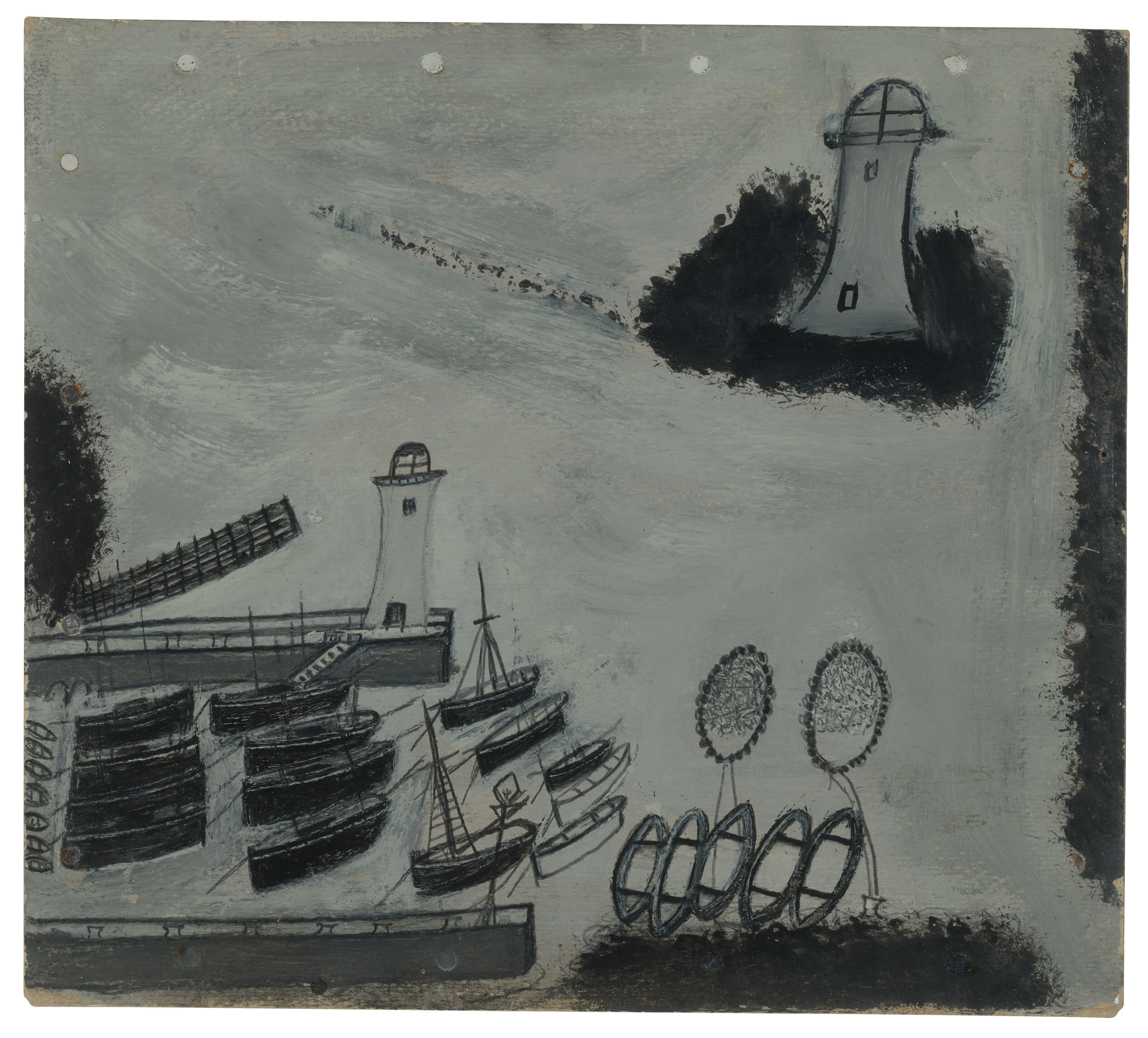
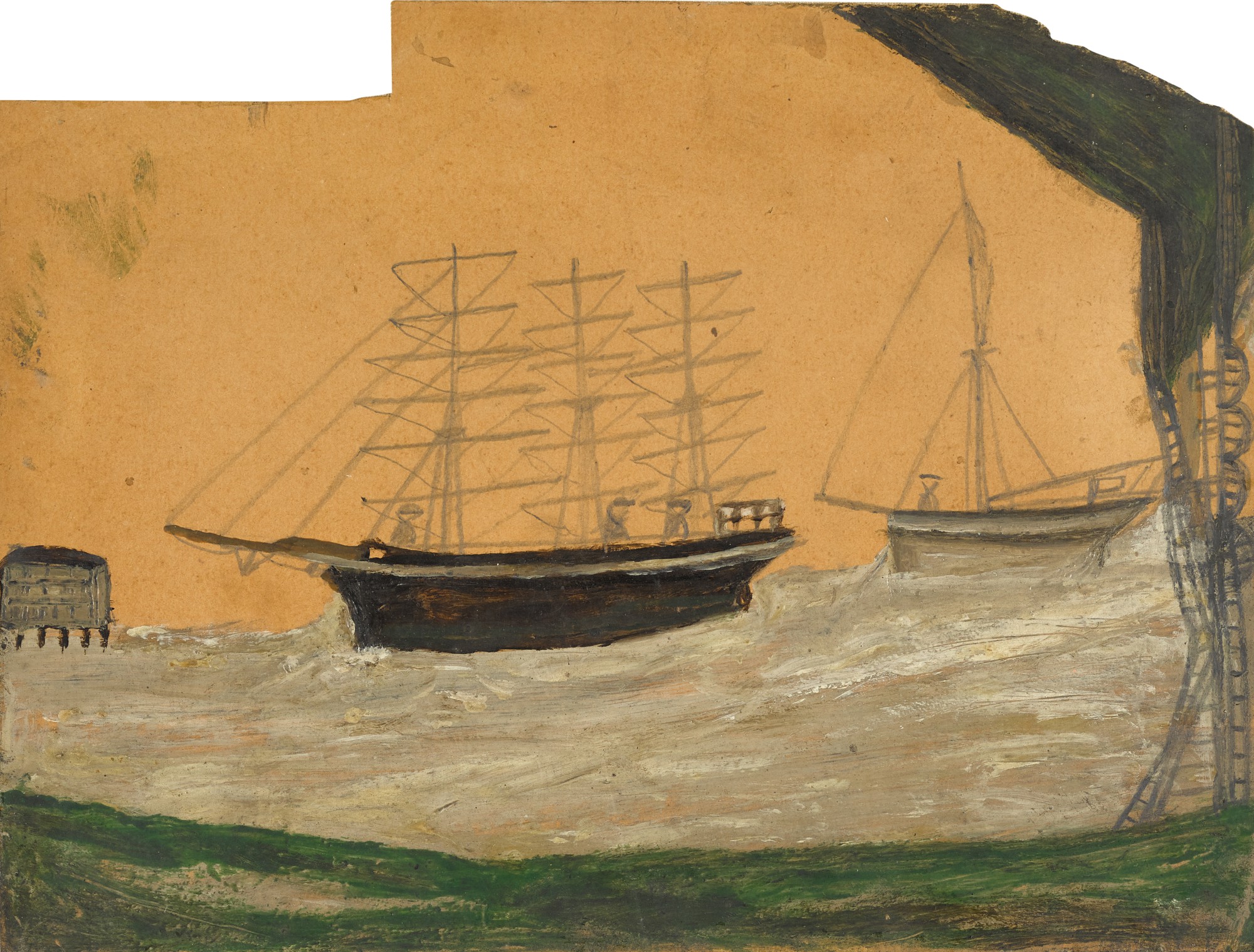
Alfred Wallis
St Ives Harbour
Alfred Wallis, the Cornish fisherman who took up painting in his seventies after the death of his wife, became one of the most celebrated outsider artists in British history precisely because of his use of found card and board. He painted on cardboard boxes, on scraps of whatever he could find, cutting the support to follow the shape of his subject rather than confining his vision to a predetermined rectangle. When Ben Nicholson and Christopher Wood encountered his work in St Ives in 1928, they recognized in his crude supports not a limitation but a liberation. The material poverty of card had produced a visual freedom that their own academic training had made difficult to access.
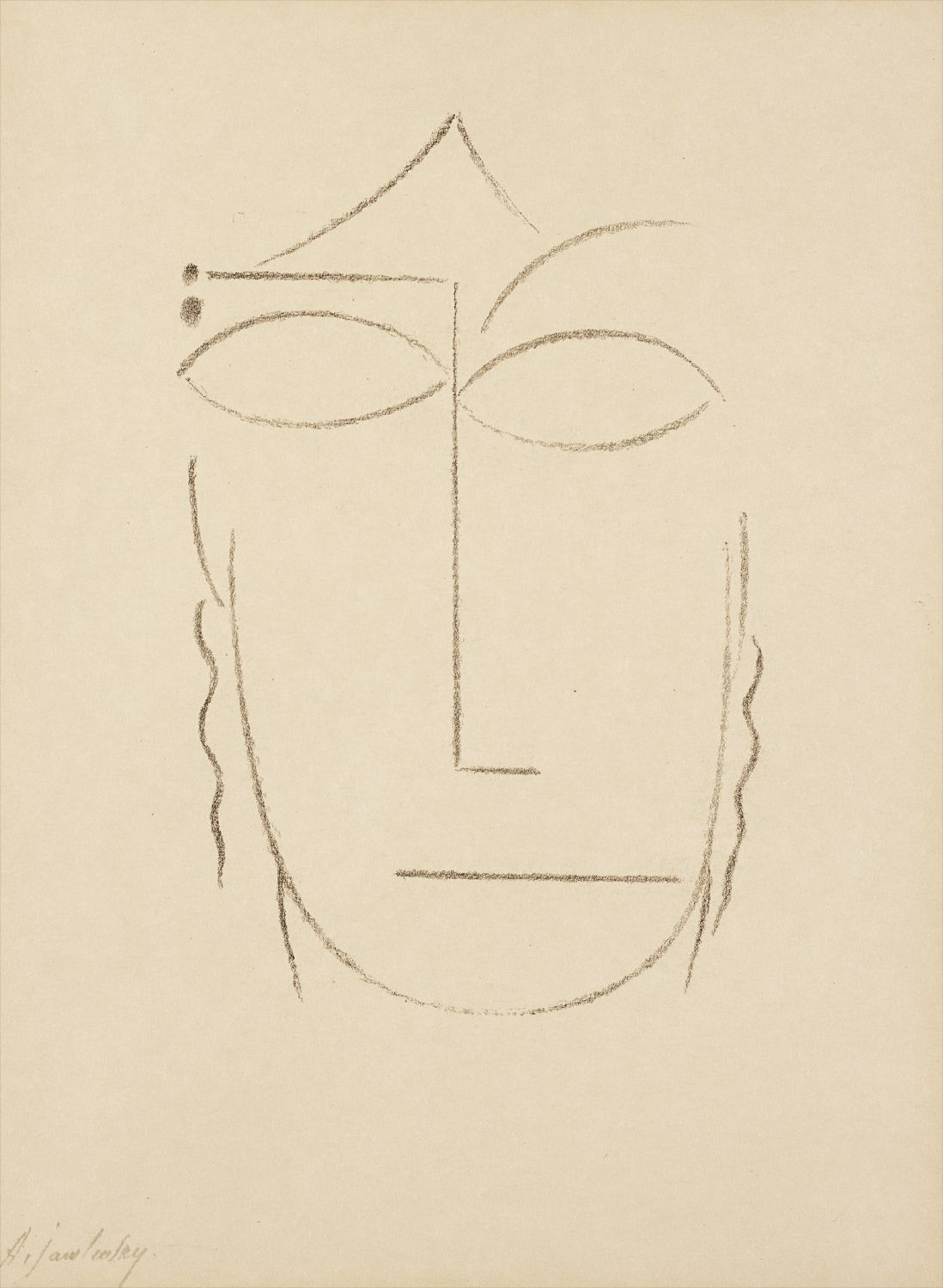
Alexej Jawlensky, working in the German Expressionist orbit, brought an entirely different sensibility to small scale oil works. His Meditation series, begun in the 1930s when illness had severely limited the range of motion in his hands, represents one of the most moving bodies of work produced on modest supports in the entire modern canon. The constraint of the support became inseparable from the spiritual intensity of the image. Martha Jungwirth, whose work on The Collection demonstrates a similarly charged relationship between material and gesture, carries this legacy forward into the present with a rawness that feels both ancient and urgently contemporary.
Martha Jungwirth
Ohne Titel, 1987
Her surfaces absorb and resist paint in equal measure, making the support an active participant in the final image. What oil on card offers technically is a conversation with absorption. Unlike canvas, which holds paint at the surface, card pulls the oil from the pigment over time, producing a matte, almost chalky quality in passages where the paint is thin. Artists who understand this use it deliberately, allowing the ground to do part of the chromatic work.
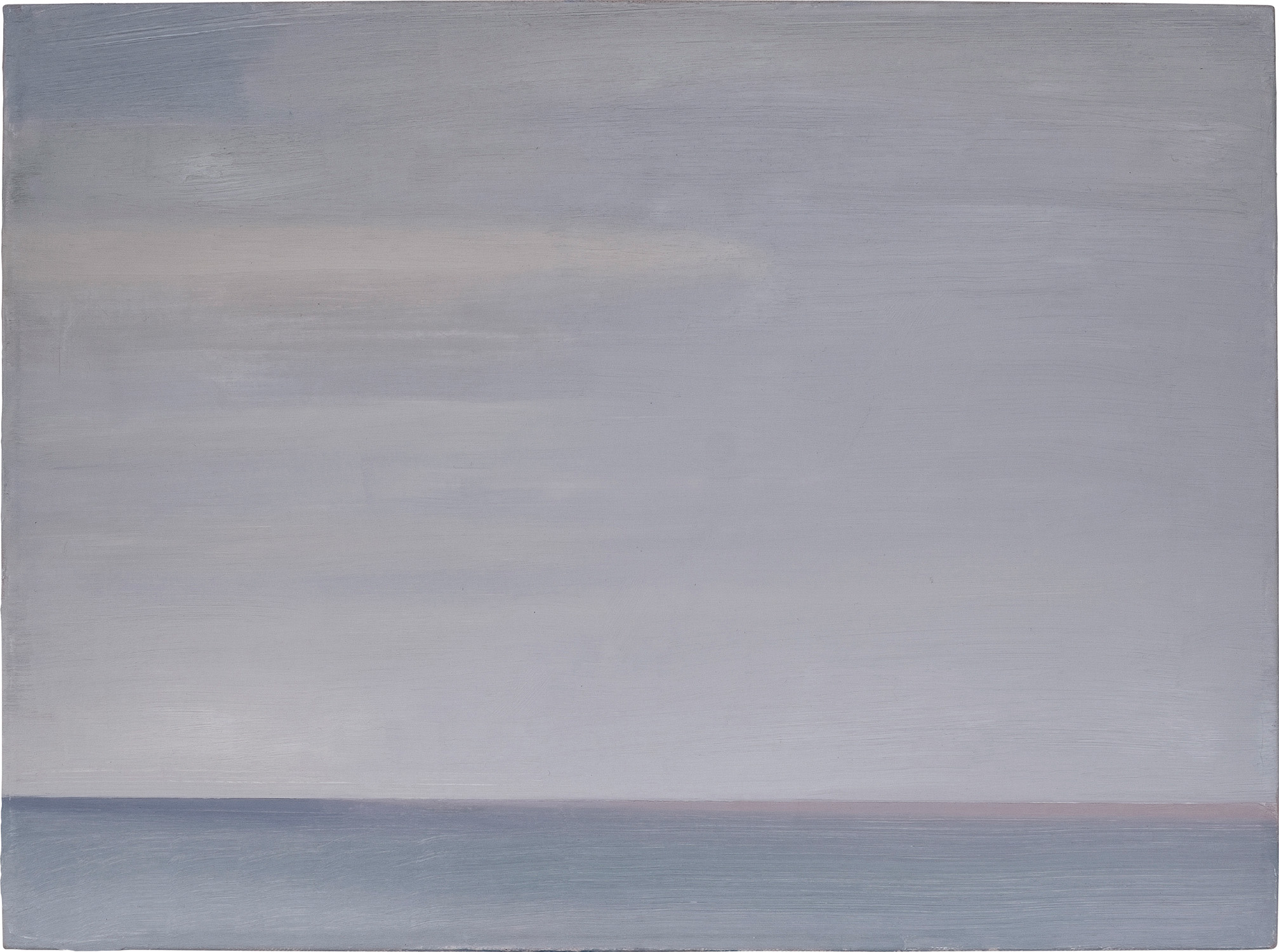
Peter Dreher, whose decades long project of painting the same glass of water demonstrated an almost philosophical commitment to repetition and attention, worked extensively on paper and card supports where the subtle degradation of oil over absorbent grounds became a kind of record of time passing. Luc Tuymans, one of the most important painters working today, has long exploited the particular pallor that card grounds lend to oil paint, using it to achieve the washed out, slightly nauseating quality that makes his work so psychologically insistent. The cultural significance of oil on card is bound up with questions of value, permanence, and what we think painting is for. There is a democratic undercurrent to the tradition.
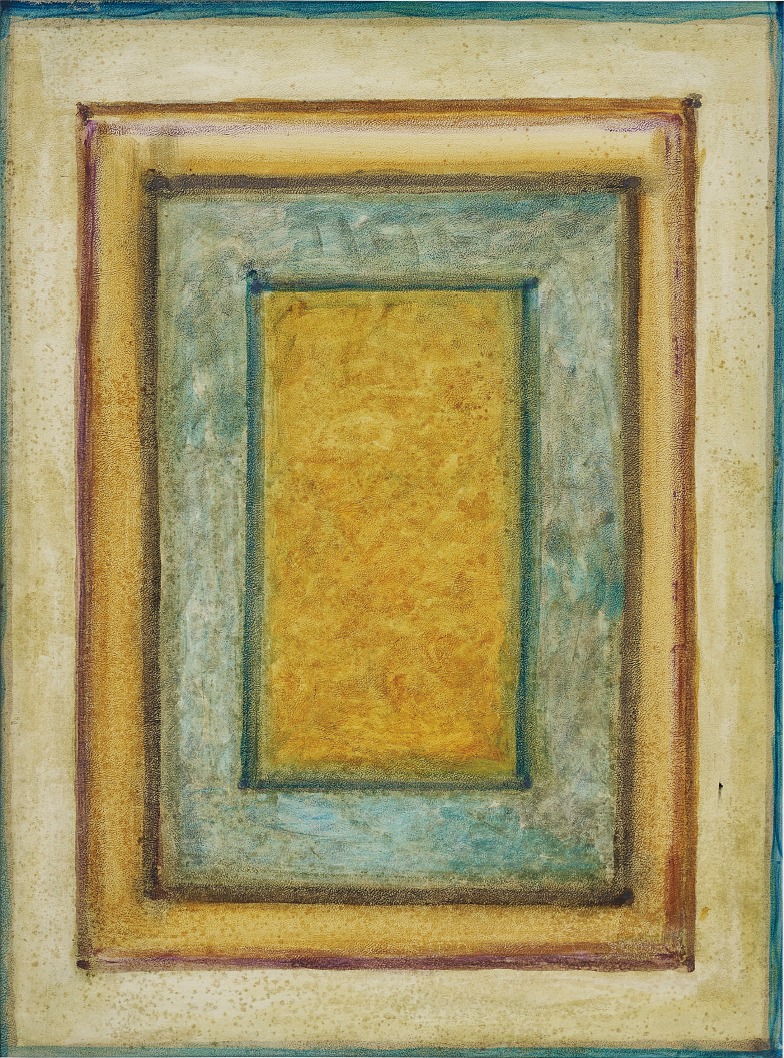
Masaaki Yamada
Work B.p, 165, 1957
Masaaki Yamada in Japan and Mohsen Vaziri Moghaddam in Iran both brought modernist concerns to modest supports in ways that complicated Western assumptions about where serious painting happens. Frank Walter, the Antiguan artist whose extraordinary range of works on found supports went largely unrecognized during his lifetime, used card and board to build a private universe of image making that only became visible to the broader art world decades after his most productive years. The support he chose was not separate from his marginalization. It was a mirror of it, and now it is part of what makes his work so charged.
Gerhard Richter, who has arguably done more than any other living artist to interrogate what painting means in the age of photography and digital reproduction, has returned repeatedly to small works on card and paper throughout his career. These works function as a kind of thinking out loud, a space where the implications of his larger project can be tested without the weight of institutional expectation. Ivan Aivazovsky, working in an entirely different historical moment and pictorial tradition, produced studies on card that show how the seascape master roughed out his epic marine compositions, the card bearing the trace of a hand working faster than the finished canvas would ever allow. For collectors, oil on card occupies a peculiar and rewarding position.
It is often where an artist is most themselves, least performed, least addressed to posterity. The works gathered on The Collection under this category span centuries and continents, connecting court painters to outsider artists, European modernists to artists whose relationship to Western traditions was always complicated and generative. What unites them is the particular quality of attention that a modest support seems to demand, and reward. Card does not flatter.
It does not pretend. It simply receives, and in that reception, something essential about the artist is preserved.