Offset Print
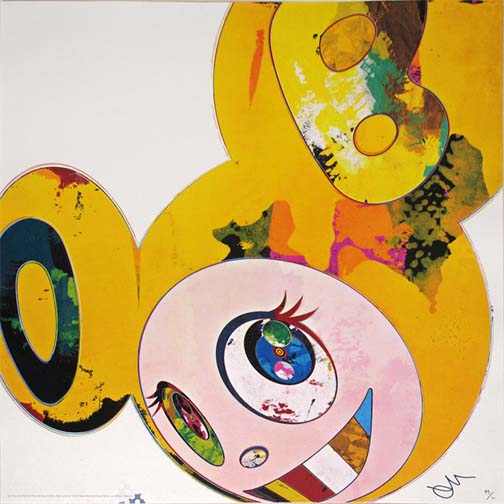
Takashi Murakami
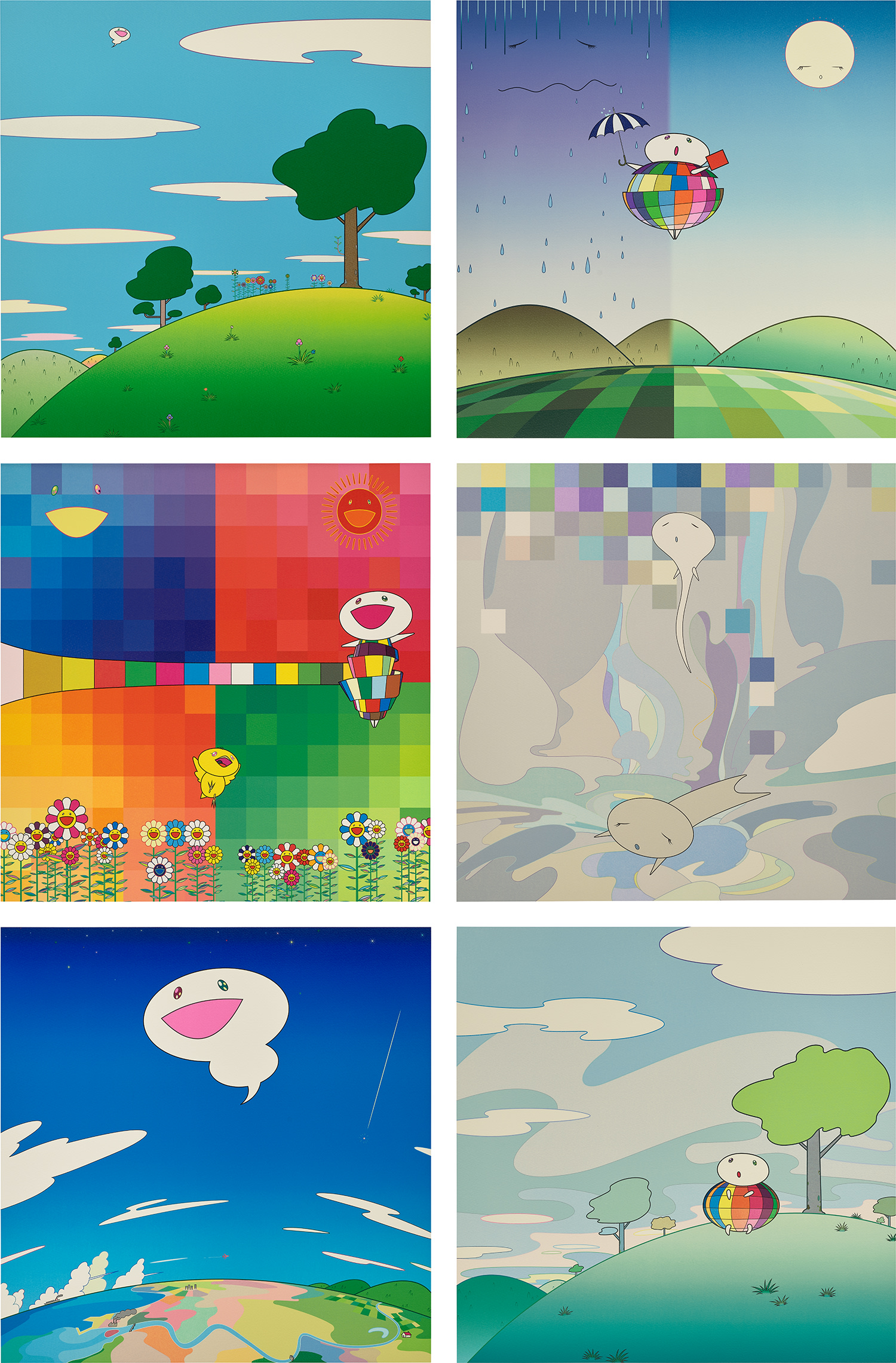
And Then X5 Yellow Universe, 2013
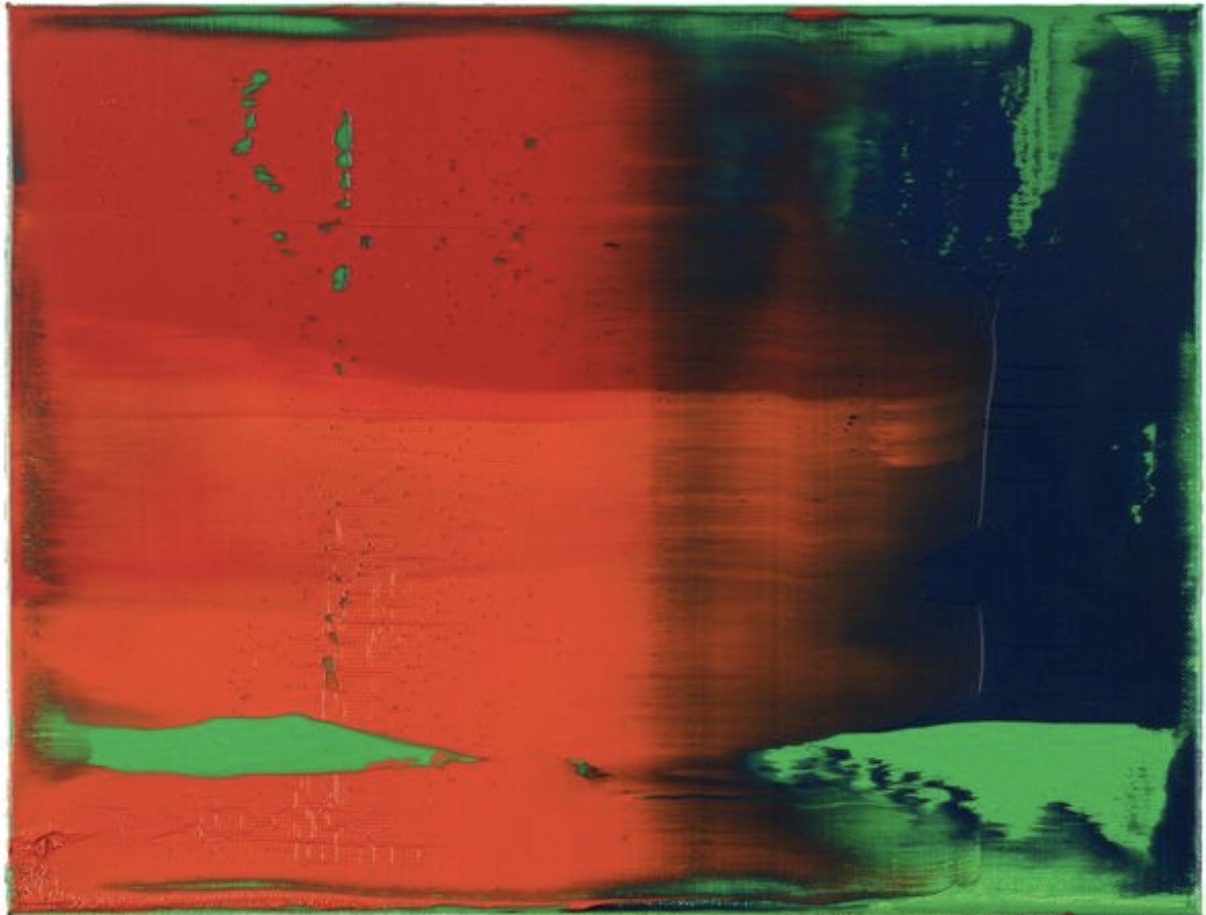





The Machine That Learned to Dream
There is something quietly radical about a print that looks almost too perfect. Offset lithography has spent the better part of a century hovering at the edge of what we consider art, dismissed by some as mere reproduction and celebrated by others as the defining visual language of modern life. The truth, as always, is more interesting than either position suggests. Offset print is not simply a technique.
It is a way of thinking about images, multiples, and the complicated space between the original and the copy. The technology itself emerged in the early twentieth century from the commercial printing industry, a refinement of the lithographic process that Alois Senefelder had invented around 1796. Offset printing introduced an intermediary roller, transferring ink from a plate to a rubber blanket and then onto the final surface. This indirect transfer gave the process its name and its characteristic quality: a slightly soft, silky finish that sits differently on the eye than the sharp bite of etching or the rich velvet of screen print.

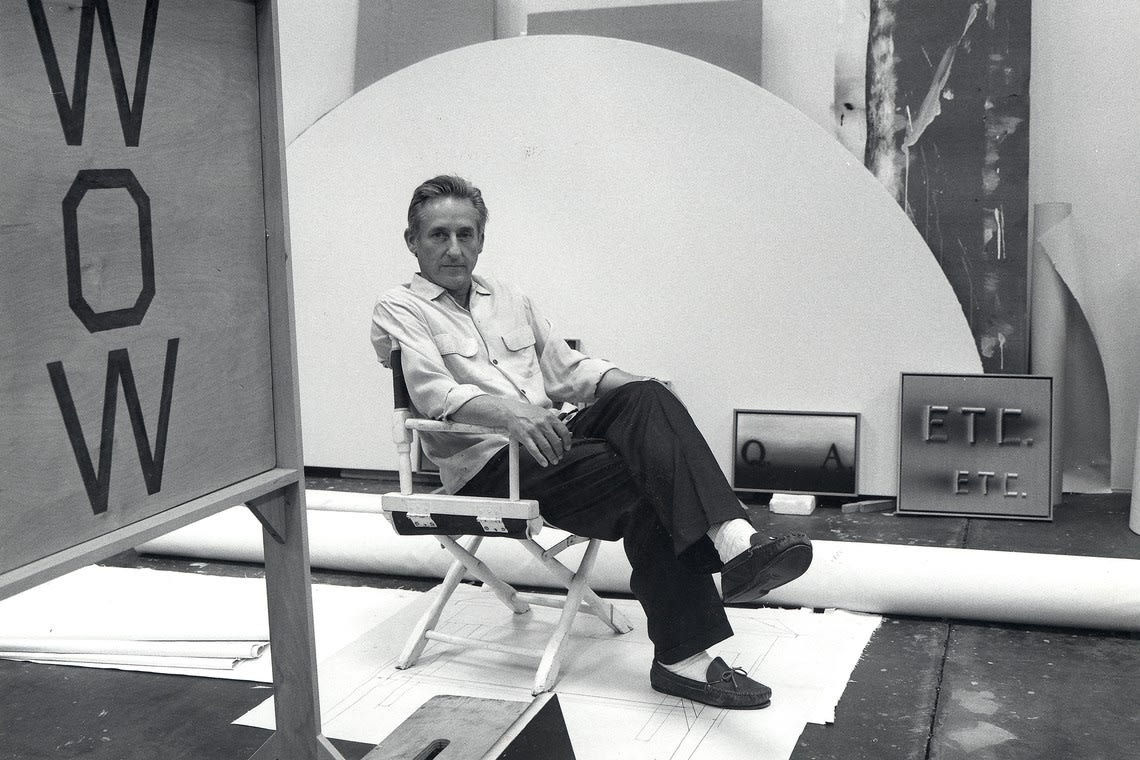
Roy Lichtenstein
Sunrise (C. II.7)
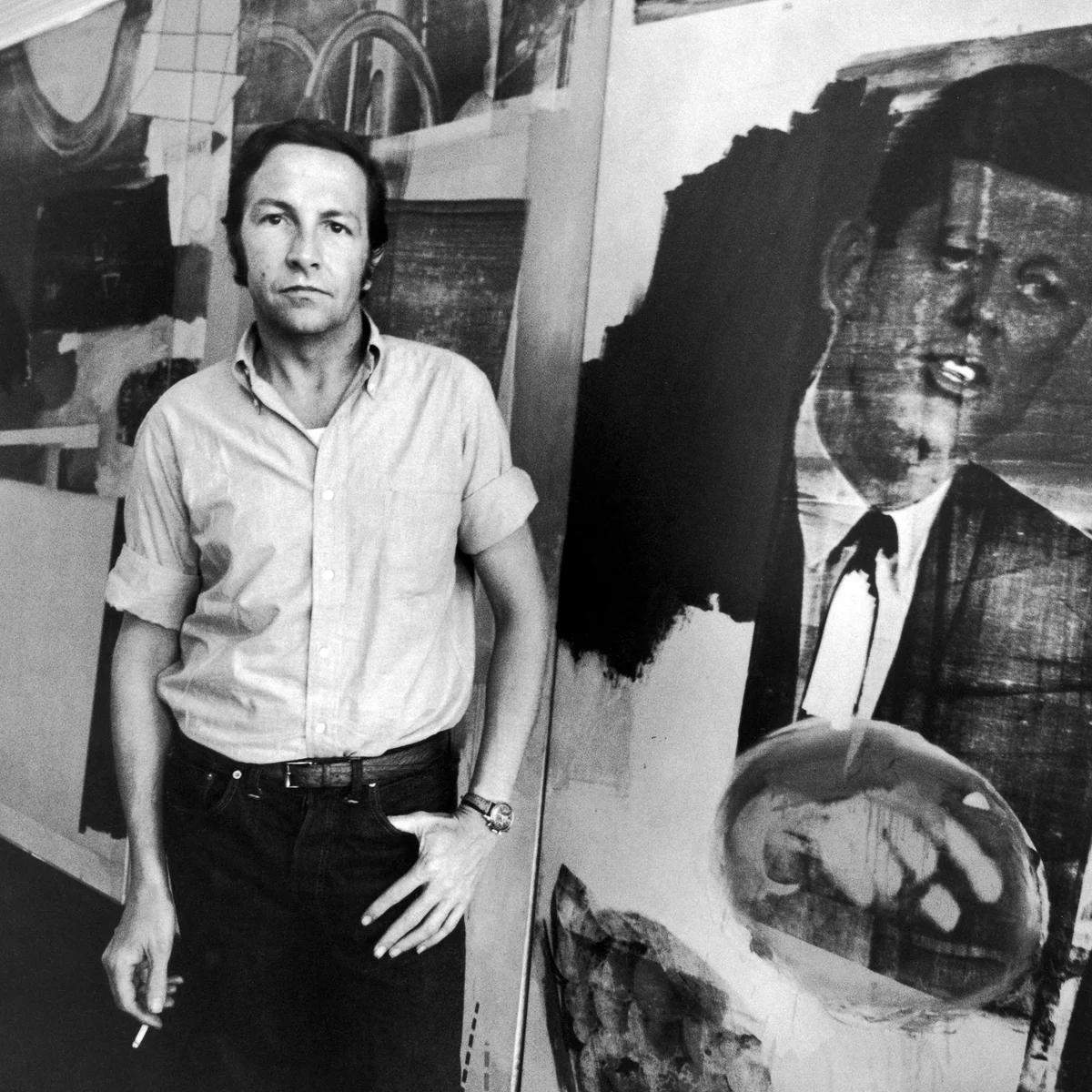
By the 1950s, offset lithography had become the backbone of magazine and advertising production across Europe and North America, which meant that for an entire generation of artists it was the visual texture of everyday life. That cultural saturation was not lost on the Pop artists. When Roy Lichtenstein began appropriating the visual grammar of comics and commercial illustration in the early 1960s, he was mining an aesthetic that offset printing had made universal. His paintings famously mimicked the Ben Day dot, the mechanical screened pattern used in cheap offset reproduction, and in doing so asked pointed questions about originality, desire, and the seduction of the mass produced image.
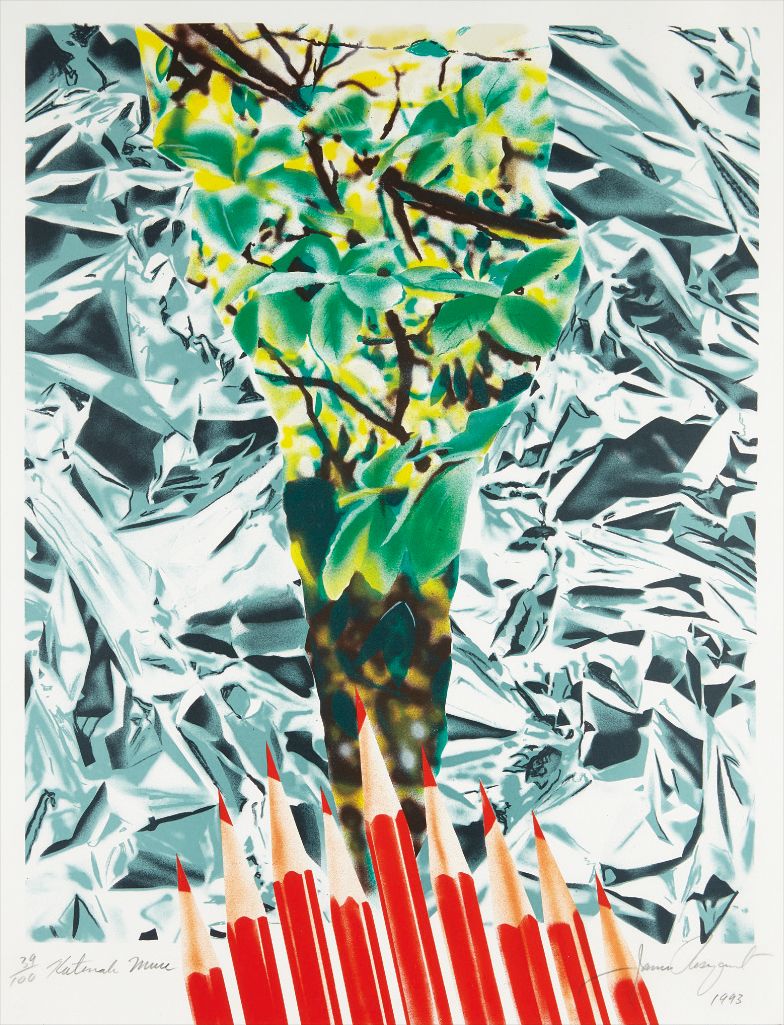
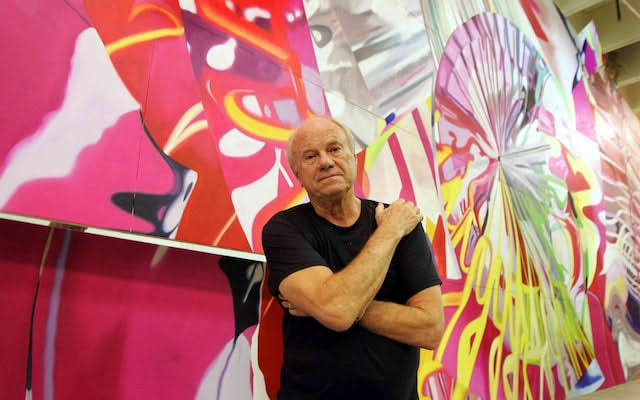
James Rosenquist arrived at similar territory from a different direction, having worked as a billboard painter and bringing to his canvases the monumental, cropped scale of commercial offset imagery. These were artists who understood printing not as a craft aside from their practice but as a conceptual lens. The American context was only part of the story. In Europe, artists were equally fascinated by what the offset press could mean.
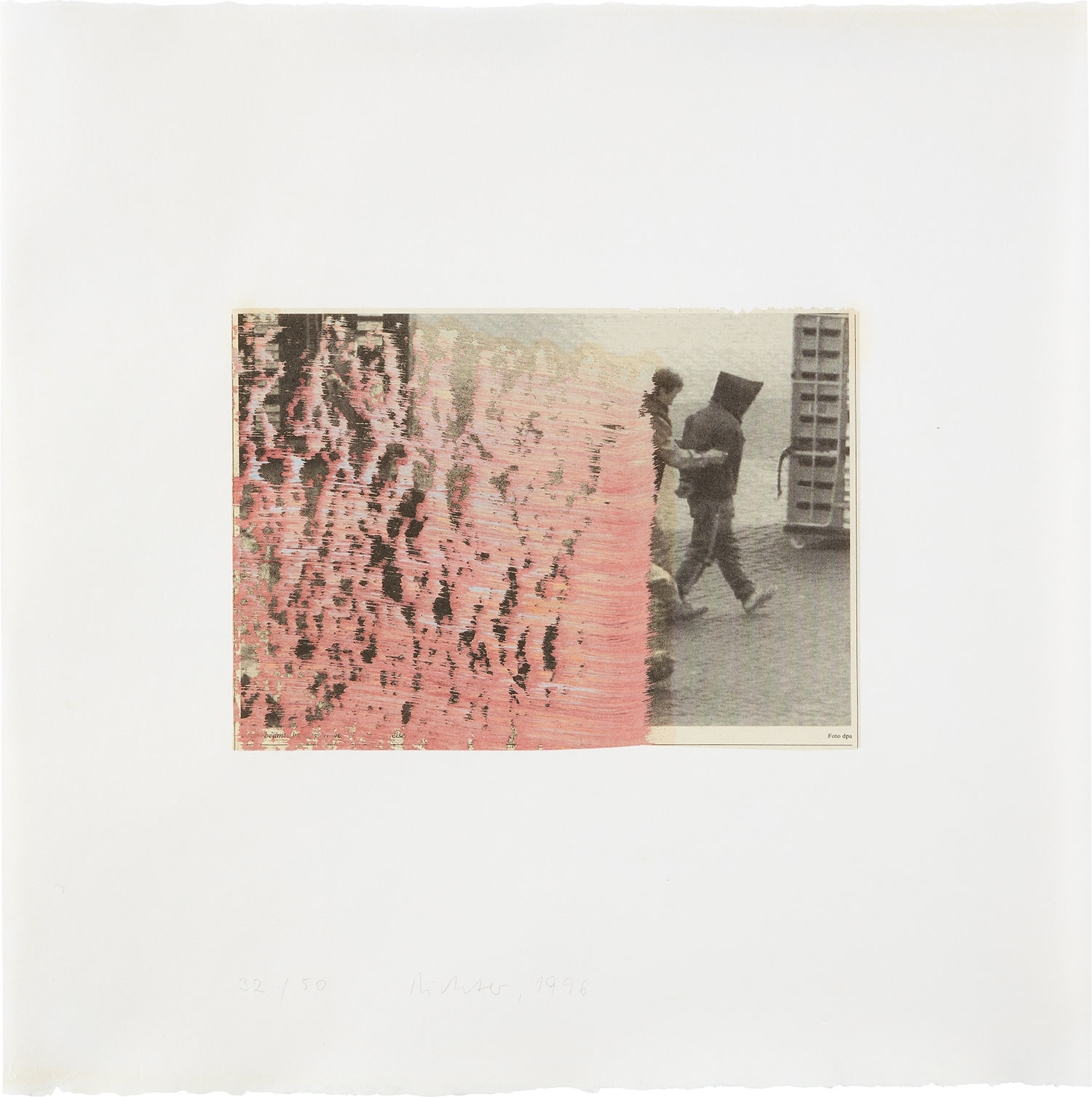
Gerhard Richter
Hood (B. 88)
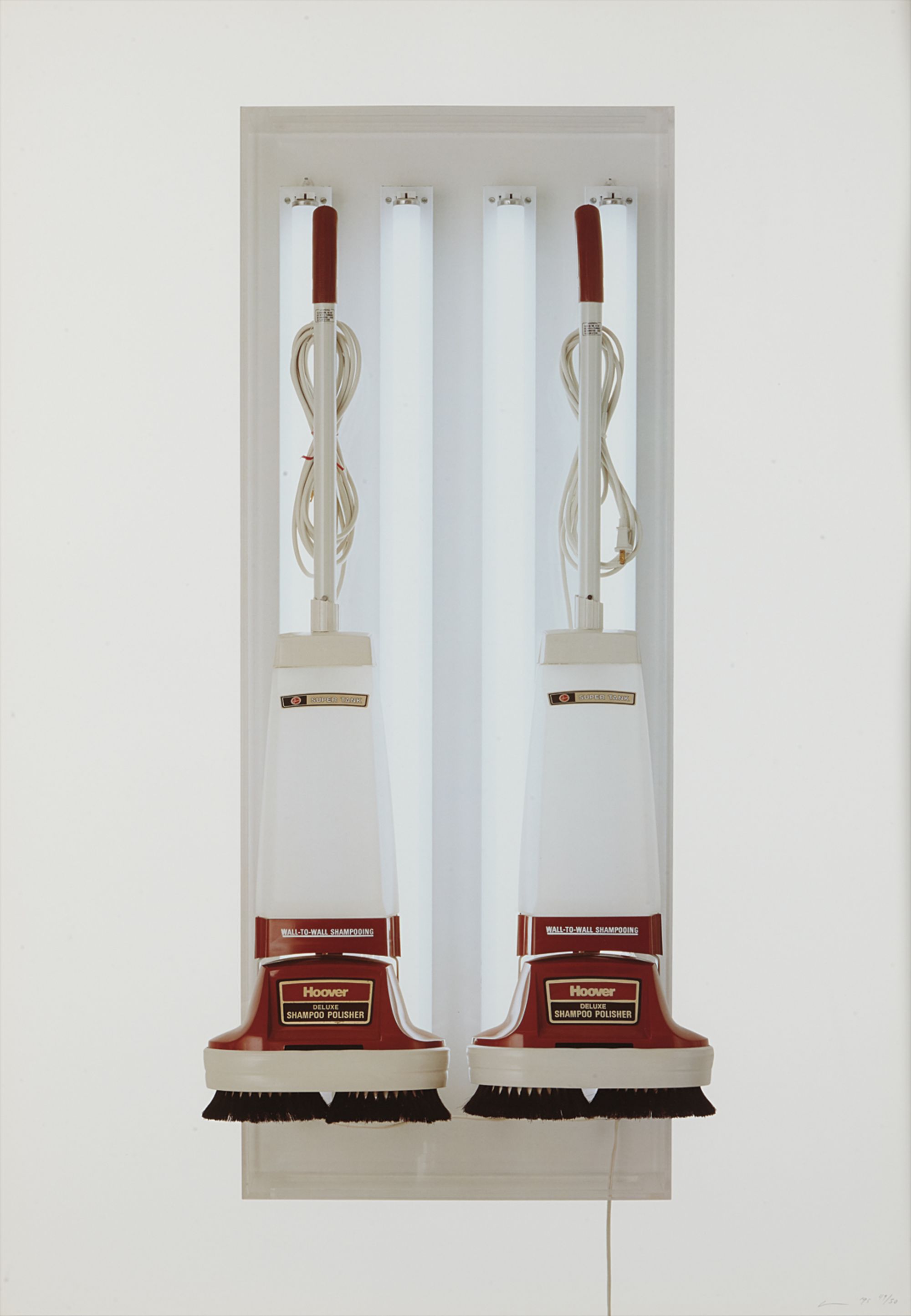
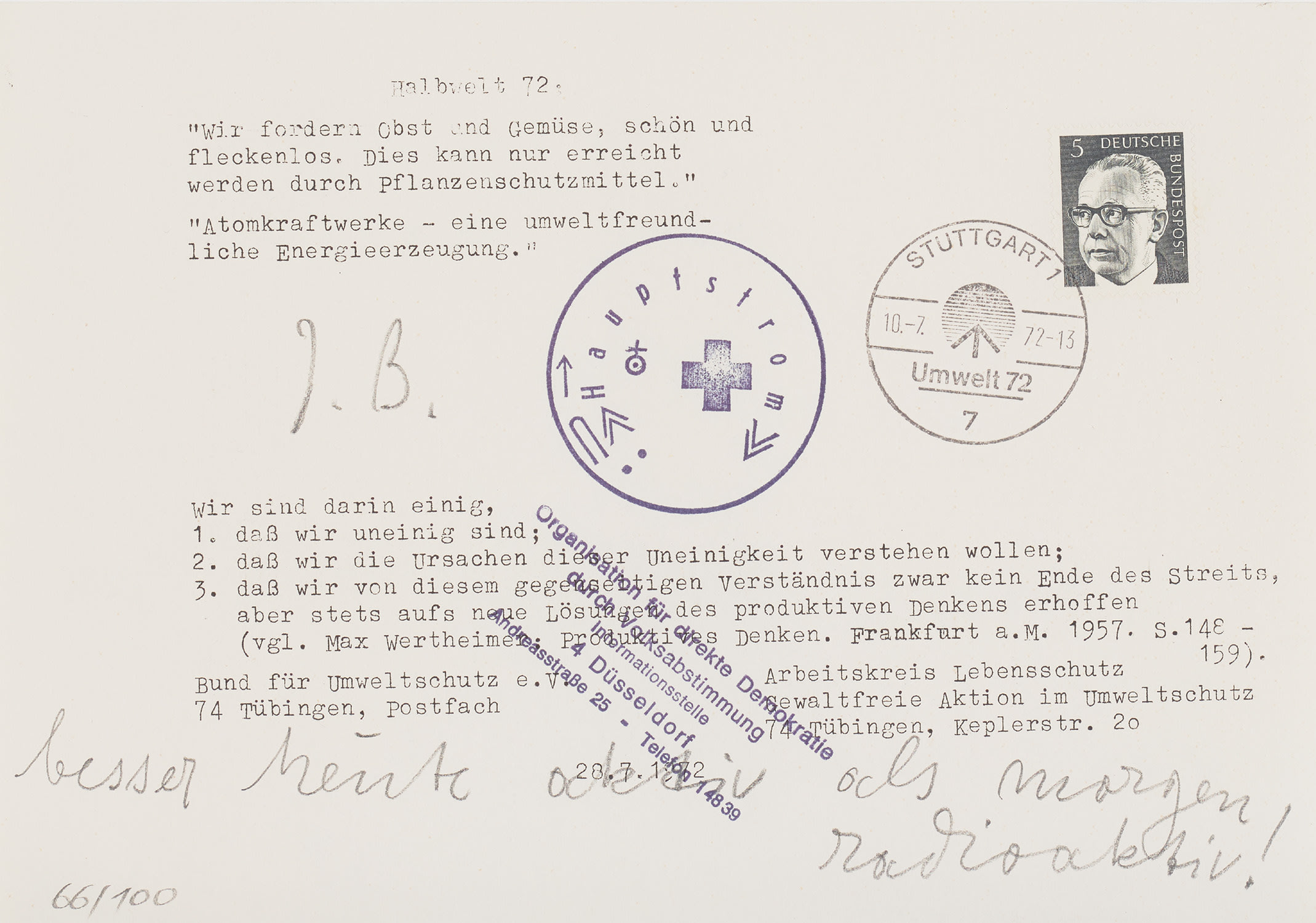
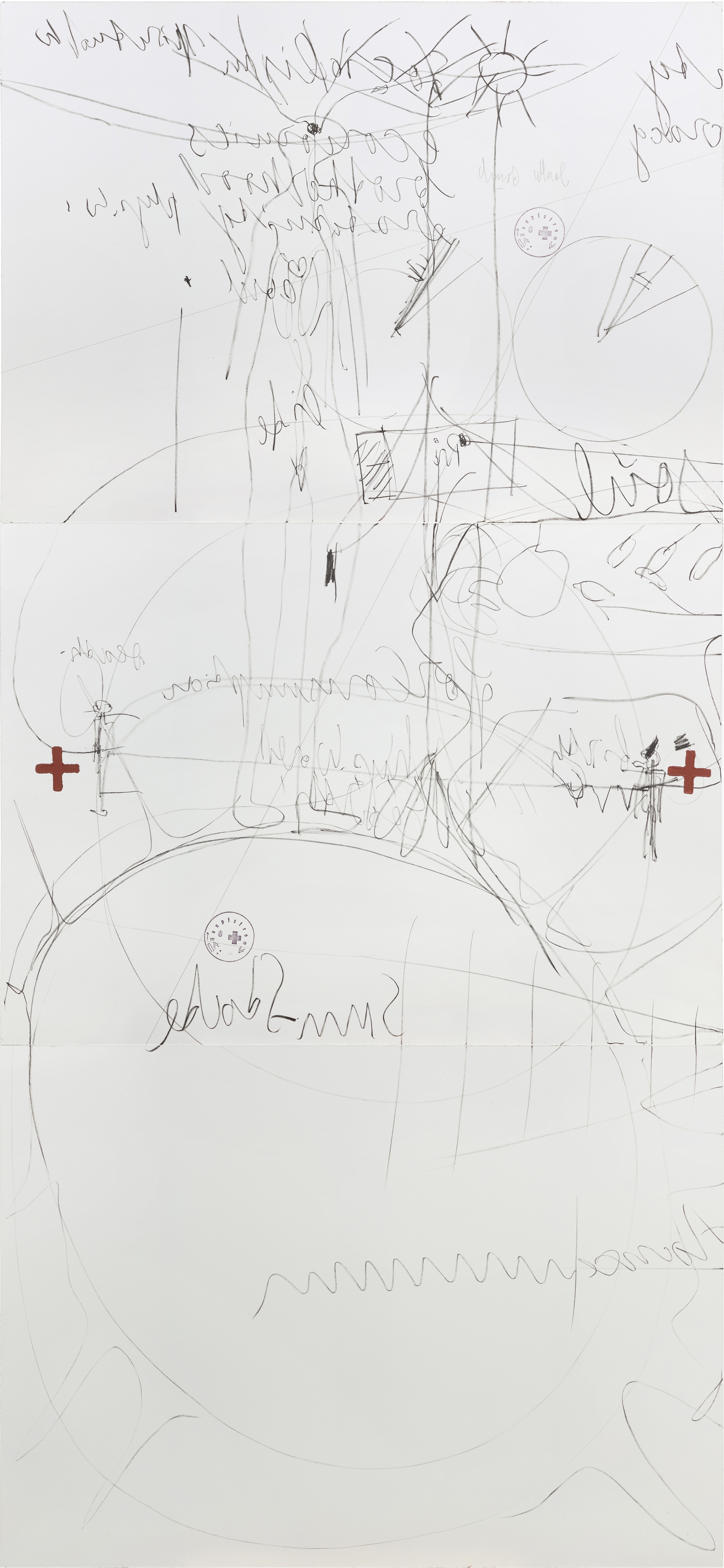
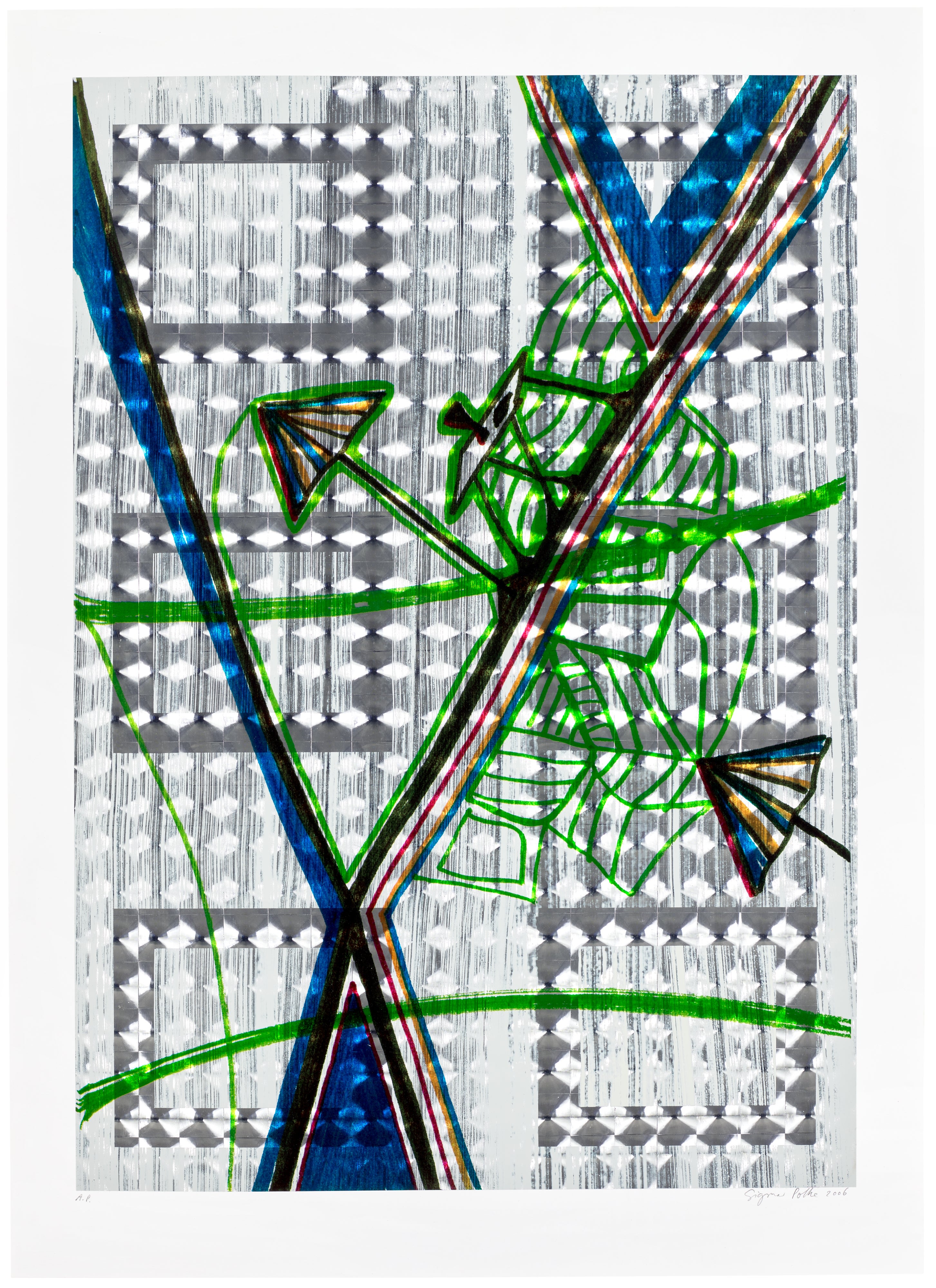
Sigmar Polke worked with photographic offset screening in ways that made visible the degradation and translation inherent in mechanical reproduction, turning noise into meaning. Gerhard Richter, whose engagement with photography and print runs through decades of practice, used offset derived processes to interrogate how images move through the world and what is lost or gained in that passage. The German art scene of the 1960s and 1970s was particularly alive to these questions, shaped by a culture still negotiating its own history of propaganda imagery and mass communication. Joseph Beuys used printed matter, including offset editions, as part of his broader project of art as social sculpture, distributing ideas through multiples that could reach beyond the gallery wall.
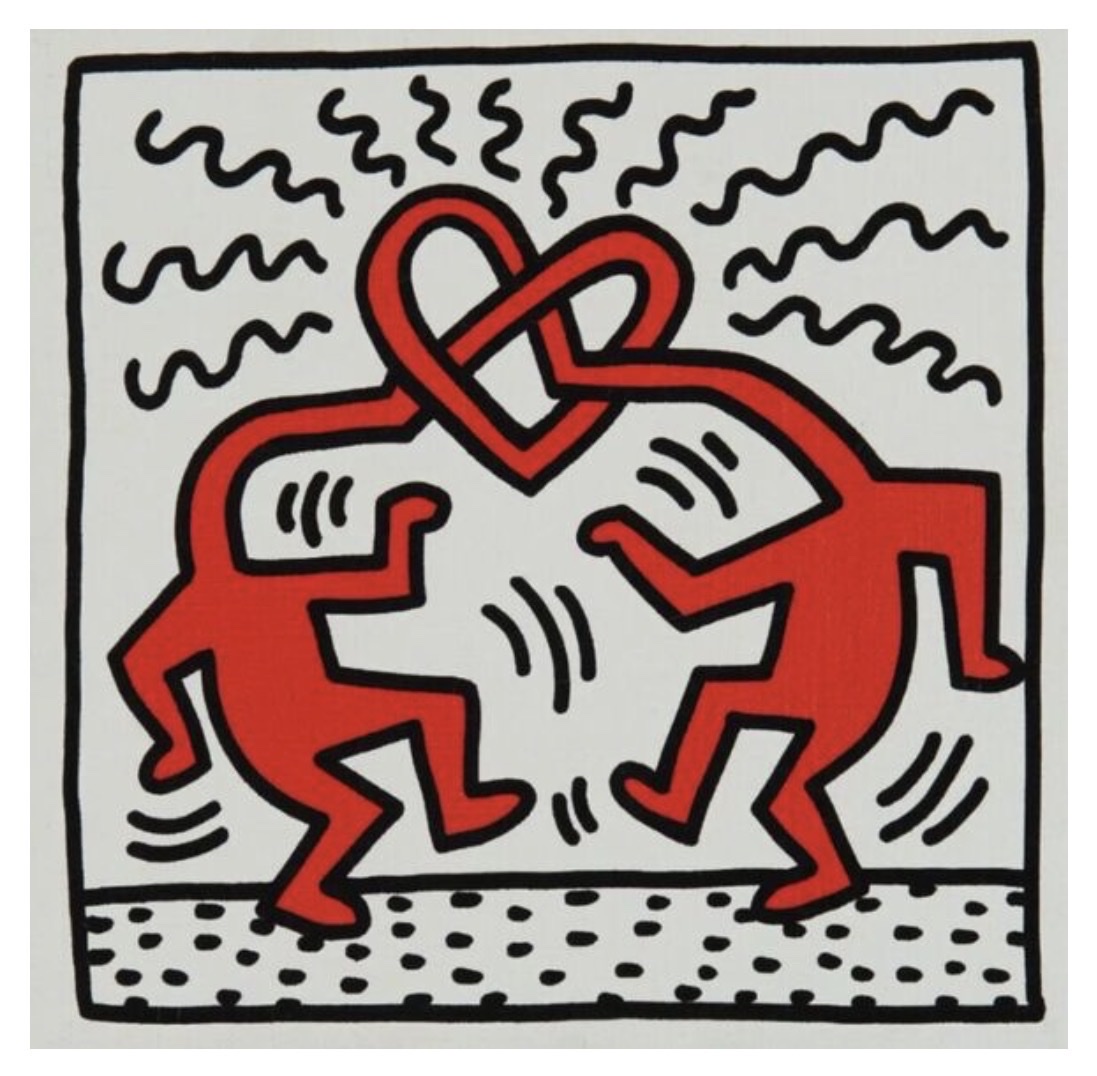
What makes offset print philosophically compelling is precisely its relationship to multiplicity. Unlike a painting, an offset print exists in editions, sometimes small and controlled, sometimes vast and deliberately open. Felix González Torres worked with the idea of the unlimited edition in ways that turned this quality into an ethical and emotional statement, producing stacks of offset printed sheets that visitors were invited to take, replenish, and carry into the world. The work lived through its dispersal.
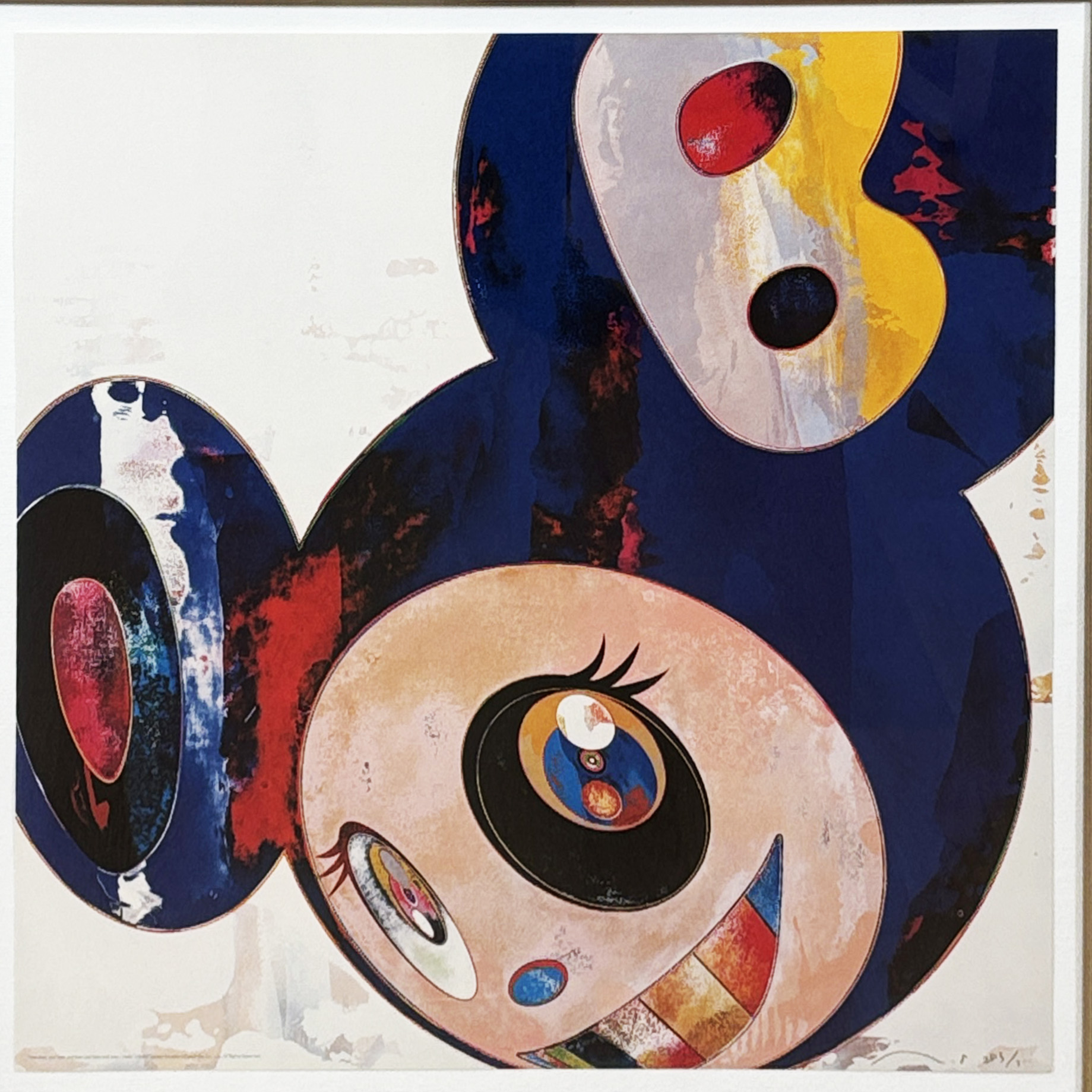
Takashi Murakami
And then, and then and then and then / Hello, 2006
For González Torres, the offset multiple was not a compromise of the singular but a form of generosity, a way of refusing the exclusivity that the art market usually demands of objects. Takashi Murakami, whose practice bridges fine art and commercial production with unusual fluency, has used offset printing extensively as part of a deliberately boundary dissolving strategy. His engagement with the Superflat aesthetic draws on the flat, evenly saturated surfaces that offset printing achieves naturally, and his large edition works carry the visual DNA of manga, advertising, and gallery art simultaneously. Ed Ruscha occupies a different but equally knowing position, with his artist books and prints from the 1960s onward using the matter of fact quality of offset reproduction to strip images of false romance.
His gas stations and parking lots look like they came from a commercial catalogue, which is entirely the point. The technique rewards close looking in ways that casual viewing misses. Offset printing works through a four color separation process, known as CMYK, in which cyan, magenta, yellow, and black inks are layered at precise angles to create the full range of visible color. Hold an offset print to a magnifying glass and you see the rosette pattern of overlapping dots, a tiny mechanical choreography that produces the illusion of continuous tone.
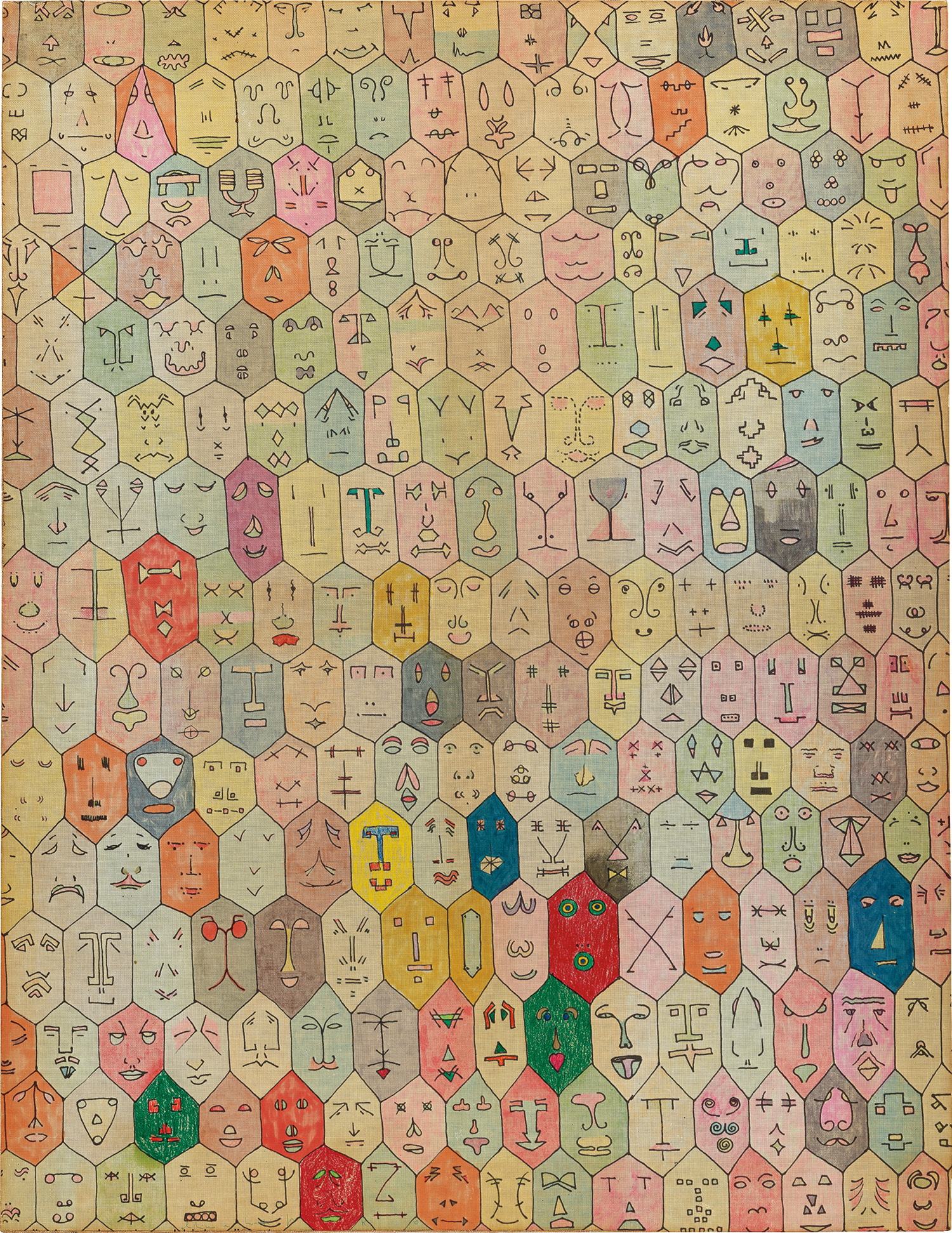
Alighiero Boetti
Faccine, 1977
Artists who understand this intimately, including those working in the tradition of Lichtenstein or Polke, can manipulate registration, dot size, and color separation to generate optical effects unavailable in any other medium. Alighiero Boetti used print editions, including offset works, as extensions of his interest in systematic process and the collaboration between human intention and mechanical chance. Today, offset print sits in an interesting position in the collecting world. Digital printing has taken over much of what offset once did commercially, which paradoxically has given offset editions a new kind of cultural weight.
A work printed by hand setup on an offset press carries craft knowledge and process in a way that an inkjet reproduction, however technically sophisticated, does not. Artists like David Hockney, who has been restlessly curious about image making technologies throughout his career, and younger painters such as Charlotte Keates and Claire Tabouret, who have moved into print as an extension of their studio practice, are finding in offset a medium that rewards both precision and accident. The works across The Collection that fall under this category span something close to the full arc of offset printing as an artistic proposition, from its early Pop entanglements through Conceptual uses and into contemporary practice. What unites them is a shared awareness that the printed multiple is never simply a lesser version of something else.
It is its own argument about how images work, how art circulates, and what it means for a work to exist in more than one place at once. In a world saturated with digital images, that argument feels more urgent, and more interesting, than ever.