Neon Light
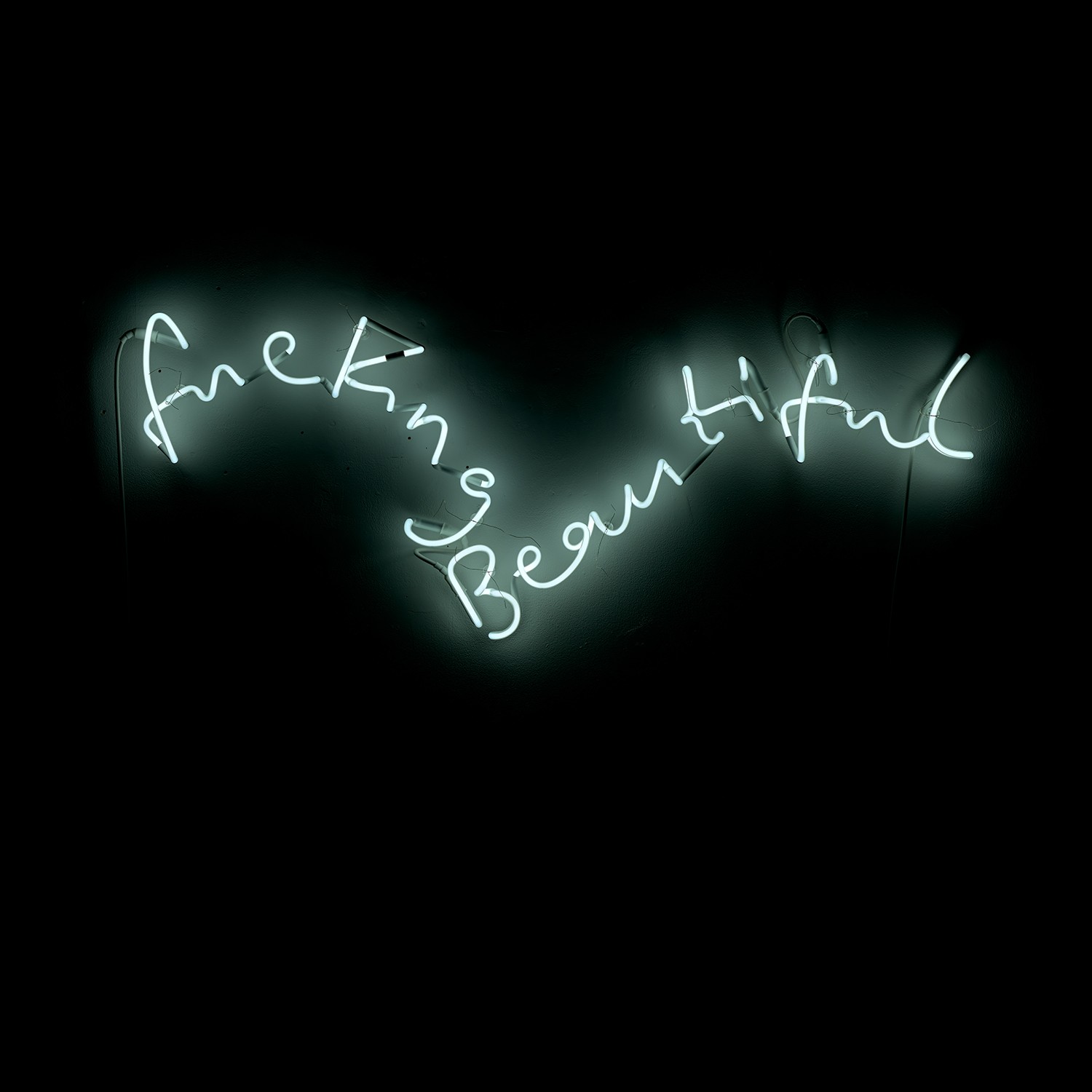
Tim Noble and Sue Webster
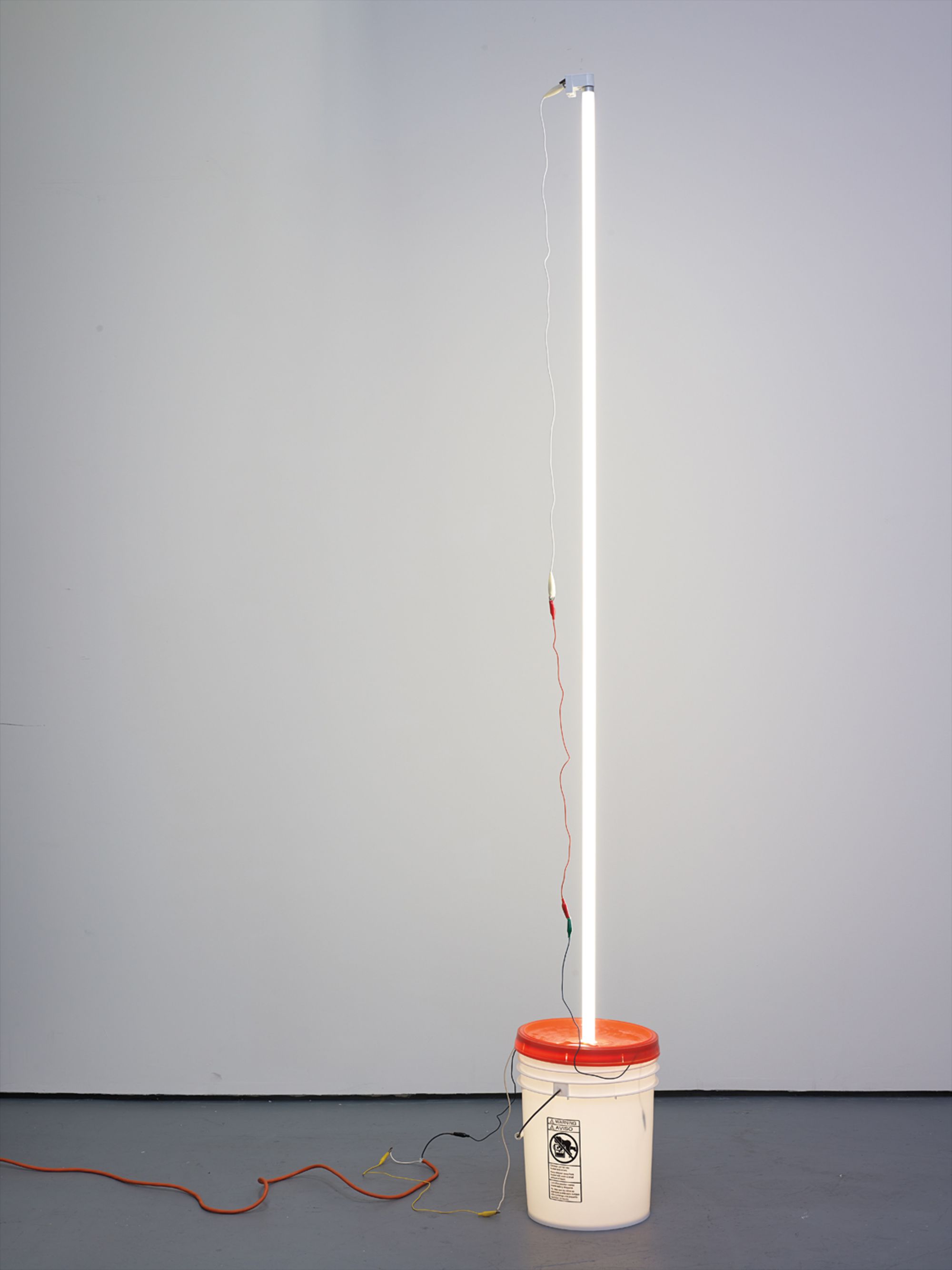
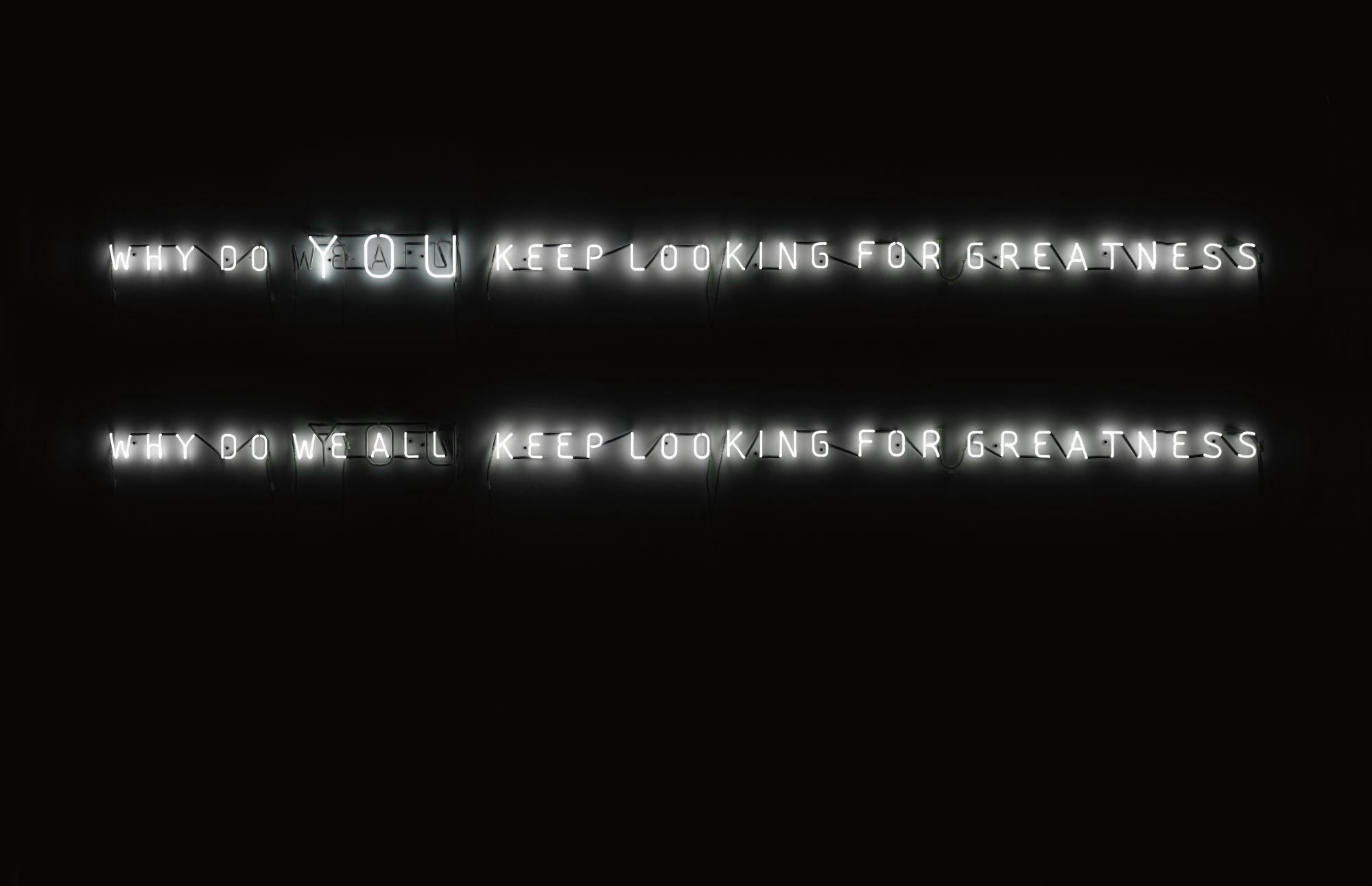
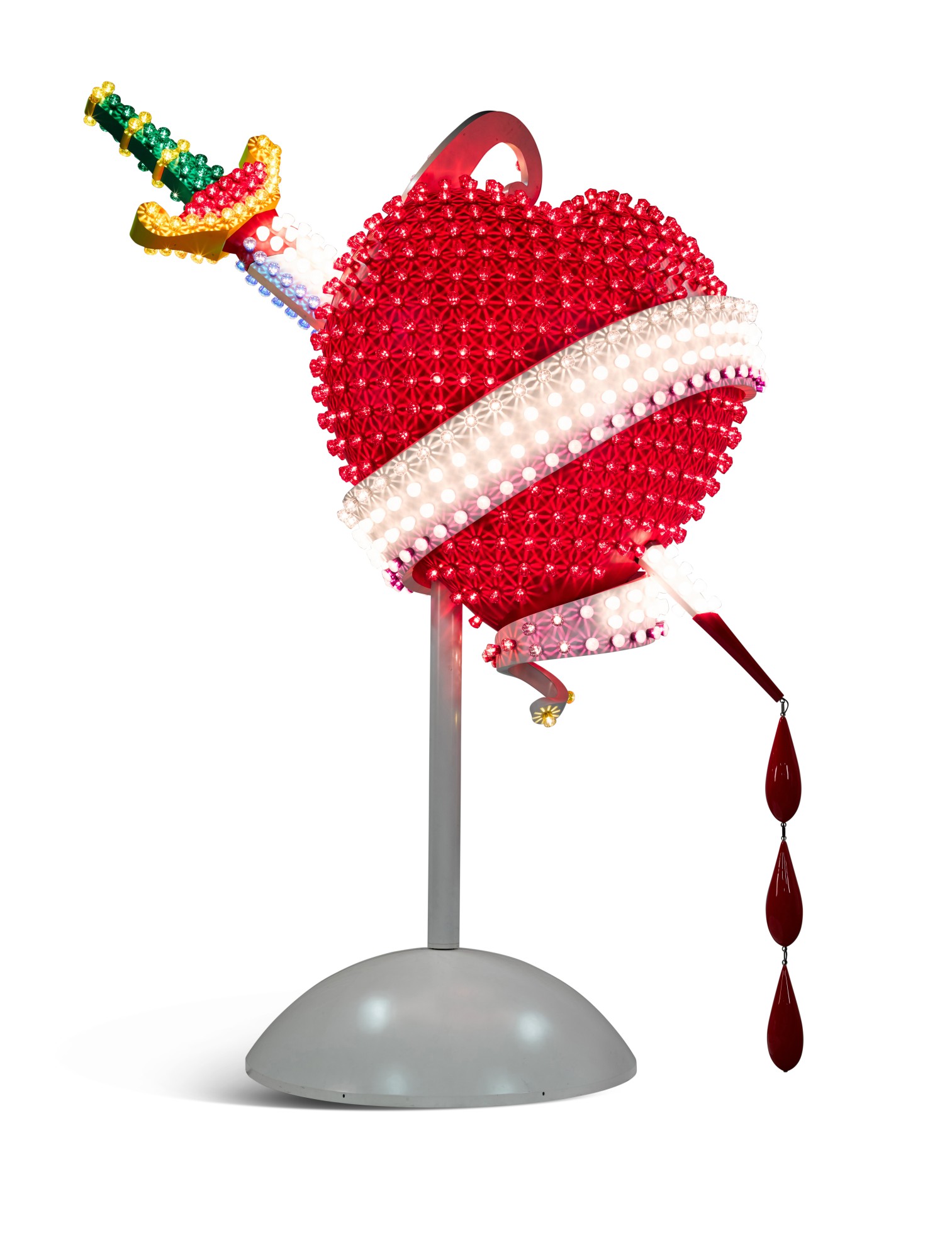
Fucking Beautiful (White Version), 2013


Neon Seduces. But What Should You Buy?
There is something almost unfair about neon as a collecting category. It glows. It hums. It transforms a room in a way that almost no other medium can, turning domestic space into something between a sanctuary and a stage set.
Collectors who live with neon describe a particular intimacy with these works, the way they change character at different hours, the way they seem to breathe at dusk when the rest of the light drains from a room. That quality of being genuinely alive in an environment, rather than simply hanging on a wall, is what draws serious collectors back to the medium again and again. The appeal runs deeper than atmosphere, though. Neon has carried significant conceptual weight since the 1960s, when artists recognised that the vocabulary of commercial signage and urban nightlife could be turned inward, made to carry language, desire, irony, and longing.
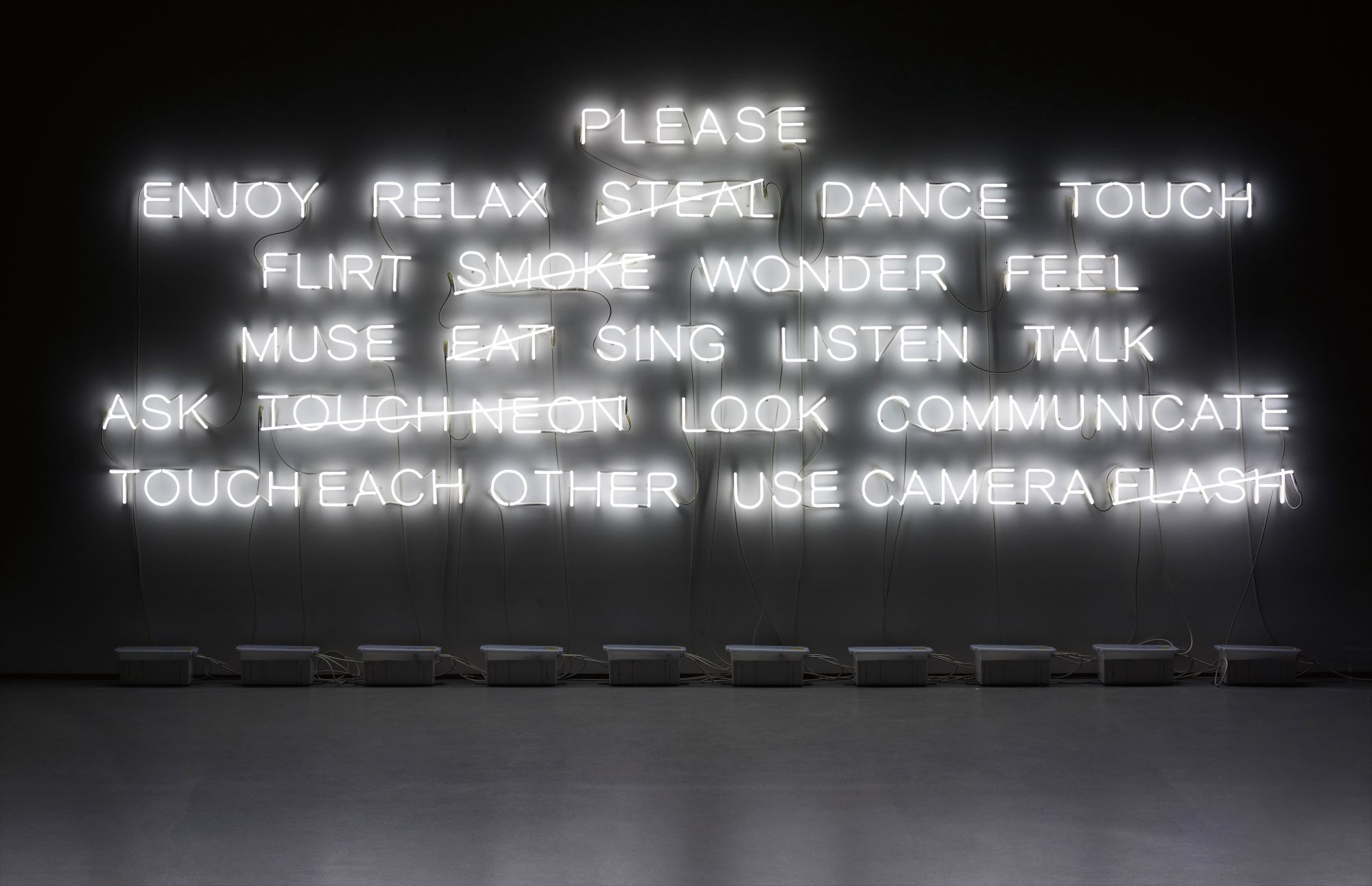
Jeppe Hein
Please...
It occupies a rare position in art history: a medium that is simultaneously low and high, street and institution, decorative and deeply serious. That tension is exactly what makes it interesting to live with over time. Works that initially seem playful often reveal harder edges on sustained acquaintance. So what separates a good neon work from a truly great one?
The question matters enormously in this category, because the visual seductiveness of the medium can obscure real differences in ambition and execution. The strongest works use neon not simply as a material but as a language, where the specific qualities of the light, its colour temperature, the particular bend of a tube, the choice of a word or a form, are inseparable from the meaning of the piece. A great neon work rewards intellectual engagement as much as it rewards the eye. If the work functions equally well as a photograph on a phone screen, it is probably not using the medium to its fullest potential.
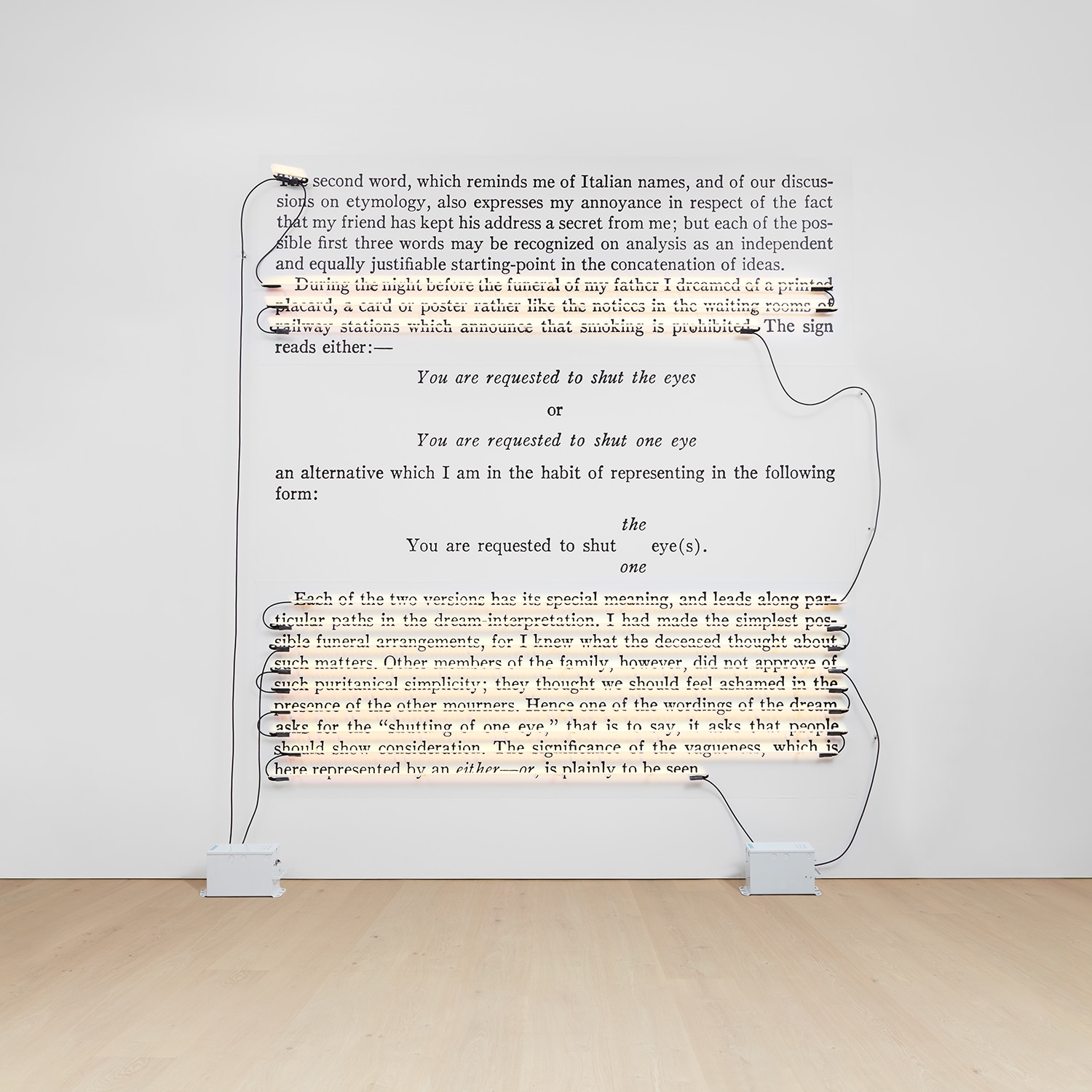
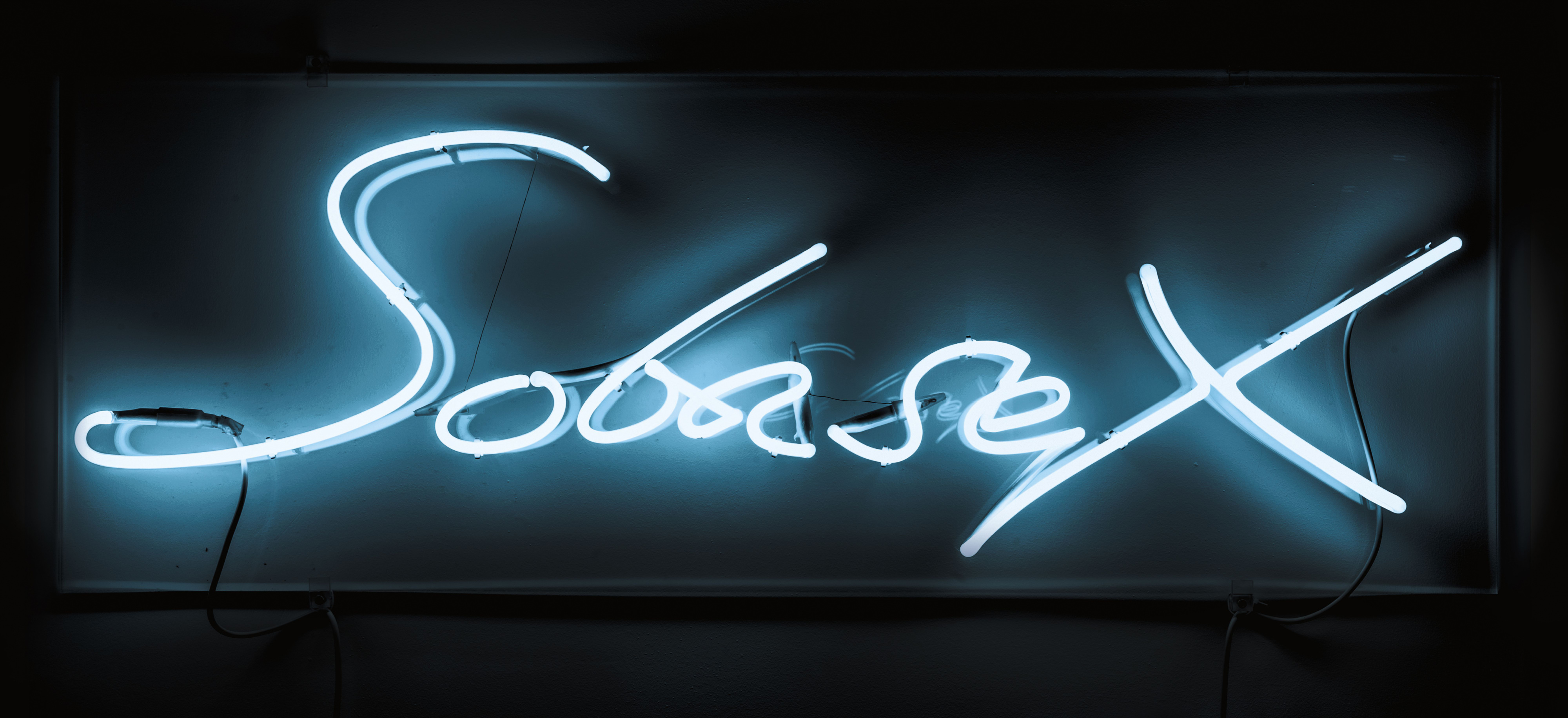
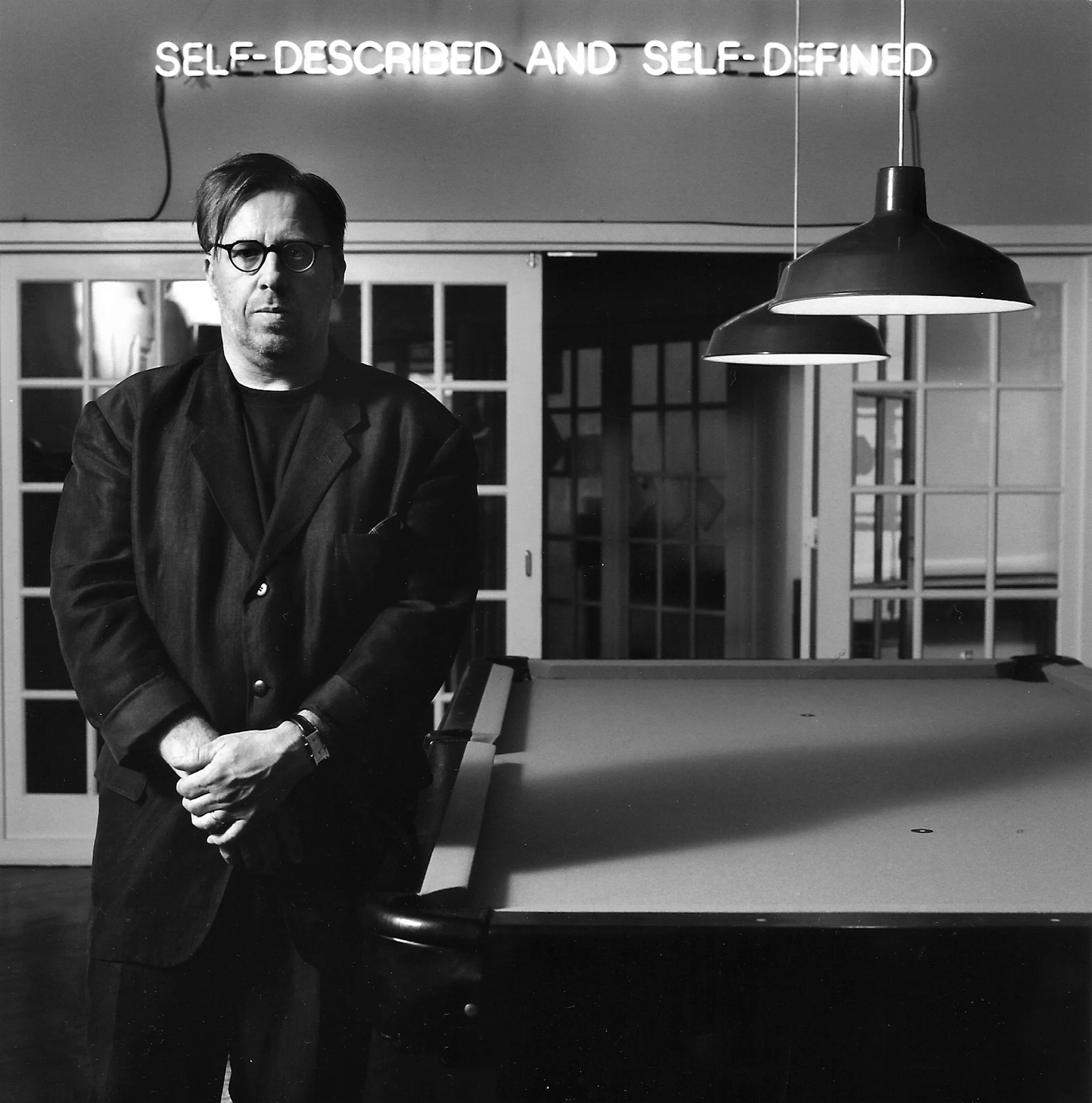
Joseph Kosuth
'Word, Sentence, Paragraph (Z. & N.) #16'
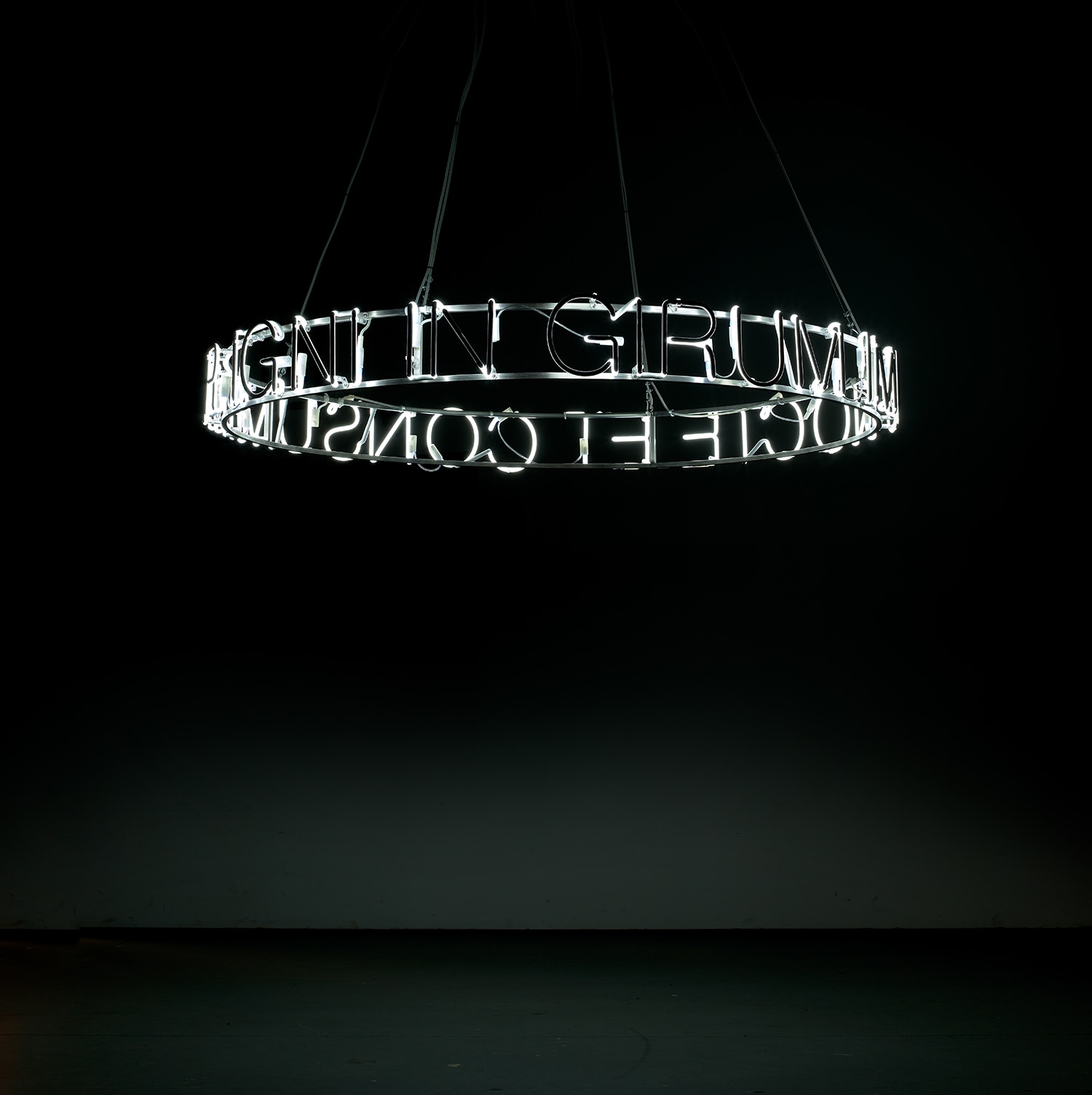
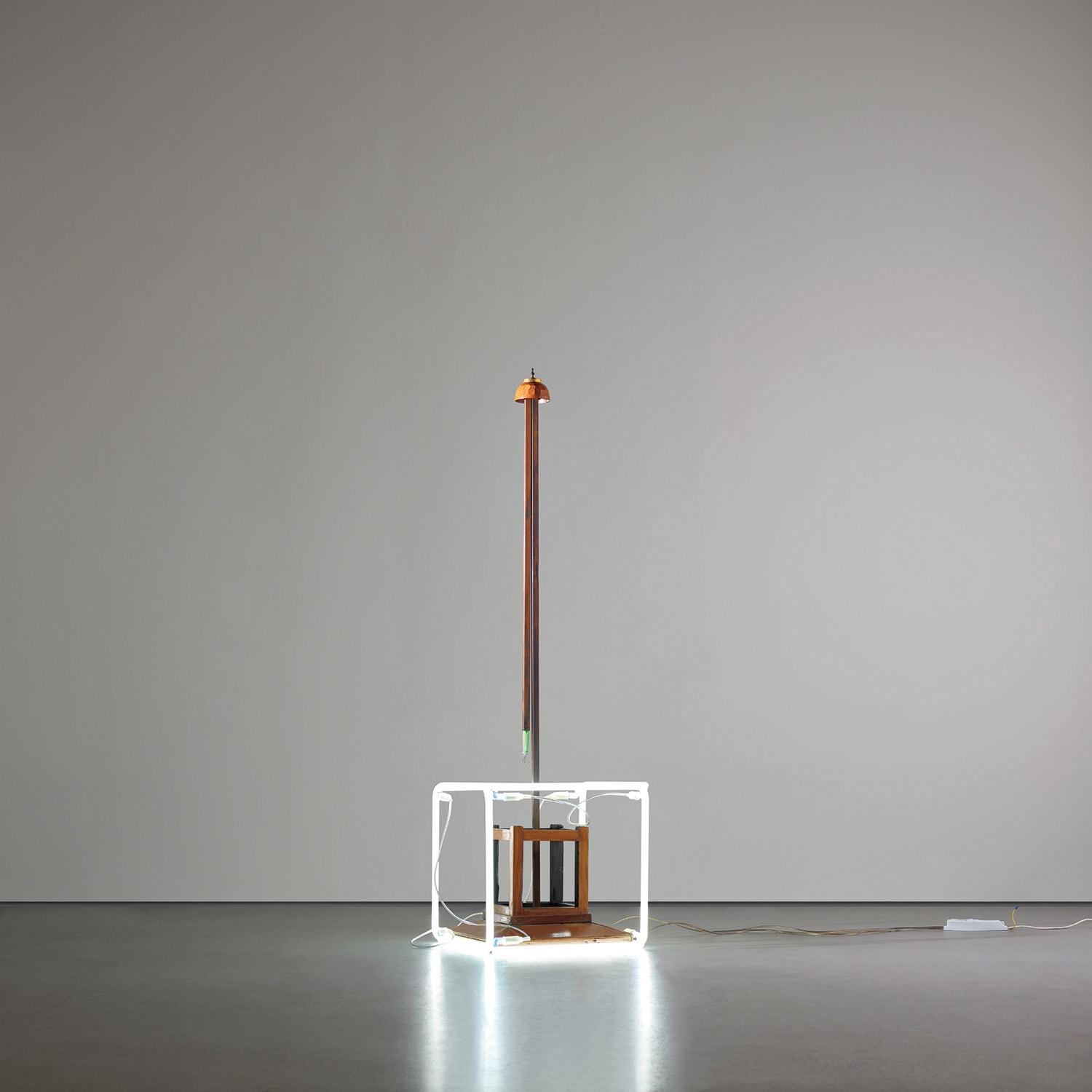
Within the canon, Joseph Kosuth remains an essential reference point. His engagement with language and definition, rooted in the conceptual investigations he began in the late 1960s, established a framework for text based neon that artists are still working within and against. Keith Sonnier, whose breakthrough work in the late 1960s introduced neon into fine art contexts with a sculptor's understanding of space and light, remains seriously undervalued relative to his historical importance. Sonnier understood neon as drawing in three dimensions, and works from his mature period have a rigour that the current market has not fully priced in.
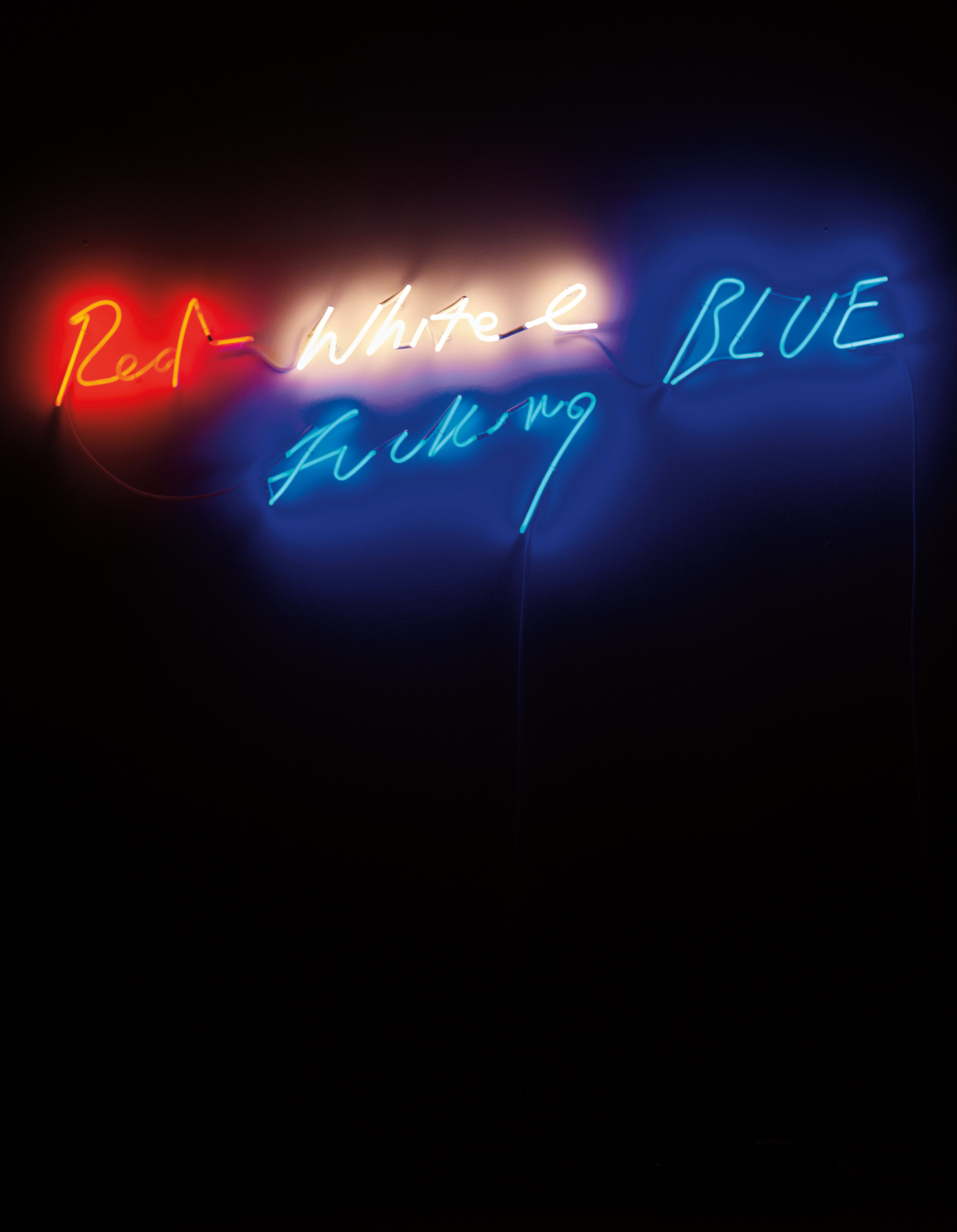
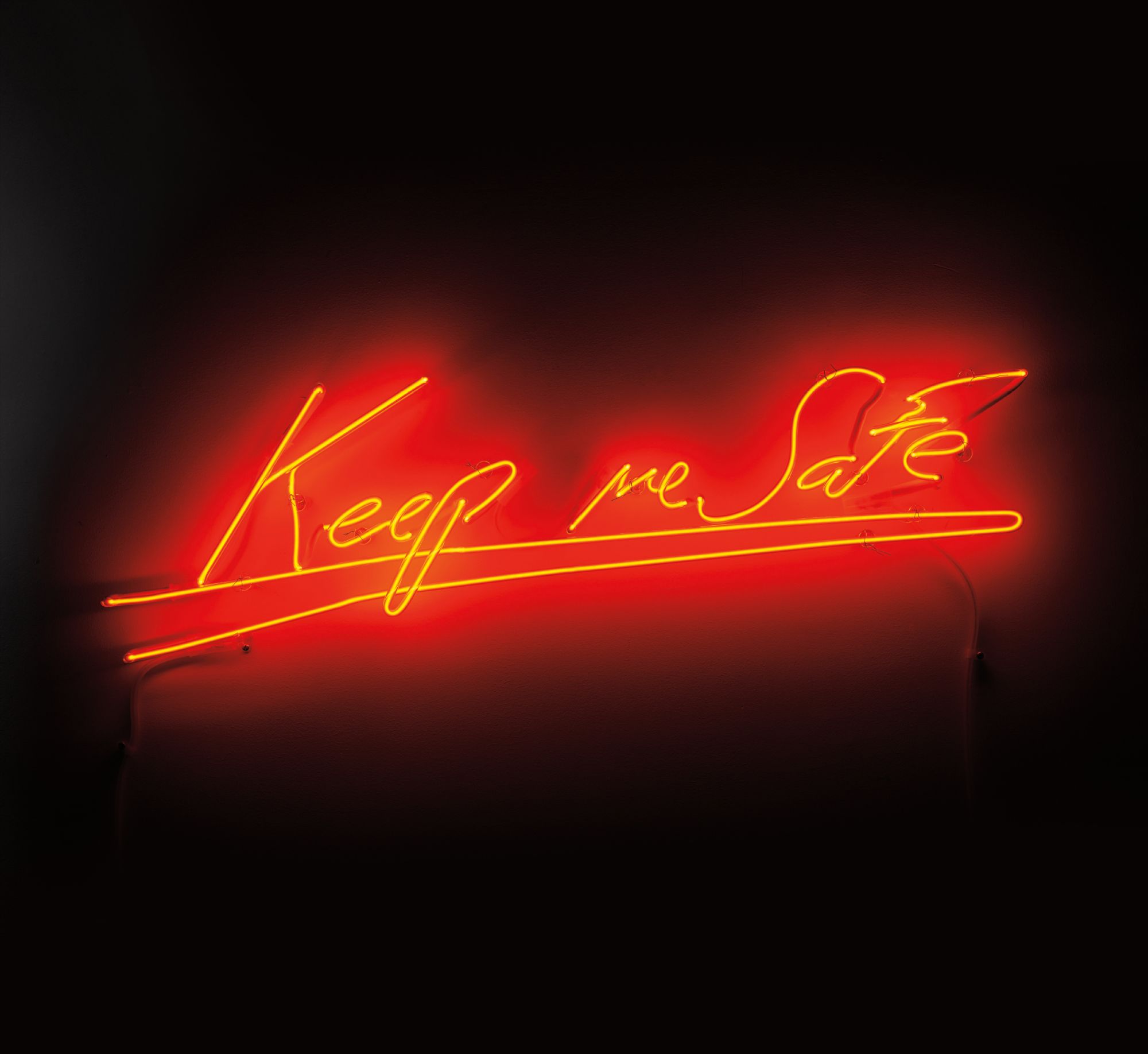
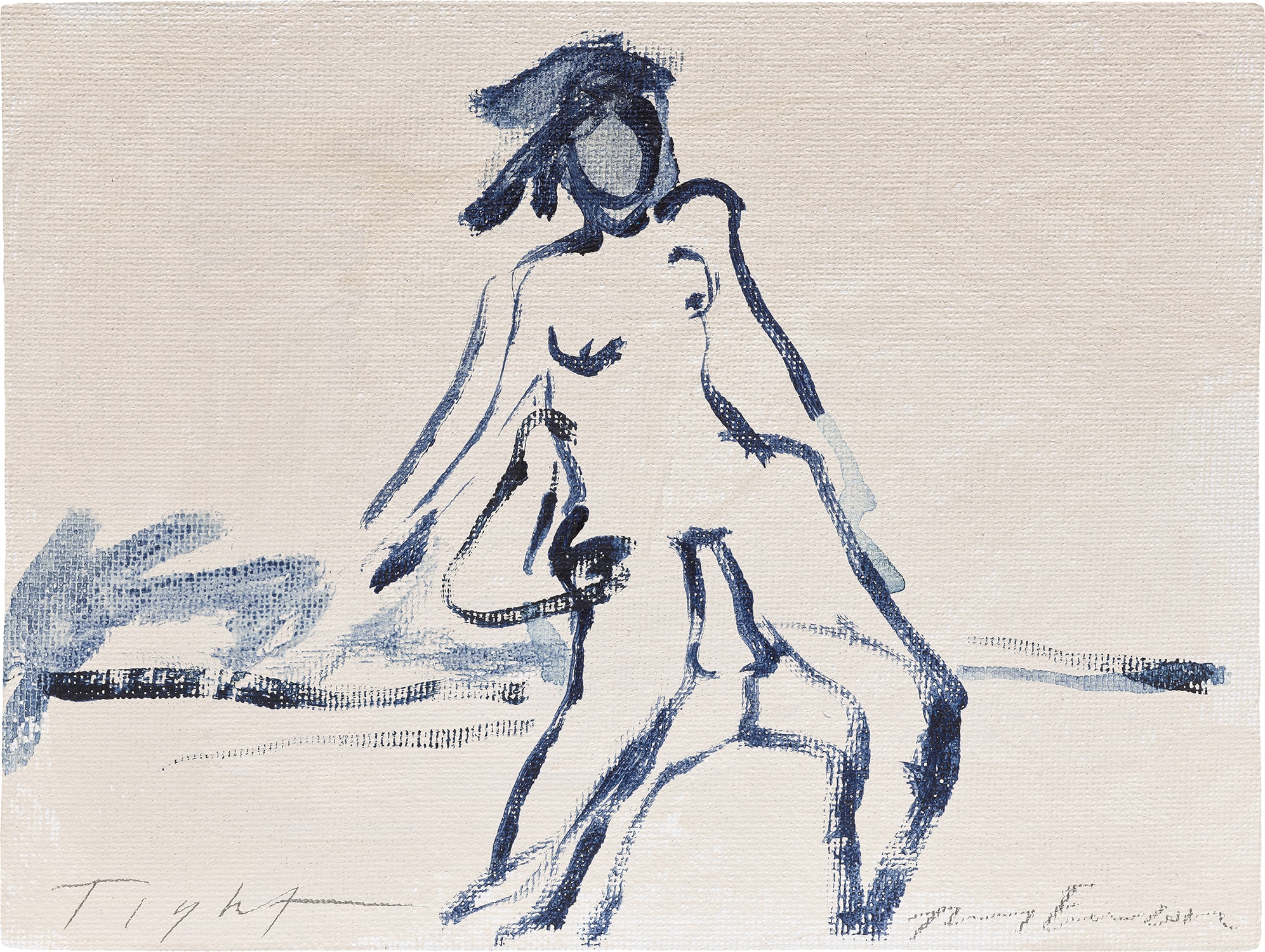
Cerith Wyn Evans operates in a more literary register, layering neon with Morse code, literary quotation, and structural complexity in ways that reward collectors with patience and a tolerance for ambiguity. Tracey Emin is the name most associated with neon in the contemporary market, and her position is well represented on The Collection. Her text works draw on autobiography and desire with a directness that has proven genuinely durable. What is sometimes misread as rawness is in fact extremely considered.
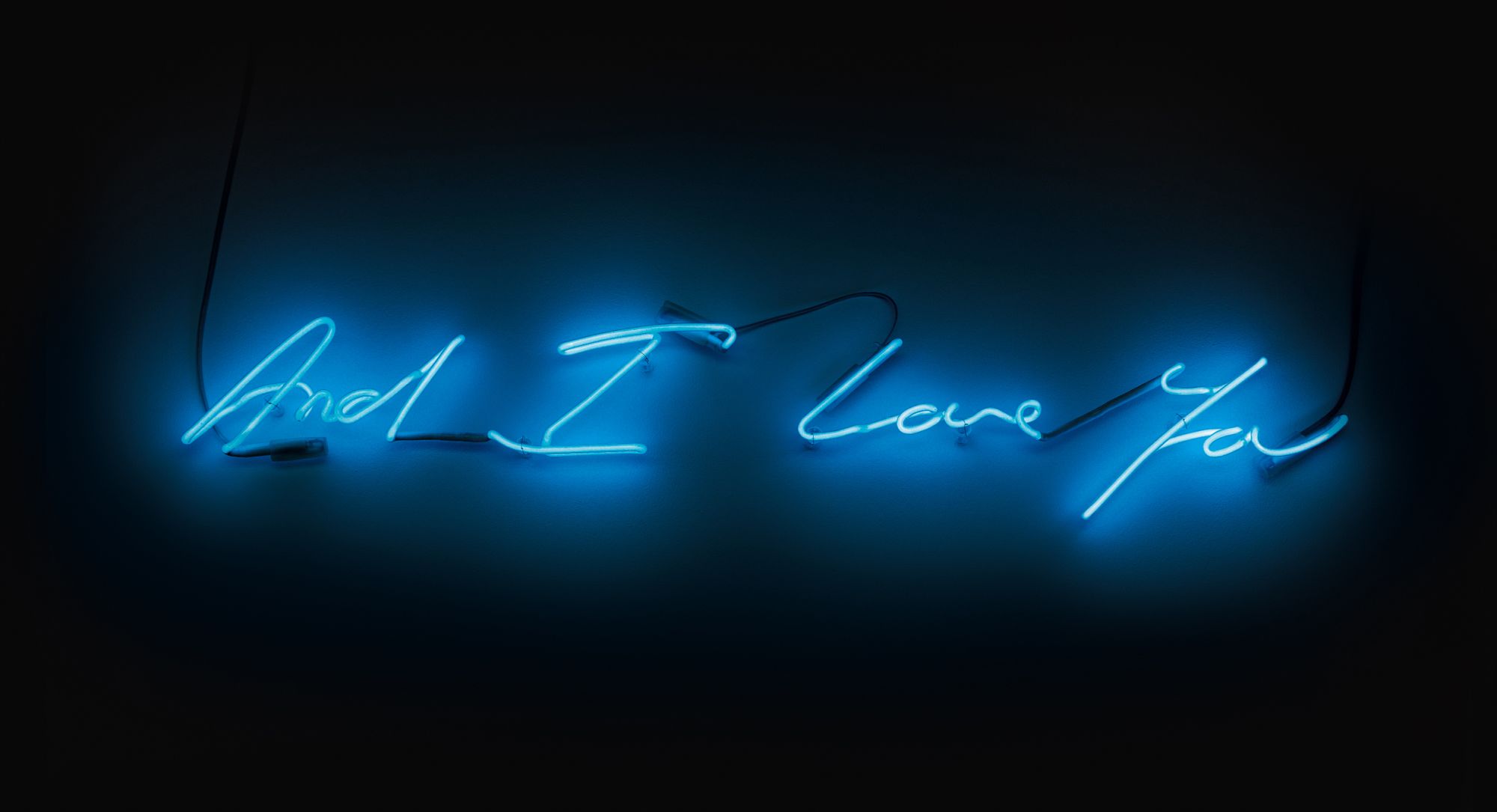
Tracey Emin
And I Love You
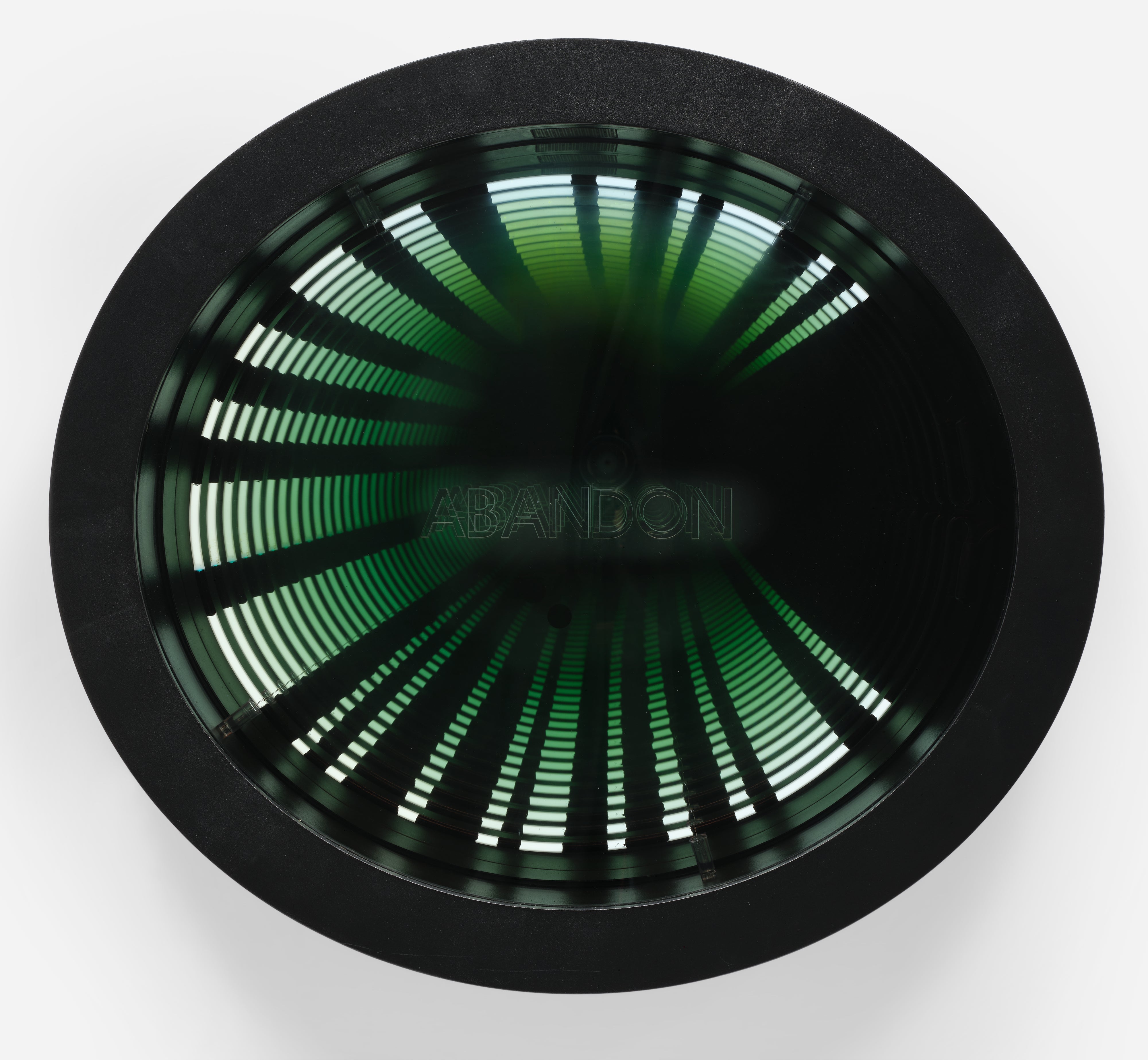
Emin understands how the warmth of a neon colour interacts with the vulnerability of a confessed thought, and her best works achieve an emotional precision that is rare in any medium. Jeppe Hein approaches the medium from a more playful direction, using neon in relation to geometry and viewer participation, while Martin Creed brings his characteristic economy of means to luminous work that sits at the intersection of wit and existential weight. For collectors looking beyond the established names, several artists working in this space deserve serious attention. Iván Navarro, the Chilean artist whose neon works engage with themes of power, surveillance, and political memory, has been building a significant body of work that remains accessible relative to what the historical stakes of his practice suggest it should be.
Yudi Noor brings a Southeast Asian perspective to language and light that opens genuine critical conversations about whose words and whose emotional registers have historically dominated this medium. Works by younger artists who are rethinking neon in relation to cultural identity and digital aesthetics represent some of the most compelling opportunities in the current market. At auction, neon performs with notable consistency at the upper end of the market, though results can be volatile for lesser known names. Emin's neon works have achieved strong results at major houses, and there is a clear premium for unique works over editions.

Keith Sonnier
Circular Suite #9, from Elliptical Shields Series V
The edition question is one of the first things a serious collector should address before purchasing. Many neon works exist in editions, and understanding the edition size, the number of artist proofs, and the provenance of specific examples is essential. A smaller edition from a significant moment in an artist's career will almost always outperform a larger edition from a later period, regardless of how the surface of the work looks. Condition is a subject that gallerists sometimes handle too delicately.
Neon tubes can and do fail, and the cost of restoration varies dramatically depending on the complexity of the work and the availability of the original fabricator. Before acquiring any neon work, you should ask directly about the original fabricator, whether the artist worked with a signature studio or a generic commercial producer, and what the restoration protocol is. Works fabricated by established neon studios that have maintained ongoing relationships with artists are considerably easier to maintain. Transformers and power supplies age and may need replacement, and this should be factored into the total cost of ownership.
Display considerations deserve equal care. Neon works are sensitive to context in ways that painting is not. The colour of surrounding walls, the quality of ambient light, and the proximity of competing light sources all affect how the work reads. Many collectors make the mistake of treating neon as a focal point in a brightly lit room, where it loses most of its power.
These works tend to reveal themselves most fully in controlled light conditions, and living with them well means being willing to design the room around the work rather than the reverse. That level of commitment is precisely what the best neon works ask of you, and precisely what they reward.