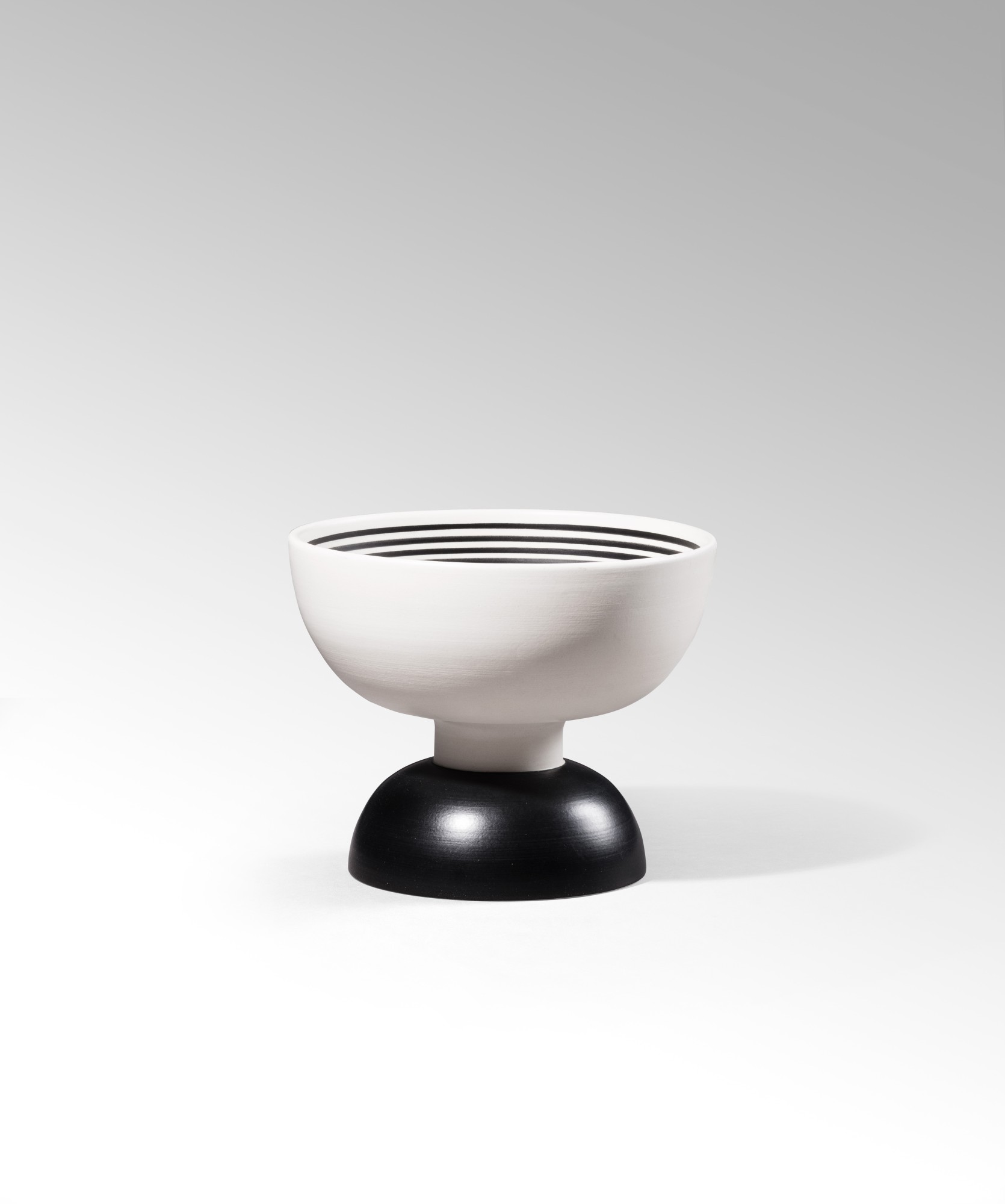
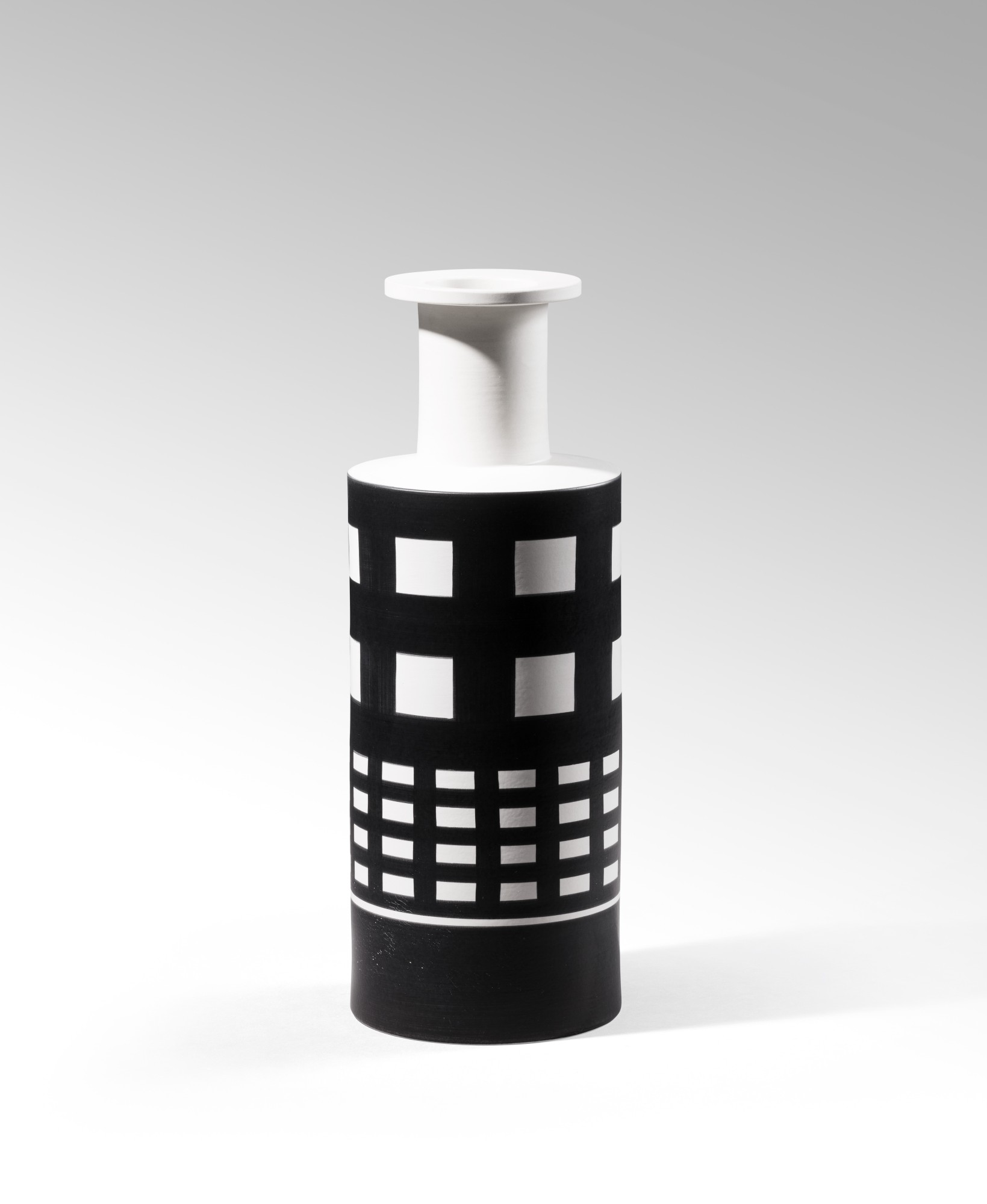
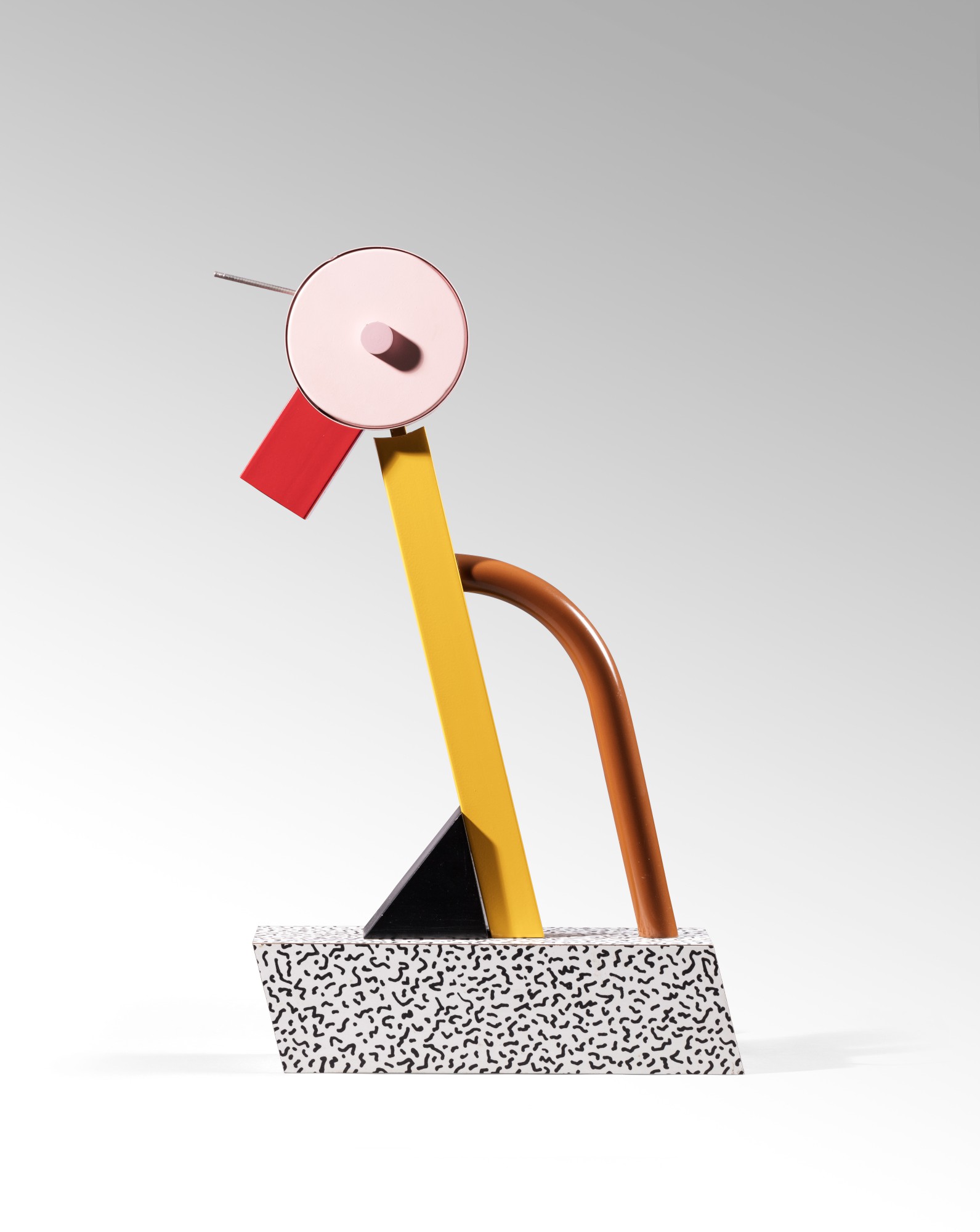
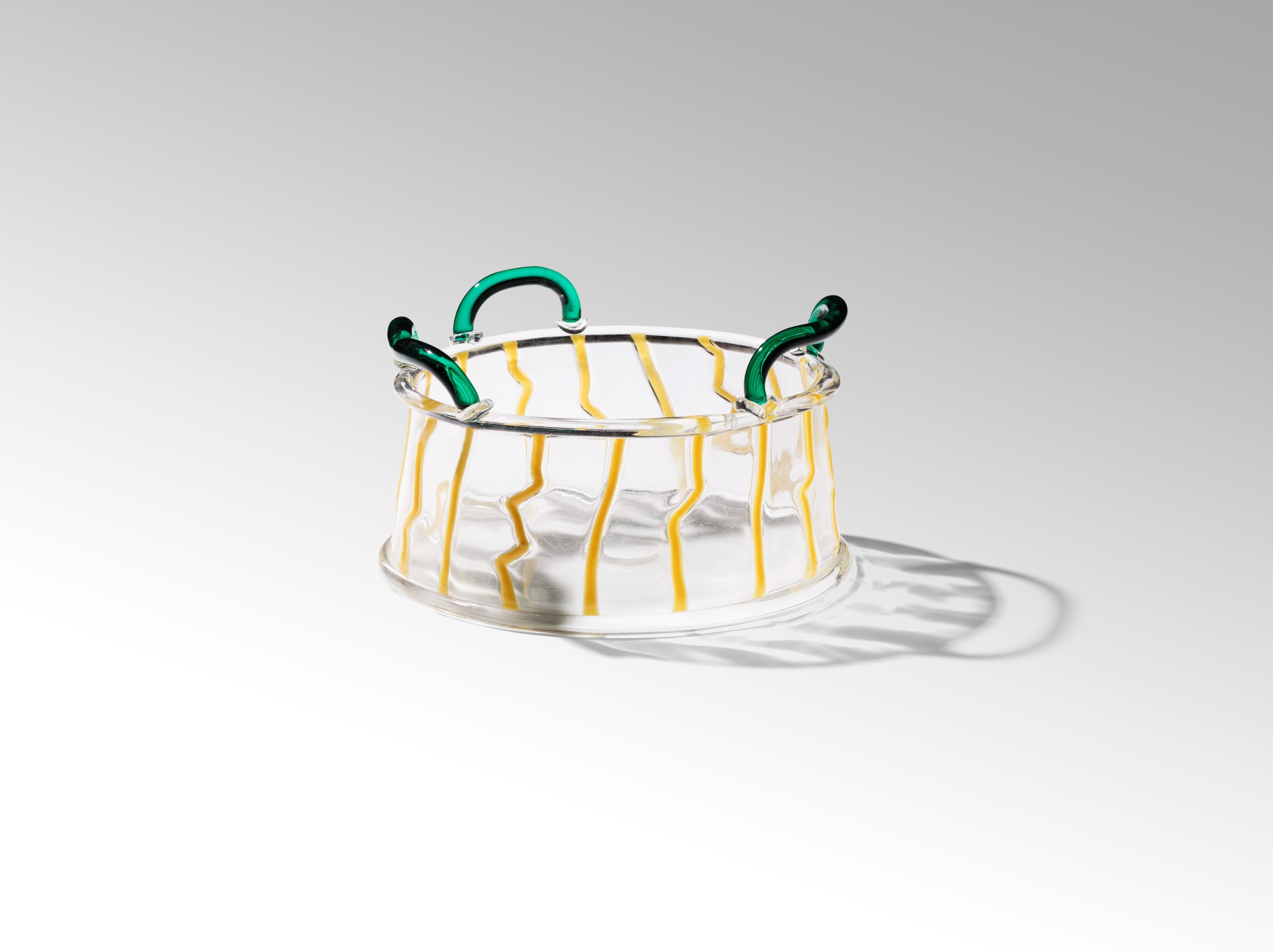
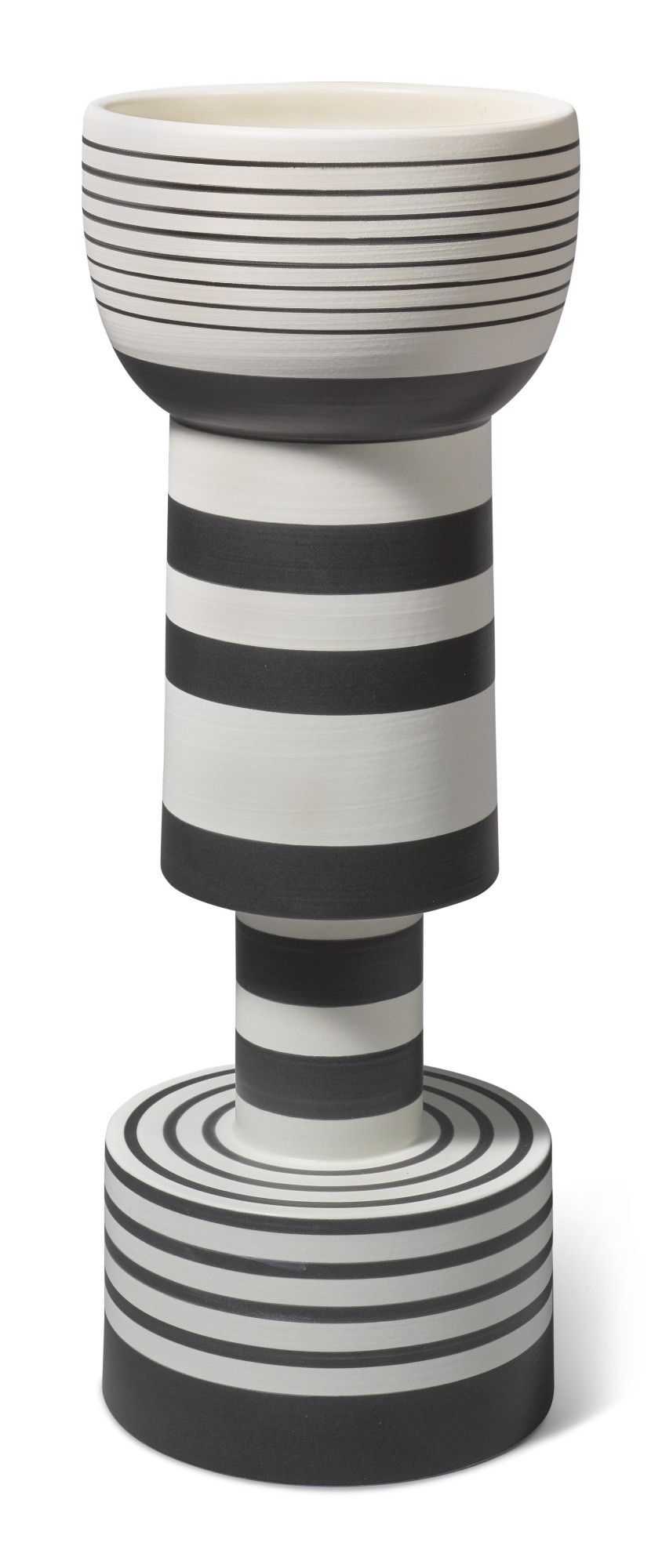
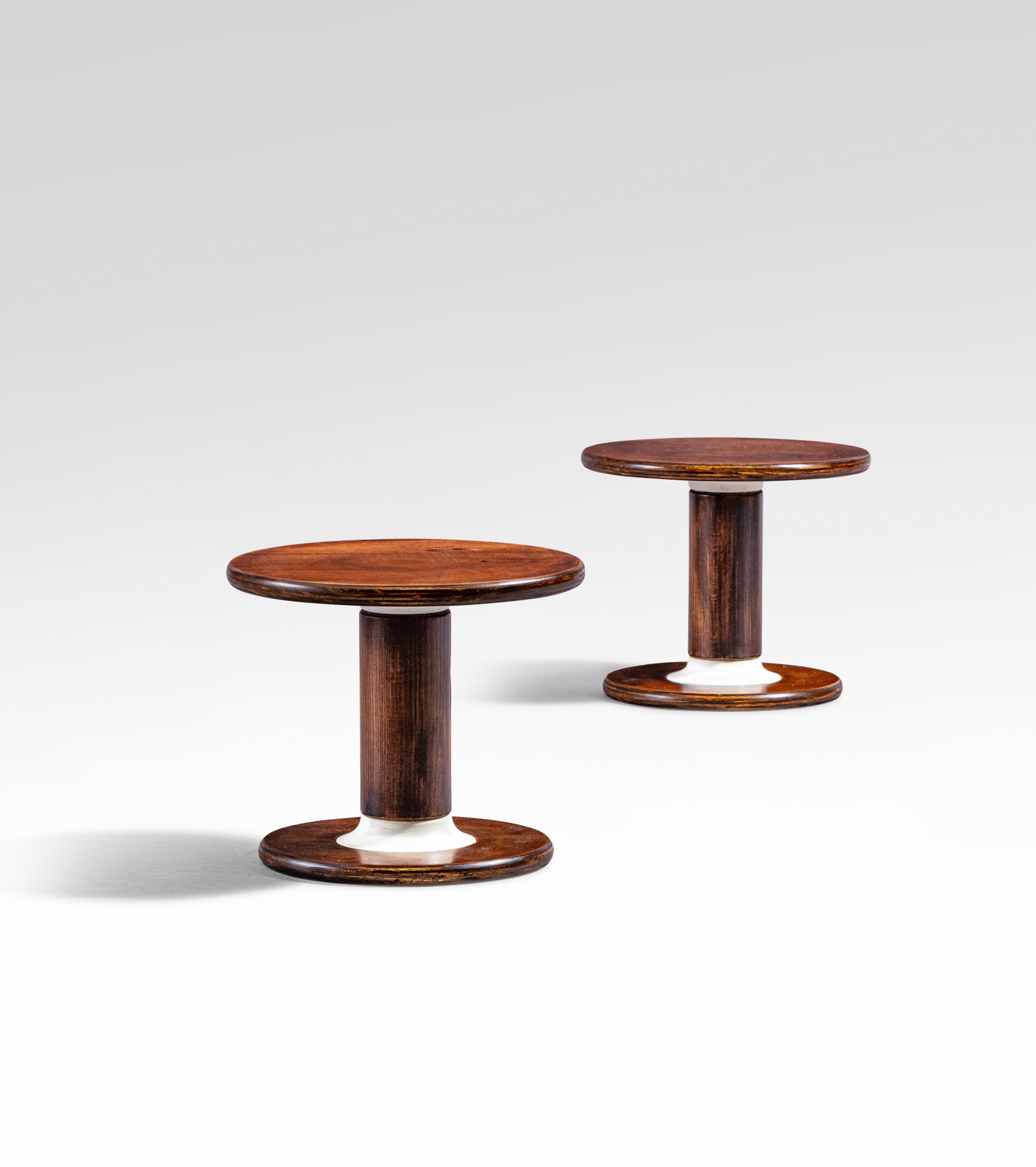
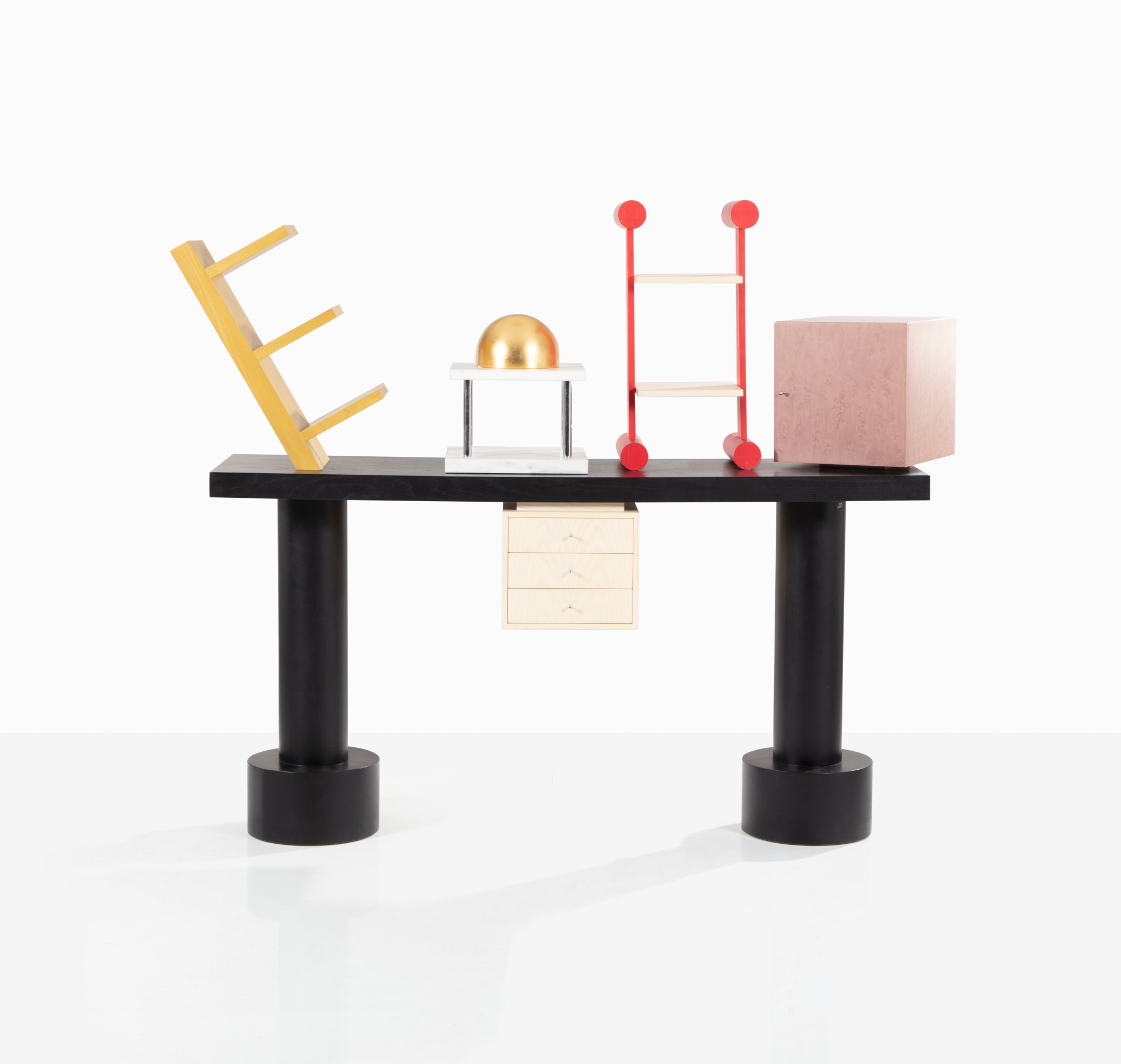
In the winter of 1981, at the Salone del Mobile in Milan, a small group of designers unveiled a collection that would fracture the design world into a before and an after. The Memphis Group, founded and led by Ettore Sottsass, presented objects so bold, so unapologetically joyful, that critics scrambled for words. Plastic laminates in clashing patterns, asymmetrical silhouettes, colors borrowed from carnival and kitsch, furniture that refused to behave. The room buzzed with disbelief and exhilaration in equal measure. It remains one of the most electrifying debut presentations in the history of twentieth century design. Sottsass was born in 1917 in Innsbruck, Austria, to an Italian father who was himself an accomplished architect. The family settled in Turin, and it was there that Sottsass absorbed his earliest lessons about space, form, and the relationship between objects and the people who live with them. He studied architecture at the Politecnico di Torino, graduating in 1939, before his formation was interrupted by the Second World War. He served on the Eastern Front and later in Montenegro, experiences that left a lasting mark on his worldview, deepening his sense of the fragility of civilization and the importance of beauty as a form of resistance. After the war, Sottsass settled in Milan, the city that would become his creative home for the rest of his long life. He established his own studio and began working across architecture, industrial design, ceramics, and graphic work with restless curiosity. A pivotal moment came in 1958 when he began his long collaboration with Olivetti, designing some of the most celebrated objects of postwar Italian industry. His red Valentine typewriter, created in 1969 with Perry King, became a cultural icon, a piece of industrial poetry that appeared on magazine covers and in museum collections the world over. Sottsass understood that even a tool for the office could carry emotional weight, could speak to the person using it. Throughout the 1960s, Sottsass traveled extensively in India, an experience that transformed his visual language and spiritual outlook. He became deeply interested in the relationship between objects and ritual, between form and meaning, between the everyday and the transcendent. These journeys fed directly into his ceramic work, particularly the Hollywood series conceived in 1959, which stands among the most seductive bodies of work in postwar decorative art. Pieces like the Alzata Piccola bowl and the Rocchetto vase from this series demonstrate his extraordinary ability to fuse modernist geometry with sensuous surface and archaic presence. They feel simultaneously ancient and entirely of their moment. The founding of Memphis in 1981 announced the mature phase of his vision to the widest possible audience. Gathering around him a constellation of younger talents including Michele De Lucchi, Nathalie Du Pasquier, and Michael Graves, Sottsass created a movement that challenged the austere rationalism of high modernism with irony, pleasure, and a radical democratization of taste. His own designs for Memphis, including the Tahiti table lamp of 1981 with its vivid laminated wood and lacquered metal construction, and the Diva mirror of 1984, showed a designer at the very height of his powers, producing objects that were simultaneously witty and deeply considered. The Aldebaran bowl of 1983 and the Acropoli console from the Bharata collection of 1988, with its layered materials of lacquered wood, ash, gilt wood, stainless steel, and marble, reveal the full ambition of his decorative thinking during this period. From a collecting perspective, Sottsass occupies a position of rare authority in the market for postwar and contemporary design. His ceramics, particularly the Hollywood series pieces, command serious attention at auction and in private sales, with major examples appearing regularly at Christie's, Phillips, and Sothders. The Memphis pieces have seen sustained appreciation over the past two decades as museums and serious collectors have come to understand Memphis not as a fashion moment but as a genuine intellectual movement. Works on paper, unique ceramics, and early prototype pieces are especially sought after. Collectors are advised to look closely at the quality of surface finish and the integrity of original materials, particularly in the laminate works where condition is central to impact. To understand Sottsass fully, it helps to place him in a broader constellation of designers and artists who shared his conviction that the boundaries between art, craft, and design were worth questioning. His sensibility has genuine affinities with that of Alessandro Mendini, a fellow traveler in the Italian Radical Design movement, and with the ceramicist and sculptor Peter Voulkos, who brought a similarly expansive ambition to clay. His love of color and pattern resonates with the work of Carlo Scarpa, whose Venetian glass objects share something of the same archaic luminosity. In the wider art historical frame, Sottsass belongs to a lineage that runs from the Wiener Werkstatte through Arte Povera and into the current generation of designer artists who refuse to accept the hierarchy that places fine art above applied art. The legacy of Ettore Sottsass is still very much alive and still being reckoned with. Major retrospectives at the Centre Georges Pompidou in Paris and the Metropolitan Museum of Art in New York have introduced his work to new generations, and his influence is visible in the studios of designers and artists across the world who share his belief that objects can carry meaning, can carry joy, can carry a kind of philosophical seriousness without ever becoming solemn. He died in Milan in 2007 at the age of ninety, having spent seven decades proving that beauty is never trivial and that the question of how we choose to surround ourselves with things is, in the deepest sense, a question about how we choose to live. For collectors who value that kind of intelligence made physical, Sottsass remains one of the great figures of the twentieth century, and his objects continue to reward looking, living with, and loving.