Modern Movement
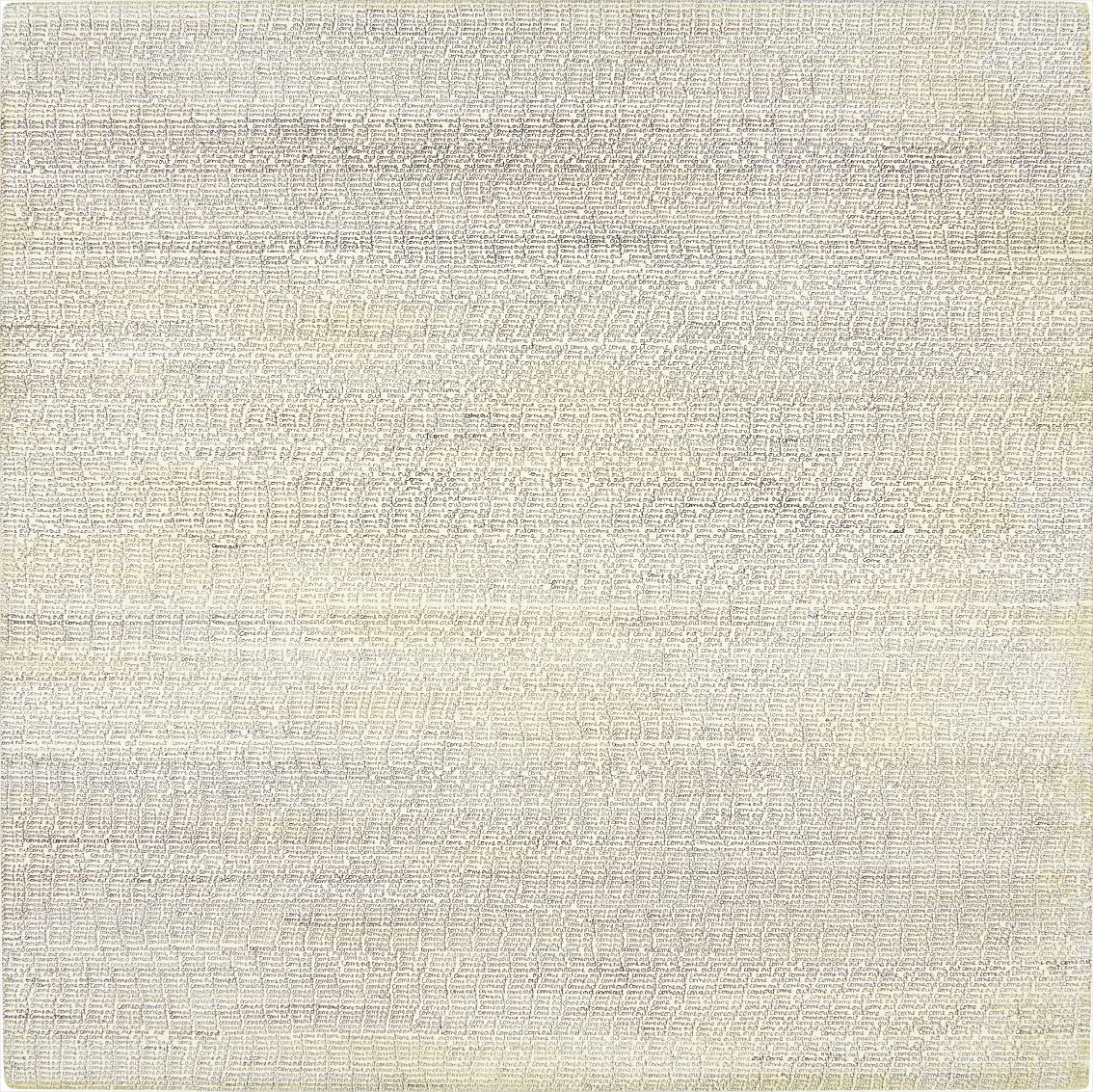
Machiko Edmondson
Titanium Exposé



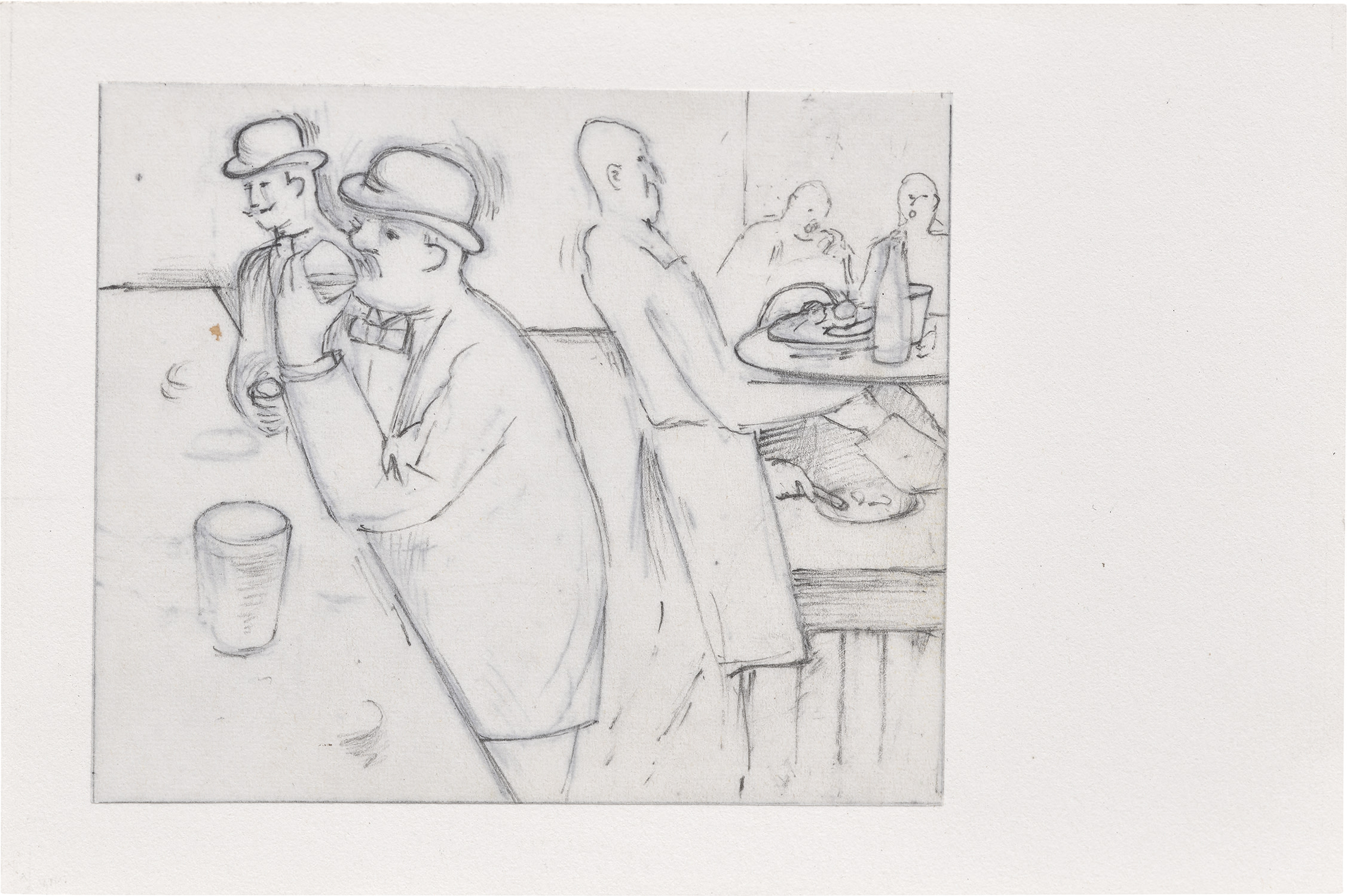
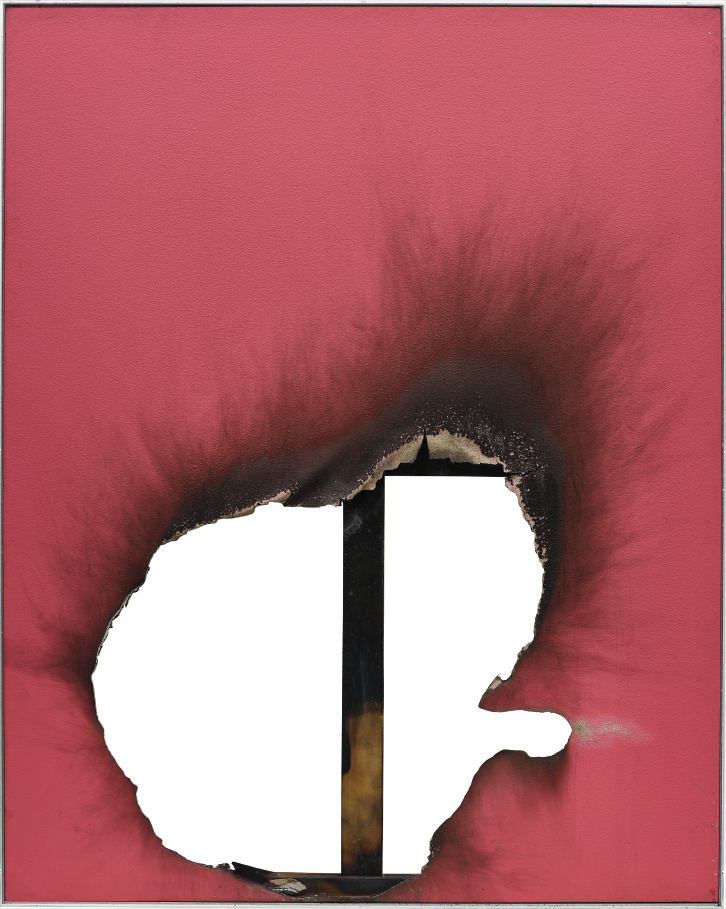
The Restless Energy of Modern Movement
When Christie's brought a Gerhard Richter abstract to auction in recent years and watched the room ignite, it confirmed something collectors already sensed: modern movement, as a category and a sensibility, has never felt more central to the market conversation. The appetite is not nostalgia. It is something more urgent, a recognition that works built around gesture, velocity, and visual rhythm speak directly to a cultural moment defined by flux. The prices reflect that recognition, and the institutional attention has followed accordingly.
Richter remains the gravitational center of any serious discussion in this space. His squeegee abstractions, those layered, dragged fields of color that seem to move even when still, have commanded eight figure sums at auction and continue to set the standard against which other works in this category are measured. What makes his market so instructive is that it resists easy categorization. Richter bridges postwar European painting, conceptual photography, and pure gestural abstraction, which means his collectors come from several different directions at once.
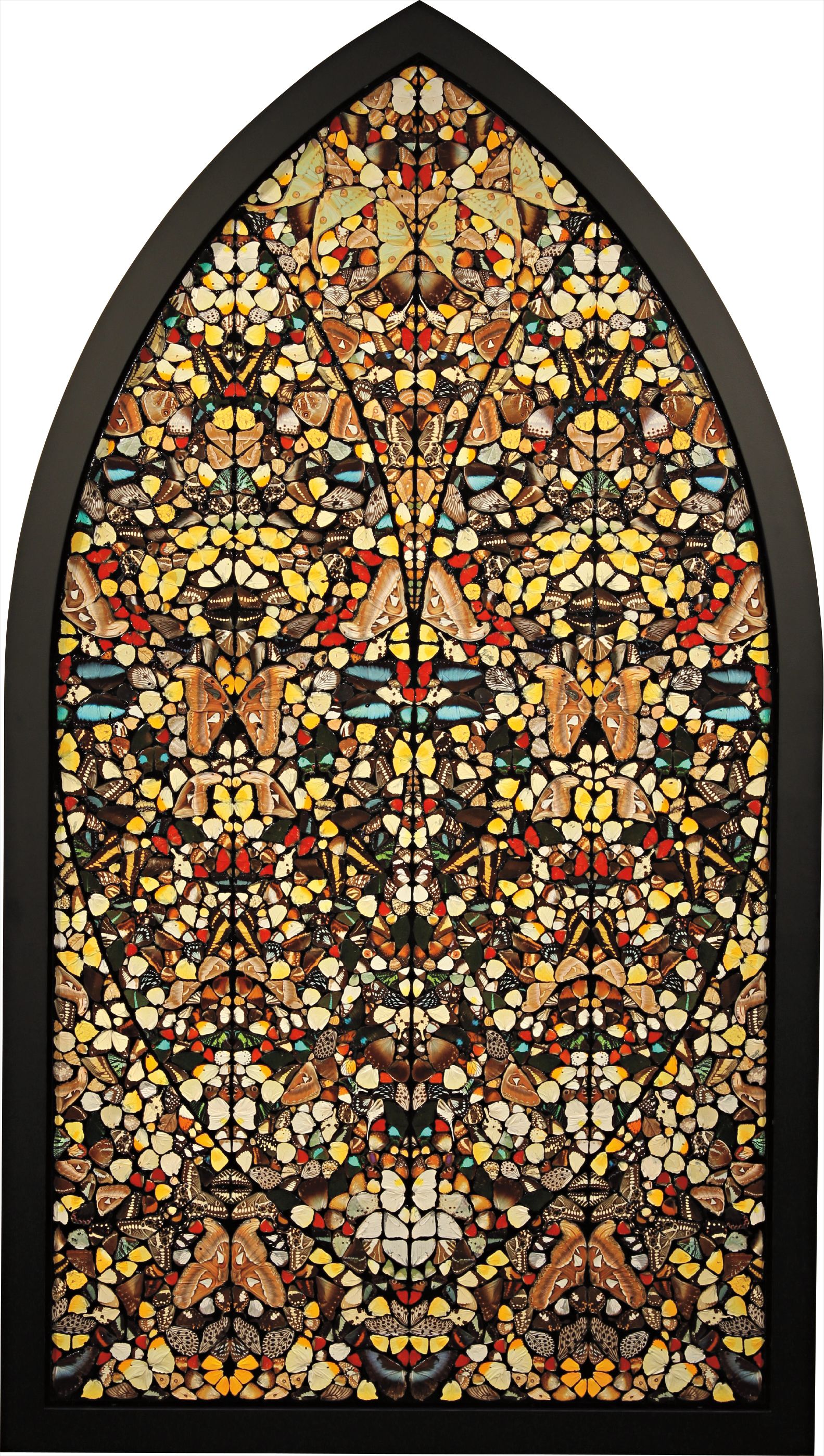
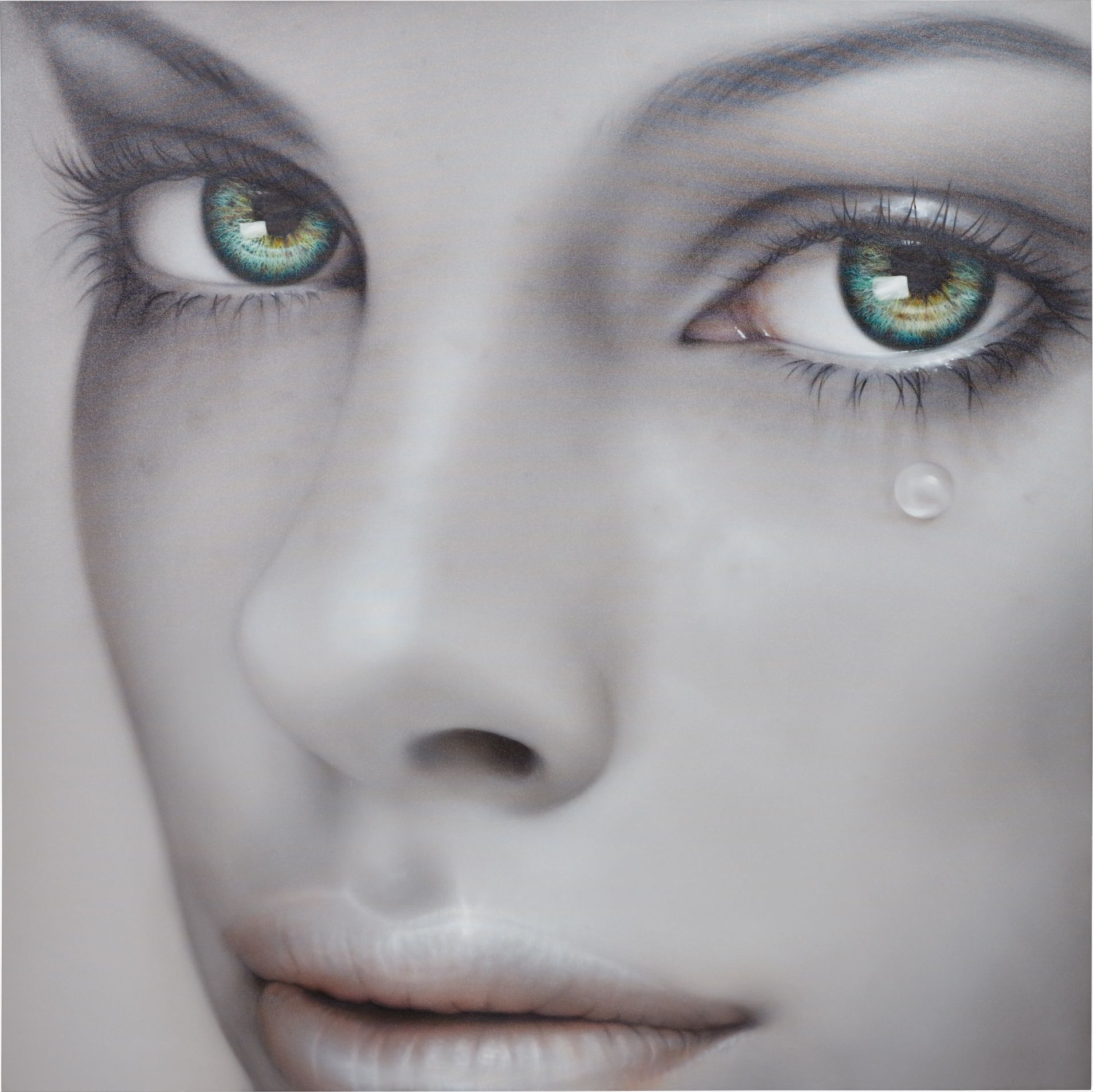
Damien Hirst
Sad Steps - Life Fulfilled, 2006
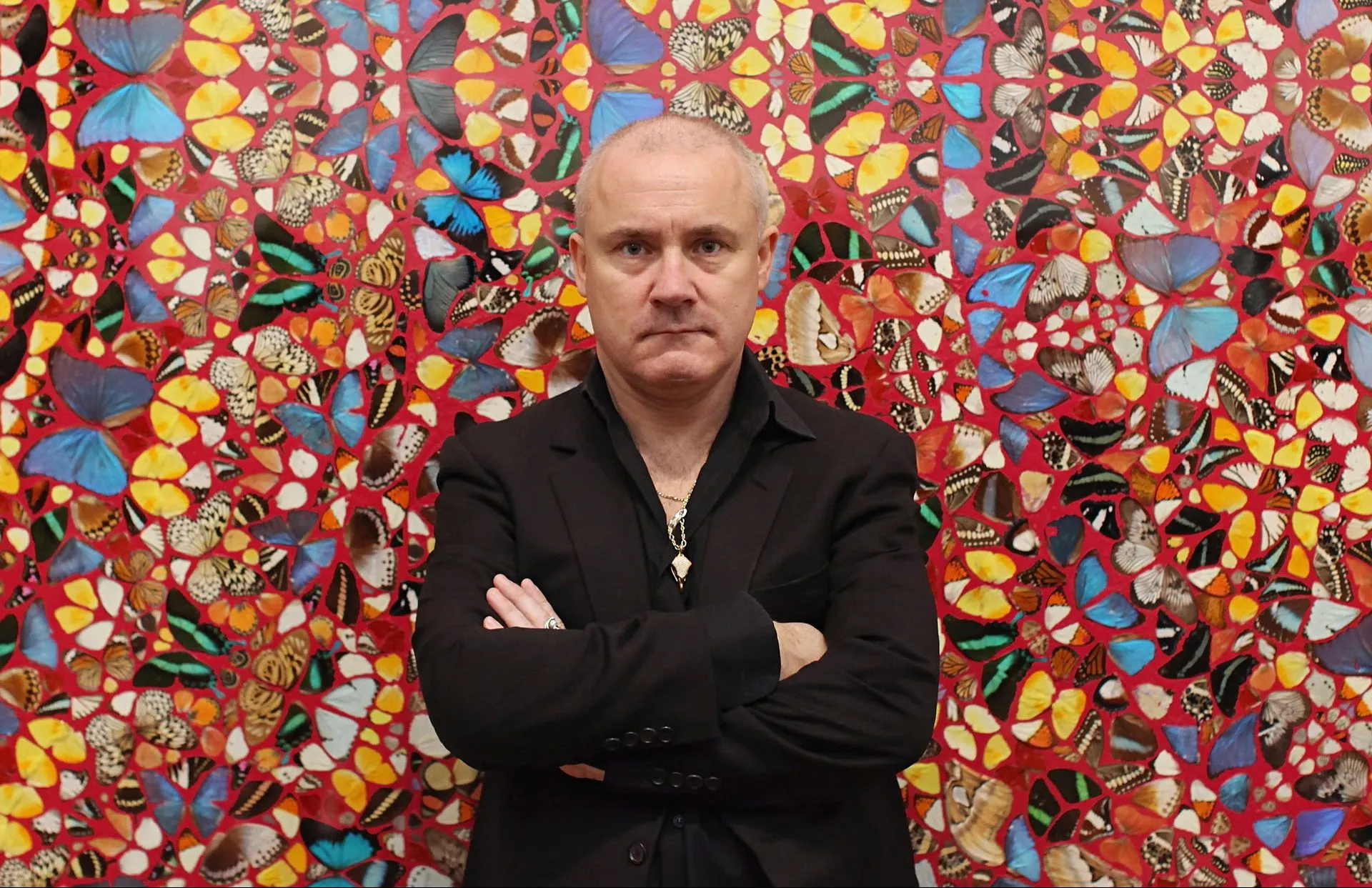
That breadth of demand is a structural strength, and institutions from the Tate Modern to MoMA have built significant holdings around his work for precisely that reason. Damien Hirst occupies a different but equally revealing position in the conversation around modern movement. His spin paintings, which he began producing in the 1990s and has returned to repeatedly since, are perhaps the most literal embodiment of motion translated into object. The critical reception has always been complicated, oscillating between celebration and skepticism, but the auction record tells its own story.
When Hirst sold directly through Sotheby's in his landmark 2008 Beautiful Inside My Head Forever sale, he demonstrated that movement as spectacle could command serious money independent of traditional gallery mediation. That moment reshaped how collectors and institutions think about artist agency and market structure simultaneously. The exhibition history around modern movement as a category has been rich over the past decade. The Pompidou's ongoing commitment to kinetic and gestural work, and the Walker Art Center's sustained engagement with artists who treat the canvas as a field of energy rather than a surface for representation, have helped frame the critical language collectors now use.
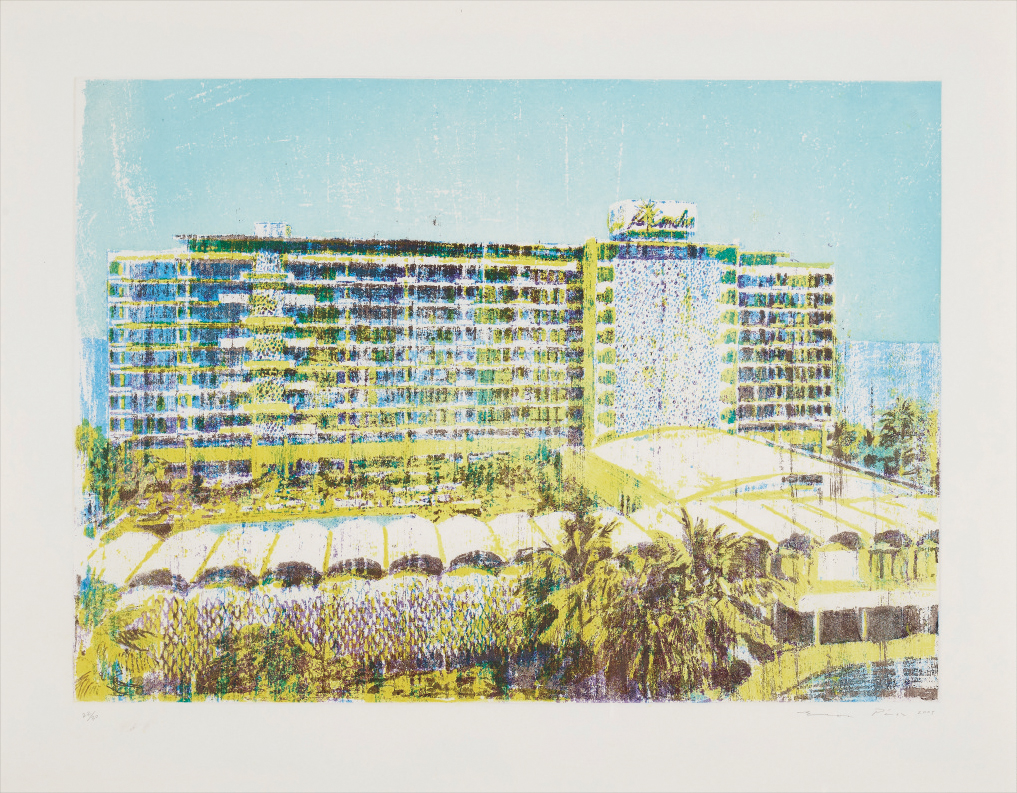
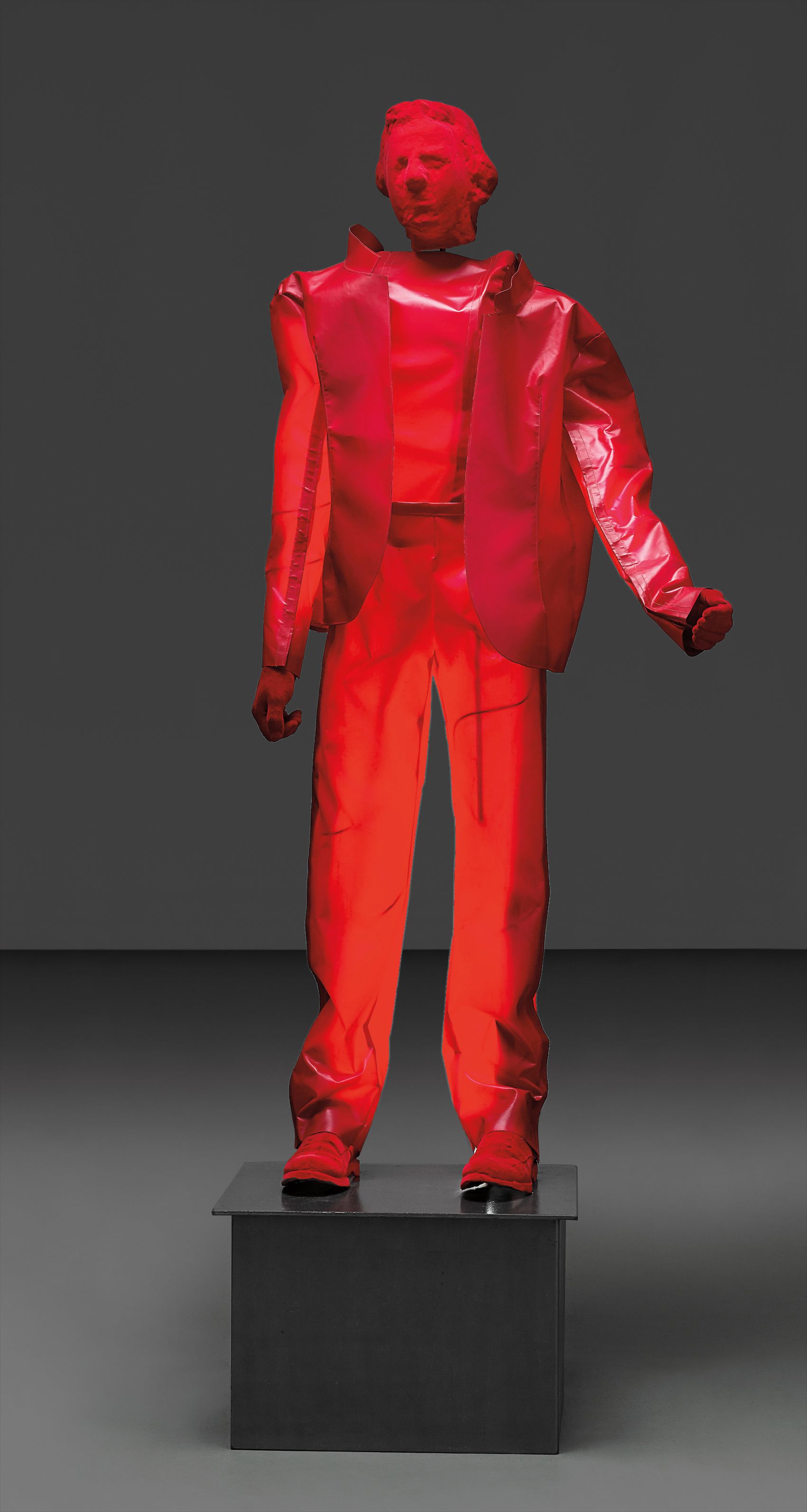
Enoc Pérez
Enoc Pérez
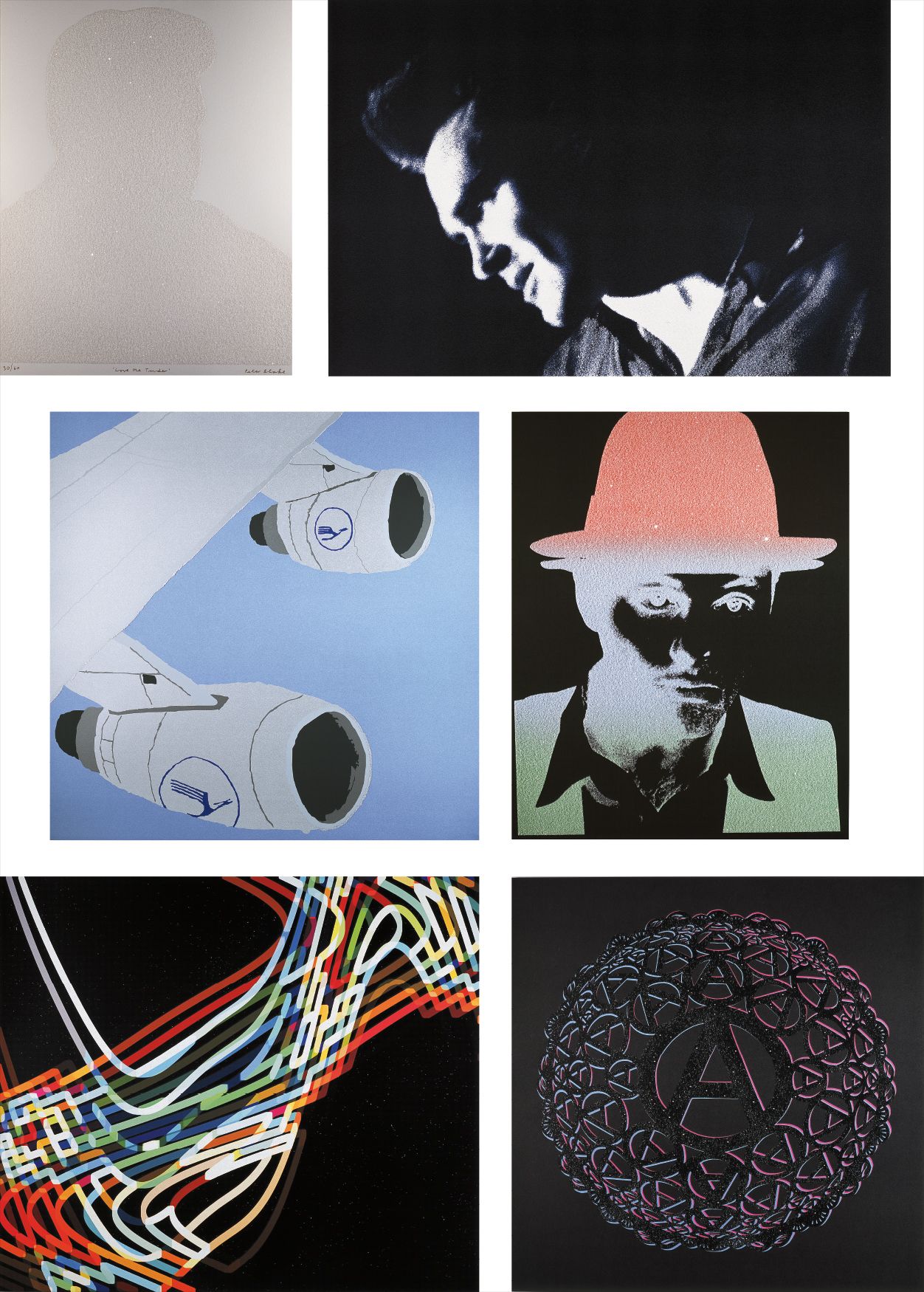
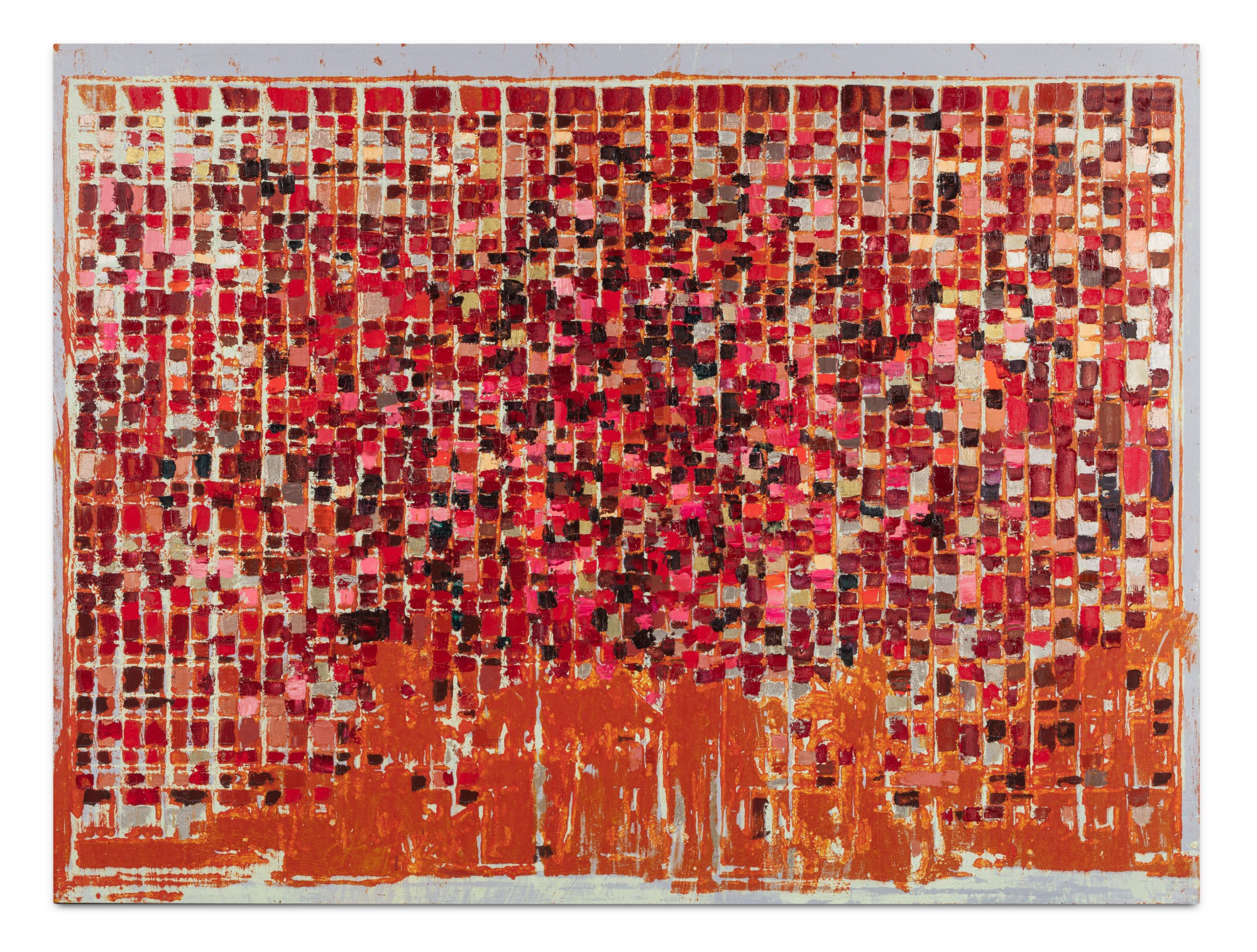
Richard Hamilton, whose contribution to postwar British art extended well beyond his Pop associations into genuine structural experimentation with image and surface, has been the subject of renewed museum attention in the years since his death in 2011. His retrospectives have reminded viewers that formal restlessness was always as important to his practice as cultural commentary. Among the artists well represented on The Collection, several are pushing the conversation forward in ways that feel genuinely alive. Enoc Pérez brings an architectural and atmospheric quality to his paintings, working with a roller technique that leaves traces of process embedded in the finished surface.
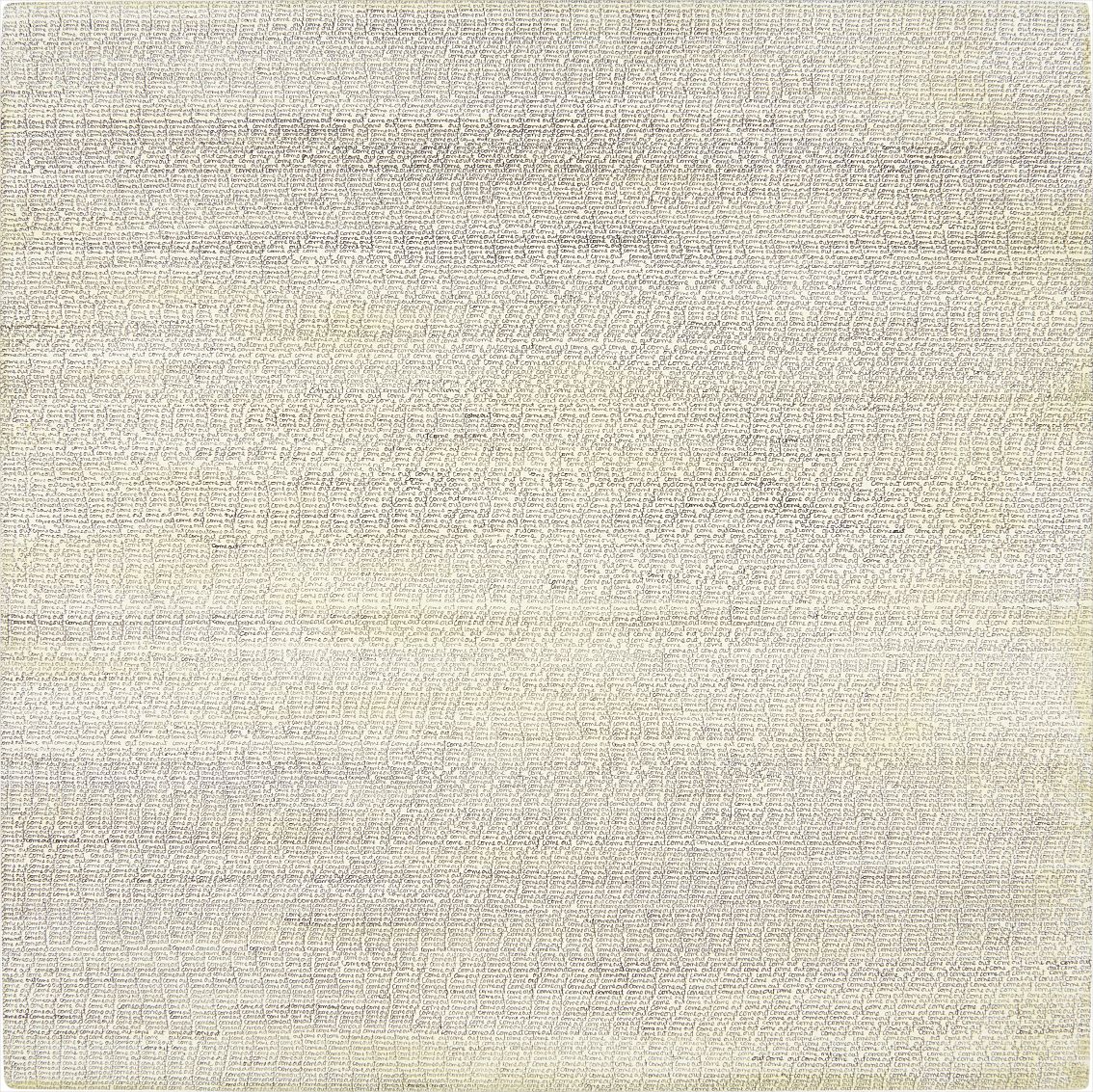
His work has attracted serious institutional interest and auction results that reward early collectors handsomely. Lucien Smith, who first drew attention with his rain paintings made by shooting paint from a fire extinguisher, represents a younger generation's engagement with movement as method rather than metaphor. His market trajectory has been watched closely, with early enthusiasm followed by the inevitable reassessment and now a more settled appreciation among collectors who stayed with him through the cycle. Kasper Sonne, whose practice engages rigorously with color and surface dynamics, and Nick Darmstaedter, who brings a raw material intelligence to his making, both reflect how the energy in this space has migrated toward artists who refuse clean stylistic labels.
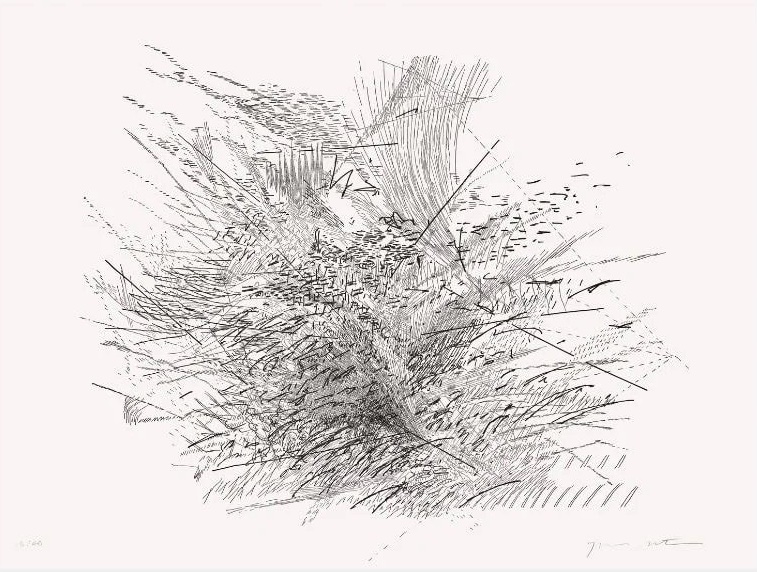
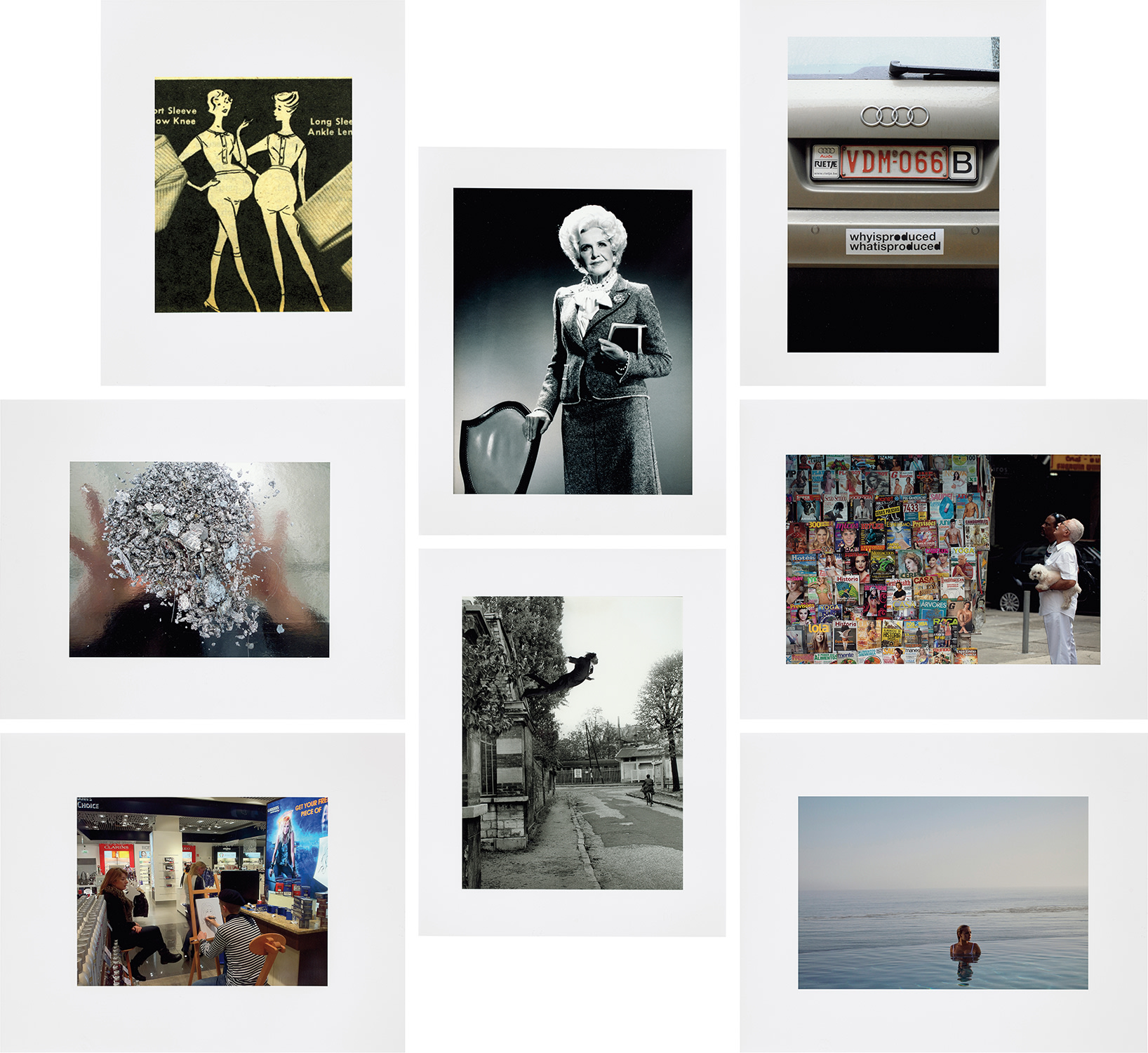
Nick Darmstaedter
Soft and Contemporary
The critical conversation shaping this category has been led by a handful of writers and curators willing to think across generational boundaries. Curator Katy Siegel's writing on postwar American abstraction established a framework that younger critics have built on and pushed against. Publications like Artforum and Frieze have devoted sustained attention to the question of what gesture means in a post digital context, when images move constantly on screens and physical marks carry a different weight than they did fifty years ago. That question is not purely theoretical.
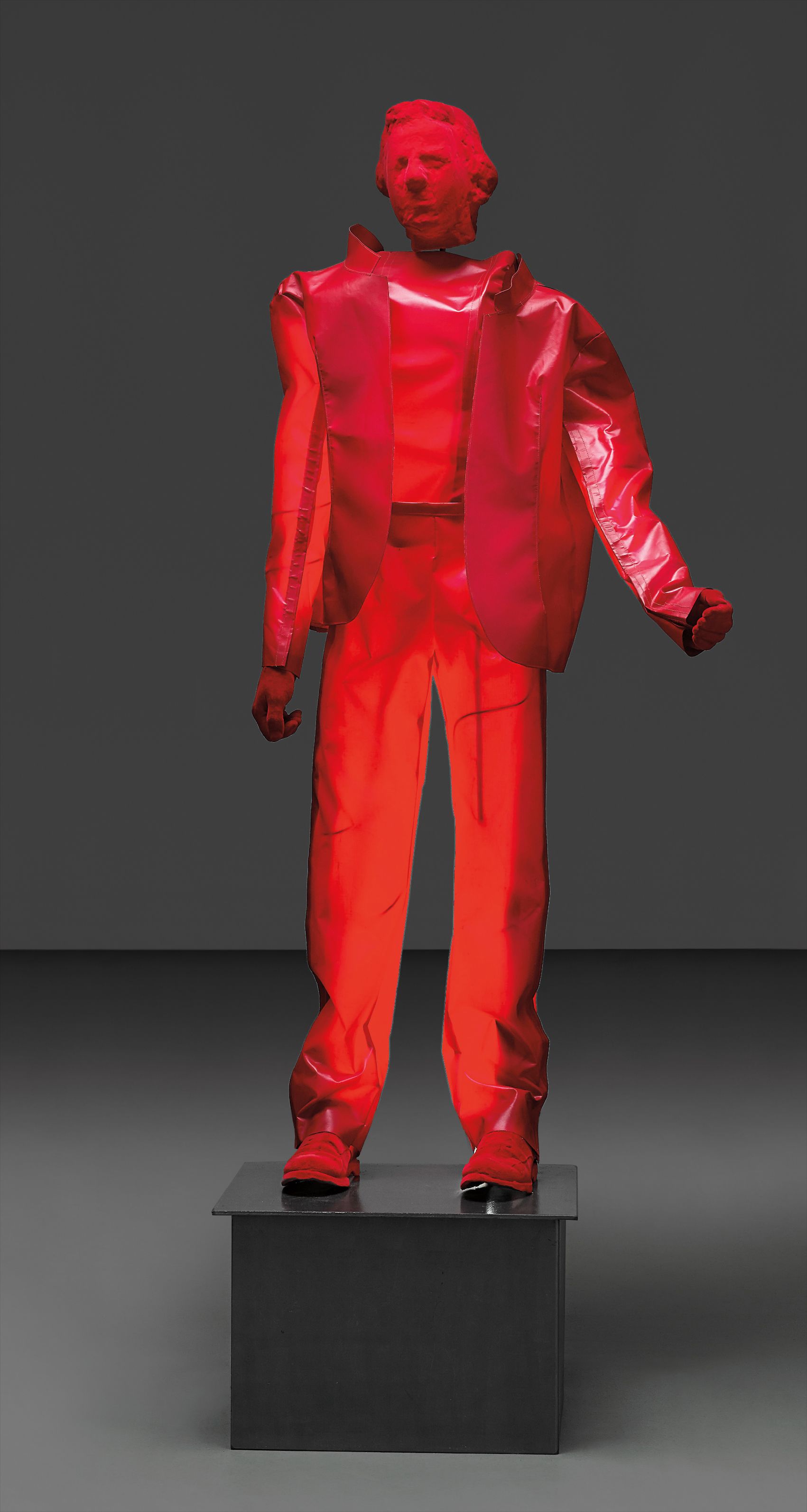
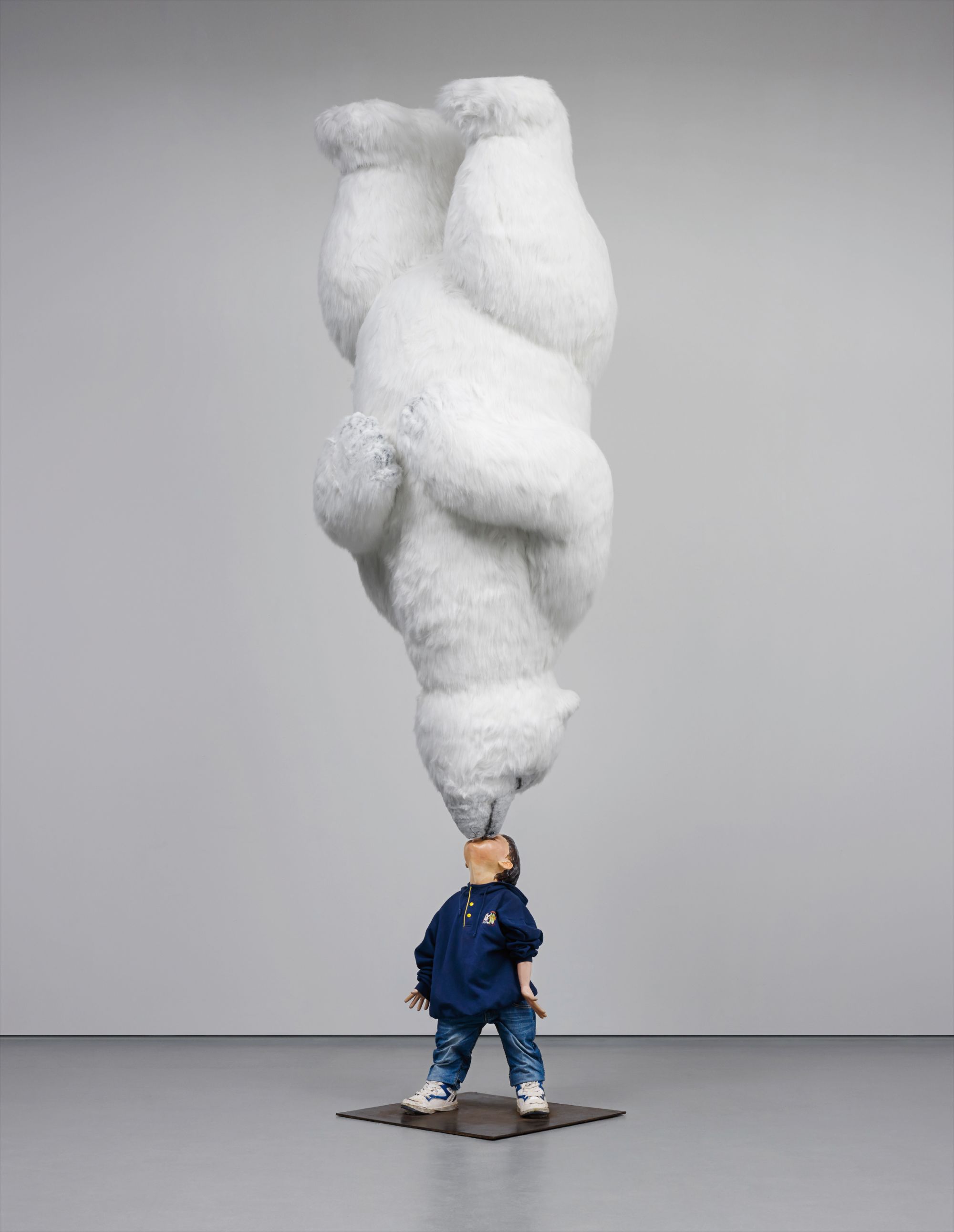
It directly influences what collectors are drawn to and what curators are willing to stake institutional reputations on. Artists like George Lappas and Mykola Matsenko bring geographical and cultural perspectives that expand the category beyond its Anglo American defaults. Lappas, the Greek sculptor and installation artist who represented Greece at the Venice Biennale in 1995, works with assemblage and constructed form in ways that animate space rather than merely occupying it. Matsenko's practice, rooted in Ukrainian artistic tradition but in active conversation with international contemporary discourse, adds a dimension that collectors interested in the full range of this category cannot afford to overlook.
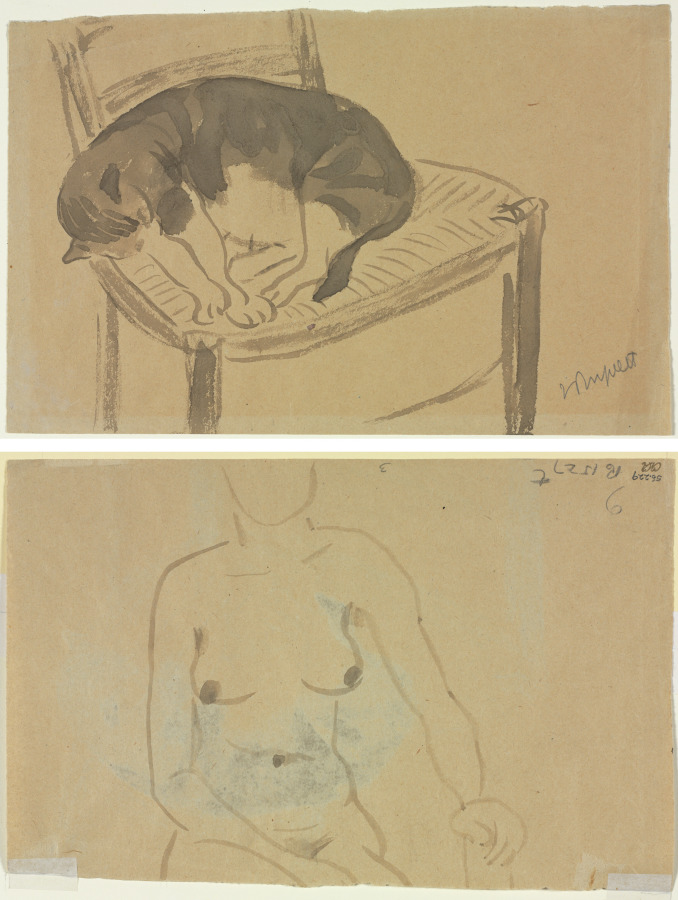
Machiko Edmondson
Titanium Exposé
Chen Lei, whose work engages with material transformation and surface tension, and Machiko Edmondson, whose sensitivity to mark and field brings a distinctive quietness to a category that can sometimes mistake noise for energy, both reward careful attention. Where does the energy go from here? The honest answer is toward artists who treat movement not as a style but as a genuine epistemological position, a way of knowing rather than a way of looking. Gary Gissler's engagement with process and accumulation, and the conceptual rigidity that sits beneath the apparently improvised surfaces in work by artists like those collected by private collectors building serious positions in this space, suggests that the most interesting buying is happening just ahead of consensus.
The market for the established figures is strong and will remain so. The genuinely exciting opportunity is in identifying which practitioners currently operating at the edges of legibility will, in ten years, seem as central as the artists who now anchor major collections. If the category has taught collectors anything, it is that restlessness, properly understood, is not instability. It is the condition of all serious work.