Medical Imagery
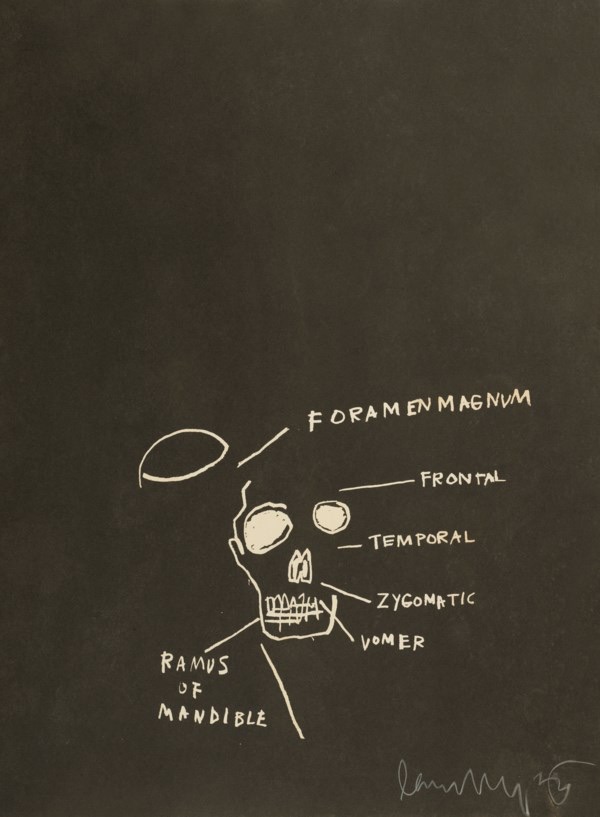
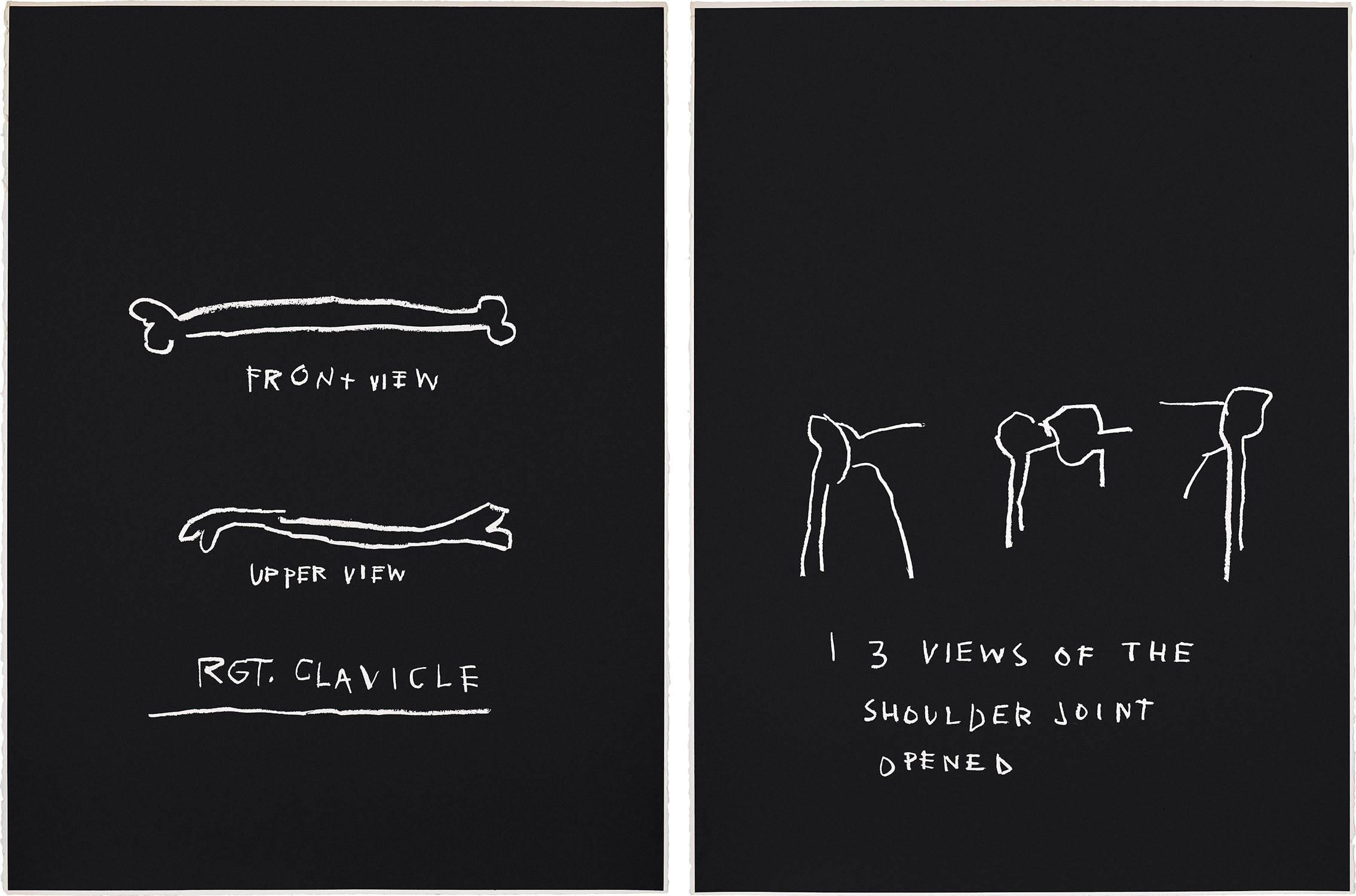
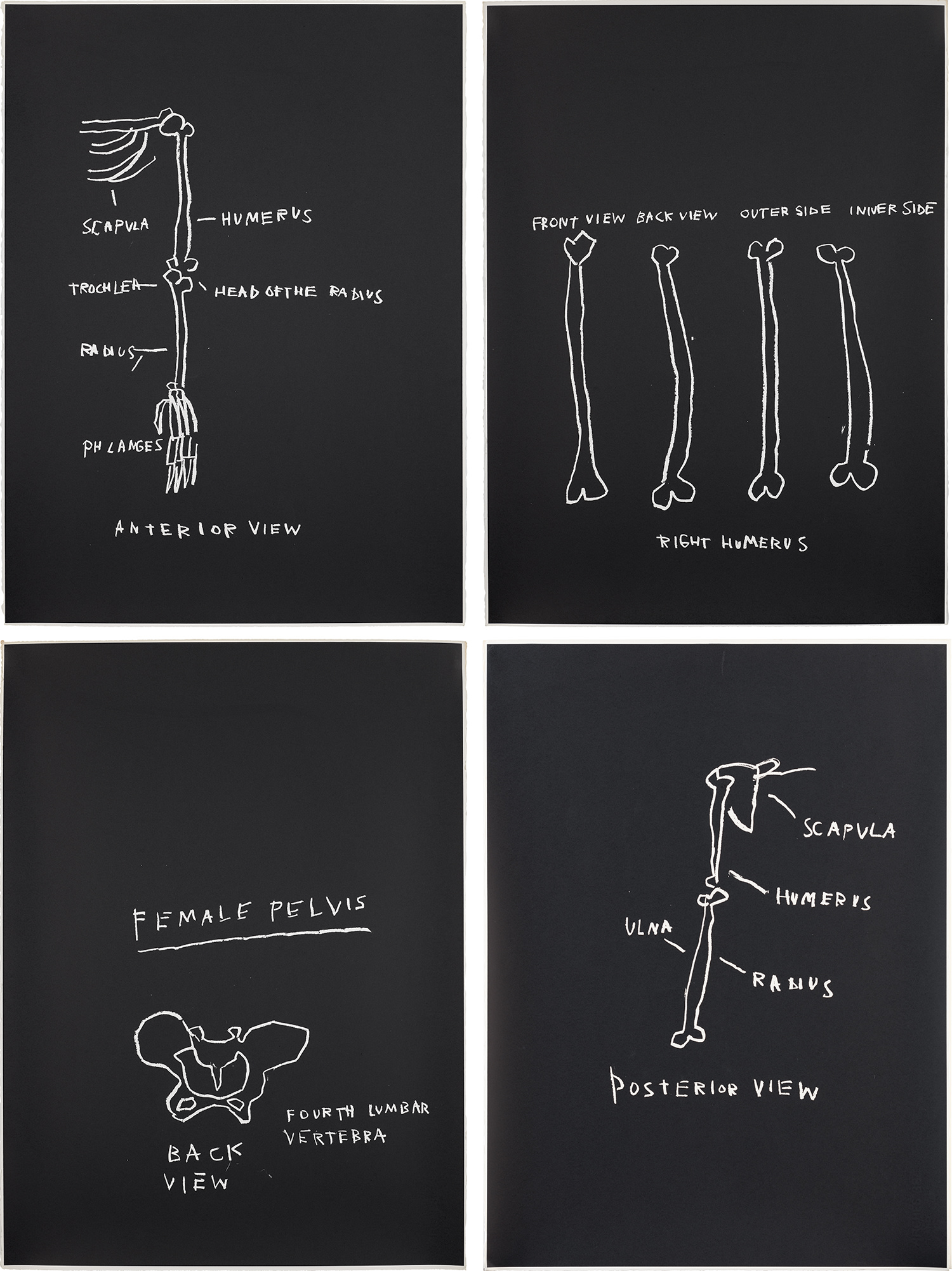
Jean-Michel Basquiat
Untitled (Ramus of Mandible) from Anatomy, 1982
The Body as Battleground: Collecting Medical Imagery
There is something deeply intimate about living with art that deals with the human body in extremis. Collectors drawn to medical imagery often describe a similar experience: an initial unease that gradually transforms into fascination, and then into something closer to gratitude. These works ask you to sit with mortality, with vulnerability, with the strange and often brutal machinery of medicine, and they do not let you look away easily. That quality of sustained confrontation is precisely what makes them so compelling to live with, and so rewarding to collect.
The appeal is partly intellectual and partly visceral. Medical imagery occupies a rare intersection between the clinical and the deeply personal, between systems designed to extend life and the fragile bodies those systems act upon. Unlike landscapes or portraiture, works in this territory carry an almost automatic charge. They arrive pre loaded with anxiety and wonder in equal measure, which means a skilled artist has extraordinary material to work with.
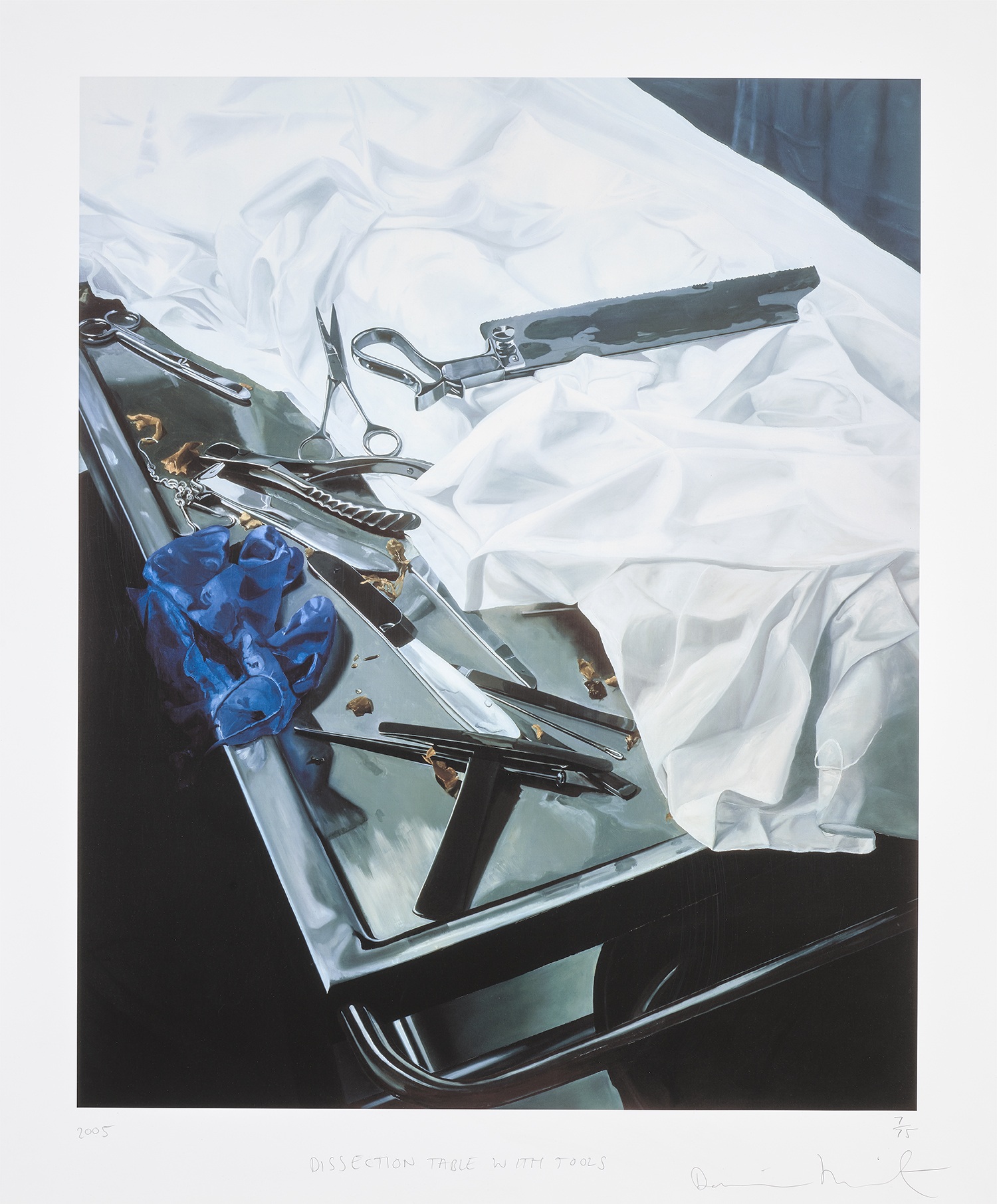
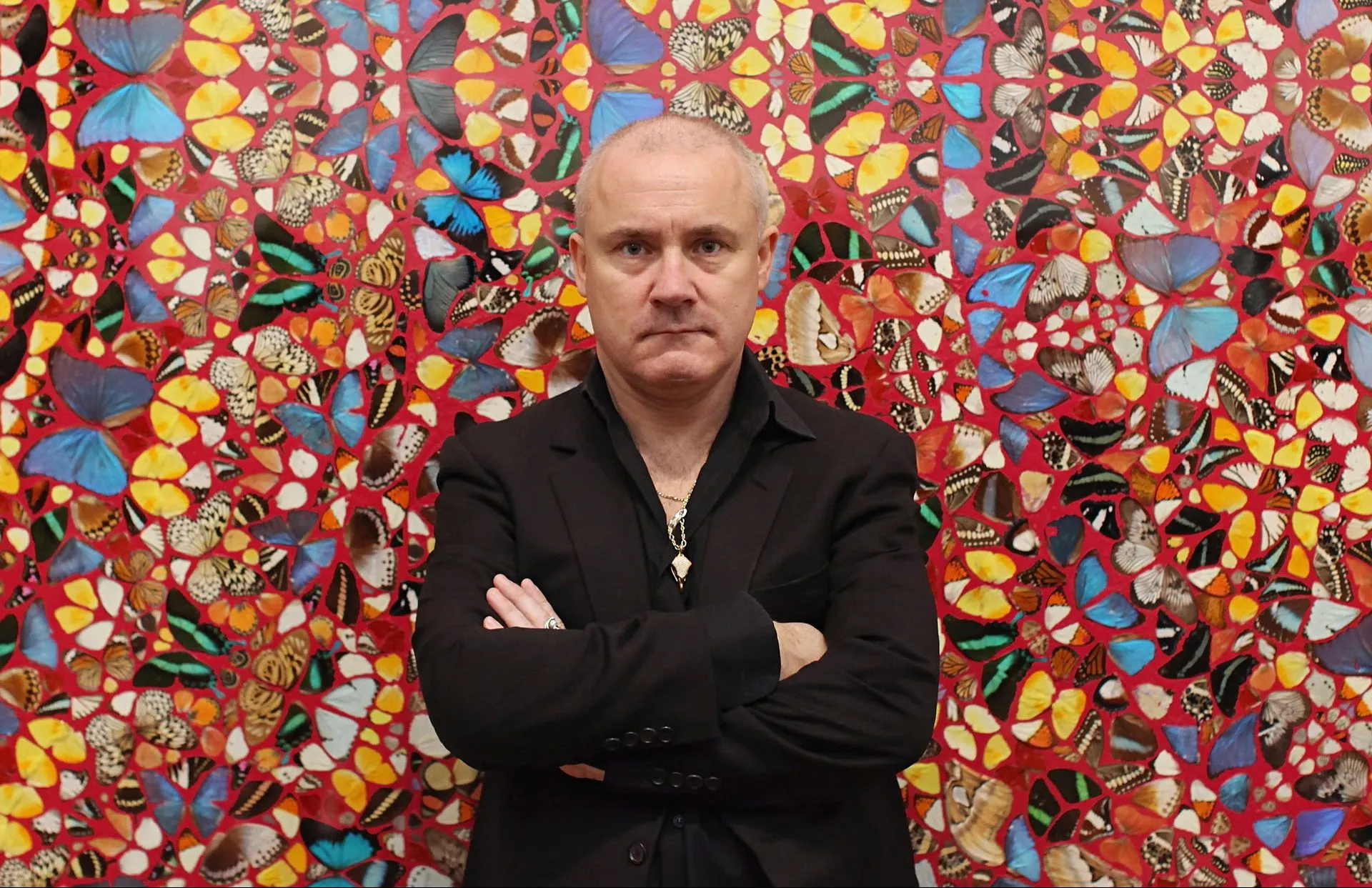
Damien Hirst
Dissection Table with Tools
The best collectors in this space understand that the category rewards patience and a genuine willingness to be unsettled. What separates a good work from a great one here is largely a question of emotional complexity. A lesser work in this territory tends toward the illustrative or the provocative for its own sake, using the iconography of medicine as shorthand for darkness without earning that darkness through artistic intelligence. A great work, by contrast, uses the clinical as a lens to examine something far larger.
The presence of a pharmaceutical chart, a surgical instrument, or an anatomical diagram should feel inevitable rather than decorative. Collectors should ask themselves whether the medical element is doing real work in the piece, whether it is generating meaning rather than simply signaling intent. Damien Hirst is the unavoidable figure in any serious conversation about medical imagery and the art market. His engagement with pharmaceutical aesthetics, spot paintings derived from drug compounds, and installations involving surgical environments has made him one of the most commercially dominant artists of the past three decades.
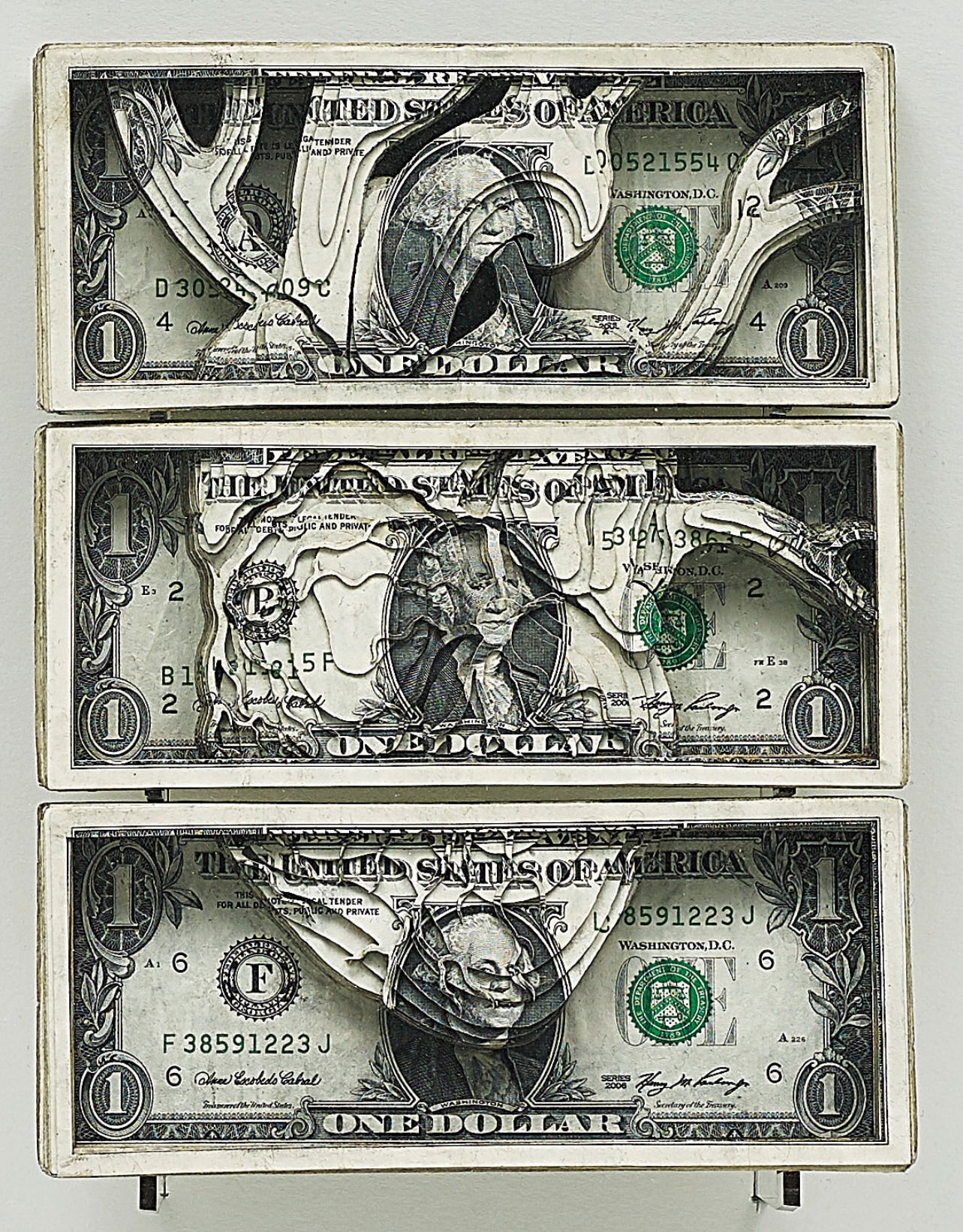
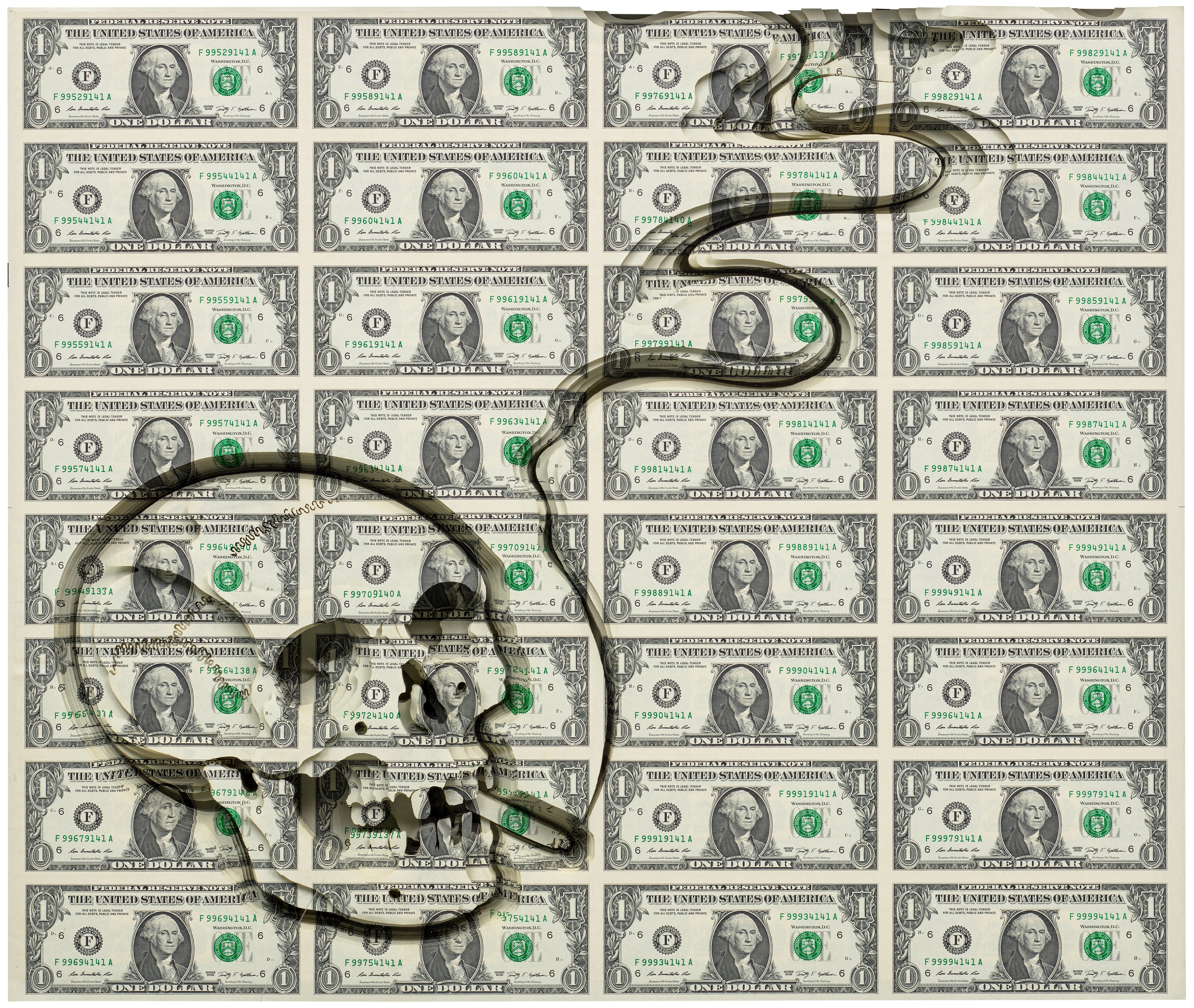
Scott Campbell
Anatomical Heart, 2009
His works on The Collection represent that sustained fascination with medicine as both subject and system. What collectors often underestimate about Hirst is the degree to which his market is stratified: the most significant works, those that carry genuine art historical weight rather than brand recognition alone, command prices that reflect a different order of ambition entirely. Condition and provenance documentation matter enormously with Hirst, particularly for works involving organic materials or proprietary cabinet constructions. Jean Michel Basquiat approaches the body from a completely different angle, and his medical imagery is among the most emotionally searing in twentieth century art.
His anatomical drawings and paintings, which reference Grey's Anatomy and the visual language of medical illustration, are inseparable from his engagement with race, power, and the history of how Black bodies have been treated by medical and scientific institutions. Works from his most focused period in the early 1980s appear occasionally at auction and consistently set records that reflect both his canonical status and the relative scarcity of top tier material. Basquiat is well represented on The Collection, and his presence in this category is a reminder that the most powerful medical imagery is rarely just about medicine. Luc Tuymans brings a quieter and in some ways more disturbing sensibility to this territory.
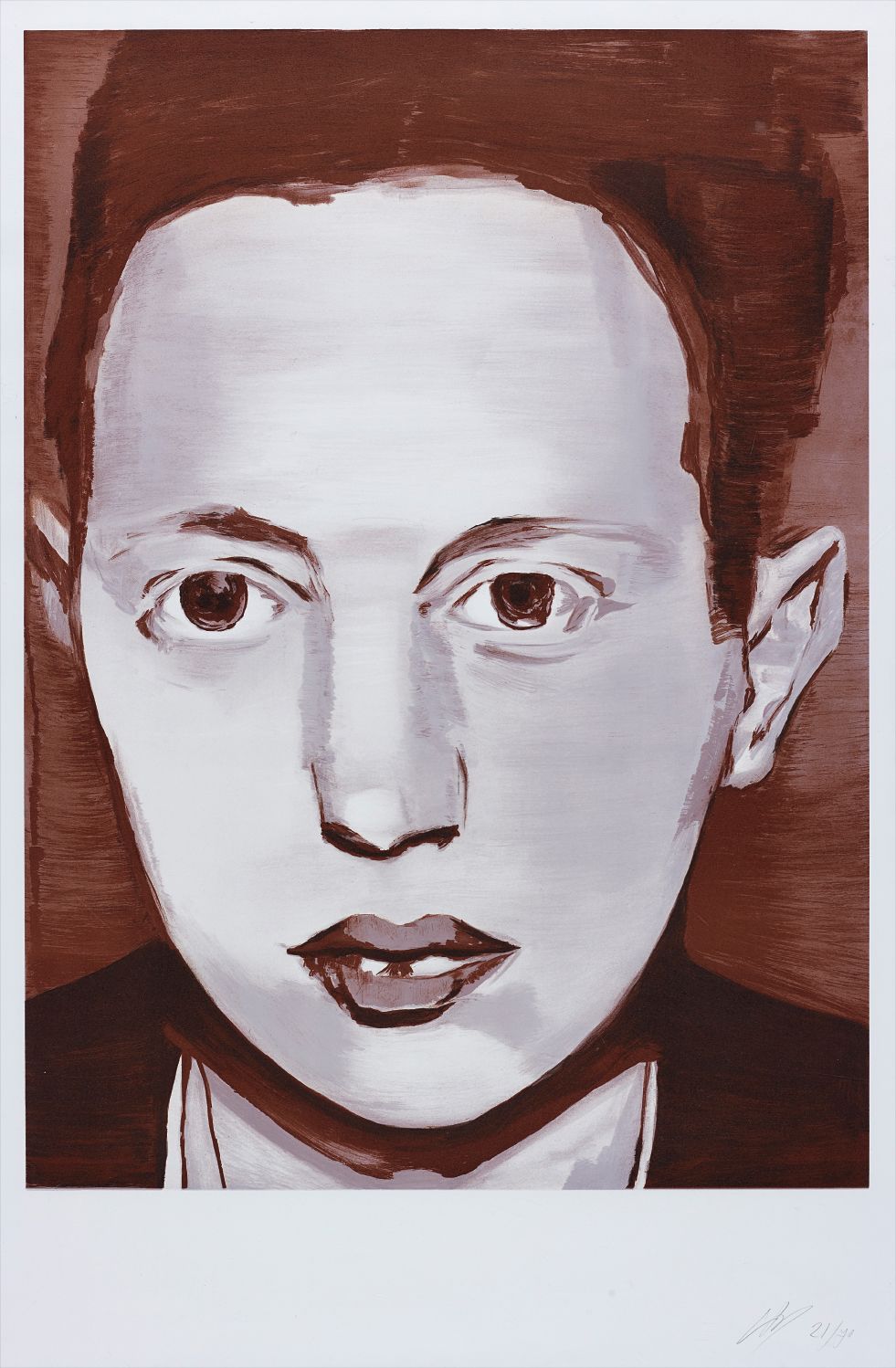
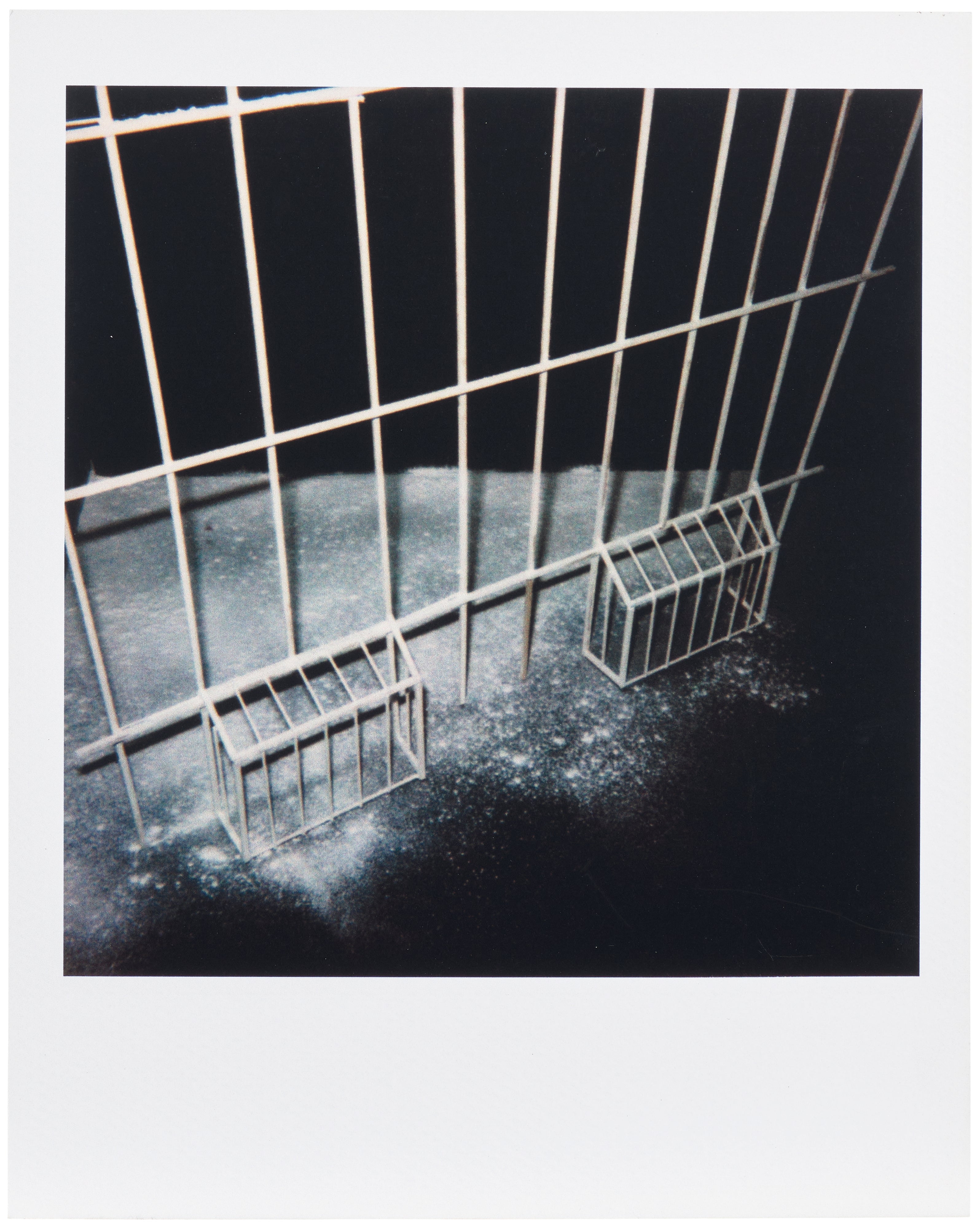
Luc Tuymans
Der Diagnostische Blick V (The Diagnostic View V)
His paintings of clinical spaces, of bodies rendered in his characteristically drained and evacuated palette, achieve a psychological weight that accumulates slowly. Tuymans understood early in his career that the most effective way to address trauma was through restraint rather than spectacle. Collectors who acquire Tuymans often speak of works that seem to change over time, not in any literal sense but in the way they continue to yield new readings. His market has remained relatively stable and has appreciated steadily over the past two decades, making him a genuinely compelling consideration for collectors thinking about long term value.
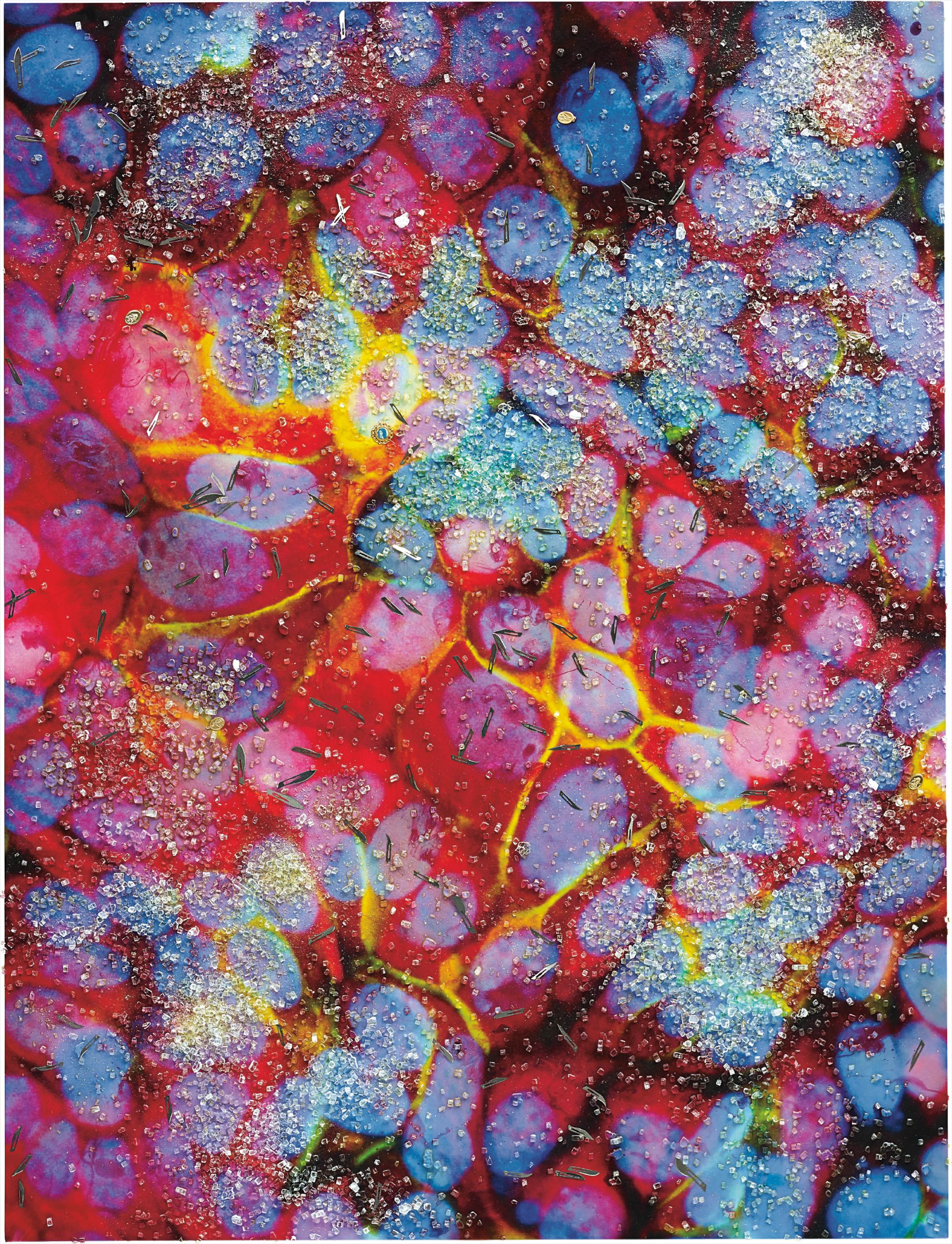
Scott Campbell offers a striking counterpoint to the more institutional modes of medical imagery. His work engages with the body through the language of tattooing, surgical precision, and decorative systems derived from medical and pharmaceutical iconography. There is a physicality to his practice that distinguishes it from artists working in paint or photography, and collectors who have come to his work through his broader cultural visibility are often surprised by the rigorous conceptual underpinning of his most significant pieces. He represents one of the more interesting opportunities in this space for collectors who want to engage with medical imagery through a lens that feels genuinely contemporary.
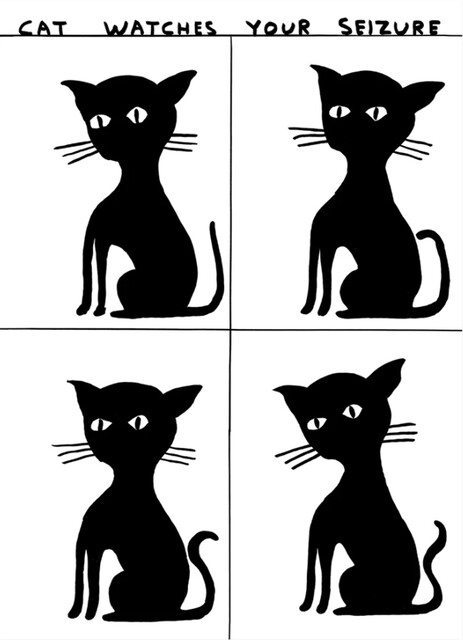
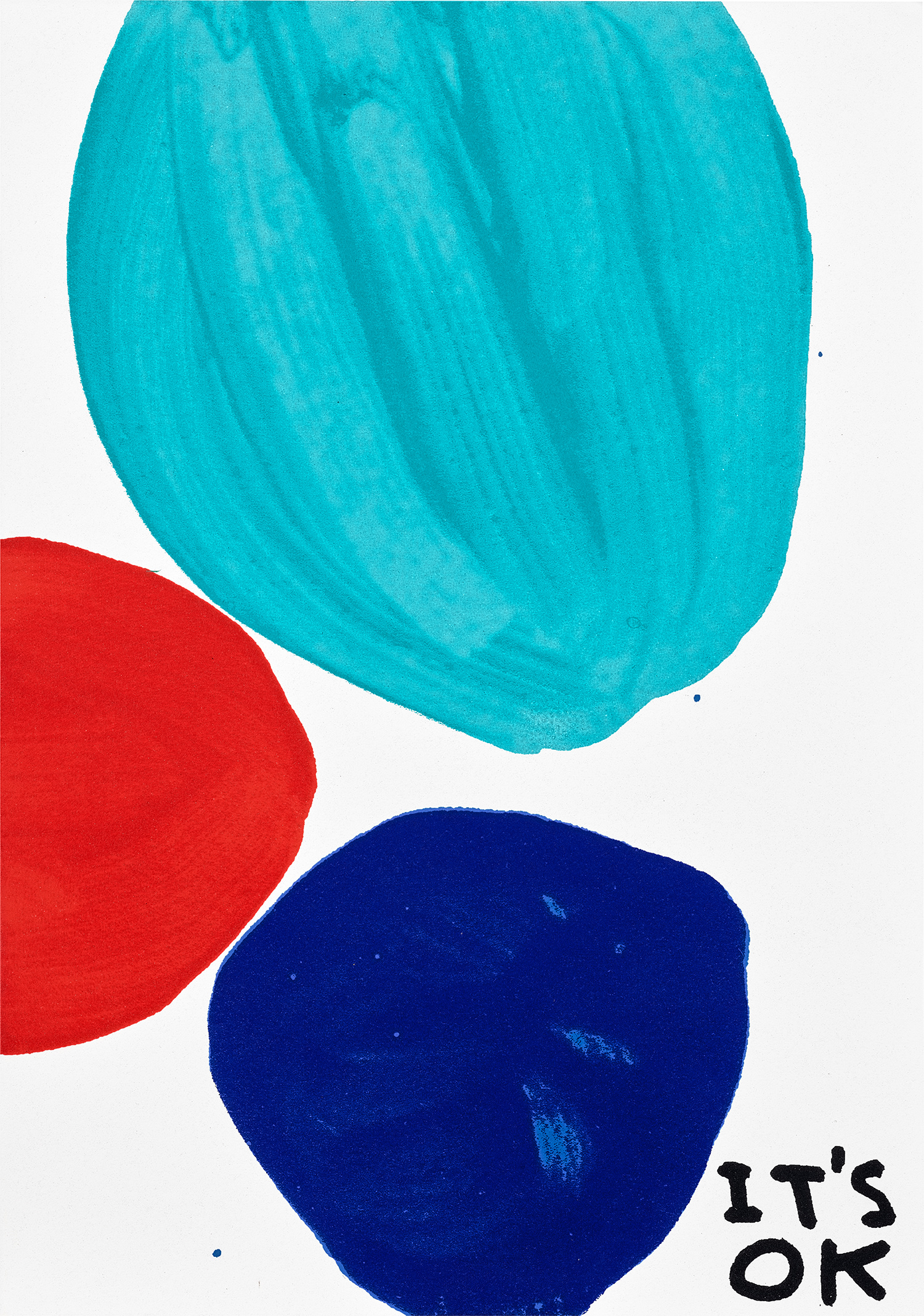
David Shrigley
Untitled (Cat Watches Your Seizure), 2023
For those watching the emerging end of the market, the territory of medical imagery is unusually active right now. A generation of artists who came of age during a period of acute public awareness around health systems, pharmaceutical capitalism, and bodily autonomy is producing work that engages with these themes from perspectives that feel new. Artists working in video, textiles, and digital media are finding ways to address clinical environments and the politics of the body that do not rely on the established iconography of scalpels and specimen jars. The critical reception for this work is growing, and early acquisition opportunities remain genuinely available.
Practical considerations for collectors are worth addressing directly. Editions versus unique works is a real question in this category: Hirst's print editions, for instance, are widely available and carry different market dynamics than his unique canvases or sculptures. Always ask a gallery or dealer for complete edition information, including total edition size, artist's proofs, and any variant editions. For works involving photography, condition of the printing substrate and any framing materials is critical, particularly for works intended for long term display.
Medical imagery can be demanding to place in a domestic environment, and experienced collectors often find that a single strong work in the right context carries far more impact than a grouping. Let the work have the space it needs to do its work.