Male Figures
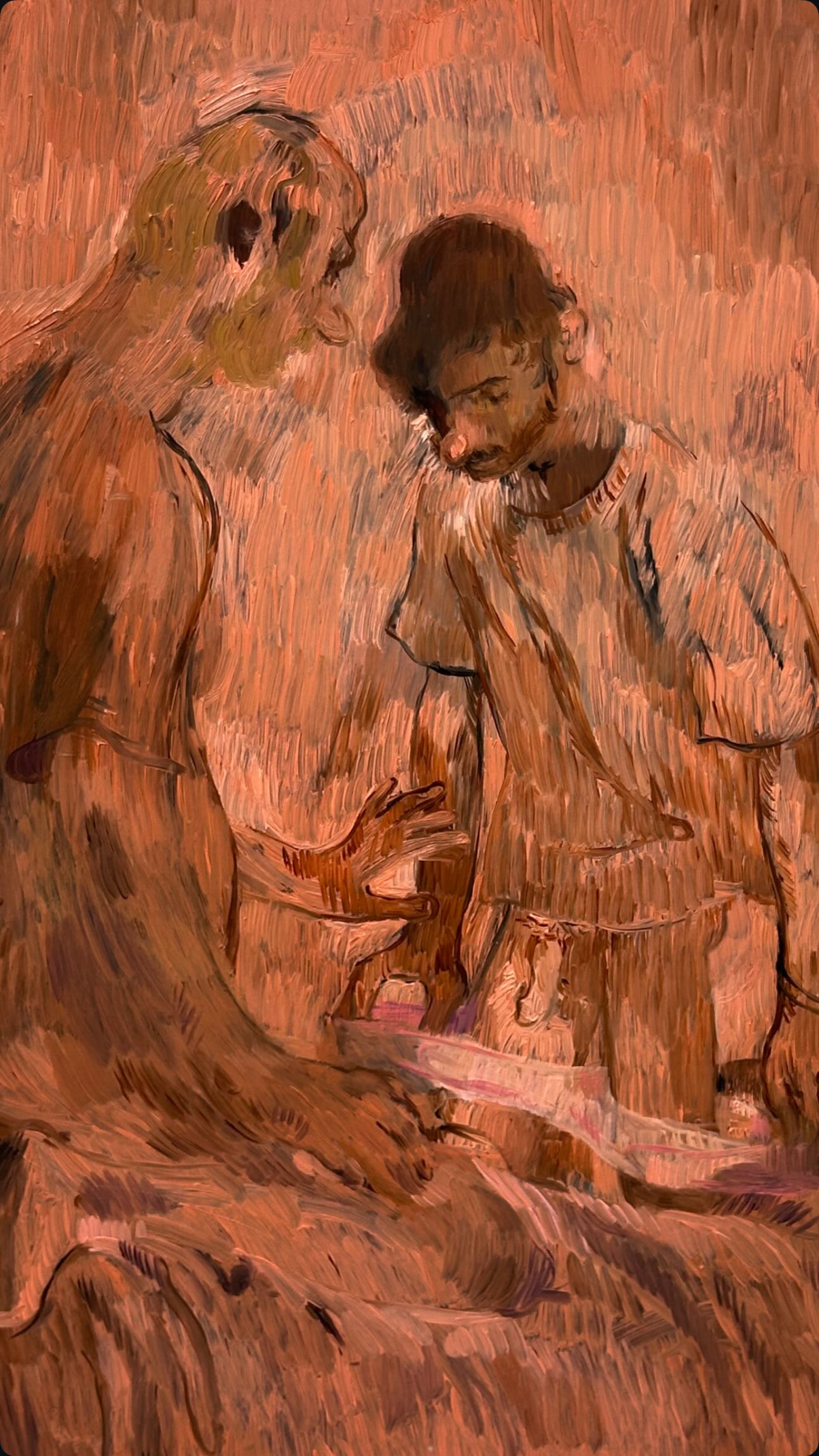
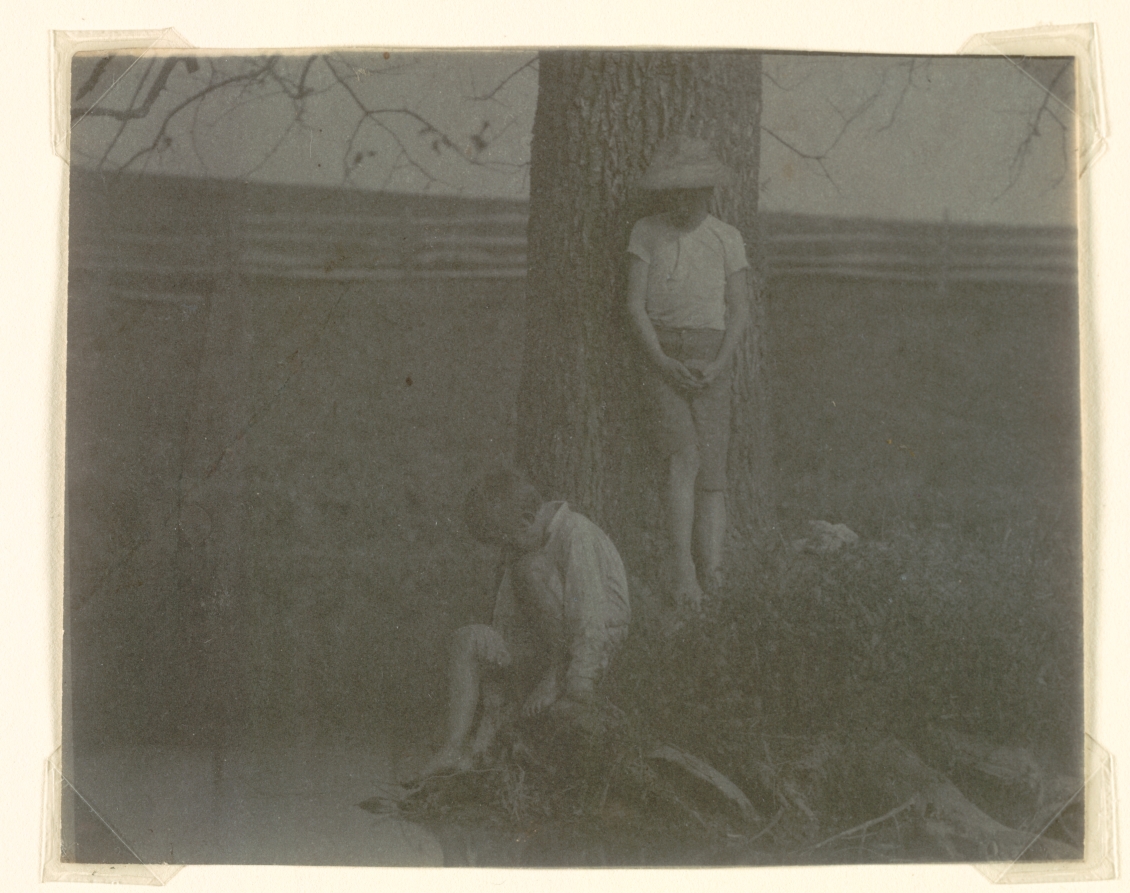
Salman Toor
Untitled

The Male Figure: Art's Most Contested Territory
There is something almost charged about collecting representations of the male figure. Unlike the female nude, which accumulated centuries of institutional approval and market infrastructure, images of men rendered with tenderness, vulnerability, or outright desire arrived late to the canon and remain contested enough to feel genuinely alive. That tension is part of what draws serious collectors to this category. When a work makes you consider who is looking, who is being seen, and on whose terms, you are already in interesting territory.
Collectors who live with works in this space often speak about a quality that is difficult to articulate at first but becomes obvious over time: these images ask something of the viewer. A Lucian Freud figure painting demands a reckoning with flesh and mortality in equal measure. A photograph by Thomas Eakins from the 1880s, made at a moment when the male body in photography occupied an ambiguous space between medical study and something more personal, creates a friction that has not diminished with age. The best works in this category retain that friction indefinitely.
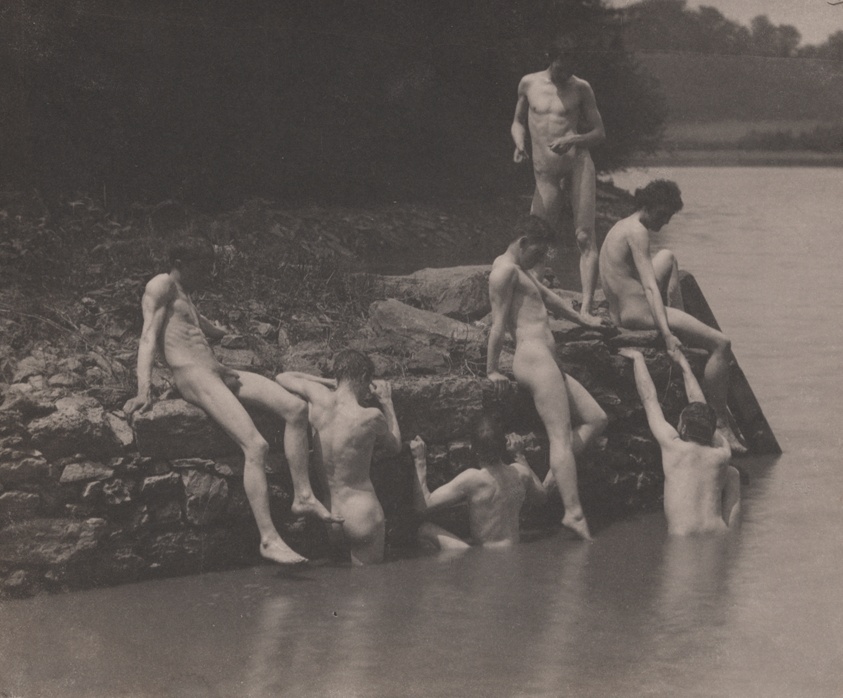
Thomas Eakins
Study for "Swimming", 1884
They do not resolve into decoration. So what separates a good work from a great one? The answer, as with most categories, begins with the artist's relationship to the subject. Works made from genuine obsession rather than convention tend to carry it in the surface.
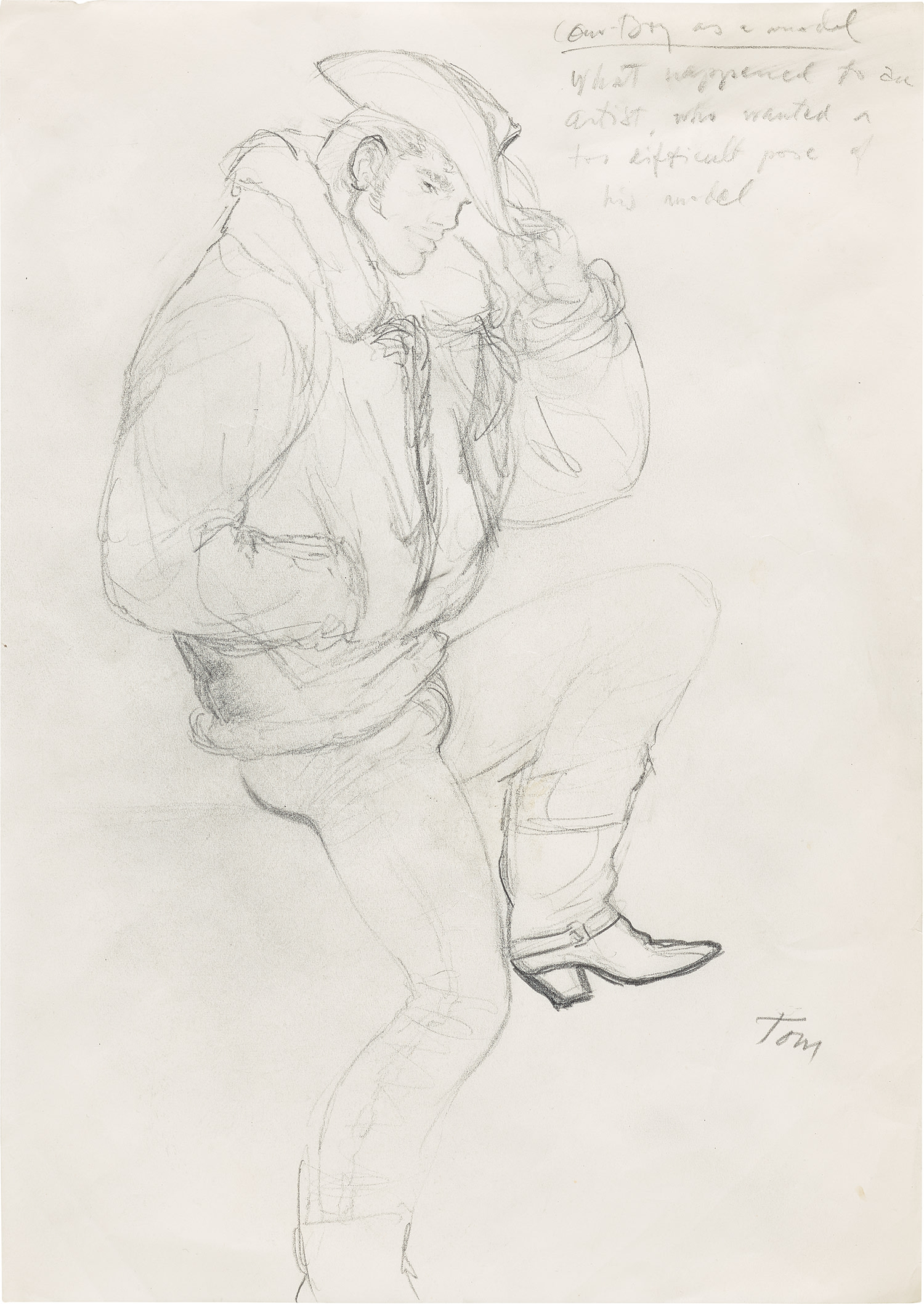
Tom of Finland understood the male body as a site of fantasy and political statement simultaneously, and that doubled commitment produces images with an almost uncomfortable intensity. By contrast, academic studies made to satisfy a syllabus or a commission often feel exactly that: satisfactory. When you are looking at a work, ask yourself whether the artist appears to have needed to make it. The answer is usually legible.
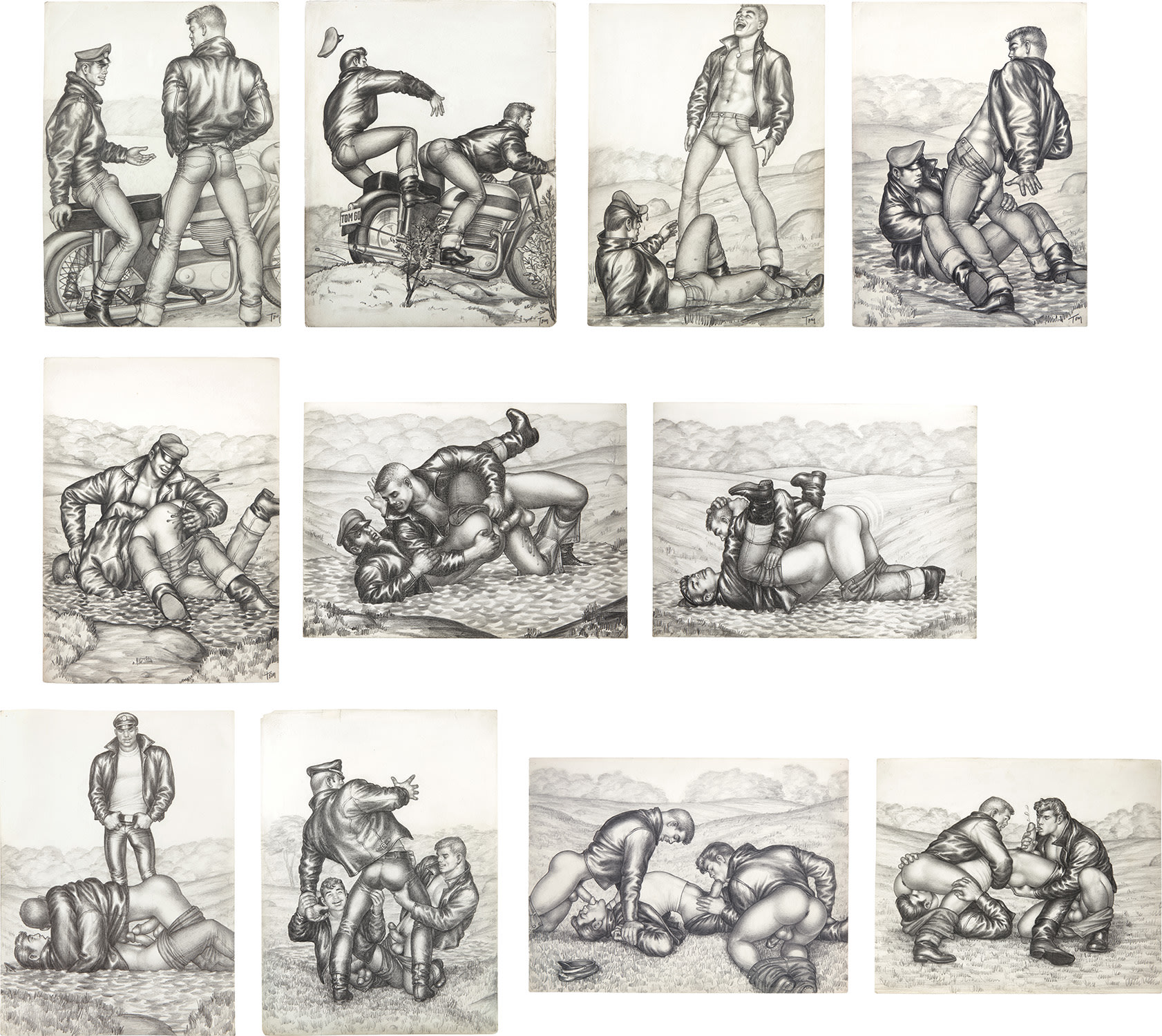
Tom of Finland
Eleven works: (i-xi), 1959
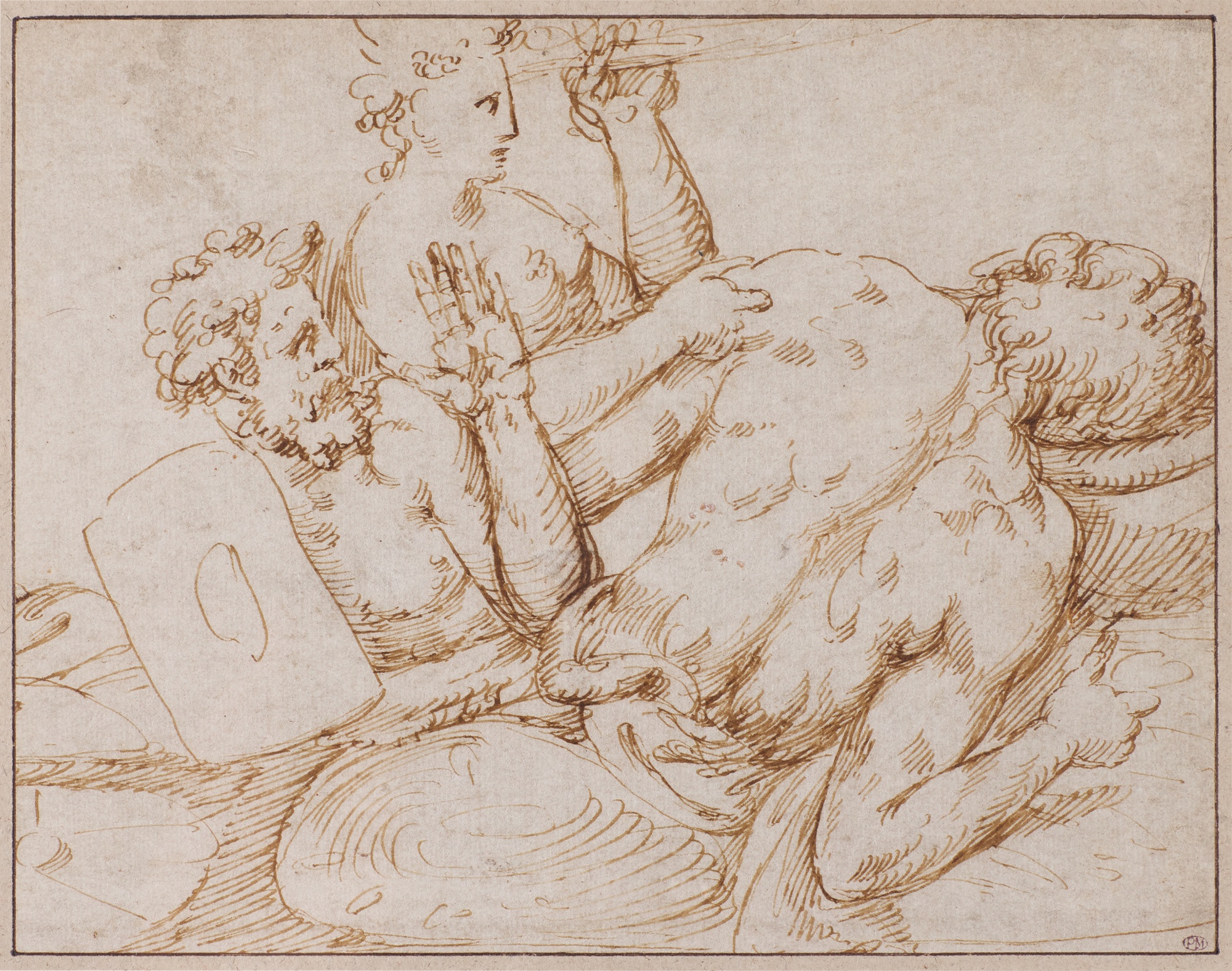
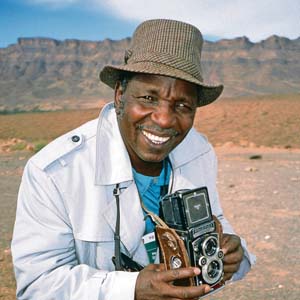
Technical execution matters enormously but it is not sufficient on its own. A drawing attributed to Bartolomeo Neroni, called Il Riccio, from the Italian Renaissance tradition, carries the authority of a lineage that trained artists to understand the body as architecture. That kind of draftsmanship is rare and genuinely valuable. But so is the quality you find in a photograph by Malick Sidibé, who brought an extraordinary social intelligence to images of young men in Bamako in the 1960s and 1970s, producing work that is formally elegant and historically irreplaceable at once.
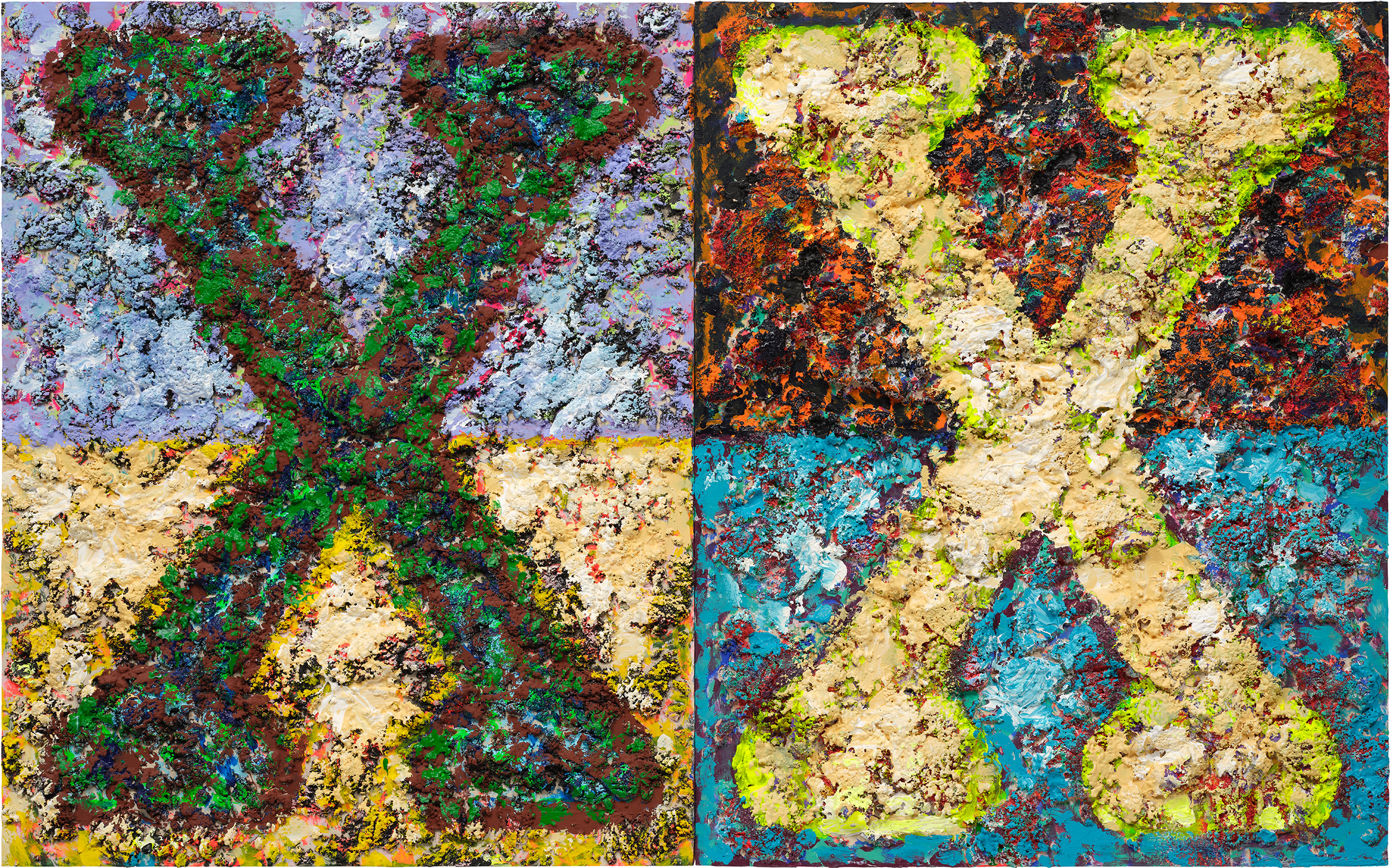
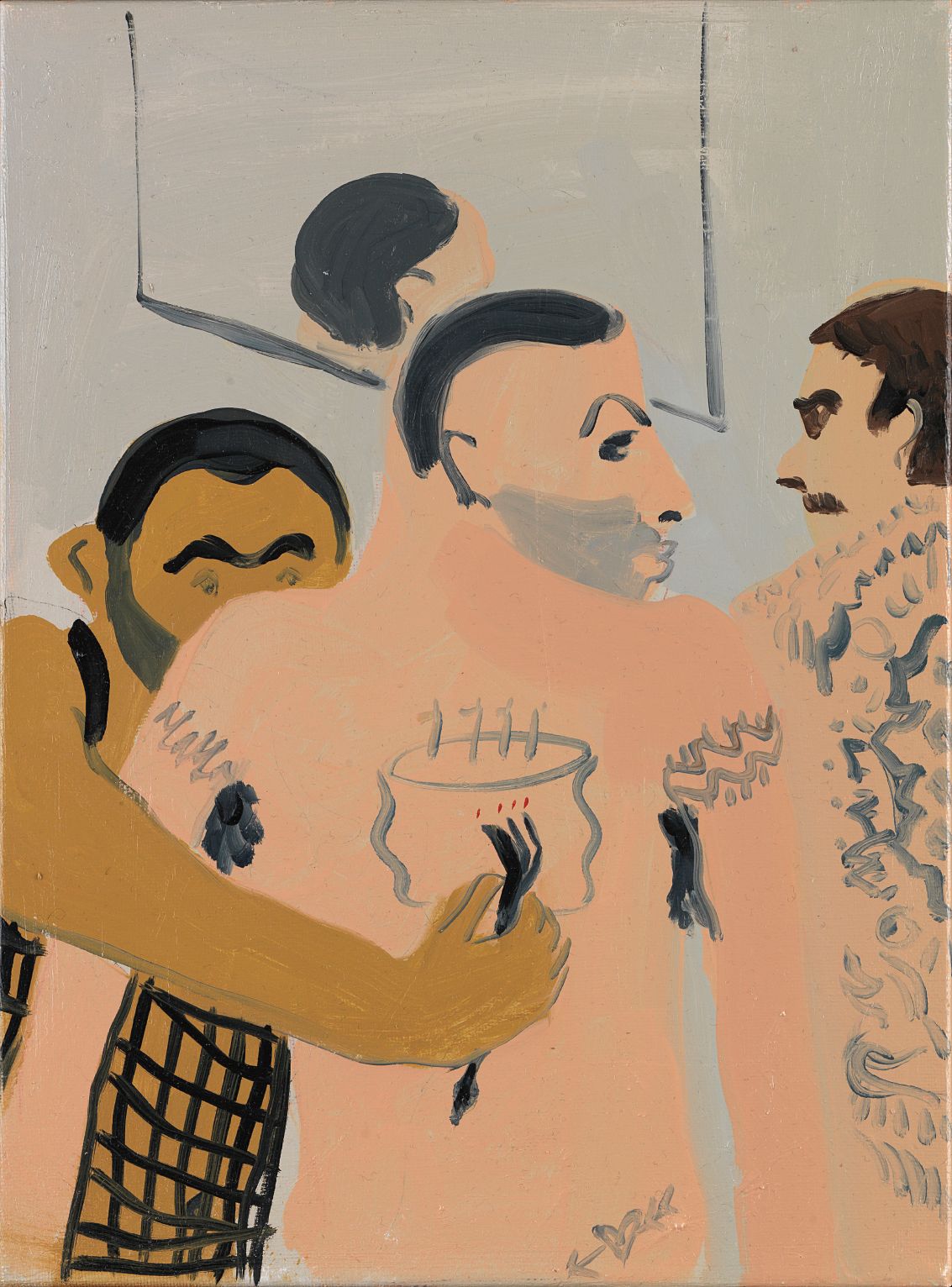
The criteria for greatness shift with the tradition, but the presence of real commitment does not. For collectors focused on value, several artists represented on The Collection deserve particular attention. Salman Toor has emerged over the past decade as one of the most important painters working with the male figure today, bringing a layered sensibility that owes debts to both South Asian miniature painting and the European tradition of intimate interior scenes. His work sold modestly at auction as recently as 2018 and now commands serious prices at major houses.
Salman Toor
Untitled
Vaughn Spann, working across painting and mixed media, approaches the figure with a different kind of urgency rooted in questions of Black identity and abstraction. Both artists are at a stage where institutional validation is accumulating rapidly, which is typically the moment before prices become prohibitive for many collectors. The window is not permanently open. Among the more underrecognized figures worth watching, Tala Madani presents a compelling case.
Her paintings of anonymous male figures, often caught in absurd or ritualistic scenarios bathed in strange light, have attracted sustained critical attention without the auction market yet fully catching up to her gallery reputation. Gertjan Bartelsman, working in a quieter register, repays close looking. The secondary market for artists like these tends to move in surges once a major museum acquisition or retrospective crystallizes the critical consensus, and patient collectors who identify that moment early are frequently rewarded. At auction, works depicting the male figure span an extraordinary range of outcomes depending on artist, medium, and provenance.
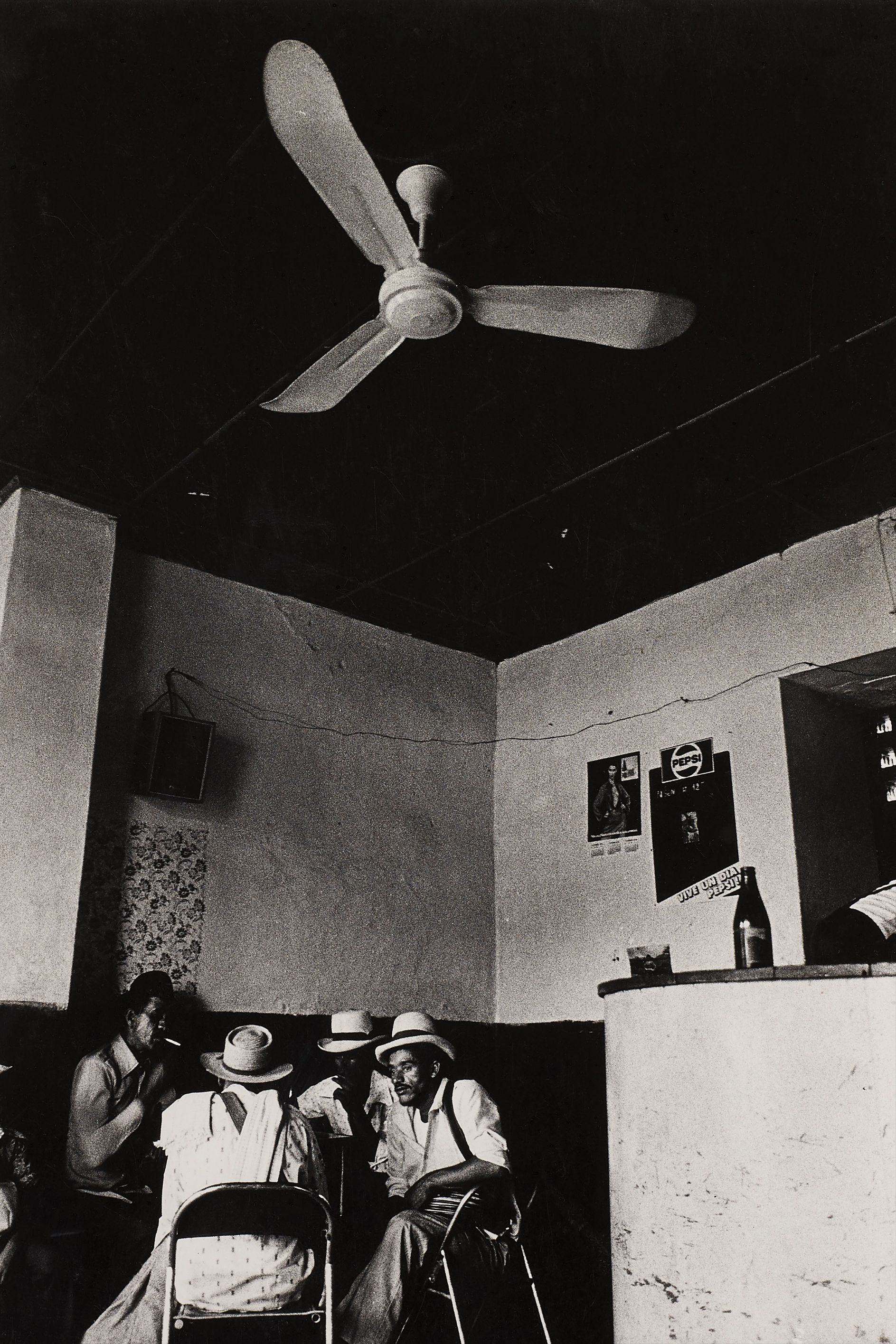
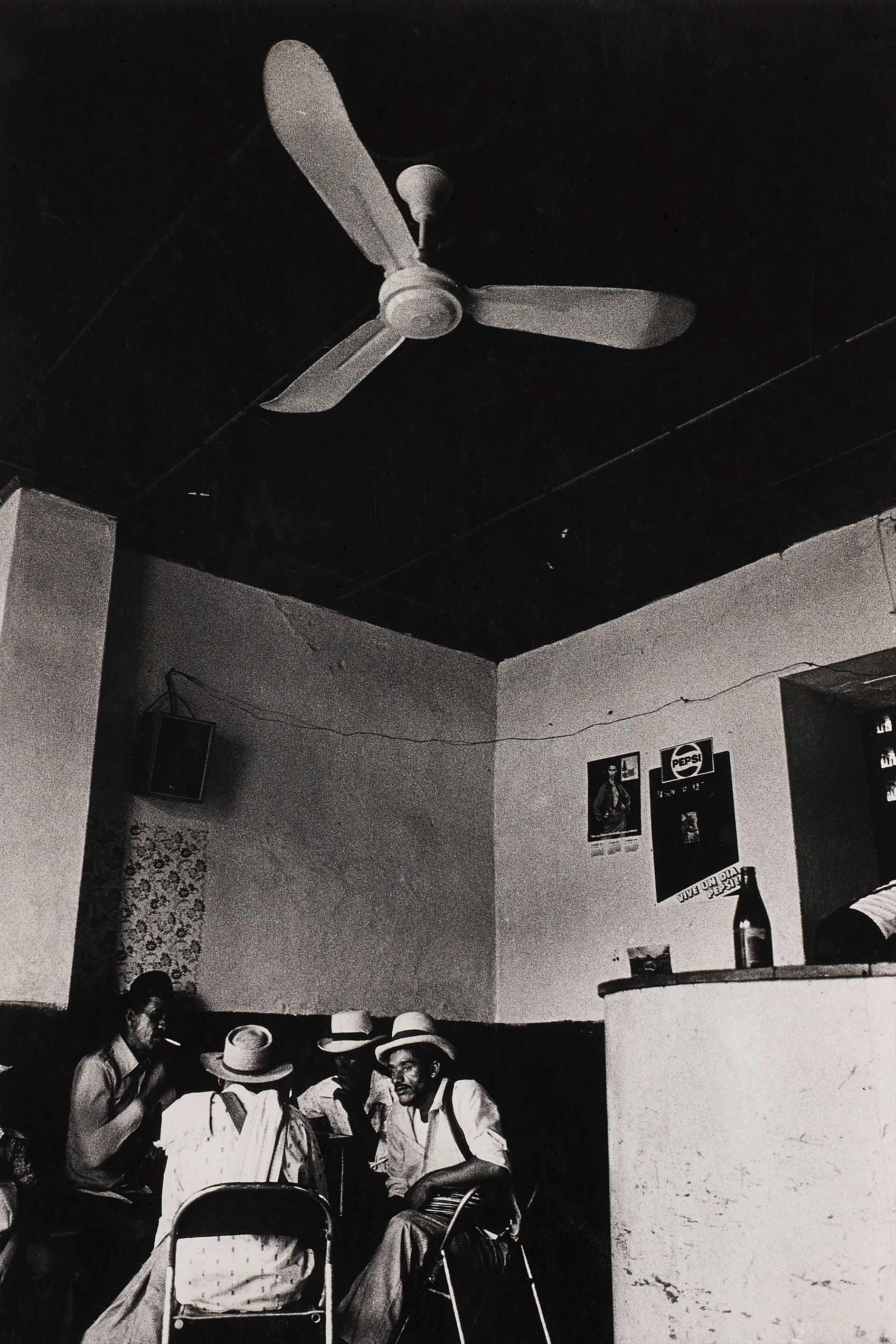
Gertjan Bartelsman
No title (Men in bar)
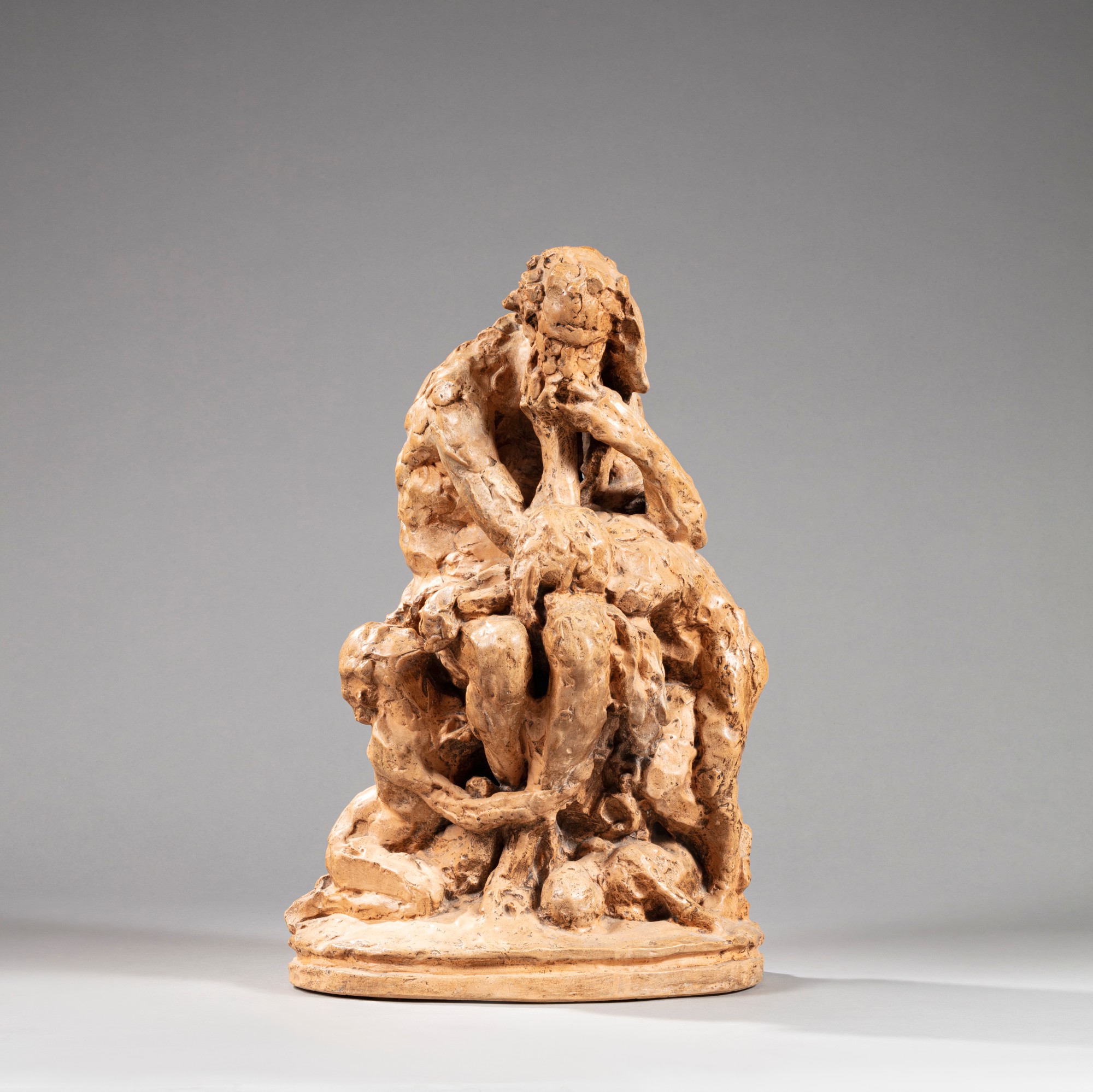
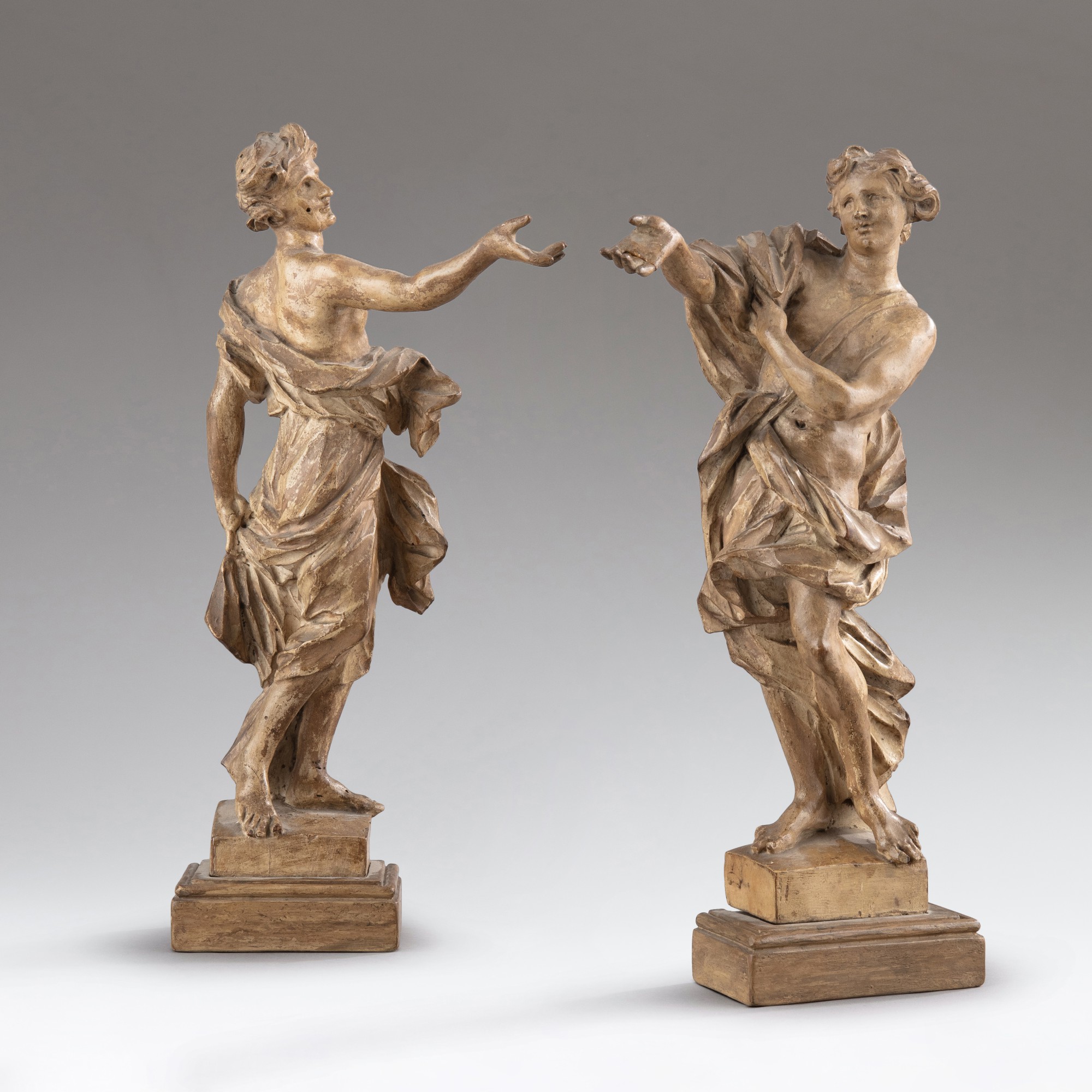
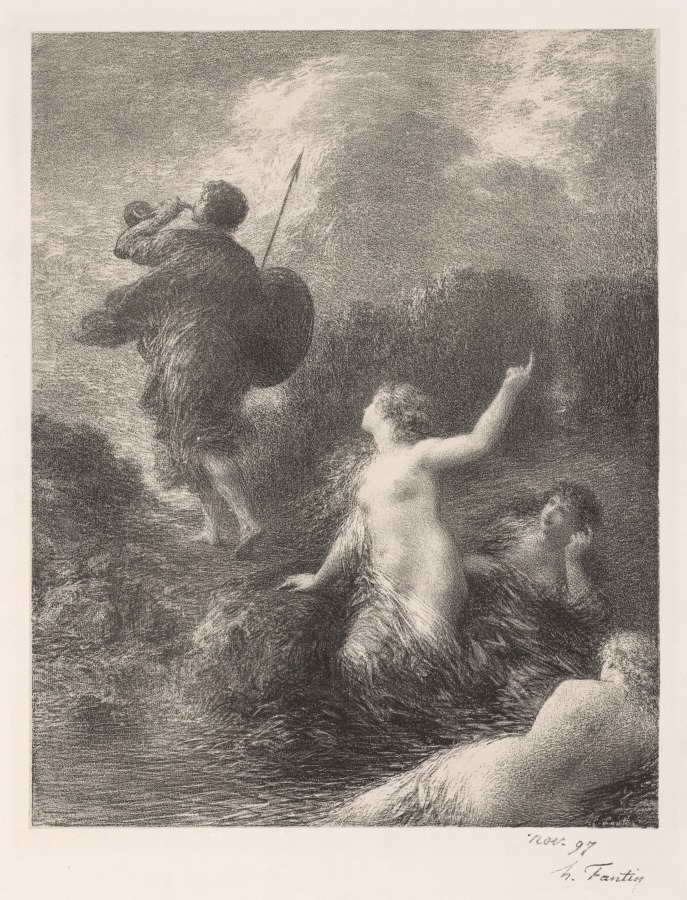
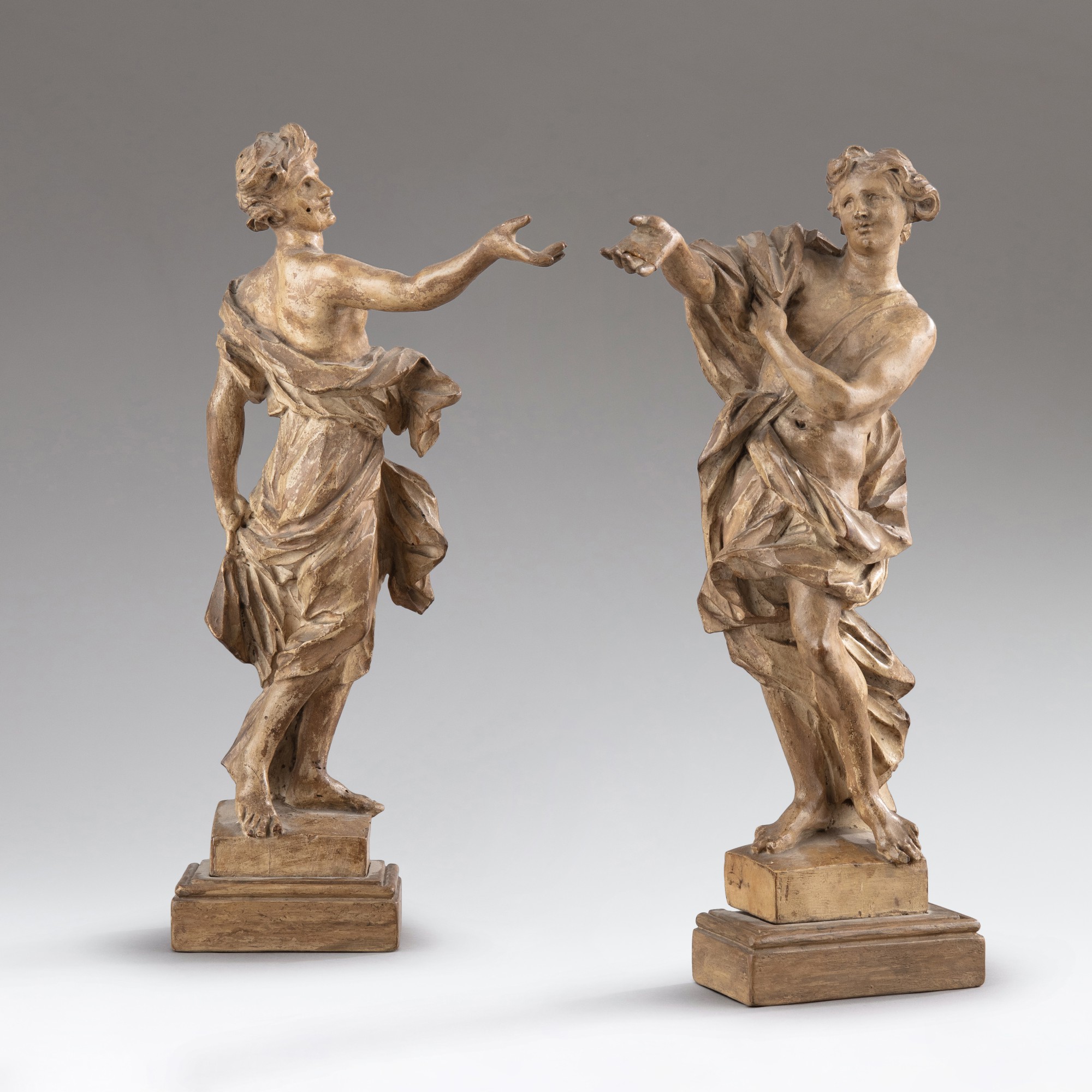
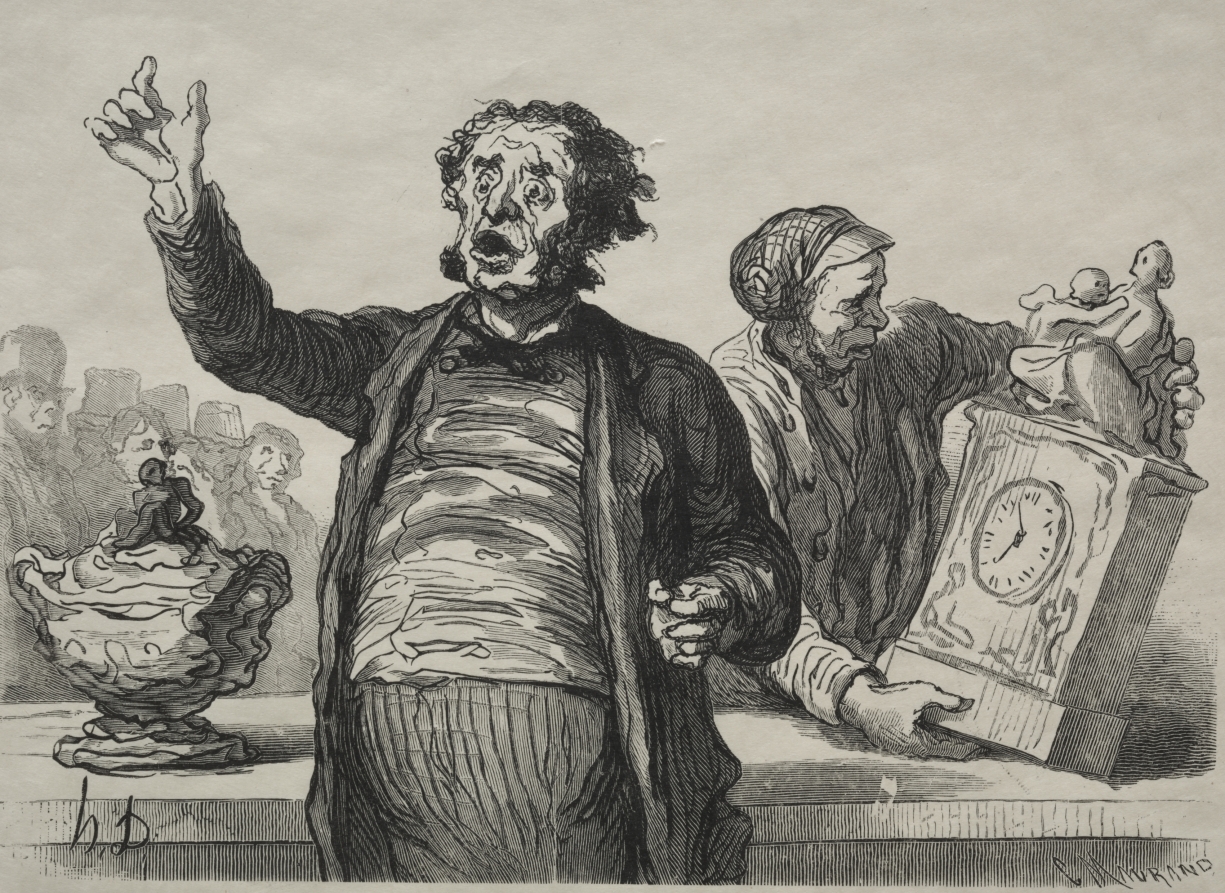
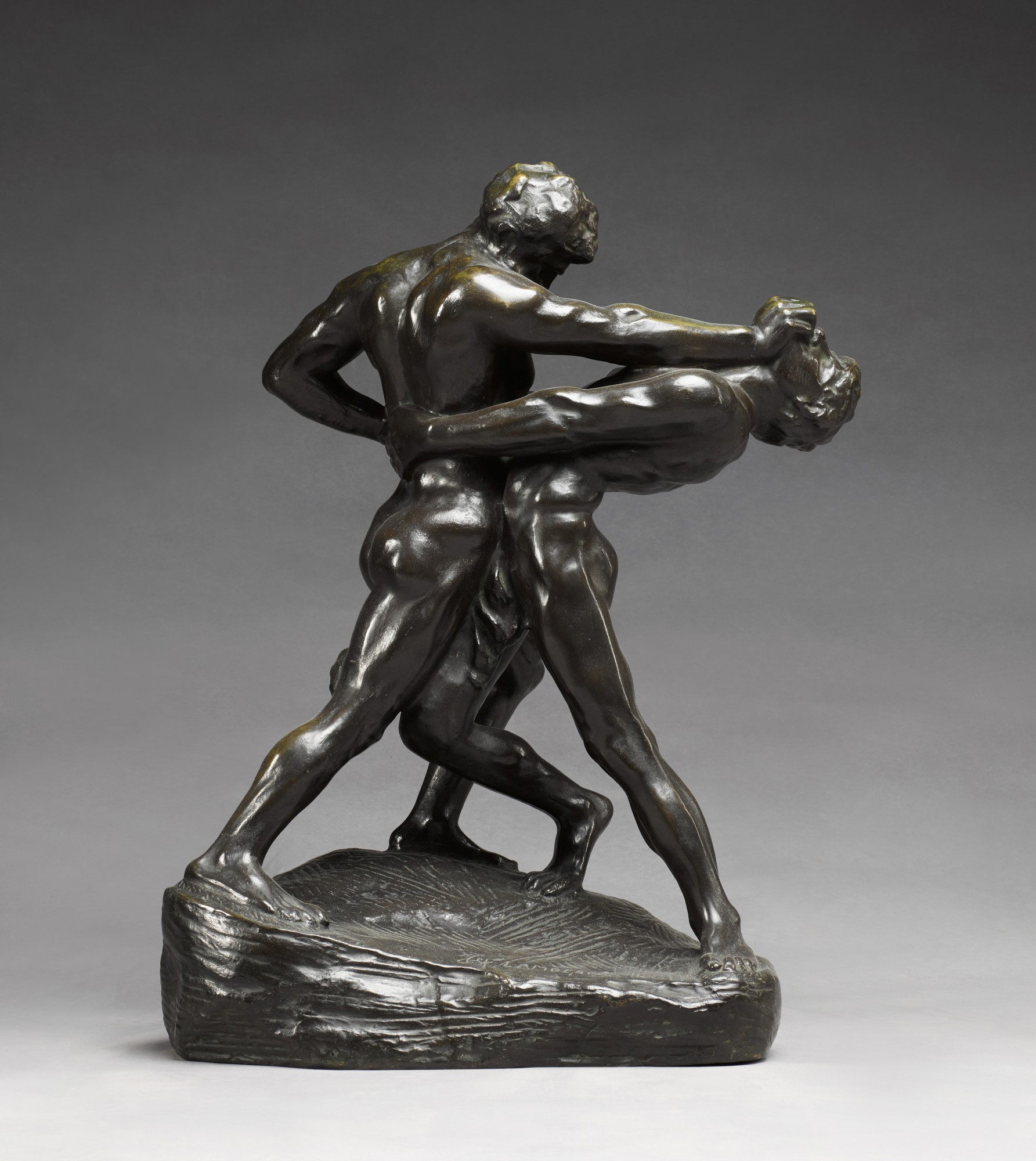
Drawings and prints by figures like Henri Fantin Latour or Honoré Daumier regularly appear at the major houses and offer accessible entry points into nineteenth century French draftsmanship. Bronze sculpture from the Baroque and Neoclassical traditions, including works attributed to practitioners like Vincenzo Foggini, can represent genuine value when provenance is solid and condition is carefully documented. Photography by W. Eugene Smith and Clarence H.
White, both working in traditions that foregrounded the male body with unusual seriousness for their respective moments, has performed consistently well and tends to hold value through market corrections in ways that works by younger artists do not always manage. Condition questions in this category deserve particular care. For works on paper, provenance documentation and exhibition history matter as much as physical state. Ask the gallery or auction house directly about any restoration, and request condition reports in writing before committing.
For bronze and stone sculpture, surface patina and casting quality are central to value rather than peripheral concerns. With photographic works, the distinction between vintage prints made close to the time of exposure and later authorized editions can mean significant differences in both market value and collecting significance. When buying editions, always establish clearly whether you are acquiring a vintage print, a later estate print, or a posthumous edition, and ask what the edition size is and how many have been sold. Displaying works from this category sometimes gives collectors pause they had not anticipated.
The male figure in art carries historical associations that shift depending on context, and part of the pleasure of living with strong work is negotiating those associations over time. Group a nineteenth century academic study alongside something made by Tom of Finland and you have created a conversation that neither work could conduct alone. The Collection represents a range of approaches to this subject wide enough to suggest exactly those kinds of pairings. The most rewarding collections in any category are the ones that create that internal dialogue, where works speak to and complicate one another across time and tradition.